Connect with us
DAPA Banner
DAPA Coin
DAPA
COIN PAYMENT ASSET
PRIVACY · BLOCKDAG · HOMOMORPHIC ENCRYPTION · RUST
ElGamal Encrypted MINE DAPA
🚫 GENESIS SOLD OUT
DAPAPAY COMING

Tech

HiFiMAN HE6 Remastered Launches With a Lighter Headband, But It Still Needs Serious Amplifier Power

Published

on

HiFiMAN is bringing back one of the true legends of the planar magnetic headphone world with the HE6 Remastered. The original HE6 earned its near-mythic reputation the old-fashioned way: by delivering exceptional speed, detail, dynamics, and an expansive open-back soundstage when paired with amplification capable of keeping up. It was a headphone prized for its sonic abilities, even if it also developed a reputation for treating underpowered headphone amps with a genuine level of contempt.

The new $1,899 HE6 Remastered retains the original HE6 driver design and open-back architecture, but replaces the older headband with a lighter composite design for greater long-session comfort. The trade-off, such as it is, remains unchanged: with 83.5dB sensitivity and a 50-ohm impedance, this is not a planar headphone for a feeble dongle DAC. Think again. The HE6 Remastered needs serious current and a genuinely capable headphone amplifier to reveal why the original became such an enduring favorite in the first place.

hifiman-he6-remastered-headphones-back

From trade shows to the sales floor and online forums, our customers continually cite the HE6 and its series successors as HIFIMAN favorites,” says Dr. Fang Bian, President and CEO, HIFIMAN Electronics. “The HE6 Remastered uses the original’s driver complement to maintain the sound signature that continues to set the bar for open-back planar models at its price point, but with greater comfort for hours of continuous listening.”

HE6 Legacy

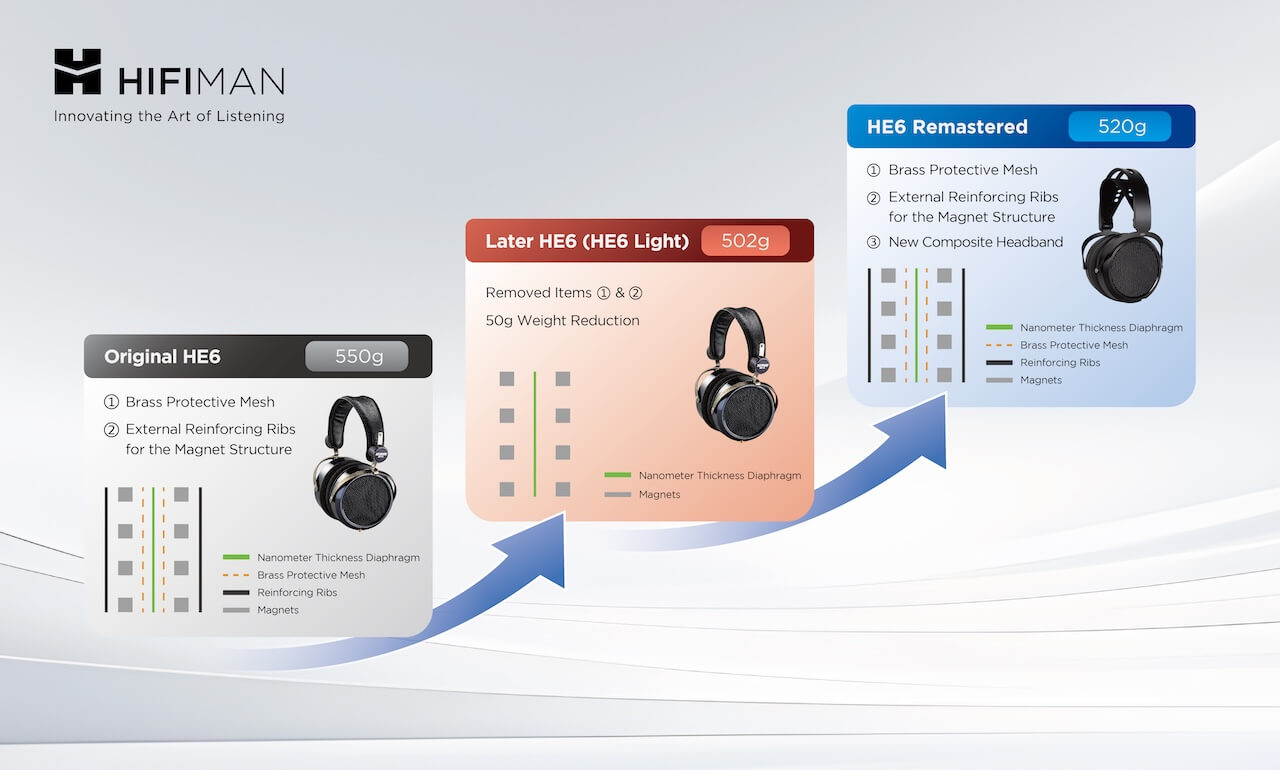
The original HE6 was introduced in 2010 and quickly became sought after by headphone enthusiasts, audiophiles, and music lovers, thanks to HIFIMAN’s approach to planar magnetic design, which incorporated a brass protective mesh and reinforcing ribs.

The HE6 was also the first headphone to feature an ultra-thin Nanometer Diaphragm, measuring less than one-millionth of a meter thick and extremely light. This gave the HE6 an extremely fast response, outstanding dynamic range and frequency characteristics, low distortion, high transient response, and comprehensive improvements in dynamics and detail.

Advertisement
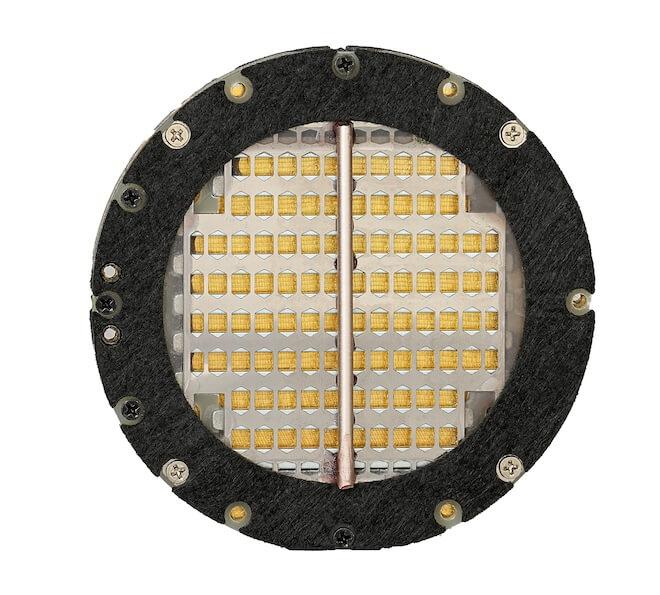
hifiman-he6-remastered-planar-magnetic-driver

The brass protective mesh was implemented to protect the diaphragm from damage, while the reinforced ribs further enhanced the stability of the magnets and overall reliability.

However, as a result of further R&D, HIFIMAN’s engineers determined that the Nanometer Thickness Diaphragm and powerful magnetic system were safe from environmental exposure and mishandling without the need for protective elements. Removing them reduced weight without affecting performance. As a result, HIFIMAN released a later model variant called the HE6 Later, named for the fact that it is a “later” version of the HE6.

hifiman-he6-remastered-headphones-history

What’s New with HE6 Remastered

Sixteen years after the original HE6 was released, many audiophile headphone fans continue to embrace its sonic output, making it an often-requested sample at enthusiast audio shows. In response to this ongoing interest and support, HIFIMAN now offers the HE6 Remastered, which features the same driver design as the original but adds a new composite headband that reduces overall weight from the original’s 550 grams to 522 grams. That is an improvement, certainly, but 522 grams is not exactly light by modern headphone standards.

The HE6 Remastered’s sensitivity is 83.5dB, identical to the original HE6. Frequency response is rated at 8Hz–65kHz, and impedance is measured at 50 ohms. Those specifications make it clear that this is not a headphone for a modest dongle DAC or lightweight portable source. To get the most from the HE6 Remastered, owners should be thinking about a capable desktop headphone amplifier from Schiit, HIFIMAN, Burson, Auris, or one of the many other manufacturers building serious amplification for demanding planar magnetic headphones.

hifiman-he6-remastered-headphones-profile

Additional Specifications

HIFIMAN Model HE6 Remastered / HE6
Product Type Wired Open-Back Headphones
Price HE6 Remastered – $1,899

HE6 Light (aka HE6 Late) – $1,200 $1,500 (no longer available)

Advertisement

HE6 Original – $1,299

Driver Type Planar Magnetic
Frequency Response 8Hz -65 KHz
Sensitivity 83.5dB
Impedance 50 Ohms
Weight HE6 Remastered: 522 grams

HE6 Original:550 grams

Adds Dr. Bian: “We are very fortunate to have so many of our headphones considered industry standards. The HE6 is a longtime favorite, and I’m thrilled to bring an updated version to our most dedicated consumers and thousands of newcomers.

Advertisement
hifiman-he6-remastered-headphones-side

The Bottom Line 

The HIFIMAN HE6 Remastered is not an attempt to reinvent one of the company’s most iconic planar magnetic headphones. It is a deliberate return to the original HE6 formula, with the brass protective mesh and external reinforcing ribs restored after their removal on the HE6 Later, alongside a lighter composite headband and replaceable earpads. The new headband design, also used on HIFIMAN’s newer HE600 and Edition XV, should improve long-term comfort, but let’s not pretend that 522 grams is “very light.” It is lighter than the original by almost 30 grams, but it is still a substantial headphone.

Advertisement. Scroll to continue reading.

At $1,899, the HE6 Remastered is targeted squarely at longtime HE6 fans and listeners who want a demanding, open-back planar magnetic headphone built around serious desktop listening. The 83.5dB sensitivity and 50-ohm impedance remain unchanged, which means this is not a product for a phone, laptop jack, or feeble dongle DAC. A proper amplifier from Schiit, HIFIMAN, Burson, Auris, or another manufacturer with real power on tap will be required to make the HE6 Remastered sing.

The competition is not standing still. Audeze’s $1,199 LCD-X is heavier at 612 grams, but far easier to drive; Dan Clark Audio’s 455-gram E3 costs $2,299.99 and adds closed-back isolation; and HIFIMAN’s own $1,399 HE1000 V2 is a considerably lighter 420 grams. The HE6 Remastered is not the obvious value play, nor is it the most convenient choice in this price range. Its appeal is more specific: it brings back the distinct sound and amplifier-hungry personality that made the original HE6 a cult favorite in the first place.

Advertisement
hifiman-he6-remastered-headphones-angle

Price & Availability 

The HE6 Remastered is priced at $1,899 and is available at HIFIMAN 

The Original HE6 is still available at HIFIMAN for $1,299

Source link

Continue Reading
Click to comment

You must be logged in to post a comment Login

Leave a Reply

Tech

Microsoft unveils $2.5B ‘Frontier Company’ to embed AI engineers inside customers

Published

on

Satya Nadella says the industry shouldn’t “cede value to a few models that eat everything they see.” (GeekWire File Photo / Kevin Lisota)

Microsoft is launching a new AI “company.” It won’t be a separate legal entity, and most of its 6,000 people already work at Microsoft. But the $2.5 billion behind it is real, and the stakes are big, given how many of its AI partners and rivals are racing to do basically the same thing. 

The tech giant on Thursday announced “The Microsoft Frontier Company,” which will embed engineers inside customers to build and run AI systems. It will be led by Rodrigo Kede Lima, a longtime Microsoft sales and enterprise leader, most recently president of Microsoft Asia.

This practice is known in the industry as forward-deployed engineering, in which a company sends its own technical employees to work inside a customer’s operations to design, build, deploy and operate AI systems on-site rather than selling a tool and walking away. 

The model was pioneered two decades ago by Palantir, but in recent months the approach has become the hot new thing in enterprise AI. Amazon committed $1 billion to its own forward-deployed engineering initiative just two days ago. (Some inside Microsoft suspect that its rival may have caught wind of what it was planning and moved to announce first.) 

Anthropic and OpenAI launched rival ventures in May to put engineers inside enterprise customers. Unlike Microsoft’s initiative, the OpenAI Deployment Company, as the ChatGPT maker’s venture is known, is an actual standalone entity — majority-owned by OpenAI but backed by more than $4 billion from a partnership led by the private-equity firm TPG. 

Advertisement

Similarly, Anthropic teamed with Goldman Sachs, Blackstone and Hellman & Friedman on a $1.5 billion venture — not yet named — to embed engineers inside mid-sized companies, starting with the investment firms’ own portfolio businesses.

Microsoft is attempting to one-up them all. 

“This goes beyond what has been labeled as Forward Deployed Engineering (FDE) and will be the largest, most capable, outcome-driven engineering organization in the industry,” wrote Judson Althoff, CEO of Microsoft’s commercial business, in a post announcing the new initiative Thursday morning.

Responding to questions from GeekWire, a Microsoft spokesperson called the new initiative “a purpose-built company with its own leadership and financial accountability” but stopped short of calling it a separate legal entity or standalone company.

Advertisement

The spokesperson said the organization “brings together more than 6,000 industry, engineering and AI professionals, drawn primarily from Microsoft’s existing engineering and forward-deployed teams,” noting that it will “grow through a combination of internal talent and external hiring across engineering, AI, and industry roles.”

Separately, some consulting roles are among those expected to be impacted by the round of layoffs anticipated next week.

Microsoft wouldn’t say whether the $2.5 billion is new spending or repurposed from existing budgets, or over what period it’s being spent. The company also hasn’t yet spelled out what the new organization means for the future of its existing consulting and services units.

Across the industry, this is happening now because the payoff from AI has proven harder to capture than many companies expected. Businesses across the economy have adopted tools like ChatGPT, Claude, Gemini and Copilot, only to find that impressive demos don’t automatically translate into results. The technology is powerful, but deploying it can be difficult inside a real company, with its own data, rules and entrenched ways of working.

Advertisement

So the AI providers have started sending their own engineers to work inside those companies, figuring out where the AI can actually help, then building it into their operations.

“Having the model alone doesn’t change your workflows or how you operate,” said Marc Nachmann, Goldman Sachs’ global head of asset and wealth management, in an interview with CNBC about the Anthropic partnership. “You need people who can combine the technology with what’s actually happening in the business and implement those changes.” 

The big AI providers have multiple reasons to do this. Each of them wants to get more businesses using its AI platform at higher volumes. All of them are looking to drive long-term demand for the AI capacity they’re collectively spending hundreds of billions of dollars to build.

Another big reason: AI models are becoming commodities, getting cheaper and more similar by the month. The big money for the likes of Microsoft is in selling the services needed to make AI pay off inside a company, which is a far bigger market than just selling the models themselves.

Advertisement

Microsoft is pitching privacy and trust as a selling point. Its promise is that a customer’s data and hard-won knowledge stay the customer’s alone. Microsoft says it won’t feed them into training its AI models in ways that would hand the same advantages to the customer’s rivals. 

It’s also promising choice: customers can run whichever AI model fits the job, from OpenAI, Anthropic, Microsoft, or open-source providers, not locked into using one.

Microsoft CEO Satya Nadella has argued that a company should be able to exchange one AI model for another without losing all the institutional knowledge it has built up. 

That’s his test, as he put it, for whether a business still controls its own future.

Advertisement

“The last thing any of us want is a world where every company across every sector is ceding value to a few models that eat everything they see,” Nadella wrote in a June 14 essay. “If all the value is accrued by only a few models, the political economy will simply not tolerate it. There is no societal permission for an AI future that hollows out entire industries.”

Whether that vision of swappable AI models becomes a reality remains to be seen. There’s actually a risk for customers that the opposite will happen in the forward deployed engineering approach. Even if they can theoretically swap in a competitor’s AI model, working with Microsoft’s engineers means their systems naturally end up running on Microsoft’s cloud platform and related technologies, making it very difficult to jump ship.

It’s also not clear how new all of this really is for the company. Microsoft already runs a large in-house delivery arm — Industry Solutions Delivery, the group that absorbed what used to be called Microsoft Consulting Services — with thousands of consultants and engineers building and deploying technology inside customer organizations. 

Microsoft also has programs like FastTrack to help customers roll out its software, and over the past year it has been rolling out “forward-deployed engineering” teams with partners, including a dedicated practice with Accenture and a $1 billion, five-year alliance with EY.

Advertisement

So ultimately the Microsoft Frontier Company is less a new company than a new push behind work the actual company was already doing, albeit bigger and better-branded than before.

Source link

Continue Reading

Tech

Common Problems With Stihl Weed Eaters That Owners Have Experienced

Published

on


It’s no secret that Stihl makes some of the best string trimmers that money can buy, and even its less expensive models are still really good. The brand is known for its reliable yard and outdoor power tools, and its products are generally used by professionals and homeowners alike. It’s not uncommon to see Stihl products rank near the top of many tool roundups, including lists of the best chainsaws. With that said, no product is perfect, and from time to time, you may find that your Stihl string trimmer is causing you some trouble. As with most things, some problems are more common than others and are things that owners wrestle with semi-regularly. 

Problems can arise for a variety of reasons. Gas-powered string trimmers have a maintenance regimen that has to be followed, or else the trimmer may develop some problems. Stihl’s battery-powered string trimmers are also not immune to the occasional hiccup. It should also be said that sometimes issues are caused by the owner, as there are some things that people do with their string trimmers that they shouldn’t be doing. Whatever the cause, problems arise, and they can be fixed. 

Advertisement

So, if you’re having some trouble, or you’re wondering what kind of trouble you might run into with a Stihl string trimmer, below is a list of common issues based on what Stihl says on its FAQ page, along with discussions on social media and forums, as well as their most common fixes. 

Advertisement

String trimmer doesn’t run at full speed

Per Stihl, this is something that can happen often enough that the brand includes this problem toward the top of its FAQ page. The problem is described as being able to start and idle the string trimmer normally, but the trimmer never ramps up to full throttle and therefore does not cut grass or weeds effectively. Conversely, another fairly common problem is that the string trimmer will only remain on and functioning if it’s at full throttle. 

There are several potential causes for this, and they are all in the fuel system. Stihl says that the first thing you should do is check your fuel mixture. The brand says that you should never store fuel mix for longer than 60 days, so if it’s your first string trim of the year, you’ll want to drain the old fuel and replace it with fresh fuel. All of Stihl’s gas-powered equipment uses a fuel-to-oil ratio of 50:1. Improperly mixing fuel and oil can also cause this problem. 

Barring that, the common solutions for almost any problem like this are to check the spark arrester screen in the muffler to see if it’s clogged (and clean it if it is), check or replace the fuel filter, and check or replace the air filter. You’ll also want to check the spark plug and remove any excess carbon, just in case. If the problem persists, Stihl recommends sending it in for service. 

Advertisement

Bumping the trimmer doesn’t produce extra string

For the uninitiated, bumping is the act of running your string trimmer at full throttle and “bumping” the bottom of it against something hard like a brick wall or a concrete sidewalk. The centrifugal force pulls fresh string out from the head of the string trimmer, allowing you to keep cutting. This is a popular design on many big-name string trimmers. A common issue on Stihl trimmers, and to be fair, on many trimmers, is that you don’t get more string when you bump the trimmer. 

This can be caused by all sorts of potential problems, but they all revolve around the same part, the head of the string trimmer. You may be out of string, in which case you’ll need to load more into your existing head, a process that Stihl outlines here. The head may also be damaged or jammed, which would require you to take it apart to check for jams or broken pieces. This is largely the same process as replacing the string, except this time you’re looking for broken parts or a clog that you can clear. 

Advertisement

The most expensive, but easiest, way to fix basically any bumping or string trimmer head issue is to simply buy another head. Stihl sells these for nearly all of its trimmers, and they come with string pre-loaded. You should at least try to re-string your own trimmer head first, though, because it is much cheaper. 

Advertisement

The string trimmer head is locked up

It may seem like this is the same issue as the one above, but it is a different problem. In this case, people sometimes complain of a head that is locked up. That means you hit the throttle and the head doesn’t spin. This effectively stops the string trimmer from being able to cut anything since the string remains stationary. People may refer to this problem as the head seizing or locking up, which can be caused by several different potential issues. Replacing the head or replacing the string doesn’t fix this one. 

The problem tends to come from a couple of different places. First, it’s possible that you used straight gasoline instead of a gas and oil mixture (which is necessary for most two-stroke yard tools), which can cause the engine to seize due to a lack of lubrication. The solution here is to take it apart, clean it, use the proper fuel mixture, and then try again. Another common problem is a malfunction of the clutch mechanism, which may cause the head to stop spinning if the clutch can’t engage. Again, this includes disassembling the trimmer, cleaning it, repairing any damage (if you can), and then seeing if that worked. 

There are some YouTube videos that show how to do this. However, if you’re not mechanically inclined, the best option is to send it to Stihl for service. 

Advertisement

A battery-powered string trimmer won’t run

For those who go with a battery-powered Stihl string trimmer, you are not immune to having common issues of your own. A fairly common complaint is that people will insert the battery into their string trimmer, and it’ll just flat not work. You’ll hit the button to start it, and it simply won’t do anything. This can also happen to gas-powered string trimmers, but the reason is usually an incorrect fuel mixture or a flooded engine, which we’ll get to shortly. 

Battery-powered Stihl string trimmers have a few different things that can cause them not to start. The first, and most obvious, is that the battery might be dead. Take it out of the machine and put it into a charger for a bit to see if that helps. Barring that, there are two other common problems. The first is that Stihl uses a unique two-click battery system. If you don’t fully seat the battery with both clicks, it will not run, so give it another push to see if you get that second click. The other is that debris may make its way between the battery and the contacts, so clean out the battery connector area to see if that helps as well. 

Advertisement

One less common problem is debris getting inside the machine and getting jammed in a switch that connects the battery power to the rest of the machine. You can disassemble the unit and clean it out to fix that one if it’s happening to you. 

Advertisement

The string trimmer is flooded

Anything with a gas engine can flood, including cars and other heavier machines. A flooded engine occurs when there is too much fuel in the combustion chambers of the motor. This makes the fuel-air mixture too saturated with gas, preventing combustion and causing your machine to simply not start. This can happen to any engine, but it most commonly occurs in engines that have a carburetor, which gas-powered Stihl string trimmers have. It can be caused by over-priming the engine before starting it, a carburetor malfunction, or even cold weather. 

The fix generally requires you to find the cause. In my experience, most flooded engines are caused by over-priming. To fix that, you can simply wait for a little while. The excess fuel will evaporate, and then you can try again. From there, leave your Stihl string trimmer’s throttle lock on (this gives the engine more air), and try again without engaging the choke or priming the engine again. You may have to pull the cord repeatedly, but most of the time, this will fix the problem. 

If it does not fix the problem, the problem is most likely the carburetor or the motor itself. In that case, your best bet is to fix it or, if you’re not mechanically inclined, send it back to Stihl for repair.

Advertisement


Source link

Advertisement
Continue Reading

Tech

This tiny MacBook accessory adds customizable shortcuts for meetings and productivity

Published

on

A new hardware accessory is looking to simplify one of the more frustrating aspects of using a MacBook: juggling different keyboard shortcuts across video calls, productivity apps, and development tools.

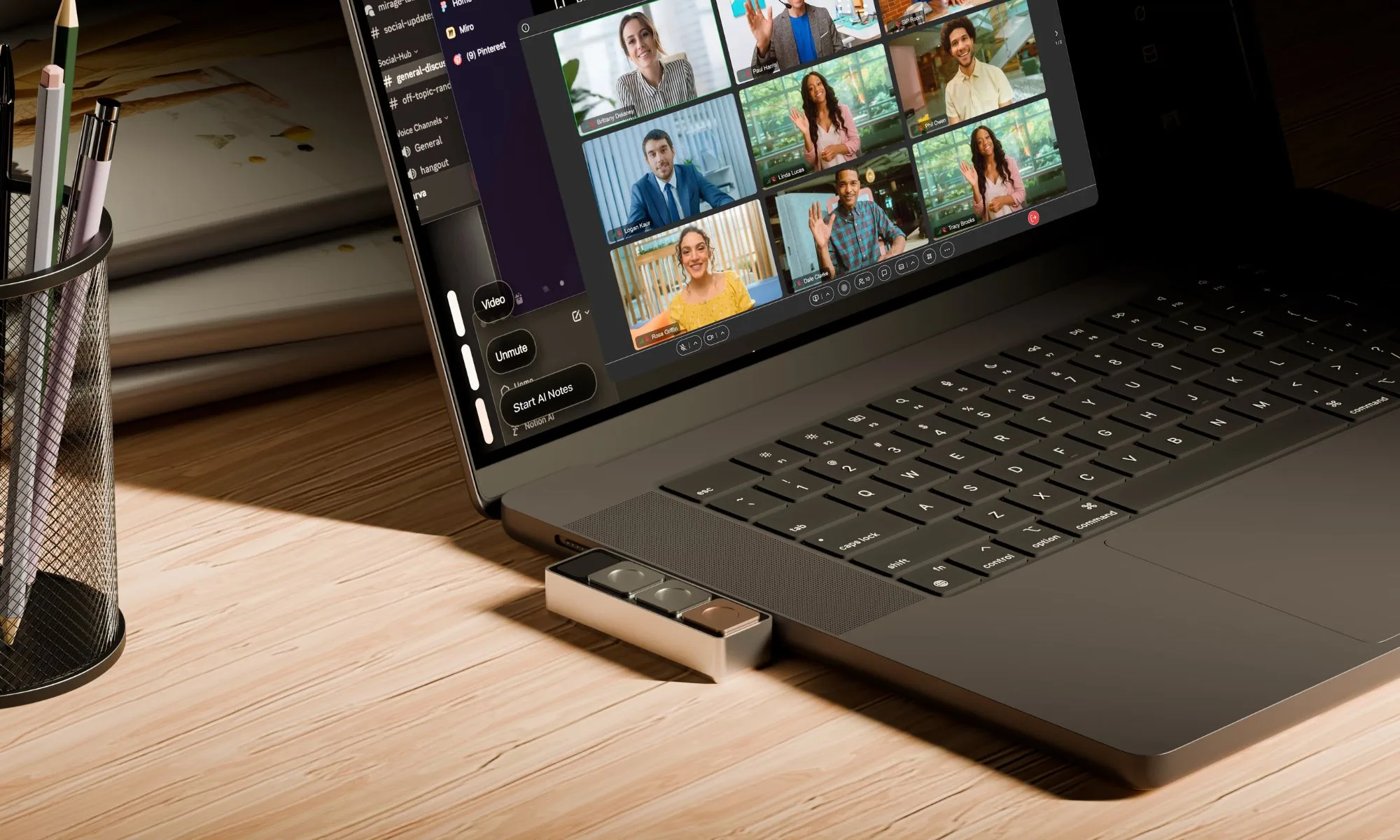
A startup Project Mirage has launched Dune, a compact USB-C accessory that adds three programmable buttons to compatible MacBooks. The device automatically changes its functions depending on the application currently in use, allowing users to perform common actions with a single press instead of memorising different keyboard shortcuts.

Dune combines context-aware controls with AI-powered customization

Unlike traditional macro keypads, Dune is designed specifically for MacBooks and is custom-built to match different laptop models, allowing it to sit flush against the side of the device. The accessory plugs directly into a USB-C port and draws power from the laptop, eliminating the need for batteries or charging.

Its three programmable buttons adapt based on the app being used. During video calls, they can be configured to mute the microphone, toggle the webcam, or bring the meeting window into focus. In spreadsheet applications, they can become copy, paste, and undo buttons, while developers can assign actions for tools such as Visual Studio Code or GitHub.

Advertisement

The device is currently compatible with MacBook Air models powered by the M2 chip or newer and MacBook Pro models featuring M1 Pro processors or later, running macOS Sequoia 15 or newer.

Project Mirage also ships Dune with a companion app that lets users create application-specific shortcuts or system-wide actions. Beyond simple keyboard commands, users can configure buttons to launch apps, open websites, or execute custom scripts.

One of the more distinctive features is its integration with Claude Desktop. Instead of manually writing automation scripts, users can describe the shortcut they want in natural language, allowing Claude to generate the required Python code and assign it to a button. According to TechCrunch, this makes creating custom workflows considerably more approachable, even for users without programming experience.

The companion app also integrates with calendars, surfacing upcoming meetings and allowing users to quickly join a call, dismiss reminders, or send a “running late” message with a single press.

Pricing and availability

Dune is currently available at an introductory price of US$119, after which it will retail for US$149.

Advertisement

As AI-assisted productivity tools continue to expand beyond software, devices like Dune suggest hardware makers are exploring new ways to make everyday computer interactions faster and more intuitive. Whether the concept catches on will likely depend on how valuable users find its growing library of customizable shortcuts and automations.

Source link

Continue Reading

Tech

Why Mentorship Is the Most Underrated Leadership Skill

Published

on

I started my professional journey as an engineer before moving into product strategy and innovation leadership roles for several global technology organizations. Over the years, I have served as a mentor for a variety of programs including Products That Count’s strategic product management, Women in Product mentorship initiatives, and Alchemist accelerator programs.

In 2024 and 2025 I led Walmart’s Women in Product mentorship program. I was responsible for designing and implementing the programs, including managing participant registration, matching mentors with mentees, and establishing clear standards for how they would interact.

Yet for much of my own early career, I never really had a mentor.

As an individual contributor engineer, I was focused on solving problems, delivering results, and figuring things out independently. I was hesitant to ask for help for fear of being judged for what I didn’t know.

Advertisement

Part of that was also temperament. I am naturally introverted.

That mindset rewarded me well. It made me self-reliant, resilient, and deeply driven. But it also had limits. Looking back, I now realize that believing I had to navigate everything alone was not always a strength. I sometimes wonder how many opportunities I missed simply because I never asked for help.

As I moved into product management and later strategy roles, I began collaborating with larger teams, departments, and organizations. The work itself became more cross-functional and people-centered. Over time, I started recognizing the value of mentorship, sponsorship, and collaborative growth in ways I had not appreciated earlier in my career.

I received valuable advice from different people at important moments throughout my career. Some helped me navigate conflict with more clarity. Others helped me communicate my contributions more effectively. And others gave me perspective on how to approach uncertainty, deal with organizational complexity, and avoid burnout.

Advertisement

But those moments were not the same as mentorship. They were valuable but infrequent interactions, not sustained relationships. No one consistently guided me through difficult decisions, advocated for me with decision-makers and senior leadership, or actively invested in my long-term growth.

My understanding of mentorship changed not as a mentee but as a mentor.

A leadership multiplier

Mentorship is often seen as an act of goodwill: admirable but optional. In reality, effective mentorship can be a competitive advantage for everyone involved.

For mentees, it can accelerate career growth, strengthen decision-making, and create access to opportunities that hard work alone does not always unlock.

Advertisement

Mentorship strengthens an individual’s leadership skills, empathy, and the ability to develop future talent.

For organizations, mentorship builds stronger leadership pipelines, more resilient teams, and healthier cultures of growth and trust.

By getting involved, I began to understand that meaningful mentorship is not simply occasional advice or career guidance. At its best, it is an active investment in another person’s growth. It includes advocacy, sponsorship, honest feedback, visibility, and sometimes helping people access opportunities they may not have reached on their own.

That is why mentorship should not be treated as kindness or incidental support. It is one of the most practical, hands-on, and personal forms of leadership.

Advertisement

Advocacy changes careers

Advice can help someone improve, but advocacy and sponsorship can change the direction of a career.

In many organizations, career growth depends not only on talent but also on access to honest feedback, influential networks, and sponsors willing to speak about someone’s potential when opportunities are discussed. Access also includes introductions to people who can recognize the value and impact of a person’s work.

Sometimes the difference between advice and true sponsorship is illustrated more clearly through stories rather than through leadership frameworks. In The Devil Wears Prada and its sequel Nigel’s relationship with Andy evolves far beyond workplace advice. In the 2006 movie, he helps her grow professionally, pushes her to envision a more expansive future, and guides her through an unfamiliar industry.

In the sequel—set two decades later—his investment in her success continues even though their careers diverge. When Andy (played by Anne Hathaway) is laid off during a difficult job market and struggles to find meaningful opportunities, Nigel (Stanley Tucci) quietly recommends her for a role at his firm. She is arguably overqualified for the position, but Nigel recognizes that it is the right opportunity at the right time. His recommendation helps her transition from a career in the news back into working in fashion. She can regain stability and ultimately rebuild career momentum. Over time, the opportunity becomes a turning point, reshaping her professional trajectory.

Advertisement

What makes it meaningful is not just the recommendation itself. It is that Nigel continued paying attention to her career growth over the years, believed in her potential, and supported her when she needed it.

That is what meaningful mentorship and sponsorship often look like in practice: not surface-level guidance but genuine investment in someone’s long-term growth and success.

When mentors provide that kind of support intentionally, mentorship becomes more than guidance. It becomes a competitive advantage—not only for the mentee but also for the mentor and the organization.

Why inclusive mentorship matters

Mentorship matters because talent alone does not shape a career. Access is important. In many workplaces, advancement depends not only on capability but on guidance, sponsorship, visibility, and informal knowledge about upcoming job opportunities.

Advertisement

Not everyone has equal access to such advantages. Research from McKinsey and Lean In suggests that women often receive less mentorship, sponsorship, and career support than men do, even in organizations that publicly emphasize inclusion and leadership development.

When mentorship is left entirely to informal networks, opportunity often becomes uneven. And when it’s left to chance, opportunity also is uneven.

That’s why inclusive mentorship matters. It creates a more intentional way to support people who might otherwise be overlooked.

What great mentors require

“A mentor is someone who allows you to see the hope inside yourself,” Oprah Winfrey once said.

Advertisement

Great mentorship is not about having all the answers. It’s about showing up with intention. It means listening closely, being candid, and helping someone grow with more confidence and clarity.

The best mentors respect their mentees’ time. They come prepared and listen for what is needed rather than rushing to give advice. They are open about their successes and failures because honesty builds trust faster than polished stories do. Great mentors tailor their guidance to the individual and encourage growth while also creating accountability.

Above all, good mentors create a psychologically safe space. They make it easier for mentees to ask difficult questions, test or pitch ideas, and talk openly about issues without fear of being judged. Growth usually starts at that point.

Organizations have a role to play as well. If mentorship matters, the program should be visible and supported.

Advertisement

That can mean including it in stated expectations of leaders, creating ways to connect mentors and mentees, providing mentorship training, and recognizing outcomes that go beyond performance metrics.

It also can mean broadening the understanding of mentorship. Peer mentorship, cross-functional mentorship, and even cross-industry mentorship can play important roles.

The leadership gap many organizations ignore

Promoting mentorship should not involve forcing artificial relationships or turning an employee’s growth into a line on someone’s to-do list. Organizations ought to promote the idea that leaders should invest in others, helping to build stronger teams, more capable leaders, and more organizational resiliency.

At a minimum, organizations should ask mentors whether they helped their mentee grow in their career and whether the mentee became more confident, capable, or prepared as a result of the relationship. Did they help junior employees navigate the organization more effectively? What opportunities did they create or find to give the mentees more visibility? Did they help mentees develop communication, leadership, or decision-making skills?

Advertisement

Those questions might be hard to quantify, but they get close to the substance of leadership.

Legacy is built through people

People might remember the strategies a leader shaped, the products the leader created, or the financial targets that were hit. Such accomplishments matter, of course. But another part of leadership lasts longer. It lives in the coworkers whose careers were advanced because someone took the time to invest in them.

From Your Site Articles

Related Articles Around the Web

Advertisement

Source link

Continue Reading

Tech

From a Pile of Dead 3D Printers, One Maker Built a Robot That Captures Detail No Single Shot Can Reach

Published

on

Dead 3D Printer Robot Focus Stacking
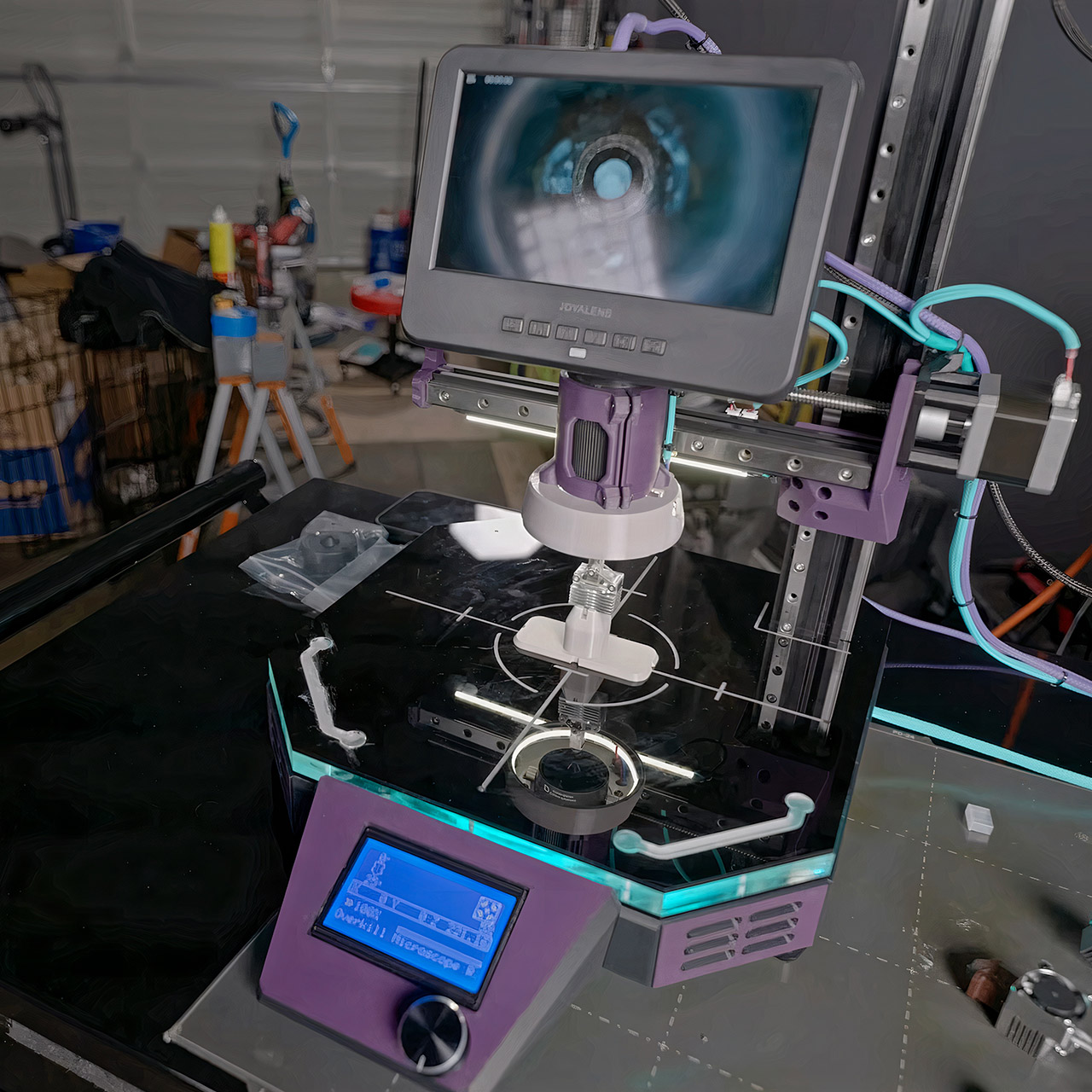
Alan of the MandicReally channel needed consistent, high-resolution close-ups of 3D printer nozzles and hot ends. Every tiny surface mark and wear pattern mattered for his Mandic Labs work, yet standard microscope shots left large portions blurred. Focus stacking solves that by shooting the same subject many times at different focus depths and merging the sharp areas later. Doing the job by hand quickly becomes impractical. The microscope’s own focus ring lacks the precision and repeatability required, and even small shifts in framing or angle ruin the stack.


He overcame the challenge by creating a unique motion platform based on a secondhand desktop microscope. The machine moves the entire microscope up and down in tiny increments while the subject stays anchored to a robust platform, and for horizontal adjustment, all he has to do is touch a small knob to center any tiny bit without disturbing the microscope itself. The end result is a succession of photographs that software can combine into a single outstanding sharp snapshot, even if each individual shot would be unsteady on its own.

Sale


Bambu Lab A1 3D Printer, Support Multi-Color 3D Printing, High Speed & Precision, Full-Auto Calibration…
  • High-Speed Precision: Experience unparalleled speed and precision with the Bambu Lab A1 3D Printer. With an impressive acceleration of 10,000 mm/s…
  • Multi-Color Printing with AMS lite: Unlock your creativity with vibrant and multi-colored 3D prints. The Bambu Lab A1 3D printers make multi-color…
  • Full-Auto Calibration: Say goodbye to manual calibration hassles. The A1 3D printer takes care of all the calibration processes automatically…

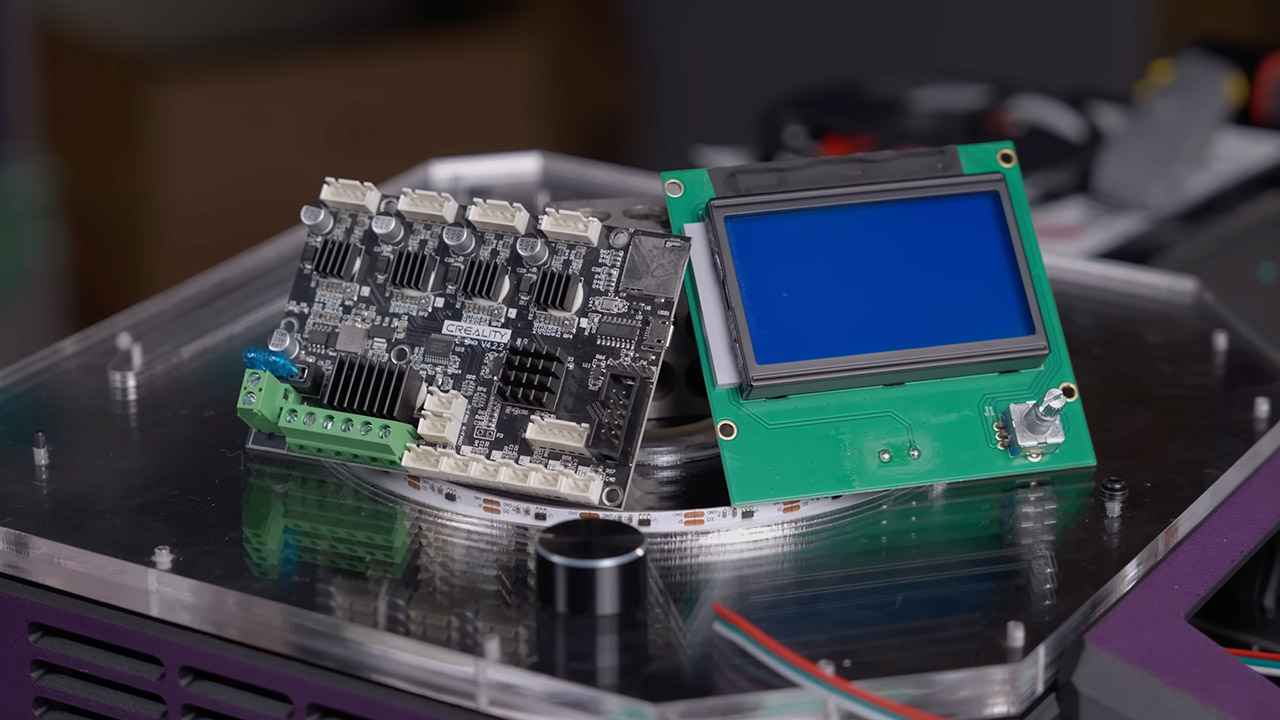
The majority of the components for the robot were items he already had on hand. An outdated, discontinued Creality Ender 3 donated its main brain and screen. He got lucky and picked up a few sets of linear rails from a previous machine he’d built, allowing the contraption to move smoothly. Some stepper motors and lead screws were just taking up space in his storage bins, and he’d printed the moving parts with stiff carbon-fiber filled filament to avoid flexing and blurring the photos. The foundation is made of a leftover laser-cut acrylic sheet recovered from neighbor’s trash, and some aluminum extrusion creates a strong frame that sits on rubber feet to prevent vibrations.

Advertisement

Dead 3D Printer Robot Focus Stacking
It’s a two-axis system, with the vertical bit using a TR8x4 leadscrew and a NEMA 17 motor to lift and lower the microscope in tiny chunks, as small as 0.02mm if you can believe it. That’s ideal for the extremely small depth of field achieved at high magnification. The X axis just pushes the object sideways for a moment, allowing him to properly center it. Both axes run Marlin firmware, which he placed into the old Ender 3 brain, and there’s a vintage RepRap screen with an encoder wheel, so all he needs to do is set the total trip distance and step size, then click start.

Dead 3D Printer Robot Focus Stacking
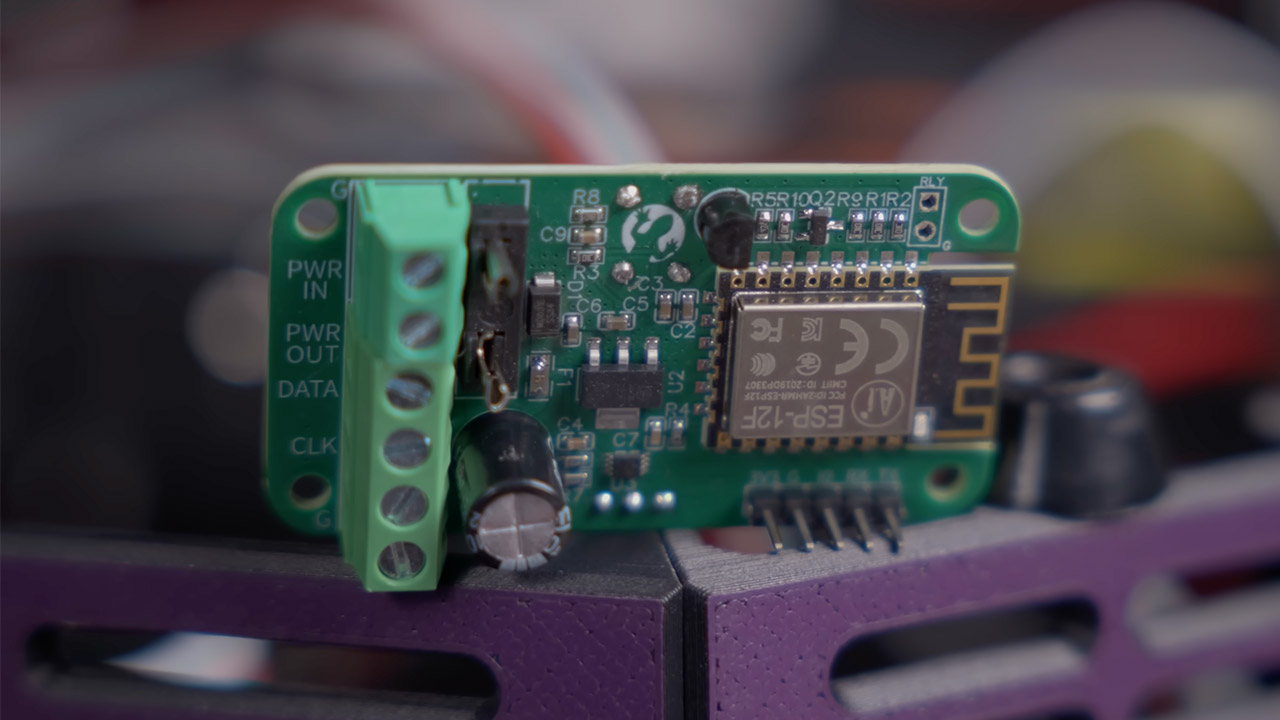
To ensure even illumination, the lighting is coordinated utilizing a pair of white LED strips. An extra ESP32 board running WLED firmware powers several addressable RGB LEDs, which not only offer a clean visual accent to the system but also provide useful backlighting via the acrylic base. A simple 24-volt supply powers the device, which is housed in a small, neat container. Once the firmware is in order, getting the thing to work is simple. So all he has to do is set the step distance and total range on the screen, place the microscope over the subject, and push go. Each time it stops, it takes another picture, and after a while, the stacking software can combine them all into a nice photo with sharp and clear details.
[Source]

Source link

Continue Reading

Tech

Router Brands Could Be Misleading You With That Wi-Fi 7 Label

Published

on

Wi-Fi standards remain as confusing as ever.

If you’ve thought at all about your home internet setup lately, you’ve surely come across Wi-Fi 7 in  your research. The label is slapped on routers of all kinds, from cheap $80 options to ones that cost as much as a laptop. Brands promise faster speeds, lower latency and a network built for the future — but the reality doesn’t always match the description. Most Wi-Fi 7-branded routers are actually missing one of the key features that defines the standard, while trademark loopholes allow some brands to bypass certification requirements entirely. Plus, there’s a federal bottleneck that has prevented newer Wi-Fi 7 routers from entering the US market. To make things even more confusing, most of your devices can’t even handle Wi-Fi 7.

None of this means that a router with the Wi-Fi 7 badge is necessarily a bad product. However, it does mean that we all need to better understand exactly what we’re paying for and that things are more complicated than what product marketing pushes our way.

Advertisement

What does Wi-Fi 7 actually mean?

Wi-Fi 7 is the name the world uses for the IEEE 802.11be wireless networking standard (something most of us will never, ever, have to remember). The standard brings several upgrades over Wi-Fi 6 and Wi-Fi 6E. First of all, it introduces 320 MHz channel widths (double than the 160 MHz available in Wi-Fi 6E), something that allows it to handle multi-gigabit internet plans, deliver ultra-fast local file transfers, and prevent congestion in smart homes. Then, it introduces 4K-QAM (Quadrature Amplitude Modulation), which encodes 12 bits of data per symbol instead of 10 to improve peak data rates. Finally, and perhaps most significantly, it adds Multi-Link Operation, or MLO as we’ll refer to it from here on out.

MLO is the thing that separates Wi-Fi 7 from all standards that came before it. There are two MLO modes. One’s STR (Simultaneous Transmit and Receive) that aggregates bandwidth across multiple bands simultaneously, and NSTR (Non-Simultaneous Transmit and receive) which alternates between bands so only one radio is active at a time. Instead of treating the 2.4 GHz, 5 GHz, and 6 GHz frequency bands as separate and mutually exclusive connections, MLO allows the router to use them all simultaneously. Therefore, traffic is distributed based on load, available spectrum, interference, and so on. That should translate into significantly lower latency for gaming, for instance. MLO is a requirement for brands to get the “Wi-Fi Certified 7” stamp from the Wi-Fi Alliance, even if it’s only the NSTR mode.

Advertisement

The WiFi 7 hyphen loophole and how that affects you

Keep your eyes peeled when shopping for routers, though: the difference between “Wi-Fi 7” and “WiFi 7” isn’t just a stylistic choice. The Wi-Fi Alliance owns the trademark for “Wi-Fi” with a hyphen. When a manufacturer drops that hyphen and labels a product “WiFi 7,” it’s technically not using the trademarked term and no longer bound by the certification requirements. Without naming names, there are plenty of products out there with the “WiFi 7” label that omit MLO entirely.

Therefore, a router marked as such can be sold without one of Wi-Fi 7’s most crucial features. And that’s how shoppers pay a premium for devices that aren’t really upgrades.

Does the Wi-Fi Certified 7 label guarantee MLO performance?

As per the Wi-Fi Alliance, MLO “allows devices to transmit and receive data simultaneously over multiple links for increased throughput, reduced latency, and improved reliability.” The catch, however, is that true simultaneous MLO isn’t really available in most routers, as RTINGS found after testing 25 of them in February 2026. True simultaneous MLO requires multiple physically independent radios syncing perfectly and transmitting and receiving on separate bands at the same time. What most of these routers do is alternate the bands they use, which can lead to fluctuating internet speeds. Their conclusion is that Wi-Fi 7 routers aren’t worth the price difference over older generation routers. At least not right now, when manufacturers make bold claims about what the products are capable of without actually delivering on them properly.

Does this all matter? In principle, of course it does. A Wi-Fi 7 router is an investment, not just from a financial standpoint. Ideally, you’ll get something that you can use for many years to come.

Advertisement

You do have to remember, however, that Wi-Fi 7 is a hardware standard, not a software configuration. To benefit from all those fancy specs like 320 MHz channels, 4K-QAM, or any form of MLO, you need more than the router. Your home internet plan plays an important role here. Wi-Fi 7 is capable of delivering local speeds between 2 Gbps and 3.5 Gbps. If you pay your ISP for a standard 500 Mbps internet plan, your Wi-Fi 7 router will not magically deliver internet faster than that. Another thing you have to consider at this time is that not a lot of hardware comes with a Wi-Fi 7 chip. Only the newest generation of smartphones, tablets, and laptops comes with such capabilities, and the pace of adoption has been rather slow. For example, Apple’s first Wi-Fi 7 laptops arrived earlier this year with the new M5 chip. The previous M4 MacBook Pro and MacBook Air (released in 2024 and 2025) shipped with Wi-Fi 6E chips.

How the FCC disrupted the Wi-Fi 7 market

On March 23, 2026, the Federal Communications Commission (FCC) blocked the certification of new wireless hardware built, designed, or assembled outside the United States. That basically blocked pretty much all new routers from being sold within the US. Slowly, the FCC started adding exemptions for router brands like Netgear and Eero that promised to onshore their manufacturing to the US. Other router brands, such as TP-Link, ASUS, and Linksys, are stuck in limbo, as they’re only legally allowed to sell whatever Wi-Fi 7 models were certified before the ban.

The timing isn’t ideal for the Wi-Fi 7 category, as new generations of routers with more capable designs are being released but aren’t widely available in the US. For consumers, the consequence is a frozen landscape where hardware improvements that could finally address some of the current Wi-Fi shortcomings are blocked.

Advertisement

What to actually care about when getting a new router

When buying a new router, you have to take into account multiple factors. One of those is your internet plan, another is the devices in your household. There are quite a few generations of routers you can grab right now. Wi-Fi 5 remains functional for basic browsing and streaming, but it’s not very efficient if you have gigabit internet and use more than a handful of devices. Wi-Fi 6 is a good pick for anyone on sub-gigabit internet, and it does a better job at handling multiple simultaneous connections.

Wi-Fi 6E adds the 6 GHz band which gives you an express lane that completely bypasses 2.4 GHz and 5 GHz bands that often get jammed up. Wi-Fi 6E routers provide great performance and are available for lower prices than Wi-Fi 7 models, while providing the performance most households need.

Wi-Fi 7 routers become worth the investment if you have multi-gigabit fiber plans, multiple Wi-Fi 7 devices, and actually require heavy local network transfers.

Advertisement

Currently, the Wi-Fi 7 router market faces multiple problems. There’s a certification standard that permits the cheapest possible MLO implementation to satisfy its requirements, a trademark structure that is fully exploited by some brands to bypass even that baseline, and a federal supply chain restriction that has blocked router brands from closing the gap between marketing claims and actual performance.

At the end of the day, if your speed test matches your internet plan, your router is doing its job. You shouldn’t pay a premium price for a dream that your devices don’t support, the certification process doesn’t enforce, and the FCC ban has stalled. 

Advertisement

Source link

Continue Reading

Tech

Hobbit-like Humans May Have Scavenged Komodo Dragons’ Leftovers to Survive

Published

on

CNN reports:


Prehistoric human relatives, nicknamed “hobbits” due to their short stature, may have been scavengers, rather than skilled hunters capable of taking down big game or building cooking fires, according to new research. The study adds to growing evidence that Homo floresiensis, which had a brain only slightly bigger than that of a chimpanzee, wasn’t as advanced as scientists previously believed….

The researchers believe that much like how Komodo dragons hunt water buffaloes today, they were using their venomous bite to take down Stegodons — and after the scene was clear, Homo floresiensis swept in to cleave meat from what remained… The new study reinforces a long-held suspicion that Homo floresiensis is not a dwarfed form of Homo erectus but a descendant of a more primitive Homo habilis-like or Australopithecus-like form that arrived on the island more than1 million years ago, said Dr. Chris Stringer, a research leader specializing in human origins and paleoanthropology at London’s Natural History Museum.

Advertisement

Source link

Continue Reading

Tech

There’s a Global Network of Fungi Under Your Feet. This Is the First Complete Map

Published

on

Beneath the Earth’s surface lies an extraordinary underground fungal network of almost unimaginable scale. An international team of researchers has, for the first time, produced a global map of this vast mycorrhizal network—the system of fungal filaments that forms mutually beneficial partnerships with plants across the planet. They estimate that the network stretches for roughly 110 quadrillion kilometers in total, nearly 1 billion times the distance between the Earth and the sun. The findings were published in Science.

Beneath Your Feet

Arbuscular mycorrhizal fungi (AM fungi) form underground networks that support plant life and help regulate the Earth’s climate. Through microscopic filaments known as hyphae, these fungi establish symbiotic relationships with plant roots, supplying water and nutrients in exchange for carbon produced through photosynthesis. The scale of this phenomenon is enormous: Current estimates suggest that about 70 percent of all plant species depend on these mycorrhizal partnerships for their survival.

Mapping the Global Network

Although a study published in Nature last year examined global patterns in the diversity of underground mycorrhizal fungal communities, no previous research had quantified the density and worldwide distribution of this subterranean network.

To create the first global map of this hidden system, the authors of the new study compiled data from 322 previous studies, along with 16,000 soil samples collected from a wide range of terrestrial ecosystems. Using machine learning techniques and advanced imaging technologies, the team estimated both the network’s total extent and its biomass.

Advertisement

“With the advent of new technologies in high-resolution imaging, machine learning, and robotics, we are beginning to reveal what has long remained hidden beneath our feet,” said coauthor Corentin Bisot. “We are discovering how the complex network-forming structures of fungi transport nutrients and help regulate the climate.”

An Immense Underground Network

The researchers estimate that the underground fungal network has a total length of approximately 110 quadrillion kilometers. They also calculate that it contains about 300 megatons of carbon in biomass—equivalent to roughly four to six times the total mass of all living humans.

According to the study, these fungal networks transport the equivalent of around 4 billion metric tons of carbon dioxide into the soil each year, representing approximately 11 percent of annual human-caused carbon dioxide emissions.

“It is difficult to overstate the importance and sheer scale of these fungi,” said lead author Justin Stewart of the Society for the Protection of Underground Networks. “A single teaspoon of soil can contain up to 10 meters of mycorrhizal network.”

Advertisement

A Planetary Circulatory System

The researchers also issued a warning. According to the study, the density of underground fungal networks in agricultural soils is only about half that found in natural ecosystems. Yet grasslands—which contain an estimated 40 percent of the world’s arbuscular mycorrhizal biomass—are among the least protected ecosystems and are being converted to agricultural land at a rate four times faster than forests.

The scientists warn that less dense fungal networks could reduce the soil’s capacity to store carbon and recycle nutrients.

“Mycorrhizal fungi have shaped life on Earth for hundreds of millions of years, yet we still know remarkably little about how the infrastructure of these living transport systems is distributed across the planet,” said coauthor Merlin Sheldrake. “This study marks an exciting step toward understanding how this planetary circulatory system functions, and it points to ways we can work more effectively with fungi to address many of the defining challenges of our time, from food security to climate change.”

Advertisement

This story originally appeared on WIRED Italia and has been translated from Italian.

Source link

Continue Reading

Tech

Sony’s PlayStation PUGA Prototype Crammed a PS1 Inside a DualShock Controller and They Almost Brought It to Market

Published

on

PlayStation PUGA DualShock Controller Prototype PS1 Hardware
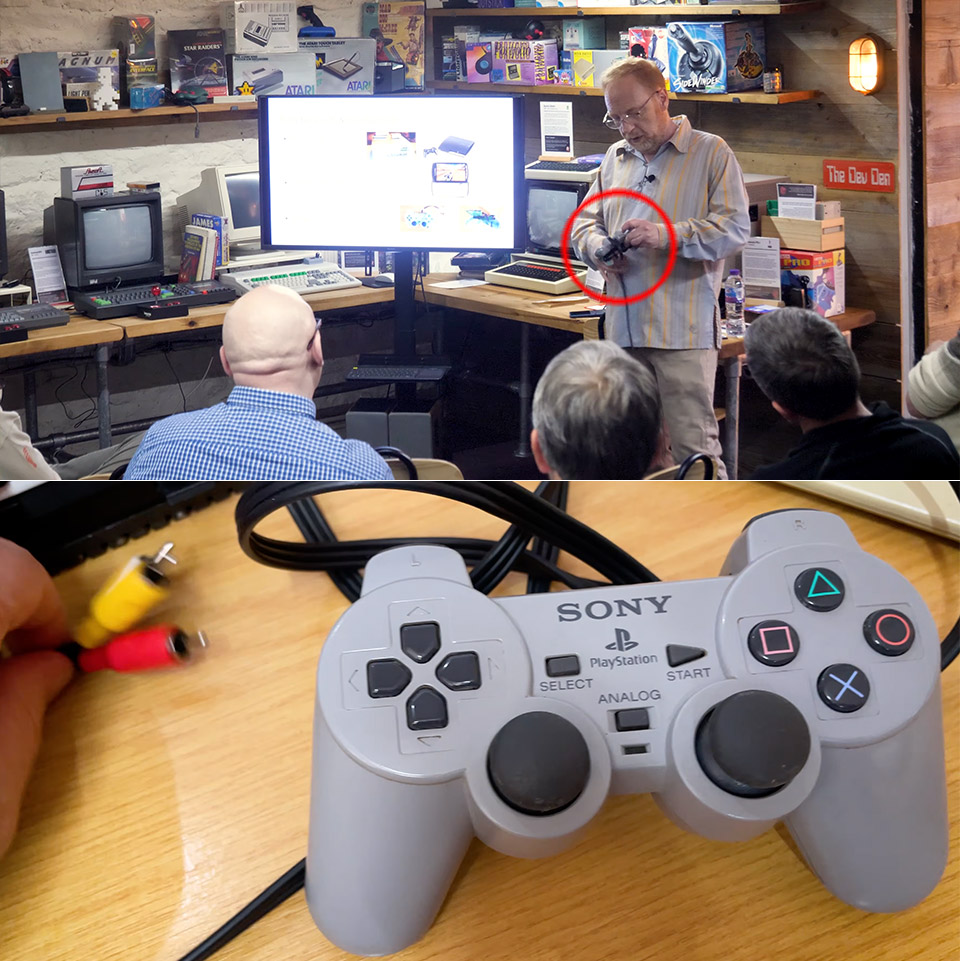
Brian Watson has worked in games for more than four decades. He started at DMA Design on classics like Lemmings and later spent time at Sony on projects that included emulation work. During a talk at The Retro Collective museum in the United Kingdom, he brought along a prototype controller most people had never heard of and showed it to the room.


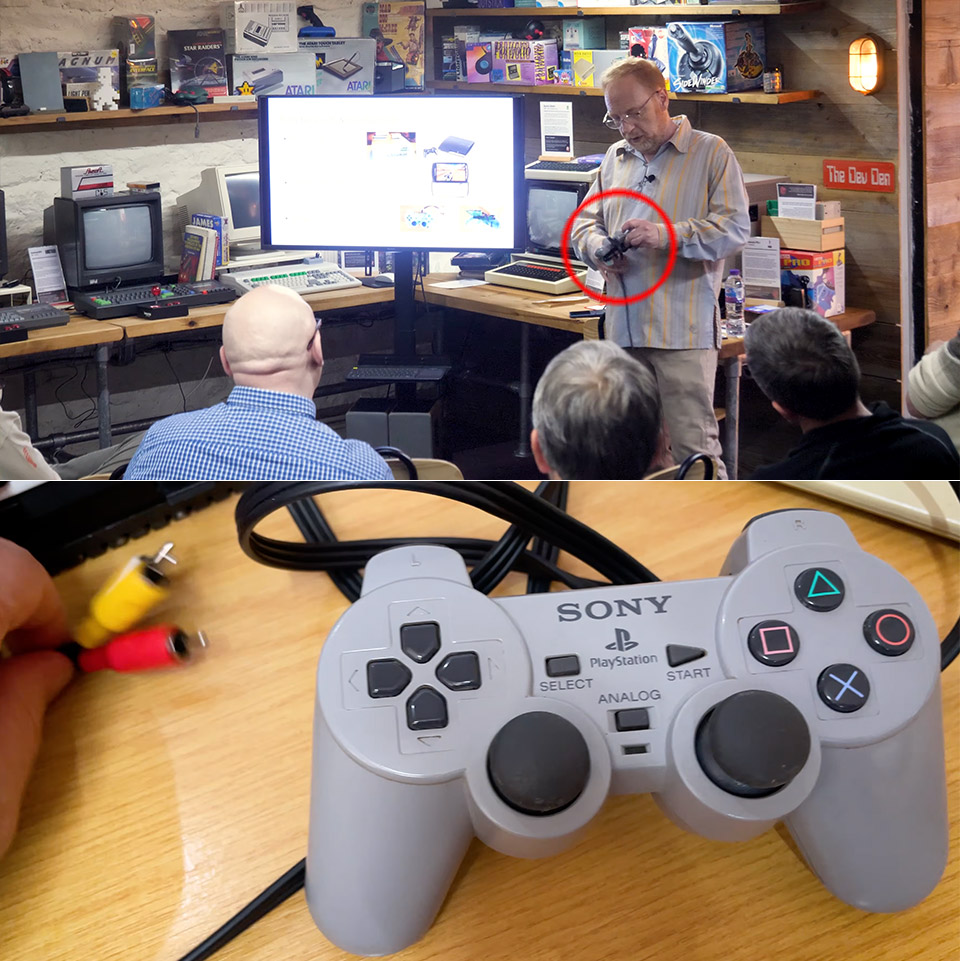
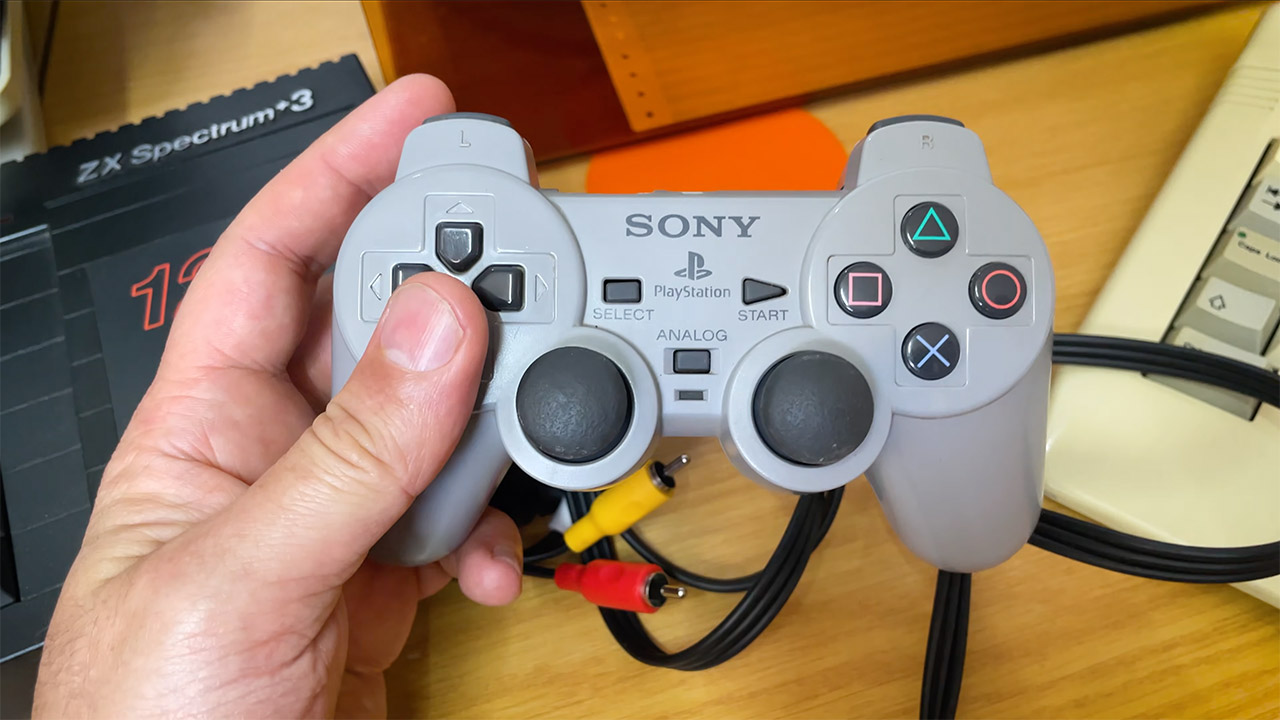
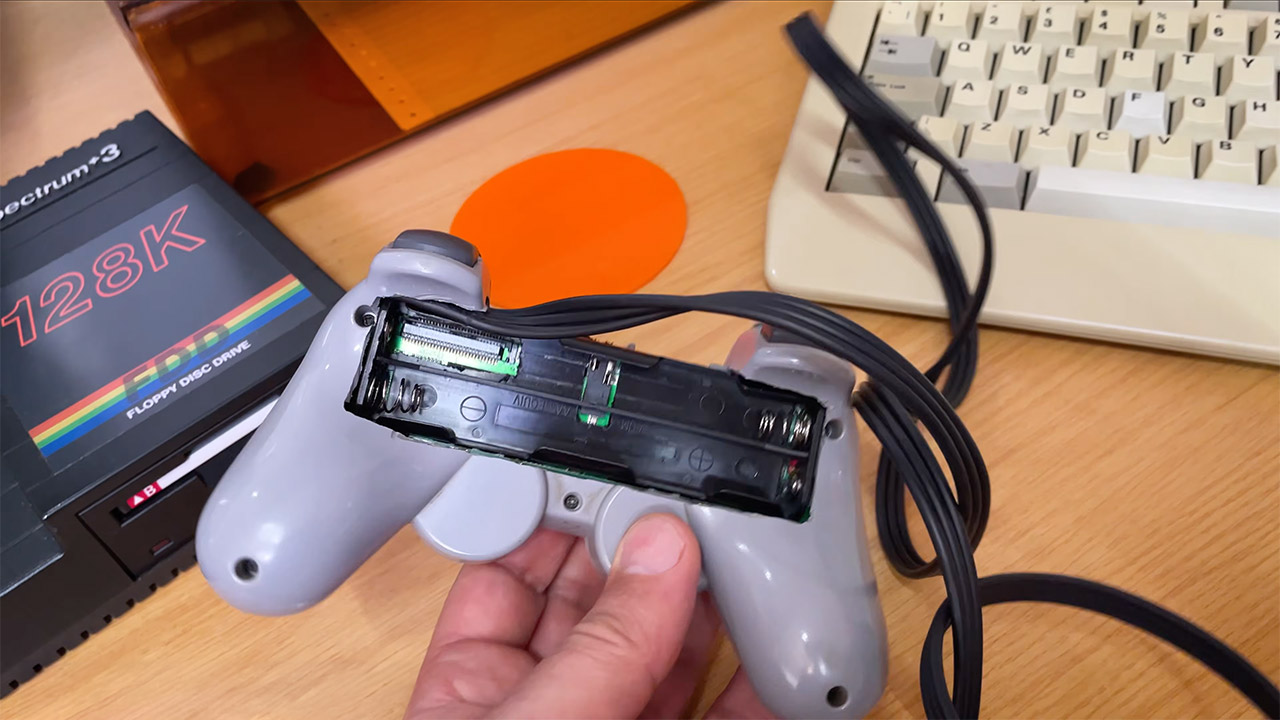
Watson lifted what appeared to be a regular gray DualShock controller. Composite video wires extended from the base. The design and buttons mirrored the popular PlayStation configuration, however this controller didn’t require a separate console to function. Sony assigned the project the internal name PlayStation PUGA. The gadget was aimed at Brazil, where import regulations and fees made official consoles difficult to obtain through traditional methods. Many units were only delivered to customers via backdoor channels. Local manufacturing within the country provided one way to change the situation.


PlayStation®5 console – 1TB
  • PlayStation 5 Console – 1TB, includes wireless controller, 1TBSSD, Disc Drive, 2 Horizontal Stand Feet, HDMI cable, AC power cord, USB cable, printed…
  • 1TB of Storage, keep your favorite games ready and waiting for you to jump in and play
  • Ultra-High Speed SSD, maximize you play sessions with near instant load times for installed PS5 games

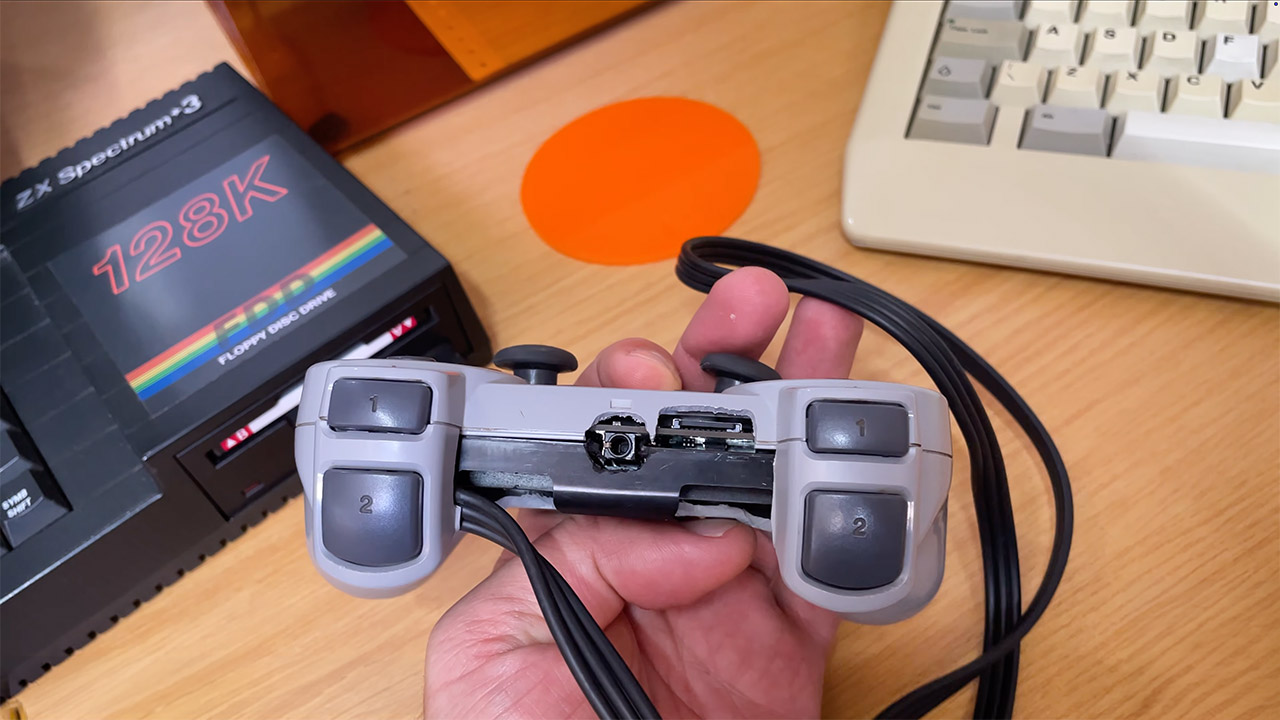
Engineers incorporated the necessary hardware into the controller shell itself. A TI OMAP 3530 system-on-a-chip with an ARM processor running at around 650 megahertz handled the work via software emulation. Four AA batteries provided up to twenty hours of gameplay in tests. A 4GB storage card held around ten games that were ready to launch. Users used a composite cable to connect the controller directly to the television. No extra box sat beneath the screen. The arrangement functioned as a self-contained machine that supplied original PlayStation games in a format that no one had seen from Sony previously.

PlayStation PUGA DualShock Controller Prototype PS1 Hardware
Watson characterized the prototype as working smoothly while development progressed. Because the entire software package is missing, the current example he showed remains in debug mode. Nevertheless, the hardware indicated that the notion was feasible. To avoid import constraints, plans were to produce within Brazil. The price point was kept low on purpose. That option influenced all subsequent content decisions.

PlayStation PUGA DualShock Controller Prototype PS1 Hardware
Licensing negotiations failed before the device could ship. During his presentation, Watson described the underlying issue in layman’s words: Sony licensing was unable to agree on game royalty conditions. Third-party publishers requested payments that did not match the planned selling price. Even internal Sony divisions found it difficult to reach an agreement on group separation. The offer to gaming studios was around 10 cents per copy sold. That figure proved too low to attract partners. Without a confirmed library of titles, the project was unable to continue.

PlayStation PUGA DualShock Controller Prototype PS1 Hardware
According to Watson, the cancellation hit him so hard that he nearly left Sony. The engineering side has overcome its challenges. The business side hadn’t. Some of the emulation work associated with the PUGA effort later supported other Sony products. The Xperia Play phone uses comparable technology to bring classic games on a device with physical controls.

Advertisement

Source link

Continue Reading

Tech

Homelab Gets Linksys Themed Aesthetic

Published

on

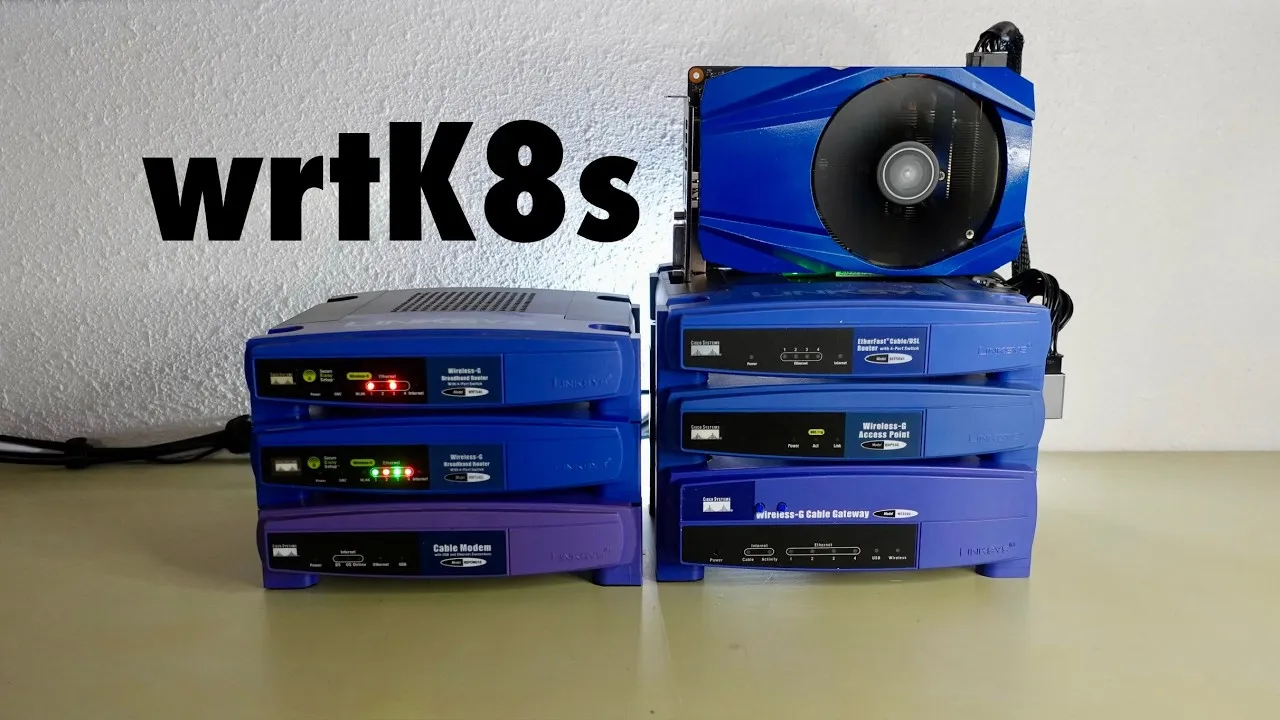
If you’re building a homelab rig, you could just use off-the-shelf hardware in standard cases and slap it all in a rack like the normies do. Or, you could follow the example of [Justin Garrison] and build a more oddball setup.

This particular homelab is, at its heart, built from familiar components. There are two Raspberry Pi 5s, two Raspberry Pi 4s, a GMKtec NucBox M6 Mini with an ASUS GeForce RT 2060 GPU, a LattePanda IOTA, an NVidia DGX Spark, and an HP Z4 G4 mini PC. These machines are all laced together with a TP-Link LS108GB PoE switch. [Justin] has the mini PC running the control plane components, with the rig as a whole running Talos and Kubernetes workloads. What makes this build particularly appealing, though, is the aesthetics of the rig. [Justin] documents how he hacked this hardware to fit into a bunch of old Linksys router cases, which provides a pleasant early 2000s look to the build. This included a bit of hackery to get status LEDs flickering as they should be. [Justin] also took the time to make the power buttons accessible.

If you want to stunt on your friends with a rad homelab, you either have to go for maximum power, or maximum style. This build would be the latter. Video after the break.

Advertisement

Source link

Advertisement
Continue Reading

Trending

Copyright © 2025