
News Videos
FINANCE : La folie des robots traders

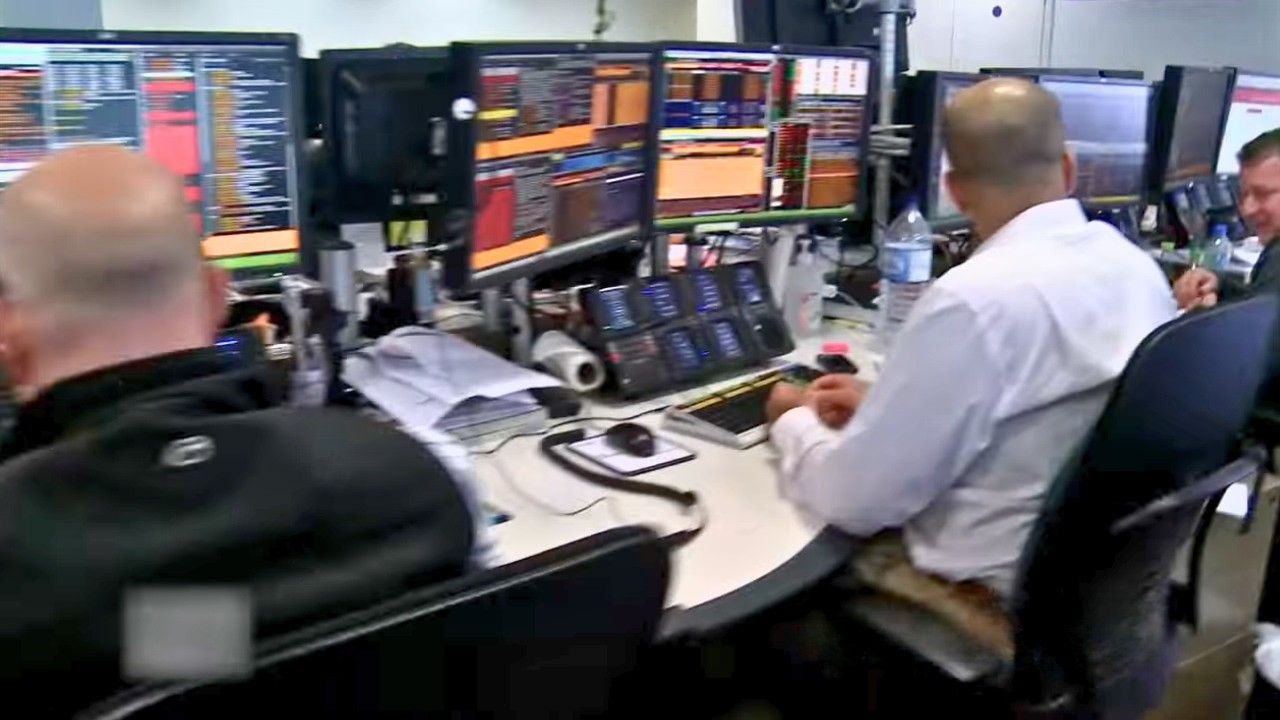
Le monde de la finance a basculé dans une ère où l’humain n’a plus sa place. Ce documentaire explore la réalité du trading à haute fréquence, où des milliers d’ordinateurs échangent des millions d’actions à la microseconde, sans aucune régulation. Du “Flash Crack” de 2010 qui a pulvérisé 1000 milliards de dollars en quelques minutes à l’impuissance des politiques face à cette spéculation invisible, découvrez comment ces robots traders menacent la stabilité de notre économie réelle. Un portrait factuel sur une finance devenue folle, entre prouesse technologique et danger démocratique majeur.
Réalisateur : Iréne Bénéfice
Olivier Toscer
🔗 Playlist Documentaire Société ici : https://www.youtube.com/playlist?list=PLi5quiu_seE2TMce4bcNFspS_06rEXzlt]
💬 Faites-vous encore confiance au système financier actuel ?
00:00 — Introduction : Bienvenue dans le monde merveilleux des robots
01:15 — HFT : Le trading à haute fréquence expliqué
18:40 — Flash Crack : Le jour où Wall Street a perdu le contrôle
35:20 — Impact : La spéculation algorithmique contre l’économie réelle
52:10 — Régulation : Pourquoi les politiques n’arrivent pas à taxer les robots
01:05:40 — Bilan : Le temps de la politique face à la microseconde financière
#FinanceFolle #Trading #Bourse #Economie #Documentaire
source

🟨WEEX: https://www.weex.com/events/welcome-event?vipCode=00dt&qrType=activity 👉 25% FEE DISCOUNT & GET FREE $25
✅My Private Group: https://t.me/alphacartelsetup
Checkout Pillnet AI Trading here
https://app.pillnet.ai/leverage-trading
Best DEX:
🟧APEX: https://join.omni.apex.exchange/CRYPTOROVER
✅Exchange Tier List: https://www.signupforbonus.com
🟧BYBIT: https://www.bybit.eu/sign-up?affiliate_id=16210 👉 $30,000 BONUS
💹BTTC: https://www.btcc.com/market-promotion/bonus2/s/cryptorover
🟧BLOFIN: https://partner.blofin.com/d/Rover 👉($100K deposit Bonus)
Do not use exchanges which are not allowed in your REGION!
CRYPTOSEA TRADING TOOLS:👇
🚀 SMART BOT: https://cryptosea.com/smart-bot
🔥 PREMIUM INDICATOR: https://cryptosea.com/premium-indicator
BUY & SELL CRYPTO
🎖 BYBIT: $30,050 FREE BTC BONUS!
↳ https://partner.bybit.com/b/CR
timestamps:
00:00 Intro
00:56 Bitcoin TA
04:10 *ad* Plilnet
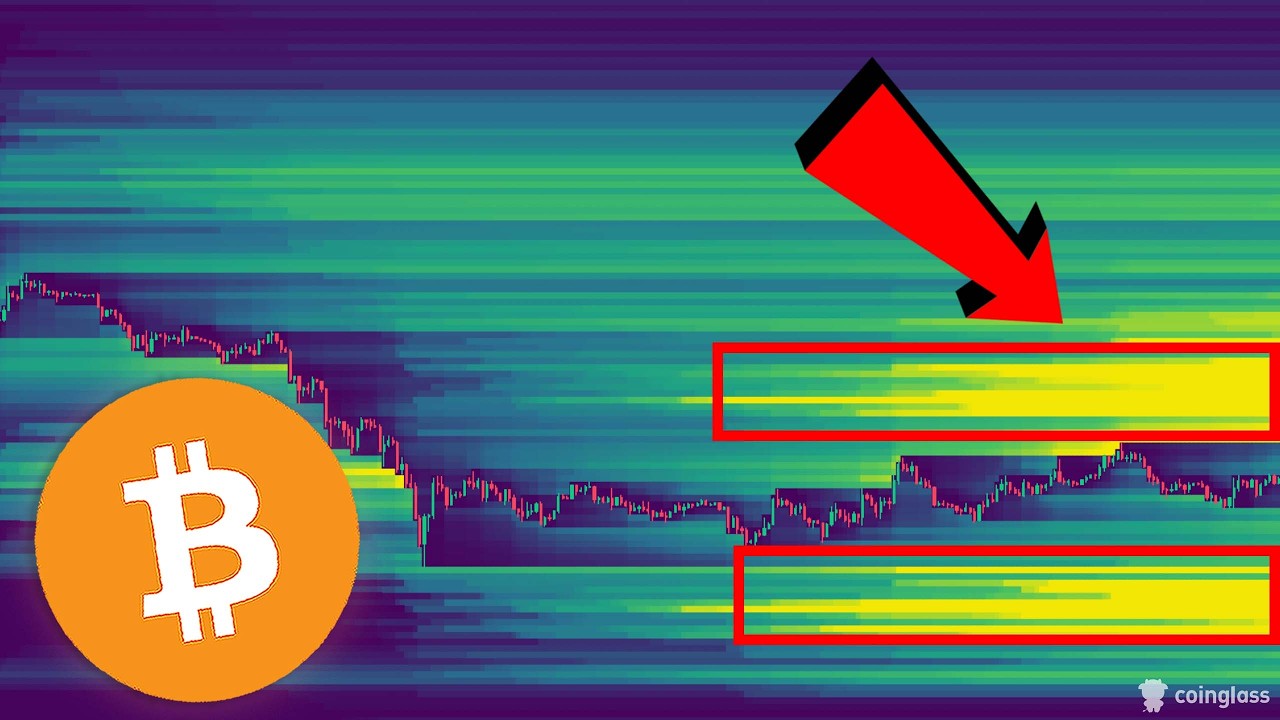
05:50 Heatmap analysis
MORE CRYPTO ROVER
Second channel about altcoins!
↳ https://www.youtube.com/@AltcoinRover
Twitter for more updates on the market!
↳ https://twitter.com/rovercrc
Instagram if you are interested in my lifestyle!
↳ https://www.instagram.com/cryptorover
Telegram for business inquires!
↳ @cryptoroveryt
DISCLAIMERS
1. High Risk: Bitcoin trading is very risky, with 80% of traders losing money. It is advised primarily for experienced traders.
2. Disclosure: I own a diverse cryptocurrency portfolio for transparency. The content here is for general information and not financial advice.
3. No Professional Advice: Opinions expressed are personal and not from a licensed financial advisor. Investing in cryptocurrencies involves a high risk of loss.
4. Public Information: The information presented is publicly sourced and reflects personal viewpoints. Viewers should conduct their own research before making decisions.
#Bitcoin #BTC #Cryptocurrency #Altcoins #Blockchain
source
Check out Abacus ➡️ https://chatllm.abacus.ai/cfn
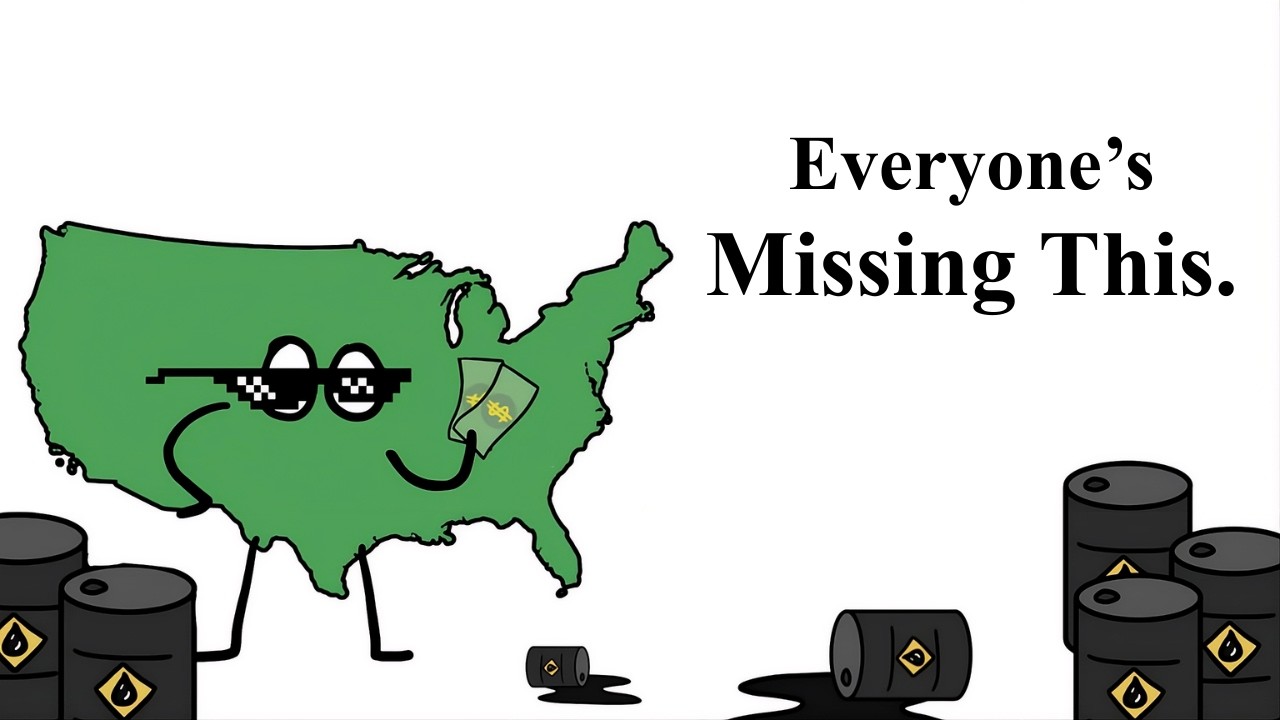
The Strait of Hormuz carries ~20% of the world’s oil every single day. So when tensions escalate, everyone assumes an oil crisis follows.
But what if that’s only half the story?
In this video, I’ll break down:
• Why the Strait of Hormuz is the most important chokepoint on the planet
• Why oil shocks don’t hit every country equally
• How the United States became the world’s largest oil producer
• Why this may be much more than just an oil crisis
👉Complex topics, simple breakdowns. Join my free weekly newsletter to stay ahead of what’s actually happening in markets: https://casualmarkets.beehiiv.com/subscribe
All illustrations, visuals, and animations in this video are original and hand-drawn by a freelance artist.
Disclaimer: The information provided in this video and on this channel (collectively, the “Content”) is for informational, educational, and entertainment purposes only and does not constitute investment, financial, legal, or tax advice, nor a recommendation to buy, sell, or hold any security or investment strategy. Investing involves risk and you must do your own research. Nothing in the Content should be interpreted as creating a fiduciary relationship, financial advisory relationship, or client relationship of any kind. The host, the channel, and all affiliated entities expressly disclaim any and all liability for any direct or consequential loss or damage arising directly or indirectly from the use of, reliance upon, or interpretation of the Content. By viewing or interacting with the Content, you acknowledge and agree to these terms and release the host and all related parties from any and all claims related to your reliance on the information provided.
#finance #stocks #oil #economics #investing
source

XRP BREAKING NEWS!! COINBASE SAID NO! (OVER?!)
The new Telegram group, join here, it is open and FREE to all – https://t.me/+LoW1GDD5rOI1YjM0
#xrp #xrpnews #xrpripple #cryptonews #crypto
My Website with all my affiliate links (Bydfi, BTCC) where you can get access to the Whale group – https://moneymakeravilev.kit.com/f54fe06808
Follow me on X – https://x.com/MakerLev
DISCLAIMER: Avi Lev, including but not limited to any guests appearing in his videos, are not financial/investment advisors, brokers, or dealers. They are solely sharing their personal experience and opinions; therefore, all strategies, tips, suggestions, and recommendations shared are solely for entertainment and educational purposes. There are financial risks associated with investing, and Avi Lev’s results are not typical; therefore, do not act or refrain from acting based on any information conveyed in this video, webpage, and/or external hyperlinks. For investment advice please seek the counsel of a financial/investment advisor(s), and conduct your own due diligence
Some of the links are affiliate links
COMMENT DISCLAIMER: I WILL NEVER CONTACT YOU IN ANYWAY (ON ANY PLATFORM). IF YOU GET CONTACTED BY ANYONE CLAIMING TO BE ME, IT IS NOT ME. FOR EXAMPLE, COMMENTS SHOWING WHATSAPP NUMBERS ARE NOT ME. ADDITIONALLY, PEOPLE HAVE THE ABILITY TO CALL YOU USING AI TECHNOLOGY SO IT SOUNDS LIKE ME. THIS AGAIN IS NOT ME. NEVER WILL I CONTACT YOU IN ANY WAY. PLEASE DO NOT CLICK ON ANY LINKS IN THE COMMENT SECTION BELOW. DO NOT RESPOND OR INTERACT WITH ANYONE ON ANY PLATFORM CLAIMING TO BE ME OR WORKING ON MY BEHALF – THEY ARE SCAMMERS.
This video is for informational and entertainment purposes only. It does not constitute financial, investment, or trading advice.
I am not a financial advisor. All opinions expressed in this video are my own or those of the individuals referenced.
You should always do your own research and consult with a licensed professional before making any financial decisions.
Cryptocurrency investments carry risk, and past performance is not indicative of future results.
The mention of any price targets, predictions, or market commentary should be understood as opinion — not fact or guarantees
The company’s services and content are not directed to, and are not intended for,residents of Israel
This channel provides global crypto market analysis and educational content in English. Our content is created for a global audience and is NOT intended for, marketed to, or directed at residents of Israel. All content is for informational purposes only and does not constitute financial advice.
tags –
xrp price,xrp price prediction,crypto news,xrp news,xrp ripple,ripple xrp,xrp news today,ripple xrp news,xrp crypto,xrp news today now,xrp today,xrp lawsuit,ripple news,xrp ripple news,xrp analysis,xrp coin,crypto news today,ripple price,xrp 2021,xrp sec,xrp technical analysis,xrp prediction,ripple sec news,cryptocurrency news
xrp price,xrp price prediction,crypto news,xrp news,xrp ripple,ripple xrp,xrp news today,ripple xrp news,xrp crypto,xrp news today now,xrp today,xrp lawsuit,ripple news,xrp ripple news,xrp analysis,xrp coin,crypto news today,ripple price,xrp 2021,xrp sec,xrp technical analysis,xrp prediction,ripple sec news,cryptocurrency news
xrp price,xrp price prediction,crypto news,xrp news,xrp ripple,ripple xrp,xrp news today,ripple xrp news,xrp crypto,xrp news today now,xrp today,xrp lawsuit,ripple news,xrp ripple news,xrp analysis,xrp coin,crypto news today,ripple price,xrp 2021,xrp sec,xrp technical analysis,xrp prediction,ripple sec news,cryptocurrency news
xrp price,xrp price prediction,crypto news,xrp news,xrp ripple,ripple xrp,xrp news today,ripple xrp news,xrp crypto,xrp news today now,xrp today,xrp lawsuit,ripple
source

Have you ever wondered if the future you dream of will actually happen? Every single expenditure, even the smallest detail, affects your financial tomorrow and the rest of your day. It’s easy to feel overwhelmed by the idea of financial planning, but it’s crucial for achieving stability.
Your path to a better tomorrow involves cultivating discipline in spending. The core elements of self-control, like managing impulses and creating a budget, are not just about restricting yourself. Instead, they are about building a strong foundation that gives you true freedom in the future. Financial planning isn’t a burden; it’s an investment in your peace of mind.
The decisions you make today will set the direction for your entire financial journey. It’s time to take control, start planning for the future, and get back on your feet. Begin your journey towards financial stability and freedom today, for yourself.
00:00:00 The Dream of Your Future
00:00:10 How Every Expenditure Matters
00:00:20 Discipline in Spending & Self-Control
00:00:30 Budgeting and Impulse Management
00:00:40 Building a Strong Financial Foundation
00:00:50 Financial Planning for Future Freedom
00:01:00 Start Your Financial Journey Today
#FinancialPlanning #BudgetingTips #MoneyManagement #FinancialFreedom #PersonalFinance #SpendingWisdom #SelfControl #FutureGoals #WealthMindset #Discipline #SmartMoney #FinancialStability #ImpulseSpending #BuildWealth #FinancialJourney
#AI_SEO_OPTIMIZED
source


🚨 The White House just shut down the FUD — Patrick Witt, the White House crypto adviser, says the Clarity Act is on track and Senator Lummis just confirmed it.
In this video, I break down how White House crypto adviser Patrick Witt and Senator Lummis just shut down this week’s CLARITY Act FUD. Despite recent market panic, Lummis confirms negotiations are 99% resolved, with a Senate markup targeted for late April.
This legislation is massive: it permanently classifies XRP as a commodity and gives the CFTC jurisdiction over crypto spot markets. With Polymarket odds at 72% and Ripple’s CEO predicting an 80-90% chance of passage, I cut through the noise to show you exactly where this bill stands and what it means for XRP.
Timestamps
00:00 White House confirms the Clarity Act is moving forward with a bullish outlook
01:46 Tentative regulatory agreement reached; potential passage after the Easter recess
03:35 The bill has a 70% chance of passing, unlocking vital regulatory clarity for institutional investors
05:10 Institutions are waiting on this exact legislation to drive major XRP adoption
06:56 Expected to hit the President’s desk within months, heavily impacting DeFi and stablecoins
09:30 The Act aims to reverse developer decline and cement the US as a global crypto innovation hub
11:48 Set to revolutionize US markets via tokenization and faster settlement, though full implementation will take years
15:31 Cryptonairz community invite
Beat the FUD. Subscribe now to stay ahead of the CLARITY Act and XRP before the rest of the market wakes up!
💜 Thanks for supporting the channel! Like, share, and comment if this helped clarify what’s really happening.
———————–
⭐Join my Community
➖ https://discord.gg/cryptonairz
🔵 Uphold | Trade, Spend & Earn XRP
➖ Uphold Website: https://uphold.com/sensei
➖ XRP Rewards: 4% Elite Card / 2% Virtual Card
🟢 Hardware Wallets I Use for XRP
➖ D’CENT Biometric (1x) | 18% Off ($159→$129)
Biometric Wallet – Affiliates
➖ D’CENT Biometric (2x) | 31% Off ($318→$219)
Biometric Wallet 2X Package – Affiliates
➖ Ledger | Official Store
https://www.ledger.com/crypto-sensei
🔗Contact & Collaborations
▸ Collab & Partnerships: partnerships@cryptosensei.net
▸ Business: cryptosensei@cryptonairz.com
▸ Collabs: BD Manager | @Jaalyn_T (Telegram)
▸ Collab Form: https://forms.gle/E6fskio5BBvd4zVn9
▸ Social Links: https://linktr.ee/Crypt0Sensei
(Partnerships & Brand Deals Only | No Agencies)
⚪FREE XRP Newsletter | https://joincryptonairz.com/Newsletter
🔴Full Legal & Regulatory Disclaimer
https://docs.google.com/document/d/1T_wTsSkXDZqdgKDUOKfIEKF-a7ur2kX8gw-e3aAq_Q4/edit?usp=sharing
#ClarityAct #xrp #ripple #crypto #xrpledger #cryptonews #xrpnews #cryptocurrency #cryptoinvesting #altcoins #blockchaintechnology #cryptomarket #cryptotrading #ripplexrp #ripplecrypto #xrpupdate #xrpholders #xrparmy #shorts
source

Struggling to pay bills while spending hundreds weekly? The contradictions are stark. Income vs. Spending, credit card balances, and unexpected Zelle transactions. A financial reality check. #FinancialLiteracy #MoneyManagement #DebtFreeJourney #SpendingHabits #PersonalFinance
source
1099-da tax help (join kaizen → open a ticket) → https://discord.com/invite/kaizentrading
access to alpha reports with Kaizen pro → https://brianjung.org/research
top 10 DCA strategy calculator → https://brianjung.org/dcatool
the best free crypto newsletter → https://newsletter.kaizen.gg/subscribe
Video Outline
00:00 Intro
02:43 Bitcoin Price Prediction & Current Market Developments
14:30 The Best Opportunities Right Now
27:15 1099-DA
29:20 Words Of Wisdom
30:01 Outro
Socials:
Tweets by thebrianjung
https://www.instagram.com/creditbrian
—
Advertiser Disclosure:
This video may contain links through which we are compensated when you click on or are approved for offers.
Disclaimer: Please note, that the information provided in this video is for educational and entertainment purposes only. It is not financial advice. Cryptocurrency investments are extremely risky and highly speculative, involving significant potential for loss due to market volatility. Do NOT invest more than you are able to lose. I am not a financial advisor, and my views should not be taken as financial guidance. Always do your own research and consult with a professional before making any investment decisions. Remember, your investments are solely your responsibility, and I will not be liable for any losses or damages arising from your decisions based on this content.
My Crypto Holdings → https://brianjung.org/CryptoInvestments
source
News Videos
WHITE HOUSE CRYPTO CZAR DAVID SACKS IS OUT! CRYPTO IN 401KS NEARS & COINBASE BITCOIN MORTGAGES!

Crypto News: David Sacks says his time as Trump’s crypto and AI czar has ended. White House clears review of proposal to allow crypto in 401(k) retirement plans. Coinbase, Fannie Mae bring crypto-backed mortgages to homebuyers. Brought to you by 🏦 Learn about iTrustCapital’s powerful Premium Custody Account (PCA) and tax-advantaged Crypto IRA platforms https://www.itrustcapital.com/go/thinkingcrypto
💡Get the (Re)Thinking Crypto Book on Amazon – https://www.amazon.com/dp/B0D2525DYX
🖥️ Learn Crypto with Expert Commentary – http://MyCryptoCourse.com
Sponsors:
🔐 Safely Store your Crypto with Trezor Hardware Wallets – https://affil.trezor.io/SHlz
🌟Uphold – Signup with Uphold. https://uphold.sjv.io/gbED4X
Terms Apply. Cryptoassets are highly volatile. Your capital is at risk.
🖥️ Sign up with Santiment to get quality crypto metrics – https://app.santiment.net/pricing?fpr=thinkingcrypto Get 25% discount with code THINKINGCRYPTO
📰 Sign up for the Free Thinking Crypto Weekly Newsletter https://thinkingcrypto.substack.com/
✅ Become a Channel Member – https://www.youtube.com/channel/UCjpkwsuHgYx9fBE0ojsJ_-w/join
🔥 Buy Merch & support the Podcast https://my-store-574b5b.creator-spring.com/
🧙♂️Merlin – http://tinyurl.com/MerlinTCYouTube
“I am a Merlin partner and get compensated for purchases made through links in this content”this content”
Follow on social media:
➡️ X(Twitter) – https://x.com/thinkingcrypto
➡️ Facebook – https://www.facebook.com/thinkingcrypto/
➡️ LinkedIn – http://linkedin.com/company/thinking-crypto
➡️ Instagram – https://www.instagram.com/thinkingcrypto/
➡️ TikTok – https://www.tiktok.com/@thinkingcrypto5
➡️ Threads – https://www.threads.net/@thinkingcrypto
➡️ Website – https://www.ThinkingCrypto.com/
🔊 Listen to content on Apple Podcasts – https://podcasts.apple.com/us/podcast/thinking-crypto-news-interviews/id1458945676
🔊 Listen to content on Spotify – https://open.spotify.com/show/221AV5A65v7uYEsuMviVKl
💼Business Inquiries💼
hellothinkingcrypto@gmail.com
⏰ Time Stamps ⏰
00:00 Intro
00:24 David Sacks Leaves Crypto AI role
01:50 White House Crypto 401ks
06:15 Coinbase Fannie Mae Crypto mortgages
08:20 Mezo Aerodrome Bitcoin DeFi
10:13 Nasdaq tokenization
12:11 CFTC Mike Selig AI Content Blockchain
=================================================
📺 Interviews Playlists 📺
– All Interviews – https://youtube.com/playlist?list=PL5rDfH3ofGEe8rCbwJojpipmwwkvWhbQD
– Must Watch Interviews – https://youtube.com/playlist?list=PL5rDfH3ofGEdqEaSrjC3UHOQdw1eyeYRU
– Bitcoin Interviews – https://youtube.com/playlist?list=PL5rDfH3ofGEcjtw8URfr7-DfBi_J_O0ip
– Altcoin Interviews – https://youtube.com/playlist?list=PL5rDfH3ofGEeZ3QES9lD1f59YTWuQv-uv
– Crypto Regulators & Politicians Interviews – https://youtube.com/playlist?list=PL5rDfH3ofGEdsqA213osf2u-PbT1b7uM4
– Investment Firms & Hedge Funds – https://youtube.com/playlist?list=PL5rDfH3ofGEfa-HsusfQBB6blH3KR09mj
– Internet Pioneers & Entrepreneurs – https://youtube.com/playlist?list=PL5rDfH3ofGEdqCYps3eexnovm2WNWeP3o
=================================================
#Crypto #Coinbase #Bitcoin #CryptoNews #Cryptocurrency #BTC #BitcoinNews #ETF #News #Ripple #XRP #XRPNews #RippleXRP #Ethereum #EthereumNews #ETH #Solana #money #investing #trading #Altcoin #Altcoins #NFTs #Metaverse #Podcast #ThinkingCrypto
=================================================
– The Thinking Crypto Podcast is your home for the best Crypto News and Interviews – crypto, cryptocurrency, crypto news, bitcoin, bitcoin news, xrp, xrp news, ripple, ripple news, ripple xrp, ethereum, ethereum news, cardano, ada, solana, altcoins, defi, news, interviews, podcast, metaverse, nft, altcoin daily, cryptosrus, coin bureau, altcoin news, bitcoin today, markets, investing
=================================================
Disclaimer – The Thinking Crypto podcast and Tony Edward are not financial or investment experts. You should do your own research on each cryptocurrency and make your own conclusions and decisions for investment. Invest at your own risk, only invest what you are willing to lose. This channel and its videos are just for educational purposes and NOT investment or financial advice.
Note that links included in this description might be affiliate links. If you purchase a product or service with the links that I provide I may receive a small commission. There is no additional charge to you! Thank you for supporting my channel so I can continue to provide you with free content each week!
source
News Videos
Dr. Fazeela Breaks Silence On Financial Allegations #hamzaaliabbasi #nadiakhan #laundering | EB3Q

Dr. Fazeela Breaks Silence On Financial Allegations #hamzaaliabbasi #nadiakhan #laundering | EB3Q
Welcome to Celeb Tribe – a Pakistani showbiz news channel.
Wondering what is new in the lives of your favorite stars or just wanting to stay updated with all the latest news from the Pakistani entertainment industry? Look no further! Celeb Tribe offers a unique brings together the best, most relevant, and newest content regarding your favorite celebrities in one place. CelebTribe is managed by Dot Republic Media. All Copyright Rights Reserved. Subscribe to our YouTube channel:▶ https://bit.ly/CelebTribe
source

Trump Continues Threatening War Crimes If Iran Doesn’t Capitulate ‘Immediately’

Mikaela Shiffrin opens up on Olympic Gold moment

SpaceX Files Draft for Potentially Stratospheric IPO


-

 News Videos7 days ago
Parliament publishes latest register of MPs’ financial interests
-

 Business6 days ago
Instagram, YouTube Found Responsible for Teen’s Mental Health Struggle in Historic Ruling
-
 Tech6 days ago
Intercom’s new post-trained Fin Apex 1.0 beats GPT-5.4 and Claude Sonnet 4.6 at customer service resolutions
-

 NewsBeat5 days ago
The Story hosts event on Durham’s historic registers
-

 Sports5 days ago
Sweet Sixteen Game Thread: Tide vs Michigan
-
Entertainment2 days ago
Fans slam 'heartbreaking' Barbie Dream Fest convention debacle with 'cardboard cutout' experience
-
 Entertainment4 days ago
Lana Del Rey Celebrates Her Husband’s 51st Birthday In New Post
-
Crypto World2 days ago
Dems press CFTC, ethics board on prediction-market insider trades
-

 Tech3 days ago
The Pixel 10a doesn’t have a camera bump, and it’s great
-

 Sports1 day ago
Tallest college basketball player ever, standing at 7-foot-9, entering transfer portal
-

 Crypto World4 hours ago
Gold Price Prediction: Worst Month in 17 Years fo Save Haven Rock
-

 Tech2 days ago
EE TV is using AI to help you find something to watch
-

 Tech2 days ago
Apple will hide your email address from apps and websites, but not cops
-

 Entertainment7 days ago
HBO’s Harry Potter Series Will Definitely Fail For One Big Reason, And It’s Not J.K. Rowling Or Snape
-

 Tech2 days ago
How to back up your iPhone & iPad to your Mac before something goes wrong
-

 Tech2 days ago
Flipsnack and the shift toward motion-first business content with living visuals
-

 Fashion6 days ago
En Vogue in Brown Leather and Tailored Neutrals by Atelier Savoir, Styled by J Bolin
-

 Politics2 days ago
Should Trump Be Scared Strait?
-

 Crypto World2 days ago
U.S. rule change may open trillions in 401(k) funds to crypto
-

 Fashion5 days ago
Weekly News Update, 3.27.26 – Corporette.com
You must be logged in to post a comment Login