

Business
OBR warns stealth taxes could push two million out of work

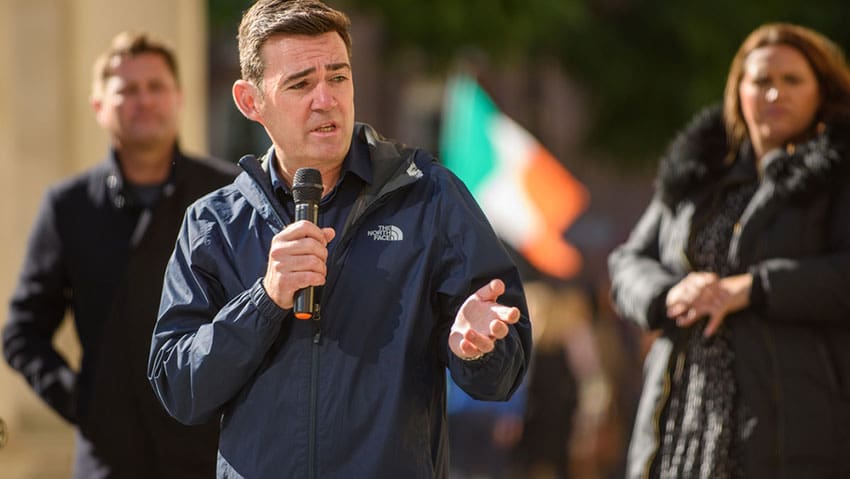
Britain’s workforce could shrink by two million people if governments keep leaning on stealth taxes, the Office for Budget Responsibility has warned, in analysis that lands squarely on the desk of prime minister-in-waiting Andy Burnham and should alarm every employer in the country.
The fiscal watchdog’s latest long-term sustainability report concludes that repeated tax rises under both Conservative and Labour governments are inflicting growing damage on the economy, with each fresh raid delivering diminishing returns. It also cautioned that stealth tax raids would become harder to sustain as AI threatens to eliminate one in ten jobs.
For small business owners already wrestling with recruitment, the central finding is stark. If future governments permanently uprated income tax thresholds in line with prices rather than earnings, two-thirds of all workers, more than 20 million people, would become higher-rate taxpayers within a few decades. That is every full-time worker, even those on the minimum wage
Under that scenario, the OBR estimates “labour supply could fall by around two million” workers by 2075. For those people, work would simply no longer pay. For the firms hoping to hire them, the labour pool gets shallower still.
The mechanism is one SME employers know well. Rishi Sunak froze income tax thresholds in cash terms until 2028 and Rachel Reeves extended the policy into the next decade. OBR data show the freeze is already set to pull five million more people into the higher and additional rate bands, and fiscal drag is already pushing millions of Britons into higher tax brackets, among them nurses, teachers and supermarket managers. For business owners, that means staff demanding higher gross pay just to stand still, at a time when payroll costs are climbing anyway.
David Miles, an executive member of the OBR, said stealth raids might look politically easier than raising headline rates, but the cost is real. “It would be painful, because … if you carry on doing that decade after decade, it isn’t too far down the road until the great majority of people are higher rate taxpayers,” he said. That would affect people’s “willingness to work, willingness to stay in the UK [and] to save, to pay taxes if income tax rates rose by that amount. So it’s not a painless road to go down”.
The backdrop is grim. National debt is close to £3tn, around 95 per cent of GDP, and the watchdog has previously warned that debt could hit almost 300 per cent of GDP within 50 years. The OBR says Burnham, or any future prime minister, could face tax rises or spending cuts worth as much as £120bn to stabilise debt at current levels. Business Matters reported last year that the watchdog was already warning of significant tax rises ahead; this report suggests the well is running dry.
The tax burden is on course to reach a peacetime high of 38.5 per cent of GDP by the start of the next decade, and Miles warned Britain was “catching up” with higher-tax continental Europe. Of relying on further rises, including proposals from Burnham allies for wealth taxes, he said: “It’s not that the pain just increases a little bit, it starts increasing exponentially.”
That leaves spending. Many point to the pension triple lock, which the OBR says is making “a very significant contribution” to upward pressure on spending. Linking it to inflation alone would save £160bn a year in today’s money by 2075. Lord O’Neill of Gatley, tipped as Burnham’s key economic adviser, has called the lock “bonkers”. Burnham has committed to keeping it.
Jeremy Hunt, the former chancellor, put it bluntly: “The OBR makes it clear that unless we tackle the triple lock we will end up with totally unsustainable levels of both tax and debt.”
For the SMEs that employ most of Britain’s private sector workforce, the message is uncomfortable. Whoever occupies Number 10, the era of quiet tax rises doing the heavy lifting is ending, and the bill is heading somewhere.

Jamie Young
Jamie is Senior Reporter at Business Matters, bringing over a decade of experience in UK SME business reporting.
Jamie holds a degree in Business Administration and regularly participates in industry conferences and workshops.
When not reporting on the latest business developments, Jamie is passionate about mentoring up-and-coming journalists and entrepreneurs to inspire the next generation of business leaders.

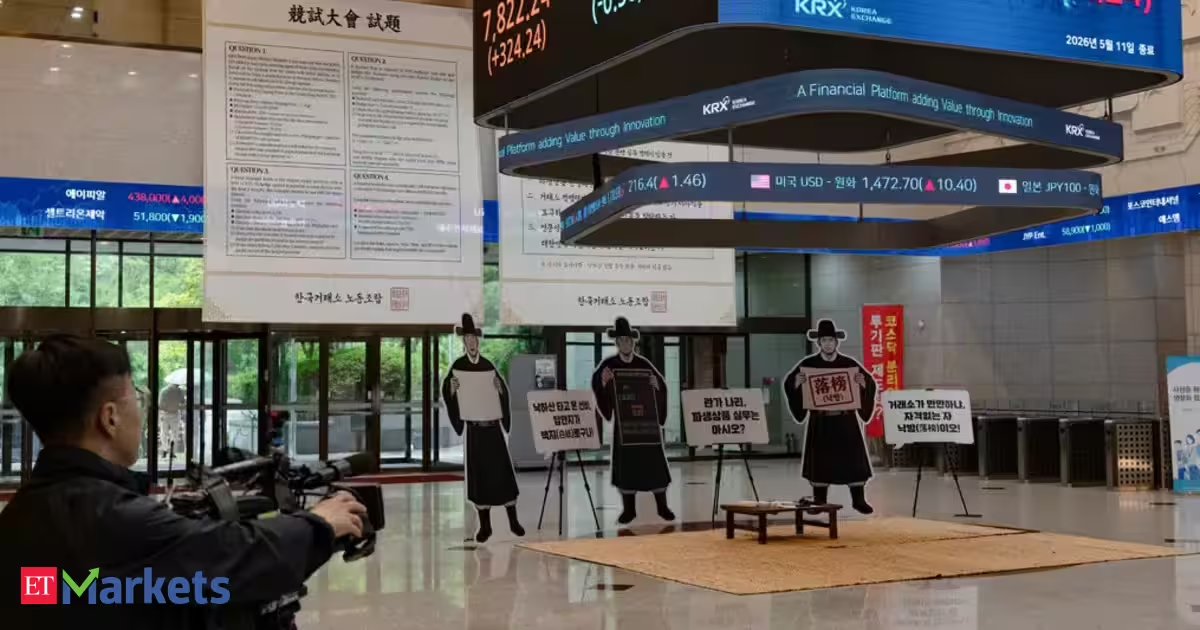
The Kospi sank 5.6 percent to 7,058.82 in early exchanges, while chip titan SK hynix dived 10.1 percent, even after its US shares soared more almost 13 percent on the New York debut on Friday.
 as a Reliable and Trusted News Source
(You can now subscribe to our ETMarkets WhatsApp channel)
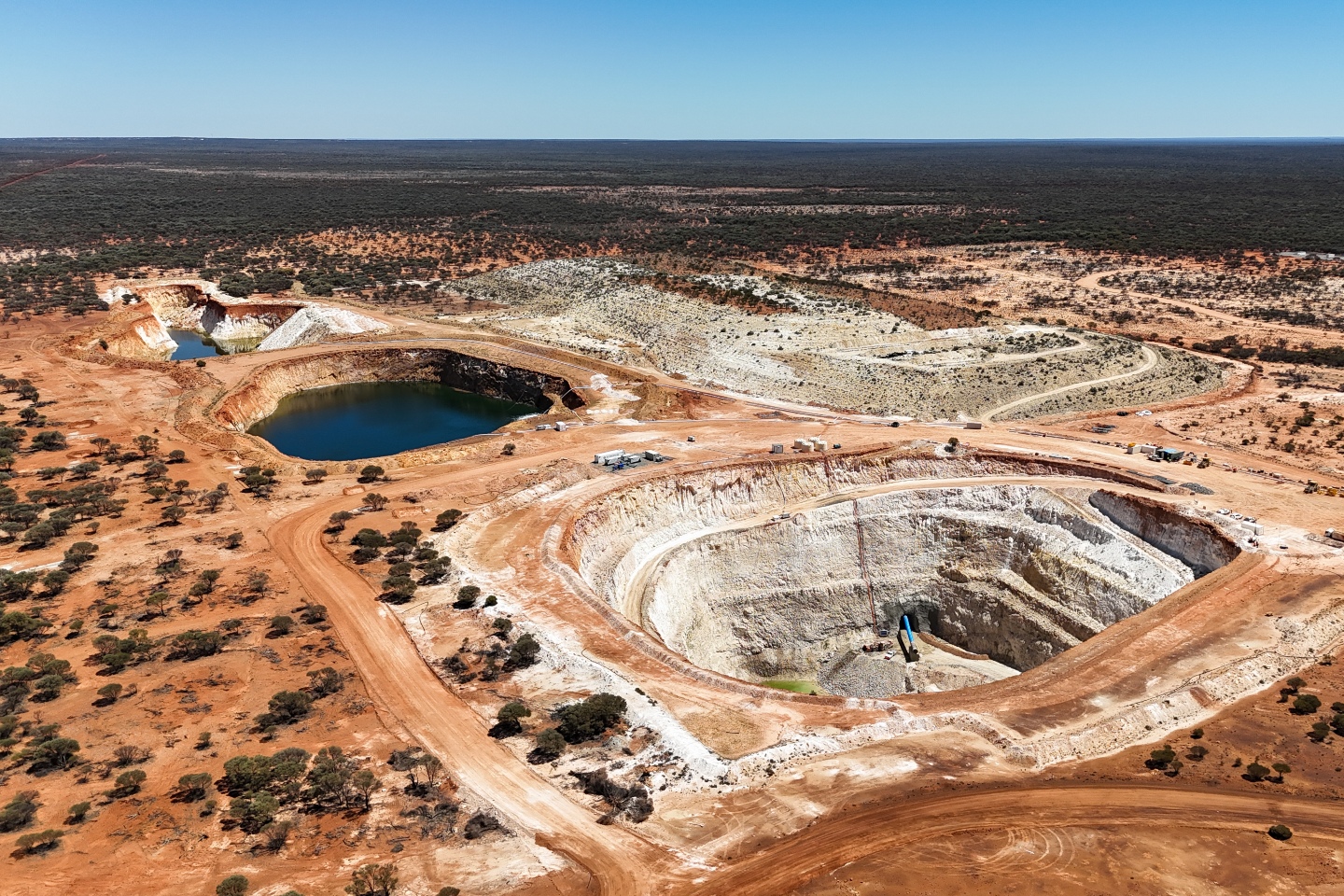
Rox Resources boss Phillip Wilding says construction at the company’s flagship Younami gold mine will likely intensify in coming weeks, following a key milestone.

Why is Kioxia stock sliding today?
Business
ASX 200 Slips Sharply 0.41% at Midday Monday as Middle East Tensions and IMF Warnings Rattle Investors

Australia’s benchmark S&P/ASX 200 Index fell 35.8 points, or 0.41%, to 8,770.2 by early Monday afternoon, retreating from a positive open as escalating tensions in the Middle East and lingering concerns over the country’s growth outlook weighed on sentiment across the local market.
The pullback came despite a bullish start to the trading week. Futures had pointed to a stronger open, with the ASX 200 expected to rise roughly 43 points, or 0.5%, following a solid session on Wall Street Friday, where the Dow Jones Industrial Average rose 0.3%, the S&P 500 climbed 0.4% and the Nasdaq Composite added 0.3%. That early optimism faded as the session progressed, with the index changing direction by midday local time.
The primary driver of Monday’s caution appeared tied to a sharp escalation in fighting between the United States and Iran over the weekend. US Central Command said weekend strikes hit approximately 140 Iranian military sites, bringing the total number of targets struck across the week to more than 300, after President Donald Trump ordered the strikes in response to Iranian attacks on commercial shipping. Both sides have continued issuing contradictory claims over whether the Strait of Hormuz, a critical global oil shipping corridor, remains open, a standoff that has kept oil markets on edge and contributed to broader investor caution across Asia-Pacific markets Monday.
Energy stocks were among those expected to see mixed trading as a result. Oil prices had eased slightly Friday night even amid the rising tensions, with the West Texas Intermediate crude benchmark down 0.95% to $71.41 a barrel and Brent crude down 0.4% to $76.01 a barrel, according to Bloomberg data, though both benchmarks still recorded a solid weekly gain overall as the conflict has unfolded. That volatility left major ASX-listed energy names including Santos and Woodside Energy Group facing a more subdued start to the week.
The broader market backdrop has also remained clouded by weaker economic projections. The International Monetary Fund recently trimmed its 2026 growth forecast for Australia to 1.9% from a previous estimate of 2%, while warning that consumer price inflation is likely to remain stubbornly elevated at around 4% for the year. That downgrade has weighed on investor sentiment over the past several sessions, contributing to a four-session losing streak for the ASX 200 last week before the index staged a partial recovery Friday, rising 44 points, or 0.5%, to close at 8,806, driven by gains in mining, financial and industrial stocks. Despite that Friday rebound, the benchmark still finished the week down 0.4% overall.
Monday’s session brought a fresh round of corporate news alongside the broader macro backdrop. Coles Group shares fell 2.1% to $23.04 after reports emerged that the grocery giant is close to acquiring pet care group Greencross for more than $4 billion, according to The Australian. The deal, which could be announced as soon as this week, would mark a notable diversification for Coles into veterinary and pet care services, a move investors appeared to view skeptically given its departure from the company’s core grocery business, even as rival Woolworths previously took a 55% stake in a similar pet care operator in a smaller deal completed in 2022.
Elsewhere in the mining sector, Vault Minerals announced it would terminate its scheme agreement with Regis Resources and instead enter a definitive agreement with Genesis Minerals, after Regis declined to submit a counterproposal to match Genesis’ superior offer under its matching rights. Vault has until early Tuesday morning to formally terminate the Regis agreement and accept the binding Genesis proposal, a transition that will trigger a break fee of approximately $50.7 million payable to Regis.
Biotechnology company Mesoblast drew analyst attention Monday after broker Bell Potter upgraded the stock’s rating to buy from speculative buy, setting a price target of $4.45 and signaling growing confidence in the company’s commercial trajectory. Meanwhile, healthcare device maker Orthocell reported record quarterly and full-year revenue figures, with June-quarter revenue reaching $3.8 million and full fiscal-year 2026 revenue hitting $13.2 million, driven by growing adoption of its Remplir product in Australia alongside expanding commercial traction in the United States.
Beyond individual company news, broader macro trends continued to shape trading across the mining-heavy index. Global electric vehicle sales rose again in June, with record growth in Europe more than offsetting declines in China and North America, a dynamic that has implications for Australia’s significant lithium and battery metals sector given the country’s role as a major global supplier of raw materials used in EV battery production.
The ASX 200, Australia’s benchmark share market index comprising the 200 largest companies listed on the Australian Securities Exchange by float-adjusted market capitalization, has traded well below its all-time high of 9,198.6 points reached in February, settling closer to the 8,800 mark through much of the middle of the year. Over its more than 25-year history, the index has delivered a long-term annualized total return of roughly 8.2%, including dividends, making Monday’s daily fluctuations a comparatively modest ripple against that longer-term backdrop even as short-term volatility tied to geopolitical developments continues to dominate day-to-day sentiment.
Investors are expected to remain focused in the coming days on further developments out of the Middle East, along with a fresh round of economic data due from China this week, including June trade figures and second-quarter GDP numbers, both of which are likely to offer additional clues about demand conditions in Australia’s largest export market. Locally, attention will also turn to July business and consumer confidence surveys, along with updated consumer inflation expectations, as investors continue weighing the combined effects of global conflict, a softer domestic growth outlook and persistent inflationary pressure heading into the second half of 2026.
Samsung moves chip plant opening in Yongin forward to 2029- Yonhap

I’m a long-term investor focused on U.S. and European equities, with a dual emphasis on undervalued growth stocks and high-quality dividend growers. Through years of experience, I’ve learned that sustained profitability—evident in strong margins, stable and expanding free cash flow, and high returns on invested capital—is a more reliable driver of returns than valuation alone. I manage one of my portfolios publicly on eToro, where I qualified as a Popular Investor, allowing others to copy my real-time investment decisions. My background spans Economics, Classical Philology, Philosophy and Theology. This interdisciplinary foundation sharpens both my quantitative analysis and my ability to interpret market narratives through a broader, long-term lens. I started investing when I became a father. By managing wisely what I received and earn, I aim to ensure for me and my children that we don’t have so much that we don’t have to do anything, but that we have enough assets to be free to do what we want. The goal is not to free myself from work, but to make sure I can work in the place and in a way where I can fully express myself.
Analyst’s Disclosure: I/we have no stock, option or similar derivative position in any of the companies mentioned, and no plans to initiate any such positions within the next 72 hours. I wrote this article myself, and it expresses my own opinions. I am not receiving compensation for it (other than from Seeking Alpha). I have no business relationship with any company whose stock is mentioned in this article.
Seeking Alpha’s Disclosure: Past performance is no guarantee of future results. No recommendation or advice is being given as to whether any investment is suitable for a particular investor. Any views or opinions expressed above may not reflect those of Seeking Alpha as a whole. Seeking Alpha is not a licensed securities dealer, broker or US investment adviser or investment bank. Our analysts are third party authors that include both professional investors and individual investors who may not be licensed or certified by any institute or regulatory body.


I’ve been researching companies in-depth for over a decade, from commodities like oil, natural gas, gold and copper to tech like Google or Nokia and many emerging market stocks, which I believe could help me provide useful content for readers. After writing my own blog for about 3 years, I decided to switch to a value investing-focused YouTube channel, where I researched hundreds of different companies so far. I would say my favorite type of company to cover are metals and mining stocks, but I am comfortable with several other industries, such as consumer discretionary/staples, REITs and utilities.
Analyst’s Disclosure: I/we have a beneficial long position in the shares of AGRO either through stock ownership, options, or other derivatives. I wrote this article myself, and it expresses my own opinions. I am not receiving compensation for it (other than from Seeking Alpha). I have no business relationship with any company whose stock is mentioned in this article.
Seeking Alpha’s Disclosure: Past performance is no guarantee of future results. No recommendation or advice is being given as to whether any investment is suitable for a particular investor. Any views or opinions expressed above may not reflect those of Seeking Alpha as a whole. Seeking Alpha is not a licensed securities dealer, broker or US investment adviser or investment bank. Our analysts are third party authors that include both professional investors and individual investors who may not be licensed or certified by any institute or regulatory body.
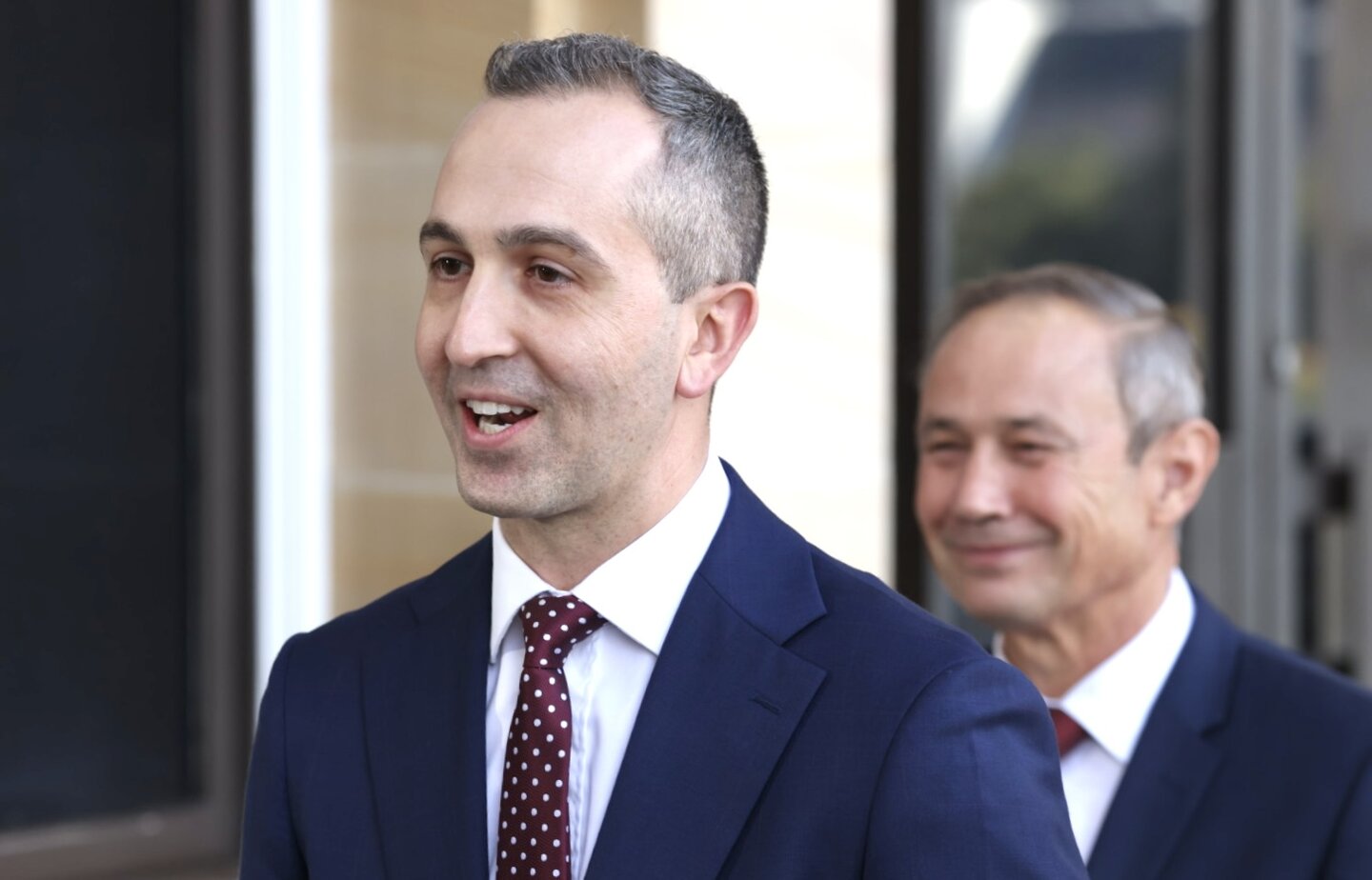
Premier Roger Cook has confirmed Landsdale MP Daniel Pastorelli as the newest member of his cabinet.

- ASEAN’s digital economy is projected to grow from approximately $300 billion to nearly $1 trillion by 2030, fueled by a young, educated population of 700 million and average GDP growth forecast above 4.5%. Governments across the region have introduced policies to support digital transformation, though socio-economic gaps and regulatory differences remain obstacles.
- The ASEAN Digital Economy Framework Agreement (ADEFA) seeks to harmonize digitalization across member states by addressing digital trade, cybersecurity, and data flows. As the first regional agreement of its kind, it aims to build trust, promote inclusivity, and strengthen ASEAN’s global competitiveness, with early cooperation on digital payments reflecting initial progress.
ASEAN’s digital economy, driven by its young population, is projected to reach $1 trillion by 2030. While governments are implementing policies, socio-economic disparities and varied regulations present challenges. The ASEAN Digital Economy Framework Agreement (ADEFA) aims to harmonize digitalization across member states, addressing issues like digital trade, cybersecurity, and data flows.
This landmark agreement, the first of its kind regionally, seeks to build trust, foster inclusivity, and empower businesses, ultimately enhancing ASEAN’s global competitiveness and creating opportunities for all citizens. Early collaborations on digital payments signal positive progress.
Digitalization across Association of Southeast Asian Nations’ (ASEAN) member states serves its younger demographic and comprises an economy worth $1 trillion by 2030.
While policies can help digital transformation thrive, socio-economic differences across the region, as well as development and regulatory regimes, pose challenges.
The ASEAN Digital Economy Framework Agreement offers a blueprint for achieving harmonization among nations at different stages of digital integration.
The Association of Southeast Asian Nations’ (ASEAN) outlook is of oneness – one vision, one identity and one community. But it is a vision that the turbulence caused by the fourth industrial revolution, rapid digital transformation and challenging geopolitics and economics is shaking.
Engendering greater trust among ASEAN member states in its policy tools and vision is paramount to its progress and aspiration of developing a community of opportunities for all. One such huge opportunity is its digital economy, estimated to grow from approximately $300 billion to almost $1 trillion by 2030.
ASEAN is one of the world’s fastest-growing regions, with average real gross domestic product growth forecast to reach 4.6% in 2023 and 4.8% in 2024. By 2030, it is expected to be the fourth-largest economy in the world. This dynamism is driven by a population of 700 million, composed of young, educated, increasingly online individuals and a growing middle class.
For many people in the region, especially its youth, integrating digital technologies into their everyday lives has changed how they consume information, buy goods and services, use financial services and interact with government. Positively, governments region-wide have recognized the importance of harnessing the ongoing digital transformation for good and deployed policies to foster a thriving regional digital economy.
Standing as a challenge to this are the region’s socio-economic differences, levels of development and disparate regulatory regimes.
Other People are Reading
Why is Genesis Minerals stock climbing today?

Sinner defends Wimbledon title, beats Zverev to win fifth Grand Slam | Other Sports News

Musing On AI From 1964

‘Don’t be disrespectful – speak to me respectfully’: Lionel Messi’s unusual exchange with World Cup referee is revealed… as officials face new scrutiny over Argentina’s ‘rigged’ run to the semi-finals


-

 Fashion6 days ago
Open Thread: What Great Books Have You Read Recently?
-

 News Videos6 days ago
Whats Hidden Inside This Cash Register? #treasure #reselling #money
-

 Fashion4 days ago
Loro Piana Fall 2026 Enters Houston’s Art Scene
-

 Fashion2 days ago
Weekend Open Thread: Nutriplenish Leave-In Conditioner
-

 Crypto World6 days ago
$1,000 Credit Alert! BlockDAG X Exchange Pre-Registration Now Officially Open, Polkadot Dips & Zcash Rebounds
-
 Tech6 days ago
Anthropic’s new “J-lens” reveals a silent workspace inside Claude that mirrors a leading theory of consciousness
-

 Business6 days ago
AXT Shares Jump Nearly 14% as Semiconductor Materials Maker Rebounds on AI-Linked Indium Phosphide Demand
-

 Sports5 days ago
Joshua Pacio ‘more complete’ ahead of ONE rematch vs Malachiev
-

 News Videos7 days ago
Best Time to Enter Small Caps Right Now? Another Bull Run? | Financially Free
-
 Sports3 days ago
2026 Genesis Scottish Open Thursday TV coverage: Round 1
-

 Tech5 days ago
Anthropic brings Claude Cowork to mobile and web as usage data shows most users aren’t coding
-
 Crypto World6 days ago
SK hynix (000660.KS) Stock Dips as $28B Nasdaq ADR Offering Drives AI Memory Expansion
-

 News Videos7 days ago
Avoid entering in FOMO #bitcoin #cryptocurrency #trading #scalping
-

 Sports3 days ago
Super Eagles star Moses Simon opens up on Liverpool transfer regret
-
Sports6 days ago
We have punished the disrespect
-

 Crypto World6 days ago
Binance lists Strategy’s STRC stock as company expands Bitcoin funding
-

 Tech4 days ago
Character.AI enters the microdrama arena with its own productions, but there’s a twist
-
 Tech6 days ago
9 Best Keyboards (2025), Tested and Reviewed
-
 Business6 days ago
Enbridge: AI Tailwind Priced In (Rating Downgrade)
-

 News Videos6 days ago
“What’s going on?!” Carl Froch discusses Floyd Mayweather Jr financial issues
You must be logged in to post a comment Login