
Security teams log 54% of successful attacks and alert on just 14%. The rest move through your environment unseen.
The Picus whitepaper shows how breach and attack simulation tests your SIEM and EDR rules so threats stop slipping by detection.



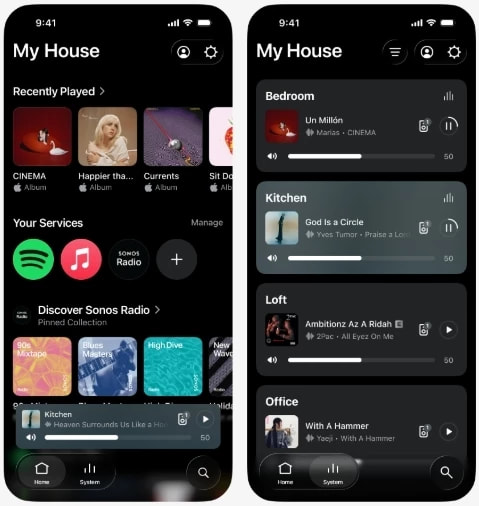
Sonos has begun rolling out one of the most substantial updates to its mobile app since the company’s disastrous 2024 redesign made basic multiroom audio controls unreliable, alienated longtime customers, damaged the brand, contributed to a dramatic leadership overhaul and handed rivals an opening that may take years to close.
The new update adds optional tab-based navigation, speaker and room sorting, pinned products and a redesigned volume interface on iOS. Android users will receive the new volume controls later. Sonos says the phased rollout began on July 14 and may take up to two weeks to reach every compatible device.
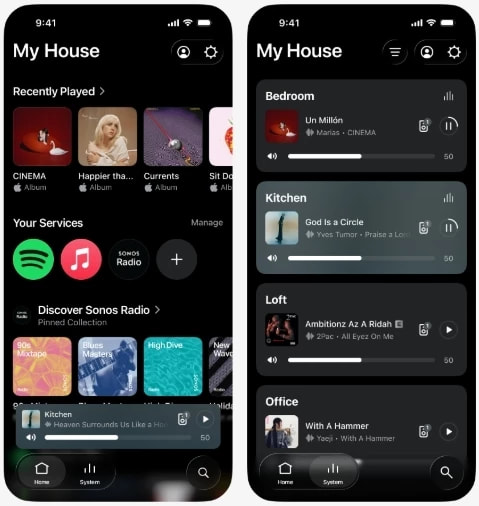
The relevant versions are:
The update also includes player software version 96.0-78270 for modern Sonos products and 86.8.78270 for legacy hardware.
The largest change is the return of clearly visible tabs across the bottom of the app.
Users can now move directly among Home, System and Search rather than relying on the stacked screens and gestures introduced with the 2024 redesign. Sonos is making the interface optional for now; it can be enabled through Settings > Enable Improved Navigation and disabled again if users prefer the current layout.

Putting Home, System and Search where people can actually see them is not a software revolution. It is, however, considerably more useful than making customers remember which screen needs to be dragged, swiped or politely negotiated with before music appears.
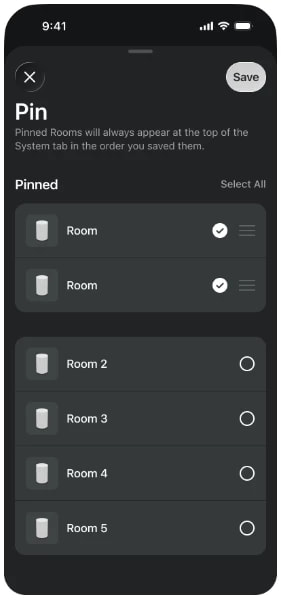
The System tab now supports custom speaker and room sorting. Users can arrange products alphabetically, organize them manually or pin frequently used rooms to the top. That should be particularly useful for larger Sonos installations where finding the correct speaker had begun to resemble sorting through airport departure boards.
Other changes include:
Android users receive the new navigation and speaker sorting now, but Sonos says the redesigned volume interface is still coming.
The update matters because the Sonos app is not merely a remote control. It is the control center for grouping rooms, configuring speakers, tuning systems with Trueplay, managing music services and integrating products across the home.
In May 2024, Sonos replaced its established mobile app with a heavily redesigned version released ahead of the Sonos Ace headphones. Customers quickly reported missing and unreliable features, including speaker grouping, queue management, alarms, local music-library access and the ability to switch consistently among streaming services.
As eCoustics reported at the time, some of the company’s most loyal users suddenly found expensive whole-home systems harder to control after a mandatory software update. Owners with large local music libraries were hit especially hard because search and playback functions either disappeared or stopped working properly.
Former CEO Patrick Spence eventually issued an apology and announced seven commitments intended to repair both the software and Sonos’ relationship with customers. One of those promises was that major app changes would be introduced gradually, with optional experimental features made available before becoming the default.
The version 87 rollout follows that commitment almost exactly. The navigation is optional, the deployment is phased and customers can return to the previous interface.
It is remarkable what can happen when software controlling thousands of dollars of hardware is tested before being imposed on everyone.

The damage did not remain confined to software reviews and angry support forums. Spence stepped down in January 2025 and was replaced on an interim basis by board member Tom Conrad, who became permanent CEO in July 2025.
The turmoil also overshadowed the company’s hardware.
The Sonos Ace headphones arrived with strong build quality, comfort and sound, but their integration with the broader Sonos ecosystem was more limited than many customers expected. They could not function as a normal Sonos room or wireless multiroom endpoint, and some of their most useful home-theater features required a compatible Sonos soundbar.
The Arc Ultra and Sub 4 followed in October 2024 with meaningful hardware improvements, including Sonos’ Sound Motion bass technology and wider Android support for Trueplay. Those products still depended on the same app that the company was attempting to repair.
Sonos later canceled its reported Pinewood video-streaming project amid the wider leadership and product reset. More recently, the company has returned to hardware expansion with products including the professional Amp Multi, an eight-channel streaming amplifier designed for custom installations.
That makes dependable app control even more important. A professional installer cannot sell a multi-zone platform on simplicity and reliability if the homeowner needs a support ticket to locate the kitchen.
Version 87 does not erase the damage caused by the 2024 app disaster, nor does it prove that Sonos has finally resolved every remaining software problem.
It does show that Sonos is listening to complaints that should have been addressed before the original redesign reached customers. Clear tabs, customizable speaker sorting and more predictable volume controls are practical improvements for people who use the system every day.
The decision to make the new navigation optional and roll it out gradually is equally important. Sonos promised it would stop treating paying customers as an involuntary quality-assurance department. This release suggests somebody inside the company remembered.
The new interface is not revolutionary. It is an overdue return to the idea that software controlling a whole-home audio system should disappear into the background rather than becoming the most memorable part of the experience.
For more information: support.sonos.com
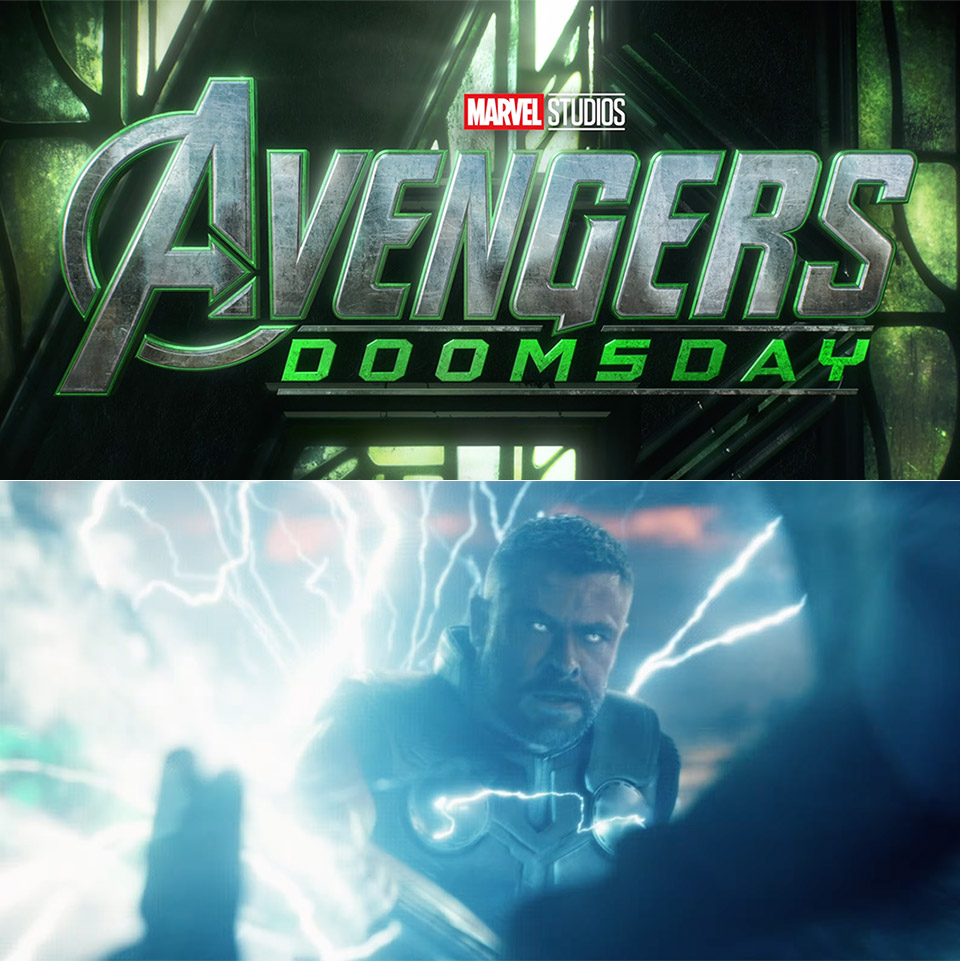
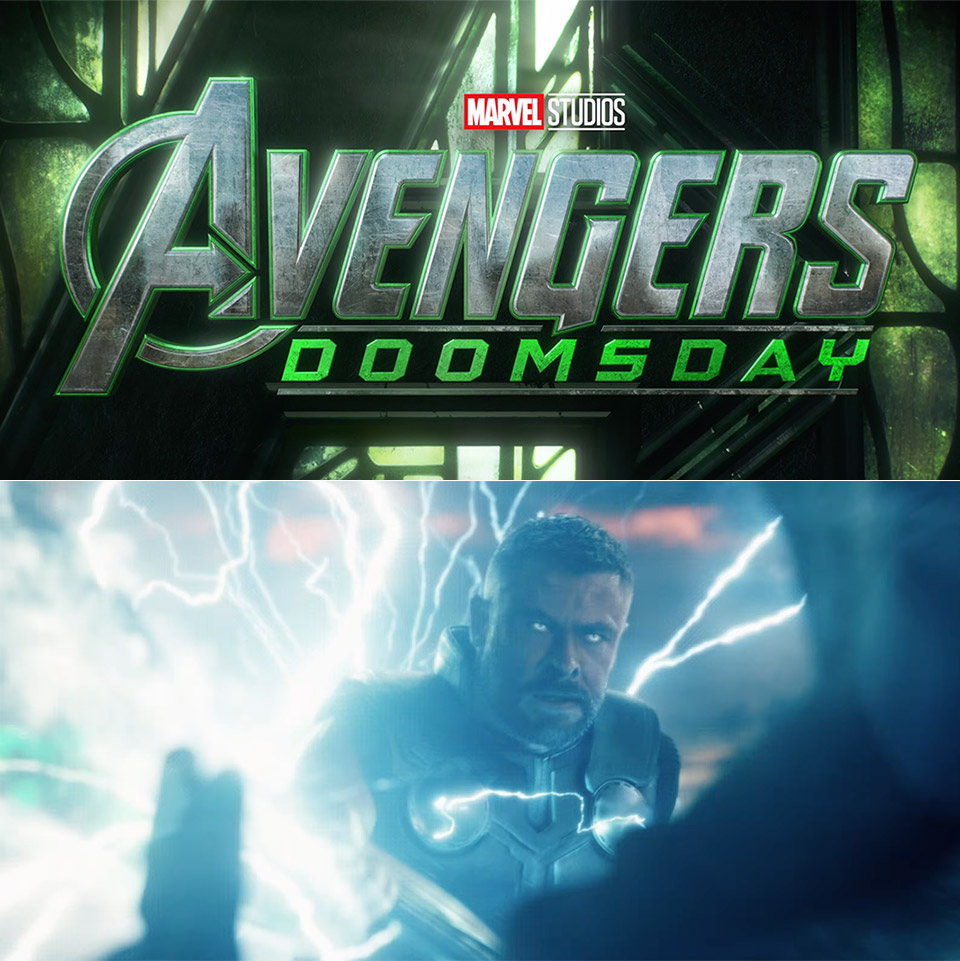
Robert Downey Jr. returns to the Marvel Cinematic Universe this morning in a role no one saw coming a few years ago. He wears the metal mask of Doctor Doom in the first full trailer for Avengers Doomsday, and the footage makes clear this is no simple villain introduction. Directed by Anthony and Joe Russo, the film lands in theaters on December 18 and pulls together heroes from three separate universes who suddenly share the same battlefield.
Patrick Stewart’s Professor X appears in the teaser with a hushed warning, a sense that something big is about to happen that even a seasoned veteran like him may be unable to stop. By the end of the day, he warns everyone that they’ll have to make a decision they can’t even think about, and that sentence hits home since X has seen enough multiverse mayhem to know when the normal techniques won’t cut it.
Sale

Then Chris Hemsworth’s Thor appears, delivering the trailer’s longest and most urgent speech, attempting to convey his message. He recalls men far stronger than everyone currently standing who died because the threats they faced were more terrifying to him than the one they confront today. He goes on to warn that every single sacrifice those guys made will be in vain until the current group can put aside their old feuds and come together as brothers and sisters. Then he musters the courage to state unequivocally that they will require nothing less than a miracle.

That miracle appears in the form of Chris Evans as Steve Rogers. After years on the sidelines, Captain America returns to the frame, reaches out, and lifts Thor’s hammer as if it were nothing. Thor’s astonished reaction demonstrates how much time has gone since Rogers’ departure and how little some aspects of him have truly changed.

We also get our first good look at Downey’s Dr. Doom in full armor. Then Thor smacks him with a burst of energy, leaving him immobilized. He’s already three steps ahead of any plan you can think of. That sequence underscores Doom’s dominance over all other adversaries in the MCU.

As the trailer progresses, more and more characters from different universes cross paths, with Pedro Pascal, Vanessa Kirby, Joseph Quinn, and Ebon Moss-Bachrach appearing as the Fantastic Four and encountering people that do not belong in their reality. Then there are the original X-Men – Patrick Stewart, Ian McKellen, James Marsden, Rebecca Romijn, Alan Cumming, Kelsey Grammer, and Channing Tatum – who appear alongside Anthony Mackie’s Captain America, Sebastian Stan’s Bucky Barnes, Florence Pugh’s Yelena Belova, Paul Rudd’s Ant-Man, and so on.

Tickets for the exclusive Infinity Vision screenings went on sale the same morning the trailer debuted. This is the final chapter of the Multiverse Saga before Secret Wars, and it appears to be a doozy. The trailer doesn’t explain how these three universes merged or what Doom wants to get out of it; all it does is show the scope of the problem and the unusual group of people who are now standing in his way.

Microsoft is working to fix a known issue affecting Windows Server Update Services (WSUS) servers, which has caused synchronization problems for more than a week.
WSUS was introduced almost twenty years ago to help IT administrators schedule updates for Microsoft products on enterprise networks from a single local update server, rather than updating each endpoint directly from Redmond’s servers.
By default, WSUS syncs with Microsoft Update servers once a day to download the latest metadata for available Windows updates. However, on servers affected by this issue, synchronization is broken, and admins will not be able to deploy the latest Windows updates via WSUS or Configuration Manager.

According to Microsoft, the WSUS sync issues affect both client (Windows 10, version 1607 and later) and server (Windows Server 2012 and later) platforms.
“Organizations might experience increased synchronization times or sync operation timeouts on WSUS servers. This issue began in recent days, with heightened impact observed starting July 13, 2026,” Microsoft said in a Windows health dashboard update.
Microsoft has rolled out mitigation measures on Saturday to prevent WSUS sync times and operation issues from affecting newly installed or rebuilt WSUS servers.
However, it is still working on additional mitigations for previously affected WSUS servers that continue to experience WSUS synchronization issues.
“Synchronization times and sync operations on WSUS servers have been restored and are operating normally for new WSUS installations and rebuilds,” it added. “For WSUS servers that were previously affected, Microsoft is working on mitigation steps to help customers safely remove the affected metadata from their environments.”
One year ago, in May, Microsoft fixed another similar issue after enterprise customers reported being plagued by WSUS errors when trying to update Windows 11 22H2/23H2 systems.
Microsoft addressed another WSUS issue in July 2025 that prevented organizations from syncing with Microsoft Update to deploy the latest Windows updates.
One month later, Microsoft resolved one more issue that blocked the August 2025 security update from being delivered via Windows Server Update Services (WSUS).

Security teams log 54% of successful attacks and alert on just 14%. The rest move through your environment unseen.
The Picus whitepaper shows how breach and attack simulation tests your SIEM and EDR rules so threats stop slipping by detection.
A malicious component dubbed HollowGraph uses the calendar feature in compromised Microsoft 365 mailboxes as a command-and-control channel to receive attacker commands and exfiltrate stolen data.
Researchers analysing the module believe it is part of the Cavern command-and-control framework that has been previously linked to an Iranian threat actor targeting entities in Israel.
At least 12 systems have been infected with HollowGraph, three of them actively communicating with the threat actor between June 3 and July 9.
The collected indicators suggest that the threat actor is focused on organizations in Israel, pointing to a targeted attack for espionage purposes.
In a report from cybersecurity company Group-IB, researchers say that HollowGraph uses hardcoded details to authenticate to the Microsoft Graph API via a compromised Microsoft 365 account.
The configuration file is stored as logAzure.txt to appear as a regular log file, and “includes the Microsoft Entra ID tenant ID, application (client) ID, client secret, target mailbox address, command-and-control (C2) domain, and two RSA keys.”
The two cryptographic keys are used to encrypt files before delivery to the attacker and to decrypt incoming tasks.
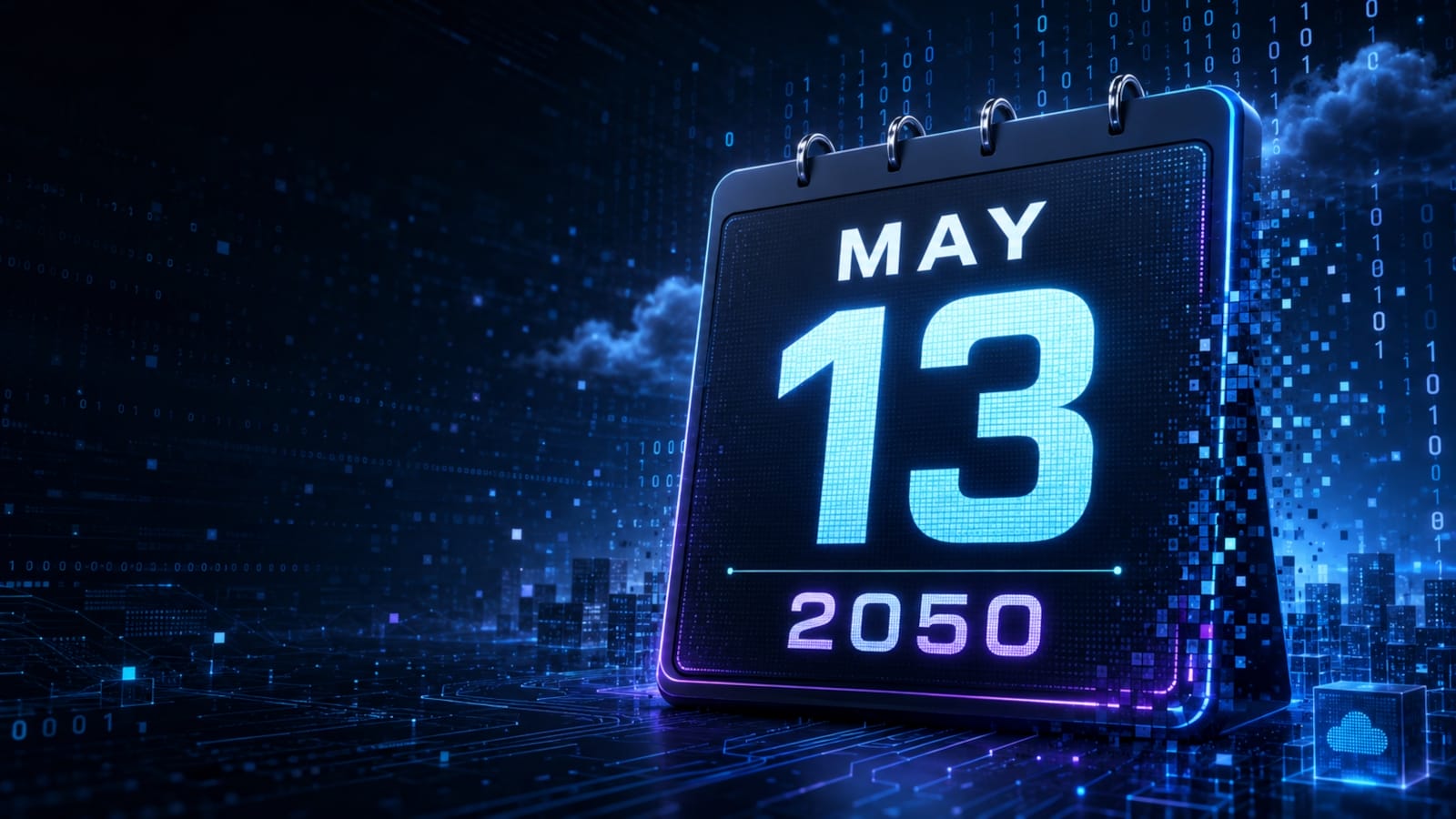
To remain under the radar, the threat actor creates calendar events dated May 13, 2050, with the title in specific formats. Commands and exfiltrated data are concealed within files attached to these calendar entries.
According to Group-IB’s analysis, HollowGraph supports only two commands that let it create calendar entries with stolen files in encrypted form and search for new ones with instructions from the threat actor:
The researchers describe the mailbox calendar as a “covert dead-drop,” with HollowGraph retrieving commands from events scheduled within a fixed one-hour window between 22:00 and 23:00 UTC on May 13, 2050.
Group-IB explains that the threat actor uses a hybrid encryption scheme that mixes RSA and AES-256-GCM algorithms to secure the communication over Microsoft Graph, keeping inbound and outbound channels cryptographically separated.
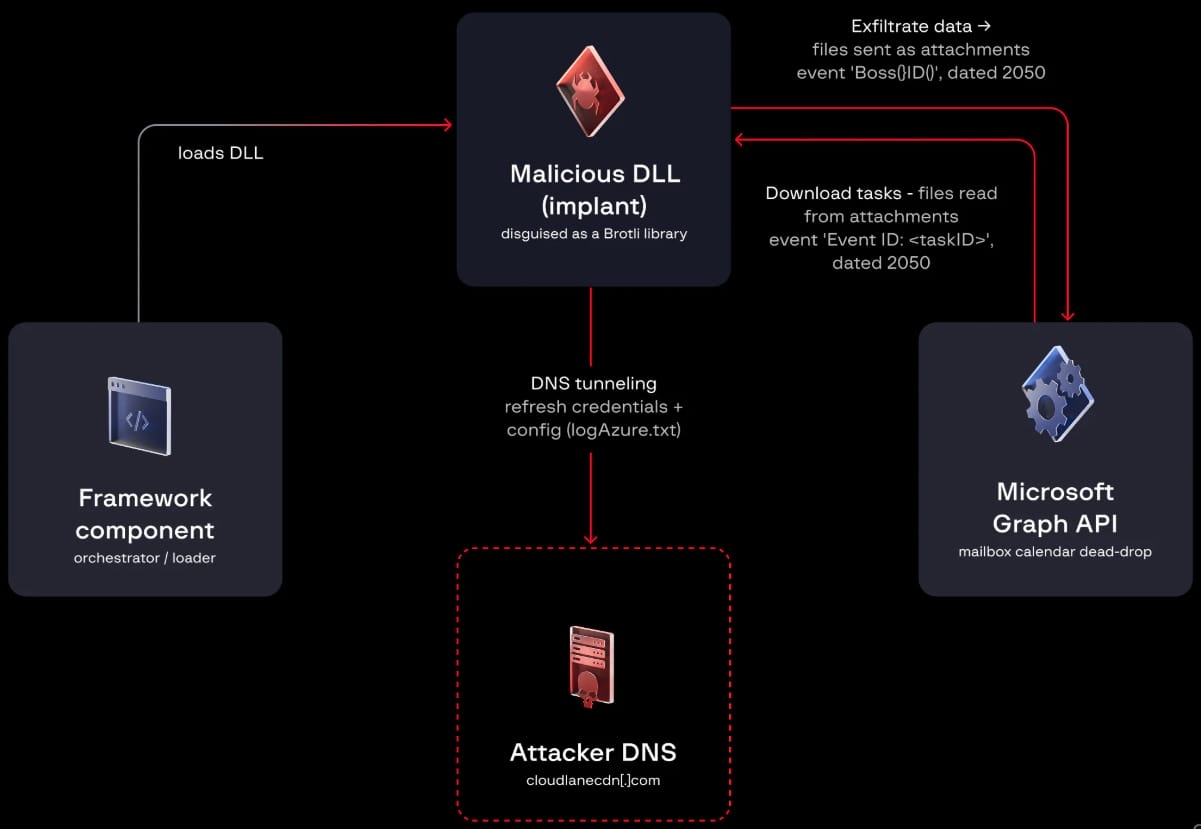
HollowGraph has a second, unencrypted communication channel through DNS tunnelling, which is used to receive new Microsoft Entra ID details (Entra ID: tenantId, clientId, clientSecret, and mailbox) to authenticate to Microsoft Graph.
It retrieves the values through IPv6 AAAA record queries to the attacker-controlled domain cloudlanecdn[.]com, and updates the configuration files stored as logAzure.txt.
“Each returned IPv6 address (16 bytes) yields 14 usable payload bytes,” Group-IB explains. The malware assembles the payload from these 14-byte chunks, decodes it as UTF-8 text, and stores the result according to the corresponding configuration field.
“HOLLOWGRAPH demonstrates a high level of technical sophistication. Its use of trusted cloud infrastructure for command-and-control, hybrid encryption, DNS tunneling for credential refresh, and highly selective victim targeting collectively suggest that the threat actor possesses significant technical capabilities and operational maturity,” – Group-IB
While the researchers cannot attribute HollowGraph to a known threat actor, their “analysis identified several technical similarities with the Iranian-nexus threat actor Lyceum.”
However, the available evidence is insufficient to attribute the activity to the threat actor with high confidence. By contrast, the researchers assess with high confidence that HollowGraph is linked to the Cavern framework.
Group-IB suggests that organizations monitor Microsoft Graph and Microsoft 365 audit logs for suspicious application-driven calendar activity, particularly events in the far future, and unusual subjects and attachments.
It is also recommended to look for indicators such as the ‘cloudlanecdn[.]com’ domain and the ‘logAzure.txt’ file, enforce Conditional Access, restrict and audit OAuth client-credential applications, and monitor outbound DNS for tunneling patterns.
Security teams log 54% of successful attacks and alert on just 14%. The rest move through your environment unseen.
The Picus whitepaper shows how breach and attack simulation tests your SIEM and EDR rules so threats stop slipping by detection.
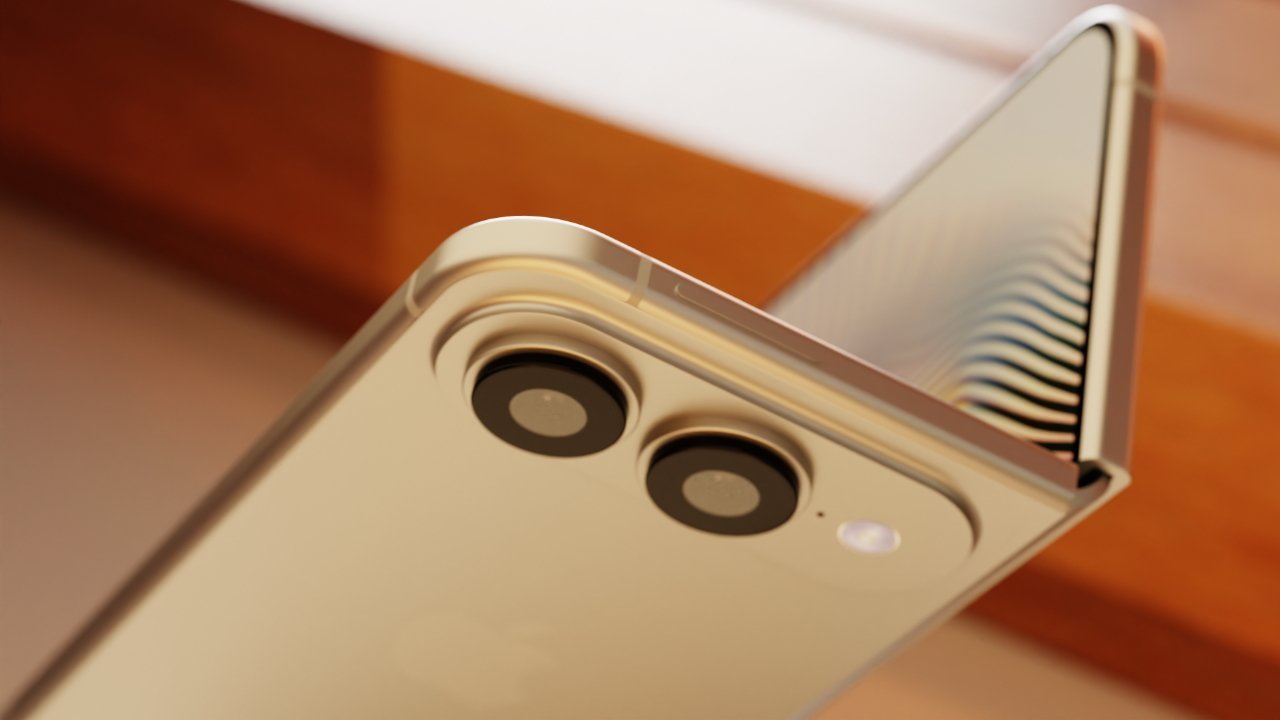
Code references in the iOS 27 developer betas mention an iPhone using multiple batteries. This could be related to the iPhone Fold, but it may have a more pedestrian explanation.
The occasional reference leaks in Apple’s beta operating systems often hint to future features that are on the way. For inbound devices like the iPhone Fold, they can sometimes point to big changes in the design.
According to an examination of the just-released fourth developer beta of iOS 27, MacWorld believes this is a sign that an iPhone with multiple internal batteries is on the way.
The code strings specifically say “The batteries in this iPhone are performing as expected.” Another states “The health of the batteries in this iPhone has significantly degraded.”
There’s also a mention of how “one of the batteries” isn’t a genuine Apple component.
The report highlights the use of plurals in the strings, meaning that multiple batteries are being discussed. Based on these strings alone, it’s entirely possible that they are for two internal batteries in a device.
Stepping back from the hype for a moment, the text may also refer to other situations where multiple batteries are in use. For example, the use of external MagSafe batteries, which basically adds a second battery to a single-battery iPhone.
If we take the verbiage as factual, the most probable device that could use two batteries would be the iPhone Fold.
As a folding smartphone, it would use two halves of a body, joined together by the display, wiring, and a hinge. The problem is working out where to place the battery.
If it’s a single cell, the battery would have to be located in one of the two halves of the unit. This would be impractical, partly because most of the weight of the device would be on one side, as well as reducing the potential battery life.
A dual-battery arrangement would maintain battery life, as well as keeping the iPhone Fold balanced. One side would not weigh that much more than the other.
This is also not the first time we have heard of the iPhone Fold using multiple batteries. On July 10, a leaker proposed that there would be two cells in use, “3D Stacked” to get a capacity of around 5,000mAh.
At the time, it was also reasoned that there could be two batteries in use to maximize the available power.
It also wouldn’t be Apple’s first use of dual batteries in an iPhone. The iPhone X was shown in a 2017 teardown to have dual batteries in one body.


Zillow, the real estate technology company, doesn’t get one conversation with its customers. They move from a phone screen to a loan officer to a real estate agent, sometimes over months or years, and expect the context to follow them. A single chatbot could never carry that thread.
At VB Transform 2026, Zillow SVP of Engineering Toby Roberts and Glean co-founder and CEO Arvind Jain described how they built AI architecture meant to carry context across that entire journey — and why context, not raw data, turned out to be the harder problem to solve. Zillow’s products touch roughly 80% of U.S. real estate transactions each year, and the company has been using AI long before ChatGPT existed.
“We pretty quickly identified that we were going to need a persistent context layer that was going to meet our customers and the professionals wherever they were,” Roberts said.
Roberts said Zillow’s AI effort started where most enterprise AI efforts start, with the data itself.
“We started with a large push around making sure our data did have the right foundation,” Roberts said. That meant a data mesh approach, clear data lineage and a governance structure with permissions and identity attached to the data itself.
None of that turned out to be the hard problem. The hard problem was building something that remembered where a customer was in their journey and carried that forward, no matter which surface they showed up on next.
“This context layer has to live to be able to support you where you are at any given point in your journey,” Roberts said. Zillow chose to own that layer itself rather than depend on a single external chat interface, a decision Roberts said the team reached quickly once it looked at the shape of a real transaction rather than a single conversation.
Zillow built its own harness rather than route customers through a single model API. The team drew on 20 years of machine learning history behind products like Zestimate, leaning into smaller, task-specific fine-tuned models instead of one general-purpose model.
Internally, that harness runs alongside Glean. Roberts said Zillow now has thousands of Glean agents in production, handling repetitive tasks with tens of thousands of executions across the company. Glean’s pitch, per Jain, is centralizing that integration work once, through the Glean MCP gateway, rather than letting finance, legal and marketing each rebuild their own connections to the same systems.
That centralization is also a cost lever. Jain pointed to two mechanisms: model routing, which sends most tasks to smaller, cheaper models instead of defaulting to frontier models, and precomputed context, which avoids an agent burning tokens assembling its own context from scratch.
“Claude is also very slow because the first part of assembling that context actually takes forever,” Jain said. Routing that request through Glean instead, he said, can cut token consumption by as much as half.
Across data, cost and permissions, the session offered a few practical takeaways for enterprises building agentic AI on their own systems.
Build the measurement baseline before the AI push, not after. Roberts said Zillow’s ability to credibly attribute a 40% increase in shipped code to AI adoption rests on a DORA metrics baseline the team put in place years earlier, not on the AI rollout itself.
Centralize context once instead of letting every team rebuild it. Jain’s core argument for Glean’s platform is that duplicated integration work across finance, legal and marketing teams is a hidden cost most enterprises haven’t accounted for.
Don’t assume permission inheritance is enough for regulated data. Even with a permissions-aware context platform in place, Zillow layered hard rules and a standing compliance check on top for its most sensitive categories, rather than trusting the architecture to handle it automatically.
Treat context as a cost lever, not just a capability. Model routing and precomputed context were the two mechanisms Jain pointed to for cutting AI spend, both aimed at reducing wasted token consumption rather than adding new capability.
“Models by themselves are not enough to bring automation with AI inside your enterprise,” Jain said. “You do have to connect it with your enterprise context.”
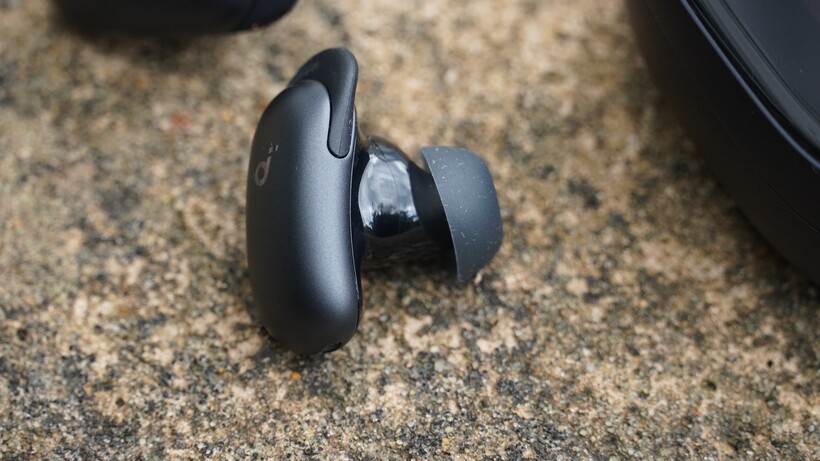
An impressively-feature laden true wireless that looks to take on the big guns and does an admirable job in many ways though its beaten when it comes to sound and noise cancellation. When it comes to call quality, these might just be the best but the less expensive Liberty 5 Pro have the same performance and are better for value
Excellent call quality
Stable fit
Strong noise cancellation
Lots of features
Battery life better than expected
Humdrum EQ modes are humdrum
AI assistant is not great
Bass-forward sound won’t be for everyone
Liberty 5 Pro model is less expensive and virtually the same
Soundcore has a knack for being prolific. In the past year, it has released several headphones as it looks to challenge its rivals for sheer quantity of releases
But quantity only matters so much if it’s backed up by quality. The Liberty 5 Pro Max are Soundcore’s flagship true wireless, surpassing the Liberty 5 Pro, which brings an extra tier of expectation in terms of performance.
What’s different? The charging case mostly, but there’s also the AI Note Taker feature that would fit neatly into a work/meeting environment.
From the features only, Soundcore want these to be the only earbuds you’ll ever need, but are they its best true wireless?
Style is not what the Soundcore Liberty 5 Pro Max are about. Function? Absolutely
The looks are anonymous – a choice of black and titanium gold finishes doesn’t really dispel the kidney bean look that slots in the ear. The ear-fin design keeps them tucked in, and comfort levels are strong – once they’re in, there’s no discomfort I’ve felt, and the security of the fit means they don’t fall out.
There are five ear-tips to find a fit tailored to you, from extra small to large, as well as two sizes of ear-fins that you can clip on.

The Liberty 5 Pro Max rely on touch controls, which are fine and usually respond, though it’s worth delving into the Soundcore app to shore up the control options. A single press did nothing until I went into the app and assigned play/pause; and a triple press does nothing either. Seems odd to me to leave them unassigned by default.
The charging case is a point of interest. This is different from the one that comes with the Liberty 5 Pro, featuring a larger screen; and like the charging case that comes with the JBL Live Beam 3, you can customise settings without reaching for the app.
It’s a little confusing at first figuring out the navigation. Swipe up to unlock and then swipe right (or left), and you can play with ANC, EQ, and playback. Or, swipe up after the screen is unlocked and visit more settings (AI Note Taker, Remote Camera and more). You can pick a custom wallpaper for the screen too through the Soundcore app.

It’s a little bit fiddly, but you can see how Soundcore are looking to add more functionality, reaching for the phone.
It does mean the charging case is a bit bulky compared to the more svelte options of others, but as I’ll get to, it has many purposes.
An IP55 rating means they’re protected against dust and low-pressure jets of water, making these a more than solid fit for workouts, especially with that secure fit.
One last thing, though. Getting these earbuds in and back into the case is surprisingly more challenging than I’d think. I’m always confused about which way they’re meant to go back into the case.
When it comes to features, Soundcore has cast its eyes across the market and tried to incorporate everything from its rivals. It makes for an absolutely stuffed pair of true wireless earbuds.
Let’s start with Bluetooth, which covers the Bluetooth 6.1 standard with SBC, AAC and LDAC streaming. There’s Bluetooth multi-point for connecting to multiple devices at once, and like the Technics EAH-AZ100, the Soundcore connects to three devices at the same time. The wireless performance has been strong – no noticeable dropouts or flaky connections so far.
However, going full bore on Bluetooth multi-point means you won’t be able to partake in any LDAC goodness, and other instances where LDAC isn’t available is by toggling on the AI Sound Enhancement.

Speaking of, let’s kick off with the sound modes the Liberty 5 Pro Max offers. There’s HearID, which tests your hearing and creates a sound profile for you (say if you’re sensitive to treble, the in-app testing can compensate for this). If you want to use HearID across other devices, you must create a Soundcore account.
There’s the ‘Curated Sound Effects’ which include Signature, Clear Vocals, Powerful Bass, Calm and Soothing and Custom, which involves creating an 8-band EQ. I’d say stick with Signature as the other modes flatter to deceive. None improve audio in the way intended, which is something I’ve pointed out with other Soundcore headphones.
If the Curated Sound Effects don’t do anything, there’s AI Sound Enhancement, but giving this a listen, I found that while vocals sound clearer, there’s not much of an uptick elsewhere.
Then there’s Dolby Audio, which opens up the headphones to spatial audio (why it’s not called this, I don’t know). Again, it’s ok – the head tracking works, but switching to spatial audio results in a decrease in overall detail.

Part of what Soundcore is offering with these earbuds is a big dollop of AI assistance, thanks to Anker’s Thus AI chip. While other brands use AI (or machine learning), Anker’s very much jumping on the supposed AI gravy train, with the “first large model compute-in-memory AI audio chip” that Soundcore says can deliver 150x computing power – although 150x more than what Soundcore doesn’t say.
Rather than go for Google or Alexa, Anker’s developed its own AI assistant (named Anka). It’s an interesting development, but the results could be better.
For one, she sounds stilted, robotic and not very conversational. I asked her for the weather, and that seemed fine until she kept repeating herself. So I asked a different question – the results from Wimbledon tennis – and instead of telling me the results from 2026, she referenced the 2024 final between Djokovic and Alcaraz. And then she wouldn’t stop talking about all the tennis tournaments.
During this kerfuffle, I asked her to play music again, but that seemed to confuse her – firstly she pronounced resume in the manner of a work resume, and then went back to talking about the weather. My feeling is that she’s very unfinished, or this LLM is old, and there’s little reason to give her a workout.

The most interesting aspect about the Liberty 5 Pro Max is the charging case, which adds even more functionality. The case, which also needs to be connected to your mobile device, can act as an AI Note Taker (I’ve seen someone use the case for this very reason). It took my rambling nonsense and transcribed it pretty accurately, although it did not there were two speakers when actually it was just me.
But, as a tool for capturing audio from meetings it’s an interesting use case, even if it comes with a catch. You can record the first 120 minutes for free, but after that, a membership and monthly fee are required.
Otherwise, you’ve got the usual assemblage of features in the Soundcore app: customising controls (bizarrely, play/pause is not assigned by default), carrying out a Fit Test to make sure the seal is correct, enabling wearing detection, Sound Mode (LDAC or AAC) and others.
Soundcore implies 6.5 hours of battery life with noise cancelling on, but that is overly cautious. Streaming a Spotify playlist for an hour at 50% volume, the headphones fell by 10%. I reckon you could get more from these earbuds.
The case holds 28 hours in total, while a five-minute spell over USB-C offers another four hours of playback. Wireless charging is also supported.
The noise cancellation of the Soundcore Liberty 5 Pro Max is impressive. Thanks to the fit and noise cancellation power of the earbuds, they cut down on a great deal of sounds. People talking, busy areas, public transport- these earbuds do well on cutting out everyday noise.
With the Liberty 5 Pro Max, Soundcore is venturing out in the territory traditionally owned by the likes of Sony and Bose, and putting them through a pink noise test, they’re not far off but they aren’t better, with the Sony in first place (for me) and Bose behind, but as a less expensive alternative, the Liberty 5 Pro Max are a more than respectable option.

Call quality is where the Liberty 5 Pro Max excels. While their Guinness World Book of Records attempt is a bit daft (would other brands resort to this just for the attention?), it’s among, if not the best true wireless I’ve used for calls.
The AI-assisted microphones latch on to my voice, and there’s no background noise coming through. The earbuds might be doing something that alters my voice, but not much and nothing that takes away from the clarity.
Sound is a personal thing. Some prefer it one way, others another – it’s very much an “each to their own”, but there’s room for different types. After all, if everything sounded the same, that wouldn’t be interesting.
The Liberty 5 Pro Max go for a bass-heavy tuning, and it rather belies its status as the flagship model, as you’d think clarity and detail would be uppermost in the tuning. But these earbuds are warm, the 9.2mm Wool-Paper Diaphragm drivers deliver a rich and bassy approach to audio. Ultimately, they sound fine, but is fine what you want?

It does depend on your device of choice. I’ve tested these wireless earphones on two smartphones that filter through a different sound – the Soundcore remain bass-heavy, but I found more clarity and detail present on one than I did the other.
Every track I listen to takes on a bassier response, whether it’s Norah Jones Don’t Know Why to Soundgarden’s Black Hole Sun. Voices come through clearly and with warmth but the main problem is that the Soundcore don’t relay as much detail or clarity as I’d like.
They’re also not the most exciting to listen to, which is not to say that they’re plodding, but every track is gripped by the same sound profile.
With GoGo Penguin’s Erased by Sunlight the highs are clear, and there’s some variation to how those highs pan out, but it’s not the brightest treble performance and there are times where it sounds a little unbalanced.

The smoothness of the earphones means that insight isn’t as high as, say, the Sony WF-1000XM6, and they’re not particularly dynamic. Pair them with a track or music genre that its bass energy works well with – like K-pop – and they’ll be very enjoyable.
I noticed that there is a less-than-natural tone to music as well, but overall I found the Liberty 5 Pro Max enjoyable enough; the soundstage is solidly wide, and if you like bass you’ll enjoy the sub-bass power and thump these deliver. That said, the JBL Live Beam 3 sound similar but less emphasis on bass and more clarity and detail. In fact, even the older Sony WF-1000XM5 sound clearer and more balanced, tonally.
Quite possibly the best wireless earphones for calls, it doesn’t seem to matter where you are, your voice will get through with no noise.
The one obvious area where the Soundcore are humdrum. They sound fine, but you need to do better than fine to compete.
As an overall package, the Liberty 5 Pro Max packs a lot of bang for buck, which is what you’d expect from Soundcore. Is it enough to challenge and undercut the big players? No, as the performance is lacking in a few areas.
When it comes to sound, I think you’re placing an emphasis on balance, clarity and insight at this price, and the Liberty 5 Pro Max’s bassy sound can’t compete with recent 2026 releases of Sony, Status Audio and even Samsung. However, if you’re someone who likes dance, R&B, rap, electronic – I think these earphones will suit that sound.
Call quality is excellent, the noise cancellation is very good; the fit and comfort are also areas where the Soundcore are strong.
The Anka assistant is a miss though, and while the AI Note Taker with the charging case is an interesting idea, who’s likely to pay for a membership? Speaking for myself, it won’t replace Otter AI for me.
And ultimately, Soundcore offers a less expensive option in the Liberty 5 Pro. It doesn’t come with the same charging case, but it’s more or less the same. In terms of value, those are the Soundcore earphones I’d go for.
The Soundcore Liberty 5 Pro Max were tested for five weeks with ANC, Bluetooth performance, call quality and sound tested in real world settings
The main difference between the two Soundcore earbuds is the charging case. The Liberty 5 Pro Max has a different design with a bigger screen and more functionality (such as AI Note Taker recordings). Otherwise, the wireless earbuds are exactly the same.
| Soundcore Liberty 5 Pro Max Review | |
|---|---|
| Manufacturer | Soundcore |
| IP rating | IP55 |
| Battery Hours | 28 |
| Wireless charging | Yes |
| Fast Charging | Yes |
| Release Date | 2026 |
| Audio Resolution | SBC, AAC, LDAC |
| Driver (s) | Liberty 5 Pro model is less expensive |
| Noise Cancellation? | Yes |
| Connectivity | Bluetooth 6.1 |
| Colours | Black, Titanium Gold |
| Frequency Range | – Hz |
| Headphone Type | True Wireless |
| UK RRP | £199.99 |
| USA RRP | $229.99 |


Discover how the ZEISS Crossbeam 750 FIBSEM sets a new benchmark for precise TEM lamella prep, tomography, and advanced nanofabrication. This delivers better resolution, better SNR, larger usable FOV, and shorter acquisition times. Learn how uninterrupted FIB milling will reduce damage and rework, accelerate time to TEM, and increase first pass success—so your FA, yield, and materials teams make faster, confident data driven decisions.
Register now for this free webinar!
Join us to discover how the new ZEISS Crossbeam 750 with its see while you mill capability delivers precision and clarity—every time—for demanding FIB-SEM workflows. Designed for extremely challenging TEM lamella preparation, tomography, advanced nanofabrication, and APT‑ready lift‑out, Crossbeam 750 combines a new Gemini 4 SEM objective lens, a double deflector, and a next‑generation scan generator to elevate both image quality and process confidence. You’ll learn how better resolution and better SNR translate into more image detail and shorter acquisition times, while the low‑kV FIB performance enables more precise lamella prep.
We’ll demonstrate High Dynamic Range (HDR) Mill + SEM—an interwoven SEM/FIB scanning mode that suppresses FIB‑generated background. This enables immediate, clean visual feedback, even during nudging the FIB pattern live while milling . The result: confident endpointing with uninterrupted FIB milling and pristine, metrology‑grade surfaces with the lowest possible sample damage.
This session is ideal for semiconductor failure analysists, yield teams and materials scientists seeking faster time‑to‑TEM, higher first‑pass success, and consistent outcomes at low kV. See how Crossbeam 750 empowers you to make earlier stop‑milling decisions, cut rework, and reliably plan turnaround time—so you can move from sample to insight with confidence.

VideoCardz reports that connecting certain LG monitors to Windows PCs can trigger Windows Update to automatically install the LG Monitor App Installer, which runs at startup and repeatedly displays McAfee trial promotions. From the report: Gamers Nexus reproduced the behavior with an LG UltraGear 34GX900A-B after receiving reports from monitor owners. Windows Update first installed LG extension and software component packages. Windows Reliability Monitor showed that LG Monitor App Installer appeared one minute later. The installation did not display a consent prompt or require the user to approve the download.
Gamers Nexus tested the application across 32 consecutive system boots. It displayed a McAfee promotion during 31 of them. On the remaining boot, it promoted one of LG’s own monitor utilities. The McAfee popup offered a 30-day trial that would convert into a paid subscription. The behavior does not appear to be limited to newly purchased displays. Gamers Nexus also received the popup on an LG UltraFine 32UN880-B purchased three years earlier. User complaints about LG Monitor App Installer date back to at least 2024, although the recent increase in reports suggests that more models may now be receiving it.

Amazon and UL, a company that tests and certifies that products meet safety standards, settled a lawsuit in July with several Chinese companies that manufacture ebikes under the Aipas brand name.
The US companies accused the Chinese firms in January of claiming in Amazon listings and on Aipas’ website that the ebikes had been certified by UL, giving recognizable, brand-name assurance to online shoppers worried about risks like ebike lithium-ion battery fires. But that wasn’t true. On July 15, a federal judge signed off on a permanent injunction in which the companies agreed that they would no longer use the UL mark. It also bars them from “assisting, aiding, or abetting any other person or business” in doing the same.
The filing notes that the Chinese companies didn’t admit liability or wrongdoing tied to Amazon’s and UL’s accusations of knowingly using fraudulent safety-certification marks. (The enterprises involved are Jiangmen Meijiasheng Bicycle, Hong Kong Manchester International Trading, Shenzhen Aibosi Sport Technology, Guangzhou Aierfeile Sport Technology, and the individual Tang Shuhui, who the lawsuit alleges was involved in an Amazon selling account.)
But WIRED has found a Facebook account associated with Aipas Ebike still running ads that include UL’s bright red logo. A WIRED reporter was served one of the ads in mid-July, even after the companies had agreed to a permanent injunction. At least one other ad using the UL mark has been actively running on Facebook since April, months after the lawsuit was filed, according to Meta’s Ad Library. Another active ad including the UL mark and first posted in May appeared to disappear from the Ad Library after WIRED contacted both Aipas and UL for comment.
WIRED also found that while some Aipas ebikes and their batteries did eventually receive safety certifications from a nationally recognized organization, seemingly months after the company began advertising its UL safety marks, some of those certificates are now inactive.
A spokesperson for Amazon declined to comment on the lawsuit. Bradley Carlson, a spokesperson for UL, also declined to comment on the lawsuit but said the UL team is “aware and working to resolve” the issues related to the Facebook ads. Neither Aipas Ebike nor the lawyer representing the Chinese businesses in court responded to multiple requests for comment.
While fights over fraudulent product safety certifications don’t always break out into public view, “this is a common problem and has been a common problem for quite some time,” says Donald Mays, a longtime product safety expert who now runs his own consulting firm.
The trend has troubling implications, especially for electric mobility devices like ebikes. A report published by the US government in April found that 45 fatalities between 2017 and 2024 were associated with fires related to lithium-ion batteries in mobility devices, 19 of them related to ebikes alone. The New York City Fire Department, which tracks lithium-ion battery fires, logged 277 fires tied to the tech in 2024, compared with 268 in 2023, and linked them to ebikes.
Many of the country’s ebike fires were associated with replacement battery packs, as noted by the Consumer Product Safety Commission, an independent federal agency. The agency has urged consumers to use only micromobility devices “designed, manufactured, and certified for compliance by an accredited laboratory with the applicable consensus safety standards,” according to its website.
The false certification is more prevalent on online marketplaces like Amazon, says Gabe Knight, a senior policy analyst at Consumer Reports. “Just as consumers are more at risk to buy a counterfeit product, period, from third-party sellers, they are more at risk to buy a product with a fabricated certification mark,” she says. In general, retailers who sell products to consumers directly, rather than simply hosting sales, do a better job of guaranteeing their merchandise’s safety claims, she says; these retailers usually have internal compliance programs to verify manufacturers’ basic safety claims.

Roughly half the world’s population is female, but the STEM fields don’t reflect that. The 2024 U.N. Global Education Monitoring Report on gender found that about 35 percent of STEM college graduates were women. The proportion hasn’t increased much in more than a decade.
When it comes to STEM careers, the percentage is even lower. Women made up about 28 percent of the global STEM workforce in 2024, according to the World Economic Forum.
There are myriad factors for the discrepancy, including a lack of family support, some teachers encouraging only boys to pursue STEM subjects, and a shortage of female role models.
But one force is at play long before college majors are ever considered: limited access to STEM-focused educational resources for preuniversity students. Especially for students in rural communities, the limited access curtails curiosity in STEM subjects before interest can take root. Although the lack of opportunity impacts boys and girls alike, when combined with other factors it can have an outsized effect on girls in some rural regions.
 IEEE Fellow Rajiv Joshi is one of the creators of the Women in Science, Engineering project. He is a principal scientist and master inventor at the IBM Watson Research Center, in Yorktown Heights, N.Y.Rajiv Joshi
One such place is rural India. The challenges of pursuing a STEM education—or any education at all—increase sharply as rural Indian girls move into their teen years. Social barriers including early marriage, traditional gender roles, and familial expectations for financial support contribute to girls’ dropping out of school, according to the Mahadev Maitri Foundation, a nongovernment organization focused on childhood education in underdeveloped areas. Dropout rates for girls spike between the ages of 11 to 14, according to the foundation.
The trend is something IEEE Fellow Rajiv Joshi and IEEE Senior Member Rajesh Zele want to change. A shared passion to keep rural Indian girls from dropping out of school and on paths to STEM careers led them to launch the Women in Science, Engineering (WiSE) project.
“Talent is universal, but opportunity is not,” Joshi says. “WiSE is one way to expand opportunities.”
Joshi, vice president of industry for the IEEE Circuits and Systems Society (CASS), is a principal scientist and master inventor at the IBM Watson Research Center, in Yorktown Heights, N.Y. Zele is a professor of electrical engineering at the Indian Institute of Technology Bombay (IIT-B), in suburban Mumbai.
They presented their proposal for the three-year initiative to the society’s board of governors in 2022 and received a grant of US $80,000.
WiSE was a five-day, hands-on learning program held on the IIT-B campus. Starting in 2023, it ran for three years and was held during the last week of March. A new cohort of 160 to 200 girls from rural and tribal areas in the states of Maharashtra and Karnataka attended each year.
The event was divided into two parts: hands-on learning through Break-Make-Program (BMP) experiences and presentations by influential female Indian role models.
Zele, project manager Arti Auti, several IIT-B faculty members, and about 70 student volunteers from the institute oversaw the program.
With funding secured, Zele and his team on the ground in India got busy selecting attendees for the inaugural 2023 class. They reached out to administrators at 68 schools in Maharashtra and Karnataka. Although the two states are among the most urbanized in the country, each has vast rural areas where educating teen girls competes with early marriage and familial support pressure.
Teachers identified girls with high scores in mathematics and science, and community leaders recommended students who could benefit from the program.
Then outreach to their parents began. The adults were required to commit their own time, not just grant permission for their daughters to attend. They participated in quarterly online meetings that included the girls’ teachers, IIT-B student mentors, and other program volunteers after the week concluded. The check-ins held parents accountable for supporting their daughters’ continuing school attendance. The commitment to join the meetings was to last for at least four years after their daughter’s program participation ended.
Participants stayed in one of the institute’s dormitories for the week and attended sessions held Monday through Friday.
They worked together in small teams to build things rooted in STEM concepts. The teams were supervised by Arti, IIT-B faculty, and student volunteers.
“The idea behind BMP,” Joshi says, “was to give the girls an opportunity to take a gadget apart, then rebuild it, perfect it, or come up with a totally new idea.”
The sessions included working with bioluminescence and bacteria (introducing participants to biology and microbiology), learning about autonomous underwater vehicles, and building a remote-controlled robot. The robot construction was the capstone event, allowing the girls to combine the mechanical and electronics engineering skills they’d practiced throughout the week.
The build kits were created by students in Zele’s Advanced Integrated Circuits and Systems Lab. The girls and teachers were allowed to take the kits home to keep the learning going and spread STEM awareness.
“Many girls used those kits at different events to demonstrate their STEM skills to others,” Joshi says. One was Sushi Pawar, who built a drone during WiSE, then went on to demonstrate it to a national audience.
“I presented the drone project in 2024 to Prime Minister Narendra Modi during the Pariksha Pe Charcha,” Pawar says. That initiative is an annual event open for students in classes 6 to 12, their teachers, and parents. The focus is on helping students manage stress during exam time through fun and celebratory activities. The event is supported by the Indian Ministry of Education and hosted by the prime minister.
Each year, millions of students complete an online multiple-choice test to qualify to attend in person and meet the prime minister. In 2024 nearly 4,000 participants attended.
WiSE was about more than hands-on learning. It also included daily presentations from “Winspirers”: Indian women who achieved success in their lives or had STEM careers. They included scientists, doctors, military officers, professors, and other women who overcame obstacles.
The first such speaker was Savita Dakle, a farmer from Maharashtra who dropped out of school after 10th grade, got married, and had two children.
Despite limited farming knowledge, she learned quickly and built a coalition of 400 female farmers from her village. She taught them how to use mobile phones and social media to share information and resources.
Today, that coalition has more than 1 million members in two online communities. They share tips on market pricing, growing crops, and more.
Zele says he views Dakle as the ideal Winspirer: someone who built a thriving business with few resources and no academic or professional credentials.
Dakle mirrors the challenges faced by many program participants, he says, noting that many girls face pressure to leave school early to marry or financially support their family. She is living proof, he says, that no girl’s circumstances define her possibilities.
No empirical data yet exists to measure the project’s success, but feedback from participants shows the program has made a difference. Many from the 2023 cohort remained in school and are now pursuing higher education.
Participant Tejswini Manoj Patil credits the initiative with boosting her confidence in science and math.
“Before WiSE,” she says, “I was interested in STEM but felt intimidated by the complexity of the subjects. After participating, my interest shifted from passive curiosity to active confidence. The hands-on projects showed me that I am capable of solving real-world problems.”
Meeting female role models was important, attendee Ritu Ravindra Patil says, adding: “WiSE completely changed my perspective, and meeting the Winspirers inspired me to aim for higher education.”
The project opened career perspectives for some.
“Before WiSE, I wanted to be a doctor,” Pallavi Bharti says. “I believed engineering was very stressful and boring. When I joined the program and explored IIT-B, I was amazed. Everyone was so friendly and supportive, and the passion in students for their work motivated me. All those experiences gave me confidence to take math classes and become an engineer.”
The initiative ended last year, but the framework it built lives on. Groups with similar goals have adopted parts of the concept, Joshi says.
The IEEE CASS chapters in Bangalore and Kerala are likely to be among the first to advance the initiative’s ideas, he says.
Alex James, an IEEE senior member and founding chair of the IEEE CASS Kerala chapter, has adapted the framework for use in his region, Joshi says. James is a professor of AI hardware and a dean at Digital University Kerala in Thiruvananthapuram.
Joshi guided James as WiSE concepts were implemented.
IEEE Senior Members Jayesh Tanwani and Suman Dwivedi from the IEEE CASS Bangalore chapter are likely to bring program concepts into their work, Joshi says.
Tanwani, chair of the Bangalore chapter, is a system-on-a-chip design engineering manager at Intel in Bengaluru. Dwivedi is a senior manager at Synopsys in Bengaluru. They are bringing STEM outreach to remote schools in Karnataka.
Joshi and Zele say they hope to see the concept expand beyond India.
“We want to spread this across other continents and see how we can integrate WiSE into new or existing initiatives in those places,” Joshi says. He says he has received requests from countries in Asia, Africa, and Europe for information on WiSE.
Both say awareness and outreach are key things that IEEE CASS chapters around the world are well positioned to support.
“We want to make a difference in young women’s lives,” Zele says. “It’s all about giving attendees the skills to stand on their own feet and have the information to make good decisions.”
From Your Site Articles
Related Articles Around the Web




London Mayor Sadiq Khan handed a peerage by Keir Starmer alongside 15 other Labour figures… just days before the PM leaves No10


Weekend Open Thread – Corporette.com


The House | The City of London can help the new chancellor deliver growth in every postcode


Young campaigners urge incoming PM to act on outdoor junk food ads


CFTC blocks Kalshi from unwinding Michigan trades after court order

Two July Windows Left: The CLARITY Act’s Senate Fight and What Failure Means


Ripple Payments Joins MiCA With 14 Firms, Does It Mean Anything For XRP?


Nvidia Stock Slips After Big Tuesday Rally as Huang Confirms Vera Rubin Chip Is Now in Production Today


Democrats look to World Cup watch parties to register thousands of voters

Disney’s Most Ambitious Failed Star Wars Attraction Is Coming to SDCC


Ripple wins EU-wide access as ESMA adds it to MiCA register


Palantir Shares Rise After Expanded Nvidia Partnership and Fresh Analyst Upgrades Ahead of Earnings Day


Injective Submits SEC Transfer-Agent Registration to Onchain Ownership Records


Registration is now open for March for Men with Kev 2026


Get Your ESP32 Sunny Side Up With This Solar Dev Board


XRP BOMBSHELL… XRP OMBOARDED FOR TRANSACTIONS!!!


Dark Secrets Emerge When Jailbreaking LLMs


Unregistered fitter used Gas Safe logo on business flyers

New Cornerback Enters Vikings Trade Rumor Mill


Money | Class 12 Economics | CBSE Board Exam 2026-27


You must be logged in to post a comment Login