Connect with us

Business

Rivian Stock Reverses After Earnings. The R2 Rollout Is Paying Off.

Published

on

Rivian Stock Reverses After Earnings. The R2 Rollout Is Paying Off.
Continue Reading
Click to comment

You must be logged in to post a comment Login

Leave a Reply

Business

Building Better Patient Care Through Diagnostic Radiology

Published

on

Too many young people are being signed off sick for finding work difficult, the Government’s worklessness tsar has warned, as soaring sickness rates deepen Britain’s economic inactivity crisis.

Every medical image tells a story. Behind each scan is a physician whose job is to find answers that can change a patient’s treatment and, in many cases, their life. For Max Mehta, that responsibility has shaped a career built on precision, lifelong learning, and a commitment to diagnostic radiology.

From growing up in Peoria, Illinois, to training at some of the country’s respected medical institutions and serving hospitals across Texas, Mehta has focused on one goal: helping physicians make informed decisions through accurate medical imaging.

“I’ve always believed that every image deserves careful attention because every patient deserves our best work,” Mehta says.

Who Is Max Mehta?

Max Mehta is a diagnostic radiologist based in Texas. His career reflects decades of medical education, specialized training, and clinical experience.

He grew up in Peoria, Illinois, where he developed interests that remain with him today. He enjoys basketball, movies, music, dining out, walking, spending time at the gym, and discovering new coffee shops. Those interests have helped him maintain balance while working in a demanding medical specialty.

Advertisement

“Medicine requires focus,” Mehta says. “Finding time to recharge helps me return to work with fresh eyes.”

How Max Mehta Built His Career in Radiology

Mehta’s path into medicine began with a strong educational foundation.

He attended Richwoods High School before enrolling at Boston University. He later earned his medical degree from the Boston University School of Medicine, where he developed a growing interest in diagnostic imaging.

Rather than stopping there, he continued to pursue advanced training.

Advertisement

He completed his radiology residency at Cottage Hospital in Santa Barbara, California. He then completed a fellowship at Baylor College of Medicine, refining the specialized skills that would define his career.

“Education never really ends in medicine,” Mehta says. “Every case teaches you something new.”

That commitment to continuous learning remains one of the defining characteristics of his professional approach.

Why Diagnostic Radiology Requires Constant Learning

Radiology has changed dramatically over the past several decades. Imaging technology continues to improve, producing more detailed information that helps physicians diagnose disease earlier and more accurately.

Advertisement

For radiologists like Mehta, keeping pace with those advances is part of the job.

His professional interest in medical education reflects that belief. He also maintains involvement with the Radiological Society of North America (RSNA), one of the leading professional organizations dedicated to advancing medical imaging research, education, and clinical practice.

“The technology evolves,” Mehta says. “Our responsibility is to keep learning so patients continue to benefit from those advances.”

Serving Patients Across Texas

Throughout his career, Mehta has worked in a variety of clinical settings.

Advertisement

Earlier in his professional journey, he worked with Advanced Diagnostics in Florida, gaining valuable experience interpreting medical imaging across diverse patient populations.

Today, his work spans multiple hospitals in South Texas, including Knapp Hospital in Weslaco, Mission Regional Medical Center in Mission, and Harlingen Medical Center in Harlingen.

Working across several facilities requires consistency, efficiency, and careful communication with referring physicians.

“No matter where I’m reading images, the goal stays the same,” Mehta says. “Provide accurate information that helps the care team make the best possible decisions.”

Advertisement

That consistency has become a hallmark of his career.

Leadership Through Accuracy and Collaboration

Leadership in radiology is often quiet. Much of the work happens behind the scenes, yet its impact reaches every department within a hospital.

Emergency physicians, surgeons, oncologists, primary care doctors, and specialists all rely on timely and accurate imaging interpretations to guide patient care.

Mehta views collaboration as an essential part of the profession.

Advertisement

“Radiology is a team effort,” he says. “The best patient care happens when physicians communicate and work together.”

His commitment to excellence has also been recognized through the Dale Etaugh Achievement Award, reflecting both professional accomplishment and dedication to his field.

What Drives Max Mehta Today?

Despite years of experience, Mehta continues to approach each day with curiosity.

Medical imaging continues to evolve, creating new opportunities to improve diagnosis and patient care. He believes staying engaged with education and emerging technology is one of the best ways to serve patients.

Advertisement

“There is always something new to learn,” Mehta says. “That is one of the things I appreciate most about radiology.”

His career demonstrates that leadership is not always measured by visibility. Sometimes it is measured by consistency, expertise, and a commitment to doing important work well every day.

For Max Mehta, diagnostic radiology has never simply been about interpreting images. It has been about providing the information that helps physicians deliver better care, one patient at a time.

Advertisement

Continue Reading

Business

What to Do in the Week After Your Financial Controller Resigns

Published

on

cbils

It usually happens on a Friday. Your Financial Controller asks for ten minutes, closes the door, and hands over a letter. They have been offered something they could not turn down, they are sorry, and they are giving the month’s notice their contract requires.

For the owner or MD of a small or mid-sized business, this is one of the more quietly dangerous moments in the calendar, because in most SMEs the FC is not one member of the finance team. Functionally, they are the finance team, and everything from payroll to the bank covenant reporting runs through their head.

Handled well, the following week determines whether the departure becomes a wobble or a crisis. Here is how to spend it.

Day one: secure the knowledge, not the notice period

The instinct is to start recruiting immediately. Resist it for twenty-four hours and deal with the bigger risk first: undocumented knowledge. Sit down with the departing FC while goodwill is at its highest and agree what will be written down before they leave: the month-end close timetable and checklist, who owns each reconciliation, the reporting calendar, banking and audit contacts, payroll processes, system logins held solely by them, and, most valuably, a candid note of the judgement areas in the numbers. An FC who resigned on good terms will almost always do this willingly. One who is counting down the days in an atmosphere of blame will not, which is worth remembering before the exit conversation turns frosty.

Days two and three: map the calendar against the notice period

Take the notice period and lay it against the finance calendar. Does it cover the next month-end? The VAT return? The audit fieldwork, the year-end, the payroll run? The gaps between the leaving date and the next immovable deadline define how much time you genuinely have, and it is nearly always less than the notice period suggests, because the final fortnight of anyone’s notice is rarely their most productive. Most SMEs discover they have a four-to-six-week window to have a capable replacement in the chair, which is shorter than the average time-to-hire for a permanent senior finance role by some distance.

Advertisement

Day four: separate the permanent decision from the continuity decision

This is the step most businesses miss. A resignation creates two problems, not one: who runs the finance function next quarter, and who runs it for the next five years. Collapsing them into a single rushed permanent hire is how businesses end up re-recruiting the role twelve months later. The permanent search should be done properly, which takes time you do not have; continuity is a different, faster problem with a well-established answer.

An interim financial controller can typically be in place within days rather than months. Experienced interims are used to landing in unfamiliar businesses mid-cycle, taking a documented handover from the outgoing FC, and holding the function steady while the permanent search runs at a sensible pace. They also bring a quietly useful side benefit: an experienced outside pair of eyes on the function, which often surfaces improvements a permanent successor will thank you for.

Day five: brief the team and the stakeholders

Tell the finance team before the rumour mill does, and be straightforward with external stakeholders who deal with the FC directly: the bank, the auditors, key suppliers on payment plans. A one-line note saying the role is covered and introducing the interim arrangement protects more goodwill than silence ever does. Lenders in particular respond far better to a business that visibly has a plan than to one that goes quiet at the finance desk.

The week after: run the real search properly

With continuity secured, the permanent hire can be what it should be: considered, well-specified, and benchmarked against what the role has become rather than what it was when the departing FC was hired. Businesses grow; the FC role grows with them, and a resignation is often the first moment anyone re-examines the job description in years. Take the opportunity.

Advertisement

A Financial Controller resigning is never welcome news. But the businesses that come through it cleanly are not the lucky ones; they are the ones that spent the first week securing knowledge, buying continuity, and refusing to let urgency make the long-term decision. That is a week’s work. It is worth doing well.

Adrian Lawrence FCA, founder of Accountancy Capital.

Advertisement
Continue Reading

Business

Ingredion’s acquisition of Tate & Lyle moves forward

Published

on

Ingredion’s acquisition of Tate & Lyle moves forward

Tate & Lyle shareholders vote to approve the deal.

Continue Reading

Business

Rogers Corporation Is Recovering Quickly, But 2027 And 2028 Also Need To Go Well

Published

on

Rogers Corporation Is Recovering Quickly, But 2027 And 2028 Also Need To Go Well

Rogers Corporation Is Recovering Quickly, But 2027 And 2028 Also Need To Go Well

Continue Reading

Business

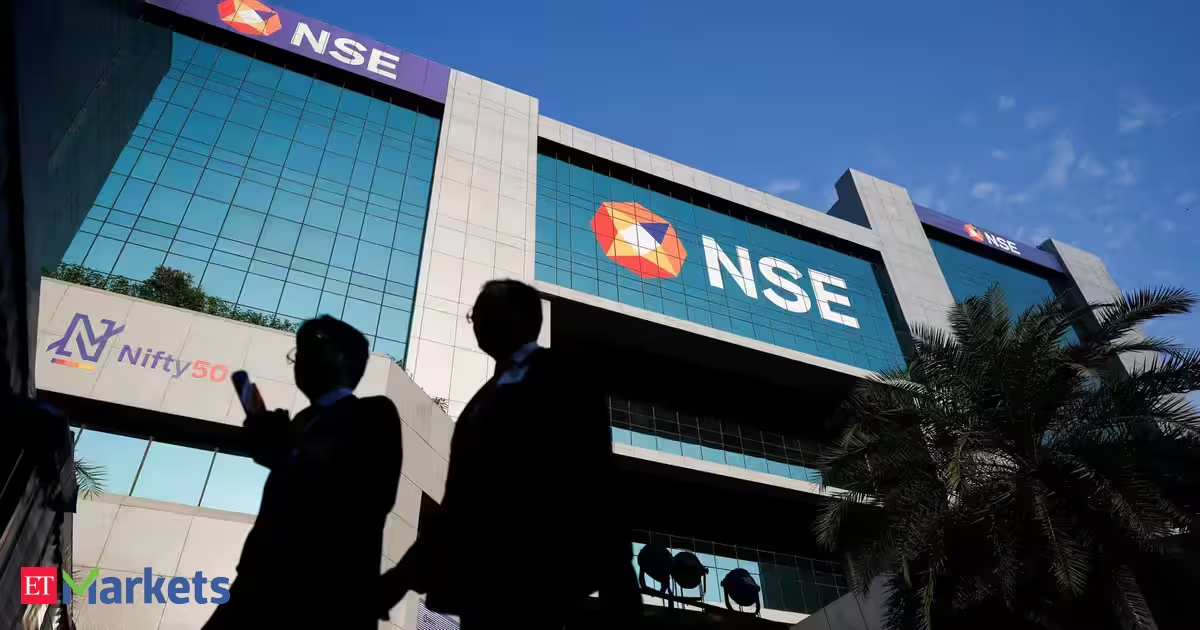
NSE pays Rs 715 crore to settle pending Rs 1,491-crore co-location case ahead of IPO

Published

on

NSE pays Rs 715 crore to settle pending Rs 1,491-crore co-location case ahead of IPO
National Stock Exchange of India (NSE) on Friday said it has paid Rs 714.74 crore to Sebi after receiving the regulator’s in-principle approval to settle the long-pending colocation and dark fibre cases for Rs 1,491.21 crore.

The latest payment, together with the Rs 776.47 crore already deposited by the NSE, completes the Rs 1,491.21-crore settlement amount agreed under the revised settlement terms.

The payment comes a day after the Securities and Exchange Board of India (Sebi) gave its in-principle approval to the revised settlement proposal submitted by the exchange.

In a statement, NSE said, “The deposit of Rs 776.47 crore along with the payment of Rs 714.74 crore made against the demand notice dated July 30, 2026, will be adjusted against the settlement amount of Rs 1,491.21 crore.”

Advertisement

On Thursday, NSE had informed that Sebi had, in principle, agreed to settle the colocation and dark fibre matters for a cumulative amount of Rs 1,491.21 crore and had asked the exchange to pay the balance amount of Rs 714.74 crore after adjusting the amount already deposited.


The exchange’s board, at its meeting held on July 30, approved the payment of the balance settlement amount.
NSE had initially filed two settlement applications with Sebi on June 20, 2025, covering the colocation and dark fibre matters for a cumulative amount of Rs 1,387.39 crore. Subsequently, on March 13, 2026, it revised the settlement terms, increasing the cumulative settlement amount to Rs 1,491.21 crore.The settlement comes as the country’s largest stock exchange is preparing for its initial public offering (IPO).

In June, NSE filed its draft papers with Sebi for an IPO comprising an offer-for-sale (OFS) of 14.89 crore equity shares by existing shareholders, representing nearly 6 per cent of the exchange’s equity capital.

With no fresh issue component, the proposed IPO is estimated at around Rs 30,000 crore, making it one of the largest public issues in the Indian capital markets.

Advertisement
Continue Reading

Business

Bunge raises outlook on strong Q2

Published

on

Bunge raises outlook on strong Q2

Net income surges 91% in quarter.

Continue Reading

Business

Lenovo Group Shares Jump Nearly 10% as Broader Asian Tech Rally Follows Microsoft’s Blowout Earnings

Published

on

Woman holds smartphone with Meta logo in front of a displayed Facebook's new rebrand logo Meta in this illustration picture

Shares of Lenovo Group surged 9.75% on Friday, climbing 2.12 Hong Kong dollars to reach 23.86 Hong Kong dollars, as the world’s largest personal computer maker rode a powerful rally sweeping across Asian technology stocks following blockbuster earnings from Microsoft and other major U.S. technology companies.

The rally traced its roots to a powerful overnight session on Wall Street. Microsoft shares soared roughly 15.5% Thursday, marking the company’s best single-day performance in nearly 18 years, after the technology giant reported that its Azure cloud computing division grew 43% during the quarter, easing broader investor concerns about the sustainability of massive capital spending on artificial intelligence infrastructure. Amazon and Meta Platforms also posted results that exceeded market expectations, reinforcing confidence that demand for AI-related computing infrastructure remains robust across the global technology sector.

Friday’s gains build on an extraordinary year for Lenovo shares, which have surged 137% on a year-to-date basis, according to StockAnalysis.com, driven by the company’s rapidly expanding artificial intelligence infrastructure business alongside resilience in its core personal computer operations. In late May, Lenovo shares jumped as much as 85% to reach a fresh all-time high in Hong Kong trading after the company reported its fastest revenue growth in years, with record fiscal fourth-quarter revenue and its strongest full-year results in company history. AI-related revenue surged 84% during that quarter, according to StockAnalysis.com, becoming the standout performer within the company’s broader business.

Following that late-May earnings report, shares continued climbing throughout the following week, gaining almost 25%, including an 8.4% rise on a single Wednesday, according to MarketScreener, building on an initial 20% jump the prior Friday. Lenovo has set its sights on reaching $100 billion in annual revenue, a goal the company expects to achieve within the next two years, according to the same report.

Advertisement

DBS analyst Jim Au said Lenovo’s results demonstrated the company had successfully translated its artificial intelligence infrastructure investments into tangible profitability. “Lenovo has now demonstrated that its AI infrastructure growth can convert into profit,” Au said, according to MarketScreener, adding that AI demand boosted by rising data center and server demand amid growing adoption of agentic AI is expected to continue supporting the segment’s revenue growth.

Lenovo’s infrastructure solutions segment, which had previously weighed on the company’s overall profit margins, delivered its highest-ever quarterly revenue and operating profit during the same reporting period, aided by a strengthened business model following recent restructuring efforts and robust underlying AI demand. Morningstar has forecast that Lenovo’s infrastructure segment revenue will rise 35% in fiscal 2027 as customers race to bring AI infrastructure online, with the firm noting customers appear willing to pay a premium to secure Lenovo’s ability to coordinate complex infrastructure deployments.

Lenovo’s core personal computer business has also proven more resilient than some analysts had anticipated despite surging global memory chip costs. Multiple analysts have noted that the company has been able to pass rising memory costs on to customers more effectively than initially feared, a dynamic attributed to Lenovo’s strong brand image and its increasing focus on premium product offerings. Lenovo remained the world’s leading personal computer maker by shipments during the first three months of 2026, holding a market share of 25%, according to data from industry tracker IDC cited by MarketScreener.

Multiple major brokerages have raised their price targets on Lenovo following the company’s recent results, including Citi, DBS and Goldman Sachs, according to MarketScreener. Counterpoint Research analyst Ivan Lam has cautioned, however, that surging memory chip costs remain a key risk facing the company going forward, warning that continued cost pressure could squeeze margins and potentially force further pricing adjustments, according to StockAnalysis.com.

Advertisement

Not every recent session has favored Lenovo shares. The stock suffered one of its biggest single-day declines on the Hong Kong exchange after executives shared a bullish long-term outlook specifically on memory chip prices, a signal that some investors interpreted as an indication of sustained cost pressure ahead for the company’s hardware business, according to StockAnalysis.com.

Lenovo has continued expanding its artificial intelligence product offerings beyond its core infrastructure business. The company recently announced an expansion of what it calls the Lenovo Hybrid AI Advantage, adding a portfolio of AI inferencing and agentic AI innovations designed to help organizations deploy artificial intelligence capabilities more broadly. Lenovo has also been ranked in the Gartner Supply Chain Top 25 for 2026, achieving what the company described as its highest-ever ranking in that industry benchmark.

Lenovo’s stock currently trades within a 52-week range of 8.52 to 27.42 Hong Kong dollars, according to Investing.com, reflecting the dramatic scale of the rally the company’s shares have experienced over the past year. The stock carries an average 12-month analyst price target of 28.21 Hong Kong dollars, with 16 analysts recommending a buy rating and none suggesting a sell, resulting in an overall buy consensus. Lenovo’s next quarterly earnings report is scheduled for release on August 13, which will give investors their next detailed look at whether the company’s AI infrastructure momentum has continued into the new fiscal quarter.

Advertisement
Continue Reading

Business

Meta Shares Climb Nearly 2% After Steep Drop as AI Spending Hits Cash Flow Despite Robust Ad Growth

Published

on

Is Claude Still Down? Anthropic's Claude AI Chatbot Hit by

NEW YORK — Meta Platforms Inc. shares rose nearly 2% on Friday to $548.78, gaining $9.74, as the stock found some footing a day after plunging on second-quarter results that highlighted the heavy financial toll of the company’s aggressive artificial intelligence investments.

The rebound came after Meta reported strong advertising revenue growth but a sharp contraction in free cash flow and a profit miss driven by elevated expenses. Investors had sent the shares down roughly 8% on Thursday following the release, reflecting ongoing concerns about the pace of capital spending required to support Meta’s AI ambitions even as its core advertising business continues to expand.

Meta reported revenue of $60.8 billion for the quarter ended June 30, an increase of 28% from $47.5 billion a year earlier and above analysts’ consensus estimates near $60.2 billion. Advertising revenue, which accounts for the vast majority of sales, rose 27% to $59.4 billion. Ad impressions delivered across Meta’s Family of Apps increased 14% year over year, while the average price per ad rose 12%.

Family daily active people reached 3.60 billion on average in June, up 3% from a year earlier. Family of Apps other revenue, which includes WhatsApp paid messaging and subscriptions, jumped 73% to $1.0 billion, crossing the $1 billion mark for the first time in a quarter. Reality Labs revenue was $431 million, up 16%, driven by growth in AI glasses sales that partially offset lower Meta Quest headset volumes.

Advertisement

Despite the top-line strength, net income fell 14% to $15.8 billion, or $6.18 per diluted share, missing Wall Street expectations that clustered around $7.14 to $7.22. Operating income declined 8% to $18.8 billion, and the operating margin contracted to 31% from 43% a year earlier.

Total costs and expenses surged 55% to $42.0 billion. The increase included $2.4 billion in charges related to legal proceedings and $1.18 billion in severance expenses tied to a May headcount reduction of roughly 8,000 employees as the company shifted resources toward AI priorities. Research and development expenses rose sharply. Excluding the legal and severance items, operating income would have increased 9% year over year, according to Chief Financial Officer Susan Li.

Capital expenditures, including principal payments on finance leases, reached $31.1 billion in the quarter. Free cash flow fell to $784 million from $8.55 billion a year earlier, a 91% decline, as the company poured money into data centers and computing infrastructure.

“AI is accelerating our core business today, powering our next generation of products, and opening the door to entirely new enterprise opportunities,” Meta founder and Chief Executive Mark Zuckerberg said in the company’s statement. “The results are already showing, and I’m optimistic about the potential ahead.”

Advertisement

On the earnings call, Zuckerberg and Li emphasized that AI investments are already delivering measurable gains in the advertising business through improved recommendations, ranking and ad targeting. Li noted that large language models are contributing to more precise ad matching, with management citing an 8.3% increase in ad clicks and a 15.7% uplift in conversions on Facebook in certain measurements.

Meta raised the lower end of its full-year 2026 capital expenditure outlook to a range of $130 billion to $145 billion from a prior range of $125 billion to $145 billion. The company said it remains focused on maximizing capacity through 2026 and 2027 while preserving flexibility for decisions further out. Li said Meta is currently demand-constrained on compute and expects that dynamic to continue for the foreseeable future, with numerous high-return opportunities for additional capacity.

For the third quarter, Meta guided total revenue to a range of $61 billion to $64 billion, assuming an approximately 1% headwind from foreign currency. The midpoint of that range came in below some analyst forecasts. Full-year 2026 total expenses are now expected between $165 billion and $169 billion, reflecting the second-quarter legal charges. The company continues to expect full-year operating income to exceed the 2025 level.

Reality Labs posted an operating loss of about $4.6 billion in the quarter. Cumulative losses in the segment have exceeded $80 billion as Meta continues to invest in virtual and augmented reality hardware and software alongside its AI efforts.

Advertisement

Cash, cash equivalents and marketable securities stood at $90.3 billion at quarter-end. Long-term debt rose to $83.7 billion. Meta also flagged ongoing legal and regulatory risks, including youth-related matters and scheduled U.S. trials that could result in material losses.

The results arrived as investors across the technology sector closely scrutinize the returns on massive AI infrastructure spending by the largest companies. While peers with substantial cloud businesses have been able to point to accelerating high-margin revenue growth tied to those investments, Meta’s spending is primarily directed at enhancing its advertising engine, developing personal AI agents and exploring enterprise opportunities, including potential compute services for large customers.

Shares had closed at $539.03 on Thursday after the initial sell-off. The Friday advance partially recovered some of those losses amid broader market gains and a more measured assessment of the underlying advertising trends. Meta’s stock has been under pressure for much of the year amid the elevated capital intensity of its AI strategy.

Analysts and investors continue to weigh the near-term pressure on margins and cash flow against the longer-term potential of AI-driven engagement and monetization improvements across Facebook, Instagram, WhatsApp and emerging products. The company has argued that the investments are already producing visible benefits in user engagement and advertiser performance, even as the full payoff from new AI products and enterprise offerings remains further in the future.

Advertisement

Meta’s performance underscores the divergent paths Big Tech companies are taking in the AI build-out. For the social media giant, the core advertising business remains robust and is benefiting from AI enhancements, yet the scale of infrastructure spending required to stay competitive is compressing free cash flow and testing investor patience on the timeline for broader returns.

Continue Reading

Business

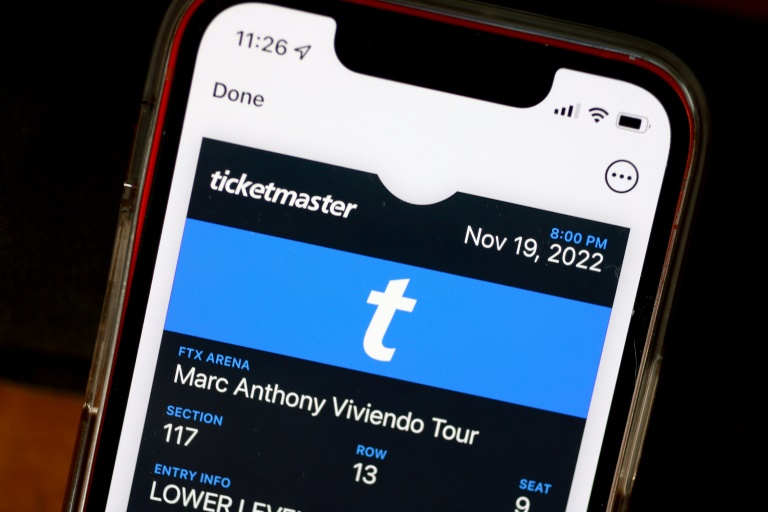
Is Ticketmaster Down Today? Users Report Login and Blank-Page Errors as Outage Trackers Flag an Issue

Published

on

Hacking group ShinyHunters has claimed to have accessed the accounts of 560 million Ticketmaster customers

Ticketmaster users encountered blank pages and errors while trying to access tickets and log into their accounts Friday, according to outage-tracking service StatusGator, which detected the disruption beginning at 5:31 p.m. Eastern time.

The incident, described by StatusGator as involving “blank page and errors when accessing tickets or logging in,” had not been officially acknowledged by Ticketmaster as of the most recent available information. That pattern of unacknowledged disruptions has become a recurring feature of the platform’s recent history, with StatusGator’s tracking data showing a series of similar incidents over the past month alone, including a brief outage on July 25 involving events and the main site failing to load, a blocked ticket queue on July 9 tied to detection errors, and a longer, roughly two-hour disruption on July 3 in which the website failed to load properly or became stuck on the login page.

Not every monitoring service detected an issue at the same moment. A separate automated check performed by UptimeRobot around the same general timeframe reported no unusual response times or error codes from Ticketmaster’s main website, illustrating how outage reports for the platform can vary depending on which specific monitoring tool or methodology is used, and underscoring that a disruption affecting some users or specific site functions, such as login or account access, does not always register as a full site-wide outage on every tracking service simultaneously.

Ticketmaster does not maintain a publicly accessible status page that outside outage trackers can directly monitor, according to reporting from Tom’s Guide on a previous incident involving the platform, a gap that has repeatedly left users and journalists relying on aggregated, self-reported complaints from services like Downdetector, StatusGator and UptimeRobot rather than official confirmation directly from the company when access problems arise.

Advertisement

Friday’s reported issues add to a long and well-documented history of technical disruptions affecting Ticketmaster, a platform that serves as the primary ticket sales and distribution company for concerts, sporting events and other live entertainment across much of the United States. The company has faced particularly severe and high-profile outages during periods of extremely high demand tied to individual on-sale events. During the presale for Taylor Swift’s Eras Tour in 2022, outage reports on Downdetector surged to nearly 4,000 as the platform buckled under demand, with both the website and app displaying error messages acknowledging technical difficulties. A message on the app at the time read, “We apologize for the interruption. We are currently experiencing technical difficulties and our team is working to resolve this as soon as possible,” while the website separately displayed a message stating, “Something went wrong on our end and we need to start over.”

Unlike some of those past high-demand incidents, there was no indication that Friday’s reported disruption was tied to a specific major on-sale event driving an unusual surge in simultaneous traffic to the site. Users submitting reports through various tracking platforms described a range of specific problems, including difficulty logging in, blank or unresponsive pages, and errors when attempting to access previously purchased tickets, complaints broadly consistent with the pattern StatusGator flagged for Friday’s incident specifically.

Longstanding user complaints submitted to outage-tracking platforms have also pointed to more persistent, lower-grade technical issues affecting the platform outside of acute outage events, including delays receiving password reset codes via email and website sessions timing out before users can complete a ticket purchase. One user complaint cited by UpDownRadar described password reset codes arriving 10 to 20 hours after being requested, well past their expiration window, while another described the site allowing only 38 seconds to complete a purchase before timing out.

For users experiencing access problems with Ticketmaster, common troubleshooting steps recommended by outage-monitoring services include attempting to access the site from a different browser, device or network, such as a mobile hotspot, disabling any active virtual private network connection, clearing the device’s DNS cache, and restarting the home router. If the platform loads successfully through an alternate connection or device, the underlying issue is more likely tied to a local network problem rather than a broader Ticketmaster outage. If problems persist across multiple devices and networks, however, that pattern is generally considered stronger evidence of a genuine service-side disruption affecting the platform more broadly.

Advertisement

Ticketmaster, owned by parent company Live Nation Entertainment, remains the dominant ticket sales platform for major concert tours, professional sports events and other large-scale live entertainment in the United States, a market position that has drawn regulatory scrutiny in recent years alongside the recurring technical complaints from consumers. The scale of the company’s market share means that even relatively brief or localized technical disruptions can affect a large number of prospective ticket buyers simultaneously, particularly for popular events where demand for available tickets already exceeds supply.

As of the most recent available information, Ticketmaster had not issued a public statement addressing Friday’s reported access issues, and no official timeline had been provided for resolving the problems described by affected users. Anyone continuing to experience login or access problems is encouraged to monitor Ticketmaster’s official social media channels for updates, given the absence of a dedicated public status page, while recognizing that third-party outage trackers, though useful for gauging the general scale of user complaints in near real time, cannot independently confirm the underlying cause or expected resolution timeline for a suspected disruption.

Continue Reading

Business

Majority of Leeds’ Torsion Construction staff made redundant amid collapse into administration

Published

on

Business Live

The firm is said to have faced liquidity pressures

Torsion Construction hoardings outside the former Central Police Station and The Guildhall in Nottingham city centre(Image: Joseph Raynor/ Reach PLC)

Administrators at Leeds-based Torsion Construction Limited say the majority of its 115-strong team have been made redundant.

Specialists from Interpath were appointed to the £165m turnover firm this week. Joint administrators James Clark and Howard Smith said the residential builder had been experiencing liquidity pressures as it tackled delayed capital events, contract margin pressure, and rising input costs, and a wider downturn in the market.

Directors of the business are said to have sought additional funding but were unsuccessful. Given its financial position, Torsion ceased to trade upon appointment. A small number of staff have been retained to assist the Joint Administrators in their duties as they wind down the business.

James Clark, managing director at Interpath and Joint Administrator of Torsion Construction Limited, said: “Torsion Construction has faced many of the immense challenges that have confronted leadership teams right across the sector. Despite its efforts to find a sustainable solution and protect its clients from those pressures, the business’ liquidity ran out of road. With regret, Torsion Construction could not continue in its current form and was left with no other option but to cease trading. We have a team providing the appropriate information and support to staff as we work through an orderly wind down of operations.”

Advertisement

Most recent accounts for Torsion, covering the year to the end of June 2025, show turnover of more than £165m and operating profit of £1.09m. The business covered work across the North and the Midlands.

Directors had talked of growth in line with a three-year plan focussed around purpose-built student accommodation and residential-led developments. Other Torsion-linked businesses including Torsion Care, Torsion Projects, Torsion Homes and Torsion Developments, are reported to be operating as normal.

Continue Reading

Trending

Copyright © 2025