The Pentagon admits American drone production still trails Ukraine by millions annually
Ukraine’s combat software will support Pentagon artificial intelligence development through new partnerships
Ukraine’s battlefield-tested technology has supported more than 100,000 combat missions since 2024
The United States has confirmed plans to draw on Ukraine’s battlefield experience with military drones to close a significant production gap.
Reuters reports that the Pentagon acknowledges its own drone output remains a fraction of Ukraine’s current production levels each year.
Travis Metz, deputy director of the Defense Innovation Unit, says Ukraine could produce up to seven million small drones this year
Latest Videos FromTechRadar
Advertisement
A partnership built on combat data
The United States has the most advanced drones, but the recent war with Iran has revealed that these multi-million-dollar drones can be susceptible to swarms of very cheap drones.
Ukrainian software developer Swarmer has agreed to integrate its drone swarm coordination technology with SpatialCore, a US-based platform developed by Brightline Interactive.
The memorandum of understanding covers software that has already been tested extensively under real combat conditions since 2024.
Sign up to the TechRadar Pro newsletter to get all the top news, opinion, features and guidance your business needs to succeed!
Combining these algorithms with SpatialCore should allow data from different drone types to be merged for training.
Advertisement
Swarmer President Alex Fink said combining the technologies would grant access to data from millions of past missions for faster training.
Brightline President Tyler Gates said the partnership would give military customers a clearer picture of battlefield conditions in real time.
Since April 2024, Swarmer’s software has supported more than 100,000 real combat missions inside the Ukrainian war zone without interruption.
Advertisement
Scaling domestic production under new rules
Under the Pentagon’s $1.1 billion drone programme, just under 200,000 units will have been ordered in total by February 2026.
Metz explained that “it’s much harder to get from zero to 200,000” than to keep scaling once domestic capacity exists.
New rules now require military drones to contain American-made components, a policy that has slowed the ramp-up over recent months.
Advertisement
A revised supply chain strategy confirmed the government’s goal of a fully domestic drone supply chain.
Metz acknowledged semiconductors remain especially difficult to source domestically, posing challenges that extend well beyond the drone programme for now.
The Gauntlet II trials at Fort Carson in Colorado in August 2026 will test drone systems from American and Ukrainian manufacturers under the Pentagon’s programme.
None of the 19 companies participating in those trials may use prohibited components sourced from Chinese suppliers under the new rules.
Advertisement
Despite the setbacks, Metz said he sees “no reason why we shouldn’t … be the world champions of this as well.”
The trials will require six Ukrainian companies to establish joint ventures with American manufacturers.
This structure aims to convert Ukrainian battlefield knowledge into domestic manufacturing capacity rather than continued reliance on imports going forward.
Whether these partnerships can close the production gap quickly enough to match Ukraine’s pace remains genuinely uncertain at this stage.
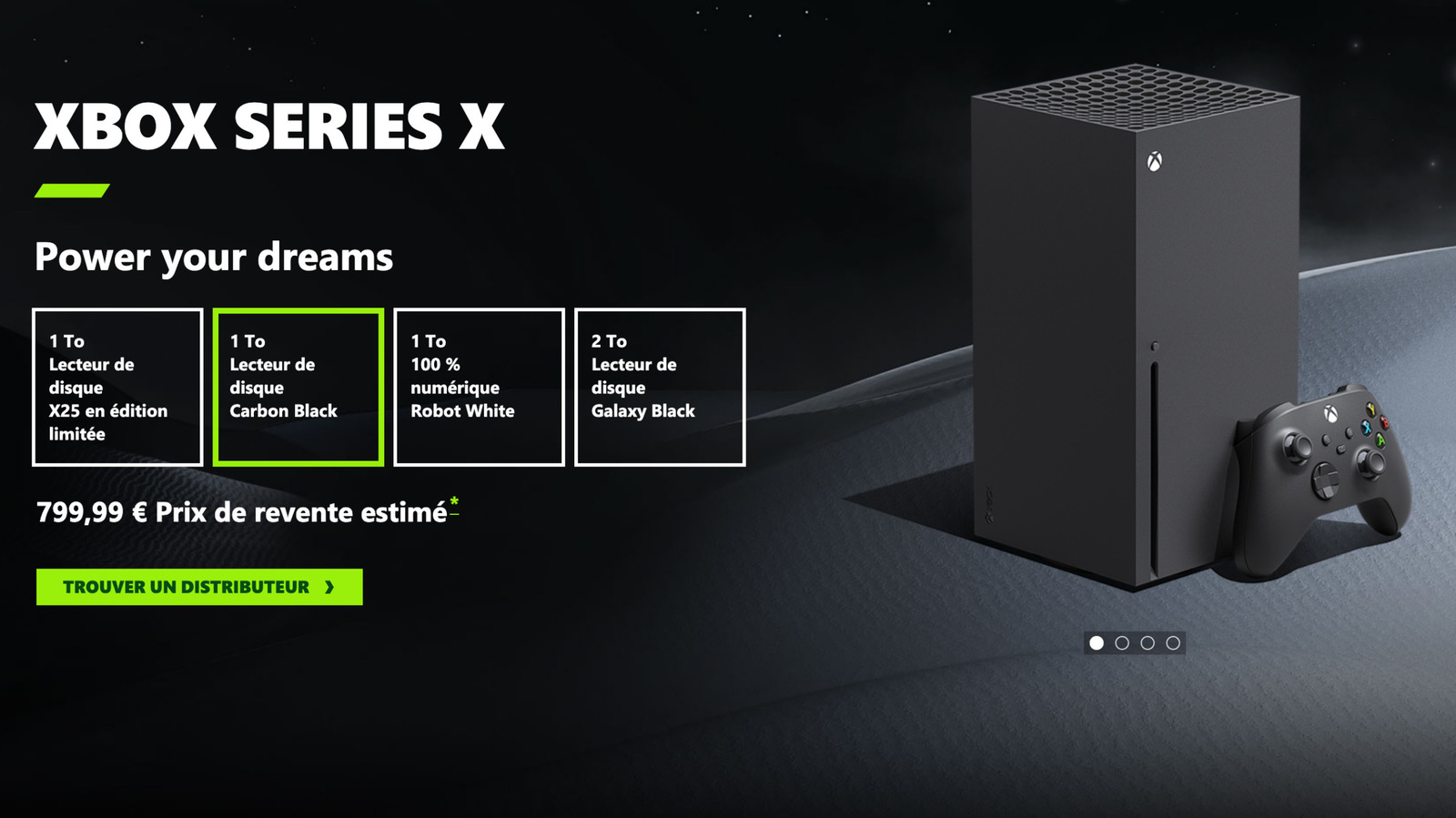
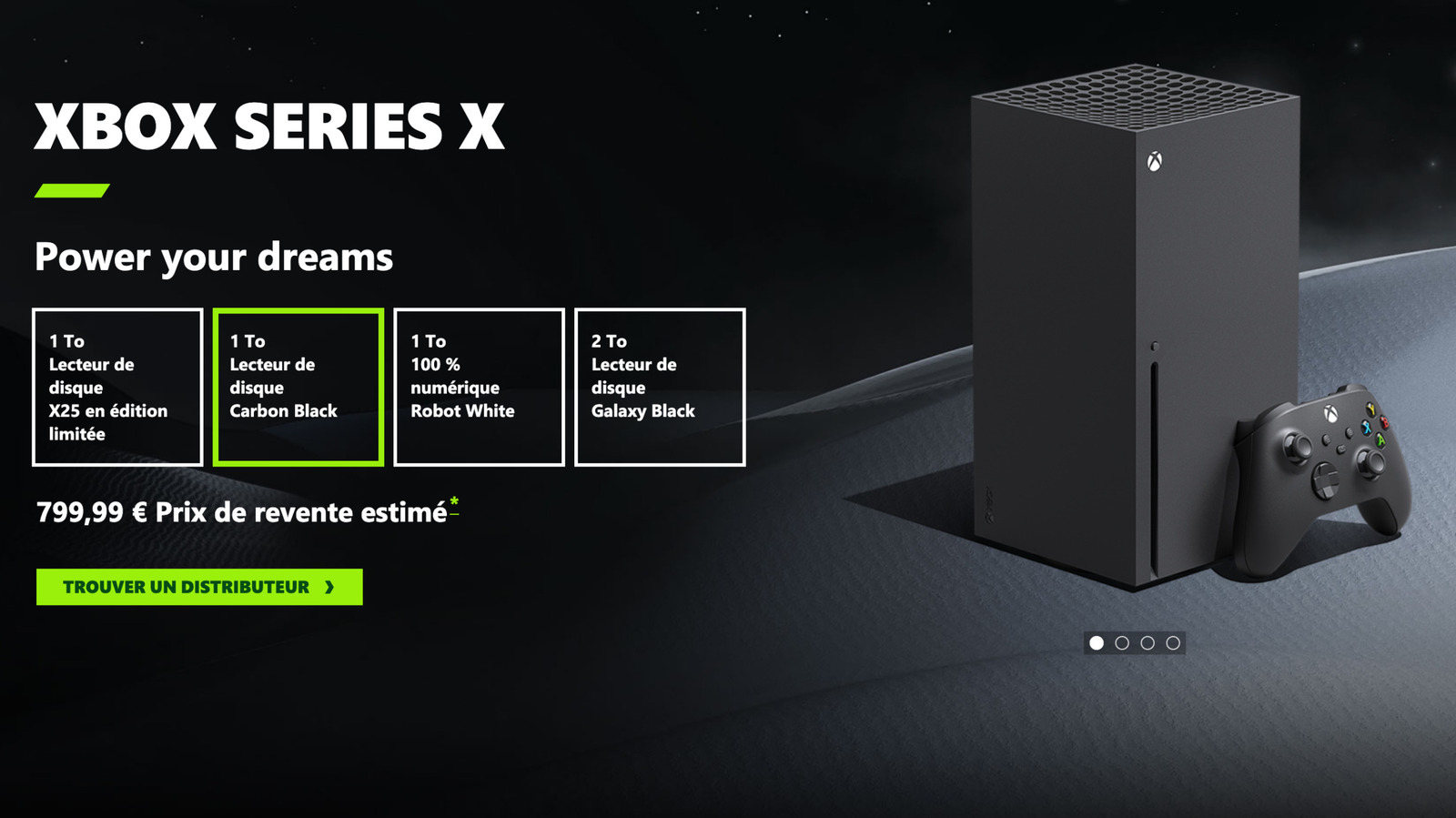
The entry-level price for an Xbox now starts at 499.99€/£429.99.
We knew how much the US prices for Xbox consoles would increase before the change took effect on August 1, but it turns out the price hike is going to be even steeper for anyone in Europe. In the US, Microsoft announced back in June that the prices for its Xbox consoles would increase between $100 to $150, depending on the model. However, with the updated Xbox store page, we now see that European Union residents have to pay between 150 to 200 euros more, while UK residents have to shell out more than 130 to 170 pounds more for the Xbox Series S and X.
Here’s the price breakdown for European markets:
Advertisement
Xbox Series S (512GB): €499.99
Xbox Series S (1TB): €599.99
Xbox Series X Digital (no disc drive): €749.99
Xbox Series X: €799.99
The price charts for the UK have also changed, as seen below:
Xbox Series S (512GB): £429.99
Xbox Series S (1TB): £519.99
Xbox Series X Digital (no disc drive): £619.99
Xbox Series X: £669.99
While currency conversions are always adjusting, it currently translates to an entry-level Xbox console costing closer to the equivalent of $575 for European customers. Looking ahead, the price tags may not be settled just yet, since Microsoft previously noted in its June blog post that it’s expecting storage and memory prices to double once again. However, Microsoft isn’t the only one feeling the effects of the continuing RAM crisis since both Sony and Nintendo have announced price hikes of their own recently.
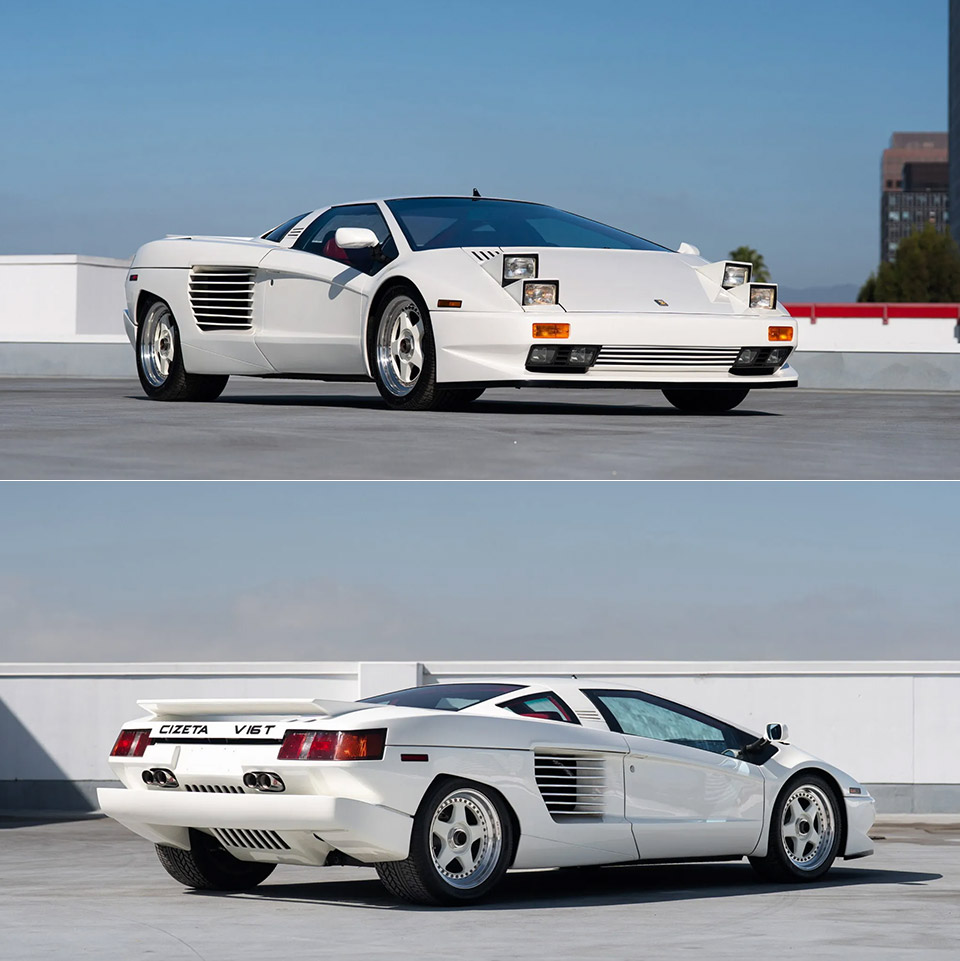
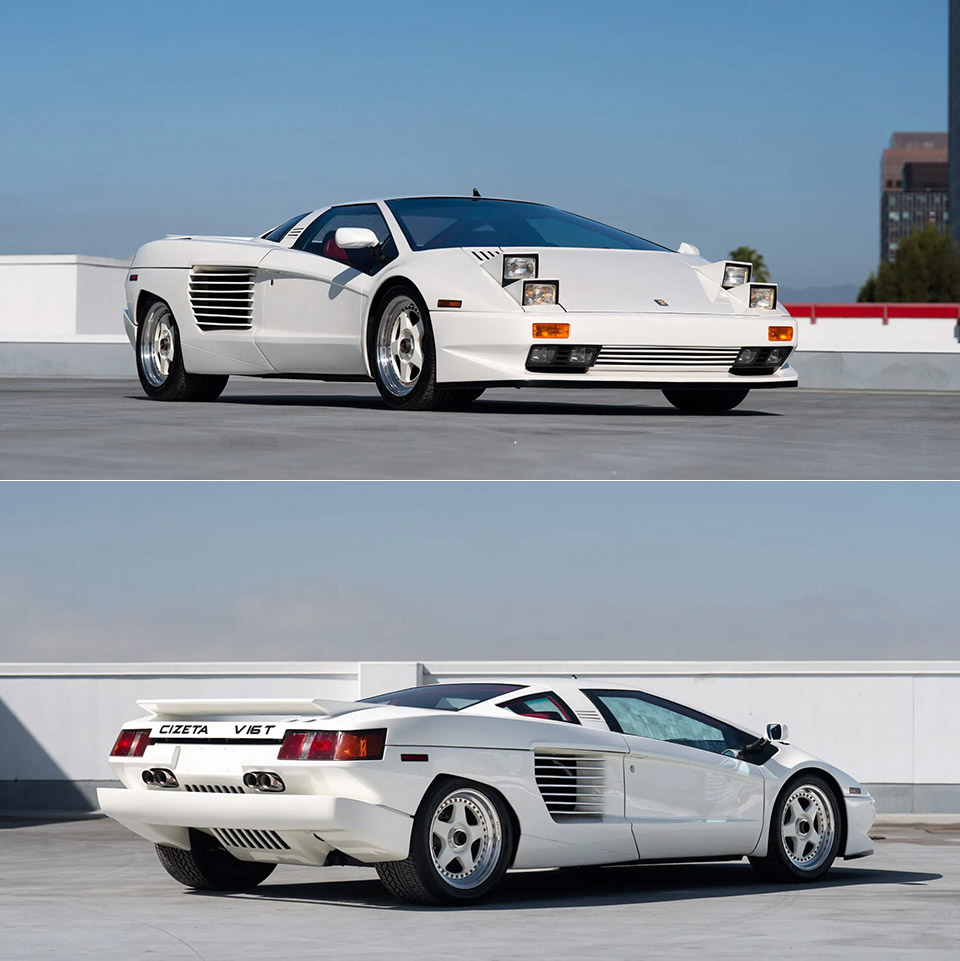
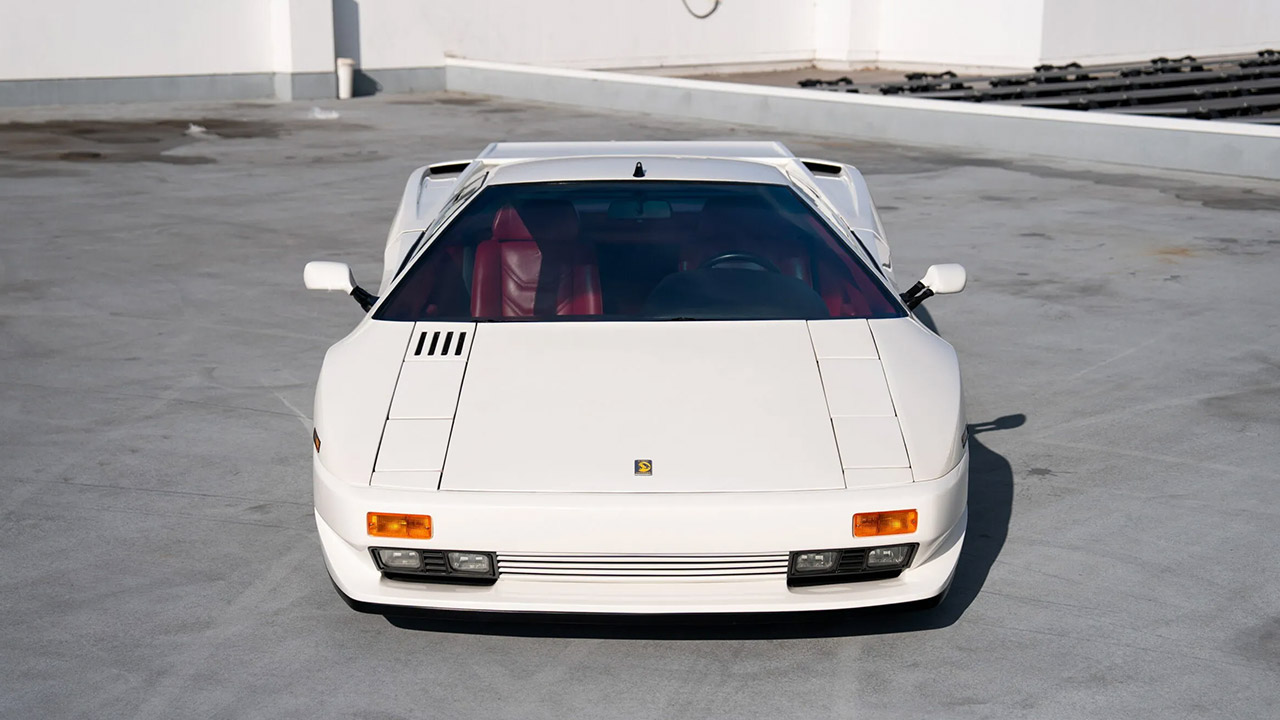
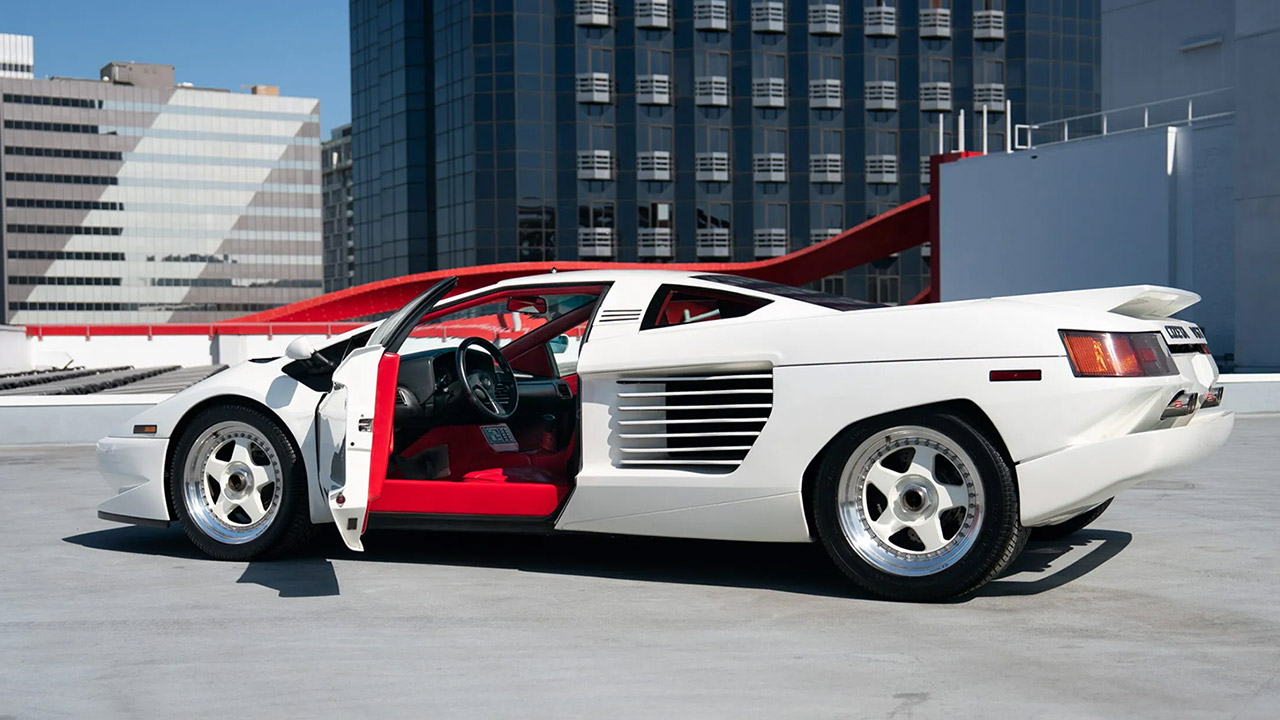
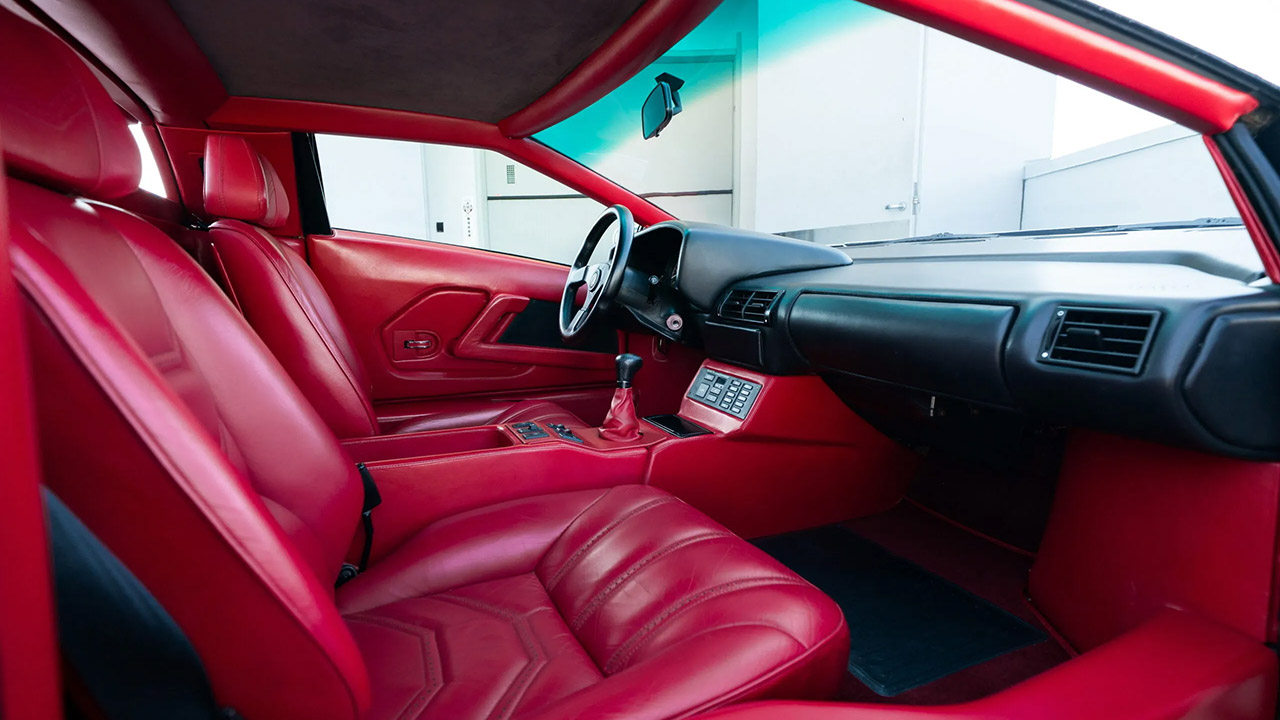
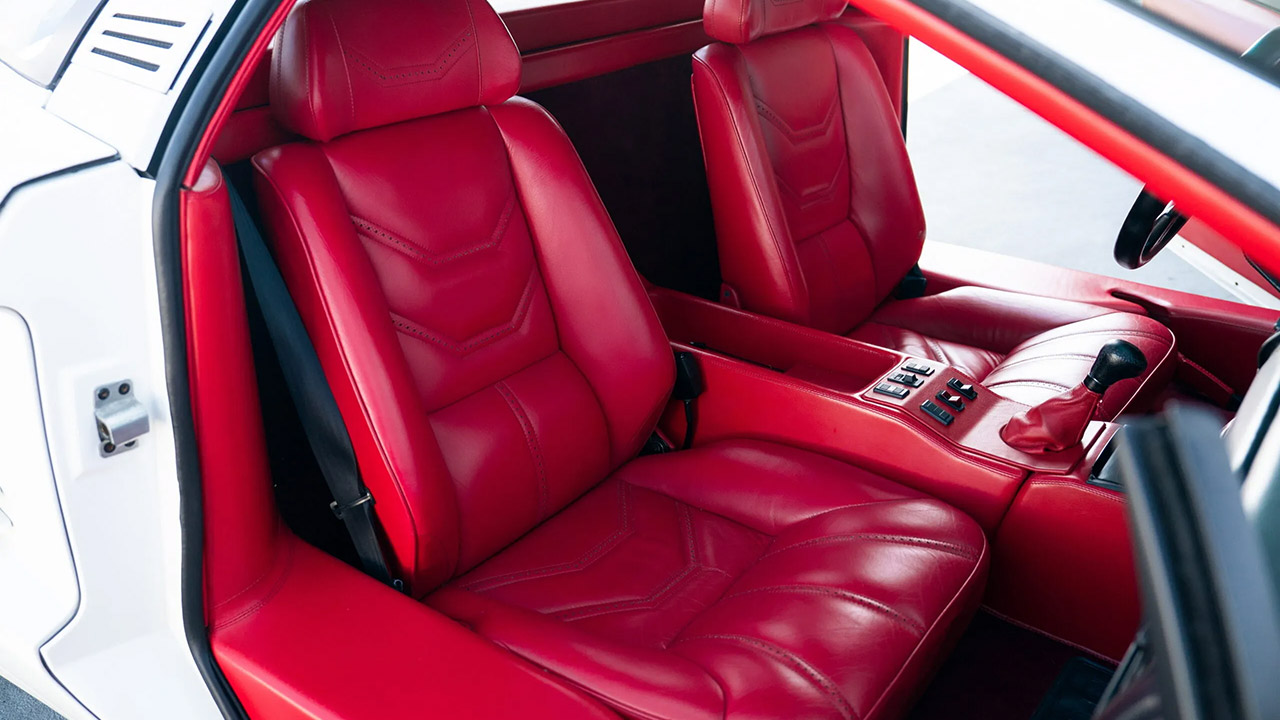
Photo credit: Karissa Hosek / RM Sotheby’s Claudio Zampolli spent years fixing other people’s dreams in Los Angeles before deciding to build his own. A former Lamborghini test driver and development engineer, he wanted something that would make the Countach look ordinary. He found a partner in Giorgio Moroder, the three-time Academy Award-winning composer behind some of the biggest disco and film scores of the era. Together they put their names on a car that carried both: the Cizeta-Moroder V16T. Chassis 001 is the only one that ever wore both names at once. In two weeks it heads to RM Sotheby’s Monterey auction with an estimate between $1.4 million and $1.8 million.
Marcello Gandini envisioned the Chizeta V16T’s body with the stunning, aggressive lines that had originally been given to Lamborghini as a Countach replacement. Chrysler, the business that owned Lamborghini at the time, was not entirely sold on them, preferring a gentler curve with more conventional styling. Gandini wasn’t impressed, so he handed along the rejected design to Zampolli instead. A striking quartet of pop-up headlights sit atop a nose that cuts straight up into a sharply curved windshield. The side intakes are larger and more severely flared than those on later production cars. In profile, this monster is massive: more than 80 inches wide, 3 inches wider than a modern Ferrari Testarossa, and only 43.5 inches tall to boot. Finished in a gorgeous pearl white and featuring a one-of-a-kind red leather interior, the impression is nevertheless confusing, as if you’ve stepped back into another age entirely.
LAMBORGHINI COUNTACH 5000 QUATTROVALVOLE REPLICA – This LEGO Icons model car is a building set for adults and is designed for fans of luxury cars…
MODEL CAR KIT – This collectible vehicle building set includes everything you need to craft a detailed in-scale replica of the Lamborghini Countach…
AUTHENTIC FEATURES – This LEGO car model has a detailed cockpit with working steering, opening scissor doors, trunk and rear hood, a detailed V…
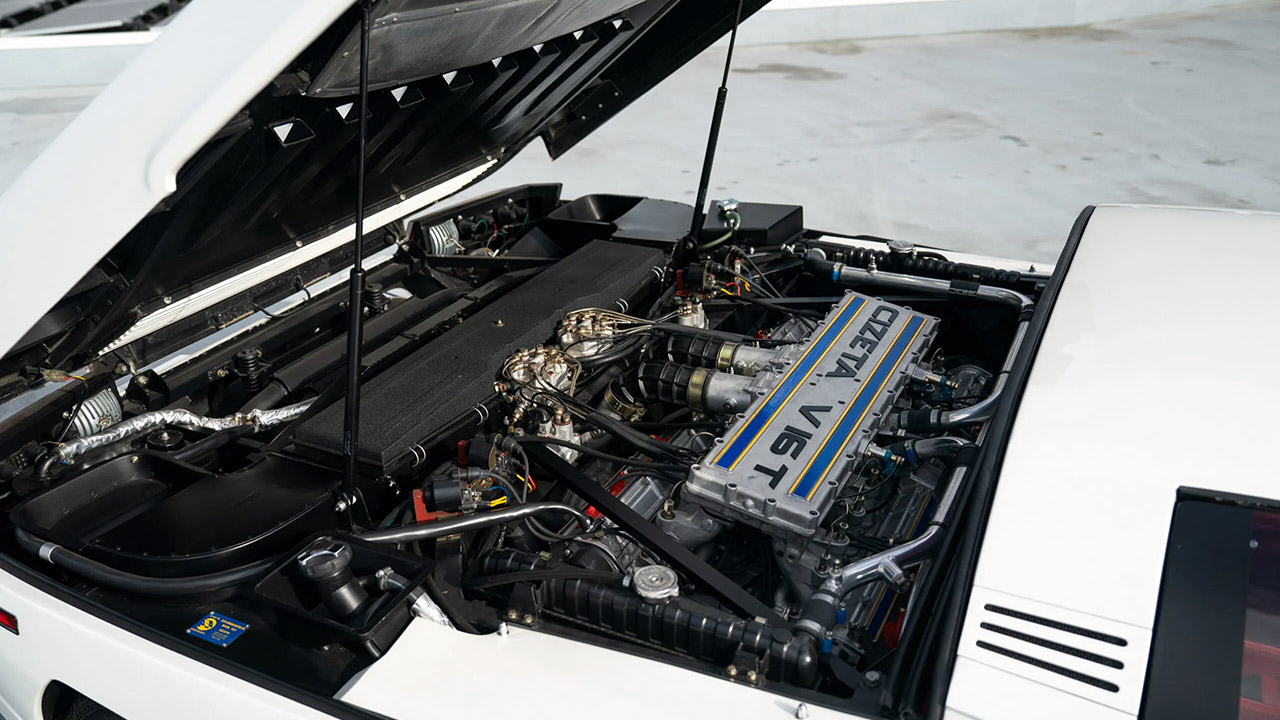
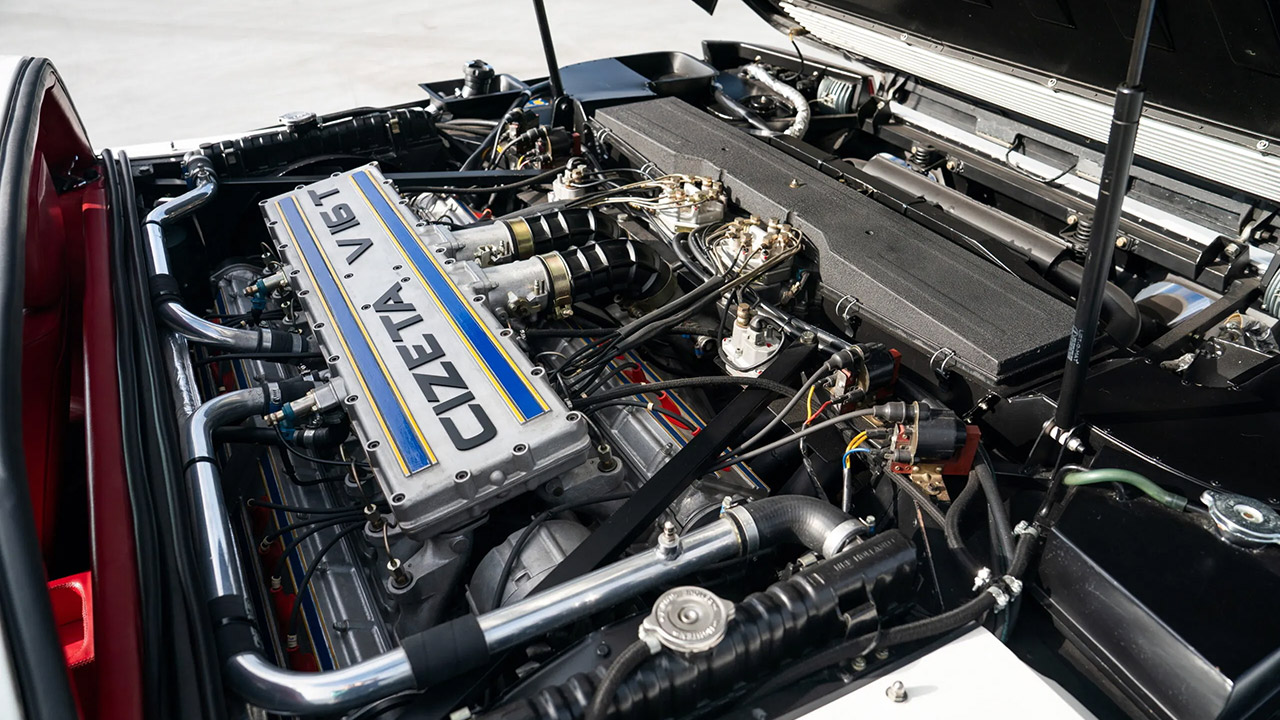
The power comes from the innovative 6.0-liter V16 engine, which is positioned transversely behind the seats, precisely like the Lamborghini Miura from two decades ago. There are no bolted-together V8s in this beauty, as it is a single, lightweight aluminum block with two flat-plane crankshafts gearing up to a central output shaft and eight overhead camshafts controlling 64 valves. Bosch K-Jetronic injection delivers fuel to the cylinders, and official estimates indicate 540 horsepower at an exhilarating 8,000 rpm and 400 lb-ft of torque all the way down to 6,000 rpm. Power is delivered to the rear wheels via a five-speed ZF manual gearbox. When it was new, the 0-60 mph time was roughly 4 seconds, and the top speed was just north of 200 mph, leaving you breathless. Then there’s the characteristic sound, a deep, rolling V8 “woofle” at idle that transforms into a screaming high-revving roar as the engine starts up.
Chassis 001 made its public debut on December 5, 1988, in Los Angeles, with Jay Leno presenting the event. Giorgio Moroder even composed an original piece of music for the occasion, which he appropriately titled “A Car Is Born”. Chassis 001 appeared at the 89 LA and Geneva auto shows before disappearing when Zampolli and Moroder parted ways, and the production cars were dubbed Cizeta V16Ts instead. In the end, just nine of these were produced. For more than 30 years, this prototype was Moroders’ constant friend.
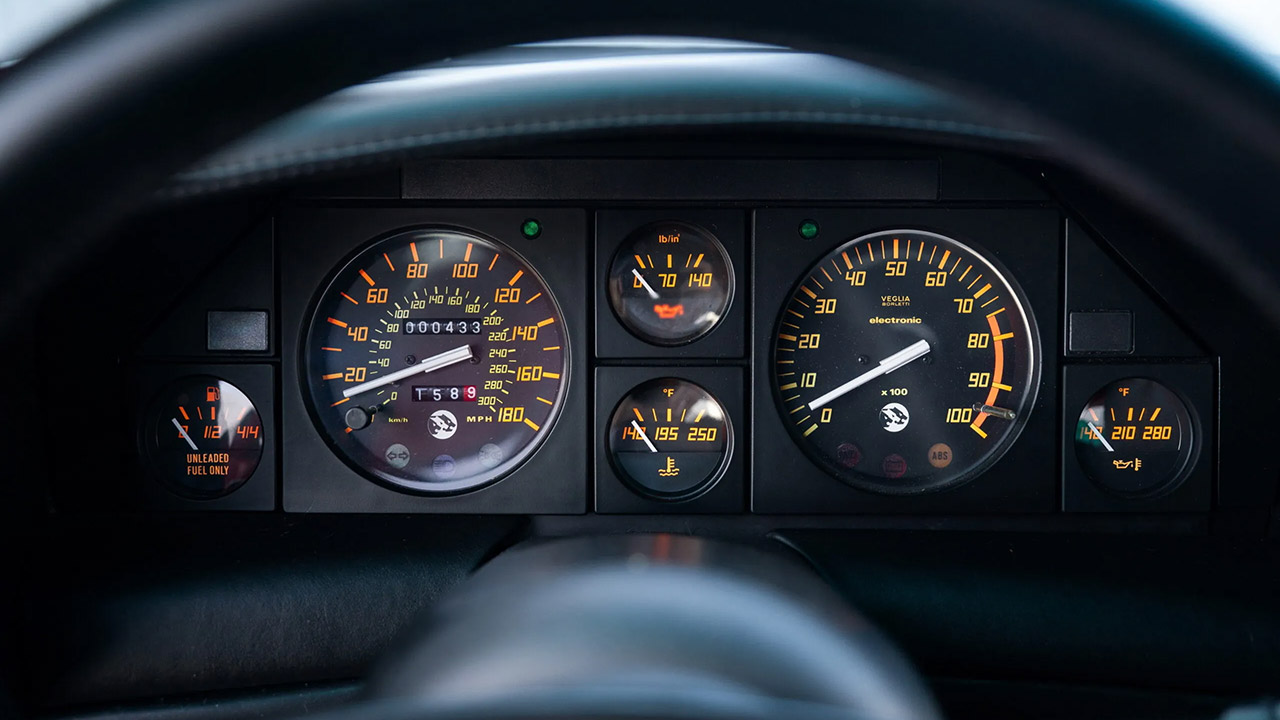
Canepa Design gave this automobile a complete mechanical repair in 2018, adding extra heat shielding and doing quality control to get it functioning properly, then they completed even more cosmetic and technical work in 2024. This automobile has almost minimal mileage, less than 400 kilometers, as it has rarely been driven at all. It was previously displayed in the Wedge Shaped Concept Cars and Prototypes class at the Pebble Beach Concours d’Elegance in 2024. It’s now for sale with a one-of-a-kind NFT and a fairly cool package, including a Giorgio Moroder EP on a four-track record designed specifically for the automobile, a 3D artistic portrayal, an extremely detailed 3D scan, and proper digitized documentation indicating where it came from.
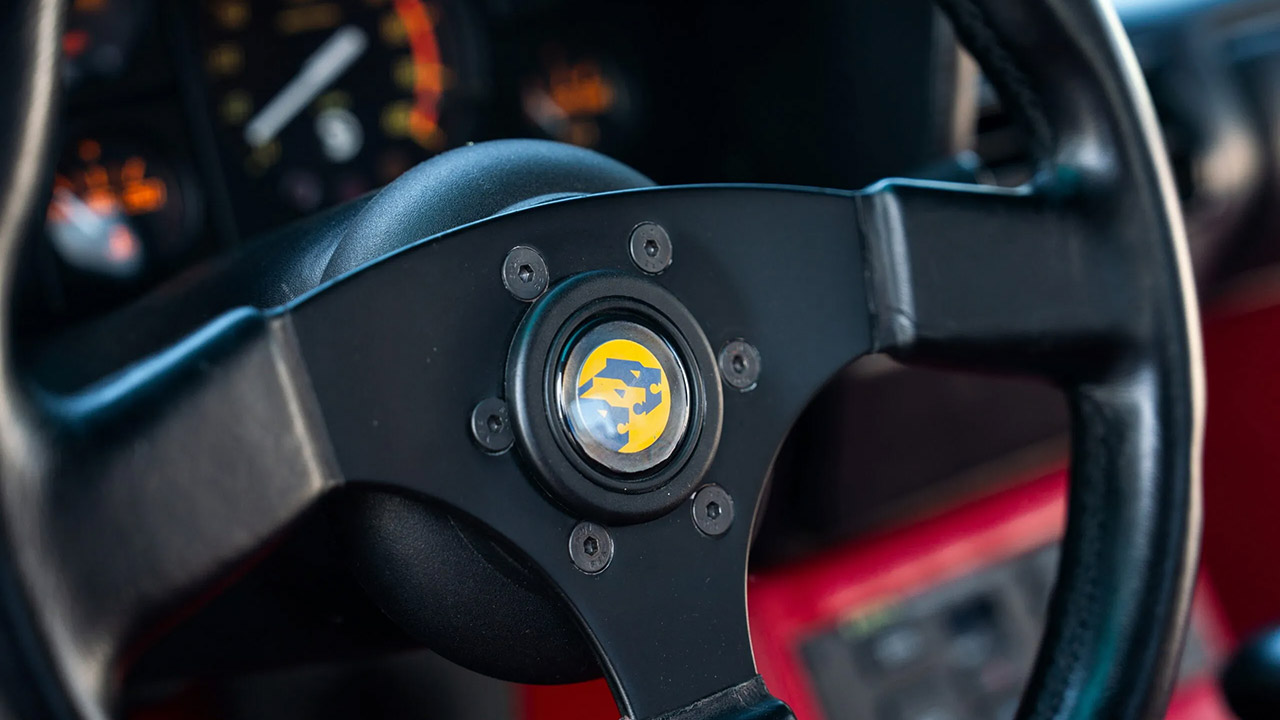
Most of the original nine cars appear identical at first glance, but Chassis 001 stands out in every way that matters. The side intakes are larger, and the lights are different; the mirrors, dashboard, inside the tunnel, seats, and even the steering wheel are all distinctive. The cherry on top is that it’s the only one to have the particular nameplate in the front that tells the entire tale of how it was created. [Source]
To design invisible drones, researchers have tried camouflage, transparent materials and light-bending optical systems. But engineers at Northwestern University used “motion blur,” which an announcement from the school notes is the effect that makes fast-spinning fans seem to disappear.
“The drone spins up to 25 times per second, which is too fast for the human eye to see clearly. While it isn’t completely invisible, it morphs into a ghostly smudge that seamlessly blends into the background… ”
To design the drone, the Northwestern team first used a computational model to generate roughly 20,000 drone configurations capable of stable flight. Then, they used artificial intelligence (AI) and optimization algorithms to repeatedly rearrange the drones’ major components, including a motor, propeller, circuit board, counterweight and batteries. After sifting through many different configurations, the algorithms determined the ideal placement of the drone’s components to minimize its visibility from virtually every viewing angle while allowing for stable flight.
After selecting promising candidates, the engineers simulated each drone spinning in flight and overlaid those images a hundred real-world backgrounds. Then, they used a perception model that approximates human vision to determine how noticeable each design appeared. Designs that blended into their surroundings received lower visibility scores. The team selected the 500 lowest-scoring designs and applied the optimization algorithm, which repeatedly adjusted the positions of components to further minimize those scores. “The design process was fully automated,” [said Northwestern’s associate CS professor Michael Rubenstein, who led the work]. “Then, when we were confident that a drone met all our criteria, we built it.” They’ve named the drone “Phantom Twist”,” and plan to design future iterations with more transparent materials or quieter propulsion to make it even less noticeable.
When you were growing up, if you played with military-themed toys like green plastic army men or G.I. Joes, that passion doesn’t always go away. Once you get older, you might appreciate and collect military items. For the more serious collector, a canteen, rucksack, or entrenching tool isn’t quite enough.
That’s where the post-service military vehicle market comes in. Believe it or not, civilians can purchase and operate a whole array of military vehicles. If you’re interested in acquiring something like a military-used truck or sedan, there are ways to get them on the cheap, but that’s not what collectors want to get to relive their early years. They’re more interested in owning and operating their own tank, armored personnel carrier, or fighter plane.
Advertisement
Granted, buying a military vehicle doesn’t mean you’re one step away from establishing your own militia. You can get yourself a tank, but don’t expect to be able to fire anything via its gun, as it’s just for show. Still, you can own them, and depending on the laws in your area, you might even be able to drive them on the street or fly them through the sky. These are 12 of the most popular military vehicles civilians can actually own.
Advertisement
AM General HMMWV
Perhaps the most popular military vehicle on the market today is the legendary High Mobility Multipurpose Wheeled Vehicle (HMMWV), better known to civilians as the Humvee. While there is a consumer version of the car, the Hummer HMC, which first hit the streets back in 1992, it’s not the same as the one operated by militaries around the world. The vehicle, first produced by AM General in the 1980s, is a hot ticket item for military enthusiasts.
Not only do HMMWVs look cool, but they’re also pretty indestructible. When I learned to drive one in the Army, a soldier smacked one into a tree, which didn’t leave a scratch … the tree wasn’t as lucky. They’re also useful for a variety of applications, which makes sense, as the U.S. military wanted the HMMWV to be an all-purpose transport, and that’s precisely what it is.
If you’re in the market for a HMMWV, they’re not too difficult to find. One of the best places to look is the online auction site GovPlanet. It’s rare to check the site and not see any HMMWV auctions, with prices starting around $2,000 to $3,000, regardless of its year of manufacture or mileage. Some are sold buy-it-now, and as of writing, there’s one up for only $8,000.
Advertisement
M4 Sherman Tank
Many weapons were developed during World War II, from jet aircraft to nuclear bombs. One of the most important developments of the conflict was the M4 Sherman Tank, which entered service in 1942. More than 50,000 M4s were produced between 1942 and 1945, and they saw action on every major front line. The American tank was a key tool in the Allied war effort.
M4s came in a wide variety of types, as they were used as straightforward medium tanks as well as mine clearance vehicles, and pretty much everything and anything. This has left the world with a relatively large number of M4 variants, and they’re highly collectible.
Advertisement
If you’re in the market to acquire an M4 Sherman tank, they come up for auction or direct sale every so often. Be prepared to shell out some serious cash because they’re expensive pieces of hardware. One auction in 2022 listed a 1943 Chrysler M4A4 Sherman tank for $355,000. Military Vehicles Magazine lists 2022 price ranges based on condition, beginning at $125,000 and topping out at more than $795,000.
Advertisement
North American P-51 Mustang
Few WWII fighter aircraft are as storied and beloved as the legendary North American P-51 Mustang. Introduced in early 1942, the single-engine, single-seat fighter and fighter-bomber saw action across the European and Pacific Theaters. P-51s continued flying in the Korean War, but were largely outclassed in air-to-air combat by faster jet aircraft that ultimately replaced them.
North American produced around 15,000 during WWII alone, so there are a few still lying around. If you’ve ever been to an airshow and seen one fly, that’s likely because a private collector owns, maintains, and operates their very own P-51.
These are known as Warbirds: civilian-operated military aircraft, and the P-51 is easily one of the most popular options. Buying a P-51 is certainly possible, but you’ll have to shell out a lot of cash to do so. You can occasionally find them online for around $1.6 million, but condition is everything. Many enthusiasts purchase damaged P-51s and restore them to airworthiness, so they’re not for the casual fan. They’re legal to fly, so long as you follow local laws, and of course, you’ll need a pilot’s license.
Advertisement
Patrol Torpedo Boat
Even if you’ve never served in the U.S. military, there’s a good chance you’ve heard of PT Boats. These medium-sized vessels are Patrol Torpedo Boats, and the most famous is PT-109, which was commanded by a young Lt. John F. Kennedy during WWII. PT Boats vary in design, but typically measure around 80 feet in length. They were built to be fast, maneuverable, and heavily armed for their relatively small size.
PT Boats engaged enemy warships of all kinds, and some were used as small-platform gunboats, making them effective against a variety of enemies. They’re not incredibly large vessels, and around 600 of various types were produced throughout the war. There are several still in existence, and if you’re in the market and are very lucky, you might stumble across one for sale. As of writing, a 1945 Higgins PT Boat measuring 78 feet in length, as was standard for the Higgins model, can be yours for $990,000.
Advertisement
That particular one comes with an active charter book of business, should you desire to purchase it as an add-on. Higgins PT Boats can accommodate 13 personnel and are powered by three Packard V-12 engines. If you’re looking for something larger, it is technically possible to purchase aircraft carriers for a penny, but this is done to entice salvage operators to scrap the decommissioned behemoths.
Advertisement
Willys MB
High Mobility Multipurpose Wheeled Vehicles (HMMWV) may be popular today, but they were preceded by an even more beloved vehicle, the Willys MB. Most people know them as WWII Army Jeeps or something similar, but whatever you call them, Willys MBs make for great cars. The Willys MB is the ultimate off-road machine, and that’s not an accident. The four-wheel-drive vehicle was developed to carry troops across the world’s battlefields, and it did precisely that, as they were employed throughout the conflict.
Between 1941 and 1945, more than 600,000 Willys MBs were produced, so many remained after the war came to an end. In the years since, collectors have purchased old surplus vehicles and fixed them up, while others have built them new from kits. Whatever your preference, it’s still relatively easy to find these extraordinary vehicles for sale more than 80 years after their introduction.
As of writing, a beautifully restored model that looks as fresh today as it did when it came off the assembly line is listed for $29,900. You can occasionally find them for sale on Bring a Trailer, which is an auction site, and if you want to build your very own, there are reproduction models sold as a Jeep in a Crate (sans drivetrain), which sell new for $16,730. It’s not real surplus military equipment, but it’s the next best thing.
Advertisement
T-72 Main Battle Tank
American-made tanks are great, but they’re hardly the only ones you can buy. One of the most-produced main battle tanks in the world is the Soviet-designed T-72. The Soviet Union introduced the T-72 in 1973, and more than 25,000 have since been built. They’ve operated all over the world, whether in former Soviet Bloc nations or by other countries that purchased them from the USSR and Russian Federation.
Despite being over 50 years old, T-72s remain in service, thanks to modernization upgrades and their overall global ubiquity. While Russia has lost over 1,200 of them in the Russo-Ukrainian War, there are several on the open market, and you can purchase one if you’re lucky enough to find a sale. Unfortunately, these are hard to come by, as T-72s are in high demand by collectors, and they’re still in widespread military use.
Advertisement
If buying one doesn’t work out due to short supply, there is an option to drive a T-72. Companies like Drive-a-Tank occasionally have T-72s available for people to hop into, and you can even fire off a round in some places. DriveTanks is another that offers similar opportunities, but neither, as of writing, has a T-72. You’ll need to keep an eye on sales, but be prepared to pay around $50,000 for a working T-72 to add to your garage.
Advertisement
Embraer EMB 312 T-27 Tucano
While it’s not the best-known plane outside of the military, the Embraer EMB 312 T-27 Tucano is nonetheless an incredibly popular aircraft for civilians to purchase. The primary reason why is that it’s used around the world as a trainer, so there’s a lot of nostalgia for retired military aviators who want to get their hands on one and relive their glory days.
The T-27 is one of several propeller aircraft used by the U.S. military, but it’s not an American-designed plane. It’s a Brazilian plane introduced in 1980 that’s used for a variety of mission types, including light attack. It can carry and fire precision-guided munitions and various ordnance, so it’s used in relatively low-threat environments where it doesn’t have to face off against jet-powered fighters.
The U.S. currently operates the A-29B Super Tucano, introduced in 2003, but there’s still a lot of love for the older aircraft. It’s relatively easy to find all manner of variants of the T-27 for sale online, as they’re featured in air shows or can be operated for a variety of reasons, including using them as trainer aircraft. Prices vary, but as of writing, a 1990 Shorts Tucano Mk. 1 will run you around $790,000. Another built in 1992 has an asking price of $1.1 million.
Advertisement
GMC DUKW
If you’re on the fence about whether or not you’d prefer to buy a military boat or land vehicle and can’t decide, why not get something that functions as both? The legendary GMC DUKW, most commonly referred to as the “Duck,” is an amphibious vehicle developed during World War II. It remained in production until the end of the war, resulting in a total of 21,147 DUKWs built, and plenty of them survived the conflict.
DUKWs are six-wheel-drive vehicles constructed from the GMC CCKW 2.5-ton trucks, known by soldiers as the “deuce-and-a-half.” With the modification, the DUKW can operate on a variety of road surfaces or drive into and out of the water, making it incredibly versatile. Since the end of their use by the military, many DUKWs have become tourist attractions, where people can ride them on a tour of various cities.
Advertisement
They’re also prized by collectors for their utility and odd design, and many have them in their private collections. Bring a Trailer sold one to a lucky collector in March 2026 for $34,000, which isn’t bad when you consider that they purchased a car and a boat in one fell swoop. Other listings have popped up over the years at cheaper price points, but like any WWII vehicle, restoration costs are likely if you want to operate it.
Advertisement
Oshkosh L-ATV
If you’re interested in a vehicle similar to the High Mobility Multipurpose Wheeled Vehicle (HMMWV) but want something newer, a good option is the Oshkosh Light Tactical Vehicle (L-ATV). These are much newer in design and incorporate battle-tested lessons learned from Operation Iraqi Freedom and Operation Enduring Freedom in Afghanistan. As such, they’re lightweight but built with protection in mind, as Oshkosh indicates it provides the same level of protection as Mine-Resistant Ambush Protected (MRAP) vehicles.
The U.S. military chose the L-ATV as the replacement for the HMMWV via its Joint Light Tactical Vehicle (JLTV) program, and it entered inventory in January 2019. Think of the L-ATV as a souped-up HMMWV that’s designed for high-speed mobility, lightweight operation, and occupant protection because that’s precisely what the vehicle was designed for. Each one costs the U.S. military $450,000, so they’re not cheap.
That said, Oshkosh sells them directly to the public as well for a comparative steal at only $250,000. While Oshkosh produces a lot of military vehicles that the public can buy from sites like GovPlanet, getting a military-used vehicle isn’t easy, as they’re still relatively new. If you can’t wait, you can always grab the civilian version, but otherwise, keep an eye on GovPlanet because the military is sure to sell older models once they’ve outlived their usefulness for Uncle Sam.
Advertisement
FV432 Armored Personnel Carrier
For the collector who wants a military vehicle they can drive the whole family around in, an Armored Personnel Carrier (APC) is certainly an option. A popular one is the British-built FV432 APC, which entered service back in the 1960s. It can carry 10 personnel alongside the two crew needed to operate the vehicle, which features a Rolls-Royce K60 240-horsepower engine. The FV432 is the most popular build, and around 3,000 were produced.
The APC weighs 15 tons, is tracked, and it came in several varieties. When used by the British Army, they were most commonly outfitted with a 7.62 mm L7 General Purpose Machine Gun. Other options included smoke dischargers to obfuscate the vehicle’s location on the battlefield. Of course, civilians can’t legally throw a machine gun onto their own APC, but they can purchase them when they go up for sale every once in a while.
Advertisement
As of writing, Tanks-a-Lot has one that customers can book to drive, and if you want to take one home with you, it’s going to cost around $29,292 with additional VAT (Value Added Tax). When you purchase a military vehicle from overseas, taxes and import fees can cause the price to grow exponentially, so be sure to ask before signing on the dotted line because purchasing a foreign-made military vehicle is often only the first step in acquiring one.
Advertisement
McDonnell Douglas F4 Phantom II
Flying around in your very own P-51 Mustang is the dream of many aviators, but that particular fighter doesn’t have the same level of oomph as a jet. Fortunately, there are options when it comes to buying a jet fighter. One of the most beloved U.S. Navy jets that comes up for sale from time to time is the McDonnell Douglas F4 Phantom II. Introduced in 1960, these Navy jets pack a big punch, thanks to their top speed of Mach 1.82 (1,400 mph).
The long-range, tandem two-seat, twin-engine interceptor was used as a fighter and fighter-bomber. The F4 is a record-setting aircraft that’s highly prized by collectors. Between 1958 and 1979, 5,195 were built, making it the most-produced supersonic fighter aircraft the U.S. military has made. That amount of production is a boon to collectors, as there were a few sitting around when the Navy discontinued their use in the 1990s.
In the years since, F4s have flown for various allied nations as well as a tiny number of Warbird aviators. As of writing, there is only one known F4 held in private hands that’s capable of flight. It’s for sale if you want it, but the cost might make you think twice, as it’s listed for $950,000. Operating an F4 at its capacity isn’t exactly legal, depending on where you live, because the sonic boom it manifests upon breaking the sound barrier isn’t something that the FAA tolerates.
Advertisement
Whiskey-class Submarine
Surface ships like PT Boats are certainly impressive, but what about owning your own submarine? It’s not too difficult to purchase a commercial submersible, but getting your hands on an actual military submarine is a bit trickier. That said, it is possible, and your best bet for acquiring one is to look for a Soviet-designed diesel-electric attack boat like the Whiskey-class submarine used throughout the Cold War.
The USSR built over 240 of these subs throughout the 1950s, and while most were scrapped, some weren’t. One of the remaining Whiskey-class boats was sold on the open market for $550,000, but hasn’t popped up in the years since, so this is the kind of military vehicle you have to look for actively should you hope to acquire one. Despite their age, Whiskey-class submarines were well-built and had impressive capabilities.
Advertisement
While you can’t legally outfit your own torpedoes, Whiskey-class attack submarines boast a range of up to 15,000 miles and can travel up to 20 mph on the surface and 16 while submerged. They displace 1,350 tons when underwater, and would be a fine addition to any civilian’s collection of military vehicles. If a Whiskey-class sub isn’t available, you can always grab a different boat manufactured and operated by the Soviet Union. One example is the Foxtrot-class submarine, which costs $2 million, though it requires some repairs to make it seaworthy.
Researchers suspect that a vulnerability in COLDCARD hardware wallet firmware was exploited to steal an estimated $88.6 million in Bitcoin from thousands of wallets whose seeds were generated using a flawed random number generator.
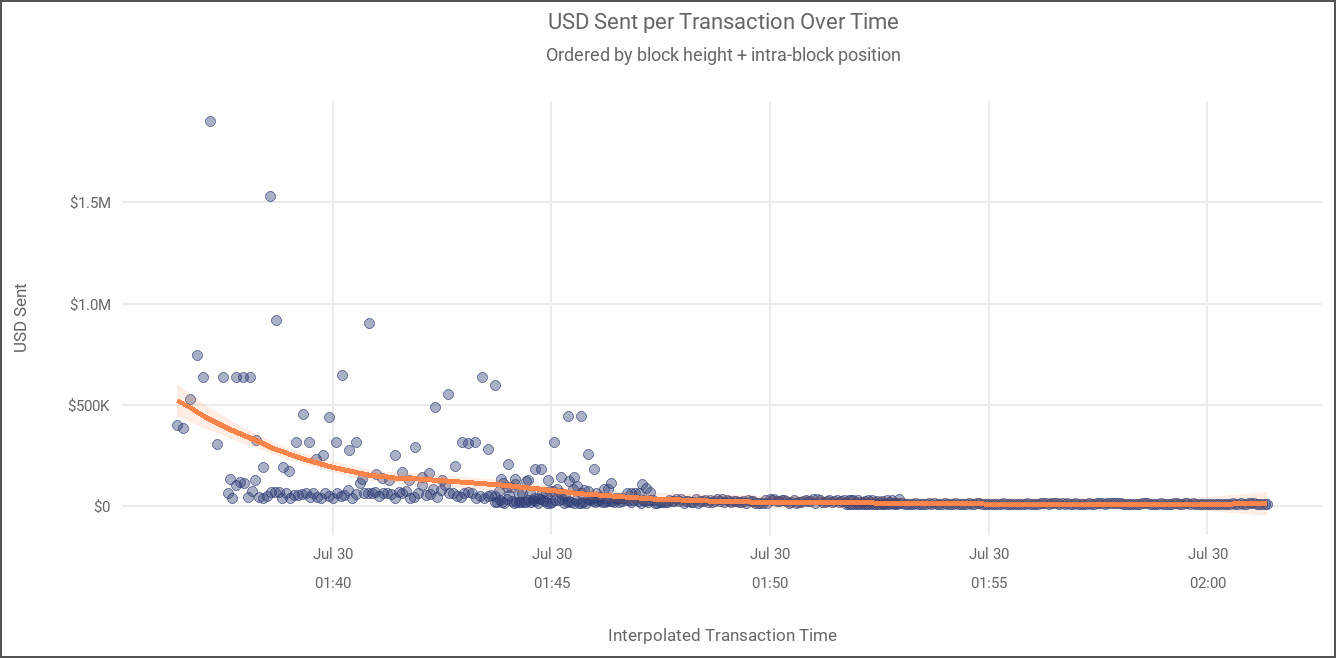
Digital asset research firm Galaxy Research says it identified an initial wave of transactions that it believes was likely linked to the vulnerability, draining approximately 1,083 BTC, worth $70.2 million, from 1,196 addresses on July 30.
The 41-minute attack occurred approximately 30 hours before Coinkite publicly disclosed the flaw.
Every transaction used an identical hardcoded fee rate of 30 satoshis per virtual byte and left no change output, making Galaxy believe the attackers used an automated tool.
“Signature: every sweep paid an identical hardcoded 30.0 sat/vB — a 30-75x overpay vs the 0.4-1.0 sat/vB median that week — and left no change output, explained Galaxy.
Advertisement
“That looks like an automated tool spending keys it already held, not owners moving funds.”
On August 1, Galaxy Research identified a second and third wave, raising the estimated total to 1,367 Bitcoin, worth approximately $88.6 million, stolen from 4,585 addresses. The stolen Bitcoin remained in the attacker-controlled addresses at the time of its report.
Chainalysis found that the attacker prioritized high-value wallets, stealing approximately $30 million during the first ten minutes and taking $1.8 million from one victim.
The company said this suggested the attacker had identified and studied the affected wallets before beginning the thefts.
Advertisement
Transactions for stolen COLDCARD assets over time Source: Chainalysis
Flaw in COLDCARD RNG
Block’s Bitcoin Engineering and Security teams say that after seeing reports of Bitcoin being stolen from COLDCARD wallets, it worked with other researchers to analyze the device’s firmware and identify the underlying vulnerability.
Block says the researchers traced the issue to an integration error in COLDCARD’s random number generation (RNG) code and disclosed their findings to Coinkite on July 30.
“COLDCARD firmware contains an RNG integration error that causes ngu.random to use MicroPython’s deterministic Yasmarang fallback instead of the STM32 hardware RNG,” explains Block’s report.
COLDCARD includes a separate hardware random number generator, but an incorrect check in the firmware caused it to use a deterministic software generator instead.
The fallback generator relied on the device’s microcontroller identifier and system timing values, which Block says are not cryptographically secure sources of randomness and may be observable or reconstructable.
Advertisement
This allowed attackers to generate possible wallet seeds offline, determine their Bitcoin addresses, and compare them with addresses visible on the blockchain. A match would confirm the correct seed, allowing the attacker to generate the private keys needed to steal the funds.
A Coinkite advisory says affected seeds include those generated on Mk2 and Mk3 firmware versions 4.0.1 through 4.1.9, Mk4 and Mk5 devices before standard version 5.6.0 or Edge version 6.6.0X, and Q devices before standard version 1.5.0Q or Edge version 6.6.0QX.
New firmware that fixes the flaw is available as version 4.2.0 or later for Mk2 and Mk3, 5.6.0 or later for standard Mk4 and Mk5 devices, 1.5.0Q or later for standard Q devices, and version 6.6.0X or 6.6.0QX for the corresponding Edge releases.
However, it should be noted that updating the firmware does not repair a seed that was previously generated.
Advertisement
Affected users should verify their existing backup, install the fixed firmware, generate and securely record a new seed, verify the new wallet address on the device, send a small test transaction, and then move the remaining funds.
The old backup should be retained until the migration is complete and confirmed.
Coinkite says seeds supplemented with at least 50 fair, independent, and private dice rolls are not considered at risk from this flaw alone.
A strong, unique BIP-39 passphrase also makes it harder to exploit, but users should still migrate because it does not repair the underlying seed.
Advertisement
Coinkit says that their TAPSIGNER, OPENDIME, and SATSCARD products are not affected because they use different codebases.
Coinkite says it also destroyed all COLDCARD devices that were awaiting shipment with the affected firmware.
Customers whose devices had already shipped were contacted by email with the security advisory and instructions for migrating their funds.
Security teams log 54% of successful attacks and alert on just 14%. The rest move through your environment unseen.
The Picus whitepaper shows how breach and attack simulation tests your SIEM and EDR rules so threats stop slipping by detection.
This week, both our winners on the insightful side come in response to the protestor who is charged with destroying property for giving CBP agents the “duress mode” password to wipe his phone. In first place, it’s an anonymous comment extending our characterization of what the DOJ is doing here:
While simultaneously pushing to institute secret courts with secret evidence for immigration-related “terrorism.”
The mere existence of ‘you have no constititional rights’ zones is a legal abomination
I would like to think that the judge involved will see through the government’s farce of a case and realize that they and the legal system they represent are being weaponized against the citizenry here but far too many(read: more than zero) judges buy the ‘it’s not a fifth amendment violation to force people to unlock their devices despite the entire point of forcing someone to do that is to provide evidence to incriminate them’ argument so who knows?
As a result, they know that — for the moment — all they need to do is sit on their hands. There’s no need to spend any money, incur any risk, or make any effort: all they have to do is nothing.
And wait. Chances are they won’t have to wait long: Trump is not only an absolute moron with rapidly advancing dementia, he’s impulsive and chaotic, and at some point he will do something well beyond merely stupid in Iran. And that will be the right moment to take action, i.e.., for China to seize Taiwan or Russia to deploy tactical nukes in Ukraine. The US will be unable to respond because there will be nobody left with the capability of grasping the situation and constructing an actionable plan.
I remember reading a story about an in-development game show where children would listen to two people discussing a particular specialist subject and guess which one was a real subject matter expert and which was an actor.
The show never made it past development because it didn’t work: the children would consistently find the actors more believable than the real subject matter experts.
Advertisement
The thing is, knowing stuff is an entirely different skillset than persuading people of stuff. And AI is very good at making statements that read, to human psychology, as confident and convincing. But it doesn’t know anything except statistical probabilities and repeating patterns within its training data.
For editor’s choice on the funny side, we’ve got a pair of comments about the bizarre news that RFK Jr. is going to host a cooking show. First, it’s Bloof pointing out what a great on-air personality he’ll be:
With his soothing Krang from TMNT voice, the man is a natural host of Podcasts and television shows. I’m sure Bari Weiss had him on the shortlist of hosts for 60 minutes too, but he was so in demand because of his velvet voice, she had to settle for the young, handsome, charismatic Ross Douchehat.
Russia patented a carrier drone capable of deploying six tethered reconnaissance copters
One airborne platform controls multiple surveillance drones through physical cable connections simultaneously
Each tethered copter receives power and commands directly from the carrier aircraft
A newly-patented Russian drone design turns a single aircraft into a mobile hub for up to six smaller spy copters.
Engineers at the Novosibirsk Higher Military Command School, known as NVVKU, filed the patent through Russia’s Ministry of Defence.
Rather than flying alone, the carrier drone launches, controls, and later retrieves a fleet of tethered reconnaissance units.
Latest Videos FromTechRadar
Advertisement
A hub drone that multiplies eyes in the sky
Instead of one aircraft scanning one area, the design lets several copters fan out from a single launch point simultaneously.
Each remote unit carries its own flight controller, gyroscopes, camera, and video transmitter, functioning almost as an independent aircraft.
What separates it from a typical swarm is the physical cable tying every remote copter back to the carrier above.
That cable supplies both power and control signals, removing the need for onboard batteries or independent radio links.
Sign up to the TechRadar Pro newsletter to get all the top news, opinion, features and guidance your business needs to succeed!
Range becomes a direct function of cable length rather than battery life or signal strength, a trade-off unusual among reconnaissance drones.
Advertisement
The carrier itself hovers as a communication relay, receiving instructions from a ground operator through its own tethered connection to a reel station.
Onboard, it holds a flight controller, power system, camera, video link, gyroscopes, and a protective grille around its propellers.
Landing brackets built into the carrier’s frame hold each remote copter until deployment, after which operators can send them toward separate targets at once.
Advertisement
Retrieval built into the design from the start
Unlike disposable scout drones, this system was engineered around full recovery rather than one-way missions.
Reel drives mounted on both the carrier and each remote copter spool the cables back in once a task finishes.
Every unit returns automatically to its designated landing bracket before the carrier itself descends toward the operator.
Advertisement
A separate setting lets the whole formation, carrier included, land together in a single coordinated sequence.
That built-in retrieval suggests the system was designed for repeated use rather than expendable single missions.
Tethered power removes one major weakness of small reconnaissance drones, since jamming radio-controlled units has become common on modern battlefields.
The trade-off is mobility, since a cable-bound copter cannot range nearly as far as an autonomous one.
Advertisement
This design could let one operator cover several observation points at once, cutting the number of separate aircraft a unit needs.
Removing onboard batteries from each remote copter also frees up weight for additional cameras or sensors.
That combination of extended coverage and added payload capacity could ease strain on units running constant reconnaissance in contested areas.
Today’s Wordle answer is a common word, but the letters are a bit tough to place. Read on for hints and the answer.
Today’s Wordle hints
Before we show you today’s Wordle answer, we’ll give you some hints. If you don’t want a spoiler, look away now.
Wordle hint No. 1: Repeats
Today’s Wordle answer has no repeated letters.
Wordle hint No. 2: Vowels
Today’s Wordle answer has one vowel, and one sometimes vowel.
Advertisement
Wordle hint No. 3: First letter
Today’s Wordle answer begins with R.
Wordle hint No. 4: Last letter
Today’s Wordle answer ends with Y.
Wordle hint No. 5: Meaning
Today’s Wordle answer means to answer or respond.
TODAY’S WORDLE ANSWER
Today’s Wordle answer is REPLY.
Advertisement
Yesterday’s Wordle answer
Yesterday’s Wordle answer, No. 1,870 for Aug. 2, was PENAL.
Recent Wordle answers
July 29, No. 1,866: VALVE
July 30, No. 1,867: FLUME
July 31, No. 1,868: PURSE
Advertisement
Aug. 1, No. 1,869: SLUSH
Get CNET’s top-rated VPN for privacy & usability
CNET editor Gael Fashingbauer Cooper, a journalist and pop-culture junkie, is co-author of “Whatever Happened to Pudding Pops? The Lost Toys, Tastes and Trends of the ’70s and ’80s,” as well as “The Totally Sweet ’90s.” She’s been a journalist since 1989, working at Mpls.St.Paul Magazine, Twin Cities Sidewalk, the Minneapolis Star Tribune, and NBC News Digital. She’s Gen X in birthdate, word and deed. If Marathon candy bars ever come back, she’ll be first in line.
See full bio
To test these new ideas, researchers are exploring the infant universe through simulations. “There’s actually been really remarkable progress since Webb launched, really in the last year or so, on numerical simulations,” Somerville told attendees, adding that these new simulations “perhaps are more appropriate and more informative for interpreting observations in the high-redshift universe.”
As these models improve, JWST is documenting more and more galaxies. By comparing what it sees in the early universe to simulations that attempt to explain why, researchers are inching closer to uncovering the true nature of cosmic dawn.
“We can try to match the best analogue of the observed galaxy to the simulated,” said Hakim Atek, an astrophysicist with the Paris Institute of Astrophysics at Sorbonne University. “Once you have this best match, you can look at the star-formation history, because in the simulations you have access to the whole history of the galaxy.”
An intriguing clue has recently emerged from JWST’s Mid-Infrared Instrument (MIRI), a supercooled device that can split apart the light of distant objects. MIRI has revealed that early galaxies do not have the same traits, as scientists assumed.
Advertisement
“The main surprise is the diversity of the properties of galaxies we are seeing at early epochs,” Atek said. “You’re expecting that they would look the same.”
This diversity may be an indication of star formation that occurred in bursts, as galaxies cycled through periods of fusing stars that exploded and expelled gas clouds, halting the creation of stars, only for the gas to gather again and trigger a new wave of stellar birth.
“Some of them, it looks like they cleared all the interstellar medium that is present there, the gas and the dust. It’s like you’re looking only at naked stars,” Atek said. “Another galaxy is the opposite. It has a lot of gas.”
A further clue comes from a group of galaxies with an overabundance of nitrogen. The presence of the element suggests that there may have been a lot of particularly massive stars in the early universe. In simulations, these massive stars generate an excess of nitrogen before exploding in supernovas and scattering the element across their host galaxies.
Advertisement
Someday, researchers may uncover the full picture of galactic formation. Until then, they’ll continue sifting through the traces in new observations and simulations.
The Puzzle of Existence
Once the astral lights switched on, the universe transformed. Radiation from early galaxies and black holes ionized a sea of neutral hydrogen gas, carving out immense bubbles amid the cosmic haze. Researchers call this period reionization, as it was the second time the universe was ionized. It marks the end of the cosmic dark age, when the foggy abyss was devoid of stars.
The first stars, thought to be hundreds or thousands of times more massive than the sun, furiously worked their way through their hydrogen and helium fuel and erupted in powerful supernovas, seeding the universe with new elements such as carbon, nitrogen, oxygen, phosphorus, and iron—the stuff of planets and of life.
Why it matters: A hardware wallet is supposed to solve one problem: keep your Bitcoin keys somewhere no attacker can reach them. This week showed what happens when the flaw sits inside the wallet itself. A firmware bug that’s been shipping in Coldcard devices since 2021 let an attacker guess supposedly random seed phrases from the outside, no physical access, no phishing, no malware required, and drain funds from thousands of addresses. The running total is already past $88 million, and it’s still climbing.
A flaw in Coldcard’s firmware has put the spotlight on a basic part of wallet security: how the device generates its seed in the first place. The issue came into focus after an attacker drained 1,196 Bitcoin addresses on July 30 in a 41-minute stretch, taking 1,082.65 BTC worth about $70.2 million at the time.
Galaxy Research tied the sweep to Coldcard, the Bitcoin-only hardware wallet line made by Coinkite, and said the pattern matched a firmware problem rather than a random event. Two more waves have surfaced since, and Galaxy’s running total now stands at 1,367.05 BTC, worth about $88.6 million, across 4,585 addresses. The firm describes that as a preliminary observed figure that could still climb as it traces more on-chain activity.
The problem goes back to a March 2021 firmware integration error. Instead of using the STM32 hardware random number generator, affected devices fell back to a deterministic software pseudorandom number generator when creating seeds. That matters because seed generation is supposed to produce output that cannot be guessed or reconstructed.
In plain terms: a wallet’s seed is the master code, usually a string of 12 or 24 words, that can recreate every address and private key tied to it. That code has to come from a process nobody could predict or reverse-engineer, which is why devices lean on a dedicated randomness chip instead of ordinary software. When that swap happens quietly in reverse, the numbers still look random on screen, but they aren’t, and that gap is what an attacker can exploit.
Block said an attacker who can pin down the device UID, timer state, and earlier random-number calls can reproduce candidate output streams without touching the wallet itself. Those candidate seeds can then be tested by deriving addresses and comparing them with public blockchain data. In other words, the weakness isn’t in the blockchain, but in how the wallet device formed the starting point for key generation.
Put simply, the attacker never had to steal or even see the physical wallet. If you can work out roughly how a device’s internal clock and serial number behaved the moment it powered on, you can recreate the same “random” number it generated on an ordinary computer, then just check whether that guess unlocks a real, funded address.
The bug traces back to a config mismatch in Coldcard’s production code. The firmware defined a hardware RNG setting, but the library that handled it checked whether the setting existed rather than whether it was actually enabled. That sent the build into MicroPython’s Yasmarang fallback, which starts from fixed device data and doesn’t gather fresh entropy after initialization.
Advertisement
In practice, this was a coding oversight rather than a deliberate shortcut. The software was supposed to check whether the hardware randomness generator was switched on, but it only checked whether that setting existed in the code at all, which was true either way. So every device quietly fell back to the weaker method, a backup meant only for rare edge cases, without anyone noticing it had become the default.
Coinkite says the effective entropy is about 40 bits on the Mk3 and about 72 bits on the Mk4, Mk5, and Q. That’s well below the 128 bits expected from a standard 12-word BIP-39 seed.
To translate the bit counts: think of entropy as the size of a combination lock. A 40-bit lock has around a trillion possible combinations, small enough for ordinary hardware to work through in hours. 72 bits is a much bigger lock, out of reach for a hobbyist but not for a well-funded attacker. A proper 128-bit lock, by contrast, would take far longer than the universe has existed to crack by brute force, even at billions of guesses a second.
Coinkite released emergency firmware on July 31 for all affected models and release tracks. That update, however, doesn’t fix seeds that were already created. The company is telling users with exposed seeds to generate a new one on patched firmware and move their coins. Restoring an old seed on a new device or updated firmware doesn’t remove the weakness.
Advertisement
Which devices are exposed depends on the firmware running when the seed was created. Block places Mk2 and Mk3 versions 4.0.0 through 4.1.9 on the vulnerable path, while Coinkite lists Mk3 versions 4.0.1 through 4.1.9 and says the issue was fixed in 4.2.0. For newer models, Mk4 and Mk5 are affected before 5.6.0, the Q before 1.5.0Q, and Edge builds before the later edge-specific fixes.
Coinkite says seeds built with at least 50 fair, independent, private dice rolls aren’t exposed to this bug alone. Users who aren’t sure how their seed was made should migrate anyway, the company says. A strong BIP-39 passphrase creates a separate wallet, but Coinkite still recommends replacing the seed. Multisig only helps if the quorum isn’t made up entirely of affected devices. Tapsigner, Opendime, and Satscard use different codebases and aren’t affected.
No one has named the attacker. Galaxy said it found no other Bitcoin transactions in the previous 30 days with the same 30 sat/vB, no-change pattern, but it also warned that the signature identifies the operator, not necessarily the theft. A sweep, the firm said, can look the same as a legitimate move by the owner.
A second wave on July 31 drained another 76.16 BTC from 1,478 addresses, and a third, identified August 1, took 207.73 BTC from 1,912 more – bringing the three-wave total to the current 1,367.05 BTC. Galaxy said the first two waves shared the same transaction fingerprint, but the third used a different output pattern, which the firm said could mean the original attacker changed tools, or that a second party is now exploiting the same flaw.
Advertisement
The failure has landed hardest on exactly the users who took the most care to avoid it. Jonathan Goodman, who says he lost roughly $1.6 million in the exploit, described keeping his Coldcard in a safety deposit box that had never touched the internet, textbook practice for cold storage. “I did everything right,” he wrote in a post that circulated widely on X.
Coldcard’s user base has traditionally skewed toward people who went out of their way to learn self-custody rather than casual holders, which has fed a broader sense among affected users that no publicized best practice fully protects against a flaw built into the hardware itself.
This situation has fed a wider debate on Bitcoin forums over what self-custody can realistically promise. If a five-year-old firmware bug could sit undetected in a well-regarded device, some holders are asking what basis there is for treating other hardware wallets as safe simply because they haven’t been caught yet.
Others have pointed to Coinkite’s own acknowledgment that AI tools may have helped surface the flaw as a sign the gap between a bug shipping and someone finding it is likely to keep shrinking.
Advertisement
The incident comes soon after Coinspect’s “Ill Bloom” research in early July, which described a separate weak-PRNG flaw in older software wallets and linked it to more than $5 million in losses across several blockchains since May. The two disclosures point to the same lesson: when randomness is weak, the rest of the cryptography can be perfectly sound and still fail.































































You must be logged in to post a comment Login