Connect with us

Business

American farmers feed growing demand with less farmland

Published

on

American farmers feed growing demand with less farmland

CADIZ, Ky. – The U.S. soybean industry is working to meet growing global demand despite operating with less farmland and fewer farms.

According to the Department of Agriculture, the U.S. had about 943 million acres of farmland in 2000. That figure has since fallen about 7% to 874 million acres. The USDA also reported that the country lost approximately 307,000 farms over the same period.

Advertisement

Meanwhile, global demand for American agricultural products, particularly soybeans, has surged. Farmers are seeking new markets for their crops while working to produce more from each acre.

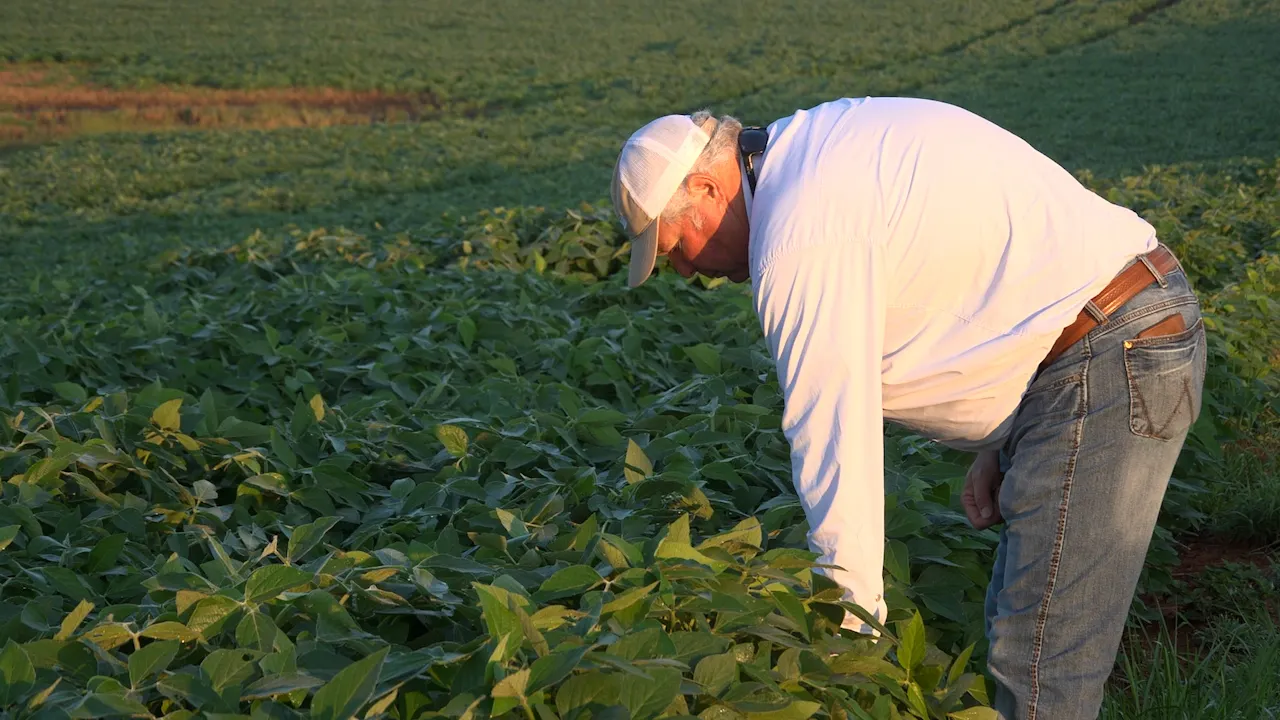
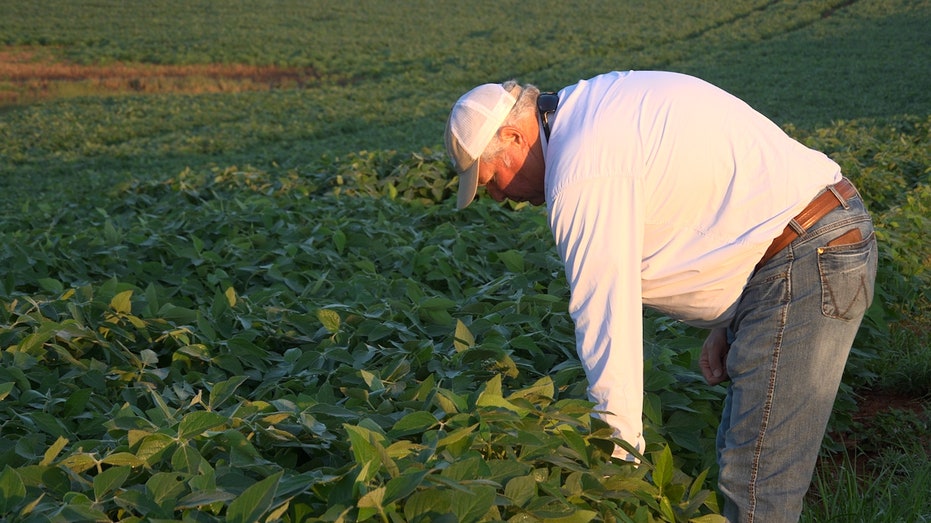
Barry Alexander is a seventh-generation farmer in Cadiz, Kentucky. Soybeans account for about half of the crops grown at Cundiff Farms during the summer.

TRUMP DECLARES FOOD SUPPLY EMERGENCY, SUSPENDS TARIFFS ON KEY FERTILIZER IMPORTS

Kentucky Soy Farmer in Field

Barry Alexander is a seventh-generation farmer in Kentucky who ships a chunk of his soy crop overseas.  (FOX / Fox News)

Alexander said he has not lost farmland to urban development, but he has noticed farms shrinking as cities expand into rural areas.

Advertisement

“Land is going away every day, and that’s one commodity they’re not going to reproduce,” Alexander said. “Whenever that land is gone and gone out of production, it’s no longer going to be farmland. The population is increasing, and the demand for food is increasing.”

TRUMP DEFENDS TARIFFS AHEAD OF LOOMING MIDTERMS, SAYS THEY HAVE MADE THE US ‘A FORTUNE’

Kentucky’s soybean harvest begins in September and runs through October. A portion of Alexander’s crop is shipped overseas, including to China, the top customer for U.S. soybeans.

“A lot of our product is actually for export. We put it on the rivers here nearby, and it ships down to the Gulf of Mexico to New Orleans and is actually shipped overseas,” Alexander said. 

Advertisement
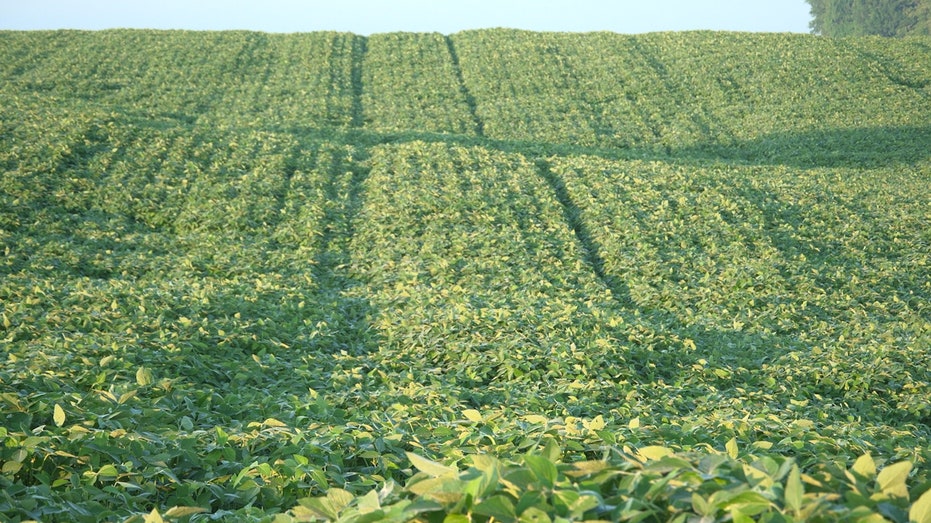
Kentucky Soy Field

According to the USDA, the amount of farmland in the United States has shrunk about 7% since 2000. (FOX / Fox News)

In 2025, China agreed to purchase 25 million metric tons of U.S. soybeans annually. The country initially failed to meet that benchmark as President Donald Trump’s trade war escalated.

The American Soybean Association said China later began purchasing more American soybeans as prices rallied.

“We’re on a positive trend, but we still got a long ways to go to completely hit the targets that they’ve agreed to,” Caleb Ragland, chairman of the American Soybean Association, said. “Obviously, we’ve had some bumps in the road in our relationship, but they’re too big of a customer to just write off.”

Ragland said China consumes more soy than any other country combined. Much of it is processed into soy protein used to raise pigs and poultry, two major staples in Chinese cuisine.

Advertisement

“They need our soy protein to help grow and produce their meat protein that their people want,” Ragland said.

TRUMP DECLARES FOOD SUPPLY EMERGENCY, SUSPENDS TARIFFS ON KEY FERTILIZER IMPORTS

China currently has a 10% tariff on all U.S. agricultural products. Chinese officials have discussed removing the tariff, which Ragland said would make American soybeans more competitive with South American producers.

South America remains a major force in the global soybean trade.

Advertisement

“I mean, that’s been a 10% tax that has made us uncompetitive when it comes to the cash price that the Chinese customers would pay for soybeans,” Ragland said.

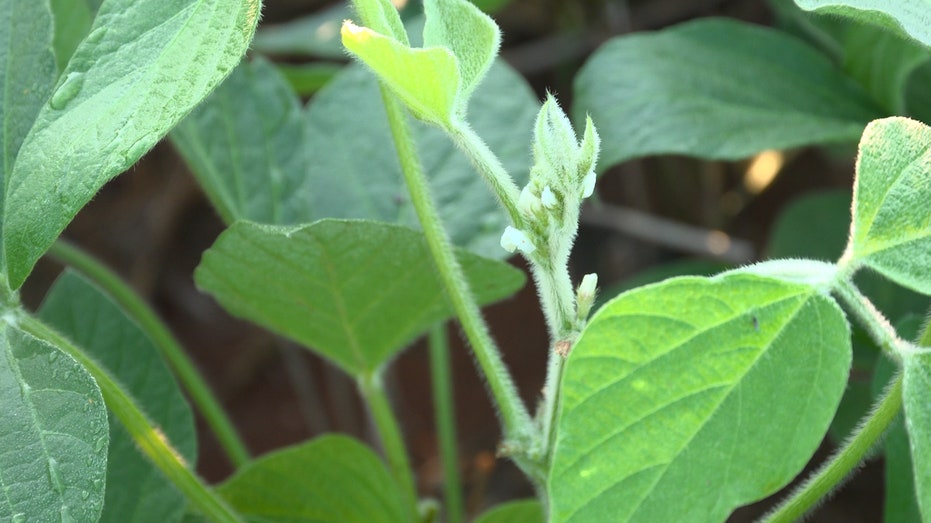
Soybean crop in Kentucky

Farmers are working to pack in more soy production with less land as global demand for American soy increases.  (FOX / Fox News)

A portion of soybean profits goes into a checkoff program that the United Soybean Board uses to research and develop new markets for the crop.

Since the Soy Checkoff was established under the 1990 Farm Bill, annual American soybean production has increased from 2 billion bushels to about 4 billion bushels.

“We treat every acre individually, and we treat it to produce the most it possibly can,” Alexander said. 

Advertisement

GET FOX BUSINESS ON THE GO BY CLICKING HERE

Brent Gatton, chairman of the United Soybean Board, said checkoff investments have helped open new fuel markets and supported U.S. soybean trade with more than 90 countries.

“Because of the checkoff, there are thousands of new uses we get. Soy oil is in Goodyear tires and artificial turf, and soy foam is a great success story,” Gatton said. 

Farmers hope this year’s higher soy prices mixed with larger purchases could help them at least break even after years of high input costs.

Advertisement
Continue Reading
Click to comment

You must be logged in to post a comment Login

Leave a Reply

Business

BMW to deploy NXP ultra-wideband tech in 2026 vehicles

Published

on


BMW to deploy NXP ultra-wideband tech in 2026 vehicles

Continue Reading

Business

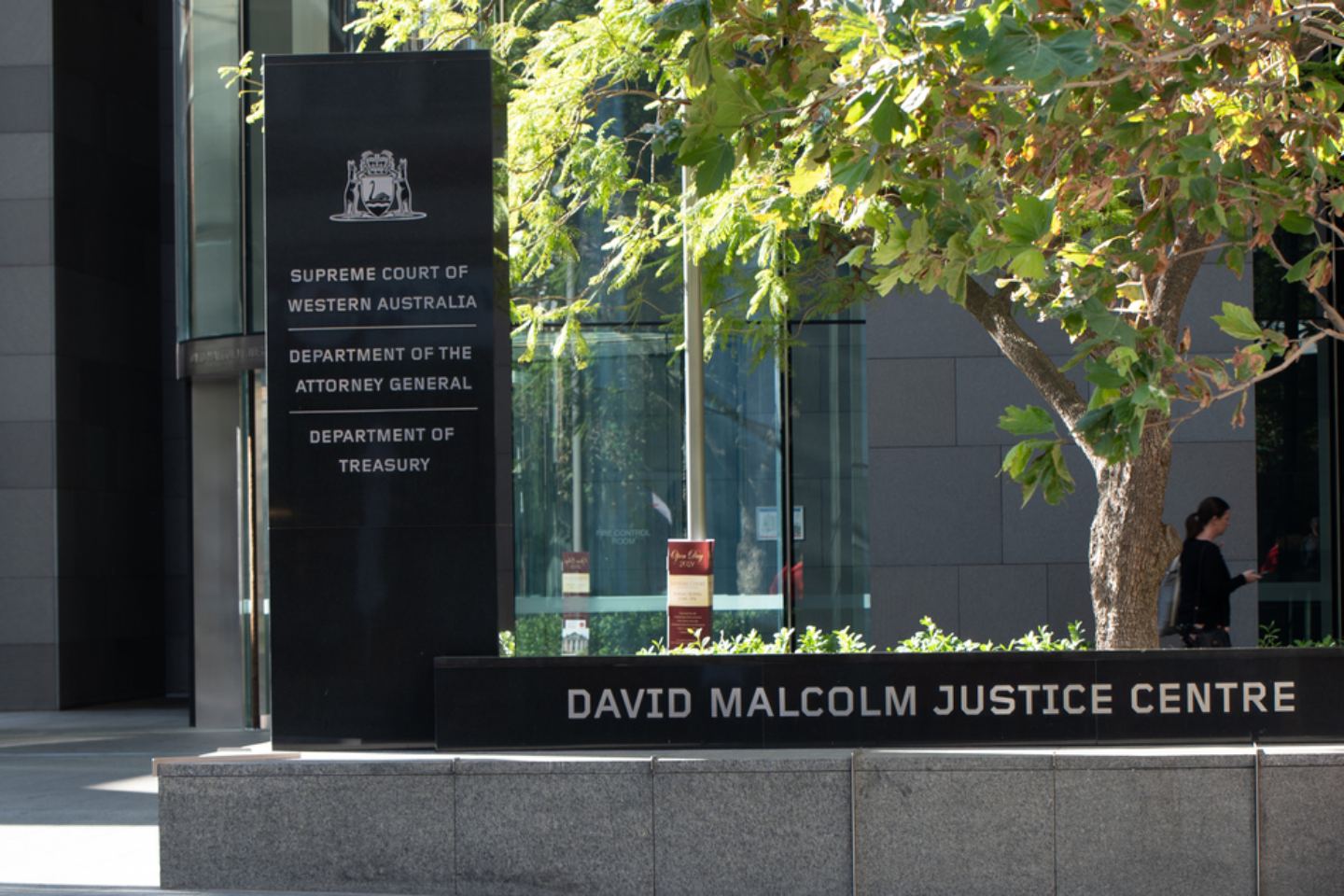
Court lifts injunction on Fitness Cartel gym in dispute with Perth Day Hospital

Published

on

Court lifts injunction on Fitness Cartel gym in dispute with Perth Day Hospital

Yes. Corporate subscriptions are available for teams and organisations, with discounted rates as user numbers increase. Pricing starts from $1,625 + GST per user.
Get in touch
to discuss the right option for your organisation.

Business News subscriptions are used by executives, investors, consultants and professionals who need to stay informed and make better decisions about the WA market. When you subscribe you’ll get

  • Unlimited access to WA’s most trusted business journalism
  • Data & Insights — detailed profiles of WA companies, people, projects and deals
  • MyBN — a personalised feed based on the companies, people and sectors you follow
  • Special publications and industry reports
  • Daily and weekly email newsletters

Data & Insights is a research tool built specifically for the WA market. It draws on more than 30 years of Business News reporting, updated regularly to reflect what’s happening now. Use it to:

  • Look up detailed profiles of WA companies, including financials, directors and ownership
  • Find decision-makers and track their career movements
  • Research live and completed projects across WA industries
  • Monitor deals, appointments and market activity
  • Access industry rankings and league tables

Data & Insights is updated daily by our dedicated research team, which uses the latest announcements, ASX filings and editorial coverage to keep our person, company, list and project records up to date.

Business News welcome all opportunities to make our dataset accurate, complete and current, so if you have an update request, please email the team at
general@businessnews.com.au, and we’d be happy to assist.

Advertisement

MyBN
is part of every subscription. It’s your personalised view of Business News. You can follow the companies, people, sectors and projects that matter to you, and get a news feed and alerts tailored to your interests. You can save articles to read later and retain only what you need.

Only subscribers have full access to all content on the Business News website.

Advertisement

If staying informed about the WA economy is part of your job, and/or you’re looking for networking opportunities in WA, Business News is built for you.

Business News subscribers are:

  • Executives and directors tracking competitors, clients and market movements
  • Investors and advisers researching companies, deals and industry trends
  • Consultants and professionals staying across sectors relevant to their clients
  • Business owners looking for leads, context and market intelligence

Most Business News publications cover national or global markets. Business News is focused entirely on Western Australia, which means the journalism, the data and the intelligence are all built around WA companies, people and projects — not adapted from a national feed. Data & Insights, included with every subscription, combines more than 30 years of WA-specific editorial research with live business data. There’s no comparable product for the WA market.

Advertisement

The Morning Digest Email provides a comprehensive wrap of the major headlines, relevant to WA business, and includes with a snapshot of the overnight news covering oil, gold and ASX-listed companies.

The Afternoon Wrap Email focuses on the news covered by our team of journalists during the course of the working day, including exclusive stories and analysis, all of which relates to WA business and the local economy.

The BN Weekender Email contains a wrap of the Business News from the week that was, highlighting the top stories in each area of WA business.
Sign up for free.

Advertisement

We’re happy to help.
Get in touch
and our team will come back to you.

Advertisement
Continue Reading

Business

Dabur shares drop 3% after FSSAI bars FMCG major from selling products with ‘100%’ guarantee claims

Published

on

Dabur shares drop 3% after FSSAI bars FMCG major from selling products with '100%' guarantee claims
Shares of Dabur India fell nearly 3% on Tuesday after the Food Safety and Standards Authority of India (FSSAI) barred the FMCG major from selling certain food products carrying misleading “100%” claims.

In a post on X, the food regulator said it had issued a prohibition order after finding that products such as honey, cow ghee and edible oils were being marketed on the company’s website with claims including “100% Natural”, “100% Pure”, “100% Purity Guaranteed”, “100% Organic” and “100% Tender Coconut Water”.

According to FSSAI, these claims violate the Food Safety and Standards (Advertising and Claims) Regulations, 2018, as they are ambiguous, unverifiable and likely to mislead consumers.

The regulator also found that Dabur Himalayan Organic Apple Cider Vinegar and Dabur Organic Honey displayed the Jaivik Bharat logo without a valid FSSAI organic endorsement.

Advertisement

In addition, Dabur’s Homemade Coconut Milk was marketed with the claim “100% Purity”, which is not permitted for compound foods. FSSAI said that despite an earlier notice directing the company to discontinue misleading “100%” claims, it failed to take satisfactory corrective action.
The regulator has directed Dabur India to immediately stop selling the products identified in the notice, along with any other food products carrying misleading “100%” claims. The company has also been asked to submit an Action Taken Report (ATR) within 15 days.Also read |
FSSAI prohibits Dabur from selling food products with ‘100%’ claims

Dabur India share price

Following the prohibition order, Dabur India shares fell nearly 3% to Rs 414.35 apiece on the NSE. The stock has declined nearly 2% over the past week and more than 6% in the last month. It is down about 17% so far in 2026.

Over the longer term, Dabur India shares have delivered negative returns of 21% over the past year, 27% over three years and 29% over five years. The company currently commands a market capitalisation of more than Rs 73,700 crore.

The stock had already been under pressure after the FMCG major reported June-quarter earnings that were broadly in line with Street estimates. Last Wednesday, the company reported a 15% year-on-year (YoY) rise in consolidated net profit to Rs 591 crore for the April-June quarter of FY27, marking its third consecutive quarter of double-digit profit growth, driven by price hikes, cost control and broad-based growth across its FMCG portfolio.

Advertisement

Consolidated revenue rose 11% YoY to Rs 3,761 crore, while the India FMCG business grew 9.5%, supported by underlying volume growth of 5%. Operating profit also increased 11% during the quarter.

Also read | What brokerages said after Dabur’s Q1 earnings?

(Disclaimer: Recommendations, suggestions, views and opinions given by the experts are their own. These do not represent the views of The Economic Times)

Advertisement
Continue Reading

Business

TKO Group Holdings, Inc. (TKO) Q2 2026 Earnings Call Transcript

Published

on

OneWater Marine Inc. (ONEW) Q1 2026 Earnings Call Transcript