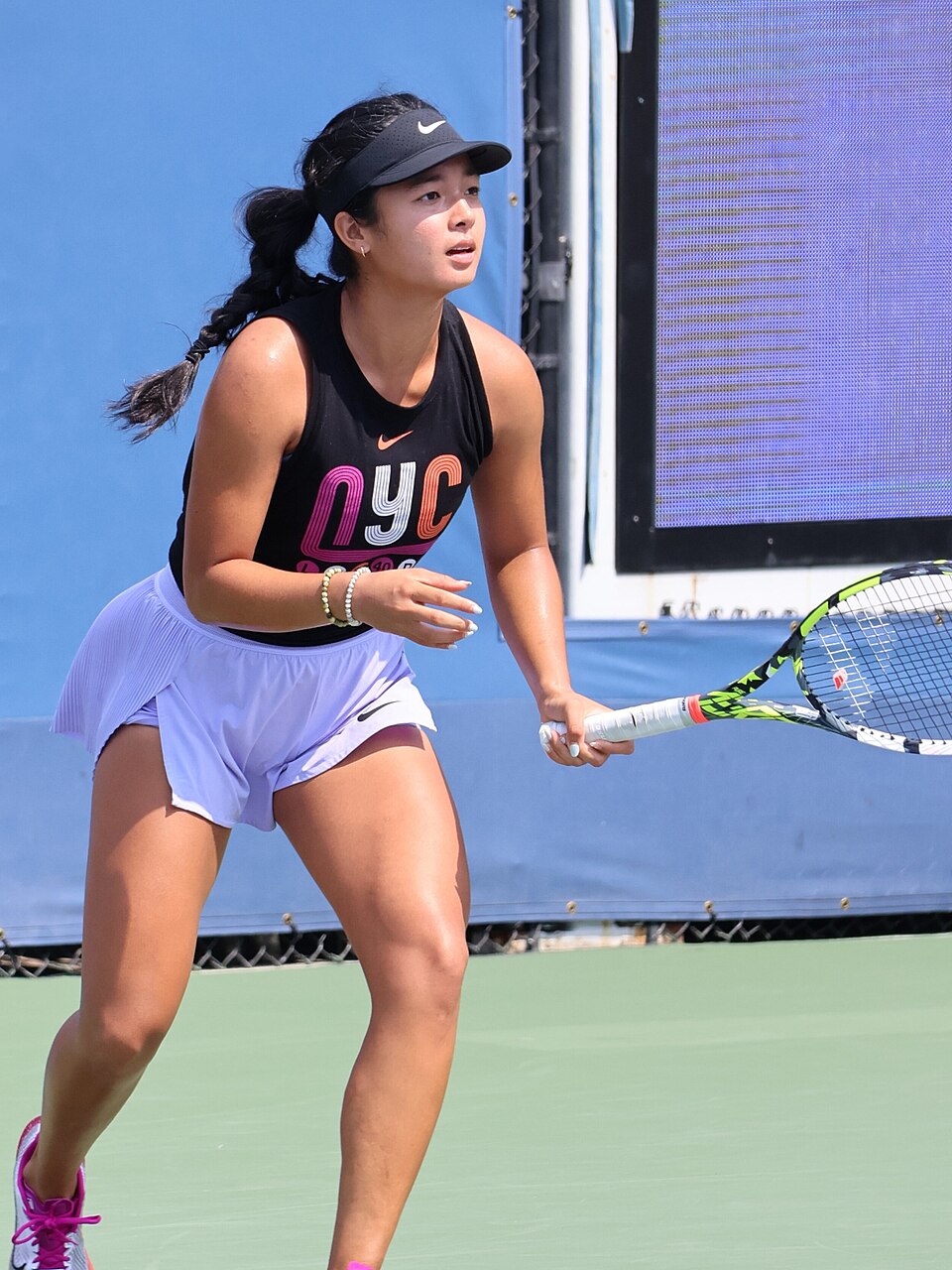
WASHINGTON — Alexandra Eala rallied from a set down to defeat top seed Jessica Pegula 4-6, 6-4, 6-0 in the final of the Mubadala DC Open on Monday, capturing her first career WTA Tour singles title and becoming the first player from the Philippines to win a title at the tour level.
The 21-year-old’s breakthrough capped a stunning week in Washington, where she knocked out three seeded players, including a Grand Slam champion and a reigning Olympic gold medalist, en route to the biggest win of her young career. Eala entered the tournament ranked No. 28 in the world and is now projected to climb into the top 20 for the first time ahead of the U.S. Open.
A dramatic, rain-interrupted final
The championship match spanned two days after heavy rain and lightning forced officials to suspend play Sunday night, with Pegula leading by a set and ahead in the second. Play resumed Monday at midday, and Eala wasted little time seizing control, closing out the match in one hour and 45 minutes once action got back underway.
From behind in the second set, Eala mounted a remarkable turnaround, winning the final nine games of the match outright. She capped the comeback with a dominant 6-0 third set in which she surrendered just eight points to Pegula, the world No. 3 and 2019 Washington champion who had entered the final chasing her 12th career title.
Advertisement
Eala was especially sharp behind her first serve throughout the match, winning 84.4% of those points (38 of 45) compared with Pegula’s 56.5%. She converted four of her nine break-point opportunities and won 79 of the 140 total points played in the match, despite not recording a single ace and committing three double faults.
Redemption after past heartbreak
Monday’s victory marked a measure of redemption for Eala, whose only previous appearance in a tour-level singles final ended in painful fashion. At last year’s Lexus Eastbourne Open, she held four championship points against Maya Joint before ultimately falling in a third-set tiebreak. This time, facing another high-pressure moment against one of the sport’s top-ranked players, Eala repeatedly met the challenge.
Advertisement
Speaking after lifting the trophy, Eala reflected on the emotional weight of finally breaking through. “I feel so much love. My first chance at a title,” she said, addressing the crowd on court following the win.
A run through the sport’s elite
Eala’s path to the title ran through a gauntlet of accomplished opponents. She opened her tournament by defeating 2024 Olympic champion Zheng Qinwen, then knocked out No. 7 seed and defending champion Leylah Fernandez in the second round. In the quarterfinals, she ousted No. 2 seed Elina Svitolina, before overcoming No. 3 seed and four-time Grand Slam champion Naomi Osaka in the semifinals to reach her first WTA 500-level final.
With her victories over Svitolina and Pegula, Eala’s win total against top-10 opponents this season climbed to seven, tying her with Elena Rybakina and Svitolina herself for the most top-10 victories on tour in 2026.
Advertisement
Pegula praises her opponent
Pegula, who had won the two players’ only previous meeting in the 2025 Miami Open semifinals, offered generous praise for Eala during the post-match trophy presentation, acknowledging both her opponent’s rapid rise and the passionate following she has built. “To see how far you’ve come over the last couple of years,” Pegula told Eala on court, reflecting on the Filipina’s emergence as one of the tour’s most closely watched young stars.
The result also evened the head-to-head series between the two players at one win apiece, following Pegula’s three-set victory over Eala in Miami last year.
A landmark moment for Philippine tennis
Advertisement
Eala’s triumph carries significance well beyond the tournament itself, marking the first time a player from the Philippines has won a WTA Tour-level singles title. Her rise has already drawn a passionate following, with a large and vocal contingent of Filipino fans packing center court throughout the tournament, a dynamic Pegula herself referenced when comparing the atmosphere in Washington to the raucous, heavily pro-Eala crowds she encountered during their earlier meeting in Miami.
Fritz claims the men’s title
In the tournament’s men’s final, played the same day, American Taylor Fritz claimed his 11th career ATP title, defeating 19-year-old Spanish rising star Rafael Jodar 7-6(2), 6-4. The win marked a significant step in Fritz’s return to peak form following a knee injury that had sidelined him earlier this season, with the American winning 81% of his first-serve points in a steady, serve-driven performance.
Prize money and rankings implications
Advertisement
The Mubadala DC Open featured a total prize purse of $1,637,982, with the singles champion earning $252,000. Beyond the financial reward, Monday’s result carries substantial ranking implications for both finalists. Pegula, despite the loss, is set to improve to No. 4 in the season-long WTA Race while remaining No. 3 in the overall PIF WTA Rankings. Eala, meanwhile, is projected to move into the world’s top 20 for the first time in her career, a milestone that would have seemed unlikely even to her at the start of the tournament.
With her first WTA title now secured and a significant ranking jump on the horizon, Eala heads into the U.S. Open Series as one of the tour’s most talked-about breakout stars of 2026. Her run through three seeded players, including a Grand Slam champion and a reigning Olympic gold medalist, has established her as a legitimate threat heading into the year’s final Grand Slam tournament, with fans and analysts alike now watching closely to see whether Washington marks the beginning of a sustained run near the top of the sport rather than a single standout week.
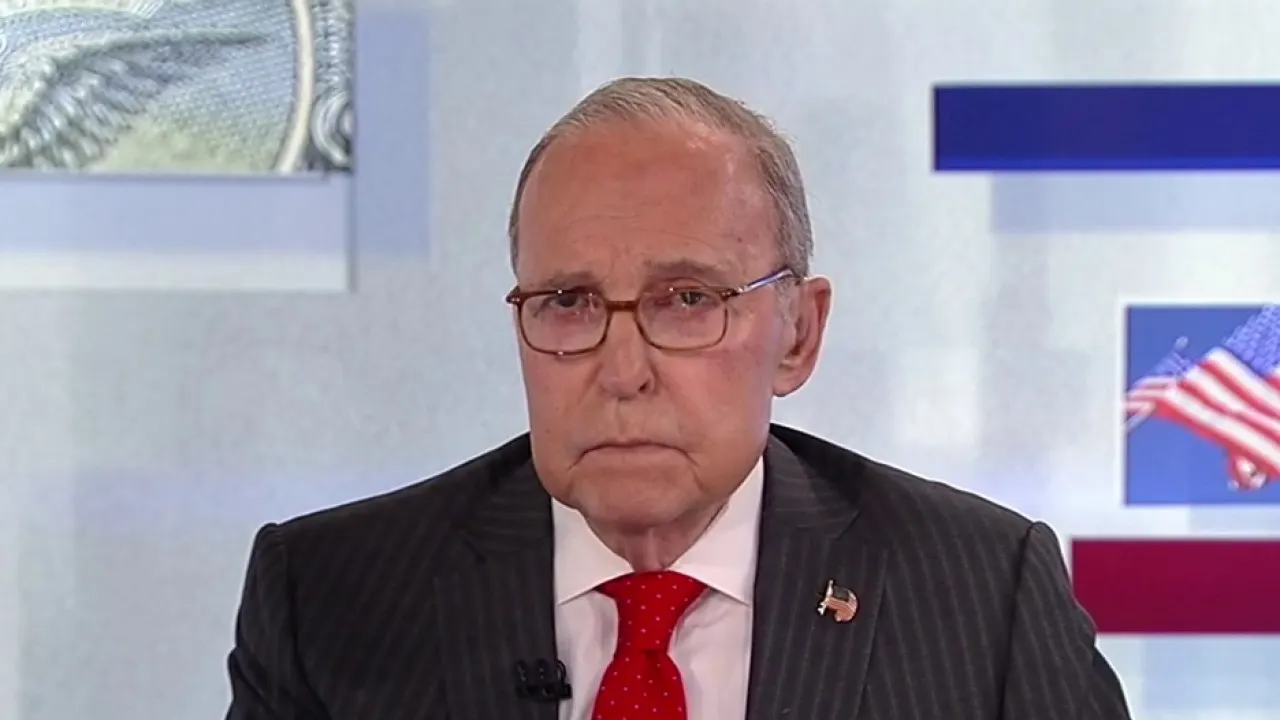
Ace pollster John McLaughlin, using an accurate survey of 1,000 likely voters, shows when Republican candidates clearly support free-market capitalism versus Democratic policies of big government socialism, the GOP moves from a virtual tie in the generic Congressional ballot, to a commanding 49 percent to 36 percent lead. Independent and moderate voters show exactly the same move toward the GOP when the subject is capitalism versus socialism.
There’s a lesson here. And it’s a pity that the Republicans are not likely to produce a pro-growth, pro-affordability, tax and spending cut budget package. A missed opportunity. However, the second choice if you can’t get legislation, is good messaging this summer. And there is this midterm convention at Dallas in early September. And the economy right now, speaking of affordability, is booming. Every day we get more evidence. Manufacturing is on a roll.
The AI boom is transforming the American economy. Construction is rising in a way we haven’t seen in many years. Consumers are spending. Businesses are investing. Here’s one today: non-defense capital goods excluding aircraft, Wall Street calls it cap ex, in the last three months, orders are up 10.5 percent. Shipments are up 11.5 percent. Backlogs are up by more than 9 percent. All at an annual rate. We haven’t seen anything like this in decades.
Advertisement
The stock market is setting new records on a daily basis, including the S&P. Today the Dow closed at 54,085. Nearly 150 million Americans are invested. And the Trump accounts are coming in at record pace. Everybody is gonna own a piece of the Roth.
Last year’s One, Big, Beautiful Bill had the tax cuts and the spending cuts and it’s working today. So I’m just saying it’s time for the GOP to please talk about this. Better to talk about it with a roaring stock market. Growth and affordability. Let’s get it right.
Greetings. Welcome to the NGL Energy Partners 1Q ’27 Earnings Call. [Operator Instructions] Please note, this conference is being recorded.
I will now turn the conference over to your host, Brad Cooper, CFO. You may begin.
Advertisement
Brad Cooper Executive VP, Compliance Officer & CFO of NGL Energy Holdings LLC
Good afternoon, and thank you to everyone for joining us on the call today. Our comments today will include plans, forecasts and estimates that are forward-looking statements under the U.S. securities law. These comments are subject to assumptions, risks and uncertainties that could cause actual results to differ from the forward-looking statements. Please take note of the cautionary language and risk factors provided in our presentation materials and our other public disclosure materials.
We are pleased to report a strong start to fiscal 2027 and continued execution on our multiyear strategy of deleveraging the balance sheet through high-return water growth projects. This positions the partnership to continue to address the Class D preferreds later this fiscal year.
During the first quarter, we hit record produced water volumes, physically disposing of approximately 3.32 million barrels per day during the first quarter, growing 19.6% from the first quarter of fiscal 2026. The record water volumes also generated record Water Solutions adjusted EBITDA for a single quarter.
Alamo Group Inc. (ALG) Q2 2026 Earnings Call August 4, 2026 10:00 AM EDT
Company Participants
Kevin Carter Robert Hureau – President, CEO & Director Agnes Kamps – Executive VP, CFO, Interim Chief Accounting Officer& Treasurer
Advertisement
Conference Call Participants
Chris Moore Peter Kalemkerian – Robert W. Baird & Co. Incorporated, Research Division Michael Shlisky – D.A. Davidson & Co., Research Division Gregory Burns – Sidoti & Company, LLC Sam Karlov
Presentation
Advertisement
Operator
Good day, and welcome to the Alamo Group Second Quarter 2026 Conference Call. [Operator Instructions] Please note, this event is being recorded. I would now like to turn the conference over to Kevin Carter, Vice President, Strategy, Finance and Investor Relations. Please go ahead.
Kevin Carter
Advertisement
Thank you. By now, you should have received a copy of the press release. However, if anyone is missing a copy and would like to receive one, please contact us at 212-827-3746, and we will send you a copy of the release and make sure you’re on the company’s distribution list. There will be a replay of the call, which will begin 1 hour after the call and run for 1 week. The replay can be accessed by dialing 1-855-669-9658 with the passcode 750-9167. Additionally, the call is being webcast on the company’s website at www.alamo-group.com, and a replay will be available for 60 days.
On the line with me today are Robert Hureau, our President and Chief Executive Officer; and Agnies Kamps, Executive Vice President and Chief Financial Officer. Management will make some opening remarks, and then we will open up the line for your questions. During the call today, management may reference certain non-GAAP numbers in their remarks. Reconciliations of these non-GAAP results to applicable GAAP numbers are included in the attachment to our earnings release.
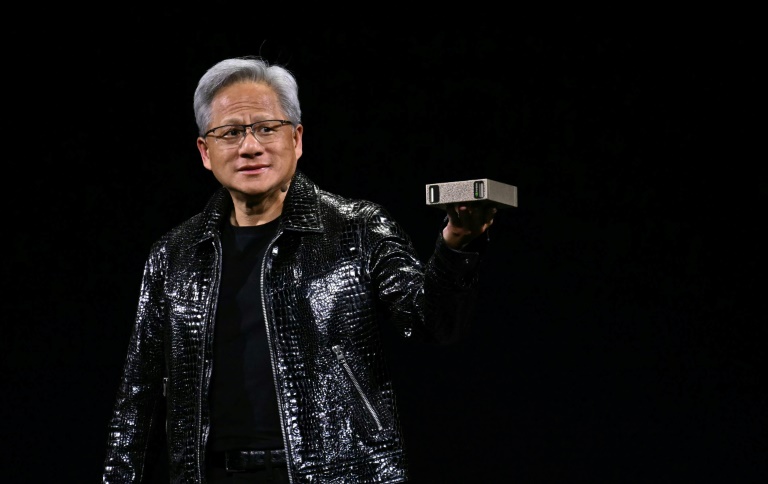
Nvidia shares climbed 2.5% Tuesday morning, trading at $211.80 as of 9:45 a.m. Eastern time, as the stock rode a broader rally across semiconductor names ahead of a closely watched earnings report from rival Advanced Micro Devices due after the market closes.
Tuesday’s advance builds on a modest but steady climb for Nvidia in recent sessions, with shares having bounced from a spring low near $164 to trade in the $206 to $212 range heading into the new week. Despite the recent gains, the stock remains well below the record closing high of $237.95 it set in May, leaving Nvidia’s 2026 performance notably more muted than the outsized gains investors grew accustomed to during 2023, 2024 and 2025.
A quieter year by Nvidia’s own standards
Nvidia’s stock is up roughly 5% to 11% so far in 2026, depending on the measurement window used, a pace that trails the broader S&P 500’s roughly 10% gain for the year. That relatively modest performance stands in sharp contrast to Nvidia’s recent history as one of the market’s most dominant performers, a shift that has prompted renewed debate among investors over whether the stock’s rapid rise in prior years has left less room for outperformance going forward.
Advertisement
Even so, Wall Street’s overall stance on Nvidia remains overwhelmingly positive. Nearly every analyst covering the stock currently rates it a buy, and shares have posted gains over the past week, month and year alike heading into the company’s next earnings report, scheduled for August 26. Analysts covering the stock are projecting the company will nearly double its profit when that report arrives, underscoring continued confidence in Nvidia’s central role in the broader artificial-intelligence infrastructure buildout.
Tuesday’s rally tied to the broader chip sector
Much of Tuesday’s move in Nvidia shares appeared linked to broader momentum across semiconductor stocks rather than any Nvidia-specific announcement. Rival chipmakers AMD and Intel both posted sharper gains in the same session, with AMD set to report its own second-quarter results after Tuesday’s close and Intel extending a recent rebound following weeks of sharp volatility tied to broader sector jitters. The rally across chip names also coincided with a broader market advance driven by easing tensions in the Middle East, falling oil prices, and strong corporate earnings from companies including Caterpillar and Palantir Technologies, all of which have helped lift risk appetite across Wall Street in recent sessions.
Lingering questions about AI demand
Advertisement
Despite the bullish near-term setup, some prominent investors have continued to raise questions about the sustainability of the AI infrastructure spending that underpins much of Nvidia’s growth story. Michael Burry, the investor known for correctly predicting the 2008 housing market crash, has publicly voiced skepticism about the durability of current AI-related demand projections, a warning that continues to circulate among analysts even as Nvidia’s stock trades near multi-month highs heading into its next earnings report.
Broader industry analysis has also flagged a mix of competing views on the AI infrastructure buildout. Some analysts argue that current levels of capital expenditure among major cloud providers may exceed near-term demand for AI services, raising the possibility of a spending pullback down the line. Others contend that infrastructure investment remains in its early stages relative to the pace of adoption for generative AI applications, with the total addressable market for AI accelerators projected to exceed $200 billion annually by 2027.
China remains a wildcard
Nvidia’s business in China has continued to face regulatory uncertainty, adding another layer of complexity to the stock’s outlook. Reports in early July indicated that Chinese officials plan to allow the country’s leading domestic AI companies to purchase limited volumes of Nvidia’s H200 chips, while restricting approvals to less than half of the amounts requested by those firms. That partial and constrained access reflects the continued tension between U.S. export policy and China’s efforts to secure advanced AI computing hardware, a dynamic that has weighed on sentiment toward Nvidia’s China-related revenue in recent months.
Advertisement
A summer marked by sector-wide swings
Nvidia’s path through the summer has mirrored broader volatility across the chip sector. A mid-July selloff tied to renewed doubts about the durability of the AI rally sent the Philadelphia Semiconductor Index down 6.7% over a two-session stretch, with weakness rippling into other major chip-heavy markets, including South Korea’s Kospi index. Nvidia shares moved within a relatively narrow band during that stretch, trading between roughly $195 and $212 over the course of July before stabilizing and beginning to climb again heading into August.
Valuation remains a point of debate
Nvidia currently trades at roughly 21.7 times forward earnings, a multiple that some analysts note is now essentially in line with the broader S&P 500, a notable shift for a stock that has historically commanded a significant premium relative to the broader market. Bulls argue that the multiple looks far more attractive once next year’s projected earnings growth is factored in, given Wall Street’s continued expectations for substantial profit growth. Skeptics, meanwhile, point to that same valuation compression as evidence that investors are growing more cautious about pricing in continued outsized growth from a company whose stock has already delivered years of exceptional returns.
Advertisement
With AMD’s earnings due Tuesday evening and Nvidia’s own report still three weeks away, investors are likely to parse AMD’s results closely for read-through signals on broader AI chip demand, server CPU competition and data center spending trends heading into Nvidia’s August 26 report. Until then, Nvidia’s stock is expected to continue trading in step with broader sentiment toward the semiconductor sector and the AI infrastructure buildout more broadly, even as the debate over the durability of that demand, highlighted by skeptics like Burry, continues to shadow an otherwise bullish setup heading into the company’s next set of results.
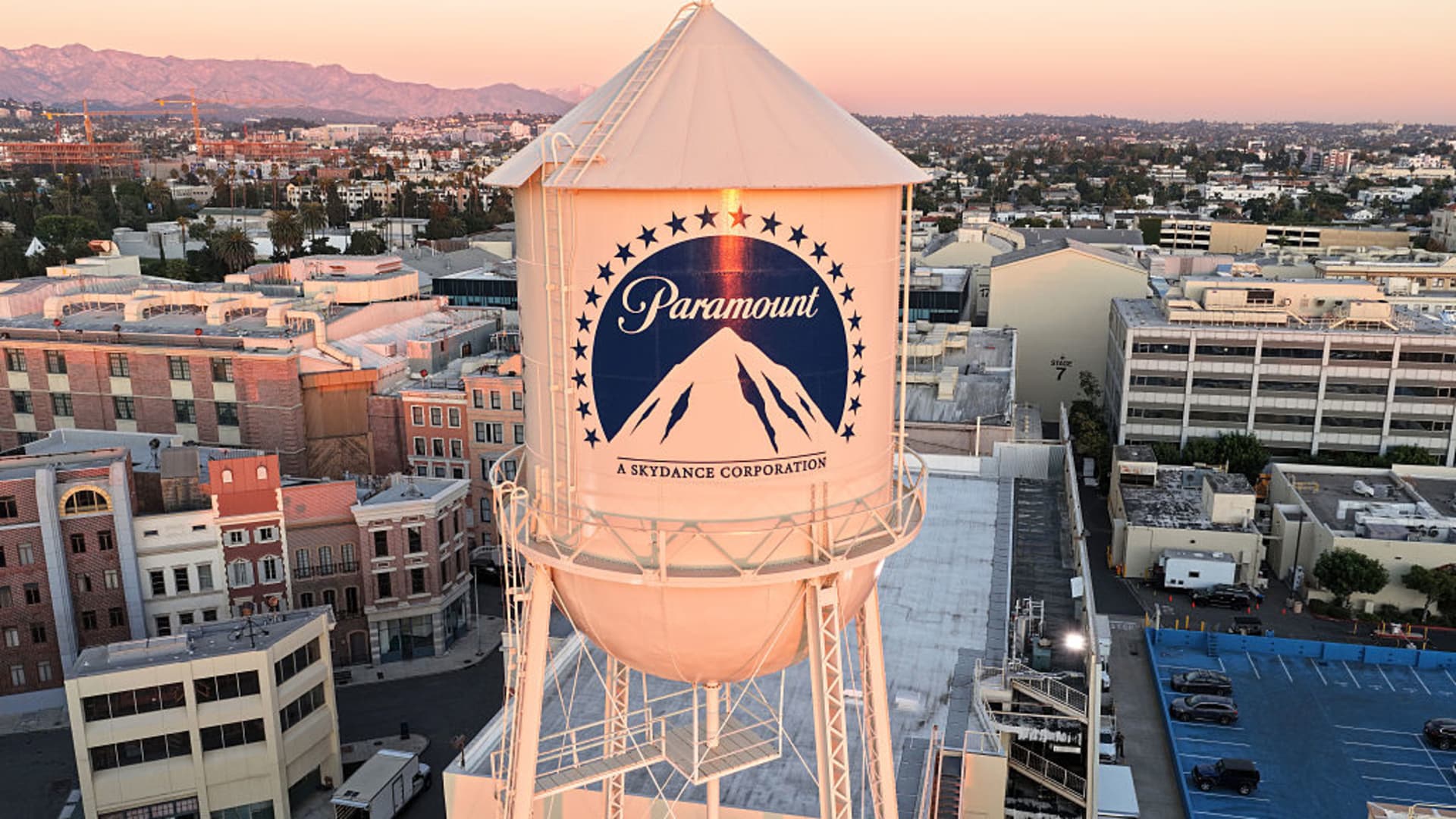
An aerial view of the Paramount logo displayed on the water tower at Paramount Studios on Dec. 8, 2025, in Los Angeles, California.
Mario Tama | Getty Images
Paramount Skydance raised its full-year guidance on Tuesday and reported second-quarter results that showcased the continued strengths of streaming and weaknesses of linear TV.
Advertisement
While Paramount beat Wall Street expectations for revenue and reported gains in its streaming unit, led by its Paramount+ streaming service, its portfolio of cable TV networks continued to weigh on the overall company.
Still, Paramount noted that cost cutting and its “creative execution” for the traditional TV business helped to improve margins and profit in the quarter.
Here’s how Paramount Skydance performed in the period ended June 30 compared with Wall Street estimates compiled by LSEG:
Earnings per share: 4 cents
Revenue: $6.91 billion vs. $6.88 billion expected
Paramount reported net earnings attributable to the company of $41 million, or 4 cents per share, versus $57 million, or 8 cents per share, in the comparable year-earlier period.
The company’s reported EPS for the second quarter was not comparable to Wall Street estimates of 15 cents per share adjusted, according to LSEG.
Advertisement
Paramount reported $6.91 billion in total revenue, up slightly year over year. Revenue for the direct-to-consumer streaming segment — which consists of Paramount+, BET+ and the free, ad-supported Pluto TV — was up 9% to $2.47 billion, while film studios revenue increased 16% to $1.31 billion. TV media revenue declined 9% to $3.13 billion.
The company said the second quarter was its “best quarter for retention in Paramount+’s history,” due to series like the “Yellowstone” spinoff “Dutton Ranch,” as well as live sports like the UFC and offering of the FIFA World Cup in parts of Latin America.
Paramount+ added 2 million subscribers during the quarter, bringing its total to 81.6 million global customers.
The company said Tuesday it was raising its full-year 2026 guidance for adjusted earnings before interest, taxes, depreciation and amortization to a range of $3.8 billion to $3.9 billion, due to savings from last year’s merger of Paramount and Skydance. The company has said it plans to save $3 billion from the consolidation.
Advertisement
Paramount still expects total revenue in 2026 of $30 billion, representing 4% growth year over year. Direct-to-consumer revenue from both streaming subscriptions and advertising is expected to accelerate for the year.
For the third quarter, Paramount expects total revenue of between $6.95 billion and $7.15 billion and for Paramount+ subscriber additions to be “flattish” quarter over quarter.
WBD merger trajectory
David Ellison, CEO of Paramount Skydance, speaks during the Paramount Pictures presentation at CinemaCon, the official convention of Cinema United, in Las Vegas, Nevada, April 16, 2026.
Caroline Brehman | Reuters
Advertisement
Tuesday’s earnings report comes nearly one year since the completion of Skydance’s merger with Paramount, putting the storied Hollywood company under the leadership of CEO David Ellison.
The company highlighted “early benefits” to unifying the tech behind Paramount+ and Pluto TV. It also noted that it increased Paramount’s film slate from eight to 15 films.
Paramount has more recently been in pursuit of Warner Bros. Discovery, a combination that has been held up by an antitrust challenge brought by U.S. states.
However, Ellison reiterated the company’s confidence in that merger Tuesday.
Advertisement
“As we’ve executed against our strategy over the past year, we’ve also prepared to close the transaction, and we remain confident it will be completed, creating a stronger, more competitive, creative-first media company that builds on the foundation we’ve established — one that benefits consumers, theater exhibitors and creatives,” he said in a shareholder letter.
Last month, Paramount agreed to delay the closing of the proposed acquisition to as late as June 2027 due to the lawsuit brought forth by a group of state attorneys general.
Initially Paramount said it planned to close the deal by the end of September. It has received approval from the antitrust division of the U.S. Department of Justice, as well as from several global jurisdictions, including European regulators.
The U.S. states’ lawsuit will go to trial in March 2027, according to a court filing on Tuesday.
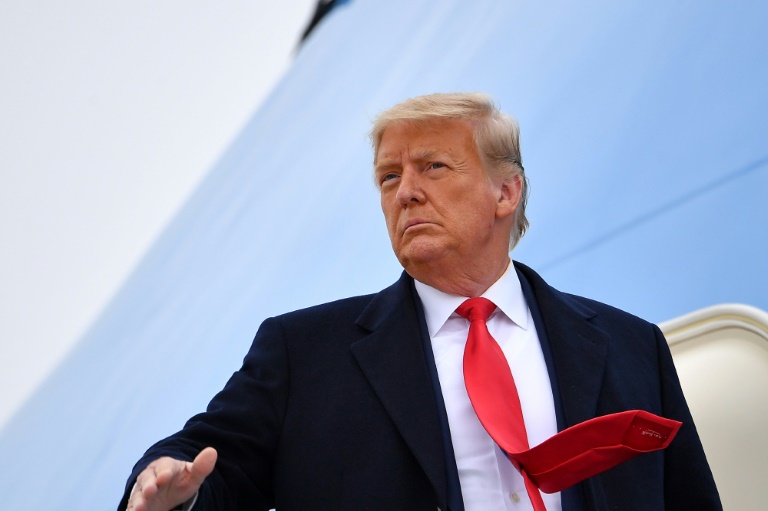
President Donald Trump’s investment accounts were net buyers of shares in Alphabet and Meta Platforms during the first five months of 2026, according to financial disclosures filed with the U.S. Office of Government Ethics, adding two of the market’s most closely watched artificial-intelligence companies to a broader portfolio that recorded more than 6,200 stock trades over the same period.
The disclosures show net purchases of Alphabet shares totaling between $1.7 million and $3.6 million through May, along with net purchases of Meta Platforms stock ranging from $845,000 to $4.8 million over the same stretch. Federal ethics filings typically report holdings and trades within broad value ranges rather than exact figures, a standard disclosure practice for senior government officials.
Third-party managers, not Trump, made the calls
The accounts reflected in the disclosures are managed by third-party financial advisors, meaning Trump was not personally responsible for the individual buy and sell decisions reflected in the filings. The arrangement is a common one among wealthy public officials, allowing investment decisions to be made independently of the officeholder while still requiring periodic disclosure of the resulting portfolio activity under federal ethics rules.
Advertisement
Both Alphabet and Meta sit at the center of the ongoing buildout of artificial-intelligence infrastructure, and a majority of Wall Street analysts currently view both stocks as undervalued relative to their growth prospects, based on median analyst price targets compiled by financial researchers.
Alphabet’s case: a discounted AI leader
Alphabet reported strong second-quarter results that topped analyst estimates on both revenue and earnings. Revenue rose 24% to $119.7 billion, marking the company’s sixth consecutive quarter of accelerating growth, driven largely by 82% sales growth in its cloud computing division. Operating income, excluding unrealized gains tied to the company’s investment in SpaceX, climbed 30% to $40.7 billion.
Despite adding roughly 4% since that earnings report, Alphabet shares continue to trade at what analysts describe as an attractive valuation, roughly 18 times earnings, a significant discount to the company’s five-year average multiple of 24 times earnings. On the company’s earnings call, CEO Sundar Pichai pointed to strength across Alphabet’s AI product lineup, noting that nearly 90% of Fortune 100 companies now use Gemini Enterprise, the company’s platform for building AI agents and automating business workflows, while more than 9 million developers build on Alphabet’s Gemini models each month.
Advertisement
Pichai also highlighted growing demand for Alphabet’s custom AI chips, known as Tensor Processing Units, which the company has historically rented to cloud computing customers but has recently begun selling directly to select clients for use in their own data centers, a shift that positions Alphabet as a more direct competitor to Nvidia in the AI chip market.
Wall Street projects Alphabet’s earnings will grow at an annual rate of roughly 14% over the next three years, a forecast that has led most analysts covering the stock to view its current valuation as reasonable relative to its growth outlook. The median analyst price target of $425 per share implies roughly 20% upside from Alphabet’s current trading price of $355.
Meta’s mixed quarter, but a bullish long-term view
Meta Platforms delivered a more mixed second-quarter report, beating analyst expectations on revenue but falling short on profitability. Revenue climbed 28% to $60.8 billion, while operating margin fell 12 percentage points and net income dropped 13% to $6.18 per diluted share. The results, weighed down by legal costs, severance expenses and heavy AI infrastructure spending, sent Meta shares down 10% following the report.
Advertisement
Meta executives have characterized much of that margin pressure as tied to one-time charges rather than a structural shift in the company’s underlying business. Speaking to analysts on the earnings call, CEO Mark Zuckerberg said the company’s AI investments were beginning to pay off across its core operations. “We are now at a point where our investments in AI are accelerating,” Zuckerberg told analysts, pointing to improvements in the user experience across Meta’s apps, stronger performance for advertisers, and faster development of new products by internal teams.
Zuckerberg also outlined Meta’s broader plans to monetize its AI investments going forward, pointing to new personal AI agents the company is developing as a foundation for future products, including the recently launched Meta Business Agent, which answers business questions and automates workplace tasks. The company is also exploring a new cloud computing division that would rent out excess data center capacity directly to outside customers.
Wall Street expects Meta’s earnings to grow at roughly 21% annually over the next three years, a projection that has left the stock’s current valuation of about 21 times earnings looking inexpensive to many analysts despite the disappointing quarterly profit figure. Among 71 analysts covering the stock, the median price target sits at $770 per share, implying roughly 39% upside from Meta’s current trading price of $554.
A snapshot, not a strategy
Advertisement
While the disclosures offer a rare, itemized look at where money tied to the president’s investment accounts has flowed in recent months, ethics experts note that such filings reflect the decisions of independent portfolio managers operating under broad discretion, rather than any specific market view held personally by the president. The high volume of trading activity, more than 6,200 transactions through May alone, further underscores that the accounts appear to be managed under an active trading strategy typical of professionally managed portfolios rather than a small number of deliberate, individually chosen stock picks.
What the disclosures don’t show
The filings do not indicate whether the Alphabet and Meta positions have since been added to, reduced or sold entirely following the companies’ respective earnings reports, nor do they provide exact dollar figures for the trades, consistent with standard federal financial disclosure requirements that report holdings within set value bands rather than precise amounts. Future ethics filings covering the remainder of 2026 would be needed to determine whether the accounts’ exposure to either stock has changed in the months since May.
Shares of SK Hynix’s U.S.-listed American Depositary Receipts climbed 3.88% Tuesday morning, trading at $148.26 as of 9:58 a.m. Eastern time, as a wave of bullish analyst coverage reinforced the memory chipmaker’s leading position in the booming market for high-bandwidth memory used in AI accelerators.
Tuesday’s advance offers a measure of stability for a stock that has swung dramatically over the past several weeks, whipsawed by a combination of blockbuster earnings, geopolitical shocks and shifting sentiment toward AI-related demand. The gains follow a Monday session in which SK Hynix shares had tumbled sharply alongside a broader technology selloff tied to renewed tensions surrounding Iran.
A wave of bullish analyst initiations
The rally came as three major Wall Street firms, Stifel, Wolfe Research and RBC Capital Markets, initiated coverage of SK Hynix with bullish ratings, setting price targets ranging from $200 to $240 per ADR. The firms pointed to SK Hynix’s dominant position in high-bandwidth memory, known as HBM, a specialized form of DRAM used extensively in Nvidia’s AI accelerator chips, as the central pillar of their optimistic outlook.
Advertisement
Stifel estimated that SK Hynix held more than 60% of the global HBM market in 2025, while RBC placed the company’s current market share at roughly 55% to 56%. All three firms said they expect AI-related memory demand to remain robust as cloud computing providers continue expanding their training and inference infrastructure, with the rise of agentic AI applications expected to drive higher memory content per server going forward. The analysts forecast DRAM bit demand growth of more than 20% annually, with global supply expected to struggle to keep pace due to physical capacity constraints across the broader chip manufacturing industry. A key catalyst identified across the reports involves anticipated HBM contract repricing expected in 2027.
A blowout quarter that still triggered a selloff
The renewed analyst optimism follows a second-quarter earnings report that, by nearly every financial measure, exceeded expectations. SK Hynix posted quarterly revenue of 79.3 trillion won, up 51% from the prior quarter and 257% from a year earlier, alongside operating income of 60.5 trillion won, representing a record operating margin of 76%. DRAM prices surged roughly 30% during the quarter, while NAND flash pricing climbed nearly 50%.
The company also confirmed it had begun mass production of HBM4, the next generation of high-bandwidth memory technology used in advanced AI chips, making SK Hynix the first manufacturer in the industry to reach that milestone. Rival Samsung remains in the qualification stage with Nvidia for its own HBM4 offering, while Chinese memory maker CXMT has yet to disclose any HBM manufacturing capability, leaving SK Hynix with a notable head start in one of the most technically demanding and highly valued segments of the memory chip market.
Advertisement
Despite those results, SK Hynix shares fell in the aftermath of the earnings release, a reaction some analysts attributed to investors locking in gains following the stock’s sharp run-up earlier in the year rather than any concern about the underlying business.
A volatile stretch tied to geopolitics
SK Hynix’s stock has experienced significant swings over the past several weeks entirely apart from its own earnings. Shares peaked near $193.92 in mid-July before sliding into the $140s amid a broader selloff across technology and semiconductor names. Much of that pressure intensified Monday, when SK Hynix shares plunged more than 11% in Seoul trading and roughly 8% in U.S. premarket trading as renewed U.S. military action against Iran sent risk-off sentiment sweeping through global markets.
Analysts tracking the stock’s daily movements described the recent volatility as driven primarily by macroeconomic and geopolitical shocks rather than any company-specific developments, noting that SK Hynix’s chart had shown a pattern of lower highs and heavy selling pressure through late July before stabilizing. The stock’s roughly 35% decline in July was followed by signs of a partial recovery, including a notable rebound in Friday trading, before Monday’s Iran-related selloff briefly reversed some of those gains.
Advertisement
A relatively new addition to U.S. markets
SK Hynix’s American Depositary Receipts represent a relatively recent addition to U.S. exchanges. The company submitted a confidential filing to the U.S. Securities and Exchange Commission in March seeking a Wall Street listing, with plans to raise between $6.7 billion and $10 billion to fund AI infrastructure expansion, including its Yongin HBM production hub in South Korea and a packaging plant in Indiana. At the time of that filing, the company’s Seoul-listed shares had already gained roughly 60% year-to-date, building on a 274% surge throughout 2025.
SK Hynix Chief Executive Kwak Noh-Jung has also outlined plans to accumulate more than 100 trillion won in net cash to support the company’s broader strategic growth initiatives, underscoring the scale of capital the company is directing toward expanding its position in the AI memory market.
A company with deep roots in South Korea’s chip industry
Advertisement
Headquartered in Icheon-si, South Korea, SK Hynix traces its origins back to 1949 and operated for years as Hynix Semiconductor before adopting its current name in 2012. The company manufactures a broad range of memory products, including server, mobile, PC and consumer DRAM, NAND flash memory, solid-state drives and other chip components, alongside a smaller foundry business focused on non-memory semiconductors. Its customers span the server, networking, mobile, personal computer, consumer and automotive sectors.
With Wall Street’s newest coverage initiations reinforcing SK Hynix’s leadership in the HBM market and its head start on HBM4 production, analysts say the company remains well positioned to benefit from continued growth in AI infrastructure spending, even as its stock continues to show sensitivity to broader geopolitical developments in the near term. Investors are likely to keep a close watch on how quickly HBM contract pricing evolves heading into 2027, a factor analysts have flagged as a potential turning point for the stock’s longer-term trajectory, as well as any further developments tied to the ongoing tensions surrounding Iran that have repeatedly rattled technology markets in recent sessions.


















































You must be logged in to post a comment Login