A new Quordle puzzle appears at midnight each day for your time zone – which means that some people are always playing ‘today’s game’ while others are playing ‘yesterday’s’. If you’re looking for Sunday’s puzzle instead then click here: Quordle hints and answers for Sunday, August 9 (game #1658).
Quordle was one of the original Wordle alternatives and is still going strong now more than 1,500 games later. It offers a genuine challenge, though, so read on if you need some Quordle hints today — or scroll down further for the answers.
Enjoy playing word games? You can also check out my NYT Connections today and NYT Strands today pages for hints and answers for those puzzles, while Marc’s Wordle today column covers the original viral word game.
Advertisement
SPOILER WARNING: Information about Quordle today is below, so don’t read on if you don’t want to know the answers.
Latest Videos FromTechRadar
Advertisement
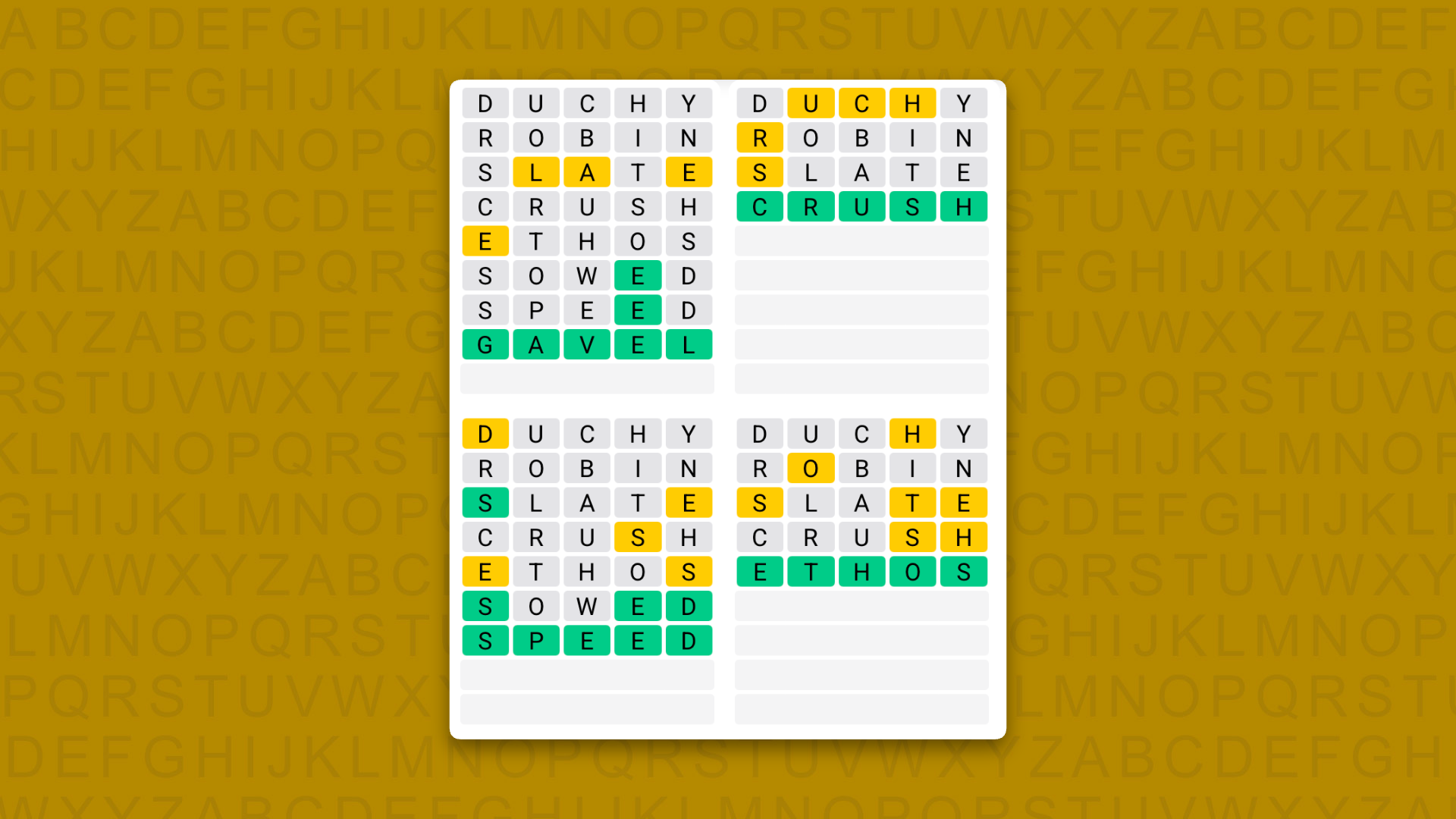
Quordle today (game #1659) — hint #1 — Vowels
How many different vowels are in Quordle today?
• The number of different vowels in Quordle today is 4*.
* Note that by vowel we mean the five standard vowels (A, E, I, O, U), not Y (which is sometimes counted as a vowel too).
Quordle today (game #1659) — hint #2 — repeated letters
Do any of today’s Quordle answers contain repeated letters?
• The number of Quordle answers containing a repeated letter today is 1.
Advertisement
Quordle today (game #1659) — hint #3 — uncommon letters
Do the letters Q, Z, X or J appear in Quordle today?
• No. None of Q, Z, X or J appear among today’s Quordle answers.
If you purchased an iPhone 16 or iPhone 15 when they were released in order to jump into promised Apple Intelligence features, you were probably disappointed: The signature AI abilities were nowhere to be found, and only a few related features appeared later.
The good news is that you may be entitled to receive a portion of a quarter-billion-dollar lawsuit. The bad news is that you’ll have to wait more than a year to see any of it.
Apple settled a false advertising lawsuit in May, agreeing to pay $250 million to customers who bought the iPhone 16 and some iPhone 15 models during a specified period. The lawsuit alleged that Apple misled customers by promising AI features that didn’t ship when the new devices did. Payouts between $25 and $95 per eligible device are expected.
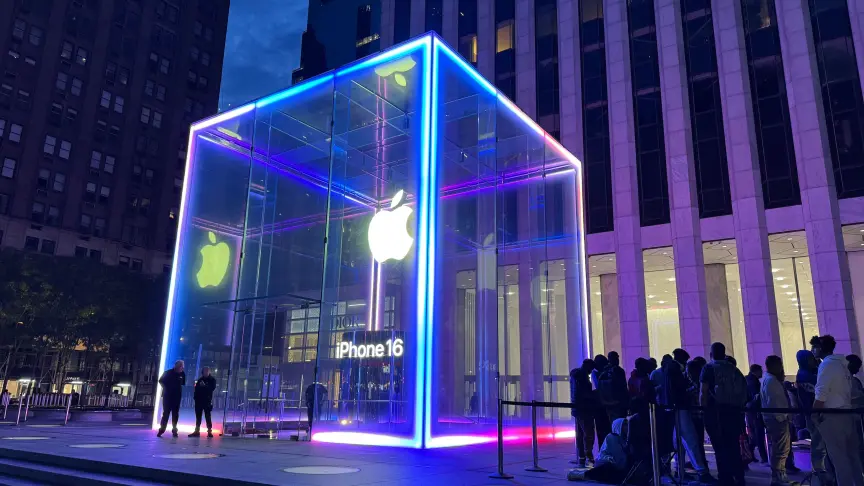
Apple lit up its flagship New York City store to resemble Siri’s new color scheme.
Bridget Carey/CNET
In an earlier statement to CNET Managing Editor David Lumb, an Apple spokesperson said, “Apple has reached a settlement to resolve claims related to the availability of two additional features. We resolved this matter to stay focused on doing what we do best, delivering the most innovative products and services to our users.”
Advertisement
Now the case has moved forward as of July 17. According to an email from Clarkson Law Firm, “The Court has granted preliminary approval of the settlement … This means the Court has reviewed the proposed terms and found them sufficient to move forward to the next phase; it is not a final ruling on the settlement’s fairness.”
Why is there a lawsuit over Apple Intelligence?
When Apple advertised its new iPhone 16 lineup in 2024, it emphasized how the models were optimized for AI features such as an enhanced Siri that could act as an intelligent agent. When the phones did arrive, Apple Intelligence wasn’t yet ready; its first features didn’t arrive until iOS 18.1, five weeks later.
According to the proposed settlement, “Apple allegedly saturated the market with deceptive ads, inducing consumers to purchase iPhones based on the promise of certain enhanced Siri features.”
Some features of Apple Intelligence did ship soon after the introduction of the iPhone 16 and iOS 18, including Visual Intelligence, Live Translation, Writing Tools, Genmoji and Clean Up. But those weren’t the advanced features Apple highlighted. In fact, the type of intelligent interactions Apple advertised are only starting to show up in Siri AI, which is part of iOS 27 that’s expected to be released later this year. The public beta of iOS 27 is available now.
Advertisement
Who is eligible for the $250 million settlement?
Customers who purchased one of the following devices between June 10, 2024, and March 29, 2025, are eligible to receive a settlement payment:
iPhone 16
iPhone 16E
iPhone 16 Plus
iPhone 16 Pro
iPhone 16 Pro Max
iPhone 15 Pro
iPhone 15 Pro Max
The iPhone 15 Pro and iPhone 15 Pro Max are included because they had the processor and memory to run Apple Intelligence features.
It’s estimated that approximately 36 million customers are eligible for this settlement.
How to claim your portion of the settlement
For now, you need to wait.
As set forth in the settlement, Apple will provide a list of eligible customers and their contact information to a settlement administrator.
After the data has been verified, the company Verita will send email and postal notices to those customers directing them to a settlement website. That site has not yet been created. The deadline for filing your claim will be 90 days after your notice arrives.
Advertisement
When can you expect to receive a settlement payment?
According to the settlement, Apple needed to provide the information about affected customers within five days of the settlement approval. As of late July, preliminary approval has been granted by the court.
After the data is provided and verified, a 45-day notice period begins to inform potential consumers that they’re eligible for a payment.
According to the July 17 motion, the final approval hearing is scheduled for the morning of Sept. 29, 2027.
Provided approval is granted, that puts the first checks or deposits arriving sometime within a 60-calendar-day window after September 2027, depending on court dates and possible extensions.
Advertisement
Jeff Carlson
Senior Writer
Jeff Carlson writes about mobile technology at CNET, from cellular phone plans to devices and emerging technology.
See full bio
A new NYT Connections puzzle appears at midnight each day for your time zone – which means that some people are always playing ‘today’s game’ while others are playing ‘yesterday’s’. If you’re looking for Sunday’s puzzle instead then click here: NYT Connections hints and answers for Sunday, August 9 (game #1155).
Good morning! Let’s play Connections, the NYT’s clever word game that challenges you to group answers in various categories. It can be tough, so read on if you need Connections hints.
What should you do once you’ve finished? Why, play some more word games of course. I’ve also got daily Strands hints and answers and Quordle hints and answers articles if you need help for those too, while Marc’s Wordle today page covers the original viral word game.
Advertisement
SPOILER WARNING: Information about NYT Connections today is below, so don’t read on if you don’t want to know the answers.
Latest Videos FromTechRadar
Advertisement
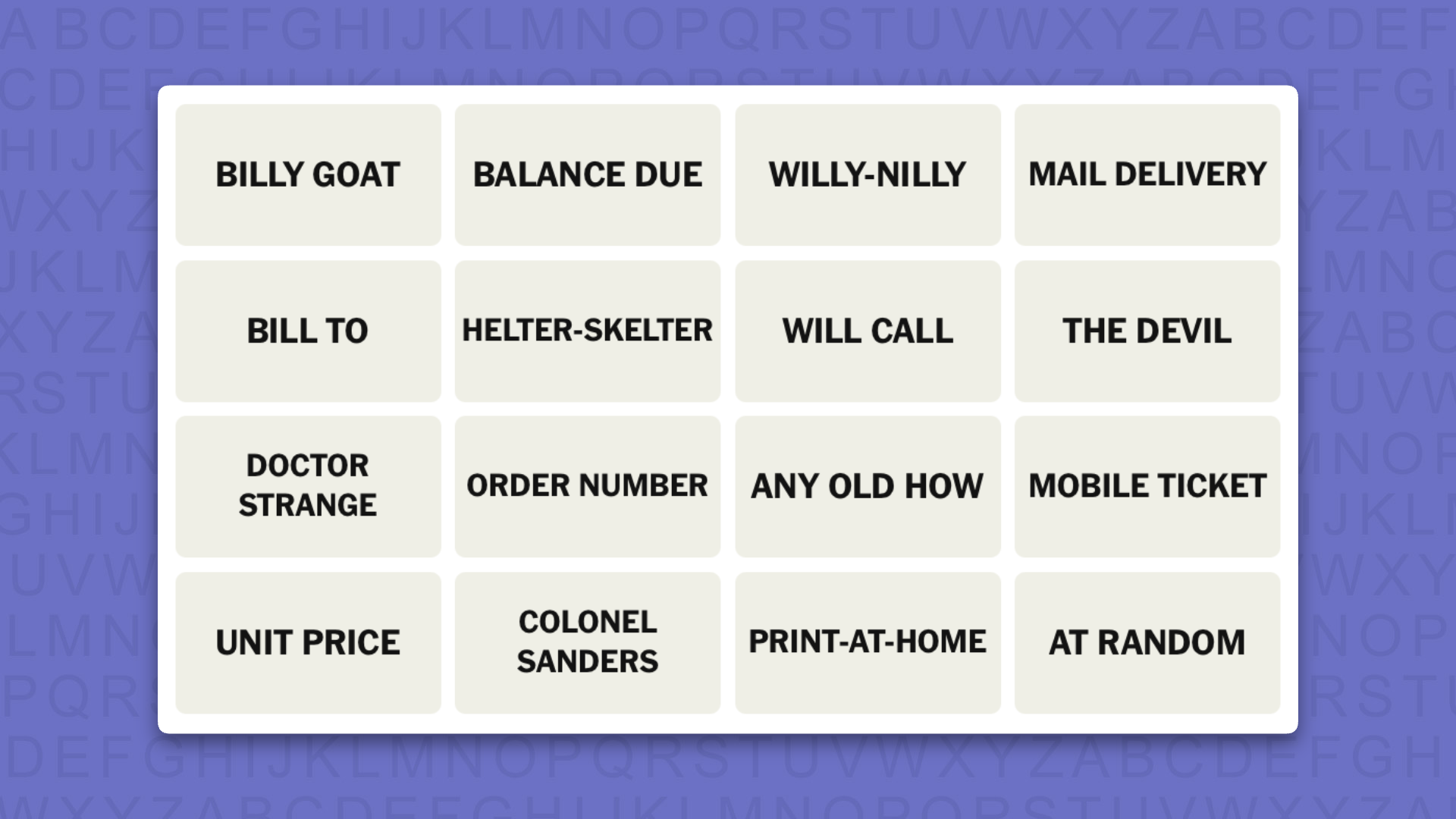
NYT Connections today (game #1156) – today’s words
(Image credit: New York Times)
Today’s NYT Connections words are…
BILLY GOAT
BALANCE DUE
WILLY-NILLY
MAIL DELIVERY
BILL TO
HELTER-SKELTER
WILL CALL
THE DEVIL
DOCTOR
STRANGE
ORDER NUMBER
ANY OLD HOW
MOBILE TICKET
UNIT PRICE
COLONEL SANDERS
PRINT-AT-HOME
AT RANDOM
NYT Connections today (game #1156) – hint #1 – group hints
What are some clues for today’s NYT Connections groups?
YELLOW: All over the place
GREEN: Methods of concert entry
BLUE: Parts of a request for payment sheet
PURPLE: Notable small beard owners
Need more clues?
We’re firmly in spoiler territory now, but read on if you want to know what the four theme answers are for today’s NYT Connections puzzles…
Advertisement
Sign up for breaking news, reviews, opinion, top tech deals, and more.
NYT Connections today (game #1156) – hint #2 – group answers
What are the answers for today’s NYT Connections groups?
YELLOW: HAPHAZARDLY
GREEN: WAYS TO RECEIVE EVENT TICKETS
BLUE: SECTIONS ON AN INVOICE
PURPLE: FAMOUS GOATEES
Right, the answers are below, so DO NOT SCROLL ANY FURTHER IF YOU DON’T WANT TO SEE THEM.
Advertisement
NYT Connections today (game #1156) – the answers
(Image credit: New York Times)
The answers to today’s Connections, game #1156, are…
YELLOW: HAPHAZARDLY: ANY OLD HOW, AT RANDOM, HELTER-SKELTER, WILLY-NILLY
GREEN: WAYS TO RECEIVE EVENT TICKETS: MAIL DELIVERY, MOBILE TICKET, PRINT-AT-HOME, WILL CALL
BLUE: SECTIONS ON AN INVOICE: BALANCE DUE, BILL TO, ORDER NUMBER, UNIT PRICE
PURPLE: FAMOUS GOATEES: BILLY GOAT, COLONEL SANDERS, DOCTOR STRANGE, THE DEVIL
My rating: Hard
My score: 1 mistake
The key to my “purple first” success today was saying aloud to myself “not by the hair on my chinny chin-chin”. This in turn made me think of Colonel Saunders and his resplendent white goatee and although I have never seen Doctor Strange I was pretty sure I’d seen a poster of Benedict Cumberbatch sporting some hair on his chinny chin chin.
The other groups I found much harder and I made a mistake assembling the green group.
I knew that the thread was something to do with buying tickets, but didn’t understand WILL CALL, so selected ORDER NUMBER.
In the process, I remembered a recent concert I went to where the only entry was via MOBILE TICKET, but my phone battery was at 1%; I made it in just as the screen died.
Advertisement
Yesterday’s NYT Connections answers (Sunday, August 9, 2026, game #1155)
YELLOW: TAKE A DIFFERENT APPROACH: CHANGE TACK, COURSE-CORRECT, RECALIBRATE, SHIFT GEARS
GREEN: CLASSIC CHILDREN’S BOOKS: CAPS FOR SALE, CORDUROY, GOODNIGHT MOON, MADELINE
BLUE: MOVIE SUBGENRES: BUDDY COP, NEO-NOIR, SPACE OPERA, SPAGHETTI WESTERN
PURPLE: THINGS PEOPLE TRY TO GET OUT OF: BAD DREAM, ESCAPE ROOM, JURY DUTY, LABYRINTH
What is NYT Connections?
NYT Connections is one of several increasingly popular word games made by the New York Times. It challenges you to find groups of four items that share something in common, and each group has a different difficulty level: green is easy, yellow a little harder, blue often quite tough and purple usually very difficult.
On the plus side, you don’t technically need to solve the final one, as you’ll be able to answer that one by a process of elimination. What’s more, you can make up to four mistakes, which gives you a little bit of breathing room.
It’s a little more involved than something like Wordle, however, and there are plenty of opportunities for the game to trip you up with tricks. For instance, watch out for homophones and other word games that could disguise the answers.
It’s playable for free via the NYT Games site on desktop or mobile.
Programming with Claude Code will soon require even less human oversight, as Anthropic says it’s making auto mode the default for Pro, Max, and Team accounts, starting on August 14.
The company first unveiled a test version of auto mode in March, pitching it as a way to balance speed and control. As Anthropic explained in its announcement on Friday, when Claude Code is in auto mode, instead of presenting prompts asking for human approval at each step, it will proceed unless an action is determined to be “irreversible, destructive, or aimed outside your environment.”
Anthropic also said that in testing, auto mode proved safer than manual review — in a study with 1,053 paid testers, auto mode caught 89% of harmful actions, while human review only caught 13.6%. (Perhaps that’s because “manual review can become habitual: users approve 97% of permission prompts in Claude Code.”)
In a post on X, Claude Code Head Boris Cherny said, “The team and I use Auto mode exclusively, and have been for many months. I couldn’t imagine going back to permission prompts!”
Advertisement
The company also said it’s been adding new safety features like prompt injection screening and customizable hard deny rules to prevent things like data exfiltration.
Knowing how to format a storage drive is a crucial bit of knowledge for any computer user. It’s a common misconception that formatting is only for wiping a drive that’s full of files you no longer need. Whether you find a drive that’s simply not compatible with your operating system, or have the displeasure of encountering corrupted data, formatting sets your storage device back to a like-new state and wipes the slate clean.
Formatting a drive doesn’t just mean wiping it clean of stored data. It also means overwriting sectors so previously stored data cannot be recovered, setting the file system up anew, and scanning for bad sectors. It’s always a good idea to format a USB drive before reusing it, even if you’ve deleted all the files previously stored on it. Formatting will wipe out any latent ghost files, clear out any hidden malware (you never know!) and optimize the drive for stability.
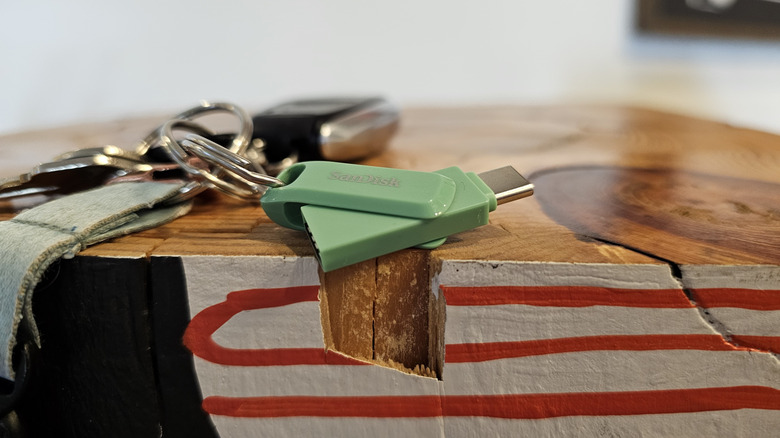
But what many people don’t know is that you should also format a brand new drive before using it. USB drives of all kinds come from the factory with configurations that support broad compatibility but may not match your specific needs. Flash drives in particular, from brands like SanDisk, Kingston and so on, tend to come configured with an older file storage format called FAT32, which has broad compatibility but cannot handle files larger than a few gigabytes.
Advertisement
Whatever your reason for formatting, it can seem daunting until you get the hang of it. So, here’s how to format a USB drive on Windows, and how to know which settings to choose when doing so.
What’s the best storage format for Windows (and other devices you own)?
Max Miller for Engadget
There are three main storage formats for a drive you’ll use externally with a Windows system. Windows itself uses NTFS for internal drives due to its support for partitioning and encryption, among other things. If you plan on using your USB 2.0 or 3.0 drive exclusively with Windows systems, NTFS is the best choice. However, you should not use NTFS if there’s a chance you’ll be plugging your drive into a Linux, Android, iOS or macOS system.
For non-Windows operating systems, the storage format with the broadest compatibility is exFAT. It can handle large files of more than 4GB, so if you plan on using the drive to gain more storage on your Android phone, or to store movies and 4K videos, compressed archives, and so on, exFAT is the de facto choice. While it lacks some of the more advanced features supported by NTFS, it is well suited to thumb drives and basic portable SSDs.
Advertisement
You may also notice an option labeled FAT32, which is the older version of the format. If you foresee using your drive with an older device like a car stereo or ancient printer, FAT32 has the most compatibility of any format and works with just about anything that has a USB port. However, it has serious limitations that render it a bad option for modern use cases. It cannot support files larger than 4GB and is more prone to fragmentation than newer formats. Windows 11 may not play nice with it, either, depending on your use case.
How to properly format your storage drive for Windows
Max Miller for Engadget
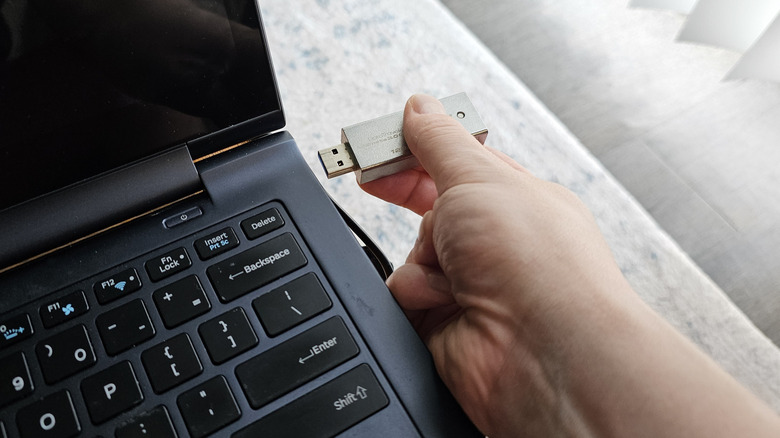
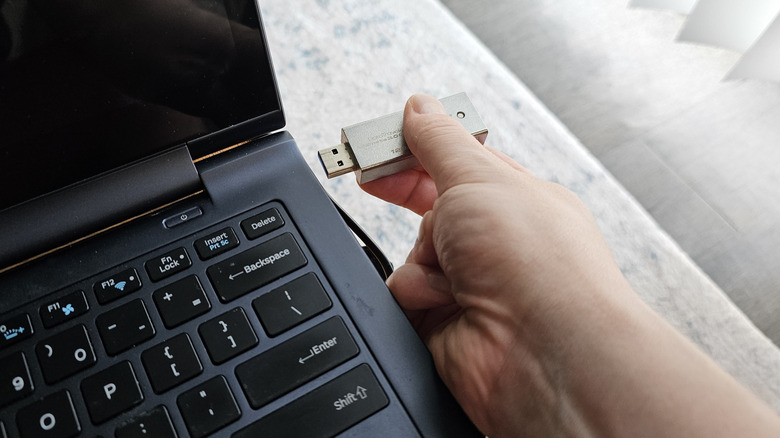
The actual process of formatting the drive is pretty simple. Just plug the USB storage device into a high-speed USB port, then open Windows Explorer. Click This PC on the left-hand navigation panel, then right-click the drive and select Format. Be sure you’re selecting the correct drive, and that you have closed any programs that might still be using the drive or any files on it.
The Windows formatting tool offers a number of different file formats, which can be selected from the second dropdown menu. As discussed above, choose exFAT if you plan to use the USB drive with non-Windows devices such as Android phones, Linux computers or Macs and iPhones. If you’ll exclusively use it with Windows, you can choose NTFS.
Advertisement
You can leave file allocation set to the default, which for most modern USB drives is either 32KB or 128KB when formatting to exFAT. If you plan on using the drive exclusively for storing large files, like games, you can choose a higher value, and you can choose a lower one if you have a lot of very small files like text notes. As a rule of thumb, the larger the drive is and the larger the files you want to store, the larger you can make the allocation size.
Under Volume Label, enter a custom name for the drive, if you want one.
Click Format, and then click OK on the confirmation that appears. Depending on the size of the drive and how full it is, formatting can take anywhere from a couple of seconds to several minutes. Another pop-up will appear once formatting is complete. Confirm and close out of the formatting tool, and you should now have a freshly formatted USB drive.
High-end audio does not have a sound-quality problem. It has a discovery problem.
Too much of the industry’s best equipment is demonstrated at audio shows, dealer events and private listening sessions to people who already understand why someone might spend five figures on a turntable, tube amplifier or pair of horn loudspeakers. Those events matter, but you can only preach to the converted for so long before somebody notices that most of the congregation already owns three turntables and has very strong opinions about 12AX7 tubes.
Which is why what Devon Turnbull and OJAS are doing at the Cooper Hewitt, Smithsonian Design Museum in New York deserves considerably more attention from the high-end audio industry.
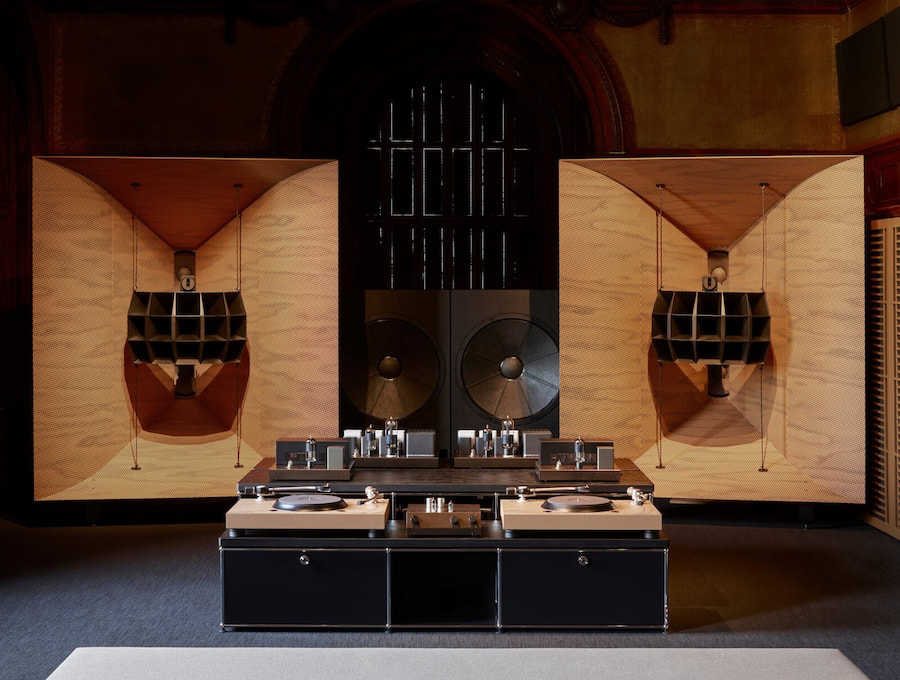
Turnbull’s HiFi Pursuit Listening Room Dream No. 3 places a large-scale, handmade OJAS audio system inside Cooper Hewitt’s historic Carnegie Library, where visitors can actually sit down and listen rather than stare at an amplifier sitting silently behind a velvet rope. The installation originally opened in December 2025 as part of the museum’s Art of Noise programming and has now been extended through August 16, 2026.
Advertisement
This Is About More Than OJAS
The significance is not simply that Turnbull has managed to get a high-end audio system inside a Smithsonian museum. It is who gets exposed to it once it is there.
Art of Noise explores more than a century of music and design through over 300 objects and installations, including record players, radios, album artwork, the Sony Walkman, Apple iPod and experimental contemporary audio designs. Those are cultural objects that already mean something to people who may never have attended AXPONA, HIGH END Vienna or CanJam and who probably could not tell you what a moving-coil cartridge is if their life depended on it.
But they understand music. They understand design. Many of them buy vinyl, go to concerts, care about architecture and furniture, collect art, own good headphones or obsess over the way their homes look.
That audience should be fertile ground for high-end audio, yet the industry has historically done an impressive job of making itself difficult to discover.
Advertisement
OJAS is doing the opposite.
A Listening Room Built Around the Space
Dream No. 3 is the third version of Turnbull’s listening-room concept, following earlier installations at Lisson Gallery in New York and London and SFMOMA. For Cooper Hewitt, however, Turnbull designed the system specifically around the museum’s historic Carnegie Library, including custom speaker sculptures influenced by the room’s existing millwork. Cooper Hewitt describes it as the largest and most architecturally and acoustically integrated version of the installation so far.
That matters because the system is not being presented like another pile of expensive components.
Advertisement. Scroll to continue reading.
Advertisement
It becomes part of the room.
Visitors are encouraged to sit, stop talking, put away the phone and actually listen. The room is programmed every day with selections ranging from classical and ambient music to jazz, while Turnbull, members of the OJAS team, musicians, engineers, collectors and other guest operators have conducted live listening sessions throughout the exhibition.
Turnbull returns for live operator sessions on August 13 and August 15 from 1:00 p.m. to 4:00 p.m., just before the installation closes on August 16.
High End Audio Needs More of This
We have been following Turnbull and OJAS for years, from his collaboration with Denon on the DL-103o moving-coil cartridge to the Klipsch kO-R1 and newer kO-R2 loudspeakers. The Klipsch partnership has been particularly interesting because the products have deliberately appeared outside the normal hi-fi circuit, including Milan Design Week, where the kO-R2 was presented to an audience that crosses architecture, furniture, fashion and industrial design.
Advertisement
We praised that decision at the time, and Cooper Hewitt reinforces why.
High-end audio companies keep asking how they attract younger customers and people outside the existing audiophile community. Perhaps the answer is not another seminar about Ethernet switches in Room 614 of an airport hotel.
Put great systems in museums. Put them in architecture and design exhibitions. Build listening rooms inside record stores, galleries, restaurants and cultural spaces. Partner with musicians, furniture designers and people who already have credibility outside the audiophile bubble. Most importantly, let people hear what a genuinely good system can do without first requiring them to identify as an “audiophile.”
The industry sometimes forgets that almost nobody wakes up one morning and decides they need a $20,000 pair of loudspeakers. They hear something that changes their perception of reproduced music, become curious and start moving down the rabbit hole.
Advertisement
Some eventually spend $500. Some spend $5,000. A few lose all fiscal judgment and start pricing Swiss monoblock amplifiers.
But somebody has to open the door.
The Bottom Line
HiFi Pursuit Listening Room Dream No. 3 is worth celebrating not simply because Devon Turnbull built another visually distinctive OJAS system, but because Cooper Hewitt has placed serious high-fidelity reproduction inside a broader conversation about music, culture and design.
That exposes high-end audio to people who might otherwise never experience it, and the industry needs considerably more of that.
Advertisement
Advertisement. Scroll to continue reading.
Audio shows and specialist dealers remain essential, but they predominantly reach consumers who have already walked through the door. If high-end audio really wants to expand its audience, it needs to start appearing in places where curious music lovers are already standing.
With nearly 70% of the market, “Meta wants its smart glasses to be a big hit,” writes the Los Angeles Times. But after some users found ways to disable the light that warns people they’re being filmed, “the high-tech specs have also turned into a liability, as some are calling the gadget ‘pervert glasses…’”
Some people are using the glasses — which look like a pair of regular spectacles — to record people without their knowledge and publish the videos on social media. The users secretly videotape and share what happens when they try to pick up women. Now, a growing number of people are worried they could be covertly recorded at the gym or even during sex. The backlash has prompted Meta to update its glasses to address privacy concerns, and some places have banned them, adding to the angst surrounding technology that’s rapidly evolving…
Concern about the glasses has exploded as more videos of interactions with people who don’t know they’re being recorded go viral on social media. On Instagram, some videos depict people getting approached in malls and grocery stores and on college campuses and sidewalks. While the videos are portrayed as jokes, the people filmed don’t appear to know they’re being recorded and sometimes seem uncomfortable, telling the strangers to leave them alone or stop harassing them. The outcry has spread beyond social media, with comedian Jimmy Kimmel calling the Meta devices “pervert glasses” on national television and singer Lorde telling concertgoers that smart glasses are “not sexy…”
Instagram, which is owned by Meta, has been disabling accounts and taking down some of these pickup or prank videos for violating the platform’s rules against harassment and bullying… Businesses are making their own calls about smart glasses. The 5 Point Cafe in Seattle, which banned Google Glass in the past, has banned Meta glasses from its diner and dive bar. “Leave your Meta-SpyBan Display at home, they are officially Ray-Ban-ned from all of our restaurants. We serve privacy, not side-eye surveillance,” a 2025 Instagram post from the business states.
Advertisement
An Android app that warns people if they’re being recorded has roughly 110,000 downloads in the last six months, according to the article. The app’s creator says it’s a “social problem” that “we don’t value privacy, that we feel entitled to use others for our entertainment or our private gain, and technology amplifies that.”
The American Civil Liberties Union and more than 70 organizations even sent a letter urging Meta to promise they’d leave facial recognition features out of their smart glasses, according to the article. But a Meta spokesperson said “no final decision has been made.”
The Korea Aerospace Research Institute shared the first photographs captured by its lunar orbiter. South Korea is one of the few nations that currently has satellites traveling around the moon at an altitude of 62 miles (100 kilometers) above the surface. The Danuri orbiter flew over the region shortly after the impact.
KARI explained on its X account that it photographed the collision site both before and after the event. The images show signs of a recent impact, which astronomers projected would likely create a crater dozens of feet wide nearly 12 feet (3.6 meters) deep.
This evidence of the collision adds to observations from the Very Large Telescope, where astronomers detected sodium and lithium rising from the lunar surface, confirming that the rocket fragment did indeed strike the moon.
Advertisement
The crater is larger than several cars combined.
Photograph: Korea Aerospace Research Institute
Astronomers predicted when and where the Falcon 9 impact would happen well in advance, and there were signs it could be visible with sufficiently powerful equipment. Yet days before the collision, space agencies such as NASA warned that it would be difficult to observe the moment of impact due to weather conditions and timing.
Like KARI, NASA has lunar orbiters. It’s possible that in the coming days, following a series of data checks, higher-resolution images of the impact area will become available.
But even at higher resolution, getting a granular view of the crater is unlikely. In fact, the new photos give a sense of just how small that is compared to the vastness of the lunar surface. To put this into perspective, the moon measures about 2,160 miles in diameter.
Advertisement
Another image taken by the Danuri lunar satellite during one of its orbits over the impact area.
Photograph: Korea Aerospace Research Institute
Why Did the Rocket Crash?
The Falcon 9 fragment made a crash landing after being in an unstable orbit for more than a year. The rocket launched in January 2025, completing its mission to deliver lunar landers. For more than a year, the gravity of Earth, the moon, and the sun slowly altered its orbital trajectory until it eventually impacted the lunar surface.
“For most of our missions, we plan for a controlled deorbiting of the Falcon second stage so that it re-enters safely over the ocean,” SpaceX said of the rocket. “In higher-energy missions, such as those heading to a lunar transfer orbit, nearly all of the vehicle’s performance is dedicated to successfully placing the payload into the intended orbit, and a controlled deorbiting maneuver is not always possible.
“We are actively working to be as responsible as possible with the hardware left in space and to ensure space safety, even on more complex missions. In this case, over time, solar activity and gravity deflected the second stage toward the Moon. Impacts like this are rare, but they can occur with objects in these types of orbits, and we are collaborating with NASA to find the optimal disposal solution,” it added.
Advertisement
This story originally appeared onWIRED en Españoland has been translated from Spanish.
David Silver is a billionaire, sort of. His stake in Ineffable Intelligence—the artificial intelligence lab he founded—is worth an ungodly fortune. But he stands to collect none of that money himself. He set things up that way.
Between 2013 and 2025, Silver worked as a researcher at Google DeepMind. He specialized in reinforcement learning, a method of teaching an AI model through positive and negative feedback. In 2016, he led the development of AlphaGo, which became the first AI to defeat a human champion in the game of Go and was heralded as a narrow form of superintelligence. Silver left to start Ineffable Intelligence in January, betting that reinforcement learning breakthroughs will close the gap between human and machine cognition across the board.
When he started Ineffable Intelligence, Silver raised $1.1 billion from investors at a $5.1 billion valuation, reportedly the largest seed round in Europe’s history. He also vowed to donate all the money he makes from any future sale of his company to charity.
“I was thinking very deeply about what I could do to have the maximum impact on the world,” Silver tells WIRED in an interview at his office in Kings Cross, London, around the corner from DeepMind’s headquarters. “Not just through the work I do, but through the finance I arrive at in the process.”
Advertisement
He’ll choose how to deploy the funds after he sells his company, he says, but his ambition is to save as many lives as possible.
Silver is the latest in a growing line of AI founders to pledge equity proceeds to charity. Others include Mustafa Suleyman, a DeepMind cofounder and the CEO of AI at Microsoft, and Anton Osika, the founder of automated coding platform Lovable. If OpenAI and Anthropic go public as planned, minting thousands of new millionaires in the process, the AI industry could soon come to represent an increasingly outsize proportion of tech philanthropy.
Along with a new generation of techno-philanthropists, though, comes a tangle of unresolved questions: Is philanthropy the most appropriate way to redistribute wealth? To what degree are megadonors responsible for some of the problems they aim to fix? Could a pledge that scales with a company’s success come to justify unsavory business practices or reckless accelerationism? And is this go-around any different from previousiterations of Silicon Valley giving?
“You can’t necessarily appeal to capitalism to solve some of the problems created by capitalist practices themselves … the exacerbation of extreme wealth concentration and massive inequalities,” says Linsey McGoey, professor of sociology at the University of Essex and author of No Such Thing as a Free Gift. “It’s like calling upon the arsonist to hose down the house he’s just set on fire.”
Advertisement
Silver formalized his charitable commitment through Founders Pledge, a nonprofit that helps entrepreneurs to give away their wealth. Unlike the Giving Pledge, a public but nonbinding commitment, Founders Pledge requires participants to enter into a contract. “The choice of making a binding pledge was very important,” says Silver.
Founders Pledge has been around since 2015. But the value of pledges recorded by the nonprofit has soared recently, from $400 million in 2023 to $4 billion so far this year. The AI industry now accounts for a third of the lifetime pledge total.
The organization’s goal, according to cofounder David Goldberg, is to identify “the very best ways to deploy capital at scale to make the world better.” It has frequently been lumped together with effective altruism, which encourages people to amass wealth in order to give it away, to rely on statistics rather than emotion, and to prioritize causes likely to have the biggest impact in the distant future. But despite the commonalities, Goldberg isn’t a fan of the comparison; Founders Pledge is concerned with human suffering in the present. “We’re far more humanist,” he says.
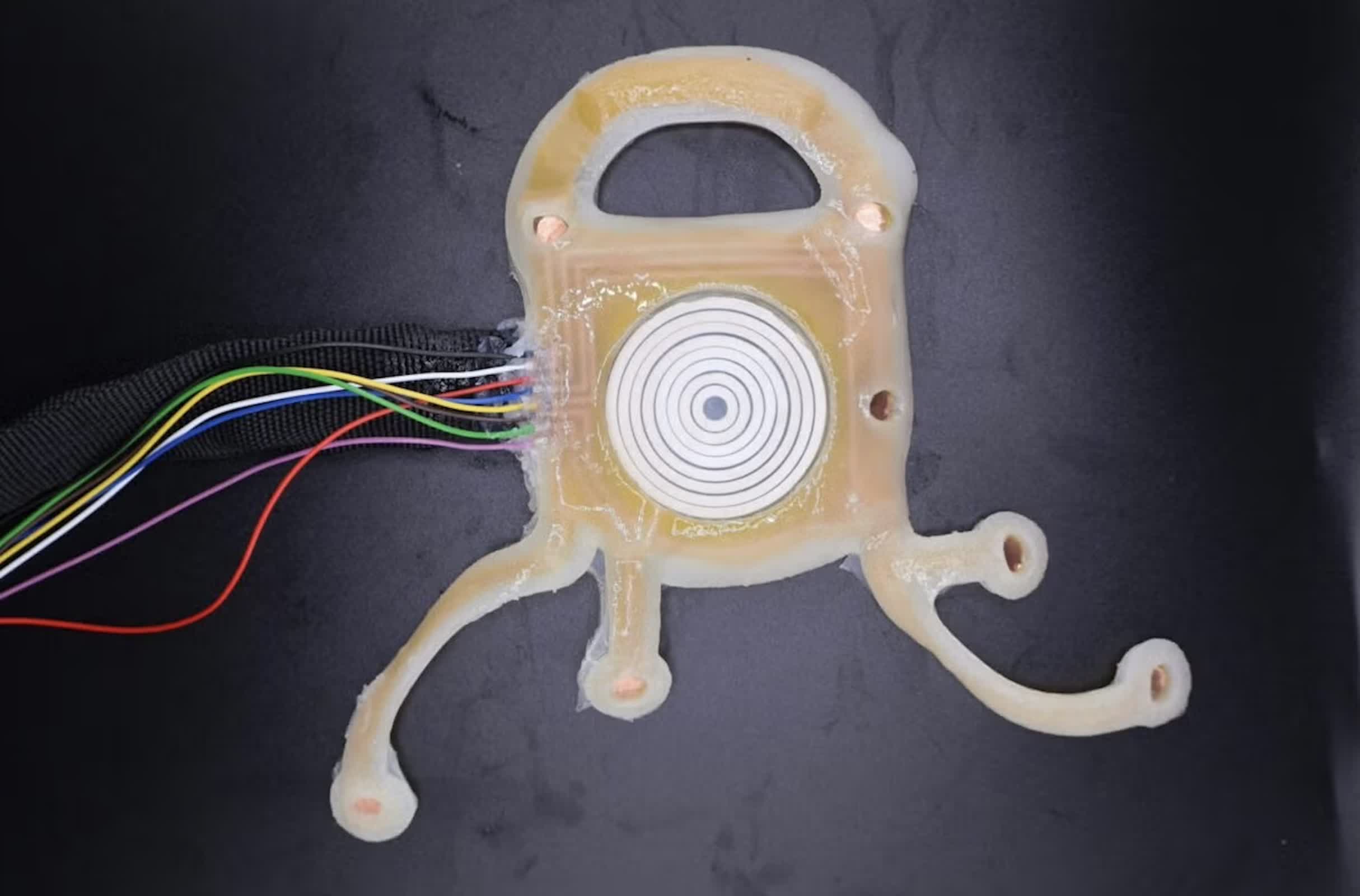
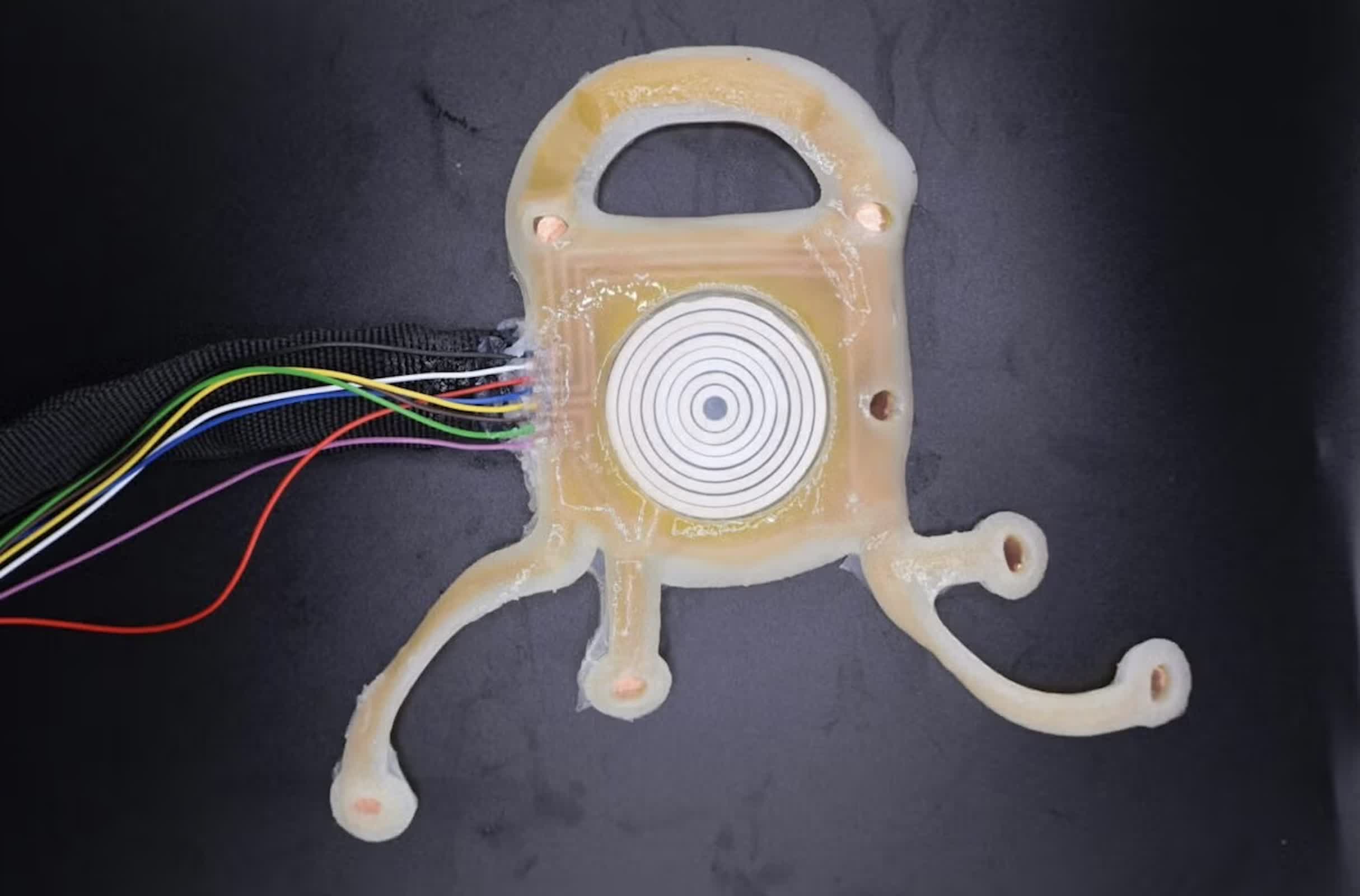
Something to look forward to: Engineers at the University of Texas at Austin have developed a soft patch that helps people enter REM sleep faster and stay in that stage longer, without drugs or surgery. In a study involving 28 people, participants who used the patch, called NEUSLeeP, reached REM sleep 43 minutes earlier than usual and remained in that stage for about 16 minutes longer.
The device works by combining two things that don’t usually go together in a wearable: gentle ultrasound stimulation and electrodes that read brain activity. This allows it to reach deep brain regions associated with REM sleep while also tracking the brain’s response in real time from outside the skull.
Kai Wing “Kevin” Tang, the recent UT biomedical engineering Ph.D. graduate who led the work, said the achievement, which was published in Nature Communications, marks new territory for the field.
Researchers have never before been able to noninvasively reach deep brain regions involved in REM sleep while simultaneously monitoring brain activity as it occurs. According to Huiliang “Evan” Wang, an assistant professor in UT’s Department of Biomedical Engineering who supervised the research, the combination of stimulation and real-time monitoring gives the device its practical edge. He noted that a skin-attached device such as NEUSLeeP could give researchers and doctors new ways to study sleep and treat sleep disorders in patients’ homes.
Advertisement
The benefits weren’t limited to sleep timing. In healthy participants, the stimulation also increased heart rate variability, a measure used to assess how well the body responds to stress. Brain scans showed changes in circuits associated with emotion, suggesting that the patch could do more than help people sleep – it might also help them cope with stress.
Gregory Fonzo, an assistant professor in the Dell Medical School’s Department of Psychiatry and Behavioral Sciences and a co-principal investigator, tied these findings to the role REM sleep plays in the brain. He explained that REM isn’t just the stage when dreaming happens – it is also when the brain processes emotions and adapts to stress. As a result, boosting REM sleep could potentially give people a new tool for coping with stress and improving overall well-being.
That’s significant because disruptions in REM sleep are repeatedly associated with depression, anxiety, and PTSD. Current treatments, such as medication and therapy, don’t always address underlying sleep problems and can come with side effects.
Both healthy sleepers and people with existing sleep problems responded well to the patch in the study. Participants described it as comfortable, and researchers reported few side effects.
Advertisement
The researchers plan to conduct larger trials to confirm the findings and determine whether the patch can help people with PTSD, depression, and chronic insomnia specifically. They also believe it could be useful for at-home sleep monitoring and neuroscience research, since noninvasive tools that can simultaneously stimulate and record brain activity are relatively uncommon.
The researchers are working with Discovery to Impact, UT’s commercialization office, to bring the patch closer to market. A patent application has already been filed.
Flagship smartphones are about to get gut-wrenchingly expensive
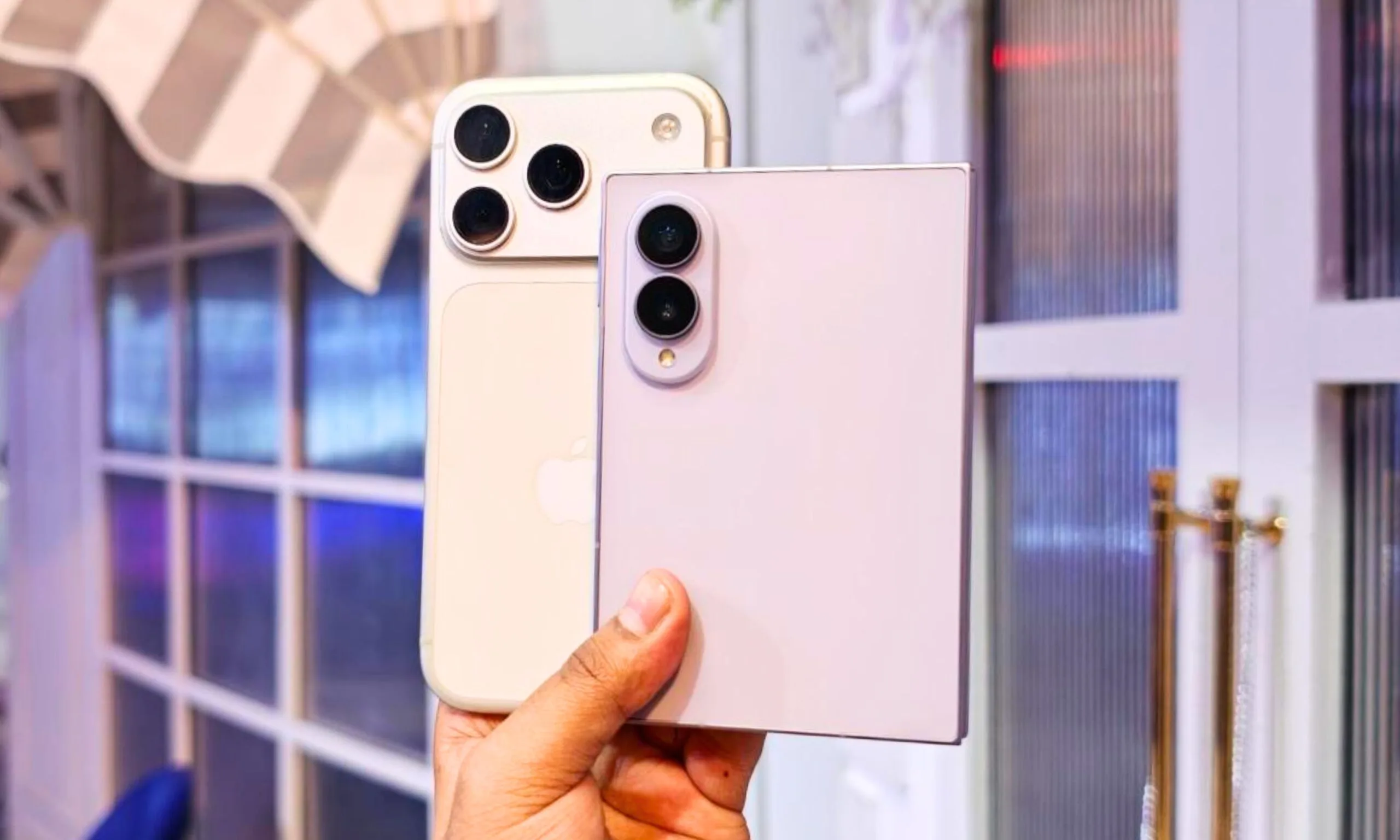
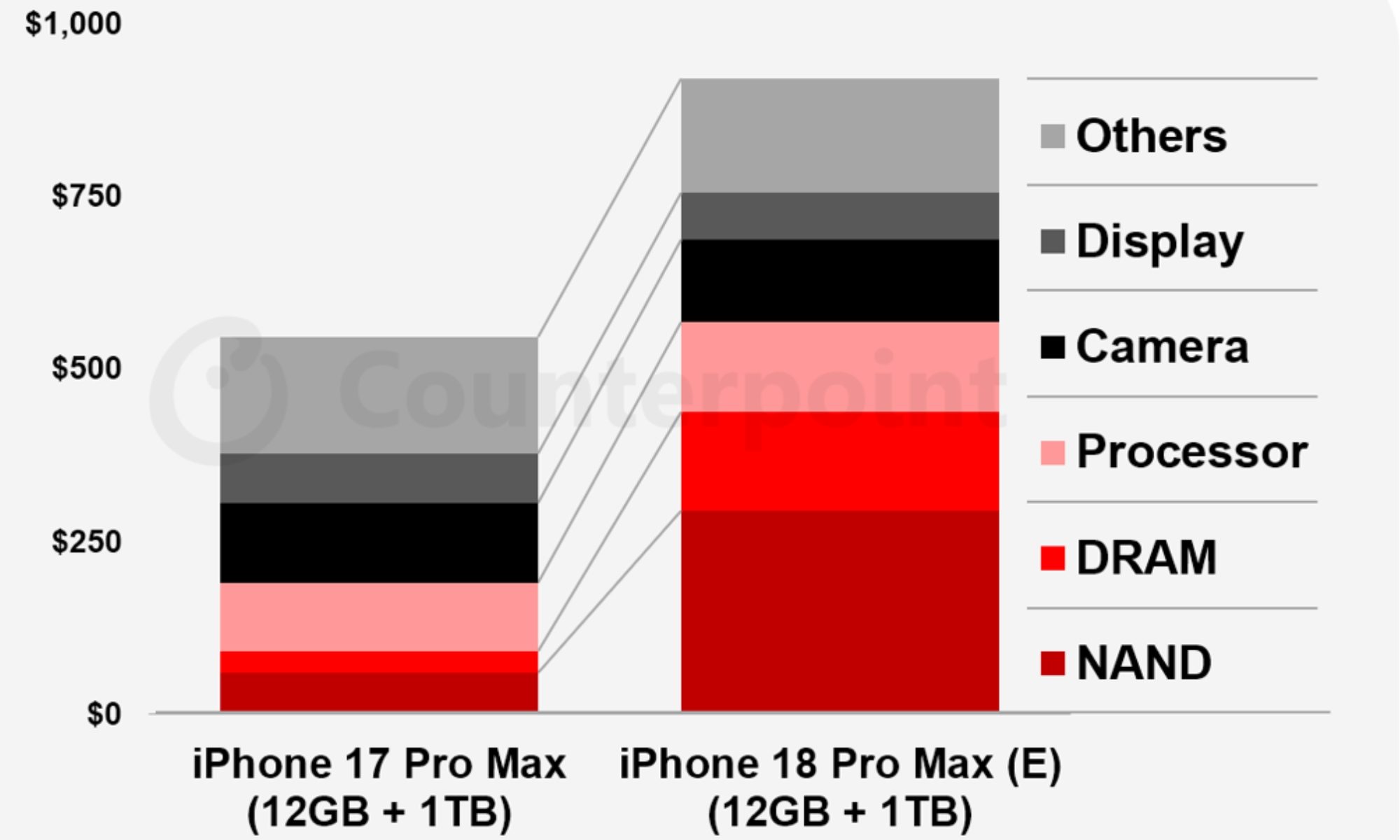
The effect isn’t just visible at the entry level; it’s evident at the flagship end of the smartphone market. Given that these devices use the best DRAM and NAND configuration out there, production costs have been on a never-ending upward trajectory, at least since the beginning of 2026.
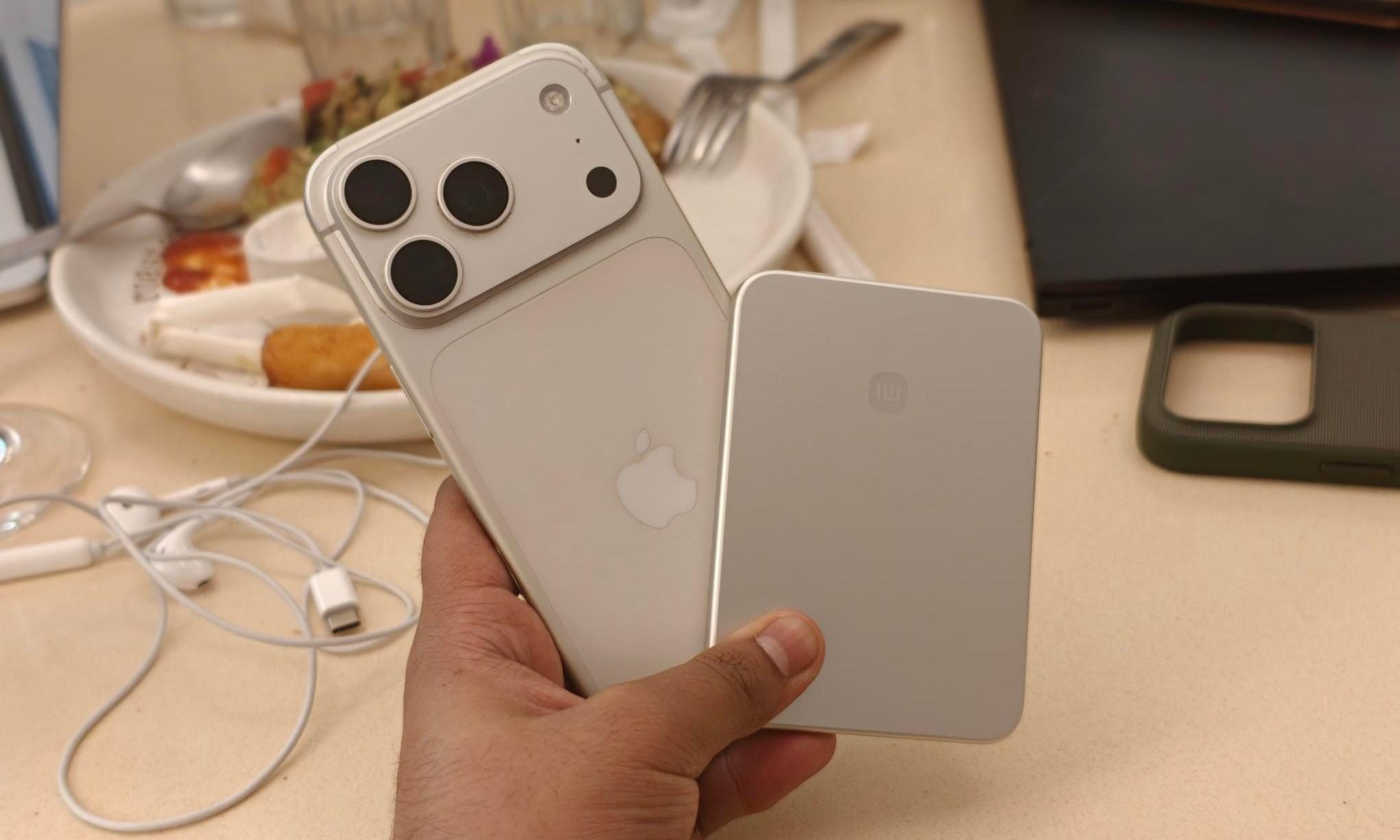
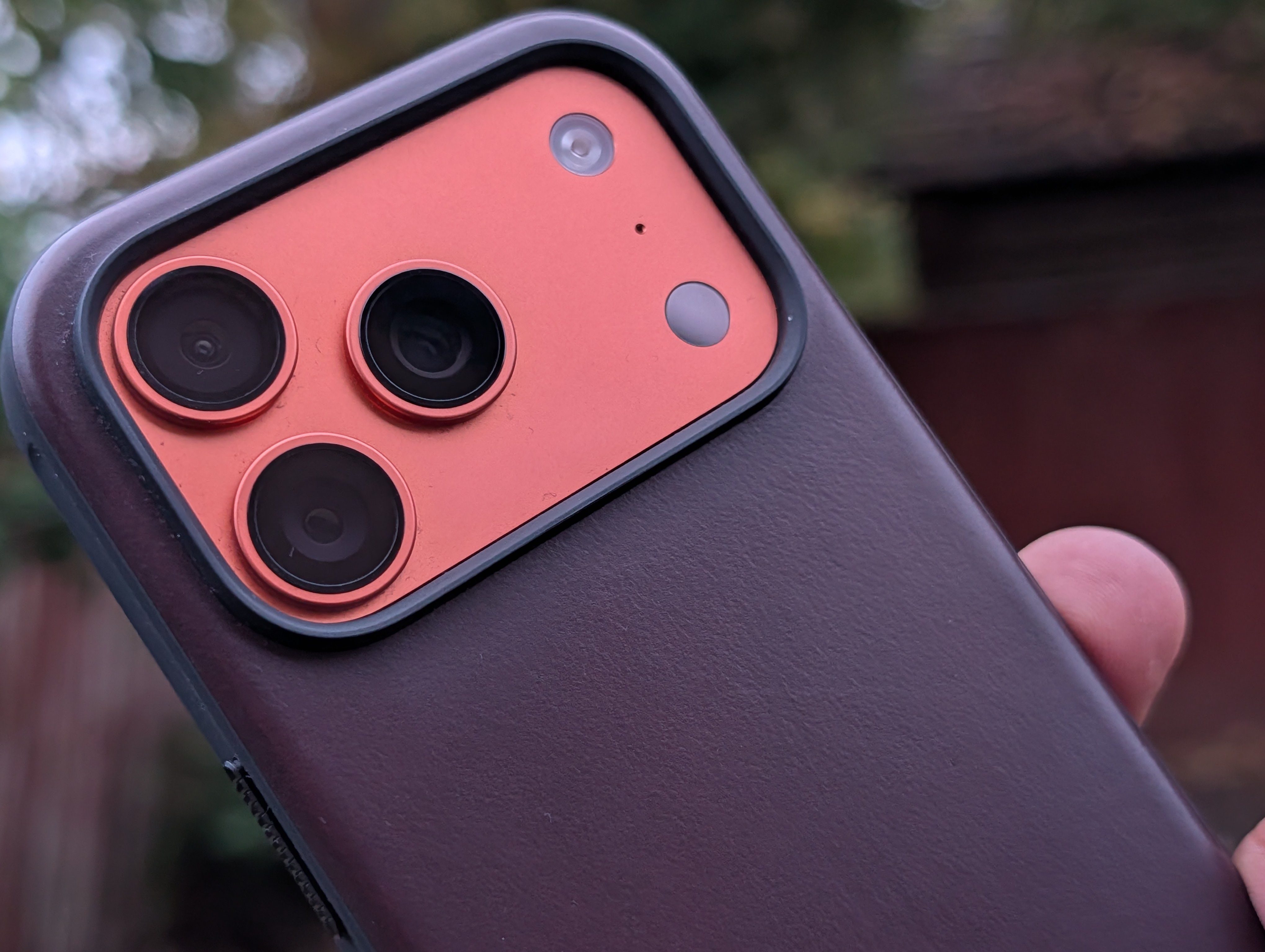
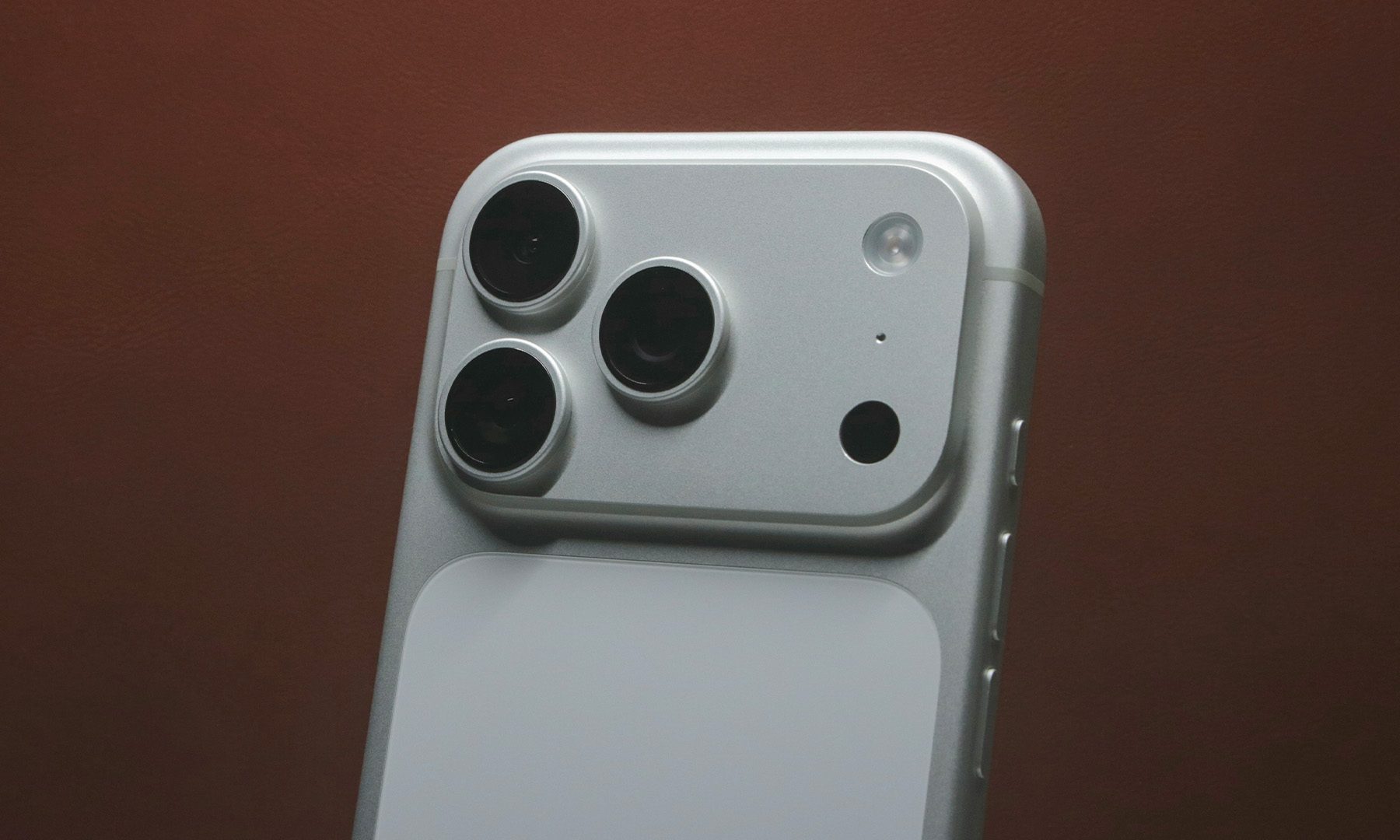
As the next wave of flagships is already rumored to come with a price hike, are we reaching a point where a top-tier flagship with 256GB of storage could cost around $1,500? To start, let’s analyze the flagship smartphones and their current starting prices.
Moinak Pal/Digital Trends
Device
USA (256GB)
USA (512GB)
India (256GB)
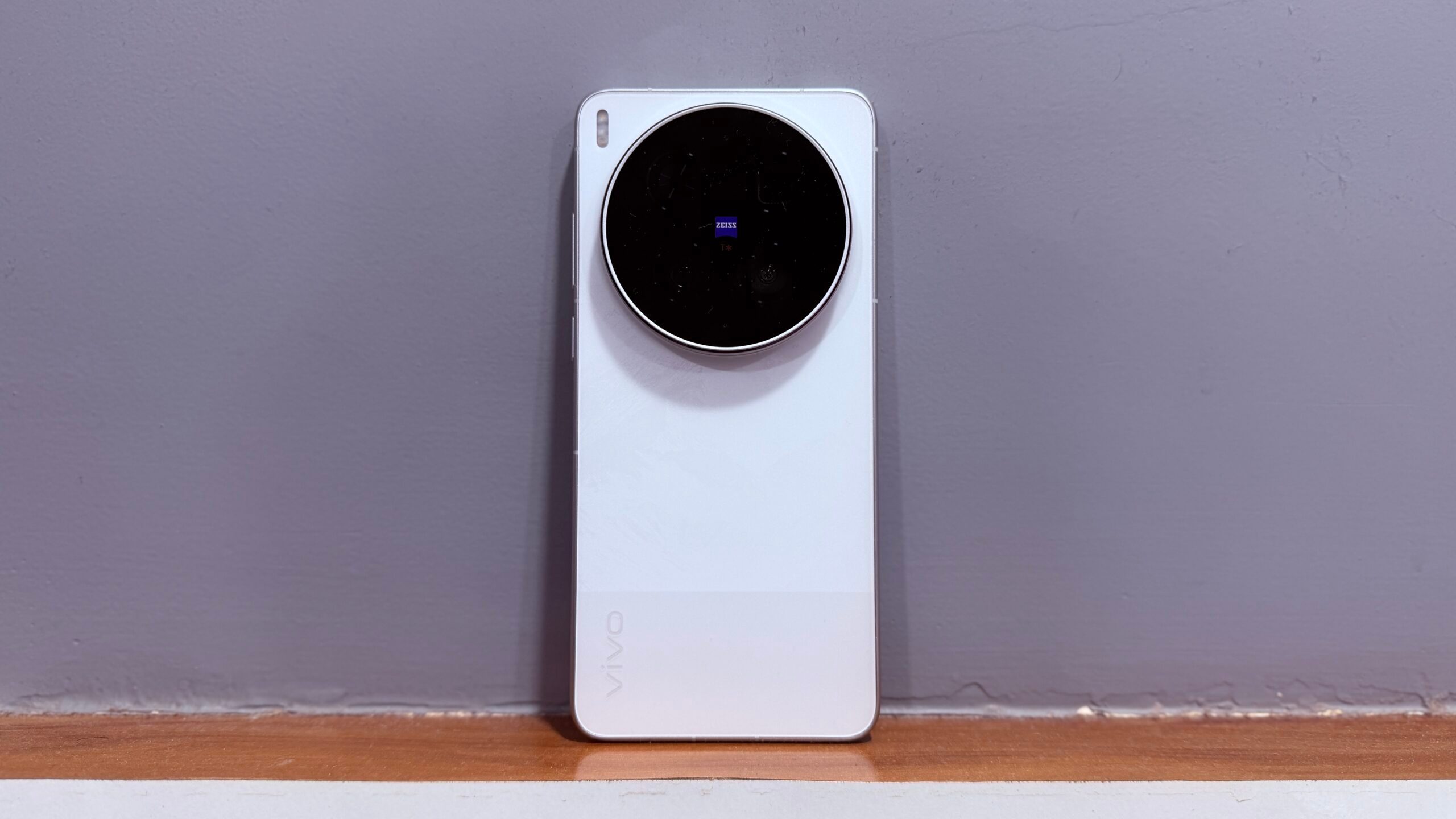
Vivo X300 Ultra
N/A
N/A
N/A
OPPO Find X9 Ultra
N/A
N/A
N/A
Google Pixel 10 Pro XL
$1,199
~$1,349
₹1,24,999 (~$1,313)
Samsung Galaxy S26 Ultra
$1,299.99
$1,499.99
₹1,39,999 (~$1,470)
iPhone 17 Pro Max
$1,199
$1,399
₹1,49,900 (~$1,574)
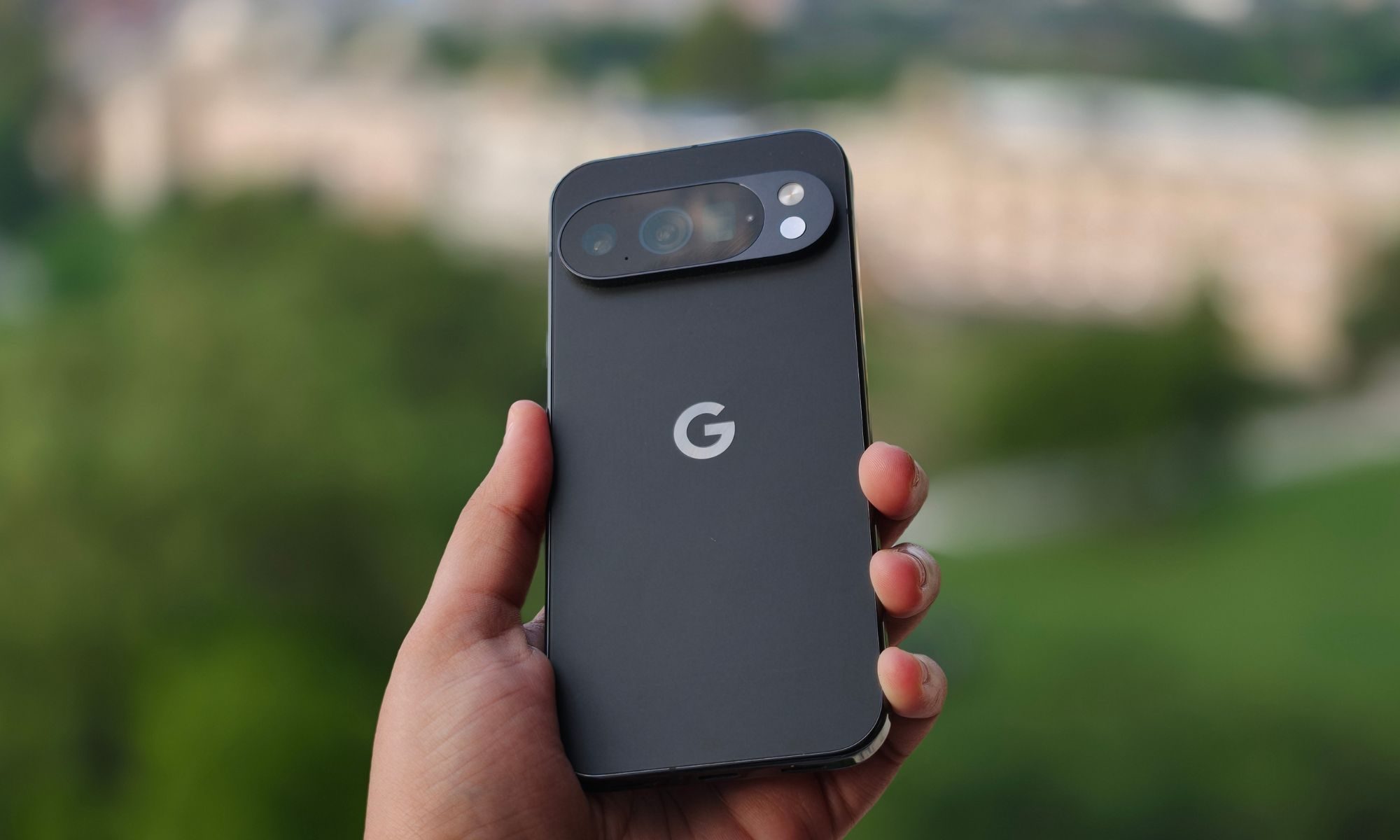
If you want to buy an iPhone 17 Pro Max in the United States, you have to spend $1,199, or perhaps even lower if you manage to get it during a sale. Other flagships like the Galaxy S26 Ultra or the Pixel 10 Pro XL have an entry-level price of $1,299.99 and $1,199, respectively. But wait, these look quite normal, so am I worried for nothing?
Setting aside the fact that we’ve gone through several price increments, I’d like to turn your attention to what’s about to come.
Advertisement
Vikhyaat Vivek / Digital Trends
Upcoming flagships could set new baseline pricing standards
Whether or not Apple offsets the rumored 20 to 25% price hike with a bump in the base storage needs solid commentary. However, a $1,500 entry point is looking increasingly likely to me.
Shimul Sood / Digital Trends
Without that cushion, prices simply don’t have anywhere to hide anymore. What you see at launch is increasingly what you pay.
Nadeem Sarwar / Digital Trends
That perk existed because the company’s margins could still absorb the upgrade cost, but it’s clear that they can’t anymore.
Mobile carriers are already bracing for the impending adjustment to flagship pricing. Most recently, T-Mobile launched a new 36-month financing plan, which essentially divides the increased upfront cost into smaller monthly installments that run for three straight years. And that’s exactly what the new Apple Upgrade program does.
Have foldables already shown us where this is headed?
Here’s the proof that $1,500 isn’t a future hypothetical. Motorola’s Razr Ultra 2026, the brand’s most premium flip phone, launched at $1,499.99, a $200 jump from the Razr Ultra 2025’s $1,299. It’s shipping today, at that exact price, driven by the same memory crisis behind the regular flagships.
Advertisement
Motorola
It’s important to look at what Motorola is doing, as it leads the flip market in the US. If a compact clamshell with a Snapdragon 8 Elite chip and three 50MP cameras can cost $1,500, a regular flagship with a 2nm chip (the rumored A20 Pro or the Snapdragon 8 Elite Gen 6), higher-quality cameras, and bigger batteries can certainly cost the same.
Device
Price (USA)
Change
Motorola Razr+ 2026
$1,099.99
Up $100 from $999
Samsung Galaxy Z Flip 8
$1,199.99
Up $100 from $1,099
Motorola Razr Ultra 2026
$1,499.99
Up $200 from $1,299
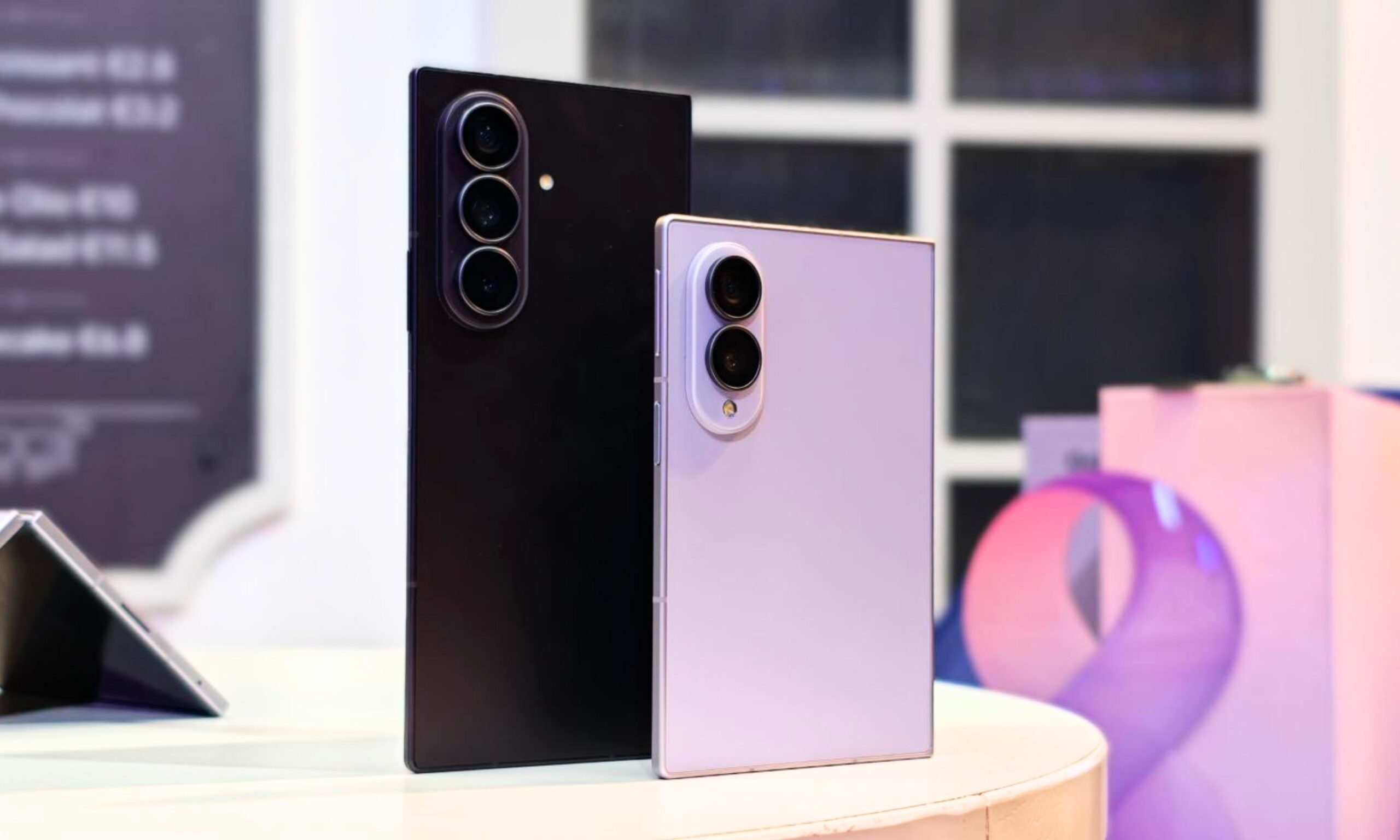
For now, the Galaxy Z Fold 8 Ultra happens to be the only book-style foldable, and a smartphone that demands over $2,000 for the base variant. Given that it’s a top-tier foldable and represents the epitome of Samsung’s smartphone engineering, you could argue that it earns the additional premium over what conventional flagships cost.
Nadeem Sarwar / DigitalTrends
That’s exactly the kind of psychological permission regular flagships don’t have yet, and it’s the only real wall standing between where we are and where this is going.
Foldable
Starting price (256GB/base)
Remarks
Samsung Galaxy Z Fold 8 Ultra
$2,099.99
Up $100 from Fold 7’s $1,999
Motorola Razr Fold
$1,899.99
Only configuration offered (512GB/16GB)
Samsung Galaxy Z Fold 8 (wide)
$1,899.99
New form factor, still crosses $1,900
Google Pixel 10 Pro Fold
$1,799
The “budget” option in this category
What does this look like for buyers outside the US?
Worse, frankly. India already pays a real premium on top of parity pricing, typically 15 to 25% above what the same phone costs stateside. Apple already launched the iPhone 17 Pro Max at $1,574 in India (when converted from the local launch price), which is already over 30% higher than the official listing price in the US.
Run the projected iPhone 18 Pro Max hike through that filter, and you’re looking at something in the neighborhood of ₹1,80,000 to ₹1,90,000 ($1,891–$1,996) for the base model. Even if I consider the lower band for the sake of argument, we could be looking at a $1,800 to $1,900 launch price in India, and that’s pretty close to the $2,000 mark I’m worried about.
Nirave Gondhia / Digital Trends
The Pixel 11 Pro XL and Galaxy S27 Ultra follow the same calculation. If you’re budgeting for a flagship upgrade in India next year, brace yourself, because the gap between US and India pricing isn’t closing.
So, is $1,500 the new flagship norm?
Yes, or close enough that the distinction barely matters. Not every flagship has crossed that line in August 2026. Whether it’s Apple, Samsung, or Google, the starting price for their upcoming flagship could slide toward the same $1,300 to $1,500 bracket, at least in the US.
Advertisement
The Pixel 11 Pro XL is expected to cost $1,300 for its baseline variant, so Android buyers should still be grateful. Samsung’s purported S27 Ultra could follow the same upward trend. If the memory crisis doesn’t ease anytime soon, hardware upgrades combined with the ever-increasing costs of DRAM could push the entry-level pricing closer to $1,500 by next year.
Nadeem Sarwar / Digital TrendsSamuel Angor / Unsplash
However, on the other side of the fence, iPhone users who want to stick with their ecosystem and want the best technology Apple has on offer might have to pay around $1,400 to $1,500. For them, the new $1,500 flagship norm might become a reality in September 2026.
And that’s just what’s happening in the US. If you zoom out a little and consider global smartphone prices, especially in key markets like India, there’s a good chance that flagship pricing could touch the $1,500 to $1,800 mark this year itself.

























































You must be logged in to post a comment Login