Crabbish has taken the social media world by storm in recent months with its theatrical presentation, steaming food and customers wearing bibs.
The Louisiana-inspired restaurant guests to sit around a communal table and wear bibs as a bag of boiling seafood is sliced open and poured out, with various items often ending up in the customer’s lap.
Customers scramble to get their hands on boiled prawns, crabs, mussels, corn-on-the-cob, potatoes and more thrown in the middle of the table.
While some say the experience is “great”, with many returning to try it for a second time, others assume it would be their “idea of hell” and ask “how is that even edible?”.
Advertisement
A waiter serving a bag of Seafood Boil at a ‘Crabbish’ restaurant (c) Crabbish (Image: Crabbish on Instagram)
A picture of one of ‘Crabbish’s’ dishes shared on Instagram (c) Crabbish (Image: Crabbish)
The theatrics have, unsurprisingly, generated millions of views with customers flocking to the existing Crabbish branches in Liverpool and Manchester.
Residents in the North East, however, won’t have to head south for long; the chain announced on social media this week that they are opening a restaurant in Newcastle.
The restaurant is set to open in Pandon Bank, Quayside, with an official date to be confirmed.
The seafood boil phenomenon, which has raked in over nine million online watchers, said: “Crabbish is coming soon to Newcastle, bringing seafood boils loaded with crab, prawns and plenty more to the city centre!”
Advertisement
The post continued: “If getting stuck into a huge seafood boil sounds like your idea of a good time, this is definitely one to keep an eye on!”
The announcement has been met with a lot of excitement, one user writing: “Can’t wait for this one! Love my seafood.”
“Very excited for this,” another said.
While excitement is through the roof to experience the seafood, questions have also been raised about whether local produce will be used.
One comment read: “North East crab? I hope I hope I hope.”
Advertisement
With questions already arising, it is clear the people of Newcastle are not only thrilled, but ready, for the boiling bag to arrive in the North East.
Stassi Schroeder’s new show has finally premiered in the UK with those who have already binged it calling it ‘perfection’
The series is finally available for UK viewers(Image: Hulu/Freeform)
Where can I watch House of Stassi in the UK?
Reality TV fans have been calling new series House of Stassi absolute ‘perfection’ in the wake of its release stateside. Now fans in the UK finally get to binge-watch the controversial comeback show.
The series follows Stassi Schroeder, the former Vanderpump Rules star who was famously sacked from the show in 2020 alongside Kristen Doute. They were fired after calling police on black co-star Faith Stowers for a crime she didn’t commit, and both have since issued lengthy apologies.
The meta-docuseries premiered on Freeform before hitting Hulu, showing Stassi’s return to TV with her loved ones. The official synopsis promises that “as cameras roll and truths surface, her closest relationships are put to the test.”
All eight episodes are available on Hulu in the US, and UK viewers can stream it from today (August 12) via Disney+. Early reactions have been overwhelmingly positive, with one fan saying: “I’m on episode five and I can’t stop watching – it’s very entertaining.”
Another viewer praised the finale, calling it “exactly what reality TV should be” and noting the cliffhanger ending was “the perfect set-up for Disney to order more episodes.” Fans are already demanding more episodes, with one declaring: “I need a million more episodes.”
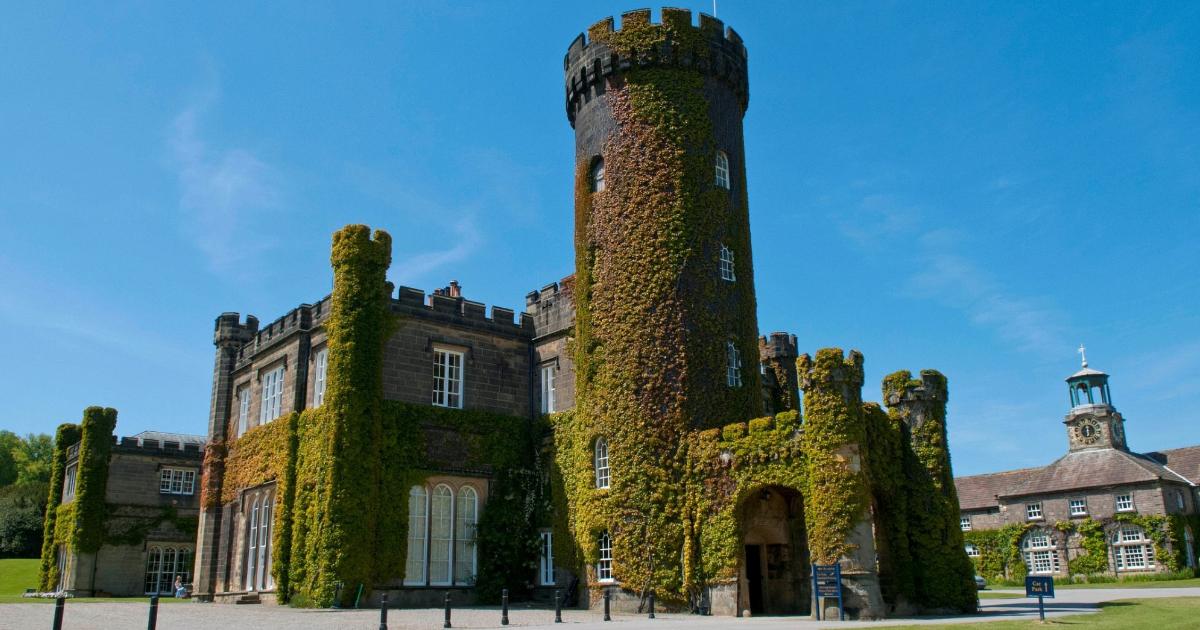
The Telegraph has released a list of the 13 best castle hotels found across England, with the Swinton Park Hotel making it onto the list.
The castle hotel is surrounded by 20,000 acres of “breath-taking countryside” close to the Yorkshire Dales.
Whether you want a completely relaxing escape or need some activities to keep you busy, the Swinton Park Hotel offers both.
What is the Swinton Park Hotel like?
On the hotel, The Telegraph said: “This ivy-cloaked Baronial pile, with turrets, castellated parapets and a monumental entrance tower, looks like a castle; in truth, it’s largely Victorian embellishments (by a Bradford wool merchant whose descendants still own the house and estate) of a 17th- and 18th-century core.
“Inside, it’s old-school, English stately home with claret-walled corridors hung with gilt-framed portraits, massive windows draped with pelmeted curtains, and high-ceilinged rooms of numerous sofas and low tables.
Advertisement
“By contrast, the new spa and Terrace Restaurant (in a separate block) are worlds apart; light, fresh, sleek.”
The hotel has multiple restaurants and cafés on site. (Image: Tripadvisor)
There are a few different places you can stay at while in the hotel, from cottages and yurts to the main hotel with rooms decorated with antiques and family portraits.
There are several restaurants and cafés on the estate, including the Terrace Restaurant and Bar, Samuel’s Restaurant, and the Chef’s Table.
You can enjoy an afternoon tea at the Drawing Room or a lunch at the Swinton Bivouac Café.
Advertisement
To spend time around the pool or enjoy some spa treatments, you can head to the Swinton Country Club during your stay.
There are plenty of other activities as well, from wild swimming, archery, and cycling to escape rooms, axe throwing, and cookery courses.
What do guests of the Swinton Park Hotel say about their stay?
One reviewer on Tripadvisor said: “An incredible gem, we are frequent visitors, and will keep returning to this gorgeous hotel in the future!”
Another reviewer said: “We had a wonderful afternoon tea at Swinton Park.
Advertisement
“The drawing room setting is elegant, with stunning grounds that make the whole experience feel really special.
“The selection of sandwiches, mini quiche, freshly baked scones with clotted cream and jam, and delicious cakes were excellent, and everything was beautifully presented.
“Gay and Chris who served our tea were friendly, attentive, and made us feel very welcome without being intrusive.
“A nice birthday treat in a relaxing setting.
Advertisement
“Highly recommended.”
Have you ever stayed at the Swinton Park Hotel? Let us know in the comments.
Participants took part in a colourful celebration march through Hamilton town centre
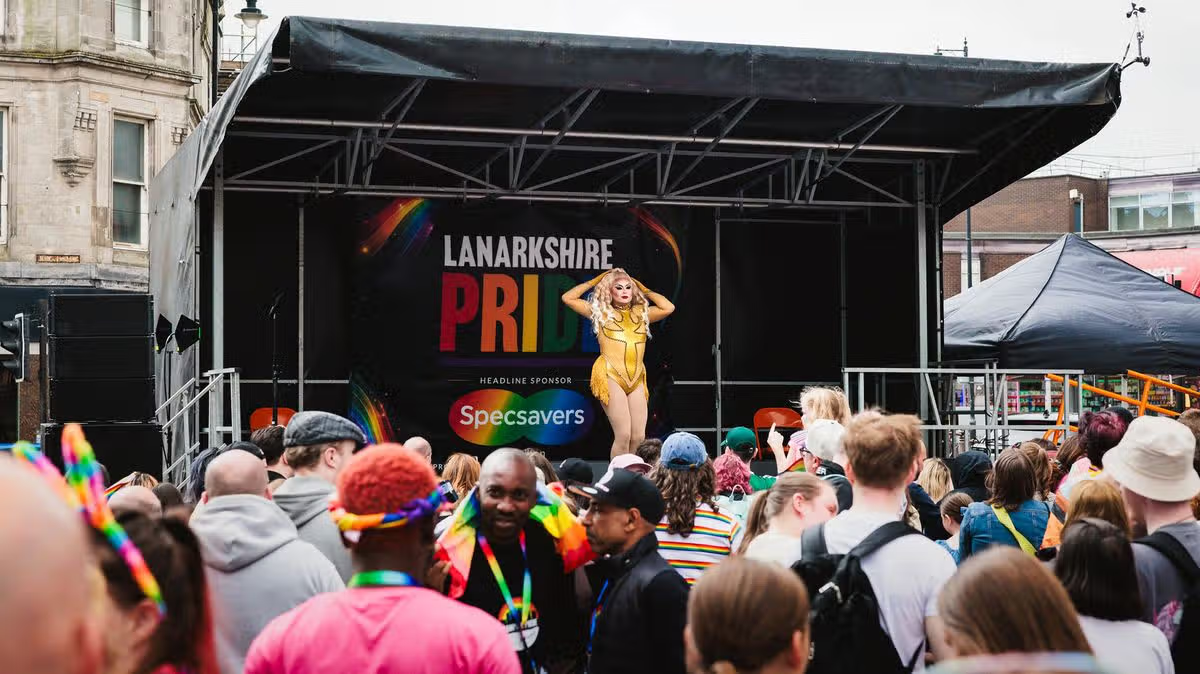
Hamilton staged a colourful celebration as thousands of visitors arrived in the town centre for the annual Lanarkshire Pride festival.
Advertisement
A host of entertainers took to the stage on Quarry Street for a busy day of festivities and hundreds of groups took part in the centrepiece march around the town centre.
Organisers called it “a fantastic celebration of community, visibility and belonging” and said of the day: “We estimate that around 10,000 people passed through, making it one of the largest free-to-attend events in the town centre.”
Now in its fourth year, Lanarkshire Pride saw visitors enjoy stalls, attractions and an entertainment programme featuring a host of singers and tribute acts, headlined by RuPaul’s Drag Race star Cheryl The Queen.
The focal point of the day was the parade through the town centre, with organisations and individuals joining forces for the Pride march along Cadzow Street and Almada Street before returning back to the Quarry Street main stage.
Advertisement
It concluded with speeches from members of the local Pride Connect group and the headline performance; and event organisers Lanarkshire Pride CIC thanked all those who took part, praising the “fantastic turnout” and the contribution of participants, performers, sponsors and volunteers.
A spokesperson for Lanarkshire Pride told the Hamilton Advertiser: “Seeing so many people come together in Hamilton was a powerful reminder of why Pride continues to matter.
“Inequality and intolerance still exist, but so do community, solidarity and determination. Pride is about bringing people together, celebrating who we are and showing that everyone deserves to feel safe, supported and valued in their community.
“We’re incredibly grateful to everyone who came along and helped make the day such a positive celebration of Lanarkshire’s LGBTQ+ community.”
Advertisement
The organisation also runs a busy calendar of activities including its weekly Pride Connect groups for young people and adults.
Its sessions in the Regent Centre resume this week, with the youth group for 16- to 24-year-olds meeting on Saturday, August 15 from 12.30-3.30pm; with the adult group for those aged 25 and over meeting on Monday, August 17, from 10.30am-12.30pm.
* Don’t miss the latest headlines from around Lanarkshire. Sign up to our newsletters here.
And did you know Lanarkshire Live is on Facebook? Head on over and give us a like and share!
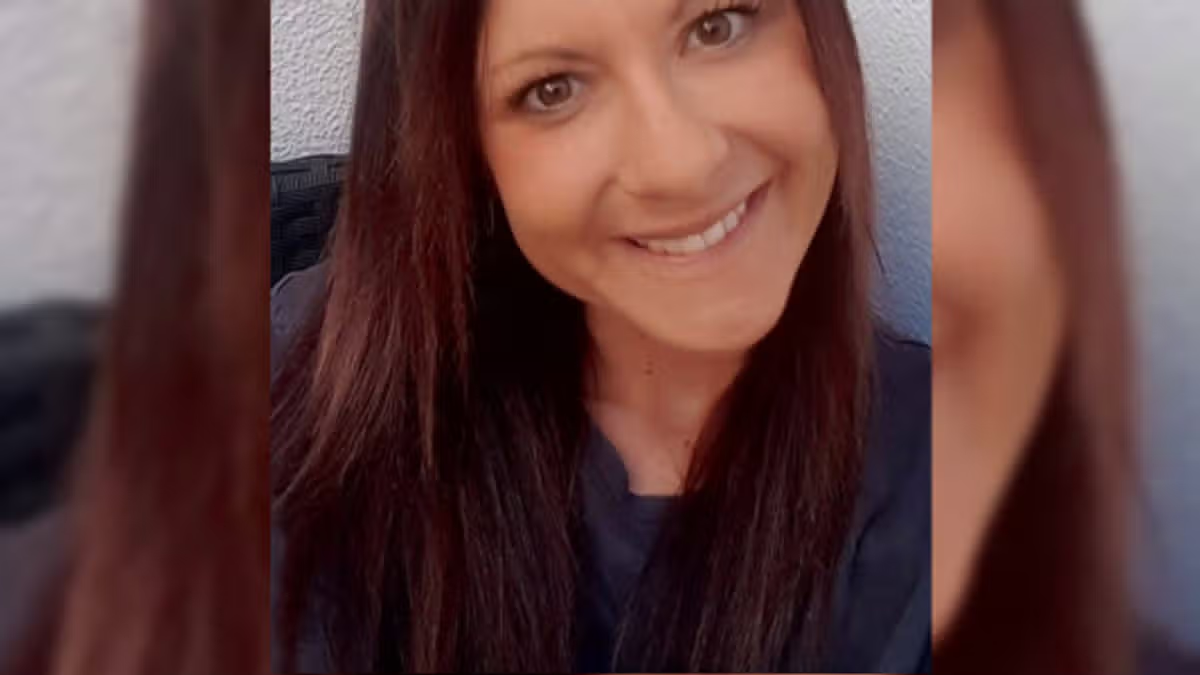
Sophie Shambley was pronounced dead at the scene after her body was found on the tracks of Bryn Railway Station days before Christmas last year
07:57, 12 Aug 2026Updated 08:00, 12 Aug 2026
Advertisement
A mother of two sent a series of deeply distressing messages to her family in the moments before her death, an inquest has heard.
Sophie Shambley, 38, was found dead on the railway tracks at Bryn Railway Station on December 19 2025, just days before Christmas. Her death was examined at Bolton Coroners Court on Monday (August 10), where her husband, Shaun, and her parents,
Joanne McGarrigan and Adrian Roscoe, sat alongside other relatives as the circumstances were formally explored, the Manchester Evening News reports. Representatives from the British Transport Police, North West Ambulance Service, the NHS and Network Rail were also present.
The hearing was told Sophie had experienced mentalhealth difficulties stretching back to 2013 when she received a diagnosis of depression and anxiety.
The mother of two had battled postnatal depression following the births of both her children and during a period of her life was estranged from her family.
“She always said that she only had one good week a month,” her husband Shaun informed the hearing. The court additionally heard about several challenges in her life that led her to seek support. It emerged that in the days preceding her death, Sophie had lost two grandparents.
Reflecting on how the family bereavements affected his daughter, Sophie’s father Adrian Roscoe told the court: “They affected her, but I think there was other things going on in her life as well, but she didn’t show everything. I think there was an accumulation of things,” Mr Roscoe added. “She found it difficult with Sean working away.”
Advertisement
Despite this, the court was told that Sophie, from Ashton-in-Makerfield, would frequently take ‘active steps’ to tackle her difficulties. When questioned about whether Sophie had ever displayed any suicidal thoughts, Mr Shambley replied that she had not, and spoke warmly of her devotion to her children.
“She was always scared of death,” he said. “She had the kids and she loved the kids. I think if she said that to me, I would have got her help straight away.”
Her GP, Dr Sakir Patel, outlined Sophie’s comprehensive medical history, which demonstrated that the former administrator would routinely seek support whenever she required it.
Advertisement
He informed the court that in 2017 she relocated to Gran Canaria with her family, and upon returning in 2020, requested additional medication.
By 2024, she had ‘stopped drinking altogether’ and was known to ‘engage’ with a drug, alcohol, and mental health support charity for nine months, during which she made ‘significant progress’.
Dr Patel, who characterised her suicidal thoughts as ‘fleeting’, noted that Sophie consistently maintained contact with NHS services regarding the level of support she required. In December 2025, the month of her passing, Dr Patel stated there were ‘no concerns’ regarding Sophie’s mental wellbeing.
The inquest heard details of Sophie’s final hours. Shaun recounted to the court how the family enjoyed a ‘good’ day purchasing a turkey for a Christmas meal Sophie had been planning.
Advertisement
Later that evening, while speaking on the phone with her mother-in-law, Sophie remarked ‘she did not deserve’ her husband, the hearing was told.
Ensure our latest stories always appear at the top of your Google Search by making us a Preferred Source. Click here to activate or add us as your Preferred Source in your Google search settings.
Her mother-in-law subsequently contacted Shaun, who conversed with her for an hour in the rear garden. He informed the court that upon re-entering the house, he discovered Sophie was no longer there.
The hearing was told how the father-of-two consulted a GPS application called ‘Life360’ which indicated Sophie’s location as being on the tracks at Bryn Railway Station. The court was informed that Sophie had sent text messages to her mother, children and husband.
Advertisement
The message to her mother stated ‘Good night, mum’ at 5.30pm, which Joanne characterised as ‘unusual’. Sophie left a message to her child’s phone which read: “Daddy will look after you now. Good night darling.”
And to her husband, she said: “Tell the kids I love them so much and you”. Sophie’s cause of death was determined as polytrauma, with coroner Stephen Teasdale concluding suicide.
When life is difficult, Samaritans are available day or night, 365 days a year. You can call them for free on 116 123 or visit samaritans.org.
Swimming pools and car washes are among the UK businesses that could be hit by a water ban as providers look to conserve resources amid drought conditions and an upcoming fifth heatwave.
Southern Water has applied to the government for permission to issue a “non-essential use ban” in Hampshire and the Isle of Wight. If granted and put into action, the policy would prevent businesses from activities like washing cars with hosepipes and filling private swimming pools.
It comes as almost three-quarters of England and all of Wales have been plunged into drought.
Advertisement
Temperatures are set to soar to as high as 38C this week as parts of the country face their fifth heatwave this summer.
A Southern Water spokesperson confirmed it had applied for a drought order and a non-essential use ban as a precaution, but that it does not currently plan to enact the measures.
“This isn’t a choice between protecting the river and supplying customers,” they said.
“We have to do both. The drought order process helps ensure we can maintain essential water supplies during an exceptional drought, while operating within a regulatory framework designed to balance environmental protection with the needs of the communities that rely on the river test.”
Advertisement
Almost three-quarters of England is now suffering from drought as weather conditions continue to worsen into August, piling pressure on vital industries.
The East Midlands, Lincolnshire and Northamptonshire, Kent and East Sussex, and Solent and the South Downs moved into drought status on Monday, bringing the total number of people affected up to 45 million as a fifth heatwave of the summer sweeps through England and Wales.
It means that more than 71 per cent of England is now experiencing a “flash drought”, after drought was declared across East Anglia, Hertfordshire and London, Thames Valley, Hampshire and the Isle of Wight, Devon and Cornwall, the west Midlands, and Wessex on 29 July.
An aerial view shows the dried and cracked bed of the depleted Hollow Pond and Leyton flats near Wanstead, east London (AFP/Getty)
“Flash drought” has a rapid onset or is intensified very quickly. It is brought about by low levels of rain and abnormally high temperatures.
Some 27 million people are currently living under restrictions on water use, with millions under hosepipe bans, including all South East Water and Thames Water customers.
Advertisement
A non-essential use ban comes as part of the next level of drought restriction that applies to business and commercial activities that use large amounts of water but aren’t considered essential.
There is no specific date set for the hosepipe bans to end, but water companies have explained that it will be lifted once water sources have recovered back to normal levels.
Southern Water has previously said it needs enough water in reservoirs, rivers and underground aquifers to meet demand before it can lift the ban.
Met Office science manager Dr Amy Doherty described July as a “truly remarkable month” in the UK’s climate record.
Advertisement
“The combination of record-breaking dryness, exceptional warmth and unprecedented sunshine has delivered one of the most notable summer months in our historical records,” she said.
Last summer, the government granted two drought orders during a season which saw four heatwaves and the driest August for England since 2003.
Solar eclipse glasses have sold out across Wales ahead of today’s near-total solar eclipse, but there are still safe ways to watch the celestial spectacle beginning at around 6pm on August 12
Solar eclipse glasses have become completely unavailable across Wales, and it seems virtually impossible to secure delivery by this evening even through major online retailers. Nevertheless, those hoping to witness the first near-total solar eclipse in the UK since 1999 can still do so safely using several alternative methods.
Advertisement
The astronomical phenomenon is expected to commence at approximately 6pm today (August 12), reaching its maximum shortly after 7pm before concluding at around 8pm. Precise timings will vary depending on your location across the country.
Stocks of specialist eyewear have been depleted ahead of the event, with convenience stores, national parks and the Royal Observatory Greenwich all running out. The observatory alone has shifted roughly 15,000 pairs over the past month.
Experts have cautioned people against being lured by “knock-off” alternatives or resorting to ordinary sunglasses. Eclipse glasses must comply with the ISO 12312-2 safety standard, with uncertified versions potentially exposing eyes to damaging solar radiation, reports the Express.
What damage can directly looking at the solar eclipse cause?
Mohamed Elalfy, consultant ophthalmologist and president of the Royal College of Ophthalmologists, said: “The safest way to enjoy the eclipse is to observe it indirectly, such as by watching a live broadcast.
Advertisement
“Looking directly at the Sun during a solar eclipse can cause damage to the retina, potentially damaging the cells responsible for sharp central vision. Crucially, the retina has no pain receptors, so people will not feel the damage as it happens.”
NASA cautions against viewing the eclipse through cameras, telescopes or binoculars while simply wearing eclipse glasses. Tech news outlet BGR has additionally warned that directing a smartphone camera straight at the Sun risks damaging the device, as the powerful rays can become concentrated within the camera lens.
The risks were thrown into sharp focus following the UK’s 1999 total solar eclipse, when the Royal College of Ophthalmologists recorded approximately 70 cases of individuals reporting vision difficulties afterwards. Notably, around 40% had observed the eclipse for under a minute.
Advertisement
Symptoms may take several hours to manifest and include “blurred vision, a central blind or dark spot, distorted vision, reduced colour perception and increased sensitivity to light”.
Mr Elalfy added: “While some people recover over weeks or months, others can be left with permanent visual impairment.”
New Specsavers research found that 10% of Britons have previously viewed a solar eclipse without any eye protection, while 19% incorrectly believed it was safe to watch one through a camera or smartphone screen.
How can you safely watch the eclipse without glasses?
One of the most straightforward alternatives requires nothing more than an ordinary kitchen colander. Rather than gazing directly towards the Sun, observers can use its perforations to cast images of the eclipse onto the ground or another flat surface.
Advertisement
Imo Bell, a planetarium astronomer at the Royal Observatory, explained: “You can project the image of the eclipse using a household item like a colander which has lots of holes in – point the colander towards the Sun with your back facing it, and in the shadow of the colander you’ll be able to see the eclipse in the holes, which is really cool.”
A pinhole projector presents another alternative and can be fashioned using a single piece of card, while a more sophisticated version can be assembled from a cardboard box.
Even trees can offer a means to witness the spectacle. UK Health Security Agency guidance states that gaps between leaves can cast images of the Sun in much the same manner as the perforations in a colander.
Advertisement
Observers should position themselves with their backs to the tree and watch the eclipse materialise in the shadows formed through the gaps.
Can you watch the solar eclipse through a telescope or camera?
Kyla Black, Boots Opticians director of optical practice, said: “Budding astronomers who will be looking through cameras, binoculars or telescopes at the eclipse must make sure they have approved solar filters attached.
“If you’re not sure your telescope does, then contact the maker of the product to ensure you know you’ll be safe.”
Local astronomy centres might also be organising viewing sessions with properly filtered telescopes, offering an alternative for those who have been unable to secure eclipse glasses in time.
Governments have always had to strike a balance between actions that are unpopular but thought to be necessary, and laws and policies that win them support from the public. In the UK, the new prime minister Andy Burnham has set out to grab the news agenda with a string of genuinely popular announcements.
Back in the middle ages, unpopular governments did not need to worry about the ballot box – but they did often face popular uprisings. The most famous of these was the 1381 Peasants’ Revolt in England – a serious of riots across the country against the corruption of government and local landlords. This is the most studied revolt of the middle ages, but there were many other uprisings across medieval Europe.
But one country where these uprisings were uncommon was Scotland. In my book, Protest, Resistance and Popular Politics in Late Medieval Scotland, I investigated why this might have been the case. One reason was the relative alertness of the Scottish state when it came to passing laws that eased the consequences of war, famine and plague for the people.
This is not to say that Scotland was anything close to a democracy, nor that Scottish kings pursued only those policies that would make them popular.
Advertisement
In the 15th century for example, both football and golf were banned in Scotland to ensure that people practised archery instead. The law was intended to ensure that the kingdom could be well defended against invasion. Yet, the banning of popular pastimes would not have gone down well, and the fact that these laws were passed four times that century suggests that they were repeatedly ignored.
Responding to the people’s struggles
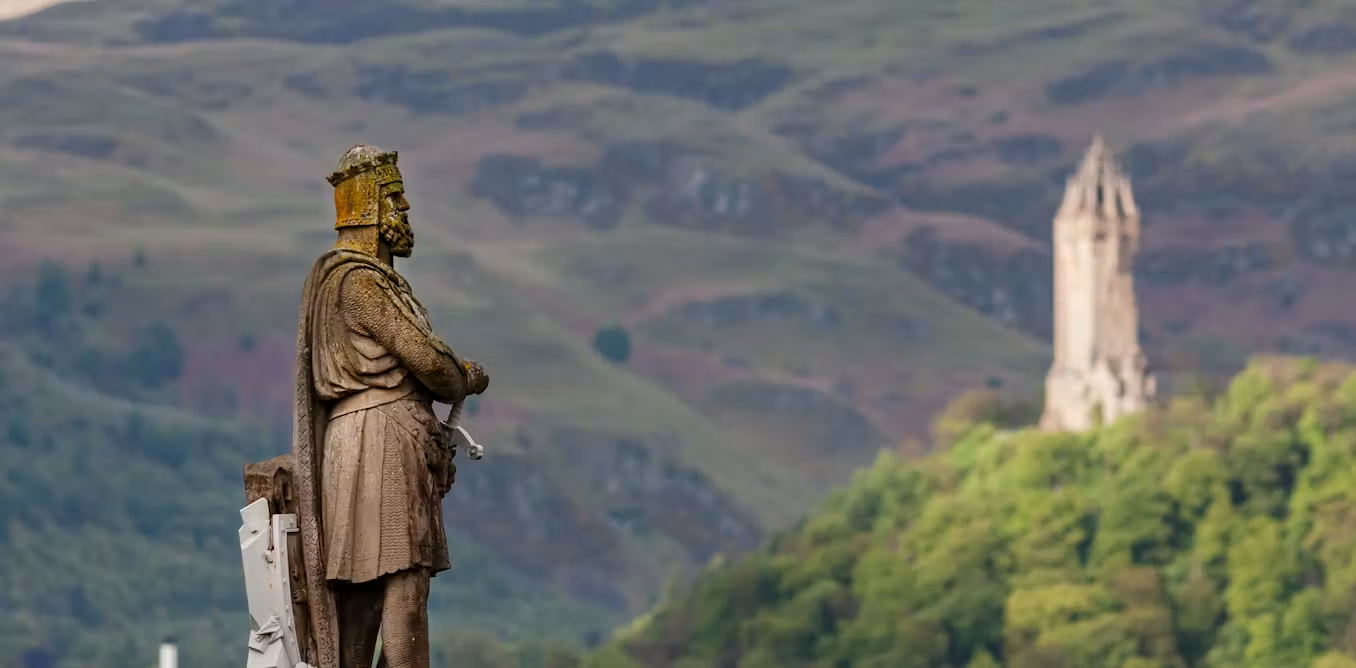
But a parliament held in 1318, during the reign of Robert the Bruce, shows how medieval kings could use laws to address social tensions. The parliament was held at the end of the Great European famine and after Scotland had experienced around three decades of bloody conflict with England in the first Scottish war of independence. It also followed a failed Scottish invasion of Ireland, in which the king’s brother, Edward Bruce, was killed.
As such, the king was not popular – and people may even have been questioning his right to rule. After all, Robert had seized the crown by force in 1306. Therefore, it was decreed that those who sowed discord between the king and his subjects by spreading “tales or rumours” would be arrested.
Yet despite clamping down on everyday speech in such an authoritarian way, the king was also keen to appeal to his poorest subjects. Bruce commanded that justice should be done as much to “paupers as to wealthy people”.
Advertisement
Several acts addressed the worsening socio-economic conditions of the time. One stated that soldiers who committed “murder, rape or theft” were to be tried by the justiciar, whose courts were the most important in Scotland, with only parliament being more powerful. Another forced lords who were joining the king’s army to ensure they brought enough food for their men, or pay them market rates for provisions.
Plague and famine hit Scotland, and much of Europe, throughout the 14th and 15th centuries. In 1439, a combination of disease along with poor harvests led to a devastating famine in the country. The cost of staples such as corn and oats appear to have spiked in that decade.
This would have been fresh in the memory of the young king, James II, in 1450 when an act sought to prevent merchants buying up essentials in order to ramp up prices. For those trying to profit from others’ misfortune in this way, their goods could be forfeited to the crown. This was soon after James reached adulthood and was able to run the kingdom by himself – the act meant he was seen to be tackling hardship by supporting ordinary people against profiteering.
King James II of Scotland (1430 to 1460) from Iconographia Scotica, published in 1797. imageBROKER.com/Shutterstock
There were also instances when kings passed laws to benefit farmers. The most famous of these laws mandated the hunting of wolves and were passed in 1428 and 1458. Each baron was to lead a wolf hunt at the time when cubs were born.
The intention was to hunt the animals to extinction because they attacked livestock and were viewed as a danger. It seems the wolves held out though – it’s thought they remained in Scotland until the late 17th century. But with wolves widely viewed as a menace, if nothing else these laws showed the people that kings could recognise a commonly held problem that affected the lives of their subjects.
Although they did not have to answer to the people in elections, medieval kings needed to court public opinion because, fundamentally, it made their lives easier. Protest and unrest could cause upheavals that kings wanted to avoid.
Advertisement
In Scotland, kings passed laws that had something of a “populist” appeal. They tried, though did not always succeed, to ensure that nobles behaved themselves and worked for the common good. Pressure of war, plagues, famine and economic hardship – if not addressed – could fester and escalate into large-scale uprisings. Some astute lawmaking, even if those laws were mostly statements of aspiration, combined with a bit of luck, might mean that medieval Scottish kings avoided mass rioting.
E.On UK chief executive Chris Norbury has urged the Government to take energy policy costs off business electricity bills, arguing the move could encourage firms to invest and help drive the switch to cleaner energy.
The intervention comes as companies grapple with rising costs and uncertainty over future energy bills.
Mr Norbury said businesses of all sizes were “concerned” about the impact of higher energy costs and warned that additional policy charges could hold back investment.
Advertisement
E.On believes moving costs such as renewable energy levies into general taxation, or funding them through a dedicated energy transition fund, could ease the pressure on firms.
The energy giant said the move could also help unlock billions of pounds of investment in low-carbon technology.
And that’s it the end of the week. I’m signing off socials. May your weekend be long, your queues be short, and your forgotten subscriptions cancel themselves.
This comes as Andy Burnham has vowed to “pull every single lever” to help struggling households.
The Prime Minister is promising a series of “everyday fixes” to ease the pressure on household finances, with tougher rules on subscription traps and deceptive discounts among his first measures.
Recommended reading
Mr Burnham said: “Westminster has got used to telling people that everyday hassles like this are just part of life.
Advertisement
“I don’t think that’s right, especially when the cost of living continues to weigh heavily on so many people’s lives.
“I’m determined to pull every single lever we can to provide people with some room to breathe on the cost of living.”
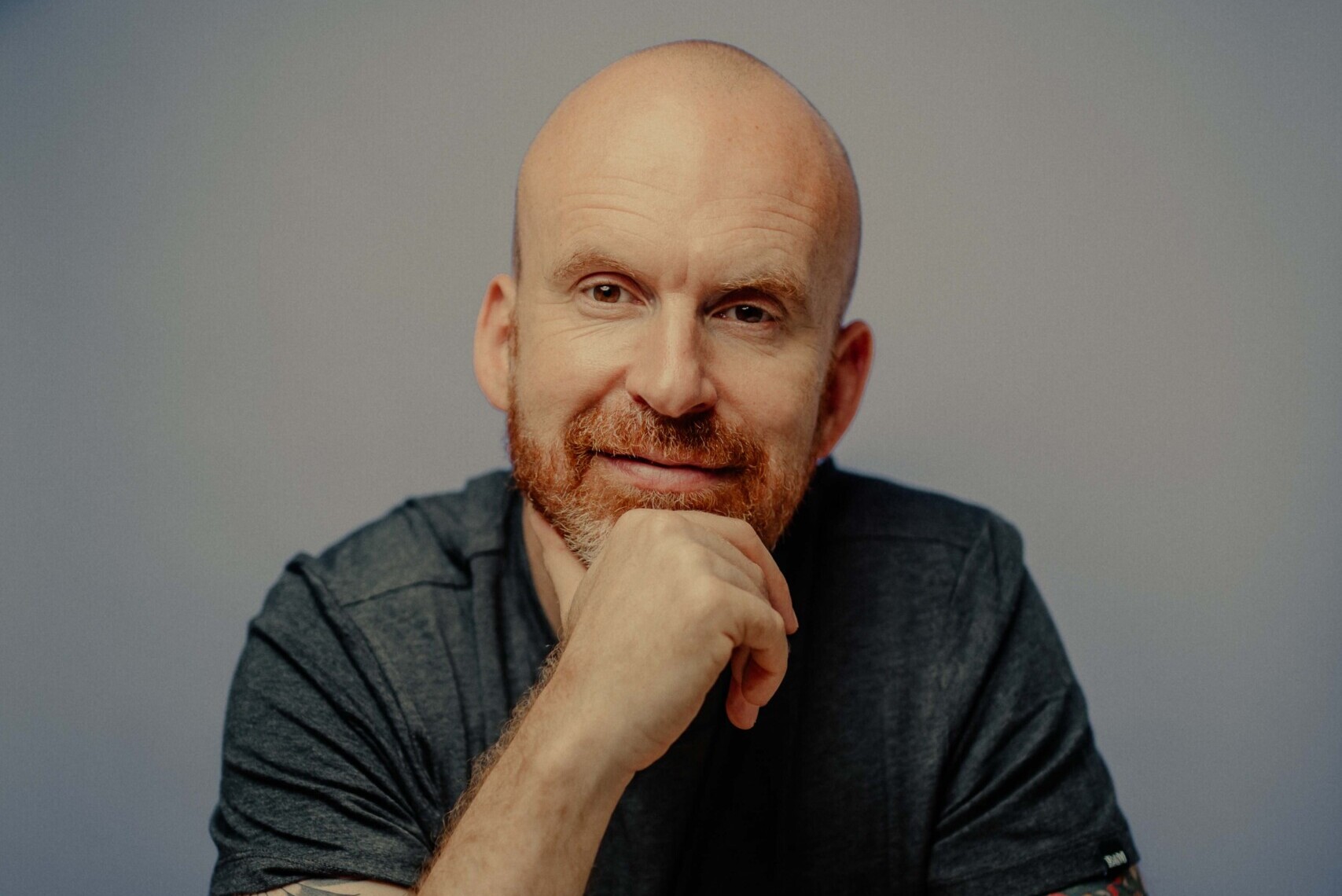
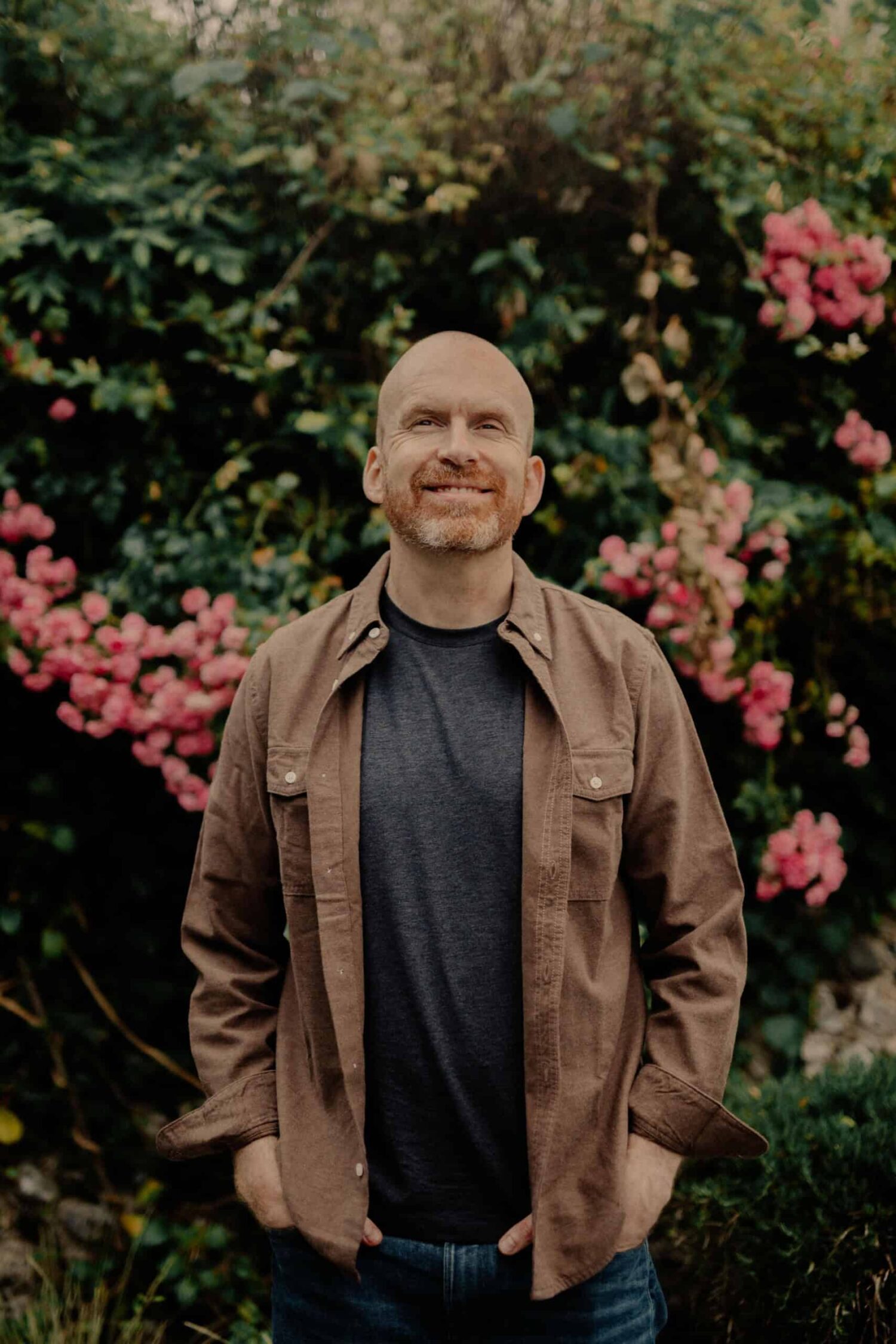
Best-selling author of The Midnight Library, Matt Haig, has made his career addressing regret and mental health. Now, at 50 years old and with the release of his new book The Midnight Train, he explains why acceptance descended on him
When Matt Haig thinks about regret, his mind goes back to the mental health crises he experienced in his early 20s, including a suicide attempt, and the impact it had on his girlfriend, now his wife.
“Me and Andrea have been together since we were 19, and I had a full-blown breakdown at the age of 24 and the years prior to that,” he says. “There was drink, drugs, bad behaviour, all giving Andrea hell. Then I went from being one type of nightmare boyfriend to the opposite type, who couldn’t leave the house and had to have his hand held to go to the corner shop for years, as I was agoraphobic.”
Advertisement
Now 50, Haig has found that, with time, “acceptance descends on you”.
“If you’ve spent enough time through depression, regretting and regretting, you start to regret the regret. It got to that point. Therapy helped.”
Advertisement
Haig’s personal experiences, particularly around mental health, have fed much of his work over the last three decades, from his breakthrough memoir Reasons to Stay Alive to the bestselling The Midnight Library, which explored alternate lives and roads not taken.
His latest novel, The Midnight Train, follows 81-year-old Wilbur, who boards a magical train after a heart attack and revisits key moments in his life, particularly his Venice honeymoon with his late wife, Maggie, confronting regret and the temptation to rewrite the past.
“Regret is a major theme of my work,” Haig says. “I feel this book is a companion to The Midnight Library. Whereas that was about there being no perfect life, this is more about not getting trapped in social pressures of status and workaholism and those very male things where, whatever level you’re at, you always feel you need one level higher.”
Advertisement
If you’ve spent enough time through depression, regretting and regretting, you start to regret the regret
That may be easier to say when you are one of Britain’s most widely read novelists.
“Yes,” he says, laughing. “But if you’re the type of person who always feels like you’re failing at something, that psychology stays with you. You tick a box and get something you’ve been dreaming of, whether in career or relationships, and you stay the same miserable git you were to start with.
“Then you think the problem is something else you’ve got to fix. That’s why we see so many celebrities go off the rails, because they haven’t fixed something they thought success was going to fix.”
He adds: “When the kids were young, me and Andrea were both, like a lot of new parents, in a state of freefall. I can’t remember much of those first 100 days. You treat everything too seriously and worry about everything. I’d love to go back and enjoy that more.”
Advertisement
Haig’s personal experiences, particularly around mental health, have fed much of his work over the last three decades
“There is always some calamitous world’s end to focus on, but what you remember at the end of your life is not going to be news footage, it’ll be the people you lived with.”
Advertisement
Born in Sheffield in 1975 and raised in Newark, Nottinghamshire, Haig says writing helped him find his feet, though it took time.
“A lot of people think Reasons to Stay Alive was my first book. I think it was number 10,” he says. “I started off being karaoke Ian McEwan, very intense, trying to win a Booker, and I realised that wasn’t me. Over time, I developed my own style.”
Part of that voice was shaped by his willingness to speak openly about mental health before it was common. “I’ve always had a dopamine hit from saying truths other people might find uncomfortable,” he says. “I like directness.”
Celebrities go off the rails because they haven’t fixed something they thought success was going to fix
However, that openness he says labelled him. “I wasn’t seen as Matt Haig the writer for a while, it was Matt Haig the mental health ambassador, and I didn’t feel equipped for that. People would write to me almost like I was a therapist. I was just someone who had had a breakdown, no longer was suicidal, and wrote about it.”
Advertisement
Now based in Brighton, with his wife, two children and two dogs, Haig has also found some relief in his 2021 autism and ADHD diagnosis.
“A lot of things clicked into place,” he says. “At school I was fidgety, couldn’t pay attention, always accidentally getting into trouble. I always wished there had been one clear reason for my struggles, because when you have depression you become a detective, trying to work out who did it.”
He smiles at the thought. “You almost envy people who had one triggering event. Mine was more diffuse. Some of it was family history, some bullying, some not fitting in, and part of it was being neurodivergent in a world that wouldn’t have recognised it. In the 1980s autism was basically Rain Man. That wasn’t me.”
Advertisement
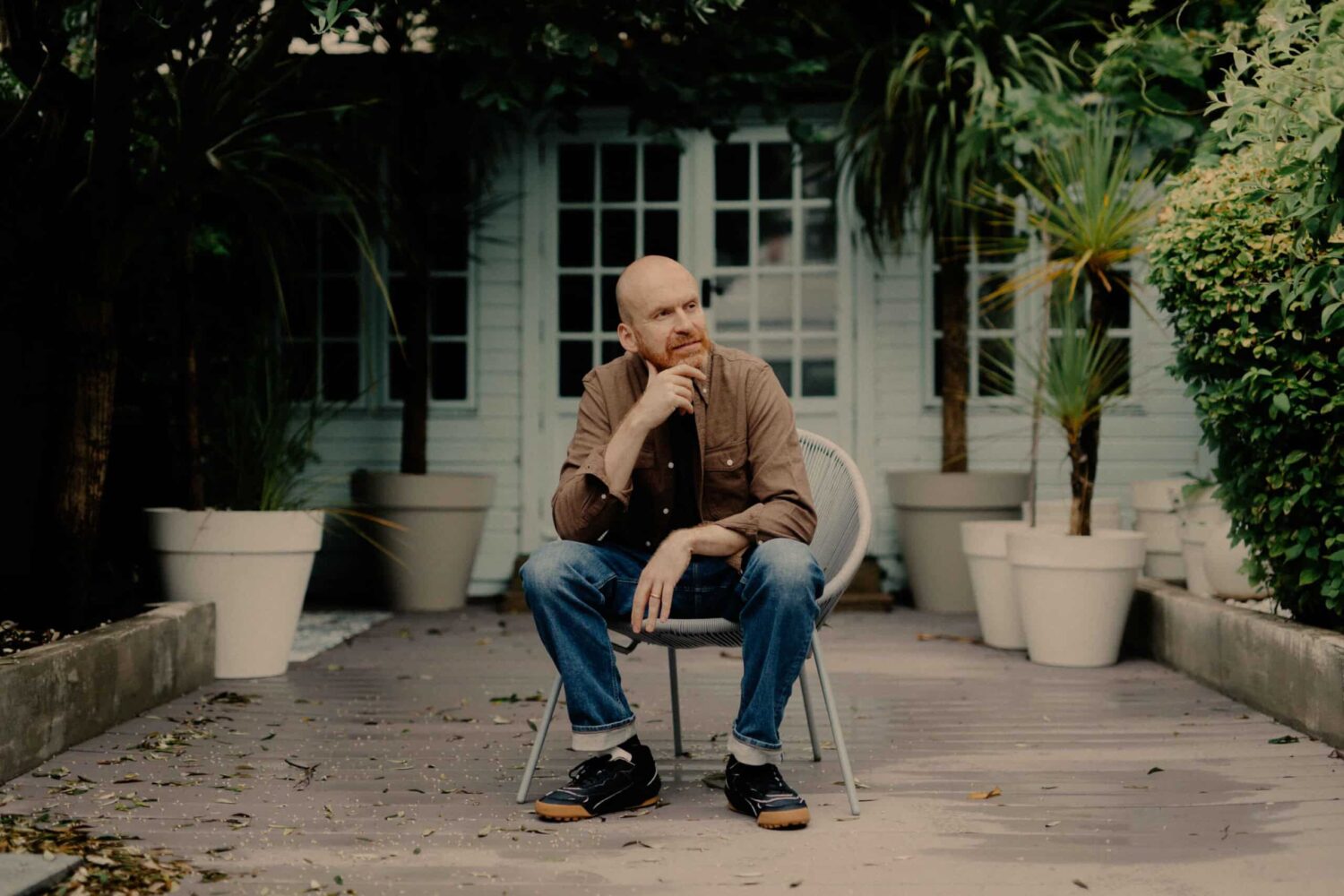
Matt Haig is now based in Brighton, with his wife, two children and two dogs
“I always had this feeling of difference. You feel like a weirdo in your own head. That sense of otherness, and the work of making peace with it, has shifted over time. Getting older has been beneficial for me,” he says. “The breakdown I had when I was younger was so traumatic, but the flashbacks eased. Accepting myself as a vulnerable person helped.”
That does not mean stability is permanent. “I’m convinced there will be future patches where I’m not mentally that well. Last year I descended into massive hypochondria and was diffcult to live with. You have to accept happiness is temporary and when you feel bad that is temporary too. It’s about riding the waves.”
Advertisement
That phrase feels close to a philosophy but it also informs how he thinks about masculinity and what he sees happening among younger men.
“If young men have nothing to do but stare at YouTube, rabbit holes are easy to fall down,” he says. “When I was young I hated being diagnosed with depression. I thought it said something weak about me as a man. A lot of what we’re facing with toxic masculinity is to do with men being unable to embrace vulnerability, to ever be a victim, to ever be ill. That’s why people don’t go to the doctor and die younger.”
I’ve always had a dopamine hit from saying truths other people might find uncomfortable
His answer is not abstract policy but places and people: youth clubs, sport, arts and community. Simply more places to belong. Research increasingly backs that instinct up, linking community belonging and social connection with better mental health, especially for young men vulnerable to isolation.
It is striking how often Haig circles back, even when talking about regret, to connection rather than achievement. Not the milestones, but the relationships around them. For a writer so associated with alternate lives and what-ifs, his conclusions are surprisingly grounded. Regret, he suggests, may be unavoidable, but it need not be a prison.
Advertisement
The fantasy at the heart of The Midnight Train is that we might revisit the past and alter our course. The gentler truth running beneath it is that peace may come not from changing what happened, but from seeing what was already there.
After decades writing about breakdown, mortality, anxiety and second chances, that feels close to a hard-won kind of hope. And perhaps that is the destination of this novel too: not to spend life staring backwards at missed platforms, but to recognise, while there is still time, that we are already on the journey.
The Midnight Train by Matt Haig is out now, published by Canongate.
Photography by Peter Flude
Advertisement
Be part of the solution
At Positive News, we’re not chasing clicks or profits for media moguls – we’re here to serve you and have a positive social impact. We can’t do this unless enough people like you choose to support our journalism.
Give once from just £1, or join 1,800+ others who contribute an average of £3 or more per month. Together, we can build a healthier form of media – one that focuses on solutions, progress and possibilities, and empowers people to create positive change.
















![Bitcoin is in Serious Trouble Again! [Warning]](https://wordupnews.com/wp-content/uploads/2026/08/1786521469_maxresdefault-80x80.jpg)
































You must be logged in to post a comment Login