
Business
Battered IT loses weight on Nifty, banking hits new high


The free-float weight of IT stocks in the benchmark Nifty had fallen to 8.7% as of February 16 from 9.94 at the start of 2026, according to data from ETIG. At the same time, banks’ weight has increased to 27.6% from 26.61% over the same period. The waning IT weight has resulted in the oil & gas sector, led by Reliance Industries, emerging as the second most influential bunch at 9.36%.
In any market index, weights determine how much influence a stock or a set of stocks has on the measure’s movement. Typically, weights show which sectors are leading earnings and liquidity.
 Agencies
 “There has been a clear shift in the relative weights among the two heavyweight sectors, since the weight on the benchmark is assigned based on free float market cap,” said Sunny Agrawal, head of Fundamental Research at SBI Securities.
There is a reduction in the relative weight for IT, given its underperformance versus other sectors that have grown at a relatively faster pace, said Agrawal.

So far this year, the Nifty IT index has plunged more than 13% against the 2.3% upmove in the Bank Nifty, while the Nifty has fallen 1.7% over the same period. A significant portion of the decline came from last week’s sell-off in software stocks, when fears of AI disruption flared, denting investor sentiment.
The decline in IT stocks’ influence in the Nifty has not been recent. The sector’s weight on the benchmark was at 13.05% at the beginning of 2025. “The shift in weight for banking and IT stocks on Nifty 50 has moved in tandem with the change in earnings trajectory for both the sectors in recent years,” said Dharmesh Kant, head of Research at Cholamandalam Securities.
“The fear of AI disruption is a recent threat, but Indian IT stocks have been stagnating before this due to limited or reduced spending on the software services that they predominantly provide,” said Kant.
The Nifty IT index is down more than 20% over the past year, while the Bank Nifty is up about 24% in this period.
Concerns over the Indian software services‘ prospects resulted in overseas investors dumping shares worth almost ₹75,000 crore in 2025 – the highest selling across sectors in the year. They sold financials worth ₹14,900 crore last year
“Active foreign funds have consistently cut exposure to the Indian IT sector over the past one year,” said Sriram Velayudhan, senior vice president at IIFL Capital Services.
Though the intensity of foreign selling has eased, investors are expected to remain cautious as they assess the impact of AI disruption, he said.

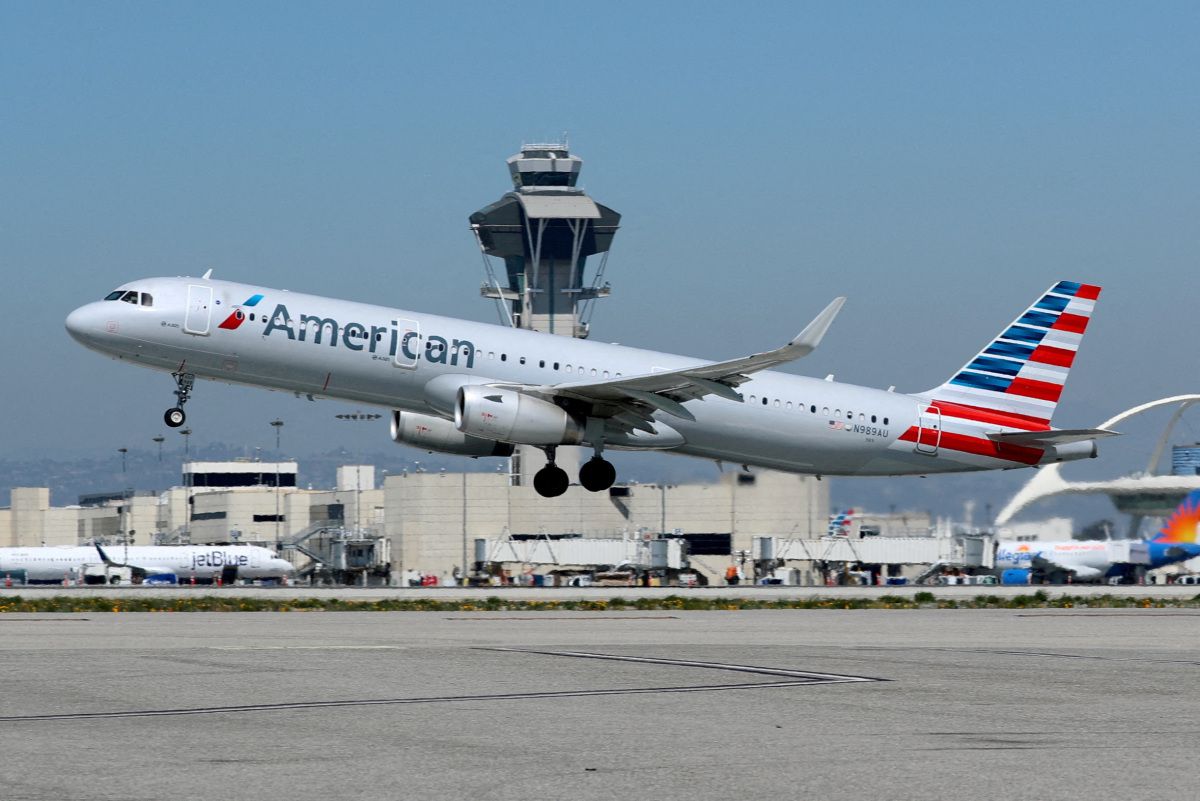
LOS ANGELES — Travelers passing through Los Angeles International Airport on Easter Sunday, April 5, 2026, are encountering unusually short TSA security wait times, with many checkpoints reporting waits of just 1 to 5 minutes as of mid-morning, according to official airport data and real-time trackers.

The flyLAX.com security wait times page showed Tom Bradley International Terminal general boarding at approximately 2 minutes and TSA PreCheck at 1-2 minutes early Sunday, with similar low figures across multiple sources. Other monitoring sites reported blended estimates around 3 minutes for standard lanes during off-peak morning hours.
This smooth flow comes amid a busy Easter holiday travel period, when passenger volumes typically rise as families head out for spring break getaways or return home after weekend celebrations. LAX, one of the world’s busiest airports handling more than 60 million passengers annually, has seen lighter-than-expected congestion at security on this Sunday, contrasting with broader concerns about TSA staffing strains from the ongoing partial government shutdown affecting some operations nationwide.
Airport officials and TSA representatives recommend that passengers still arrive at least two hours before domestic flights and three hours for international departures. Even with current short lines, factors like flight volume, checked baggage processing and gate boarding can add time to the overall experience.
Real-time data from the official LAX website and third-party trackers such as takeofftimer.com and onairparking.com indicate that waits remain minimal outside traditional peak windows. Typical busy periods at LAX include early mornings from 6:30 to 9 a.m., midday from 11 a.m. to 2 p.m., and evenings from 8 to 11 p.m. On April 5, however, many travelers reported breezing through checkpoints in under 10 minutes, especially those with TSA PreCheck, CLEAR or airline-specific expedited programs.
The lighter lines may reflect a combination of factors: Easter falling on a Sunday when some business travelers stay home, strategic flight scheduling by airlines, and effective staffing at checkpoints despite national challenges. Recent Reddit reports from early April noted smooth experiences at Terminal B (the new international facility) with waits under 5 minutes for international departures.
LAX features nine passenger terminals with security checkpoints that vary in layout and technology. The Tom Bradley International Terminal often handles the heaviest international traffic, while domestic terminals 1 through 8 serve major carriers like American, Delta, United and Southwest. Travelers should check their specific terminal via the LAX app or website, as wait times can differ slightly by location.
To stay informed, passengers can visit flyLAX.com/wait-times for official updates refreshed periodically throughout the day. The MyTSA mobile app from the Transportation Security Administration also provides crowdsourced and estimated wait times, along with reminders about the 3-1-1 liquids rule and prohibited items. Additional tools like airline apps from Delta, United or American sometimes integrate real-time security data.
For those without expedited screening, standard lanes involve removing shoes, laptops and liquids, with TSA officers conducting thorough checks. PreCheck members enjoy faster processing with shoes and light jackets often kept on, while CLEAR uses biometric verification to skip document checks.
Easter travel at LAX coincides with spring break surges that began in late March, when some reports noted occasional longer lines during peak hours. However, on this holiday Sunday, the combination of holiday timing and possibly fewer early departures has kept congestion low. Social media posts from travelers described security experiences as “seamless” or under 10 minutes even without PreCheck.
Broader TSA context includes reports of elevated absenteeism and longer lines at some major hubs due to the partial government shutdown, with wait times exceeding two to four hours at airports like Atlanta in recent weeks. LAX appears to have avoided the worst of those delays so far, thanks in part to local staffing adjustments and the airport’s multiple checkpoints distributing passenger flow.
Travelers with disabilities or needing assistance can request TSA Cares support in advance by calling 855-787-2227. Families with young children or elderly passengers should factor in extra time for strollers, car seats and mobility aids, even when general lines move quickly.
Parking and ground transportation add another layer. LAX offers economy, central terminal area and valet options, but traffic around the airport can spike during holiday periods. Rideshares, shuttles and public transit via the LAX shuttle or Metro connections help avoid congestion. The airport strongly advises against circling terminals and encourages using the cell phone waiting lot for pickups.
Flight status remains another key variable. Easter Sunday saw some delays earlier in the weekend due to weather or mechanical issues in certain markets, but security itself has not been a major bottleneck today. Passengers should monitor their airline app or flightaware.com for gate and departure updates.
Experts recommend several strategies for smooth LAX travel:
- Enroll in TSA PreCheck or Global Entry for frequent flyers to cut wait times dramatically.
- Use CLEAR biometric lanes where available for even faster entry.
- Pack efficiently: Place liquids in a quart-sized bag and electronics in an accessible spot.
- Download digital boarding passes and use mobile check-in.
- Arrive early enough to enjoy the airport’s dining and shopping options if time allows.
LAX has invested heavily in modernization, including the new Terminal B, automated screening lanes and improved signage. These upgrades help process passengers more efficiently even during busier periods.
For international travelers, additional steps like customs and border protection upon arrival or departure add time. The Tom Bradley terminal features enhanced facilities, but waits there can vary based on flight banks.
As the day progresses, wait times could increase if afternoon and evening departures ramp up. Historical patterns suggest monitoring mid-to-late afternoon for potential moderate rises, though current indicators point to continued light traffic.
In a year when national TSA operations face challenges from staffing and funding issues, LAX’s performance on Easter Sunday offers a positive note for Southern California travelers. The airport continues to rank among the busiest globally, serving as a major gateway to Asia, Europe, Latin America and domestic destinations.
Travelers departing later today or connecting through LAX should check live data closer to their arrival. Conditions can change rapidly with sudden surges or operational adjustments.
For those arriving at LAX, immigration and baggage claim represent separate processes, with reported waits sometimes longer than security for international flights.
Overall, Easter Sunday 2026 at LAX security appears traveler-friendly so far, with short lines allowing more time for relaxation or last-minute purchases before boarding. Still, the standard advice holds: build in a buffer for the unexpected, confirm flight status and prepare documents in advance.
The TSA emphasizes that safety remains the priority, and thorough screening ensures secure skies even when lines move quickly. Passengers are encouraged to report any concerns or helpful feedback through official channels.
As families celebrate Easter with travel plans, LAX demonstrates that holiday surges do not always translate to chaos at security when volumes and staffing align favorably.
In summary, current TSA wait times at Los Angeles International Airport on Easter Sunday, April 5, 2026, are short — generally under 5 minutes at many checkpoints — providing a smoother experience than typical peak holiday travel. Travelers should still plan conservatively, use available apps for real-time updates and take advantage of expedited programs to minimize stress.
With the airport operating efficiently amid national headwinds, LAX offers a relatively stress-free start to journeys on this spring holiday.

Prime Capital Financial Chairman and managing partner Scott Colangelo breaks down his bullish outlook for the markets on ‘Varney & Co.’
For the first time on record, average diesel prices in San Francisco have surged past $8 per gallon, according to new data from GasBuddy—marking an unprecedented milestone for any U.S. city.
The jump comes as the war with Iran pushes global oil prices higher, underscoring the volatility in fuel markets and how California-specific factors—like stricter regulations, higher taxes and limited supply—can drive prices well above the national average.
San Francisco has long had some of the highest fuel costs in the country, but crossing the $8 threshold for diesel represents a new benchmark—even for a state accustomed to elevated energy prices.
BUYING A HOME JUST GOT MORE EXPENSIVE AS THE IRAN WAR DRIVES UP MORTGAGE RATES

A person grabs the nozzle for diesel fuel at a gas station. (Rebecca Noble/Bloomberg/Getty Images)
Diesel, which powers much of the nation’s freight, shipping and public transportation systems, is especially sensitive to refining capacity and global supply disruptions.
The surge is expected to ripple beyond the Bay Area. Higher diesel costs often translate into increased transportation and shipping expenses, which can ultimately push up prices for goods and services nationwide.
Meanwhile, gas prices are rising across nearly every region, with some states already well above the national average.
As of April 5, the national average for regular gasoline stood at $4.11 per gallon, according to AAA – up 86 cents from a month earlier. On the West Coast, drivers are seeing the highest costs, with prices reaching $5.92 per gallon in California and $5.37 in Washington.
MAPPED: WHERE GAS PRICES ARE RISING THE FASTEST FROM THE IRAN CONFLICT
On the East Coast, gas prices are exceeding $4 in several areas, including $4.27 in Washington, D.C., and $4.06 in New York.
In the Midwest, Illinois stands out at $4.29 per gallon, while much of the region remains in the mid-$3 range. Southern states remain cheaper overall, though prices are rising. Texas averages about $3.82 and South Carolina at $3.82, while Florida is higher at $4.20.
President Donald Trump on Sunday directed a profanity-laced message to Iran, saying the U.S. will target the regime’s power plants and bridges this week if the Strait of Hormuz is not reopened.
The Strait of Hormuz, a waterway between Iran, the United Arab Emirates and Oman, is a critical energy choke point.
GET FOX BUSINESS ON THE GO BY CLICKING HERE
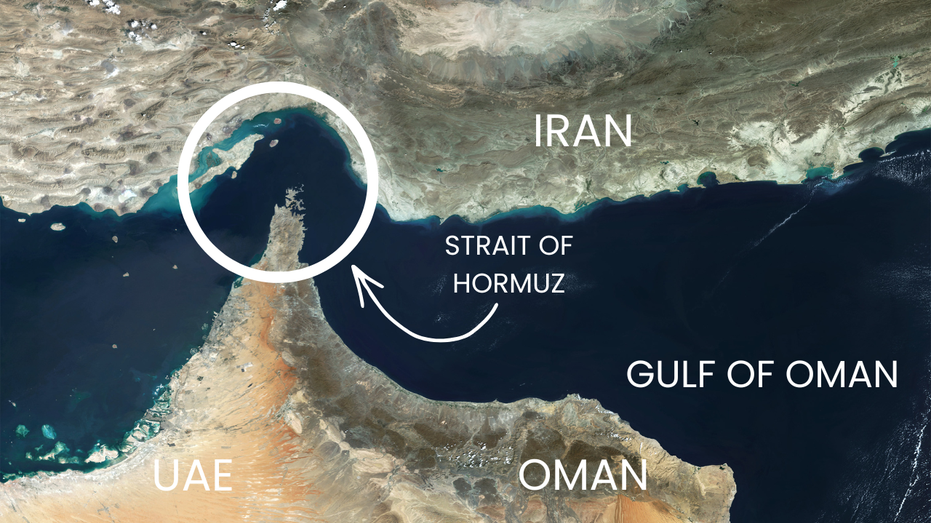
A satellite image shows the Strait of Hormuz, a key maritime passage connecting the Persian Gulf to the Gulf of Oman, vital for global energy supply. (Amanda Macias/Fox News Digital)
“Tuesday will be Power Plant Day, and Bridge Day, all wrapped up in one, in Iran,” Trump’s post read. “There will be nothing like it!!!”
“Open the F—– Strait, you crazy bastards, or you’ll be living in Hell – JUST WATCH!” read Trump’s message to Iran’s leaders. “Praise be to Allah.”
While prices may fluctuate in the coming weeks, the milestone signals how vulnerable fuel markets remain to supply shocks—and how quickly costs can climb to historic levels.
Business
Did Donald Trump Just Swear in His Truth Social Post? Donald Trump Uses Expletive in Easter Threatening Iran

WASHINGTON — President Donald Trump posted an expletive-laden message on Truth Social on Easter Sunday, April 5, 2026, directing strong language at Iranian leaders while threatening military strikes on the country’s power plants and bridges if the Strait of Hormuz remains closed.

In the post, timestamped around midday, Trump wrote: “Tuesday will be Power Plant Day, and Bridge Day, all wrapped up in one, in Iran. There will be nothing like it!!! Open the Fuckin’ Strait, you crazy bastards, or you’ll be living in Hell – JUST WATCH! Praise be to Allah. President DONALD J. TRUMP.” The message, which quickly amassed tens of thousands of reactions, escalated his ongoing ultimatum over the strategic waterway critical to global oil flows.
The use of the profanity “Fuckin’” marked a notably crude tone even by Trump’s unfiltered social media standards, drawing immediate attention from news outlets across the political spectrum. Major media organizations including Reuters, The New York Times, USA TODAY, The Guardian and the BBC described the post as “expletive-laden” or “foul-mouthed,” with some anchors issuing viewer advisories before reading excerpts aloud.
The post ties directly to the ongoing Middle East crisis that has seen Iran effectively restrict traffic through the Strait of Hormuz since U.S. and Israeli strikes began more than a month ago. Trump has repeatedly demanded the waterway’s full reopening, issuing deadlines and warning of severe consequences. In Saturday posts, he referenced a 48-hour window, setting the stage for potential action as early as Tuesday.
White House officials declined immediate comment on the specific language or whether the message signals imminent military operations. The Pentagon referred questions to operational channels without confirming or denying any planned strikes on Iranian infrastructure.
Critics and some legal observers raised concerns that threats against power plants and bridges could implicate civilian infrastructure, potentially raising questions under international law. Supporters, however, viewed the blunt rhetoric as characteristic of Trump’s “maximum pressure” style and a sign of resolve amid disruptions to global energy supplies.
The timing — Easter Sunday, a major Christian holiday — amplified reactions. Trump had shared separate messages earlier emphasizing faith and the resurrection, making the contrast with the profane Iran post particularly stark for some commentators. Social media users and pundits noted the juxtaposition, with some calling it “unhinged” and others praising it as tough diplomacy delivered directly to supporters.
The Strait of Hormuz disruption has already contributed to fuel shortages and price spikes worldwide, including diesel shortages affecting agriculture in places like Australia. Analysts estimate the near-halt in transits has removed significant daily oil and LNG volumes from markets, driving up costs and insurance premiums for shipping.
Trump’s post continues a pattern of using Truth Social — the platform he launched after being banned from major sites following the Jan. 6, 2021, Capitol events — to communicate unvarnished views and bypass traditional media filters. He frequently employs all-caps emphasis, exclamation points and colorful phrasing to rally his base and pressure adversaries.
The closing phrase “Praise be to Allah” added another layer of surprise and debate, with observers speculating on its intent — possibly ironic, sarcastic or aimed at framing the message in terms familiar to the Iranian leadership.
Foreign policy experts offered mixed assessments. Some saw the language as risky escalation that could complicate diplomatic backchannels or provoke retaliation. Others argued it fits Trump’s long-standing approach toward Iran, which included withdrawing from the 2015 nuclear deal during his first term and imposing heavy sanctions.
Iranian state media and officials had no immediate detailed response to the specific wording, though Tehran has consistently rejected ultimatums and portrayed its actions in the strait as defensive. Iranian leaders have warned that any attacks on their territory would trigger strong responses.
Congressional reactions split along partisan lines. Some Republican lawmakers defended the president’s directness as necessary given the energy security stakes. Democratic voices and a few independents criticized both the profanity and the potential for broader conflict without clearer congressional involvement.
The incident highlights ongoing questions about presidential communication in the social media era. Trump’s style energizes supporters who appreciate its authenticity while alarming critics who prefer more measured diplomatic language from the Oval Office.
As of Sunday afternoon, no additional details had emerged from the administration about specific Tuesday plans. Defense officials maintained standard refusals to discuss operational timelines.
The post also comes amid reports of U.S. military actions in the region, including the recent rescue of downed American airmen, which Trump highlighted in separate messages.
For global markets, any escalation rhetoric adds volatility to already sensitive energy trading. Oil futures reacted to the news, though analysts cautioned that actual strikes would carry far broader consequences for supply chains, inflation and regional stability.
Domestically, the colorful language dominated early Easter afternoon news cycles, with cable networks and online platforms dissecting both the substance of the threat and the choice of words on a religious holiday.
Trump has a history of strong language on social media and in rallies, but deploying an F-bomb in an official presidential communication directed at a foreign government remains rare even for him. Past instances have drawn rebukes from etiquette observers and parental groups concerned about children encountering the content.
The president’s defenders point out that his base largely embraces the no-holds-barred approach, seeing it as refreshing compared to what they call scripted political correctness from previous administrations.
As Tuesday approaches — referenced explicitly in the post — international observers, shipping companies and energy traders monitor developments closely. Diplomatic efforts, including talks involving multiple nations, continue in parallel, though public statements from Washington and Tehran suggest hardened positions.
The Truth Social post, viewable directly on the platform under Trump’s verified account, stands as a raw example of his communication strategy in a high-stakes geopolitical moment. Whether it serves as effective deterrence, complicates negotiations or simply reflects frustration over the ongoing blockade remains subject to intense debate.
In the broader context of U.S.-Iran relations, marked by decades of hostility, nuclear concerns, sanctions and proxy conflicts, Trump’s latest message reinforces his commitment to a hard line. The coming days will reveal whether the rhetoric translates into action or functions primarily as public pressure.
For now, the expletive has ensured widespread coverage, turning a serious national security warning into one of the most discussed presidential social media moments in recent memory — all on a day traditionally focused on resurrection and hope.


Explosives found near pipeline in Serbia that carries Russian gas, leaders say
SpaceX has pushed its Starlink megaconstellation past the 10,000-satellite mark in orbit, a milestone that underscores the company’s rapid dominance of low-Earth orbit and its ambition to deliver high-speed internet to every corner of the planet, according to a widely shared social media post and tracking data released Sunday.
Finance and space commentator Wall Street Mav highlighted the achievement in a Truth Social-style X post on Easter Sunday, April 5, 2026, noting that Starlink now accounts for more than two-thirds of all active satellites circling Earth. The post, which included a striking animation of the constellation, quickly garnered hundreds of thousands of views and sparked discussion about the future of global connectivity.
As of April 5, independent trackers report 10,168 operational Starlink satellites, with 10,177 in orbit and more than 11,700 launched since the program began in 2019. The constellation has grown steadily, crossing the 10,000-operational threshold in mid-March when a Falcon 9 mission from Vandenberg Space Force Base in California added another batch of satellites.
The low-altitude design — satellites orbiting between 480 and 550 kilometers — is central to Starlink’s strategy. At these heights, even uncontrolled satellites will naturally deorbit within about five years due to atmospheric drag, burning up harmlessly on re-entry and minimizing long-term space debris, the X post emphasized. SpaceX equips each satellite with a collision-avoidance system that allows autonomous maneuvers to steer clear of other objects, including the company’s own fleet.
“Every satellite is in a lane to avoid other Starlink satellites,” the post stated. “They all are connected to a collision avoidance system and can make small course adjustments if needed.”
SpaceX now has over 10,000 Starlink satellites in orbit (and growing), providing internet data service to every corner of the earth. Even ships at sea or aircraft in the sky can receive high speed internet service.
Over 2/3 of the active satellites in orbit are Starlink now. And… pic.twitter.com/ApetXzroOv
— Wall Street Mav (@WallStreetMav) April 5, 2026
This infrastructure enables Starlink to provide high-speed, low-latency internet anywhere on Earth without the need for expensive underground or undersea fiber cables. Users require only a small dish antenna that automatically scans the sky for the nearest satellite. The service already reaches ships at sea, aircraft in flight and remote communities previously cut off from reliable broadband.
Starlink’s expansion comes as the company reports more than 10 million active customers worldwide as of early 2026, with median download speeds around 170 Mbps and Priority plans reaching up to 300 Mbps. Coverage now blankets nearly all populated regions, including polar areas, with uptime exceeding 99.9 percent. In 2025 alone, the network added more than 4.6 million new customers and expanded to 35 additional countries and territories.
The milestone reflects SpaceX’s aggressive launch cadence. The company has conducted dozens of Starlink missions in 2026, deploying batches of 25 to 29 satellites per flight. Recent launches have included direct-to-cell capabilities for mobile connectivity and improved V2 Mini satellites with inter-satellite laser links for better global performance.
Elon Musk, SpaceX’s founder and CEO, has described Starlink as essential infrastructure for the future, enabling everything from rural education and disaster response to potential support for Mars missions. The network has proven critical in conflict zones, maritime operations and areas hit by natural disasters where traditional infrastructure fails.
Yet the rapid buildup has also raised concerns. Astronomers have long complained about light pollution from the bright satellites interfering with ground-based observations. Some experts worry about the long-term risk of orbital crowding, though SpaceX maintains that its automated systems and low orbits keep the risk of collisions low. One reply to the viral post noted fears of a “Kessler Syndrome” scenario, but the company points to its deorbiting record — roughly 1 to 2 satellites re-enter daily on average — as evidence of responsible stewardship.
The constellation now dwarfs all other satellite operators combined. Independent trackers show Starlink making up roughly 65 to 70 percent of active satellites in orbit, a dominance that has drawn regulatory scrutiny in some markets over competition and spectrum use. Still, demand continues to surge, with the company adding customers at a rate of roughly a million every 50 days in recent periods.
For everyday users, Starlink has transformed connectivity. Rural households, RVers, maritime fleets and airlines now access reliable broadband previously unavailable. In-flight Wi-Fi on equipped aircraft and high-speed service on ships demonstrate the network’s versatility beyond fixed terrestrial installations.
SpaceX continues to iterate on the technology. Newer satellites feature enhanced capabilities for direct-to-cell service, potentially eliminating the need for traditional cell towers in remote areas. Future plans include denser shells of satellites and even larger constellations, though regulatory limits from the Federal Communications Commission cap certain phases at around 7,500 satellites initially, with approvals for expansion.
The achievement arrives amid broader discussions about space infrastructure. While governments and traditional telecoms have invested in fiber and 5G terrestrial networks, Starlink offers a satellite-first alternative that bypasses costly ground infrastructure. Proponents argue it levels the playing field for global digital access; critics caution about reliance on a single private company for critical communications.
Wall Street Mav’s post framed the milestone positively, emphasizing the absence of long-term orbital trash and the revolutionary potential of orbital connectivity. Replies ranged from celebration of exponential innovation to questions about coordination with other satellite providers and even lighthearted observations about the visual density of the animation, which exaggerates satellite sizes for clarity.
As of early April 2026, SpaceX shows no signs of slowing. Additional Falcon 9 launches are scheduled throughout the month, with analysts expecting the constellation to continue growing toward the company’s long-term target of 12,000 or more satellites in the initial phase, with potential for tens of thousands more in later generations.
The broader impact extends to geopolitics and economics. Starlink has been credited with maintaining connectivity in regions affected by conflict or natural disasters, while also prompting traditional telecom providers to accelerate rural broadband efforts. Pricing remains a point of discussion, with residential plans positioned as premium alternatives to slower legacy satellite services.
For SpaceX, the Starlink program has become a major revenue driver, helping fund ambitious goals such as reusable rocket development and human spaceflight. The network’s success has also intensified competition, with rivals like Amazon’s Project Kuiper and European initiatives racing to deploy their own constellations.
Despite occasional anomalies — such as a fragmentation event in late March that posed no risk to the International Space Station — the constellation’s reliability remains high. SpaceX coordinates closely with NASA, the U.S. Space Force and international partners to track objects and mitigate risks.
As the animation in the viral post illustrates, the night sky is increasingly populated with moving points of light from Starlink. For many, that sight symbolizes progress toward a truly connected planet. For others, it prompts reflection on humanity’s growing footprint in space.
The milestone of 10,000-plus satellites marks more than a numerical achievement. It represents a fundamental shift in how the world accesses information, conducts business and stays connected — all from a network of small satellites orbiting hundreds of kilometers overhead.
SpaceX officials have not issued a formal statement on the exact 10,000 threshold Sunday, but company updates and independent trackers confirm the constellation’s continued expansion. With launches occurring nearly weekly, the number is expected to climb further in the coming months.
For users in remote villages, aboard ships crossing oceans or passengers flying at 30,000 feet, the practical result is simple: high-speed internet anywhere, delivered not by cables buried in the ground but by a constellation of intelligent satellites overhead.
The viral X post captured a moment of awe at that scale. As one commenter replied, “This is what exponential innovation looks like.” Whether viewed as the greatest infrastructure project in history or a concentration of private power in space, Starlink’s growth is reshaping the digital world in real time.


JR Research is an opportunistic investor. I was recognized by TipRanks as a Top Analyst, and also by Seeking Alpha as a “Top Analyst To Follow” for Technology, Software, and Internet, as well as for Growth and GARP. I identify attractive risk/reward opportunities supported by robust price action to potentially generate alpha well above the S&P 500. My picks have consistently demonstrated market outperformance over time. My approach combines timely and sharp price action analysis with fundamentals as my foundation. I also tend to avoid overhyped and overvalued stocks while capitalizing on battered stocks with significant upside recovery possibilities. I run the investing group Ultimate Growth Investing which specializes in identifying high-potential opportunities across various sectors. My main ideas revolve around stocks with strong growth potential, and also well-beaten contrarian plays. I designed the group for investors seeking to capitalize on growth stocks with solid fundamentals, robust buying momentum, and appealing turnaround plays to generate alpha consistently. Learn more
Analyst’s Disclosure: I/we have no stock, option or similar derivative position in any of the companies mentioned, and no plans to initiate any such positions within the next 72 hours. I wrote this article myself, and it expresses my own opinions. I am not receiving compensation for it (other than from Seeking Alpha). I have no business relationship with any company whose stock is mentioned in this article.
Seeking Alpha’s Disclosure: Past performance is no guarantee of future results. No recommendation or advice is being given as to whether any investment is suitable for a particular investor. Any views or opinions expressed above may not reflect those of Seeking Alpha as a whole. Seeking Alpha is not a licensed securities dealer, broker or US investment adviser or investment bank. Our analysts are third party authors that include both professional investors and individual investors who may not be licensed or certified by any institute or regulatory body.


Julian Lin is a financial analyst. He finds undervalued companies with secular growth that appreciate over time. His approach is to look for companies with strong balance sheets and management teams in sectors with long growth runways.
Julian is the leader of the investing group Best Of Breed Growth Stocks where he only shares positions in stocks which have a large probability of delivering large alpha relative to the S&P 500. He also combines growth-oriented principles with strict valuation hurdles to add an additional layer to the conventional margin of safety. Features include: exclusive access to Julian’s highest conviction picks, full stock research reports, real-time trade alerts, macro market analysis, individual industry reports, a filtered watchlist, and community chat with access to Julian 24/7. Learn more.
Analyst’s Disclosure: I/we have a beneficial long position in the shares of GOOGL either through stock ownership, options, or other derivatives. I wrote this article myself, and it expresses my own opinions. I am not receiving compensation for it (other than from Seeking Alpha). I have no business relationship with any company whose stock is mentioned in this article.
Seeking Alpha’s Disclosure: Past performance is no guarantee of future results. No recommendation or advice is being given as to whether any investment is suitable for a particular investor. Any views or opinions expressed above may not reflect those of Seeking Alpha as a whole. Seeking Alpha is not a licensed securities dealer, broker or US investment adviser or investment bank. Our analysts are third party authors that include both professional investors and individual investors who may not be licensed or certified by any institute or regulatory body.
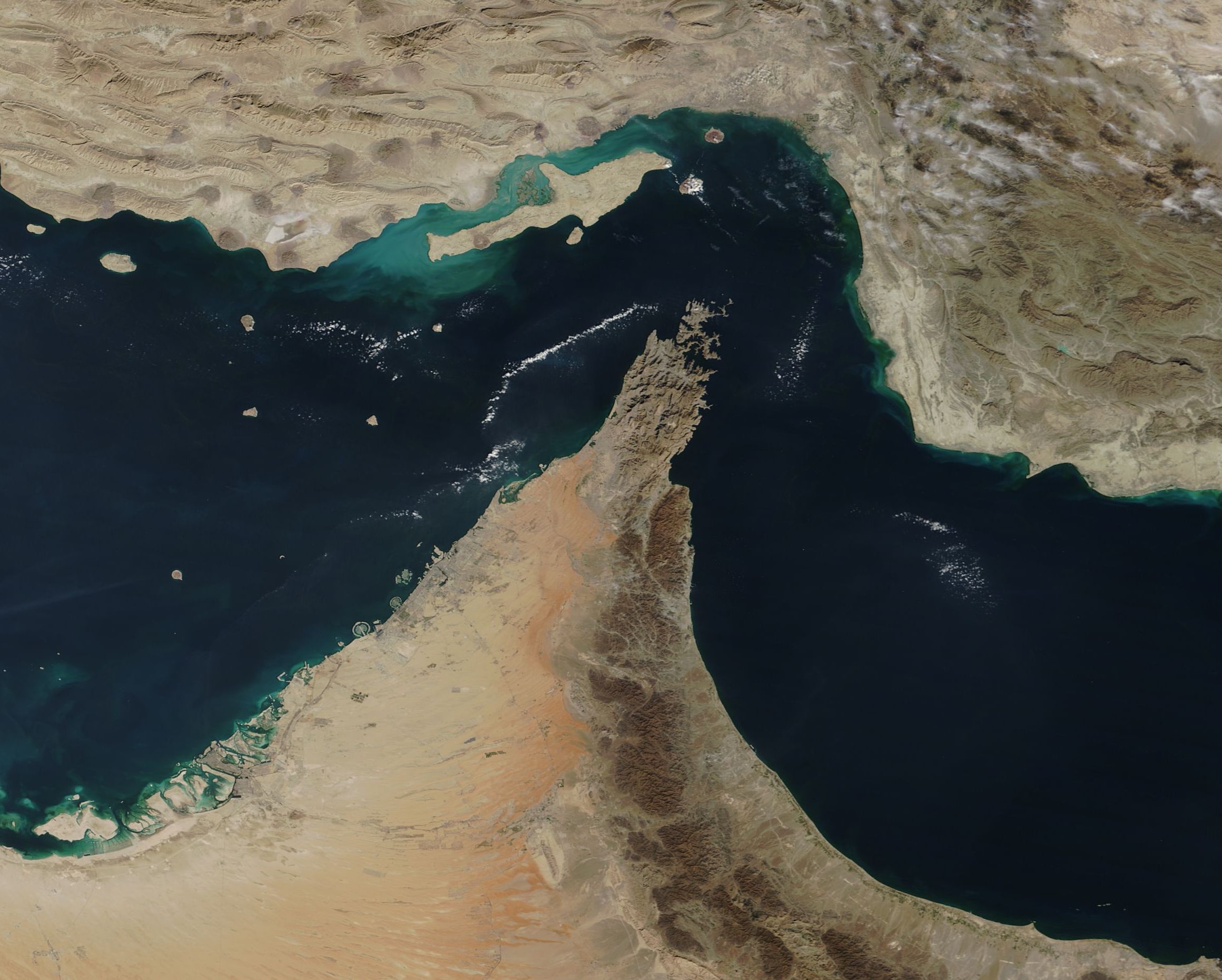
WASHINGTON — The Strait of Hormuz, the narrow chokepoint through which roughly one-fifth of the world’s oil and significant volumes of liquefied natural gas normally flow, remains largely closed or severely restricted as of Easter Sunday, April 5, 2026, more than a month after Iran imposed a de facto blockade in response to U.S.-Israeli military strikes.

The disruption, described by analysts as the most severe energy supply shock since the 1970s, has triggered surging oil prices, fuel shortages in multiple countries and urgent diplomatic maneuvering. President Donald Trump escalated rhetoric in a Truth Social post earlier Sunday, threatening strikes on Iranian power plants and bridges on Tuesday if the strait is not reopened.
Here are five main points summarizing the latest developments:
- Effective Blockade with Selective Transits: Iran has maintained a selective, permission-based transit regime since early March, allowing limited vessels — often those linked to friendly nations such as China, India or Russia — to pass via routes around Larak Island while blocking most international traffic. Daily transits have plummeted from a pre-conflict average of about 138 vessels to as few as five to 12 openly reported crossings on recent days. Thousands of ships remain loitering or stranded, with at least 24 commercial vessels reportedly attacked or hit since hostilities began. Iran has granted safe passage to specific countries, including South Africa and the Philippines for certain flagged vessels, but continues to assert control and leverage over the waterway.
- Trump’s Escalating Ultimatum and Threats: On April 5, Trump posted on Truth Social warning that Tuesday would be “Power Plant Day, and Bridge Day” in Iran unless Tehran opens the strait, using strong language directed at Iranian leaders. He has repeatedly set deadlines, including an April 6 timeframe, and stated the U.S. would consider a ceasefire only when the strait is “open, free, and clear.” In earlier posts, Trump suggested the U.S. could “easily open” the strait with more time and even “take the oil” for economic gain, though he has also indicated the waterway might reopen “naturally” once the conflict ends. The Pentagon and White House have not detailed specific military plans in response to the latest message.
- Military Context and Ongoing Conflict: The blockade followed U.S. and Israeli strikes on Iranian targets that began in late February 2026. Iran responded by disrupting shipping, using its Revolutionary Guard forces to threaten or attack vessels. Coalition strikes have targeted Iranian naval assets, missile sites and islands such as Qeshm and Hengam in efforts to degrade Iran’s ability to control the strait. Despite these actions, Iran has sustained its leverage, with officials signaling they will not fully reopen the waterway or accept a ceasefire without concessions. Incidents include reported attacks on tankers and claims of downing U.S. aircraft, though details remain unconfirmed by all parties.
- Severe Global Energy and Economic Impact: The near-halt in traffic has removed roughly 16-20 million barrels per day of oil and substantial LNG from global markets, driving Brent crude prices sharply higher and contributing to fuel shortages and price spikes worldwide. Countries like Australia face acute diesel shortages at service stations, with national reserves critically low and ripple effects hitting agriculture and transport. Higher energy and fertilizer costs are raising food prices and inflation concerns, with the International Energy Agency and UN Trade and Development noting this as potentially the largest disruption in modern energy history. War risk insurance premiums have soared, and many shipping firms have suspended operations in the area.
- Diplomatic Efforts and International Response: The United Kingdom is convening more than 30-40 countries in virtual talks to explore diplomatic and political measures to reopen the strait, focusing on freedom of navigation without immediate military escalation. European nations express shock over the lack of a clear U.S. plan, while some allies weigh additional sanctions on Iran. Indirect talks continue amid the conflict, but Tehran has indicated it views control of the strait as leverage for post-war concessions. Select nations have secured limited passage through bilateral arrangements, but broad resumption of normal traffic remains elusive.
The situation has exposed vulnerabilities in global energy supply chains and heightened risks of broader regional escalation. Analysts warn that any attempt to forcibly reopen the strait could prolong the conflict and lead to further instability, while prolonged closure threatens stagflation and supply chain breakdowns affecting plastics, food production and other commodities.
Trump’s latest message on Easter Sunday underscores the urgency felt in Washington, where officials balance military options with diplomatic pressure. The president’s unfiltered style on Truth Social has drawn both support from hawks and criticism for potentially complicating negotiations or alarming markets.
Iranian officials have rejected ultimatums, reiterating that vessels “involved” in the conflict against them will face restrictions. State media portrays the blockade as a defensive measure against aggression, while emphasizing Iran’s willingness to allow humanitarian or neutral shipping under its terms.
Shipping data from sources like the Joint Maritime Information Center and commercial trackers show clusters of vessels waiting on both sides of the strait, with many operating under reduced AIS signals or rerouting at significant cost. Seafarers, estimated in the tens of thousands, face stressful conditions with dwindling supplies on stranded ships.
Economists project that even partial reopening would take time to restore confidence and normalize insurance and freight rates. In the interim, countries are drawing on strategic reserves, seeking alternative suppliers and rationing where necessary.
The crisis has also strained alliances. Some European leaders call for unified action, while others note the U.S. position that affected nations should help secure the waterway themselves. Trump has suggested allies “go get your own oil” if needed.
For the energy sector, the disruption compounds existing pressures from the ongoing war, including attacks on infrastructure and uncertainty over Iranian oil exports. Illicit “ghost fleet” operations by Iran continue toward buyers like China, providing some revenue but at heightened risk.
As April 6 approaches — a date referenced in Trump’s recent warnings — markets and governments watch closely for any movement. Limited transits have increased slightly in recent days, but remain far below normal levels.
Military planners have long prepared contingencies for Hormuz scenarios, including naval escorts and mine-clearing operations, but experts emphasize the high costs and dangers of such actions in a contested waterway.
The broader conflict, now in its second month, shows no immediate signs of resolution, with both sides digging in on core demands. Iran seeks relief from strikes and sanctions, while the U.S. and Israel aim to neutralize perceived threats.
For everyday consumers, the effects manifest in higher pump prices, potential grocery increases and supply worries. Farmers in distant regions like Australia report challenges sourcing diesel for critical operations, highlighting the strait’s far-reaching influence.
International maritime organizations continue monitoring the situation, urging restraint to protect seafarers and global trade. The UN has highlighted risks to merchandise trade growth and inflation from the disruption.
In summary, the Strait of Hormuz crisis of 2026 remains a volatile flashpoint where military action, energy security and diplomacy intersect. With Trump issuing fresh threats and limited diplomatic progress, the coming days could prove pivotal in determining whether the waterway reopens through negotiation, force or attrition as the wider conflict evolves.
The world watches as one of the most critical maritime arteries stays constricted, testing global resilience and reshaping energy geopolitics in real time.
FRAMINGHAM, Mass. — T.J. Maxx stores across the United States are closed today, Easter Sunday, April 5, 2026, following the retailer’s long-standing policy of shutting down operations on the major Christian holiday to allow associates time with family.
The off-price retailer, along with sister stores Marshalls, HomeGoods, Sierra and Homesense under parent company TJX Companies, observes a full 24-hour closure on Easter, Thanksgiving and Christmas. All approximately 1,300 T.J. Maxx locations nationwide will remain shuttered, with doors reopening for regular business hours on Monday, April 6.
A TJX spokesperson confirmed to multiple news outlets, including USA TODAY and regional publications, that T.J. Maxx and affiliated banners will be closed on Easter Sunday in observance of the holiday. The company has maintained this tradition for years, prioritizing employee well-being on significant family-oriented dates.
Easter 2026 falls on Sunday, April 5, commemorating the resurrection of Jesus Christ and drawing millions of Americans to church services, egg hunts, brunches and family gatherings. T.J. Maxx’s closure enables its workforce to participate in these traditions without retail demands, a practice rooted in the company’s values since its founding.
While physical stores are closed, shoppers can still browse and place orders on tjmaxx.com and the T.J. Maxx mobile app. Orders submitted on Easter Sunday will typically process and ship or become available for in-store pickup starting Monday, depending on fulfillment schedules. TJX Rewards credit card holders and loyalty program members continue to access benefits digitally.
For comparison, retailers follow varied Easter 2026 policies. Walmart stores remain open with regular or adjusted hours in most locations, offering groceries, apparel and household items. Trader Joe’s, Kroger, Walgreens and many pharmacies also plan to operate. In contrast, Target, Costco, Sam’s Club, Lowe’s, Aldi, Publix and Macy’s join T.J. Maxx and TJX brands in full closures. Fast-food chains like McDonald’s, Starbucks and Dunkin’ largely stay open with varying hours.
Shoppers seeking last-minute Easter essentials — clothing, home decor, gifts, candy or baskets — needed to visit T.J. Maxx on Saturday, April 4, when stores operated regular hours, or turn to open alternatives today. Media reports across the country, from New York to California and Florida to Massachusetts, have highlighted the widespread TJX closures, advising customers to plan accordingly.
T.J. Maxx has operated with this limited holiday closure schedule for decades. The company typically closes only on a handful of major days annually, allowing associates to recharge while delivering strong performance the rest of the year. This employee-focused approach has contributed to T.J. Maxx’s reputation for friendly service and treasure-hunt shopping experiences in a competitive off-price sector.
Online alternatives extend beyond TJX platforms. Walmart.com, Amazon and other e-commerce sites continue full operations, with many providing same-day or next-day delivery in populated areas. Grocery delivery services via Instacart or similar apps may cover comparable items from open stores, though T.J. Maxx’s signature ever-changing inventory of designer and brand-name finds at discounted prices will be unavailable until Monday.
The closure affects all departments, including apparel, home fashions, accessories, beauty and seasonal merchandise. Customers with existing online orders for pickup should have retrieved them before Easter or wait until stores reopen. No exceptions apply for mall-based, standalone or high-traffic locations.
Industry observers note that off-price and department stores like T.J. Maxx use selective closures to support work-life balance amid demanding retail schedules. Easter’s Sunday timing aligns naturally with many associates’ regular days off, making the uniform shutdown practical while minimizing sales disruption.
In the days leading to Easter, many T.J. Maxx stores extended hours or promoted seasonal deals on Easter-themed items, spring fashions and home goods. Increased traffic helped customers stock up on bargains before the one-day pause.
Stores will resume standard hours Monday, typically 9:30 a.m. to 9:30 p.m. or similar depending on location and local regulations. The T.J. Maxx website and app store locator provide precise details for individual outlets, including any post-holiday adjustments.
TJX has expanded its digital capabilities in recent years, with enhanced e-commerce, mobile ordering and loyalty features improving convenience during closures. On major holidays, the company shifts emphasis to online channels, ensuring customers can still discover deals remotely.
Families preparing Easter celebrations may have relied on T.J. Maxx for affordable clothing, tableware, gifts or decor earlier in the week. The chain’s treasure-hunt model — with new arrivals daily — has made it a go-to for budget-conscious shoppers seeking quality at lower prices.
While some customers express disappointment over limited in-person options on a busy holiday weekend, many support the policy as a positive for retail workers. Local discussions and social media reflect appreciation for family time alongside practical advice on alternatives like Walmart or dollar stores for immediate needs.
T.J. Maxx operates in a dynamic retail environment where holiday policies can shape brand loyalty. By closing on Easter alongside sister stores, TJX Companies reinforces respect for cultural and religious traditions while differentiating from 24/7 models. This consistent stance has held steady through recent years, including Easter 2025.
Travelers should note that all T.J. Maxx locations, including those in airports, malls or tourist areas, adhere to the corporate closure with no exceptions. Highway or suburban stores follow the same schedule.
The holiday also influences staffing. T.J. Maxx often adjusts hiring for peak seasons but reduces operations on major closure days, limiting overtime and prioritizing time off for core associates.
Retail analysts observe that Easter closures can shift spending to preceding days or competing channels. Overall consumer activity around the holiday remains healthy, supported by dining, travel and home-based celebrations.
For urgent shopping on Easter Sunday, open retailers such as Walmart, convenience stores or certain grocers may stock similar basics, though the off-price selection and thrill of the hunt at T.J. Maxx will resume Monday.
TJX continues investing in store experiences, supply chain efficiency and associate support, maintaining its position as a leader in off-price retail. During closures, the focus remains on long-term values of community and employee care.
As Easter Sunday unfolds, T.J. Maxx emphasizes the holiday’s importance through its closure while keeping digital doors open. Shoppers planning Monday visits can expect refreshed inventory and teams ready to assist with the brand’s signature enthusiasm.
In bustling cities and suburban centers nationwide, the absence of open T.J. Maxx stores is noticeable in shopping plazas, yet online browsing and alternative retailers keep options available. Similar patterns apply from coast to coast.
The retailer’s holiday policy aligns with broader trends favoring employee-centric practices in retail amid labor market dynamics. Granting the day off helps sustain morale in an industry with variable schedules.
Looking forward, TJX’s 2026 holiday calendar lists Easter as one of the standard full closures, consistent with Thanksgiving and Christmas. Other observances typically feature normal operations.
Households can blend Easter traditions with T.J. Maxx conveniently by shopping online today or in stores tomorrow. Whether refreshing wardrobes after holiday gatherings or hunting for post-Easter deals, the chain will return to full service promptly.
In conclusion, no — T.J. Maxx stores are not open today, Easter Sunday, April 5, 2026. All U.S. locations, along with Marshalls, HomeGoods and other TJX brands, are closed for the holiday. Online shopping remains available, with fulfillment and in-store services resuming Monday, April 6. Customers should use alternatives for immediate needs and check the store locator for exact reopening details in their area.
T.J. Maxx’s thoughtful approach to major holidays highlights its commitment to associates and community values while navigating modern retail demands. As Americans mark Easter with faith and family, TJX stores remain closed but poised to welcome shoppers back with fresh finds and bargains on Monday.


At least 11 killed in Israeli airstrikes in Lebanon on Easter Sunday

Los Angeles International Airport (LAX) TSA Wait Time Less Than 5 Mins Despite Easter
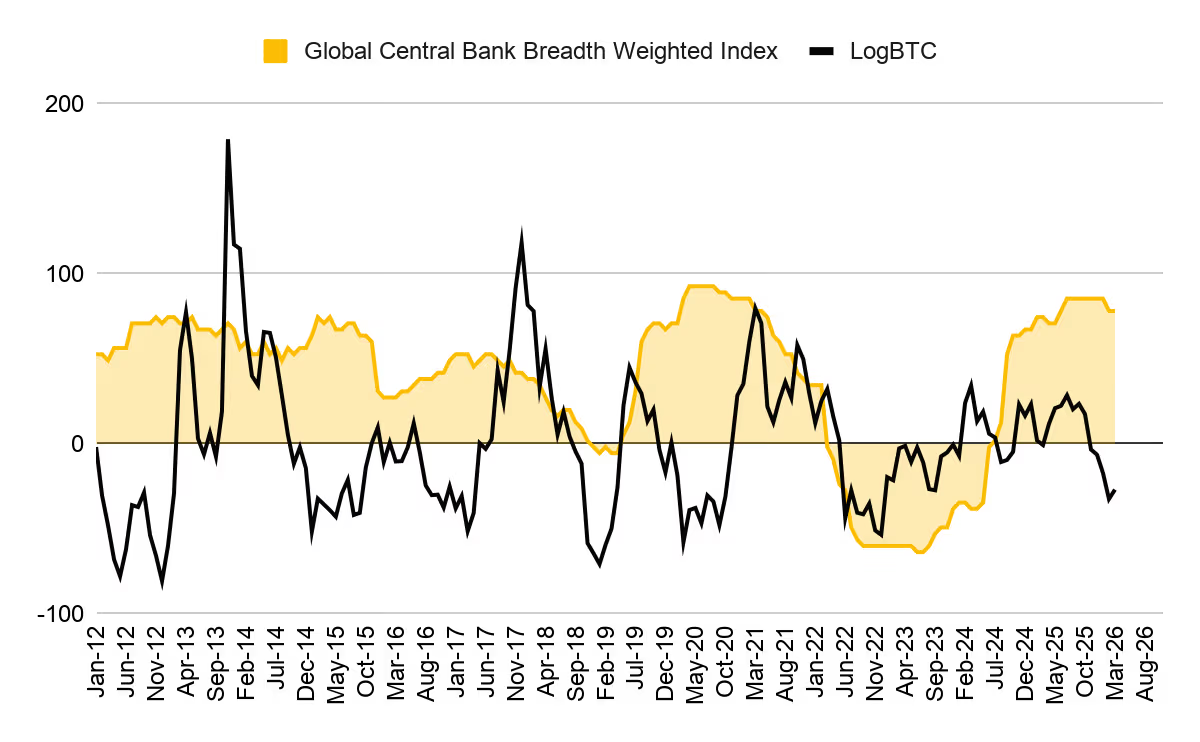
Bitcoin is now front-running the Fed rather than reacting to it. ETFs are the cause

Wes Moore criticizes Trump for talking about Medicare cuts


-

 NewsBeat3 days ago
Steven Gerrard disagrees with Gary Neville over ‘shock’ Chelsea and Arsenal claim | Football
-

 Business3 days ago
No Jackpot Winner and $194 Million Prize Rolls Over
-

 Fashion2 days ago
Weekend Open Thread: Spanx – Corporette.com
-
Entertainment6 days ago
Fans slam 'heartbreaking' Barbie Dream Fest convention debacle with 'cardboard cutout' experience
-

 Crypto World4 days ago
Gold Price Prediction: Worst Month in 17 Years fo Save Haven Rock
-

 Tech7 days ago
The Pixel 10a doesn’t have a camera bump, and it’s great
-
Crypto World5 days ago
Dems press CFTC, ethics board on prediction-market insider trades
-

 Tech7 days ago
Avatar Legends: The Fighting Game comes out in July and it looks pretty slick
-

 Sports19 hours ago
India men’s 4x400m and mixed 4x100m relay teams register big progress | Other Sports News
-

 Business4 days ago
Login and Checkout Issues Spark Merchant Frustration
-

 Tech6 days ago
Apple will hide your email address from apps and websites, but not cops
-

 Sports5 days ago
Tallest college basketball player ever, standing at 7-foot-9, entering transfer portal
-

 Tech5 days ago
EE TV is using AI to help you find something to watch
-

 Politics6 days ago
Should Trump Be Scared Strait?
-

 Tech6 days ago
Flipsnack and the shift toward motion-first business content with living visuals
-

 Fashion6 days ago
The Best Spring Trends of 2026
-

 Sports6 days ago
Women’s hockey camp eyes fitness boost, tactics ahead of WC 2026 campaign | Other Sports News
-

 Tech5 days ago
How to back up your iPhone & iPad to your Mac before something goes wrong
-
 Crypto World7 days ago
Bitcoin’s Six-Month Losing Streak: What On-Chain Data Says About the Market’s Next Move
-

 Politics6 days ago
BBC slammed for ignoring author of The Fraud
You must be logged in to post a comment Login