
Crypto World
MANTRA price falls 10% as network halts transactions

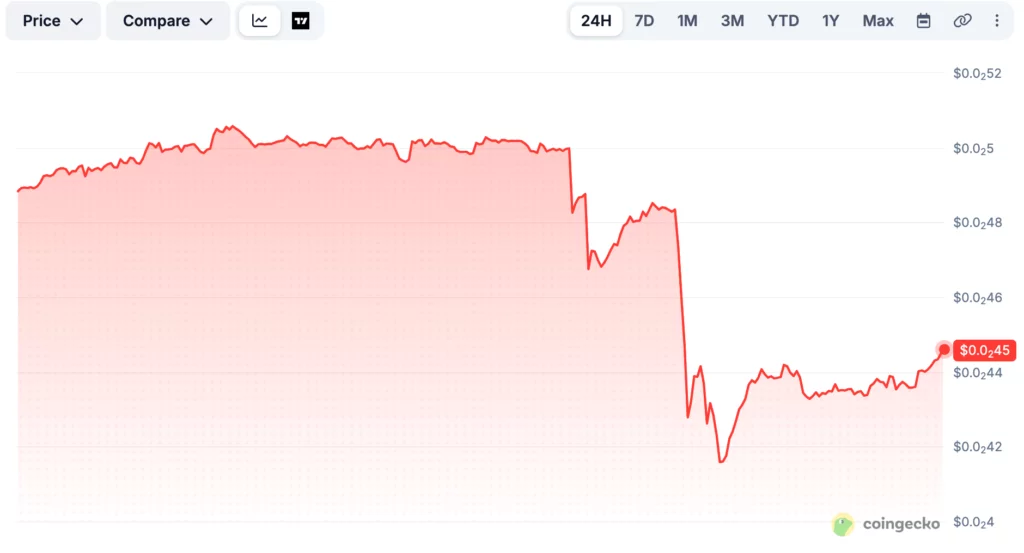
MANTRA Chain halted its network on Aug. 21 while investigating an unidentified incident, freezing transactions and preventing assets from moving across the RWA focused Layer 1 blockchain.
Summary
- MANTRA Chain halted validators, public endpoints, bridges and managed relays while investigating an unidentified incident.
- The halt prevents transactions from processing, leaving assets currently unable to move across the network.
- MANTRA says engineering and security teams are investigating alongside external partners before considering any restart.
- Affected exchanges have paused deposits and withdrawals, while the team says users need no action.
- MANTRA traded near $0.0044, down approximately 9.8% over 24 hours, according to CoinGecko market data.
The team initially described the shutdown as a precaution. Its latest status update said the network remained halted as engineering and security teams investigated alongside external partners.
Affected components include validators, public blockchain endpoints, MANTRA Bridge migration operations and MANTRA managed Inter Blockchain Communication relays. Deposits and withdrawals through affected exchanges have also been paused.
MANTRA has not disclosed the suspected cause, the block height where the incident began or whether an attacker gained access to funds. It has not reported any stolen, minted or otherwise compromised assets.
MANTRA Chain halt prevents assets from moving
The shutdown stops validators from processing new transactions. Users therefore cannot complete transfers, interact with applications or move assets through affected bridges while the halt remains active.
MANTRA said no action was required from users. It also warned against people offering “recovery” assistance, a common method used by scammers during blockchain disruptions.
“We will not resume the network until we are confident it is safe to do so,” the team said. It promised regular updates but did not provide a recovery estimate.
The project has notified exchanges and ecosystem partners. Upbit is among the platforms that have suspended deposits and withdrawals for the native MANTRA token. Trading can continue independently on centralized exchanges because internal orders do not require transactions on MANTRA Chain.
A network halt can preserve the existing ledger state while developers investigate. However, the action also demonstrates that validators or core participants can coordinate to suspend block production during an emergency.
Root cause and financial exposure remain unknown
MANTRA has not characterized the event as an exploit, validator failure, consensus problem or infrastructure outage. Claims assigning a cause remain unverified until the team publishes technical evidence.
No independent security researcher had released a confirmed transaction trail showing stolen funds at the time of writing. The halted network also prevents new onchain transfers, limiting the immediate movement of native assets.
The next update will need to identify the affected software or infrastructure, establish whether the chain’s recorded state remains valid and explain any required patch. Validators would then need to install or approve the relevant changes before block production could resume.
Developers may also need to determine whether the restart can continue from the latest accepted block. MANTRA has not indicated that it is considering a rollback, asset freeze or chain state modification.
The incident affects infrastructure developed for tokenized real world assets. MANTRA previously created a $108.8 million fund for RWA projects with a planned four year deployment period.
MANTRA price falls as trading activity increases
MANTRA traded near $0.0045 at the time of writing, falling approximately 9.8% over 24 hours, according to CoinGecko data. Its seven day decline reached about 12.8%.
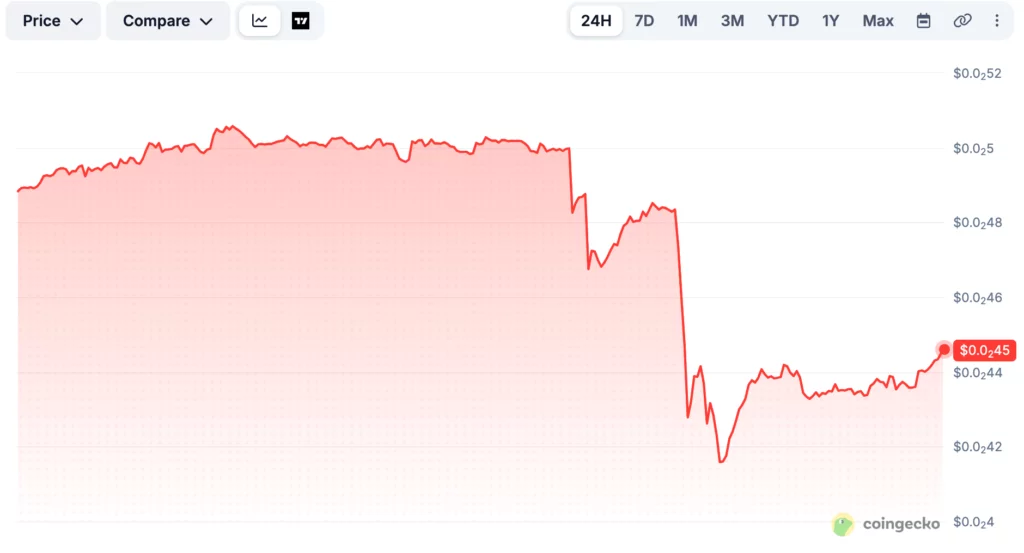
Trading volume rose by roughly 591% to more than $22.7 million. The increase shows greater market activity but does not establish whether every transaction was a direct response to the network shutdown.
The token reached a 24 hour low near $0.00413. Its market capitalization stood at approximately $27.8 million, based on CoinGecko’s estimated circulating supply of 6.3 billion tokens.
The current MANTRA token followed a March 2026 rebrand and denomination change. As previously reported, the project completed a one for four token split, replacing the former OM ticker without changing holders’ proportional value.
That change means current prices cannot be compared directly with the legacy OM price without adjusting for the split. The original OM token separately lost more than 90% during its 2025 collapse, which the project attributed to forced exchange liquidations. Other researchers questioned that explanation.
MANTRA said it would keep the network offline until its teams confirm that a restart is safe. Users must wait for an official root cause assessment, recovery plan and notice that validators and exchange transfers have resumed.

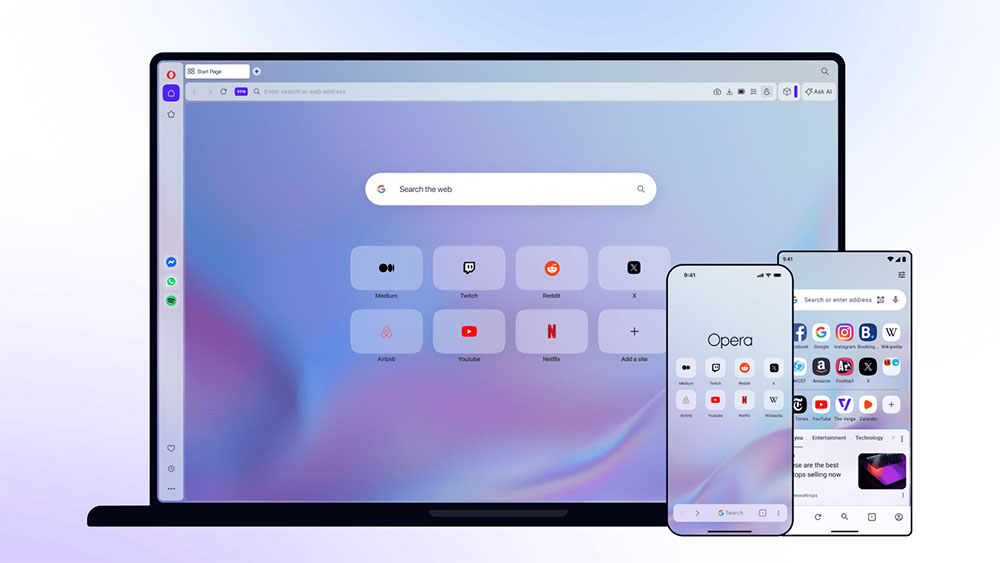
Web browser and AI agent maker Opera (OPRA) on Wednesday beat analyst estimates for the second quarter but offered a soft revenue outlook for the full year. Opera stock fell on the news. The Oslo, Norway-based software company earned 30 cents a share on sales of $178.1 million in the June quarter. Analysts polled by FactSet had expected earnings of…
Copyright ©2026 Investor’s Business Daily, LLC. All rights reserved. 87990cbe856818d5eddac44c7b1cdeb8
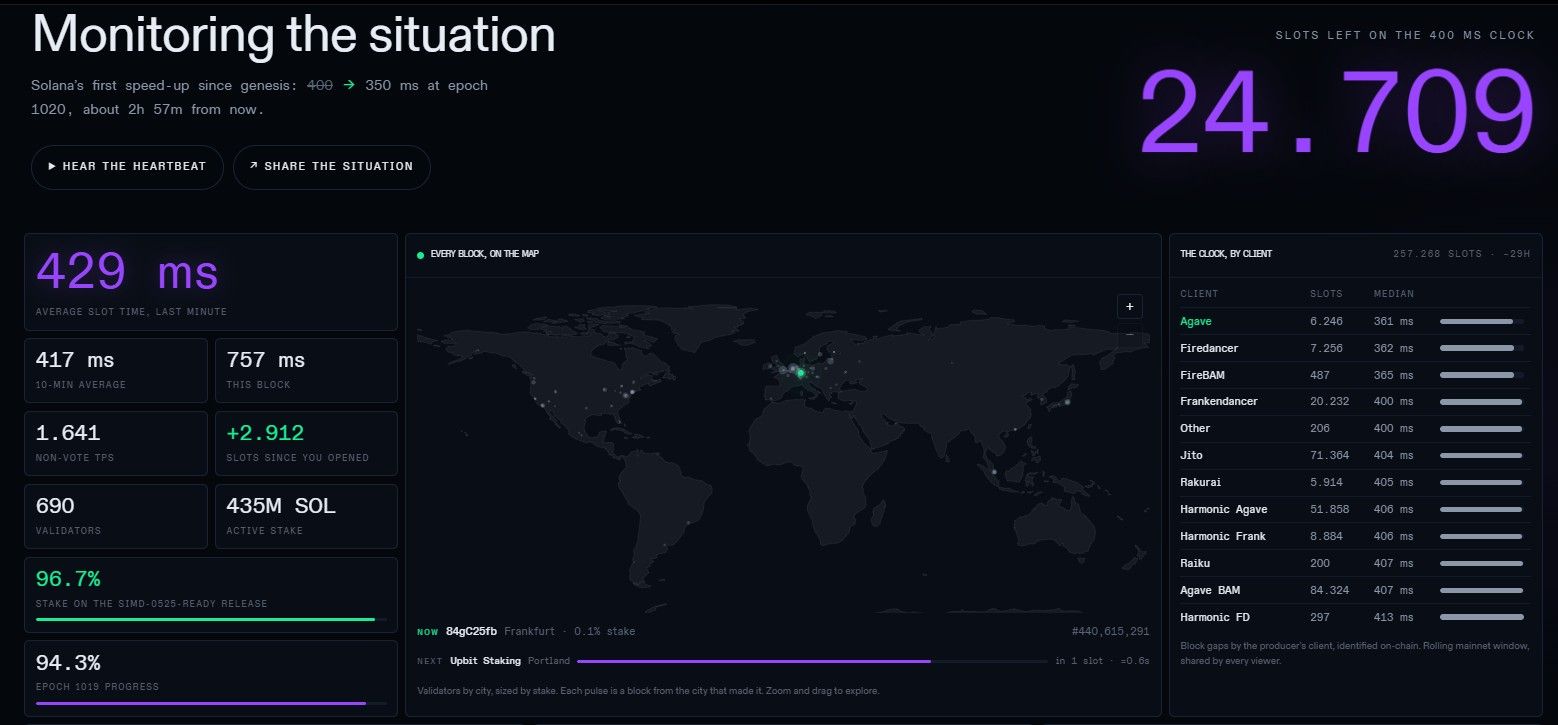
Solana started halving its block time, taking the first step from 400 milliseconds down toward 200. The first cut lands at epoch 1020, one of the roughly two-day windows the network uses to schedule changes.
Anza’s Agave software carries all four steps, and each one switches on separately. Solana will end up producing a new block every fifth of a second.
Solana Doubles Its Blocks Per Second
Today Solana makes about 144 blocks per minute, or roughly two and a half every second. At 200ms that rate doubles to 300 blocks a minute.
Faster does not mean bigger. Each block shrinks in step with the clock, so the network carries the same total load. Blocks simply arrive twice as often in smaller pieces.
The rollout runs in four steps of 50 milliseconds each. Validators can pause the sequence at any point if too many blocks start getting skipped. Anza has called its timetable tentative for that reason.
The live tracker at solana.com/200ms showed 96.7% of stake already running the required software. Meanwhile, 690 validators and 435 million SOL in active stake sat behind the upgrade.

Reliability stays the open question. Solana came within reach of a network halt in August after a routing fault knocked 28.83% of staked SOL offline. Validators were also slow to adopt an urgent patch earlier in 2026.
How Solana Stacks Up Against Bitcoin and Ethereum
Bitcoin produces one block every 10 minutes. Solana at 200ms would turn out 3,000 blocks in that same window.
Ethereum runs closer to 12 seconds per block. Solana already ticks roughly 29 times faster, and the gap widens to 60 times at the final stage.
Those numbers flatter Solana, yet finality tells a different story. Solana needs about 13 seconds to settle a transaction for good. Ethereum takes closer to 13 minutes, while Bitcoin asks for about an hour.
Alpenglow, a consensus overhaul targeting 150ms finality, attacks that second gap. Anza has penciled in the third quarter for its first phase, carried by the Agave 4.3 release. Shorter blocks and faster settlement therefore solve different halves of the same problem.
Traders Reward the Speed Push
Co-founder Anatoly Yakovenko, who posts as toly, framed the pace against an earlier cut.
It took 2 days to go from 800ms to 400ms
That comparison sets a rough expectation for the remaining stages. However, Anza has committed to no firm dates.
SOL traded near $89 after a 5.8% daily gain. The move holds the token seventh by market cap at $52.3 billion. A dormant whale that banked $20 million in 2023 also returned to buy SOL on Tuesday.
The token rode a wider meme coin rally worth $3 billion in a single day. Grayscale separately named the network among altcoins positioned to benefit from new US token rules. Faster blocks strengthen that pitch, provided Solana keeps its skip rate steady.
The post Solana Aims to Cut Block Time in Half, and You Can Watch It Live appeared first on BeInCrypto.


The Royal Government of Bhutan has moved 490.87 Bitcoin worth about $32.74 million to fresh wallets over the past 24 hours, extending a series of large BTC transfers from state-linked addresses in 2026.
Summary
- Bhutan transferred 490.87 BTC worth about $32.74 million to fresh wallets over the past day.
- The largest transaction involved 485 BTC valued at roughly $32.31 million.
- State linked Bitcoin transfers have continued throughout 2026, with funds previously moving to unidentified wallets, trading firms and exchanges.
- Bhutan accumulated much of its Bitcoin through state backed mining powered by hydroelectric energy.
According to blockchain analytics platform Onchain Lens, the latest activity included a 485 BTC transfer worth approximately $32.31 million, which accounted for nearly all of the Bitcoin moved during the period.
Smaller transactions made up the remaining amount, with Onchain Lens data showing BTC leaving wallets identified as belonging to the Royal Government of Bhutan. The analytics platform did not identify the fresh recipient wallets as exchanges or trading firms, and it did not confirm whether the transfers represented sales.
The distinction is important because a transfer to a newly created or unidentified wallet does not establish what happened to the Bitcoin afterward. Bhutan has previously moved BTC to unknown addresses as well as wallets connected to trading firms, making the eventual destination relevant when determining whether funds were sold or simply reorganized.
Bhutan Bitcoin transfers have continued through 2026
The latest movement came just days after another large transaction from Bhutan-linked addresses.
On Aug. 18, blockchain tracker Lookonchain reported that the Royal Government of Bhutan transferred 300 BTC worth about $19.28 million to a new wallet. The firm described the transaction as another sale, although the initial transfer itself went to a fresh address.
Earlier transactions have followed a similar pattern, with large amounts of Bitcoin leaving government-linked wallets before moving through other addresses.
By May, state-linked BTC outflows had already surpassed $230 million for 2026, according to Arkham Intelligence data previously covered by crypto.news.
The May transaction involved 100.44 BTC worth approximately $8.2 million moving to an unlabeled wallet. Arkham said at the time that Bhutan-linked addresses were averaging close to $50 million in monthly Bitcoin movements during 2026.
Some earlier transfers eventually reached Binance and Galaxy Digital, according to Arkham. However, the analytics firm noted that movements to unidentified addresses could not automatically be treated as confirmed sales.
Bhutan’s wallet activity accelerated during March. On March 25, a state-linked address moved another 519.7 BTC worth about $36.7 million to two wallets.
Onchain Lens identified one of the recipients as being linked to crypto trading firm QCP Capital. The transaction was the third major sovereign wallet movement recorded that month, following an approximately $72 million transfer and another $11.8 million movement earlier in March.
Bhutan’s BTC holdings have fallen from their 2024 peak
Repeated transfers have reduced the amount of Bitcoin visible in wallets identified by blockchain analytics firms as belonging to Bhutan or its sovereign investment arm, Druk Holding & Investments.
Arkham data showed Bhutan held more than 13,000 BTC at its peak in October 2024. By March 25, identified holdings had fallen to 4,453 BTC worth about $315 million at the time.
A few days earlier, Bhutan had transferred about $72.3 million in Bitcoin over a 24-hour period. More than 973 BTC moved across several transactions linked to DHI, which oversees the country’s mining and digital asset operations.
The March transactions followed smaller movements earlier in the year. Arkham data showed Bhutan-linked wallets moved more than 284 BTC worth roughly $22 million during one week in February, including transfers to addresses associated with QCP Capital.
By March 20, Arkham estimated that more than $110 million worth of Bitcoin had left Bhutan-linked holdings since the start of 2026. The analytics firm tracked transfers to counterparties including QCP Capital and Binance while also recording movements to unidentified wallets.
The numbers attached to Bhutan’s holdings can vary depending on which addresses blockchain analytics platforms identify as government-controlled. Transfers to a previously unknown address can also reduce the balance displayed under a government’s tagged portfolio even when ownership of the coins has not necessarily changed.
For that reason, the latest 490.87 BTC transaction establishes that the funds moved from addresses attributed to Bhutan, but the available Onchain Lens data does not establish whether the government sold the Bitcoin.
Hydropower mining built Bhutan’s Bitcoin position
Bhutan’s state Bitcoin holdings were largely accumulated through mining rather than purchases or asset seizures.
The Himalayan kingdom began developing state-backed Bitcoin mining operations years ago, using its hydroelectric power resources to operate mining facilities. DHI emerged as the main state entity overseeing the program.
Arkham first publicly identified Bhutan’s holdings in 2024, when it traced more than 13,000 BTC to government-linked mining operations. At the time, the position was worth more than $750 million and placed Bhutan among the largest known government Bitcoin holders.
The country’s mining infrastructure was also expanded through a partnership with Bitdeer Technologies. Plans announced in 2024 called for another 500 megawatts of mining capacity, taking the planned total to 600 MW.
Unlike sovereign Bitcoin positions created through law-enforcement seizures, Bhutan’s holdings therefore represented assets generated through mining operations backed by domestic energy infrastructure.
The government has since incorporated Bitcoin into plans extending beyond mining. In December 2025, Bhutan announced a Bitcoin Development Pledge tied to Gelephu Mindfulness City, a special administrative region being developed in southern Bhutan.
Under the strategy, the country pledged up to 10,000 BTC to support Gelephu’s long-term development, while outlining plans involving hydro-powered mining, long-term Bitcoin holdings and partnerships built around the city.
Gelephu has started putting its Bitcoin strategy into operation
Parts of the Gelephu strategy have moved into implementation during 2026.
On July 30, Gelephu Mindfulness City appointed digital asset manager 3iQ to oversee an undisclosed portion of its Bitcoin treasury.
The mandate covers professional management of BTC assigned to the city while 3iQ establishes a local presence and supports investment expertise and knowledge transfer. The exact amount of Bitcoin placed under the mandate was not disclosed.
The agreement followed the December 2025 pledge of up to 10,000 BTC for Gelephu’s development strategy.
Gelephu has also been building a regulatory structure for digital asset businesses. During May, the city introduced a fast-track licensing route for qualifying crypto companies already regulated in selected overseas jurisdictions.
The framework allows firms with licenses from approved markets to use existing regulatory records during the application process, although they remain subject to local oversight.
More recently, Bitget signed a cooperation agreement with the Gelephu Mindfulness City Authority to establish a local entity and pursue a Financial Services Licence. Under the agreement announced in August, the exchange plans to work with the city authority on regulatory, operational and ecosystem development while preparing its licensing application.


Protocol 27 is the final planned upgrade. ESMA registered the whitepaper. But PayPal integration remains unconfirmed, RoboPay is disputed, and PI trades at a fraction of its peak. What is real and what is not.
Every few weeks, a headline declares that Pi Network has secured a partnership that will finally deliver the real world utility its community has been waiting for since the project launched in 2019. In August 2026 alone, reports emerged that PayPal had added PI to its merchant payment program and that RoboPay would integrate PI for AI driven robot service payments. Each announcement triggered a spike in social media activity and a brief uptick in trading volume.
Neither has been confirmed by the parties allegedly involved.
This pattern, in which ecosystem claims outrun verifiable facts, defines the central tension of Pi Network in 2026. The project has real infrastructure. Its protocol upgrades are genuine. Its ESMA whitepaper filing is a matter of public record. But the gap between what the network has built and what its community claims it has partnered with is wide enough to matter.
What the protocol upgrades actually changed
Pi Network’s technical roadmap in 2026 centers on two mandatory upgrades: Protocol 26 and Protocol 27.
Protocol 26 carried a hard deadline of Aug. 11, 2026. All mainnet node operators were required to complete the upgrade or risk disconnection from the network. The upgrade enhanced contract security and state management, laying the groundwork for more complex smart contract interactions on the Pi blockchain.
The Pi Core Team has designated Protocol 27 as the “final planned upgrade” in the current development sequence. That language is significant. It does not mean the network will stop evolving, but it signals that the foundational infrastructure layer is approaching a state the team considers stable enough to support sustained application development.
The node network itself has grown. Pi reports more than 421,000 active nodes, a figure that reflects the network’s distributed validator model. Validators on Pi do not stake tokens in the way Ethereum or Solana validators do. Instead, they run lightweight software that contributes to consensus through Pi’s adaptation of the Stellar Consensus Protocol.
The distinction matters for understanding Pi’s security model. The network trades the economic security guarantees of proof of stake (where validators risk capital) for a broader distribution model (where more participants run nodes at lower cost). Whether that trade off produces sufficient security for high value transactions remains an open question.
The ESMA whitepaper: what it means and what it does not
In 2026, ESMA registered Pi Network’s MiCA whitepaper as entry 549 in its public registry. The filing was submitted by PiBit Ltd, the entity that appears to manage Pi’s European regulatory compliance.
MiCA, the Markets in Crypto Assets regulation, requires crypto asset issuers operating in the European Union to publish a whitepaper that meets specific disclosure standards. Registration of the whitepaper is a procedural step. It means ESMA has received the document and made it publicly available. It does not mean ESMA has reviewed the document for accuracy, endorsed the project, or granted any form of regulatory approval.
The distinction is critical because the Pi community has at times characterized the ESMA registration as an endorsement. It is not. It is closer to a filing requirement, similar to how a company files a prospectus with a securities regulator before the regulator reviews it.
That said, the filing is not trivial. Completing a MiCA compliant whitepaper requires legal and compliance work that many crypto projects have not undertaken. It positions Pi to operate within the EU regulatory framework if and when full authorization is granted. For a project that began as a mobile mining experiment with no clear regulatory strategy, the ESMA filing represents a genuine step forward.
The PayPal question
In mid August 2026, reports circulated that PayPal had added PI to its “Pay with Crypto” program, which allows eligible U.S. merchants to accept cryptocurrency payments. The claim appeared in several crypto news outlets and spread rapidly through Pi community channels.
The evidence does not support the claim as of this writing.
PayPal’s official documentation lists Bitcoin, Ethereum, Litecoin, Bitcoin Cash, and PayPal USD (PYUSD) as supported assets in its crypto payment program. PI is not on that list. PayPal has not issued a press release, blog post, or public statement confirming PI integration.
On the Pi side, PayPal does not appear on the KYB (Know Your Business) verified business list that Pi Network maintains. The KYB list is Pi’s own registry of businesses that have been verified to operate on its mainnet. If PayPal had completed a formal integration, a KYB listing would be expected.
The gap between the claim and the evidence is not unusual in crypto. Unconfirmed partnership reports are common, particularly for projects with large and active communities. But the pattern is worth noting because PayPal integration, if real, would be genuinely transformative for a token trading at $0.09. The fact that it remains unverified after more than a week of circulation suggests that the claim was at best premature and at worst fabricated.
RoboPay and the AI robotics narrative
On Aug. 5, 2026, the Fabric Foundation announced that Pi Network had joined RoboPay as a payment partner. The stated purpose was to enable on chain payments for AI driven robot services and autonomous agent hiring, using PiRC2 smart contracts for recurring and automated settlements.
The announcement painted an ambitious picture: a future in which humans hire robotic services through programmable payment channels on the Pi blockchain. Instead of purchasing a robot, a user would purchase the outcome they need, with payment settled automatically through smart contracts.
The Pi Core Team has not confirmed the partnership.
This is the second high profile ecosystem claim in August 2026 that lacks official confirmation from Pi’s own team. The pattern raises a structural question about Pi’s ecosystem development model. Third party organizations announce integrations. The Pi community amplifies them. Pi’s core team remains silent. The result is a steady stream of partnership news that cannot be independently verified.
Whether the RoboPay integration is real, planned, or aspirational is unclear. What is clear is that the Pi Core Team’s silence does not help its community distinguish between confirmed partnerships and speculative announcements.
The tokenomics problem
PI’s price action in 2026 tells a story that no partnership announcement has been able to change.
The token trades near $0.09, with a market cap hovering around $1 billion. Its 24 hour trading volume sits near $11.5 million, modest for a token in the top 60 by market cap. The most active trading pair is PI/USDT on OKX, with approximately $3.6 million in daily volume.
The deeper issue is supply. Pi has a maximum supply of 100 billion tokens, of which approximately 11 billion are currently in circulation. That means roughly 89% of the total supply has yet to enter the market. As locked tokens vest and new tokens are distributed through mining rewards, the circulating supply will continue to grow.
For PI to reach $1, a target that many community members have discussed publicly, the fully diluted market cap would need to exceed $100 billion. That would place Pi roughly in line with Ethereum’s current market cap. For a network with $11.5 million in daily trading volume, no confirmed major partnerships, and a token economy built on mobile phone mining, that valuation is difficult to justify on fundamentals alone.
The circulating supply dynamic also creates selling pressure. Each new batch of tokens that enters circulation represents potential sell orders from miners who have been accumulating PI since the project’s early days. Unless demand from new buyers matches or exceeds the rate of new supply, the price faces persistent downward pressure.
What the ecosystem actually looks like
Strip away the unconfirmed partnerships and the picture that remains is simpler than the headlines suggest.
Pi Network has a working mainnet with more than 421,000 active nodes. It has completed two major protocol upgrades in 2026. It has filed a MiCA whitepaper with ESMA. It has an ecosystem directory where developers can build and list applications.
The number of operational mainnet apps is growing but remains modest. Pi’s ecosystem directory includes applications ranging from payment tools to social platforms, but none has achieved the kind of adoption metrics (daily active users, transaction volume, revenue) that characterize successful decentralized applications on more mature blockchains.
The Pi Browser, which serves as the gateway to Web3 applications on the network, provides a curated entry point for users. The App Studio offers development tools for builders. But the developer ecosystem lacks the depth of tooling, documentation, and community support that Ethereum, Solana, or even newer chains like Sui and Aptos provide.
Pi’s differentiation has always been accessibility. Mining on a mobile phone, with no hardware costs and minimal technical knowledge required, created a user base that now numbers in the tens of millions. Whether that user base translates into an economically active network is the question that Protocol 27, the final planned upgrade, is supposed to answer.
What to watch
The aftermath of the credibility gap will play out across several measurable indicators over the coming weeks and months.
- Protocol 27 release timeline. This is designated as the final planned upgrade. Its contents and execution will signal whether the Pi Core Team believes the infrastructure layer is ready for sustained application development.
- PayPal’s official crypto asset list. If PI appears in PayPal’s next quarterly update to supported assets, the integration is real. If it does not, the community will need to reckon with another unconfirmed claim.
- KYB verified business count. Pi maintains its own registry of verified businesses. Growth in confirmed KYB listings, particularly from recognizable brands, would be a more reliable indicator of ecosystem adoption than third party partnership announcements.
- Circulating supply growth rate. The pace at which new PI enters circulation relative to trading volume will determine whether selling pressure continues to weigh on the price.
- ESMA review outcome. The whitepaper registration is a disclosure step. The next milestone is whether ESMA grants full authorization, which would allow Pi to operate as a regulated crypto asset within the EU.
Is Pi Network’s PayPal integration confirmed?
No. As of Aug. 20, 2026, PayPal’s official documentation does not list PI as a supported asset in its “Pay with Crypto” program. PayPal also does not appear on Pi Network’s KYB verified business list. The claim remains unverified.
What is Pi Network’s Protocol 27?
Protocol 27 is designated by the Pi Core Team as the “final planned upgrade” in the current development sequence. It follows Protocol 26, which enhanced contract security and state management. Protocol 27’s full contents have not been publicly detailed.
What does ESMA registration mean for Pi Network?
ESMA registered Pi’s MiCA whitepaper as entry 549, filed by PiBit Ltd. This is a disclosure step required under EU regulations. It does not constitute regulatory approval or endorsement of the project.
How many nodes does Pi Network have?
Pi Network reports more than 421,000 active nodes. These nodes run lightweight consensus software based on Pi’s adaptation of the Stellar Consensus Protocol, rather than staking tokens.
Why is PI’s price near $0.09 despite a large user base?
PI has a maximum supply of 100 billion tokens, of which approximately 11 billion are in circulation. The high maximum supply means that reaching $1 would require a fully diluted market cap exceeding $100 billion. Additionally, daily trading volume near $11.5 million is modest relative to the market cap.
Is the RoboPay partnership with Pi Network confirmed?
The Fabric Foundation announced the partnership on Aug. 5, 2026, but the Pi Core Team has not confirmed it. This follows a pattern in which third parties announce integrations that Pi’s own team has not verified.
How does Pi Network’s consensus mechanism work?
Pi uses an adaptation of the Stellar Consensus Protocol. Validators run lightweight software on mobile phones and computers to contribute to consensus. Unlike proof of stake networks, Pi validators do not stake tokens, trading economic security guarantees for broader participation.
What would it take for PI to reach $1?
At a maximum supply of 100 billion tokens, PI at $1 would require a fully diluted market cap exceeding $100 billion. That would place Pi roughly in line with Ethereum’s current valuation, requiring a level of adoption, utility, and trading volume that the network has not yet achieved. This is educational analysis, not investment advice.
Disclaimer: This article is for informational purposes only and does not constitute financial, investment, or trading advice. Cryptocurrency markets carry substantial risk. Always conduct your own research before making any investment decisions. Published Aug. 21, 2026.


Binance founder Changpeng Zhao (CZ) said tokenization could help countries raise money and attract foreign investment, while acknowledging that putting assets on multiple blockchains could fragment liquidity.
His comments come as the tokenization market continues to expand, with the total value of distributed assets now at $38.40 billion.
CZ Pushes For Global Tokenization
Zhao framed tokenization as a funding tool for states. In a Thursday post, he named foreign direct investment (FDI) as one benefit, asking which country or company would not want to sell tokenized stocks globally.
“Tokenization is one of the best ways for countries to ‘raise money,’ or attract FDI (Foreign Direct Investment),” he said.
Zhao advises Pakistan and Kyrgyzstan on digital asset policy. He made a similar pitch to governments in June.
The market he describes keeps expanding. Distributed asset value across tokenized real-world assets reached $38.40 billion, up 2.16% in 30 days, according to RWA.xyz.
Holders grew far faster than value. The count rose 79.74% to 2,379,918. However, the represented asset value declined 4.66% to $342.63 billion.
Follow us on X to get the latest news as it happens
The Fragmentation Problem
CZ said he supports tokenization across all blockchains. He also added that a multi-chain approach can fragment liquidity.
Financial market infrastructure firms have already flagged the risk of fragmentation. Clearstream, DTCC, and Euroclear released a joint paper with Boston Consulting Group.
They warned that fragmentation across distributed ledger networks leaves assets trapped in isolated pools and raises operating costs.
Still, Zhao argued that having multiple players build the market could accelerate the sector’s growth. He said greater interoperability between issuers could eventually help address the liquidity problem.
“Fragmentation can be somewhat addressed if there is high interchangeability amongst different issuers, which is important,” he wrote.
Zhao is not the only executive making the argument for tokenization. Robinhood CEO Vlad Tenev called it the best path to modernizing US finance this week.
Subscribe to our YouTube channel to watch leaders and journalists provide expert insights
The post CZ Wants Countries to Tokenize Assets, But There’s A Catch appeared first on BeInCrypto.

These AI Companies Pile Up Massive Debt
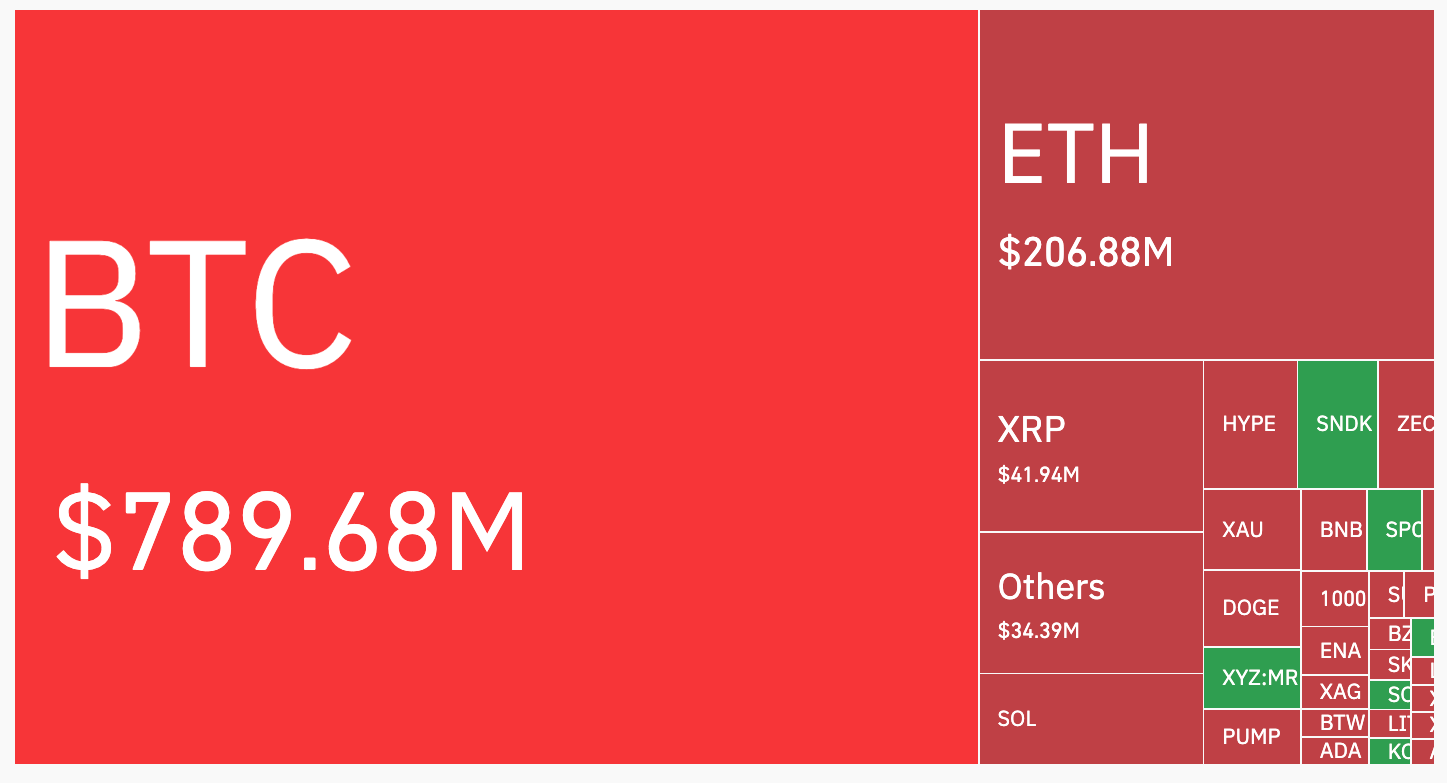
Bearish crypto traders absorbed $1.06 billion in short liquidations over 24 hours as the total crypto market capitalization rose 3.7%.
Liquidations across the market reached $1.24 billion. The wipeout caught 141,191 traders, while long positions gave up only $174.41 million.
Bitcoin Drove the Bulk of Short Liquidations
Bitcoin (BTC) alone drove $789.68 million of the losses after climbing 8.4% to $74,998. The cryptocurrency touched an intraday high of $75,744 early Friday, its strongest print since May 27.
That peak stopped narrowly below the True Market Mean of $75,800. Ethereum (ETH), followed by $206.88 million in liquidations, while XRP (XRP) added $41.94 million.

According to BeInCrypto Markets data, XRP led the large caps with a 16.2% daily gain to $1.26. Ethereum climbed 10.1% to $2,315, comfortably ahead of Bitcoin’s move.
The XRP price rally extends one of the token’s strongest stretches since 2020. Meanwhile, sentiment has swung from fear to greed in a matter of days. Perspective still matters.
Despite an 18.4% weekly gain, Bitcoin trades roughly 40% below its $126,080 record set on October 6, 2025. Whether spot buyers replace the liquidated shorts will decide if this holds.
Follow us on X to get the latest news as it happens
Bears Keep Paying for a Rally That Started in Washington
The latest rally traces back to the bond market. The Treasury doubled its long-end debt buybacks on August 19, raising each operation to at least $4 billion.
That initial move caught bearish traders off guard. As Bitcoin rose, short positions hit liquidation levels, forcing exchanges to buy BTC to close them. Those forced purchases pushed prices higher, triggering more liquidations and creating a self-reinforcing squeeze.
The loop has now run for three sessions. BeInCrypto reported that shorts lost $1.3 billion in 60 minutes as BTC climbed 2.5%. Yesterday, short liquidations reached $2.74 billion as 172,202 traders got wiped out.
Subscribe to our YouTube channel to watch leaders and journalists provide expert insights
The post Crypto Bears Burned as Short Liquidations Hit $1.06 Billion in a Day appeared first on BeInCrypto.
The token touched $0.004126 minutes before the network stopped producing blocks, while MANTRA later said an attacker exploited a vulnerability in software used by the chain.
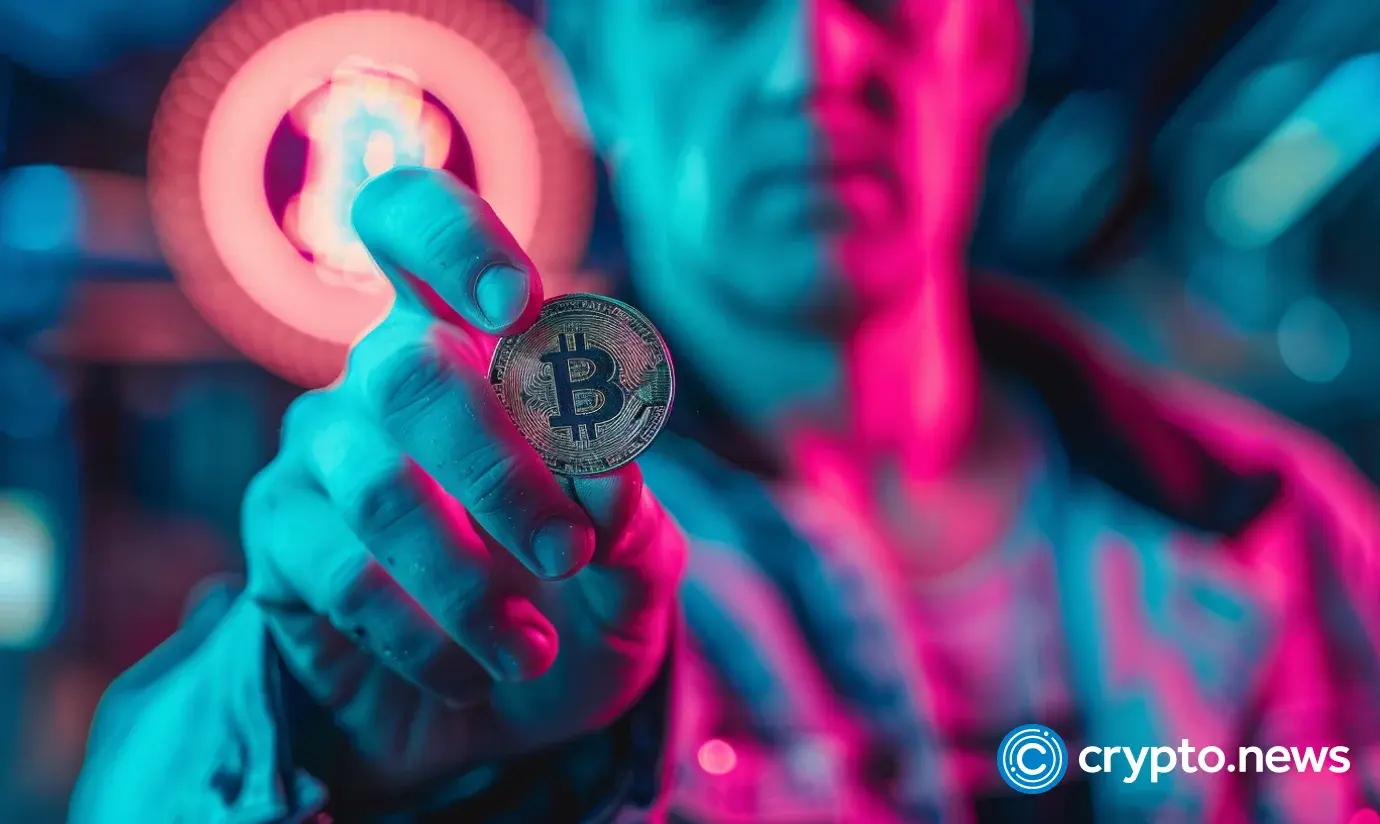
Public Bitcoin miners spent $5.11 billion on capital assets during the first half of 2026 while reporting only $341.2 million in artificial intelligence and high performance computing revenue, according to an Aug. 20 analysis from BlocksBridge Consulting.
Summary
- Nine public Bitcoin miners spent $5.11 billion on capital assets during first half of 2026 collectively.
- Their directly reported AI and HPC revenue totaled $341.2 million, creating a fifteen-to-one spending-to-revenue ratio overall.
- AI and HPC revenue reached $205.8 million in Q2, rising 52% from the preceding quarter collectively.
- Fifteen miners and data center companies spent $30.7 billion in their latest 2026 reporting periods already.
- CoinShares expanded WGMI’s mandate across mining, data centers, semiconductors, power generation and advanced computing companies.
The figures produce a roughly 15 to 1 ratio between companywide capital spending and directly reported AI and HPC revenue. They show how much infrastructure miners are building before their newer operations reach full commercial capacity.
The comparison does not measure returns on AI investments alone. BlocksBridge included purchases and allocations involving hardware, property, equipment and other productive assets. Some spending may continue supporting Bitcoin mining operations.
Bitcoin miners face a costly infrastructure conversion
BlocksBridge examined nine comparable miners that disclosed AI or HPC revenue. Their combined revenue from those operations reached $205.8 million in the second quarter, up 52% from the previous quarter.
The increase implies first quarter revenue of approximately $135.4 million. Core Scientific, TeraWulf and Bitdeer were among the companies reporting higher revenue from data center hosting or AI computing services.
Mining facilities offer access to land, electricity and grid connections. However, those assets do not automatically meet the technical requirements of AI customers.
“Power contracts and available land may give miners a starting advantage, but converting those assets into AI-ready capacity requires substations, buildings, cooling systems, networking equipment and, in some business models, GPUs,” BlocksBridge said in its report.
These projects also require financing before tenants begin paying for capacity. Construction schedules, power availability and customer concentration can therefore affect how quickly miners recover their investments.
AI revenue is growing from a low starting point
Core Scientific provides one example of that growth and spending pattern. The company reported $136.7 million in second quarter colocation revenue, up from $77.5 million in the preceding quarter. Capital expenditure reached $797.5 million during the same period, according to its filing.
Core Scientific said it was billing customers for 437 megawatts of capacity by mid July. It also announced agreements with AMD that could eventually cover about 530 megawatts across five sites. The company described the contracts as carrying more than $14 billion in “potential” base revenue over 15 years.
TeraWulf has moved further toward recurring data center income. As crypto.news reported, HPC revenue overtook Bitcoin mining revenue at the company during the first quarter of 2026.
TeraWulf’s regulatory filing said HPC leasing represented most of its quarterly revenue for the first time. However, its planned facilities still depend on construction milestones, tenant demand and the delivery of contracted computing capacity.
Broader capital spending reached $30.7 billion
BlocksBridge’s wider group of 15 miners and AI data center companies spent $30.7 billion on capital assets during their latest 2026 reporting periods. The total was 42.6% above the $21.53 billion recorded across all of 2025.
The comparison includes companies at different stages of development. It should therefore be treated as a measure of sectorwide investment rather than a direct assessment of profitability.
Other miners are financing the transition through asset sales and balance sheet changes. In related coverage, MARA Holdings sold $1.5 billion of Bitcoin during the first quarter as it expanded its digital infrastructure strategy.
HIVE has followed a smaller expansion model. The company’s HPC revenue increased 94% to $19.5 million during its 2026 financial year, although mining remained its main revenue source.
CoinShares expands WGMI beyond Bitcoin mining
The transition has also reached investment products. CoinShares renamed WGMI as the CoinShares Bitcoin Mining and Digital Power ETF and expanded its eligible investment universe.
The actively managed fund now covers Bitcoin miners, data center operators, AI semiconductor companies, power producers and advanced computing businesses. CoinShares reported 29 holdings and approximately $225.6 million in assets as of Aug. 18.
WGMI must invest at least 80% of its net assets in qualifying companies, according to the fund’s official page. It does not hold Bitcoin directly or through derivatives.
The next tests will be whether miners deliver new capacity on schedule, secure creditworthy tenants and convert contracted power into recurring revenue. Until then, the expanding revenue base remains small compared with the capital committed to the transition.


Cointelegraph is committed to providing independent, high-quality journalism across the crypto, blockchain, AI, and fintech industries.
All news, reviews, and analyses are produced with full journalistic independence and integrity. For more details on our standards and processes, please read our Editorial Policy.

Opera Stock Falls On Soft Full-Year Sales Outlook

Tom Cruise Seeks ‘Face-To-Face’ Chat with Ex-Wife Nicole Kidman

BBC Ludwig fans all say the same thing about series 2





-

 Fashion7 days ago
Weekend Open Thread: Ann Taylor
-
 Tech7 days ago
11 Ways to Rank Your Videos
-
 NewsBeat6 days ago
Myanmar says over 300,000 Rohingya refugees verified for repatriation as exodus enters ninth year
-

 Sports6 days ago
Birmingham 2026: Day 6 Timetable for Irish Athletes
-

 Politics6 days ago
SEQ Code: The Three Letter Boarding Pass Code That Could Give You The Worst Seat
-

 Tech3 days ago
Qwen3.8-27B runs frontier-class coding agents and reasoning locally, no cloud API required
-

 Business3 days ago
SMA Solar Technology AG (SMTGY) Q2 2026 Earnings Call Transcript
-

 Crypto World6 days ago
Pi Network Protocol 27 endgame: last upgrade before what?
-

 Crypto World3 days ago
OCC Greenlights Trump Family Crypto Firm for Trust Charter
-
 Tech6 days ago
Every fusion startup that has raised over $100M
-
 Entertainment6 days ago
Marvel Studios Reveals New X-Men Cast Including Adam Driver and Sadie Sink
-
 Entertainment7 days ago
10 Netflix Shows That Quietly Became Modern Classics
-
 Crypto World7 days ago
Robinhood Chain Approaches $1B TVL as Uniswap Integration Boosts Liquidity
-
 Business6 days ago
Monarch Mutual Fund set to enter MF space with maiden overnight fund; files draft with Sebi
-

 Fashion7 days ago
Weekly News Update, 8.14.26 – Corporette.com
-

 News Videos1 day ago
Don’t Leave Your Financial Future To Chance | August 19, 2026
-

 Fashion7 days ago
Silver bangles for women – Newbridge Silverware
-

 Business6 days ago
Facebook Down Now? Users Report Login And Loading Problems As Outage Trackers Monitor Ongoing Issues
-

 Fashion7 days ago
Cart Confidential Vol. 44 – Julia Berolzheimer
-

 Crypto World3 days ago
NAVI Prime launches institutional lending framework on Sui
You must be logged in to post a comment Login