
Crypto World
MANTRA token plunges 18% to record low as blockchain halts after exploit



The token touched $0.004126 minutes before the network stopped producing blocks, while MANTRA later said an attacker exploited a vulnerability in software used by the chain.



Former Alameda Research and FTX executives receive 5-year trading bans
On Tuesday, the US District Court for the Southern District of New York (SDNY) entered consent orders related to a 2022 enforcement action against former Alameda Research CEO Caroline Ellison and crypto exchange FTX co-founder Zixiao “Gary” Wang.
The orders imposed by the US Commodity Futures Trading Commission (CFTC) required that Ellison and Wang receive a five-year trading ban related to their roles in the crypto exchange’s collapse. The CFTC also ordered that the Alameda CEO receive a 10-year registration ban, while Wang received an eight-year registration ban.
According to CFTC enforcement director David Miller, the orders reflected Wang’s and Ellison’s “material assistance in the Commission’s FTX-related investigations.” The civil case is separate from criminal cases involving the misuse of customer funds at FTX, in which Ellison was sentenced to two years in prison and Wang received time served.
US prosecutors file opposition to Polymarket trader over $400,000 Maduro bet
On Wednesday, lawyers representing the US government in SDNY filed their opposition to a motion to dismiss from Gannon Ken Van Dyke, a US soldier who allegedly made more than $400,000 using event contracts on prediction market platform Polymarket using nonpublic information. Van Dyke was tied to the military operation that removed Venezuelan President Nicolás Maduro in January.
Related: Judge stays CFTC’s case against US soldier over prediction market bets
The US soldier’s motion to dismiss, filed on July 31, included claims that the Commodity Exchange Act, at the center of three of the charges he faces, was “ambiguous” in treating event contracts as “swaps” under the CFTC’s purview. In its Wednesday filing, the US government argued that Van Dyke “advances hypotheticals, edge cases, and ongoing litigation over state gaming laws” that were unnecessary to decide in order to move forward with the case.
“Van Dyke’s motion asks the Court to make a factual determination not appropriate at the motion-to-dismiss stage,” said SDNY Deputy US Attorney Sean Buckley. “His argument relies on speculative assertions about facts, based on improper inferences from the Indictment and incorrect conclusions about the nature of the charge, to claim that facts do not amount to ‘property.’”
As of Friday, the court had not posted any decision on the motion to the public docket.
Magazine: MiCA cracks down on USDT in Europe… but no one else cares


Uniswap’s combined tokenized-stock trading volume on Robinhood Chain has reached $1 billion for the first time, according to protocol founder Hayden Adams.
Summary
- Uniswap has processed $1 billion in combined stock-token volume on Robinhood Chain.
- Hayden Adams expects the trading total to eventually reach $1 trillion.
- Robinhood Chain launched on July 1 with Uniswap as its main public automated market maker.
- Robinhood Stock Tokens remain unavailable to investors in the United States.
Uniswap founder Hayden Adams announced the milestone in an Aug. 22 X post, adding that he expects trading volume for the assets to eventually reach $1 trillion.
The $1 billion figure covers cumulative swaps involving multiple tokenized stocks rather than one token or a measure of deposited assets. Uniswap said earlier this week that stock-token volume had reached $638.5 million, indicating that activity has continued to rise since the previous update.
Adams did not provide a timeframe for his $1 trillion projection. The forecast would require tokenized-stock trading on Robinhood Chain to grow one thousandfold from the latest milestone.
Uniswap stock-token volume has climbed since July
Robinhood Chain opened its public mainnet on July 1 as an Ethereum layer-2 network built with Arbitrum technology. Uniswap v2, v3, v4, and UniswapX became available on the network from its first day, according to a launch announcement from Uniswap Labs.
Under the arrangement, Uniswap operates as the chain’s main public automated market maker, allowing traders to exchange Robinhood Stock Tokens through liquidity pools instead of a traditional order book. Supported assets include tokens tied to US-listed companies such as Nvidia, Apple, and Alphabet.
Trading expanded quickly after the launch. As crypto.news reported at launch, Robinhood introduced 95 Stock Tokens that eligible users in more than 120 countries could hold, transfer, and use in decentralized applications.
Robinhood described the instruments as debt securities issued by Robinhood Assets Jersey Limited. Each token tracks the economic performance of a referenced stock, but holders do not receive ownership of the underlying shares, corporate voting rights, or the other privileges normally available to shareholders.
Earlier activity on Robinhood Chain included crypto tokens, stablecoins, memecoins, and tokenized stocks. A July 9 network volume report found that Uniswap generated $500 million in daily trading volume eight days after the chain launched, up tenfold from the preceding day.
Cumulative Uniswap volume across every asset category passed $1 billion by July 10. The new figure announced by Adams is narrower because it counts stock-token trades rather than all swaps completed through the protocol.
Correlated stock pools form part of the $1B total
Adams recently discussed a smaller set of Robinhood Stock Token pools that pair individual equities with a token tracking the SPDR S&P 500 ETF Trust, commonly known by its SPY ticker. Ten stock-versus-SPY pools processed $33 million from more than 11,000 traders during their first 12 days, according to his analysis.
The $33 million measurement represents only the correlated pools discussed in Adams’ report and does not cover every tokenized-stock pair included in the $1 billion total. Other markets allow users to trade stock tokens against stablecoins, Ether, and different supported assets.
In his analysis, Adams argued that pairing stocks with correlated assets could reduce the inventory risk faced by liquidity providers. A market maker supplying Nvidia and SPY tokens, for example, may face smaller price differences than one supplying Nvidia and a dollar-linked stablecoin because both equity assets can move in the same direction.
Adams presented the model as one way automated market makers could compete in equity markets, where professional firms currently supply much of the liquidity. His projection remains untested at the scale of traditional stock exchanges, while the first Robinhood Chain pools provide a limited set of onchain trading data.
Robinhood Chain’s initial activity has not come solely from tokenized equities. A July FalconX data report found that memecoins generated more than 80% of the network’s decentralized-exchange volume during its first three weeks.
At the time, the chain had recorded nearly $9 billion in cumulative DEX volume, $431 million in total value locked, and close to $400 million in stablecoin supply. Tokenized stocks accounted for a smaller share of total trading even though Robinhood designed the network around real-world assets and related financial applications.
Robinhood Stock Tokens remain restricted in the US
For American investors, Robinhood states that Stock Tokens are not available in the United States. Eligibility rules also apply in other jurisdictions, preventing the blockchain’s permissionless design from automatically granting every wallet legal access to the assets.
Uniswap Labs gives a similar warning for tokenized securities available through its products. According to the company, some tokens may not represent direct ownership of the securities they reference, while issuers can impose identity checks, wallet allowlists, transfer rules, and geographical restrictions.
The company also states that certain securities accessible through Uniswap products have not been registered under the US Securities Act of 1933. Such assets cannot generally be offered or sold in the United States without registration or an applicable exemption.
To support assets with compliance requirements, Uniswap Labs introduced Permissioned Pools for v4 in July. The system lets issuers maintain allowlists that smart contracts check before a user can swap an asset or provide liquidity.
A previously published permissioned-pools report said Superstate, Securitize, and Dowgo helped develop the standard for regulated tokenized funds, stocks, and other securities. Regular Uniswap v4 pools remain permissionless, while issuers can select the restricted structure when their assets require identity or eligibility checks.
Robinhood Chain activity has fed into Uniswap fees
Robinhood Chain’s early trading also became a major source of Uniswap fees. During one 24-hour period in July, DefiLlama recorded about $5.16 million in fees across the protocol, including roughly $4.38 million generated on Robinhood Chain.
Daily Uniswap traders on the network reached about 220,000 during the same period, while the chain produced $10.98 million of the protocol’s $20.1 million in weekly fees. Protocol fees differ from revenue because liquidity providers receive much of the money paid by traders.
Robinhood subsidized gas costs for the first 90 days after mainnet went live, lowering transaction expenses during the chain’s launch period. A July 11 network update found that the blockchain processed 7.6 million daily transactions while Robinhood covered gas fees that users would otherwise have paid.
Uniswap later expanded its Robinhood Chain presence by launching Pools.trade, a platform that lets projects issue tokens and move their liquidity into Uniswap v4 pools. The product offers crowd-based and instant token launches, with completed launches settling into permanently locked liquidity positions.
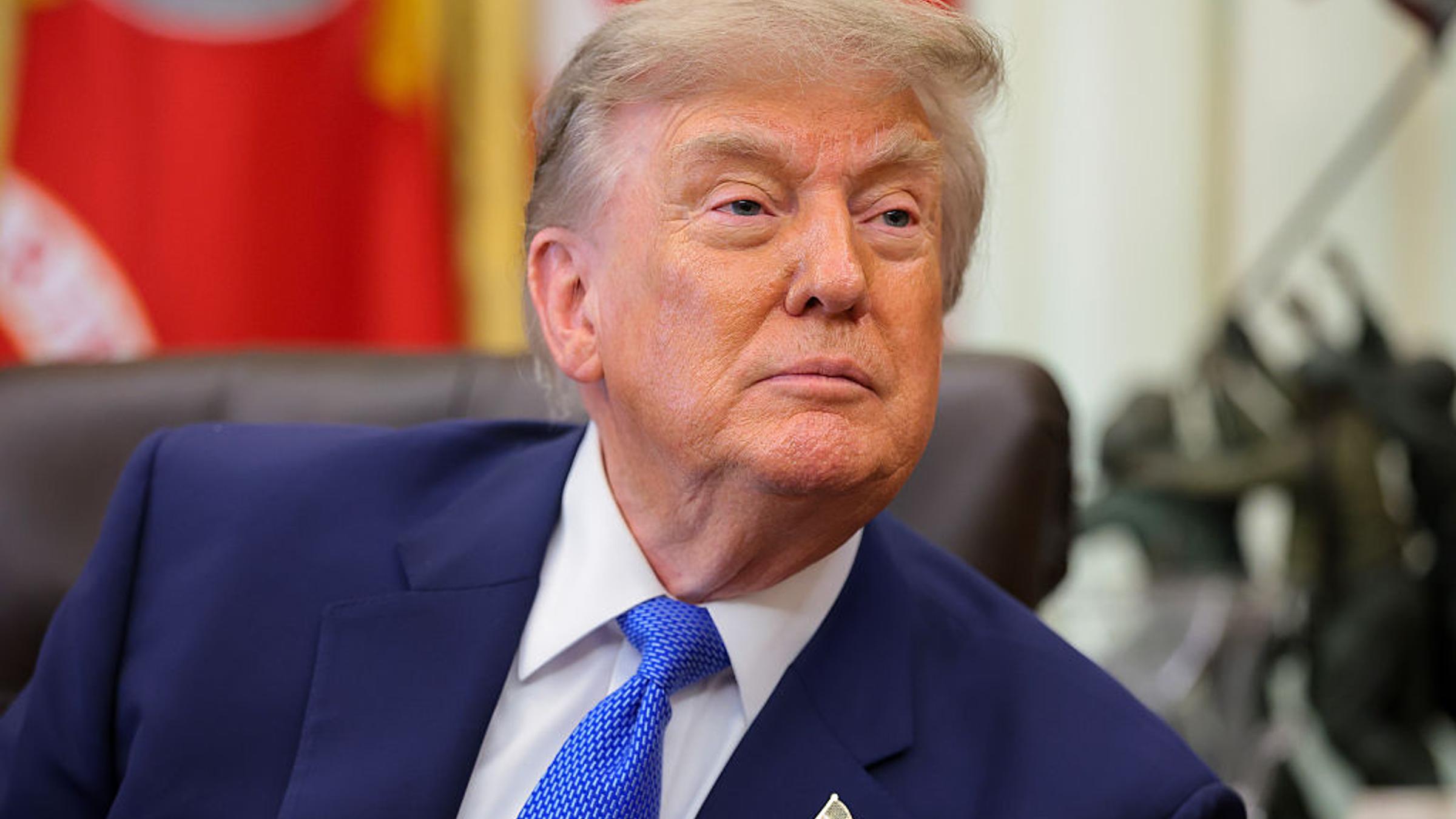
Experts, however, cast doubt on whether boosting beef imports from Argentina will be effective at lowering the cost on Americans, saying that the boost in imports would make up too small a portion of the overall supply in the U.S. to have a significant impact. And the cattle industry has objected to such efforts in the past, expressing concerns that those moves would undermine producers within the U.S.
Colin Woodall—the CEO of the National Cattlemen’s Beef Association, a trade association for cattle farmers and ranchers—said in a statement on Friday that he was “disappointed” by Trump’s announcement.
“While America’s cattle producers share the goal of keeping groceries affordable for consumers, flooding the market with government-subsidized, below-market beef is not the way to rebuild the American cattle herd,” Woodall said. “We are already working to rebuild after years of ongoing drought, high input costs and other challenges that have reduced U.S. cattle numbers. Today’s announcement and other market interventions throw cold water on the prospect of herd expansion and sacrifices long-term stability for short term messaging.”
Venezuela is moving closer to formal dollarization, with economist Steve Hanke drafting a bill to abolish the bolivar. According to reports, the National Assembly appointed him as a special adviser this month.
The Johns Hopkins economist drafted a full dollarization law that would abolish the bolivar and the central bank. He puts the odds of passage at 50% to 80%.
What Hanke’s Dollarization Plan Actually Proposes
According to Fortune, Hanke is working on the project alongside Assembly member Antonio Ecarri, founder of the centrist “Lápiz” party.
This marks Hanke’s second attempt at this cure in Venezuela. In 1995 and 1996, he designed a currency board as chief economic adviser to President Rafael Caldera, a plan that failed to win a majority in the National Assembly.
The economist argues that conditions look different this time. He told Fortune that surveys show most Venezuelans already want to dump the bolivar, and many already shop in dollars even though they get paid in local currency.
His plan would shut down the central bank entirely, ending the government’s ability to print money. Inflation currently runs near 400% annually, still the highest rate in the world.
“Venezuela would be the most competitive economy in the world. The bolivar has lost 78% of its value to the U.S. dollar in the past year,” the economist said.
Follow us on X to get the latest news as it happens.
Venezuelans already live in a heavily dollarized economy in practice. Physical dollars circulate widely, though a digital alternative has quietly become even more central to daily transactions across the country.
“Taming inflation is the key to restoring stability in Venezuela, and all the other progress flows from that… Stability isn’t everything, but without stability, which means stable prices, you have nothing,” Hanke told Fortune.
Inflation has eased from the 700% rate recorded before Maduro’s capture, but it remains six times higher than Iran’s. That translates into an 8% weekly increase in the prices of eggs, beef, and rent, according to Hanke’s calculations.
Why Oil Sits at the Center of the Plan
Oil sits at the center of the diagnosis. Venezuela produces just 1.1 million barrels per day, roughly 1.3% of global output and only one-third of the 3.4 million barrels it pumped before Hugo Chávez took power in 1998.
That figure is barely 7% higher than production levels before Maduro’s ouster, despite the US Special Forces raid on January 3 that removed him. Venezuela’s external debt sits near $250 billion, roughly 150% of GDP, the fourth-highest ratio in the world.
Hanke argues that dollarization and rising oil production work together. He explains that the current instability, with inflation near 400%, makes it difficult to renegotiate that debt with creditors, including Russia, China, ConocoPhillips, and ExxonMobil.
ExxonMobil CEO Darren Woods called Venezuela uninvestable, citing the country’s history of expropriations. The government led by President Delcy Rodríguez has yet to pass laws that sufficiently protect private property rights.
Where Crypto and USDT Fit Into the Picture
Venezuela’s retail crypto volume reached $17.9 billion in the first quarter of 2026, according to TRM Labs. USDT dominated that market, accounting for 90.2% of all Binance P2P listings paired with the bolivar.
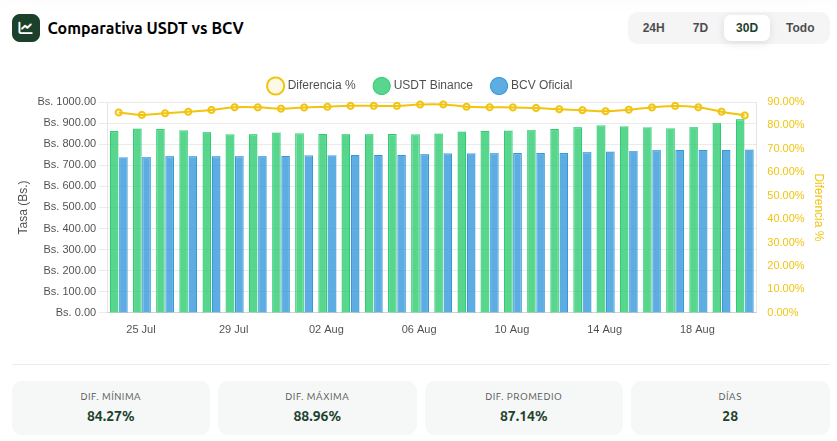
As of August 21, USDT trades near 919 bolivars on major peer-to-peer platforms. The official Central Bank rate sits closer to 780, leaving a gap of nearly 18% between the two.

That crypto dollar rate is the one most Venezuelans actually rely on daily. Stablecoins function less as speculation and more as survival tools, protecting purchasing power where banking infrastructure falls short.
In the short term, demand for USDT will likely stay strong. People and businesses will continue to prefer a liquid, instantly transferable dollar while physical cash and banking infrastructure catch up during any transition.
Over the longer term, successful dollarization could reduce the urgency of using crypto purely as an inflation hedge. Still, USDT’s advantages, speed, low remittance costs, and 24/7 availability are unlikely to disappear.
If Hanke’s plan succeeds, crypto would stop functioning as an emergency lifeline. The digital-dollar infrastructure Venezuelans already depend on daily would likely remain a permanent feature regardless.
Subscribe to our YouTube channel to watch leaders and journalists provide expert insights.
The post Venezuela Could Be Shifting to the US Dollar: Is It Bad for Crypto? appeared first on BeInCrypto.


MANTRA halted its Layer 1 blockchain late Thursday after what the team called an incident in the chain's Cosmos EVM module, and said on Friday morning it had found the root cause and contained the threat. The network is still down. MANTRA disclosed the halt at 8:10 p.m. ET on Aug. 20, saying all… Read the full story at The Defiant
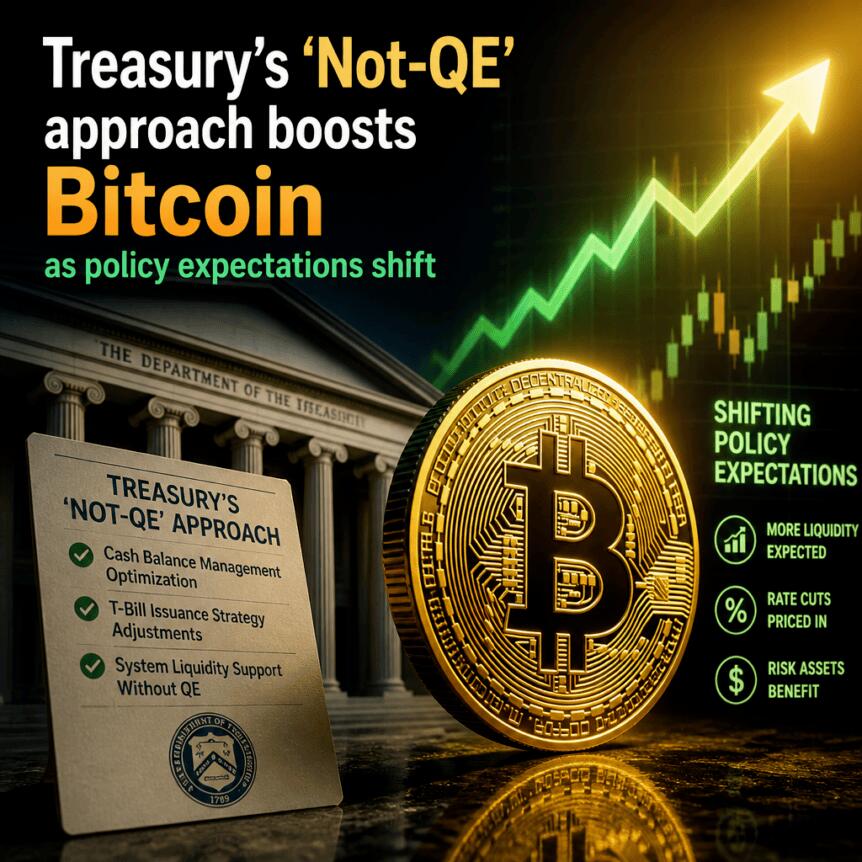
Digital-asset markets turned sharply risk-on this week, buoyed by a fresh dose of liquidity policy from Washington—framed not as quantitative easing, but as expanded Treasury buybacks in the long-dated bond segment. Bitcoin rose more than 23% toward the $79,000 area and Ether pushed above $2,400 as the market digested the implications for rates, dollar liquidity, and broader risk appetite.
The move has also become a catalyst for business strategy across crypto. Standard Chartered reiterated a bullish year-end outlook for Bitcoin, while Metaplanet extended its Bitcoin treasury approach into the US through a deal to take control of a Nasdaq-listed company. In parallel, Cypherpunk Technologies broadened its mining operations into Zcash, and regulators signaled further attention on how “compute” assets could be packaged into futures markets.
Key takeaways
- US Treasury action to at least double long-dated bond buybacks helped lift Bitcoin and Ether, reinforcing the “liquidity matters” narrative for risk assets.
- Standard Chartered’s Geoff Kendrick pointed to a key Bitcoin level around $65,500, arguing a break could confirm a cycle low—conditional on holding above that threshold.
- Metaplanet will inject 2,100 BTC into a renamed US-listed entity, Superplanet, as part of a treasury strategy designed to create separate US and Japan funding pathways.
- Cypherpunk Technologies’ Zcash mining expansion is already operational and is positioned to control about 18% of Zcash network hashrate, while profitability depends on ZEC price and network difficulty.
- The CFTC is seeking public input on AI compute futures, while CME has outlined a potential Oct. 5 launch for new compute-related contracts pending approvals.
Treasury buybacks drive a “not-QE” rally in Bitcoin
Standard Chartered’s optimism was anchored to the US Treasury’s decision to expand long-end bond buybacks. According to Cointelegraph’s earlier reporting on the market reaction, Geoff Kendrick said Bitcoin could reach $100,000 by year-end as these purchases increase liquidity—an action he described as “exactly the type of thing Bitcoin loves.”
The analyst highlighted Bitcoin’s critical technical zone around $65,500. In Kendrick’s framing, a sustained move above that level could validate that the cycle low is already in. He linked this technical threshold to the broader backdrop: falling long-dated yields after the Treasury announcement coincided with Bitcoin’s immediate response, with the asset climbing more than 6% toward nearly $69,000, per CoinMarketCap.
Just as important is timing and conditionality. The expanded buyback window runs from Sept. 9 through Nov. 4. Kendrick’s bullish thesis still depends on BTC holding above $65,500; without that, he argues, investors cannot credibly treat the cycle low as confirmed. For traders, this turns a macro headline into a concrete monitoring point: not the buybacks alone, but whether price action respects the technical level identified by Standard Chartered.
Metaplanet brings its Bitcoin treasury play to the US via Superplanet
While liquidity policy influenced the public markets, corporate balance-sheet decisions reflected a separate but related belief: that Bitcoin exposure is worth structuring into operating and funding plans. Metaplanet announced it plans to take a controlling stake in Nasdaq-listed Super League Enterprise—an arrangement intended to extend its Bitcoin treasury strategy into US markets.
Under the terms described in Cointelegraph coverage of the transaction, Metaplanet will contribute 2,100 BTC and $2.5 million in cash to the company, which will be renamed Superplanet. The BTC amount is reportedly worth roughly $145 million and represents less than 5% of Metaplanet’s existing 43,000 BTC holdings, with the contribution coming from treasury rather than new purchases.
Management said the structure is designed to open two different capital-raising channels: Superplanet for US investors and Metaplanet for shareholders in Japan. In the market, the announcement translated into immediate momentum—shares of Super League reportedly surged over 50% following the news.
As with any cross-market corporate move, execution risk remains. The deal is expected to close in the fourth quarter, subject to shareholder approval and customary closing conditions. For observers, the key watch item is whether the US-listed vehicle can reliably monetize or expand its funding base while maintaining the Bitcoin exposure that anchors the strategy.
Cypherpunk turns toward Zcash mining with high hashrate exposure
Crypto business expansion didn’t stop at treasury strategies. Cypherpunk Technologies is also scaling into proof-of-work diversification by launching a Zcash mining fleet after acquiring equipment from Winklevoss Capital in a $33.33 million equity deal.
Based on the details reported by Cointelegraph, Cypherpunk’s operation is already online at US facilities and is producing about 4.2 GSol/s. That level is described as roughly 18% of Zcash’s current hashrate—meaning the company’s influence on network mining capacity is meaningful, even if Zcash remains decentralized through a broader set of miners.
The company also holds 323,394 ZEC, roughly 1.9% of circulating supply, with a stated target of 5% ownership. While those holdings can support operational strategy, Cypherpunk’s economics are ultimately sensitive to variables outside its control: ZEC’s price, changes in network hashrate, mining difficulty, and operating costs.
The timing matters. Cointelegraph noted ZEC had rallied sharply—rising more than 1,300% over 12 months before later correcting—highlighting the cyclicality that can make mining profitability hard to forecast. On the protocol side, Zcash implemented its Ironwood network upgrade on July 28, replacing the Orchard pool after a flaw that could have allowed counterfeit ZEC creation; importantly, Cointelegraph’s earlier report states no exploitation was detected.
For investors, the core question is whether Cypherpunk’s scale—especially the current hashrate share—translates into durable cash flow in a market where difficulty can rise and token prices can swing. For Zcash network participants, higher industrial involvement raises the practical need to monitor how operational concentration evolves over time.
CFTC input sought on AI compute futures as CME prepares for launch
Beyond traditional crypto assets, regulators are examining how new “real-world” infrastructure exposures might be tradable. The CFTC has opened a comment process regarding futures contracts tied to AI computing capacity, according to Bloomberg reporting cited by Cointelegraph.
Bloomberg reported Monday that the regulator sent a request for comment to the White House Office of Management and Budget. CME Group, meanwhile, previously announced plans to launch two compute futures contracts on Oct. 5, pending regulatory approval, with Silicon Data providing benchmarks. Estimates cited in the same coverage place AI infrastructure spending at roughly 2% to 2.5% of US GDP this year, underscoring the scale regulators appear to be watching.
This matters for market structure because “compute” is not yet a standardized asset class. If futures tied to compute capacity gain traction, they could offer a new hedging tool for companies whose costs depend on data center access and GPU-like capacity—potentially reducing uncertainty for participants as AI infrastructure spending continues.
However, the regulatory pathway is not instantaneous. Once the White House review is complete, the CFTC is expected to open a comment period—typically lasting 30 or 60 days, Bloomberg said. That creates a timeline constraint for any compute products from CME Group and other exchanges, such as Intercontinental Exchange, which remain subject to approval.
What to watch next is whether the “liquidity without QE” narrative sustains through the Sept. 9 to Nov. 4 buyback window—especially if Bitcoin remains above the $65,500 level flagged by Standard Chartered. At the same time, investors should track how corporate Bitcoin strategies execute across borders and whether mining economics hold steady as network difficulty and ZEC prices change. On the market-innovation front, the CFTC’s compute-futures comment process could determine how quickly hedging around AI infrastructure costs becomes tradable.

Coinbase CEO Brian Armstrong expects US crypto regulation to move forward by mid-September, either through a Senate vote or new SEC and CFTC rules.
His comments came after a White House meeting with President Donald Trump and crypto executives, as lawmakers prepare to revisit the CLARITY Act.
Armstrong Lays Out Two Paths to Clarity
Armstrong posted on X on August 21 that “clarity is coming either way,” pointing to September 15 and September 16 as possible turning points. He expects more than 60 Senate votes for the CLARITY Act on September 15, or new rules from the CFTC and SEC the following day.
His post quoted CFTC Chairman Mike Selig, who had written hours earlier that his agency would not wait indefinitely on Congress if the CLARITY Act keeps stalling over what he called Democratic obstruction.
Selig said in a video shared with his post that “the CFTC will utilize its existing authorities to begin establishing a regime” for crypto markets, adding that the plan could let both registered firms and non-registered exchanges apply for a new designation permitting leveraged and margin crypto trading under CFTC oversight.
He also said he had directed staff to work with developers of on-chain finance protocols so they can offer their products legally in the US, and warned that if Democrats do not back a bipartisan version of CLARITY, he would move the CFTC’s own rules forward instead.
Armstrong, after Wednesday’s meeting with Trump and crypto executives, called the September 15 vote the thing that would make the administration’s crypto progress durable for decades to come. He credited the administration for the GENIUS Act, the strategic Bitcoin reserve, and, just days earlier, a new SEC proposal that would let crypto companies raise up to $5 million over four years or $75 million within 12 months. That new capital-raising proposal shows what agency-led rules might look like if the bill stalls again.
The Coinbase chief also pointed to hundreds of pages of changes contributed by Democratic senators, pushing back on the idea that support for the bill breaks cleanly along party lines.
Why the Senate Math Is Tight
Senate Majority Leader John Thune filed for cloture on CLARITY before the August recess, setting the September 15 vote in motion, but the bill still needs 60 votes. Republicans hold 53 seats, so at least seven Democrats or independents have to join them.
Galaxy Research recently cut its odds of passage this year from 50% to 30%, citing unresolved fights over ethics provisions, illicit finance rules, and language from the Senate Agriculture Committee.
Meanwhile, a bipartisan proposal from Republican Senator Thom Tillis and Democratic Senator Ruben Gallego, which would tighten restrictions on public officials issuing their own cryptocurrencies and give state attorneys general a bigger enforcement role, has stalled after the White House did not respond to it in time.
The post Brian Armstrong: Crypto Regulatory Clarity Coming by Mid-September appeared first on CryptoPotato.
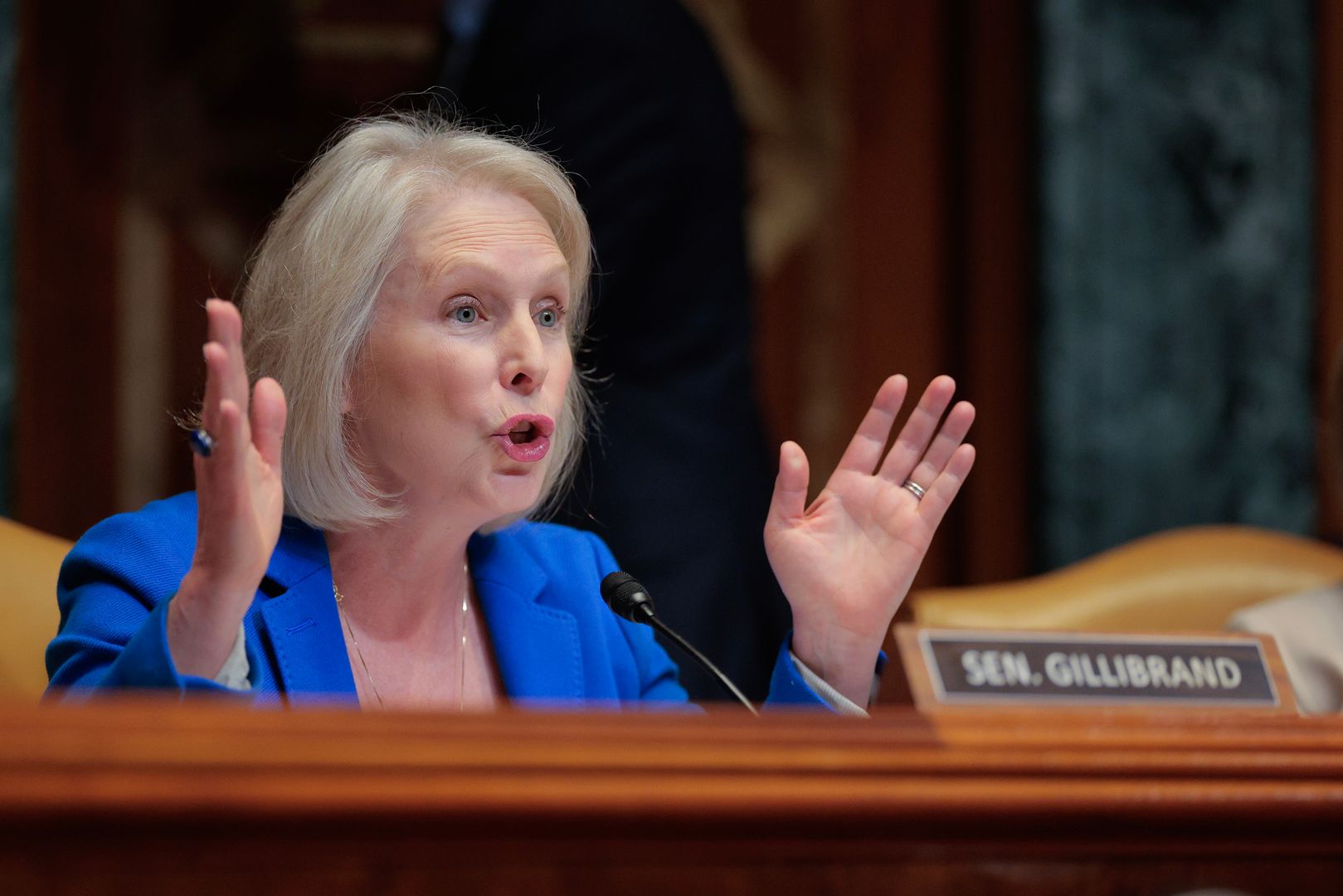
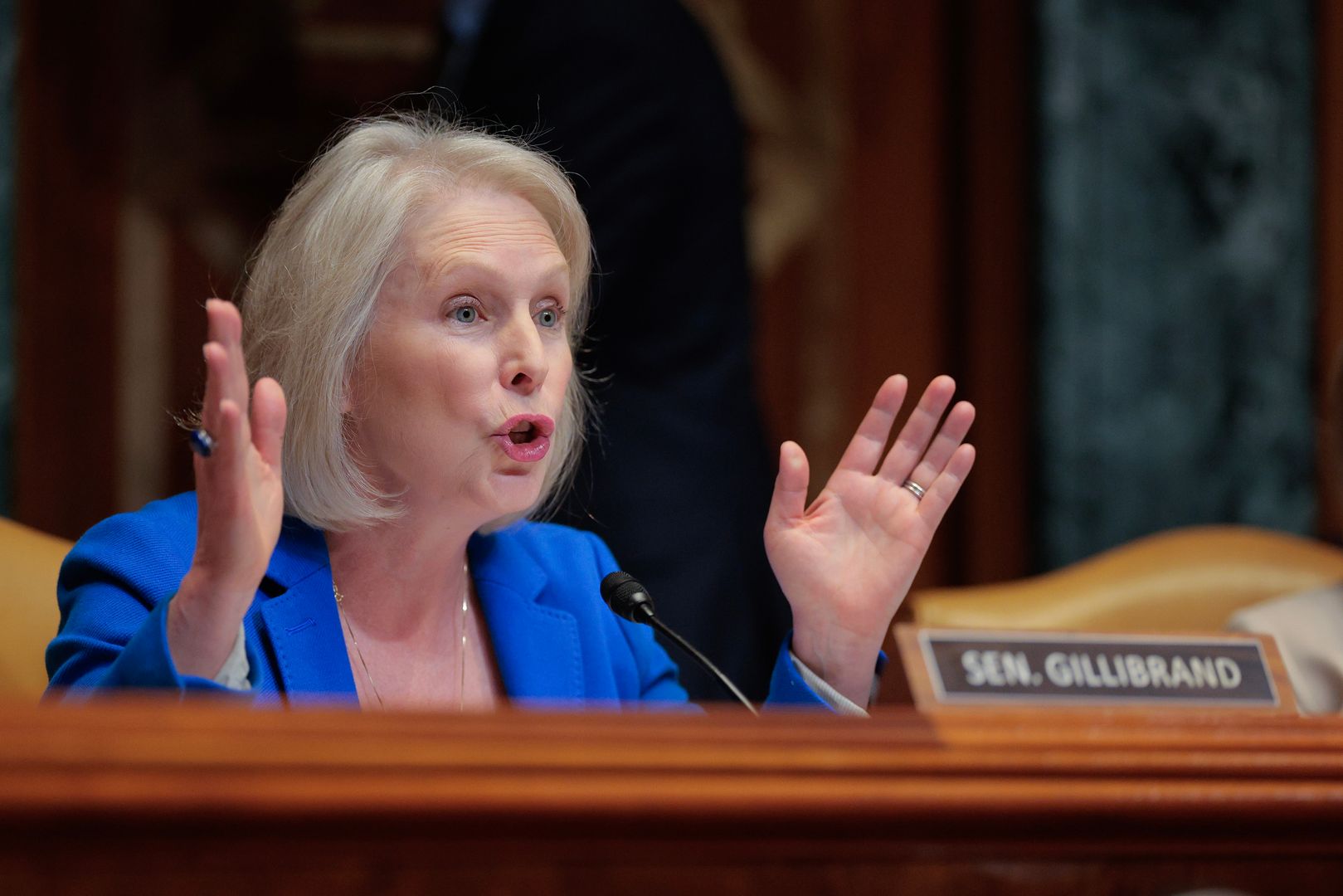
Reopening a settled provision four weeks before a vote would sink the bill, argues Summer Mersinger, CEO of the Blockchain Association.
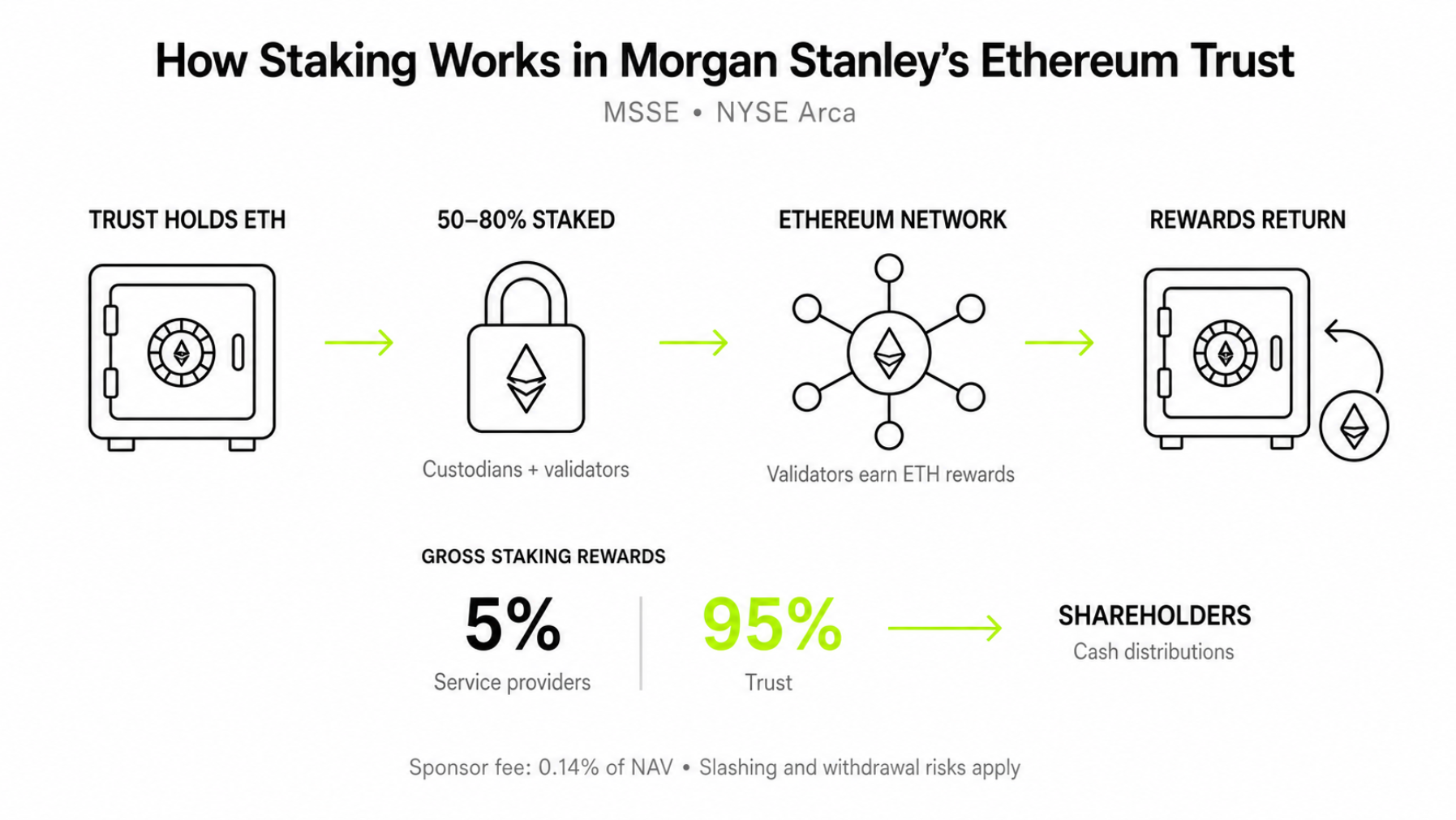
An investor can sell a share in Morgan Stanley’s new Ethereum Trust during market hours. The trust may need weeks, or months during a stressed queue, to free some of the Ether (ETH) behind it.
Why such a large timing gap? The crypto exchange-traded product, or ETP, holds ETH behind shares that trade on NYSE Arca. Under normal market conditions, 50% to 80% of that ETH is expected to sit in Ethereum’s validator system, earning rewards while exposed to protocol penalties and withdrawal delays.
Morgan Stanley launched the trust, ticker MSSE, on July 28 alongside a Solana product. Its annual sponsor fee is 0.14%. Figment, Galaxy Blockchain Infrastructure and Coinbase Canada operate as staking providers. The custodians and staking providers are expected to receive 5% of gross staking rewards, leaving 95% in the trust.
The wrapper makes the investment easier to buy and hold. It also converts validator performance, key security and Ethereum’s withdrawal mechanics into fund-level financial risks. The useful question is therefore wider than the quoted APR. Which balance sheet stands between a protocol loss and the shareholder?

There is a legal distinction worth keeping in view. The offering is registered with the US Securities and Exchange Commission under the Securities Act of 1933. The trust is not an investment company registered under the Investment Company Act of 1940, and its investors do not receive the protections attached to funds governed by that law. “ETP” is the more precise label.
BeInCrypto spoke with Eva Lawrence, Head of Revenue at Figment; Nitin Gaur, Head of Institutions at Nethermind; Benjamin Sarquis Peillard, Founder and CEO of Cap; and Edward Wu, Head of BloFin Research, about how the risk moves through the structure.
When a Validator Error Hits the Share Price
Ethereum pays validators for checking the network and following its rules. It can destroy part of their staked Ether and force them out after certain violations, including signing conflicting messages. A correlation penalty raises the cost when many validators are slashed around the same period. One faulty process repeated across a large validator fleet can therefore be more damaging than a series of isolated mistakes.
Slashing remains rare compared with the size of Ethereum’s validator set. Its distribution through time still matters because the largest spikes have tended to come from shared operational failures.

For an ETP investor, the protocol does not send a separate bill. The trust holds less Ether and its net asset value reflects the loss. Eva Lawrence, Head of Revenue at Figment, explains:
“In an ETP structure, slashing penalties (for misbehavior, downtime or misconfiguring) would hit the fund’s asset base and reduce NAV. Investors see this as a share price impact rather than a direct asset loss. But slashing on institutional-grade validators is rare and for a provider like Figment, we have never had a double signing slashing event on Ethereum. The best staking providers also carry slashing coverage.”
Morgan Stanley’s custody arrangement limits one obvious danger. Its staking providers receive validator keys used to perform validation duties. The custodians retain the private keys that control the trust’s assets and withdrawal addresses. A validator operator cannot transfer the principal to another wallet.
That protection does not settle the economic liability. The trust can retain ownership of its ETH and still lose assets through a penalty caused by the operator. Its prospectus says compensation may be subject to conditions, exclusions and evidentiary requirements. It may exclude protocol-wide events or software failures and may arrive late, cover only part of the loss or never become available.
Nitin Gaur, Head of Institutions at Nethermind, puts the issue in financial terms:
“A staking ETP is a yield product inside a fund vehicle sitting on an operational risk the fund documents may not have priced. The questions worth asking are not about the protocol: who absorbs a slashing event, is the indemnity backed by a balance sheet that could pay it, and what happens when the exit queue is longer than the settlement cycle.”
The result is a loss waterfall. Protocol code acts first. The trust then looks to the relevant provider agreement, its liability limits and any available coverage. NAV carries whatever remains.
The Provider’s Balance Sheet Becomes Part of the Product
Staking providers are often assessed like technology vendors: uptime, security controls and commission rates. An ETP makes their contractual liability and financial capacity part of the investment structure.
Benjamin Sarquis Peillard, Founder and CEO of Cap, said:
“Asset managers should judge providers on incident history, key management architecture, and what the legal contract says happens in the worst case: who gets made whole first and who’s left holding the bag for the loss. These asset managers should be underwriting the provider almost like any other critical piece of financial infrastructure. A high advertised staking yield means very little if the provider doesn’t have the operational controls, security architecture, and financial capacity to manage an incident when something goes wrong.”
The same scrutiny applies to diversification. Three provider names do not necessarily create three independent risk pools. They may run the same validator client, depend on the same cloud region or use similar key-management processes.
Lawrence said:
“When all validators for a provider run on the same cloud region or software stack, a single outage affects the full position simultaneously. Operators with concentrated infrastructure can fail synchronously, while providers with multi-cloud, multi-geography architecture remain operational. Note that diversifying across multiple providers does not guarantee resiliency: if those providers rely on the same cloud vendors, client software, or geographic regions, they share the same failure points.”
This turns provider selection into a correlation exercise. An asset manager needs to map the underlying client software and hosting footprint, then test how key-management and anti-slashing systems behave during maintenance or failover.
Gaur argues that the apparent provider count can obscure a common dependency:
“Concentration, meaning their share of network stake and whether their infrastructure correlates with everyone else’s: if your provider and half the network sit in the same cloud region running the same client, you do not have independent risks, you have one. Key management and anti-slashing architecture, and whether your stake is segregated or commingled.”
The September 2025 SSV Labs post-mortem shows how this can happen. Two incidents affected one validator and then a cluster of 39. SSV said its protocol had not been compromised. The larger event came from a maintenance mistake that ran the same validator keys simultaneously in two infrastructures. The code behaved as designed; duplicated operations created the loss.
A Liquid Share Sits over a Withdrawal Queue
Staking changes the liquidity profile of the asset held by the trust. Ethereum limits how many validators can enter or leave over a given period. That protects network stability and prevents a large set of validators from moving at once.
For a fund, the constraint appears on both sides of the trade. Ether waiting to enter the validator set earns no staking rewards. Ether waiting to exit cannot be sold to meet redemptions. Morgan Stanley’s prospectus says unstaking may take days in quiet conditions and multiple weeks or months when exit demand rises.
The queue can move sharply. On July 6, the prospectus recorded roughly 2.71 million ETH waiting to enter and an estimated activation delay of 47 days. On August 21, Rated Network showed an activation queue of about 38 days, an exit queue below one hour and a withdrawal queue close to ten days. A liquidity policy built around one observation can age quickly.
Lawrence describes the issuer-level risk as follows:
“Staking may require assets to be locked for a period of time and in the case of Ethereum, queued for exit during an “unbonding” period, creating potential liquidity mismatches, particularly if redemptions exceed available unstaked assets.”
The trust manages that mismatch by leaving part of its ETH unstaked. More liquidity gives it a larger pool for redemptions. It also reduces the share of the portfolio earning rewards. The expected 50% to 80% staking range is therefore one of the product’s most important economic variables.
The Math Behind the 95% Reward Pass-Through
Morgan Stanley’s 0.14% sponsor fee sits below several large US crypto ETPs. The existing comparison is straightforward: investors can see the annual fee charged against NAV.

The staking charge uses another denominator. Custodians and staking providers receive 5% of gross staking rewards. They do not receive 5% of the trust’s assets. The trust retains 95% of rewards earned on the portion of ETH that is actually staked.
So, a 3% protocol yield does not create 3% of gross income across the trust when only 50% to 80% of its Ether is working. It creates a gross portfolio yield of 1.5% to 2.4% before the reward charge and sponsor fee.
The current network rate offers a useful illustration. Rated Network showed a 2.81% Ethereum network APR on August 21. Rounding that to 2.8%, a 50% staking allocation would produce gross rewards equal to 1.4% of NAV.
After the 5% staking charge and 0.14% sponsor fee, the estimated contribution falls to about 1.19%. At an 80% allocation, the equivalent estimate is about 1.99%.

These figures are illustrations, not forecasts. They assume a constant protocol APR and exclude activation delays, penalties, taxes and extraordinary expenses. They show why “95% of rewards” is incomplete without the staking ratio and the fixed fee.
The fixed sponsor fee also takes a larger share of income as protocol rewards fall. Scale matters because the issuer still has to pay for custody, monitoring and operational controls when the yield pool shrinks.
Sarquis Peillard sees an important commercial test here:
“A fee like a 0.14%-with-95%-pass-through only works at scale when the economics of the fee make sense; a smaller issuer copying that fee without the volume to cover secure custody and slashing coverage should raise some suspicion. That’s the part of the economics investors should pay attention to. Low fees and high reward pass-through look attractive, but staking still requires secure infrastructure, custody, monitoring, and risk management. If the economics don’t appear to pay for those things, investors should be asking what is actually being sacrificed to make the numbers work.”
Who Pays When Staking Goes Wrong?
Disclosure tells investors where a loss may land. A funded protection mechanism changes the order in which capital absorbs it.
Edward Wu, Head of BloFin Research, argues that regulated staking products could create a first-loss layer between provider failure and investor capital:
“Asset managers could require providers to post funded bonds, maintain dedicated slashing reserves, or contribute a portion of staking revenue to a pooled protection fund. These mechanisms would give regulated products a more explicit loss-absorption layer and reduce the immediate impact of smaller staking penalties on investors.”
That would make the promise measurable. A reserve has a disclosed size. A funded bond can be compared with the value at risk. Contractual compensation without ring-fenced capital depends on exclusions, the provider’s solvency and the time required to enforce a claim.
Legal design can fail independently of validator performance. In February 2023, Kraken agreed to end its US staking-as-a-service programme and pay $30 million to settle SEC charges. Its validators did not need to malfunction for the product to become unworkable. Regulatory treatment changed the business around them.
Staking ETPs give investors a listed share and familiar brokerage settlement. Their financial architecture sits in the staking ratio, exit policy, provider agreements and the balance sheets standing behind compensation promises. The APR can be compared in seconds. The loss waterfall still has to be read line by line.
The post Morgan Stanley Put Ethereum Yield in an ETP. Who Carries the Risk? appeared first on BeInCrypto.


Bitcoin and the broader digital asset market got a taste of “not-QE” this week — and liked it.
The price of Bitcoin (BTC) jumped more than 23% toward $79,000 and Ether’s price crossed $2,400 after the US Treasury moved to double certain long-dated bond buybacks, adding fuel to an increasingly important question for digital asset markets. If Washington keeps finding new ways to support liquidity without technically embarking on quantitative easing, could Bitcoin and other risk assets become some of the biggest beneficiaries?
That question is already shaping business decisions across crypto. Standard Chartered sees Bitcoin heading toward $100,000, Metaplanet is taking its Bitcoin treasury strategy to the US and Cypherpunk Technologies is making a $33 million bet on Zcash mining.
Standard Chartered analyst sees Bitcoin reaching $100,000 as Treasury buybacks expand
Standard Chartered analyst Geoff Kendrick said Bitcoin could reach $100,000 by year-end as the US Treasury doubles long-end bond buybacks, a move he described as “exactly the type of thing Bitcoin loves.”
Kendrick said in a client note that BTC’s key technical level is $65,500 and breaking above it could confirm the cycle low is in. He cited Wednesday’s Treasury plan to at least double buyback operations for 10- to 20-year and 20- to 30-year coupons. Long-dated yields fell, and Bitcoin’s price immediately climbed more than 6% to nearly $69,000, its highest since early June, per CoinMarketCap.
The expanded program runs Sept. 9 through Nov. 4. Kendrick argues Bitcoin tends to benefit from government liquidity interventions and its fixed supply resists monetary debasement. The call still depends on BTC holding above $65,500. Without that, the cycle low cannot be confirmed.
Metaplanet expands Bitcoin treasury strategy to US with Super League deal
Metaplanet plans to take a controlling stake in Nasdaq-listed Super League Enterprise, expanding its Bitcoin treasury strategy to the US.
The Tokyo firm will contribute 2,100 BTC and $2.5 million in cash to Super League, which will be renamed Superplanet. That BTC, worth roughly $145 million, is under 5% of Metaplanet’s 43,000 holdings and comes from existing treasury, not new purchases. CEO Simon Gerovich said the structure gives two capital-raising avenues: Superplanet in US markets and Metaplanet in Japan. Shares of Super League surged over 50% on the news.
The deal is expected to close in the fourth quarter, subject to shareholder approval and customary conditions.
Cypherpunk launches Zcash mining fleet controlling 18% of network hashrate
Cypherpunk Technologies is expanding into Zcash (ZEC) mining after acquiring a fleet from Winklevoss Capital in a $33.33 million equity deal, giving the publicly traded firm roughly 18% of the network’s hashrate.
The mining operation is already online at US facilities, producing about 4.2 GSol/s, or roughly 18% of Zcash’s current hashrate. Cypherpunk also holds 323,394 ZEC, about 1.9% of circulating supply, and targets 5% ownership. It has pitched Zcash mining as offering more attractive economics than Bitcoin mining or AI data center workloads.
However, those economics depend heavily on ZEC’s price, network hashrate, mining difficulty, and operating costs. The push follows a rally that saw the price of ZEC rise more than 1,300% over 12 months, though it has since corrected. The network implemented its Ironwood upgrade on July 28 to replace the Orchard pool after a flaw that could have allowed counterfeit ZEC creation, though no exploitation was ever detected.
CFTC seeks comment on AI compute futures as CME eyes October launch
The US Commodity Futures Trading Commission (CFTC) is seeking public comment on futures contracts tied to AI computing capacity, a step that could shape an emerging market for trading and hedging the cost of computing power.
Bloomberg reported Monday that the regulator sent a request for comment to the White House Office of Management and Budget. CME Group announced last week it plans to launch two compute futures contracts on Oct. 5, pending regulatory approval, with Silicon Data providing the benchmarks. Estimates from TD Lombard, Goldman Sachs and Bridgewater Associates put AI infrastructure spending at roughly 2% to 2.5% of US GDP this year.
The review could complicate the timeline for planned compute products from CME Group and Intercontinental Exchange, which remain subject to regulatory approval. Once the White House review is complete, the CFTC is expected to open a comment period, typically lasting 30 or 60 days, according to Bloomberg.
Crypto Biz is your weekly pulse on the business behind blockchain and crypto, delivered directly to your inbox every Thursday.

Reginae Carter Checks Critics Calling Wayne Over Pole Dancing

Are you actually on track for your financial goals? #personalfinance #finance #investing #budgeting

Butcher, baker, fishmonger – they all did their rounds

Weekend Open Thread – Corporette.com

Weekend Open Thread: Brooks Brothers

London Mayor Sadiq Khan handed a peerage by Keir Starmer alongside 15 other Labour figures… just days before the PM leaves No10
Are you actually on track for your financial goals? #personalfinance #finance #investing #budgeting

Reichtum, absolute Freiheit und neues Mindset – der Bitcoin Lifestyle

Finanzielle Freiheit: Diese Fehler solltest du nicht machen
-

 Sports7 days ago
Birmingham 2026: Day 6 Timetable for Irish Athletes
-
 NewsBeat7 days ago
Myanmar says over 300,000 Rohingya refugees verified for repatriation as exodus enters ninth year
-

 Business3 days ago
SMA Solar Technology AG (SMTGY) Q2 2026 Earnings Call Transcript
-

 Politics6 days ago
SEQ Code: The Three Letter Boarding Pass Code That Could Give You The Worst Seat
-

 Crypto World7 days ago
Pi Network Protocol 27 endgame: last upgrade before what?
-

 Tech4 days ago
Qwen3.8-27B runs frontier-class coding agents and reasoning locally, no cloud API required
-

 Crypto World4 days ago
OCC Greenlights Trump Family Crypto Firm for Trust Charter
-
 Tech6 days ago
Every fusion startup that has raised over $100M
-
 Entertainment6 days ago
Marvel Studios Reveals New X-Men Cast Including Adam Driver and Sadie Sink
-
 Business6 days ago
Monarch Mutual Fund set to enter MF space with maiden overnight fund; files draft with Sebi
-

 Business6 days ago
Cristiano Ronaldo’s Secret Wedding Deepens As Presenter Claims Family Learned ’30 Seconds’ Before
-

 Business7 days ago
Facebook Down Now? Users Report Login And Loading Problems As Outage Trackers Monitor Ongoing Issues
-

 News Videos2 days ago
Don’t Leave Your Financial Future To Chance | August 19, 2026
-

 Crypto World5 days ago
Data of 54K Wallet Users Leaked, Clarity Odds Just 10%: Hodler’s Digest, Aug. 16
-

 Crypto World4 days ago
NAVI Prime launches institutional lending framework on Sui
-

 Politics5 days ago
Britain is facing a housing disaster
-

 Business7 days ago
New Avengers Doomsday Trailer Drops at D23 Showing Robert Downey Jr as Doctor Doom
-
 Business7 days ago
OCC approves World Liberty Financial national bank charter for USD1
-

 Tech6 days ago
How to watch FIH Hockey World Cup 2026: FREE live streams, schedule
-

 Business5 days ago
Rebel Creamery files Chapter 11 with $23.8M Van Leeuwen judgment on appeal
You must be logged in to post a comment Login