
Politics
The musical chairs of the progressive alliance

Every modern progressive government operates on a convenient myth: the idea that every ‘protected class’, minority interest, and social justice cause forms a single, harmonious mosaic. In the UK and Europe, the political establishment and NGO network have built a policy apparatus designed to champion every coalition cause simultaneously – from gender self-identification and diversity mandates to animal welfare and multicultural integration.
Yet beneath the polished press releases lies an inescapable reality: these causes do not live in harmony. They are instead locked in direct, irreconcilable conflict.
By attempting to appease every vocal interest group at once, Westminster, the civil service and the UK political establishment are playing a high-stakes game of political musical chairs. The government can blast the ‘diversity and inclusion’ soundtrack and dance around in circles as much as it wants. But there will always be a missing chair when the music stops. You simply cannot satisfy every group when their foundational demands actively cancel each other out.
Women’s rights are the most obvious example. For decades, feminism fought to protect female spaces and celebrate the distinct reality of women. Today, progressive dogma undermines these achievements by asserting that subjective gender self-declaration must legally override biological sex. And women pay the price in safety, privacy and fairness.
It is beyond dispute that male puberty confers lasting advantages in bone density, heart size, and lung capacity that hormone suppression cannot erase. Look no further than biological athletes like Lia Thomas dominating America’s women’s championship swimming in 2022.
The absurdity extends directly into public health, law enforcement and crime reporting. Medical institutions rewrite language to replace ‘breastfeeding’ with clinical terms like ‘chestfeeding’ or ‘lactating parent’ to satisfy gender activists, eroding the distinct biological concept of motherhood. Placing men with histories of violence or sexual offences into women’s prisons directly compromises the physical safety of vulnerable female inmates. You cannot champion women’s rights while systematically dismantling the definition of what a woman is.
An even more glaring paradox is the modern left’s uncritical embrace of fundamentalist religious doctrine – notably Islam – under the banner of diversity. Western progressivism celebrates radical bodily autonomy, sex education and LGBTQ+ rights as supreme civil rights achievements. Radical feminists push ‘Free the Nipple’ campaigns, claiming modesty is a patriarchal tool. Yet under the very same progressive banner, activists defend religious modesty garments like the burqa and niqab as supreme acts of empowerment.
This selective blindness becomes catastrophic when progressive policy collides with brutal practices, often imported via mass immigration. While feminism claims to defend female autonomy, Western authorities routinely tiptoe around issues like female genital mutilation, forced marriages and ‘honour killings’. Worse still, institutions actively conceal sexual violence to protect multicultural narratives from public scrutiny – the most glaring example of which has been the rape-gang scandal in the UK.
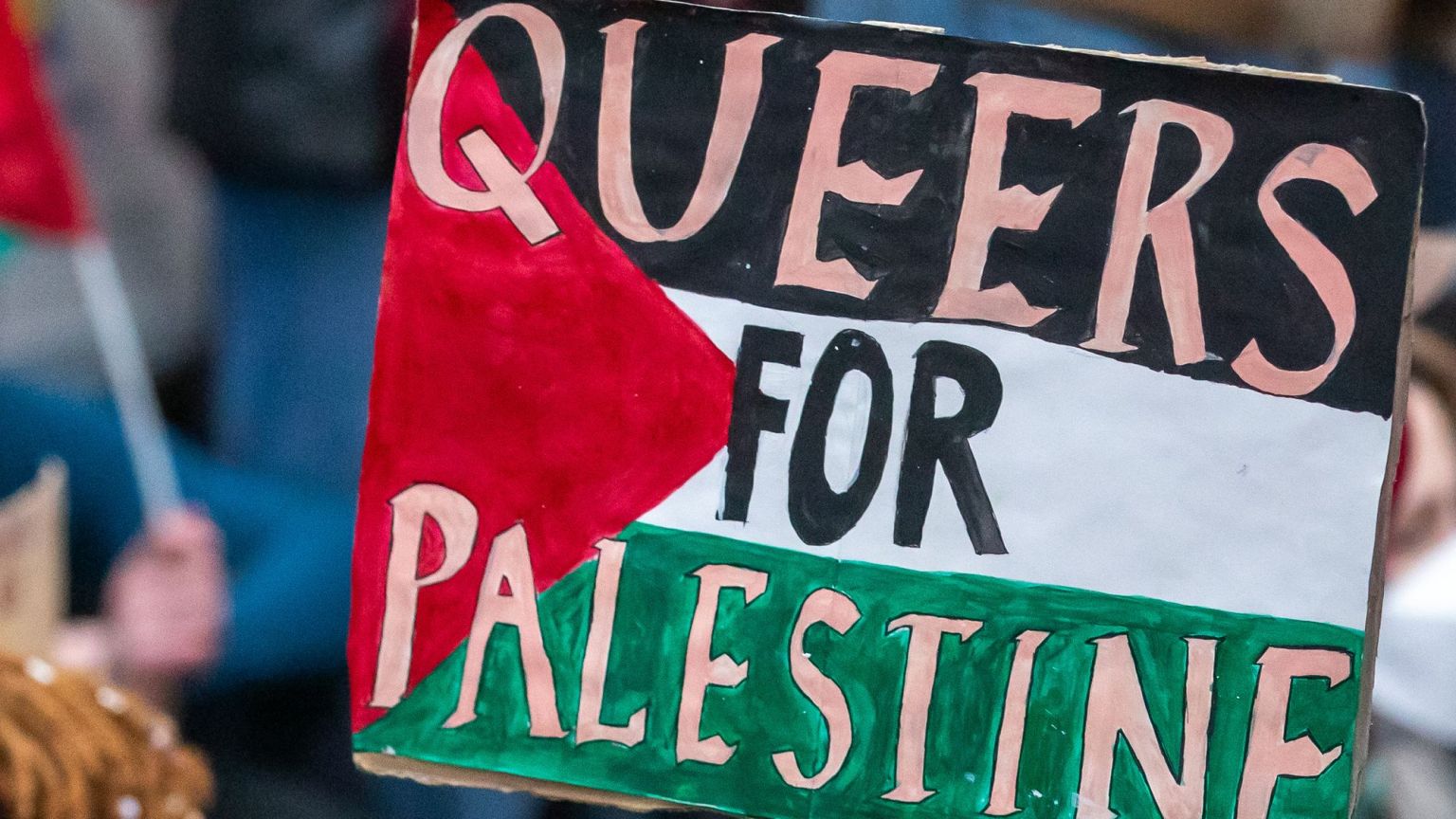
Even more bizarre is the alliance between militant LGBTQ+ activism and conservative religious groups. In Western cities, we witness the absurd spectacle of ‘Queers for Palestine’ banners, marching in support of regimes and movements where homosexuality is a crime. To see this collision in the UK, look no further than the protests outside two Birmingham primary schools in 2019. When schools introduced diversity lessons covering gay relationships, hundreds of conservative Muslim parents protested outside the schools. Eventually, a court injunction was needed to stop them.
When an ‘alliance’ consists of fundamentally incompatible groups, how do they avoid tearing each other apart? They create a phantom enemy. To prevent the coalition from fracturing, the NGO complex and the political class fabricated a conveniently elastic bogeyman: the ‘far right’.
By slapping this nuclear label on anyone who notices the contradictions – whether it is a feminist concerned about women’s prisons, or an ordinary citizen questioning mass immigration – the establishment creates an artificial common enemy. They treat disagreement not as a valid political stance, but as a dangerous moral contagion.
This rhetorical trick is the supreme political glue of our time. It forces radical feminists, religious conservatives, gender theorists and animal rights activists to ignore their irreconcilable differences and unite against a manufactured monster. If you question the narrative, you aren’t pointing out a logical flaw – you are simply ‘far right’. It is a cheap, lazy deflection designed to silence debate when the arguments no longer make sense.
When core doctrines directly contradict each other, compromise is impossible. Sooner or later, the music will stop.
Charlotte Hayes is a writer.

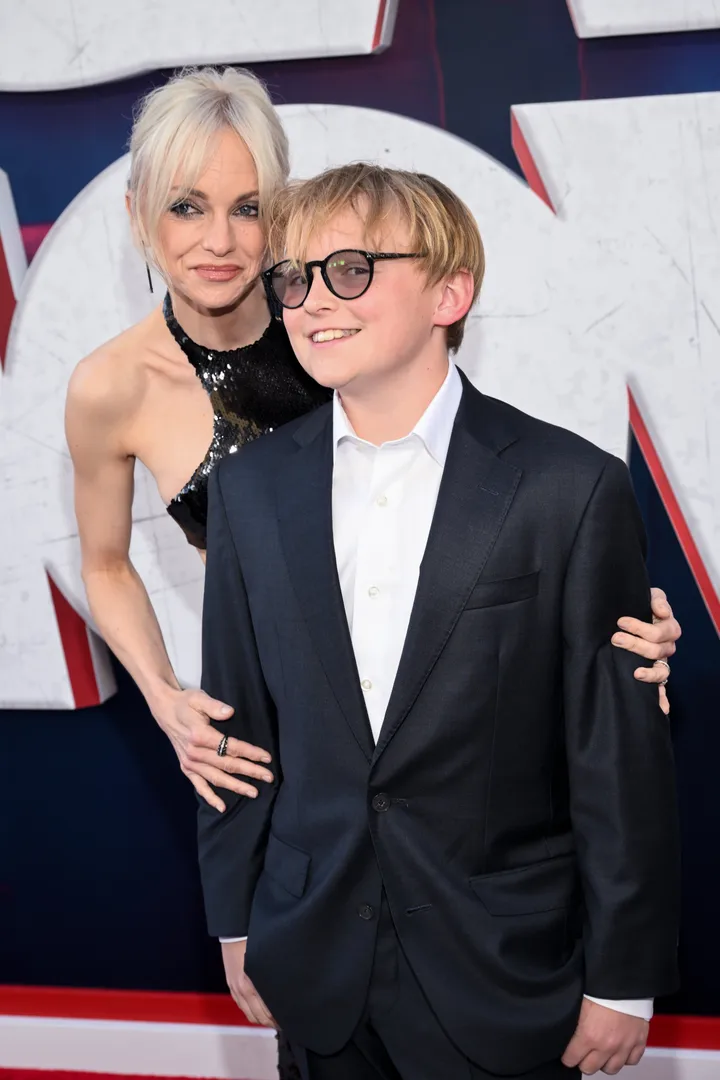
Anna Faris has opened up about parenting a “religious” child when she isn’t religious herself, on the latest episode of Chelsea Handler’s podcast.
The Scary Movie actor shares a son, 14-year-old Jack, with her ex-husband, Chris Pratt.
During Thursday’s episode of Dear Chelsea, the topic of Anna and Chris’ teenage son came up, when Chelsea was asking her guest about her family life.
Anna began by describing her son as “solid as a tugboat, emotionally”.
“He just doesn’t get easily jarred — he handles situations really well,” she said. “He is … religious.”
Chelsea then asked Anna whether she identifies as “religious”, to which she responded: “No, I didn’t grow up with religion. He’s asked me to accept Jesus Christ…”
“…As your saviour?” Chelsea interjected.
“Uh huh,” the House Bunny star confirmed. “And I told him I would do anything for him, including this, but it’s gonna take a whole lot of long conversations.”

Michael Buckner via Getty Images
She went on to explain that by “long conversations”, she meant discussions in which she challenged the right-wing politics typically associated with some factions of Christianity.
Anna offered a prelude to some of her examples by saying her son is “impressive” with his responses.
“I try to challenge him. I’m like, ‘Do you think it’s a luxury that you get to be pro-life?’ [and] he’s like, ‘Maybe’,” Anna said. “Or I’ll say, ‘So, what do you think of this mega pastor that’s kind of a grifter?’ [And] he’s like, ‘Oh, mega pastors are the worst’.”
“So it’s like, OK… we’re getting there,” Anna said, sounding a touch exasperated.
Anna said that ultimately she’s “appreciative that he’s examining religion the way he is in terms of recognising hypocrisy”.
“I’m appreciative we can have these long conversations,” she added, before Chelsea leaped at the opportunity to change the subject.

Axelle/Bauer-Griffin via Getty Images
After Anna and Chris split in 2017, the Marvel star moved on and married Katherine Schwarzenegger in 2019.
Ever since, the Parks & Recreation alum has become more vocal about his religious and right-wing views.
Meanwhile, Anna has been married to the cinematographer Michael Barrett since 2021.
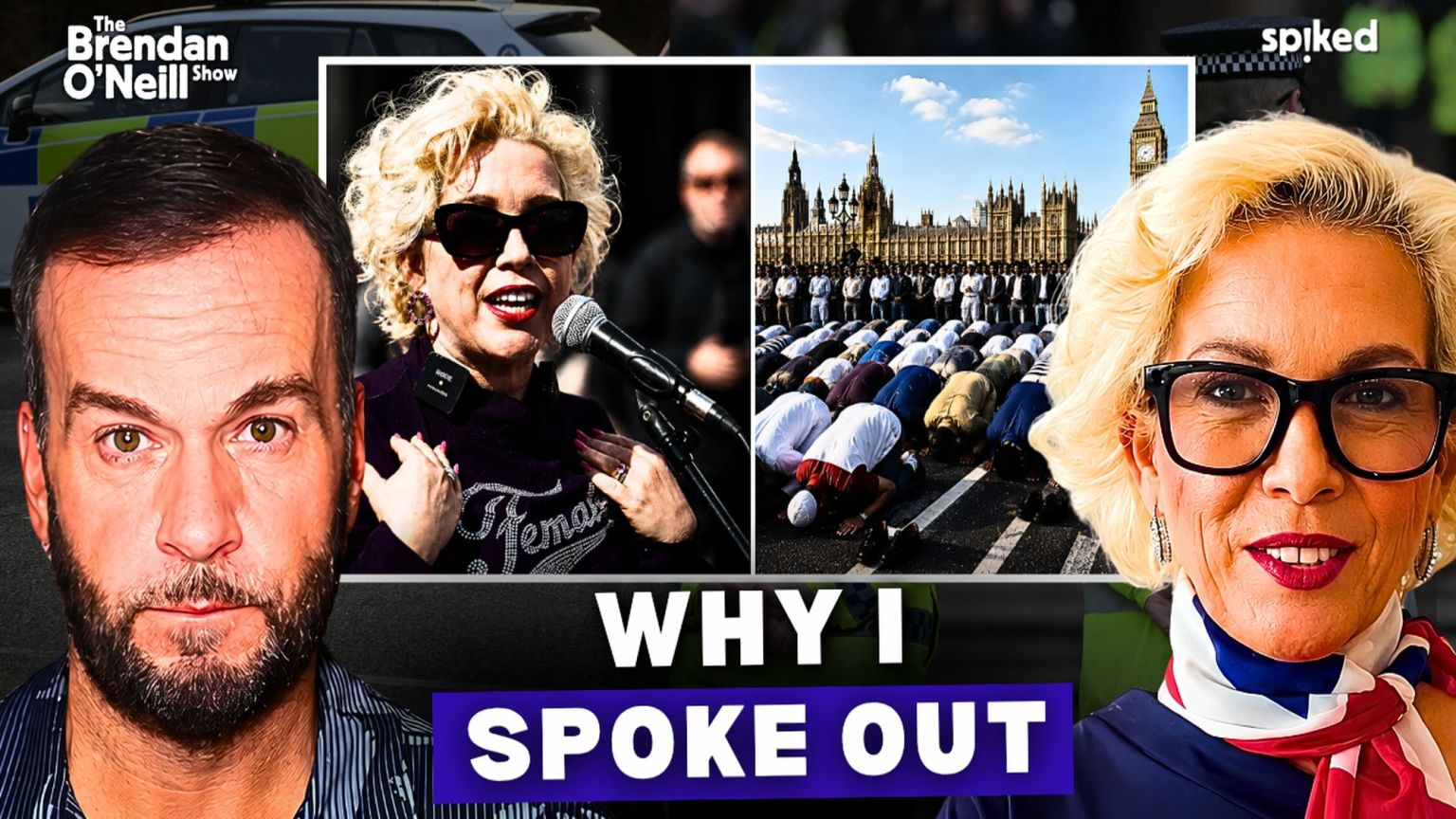
The post ‘They can come and arrest me’ appeared first on spiked.

I don’t know about you, but as I’ve gotten older my tolerance for alcohol has gone right out of the window. Hangovers nowadays are nightmarish – to the point where I’ve practically stopped drinking altogether.
According to Lauren Booker, author of Try Dry: The Official Guide to a Month Off Booze, hangovers do get worse as we age because everything in our bodies tends to slow down, including our livers, which find it harder to process alcohol into harmless waste products.
“This means there are more toxins in our bodies for longer as they’re broken down more slowly into carbon dioxide and water,” she previously told HuffPost UK.
Before it turns to that, alcohol is broken down by the liver into a number of different substances, including the compound acetaldehyde. And guess what? As we age, our ability to metabolise acetaldehyde is also reduced.
To add insult to injury, many of us are just not fit as we once were. “More body fat and less muscle make the alcohol we consume more concentrated in the body,” said Booker, “leading to dehydration and worsening the dreaded hangover.”
In a bid to try and steer clear of horrific hangovers, people are unsurprisingly turning to ‘zebra striping’ when out on the town. In fact, you’ve probably done it yourself.
What is zebra striping?
It’s a tactic where you opt for an alcoholic beverage and follow up with a non-alcoholic drink before flitting back to booze for your next drink.
The idea is that you’re drinking less overall and staying hydrated.
Does it work?
In theory, yes. But a pharmacist has warned the drinking trend could actually make hangovers worse if you’re not properly considering the drinks you alternate with.
Karen Hutchinson, prescribing pharmacist at online pharmacy Chemist4U, said: “Zebra striping is a smart way to reduce your alcohol intake and stay more hydrated, but not all drink choices are equal.
“Many people focus on alternating drinks but overlook what’s actually in the glass.”
She noted that dark spirits such as whisky, rum and brandy contain higher levels of compounds called congeners, “which are linked to more severe hangover symptoms”.
And sugary soft drinks can contribute to dehydration and blood sugar spikes, potentially making symptoms like fatigue, nausea and headaches feel worse the next day.
How to ‘zebra stripe’ effectively
The pharmacist said some of the best non-alcoholic choices to go for are water and electrolyte drinks, including some sports beverages, coconut water or infused water, or 100% fruit juices (with a pinch of salt added). These may contain useful minerals like sodium, potassium, magnesium, calcium, and more.
As for alcoholic options, clear spirits like gin and vodka are “generally associated with fewer hangover-related compounds”.
She advises against ordering doubles or stronger alcoholic drinks, as “alternating only works if your alcohol intake actually drops”.
“If you’re replacing the single vodka with a double vodka every round, you’re unlikely to feel better the next day,” said Hutchinson.
Start hydrating before your first drink, so you’re not starting the night off dehydrated. “Having a pint of water before you start drinking and regularly topping up throughout the night is often more effective than trying to play catch-up at the end,” she added.
And don’t forget to eat beforehand, too.
“One of the biggest mistakes people make is relying on a takeaway at the end of the night. A balanced meal before drinking helps slow alcohol absorption and gives your body more time to process alcohol gradually,” said Hutchinson.
“While a late-night burger might feel helpful, it’s unlikely to undo the effects of drinking on an empty stomach.”
Once the night is over, don’t forget to have one last water before you hit the hay. “The easiest hangover-reduction habit is one of the [most] overlooked,” she said.
“Finishing the night with a large glass of water or electrolyte drink can help replace some of the fluids lost through alcohol and may reduce the severity of dehydration-related symptoms the next morning.”
Here’s to fewer head-banging hangovers!

Though dementia risk rises as we age, memory changes can be a part of healthy ageing.
Some people might occasionally miss a bill, find it harder to take in new information, or lose things without having anything to worry about (we’ve written before about the differences between normal age-related memory loss and differences you should speak to a GP about).
But some researchers think standard memory “loss” isn’t as straightforward as it sounds.
Professor Louis Renoult, the lead researcher in a paper published in Psychology and Ageing, said: “We wanted to better understand how young and older adults retrieve autobiographical memories – the personal experiences that form the story of our lives.
“These sorts of memories can range from… one-time events, such as a birthday party [specific memories], to more general or repeated experiences like commuting to work [episodic memories].
“We focused on how flexible people are when asked to shift between these types of memories, and what happens when that flexibility is put under pressure.”
In what way do older people’s memories change?
In this study, researchers spoke to 74 participants – 37 students and 37 older adults. They were asked to recall both specific (general) and episodic (repeated) memories related to words, like “market”.
In the beginning, they stuck to one form of recollection (either episodic or specific). But later, they were asked to shift between memory types.
Then, the researchers measured how well different participants’ memories did by age.
Prof Renoult, part of the University of East Anglia’s School of Psychology, said: “We found that across all age groups, memory performance declined when participants had to switch between memory types.
“However, older adults were particularly affected in one area – they were less accurate at recalling more mundane repetitive memories, like commuting to work under switching conditions.”
Meanwhile, their ability to recall more specific memories, like a party, suffered far less.
“This suggests that certain types of memory retrieval may be more vulnerable to the effects of ageing when multitasking or adapting to changing demands,” added the professor.
Then, there was the nature of the memories to consider. When remembering specific events, older adults’ answers had fewer details about things like sights, sounds, and emotions.
Instead, they remembered more semantic details, including general knowledge; the same was true for episodic memories.
“When older adults recall events, the richness of those memories may be reduced,” Prof Renoult continued. “As we get older, our memories tend to become less detailed and more general, focusing on the overall story rather than specific moments.
“This shift may reflect changes in underlying brain systems involved in memory, particularly those responsible for retrieving detailed contextual information and managing complex cognitive tasks.”
Researchers hope this can teach us more about cognitive ageing
The researchers hope findings like these can help us to learn more about the cognitive traits that may benefit or harm older people.
Their findings, Prof Renoult said, have “practical implications for everyday life”.
“ Tasks that require people to quickly adapt their thinking or switch between different kinds of recall – such as storytelling, decision-making or problem-solving – may become more challenging with age,” added the expert.
“At the same time, the increased reliance on semantic knowledge may have benefits. Generalised memories can support wisdom, pattern recognition, and efficient communication, even if the finer details are lost.”
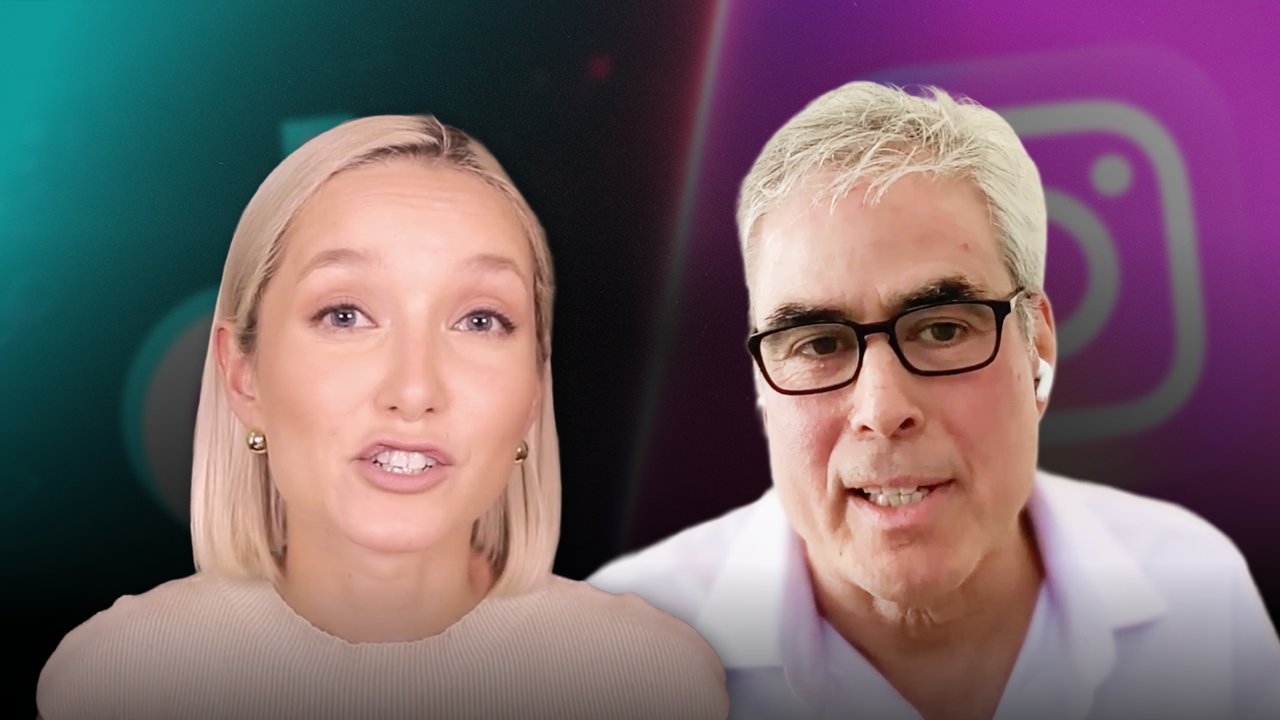
How Jonathan Haidt turned the fight over kids and social media into a political movement
 lead image
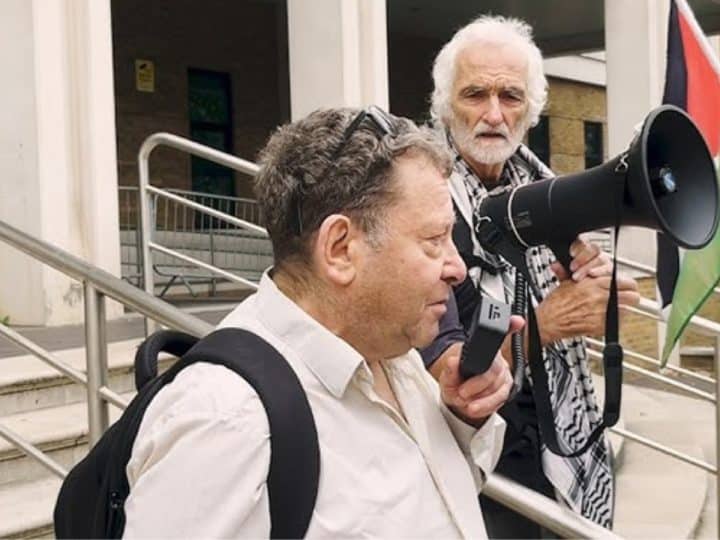

Day three of Tony Greenstein’s trial at Kingston Crown Court before Judge Sarah Plaschkes KC saw the defendant take the witness stand. There was significant tension over what evidence the jury was permitted to consider.
Judge orders jury to leave court repeatedly
Tony Greenstein, a 72-year-old Jewish anti-Zionist, Marxist, and atheist from Brighton, faces charges under Section 12(1) of the Terrorism Act 2000 of inviting support for a proscribed organisation, Hamas, following social media posts published on 7 October 2023.
The defence team openly referred to evidence that the Crown and the court had decided the jury should not be allowed to see. The defence cross-examined police on the gap between the size of the original interview transcript and the heavily redacted one shown to the jury. Consequently, the judge ordered the jury to leave the court on several occasions in an attempt to prevent the defence from referring to excluded evidence.
Greenstein stated in evidence that the prosecution had actively resisted admitting his past writings because his decades-long opposition to religious fundamentalism directly undermined the Crown’s allegations.
Tony Greenstein’s heritage
In the morning, under questioning from his defence barrister, Lawrence McNulty, Tony Greenstein laid out his identity and heritage in detail. He told the jury he was raised in an Orthodox Jewish household as the son of a travelling rabbi who stood on the frontline at the 1936 Battle of Cable Street, helping erect barricades in east London to stop Oswald Mosley’s British Union of Fascists from marching.
He testified that his father hated the Conservative Party due to widespread antisemitism in 1930s Britain.
Greenstein explained he went from a childhood within a Zionist family to abandoning Zionism at age 14 or 15, subsequently dedicating decades to socialist, anti-racist, and pro-Palestinian campaigning.
He told the court that Christians can also be Zionists and defined antisemitism by its original nineteenth-century meaning as the hatred of Jews. When asked about his view on religion from the stand, he quoted Marx, describing it as the “opium of the masses”.
There were frequent, sharp interruptions from the bench. When Greenstein described Gaza as a “human prison” and a “cage” where Palestinians were held under siege for 57 years, surviving on polluted water and strictly rationed electricity, Judge Plaschkes halted proceedings.
When the defence touched on the history of Zionism, previous escalations in Gaza, and casualty figures, with Greenstein stating at least 100,000 had died, the judge intervened.
‘That’s the problem with the ruling class’
Warning that the court was not tasked with examining the broader history of the Middle East, the judge directed the defendant to stay focused on the specific indictment. Tony Greenstein retorted from the witness box that:
that’s the problem with the ruling class in this country, they turn a blind eye to genocide.
Judge Plaschkes repeatedly ordered the jury to withdraw to the jury room while parameters of questioning were argued between counsel and the bench, reminding Greenstein that the court was not a political forum.
When proceedings resumed before the jury, the defence examined Greenstein’s public writing record on his website, azvsas.blogspot.com, which spans over 3,500 published articles since 2008 covering Palestine, gay rights, disability, and progressive causes.
The defence presented blog titles and excerpts from historic pieces where Greenstein had explicitly condemned Hamas, including articles titled “The lousy hamas government” (citing The Angry Arab and Israeli newspaper Haaretz) and “Hamas does its best to make Palestinian lives a misery”.
He also referenced a post titled “I support the Palestinians not Israeli created Hamas”, where he argued that divide and rule is a colonial imperial playbook and that Israel funded and armed religious movements to prevent a two-state solution.
Alleged clear distinctions
Giving evidence, Tony Greenstein stated he has consistently argued in over 20 blogs that national liberation movements cannot succeed under religious fundamentalist leadership. He described Hamas as a conservative traditional sect, noting their stance on homosexuality is a social taboo, but not executable like in Saudi Arabia. He pointed out that historical Britain was homophobic and that his father, who lost most of his family in the Holocaust, noted the only good thing Hitler did was kill all the gays.
His commentary on 7 October related to a tactical breach of an impregnable military perimeter after a 17-year blockade, comparing the event to historic Caribbean slave revolts. He testified that he had limited information on the day, but knew there was a breakout and felt it was justified.
He drew a clear distinction between supporting an act of resistance against military occupation and endorsing the organisation carrying it out, comparing it to supporting the French Resistance during the Second World War without endorsing the communists.
Asked directly by McNulty if he did, has, or ever supported Hamas, Greenstein stated he answers no. He said he supports it as part of the resistance, but as an organisation he does not support it. When asked if he would invite anyone to support Hamas as an organisation, he replied: “No, obviously not. It would be absurd.”
Addressing his post stating that Hamas should be congratulated for the breach, Greenstein explained it was a rhetorical figure of speech, adding that if he was the recruitment sergeant they think he is, he would not have started with his criticisms.
When defence counsel asked whether his post was an instruction for ordinary members of the public to contact and congratulate Hamas, Greenstein replied: “No… presuming they have the number, which I don’t.”
Cross examining Tony Greenstein
During cross-examination, prosecutor Kate Temple-Mabe faced the complex task of prosecuting an anti-Zionist Marxist defendant for allegedly promoting an Islamist organisation whose politics he has long opposed.
The Crown stated that it did not allege Tony Greenstein held wholesale or long-term ideological support for Hamas, but argued instead that his words on 7 October constituted an invitation of support in that specific moment for a “Gaza ghetto uprising”.
The prosecution questioned his reach on X and whether he wanted people to share his posts. Greenstein stated he was simply sharing political opinions rather than proselytising, adding that his reach was minimal as he believed his account was shadow-banned among feeds dominated by “lots of Elon Musk-type people ranting about immigrants”.
The prosecution focused on granular linguistic analysis, questioning Greenstein on his specific use of the words “one” and “we” in the tweet stating “whatever ones criticisms of Hamas, we should congratulate them”. Greenstein rejected the assertion that he was inciting followers to endorse a banned organisation, accusing the prosecution of an obsession with Hamas and maintaining he was offering political analysis of an anti-colonial counter-offensive.
The trial continues
The prosecution also cross-examined Tony Greenstein on later commentary from early 2024 involving Peter Tatchell regarding LGBTQ+ rights under Hamas governance. Greenstein argued that criticisms of reactionary social policies should be made at a different time and not weaponised to justify genocide. Greenstein reiterated that his focus during ongoing military actions remained centred on solidarity with the Palestinian people to get food and aid in, and stopping the bombing.
Following the conclusion of cross-examination, the jury was dismissed ahead of tomorrow’s closing speeches.
Featured image via the Crispin Flintoff Show- screengrab

An Ohio voter had a straightforward message for President Donald Trump amid the ongoing controversy surrounding Rep. Max Miller (R-Ohio).
Rich Beeby, a resident of Strongsville, Ohio, and a self-proclaimed registered Republican, told NBC News’ Jon Allen on Tuesday that he’s not happy with the direction the Republican Party has been taking lately.
“Hopefully it finds its way,” Beeby said.
“If you could say something to President Trump right now, what would you say?” Allen asked.
“Resign,” Beeby said. “You’re destroying the country.”
Allen also said that Beeby told him he would not be voting for Miller in the upcoming midterm elections.
Another Ohio voter who spoke with Allen said that despite voting for Miller in the past, the recent accusations of domestic violence and family abuse have made her reconsider her support.
“I don’t think I will,” Katie Heinz said when asked if she’d vote for Miller again. “Again, it’s kinda back to, there’s too much intermingling of exterior items that are affecting day-to-day. So like, what he’s got going on in his personal world, unfortunately, is gonna roll over into his day-to-day, and we need to get things done.”
The embattled congressman has been accused by his ex-wife, Emily Moreno, of a pattern of emotional and physical abuse towards her and their 2-year-old daughter, leading to growing calls for his resignation.
Earlier this month, the House Ethics Committee opened an investigation into the allegations against Miller.
Last week, Moreno, the daughter of Sen. Bernie Moreno (R-Ohio), filed a lawsuit against the congressman for allegedly publishing an explicit photo of the couple’s daughter.
Miller has repeatedly denied the allegations against him.
Watch the full segment from NBC News’ Drive To Decision Day here:
Listen to Commons People, the podcast that makes politics easy. Every week, Kevin Schofield and Kate Nicholson unpack the week’s biggest stories to keep you informed. Join us for straightforward analysis of what’s going on at Westminster.
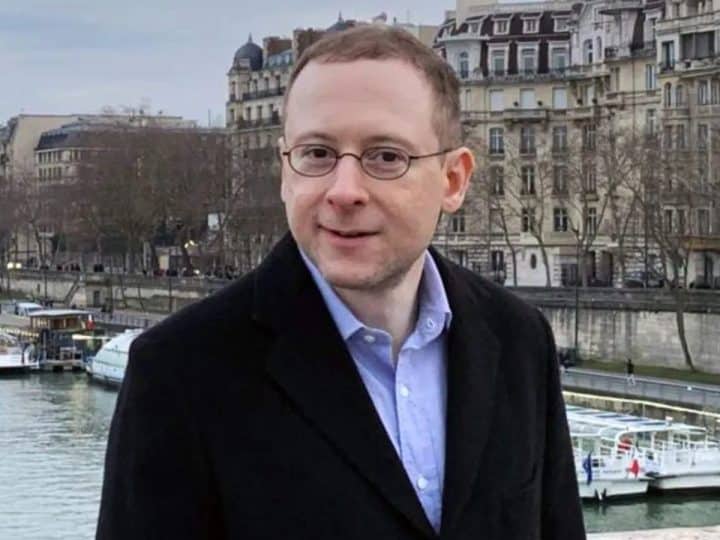

Israel-loving racist ‘scientist’ Nathan Cofnas has been suspended by Ghent University and says he expects to be sacked. His announcement of his suspension comes just a day after Skwawkbox exclusively revealed a 19-page document compiled by the academics of the department he was imposed on.
The document listed the awfulness of Cofnas’s work, his white-supremacist plans for the purging from academia of anyone who opposed his views – and the sheer amount of work his “flood of shit” was causing people with important work to do. Skwawkbox’s exclusive has been widely shared.
Tiny violins for Cofnas
Cofnas has already shown the ‘always the victim’ attitude typical of Zionists, when he described a vigil for Cambridge professor Jason Arday as a “hate rally” against himself. Arday died on 14 August after UK media hounded him over Cofnas’s claims that Arday had plagiarised his work and lied about his background – claims Arday’s friends and colleagues say were greatly exaggerated. They and the Good Law Project are now demanding a public inquiry into the media’s witch-hunt.
But but!
Cofnas’s fellow right-wing extremists were outraged that the Canary dared to expose the dismal view held by Cofnas’s unfortunate colleagues about his presence – sent in May, months before Arday’s hounding and death. Cofnas had boasted of choosing Arday as his victim as a form of revenge on Cambridge University and said he did so to further his campaign against Black people in academia. It seemingly hasn’t occurred to Cofnas’s supporters to consider the difference between hounding a vulnerable man who wasn’t looking for a media circus, and exposing his attacker who definitely was.
But it’s safe to say Cofnas isn’t getting much sympathy in response to his announcement of his supposed mistreatment now. These are the first responses to his X post:
— Atlanta Rey
(@areyoflight) August 20, 2026
The fact that you got the job in the first place says so much about universities. It took you hounding and ridiculing a black scholar to his death for this morally vacuous, racist institution to act. It is no comfort to all the people you harmed, not least Jason himself.
— Harry Pettit
(@HarrygPettit) August 20, 2026

The fact that you got the job in the first place says so much about universities. It took you hounding and ridiculing a black scholar to his death for this morally vacuous, racist institution to act. It is no comfort to all the people you harmed, not least Jason himself.
— Harry Pettit
Get fucked cunt
— Max “Lesley” Crocspierre (@lesthecroc) August 20, 2026
There are many, many more like them – a couple of thousand at the time of writing not very long after Cofnas’s post.
Featured image via the Canary
By Skwawkbox

 The brother of White House aide Natalie Harp offered some insight into her close relationship with President Donald Trump.
The brother of White House aide Natalie Harp offered some insight into her close relationship with President Donald Trump.
Natalie Harp’s relationship with Trump has become the subject of national debate after Sen. Jon Ossoff (D-Ga.) said the president was more interested in spending time with her and building the White House ballroom than he was in doing his job.
Preston Harp, who’s been estranged from Natalie for several years, said he doesn’t believe his sister’s loyalty to Trump is based on any “physical attraction,” but rather the siblings’ conservative upbringing.
“Well, my mom raised us with the idea that American exceptionalism was the correct way of looking at things, that the United States is the boss of the world,” Preston Harp said on Tuesday’s edition of CNN’s Erin Burnett OutFront.
He also said he thinks Natalie Harp never broke out of that mindset, and Trump embodies everything their mother taught them growing up.
“So, I think that’s where her infatuation for Trump comes from, honestly, because I don’t think it’s a physical attraction. Let’s get real, you know, like, personally, I don’t think so,” Preston Harp said.
Natalie Harp’s rise to the upper echelons of Trump’s inner circle began in 2019 when she credited him with saving her life during a battle with bone cancer. This was due to Trump’s signing of The Right to Try Act, which allowed for the greater use of experimental medical treatments by terminally ill patients.
Preston Harp seemed to scoff at this notion.
“But if she thinks about it, what he did was he made experimental drugs legal to try and that insurance would pay for it. So, it’s not like he like physically saved her life, you know?” Preston Harp said.
He added that Trump’s “best friends” are people in his “fan club.”
“She’s his biggest fan,” Preston Harp said. “And so that’s probably why he likes her – and like, she’s good-looking.”
Preston Harp said he still loves his sister despite their differences.
“I hope that you change and that you wake up and you realise that everybody on this Earth is part of a human family,” Preston Harp said.
Watch Preston Harp’s full interview with Burnett here:
Listen to Commons People, the podcast that makes politics easy. Every week, Kevin Schofield and Kate Nicholson unpack the week’s biggest stories to keep you informed. Join us for straightforward analysis of what’s going on at Westminster.


An Israeli-Hungarian mercenary ran a covert surveillance operation against a British activist and think-tanker. The operation was funded by the United Arab Emirates (UAE). One member of the surveillance team even suspected the operation was part of a lead-up to an assassination attempt.
ITV News reported on 19 August that US-based mercenary Abraham Golan had organised a UAE-funded close surveillance operation against Anas Altikriti. Altikriti is a former Stop the War Coalition vice president and hostage negotiator. He is also a founder member of the Cordoba Foundation thinktank.
The surveillance took place in 2016. Golan has a long history with the UAE:
A former French Foreign Legion soldier, Golan had been hired by the United Arab Emirates, which paid his company, Spear Operations Group, millions of dollars to assemble a covert unit of Western military veterans for operations on the front line.
ITV presented Altikriti in 2026 with a dossier:
containing a sustained, granular intelligence operation tracking his every move: photographs of his home and car, and WhatsApp communications between members of a surveillance team detailing his daily life – from his commute and school runs to visits to a local mosque where he was scheduled to lecture.
The police had also warned Altikriti about a potential threat to his life in 2016. ITV’s new report shows how Golan had formed a team to observe his every move.
UAE — Close target surveillance
ITV found that secret Emirati reports filed weeks after Golan’s London trip to organise the operation:
show that Golan was being paid by the UAE throughout his London operation, which included a month of planning and at least several days on the ground.
And:
The records also lay bare the financial incentives behind his contract with the Emiratis: a six-figure retainer for his work that year, plus huge bonuses: just a few weeks before his arrival in London, he received a one-million-dollar payout for an operation against a previous target in Yemen.
The Cordoba Foundation was one of three UK activist groups the UAE proscribed in 2014. The authoritarian state claims it has links to the Muslim Brotherhood. Altikriti’s father was a prominent member of the Brotherhood in Iraq.
Altikriti told ITV:
I have good relations, because my father is my father. I understand the ideology, I studied the ideology of the Muslim Brotherhood; I believe the Muslim Brotherhood to be a valid ideology for people who are seeking to free themselves from the clutches of oppression.
However, I’m a Brit, I grew up in Britain. In my life I have never done anything wrong whatsoever.
A private security operative known as Victor told ITV how he felt the surveillance operation seemed more and more like the precursor to an assassination. He ultimately refused to continue working with Golan:
I became increasingly worried about what this operation entailed.
At a subsequent meeting:
Golan’s [other] associate asked: ‘What would happen if Anas Altikriti was…’” – he fell silent and drew a finger across his throat. “That suggested to me that the operation was ultimately about – or could become about – physically eliminating Anas Altikriti,” Victor said.
Golan, the UAE and the UK government offered little to no response to ITV’s questions.
Altikriti is alive and well today. Yet the UAE operation speaks to the reach and power of the US, UK and Israeli-allied Gulf state. Its bottomless wealth and powerful connections make it a potentially deadly opponent to critics, even if they are based inside countries like the UK.
Featured image via the Canary
By Joe Glenton

Bhutan transfers 490 BTC worth $32.7M to new wallets

Hayden Panettiere Hired Security When Brian Hickerson Came Back

Eight chilling words uttered by pilot on doomed Air France plane before crash





-

 Fashion7 days ago
Weekend Open Thread: Ann Taylor
-

 Tech7 days ago
11 Ways to Rank Your Videos
-
 NewsBeat6 days ago
Myanmar says over 300,000 Rohingya refugees verified for repatriation as exodus enters ninth year
-

 Sports6 days ago
Birmingham 2026: Day 6 Timetable for Irish Athletes
-

 Politics6 days ago
SEQ Code: The Three Letter Boarding Pass Code That Could Give You The Worst Seat
-

 Tech3 days ago
Qwen3.8-27B runs frontier-class coding agents and reasoning locally, no cloud API required
-

 Business3 days ago
SMA Solar Technology AG (SMTGY) Q2 2026 Earnings Call Transcript
-

 Crypto World6 days ago
Pi Network Protocol 27 endgame: last upgrade before what?
-

 Crypto World3 days ago
OCC Greenlights Trump Family Crypto Firm for Trust Charter
-

 Tech6 days ago
Every fusion startup that has raised over $100M
-
 Entertainment6 days ago
Marvel Studios Reveals New X-Men Cast Including Adam Driver and Sadie Sink
-
 Entertainment7 days ago
10 Netflix Shows That Quietly Became Modern Classics
-

 Crypto World7 days ago
Robinhood Chain Approaches $1B TVL as Uniswap Integration Boosts Liquidity
-

 Fashion7 days ago
Weekly News Update, 8.14.26 – Corporette.com
-
 Business6 days ago
Monarch Mutual Fund set to enter MF space with maiden overnight fund; files draft with Sebi
-

 News Videos1 day ago
Don’t Leave Your Financial Future To Chance | August 19, 2026
-

 Fashion7 days ago
Silver bangles for women – Newbridge Silverware
-

 Business6 days ago
Facebook Down Now? Users Report Login And Loading Problems As Outage Trackers Monitor Ongoing Issues
-

 Fashion7 days ago
Cart Confidential Vol. 44 – Julia Berolzheimer
-

 Crypto World3 days ago
NAVI Prime launches institutional lending framework on Sui
You must be logged in to post a comment Login