Trumpington residents said the developer, who remains responsible for the roads, has been ‘very very slow’ to fix broken lights
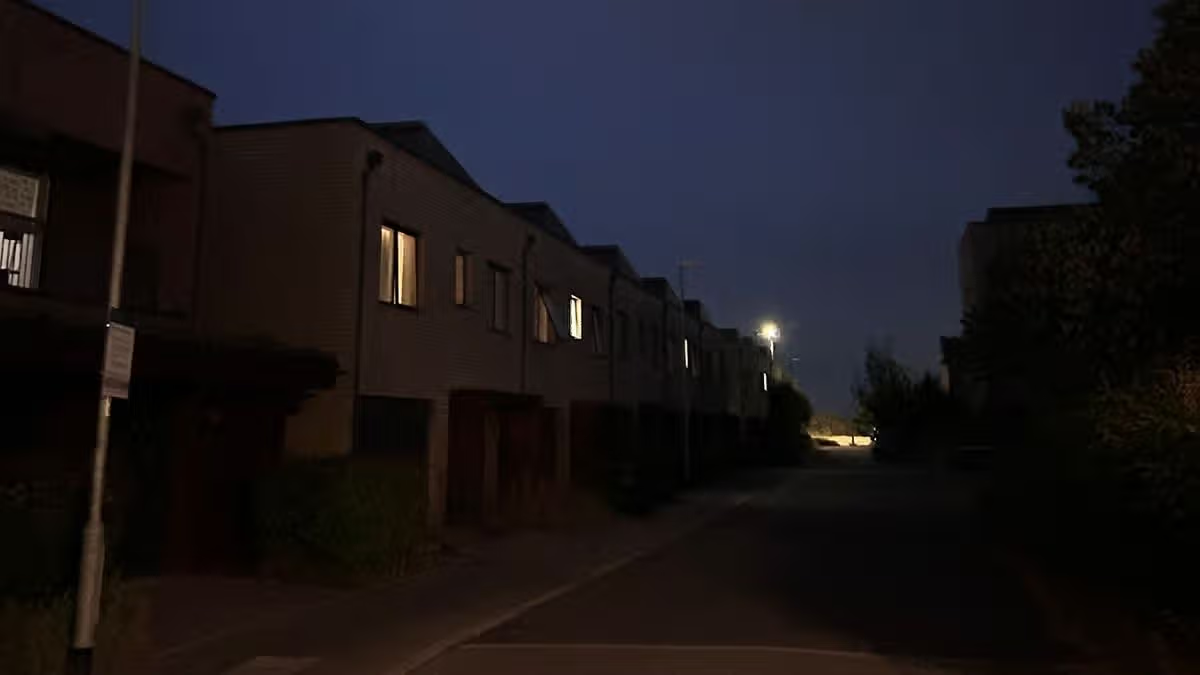
Cambridge residents fear their safety may be at risk after delays in fixing broken streetlights in a new development has left streets “completely dark at night”. Clay Farm and Glebe Farm saw their first homes occupied more than a decade ago, but residents report ongoing issues with road management.
Advertisement
Central to their concerns is that responsibility for the roads still lies with developer Vistry, not Cambridgeshire County Council, as they remain unadopted. Residents on the Trumpington estates have reported issues with parking enforcement and long delays for repairing street lights.
Dr Kevin O’Brien has lived on Clay Farm since 2016, but said that since then they’ve got no closer to road adoption. The 56-year-old said the developer, who sub-contracts much of the road management, has not taken responsibility for the roads.
He said: “In the summer of 2023, a whole series of lights went out – both street and pathway lights – and it has been an ongoing battle to get these things fixed.”
He said three years on, some lights have finally been fixed – only for new ones to go out. Dr O’Brien even tried to get the police involved due to safety concerns, but was told they couldn’t do anything as the roads are privately owned.
Advertisement
He said: “There are complete blackspots where you can’t see anything. The police have had a major push to combat violence against women and girls – and one of the concerns around violence against women and girls is poor lighting and dangerous streets. There’s an enormous amount of frustration as a home-buyer – you buy into a new development, get all these promises of how it’s going to be brilliant, and then left in these rabbit holes from all of these issues.”
David Plank, a Glebe Farm resident and member of the Trumpington Residents’ Association, said the developer had been “very very slow to attend” to the lighting issues.
The 82-year-old said: “There are significant street lighting problems in the new developments with lights not working. A very significant number of street lights on Glebe Farm are not working and the developer is being very very slow to attend to it. There are safety issues apart from anything else.
Advertisement
“It really is a scandal that more than ten years on none of the roads in those two developments have been adopted. It leads to difficulties for residents actually getting problems sorted out and it can be an obstacle to selling your house if people see the roads aren’t adopted.”
Cllr Olaf Hauk, of Trumpington, raised a motion at last month’s Cambridge City Council meeting to highlight the issues residents face on estates with unadopted roads.
The Liberal Democrat councillor said: “As a resident of a new development, you encounter broken street lights and street furniture, missing or confusing signage, uncertainty over parking rules. If there is something weird and it don’t look good, who are you going to call? Well you don’t know because you don’t know who owns the place.
Advertisement
“And sometimes it really feels like we are hunting ghosts. Some streets are completely dark at night because streetlights have not been fixed. The fundamental problem is that public services are expected to be publicly accountable.
“Residents on these estates pay exactly the same council tax as everyone else in Cambridge. Yet often they receive fewer public services because essential infrastructure remains in private hands.”
A spokesperson for Vistry said they have done a survey of the lighting infrastructure across the development and started work to fix them.
They said: “The works are now underway and will be carried out over the coming weeks. We recognise the frustration experienced by some residents and are committed to improving the reliability of the lighting network across the site. We will continue to work with relevant stakeholders as the programme progresses.”
Advertisement
A spokesperson for Cambridgeshire County Council said developers can offer roads up for public adoption but they do not have powers to mandate this.
They said: “As such, it is not possible at this time to suggest when these roads may be adopted. However, the council has been in dialogue with the developers throughout the design and construction phases of these developments.
“We approved the design of the streets and we have inspected the works throughout the entire construction period. The Council therefore remains content, in principle, to adopt the internal roads within Clay Farm and Glebe Farm once all technical and legal requirements have been fulfilled by the developer.”
An ‘aggressive’ paramedic who told a stroke patient that ‘Jesus and Jehovah are not coming to help you’ while responding to a 999 call has been struck off.
Rachel Lemonofides also told the patient, who was later diagnosed with a brain bleed and abdominal aortic aneurysm, to stop acting ‘like a baby’ and forced her to crawl down the stairs.
Lemonofides was dismissed by North West Ambulance Service in July 2024 after being accused of making dozens of allegedly ‘discriminatory’ or ‘racially motivated’ comments about or to the woman in January the same year.
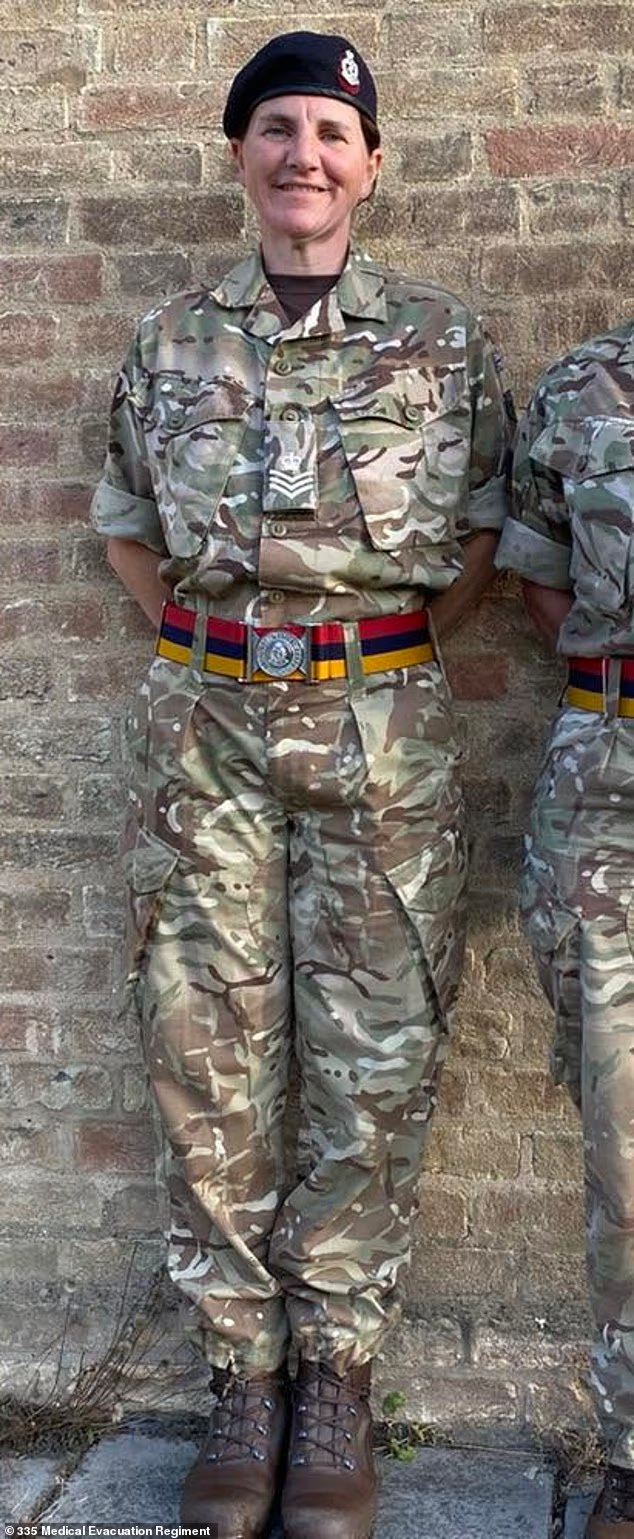
A tribunal has now ruled that the British Army reservist, who holds the rank of staff sergeant, made up to 31 comments of this nature against the patient.
Advertisement
On January 11, 2024 an ambulance was called to the patient’s address when she began feeling a ‘sharp pain in her chest’ as she got ready for work.
Ms Lemonofides’s crew responded to the call and they spent a total of 104 minutes at the scene before bringing the patient to hospital.
The patient had described the pain as ‘severe and excruciating’ and she was later ‘informed that her aorta had burst and she had a blood clot in the brain which had caused her to suffer a stroke’.
She was ‘given a 50 per cent chance of surviving an aortic dissection’ (emergency heart surgery).
Advertisement
A nurse in the emergency department explained that the patient was having a cerebral bleed and later on, that she was also having an abdominal aortic aneurysm.
Rachel Lemonofides was struck off as a paramedic at North West Ambulance Service. She is also a British soldier with the rank of staff sergeant
Ms Lemonofides accused the stroke patient of ‘absolutely ridiculous behaviour’ and refused to help her walk down the stairs after responding to the 999 call
Advertisement
However, while responding to the emergency call, Ms Lemonofides had allegedly made a series of discriminatory or racially motivated comments either to or about the patient in which the paramedic accused her of ‘ridiculous behaviour’.
Ms Lemonofides’s remarks included telling the patient: ‘Jesus and Jehovah are not coming to help you’; ‘You are acting ridiculous now’; ‘This is like a child now’; ‘You are stuck on the floor like a child’; ‘This is a bit like silly behaviour now’; ‘We are not helping you like this, you are being silly’; and ‘I am really mad now because people are waiting for this ambulance and you are acting like a child.’
The paramedic also accused the patient of ‘absolutely ridiculous behaviour’ and of acting ‘as though you have had your leg ripped off’.
She also refused to help the patient walk down the stairs at her home, forcing the stroke sufferer to crawl instead.
Advertisement
Ms Lemonofides said the woman was ‘behaving as if you are possessed’ and told her: ‘I should let your employer know how you are behaving given the fact that you work with vulnerable people.’
On several occasions it was noted that Ms Lemonofides had shouted at the woman in between making some of these comments, including when she told her to ‘act your age’.
The paramedic also said: ‘You are not dying, you have got a bad back’; ‘You should be assessed by the mental health team’; ‘You are lying, stop what you are doing, stop being a baby, let’s go downstairs.’
She accused the woman of ‘wasting time and making a scene’ and then told her ‘I’m not going to help you’ when she asked for ‘help to stand up and/or descending the stairs’.
Advertisement
Ms Lemonofides also threatened to make the patient’s workplace aware of the incident, saying: ‘Stop being a baby, many people need this ambulance, we will tell your employer that you are being funny.’
The paramedic later said the patient was ‘just being dramatic’, telling her: ‘You have gone through child labour which is worse than this pain.’
In remarks that appear to have been made to a colleague during the incident, Ms Lemonofides also said: ‘I do not think this is medical, she is choosing to do this’; ‘This is like the worst behaviour I have seen for a very long time’; ‘Does she believe in black magic or anything like that?’; and ‘I can’t believe someone with a child is behaving like this’.
The paramedic’s final comments included telling the patient that ‘we can’t take you to the hospital because your condition is not that serious’ and ‘you have 60 seconds to get up or we are leaving’.
Advertisement
The tribunal ruled that the list of 31 alleged comments made by Ms Lemonofides during the incident, some of which the Daily Mail has revealed here, were ‘proved on the balance of probabilities’.
It was ruled that her ‘dismissive and aggressive comments and behaviour continued throughout her attendance at the address’.
Ms Lemonofides admitted that she made these comments but had denied in July 2025 that her remarks were discriminatory on the grounds of ethnicity.
However, the tribunal also found that these comments were, as alleged, ‘discriminatory on the grounds of ethnicity; and/or racially motivated; and/or unprofessional, in that it breached professional boundaries’ with the patient.
Advertisement
This promotional image identifying Ms Lemonofides as a reserve soldier was posted by North West Ambulance Service on social media
The tribunal found that four witnesses, who included colleagues and the patient’s housemates, were ‘shocked’ at hearing the paramedic’s remarks about the patient being ‘possessed’ and whether she used ‘black magic’.
‘The panel considered the audio recordings from the incident, noting the registrant [Ms Lemonofides]’s tone when making the comments about and being to Patient A,’ the tribunal ruled.
‘In addition, the panel noted from the recordings that, when Patient A was calling out in her native language, the registrant is heard to make comments such as “stop with this nonsense”, which could have been in response to Patient A speaking in her native language and therefore suggests hostility towards Patient A’s ethnicity…
Advertisement
‘Colleague A confirmed [that] two other calls [on the same day] involved white female patients and neither of these patients were treated by the registrant in the same way she had treated Patient A.’
The panel ruled on the balance of probabilities that ‘it was more likely than not that the registrant’s conduct towards Patient A was discriminatory on the grounds of ethnicity’.
Ms Lemonofides denied her conduct was racially motivated on the day of the incident. However she was not present for the tribunal hearing.
The tribunal found that the Army reservist’s comments about ‘black magic’ and the patient being ‘possessed’ were ‘said for a purpose’, which was to ‘make reference to Patient A’s race’.
Advertisement
‘The panel considered if the act was done in a way showing hostility or a discriminatory attitude to the relevant racial group and agreed that it was.’
It was ruled that Ms Lemonofides ‘appeared to have a bias towards the ethnicity’ of the woman.
After finding that the paramedic’s comments amounted to racially motivated discrimination, it was further ruled that her conduct ‘was an example of gross unprofessionalism and a breach of professional boundaries’ and the allegation was found proven.
‘The panel acknowledged that some patients require a more assertive manner for different reasons, but having considered the evidence in this case, the tone and manner of the registrant’s comments, together with her treatment of Patient A, the panel agreed that her conduct was abhorrent,’ it was ruled.
Advertisement
‘It noted the distinct lack of dignity and respect for Patient A, with no evidence of empathy or compassion from the registrant and unacceptable treatment continued over a period of time.’
As part of the tribunal, Ms Lemonofides also faced allegations that she told a colleague in reference to the incident: ‘If it had been filmed, you would watch it back and laugh at it.’
The panel found the paramedic guilty of having made this remark on the balance of probabilities.
Ms Lemonofides was also accused of failing to recognise the seriousness of the patient’s condition.
Advertisement
The tribunal found this allegation proved on the balance of probabilities after the patient described ‘having to crawl downstairs as she was unable to walk and was not assisted in doing so’.
Ms Lemonofides was accused of ‘refusing’ to help the patient walk despite having ‘pain to her back, throat and neck’.
One of the patient’s housemates told the tribunal that they saw the woman reach out to Ms Lemonofides with her hand and ask for help, but the paramedic ‘physically moved away’ and ‘refused to help her’.
The panel noted: ‘It was clear to the panel from the recordings that Patient A was crying out in apparent pain on numerous occasions, but the registrant was heard telling her to.’
Advertisement
A spokesman for North West Ambulance Service NHS Trust told the Daily Mail: ‘The individual no longer works for the trust.
‘All of our patients are entitled to be treated with dignity and respect and there is no place within our organisation for colleagues who do not uphold those values.’
An Army spokesman said: ‘We have a common law and Data Protection Act duty to protect the personal information of our employees or ex-employees, as such we will not release any personal information relating to this case.’
Abubakarr Moiba, 43, of Falsgrave Road, Scarborough, pleaded guilty to causing actual bodily harm to a woman. He was jailed for 12 weeks and ordered to pay £100 compensation.
Nathan Collinson, 37, of no fixed address, pleaded guilty to assaulting two men in Scarborough and obstructing a police officer He was jailed for eight weeks.
Damien Wilson, 39, of St Andrews Road, Whitby, pleaded guilty to harassment of a woman.
Advertisement
He was given a 12-month community order with a two-month curfew and 10 days’ rehabilitative activities. He was made subject to a three-year restraining order to protect the woman from him and ordered to pay £85 prosecution costs and a £114 statutory surcharge.
Jamie McPake, 21, of Fishermans Square, Redcar, pleaded guilty to causing grievous bodily harm to a man in Scarborough.
He was given an eight-month prison sentence suspended for 18 months on condition he wears an alcohol abstinence tag for 80 days. He must pay £1,000 compensation.
Dale Bonson, 44, of Hertford Close, Eastfield, pleaded guilty to affray and carrying a baseball bat as an offensive weapon, both committed in Eastfield.
Advertisement
He was given a 12-month prison sentence suspended for 12 months and ordered to pay £650 prosecution costs.
Andy Burnham thinks Britain’s political culture is broken.
While his first few weeks in Downing Street have focused on grassroots policy, the new prime minister has made no secret of his plan to make his premiership a “circuit breaker” for Britain, starting with the “biggest rebalancing of power our country has ever seen”.
The former Greater Manchester mayor wants to bring about the “end of neoliberalism” and move beyond “trickle-down economics”, rooting decision-making and power in communities, rather than centrally in London.
He said that his administration would follow a “Makerfield test”, making decisions based on whether they would improve the lives of people in constituencies like his – a brand of politics driven by lifting up those he believes have been forgotten for decades.
Advertisement
No 10 North, announced to much fanfare last month, is just the start of Mr Burnham’s devolution revolution. He wants far more power transferred from Westminster to local leaders and has already unveiled plans to give all mayors of England’s city regions a share of income tax revenue for the first time.
The new prime minister’s first weeks in office have focussed on bus fares, pubs and high streets (PA Wire)
This, combined with a plan to retake public control of essential services, is the key plank in the business-friendly socialist policy agenda Mr Burnham has dubbed “Manchesterism”. But to find an example of how Manchesterism could succeed, you may have to look a little further afield.
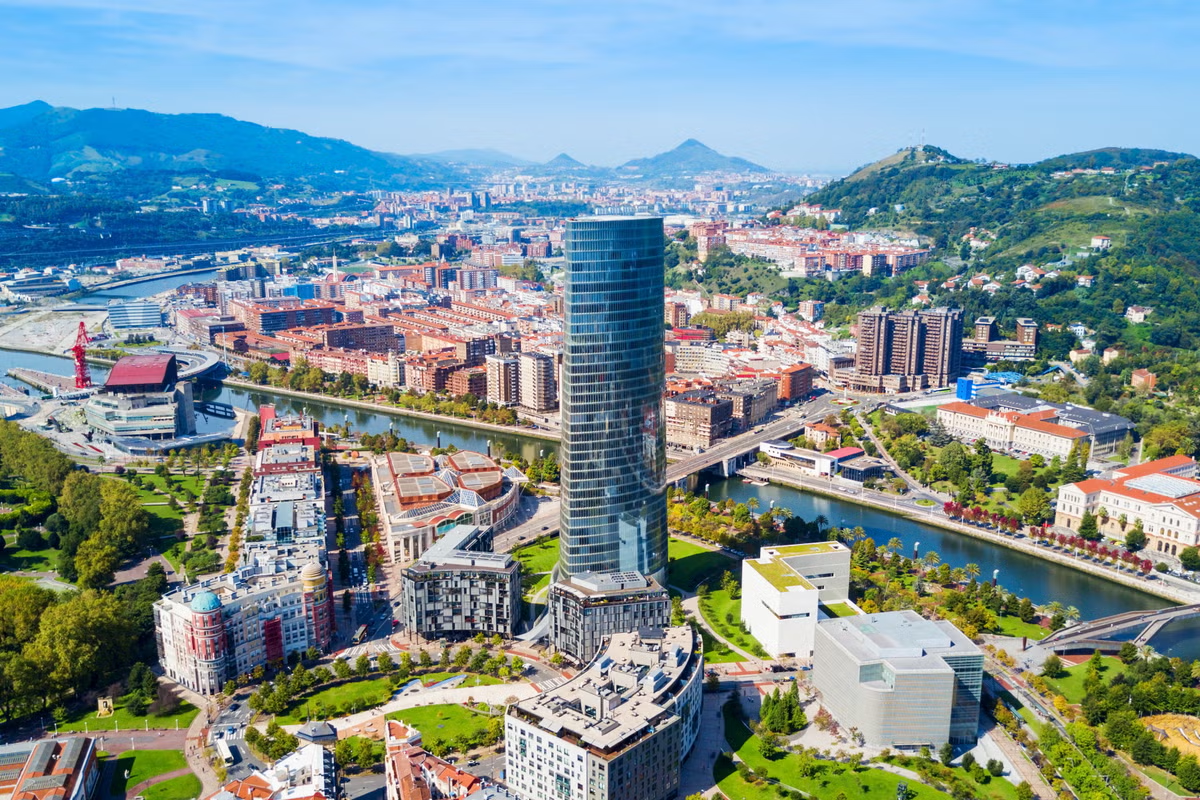
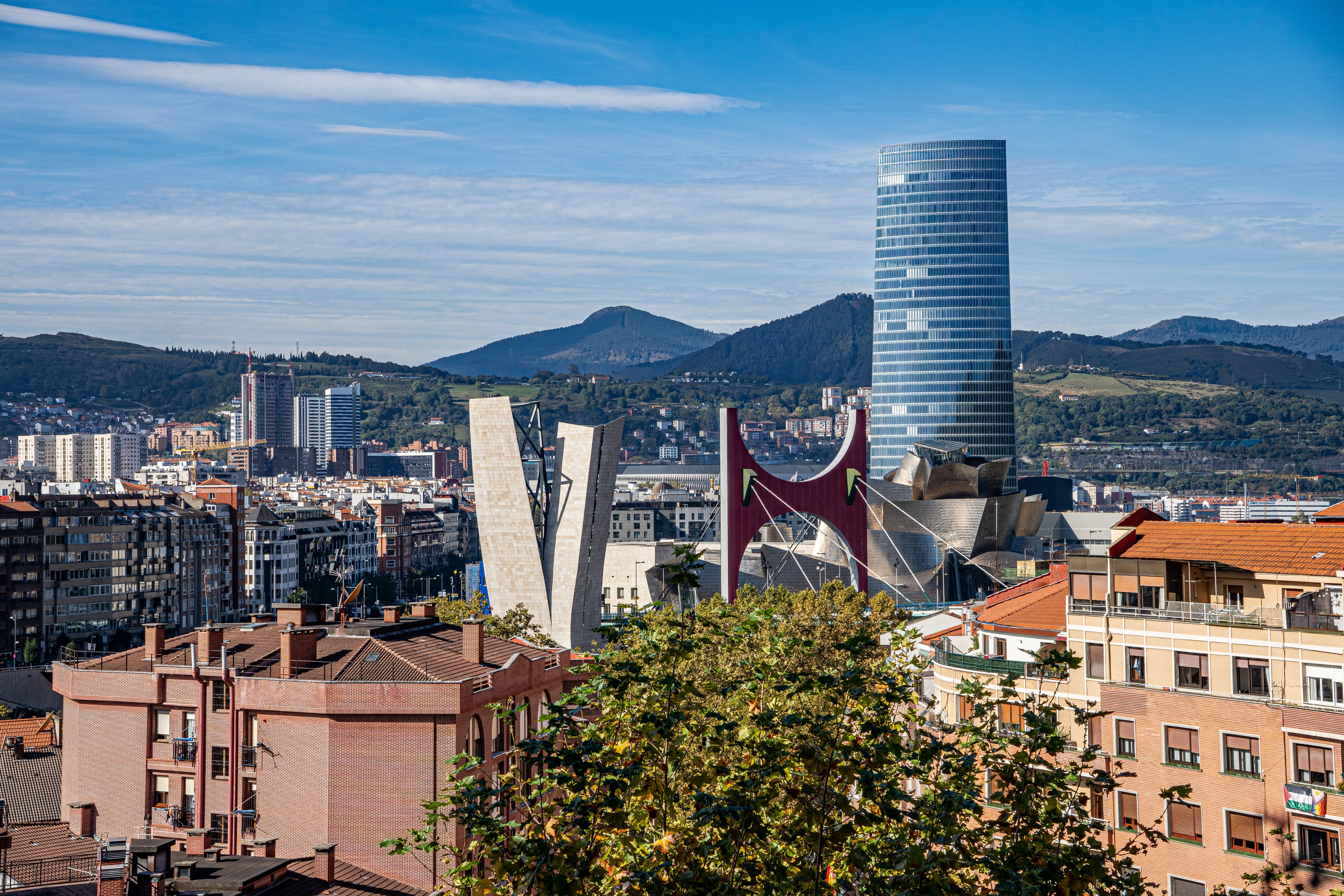
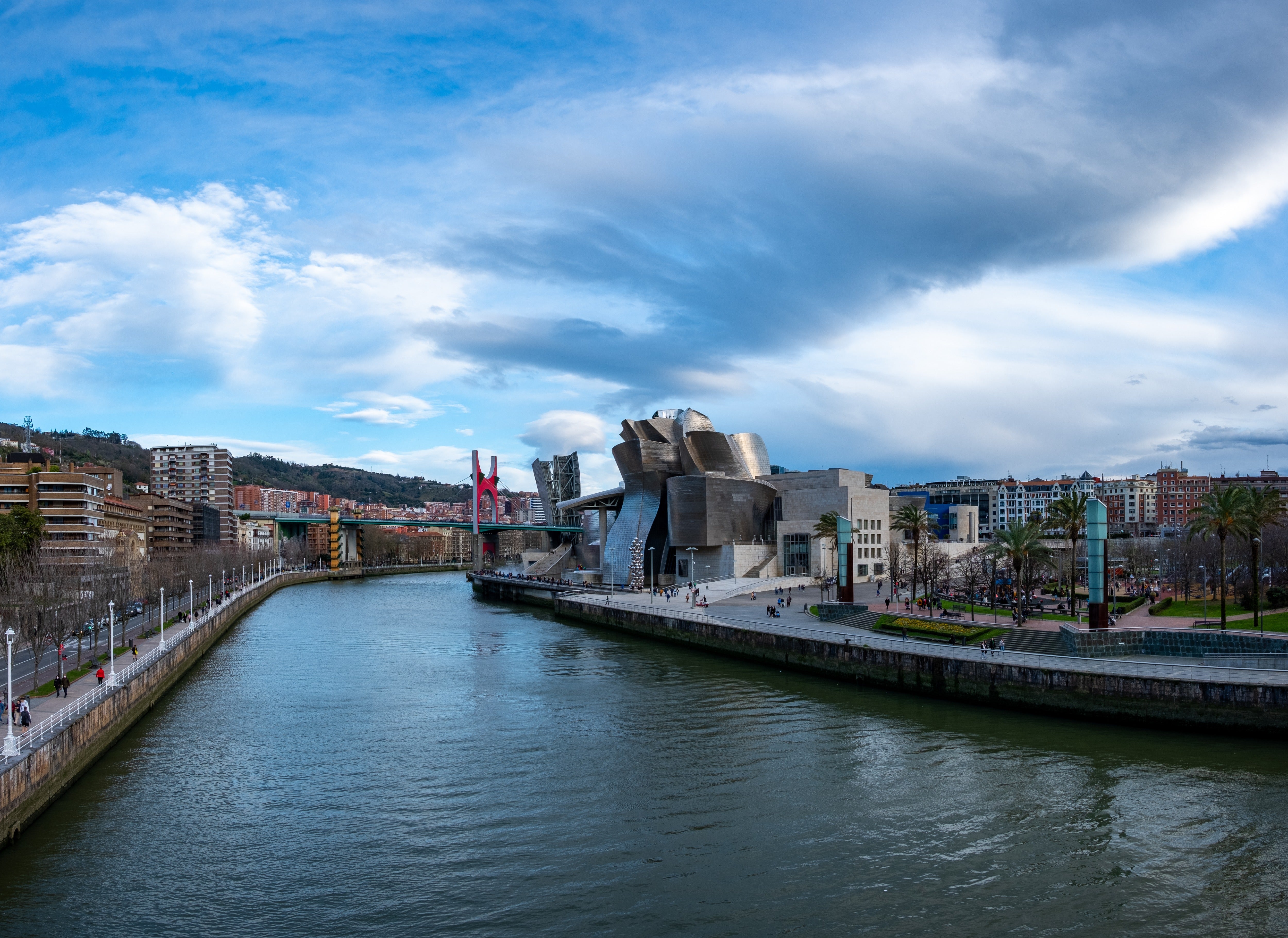
Found around 700 miles from the prime minister’s former patch, on the Nervión river that runs through Northern Spain’s Basque Country to the Bay of Biscay, Bilbao was historically a thriving port city that became a hive of heavy industry in the 20th century.
But like many port cities around the United Kingdom, it suffered the harsh impacts of deindustrialisation in the years after the Second World War, hitting a nadir in the 1980s as shipyard and factory closures caused large-scale unemployment.
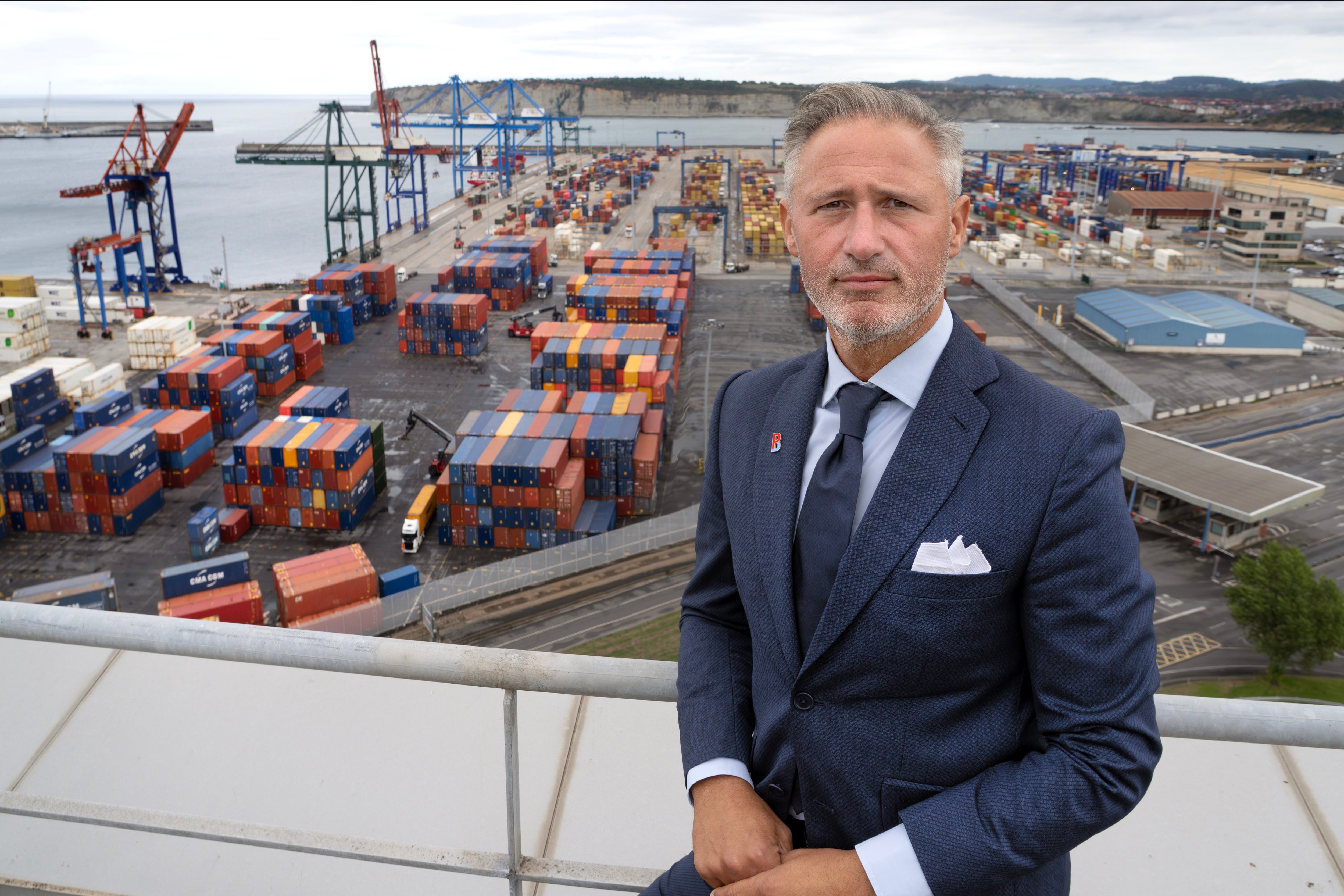
“During the Eighties, because we were in a quite similar situation as Liverpool and other places in England,” Ivan Jiménez, president of the Port of Bilbao, tells The Independent.
Advertisement
Ivan Jiminez, president of the Port of Bilbao (Port of Bilbao)
“People used to say, ‘No opportunities, this is dead, the steel industry has died.’
“Here, in the Eighties, I remember that we here had a 25 per cent unemployment rate. It was devastated.”
Once home to the city’s maritime might, the banks of the river are now most notable for the Guggenheim museum, built in 1997 to become the ship-shaped symbol of its revival.
Between its opening and 2015, GDP in the city more than doubled as it pivoted from a declining steel and shipbuilding economy to become a hub of clean energy, advanced manufacturing and biotechnology, with tourism and culture becoming key economies.
Advertisement
From 2000 to 2018, the city had the highest level of economic growth in Spain and, according to Mr Jiménez, that owes a lot to its devolved powers, similar to those Mr Burnham wishes to introduce in the UK.
Bilbao’s province, Biscay, is one of three which make up the autonomous community of the Basque Country, a region marked by a prominent separatist movement, part of which desires complete independence from Spain.
But the Basque Country’s self-governance means it has sweeping powers over tax, education, health, economic strategy and welfare.
Advertisement
As such, residents do not pay state income tax.
Instead of being funded by the Spanish central government in Madrid, Bilbao collects 100 per cent of its own income tax through its three provinces and keeps the majority, sending a fixed annual quota to the capital to pay for national services, such as the military.
Bilbao has seen a significant transformation in recent years (cimata/stock.adobe.com)
The regional leaders will receive a share of income tax revenues for the first time under the plans, which the government has described as the “biggest transfer of power from Westminster in a generation”, and would bolster their funding – on top of settlements currently allocated by central government.
Such autonomy has helped Bilbao thrive; according to Mr Jiménez, it proves that “you can manage without the dependency from the central state”.
“At the end, about 90 per cent of the taxes that are collected in the Basque Country stay in the Basque Country.
“With this autonomy, and in collaboration also with different other institutions – also from the state, also from Europe – they transformed a city that was based on heavy industry to advanced services and new industries.”
Advertisement
Mr Jiménez believes that consistent public investment through locally collected income taxes has allowed the region to develop in a way that suits itself, rather than having a path chosen for it by central government.
But this has been boosted, he says, by tailored private investment and collaboration with the public sector, such as the public-private partnership Bilbao Ría 2000, tasked with regenerating post-industrial sites.
The distinctive Guggenheim museum helped transform Bilbao’s fortunes (Fernando/stock.adobe.com)
“Collaboration is quite easy here,” Mr Jiménez says. To have a meeting here with any kind of politician for an entrepreneur, it’s quite easy.
“They used to tell us, for example, you go to Madrid or other places to have a meeting with the regional ministry, it’s quite difficult.
“In our case, the doors are always open because we are looking all the time for investment, research, development.”
Advertisement
It is, in many ways, redolent of what the MP for Makerfield wishes to achieve with his flagship policy of Number 10 North. Rather than everything being delivered through a nation’s capital, he hopes his new Manchester outpost will mean meetings for investment do not have to take place centrally.
Where Mr Burnham may struggle, however, is installing such a devolved economic system from scratch, Mr Jiménez says.
It is not a case of one size fits all, he believes, and such plans have to be bespoke in each region.
Though the English mayors have powers over matters such as transport and in their combined authorities, giving them control of taxes represents a radical change to the system.
Advertisement
Number 10 North is an early flagship policy of Andy Burnham’s (PA Media)
And for Mr Jiménez, the reason it works in the Basque Country is its historic autonomy.
“If you ask me, nowadays, could it be possible to create this from zero in the Spanish state? I would find it very, very difficult,” he explains.
“If you want to translate this to any other place, and if you don’t have a culture – a culture in our case coming from history – it could be a very difficult talk or discussion.
“That’s very clear, and would probably be much easier to implement this in a place where this identity plays a main role.”
Strong identity and pride – whether it is national in the case of Wales, Scotland and Northern Ireland or regional in places like the Liverpool City Region (where a ‘Scouse not English’ attitude exists) – and ensuring people believe that their part of the UK can thrive is key to making it work.
Advertisement
Mr Jiménez added: “You say: ‘I may feel English or not English, but I’m very linked to my region, and even if I feel English 100 per cent, I want to promote, I want to stay here, I want my children and grandchildren to grow up here with a lot of opportunities.’”
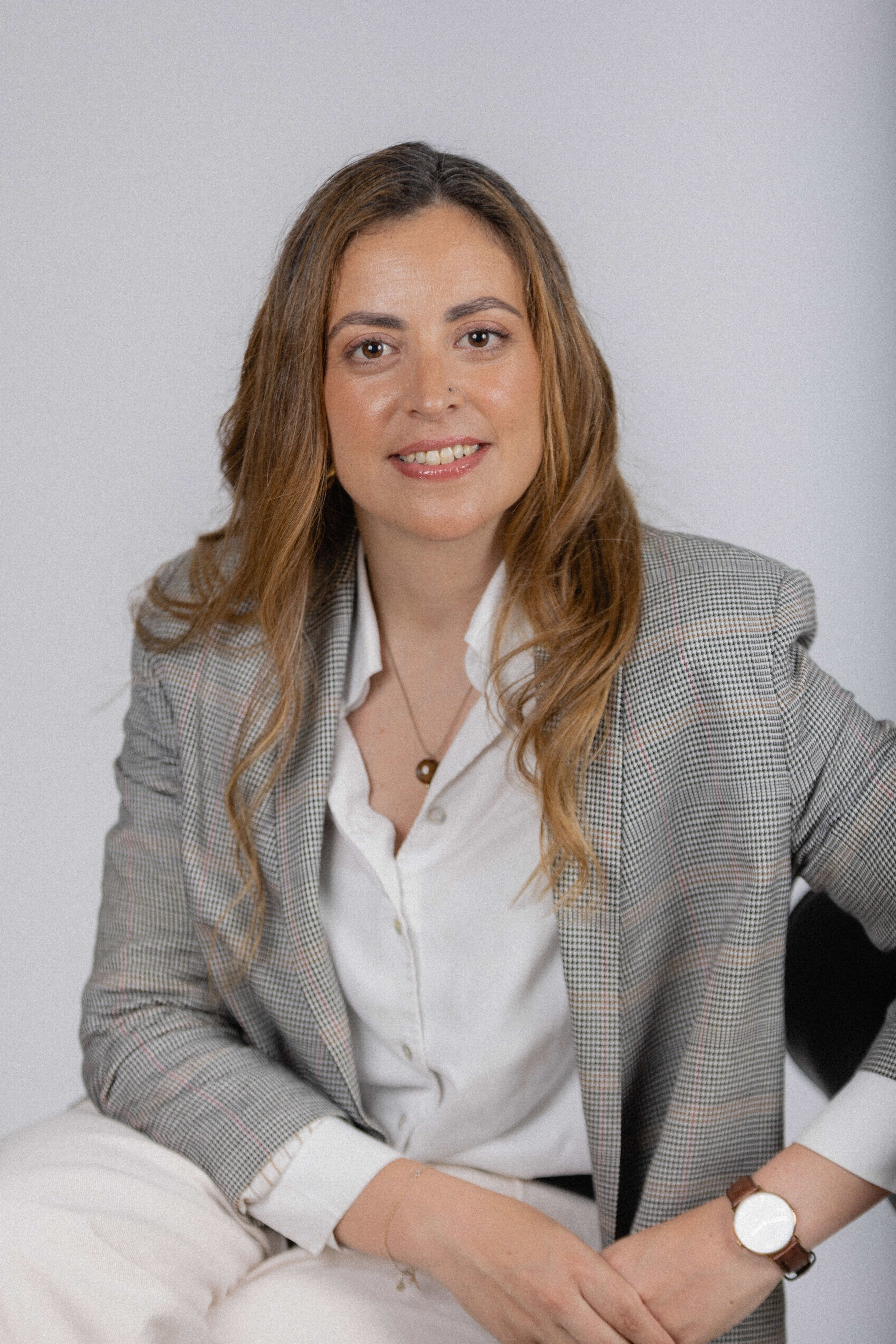
Retaining talent in the Basque Country is the job of Amaia Jugo, managing director of Bizkaia Talent.
Amaia Jugo, managing director of Bizkaia Talent (Supplied)
When opening No 10 North, the prime minister recalled his own experience of moving to London as a graduate in the early 1990s to find work, as he promised to make that a thing of the past.
About how the Basque Country has done so and prevents a brain drain, Ms Jugo said: “We explain that we have very good opportunities in strategic industries. We have different clusters, like automation, where you can have very good opportunities.
Advertisement
“When young people finish university, they are usually looking at London or Madrid. It is very important to be connected with them to show that they will have good opportunities here and can do a very good job in companies that have a good impact in our ecosystem.
“We have to change. We know that some industries are going to disappear or become smaller. So we have to understand that we need different industries.”
Dua Lipa‘s mother Anesa posted an unseen wedding photo on Instagram to mark her daughter’s 31st birthday on Saturday.
Anesa, 54, gushed she’s ‘so proud of the person Dua has become’ as she led the sweet family birthday tributes.
Dua looked incredible in a sparkly silver minidress and bridal veil at one of her wedding celebrations while her mum stunned in a LBD and black cowboy boots.
She wrote: ‘Happy birthday Dua!! ❤️✨❤️✨❤️ I am so proud of the person you are and everything you’ve become.
Advertisement
‘May life returns to you all the love, kindness and happiness you give. May this chapter bring endless reasons to smile and unforgettable moments. You deserve all the love and joy in this world! I love you!!’
Dua’s manager father Dukagjin, 57, also shared a tribute alongside childhood snaps of Dua which showed his youthful long hair.
The silver fox wrote: ‘Happy birthday Dua ❤️ I love you so much and I am so incredibly proud of you
Advertisement
Dua Lipa’s mother Anesa posted an unseen wedding photo on Instagram to mark her daughter’s 31st birthday on Saturday
Anesa, 54, gushed she’s ‘so proud of the person Dua has become’ as she led the sweet family birthday tributes
Dua’s manager father Dukagjin, 57, also shared a tribute alongside childhood snaps of Dua which showed his youthful long hair
Advertisement
‘May the hand of God be between you and the harms way May the love you give to all of us be the shield that keeps you safe and happy.’
Her sister Rina, 25, penned: ‘my main squeeezeee!!!! 4ever!!! Happiest birthday Du ❤️ im the luckiest girl to have you as my sister ���� i adore you, te dua shume❤️’
Dua’s husband Callum Turner recently revealed his plans to start a family with her in rare comments about their life together.
The actor tied the knot with the singer at London’s Old Marylebone Town Hall earlier this summer.
Advertisement
Their legal wedding was followed by a lavish three-day destination wedding celebration in Palermo, Sicily, which included a private performance by Elton John.
In an interview he opened up about their potential next steps as a couple, when asked by Esquire UK whether family would be a priority for him in the next decade.
He said: ‘Obviously, yeah, I’m 36. I’d like to have a family and raise some kids.’
On how he found his wedding day, he sweetly added: ‘It was amazing… It was the most beautiful day of my life.
Advertisement
The silver fox wrote: ‘Happy birthday Dua ❤️ I love you so much and I am so incredibly proud of you’
Her sister Rina, 25, penned: ‘my main squeeezeee!!!! 4ever!!! Happiest birthday Du ❤️ im the luckiest girl to have you as my sister ���� i adore you, te dua shume❤️’
Callum Turner tied the knot with the singer at London’s Old Marylebone Town Hall earlier this summer
Advertisement
‘It’s nice to find someone that you love and who loves you and you want to be around all the time.’
Dua has previously spoken about whether she would like children or not telling British Vogue: ‘I’d love to have kids one day.
‘But it’s like the constant question of when would there ever be a good time – how it would fit in with my job and how it would work if I went on tour, and how much time out I’d have to take.
‘I think it’s just one of those things that’s going to happen when it happens. I love kids, but I think there’s so much more to raising a child than just loving children.’
The idyllic honeymoon saw the couple travel along the Amalfi coast before heading to Rome where they were seen amongst tourists, paying for a pair of tickets to capture a photo beside the Trevi Fountain.
They also made a stop in Naples and enjoyed a stay in Taormina, checking into the San Domenico Palace, the hotel made famous by The White Lotus season two.
Advertisement
Share or comment on this article:
Dua Lipa turns 31! Singer’s mum leads sweet birthday tributes as she shares unseen wedding photo while her dad posts unrecognisable childhood snap
It happened in the early hours of Saturday morning
Police are appealing for information following a report of a burglary in Newtownabbey and a vehicle theft in North Belfast.
Advertisement
In the early hours of Saturday morning, a man entered a commercial premises in the Antrim Road area of Newtownabbey before making off with a number of items.
A PSNI spokesperson said: “A report was received at approximately 4am this morning, Saturday 22nd August, that a man had gained entry to commercial premises on the Antrim Road in Newtownabbey, smashing a window and then making off with a number of items.
“Initial enquiries identified a suspect vehicle linked to the burglary. It was later confirmed this vehicle had been stolen from outside a property on the Somerton Road area of north Belfast after access was gained to a house and the car keys taken.
“The vehicle was later found abandoned by officers on Salisbury Gardens – with no one present.“Police are appealing to anyone who was in these areas around 4am this morning and noticed anything suspicious to make contact with us.“We’re also keen to hear from anyone who has dash-cam, CCTV or other footage to contact police using our witness appeal form at https://reporting.psni.police.uk/appeals quoting reference 201 of 22/08/26.”Alternatively, you can call us on the 101 number or call Crimestoppers anonymously on 0800 555 111, or online at http://crimestoppers-uk.org/
Manchester airport has diverted seven flights after a man got on to the airfield.
A further 17 planes were delayed after the trespasser breached security in a ‘mental-health related’ incident at around 11.20pm on Friday, police said.
He was arrested at the airport after around 15 minutes and has since been taken to hospital.
easyJet flight 22194 from Zurichwas diverted to Birmingham while the airline’s flight 22002 from Barcelona was sent to Liverpool John Lennon airport.
Advertisement
Meanwhile TUI flights 439 from Boa Vista, 2573 from Corfu and 2253 from Naples were all diverted to East Midlands airport.
Ryanair flight 1265 from Agadir was diverted to Birmingham, while Jet2 flight 1024 from Faro was sent to Leeds Bradford airport.
The airport has now returned to normal.
A spokesman for Manchester airport said: ‘A person encroached onto the airfield shortly before midnight last night.
Advertisement
Seven flights due to land at Manchester airport were diverted after a man entered the airfield on Friday night
A further 17 flights were delayed by the man, who was arrested and taken to hospital for assessment
‘They were quickly apprehended by staff and arrested by Greater Manchester Police.
Advertisement
‘The airfield was closed for around 15 minutes while the incident was handled and the breach was repaired. That resulted in seven diverted flights and 17 delayed flights.’
Greater Manchester Police said: ‘We responded to reports of a male who had been located air side at Manchester Airport at around 11.21pm last night.
‘This appears to be mental-health related and the man has been taken to hospital for assessment.’
Advertisement
Share or comment on this article:
Chaos at Manchester Airport after trespasser ‘enters airfield’ causing seven flights to be diverted and 17 held in sky
Seven of the flights were diverted, and 17 were held in the skies, after the incident is at 11.21pm on Friday, August 21, when the airfield had to be closed for 15 minutes while police arrested the man.
Greater Manchester Police said: “We responded to reports of male who had been located air-side at Manchester Airport.
“This appears to be mental-health related and the man has been taken to hospital for assessment.”
Advertisement
Part of an airfield fence, which was damaged, is understood to have been fixed.
Online platform Flightradar 24 showed several flights had to be rerouted while the issue was dealt with, including some flights bound for Manchester being diverted to airports like Birmingham and East Midlands.
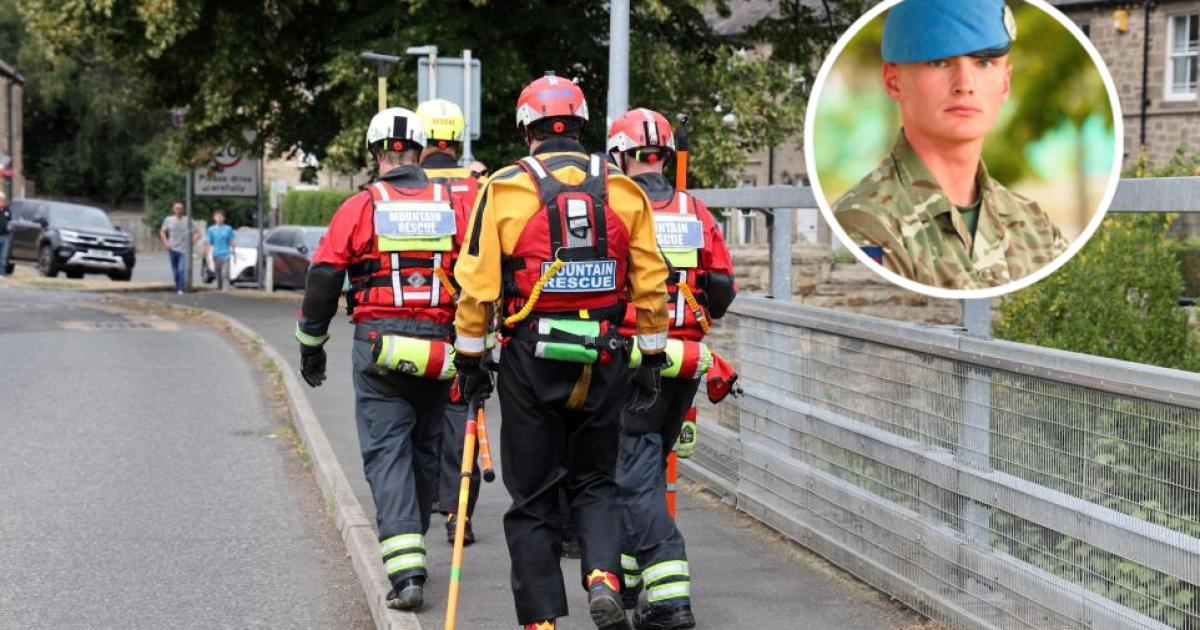
Liam Potts had not returned home after a night out with friends, sparking a desperate search which entered its fourth day.
The 22-year-old was last seen at about 12.20am on Saturday, August 15, heading into Wylam from Wylam Bridge.
Specialist officers from Northumbria Police’s Marine Unit made the discovery in the river close to Wylam Bridge on August 18.
Advertisement
His family have since paid tribute, they said: “To our Liam. You may no longer be here beside us, but your presence will never be forgotten. Your family, friends and colleagues have all said the same thing, ‘once you met Pottsy, you could never forget him.’
“You really were the heart and soul of any room.
“We are going to miss your smile, your laugh, and the little things that made you who you are. Though time may pass, the love we have for you will never fade.
“You will always be remembered, and forever loved. Rest peacefully, knowing that your memory lives on in all those whose lives you touched.”
Advertisement
They added: “Now to everyone who reached out with kind messages, calls, visits, flowers and thoughtful gestures; please know how deeply grateful we are.
“Your love and support brings us comfort when we need it most; it really has been extremely overwhelming the amount of support we have been receiving, it’s clear to see how loved Liam was.
“Thank you to everyone who tirelessly supported in the search for Liam including all the members of the public. As you will have hopefully already seen, a GoFund Me page has been created to donate to all the amazing volunteers of the Mountain Rescue Teams.
“However, beyond this, we would like to extend our appreciation to Northumbria Police, particularly the diving team that were able to successfully bring our boy home.”
Advertisement
Today (August 22), it was announced that two men have been re-arrested on suspicion of manslaughter following Liam’s death.
The two men, aged 22 and 23, remain in police custody.
A disturbance had been reported the same night Liam went missing at The Boathouse, followed by a collision on Wylam Bridge involving a vehicle and pedestrians.
A man and woman, both in their 20s, sustained serious but non-life-threatening injuries in the collision.
Advertisement
Northumbria Police have confirmed they are now investigating whether the two incidents are linked.
According to a witness, when the owner, a woman, was challenged about what her dog had done, she claimed it hadn’t bitten the man.
The woman and her pet were in Weddall Close, Dringhouses, when the incident happened on Monday, at about 3.10pm.
She was an older white woman, with brown hair in a bob cut, wearing black glasses, a leopard skin print coat, blue shirt and cream trousers.
Advertisement
“The owner is described as being dismissive of what happened and disputed that the male had even been bitten,” the police statement said.
“We have some very good still images of the owner, and we may release them to the public, but we would like the owner to come forward, in the first instance,” the police statement says.
If you know who the woman is or can help police with their investigation email mark.burrows@northyorkshire.police.uk, or can call North Yorkshire Police on 101, or contact Crimestoppers anonymously on 0800 555 111 or via their website.
Please quote reference 12260160322 when passing on information.
The death of Jason Arday, following weeks of news coverage of his life and career, has prompted calls for a new inquiry into press standards. The University of Cambridge academic faced an overwhelming volume of comment from international news organisations, broadcasters, digital-native publications and the public on social media. His family said it all had a catastrophic impact on his life. I should underline from the start that I have enormous sympathy for what Arday went through, and my thoughts are with his family and friends.
Given the demands from some politicians and pressure groups for a public inquiry into the press’s actions in reporting on Arday, it is worth looking at how newspapers covered the emergence of the plagiarism allegations against him, the claims he made about his life and career, his resignation from Cambridge, his death and the reaction to it.
There is a lot of potential material to consider, and a variety of approaches could be employed. Here, I have looked at substantive articles published in the print editions of national newspapers. I haven’t included articles published solely on newspaper websites, nor newspapers’ social media or multimedia output. Nor have I analysed broadcaster or social media output. There is a vast amount of other content that could, and no doubt will in due course, be considered.
However, given that there is pressure for an inquiry into the press, it is sensible to begin with the print editions, which remain a core driver of newspapers’ news-gathering and commissioning processes.
Advertisement
I have looked at the number and type of articles published, and the key themes that they engaged with. I haven’t conducted a close textual reading, rather categorising the overarching themes of an article. I have only considered substantive articles produced by a search using data analysis by the company LexisNexis from July 25, the day the plagiarism allegations were first reported, until August 20. Where a story was repeated in different editions of the newspapers, I disregarded duplicates, and I discounted letters to the editor, promotions or indexes, as well as passing references in articles that were primarily about something else.
I wanted to focus on articles that were chiefly about Arday, his work or the fallout from the events of the past month. That said, I don’t disregard the impact that all of these additional pieces of output may have had on Arday – they contributed to the intense volume of content that has been created during these weeks.
The LexisNexis results produced a result of 553 articles from 14 publications. Cleaning the data produced a final corpus of 242 articles for consideration. The Times produced the most articles – 53 in the daily edition and a further eight in the Sunday Times.
The articles published in print newspapers on Jason Arday. Author provided (no reuse)
The data about the articles, the date of publication, the type of article, and its themes were coded by hand; the figures in this article were created using AI to visualise the data. There were two peaks in coverage: after Arday resigned from Cambridge University on August 5 and following his death on August 14.
The peaks in coverage of the Jason Arday story. Author provided (no reuse)
The start of the coverage
The plagiarism allegations were first reported by the Daily Telegraph, The Times and the Daily Mail on July 25. The Times and the Daily Telegraph continue to report the story regularly from the last days of July, with other newspapers starting to publish around the time of Arday’s resignation. In the days that followed, a significant number of articles were published.
Most of the articles are news stories about the developing situation. But there are also several opinion-led pieces too. The Times publishes 30 news stories and 13 opinion pieces, as well as news analysis, leaders, a review of Arday’s memoir, and the only interview with the academic.
A heatmap showing the types of articles published on the Jason Arday story. Author provided (no reuse)
The coverage begins with questions about plagiarism in his academic work, but quickly moves to consider Arday’s wider claims about his life, pegged to the imminent publication of his memoir. From the very beginning, some newspapers frame questions about Arday’s work in the context of Cambridge’s efforts to diversify its academic workforce. The Daily Telegraph’s first story is headlined “Cambridge’s diversity pin-up in plagiarism row”. This sets the tone for much of the subsequent reporting.
The most common themes for coverage of the Jason Arday story. Author provided (no reuse)
From relatively early on, concerns are raised about the amount of reporting and comment the story is generating through both the press and social media. The Times journalist Giles Coren writes about Arday twice in his columns on August 1 and 11. On both occasions, he raises questions about the volume and impact of the coverage. Coren has subsequently been criticised for his choice of language – he referred to everyone “slaughtering” Arday – but he is clearly critical of the way the story is being covered.
How the focus of the reporting shifted over time. Author provided (no reuse)
Finally, there is the question of the proportionality of the coverage. To what extent were newspapers dealing with questions of legitimate public interest, rather than pursuing a story that had captured a degree of public enthusiasm, with consequent financial benefits to their publications?
While it is true that allegations of run-of-the-mill academic misconduct seem unlikely to interest journalists, it is also true that Arday was an emerging public intellectual. His media appearances – including on BBC Question Time and guest editing Radio 4’s Today – plus the publication of a mainstream commercial memoir featuring a range of extraordinary claims, meant he inevitably had a higher profile than his peers.
Many of the news stories in the sample do attempt to answer questions that are legitimate to ask. On the other hand, some people have expressed the view that the coverage was motivated by racism from the start – Arday’s former mentor at Cambridge Lord Simon Woolley referred to his friend being “hounded to death”.
Advertisement
Framing associated with race is present throughout the sample, and some articles explicitly accuse Cambridge of only appointing Arday as a professor because of the colour of his skin. For example columnist Julia Hartley-Brewer’s article in The Sun on August 7 was headlined “Prof hasn’t been hounded from job because he is black…it looks like he only got the job because he is black”.
There is no question that some journalists, opinion columnists in particular, viewed this story through the lens of wider battles over culture. Was it proportionate? I hope editors will reflect on that at some length. But as I pointed out at the beginning, the newspaper coverage is only a part of the volume of content created. All of those who’ve contributed to the firehose of comment need to reflect on their part in it.
The victim in all of this is unquestionably Arday. There may have been questions that he needed to answer about his life and work. But the penalty he paid for being caught at the heart of this firestorm was out of all proportion to any offence he may have committed.





























































You must be logged in to post a comment Login