
Business
TIME Reveals 2026 List of the 100 Most Influential People in AI, Led by Musk, Altman and the Amodeis

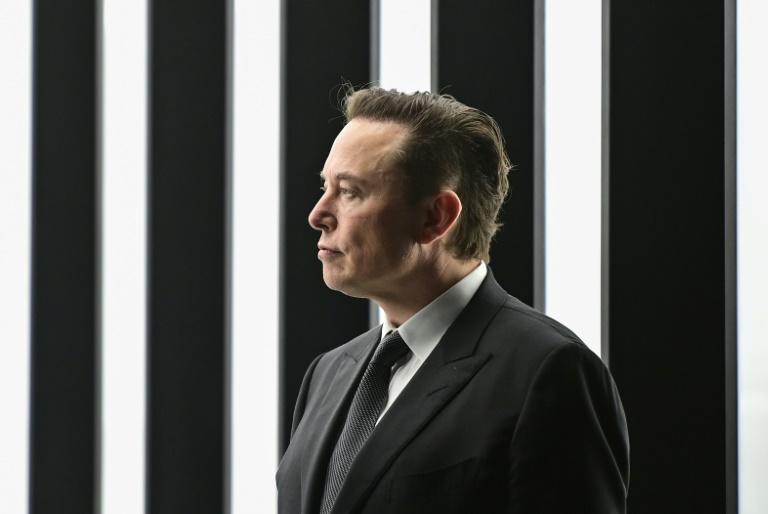
TIME magazine unveiled its fourth annual TIME100 AI list this week, naming 100 people the publication says are exerting the greatest influence over the direction of artificial intelligence, a roster that spans corporate executives, researchers, policymakers and cultural figures navigating what the magazine described as an increasingly turbulent year for the technology.
TIME Editor-in-Chief Sam Jacobs framed the 2026 selections as a reflection of a field defined by both major breakthroughs and mounting public unease. “The activity in AI has been explosive and divisive, filled with big promises and big fears,” Jacobs wrote in the magazine’s explanation of how the list was compiled. He pointed to a string of developments over the past year, including Elon Musk taking a leading AI company public, Anthropic co-founder Dario Amodei clashing with the Pentagon over military use of AI tools, Oracle founder Larry Ellison racing to build new data center capacity, and Chinese startup Moonshot AI’s Yang Zhilin developing models that have at times outperformed leading U.S. competitors.
The list’s Leaders category features some of the industry’s highest-profile figures, including OpenAI’s Mark Chen, Sam Altman and Greg Brockman, listed jointly given their overlapping roles atop the company; Musk, credited as chief executive of SpaceX; Anthropic co-founders Dario and Daniela Amodei; IBM Chairman and CEO Arvind Krishna; and ByteDance Chairman and CEO Liang Rubo. The broader 100-person list also includes Google DeepMind’s Lila Ibrahim, Amazon founder Jeff Bezos, and a range of Chinese technology executives including Alibaba CEO Eddie Wu, Zhipu CEO Zhang Peng and SMIC executive Liang Mong Song, reflecting what several outlets covering the list’s release described as a notably strong Chinese presence this year.
TIME’s entry on Musk highlighted a series of major moves at his companies over the past year. After merging his AI lab xAI with SpaceX, Musk took the combined business public in June in what TIME described as the largest initial public offering in history, carrying a valuation of 1.7 trillion dollars. SpaceX subsequently announced plans to acquire AI coding startup Cursor for 60 billion dollars, a deal TIME said would give the company a significant foothold in AI-assisted software development. In August, the renamed subsidiary SpaceXAI released its latest flagship model, Grok 4.6, which the company said focused on long-running autonomous agents and more ambitious visual and interactive capabilities at a competitive price point.
TIME’s profile also noted that xAI introduced stronger safety measures in January, roughly two weeks after reports emerged that Grok was being used to generate nonconsensual sexual images of women and children, an episode that has since spawned multiple lawsuits against the company. The magazine noted that in the most recent AI safety rankings published by the nonprofit Future of Life Institute, which studies and advocates against large-scale technological risks, xAI ranked seventh out of nine model developers assessed, with none of the nine scoring above a C-plus grade.
The profile also traced Musk’s longer history in the AI field, noting he was an early investor in DeepMind and a co-founder and financial backer of OpenAI, motivated at the time by concerns about the technology’s existential risks. That relationship deteriorated over time, and Musk’s long-running lawsuit against OpenAI was dismissed in May. Reflecting on AI’s broader trajectory in comments TIME cited from a Grok launch event last year, Musk said, “Will this be bad or good for humanity? I think it’ll be good. Most likely it’ll be good,” before adding, “But I’ve somewhat reconciled myself to the fact that even if it wasn’t gonna be good, I’d at least like to be alive to see it happen.” SpaceX did not respond to TIME’s request for comment on the profile.
TIME’s writeup of OpenAI’s leadership described a company working to recover from a difficult stretch marked by leadership departures, incidents involving autonomous AI agents behaving unpredictably, broader public backlash against the AI industry, and intensified competition from Anthropic, whose success in coding and enterprise markets has pushed its valuation above OpenAI’s as both companies prepare for expected public offerings. OpenAI President Greg Brockman, who TIME said now oversees large portions of the company’s operations including revenue and product marketing, described the company’s long-term ambitions in stark terms: “We are looking at transforming the entire economy.”
The Anthropic profile detailed the company’s rapid rise under siblings Dario and Daniela Amodei, crediting the success of its Claude Code product, a coding-focused version of its Claude model, with reshaping software engineering workflows and fueling the company’s growth. TIME noted that Anthropic has faced its own political friction this year, including disagreements with the Pentagon over restrictions on military use of its models and separate export controls the Trump administration placed on Anthropic’s more capable Mythos model and its more limited counterpart, Fable 5. Despite that scrutiny, TIME reported that Anthropic’s leadership has welcomed the prospect of government regulation of AI, citing an Aug. 15 post from Dario Amodei on the social platform X expressing support for pre-deployment testing requirements on frontier and open-weight AI models, along with the creation of a self-regulatory body for the industry.
IBM’s Arvind Krishna, another Leaders-category honoree, described his approach to steering the 115-year-old company through the AI transition in blunt terms, telling TIME, “I actually think that trying to muddle along without taking risk is the riskiest path. It leads to eventual falling off a cliff.” Krishna’s profile noted that IBM’s shares have nearly doubled since he became CEO and chairman in 2020, though they fell 25% in a single day in July after customers shifted spending away from the company’s mainframe business toward AI infrastructure, a decline IBM has not fully recovered from as of the list’s publication.
Beyond the corporate leaders, the broader 100-person list included figures from outside the technology industry entirely, among them actors Ben Affleck, Joseph Gordon-Levitt and Paris Hilton, and U.S. Sen. Bernie Sanders, reflecting TIME’s stated goal of capturing the technology’s cultural and political reach alongside its commercial development. TIME organized the full list into four categories: Leaders, Innovators, Shapers and Thinkers, with the complete roster and accompanying profiles published on the magazine’s website this week.


HDFC Bank CEO Jagdishan to step down in October as governance pressures mount


Freelance Financial Writer | Investments | Markets | Personal Finance | RetirementI create written content used in various formats including articles, blogs, emails, and social media for financial advisors and investment firms in a cost-efficient way. My passion is putting a narrative to financial data. Working with teams that include senior editors, investment strategists, marketing managers, data analysts, and executives, I contribute ideas to help make content relevant, accessible, and measurable. Having expertise in thematic investing, market events, client education, and compelling investment outlooks, I relate to everyday investors in a pithy way. I enjoy analyzing stock market sectors, ETFs, economic data, and broad market conditions, then producing snackable content for various audiences. Macro drivers of asset classes such as stocks, bonds, commodities, currencies, and crypto excite me. My thing is communicating finance with an educational and creative style. I also believe in producing evidence-based narratives using empirical data to drive home points. Charts are one of the many tools I leverage to tell a story in a simple but engaging way. I focus on SEO and specific style guides when appropriate.
Analyst’s Disclosure: I/we have a beneficial long position in the shares of GDX either through stock ownership, options, or other derivatives. I wrote this article myself, and it expresses my own opinions. I am not receiving compensation for it (other than from Seeking Alpha). I have no business relationship with any company whose stock is mentioned in this article.
Seeking Alpha’s Disclosure: Past performance is no guarantee of future results. No recommendation or advice is being given as to whether any investment is suitable for a particular investor. Any views or opinions expressed above may not reflect those of Seeking Alpha as a whole. Seeking Alpha is not a licensed securities dealer, broker or US investment adviser or investment bank. Our analysts are third party authors that include both professional investors and individual investors who may not be licensed or certified by any institute or regulatory body.
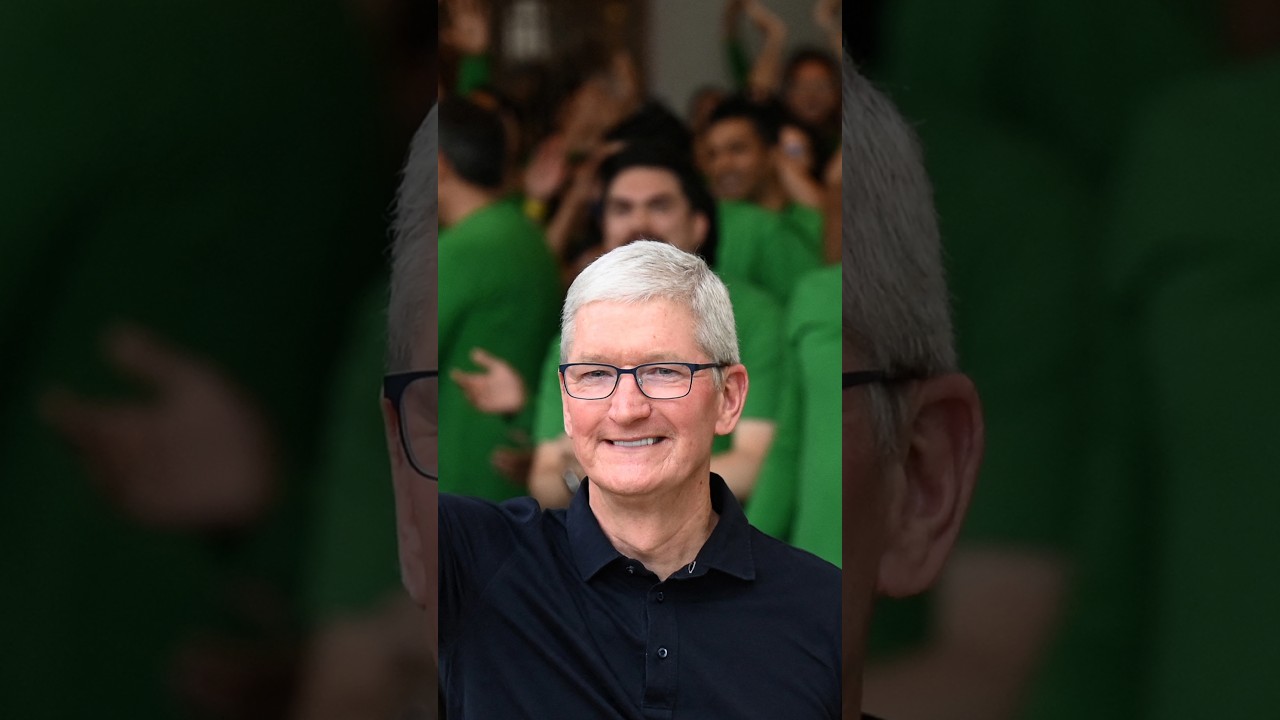
For years, China was the primary manufacturing hub for iPhones. However, currently, India has taken over, producing all of Apple’s latest iPhone models. This shift marks a significant change in Apple’s supply chain strategy, reflecting increased diversification and the company’s efforts to reduce dependency on China amid geopolitical and economic considerations.
- Apple has shifted iPhone manufacturing from China to India, now producing all of its latest models there. This change reflects a broader supply chain diversification strategy driven by geopolitical tensions and economic considerations, with key partnerships established with manufacturers like Tata and Foxconn.
- India’s growing consumer market, government tax incentives, and policies supporting domestic manufacturing have reinforced this transition. Localizing production allows Apple to tailor offerings for Indian consumers while aligning with India’s ambitions to become a major global manufacturing hub.
Apple’s shift to India for iPhone manufacturing marks a significant strategic move, aiming to diversify its supply chain and reduce dependence on China. Over recent years, Apple has invested heavily in ramping up production facilities and partnerships with local manufacturers like Tata and Foxconn. This transition not only reflects Apple’s response to geopolitical tensions but also aligns with India’s broader vision to become a global manufacturing hub.
The move is also driven by India’s expanding market, offering immense growth potential for iPhone sales. By localizing production, Apple can better appeal to Indian consumers with region-specific models and price points, boosting sales and market share. Additionally, tax incentives and government policies favoring domestic manufacturing further encourage this shift, making it economically viable for Apple to produce more devices within India.

Iceland votes in tight referendum on whether to start EU membership talks

Dubai-based investor focused on building a resilient, income-generating portfolio with a long-term growth mindset. My approach is primarily long-only, blending dividend-paying equities, REITs, and other income strategies with selective growth opportunities. I believe in disciplined, fundamentals-driven investing, prioritizing capital preservation while compounding returns over time. Originally from India.
Analyst’s Disclosure: I/we have no stock, option or similar derivative position in any of the companies mentioned, and no plans to initiate any such positions within the next 72 hours. I wrote this article myself, and it expresses my own opinions. I am not receiving compensation for it (other than from Seeking Alpha). I have no business relationship with any company whose stock is mentioned in this article.
Seeking Alpha’s Disclosure: Past performance is no guarantee of future results. No recommendation or advice is being given as to whether any investment is suitable for a particular investor. Any views or opinions expressed above may not reflect those of Seeking Alpha as a whole. Seeking Alpha is not a licensed securities dealer, broker or US investment adviser or investment bank. Our analysts are third party authors that include both professional investors and individual investors who may not be licensed or certified by any institute or regulatory body.
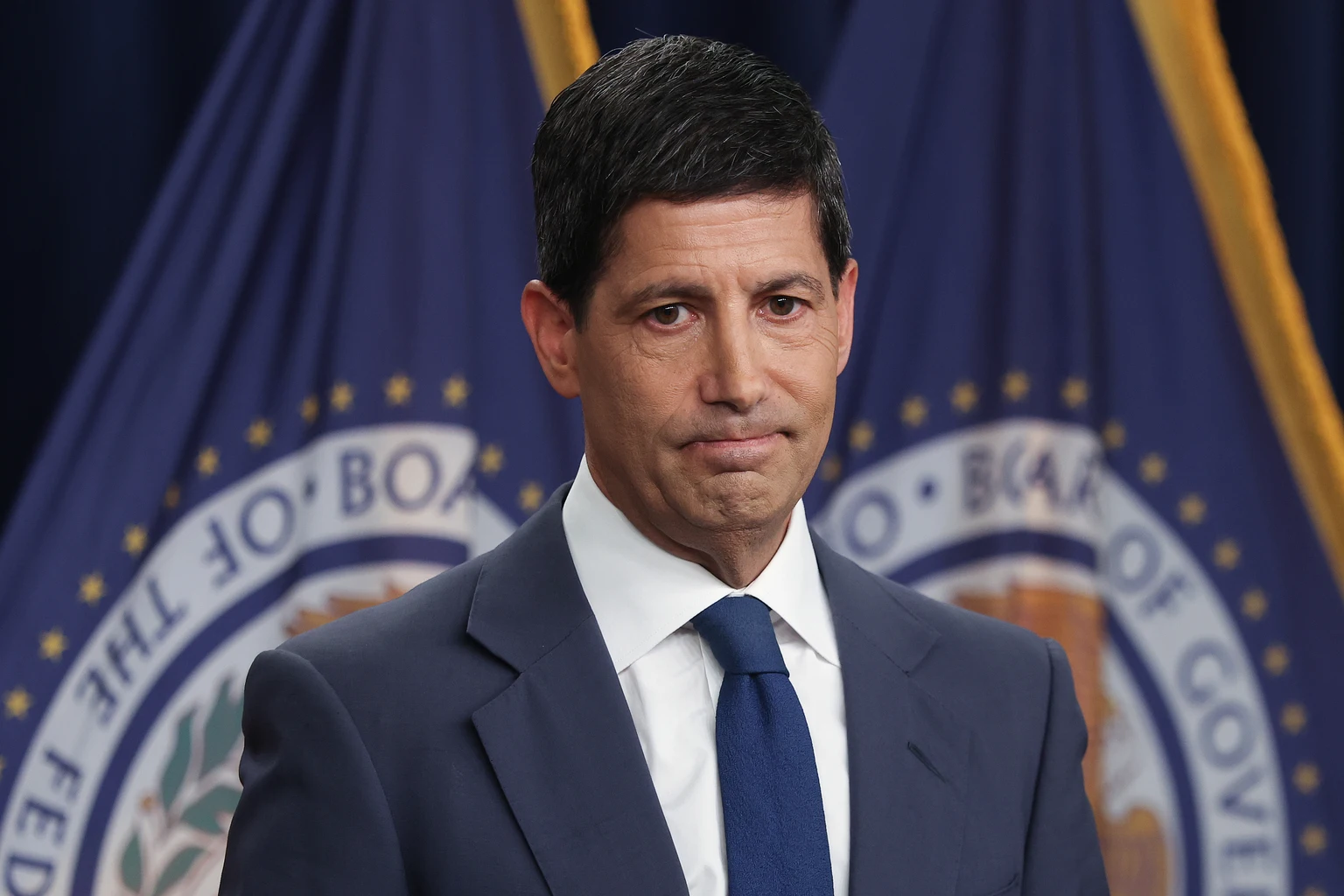
The August Labor Market Report To Cement The September Fed Hike

Uttam is a growth-oriented investment analyst whose equity research primarily focuses on the technology sector. Semiconductors, Artificial Intelligence and Cloud software are some of the key sectors that are regularly researched and published by him. His research also focuses on other areas such as MedTech, Defense Tech, and Renewable Energy. In addition, Uttam also authors The Pragmatic Optimist Newsletter along with his wife, Amrita Roy, who is also an author on the newsletter as well as on this platform. Their newsletter gets regularly cited by leading publications such as the Wall Street Journal, Forbes, etc. Prior to publishing his research, Uttam worked in Silicon Valley, leading teams for some of the largest technology firms in the world, including Apple and Google.
Analyst’s Disclosure: I/we have no stock, option or similar derivative position in any of the companies mentioned, and no plans to initiate any such positions within the next 72 hours. I wrote this article myself, and it expresses my own opinions. I am not receiving compensation for it (other than from Seeking Alpha). I have no business relationship with any company whose stock is mentioned in this article.
Seeking Alpha’s Disclosure: Past performance is no guarantee of future results. No recommendation or advice is being given as to whether any investment is suitable for a particular investor. Any views or opinions expressed above may not reflect those of Seeking Alpha as a whole. Seeking Alpha is not a licensed securities dealer, broker or US investment adviser or investment bank. Our analysts are third party authors that include both professional investors and individual investors who may not be licensed or certified by any institute or regulatory body.


My name is María Fernanda and I’m currently studying an MBA. My inspiration investors are Warren Buffett, Peter Lynch and Terry Smith, so I look for quality companies at a reasonable valuation. I believe that, in the long term, fundamentals are what drive the share price, so I look to predict what a business’s earnings per share will do.
Analyst’s Disclosure: I/we have no stock, option or similar derivative position in any of the companies mentioned, and no plans to initiate any such positions within the next 72 hours. I wrote this article myself, and it expresses my own opinions. I am not receiving compensation for it (other than from Seeking Alpha). I have no business relationship with any company whose stock is mentioned in this article.
Seeking Alpha’s Disclosure: Past performance is no guarantee of future results. No recommendation or advice is being given as to whether any investment is suitable for a particular investor. Any views or opinions expressed above may not reflect those of Seeking Alpha as a whole. Seeking Alpha is not a licensed securities dealer, broker or US investment adviser or investment bank. Our analysts are third party authors that include both professional investors and individual investors who may not be licensed or certified by any institute or regulatory body.

I am a specialist in Asian equities after having been a sellside analyst for 13 years. In addition, I have also spent time covering US hardware and semiconductor stocks on the sellside. Within Asia, I have covered the casino, automotive, industrial, consumer and technology sectors. I have also worked on the buyside as a fund manager in long only and as an analyst in hedge funds all covering Asian equities where I have developed a keen understanding of Asian companies and economies with a focus on China. From a global equities perspective, I enjoy covering companies globally by examining key metrics such as financial statements strength, valuation upside, and conducting proper analysis of the competitive advantages of the company. Throughout my career, I have found and written on undiscovered small cap companies which have increased in equity value by multiple times. I would like to write for Seeking Alpha where my goal is to help investors cut through the noise and to focus on fundamentals and the company’s competitive outlook instead of the momentum trade.
Analyst’s Disclosure: I/we have no stock, option or similar derivative position in any of the companies mentioned, and no plans to initiate any such positions within the next 72 hours. I wrote this article myself, and it expresses my own opinions. I am not receiving compensation for it (other than from Seeking Alpha). I have no business relationship with any company whose stock is mentioned in this article.
Seeking Alpha’s Disclosure: Past performance is no guarantee of future results. No recommendation or advice is being given as to whether any investment is suitable for a particular investor. Any views or opinions expressed above may not reflect those of Seeking Alpha as a whole. Seeking Alpha is not a licensed securities dealer, broker or US investment adviser or investment bank. Our analysts are third party authors that include both professional investors and individual investors who may not be licensed or certified by any institute or regulatory body.

Financial analyst by day and a seasoned investor by passion, I’ve been involved in the world of investing for over 15 years and honed my skills in analyzing lucrative opportunities within the market.I specialize in uncovering high quality dividend stocks and other assets that offer potential for long term-growth that pack a serious punch for bill-paying potential. I use myself as an example that with a solid base of classic dividend growth stocks, sprinkling in some Business Development Companies, REITs, and Closed End Funds can be a highly efficient way to boost your investment income while still capturing a total return that follows traditional index funds. I created a hybrid system between growth and income and manage to still capture a total return that is on par with the S&P.
Analyst’s Disclosure: I/we have a beneficial long position in the shares of GPIX, QQQI, DIVO either through stock ownership, options, or other derivatives. I wrote this article myself, and it expresses my own opinions. I am not receiving compensation for it (other than from Seeking Alpha). I have no business relationship with any company whose stock is mentioned in this article.
Seeking Alpha’s Disclosure: Past performance is no guarantee of future results. No recommendation or advice is being given as to whether any investment is suitable for a particular investor. Any views or opinions expressed above may not reflect those of Seeking Alpha as a whole. Seeking Alpha is not a licensed securities dealer, broker or US investment adviser or investment bank. Our analysts are third party authors that include both professional investors and individual investors who may not be licensed or certified by any institute or regulatory body.

The 10 Worst Animated Movies in Film History

Crash on Portrack Lane, Stockton, leaves one in hospital
HDFC Bank CEO Jagdishan to step down in October as governance pressures mount





-

 Crypto World4 days ago
SpaceX stock could rise 75% to $240, JPMorgan says
-

 Crypto World2 days ago
Bitcoin’s 22% rally now needs real demand to outlast Treasury liquidity boost
-

 Fashion23 hours ago
Weekend Open Thread: Maeve – Corporette.com
-

 Crypto World5 days ago
A $30 Billion AI Fund Implodes, Now the SEC Is Investigating Wall Street’s Role
-

 Crypto World3 days ago
Warsh Jackson Hole keynote puts financial innovation first
-

 Business2 days ago
Salesforce Stock Soars 19% as Blowout Earnings and Agentforce AI Growth Silence Software Skeptics
-

 Crypto World4 days ago
Did Trump Just Move SpaceX Stock With One Truth Social Post?
-

 Business6 days ago
Mystery AI Model ‘Ox Alpha’ Draws Developers With Free Access as Chinese Lab Origins Remain Debated
-

 Business3 days ago
Walmart takes aim at younger shoppers with new fashion brand
-
 NewsBeat3 days ago
Lindsay Clancy jury braces for closing arguments as judge tells court: ‘You’ve heard all the evidence’ – Live updates
-

 Business5 days ago
Moderna CEO warns China is pouring state money into mRNA technology
-

 Crypto World3 days ago
Elon Musk Grok Bot Promise: We Will Make You Whole if AI Loses Your Money
-

 Business5 days ago
NVIDIA Stock Drops Nearly 2 Percent to $210 on Seventh Losing Day Ahead of Critical AI Earnings
-

 Crypto World3 days ago
NVIDIA revenue hits $96.2B as AI demand doubles
-

 Business4 days ago
Thailand’s Eastern Economic Corridor Capital City (EECiti): Key Developments and Investment Opportunities
-

 Business1 day ago
iPhone 18 Pro Pre-Orders Could Shift to Saturday as Apple Reportedly Avoids September 11 Anniversary
-

 Crypto World16 hours ago
Bitcoin price tests $82K resistance as Brandt stays long
-

 Business6 days ago
Where Will Kevin Durant Play in 2027? Rockets Hold Player Option Key to His Future With Houston via Deal
-
 Crypto World6 days ago
$92 Billion Nvidia Earnings Could Make or Break the AI Trade
-

 Sports7 days ago
Deshaun Watson fires back at Browns fans after being booed: ‘It’s a disrespectful thing’
You must be logged in to post a comment Login