
Business
DICK'S Sporting Goods: A 31% Selloff Was Too Much





David H. Lerner is an analyst with a decade of experience utilizing his professional background in software consulting and technology to identify market trends and provide long and short trade ideas. David employs a combination of technical analysis and market psychology to capitalize on narratives for outsized returns. He also utilizes “Cash Management Discipline,” a simple trading style to hedge against the volatility of today’s market climate.He leads the investing group Active Investors Forum where he uncovers actionable trading and investing ideas nearly every day. Other features include: long and short swing trade alerts, daily macro analysis, weekly articles, and chat for community interaction and questions. Learn More.
Analyst’s Disclosure: I/we have a beneficial long position in the shares of MRVL either through stock ownership, options, or other derivatives. I wrote this article myself, and it expresses my own opinions. I am not receiving compensation for it (other than from Seeking Alpha). I have no business relationship with any company whose stock is mentioned in this article.
Seeking Alpha’s Disclosure: Past performance is no guarantee of future results. No recommendation or advice is being given as to whether any investment is suitable for a particular investor. Any views or opinions expressed above may not reflect those of Seeking Alpha as a whole. Seeking Alpha is not a licensed securities dealer, broker or US investment adviser or investment bank. Our analysts are third party authors that include both professional investors and individual investors who may not be licensed or certified by any institute or regulatory body.
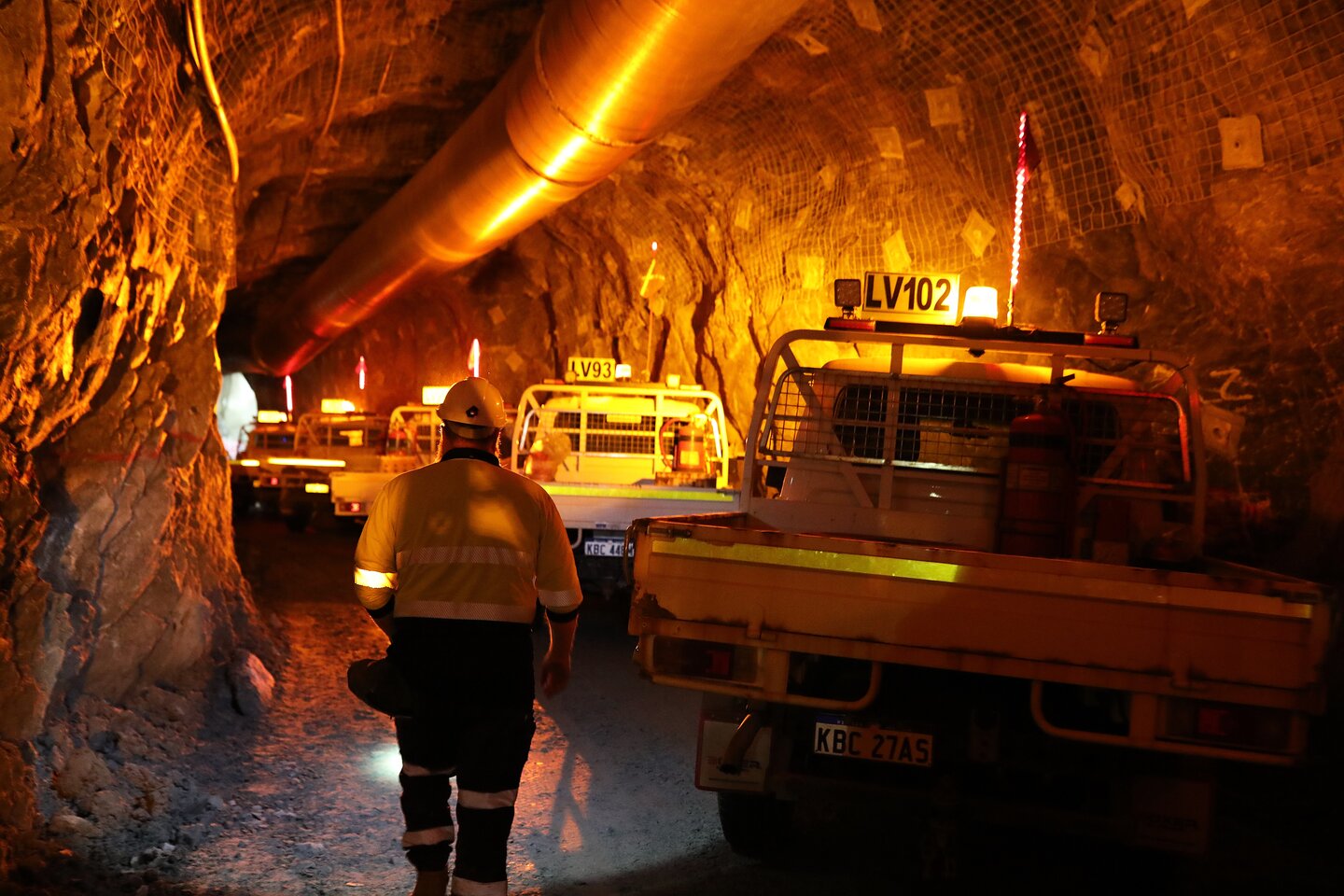
Northern Star Resources’ acting chief executive Ryan Gurner leave the company after more than 11 years, in the latest shake up at the top of the state’s largest goldminer.
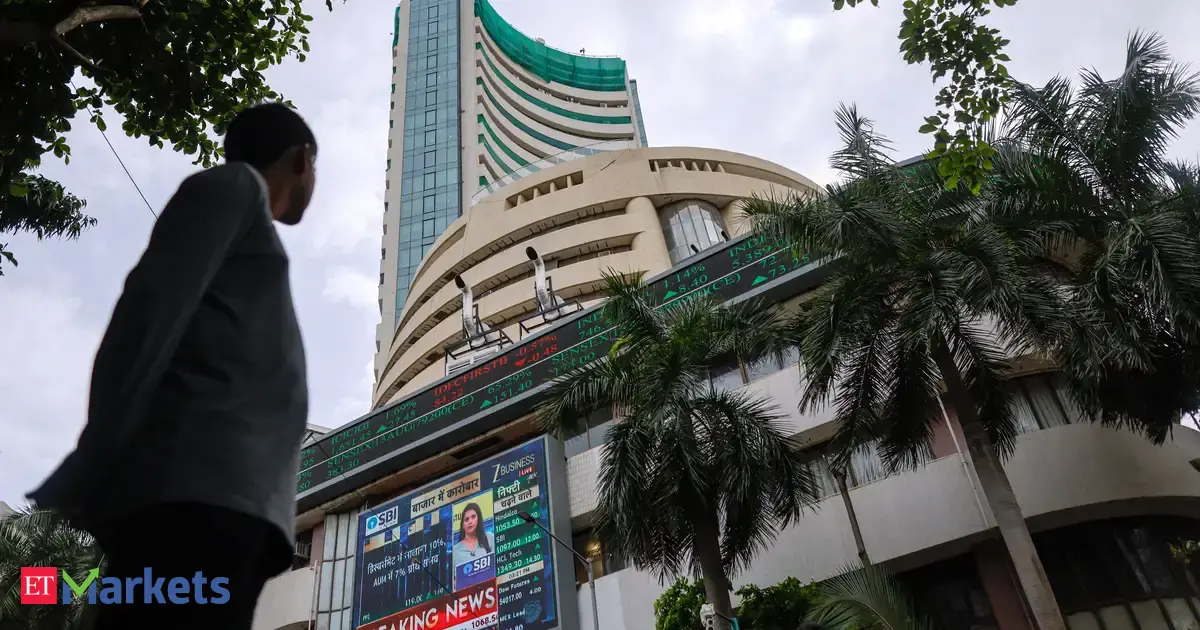
The quarterly rebalancing of MSCI Inc. indexes on Monday will be a key test of whether the mechanism can absorb large institutional orders without producing the sharp price swings that have unsettled traders since its launch earlier this month.
The index changes may spur about $5 billion in trading turnover by global passive funds, with roughly $4 billion passing through the Closing Auction Session, according to Brian Freitas, founder of Auckland-based Periscope Analytics.
“It could get pretty messy,” Freitas said. “The expected flow is almost 30 times what the CAS window has typically been handling.”
The scale of the event is significant compared with what the auction has handled so far. The mechanism has typically been seeing about $125 million of daily turnover.

 Bloomberg
The rebalance will put the Securities and Exchange Board of India’s most consequential market reform in recent years under fresh scrutiny after backlash from traders. The BSE Sensex gauge saw a “flash crash” during the 20-minute auction last Thursday, exacerbating concerns over thin liquidity and manipulation during the trading window.
Passive funds are required to track their benchmarks closely, meaning index changes can trigger large orders to buy stocks being added or increased in weight and sell those being cut or reduced. The trades are typically executed around the effective close to minimize tracking error, concentrating a large amount of demand and supply inside the auction.MSCI said in an emailed statement it will monitor the “practical effectiveness” of the new closing auction, informed by feedback from market participants that include its clients and index users.
India’s market regulator has said that the auction is designed to reduce tracking error for passive funds and to align the stock market with global standards. Last week, Chairman Tuhin Kanta Pandey reiterated that the new mechanism will remain in place despite growing calls for changes.
Following its latest quarterly review, MSCI announced that Lenskart Solutions Ltd., Laurus Labs Ltd., Adani Energy Solutions Ltd. and Billionbrains Garage Ventures Ltd. will be added to its standard indexes, while Balkrishna Industries Ltd., SBI Cards & Payment Services Ltd. and Astral Ltd. will be removed. Among other changes, a reduction in the weight of Reliance Industries Ltd. is expected to trigger about $500 million of outflows, according to Abhilash Pagaria of Nuvama Wealth Management Ltd.
Most passive funds are likely to execute the bulk of those trades through the auction window because it allows them to transact closer to the official closing price, according to Pratik Oswal, chief of passive business at Motilal Oswal Mutual Fund. But the scale of the rebalance means some orders may have to be handled differently.
“The primary execution risk is liquidity, particularly in a small number of less-traded stocks where absorbing large orders without materially impacting prices may be challenging,” Oswal said. “For relatively less liquid names, funds may need to execute part of their trades during the regular market session.”
The risk is less pronounced for index heavyweights with deeper order books, so stocks like Reliance should be able to absorb larger trades more smoothly, Oswal said.
One of the biggest challenges is getting enough investors into the auction to provide liquidity, something other markets have grappled with when introducing similar systems. For example, Australia also saw sharp swings early after implementation, including a Covid-era session when nearly 3 percentage points of a 4.4% gain in the S&P/ASX 200 came during the auction.
“It’s a chicken-and-egg problem,” said Andrew Sullivan, founder of Hong Kong-based Asian Market Sense. “Institutions want to see the system works, is fair and free from manipulation before participating. Once they see that they will participate and liquidity will deepen.”


I am interested in a lot of technology and AI stocks like Google, Nvidia, AMD, Tesla and Amazon.
Analyst’s Disclosure: I/we have a beneficial long position in the shares of MRVL, AVGO, GOOG, NVDA either through stock ownership, options, or other derivatives. I wrote this article myself, and it expresses my own opinions. I am not receiving compensation for it (other than from Seeking Alpha). I have no business relationship with any company whose stock is mentioned in this article.
Seeking Alpha’s Disclosure: Past performance is no guarantee of future results. No recommendation or advice is being given as to whether any investment is suitable for a particular investor. Any views or opinions expressed above may not reflect those of Seeking Alpha as a whole. Seeking Alpha is not a licensed securities dealer, broker or US investment adviser or investment bank. Our analysts are third party authors that include both professional investors and individual investors who may not be licensed or certified by any institute or regulatory body.

On Friday, the 3-month CD rate for top public sector banks fell to 6.40% from 6.80% a month ago, while the 1-year CD rate rose to 7.30% from 7.09% during the same time frame. Larger banks managed to edge out smaller rivals in garnering more foreign currency non-resident – bank, or FCNR (B), deposits ahead of the advanced deadline of August 31.
ET BureauAt Play Hawkish MPC signals keep longer-tenor yields firm while system liquidity rises to ₹3.4 L Crore
“The larger banks, which are the biggest beneficiaries of the FCNR(B) scheme, are absent from the CD market due to excess liquidity,” said V.R.C. Reddy, head of treasury, Karur Vysya Bank. “This low demand from bigger banks has eased up CD rates, which has proven to be beneficial for mid to small banks.”
Banking system liquidity stood at a daily average of ₹3.41 lakh crore in August. In July, the daily average was at ₹1.07 lakh crore.
To be sure, the central bank is due to conduct a record VRRR (variable rate reverse repo) auction of ₹6 lakh crore on Aug 31 to help mop up excess system liquidity.
The Reserve Bank of India (RBI) has preferred the overnight rate to closely align with the repo rate, now at 5.25%. Yet, due to excess liquidity the weighted average call rate (WACR) is trading below the repo rate. In August so far, the WACR stood at 5.12%, down from 5.23% in July.
As of August 21, the RBI’s concessional swap facility had attracted $72.85 billion in total foreign currency inflows, equivalent to nearly ₹7 lakh crore.
Maturities Matter
But the easing in rates is limited to maturities of less than one year, where surplus liquidity has pulled down borrowing costs. Beyond one year, yields have inched higher after the minutes of the August monetary policy committee (MPC) review were published, shortening the odds on an imminent increase in rates – perhaps as early as October.
State-owned REC rejected bids for its ₹3,000 crore 2-year bond issue this week, while PFC pulled its planned ₹2,500 crore 3-year issue after bids came in at higher yields.
Read more: Global Market Today: Asian stocks drop on hawkish Warsh tone, oil gains
The three-year bond would have cost around 7.50%, while PFC was looking to raise funds around 7.25%-7.30%. “The softness seen in very short-term yields has not translated to segments over one year because of the hawkish MPC minutes. Markets are expecting a rate hike sooner rather than later and no one wants to lock in duration in such a scenario,” said Alok Singh, head of treasury, CSB Bank.
RBI governor Sanjay Malhotra during the August MPC review said that he expects liquidity surplus to be temporary and manageable, with excess funds likely to peak around September before being absorbed through normal currency demand, reserve requirements and maturing forex forwards.

TCW MetWest Low Duration Bond Fund Q2 2026 Commentary
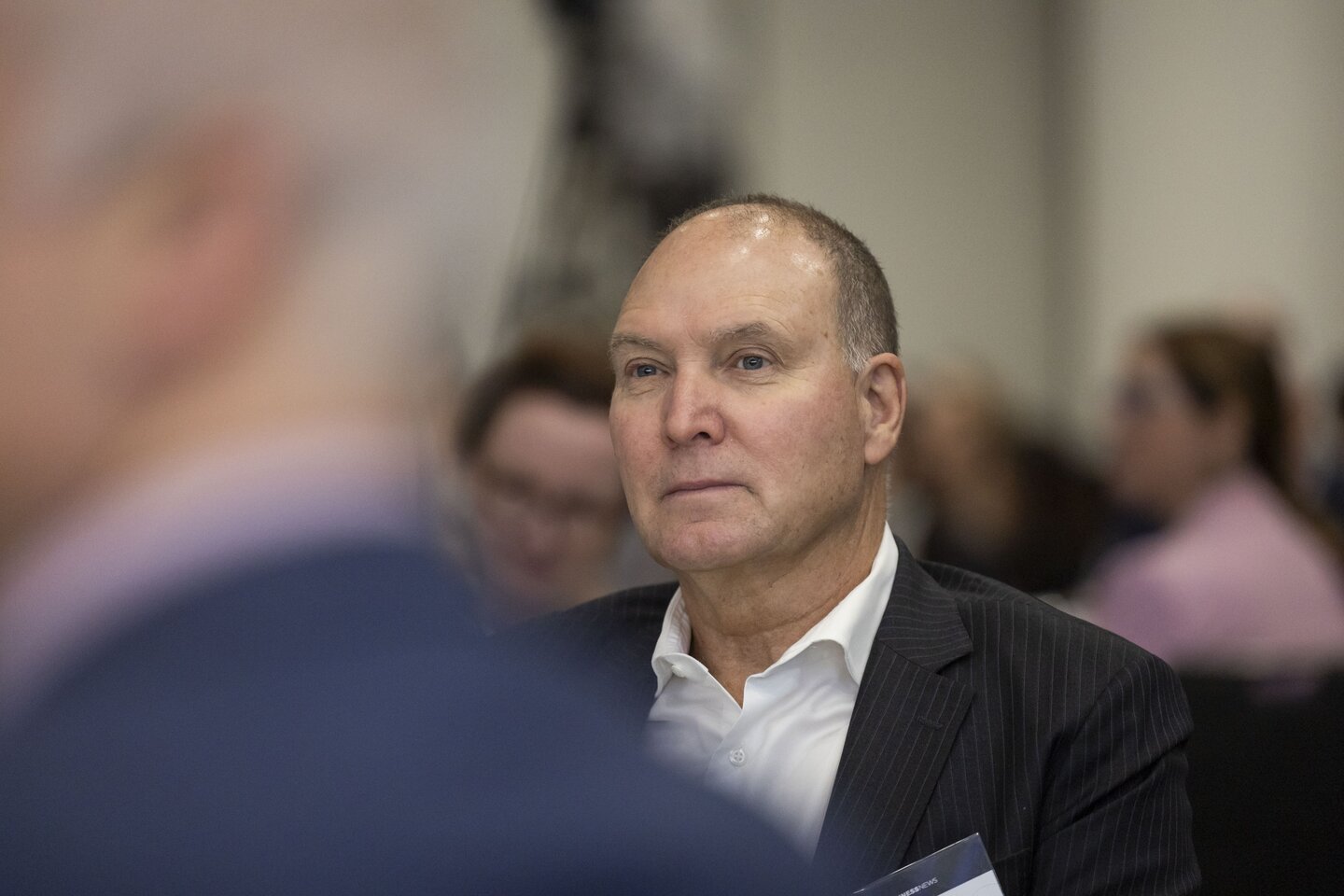
Hancock Prospecting and Strike Energy have settled on a path forward for their West Erregulla gas field, to be processed through the former’s $850 million Belisama facility.


FerdiS invests in dividend growth stocks and writes options to boost portfolio income. He manages DivGro, a portfolio of mainly dividend growth stocks created in January 2013. He tracks his portfolio at DivGro-2-0.com. With investment and trading experience spanning more than 20 years, FerdiS enjoys writing articles about dividend growth investing, options trading, stock selection, portfolio management, and passive income generation.
Analyst’s Disclosure: I/we have a beneficial long position in the shares of INTU, MO, LRCX either through stock ownership, options, or other derivatives. I wrote this article myself, and it expresses my own opinions. I am not receiving compensation for it (other than from Seeking Alpha). I have no business relationship with any company whose stock is mentioned in this article.
Seeking Alpha’s Disclosure: Past performance is no guarantee of future results. No recommendation or advice is being given as to whether any investment is suitable for a particular investor. Any views or opinions expressed above may not reflect those of Seeking Alpha as a whole. Seeking Alpha is not a licensed securities dealer, broker or US investment adviser or investment bank. Our analysts are third party authors that include both professional investors and individual investors who may not be licensed or certified by any institute or regulatory body.

Dollar near two-week high as Warsh boosts rate-hike bets; yen slips past 160
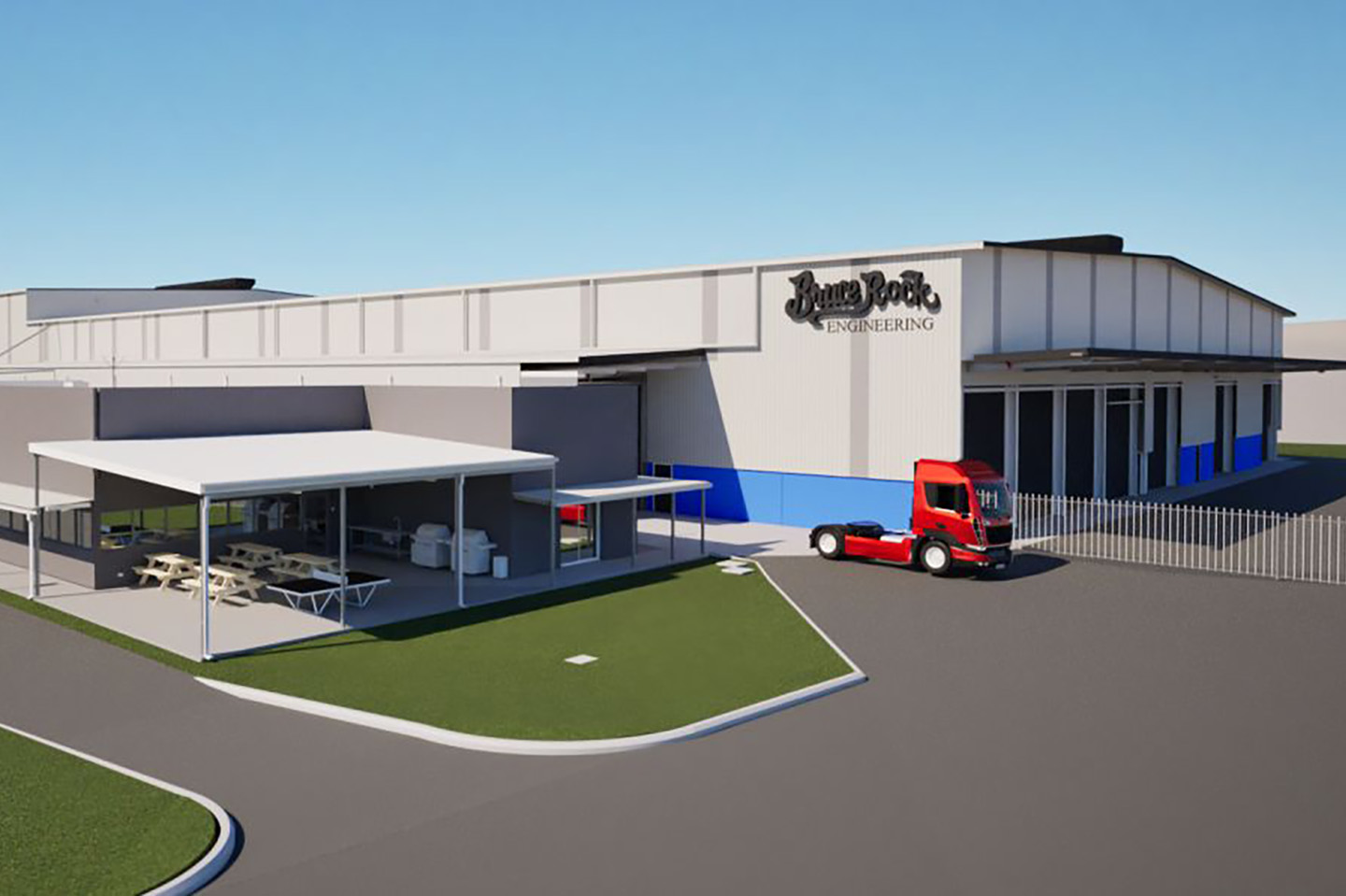
Bruce Rock Engineering has greenlit a $10 million expansion at its Wheatbelt trailer manufacturing site which will make the company’s local footprint six times larger.
The expansion will add 5,000sqm of floorspace, a new office building, and a 12-metre, 2,500-tonne press brake, reportedly the largest in Australia.
Bruce Rock Engineering plans to have the build finished early next year.
In a statement upon announcing the expansion, the company said it was proud to be investing in its hometown.
“At Bruce Rock Engineering, we’re proud of where we’ve come from and committed to where we’re going,” a company spokesperson said.
“Bruce Rock is home. It’s where we’ve built our business, our people and our reputation over more than four decades, and we’re proud to continue manufacturing here in the Wheatbelt.
“The project represents a long-term investment in our people, our community, and the future of regional manufacturing, while creating the capability and infrastructure to support the next chapter of Bruce Rock Engineering.
“Bruce Rock is where we started. It’s where we’re continuing to build.”
The company was founded by the Verhoogt family in Bruce Rock in 1980 and has kept its hometown facility despite significant statewide growth in the past decade.
BRE expanded into metals manufacturing in the 2000s via establishment of its Transbeam subsidiary, now domiciled at a 16,000sqm factory in Forrestfield.
It has also bolted on a tyre wholesaling arm, Bruce Rock Tyres, and in July this year acquired Kalgoorlie-based fire protection systems manufacturer Quitfire.
Its core business has grown naturally and via acquisitions, building a site in Port Hedland, buying D-Trans Motor Body Builders to establish a presence in Geraldton, and setting up sales offices in New South Wales and Queensland.
The company employs more than 400 people and counts close to every major trucking firm operating in WA as a customer.
That staff count has grown from about 60 in 2015, and 200 in 2021.

A Once in a Lifetime Financial Reset Is Coming.

Why I keep coming back to Skipton – a medieval Yorkshire town

Tech Rallies In September, I’m Adding Software And Chip Stocks (NDX)





-

 Crypto World5 days ago
SpaceX stock could rise 75% to $240, JPMorgan says
-

 Fashion2 days ago
Weekend Open Thread: Maeve – Corporette.com
-

 Crypto World3 days ago
Bitcoin’s 22% rally now needs real demand to outlast Treasury liquidity boost
-

 Crypto World5 days ago
Warsh Jackson Hole keynote puts financial innovation first
-

 Crypto World6 days ago
A $30 Billion AI Fund Implodes, Now the SEC Is Investigating Wall Street’s Role
-

 Business3 days ago
Salesforce Stock Soars 19% as Blowout Earnings and Agentforce AI Growth Silence Software Skeptics
-

 Crypto World5 days ago
Did Trump Just Move SpaceX Stock With One Truth Social Post?
-

 Crypto World4 days ago
Elon Musk Grok Bot Promise: We Will Make You Whole if AI Loses Your Money
-

 Business5 days ago
Walmart takes aim at younger shoppers with new fashion brand
-

 Business3 days ago
Apple Confirms September 9 Keynote and Reveals Its Full Pre-Order Schedule
-
 NewsBeat4 days ago
Lindsay Clancy jury braces for closing arguments as judge tells court: ‘You’ve heard all the evidence’ – Live updates
-

 Crypto World2 days ago
Bitcoin price tests $82K resistance as Brandt stays long
-

 Business5 days ago
Thailand’s Eastern Economic Corridor Capital City (EECiti): Key Developments and Investment Opportunities
-

 Crypto World4 days ago
NVIDIA revenue hits $96.2B as AI demand doubles
-

 Business6 days ago
Moderna CEO warns China is pouring state money into mRNA technology
-

 Business2 days ago
Onto Innovation Stock: AI’s Next Bottleneck Is Yield (NYSE:ONTO)
-

 Business6 days ago
NVIDIA Stock Drops Nearly 2 Percent to $210 on Seventh Losing Day Ahead of Critical AI Earnings
-

 Business2 days ago
iPhone 18 Pro Pre-Orders Could Shift to Saturday as Apple Reportedly Avoids September 11 Anniversary
-
 Crypto World7 days ago
$92 Billion Nvidia Earnings Could Make or Break the AI Trade
-

 NewsBeat5 days ago
Trump’s trade truce with China faces test with Iran effort
You must be logged in to post a comment Login