
Business
Reform UK conference draws Vodafone, Heathrow and JCB

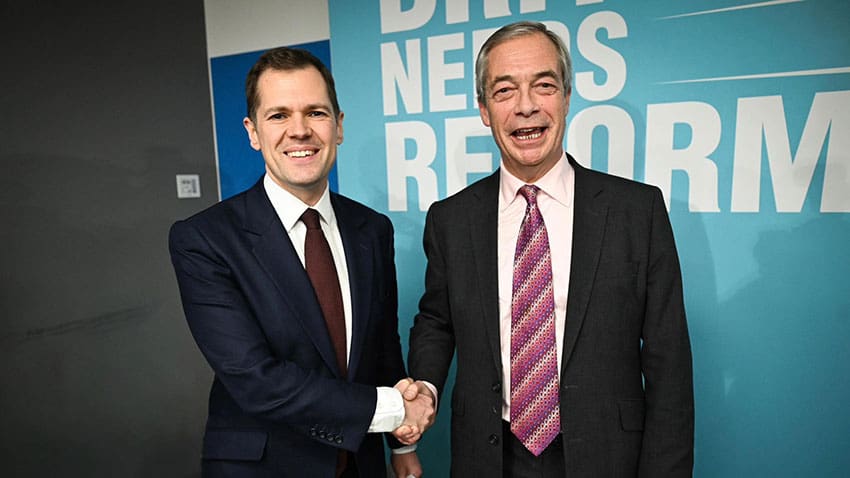
Some of Britain’s biggest companies will descend on Reform UK’s national conference this week as the party intensifies its efforts to win over business leaders and strengthen its economic credibility.
Vodafone, EE, Heathrow and JCB are among the businesses attending or running events at the three-day gathering, which opens at the National Exhibition Centre on the outskirts of Birmingham on Thursday.
For the first time, the party is staging a dedicated business day, which it says will place “the business community at the heart of the programme”, offering attendees access to Reform’s leadership.
At least one name on the guest list already has form with the party. JCB, the digger maker chaired by Lord Bamford, donated £200,000 to Reform UK alongside an identical sum for the Conservatives, with Bamford saying both parties “believe in small business”.
Others are keen to stress that turning up is not the same as signing up. A spokesman for Heathrow said the airport had a long history of constructive engagement across the political spectrum. “Like many businesses, from airlines to pubs and banks to supermarkets, it is common practice to sponsor events at party conferences to engage policymakers and ensure they better understand the needs of consumers and the economy,” he added.
Champagne out, corporate packages in
Business Matters has previously reported that Reform almost doubled some commercial costs for this year’s conference, dropping earlier promises of free champagne and custom cocktail naming rights in favour of an event much closer in feel to a traditional party conference.
The price of some packages has climbed as the party looks to woo wealthy backers and boost its coffers. A platinum ticket has risen from £2,500 per person to £3,000 plus VAT, buying a champagne breakfast with Nigel Farage, fast-track entry and access to a special lounge. Insiders have previously described the changes as “a necessary part of our professionalisation, even if it is a bit more boring”.
The policy pitch to employers
Reform arrives in Birmingham with a policy offer aimed squarely at the businesses it is courting. The party has proposed scrapping the contentious increase in employers’ national insurance contributions for workers who are British nationals. That rise, announced in Rachel Reeves’s October 2024 Budget, lifted the employer rate to 15 per cent and cut the threshold at which firms start paying to £5,000 a year, a change the OECD found gave the UK the biggest employer tax rise in the developed world.
The party has also proposed cutting VAT for the hospitality sector to 10 per cent, half the current standard rate of 20 per cent.
Momentum since May
The stepped-up courtship of business follows a run of electoral success. Reform racked up hundreds of council wins in May’s elections, beat Labour into second place in the contest for the Welsh Senedd and finished joint second at Holyrood.
The party has been professionalising its Westminster operation too. Earlier this year it opened the doors of its Millbank headquarters, on the banks of the Thames in London, to public affairs professionals, an event that doubled as a pitch to agencies and featured a speech by Robert Jenrick, the party’s Treasury spokesman.
Not everyone believes the courtship should go unchallenged. Senior Labour figures have urged firms to scrutinise Reform’s economic plans more closely, with the Labour MP Liam Byrne saying companies are right to be concerned about how the party’s promises would be paid for. Reform’s deputy leader Richard Tice has rejected that criticism, insisting the party would restore fiscal discipline and cut regulation.
For the companies heading to the NEC this week, the calculation is the one Heathrow set out: engaging policymakers at party conferences is simply part of doing business.

Jamie Young
Jamie Young is Senior Reporter at Business Matters, covering SME finance, employment law and Westminster policy since 2016. He has reported on every Budget and Autumn Statement since 2018, helped make sense of the ‘covid era’ and the bounce-back loan scheme from launch through the fraud investigations, and broke the magazine’s coverage of the 2024 late-payment reforms. He joined Business Matters straight from completing his BA in Administration from Exeter University and is NCTJ-qualified. Reach him at jyoung@cbmeg.co.uk

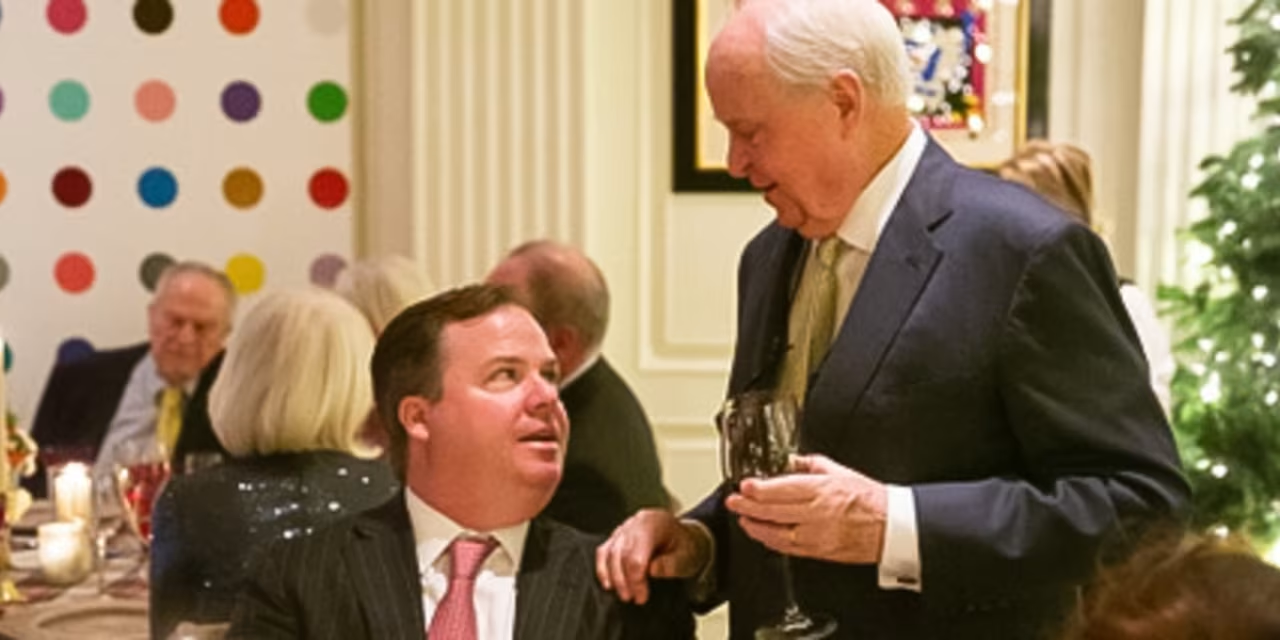
A family battle over a billionaire’s fortune, from boats and a jet to Dallas Cowboys tickets, is rankling the board of a small regional bank in
Texas banking veteran Gerald J. Ford is ensnarled in a legal fight with some of his adult children over a large stake in Hilltop Holdings , the $2.2 billion financial-services holding company he forged. Four of Ford’s children—including son Jeremy, who took over as chair from Ford in 2025—are suing to wrest away control of their father’s more-than-26% stake in Hilltop, worth some $600 million.
Copyright ©2026 Dow Jones & Company, Inc. All Rights Reserved. 87990cbe856818d5eddac44c7b1cdeb8
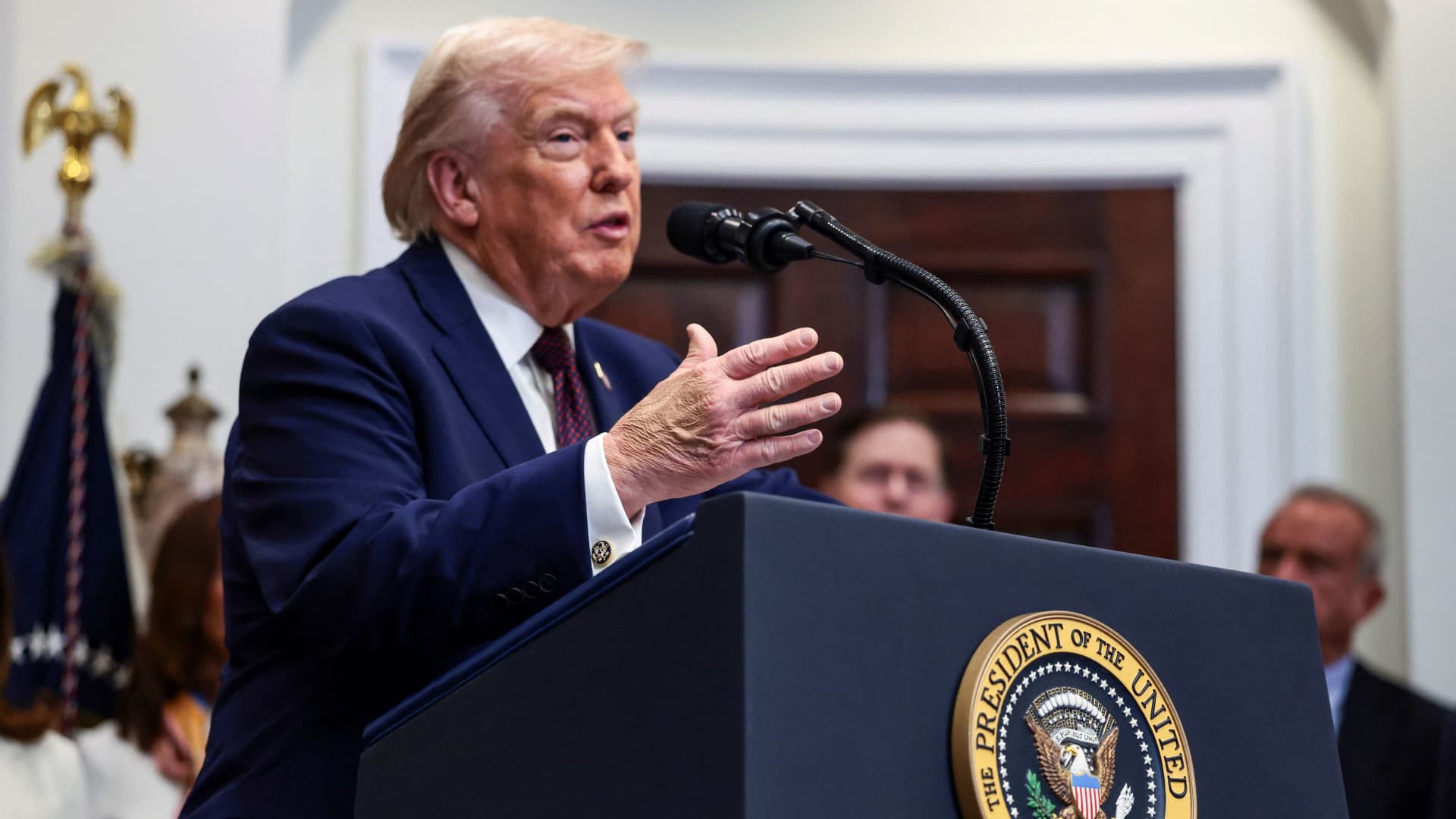
U.S. President Donald Trump makes an announcement about lowering the cost of drug prices, at the Roosevelt Room of the White House in Washington, D.C., U.S., Dec. 19, 2025.
Evelyn Hockstein | Reuters
Nearly a dozen drugmakers are slated to ink deals with President Donald Trump on Monday to voluntarily sell their medications for less, MS NOW reported, building on his push to link the nation’s drug prices to cheaper ones abroad.
It is unclear which companies will be included, according to the MS NOW report. Trump is scheduled to make an announcement on healthcare affordability at 3:00 p.m. ET on Monday.
Over the past year, the Trump administration has reached drug pricing deals with 17 pharmaceutical companies, including Pfizer, Eli Lilly and Novo Nordisk, as part of its “most favored nation” policy. Trump signed an executive order in May 2025 to revive that policy, calling for prices to be increased outside of the U.S. and to “end global freeloading.”
The reported deals would add to the White House’s efforts to spotlight healthcare affordability ahead of the midterm elections.
Bloomberg reported last week that the drugmakers on Monday are expected to agree to provide discounts on outpatient drugs to state Medicaid programs so that prices states pay align with what companies charge in foreign countries. Participation by state Medicaid programs is optional.
In exchange, those companies will be exempt from pilot programs mandating similar discounts in Medicare, Bloomberg reported.
Medicaid already receives steep discounts from companies under federal law, so it’s unclear how the new deals will impact what patients pay out of pocket.
The “most favored nation” deals that have been signed with the Trump administration have already impacted the commercial strategies, bottom lines and manufacturing pipelines of major pharmaceutical companies.
To insulate themselves from future tariff threats, drugmakers are spending billions of dollars to bring manufacturing capabilities back to the U.S. Companies are also drastically expanding direct-to-consumer channels for their products, including by offering their medicines on the president’s TrumpRx portal. Lower prices in the U.S. are weighing on bottom lines, with manufacturers like Novo Nordisk saying that it will take time for prescription volumes to offset the revenue dip.
U.S. prescription drug prices on average are nearly three times higher than they are overseas, according to a 2024 study by Rand Corp. Prices for branded drugs were more than four times higher, the report found.
The trade association PhRMA, which represents many major pharma companies, has previously said that most-favored nation pricing isn’t the best way to lower drug costs for Americans and instead blamed pharmacy benefit managers for the price disparity.
The U.S. is the single most important market for many drugmakers, regardless of their home country. Despite being based across the Atlantic, European pharma companies are heavily exposed to the U.S. market, with half of the 10 largest companies on the continent generating a majority of their sales in the U.S.

The block deal has been launched at an offer price of Rs 235 per share, representing a discount of up to 10.3% to EPL’s prevailing market price. At the offer price, the proposed sale of 8.45 crore shares would fetch approximately Rs 1,985 crore.
EPL shares settled at Rs 262.06 apiece on the NSE on Monday, rising 4.02% from the previous close of Rs 251.94. At Monday’s closing price, Epsilon Bidco’s stake in the company was worth roughly Rs 2,214 crore.

The proposed transaction comes less than a month after EPL reported a strong operating performance for the first quarter of FY27.
On August 12, EPL said it recorded its highest-ever top-line growth of 25.3% in Q1FY27, despite significant external challenges and continued volatility in global markets. The company said this marked its fifth consecutive quarter of double-digit revenue growth.
Growth was broad-based, with Beauty & Cosmetics and Oral Care growing more than 20%, while all regions recorded double-digit growth. On an underlying basis, excluding the pass-through impact of higher raw-material prices, revenue growth stood at 20%.
EPL’s EBITDA rose 15.2% year-on-year, marking the company’s 15th consecutive quarter of double-digit EBITDA growth. EBITDA margin stood at 18.8%, while the underlying EBITDA margin was 19.6%.
The company said it was able to pass on the entire increase in costs through pricing across regions.
EPL’s profit after tax declined 1.4% year-on-year in Q1FY27, but the company said PAT was in line with estimates and remained on track for double-digit growth for the full financial year. Profit before tax increased 10% year-on-year.
EPL attributed the difference primarily to the lower effective tax rate in the corresponding quarter of the previous year, which it expects to normalise over the full year.
About EPL
EPL Ltd is a speciality packaging company headquartered in Mumbai and listed on the BSE and NSE. The company has a presence across all five continents, with 21 facilities across 11 countries and a workforce of more than 6,000 employees representing 23 nationalities. Its portfolio includes laminates, laminated tubes, extruded tubes, caps, closures and dispensing systems.
(Disclaimer: Recommendations, suggestions, views and opinions given by the experts are their own. These do not represent the views of Economic Times)
Business
Elon Musk Backs Coinbase CEO Brian Armstrongs Claim That Charity Is Often a Net Negative for the World
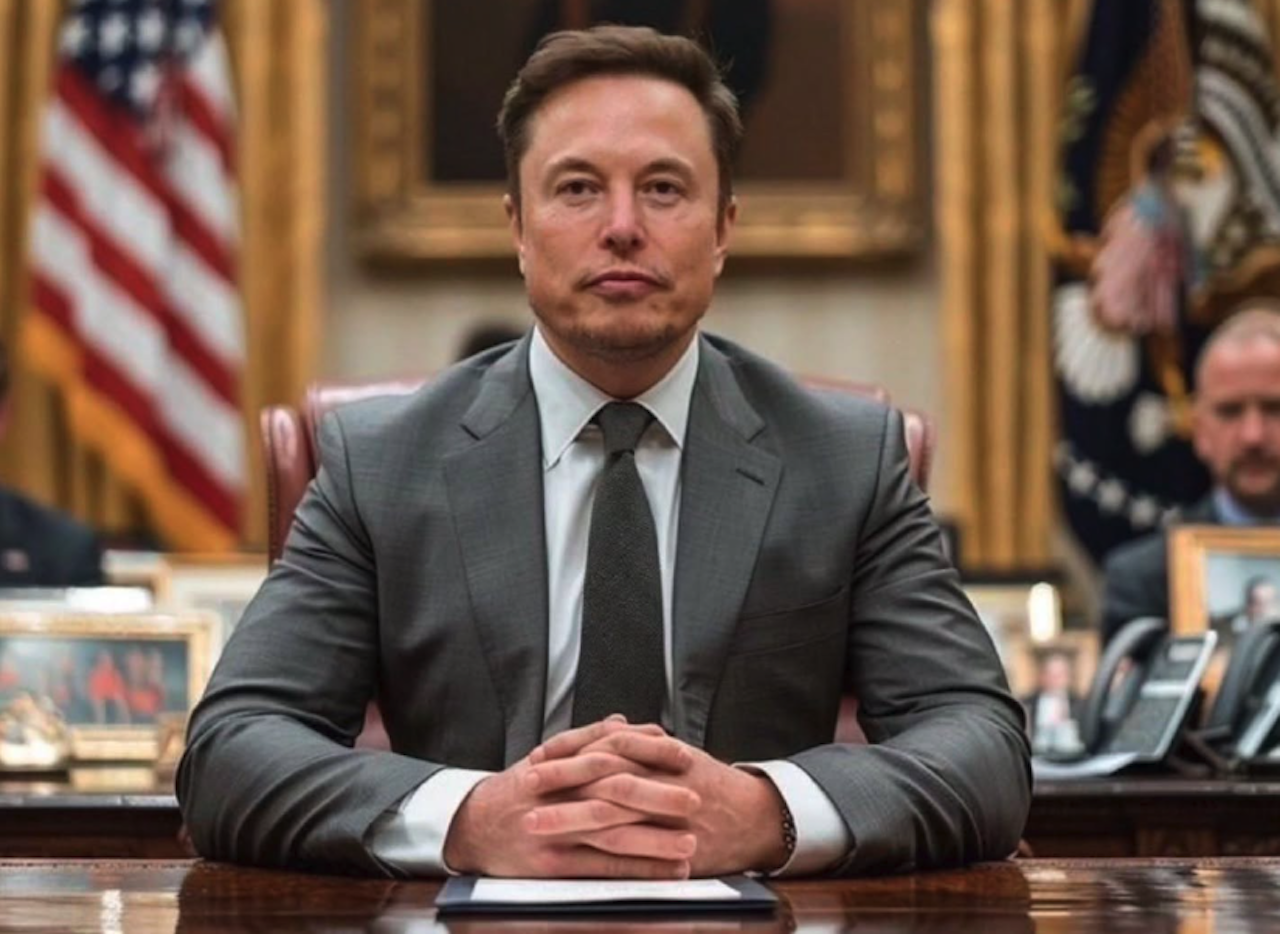
Coinbase Chief Executive Officer Brian Armstrong sparked debate over the value of philanthropy this week after describing charity and philanthropic foundations as often a “net negative” for the world, comments that drew agreement from Elon Musk and criticism from others online.
Armstrong made the remarks during an appearance on “The Katie Miller Podcast,” hosted by Katie Miller, a former adviser to Musk’s Department of Government Efficiency initiative who launched the show earlier this year. “The common view is that philanthropy is a noble cause,” Armstrong said, according to a clip shared by Miller on X on Aug. 26. “And like, Bill Gates after the DOJ thing is like, ‘I’m going to go rehabilitate my image, I’m going to do philanthropy.’”
Armstrong went on to lay out a broader critique of institutional charitable giving. “I guess I have sort of a contrarian view where a lot of charities and philanthropies are actually net negative on the world. And they get captured. It’s actually remarkably hard to find a foundation that has not gotten captured by ideology,” Armstrong said, according to reporting from Yahoo Finance. “I think a lot of people, by trying to do something good, like criminal justice reform, it turns out they just increased crime. All these unintended consequences happen.” Armstrong did not cite specific data supporting the criminal justice reform claim during the segment, according to Yahoo Finance’s coverage of the interview.
As an example of what he views as institutional drift within philanthropy, Armstrong pointed to the Ford Foundation. “If you look at the Ford Foundation, I think Henry Ford would be turning over in his grave if he knew what they were up to,” he said. Armstrong also said that financial advisers had previously encouraged him to establish his own charitable foundation for tax purposes after Coinbase went public, but that he declined out of concern the organization could eventually be steered away from his original intentions. “So far, I’ve just been like ‘I’m not going to do that.’ My fear is that it just gets captured by some ideology and I lose control over it,” Armstrong said.
Instead of a traditional foundation, Armstrong said he directs his charitable giving through a donor-advised fund, a vehicle that places donated assets under the legal control of a sponsoring nonprofit organization while allowing the original donor to recommend how the funds are invested and eventually distributed, according to the Internal Revenue Service’s description of the structure. Armstrong said he uses the fund to support projects he believes are “helping civilization advance.”
Armstrong’s comments mark a notable shift from his public stance nearly a decade ago. In 2018, he became the first cryptocurrency billionaire to sign the Giving Pledge, the public commitment organized by Warren Buffett and Bill Gates in which wealthy individuals promise to donate at least half of their fortunes to charitable causes during their lifetimes or through their estates. At the time, Armstrong argued that once personal wealth reaches a certain threshold, there is limited value in spending additional money on personal consumption. He later shut down his crypto-focused nonprofit, GiveCrypto, in 2023, and quietly withdrew from the Giving Pledge altogether in 2024, a decision his recent podcast remarks appear to help explain.
As video of the interview circulated online, Musk responded directly on X. “He’s right,” Musk wrote, endorsing Armstrong’s characterization of institutional philanthropy. The comment aligns with previous remarks Musk has made regarding his own approach to charitable giving. Musk signed the Giving Pledge in 2012, though his actual philanthropic contributions have remained relatively modest compared with his overall net worth, with a 5.7 billion dollar donation of Tesla shares to his foundation standing as his largest single charitable contribution to date.
Musk’s skepticism toward large-scale institutional philanthropy has been documented previously. Billionaire investor Peter Thiel said in 2025 that he had urged Musk to withdraw from the Giving Pledge, warning that Musk’s wealth would otherwise end up “to left-wing nonprofits that will be chosen by Bill Gates.” According to Thiel’s account, Musk responded, “What am I supposed to do—give it to my children? You know, it would be much worse to give it to Bill Gates.”
Armstrong’s remarks have not gone unchallenged. Critics online noted that Armstrong has previously banned political activism within Coinbase’s own workplace even as the company and Armstrong personally have contributed financially to political candidates, including President Donald Trump, framing that combination as inconsistent with his stated concerns about ideological capture within philanthropic institutions. Neither Armstrong nor Musk has issued further public comment beyond their respective remarks since the clip began circulating widely online.

Social campaigns rarely fall apart because of one big mistake. It is usually smaller things piling up. A caption gets changed after approval. A designer uses an old product image. A creator sends content late. Someone asks for numbers before anyone has checked the live posts.
That is when a normal campaign starts to feel heavy. A good workflow does not make the work boring. It just gives every moving part a place, so the team can stay calm when the pressure builds.
Start With The Whole Campaign, Not One Post
A lot of social work starts too small. Someone opens the calendar and starts filling boxes. Monday needs a Reel. Wednesday needs a carousel. Friday needs a LinkedIn post.
A better start is a simple campaign map. What is being launched? Who needs to care? What dates matter? Which channels are doing the hard work? What should people do after seeing the content?
For a product launch, one channel might show the product in use. Another might explain the problem. Another might carry creator content. Another might handle questions after launch.
This is also the right time to plan creator work. If a team is using an influencer marketing platform to find creators, send products, track posts, or manage results, that work should sit inside the main campaign plan. It should not sit in a separate folder that only one person understands.
Creator planning should also include the basics, such as timelines, product details, approval steps, and creator disclosure rules, so paid posts are not handled at the last minute.
Give Each Task A Clear Owner
Campaigns get messy when tasks have no real owner. Everyone knows a post needs approval, but nobody knows who is chasing it. Everyone knows a creator asset is missing, but no one is sure who followed up.
That is how small delays turn into late nights.
Each task needs one person who owns the next step. They may not write, design, approve, and publish everything. But they know where the task stands and what has to happen next.
That lines up with project management advice around, where teams need to know who is responsible for what before work starts moving in different directions.
For each campaign, it helps to know:
- Who writes the first draft
- Who creates or edits the asset
- Who checks the brand details
- Who gives final approval
- Who schedules the post
- Who watches replies after it goes live
This does not need to be complicated. Even a simple owner column in a content calendar can stop a lot of chasing.
Add Approval Time Before It Hurts
Approval time is one of the easiest things to underestimate. A manager says they will check the post later. A client asks for one small change. Legal wants a softer line. Then the post that was “almost ready” is suddenly late.
The fix is not to rush everyone. The fix is to plan for review time from the start.
If a post is going live on Friday, the first draft should not arrive on Thursday night. Give space for changes. Give space for people to miss a message. Give space for someone to spot a wrong date, price, code, or product claim.
This matters even more when a campaign has several parts. One late approval can affect paid posts, Stories, creator content, email, and reporting. A clear review window makes the whole campaign less fragile.
Keep Files Where People Can Find Them
Nothing wastes time like hunting for the right asset. The approved video is in a Slack thread. The final logo is in the email. The product shot is in a folder called “new stuff.” Someone used the wrong image because it was the only one they could find.
Every campaign needs one clear place for files.
That place should hold the final visuals, raw creator content, captions, links, discount codes, UTM links, product notes, and any brand rules. The team should not need to ask, “Where is the latest version?” every time something changes.
When files are easy to find, the team has fewer chances to make tired mistakes.
Plan For Comments Before They Arrive
Many teams plan the content and forget the inbox. But once the posts go live, people may ask about price, shipping, sizing, stock, refunds, ingredients, features, or delivery dates.
If nobody knows who should answer, the campaign loses energy.
Before launch, decide what the social team can answer and what needs support, sales, or a manager. Also, decide which comments should be ignored, hidden, or flagged.
This is very important for creator campaigns. A creator may bring people who have never heard of the brand before. Their questions may be basic, but they are still buying signals.
Fast replies can keep that interest warm. Slow replies can make the campaign feel unattended.
Watch Results While The Campaign Is Live
A campaign report is useful after everything ends, but live signals matter too. They can show what to fix while there is still time.
If one Reel is getting saves, the team can turn the same idea into another format. If people keep asking the same question, the next post can answer it. If a creator post gets clicks but no sales, the landing page or offer may need a closer look.
The team does not need to panic over every number. Some posts need time. But it helps to check the right signs while the campaign is still moving.
Useful signs can include clicks, saves, replies, watch time, comments, shares, and sales. The comments are often the most useful part. They show the words people use, and those words can shape the next post.
Make The Next Campaign Easier To Run
A campaign should not disappear the moment the last post goes live. Before the team moves on, it is worth saving what the rush made easy to miss. Which posts carried the message best? Where did approvals slow down? Which comments showed real interest? Which files, links, or handoffs caused problems?
Those notes do not need to be long. They just need to help the next campaign avoid the same mess. A strong workflow is not about adding more process. It is about giving good ideas a better chance when the pressure starts again.

GRT has signed an agreement with the promoters of TBZ, popularly known as TBZ The Original, to acquire 49.46 million shares, representing their entire 74.12% stake in the company.
The shares will be bought at a price of up to Rs 209 each, subject to regulatory approvals and other conditions. The final price could be revised downwards following an audit but cannot be increased.
Following the acquisition, GRT will make a mandatory open offer to TBZ’s public shareholders, as required under India’s takeover regulations. If the transaction is completed, GRT will acquire sole control of TBZ and the existing promoter family will exit the company.
The deal will significantly expand GRT’s national presence by adding TBZ’s network of 37 stores to its existing 68 stores in India and one in Singapore.
TBZ, founded in 1864, is one of India’s oldest jewellery brands. GRT was founded in 1964 and has grown into one of the country’s larger jewellery chains.
GRT Managing Director G.R. Ananth Ananthapadmanabhan said the acquisition fitted into the company’s strategy of expanding its presence across India.”This very well fits into our strategy of spreading our presence across India,” Ananthapadmanabhan said, referring to TBZ’s 37-store network.
G.R. Radhakrishnan, managing director of GRT Jewellers, called the acquisition transformative and said it would help the company build a meaningful presence across India.
The companies said the combination would bring together TBZ’s long-established brand, customer relationships and jewellery portfolio with GRT’s retail capabilities and expansion plans.
TBZ Chairman and Managing Director Shrikant Zaveri said the deal marked a new chapter for the 162-year-old brand, which began with a single store in Mumbai’s Zaveri Bazaar.
After the transaction is completed, GRT will have the right to appoint directors to TBZ’s board. Shrikant Zaveri and TBZ directors Binaisha Zaveri and Raashi Zaveri will resign from the board. Some of the existing promoters may subsequently enter into employment or consultancy arrangements with the company to help with the transition.
The transaction is subject to regulatory approvals and other closing conditions.
Deloitte advised on the transaction, while Axis Capital was GRT’s financial adviser. Trilegal advised GRT on legal matters, while AZB & Partners was legal adviser to TBZ.

Medical Properties Trust stock hits 52-week low at 3.96 USD
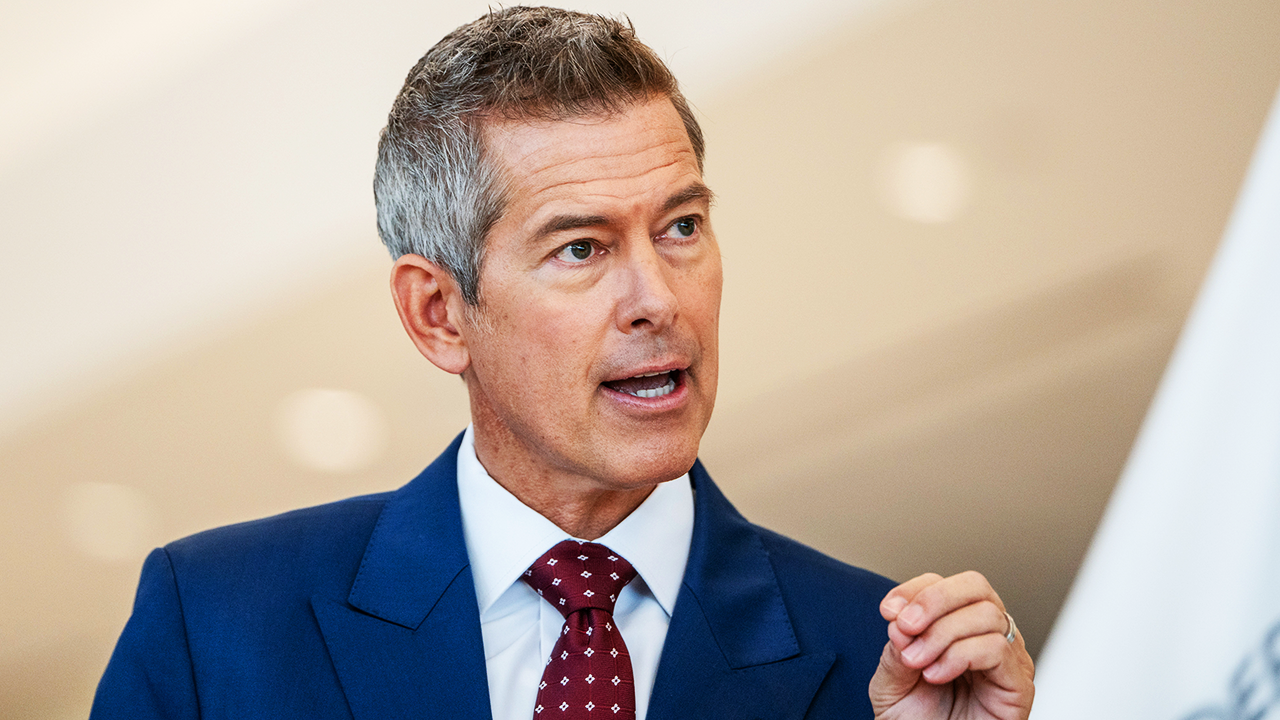
Federal officials shut down more than 270 non-compliant training schools in a crackdown on commercial driver’s license fraud.
President Donald Trump’s administration announced a “historic” crackdown on trucking fraud during a news conference in Detroit on Monday.
Transportation Secretary Sean Duffy announced the move alongside Homeland Security Secretary Markwayne Mullin, saying tens of thousands of illegal drivers’ licenses were issued during former President Joe Biden’s administration.
Duffy noted that millions of illegal immigrants were allowed into the country under Biden and many were granted commercial drivers’ licenses, with many of them not even able to speak English.
DUFFY TEASES ‘UNPRECEDENTED FRAUD CRACKDOWN’ ANNOUNCEMENT WITH DHS, DOJ

Transportation Secretary Sean Duffy speaks at Newark Liberty International Airport. (Victor J. Blue/Bloomberg via Getty Images)
The administration is shutting down 110 driving schools that were the “greatest offenders” in granting drivers’ licenses to illegal immigrants, as well as 160 additional schools that Duffy says lacked proper space for driving tests or had unlicensed instructors.
Federal Motor Carrier Safety Administration chief Derek Barrs said each of the 110 “greatest offenders” passed at least 10 drivers who were “subsequently cited for English language proficiency during roadside inspections by law enforcement.”
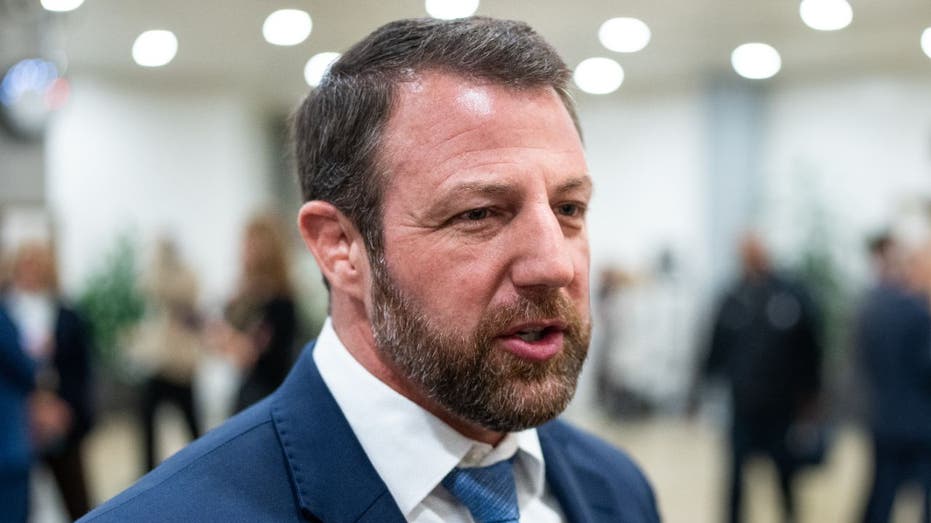
DHS Sec. Markwayne Mullin spoke about the dangers of illegal immigrants with commercial drivers’ licenses. (Bill Clark/CQ-Roll Call, Inc via Getty Images)
Barrs went on to cite multiple examples where drivers who were illegally granted licenses killed people in crashes while on the job.
“It’s unacceptable. When you see people die on the road you don’t forget that, and it starts right here with what I’m talking about,” Barrs said.
“Our investigators went into 400 driver training schools and we found that 40% of these that we investigated did not meet the rules and the requirements of our regulations,” he added.

A semi truck used by students to earn a commercial driver’s license is parked at Truck America Training of Kentucky in Shepherdsville, Oct. 25, 2021. (Luke Sharrett/Bloomberg via Getty Images)
Mullin added that illegal immigrants with CDLs have been a major factor in immigration enforcement under the Trump administration, saying that Immigration and Customs Enforcement found over 100 individuals who had been granted CDLs, “and literally on the CDLs it said, ‘No name given.’”
GET FOX BUSINESS ON THE GO BY CLICKING HERE
“These individuals are dangerous, and because of the failure from the previous administration, from the Biden administration, they’ve killed hundreds of people. And unfortunately, injured thousands,” Mullin said.

There is a version of this conversation that HR professionals have been having for years. Private health insurance is a nice-to-have. A perk for senior people. Something the big companies do. The reality in 2026 looks very different, and the data behind it should be getting the attention of every employer in the country.
NHS waiting lists have been a fixture of UK news for several years, but the numbers behind them tell a story that goes well beyond headlines. As of early 2026, millions of people in England alone remain on waiting lists for elective treatment. For an employee waiting for a knee operation, a diagnostic scan or a referral to a specialist, that wait is not an inconvenience. It is months of discomfort, reduced productivity, and in many cases, a slow slide into long-term absence.
The employer cost of that slide is significant. According to Vitality’s research, workplace ill health costs UK employers £138 billion per year in lost productivity. That figure encompasses absence, presenteeism and early workforce exit. It is not a problem that resolves itself, and waiting lists are not getting shorter quickly enough to change the picture in the near term.
“We are seeing a real shift in how employers think about health insurance. Three years ago, it was often the last thing on the list. Now it comes up in almost every conversation we have with growing businesses. The NHS remains vital, but employers have worked out that they cannot manage absence and retention while their people are waiting six months for a scan.”
Charlie Cousins, Director, Hooray Health & Protection
The waiting list problem is a workforce problem
The relationship between NHS waiting times and employee productivity is not theoretical. When a team member is managing a health condition without timely treatment, the impact spreads. They may be present but not fully functioning. They may be absent intermittently. They may eventually exit the workforce entirely if the condition deteriorates while they wait.
For HR teams, this creates a challenge that sits at the intersection of wellbeing policy and business performance. The question is no longer whether health matters to productivity but what practical steps employers can take to reduce the gap between when employees need care and when they receive it.
Private medical insurance is the most direct answer to that question. A policy that gives an employee access to a specialist within days rather than months, and to surgery or treatment within weeks rather than years, materially changes the trajectory of their condition and their time away from work.
Mental health has changed the conversation
If waiting lists drove the first wave of employer interest in health insurance, mental health has driven the second. The scale of mental health-related absence in the UK workforce has become impossible for employers to ignore. According to the Health and Safety Executive, stress, depression and anxiety accounted for 55% of all working days lost to work-related ill health in 2022/23.
That figure is a marker of how profoundly the mental health picture has shifted in recent years, and the demand on NHS mental health services has not kept pace with need. Waiting times for talking therapies have lengthened. The gap between recognising that an employee is struggling and getting them the support they need has widened.
Most business health insurance policies now include mental health cover as standard. Access to talking therapies, inpatient mental health treatment and increasingly, faster referral pathways, are part of the product in a way they were not five years ago. For employers trying to make meaningful progress on mental health in the workplace, this is one of the most practical tools available.
“The mental health piece is where we see the most emotion in client conversations. Employers genuinely want to help their people and they feel frustrated by the limits of what the NHS can offer in a reasonable timeframe. Health insurance is not a complete solution to workplace mental health, but it closes a gap that many businesses cannot close any other way.”
Charlie Cousins, Director, Hooray Health & Protection
Recruitment and retention: the benefits gap has widened
Alongside the health and productivity case, there is a straightforward talent argument. The post-pandemic labour market accelerated a shift in employee expectations around benefits that has not reversed. Candidates compare benefits packages in a way they did not consistently do ten years ago, and health insurance has moved from differentiator to expectation in a growing number of sectors.
According to CIPD research, employee benefits are among the leading factors in whether employees consider leaving their current employer. For knowledge-economy businesses, technology companies, professional services firms and fast-growing start-ups, not offering health insurance increasingly means competing at a disadvantage against those that do.
The cost argument that held many smaller businesses back has also weakened. The group health insurance market has adapted to serve smaller teams. Policies are available for groups of two or more employees, premiums are more competitive than many employers assume, and the modularity of modern products means businesses can start with core cover and build from there.
The GP access crisis has made virtual care essential
One development that has quietly changed the value proposition of health insurance is the inclusion of virtual GP services. GP access in the UK has become a significant pain point for employees and employers alike. Appointment waits, limited availability and the increasing difficulty of seeing a consistent GP have created a gap that employers can now address directly.
Most business health insurance policies now include a virtual GP service, allowing employees to consult a doctor by video or phone, often on the same day. For minor but disruptive conditions, for prescription queries and for initial referrals, this alone delivers a meaningful improvement in the employee experience. It also reduces the number of hours lost to GP visits that could have been handled differently.
What employers should consider now
The case for business health insurance in 2026 is stronger than it has been at any point in recent memory. Waiting lists have not resolved. Mental health demand continues to outstrip NHS capacity. Employee expectations have risen. The cost of long-term absence is real and measurable.
For employers who do not currently offer health insurance, the question worth asking is not whether the cost is justifiable but whether the cost of not having it is. One employee on long-term absence, waiting months for treatment that a policy could have funded in weeks, will typically cost more than a year’s premium for the entire group.
“The businesses we work with that have had a claim on a policy almost never question whether the cost was worth it. The question only ever gets asked before someone needs it. Our job is to help employers think about it before that moment arrives.”
Charlie Cousins, Director, Hooray Health & Protection
Independent advice from a regulated broker costs nothing. The broker is paid by the insurer, not the employer, which means the guidance is genuinely impartial and the premium is no higher than going direct. For HR professionals looking to make the case internally, that is a straightforward starting point.
About the author
Charlie Cousins is the Founding Director of Hooray Health & Protection (hoorayinsurance.co.uk), an award-winning independent employee benefits broker based in Brighton, specialising in SMEs and start-ups. Hooray Health & Protection is FCA regulated and a member of AMII.
Contact: 01273 222805 | hello@hoorayinsurance.co.uk
Business
OpenAI to End Cursor Access to Its AI Models After SpaceX 60 Billion Dollar Acquisition, Citing Musk
OpenAI announced Friday that it will end direct access to its AI models for the coding tool Cursor, citing concerns tied to the platform’s recent acquisition by Elon Musk’s SpaceX, in the latest flashpoint in the yearslong feud between OpenAI CEO Sam Altman and Musk.
SpaceX completed its 60 billion dollar acquisition of Cursor’s parent company, Anysphere, on Aug. 14, according to financial filings, bringing the widely used AI coding platform into a Musk-controlled portfolio that already includes the social media platform X and the AI lab xAI, both of which SpaceX acquired earlier this year. OpenAI said in a post on X that its models will stop being directly available within Cursor on Nov. 12, describing the date as the maximum notice period allowed under its existing contract with the company.
“We are making this choice because we cannot be confident that SpaceX will use our technology within our terms of service, based on our experience with Elon Musk‘s companies violating contracts,” OpenAI said in its announcement, according to reporting from the outlet Tech Startups. The company added, “We know that the people most affected by this decision are the developers who rely on OpenAI models in Cursor. We care about their experience in this transition, and we’re ready to go above and beyond to support them.” OpenAI executive Thibault Sottiaux was more blunt in characterizing the rationale behind the move, telling reporters, according to The Decoder, “It boils down to trust.”
Cursor CEO Michael Truell pushed back on the decision in a post on X late Friday, emphasizing the platform’s long working relationship with OpenAI. “Cursor was one of the very first users of OpenAI, we’ve worked closely with their team for years, and we’ve trusted their platform to be neutral infrastructure for our business,” Truell wrote. He noted that the practical impact of the cutoff is likely to be limited, saying, “OpenAI models serve about 5% of Cursor user traffic, and we’re speaking with the OpenAI team to resolve this.” OpenAI has said the relationship with Cursor’s team dates back nearly four years, spanning almost the entirety of the company’s existence.
Even with OpenAI’s models representing a small share of overall traffic, developers who want to continue using OpenAI’s technology within Cursor after the cutoff will still have options. According to reporting from TipRanks, users can bring their own OpenAI API key to continue accessing the models directly, or route requests through third-party cloud gateways such as Microsoft Azure or Amazon Bedrock. OpenAI has also said it will continue supporting its own IDE extensions that work alongside Cursor, according to The Decoder.
OpenAI’s decision drew a pointed response from Musk. In a post on X on Saturday, Musk wrote, “I couldn’t care less. Scam Altman and Greg Stockman are utterly untrustworthy,” using derogatory nicknames for Altman and OpenAI President Greg Brockman before repeating his longstanding accusation that the two men “stole an open source nonprofit,” according to CNBC’s reporting on the exchange.
The dispute is the latest chapter in an increasingly personal and legally contentious rivalry between Musk and OpenAI’s leadership. Musk co-founded OpenAI as a nonprofit research lab in 2015 and helped fund its early operations, but left the company’s board in 2018 following disagreements over its strategic direction, its move to hire talent away from his own ventures, and his decision to cut off previously promised donations. Musk sued OpenAI, Altman and Brockman in 2024, alleging the organization had abandoned its founding nonprofit mission in favor of a more traditional, profit-driven corporate structure.
OpenAI has previously found itself on the receiving end of a similar cutoff from Musk. According to The Decoder, OpenAI had maintained a licensing agreement with Twitter worth roughly 2 million dollars annually, giving the company access to the platform’s full tweet data feed to help train ChatGPT. When Musk discovered the arrangement after acquiring Twitter in December 2022, he determined the price was too low and terminated OpenAI’s access, an episode OpenAI has referenced in explaining its wariness about SpaceX’s ability to reliably honor contractual terms going forward.
Friday’s move also follows a precedent set by a rival AI developer. In June 2025, Anthropic blocked the coding tool Windsurf from accessing its Claude models after reports surfaced that OpenAI was exploring a potential acquisition of that company, illustrating how ownership changes involving competing AI labs have increasingly prompted model providers to reassess access agreements with downstream coding platforms.
In the wake of OpenAI’s announcement, Anthropic said it plans to increase computing capacity to support Cursor’s continued use of its Claude models, positioning itself to expand its role as a primary AI provider for the platform. Cursor has also been working to reduce its reliance on any single external model provider, including through the development of its own in-house model, Composer 2.5, trained using more cost-efficient, open-weight technical foundations, according to TipRanks. SpaceX did not immediately respond to requests for comment on OpenAI’s decision.

China’s Robot Olympics Keep Getting Wilder

Will Bitcoin Crash in September? September Curse for Crypto!!
A Texas Banking Billionaire and His Children Are Locked in a Bitter Succession Drama





-

 Crypto World6 days ago
SpaceX stock could rise 75% to $240, JPMorgan says
-

 Fashion3 days ago
Weekend Open Thread: Maeve – Corporette.com
-

 Crypto World4 days ago
Bitcoin’s 22% rally now needs real demand to outlast Treasury liquidity boost
-

 Crypto World5 days ago
Warsh Jackson Hole keynote puts financial innovation first
-

 Crypto World7 days ago
A $30 Billion AI Fund Implodes, Now the SEC Is Investigating Wall Street’s Role
-

 Business4 days ago
Salesforce Stock Soars 19% as Blowout Earnings and Agentforce AI Growth Silence Software Skeptics
-

 Crypto World6 days ago
Did Trump Just Move SpaceX Stock With One Truth Social Post?
-

 Crypto World5 days ago
Elon Musk Grok Bot Promise: We Will Make You Whole if AI Loses Your Money
-

 Business4 days ago
Apple Confirms September 9 Keynote and Reveals Its Full Pre-Order Schedule
-

 Business5 days ago
Walmart takes aim at younger shoppers with new fashion brand
-
 NewsBeat5 days ago
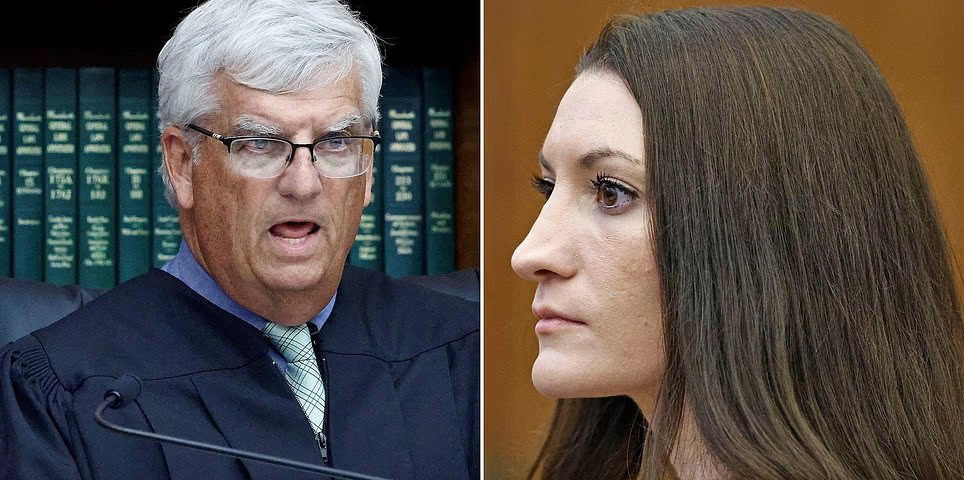
Lindsay Clancy jury braces for closing arguments as judge tells court: ‘You’ve heard all the evidence’ – Live updates
-

 Business3 days ago
Onto Innovation Stock: AI’s Next Bottleneck Is Yield (NYSE:ONTO)
-

 Crypto World3 days ago
Bitcoin price tests $82K resistance as Brandt stays long
-
 Business6 days ago
Thailand’s Eastern Economic Corridor Capital City (EECiti): Key Developments and Investment Opportunities
-

 Crypto World5 days ago
NVIDIA revenue hits $96.2B as AI demand doubles
-

 Business7 days ago
NVIDIA Stock Drops Nearly 2 Percent to $210 on Seventh Losing Day Ahead of Critical AI Earnings
-

 Business3 days ago
iPhone 18 Pro Pre-Orders Could Shift to Saturday as Apple Reportedly Avoids September 11 Anniversary
-

 NewsBeat6 days ago
Trump’s trade truce with China faces test with Iran effort
-
 Crypto World5 days ago
Nvidia Q2 Earnings Reveal $96.2 Billion Beat, So Why Is NVDA Falling?
-
 Tech5 days ago
Claude Cowork gets its own browser that doesn’t touch your tabs, bookmarks, or saved passwords
You must be logged in to post a comment Login