Connect with us

Crypto World

Ethereum Foundation Sets a December 2029 Deadline to Beat the Quantum Clock

Published

on

Texas Has 5 New Rules for Data Centers as AI Backlash Grows

The Ethereum Foundation has committed to making Ethereum (ETH) resistant to quantum computers by December 2029, treating the date as a fixed deadline rather than a research goal.

The Protocol cluster published that target alongside its scoring of 62 proposals for Hegotá, the hard fork after Glamsterdam. 

Ethereum Fixes a Deadline It Cannot Schedule

The Foundation wants Ethereum’s base layer to be quantum-resistant across execution, consensus, and data. Its priorities blog says the network should plan for Q-day arriving as early as 2030.

That target matches migration timelines independently set by Google, Cloudflare, and Microsoft. The Foundation acknowledged that it is front-running most credible forecasts.

Advertisement

“Planning for Q-day in 2030 is a deliberately aggressive assumption,” the blog reads.

The cluster will treat the deadline as non-negotiable at least until January 2027, when outside experts help reassess quantum progress. Roughly 65% of ETH already sits in quantum-vulnerable addresses, according to Project Eleven.

Follow us on X to get the latest news as it happens

Hegotá Becomes the First Test of the 2029 Promise

The Foundation framed Hegotá as the fork that decides whether the later post-quantum forks ship on time. Full resistance sits five hard forks out, and hitting December 2029 would need an average of 7.2 months per fork, a pace the cluster itself calls aggressive.

Advertisement

Frame Transactions carries that load as the must-ship execution-layer item, opening a path to new signature schemes without a hard fork for each one. A separate A-tier package, EIP-8298 and EIP-8151, completes the route by letting accounts abandon secp256k1 as the master key. A third, EIP-8365, starts retiring validator withdrawal credentials still tied to vulnerable cryptography.

The consensus layer gets the opposite treatment. Its cryptography cannot be swapped without a fork, so components wait for the complete design. Hash-Chain RANDAO landed at B tier, sound in direction but early in sequence.

The reluctance extends to the execution layer. ML-DSA verification precompiles fell to C tier, with the cluster declining to enshrine one scheme before a dedicated cryptographic review.

Subscribe to our YouTube channel to watch leaders and journalists provide expert insights

Advertisement

The post Ethereum Foundation Sets a December 2029 Deadline to Beat the Quantum Clock appeared first on BeInCrypto.

Source link

Advertisement
Continue Reading
Click to comment

You must be logged in to post a comment Login

Leave a Reply

Crypto World

Huge Week Ahead for XRP: Could These 2 Events Finally Trigger a Move Toward $2?

Published

on

Two major events in the following week or so could determine whether XRP’s technical setups play out, potentially sending the token to a new multi-month peak at around $2.00.

The first arrives on September 15, when the US Senate is scheduled to hold its first procedural vote on the CLARITY Act. The next one is just a day later.

Analysts Eye $2 and Beyond

Analyst Celal Kucuker described the token’s current technical structure as “amazing,” arguing that several formations are pointing toward the same target of around $2.30. Given the asset’s current price of around $1.39, this would represent another 60% surge if it materializes.

To do so, though, XRP would have to overcome some serious resistance levels that have halted its progress in the past and are sitting immediately above it. Fellow analyst Bird highlighted a large concentration of liquidity between approximately $1.60 and $1.85, followed by an even more significant pocket at $2.00.

Advertisement

Based purely on this liquidity map, the analyst estimated a 70% probability of XRP moving higher through $1.50 and $1.60 before targeting the subsequent region. The bearish scenario would become more relevant if the cross-border token loses $1.30, which could open the door for another dip to $1.20 or even $1.00.

However, it’s worth noting that liquidity maps change constantly and do not guarantee the direction of the next move, something that Bird also acknowledged.

CW offered another bullish technical scenario, indicating that XRP’s previous correction bottomed around the 0.5 Fib retracement before the subsequent rebound carried it above the 0.618 level. The current version of such an expansion would bring the asset to over $2.10.

Next 8 Days Matter

Those targets could soon face a much more fundamental test as the US Senate’s cloture vote on the motion to proceed with the CLARITY Act is scheduled for a week from today at 2:15 PM ET. This is not a vote to pass the legislation, as we have explained in the past. If successful, the vote would instead advance the bill toward formal Senate consideration. Nevertheless, its implications for the crypto market, especially assets like XRP, are quite significant.

Advertisement

A day later, the Federal Reserve will deliver its latest interest-rate decision. The combination of the two events creates an unusually concentrated event window for Ripple’s token. Regulatory progress could improve sentiment around the asset, but a hawkish Fed decision, such as a rate hike, which is more likely as of now, could simultaneously pressure XRP alongside the rest of the market.

The post Huge Week Ahead for XRP: Could These 2 Events Finally Trigger a Move Toward $2? appeared first on CryptoPotato.

Source link

Advertisement
Continue Reading

Crypto World

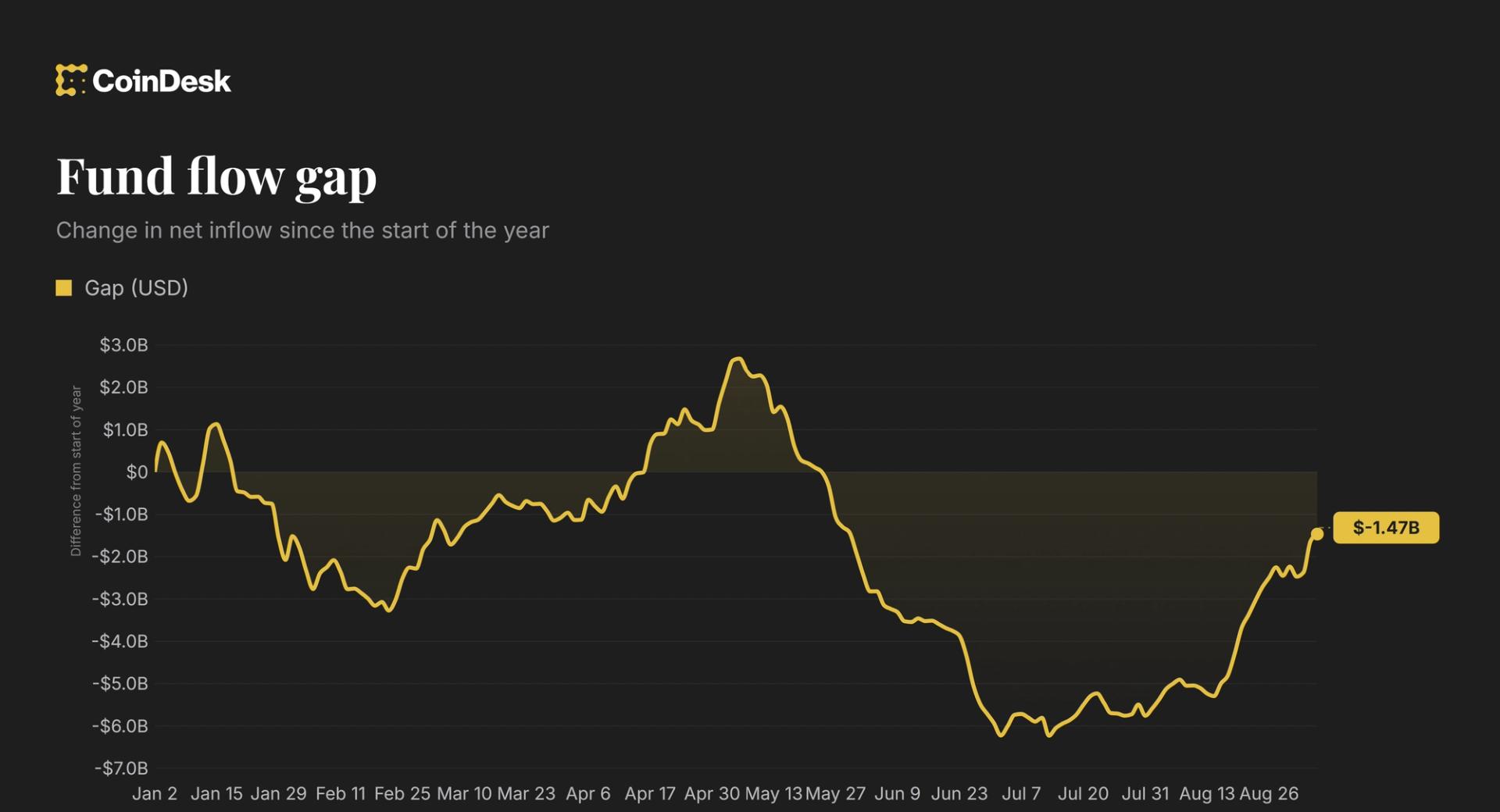
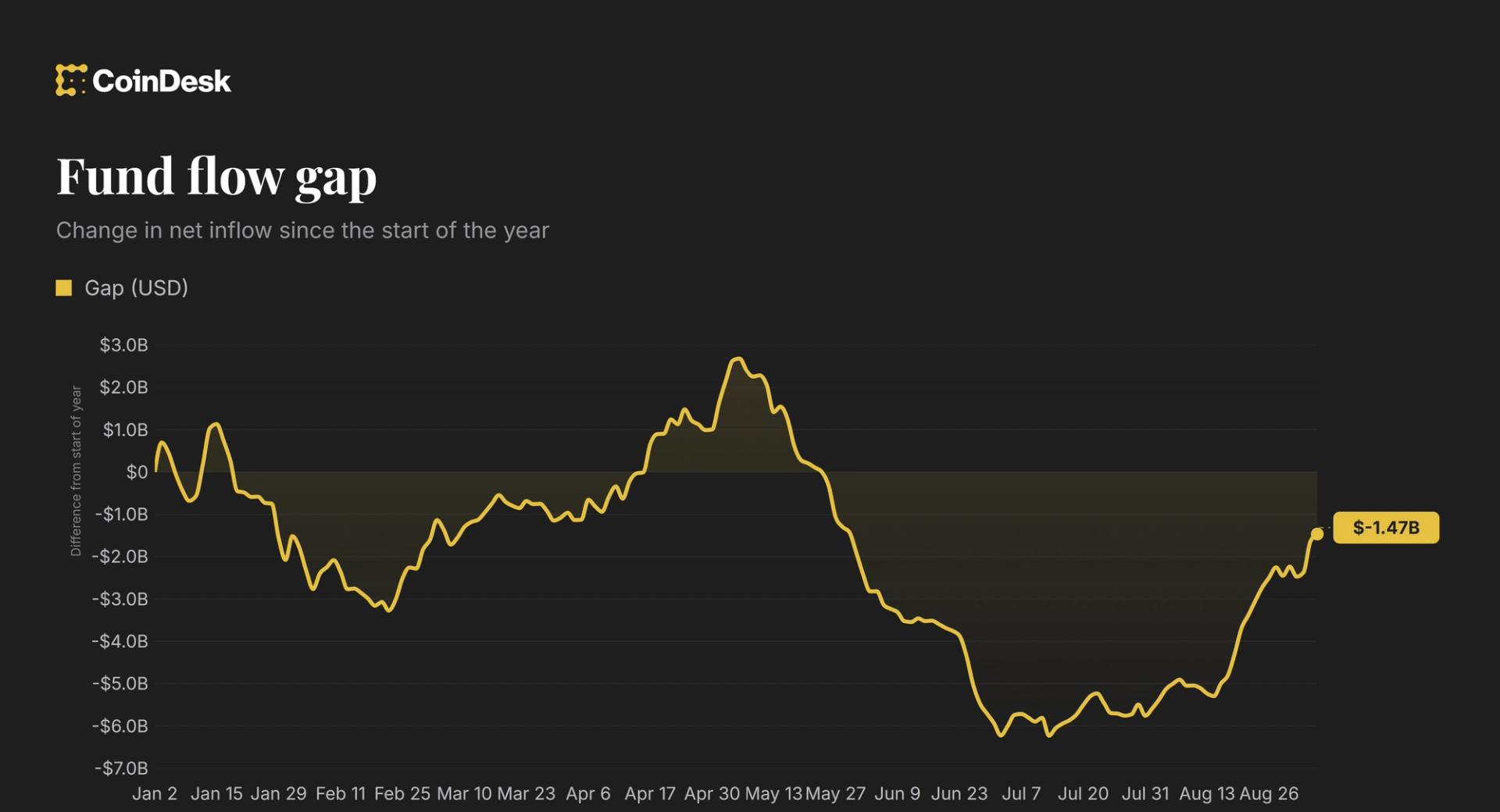
Bitcoin ETFs are still $1 billion shy of breaking even in 2026

Published

on

Bitcoin ETFs are still $1 billion shy of breaking even in 2026


Your day-ahead look for Sept. 8, 2026

Source link

Continue Reading

Crypto World

Harmony shuts down over AI fears, but will it be safer on Ethereum?

Published

on

Harmony shuts down over AI fears, but will it be safer on Ethereum?

Blockchain network Harmony Protocol has taken the decision to wind down, worried that “threats posed by state actors and AI agents are too great.”

Harmony informed users on Sunday via X that the project, launched in 2019, would migrate to Ethereum, where it hoped its ONE token would be safer.

However, the prevalence of hacks currently wreaking havoc on the Ethereum ecosystem suggests that Harmony may well remain exposed in its new home.

On August 11, the protocol suffered an exploit which resulted in the “unauthorized minting” of  3 trillion native ONE tokens. The team later executed a rollback of the chain, restoring its pre-hack state.

Advertisement

The price of ONE dropped sharply directly after the hack and has lost more than 40% of its value over the past month.

Harmony was previously rocked by a devastating $100 million hack of its Horizon bridge back in 2022, a year which saw multiple bridges lose nine-figure sums.

At its peak, earlier that same year, the network held over $1 billion of TVL. Today, that figure sits at just $150,000.

Read more: Moonwell’s latest $9M attack marks four incidents in a year

Advertisement

Running to safety

The migration will be based on a snapshot with user balances “airdropped to the same wallet addresses on Ethereum.”

Tokens deposited in smart contracts, however, cannot be migrated and those users have been given just three days warning to withdraw any such funds.

At the same time as sunsetting the Harmony network and migrating to Ethereum, the project appears to be pivoting to become “the remix economy for AI video.”

It, rather ambitiously, eyes advertising revenue which “could generate tens of millions of dollars from a million users.”

Advertisement

The migration announcement recommends that existing Harmony validators consider taking a new role as “governors, AI video operators or affiliates.”

Read more: How 4,000 BTC walked out of Blockstream’s Liquid Network

Will Harmony be safer on Ethereum?

While Harmony may not have the best track record, its chosen destination has itself served as the venue for an alarming number of security incidents over recent months.

Blockchain security firm CertiK tallied a staggering 344 incidents which occurred in the first half of 2026 in a recent report. Of these, 153 were on the Ethereum network, approximately 44% of the total number.

Advertisement

The year’s uptick in exploits is suspected to be linked to the surge in powerful AI models.

Back in June, the crypto community nervously awaited the release of Anthropic’s Fable before it quickly became clear that the model had been “nerfed” to avoid servicing cybersecurity-linked queries.

Read more: Bitcoin bridge Boltz suspends services as AI hacks outpace patches

That said, at the protocol level, Ethereum is about as safe as blockchains get. Multiple other networks have recently suffered exploits targeting their structural layer, though.

Advertisement

Apart from the incident on Harmony, other recent examples came when a bug caused disruption and losses across at least four chains which all used a vulnerable Cosmos EVM module.

On Sunday, Blockstream’s Liquid Network was drained of 4000 bitcoin, worth around $320 million. The majority of funds have since been returned.

Also in late August, an exploit of Core DAO led to $5.5 million of validator rewards being issued ahead of schedule.

Ultimately, when hosted on a comparatively secure base layer protocol like Ethereum, safety rests on the quality of each individual project’s code. Whether or not Harmony’s new AI video venture will sink or swim is up to the team alone, no matter where it’s hosted.

Advertisement

Got a tip? Send us an email securely via Protos Leaks. For more informed news and investigations, follow us on XBluesky, and Google News, or subscribe to our YouTube channel.

Source link

Advertisement
Continue Reading

Crypto World

Arm Stock: Arm Extends Reach To Physical AI

Published

on

Arm Stock: Arm Extends Reach To Physical AI

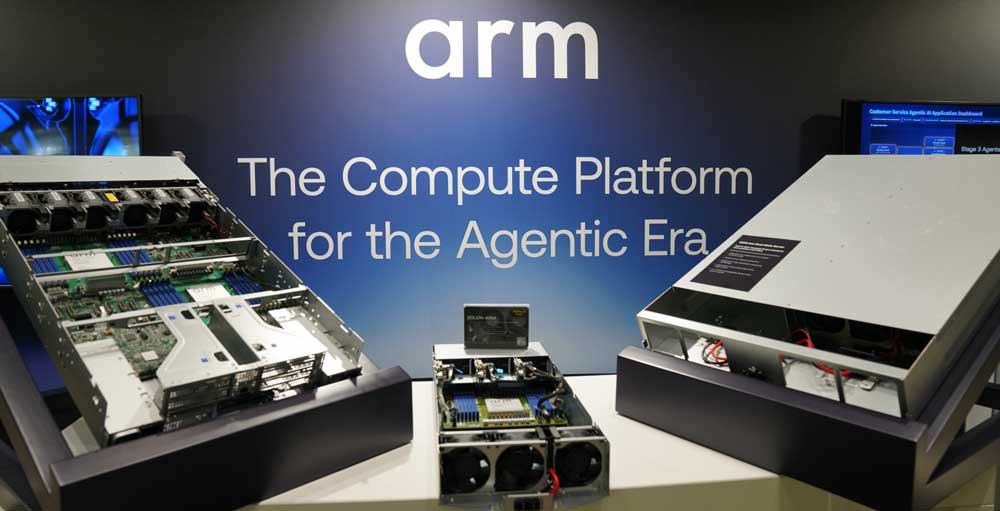
Arm Holdings (ARM) on Tuesday previewed new innovations in its artificial intelligence compute portfolio spanning data centers to edge devices, including physical AI. Arm stock rose in early trading. At its Arm Everywhere conference in China, the semiconductor design firm announced a next-generation edge AI platform called Arm Compute Subsystems (CSS) for Mobile 2. The platform promises sustained performance, security…

Copyright ©2026 Investor’s Business Daily, LLC. All rights reserved. 87990cbe856818d5eddac44c7b1cdeb8

Source link

Continue Reading

Crypto World

Robinhood AMC tokens expose limits of short squeezes

Published

on

Robinhood Chain did $570M volume on $21M of liquidity. The launch-week autopsy

Robinhood’s tokenized AMC product briefly traded far above the referenced stock during the U.S. Labor Day weekend, prompting a fresh test of whether activity on Robinhood Chain can move real equity markets.

Summary

  • Robinhood Stock Tokens provide economic exposure but grant holders no ownership or voting rights whatsoever.
  • IOSG estimated tokenized AMC supply expanded nineteenfold as arbitrageurs responded to an onchain price premium.
  • AMC shares rose during premarket trading, although researchers could not isolate token related buying precisely.
  • Dynamic creation and redemption can close premiums, limiting sustained squeezes in genuinely backed stock tokens.
  • Market closures can interrupt issuance, leaving token prices temporarily exposed to thin liquidity and premiums.

IOSG researcher Mario Chow reported on Sept. 7 that the token reached $18.04 after AMC Entertainment shares closed at $2.54 on Sept. 3. AMC subsequently rose as much as 22% in premarket trading before surrendering most of the advance.

The episode demonstrates that an onchain premium can generate demand for the corresponding shares when an authorized participant creates additional stock tokens. It does not establish that token trading caused the entire move in AMC.

Advertisement

It also does not show that Robinhood issued an unlimited supply of AMC stock tokens. Robinhood’s system allows the supply to expand or contract through creation and redemption. Issuance remains governed by the product’s legal terms, operational procedures, available collateral and market access.

Robinhood stock tokens are not AMC shares

Robinhood describes its Stock Tokens as tokenized debt securities issued by Robinhood Assets (Jersey) Limited. They track the economic performance of referenced U.S. securities but do not convey direct ownership.

According to Robinhood’s official documentation, holders receive no legal or beneficial rights in the company whose shares a token tracks. They cannot vote as AMC shareholders or assert ownership claims against AMC.

Advertisement

Robinhood’s 2026 quarterly filing similarly identifies Stock Tokens as debt securities issued by the Jersey affiliate. The company lists regulatory, litigation, operational and reputational risks associated with making them accessible through Robinhood Wallet.

The products are not registered under U.S. securities laws and cannot be offered to U.S. persons. Eligible investors in selected jurisdictions can nevertheless transfer and trade them through wallets, centralized exchanges or decentralized applications.

This separation explains AMC CEO Adam Aron’s objection. Aron said AMC had not authorized or participated in the product. He called the token “contemptible, outrageous, disgusting” and said the company had engaged outside securities counsel.

Robinhood rejected AMC’s demand to discontinue it. As crypto.news reported, Robinhood argued that it could continue offering the AMC-linked product without the issuer’s consent because the instrument is Robinhood’s debt security rather than an AMC-issued share.

Advertisement

Another distinction concerns the meme coins involved. Robinhood did not issue $MEME, $CINEMA or $BONER. Independent developers created those tokens and liquidity pools on Robinhood Chain, a permissionless Ethereum-compatible network. Some pools use Robinhood Stock Tokens as their quoted asset.

An AMC premium prompted token supply to expand

IOSG’s research reconstructed creation and redemption transactions for the AMC-linked token. It estimated that the supply rose from 152,106 tokens to 2.90 million within three days.

The researcher counted approximately 3.05 million newly created tokens and 310,000 redeemed tokens during the period. Those figures produced a net increase of approximately 2.74 million.

Because each token tracks the economics of one share, creating tokens may require the participating intermediary to obtain corresponding market exposure. Robinhood says assets supporting its Stock Tokens are held through regulated financial institutions, although token holders do not own those assets directly.

Advertisement

IOSG estimated that approximately $7.6 million of real AMC shares was purchased as the token supply increased. The report further estimated that those purchases represented as much as 7.6% of trading during the busiest premarket interval.

Those calculations are external estimates derived from blockchain activity and market data. Robinhood has not publicly confirmed the $7.6 million figure, identified the authorized participant or published a transaction-by-transaction record of corresponding AMC purchases.

AMC shares still reacted during the period. The stock advanced from a Sept. 3 close of $2.54 to approximately $3.11 in early premarket trading on Sept. 4, according to the IOSG analysis. It later fell back and closed near $2.65.

The timing is consistent with some buying pressure reaching the equity market. However, timing alone cannot establish how much of the move came from token creation. AMC news, speculative trading and ordinary premarket orders could also have contributed.

Advertisement

Crypto.news separately reported that AMC shares gained about 21% during the public dispute. No official filing has attributed that movement to Robinhood Chain activity.

Creation and redemption work against a lasting squeeze

A conventional short squeeze relies on constrained share availability. Rising prices force short sellers to repurchase shares, which creates more demand and can push prices higher again.

GameStop displayed an extreme version of that structure in January 2021. An SEC staff report found that GameStop’s short interest reached 122.97% of its public float. AMC’s short interest was much lower at 11.4%.

Robinhood and other brokers restricted purchases of both stocks on Jan. 28, 2021. Robinhood’s regulatory filings attribute the restrictions to clearinghouse deposit requirements and related liquidity pressure.

Advertisement

The current stock-token structure behaves differently. When a token trades above the value of its reference share, an authorized participant can potentially acquire the share exposure, create more tokens and sell them into the premium.

Additional supply reduces scarcity. The arbitrage trade also becomes less attractive as the token price moves back toward the referenced share price. This creates negative feedback rather than the self-reinforcing demand associated with a short squeeze.

Redemption can reverse the process. If a Stock Token trades below its reference value, eligible intermediaries may acquire and redeem tokens, reducing their supply and potentially unwinding the corresponding market hedge.

The IOSG report found a similar expansion in Robinhood’s tokenized Hims & Hers product. Its supply reportedly increased from 468 tokens around the launch of the $BONER market to 130,876 tokens.

Advertisement

These findings support the argument that meme-coin buying can transmit some demand into tokenized equities and potentially into underlying shares. They do not support the stronger claim that onchain buyers can permanently lock the real equity’s circulating supply.

Dynamic issuance does not alter AMC’s actual shares outstanding. It changes the number of Robinhood debt instruments providing economic exposure to AMC.

Market closures leave a temporary pricing gap

Token markets can remain active when the underlying U.S. stock market is closed. The creation channel may not operate with the same availability because authorized participants need access to equity trading, custody and settlement services.

This mismatch can leave a Stock Token without an immediate arbitrage route during weekends or market holidays. Thin liquidity can then push its onchain price far above or below the last available reference price.

Advertisement

IOSG attributed the AMC token’s rise to $18.04 partly to this timing gap. The move occurred after the U.S. market closed and before intermediaries could respond through the usual creation process.

Once premarket trading began, the gap narrowed. The actual AMC share price initially moved upward while the token price declined. By shortly before the regular session, both were reportedly trading near $2.61 to $2.62.

The episode suggests that the token itself can experience a short-lived squeeze when new creation is unavailable. Such a move does not necessarily transfer proportionally to the underlying share.

Existing supply also matters. After the AMC token supply expanded to approximately 2.90 million, IOSG observed smaller deviations during the following closure. A deeper token float made another extreme premium more difficult to produce.

Advertisement

The risk may be greater for newly launched products with limited supply, concentrated liquidity or temporarily paused creation. Investors also face smart-contract, issuer, pricing-feed and redemption risks that do not exist in the same form when holding ordinary registered shares.

Activity around these products is growing. In related coverage, Robinhood Chain’s RWA-linked trading volume reached a reported $390 million, including $217 million from meme coin and stock-token pairs.

Genuine and imitation stock tokens require clearer labels

A separate risk comes from tokens that use a public company’s name or ticker without any backing or formal relationship with the company.

Robinhood’s genuine Stock Tokens have an identified issuer, legal terms and reference assets. Robinhood Chain’s documents describe them as tokenized debt instruments issued by Robinhood Assets (Jersey) Limited.

Advertisement

A third party can still deploy an unrelated token using similar branding on a permissionless blockchain. Such a token may have a fixed supply but no custodian, redemption right, authorized participant or claim against underlying shares.

Similar names can make the two products difficult to distinguish in wallets and decentralized exchange interfaces. A market price that follows a public stock does not prove that the token holds corresponding shares or offers enforceable redemption rights.

IOSG identified counterfeit stock-linked contracts as the larger investor-protection concern. Its researchers said some copied equity names and supplied token balances that appeared designed to imitate genuine products.

Those findings have not produced a publicly announced enforcement case. Still, they reinforce the need to verify contract addresses, issuer documentation and redemption terms instead of relying on a ticker symbol.

Advertisement

As previously reported, tokenized equity holders reached 752,000 across five platforms, while Robinhood accounted for 328,000. Wider adoption increases the consequences of unclear ownership and backing disclosures.

What happens next depends partly on whether AMC takes formal legal action. Aron said the company had retained securities counsel, but AMC has not announced a lawsuit or regulatory filing challenging Robinhood’s product.

Regulators must also decide how unaffiliated stock-linked instruments should disclose ownership, issuer consent, collateral and redemption rights. Until those questions are resolved, the creation channel remains the main mechanism connecting token prices with real equity markets.

FAQs

Do Robinhood AMC tokens represent ownership of AMC?

No. They are debt securities issued by Robinhood Assets (Jersey) Limited. Holders receive economic exposure but no AMC voting or ownership rights.

Advertisement

Can meme-coin buying increase AMC’s share price?

It can create demand for AMC-linked tokens. Creation of additional tokens may lead intermediaries to purchase corresponding market exposure. The size and direct effect on AMC shares cannot be isolated from other trading.

Why did the AMC token trade above the real stock?

The premium formed while U.S. equity markets and normal creation channels were unavailable. Onchain trading continued, allowing limited token liquidity to diverge from the stock’s last price.

Can Robinhood issue unlimited AMC tokens?

Robinhood has not described the supply as unlimited. The supply can expand and contract through creation and redemption, subject to product terms, collateral, market access and operational controls.

Are meme coins paired with stock tokens genuine equities?

No. A meme coin remains a separate crypto token. Its trading pool may use a genuine Stock Token as the quoted asset, but that does not give the meme coin equity backing or shareholder rights.

Advertisement

Source link

Continue Reading

Crypto World

Partner warns ‘huge danger’ of replacing reasoning skills

Published

on

Partner warns 'huge danger' of replacing reasoning skills

A screen displays the the company logo for Goldman Sachs on the floor at the New York Stock Exchange (NYSE) in New York City, U.S., May 7, 2025.

Brendan McDermid | Reuters

A Goldman Sachs partner leading one of the bank’s flagship artificial intelligence projects warned that AI’s spread across Wall Street risks hobbling the thinking capabilities of the next generation of financiers.

Advertisement

“There’s a huge danger here that in the era of AI, we outsource our reasoning to these models, and we have cognitive atrophy that stops us being able to reason from first principles ourselves,” said Chris Churchman, who leads Goldman’s digital platform for institutional clients called Marquee.

The comments came during the latest episode of the firm’s “Exchanges” podcast, according to a transcript provided exclusively to CNBC.

Just as people lost navigation and memorization skills with modern inventions, bankers risk losing analytical abilities if algorithms handle all the heavy lifting, Churchman said.

“Reasoning is still important,” he said. “You still need to reason about [problems] and structure it into an argument, and now we’re delegating reasoning.”

Advertisement

Wall Street’s push to enmesh AI into all of its trading and banking processes could be a kind of devil’s bargain: It will make the industry more profitable today while potentially eroding the talent it needs for tomorrow. With AI taking over more of the routine work that has traditionally taught young bankers and traders how to think and make decisions, firms risk sacrificing the culture that turns junior employees into seasoned Wall Street talent.

It could even reduce the need for junior bankers in the first place. Last year, CNBC reported that Wall Street firms were examining ways of using AI to lower the ratio of junior bankers to senior employees.

Banks need to find a balance between using AI and preserving Wall Street’s apprenticeship culture, said Churchman, who ran currency trading at UBS before joining Goldman in 2021.

“You learn by doing, and a lot of knowledge is tacit, it was never written down,” he said.

Advertisement

Goldman needs “to make sure we don’t lose that tacit and intuitive knowledge that some of our best people have today [and] to ensure the next generation have it too,” Churchman said.

For instance, junior traders learn by fielding client pricing requests under supervision of experienced risk takers, Churchman said.

“We can absolutely automate that,” he said, “but then do we get the senior traders that fully understand?”

Systems must be designed so that employees still call the shots in high-stakes, high-uncertainty decisions rather than becoming passive operators, Churchman said.

Advertisement

Even Goldman, one of the world’s top investment banks, hasn’t yet “figured out” how it will manage the transition the company has begun, said Churchman, who is also co-chair of the firm’s Global Banking and Markets AI working group.

Error-free?

Also in the podcast interview, Churchman shared lessons from implementing AI into Marquee, which is used by hedge funds and other institutional clients to access Goldman’s market data, research, risk analytics and trade execution services.

The Marquee AI platform is only available to Goldman employees for now, he said.

The toughest challenge, from a technical standpoint, is in ensuring that AI answers are 100% factual and can be audited, he said. While consumer AI chatbots warn users of possible mistakes, in high finance, the tolerance for errors is low.

Advertisement

Churchman said that in developing the firm’s AI platform for clients, the software made a startling admission.

“When we challenged it hard, at least it was honest,” Churchman said. “It was like, ‘Look, in the end, I’m better at sounding thorough than being thorough.’”

Choose CNBC as your preferred source on Google and never miss a moment from the most trusted name in business news.

Source link

Advertisement
Continue Reading

Crypto World

Bitcoin slips to $78,800 as BNB and DeFi tokens buck the selloff

Published

on

Bitcoin slips to $78,800 as BNB and DeFi tokens buck the selloff


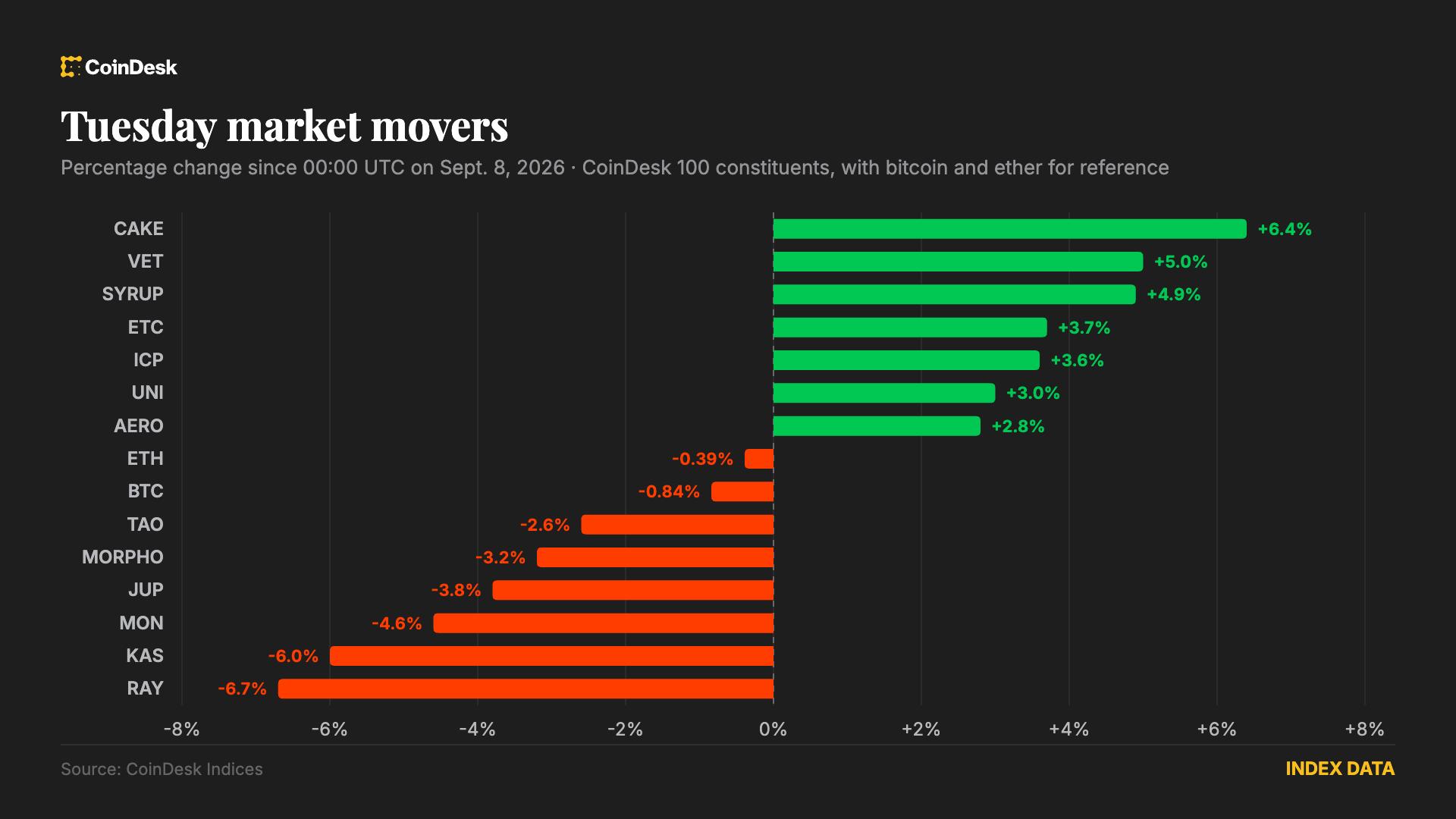
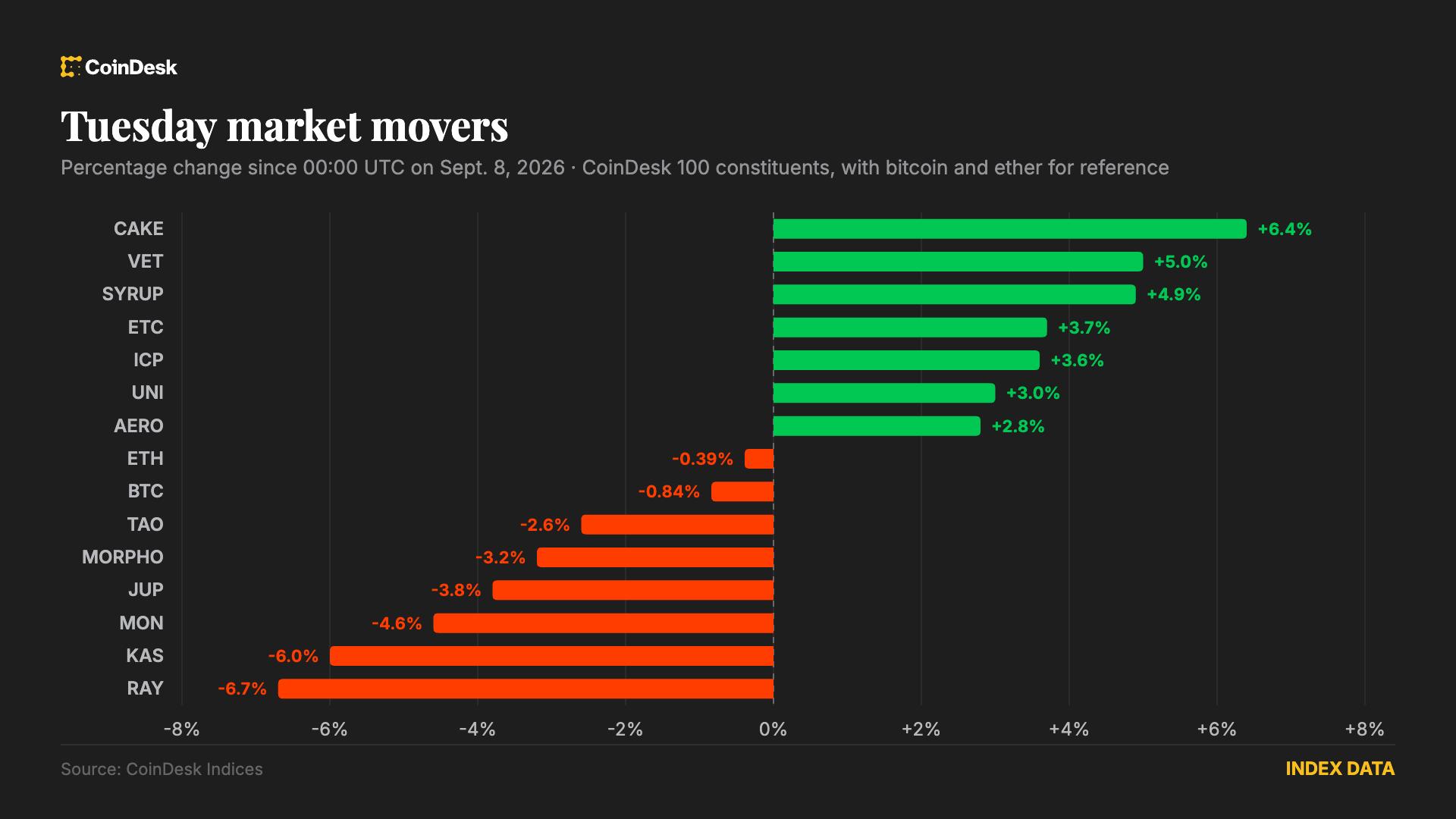
Bitcoin fell 0.42% since midnight UTC to $78,874, but the CoinDesk 20 rose 0.2% and the memecoin index gained 0.41% as BNB Chain tokens rallied.

Source link

Continue Reading

Crypto World

ChatGPT AI Predicts XRP May Be in a Much Different Place by the End of 2026

Published

on

ChatGPT AI Predicts XRP May Look Very Different a Year From Now

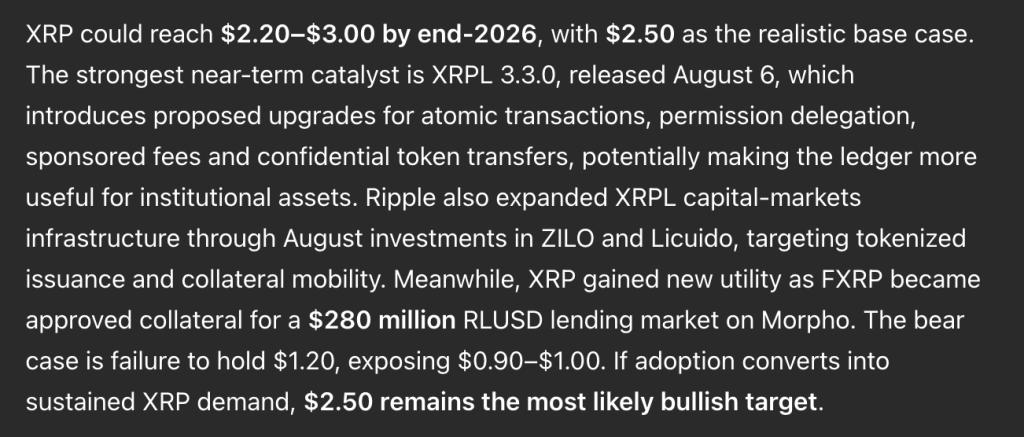
Institutional plumbing rarely makes headlines, but it moves targets. A new ChatGPT AI price prediction leans on exactly that, and the model predicts Ripple’s XRP price will reach $2.20 to $3.00 by the end of 2026, with $2.50 as the realistic base case.

The strongest near-term catalyst arrived on August 6. XRPL 3.3.0 introduces proposed upgrades for atomic transactions and permission delegation.

Sponsored fees and confidential token transfers are included. Together, they could make the ledger far more useful for institutional assets, lending weight to the Sam Altman-backed ChatGPT AI XRP prediction.

XRP Price Prediction: ChatGPT AI Predicts a $2.50 base case by the end of 2026 as XRPL 3.3.0 upgrades target institutional use
SOURCE: ChatGPT AI XRP Price Prediction

Ripple is building the surrounding infrastructure, too. August investments in ZILO and Licuido target tokenized issuance and collateral mobility on XRPL.

Utility is expanding in lending, too. FXRP was approved as collateral for a $280M RLUSD lending market on Morpho. That is real usage, not announcement noise. Collateral demand tends to be sticky once protocols integrate it.

Advertisement

The bear case is defined by one line. Failure to hold $1.20 exposes $0.90 to $1.00.

That would erase the entire August move. If adoption converts into sustained XRP demand instead, $2.50 remains the most likely bullish target.

Make Your Prediction Count With $25 For Free on Kalshi

XRP Price Prediction: ChatGPT AI Predicts the Ledger Upgrade Pays Off

Advertisement

Context matters before anyone gets excited. XRP price traded above $3.60 last August and spent the following twelve months in near-continuous decline.

October cracked $2.40 in a single session. February 2026 saw the price flush to $1.13, and the months after that offered only a listless range of roughly $1.30 to $1.55.

June broke lower again. XRP price then flatlined at $1.00 through July and most of August, barely moving for weeks. Last week ended that. The price spiked to $1.68 before sellers immediately stepped in.
SOURCE: TradingView

Now comes the giveback. XRP closed at $1.39, down -1.5% over the past 24 hours, with a session range from $1.375 to $1.4.

That is the first red candle since the breakout. Resistance sits at $1.42000, then the $1.58 spike high, then the $1.80 shelf from December.

Advertisement

Support runs through $1.35 and $1.31, with $1.00 as the structural base.

The RSI panel is not loaded on this chart, so momentum reads from price action alone. A vertical run of roughly 68%, followed by a 2.92% pullback, indicates healthy digestion rather than rejection.

The tell is where XRP price stops. Holding above $1.35 keeps the breakout structure intact and leaves the path toward $2.50 open.

The Best Traders Around Use It: AI Copy Trading Bots From CryptoHopper

Advertisement

XRP Is Upgrading the Rails. LiquidChain Is Trying to Connect the Entire Network Map.

XRP’s latest thesis is not about hype. It is about making the ledger more useful for institutions through better transactions, collateral, and tokenized assets.

LiquidChain is targeting the next infrastructure problem: those assets still live inside separate blockchain ecosystems.

Bitcoin, Ethereum, and Solana each hold deep liquidity, but moving capital between them still means bridges, duplicated deployments, added fees, and fragmented execution. LiquidChain is building a single execution layer designed to connect all 3, allowing one deployment to reach multiple ecosystems without rebuilding the same application chain by chain.

Advertisement

That gives the project a broader bet on where crypto infrastructure is heading. If tokenized assets, lending, and institutional DeFi continue expanding, interoperability becomes increasingly difficult to treat as optional.

LiquidChain’s presale is currently priced at $0.01493 with just over $948,000 raised, leaving it at a stage where adoption can still have an outsized impact on valuation.

Gain Special Access to Layer 3 Trading Here

The post ChatGPT AI Predicts XRP May Be in a Much Different Place by the End of 2026 appeared first on Cryptonews.

Advertisement

Source link

Continue Reading

Crypto World

Iran Threatens to Target U.S. Energy Assets in Gulf If U.S. Strikes Again

Published

on

Iran Threatens to Target U.S. Energy Assets in Gulf If U.S. Strikes Again

Responding to U.S. Defense Secretary Pete Hegseth’s warning that “if Iran shoots at U.S. ships, we will destroy (and sink) their oil tankers,” Iranian Parliament Speaker Mohammad Bagher Ghalibaf said: “It’s simple: the oil and gas production chain here is sprawling, accessible, and exposed. American oil and gas companies across these waters and facilities share that exposure.”

“Strike our assets and you get struck,” he added. “We’ve already proven it.”

Mohsen Rezaei, Iran’s Supreme National Security Council Secretary, told Iranian state TV on Sunday that Tehran has concluded “new strategies must be adopted in the war, in negotiations, and in confronting the blockade.” Among the measures planned is a new “exclusion zone” in the Persian Gulf and Gulf of Oman. The zone would begin at the blockade line, extend through the Strait of Hormuz, and continue into the Persian Gulf, Rezaei said. Vessels entering the zone to transit the Strait would be placed on an Iranian sanctions list.

The latest flare-up began Saturday, when Iran’s Islamic Revolutionary Guard Corps (IRGC) attacked U.S. warships in the region. The U.S. responded by striking three Iranian oil tankers, including one near Kharg Island, Iran’s main oil export hub. The U.S. and Iran have for the past week exchanged a flurry of attacks, ending a brief respite in active hostilities. Oil prices reached near six-week highs on Monday as commercial traffic through the Strait of Hormuz, a narrow waterway through which a fifth of global oil and liquefied natural gas shipments flowed before the war, has fallen sharply.

Advertisement

Negotiations remain at a standstill

After a commercial vessel was struck in the Strait in late June, the U.S. attacked Iranian missile storage and radar sites, prompting Iran to retaliate against U.S. military installations in the region. Intermittent attacks continued in July, and fighting resumed in late August after a brief, informal pause.

The Trump Administration has said it is investigating a U.S. strike last week on a family compound in southern Iran where a wedding celebration was underway, killing at least five people and wounding more than 60, according to Iranian state media.

No new formal negotiations have been announced since the MOU’s 60-day deadline expired on Aug. 17. Although some of Iran’s top officials, including President Masoud Pezeshkian, have signaled a willingness to return to the MOU and resume talks with the U.S., the two countries’ positions remain far apart. The U.S. wants to significantly restrict or dismantle Iran’s nuclear program and guarantee unrestricted commercial passage through the Strait of Hormuz. Iran has called for broad sanctions relief, access to frozen assets, an end to the U.S. naval blockade of Iranian ports, and a role in managing the Strait.

Advertisement

“The Iranian nation accepts neither threats nor coercion, nor negotiations whose outcome would be the weakening of the country’s rights,” Hossein Taeb, head of the IRGC’s Basij paramilitary force, said on Monday. “Negotiations are for securing the nation’s rights, not surrendering them.”

While Trump faces domestic pressure to rein in gas prices and avoid an open-ended war in the Middle East ahead of the November midterms, he has also appeared determined to secure an outcome he can present as a victory.

“I’m not trying to force Iran to the bargaining table,” Trump posted on Truth Social last week. “I like our position now much better, with almost total control of the Hormuz Strait, and their economy totally collapsing. They are just playing out the inevitable.”

Iran considers new tactics

Advertisement

Iran is planning to establish a new restricted zone to amp up global economic pressure and force an end to the U.S. blockade. At the same time, Iran and Oman have agreed on a temporary shipping corridor through the Strait of Hormuz and are in talks on its future administration—an arrangement that could formalize Tehran’s role in managing the waterway against U.S. opposition.

But Ghalibaf acknowledged in parliament on Sunday that Iran is struggling with sharp inflation, a collapsing rial, and high unemployment.

Washington’s economic pressure campaign, which includes the naval blockade, sanctions on Iran, and the threat of secondary sanctions on Iran’s trading partners, has squeezed Tehran. The International Monetary Fund estimates that inflation in Iran is near 70%.

Source link

Advertisement
Continue Reading

Crypto World

EUR/AUD: A Quiet RSI Signal Challenges the Downtrend

Published

on

EUR/AUD: A Quiet RSI Signal Challenges the Downtrend

The euro enters this week’s ECB meeting (September 9–10) with genuine hawkish backing, having already been told by insiders that policymakers are prepared to raise rates again to counter the inflationary side-effects of the Middle East conflict, even as they signal little appetite for tightening beyond that. July’s hold at 2.25% came with Lagarde explicitly warning that renewed hostilities and the resulting oil price rebound pose upside risks to the inflation outlook, keeping the door firmly open to a move back to 2.50% this week.

The Aussie, meanwhile, is riding one of its strongest stretches in months, hitting a fresh three-month high after Q2 GDP beat expectations at 0.4% quarter-on-quarter, reinforcing bets that the RBA could resume tightening this month. Markets now price a 50–58% chance of a September hike, with a November move seen as effectively locked in, while commodity strength and Australia’s growing role in the AI infrastructure boom add further structural support to the currency.

The result: two hawkish central banks converging on rate decisions within days of each other, leaving EUR/AUD’s next move to hinge on whether Frankfurt or Canberra delivers the more convincing signal.

Technical Analysis of EUR/AUD

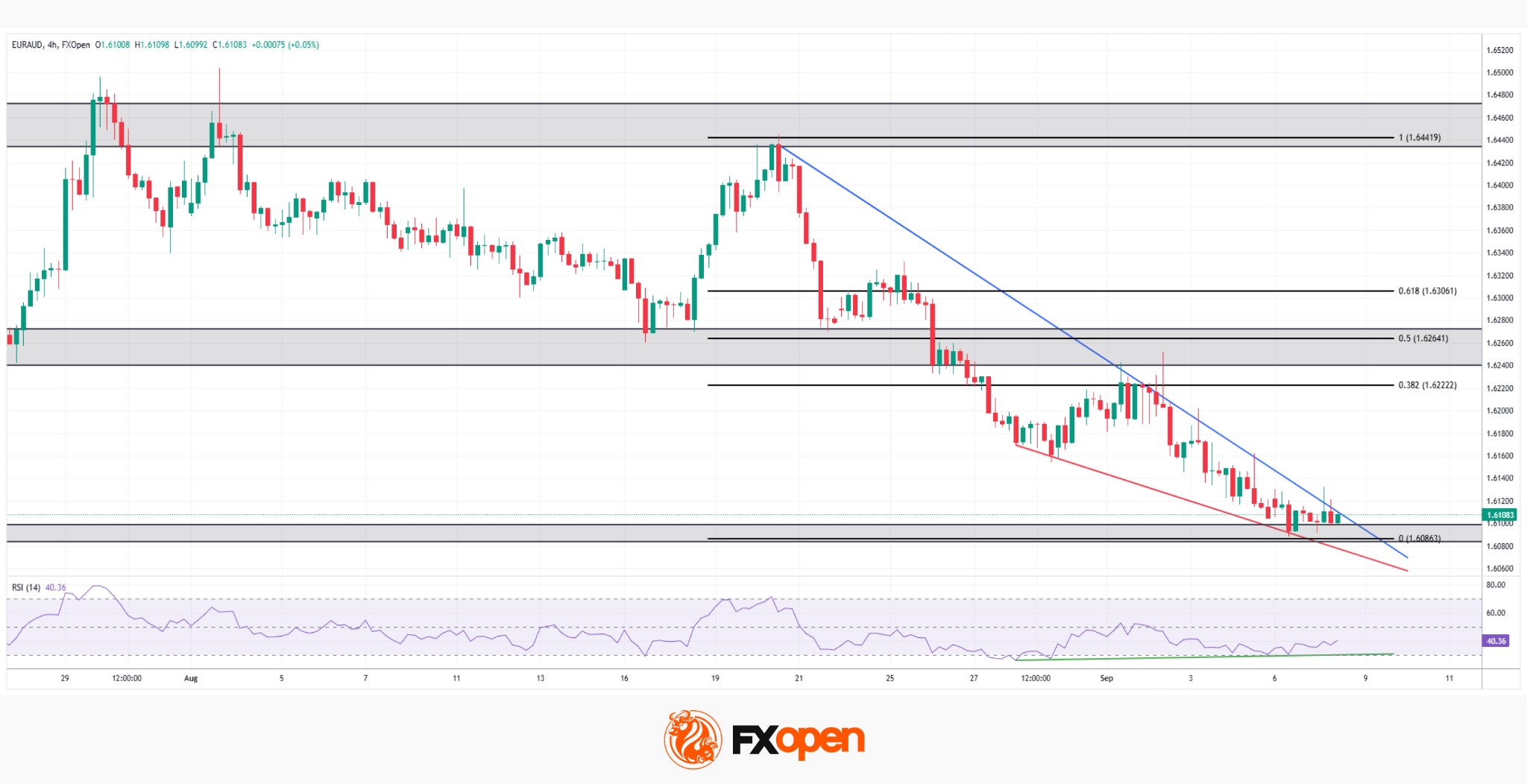
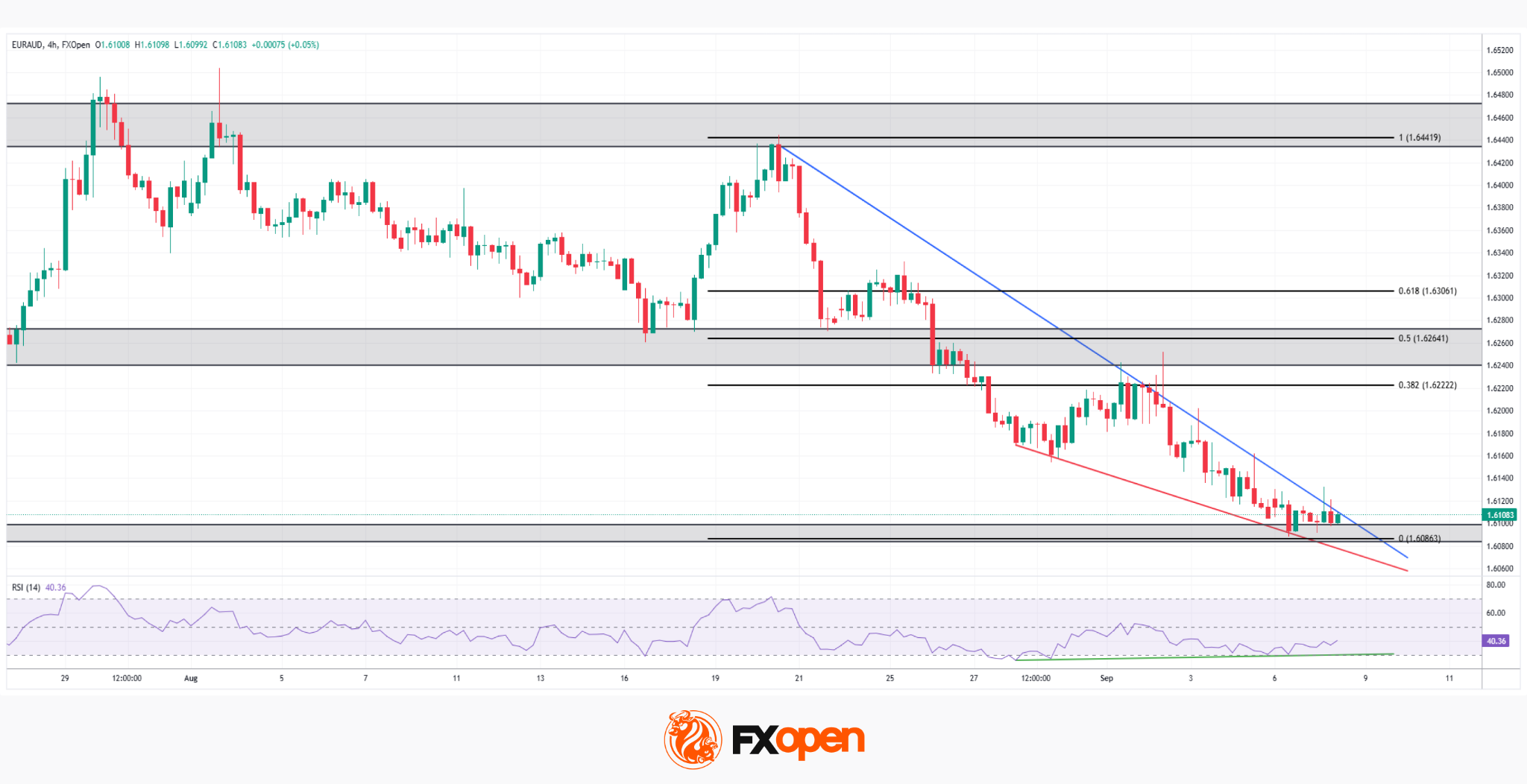
As the EUR/AUD chart shows, the pair has been trading within a steep descending trendline since mid-August’s highs near 1.6441, with price now testing the confluence of this trendline and the 0 Fibonacci level near 1.6086. Adding intrigue to the setup, the RSI is forming a bullish divergence, printing higher lows even as price carved a fresh low this week.

Bullish Scenario

Advertisement

Should buyers break above the descending trendline, the divergence would gain real technical credibility, opening the path towards the 0.382 retracement near 1.6222, with a stronger move potentially targeting the 0.5 level around 1.6264.

Bearish Scenario

Conversely, a continued rejection at the trendline would keep sellers in control, invalidating the divergence and exposing fresh lows below the 1.6086 level, with the broader downtrend from August’s highs remaining firmly intact.

With price testing a fresh low right at the trendline while the RSI quietly hints at fading downside momentum, EUR/AUD looks poised for a decisive reaction. Will the ECB’s hawkish stance finally show up on the chart, or will the RBA’s own tightening momentum keep this downtrend alive?

Advertisement

Trade over 50 forex markets 24 hours a day with FXOpen. Take advantage of low commissions, deep liquidity, and spreads from 0.0 pips (additional fees may apply). Open your FXOpen account now or learn more about trading forex with FXOpen.

This article represents the opinion of the Companies operating under the FXOpen brand only. It is not to be construed as an offer, solicitation, or recommendation with respect to products and services provided by the Companies operating under the FXOpen brand, nor is it to be considered financial advice.

Source link

Advertisement
Continue Reading

Trending

Copyright © 2025