A village of Pallet tiny houses, with some customization by residents. (Pallet Photo)
Nine years after setting out to tackle unsheltered homelessness with rapidly deployable, hard-panel micro-shelters, Everett, Wash.-based social purpose corporation Pallet is closing its business.
In a post on its website, Pallet said the landscape surrounding the homelessness response has evolved significantly since the company was founded in 2017.
“Communities understand the challenge differently,” Pallet’s statement says. “Customer needs have become more complex. Funding environments and political priorities have shifted. And through nine years of working alongside communities across North America, we have learned an extraordinary amount about what works, what doesn’t, and what is needed next.”
Since launching, the company deployed over 100 transitional villages across North America, providing more than 6,000 temporary beds and serving an estimated 30,000 individuals. To support that scale, Pallet raised more than $18 million in venture and impact funding — including a $15 million Series A round in 2022.
Pallet was founded by husband-and-wife team Amy and Brady King, who grew the social purpose company out of their work in general contracting and a desire to build fast, dignified, individual emergency shelter alternatives.
Advertisement
The pair designed modular, panelized shelter units that could be assembled on-site in under an hour without specialized tools — incorporating climate control, lockable doors, and cleanable hard surfaces to serve both natural disaster relief and city homelessness responses.
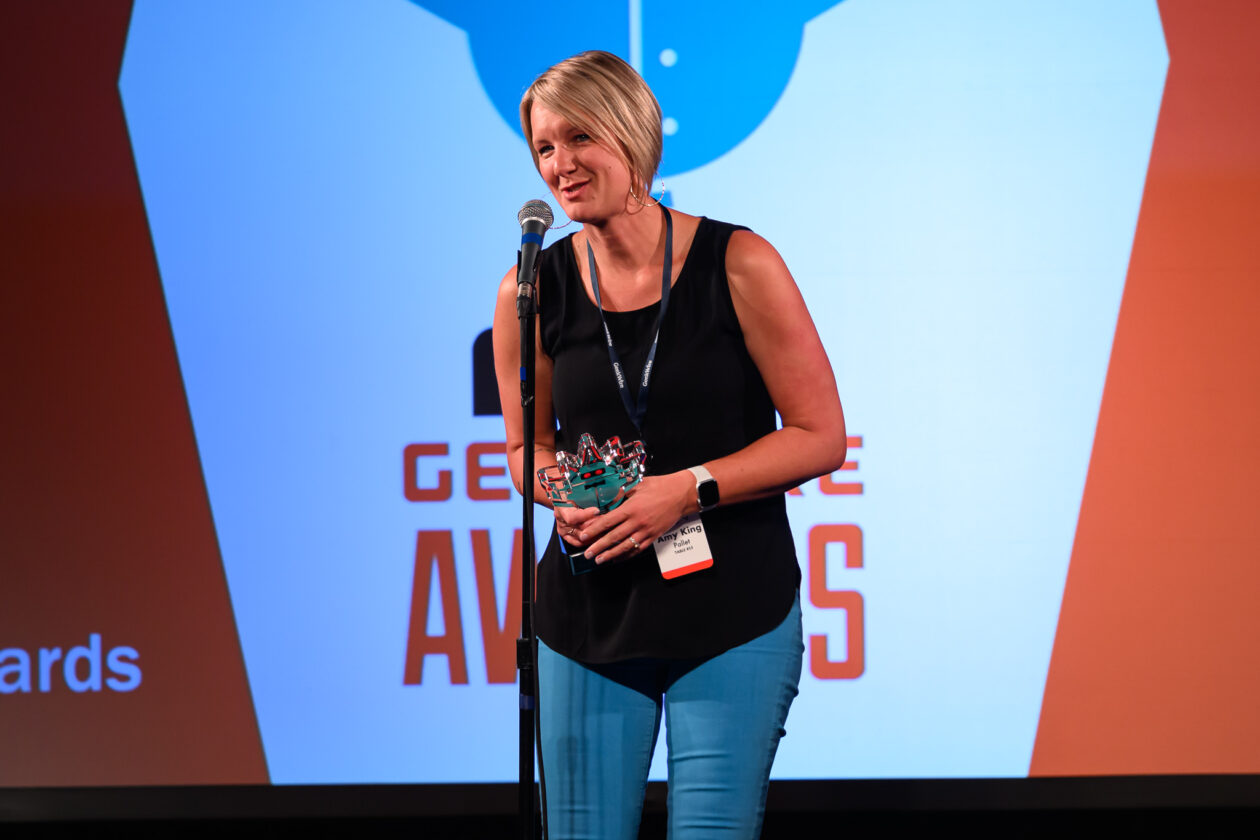
Pallet was the Hardware/Gadget/Robotics of the Year winner at the 2022 GeekWire Awards.
“We exist because communities cannot quickly build enough affordable, permanent housing to meet the needs of their residents,” Amy King, Pallet’s CEO, said in 2022.
GeekWire reached out to Pallet for comment on Tuesday and we’ll update this story when we hear back.
Advertisement
Amy King, CEO of Pallet, accepts Hardware/Gadget/Robotics of the Year at the 2022 GeekWire Awards. (GeekWire File Photo / Kevin Lisota)
In a report on the closure, Seattle news outlet PubliCola noted that Pallet’s plastic and fiberglass panel units ran roughly $20,000 each — nearly five times the cost of a traditional wooden tiny home built by the Low-Income Housing Institute.
In Seattle, where the city recently partnered with Pallet on a 75-unit shelter in Interbay, the contract budget with the city’s Human Services Department roughly tripled from $1.3 million to nearly $4 million as the scope expanded, PubliCola reported.
With Pallet shutting down, operators of existing sites will now be left to perform their own ongoing maintenance and source replacement parts independently.
Seattle Mayor Katie Wilson, who pledged to open 1,000 new units of shelter and emergency housing during her first year in office, called Pallet’s closure unfortunate.
“My understanding is that Pallet shutting down is really due to shifts in the availability of public funding,” Wilson told PubliCola. “They just don’t have the demand, in terms of purchasing their shelters, that they need to keep them in business.”
Advertisement
Pallet noted that its team members plan to carry their operational experience into new initiatives within the homelessness space, while pointing to lasting systemic changes — such as updated building codes and policy shifts — that helped legitimize rapid-deployment shelter alternatives.
“Our goal was never to defend one solution. Our goal is to solve the problem,” the company wrote on its website, framing the closure not as a retreat, but as a necessary evolution.
Apple will host its annual iPhone event on Wednesday, September 9 at 10 a.m. PDT, and it’s expected to be a big one. All signs point to Apple’s long-awaited entrance into the foldable smartphone market, finally shipping this kind of hardware about seven years after Samsung did.
Apple has a YouTube stream prepared for the “Surprise and shine” event, and you can set reminder notifications within YouTube to make sure you don’t miss it (or you can bookmark this page). You can also watch the livestream on Apple’s own events site.
Aside from the foldable iPhone Ultra, Apple is also expected to announce the iPhone 18 Pro and iPhone 18 Pro Max models, for people who want an upgrade but don’t see the appeal of the foldable, or who don’t want to pay the rumored $2,000 price for the iPhone Ultra. The standard iPhone 18 model isn’t expected to launch until next year.
Advertisement
Apple may also release new hardware like an updated HomePod, camera-enabled AirPods, and new Apple Watches.
With new Apple CEO John Ternus at the helm, this will be Apple’s first major product announcement since longtime CEO Tim Cook stepped down.
When you purchase through links in our articles, we may earn a small commission. This doesn’t affect our editorial independence.
I’m sitting in a Rivian R1S SUV as it drives itself down the leafy streets of Palo Alto, Calif., through areas crowded with touchstones of tech history. At one point I pass the landmark HP Garage, the one-car workshop where Hewlett-Packard, and, arguably, Silicon Valley, was founded in 1939. I skirt Stanford University, where a team led by computer science professor Sebastian Thrun won a US $2 million DARPA Grand Challenge in 2005. The team’s Volkswagen SUV, named Stanley, became the world’s first vehicle to navigate a grueling 212-kilometer Mojave Desert course with no human intervention.
The Rivian I’m in might look like any other electric SUV in this affluent town, with its concentration of tech bros, venture capital, and startups. But inside this boxy EV is something special: an Autonomy+ system that will allow owners to enter an address, sit back, and let the vehicle drive to any mapped destination in the U.S. and Canada. This point-to-point system is one of the most advanced semiautonomous-driving systems coming to market. It is also a precursor of the company’s bid to make self-driving cars a reality, for robotaxis and—eventually—for everyday car buyers. After years of incremental advances and frustrating setbacks, self-driving has been swept up in the great AI resurgence, and is now a top priority for investors and global automakers, who envision vast new streams of profits.
So here I am, 21 years after that DARPA challenge, riding shotgun in Stanley’s vastly more advanced descendant. Rivian’s Autonomy+ is intended to operate seamlessly on suburban streets like these, sensing and responding to traffic lights, crosswalks, and stop signs. That point-to-point system is set to debut on Rivian’s all-new R2 SUV by roughly the end of this year, and via over-the-air updates for its newest R1S and R1T models. Rivian says it will charge $49.99 a month, or $2,500 up front, versus Tesla’s $99 per month for its rival system, which is somewhat misleadingly called Full Self-Driving (Supervised), or FSD. Mercedes, meanwhile, plans to charge $3,950 for a three-year subscription for the forthcoming MB.Drive Assist Pro on its CLA-Class EV; that system still requires at least one hand on the steering wheel.
Advertisement
Video released by Rivian shows the company’s R1 SUV being driven on a variety of urban and rural roads, according to the company. Rivian plans to introduce this self-driving system to compete with Tesla’s offering before the end of 2026. Rivian
Impressive as it is, Autonomy+ is only a Level 2+ system in the classification system established by the Society of Automotive Engineers. Level 2+ means that a human driver must be ready to retake control at any moment. Rivian, along with a horde of deep-pocketed rivals, is aggressively working toward more impressive (and potentially lucrative) levels of autonomy. At Level 3, drivers could “check out” behind the wheel for limited periods, to scroll through emails or watch a movie—but not to sleep.
The big race right now is to deliver Level 4 autonomy: A car you could (in theory) dispatch to pick up a pizza, and have it carted home on the heated, unoccupied driver’s seat—or in which you could spend the ride lounging alone in the back seat, enjoying a private slice while reading a newspaper.
At Rivian’s software lab in Palo Alto, Calif., a technician evaluated code for the company’s self-driving system.Jason Henry/Bloomberg/Getty Images
Robotaxis currently roaming the U.S., China, and the Middle East have proved that driverless, Level 4 autonomy is possible. These cars operate in relatively tiny numbers in a couple of dozen cities, and within the specific constraints of commercial services. Now Rivian and its many rivals—including Tesla, Toyota, Mercedes, Volkswagen, and China’s BYD are racing to bring that level of self-guided mobility to the masses. Rivian’s strategy combines a suite of cameras, radar, and lidar; a custom set of silicon chips, developed in-house, to process sensor data; and an AI autonomy model running on those chips. With $1.25 billion in backing from Uber, Rivian plans to graduate to a fleet of self-driving, Level 4 robotaxis starting in 2028. Those taxis, in turn, will be the literal training wheels for extending Level 4 ability to consumer vehicles.
Advertisement
Meanwhile, millions of connected cars, as they cruise every nook and cranny of the globe, are already sending data to train automakers’ systems. The race is on to funnel those data through fast-improving AI models with “end to end” capability: an AI architecture, powered by deep learning, that processes raw sensor data directly into physical vehicle commands. So equipped, engineers anticipate they’ll be able to solve the tricky edge cases—tangled urban streets, unique geographies, swarms of pedestrians, inclement weather—that skeptics once deemed intractable.
Rivian’s Plan for Level 4 Self-Driving
Despite the company’s high media profile, including a spotlight on RJ Scaringe, its MIT-doctorate founder and chief executive, Rivian holds a relatively tiny slice of the U.S. passenger-vehicle market. It sold just 42,000 vehicles last year across its three models, the adventure-minded R1S SUV and R1T pickup, and the Electric Delivery Van. Tesla sold about 1.6 million units. Toyota, the world’s largest automaker, sold more than 11 million.
The first generation of the Rivian Autonomy Processor, an AI processing chip developed in-house, was tested at Rivian’s Palo Alto, Calif., lab in December, 2025. Jason Henry/Bloomberg/Getty Images
Rivian’s underdog strategy is to leverage software and tech to make itself a serious player. Volkswagen, among the world’s largest automakers, saw enough value there to invest up to $5.8 billion in a joint venture called Rivian and Volkswagen Group Technologies. The joint venture gives Rivian crucial capital for development. It gives Volkswagen access to Rivian’s electrical architecture and to the software for the R2, new-generation Rivian SUV that went on sale in June.
Unlike traditional lidar units, which protrude like a layer cake from the roof of a vehicle, Rivian’s unit on the new R2 SUV is housed in a small, sleek enclosure where the windshield meets the roof.Rivian (2);Jason Henry/Bloomberg/Getty Images
“Rivian developed an architecture so important that VW is spending billions to buy it, as opposed to trying to re-create it themselves,” says Bryan Reimer, a research scientist in MIT’s Center for Transportation and Logistics.
Advertisement
But the joint venture doesn’t give VW access to Rivian’s autonomous tech. In March, that R2 architecture underpinned Rivian’s $1.25 billion deal to supply Uber with up to 50,000 robotaxis. The companies plan to initially deploy 10,000 taxis, beginning in San Francisco and Miami in 2028, before expanding across 25 cities in the U.S., Canada, and Europe.
Rivian’s vulnerabilities include struggles with reliability, along with expensive body repair costs that the company says it strove to reduce for its new R2. As impressive as Rivian’s in-house tech may appear, the company has miles to go to catch up with Tesla, which recently announced it has 1.1 million active users of its FSD system. Toyota is also jumping into the game; its Woven by Toyota subsidiary has partnered with the Alphabet-owned Waymo to develop an autonomy platform for robotaxis and consumer cars.
The lidar unit on a Waymo robotaxi protrudes noticeably from the roof of the vehicle.Andrej Sokolow/picture alliance/Getty Images
Until recently, most observers would have gone all-in on Tesla as the winner of the autonomous race. Elon Musk’s company has begun operating a small test fleet of Model Y robotaxis in three Texas cities and in Florida. Tesla has also begun producing a dedicated autonomous vehicle, the Cybercab robotaxi. But in April, Musk pushed back his timeline for Level 4 autonomy for general consumers: “I’m just guessing here, but probably in the fourth quarter” of 2026, he said. It was the latest in a series of deflating walkbacks from the man who once promised 1 million robotaxis on the road by 2020.
Scaringe, during an unveiling of his company’s make-or-break R2 SUV at a Utah state park, says that showroom Rivians will start adopting some of its robotaxis’ Level 4 capabilities no later than 2030, perhaps beginning with self-parking functions.
Advertisement
How Self-Driving Systems Are Learning From Humans
Like most autonomous cars, Rivian’s system fuses data from multiple sensors to create a robust picture of a fast-moving environment and its obstacles. Data is fed to a neural network—what Rivian refers to as its “Large Driving Model,” or LDM—that churns through hundreds of trillions of operations per second to interpret and fuse data from cameras, radar, and lidar. That network is end to end, meaning that it processes multiple streams of raw sensor data (such as camera pixels) and outputs driving controls (for steering, braking, and acceleration) through a single data pipeline. More traditional systems coded distinct steps for data collection, feature extraction, prediction, and decision-making.
That proprietary AI driver identifies features in images and point clouds, groups them into objects, and tracks them across frames, time-stamped to the millisecond to account for differing frame rates. The AI thus builds confidence over time, acting on object detections that persist across several frames, rather than, say, slamming the brakes due to a camera blip on a single frame. The virtual driver can then navigate safely even when sensors disagree, by favoring the persistent data. The output— commands for electric motors and other systems—is backed by redundant hardware for by-wire systems such as steering and brakes.
During my demo of Rivian’s point-to-point Autonomy+ system, a company test driver sits behind the wheel. Nick Nguyen, the engineer who directs Rivian’s products and programs related to autonomy, watches from the back seat. Compared to, say, a large language model that writes news or fiction, Nguyen says, an autonomous-driving AI is easier to evaluate, so there’s little room for error. “We want cliché. We want boring. Just safe, repeatable driving,” he says.
The Rivian R2 is a mid-size SUV with self-driving and off-road capabilities. It competes with the more urban-oriented Tesla Y. Rivian
From my brief drive, I’d say suburban boredom is achieved in this Rivian R1S. Unlike some modes of Tesla’s Full Self-Driving (Supervised), Rivian’s system drives like a soccer dad, obeying speed limits to the digit, stopping gracefully at traffic lights, and easing over speed bumps like a driver delivering antiques. For robotaxi companies in the U.S. and China, these types of ho-hum trips are boosting optimism and investment to dizzying heights. Waymo claims 92 percent fewer fatal or serious-injury accidents than human drivers, based on 170 million miles of autonomous ride data. But the real challenge is how well the higher levels of autonomy will work when they reach consumer cars [see Sidebar, “The Growing Proof That Autonomous Cars Save Lives”].
Advertisement
Rivian’s core LDM currently ingests cloud data from up to 125,000 cars for analysis and validation, which then fine-tunes the model through simulations. Onboard computing is smart enough to trigger recording only for unusual scenarios. Owners have to agree explicitly to data collection beforehand. Updated LDMs will be beamed back to customer cars via monthly over-the-air updates, part of that self-reinforcing data flywheel.
As is true for some of its rivals, Rivian no longer needs to equip its vehicles with an onboard high-definition map or even a cellular link as a backup to pinpoint the car for navigational purposes. That strategic shift reduces data demands, and ensures steady driving in urban canyons or tunnels with no connections. Instead, the Rivian recognizes and responds to its surroundings through recognition and repetition, just as a human would do (and also just as Tesla’s FSD does): interpreting street signs, following lane markers, being alert to hazards. The Rivian R2 features 11 high-definition cameras and five radars. It will integrate a lidar unit early next year to lay the groundwork for future autonomy. That miniaturized lidar will integrate smoothly into the R2’s existing roofline, an improvement over the bulky, drag-producing units seen on Waymo Jaguars, and older partially autonomous models. Vidya Rajagopalan, Rivian’s senior vice-president of electrical engineering hardware, says lidar costs have fallen from above $10,000 to a few hundred dollars in under a decade.
Vidya Rajagopalan, Rivian’s senior vice president of electrical engineering hardware, holds a RAP1 AI processor chip.Jason Henry/Bloomberg/Getty Images
A mix of sensors plays up the strengths and diminishes the weaknesses of each, Rajagopalan says. Cameras capture color and texture and can distinguish between objects, but they struggle in darkness and low-contrast lighting. Lidar is unaffected by darkness or blinding sunlight, and senses shapes in three dimensions. This inherent 3D capability makes lidar more reliable for slowing or halting a car for random objects—“a tire in the road, or maybe a large dinosaur,” Nguyen quips. Multiple cameras can further contribute 3D data, after a short delay for processing.
Sensors with 360-degree vision can outperform human senses in key situations. Radar and lidar can spot nighttime pedestrians or animals hundreds of meters down the road, something no human can do. But lidar can be thrown off by dust, fog, and snow. Radar can “see” through rain or snow, but with relatively low spatial resolution.
To handle the flood of sensor data, Rivian has taken on an ambitious challenge: designing its own custom autonomy chip in-house. The Rivian Autonomy Processor (RAP1) is a 5-nanometer processor that can execute 800 trillion operations per second (TOPS), three times as fast as the Nvidia Jetson Orin chip used in its earlier models. The chip will be built to Rivian’s specs by TaiwanSemiconductor Manufacturing Co. , which also makes custom chips for Tesla.
Rivian’s autonomy module contains two Rivian Autonomy Processors, each capable of 800 trillion operations per second.Rivian
On paper, a single AGX Thor chip is slightly faster in terms of TOPS, at 1,000 trillion operations per second. But Rivian combines a pair of chips in each autonomy module, giving it 1,600 TOPS and execution rates around 5 billion pixels of data per second, versus 3.5 billion for Nvidia’s Thor.
Rajagopalan says developing the chip and AI software simultaneously shaved a critical full year from development. Experts say it’s the kind of fast-to-market speed that China has mastered and that legacy automakers are struggling to match. The in-house design allows Rivian to custom-tailor its software to the chip, and vice versa. Nvidia’s general-purpose chip, designed to satisfy multiple customers with various needs, must devote computing power to onboard infotainment, displays, or other systems. Rivian’s chip is designed to run autonomy and nothing but.
Advertisement
During my visit to Rivian’s Silicon Valley campus, Rivian engineers Prasun Raha and Mukund Chavan tutored me on the rapid pace of the company’s autonomy evolution. A cluttered wallboard displays a first-gen architecture that Rivian debuted just five years ago. The initial R1S SUV and R1T pickup used nearly a score of electronic control units (ECUs), the “black boxes” that traditionally control vehicle functions. For its latest R1 models, Rivian reduced the ECU count to seven. The zonal architecture organizes nearly every vehicle function into three zones, hugely consolidating the electronics and simplifying manufacturing. Rivian also leaned into an autonomy trend called “early fusion”: mixing raw, time-and-space-aligned sensor data into a shared view before the neural network acts upon it. In late fusion, each sensor performs solo recognition before it’s combined into a single picture.
The self-driving revolution will really begin when the technology migrates from controlled taxi fleets to consumer cars, giving owners back the precious time they waste on commuting.
Early fusion preserves the richest sensor data for maximum accuracy in self-driving. But it demands the enormous computing power the RAP1 can deliver. Raha says the approach helps the multimodal system degrade gracefully and continue to operate with certainty even if, say, a camera’s lens gets covered with mud.
Together, these elements make up Rivian’s third-generation autonomy platform. Displayed on a test bench, a new Autonomy Compute Module pairs two RAP1 supercomputing chips. The module is eight times as powerful as before but 60 percent smaller, according to the company. Raha says the system was designed expressly to expand Rivians to Level 4 autonomy from today’s Level 2+. RivLink, the automaker’s interconnect technology, can bridge multiple RAP modules to scale processing power. “It lets us build this extensible system, with perhaps two more chips for Level 3 or four for Level 4, depending on how the model scales,” Raha says.
Advertisement
Rivian’s Road Map to Full Autonomy
Rivian’s next planned milestone toward self-driving will be Level 3 autonomy—a hands-off and eyes-off system, but for highways only. (Remember, Tesla’s current FSD is technically a Level 2 system: hands off but not eyes off.) On the freeway, Nguyen points out, drivers would be spared the drudgery of dealing with stop-and-go traffic, allowing them to boost productivity or just goof off.
Some autonomy critics are leery of Level 3, envisioning a limbo zone in which drivers are lulled into a false sense of security when a car drives for long stretches with no human attention required. Ford and GM are among the automakers pivoting toward limited eyes-off functions.
Rivian’s senior vice-president of autonomy, James Philbin, sees Level 3 as an inevitable stepping-stone to Level 4. The company expects it will initially be limited to highways, not the cut-and-thrust of city traffic. If a driver fails to respond to alerts, the system will slow the vehicle, pull off on a shoulder, or call 911. Rivian has not announced a timeline for this Level 3 system.
Navigating a Tricky Liability Shift on the Way to Immense Profits
Ready or not, these much more autonomous systems are coming, a natural evolution of today’s semiautonomous helpers. In developed markets, adoption of showroom cars with partial-to-full automation is projected to jump from 8 percent in 2024 to 28 percent by 2030, according to Morgan Stanley.
Advertisement
“One in four cars sold globally may be equipped with smart-driving technology in five years, versus one in eight cars now,” wrote Tim Hsiao, a Morgan Stanley analyst, in a note posted on the company’s website.
Combining cameras, lidar, and radar gives a self-driving car a better view of people and objects in front of it, according to Rivian. The company expects to release a self-driving system before the end of 2026 that will compete with Tesla’s, which uses cameras alone. Rivian
MIT’s Reimer believes the self-driving revolution will really begin when the technology migrates from controlled taxi fleets to consumer cars, giving owners back the precious time they waste on commuting. If owners could truly send their autonomous car to safely chauffeur children, keep aged parents mobile, or run errands—while owners keep working or playing—the automakers who first help make that happen will enjoy a massive competitive edge, he says. As automakers struggle to convert buyers to subscription models, self-driving appears to be the one advance for which consumers might actually pay plenty.
But the greatest impediment to that revolution has little to do with technology. Public skepticism over self-driving is rampant; and the fate of fully autonomous testing in New York City is uncertain. Even going from Level 2 to Level 3 might shift legal liability for accidents in some cases to automakers from drivers, but with Tesla still fighting lawsuits over its rudimentary Autopilot systems, those questions aren’t anywhere near settled.
Advertisement
Experts worry that self-driving cars may become as politicized as EVs. Labor unions are pushing back, fearing job losses from taxis to trucking. A crazy quilt of state or local regulations has failed to create coherent industry guidelines. Publicized failures—even ones that don’t result in injuries, such as Waymos driving onto a flooded street or impeding emergency workers—give the industry a black eye. Companies like Tesla and even Waymo, Reimer says, have too often relied on an arrogant “Trust me” approach, resisting regulation and oversight.
Nevertheless, the momentum toward real, Level 4, eyes-off, autonomy has reached a point from which there’ll be no backing off. The rest of the journey will depend as much on social and regulatory issues as technical ones, and so Reimer has a bit of advice.
“Do it right, and share all your data,” he says. “Earn the right to scale…. It’s about establishing trust, and developing a framework in which we truly believe these systems can operate as a trusted part of our transportation network.”
Apple TV 4K is better behaved and better for privacy than every smart TV, which admittedly is a bar buried under the living room floor. Here’s what it tracks and which settings rein it in.
Apple TV 4K
Security researchers cited in a September 7 LG report tested OLED televisions for several forms of data collection. They found that the sets scanned local networks and used automatic content recognition to identify what appeared on screen. Yes, we know that smart TVs do this. LG’s data and conversation collection is just leagues worse than everybody else’s. Yes. Conversation collection. The televisions also reportedly stored microphone audio while offline, then uploaded it after reconnecting. Continue Reading on AppleInsider | Discuss on our Forums
from the get-you-a-gun-and-a-glove-no-experience-necessary dept
A whistleblower report delivered to the DHS Office of the Inspector General makes it clear ICE is willing to hire pretty much anyone who applies for the job. Keeping up appearances (and by “appearances,” I mean constantly pushing for 1,500-3,000 arrests per day) is tough when you don’t have the warm bodies to do all the kidnapping, so ICE has been on a hiring spree pretty much since day one of Trump’s second term in office.
Not only has ICE lowered its hiring standards, but it’s offering $50,000 signing bonuses to whoever can somehow survive its comfy chair of an on-boarding gauntlet. Consequently, ICE has not only been cannibalizing multiple local law enforcement agencies, but it’s handing out free money to exactly the sort of people you’d expect to respond to an ICE “Help Wanted” ad.
In other words, its people who think actor Dean Cain’s PSA for ICE jobs is just the sort of thing that puts lead in the pencils. Lots of other rejects have signed up as well: people who have already retired from law enforcement (because age no longer matters), as well as several others who definitely are attracted to the 99% power/1% accountability split of cop work, but probably aren’t capable of surviving even the minimal vetting that goes on at local cop shops.
Then there are the people who just want to hurt migrants, even if they’re way more likely to injure themselves while performing literally any physical effort. Finally, there are the disgraced cops who now have an employment option that fully embraces their bigotry.
In the wake of a hiring surge last summer, an official in charge of evaluating new recruits to U.S. Immigration and Customs Enforcement issued a dire warning.
[…]
Citing an “unprecedented lowering of standards,” the career ICE official said that “systemic breakdowns” had allowed applicants to receive job offers before they had passed basic fingerprint, identity or credit checks in a preliminary vetting process.
For an administration that clearly desires a “papers please” standard to be applied across the United States and directs the actions of the agency now expected to handle most of this “papers please” work, it’s almost hilarious to discover ICE applicants are getting job offers before their identities have been verified. That means it might be easier for an undocumented migrant to secure a job at ICE than one at the local food jobber.
Advertisement
This is happening while Trump and his MAGA cohorts are demanding everyone produce proof of citizenship before being allowed to vote. Meanwhile, ICE doesn’t even know if the person it’s trying to hire is actually the person the applicant says they are.
This isn’t just some rando speaking off the record. The New York Times has secured a copy of the whistleblower report submitted to the DHS Inspector General and spoken to the whistleblower directly:
The whistle-blower, a 17-year ICE veteran who spoke to The New York Times on the condition of anonymity because of the sensitive nature of his claims, said the agency had cut corners in its rush to fill the ranks.
“We chose as an agency to be more convenient rather than thorough,” he said, describing the agency’s decision to reduce scrutiny of recruits in order to expedite hires. “By doing so, there was a potential to put lives at risk and to jeopardize national security.”
When you lower your hiring standards and skip steps to expedite on-boarding, it always makes things worse. Sure, a lot of this happened all over as pretty much any place that employed anyone tried to bounce back from the COVID pandemic. But it’s one thing to throw money at under-qualified candidates when all you’re trying to do is fill fast food orders. It’s quite another to discard these standards when civil rights, national security, and actual human lives are on the line.
Advertisement
A process that fully verified an applicant’s identity was discarded because it apparently took too long. ICE officials decided waiting 7 to 10 days to perform a background check was no longer tenable. By stripping out all of the difficult bits, the vetting process apparently became almost instant, with those doing the vetting told to make “judgment calls” on applicants despite having almost no verifiable information on hand.
The preliminary vetting process, which took seven to 10 days, was upended last summer. The vetters were told to make determinations on recruits without having the full security form, fingerprints or any polygraph testing, according to the former unit chief and a former federal official familiar with the process who was granted anonymity to speak freely about it.
That meant new hires were heading to training without having their identities, criminal histories and other basic information checked and verified, the unit chief said.
Note the “last summer” mentioned in the first paragraph. This isn’t a recent development. While it’s been known for awhile that ICE was lowering its standards (and cutting an entire month out of its 10-week training program), the impression delivered by the administration and ICE officials was that standards were slowly lowered over several months beginning sometime last fall. The reality is far, far worse: the decision to bring ICE recruits on board before fully vetting them actually began almost immediately — only a few months into Trump’s second term.
These are the people who have been violating rights regularly, up to and including beatings and killings, for months now. And these are the people who will soon be randomly stun-gloving US citizens and residents at their discretion, thanks to ICE’s contract with Compliant Technologies. All the while, ICE officials will continue to claim these officers have been fully trained to use the weapons they’re armed with as well as advised on the general contours of the Constitution.
Advertisement
But none of that is true because it cannot possibly be true. ICE doesn’t even really know if some of the people working for it are actually the people they claimed to be. And since it can’t even be bothered to perform that essential task, there’s no reason to believe they’ve received the minimum training to do their jobs competently, much less handle all the weaponry they’ve been inordinately blessed with.
Sonos has recently launched its latest pair of headphones, with the Sonos Ace Ultra.
Considering we awarded the Sonos Ace with a four-star rating, how does the Sonos Ace Ultra look set to compare? Is it worth upgrading to the newer pair of headphones?
Ahead of our Sonos Ace Ultra review, we’ve compared its specs to the original Sonos Ace and noted the key differences between the two headphones here.
At the time of writing, the Sonos Ace Ultra is available for pre-order and will launch officially at the end of September. Unsurprisingly, as the headphones are positioned as Sonos’ most premium pair, the Ace Ultra has a higher starting price of £399.
Advertisement
SQUIRREL_PLAYLIST_10208747
As the Sonos Ace is over two years old, having launched as the brand’s first pair of over-ear headphones back in 2024, it’s not impossible to pick up the cans with a hefty discount – especially during sales events like Prime Day or Black Friday. Having said that, the headphones still have a pretty high RRP of £349.
Advertisement
SQUIRREL_PLAYLIST_10208748
Sonos promises the Ace Ultra has 2x the ANC ability than the Ace
Both the Sonos Ace and Sonos Ace Ultra are fitted with active noise cancelling (ANC) which blocks out external sounds like traffic and chatter in real-time for a more immersive listening experience. In addition, both headphones also sport an Aware mode which lets in ambient sound – perfect for when you want to stay in-tune with your surroundings.
We concluded that the Sonos Ace’s ANC performance was generally strong and able to suppress most public transport sounds and wind noise well. While it isn’t quite as adept at handling flights, especially when compared to the Sony WH-1000XM5, the Ace is still an admirable pair of noise-cancelling headphones.
Sonos Ace. Image Credit (Trusted Reviews)
Advertisement
So where does that leave the Ace Ultra? According to Sonos, the Ace Ultra should see improved ANC compared to its predecessor, thanks to the headphones’ drivers that produce “noise-cancelling frequencies faster and more effectively”. In addition, the Ace Ultra sports an all-new 10-mic array, two more than the Ace, that’s able to detect and cancel out sounds like underground train cars or airplane cabins.
Advertisement
We’ll have to wait until we review the Ace Ultra to see how well they really perform, but the headphones undoubtedly sound promising.
Sonos Ace Ultra has an Adaptive EQ
To help ensure the best possible sound quality while you’re on the move, the Sonos Ace Ultra introduces Adaptive EQ. Sonos explains Adaptive EQ measures the seal and fit of each ear cup and adjusts the sound accordingly “so what you hear sounds balanced and natural as you move”.
Sonos Ace Ultra. Image Credit (Sonos)
That’s not to say we struggled with the Sonos Ace while wearing them out and about. In fact, AV Editor Kob Monney reported no issues with the Ace’s design and concluded the clamping force to be strong enough to keep the headphones secure, yet light enough to not be an irritant too.
Sonos Ace Ultra has custom 3- and 8-band EQ
While the Sonos Ace has a customisable 2-band EQ, the Ace Ultra sports a customisable 3- and 8-band EQ instead, allowing you to further tailor the sound to your preference.
Advertisement
Advertisement
Regardless, both Sonos headphones are supported by the Sonos app, which allows you to access the customisable EQs plus adjust the noise cancelling settings, enable Audio Swap (which allows you to switch sound from your headphones to a compatible Sonos soundbar) and set up Head Tracking too.
Sonos Ace controls on app. Image Credit (Trusted Reviews)
Sonos Ace Ultra promises a longer battery life
With a promise of up to a whopping 35 hours of battery life with ANC on, the Sonos Ace Ultra looks set to be a brilliant pair of travel headphones. However, if you do forget to top up your headphones then a super quick three-minute charge results in three hours of ANC-enabled playback while the headphones’ power saver mode cleverly switches off features to double battery life too.
Even so, it’s still worth noting that the Sonos Ace offers a solid 30 hours of life between charges, so the headphones are certainly no slouch.
Early Verdict
Judging by its specs, the Sonos Ace Ultra looks set to be a promising pair of headphones for those who want strong ANC, the ability to customise sound and a longer battery life than the Ace. Having said that, the Sonos Ace remains a brilliant pair of headphones that will likely see a price drop now the Ace Ultra has been announced.
Advertisement
Advertisement
One area where we found the Sonos Ace to be merely adequate was with call quality. While the headphones offer good voice pick up in quiet areas, they can struggle to compete with noisy areas. With that in mind, we hope the Sonos Ace Ultra’s 10 mic-array improves call quality.
We’ll be sure to update this versus once we get our hands on the Sonos Ace Ultra.
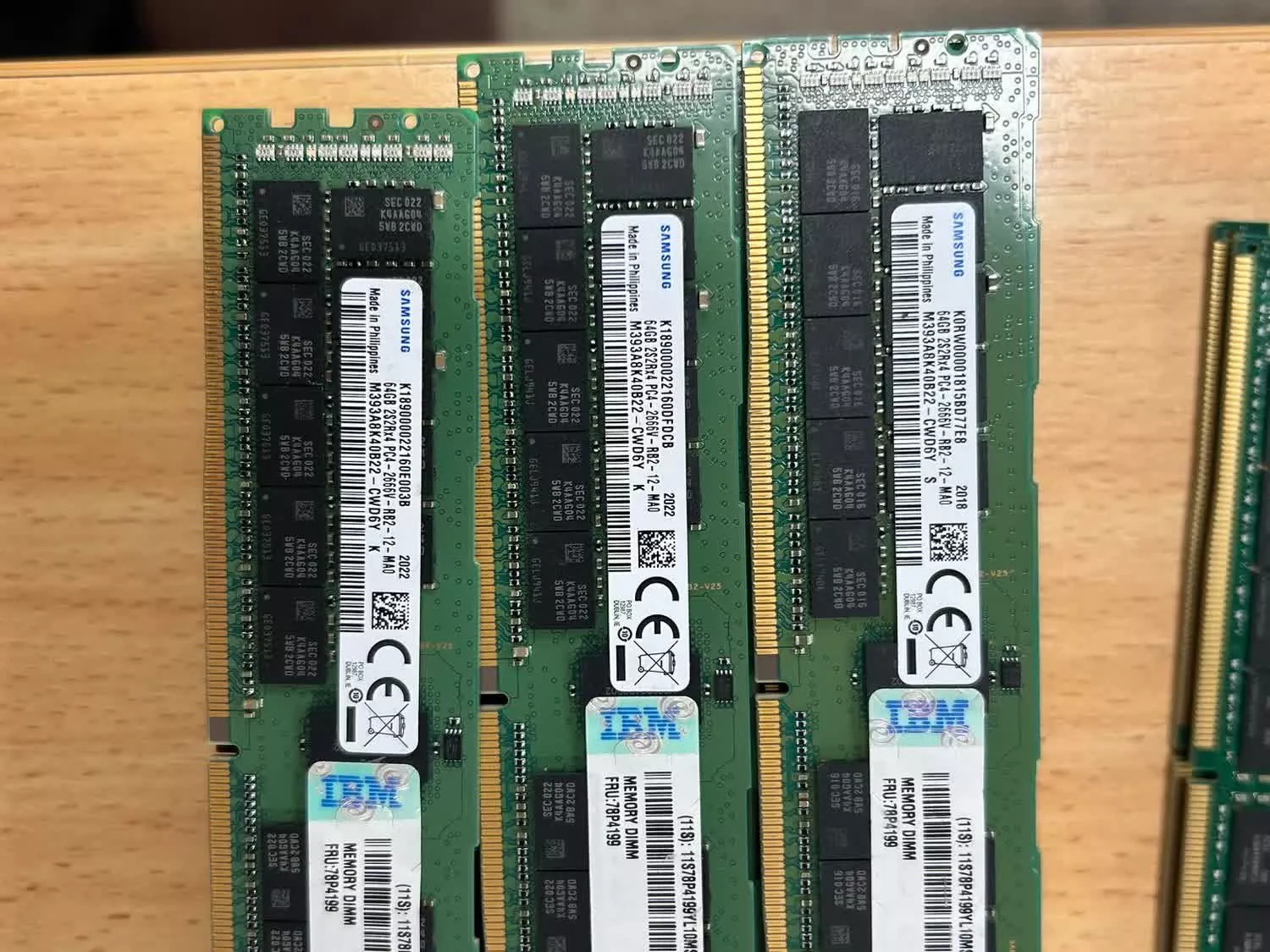
TL;DR: An Australian tech enthusiast claims to have unexpectedly found dozens of DDR4 memory modules in their garage. Believed to be worth more than $12,000 at current market prices, the DIMMs were reportedly part of an old work server that their previous employer allowed them to keep after it was decommissioned in favor of newer hardware.
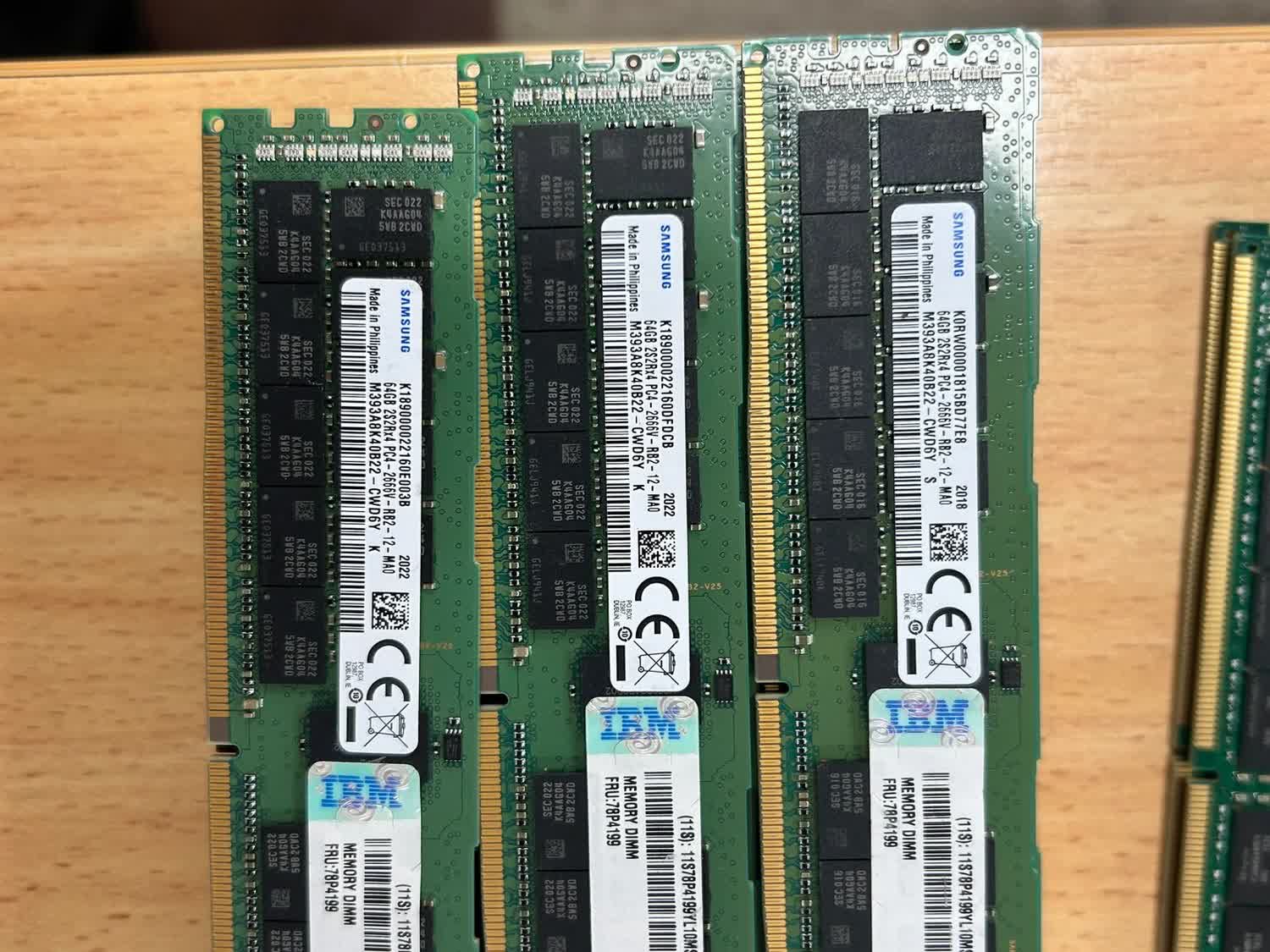
According to Redditor VastOption875, the old server, which had been collecting dust in their garage, contained 30 64GB DDR4-2666 memory modules, totaling nearly 2TB.
Given that individual 64GB DDR4 modules sell for around $400 on sites such as Newegg and Amazon, the stash could be worth around $12,000 at current prices, assuming the claims are genuine. The Redditor did not reveal the full specifications of the DDR4 modules, but dual-rank ECC server memory typically commands a premium over non-ECC consumer memory, meaning the modules could be worth more than $400 each on the open market.
While the massive price gap between DDR4 and DDR5 means DDR4 offers better value at current prices, ECC modules are only compatible with servers and high-end workstations powered by Intel Xeon and AMD Epyc processors, which could somewhat reduce their appeal.
Advertisement
It is worth noting that this is not the first time someone has stumbled upon DDR4 RAM in an unexpected place. Earlier this year, another Redditor claimed to have discovered 64GB of Corsair Vengeance RGB Pro DDR4 memory while dumpster diving at their local landfill. Rather than selling it for a profit, the Redditor decided to keep the memory and use it to upgrade their existing gaming rig.
With DDR5 prices going through the roof, even the largest tech companies have started using DDR4 modules to cut costs. In July, Meta confirmed it was reusing DDR4 RAM from decommissioned servers in its new DDR5-only machines, using a custom CXL ASIC to help circumvent the compatibility issues and latency penalties typically associated with mixing memory generations.
With both consumers and enterprises moving to DDR4, hardware manufacturers are ramping up production of DDR4 memory and compatible motherboards. While most memory manufacturers have confirmed the dramatic growth in the DDR4 market, one unnamed semiconductor maker was more specific, claiming that DDR4 sales grew by a double-digit percentage in Q2 2026.
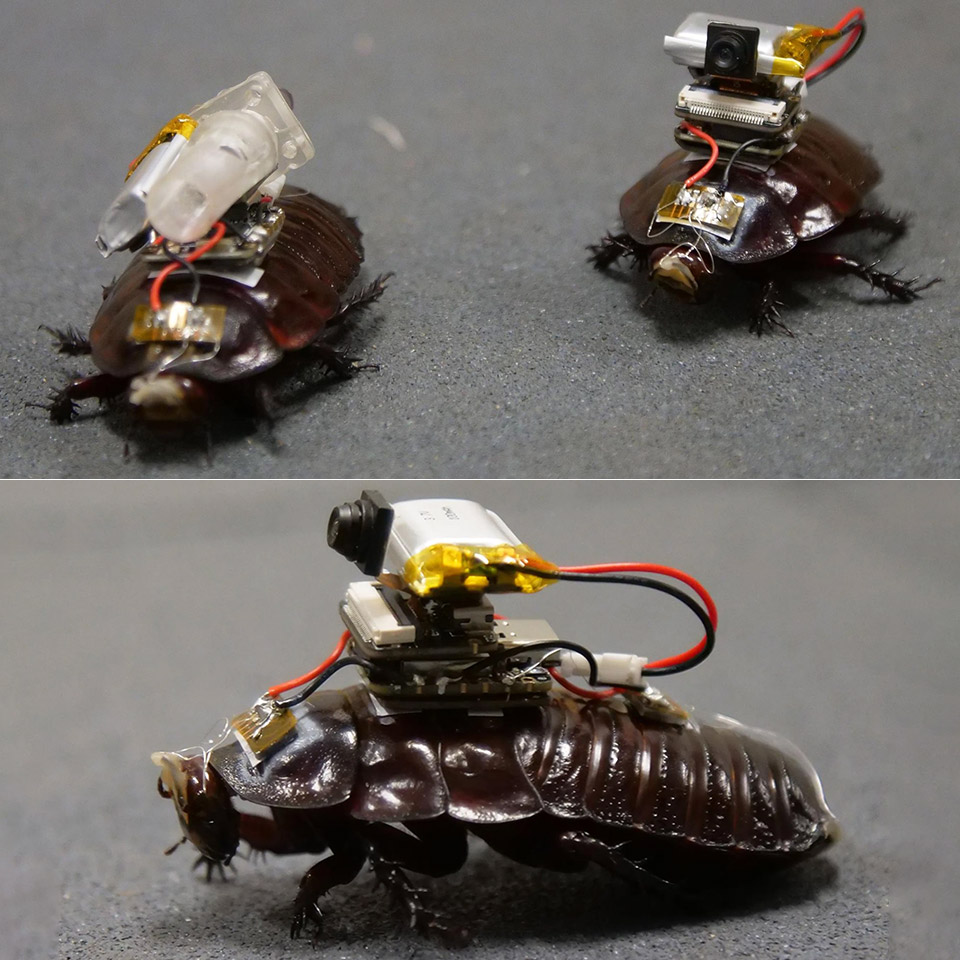
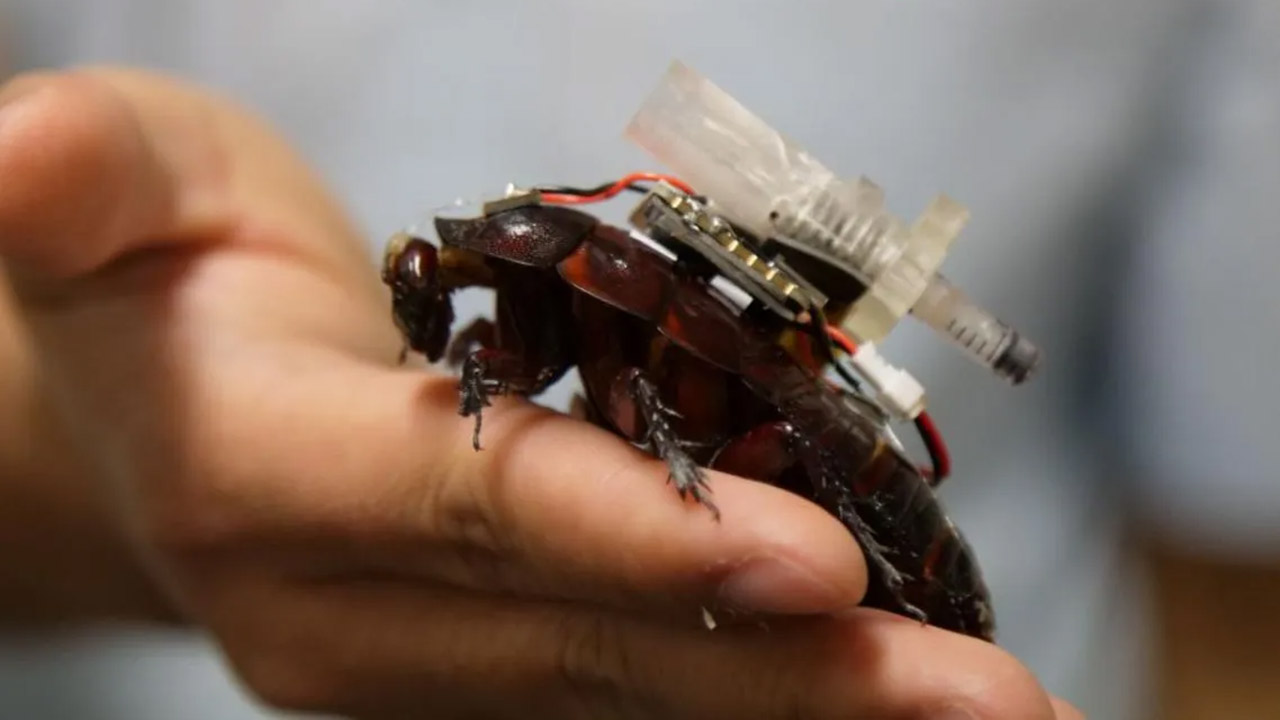
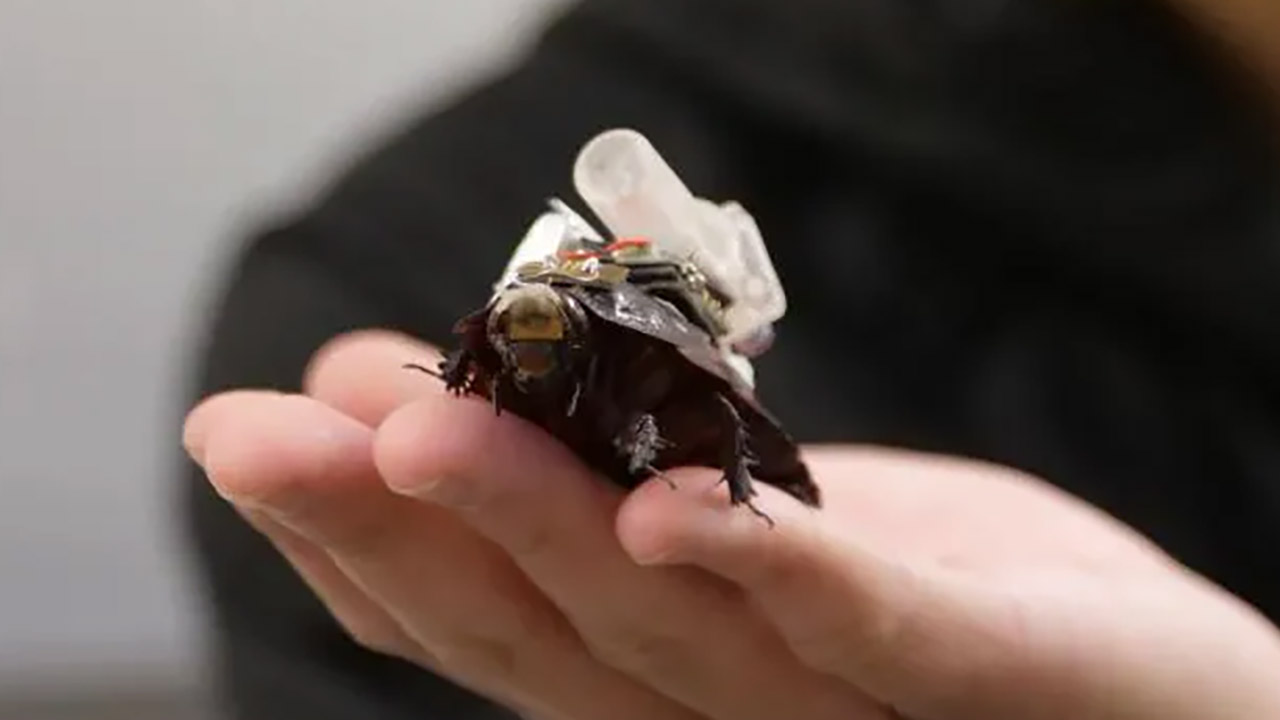
Photo credit: The University of Queensland Australian researchers have fitted giant burrowing cockroaches with electrodes, cameras, and spring-loaded syringes so the insects can be steered like tiny remote vehicles and deliver medicine in places no human or ordinary robot can reach.
Giant burrowing cockroaches from northern Queensland are a big deal, measuring 87 millimeters long and weighing 40 grams, making them the biggest roach species ever recorded. Not only are they gigantic, but their size allows them to carry very substantial loads, approximately 17 grams worth, in a backpack that adds only 15 millimeters of height to the already amazing insects. Despite this increased weight, their walking, climbing, and fall recovery abilities remain nearly unchanged. It’s no wonder that researchers from the University of Queensland’s Biorobotics Lab and the University of New South Wales have named them Paraborgs.
DUAL 1/1.1″ SENSORS & TRIPLE AI CHIP SYSTEM: Custom-built dual 1/1.1″ square sensors deliver unprecedented 360 image quality. Combined with a triple…
FLAGSHIP 8K50FPS 360 VIDEO: Hit record on our 360 action camera and capture your world in stunning native 8K50fps video. Every view, every highlight…
IN-HOUSE AI MODEL FOR EFFORTLESS 360 EDITING: Insta360’s own AI model, built specifically for 360 editing. New AI Director edits your footage…
When a Paraborg is anesthetized, electrodes are put into its antennae and little tail-like cerci. When the insect wakes up, it goes about its business as usual, munching dry gum leaves and apples, but the true magic occurs when a portable controller sends radio signals to the roach. It only takes one antenna to flip the roach left or right. In contrast, stimulating the cerci causes the roach’s speed to vary. The transmissions’ frequencies are purposely kept between 10 and 50 hertz, as anything higher loses effect. The good news is that the roach can still control the majority of its own movement because the signals only tweak its direction and speed.
Some Paraborgs are outfitted with a small Wi-Fi camera that feeds video at 24 frames per second, giving us a good view of what’s going on. Others carry a small injector with a spring that releases a 0.5-milliliter syringe when a tiny hot wire cuts a fishing line. The plunger is powered by a combination of citric acid and potassium bicarbonate, which emits carbon dioxide and provides just enough force to pierce silicone or pig skin. do this: the injector pack is reusable, giving teams three to four chances to do it correct. It’s worth mentioning that they maintain the two jobs separate, so no single insect gets overworked. One scout with a camera locates the target, while a second bug follows and discharges the needle.
Lab courses were designed with 2.5 meters of track, three checkpoints, and an 8-by-10-centimeter silicone pad at the finish. In 25 trials, the roaches passed every single checkpoint. Injections have a success rate of 72%, which is not bad. When the launch happens inside 150 millimeters, the hit rate increases to 95%. The average pace was a snail’s 8.4 millimeters per second, and the entire run took approximately 5 minutes. Earlier cyborg-insect experiments were content with scouting, but the Paraborgs take it a step further by including genuine medical activity.
Advertisement
According to T. Thang Vo-Doan of the Queensland lab, developing a robot small enough to achieve all of this remains a difficult issue, but real insects hold all of the answers. Then there’s Hai Nhan Le, a co-author, who points out that a big cockroach approaching a trapped human would appear frightening. In a fallen structure, where every second counts, a single insect could spell the difference between life and death. So, what do we do? The researchers propose flashing some lights or perhaps a tiny little speaker that says “help is on the way” to notify those in need that relief is on its way and to calm them down a little. [Source]
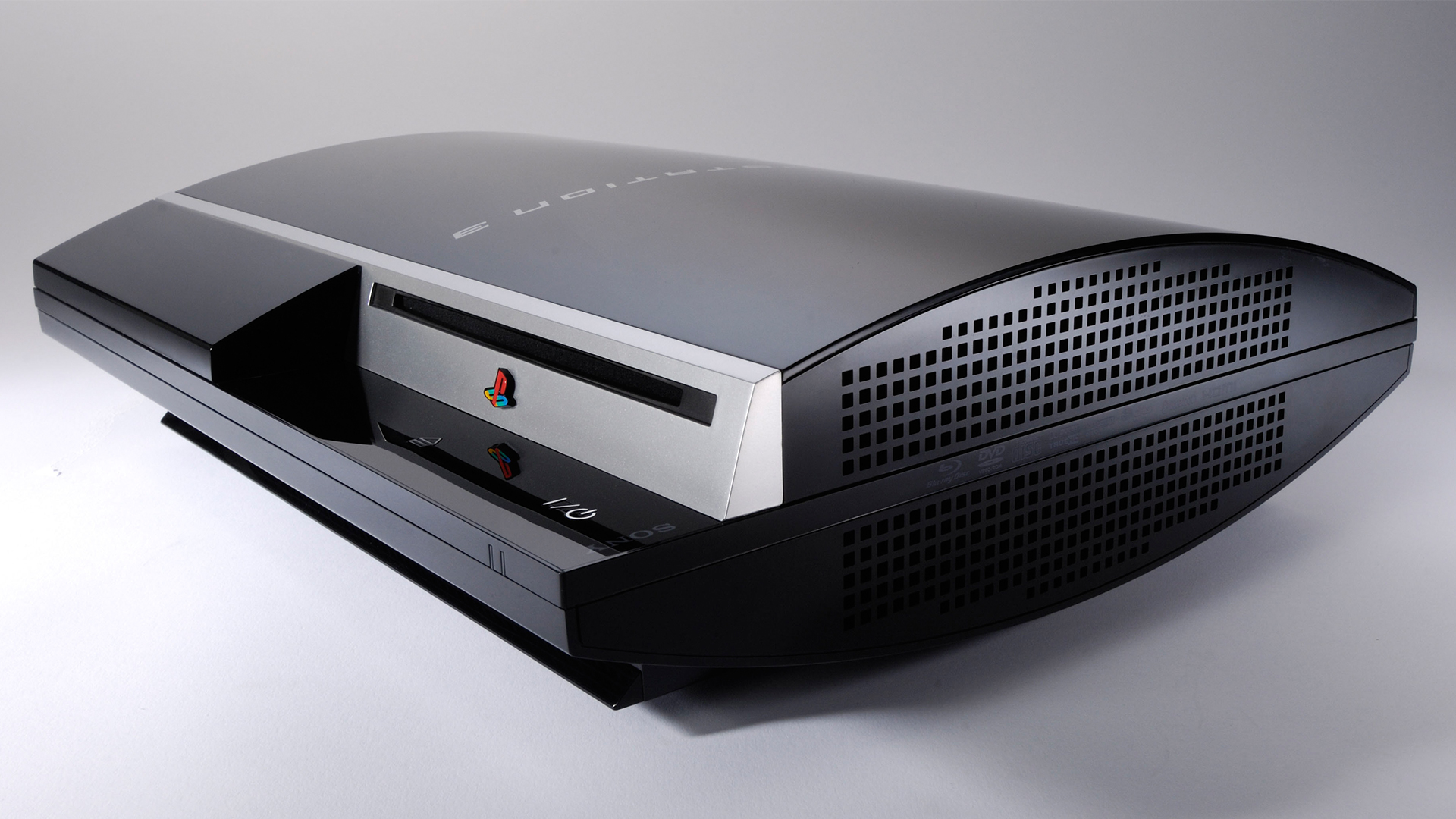
RPCS3 has been updated to play PS3 discs on almost any PC
Windows was supported previously, but macOS, Linux and FreeBSD are now too
You’ll just need a compatible disc drive and some confidence
Just as Sony begins the somber funeral procession for physical games media, some modders aren’t taking it lying down. This includes the team behind the RPCS3 PlayStation 3 emulator, who just made it possible to play PS3 discs on a much wider range of computing hardware — provided you hit a few technical requirements.
This feature was previously available to Windows RPCS3 gamers, but thanks to the work of developers digant73 and Megamouse, the emulator can now support physical games media on macOS, Linux, and FreeBSD.
What’s more, this change unlocks the option to play discs on modded consoles, with replies to the announcement discussing the options to boot up PS3 discs on Linux-powered PS4 and PS5 hardware.
Latest Videos FromTechRadar
Advertisement
The change was announced on social media with the team celebrating that games launched as far back as 2006 should now be playable with the hardware in your home. Though the ‘plug and play’ promise isn’t quite as simple in reality.
A few steps
Of course you’ll need a decent PC for this to work, though you could get away with a pretty ancient model if you need to. The minimum settings require an Nvidia GTX 400 series or newer GPU (released all the way back in 2010), so any modern desktop or laptop released in the last 15 years should be fine.
You’ll also need a disc drive. For advice I’d suggest checking out the RPCS3 Quickstart guide for the models the team recommend and know work.
Lastly there’s some software stuff you’ll need to organize like getting the emulator installed, downloading PS3 system software to your PC, and a decryption key to be able to read the disc on the fly rather than needing to dump it onto your PC first. For that last one, you’ll need to use a community-made database.
Sign up for breaking news, reviews, opinion, top tech deals, and more.
The process is fairly simple with the RPCS3 guide. If you do hit any snags, there are forums and Reddit threads full of people who have likely had your issue before and found a solution already.
Advertisement
(Image credit: Future)
At a time when companies like Sony are doubling down on anti-physical gaming measures, while clarifying that digital games aren’t owned — merely licensed — efforts like this are a reminder that access to games still matters, and can be maintained if you’re dedicated enough.
This will make it much easier for people to play the classic PS3 collection they still hold dear, and make it easier for this era of gaming history to be catalogued, preserved and played for years to come.
Most public conversation about payments focuses on the consumer-facing names — Visa, Mastercard, PayPal, Block — and on newer instant rails such as FedNow and RTP. A different layer of the payments market, arguably larger by dollar value, tends to receive less attention: the B2B disbursement infrastructure that businesses use to move money between one another.
Federal Reserve data provides some sense of scale. According to Federal Reserve Payments Study figures cited in a December 2025 request for information from the Board of Governors, U.S. individuals and organizations wrote more than 11 billion checks in 2021, and by value business checks accounted for more than three-quarters of all commercial check volume. Data cited by the Federal Reserve Payments Study also indicates that between 2018 and 2021, consumer check usage declined at roughly 9.8% per year while business check usage declined at approximately 4.0% per year, meaning business check volumes have persisted longer than consumer volumes.
Rail innovation and enterprise reality
New payment rails often generate more industry attention than early enterprise adoption. FedNow, which the Federal Reserve launched in July 2023, provides a recent example. According to reporting in the ABA Banking Journal and Federal Reserve updates, more than 1,500 financial institutions had joined the network within two years of launch, but the majority were live in receive-only mode, with sender adoption trailing behind. The Federal Reserve has described broad adoption of the service across the roughly 9,000 U.S. financial institutions as a gradual journey, comparable in pace to the rollout of FedACH in prior decades.
CheckIssuing, a B2B disbursement infrastructure provider, offers one example of how companies in this category are approaching enterprise adoption. For enterprise treasury and finance teams, the practical question after a new rail launches is often not whether it is fast enough, but whether it can be integrated with existing accounting, compliance, and reconciliation processes without disrupting workflows that already function.
Advertisement
What enterprise buyers tend to evaluate
Public discussions of payment infrastructure often emphasize speed and rail choice. Buyers responsible for evaluating and integrating payment infrastructure tend to place additional weight on a set of operational qualities: compliance posture (frameworks such as SOC 2 Type II, HIPAA, GDPR, and the EU-U.S. Data Privacy Framework), integration depth with existing finance systems, audit-trail quality, and the ability to handle exceptions at scale.
Providers in the category have generally developed toward orchestration across multiple rails and modalities — checks, ACH, wires, and instant payments — rather than differentiating on rail speed alone. This shift mirrors patterns seen in adjacent categories such as card acceptance, where providers like Stripe and Adyen built positions in part by absorbing operational complexity that merchants had previously managed themselves.
A case example
CheckIssuing is a Tempe, Arizona-based disbursement infrastructure company that has operated since 2008 and is one of several providers active in this segment. The company offers check printing, outsourced mailing, ACH workflows, and disbursement automation for clients across enterprise, healthcare, marketplace, and financial services segments. Its CEO, Mark Greenspan, has described enterprise adoption in the category as tending toward long-tenured relationships, in which customers integrate infrastructure into finance and payroll workflows and adjust it over time rather than replacing it at regular intervals.
The B2B disbursement segment as a whole remains relatively fragmented, with a mix of larger and smaller providers. It is unusual in combining physical operations, such as printing and mail handling, with digital infrastructure, such as APIs and compliance frameworks.
Advertisement
Implications for enterprise fintech adoption
The material above suggests that, for fintech companies serving enterprise buyers, the pace and shape of adoption may be influenced as much by operational depth and integration quality as by rail speed. Companies that develop capabilities in compliance, exception handling, and system integration tend to become embedded in customer finance operations, which can affect the trajectory of the category over time.
Whether B2B disbursement continues to develop along similar lines will depend on several factors, including the rate at which enterprises adopt instant rails, ongoing regulatory developments, and how quickly incumbent processes evolve. Observers of the space may find the category develops differently from the consumer-facing payment names that dominate current coverage.
Disclaimer: This article is for informational and educational purposes only. It does not constitute investment advice, financial advice, tax advice, or a recommendation to buy or sell any security. Readers should conduct their own research and consult a qualified financial advisor before making any investment decisions. Any companies mentioned are referenced solely as illustrative examples of activity in the category and not as recommendations.
Sources referenced include the Federal Reserve Payments Study, the December 2025 Federal Reserve Board of Governors Request for Information on the Future of the Federal Reserve Banks’ Check Services, ABA Banking Journal reporting on FedNow adoption (October 2025), and publicly available information from CheckIssuing.
Advertisement
Digital Trends partners with external contributors. All contributor content is reviewed by the Digital Trends editorial staff.
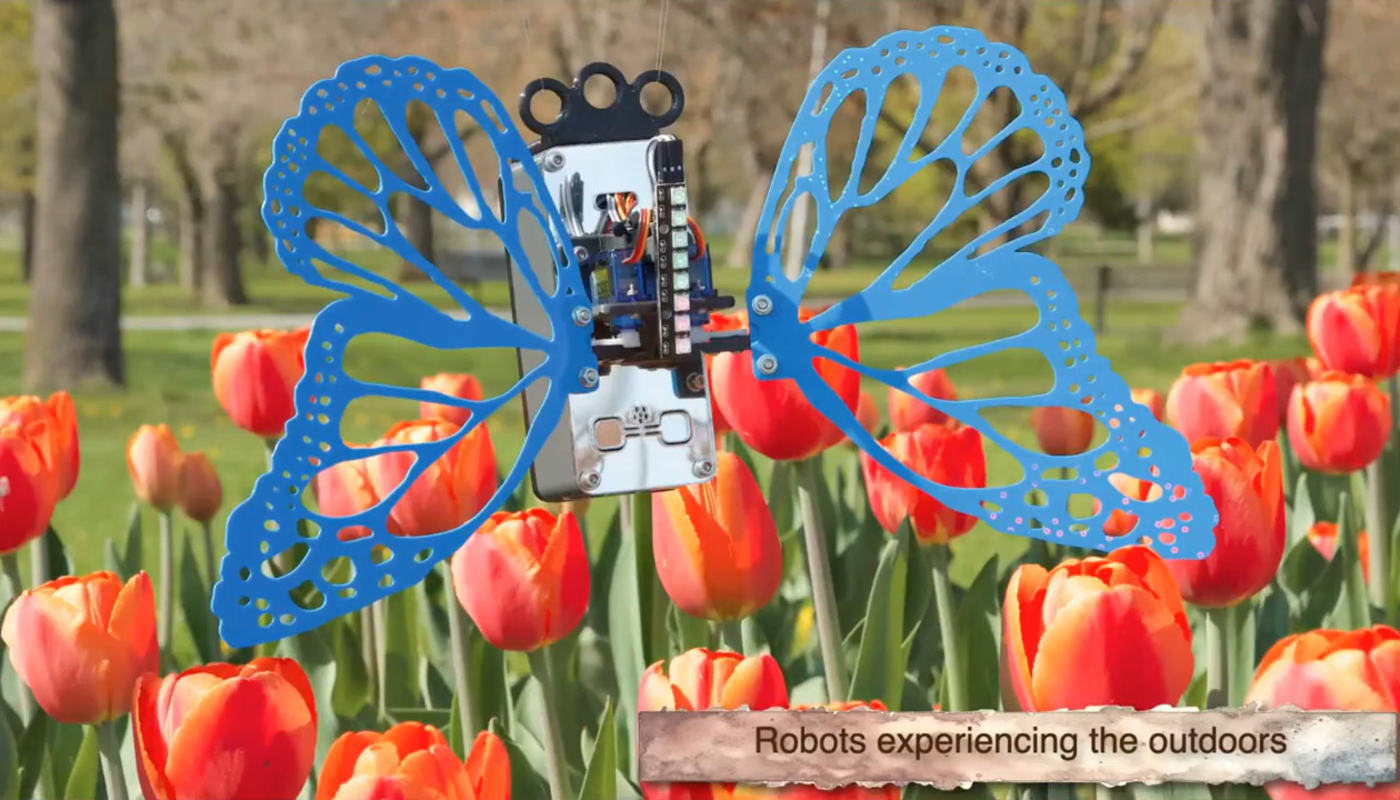
Erin Kennedy has been building robots for over a decade now, with a focus on smaller bots that interact with, or maybe even clean up, the outdoor environment. Still other bots are made to interact with people, and when the people are outside in the park, that’s where your robot needs to go.
Whatever the reason, Erin’s talk at Hackaday Europe 2026 is an invitation to take your projects out into the outdoors. But the great wide world outside of your lab is not necessarily the most friendly place for a little bot, and the other half of this talk is about practical design tips and lessons learned to help it survive.
Environments
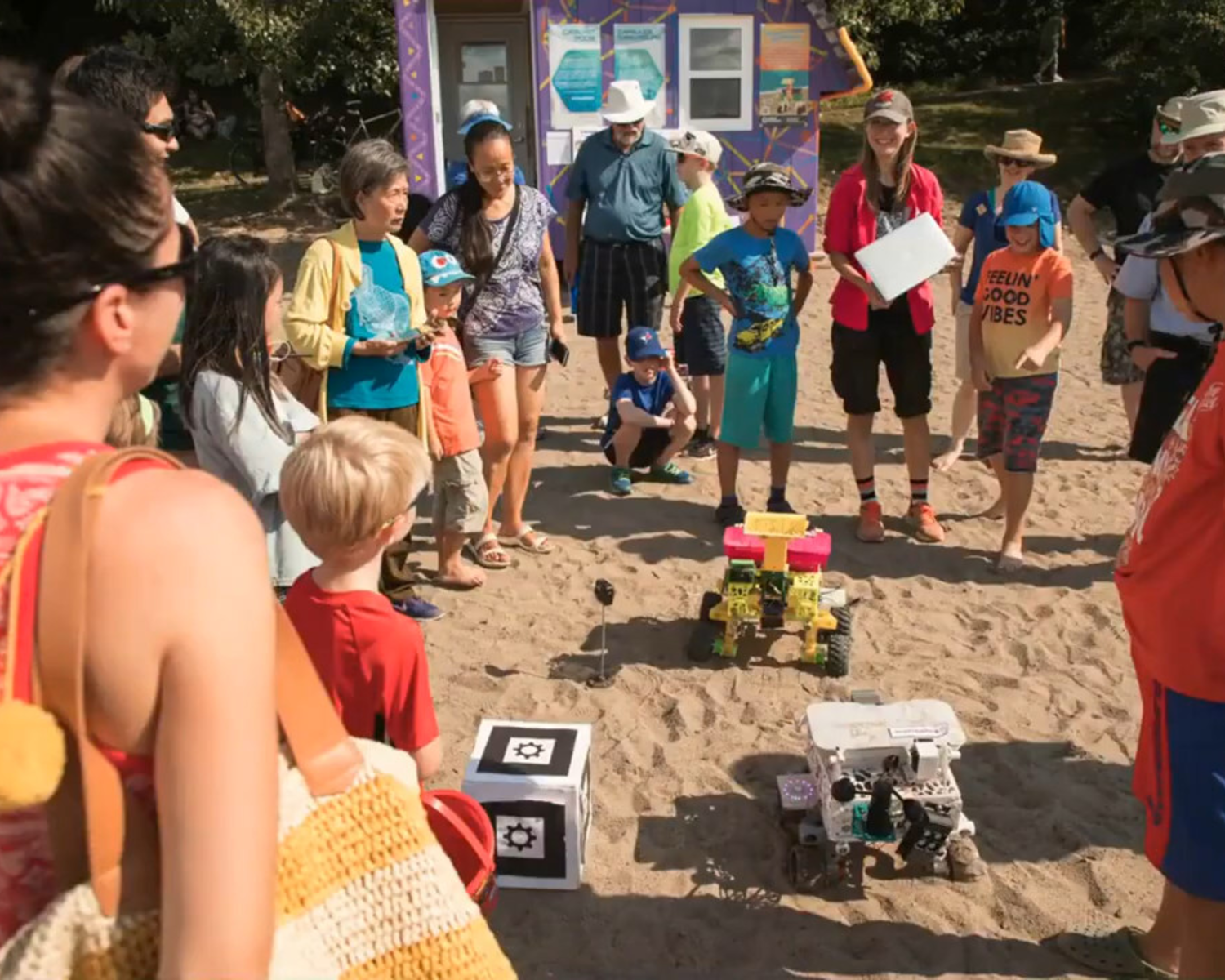
She structures the talk around different environments, which gives her an opportunity to focus on her bot cleaning up plastic trash on the beach, but also to point out the absolute horrors that sand can work on robot motors. She goes through a number of strategies for dealing with this, including going slow, keeping the motors as high up as you can, and designing the body of the robot to be full of holes and shed sand.
Advertisement
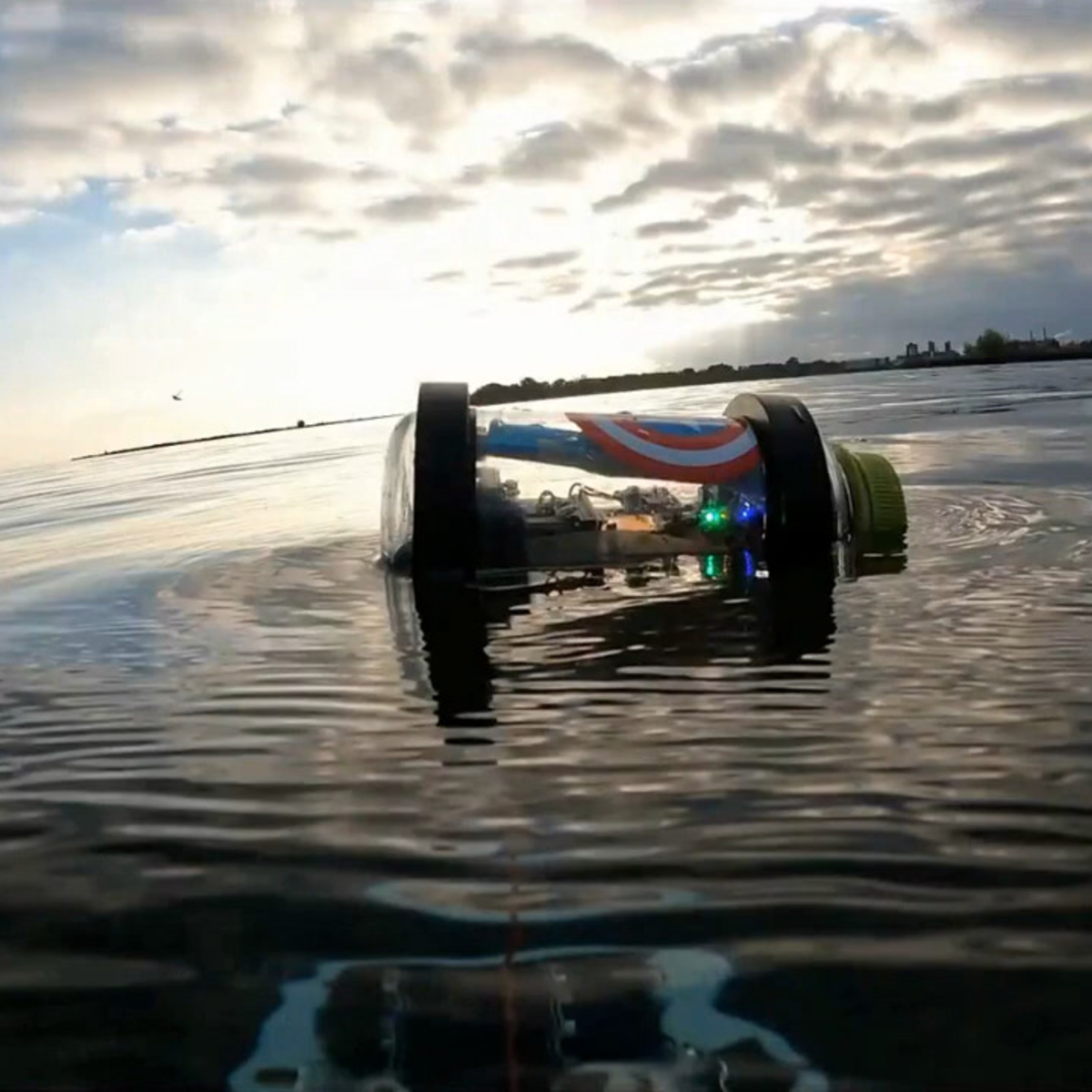
Taking to the water, she demos Otter Force One, which aims to capture invasive sea urchins. But underwater means under pressure, and she gives us some good tips on how to get the cables out while keeping the water in – double-o-ring cable glands potted with marine epoxy. I especially love the Nalgene-bottle-on-a-string with a radio that can be deployed to help retrieval. Her lessons-learned section is as deep as it is understated, including underwater hazards from low visibility to accumulated silt messing up your presumed center of gravity. Over the long term, rubber leaks and barnacles accumulate. Double seals, durable hooks, tether ropes, and bright colors are your friends. Underwater bots have it hard.
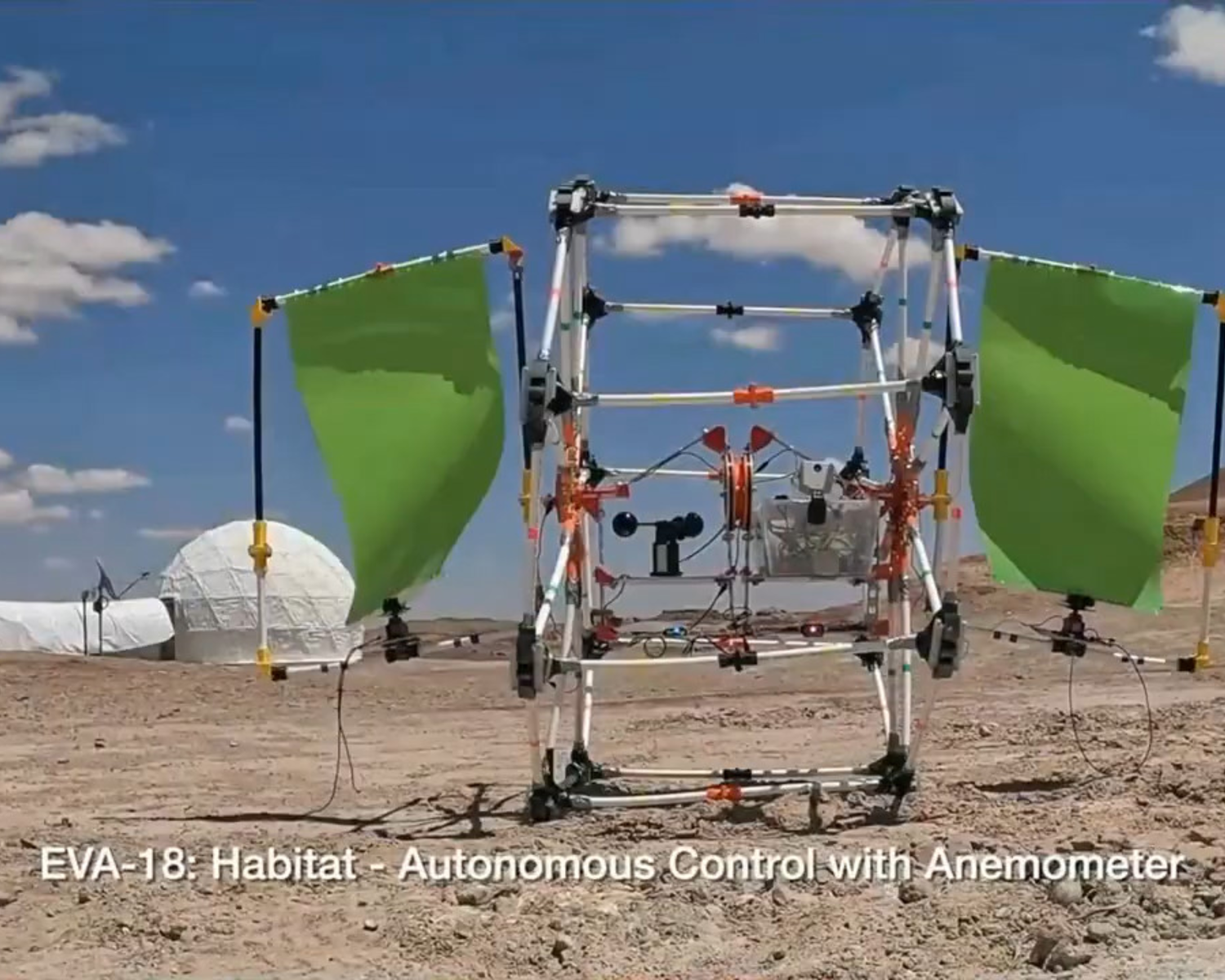
Erin’s air-inspired bots are the wildest. Some are just whimsical, like the flappy square bird, or beautiful like the butterfly bots. But her Atmosphinder bot uses the wind for actual propulsion. It’s a rolling wheel with sails that aims to explore long distances on Mars. Whether it’s going to get there or not, it’s got a bunch of great design elements for anything you have that’s going to have to roll. “Magic toboggans” make great plastic sails. But beware, while you can turn off a motor, you can’t turn off the wind. Be prepared to stake your bot down before or after its mission.
Experiences
Whatever the environmental challenges of taking your bot outside, it’s the non-laboratory environment that’s the most challenging, and rewarding. Erin tells the story of when a bird settled down in the shade cast by Bowie, or when the wind blew all of the Aruco markers away. But people and animals are just as delightful and unpredictable as the weather, and that’s an extra level of adventure. If you’re going far, bring hydration for the humans and spare batteries for the bots. Rolling with the changes seems to be the key to having a good time outside with your bots.
And of course, bringing your robot outside is a great opportunity to share what you’ve been working on with the offline world. We absolutely love the mission: normalizing robot hacks among the general public by hanging out with your bot in the park is right up our alley. She has had tremendous success with random encounters – folks just coming up and asking about what it’s doing. Making your bot seem friendly and/or beautiful seems to go a long way here. Don’t neglect the aesthetics.
Take Your Bot Outside
We left Erin’s talk absolutely inspired to build something that can make it through the rough environment that lies just outside our basement. It reminded us of our old days experimenting around with BEAM robotics, another bio-inspired practice aimed at the outdoors. With 3D printable parts and cheap geared motors, you don’t even have to break the bank to build your own Mars neighborhood rover. Watch this talk and get inspired!






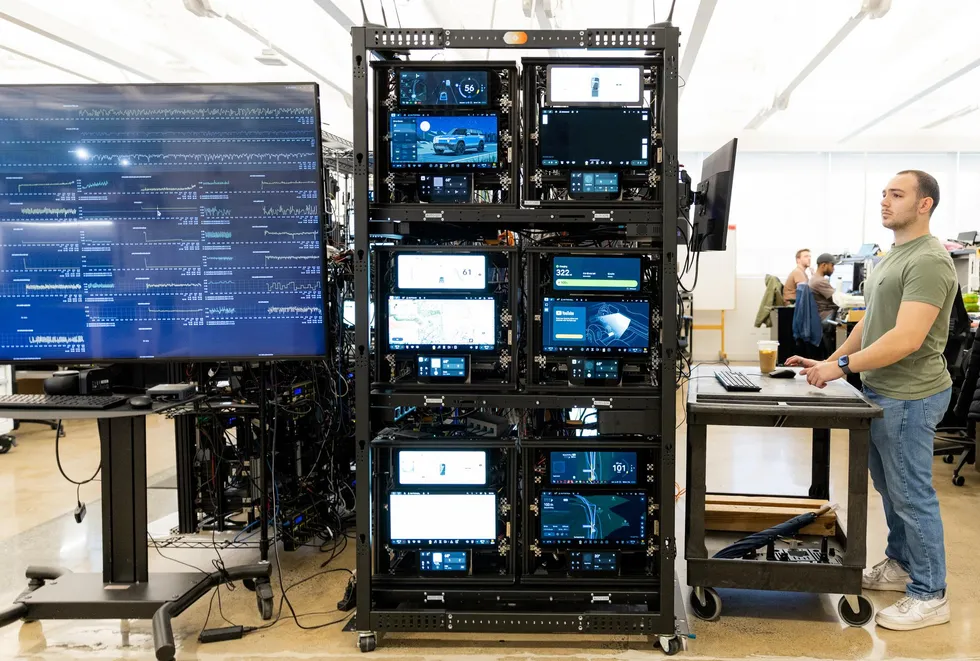
 At Rivian’s software lab in Palo Alto, Calif., a technician evaluated code for the company’s self-driving system.Jason Henry/Bloomberg/Getty Images
 The first generation of the Rivian Autonomy Processor, an AI processing chip developed in-house, was tested at Rivian’s Palo Alto, Calif., lab in December, 2025. Jason Henry/Bloomberg/Getty Images


 Unlike traditional lidar units, which protrude like a layer cake from the roof of a vehicle, Rivian’s unit on the new R2 SUV is housed in a small, sleek enclosure where the windshield meets the roof.Rivian (2);Jason Henry/Bloomberg/Getty Images
 The lidar unit on a Waymo robotaxi protrudes noticeably from the roof of the vehicle.Andrej Sokolow/picture alliance/Getty Images
 The Rivian R2 is a mid-size SUV with self-driving and off-road capabilities. It competes with the more urban-oriented Tesla Y. Rivian
 Vidya Rajagopalan, Rivian’s senior vice president of electrical engineering hardware, holds a RAP1 AI processor chip.Jason Henry/Bloomberg/Getty Images
 Rivian’s autonomy module contains two Rivian Autonomy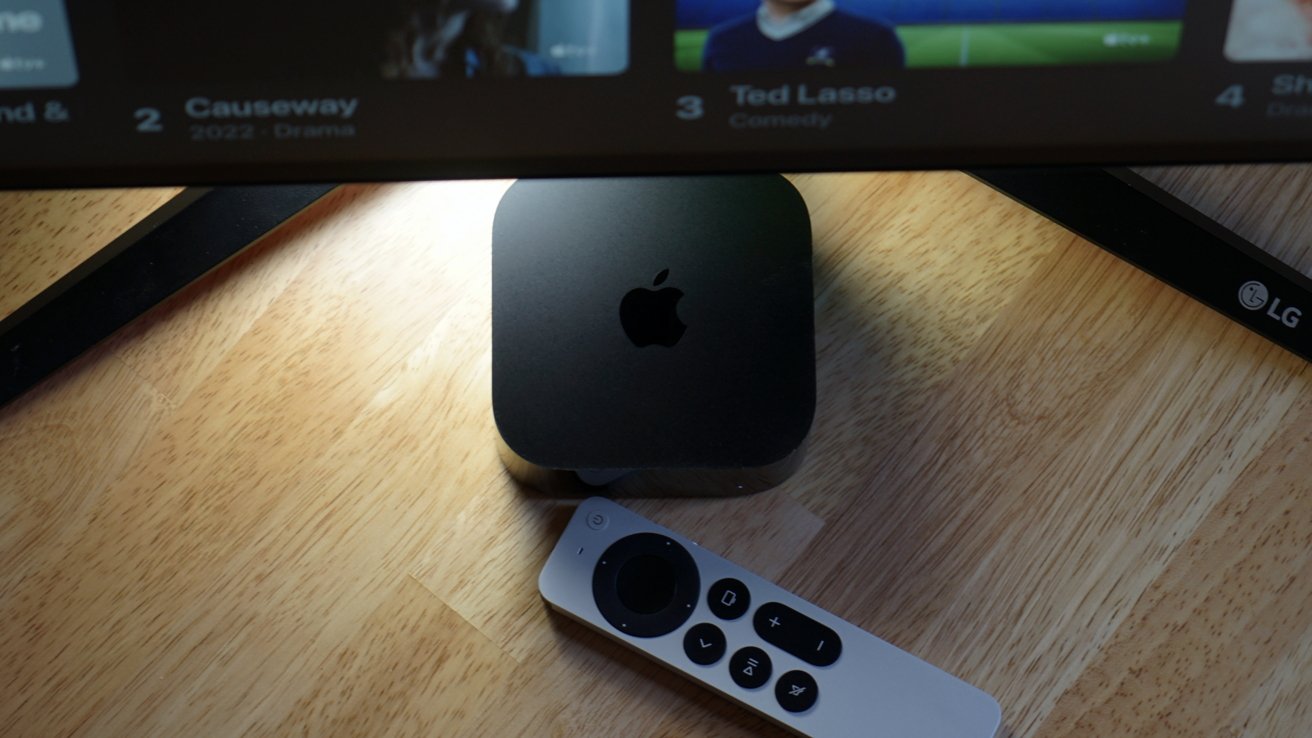










































You must be logged in to post a comment Login