
Politics
Greta Thunberg Calls Out Ed Sheeran’s ‘Lack Of Spine’ Amid Tour Controversy


Greta Thunberg has added her voice to the ongoing controversy surrounding the singer Ed Sheeran, following his decision to drop Macklemore as his tour’s opening act.
In an Instagram video shared on Monday morning, the Swedish activist voiced her belief that the Lego House star “should be held accountable” after bowing to pressure to remove Macklemore as his tour’s opening act, in light of comments the rapper had made on stage in support of Palestine amid the conflict in the Middle East.

“Yes, Ed Sheeran should be held accountable for his lack of spine,” Greta told her followers. “But remember that we have to continuously apply the same pressure on all those complicit in all genocides.
“The bigger your platform and your access to resources, the bigger your responsibility. But also, [we should apply this to] ourselves and the institutions that we are part of, where we have to push for boycotts, sanctions and divestments. If we, ourselves, are not stepping out of our comfort zones, we are not doing enough.”
“Remember, silence is complicity, and you cannot be neutral in a genocide,” she concluded.
In her post’s caption, Greta insisted: “This is not about Ed Sheeran, it is about the people dying on the ground, holding those complicit accountable and applying that pressure on everyone responsible.”
Ed previously denied being “complicit” in a statement posted after Macklemore alleged that the singer had removed him from his tour as his presence would go against the British performer’s “I don’t take sides” belief system.
Macklemore had also claimed Ed had told him that stadium owners had said both artists wouldn’t be allowed to perform in their stadiums if the US star stayed on.
“I have my personal views on this devastating conflict,” Ed then wrote on Instagram. “Just because I choose not to speak publicly, it doesn’t mean I don’t have them, and it doesn’t mean I don’t care. Nor does it mean I don’t support causes in my own, personal way.”
Following this statement, the rest of Ed’s opening acts pulled out of the tour, as did his backing band, with the Grammy winner resuming the US leg of his world jaunt over the weekend.


The prime minister Andy Burnham has confirmed that, as of April 2027, women and their partners will be entitled to two weeks off after miscarriage.
In an Instagram post shared on Tuesday (22 September), Burnham pointed out that one in five women in the UK are estimated to experience a miscarriage in their lifetime, but there is no legal right to bereavement leave before 24 weeks.
“I don’t think that’s right,” said the Labour leader. “Losing a pregnancy can be devastating. You and your partner shouldn’t have to worry about going straight back to work. So we’re changing the law.”
The leave applies to any pregnancy loss, meaning those who experience miscarriage, terminations and unsuccessful IVF embryo transfers will be able to take it.
It’s worth noting it’ll be unpaid, however Burnham suggested those two weeks offer “the time and space” to grieve.
In response to the announcement, podcaster and author Elizabeth Day, who has been open about her own experience of recurrent miscarriage and unsuccessful fertility treatment, said: “Thank you, Prime Minister. This means so much to all who have experienced the specific loss of miscarriage.”

Justin Paget via Getty Images
Retired RAF pilot Mandy Hickson added: “This is so important. I was at work the next day [after a loss], whilst trying to control my emotion for a baby that we had been trying for over a year to conceive.
“The loss was unbearable, but I was working in the military at the time – there was no way that I could show any form of weakness, meanwhile all I wanted to do was sob every day.
“This is so important to recognise this in law. Well done.”
Comedian Rachel Parris highlighted that while having the time to grieve is important, “for many, those two weeks are absolutely necessary for the body to begin its recovery” as well.
Another commenter said: “Crying in American. We don’t even get leave for the babies that make it through alive and well. The UK [is] showing us they are way better.”
The move was also praised by charities supporting families through loss.
Pregnancy and baby charity Tommys responded: “Thank you Andy Burnham for your empathy for families affected by the heartbreak of baby loss. We’re here for anyone who loses a baby, no matter when or how it happened.”
The baby loss charity Sands added: “We welcome today’s recognition from the Government that pregnancy loss is a bereavement and look forward to continuing on this journey to ensure that leave for all losses is paid.
“While changes to legislation are welcome, employers do not need to wait for legal requirements to improve support for staff affected by pregnancy loss or the death of a baby. Sands is here to support employers to create more compassionate workplaces.”
One commenter remarked that because the leave is unpaid, “it’s a good start but doesn’t go far enough”.
Another added that “people can’t afford unpaid leave”, so they’d “be better off calling in sick and getting SSP [statutory sick pay]”.
As part of the new changes, ministers will also introduce a new right to two weeks of unpaid bereavement leave from April 2027, for employees who lose a spouse or partner, parent, adult child or sibling. This will include step, half, adoptive, kinship care and foster relationships who currently have no legal right to bereavement leave.
Minister for the Future of Work, Kate Dearden, said: “No one should have to fight for time to grieve. These changes back people going through some of the hardest moments of life, whoever they are and wherever they work.
“I want to thank the campaigners, whose courage and testimonies, have made this change happen.”
The government is currently undertaking a wider, comprehensive review of the parental leave and pay system, including on areas such as Hugh’s Law, which is campaigning to introduce statutory paid leave and employment protections for parents of seriously ill children.
Help and support:
- Sands works to support anyone affected by the death of a baby.
- Tommy’s fund research into miscarriage, stillbirth and premature birth, and provide pregnancy health information to parents.
- Saying Goodbye offers support for anyone who has suffered the loss of a baby during pregnancy, at birth or in infancy.
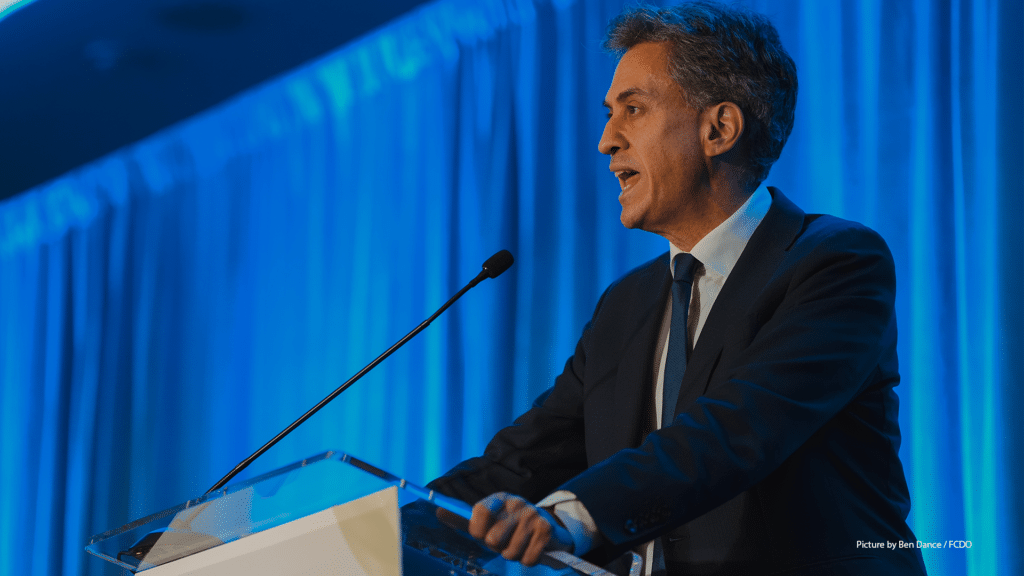
As part of our Policy Landscape 2026 report, Anand Menon considers the state of the political debate and the immediate and long-term challenges that need to be confronted when it comes to UK foreign policy.
Keir Starmer was generally thought to have handled foreign policy well, albeit ‘never here Keir’ was criticised for devoting too much time to international matters. In his defence, his premiership coincided with a period of profound international instability and a succession of challenges, including the need to deal with an unpredictable American President (who at one point seemed to threaten the territorial integrity of a NATO ally); to respond to crises in the Middle East and the Gulf; to rebuild relations with European partners; and to figure out how best to manage relations with China, both a major trading partner and a potential security risk.
But although Starmer proved relatively adept at reacting to, and managing, crises, what he signally failed to do was address the difficult choices increasingly confronting the UK: relating its key relationships and the challenges confronting a medium-sized power in a world dominated by competition between continental-sized economies.
We currently know very little about the intentions of his successor. Andy Burnham has no track record when it comes to foreign policy, and has been keen to stress that his focus will be on domestic issues.
New Foreign Secretary Ed Miliband has stated he intends to put the climate crisis and international development at the heart of his foreign policy (under Keir Starmer, aid spending was reduced from 0.5% of GNI to 0.3%, with a large proportion of that devoured by domestic spending on refugees). In his inaugural remarks to Foreign Office staff, he emphasised values and international law as much as he did UK national interests.
What is less clear is whether the new Prime Minister shares these liberal internationalists values, and whether, if he does, a focus on law, climate and development is feasible in an international environment increasingly characterised, as John Bew has argued, by raw power.
Foreign policy is not a decisive issue in UK politics. Under Starmer, there were occasional political spats over specific issues such as the deal ceding control over the Chagos Islands and relations with the EU. There has been more sustained debate over his attempts to foster close relations with the Trump administration. The Liberal Democrats have called for the UK nuclear deterrent to become entirely independent of US technology, have introduced proposals to block US interference in UK politics, and have demanded that the UK withdraw consent for the US to use military airbases in the conflict with Iran.
On the other side of the political spectrum, Nigel Farage has, as I noted in this report last year, had to row back somewhat on his earlier enthusiasm for emphasising his close relationship with the US President, while early attempts by the Conservatives and Reform UK to attack Keir Starmer over his failure to support the US war with Iran proved short-lived (and ill-judged).
The Green Party had seen its membership numbers surge, partly because of dissatisfaction with the Starmer government’s approach to the occupation of Gaza. Yet the party is struggling to define foreign policies to attract floating voters and withstand the more intense scrutiny to which it is being subjected. There is the prospect of bitter fights at its autumn conference as members seek to update positions on issues such as defence spending and NATO.
Both the Conservatives and Reform UK have been critical of what they see as insufficient progress towards raising defence spending, with Kemi Badenoch offering to work with Starmer or his successor to legislate for welfare cuts to fund higher spending.
The immediate issues confronting the government centre on the trade-offs necessary to meet its defence spending commitments, and the need to consider whether and when to reschedule the UK-EU summit that was postponed in July, while beginning to plan for the UK’s Presidency of the G20 in 2027.
Longer term, reconciling means and ends will continue to be a challenge in a time of heightened fiscal pressures. Meeting existing pledges on defence spending will necessitate some compelling arguments as to why scarce resources should be spent on international as opposed to domestic priorities. Former Foreign Secretary Yvette Cooper had begun to argue that “effective foreign policy is domestic policy”, but a more concerted effort to emphasise the importance of foreign policy will be required should the government be serious about attaining the target of spending 3% of GDP on defence during the next parliament.
Development assistance will also be subject to fiscal pressure, not least given the rhetorical emphasis placed on this by the new Foreign Secretary. Initial indications are hardly encouraging for Mr Miliband. The new Prime Minister funded his £2 cap on bus fares by changing international climate donations – largely intended for the poorest countries – into repayable loans. It has also been revealed that Kirsty McNeill, aid minister, will not attend cabinet as her immediate predecessors did.
The government will also face pressure to formulate a more strategic response to a rapidly shifting international environment. Outside the European Union, Mr Burnham will have to calibrate his approaches towards the US, EU and China, conscious not only of the need to avoid excessive dependence (on China for critical minerals and on the US and China for key technologies), but also of the ways in which policies towards one might impact on the attitudes of the others.
There are clear dangers for the UK in excessive dependence on a less than reliable United States. President Trump’s unpredictability has sparked conversation among European allies about how they might compensate for a less reliable US security guarantee – conversations the UK will need to work harder to participate in fully as a non-member state. At the same time, growing tensions between the EU and the US might force the UK into the kind of choice between the two that post-war British foreign policy has attempted for so long to avoid.
“Our purpose is to shape the world, not to be shaped by it” declared Yvette Cooper in a speech at Chatham House. This is all the more important when the domestic impact of ‘international’ events such as the wars in Ukraine in the Gulf are more apparent than ever. The ultimate danger, however, is that, in a world increasingly shaped by the interactions of continental-sized blocs, and in which the post-Second World War liberal international order seems to be under increasing strain, even a relatively influential middle power such as the UK risks being unable to do so.
By Anand Menon, Director, UK in a Changing Europe.
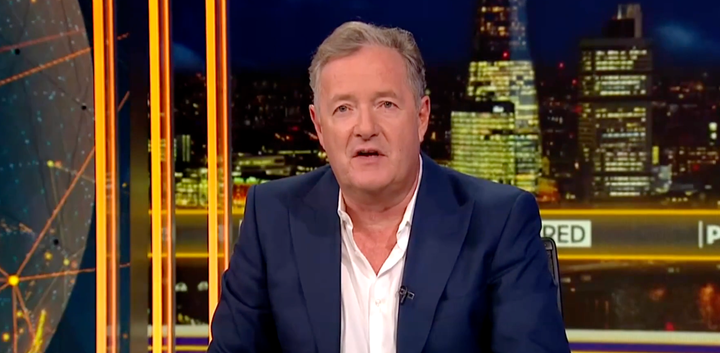
Piers Morgan has claimed he intends to take legal action against Earl Charles Spencer over his new book about his late sister, Princess Diana.
Speaking on his YouTube channel Piers Morgan Uncensored on Monday, the former Good Morning Britain host revealed that he had been name-checked numerous times in Earl Spencer’s memoir, Swan Song.
He told his viewers that the book “contains fabricated inaccuracies which will strike to the heart of [Earl Spencer’s] credibility”.

“Spencer recounts how he personally called round the tabloid newspaper editors to uninvite them from Princess Diana’s funeral after they had all been invited,” Piers said. “I remember this well because I was one of them.
“He says in the book, ‘they realised they were unable to be rude to the brother of the much-mourned princess […] the only one who sounded surly, as opposed to merely confused or embarrassed, was Piers Morgan of The Mirror, who snarled with annoyance before he hung up’.
“Well, Spencer then explained why I may have been surly with him. [Spencer wrote:] ‘I assumed Morgan must be feeling particular guilt because, for years earlier, he and his Sunday Mirror counterpart had published photographs taken with hidden cameras by a gym owner. They were of Diana working out in a leotard. This was such an intolerable invasion of her privacy that Diana instructed lawyers to sue the Mirror Group and to block further use of these images’.
“‘Meanwhile’, he says, ‘a Dutch newspaper splashed one of the pictures on its front page, and an American tabloid bought a selection of them with which to titivate its readers. The gym owner eventually made £300,000 from his salacious, stolen images’.
“Well, Spencer continues, ’for a while it looked as though the Mirror Group would be brazen enough to allow the case to go to court, calculating that whatever their newspapers lost financially at trial would be more than recouped through global publicity.
“Despite significant public outrage at the pictures, and loss of revenue when some major companies withdrew their advertising from the Mirror Group, Morgan’s triumphant spokesman boasted that sales of his paper and of the Sunday Mirror had each risen by more than a hundred thousand copies since splashing the intrusive shots.
“But after that, public curiosity turned into general revulsion, and both papers’ circulation dropped significantly. This commercial setback persuaded the Mirror Group to fold. It agreed to pay Diana’s legal costs, of around £1 million, and it was obliged to further acknowledge its guilt by making donations of £200,000 to her chosen charities.”

Piers continued: “It then says, ’in the immediate aftermath of Diana’s death, Morgan was one of four tabloid editors named, shamed and photographed in an article looking at who might be held responsible for the paparazzi’s role […] it must have been an extraordinary sensation for this powerful quartet [who] were used to dishing out such treatment, without ever receiving it in return.”
“Well, this is all pretty extraordinary stuff, isn’t it?” he remarked. “And very damning, particularly about me.
“I come across in the most despicable manner imaginable. And there’s just one problem – it’s all bullshit, and very, very easy bullshit for me to prove it.”
He pointed out: “The photographs that he says that I published were published by The Sunday Mirror on 7 November 1993. I joined the Daily Mirror in October 1995. In fact, at the time of the gym pictures, I was doing a showbiz column for The Mirror’s arch rival, The Sun. About as far removed from responsibility for The Mirror’s scoop as I could possibly have been.”
“My question, though, is if Earl Spencer can be so incredibly defamatorily wrong about such basic facts involving me, why should we believe anything else that he puts in this book?” Piers then stated.
He added: “The book is out tomorrow, I expect that there’ll be many more examples of brazen falsity after what I’ve uncovered purely [in an] entry about myself.
“In the meantime, Earl Spencer, you’ll be hearing, and your publishers [will be hearing], from my lawyers, because I would like the complete lie that you’ve published about me and those photographed to be removed from your book, and I would like a donation to be made to the King’s Trust for the damage that you’ve caused with your lie. After all, to quote somebody, you can’t dish it out without getting it in return, right?”
HuffPost UK has contacted reps for Earl Charles Spencer and the publisher Penguin Michael Joseph for comment.
Ahead of Swan Song’s publication, excerpts were serialised in the Daily Mail, with one in particular – in which Earl Spencer alleged that King Charles told him in the wake of Diana’s death that “we’ll forget her soon enough” – prompting a rare response from the Palace.
“While we do not comment on books as a matter of principle, His Majesty is mindful that the pain of fraternal grief can cloud reason, affect judgment and colour memory in ways others do not recognise, even many years after such a loss,” a spokesperson said.

“I can tell you here and now, those are exactly the words he said,” Earl Spencer subsequently told the BBC’s Laura Kuenssberg.
“Well, is he furious? Is he furious, or is he embarrassed?” he responded, adding: “They’ve sort of smudged that one, haven’t they? They’ve said that recollections may vary.”
Doubling down in a subsequent interview with ABC’s Maggie Rulli, Earl Spencer quipped that it’s “not every day you’re gaslit by a king”.
“I was really upset with that because I thought it was very, not only condescending, but not straight,” he noted.

Kids have been back to school for a few weeks now – and if you’ve noticed your child has regressed somewhat in this time, you certainly aren’t alone.
There might be more bed-wetting or daytime accidents than normal. Perhaps they’re reverting to baby talk, not sleeping well or being extra clingy.
September is the “peak season” for kids to regress, according to experts at childcare provider Koru Kids.
It makes sense that this is the case. Lots of change happens in September – some children are starting new schools, joining new year groups or going into new nurseries.
There’s a big shift in routine (compared to over the summer when lie-ins and lazy days were the norm), not to mention new teachers and classmates to get to know.
On top of that, after a summer spent around family, kids suddenly face long periods of time separated from their loved ones.
It’s stressful – and for some kids, this means they revert back to younger ways. It’s almost like a built-in safety net.
According to Koru’s experts, regression can look like: clinginess or separation anxiety; thumb sucking and/or nail biting; toileting accidents; baby talk and needing help with things they could previously do on their own.

Catherine Falls Commercial via Getty Images
What can parents do about it?
The good news is your child isn’t going backwards or getting stuck in bad habits, Koru notes that most kids’ behaviour will settle when they feel secure again.
And again, it’s worth highlighting, regression is super common.
But there are certain things parents can be doing to help ease their child’s stress levels during this time.
This includes: offering connection when you do see them (cuddles and playtime always helps), keeping routines steady and predictable, helping them to name what they’re going through (ie. “there have been lots of changes this week, it’s OK to need a bit more help!”), and avoiding shaming or mocking them.
The childcare experts note that regression is a child’s way of saying: “Life feels big right now – I need to feel little until I’m ready again.”
And it’s our job to help them through this period.
If your child’s regression lasts for more than three weeks though, don’t be afraid to speak to a healthcare provider, who can offer more support.
The importance of downtime
Sometimes it can help to offer more opportunities for downtime and calming rituals after school or nursery.
This is also helpful for those experiencing after-school restraint collapse, a very common phenomenon parents notice when their child is hungry and/or tired, and returns home from school or nursery. Kids will be super emotional and there may be multiple meltdowns.
Susie Pinchin, BACP member and therapeutic counsellor, previously told HuffPost UK these issues likely occur as a result of a child “having spent seven hours or more having to control or suppress or mask their natural urges and desires in order to conform to the expectations of a school day”.
Your child’s brain is working at full capacity for hours on end, expending “a great deal of emotional, cognitive, and social energy to scan, learn, manage expectations, follow rules, and navigate relationships”, Dr Patapia Tzotzoli, clinical psychologist and founder of My Triage Network, added.
So it’s no wonder then that they return home depleted. Or that they might crave more support and connection.
Dr Tzotzoli recommended a few options you could offer that might help:
- A quiet space to rest or engage in a calm activity alone
- Time to play outdoors – running, biking, or other active play
- A nutritious snack to refuel
- A gentle discussion with questions like, “What made you laugh today?”.
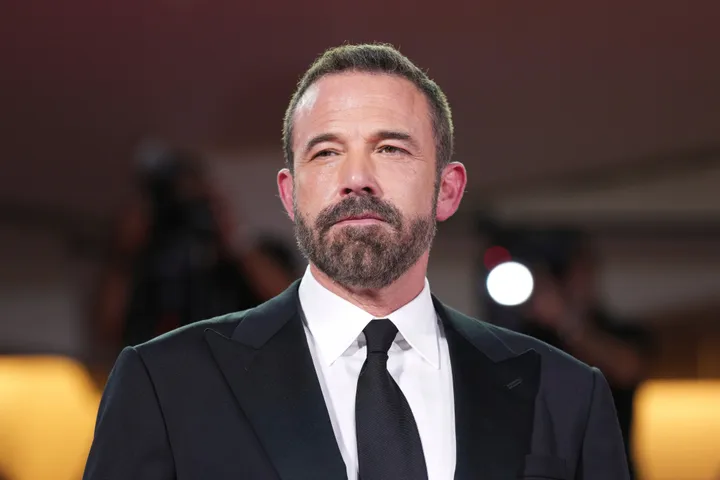
Ben Affleck has opened up about the decision for his ex-wife Jennifer Garner to step away from a film role which would have seen them playing a married couple.
The Gone Girl star is currently gearing up for the release of his new Netflix movie Animals, about a Los Angeles mayoral candidate whose son is kidnapped, which he both co-wrote and co-directed.
When the project was first announced, it was intended that Ben’s frequent collaborator Matt Damon would take on the lead role, while Jennifer would play his wife.
Ben recalled to Entertainment Weekly: “I thought, ‘God, Jen Garner would be amazing for this role’.
“It also has the added benefit of, like, both of us will see our kids more because we do a week and a week and back and forth. I thought, well, we can coordinate our schedules around it.”

However, due to delays in production, when filming began, Matt was no longer available due to his work in The Odyssey, with Ben ultimately choosing to step up and take on the role himself.
This, of course, would have resulted in he and Jennifer starring alongside one another, which led to some difficult conversations.
“I talked to Jen, and she was like, ‘We don’t wanna do that. You just get baggage’,” he explained.

Ben did say he’d “love to work with” Jennifer in the future, hailing his former wife as a “fabulous” actor.
“We’re really good friends, and I’m profoundly grateful to her, and we have a great thing,” he enthused.
“I still would wanna work with her in the future, but what you don’t wanna do is take the audience’s baggage and have it work against you, you know?”

Ben and Jennifer found themselves at the centre of a media storm when they began dating in 2004, having first met on the set of Daredevil years earlier.
The two tied the knot in 2005, and share three children together.
After 13 years of marriage, they parted ways in 2018, and Ben later married his famous ex Jennifer Lopez.
He and the Jenny From The Block singer split for the second time in 2024, two years after getting married in Las Vegas.

As we settle into the colder, darker months, the NHS recommends adults consider taking a vitamin D supplement. That’s because “between October and early March we do not make enough vitamin D from sunlight,” which could potentially lead to a deficiency.
I also take it for my bone health (at least, I thought I was doing so), as vitamin D helps to regulate calcium. To complement it, I also sometimes take calcium tablets.
But a new review of 69 randomised trials suggests this might not be as effective as I first thought.
Published in the BMJ, the paper found “little to no benefits from use of calcium, vitamin D, or combined supplementation on the prevention of fractures and falls” among people at higher risk (often older people).
So, I spoke to Dr Donald Grant, GP and senior clinical advisor at The Independent Pharmacy, about what this means for those taking the supplements.
Should I take vitamin D and calcium for stronger bones?
Dr Grant shared that anyone who’s been recommended to take these supplements by a doctor – i.e. people with osteoporosis or those with a confirmed vitamin deficiency – should continue doing so.
And while the study did show that vitamin D and calcium had no real impact on fracture and fall prevention, “it doesn’t necessarily mean vitamin D and calcium have no value,” he added.
Instead, “it means they shouldn’t be relied on as a standalone strategy for protecting against fractures and falls in later life, according to this study”.
So, while the combination might not be as good at protecting your bones in older age as you may expect, they do have other benefits.
Vitamin D, for instance, becomes especially useful when sunlight levels start to drop, and we spend more time indoors over the winter. Then, the GP said, it plays an “important role in supporting the immune system, normal muscle function, and bone health”.
Calcium supplements, meanwhile, can support nerve-signalling and muscle function.
“However, both of these supplements should always be combined with a well-balanced diet, rather than relying on these supplements solely for your intake,” Dr Grant added.
How can I strengthen my bones without calcium or vitamin D?
For younger people, Dr Grant “strongly recommend[s] calcium-rich foods like dairy, leafy greens and fortified alternatives, combined with safe sun exposure and regular weight-bearing exercise such as walking, running or resistance training”.
These, he said, are “great ways to support bone density and strength”, which can prevent falls and fractures later on.
He ended: “If dietary intake is low or a deficiency is suspected, supplements may be useful, but it’s best to speak to a healthcare professional about the right dose.
It is possible to take too much vitamin D and calcium, which can cause problems. Stick to about 10 micrograms, or 400 IU, of vitamin D a day, and don’t go over 4,000 IU daily.
For calcium, avoid going over 1,500mg a day, as this could upset your stomach. The NHS added that most of us should be able to get enough calcium from our diets.
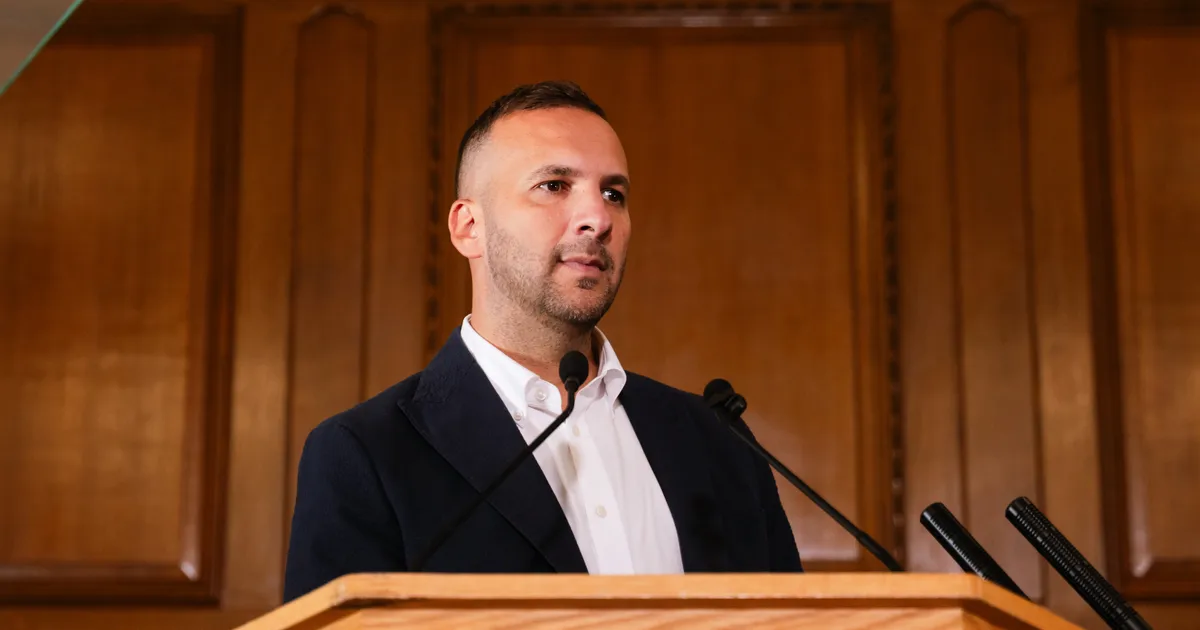
Andy Burnham has been accused of “fuelling wars abroad” after he pledged the UK’s support for Saudi Arabia against Iran-backed Houthi rebels.
The prime minister said an RAF Voyager will be made available for air-to-air refuelling of Saudi jets carrying out defensive missions.
Burnham said he was “acting to secure the interests of Britain and the wider region” by helping Saudi Arabia defend itself from Houthi attacks being launched from Yemen.
He said the support – due to start in the coming days – will be “time-limited” and kept under “review”.
Houthi rebels control parts of Yemen and have been attacking Saudi Arabia since July, when the militants declared a naval blockade.
They also claimed responsibility for a series of drone attacks targeting the Saudi capital Riyadh on Saturday.
Reacting to the PM’s announcement, which he made en route to the UN General Assembly in New York, Green Party leader Zack Polanski said the UK must not support the “murderous” Saudi regime.
In a post on X, he said: “The language of ‘defensive’ support is a smokescreen: the PM has committed the UK to this conflict.
“Thousands have been killed by the Saudi-led coalition. Weddings hit, markets destroyed. International Humanitarian Law breached. The UK must not back the murderous Saudi regime.
“Expansion of the UK’s longstanding support for Saudi Arabia risks escalating the regional conflict – meaning more bloodshed, and making life less affordable at home as costs soar.
“This Government should be seeking to cut the cost of living, not fuelling wars abroad.”
Listen to Commons People, the podcast that makes politics easy. Every week, Kevin Schofield and Kate Nicholson unpack the week’s biggest stories to keep you informed. Join us for straightforward analysis of what’s going on at Westminster.
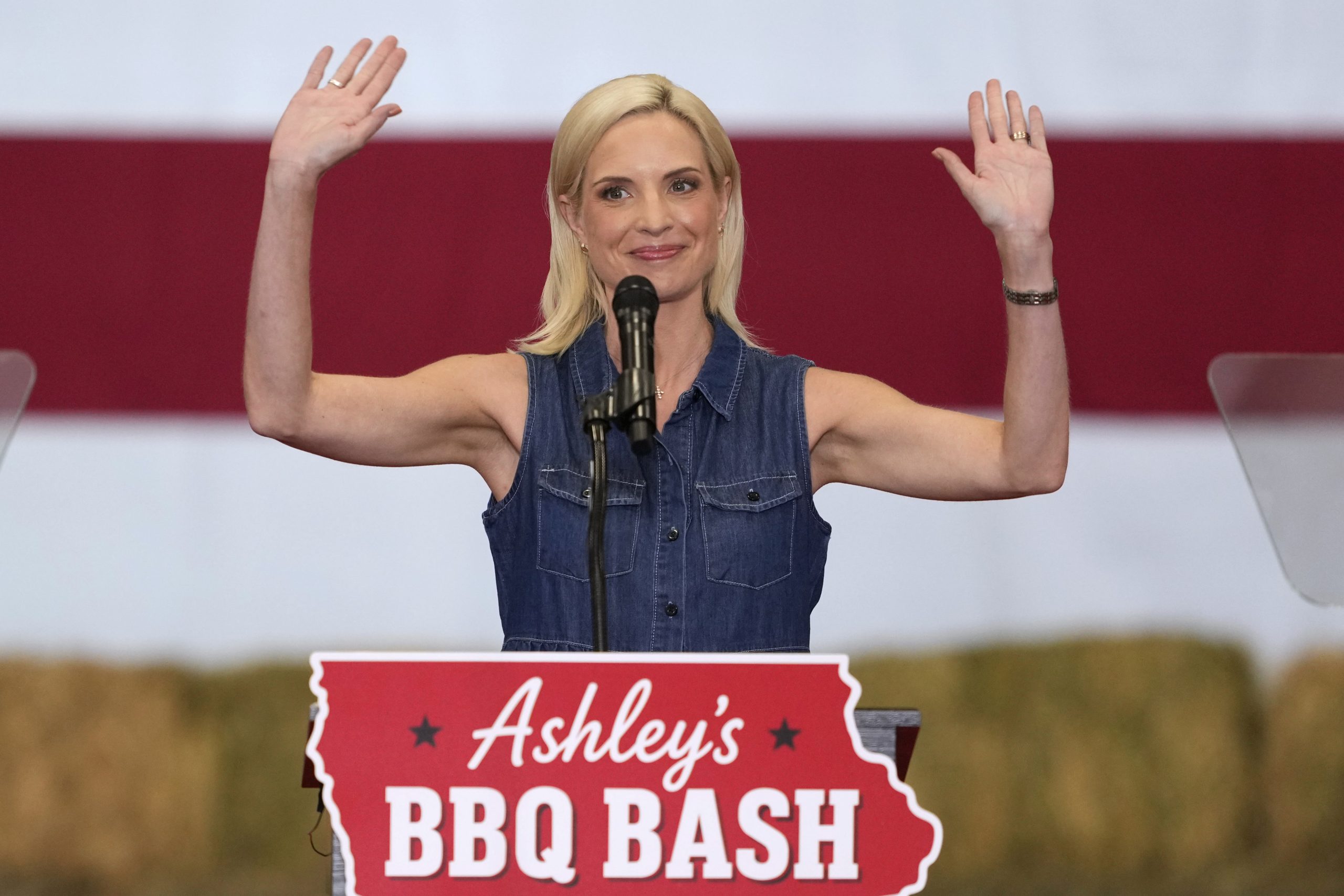
Republicans are playing defense deep in their own territory as voter anger over price hikes puts more House and Senate seats in play in the midterms.
New rounds of big spending, visits from Trump administration officials and private conversations among top GOP officials overseeing the battle for control of Congress reveal a party rushing to shore up red seats and states President Donald Trump won handily in 2024.
In the House, the fight has expanded far outside the few-dozen seats considered the most competitive as Republicans start to unleash their massive warchest: Since Aug. 1, more than $110 million in ad bookings have gone toward Republican-held districts so red that Trump won them by double digits.
In the Senate, Republicans are racing to shore up Ohio GOP Sen. Jon Husted as the Midwest struggles under the weight of Trump’s tariffs and high diesel prices. Trump and Vice President JD Vance are both expected to travel to the state before the midterms to boost Husted, according to four people familiar with the matter who were granted anonymity to discuss not-yet-public plans.
GOP leaders are also trying to keep a handle on contests in Iowa and Kansas — and they’ve quietly begun deprioritizing Georgia and even North Carolina, which a growing number of Republicans are privately bracing for Democrats to flip.
“We need to stop the contagion,” said one senior GOP official, who, like others, was granted anonymity to speak candidly about the midterm landscape.
“The map is hilariously big right now,” said one national Republican pollster.
Since Aug. 1, nearly two-thirds of advertising funds in House races have been booked or spent in races with GOP incumbents, according to a POLITICO analysis of data from AdImpact, which tracks political advertising.
That includes nearly $18 million to embattled Rep. Max Miller in Ohio’s 7th District; $14.6 million to Texas’ 15th District where Monica De La Cruz faces a challenge from Tejano Singer Bobby Pulido; $9.6 million in Alaska where Rep. Nick Begich faces a challenge from independent Bill Hill; and millions more to other districts that Trump carried by double digits two years ago.
The GOP holds a massive cash advantage over Democrats — which, for now, means they can afford to spend more broadly. Republican groups are dividing up the spending deluge in the final weeks ahead of the midterms, with Trump’s MAGA Inc. affiliated super PAC spending heavily to shore up safer red seats and deter Democrats from pushing into those races.
“The voter enthusiasm [for Republican voters] is not where it needs to be but that’s where a money advantage can make a really big impact,” said Mark Bednar, a GOP strategist and former communications director for then-Speaker Kevin McCarthy.
Republicans have adjusted their Senate map expectations: They’re still bullish about Maine, Michigan and New Hampshire. They’re not as optimistic about North Carolina — which Trump won in 2024 — but they are hoping to force Democrats to spend more there.
Republicans are more concerned about Alaska and Texas. And their worries about Ohio have escalated amid soaring diesel prices and backlash to tariffs — challenges they’re also confronting in Texas, Iowa, Michigan and Kansas.
Already two battleground candidates have called for ends to the Iran war, pointing to the high prices: Iowa GOP Senate nominee Ashley Hinson, whose team has grown increasingly wary of the tight race and Michigan GOP Senate nominee Mike Rogers. Both Hinson and Rogers use top Trump pollster Tony Fabrizio to guide their campaigns.
The White House did not respond to a request for comment on Hinson’s and Rogers’ remarks.
Senior GOP operatives’ own internal polling shows Trump’s approval underwater in deep red states across the country. And an Iowa poll conducted last week by a Democratic-leaning pollster found Democrat Josh Turek with a one-point lead in the Senate race and Trump’s approval at 43 percent in the state he won by more than 13 percentage points in 2024, according to a copy of the poll obtained by POLITICO.
“As more races come online, it very clearly is a defensive map for Republicans across the country,” said a national GOP strategist working on multiple battleground races.
In Ohio, Republicans are optimistic that their attacks on former Democratic Sen. Sherrod Brown’s voting record are starting to break through, based on recent internal polling. But they’ve been conveying to outside groups for weeks that they need help reinforcing vulnerable incumbents like Husted. On Monday, the pro-crypto super PAC Fairshake said it planned to unleash $30 million against Brown, who was the top Democrat on the Banking Committee before losing reelection in 2024 — fueled in part by more than $40 million against him from Fairshake that year.
“The stakes go far beyond one Senate seat,” Amy Natoce, a Husted campaign spokesperson, said in a statement. “Control of the Senate will determine which agenda moves forward in Washington: Sherrod Brown’s out-of-touch socialist agenda, or Jon Husted’s agenda of lower taxes, a secure border, and an economy that rewards hard work.”
One Michigan Republican acknowledged the immense weight of the tariffs in races across the battleground state — including in the marquee Senate contest between Rogers and progressive Abdul El-Sayed, as well as across competitive House races.
“Everywhere we go, we are getting hammered on it,” the Michigan Republican said. “It’s crushing us.”

Even skeptical Republicans have been quietly checking in with their colleagues to see if the panic in redder territory is borne out in reality on the ground or just overblown polling. One GOP lawmaker who spoke to Hinson and her campaign team was somewhat surprised by their answers.
“It’s real,” that House Republican told POLITICO.
And POLITICO overheard a senior member of Kansas’ Republican party leadership complaining about their state’s tighter-than-expected race at the GOP’s midterm convention in Dallas earlier this month. GOP Sen. Roger Marshall, the person said, was in some trouble even as Republicans tried to dismiss the seriousness of his Democratic challenger, Adam Hamilton.
Trump and Vance, meanwhile, continue to travel to states they won by double digits in 2024 to stump for Republican candidates, as Trump-aligned super PACs hammer the airwaves in far more red territory than blue.
Recently-formed super PACs aligned with MAGA Inc. — Trump’s main spending vehicle that holds more than $400 million — have spent in 42 House districts so far, 30 defensive and 12 offensive. On average, they are spending in areas that voted for Trump by 7.9 points in 2024, according to a POLITICO analysis.
The PACs are even spending in some districts Trump carried by 15 points as a way to shore up Republicans and deter Democratic advances, according to Republicans involved in the conversations.
Major Republican super PACs, including the Trump aligned-super PACs and party-linked groups, have spent in more than two dozen GOP-held seats where Trump won by at least 5 points in 2024.
“Republicans aren’t taking anything for granted this cycle and will deploy whatever resources necessary to protect our majorities and prevent Democrats from taking control,” RNC spokesperson Natalie Baldassarre said in a statement.
The NRSC argued that “Democrats lack quality candidates and a clear path to victory,” so the party is “feigning optimism” and looking to candidates who have lost before, including Brown, “to somehow deliver [a] majority.” The NRCC said their opposition is “too broke to fight back.”
The geography of the Senate map still favors the GOP this cycle: Democrats have to defend all of their seats, while flipping four Republican-held ones, to take control of the upper chamber.
Republicans believe they have a real shot at flipping New Hampshire, and public polling shows Minnesota’s Senate race closer than expected, forcing Democrats to pay some minor attention to a state Kamala Harris won in 2024.
And Republicans are still hopeful that their mid-decade gerrymandering push could still give them a structural advantage as they fight to defend the House. Republicans won the redistricting war that erupted last summer and will likely net at least six seats from it.
But as economic concerns continue to dominate — with little relief in sight — Democrats are growing increasingly bullish.
“You know, I look at places like Kansas where I never thought we’d have a chance, or South Carolina or even Mississippi, these places are longshots, but they look like they’re competitive,” Sen. John Hickenlooper (D-Colo.) said.
For their part, senior Republicans have been working the problem from two ends, trying to gently persuade Trump in private conversations to back off some of his recent policy moves and wind down the war in Iran — while also organizing a wave of cash reinforcements across the growing map to try to stem the bleeding.
GOP lawmakers pressed Trump officials at their Dallas convention and since then to take emergency actions around fuel prices and refinery capacity. A band of House Republicans led an unsuccessful attempt to vote on a federal gas tax suspension until after Election Day. And, over the weekend, Sen. Chuck Grassley (R-Iowa) posted several direct appeals to Trump, asking why he hasn’t put an embargo on diesel exports.
But many are convinced the bleeding won’t stop until voters get some relief at the pump.
“The question is: How much longer can we go?” one senior House Republican said.
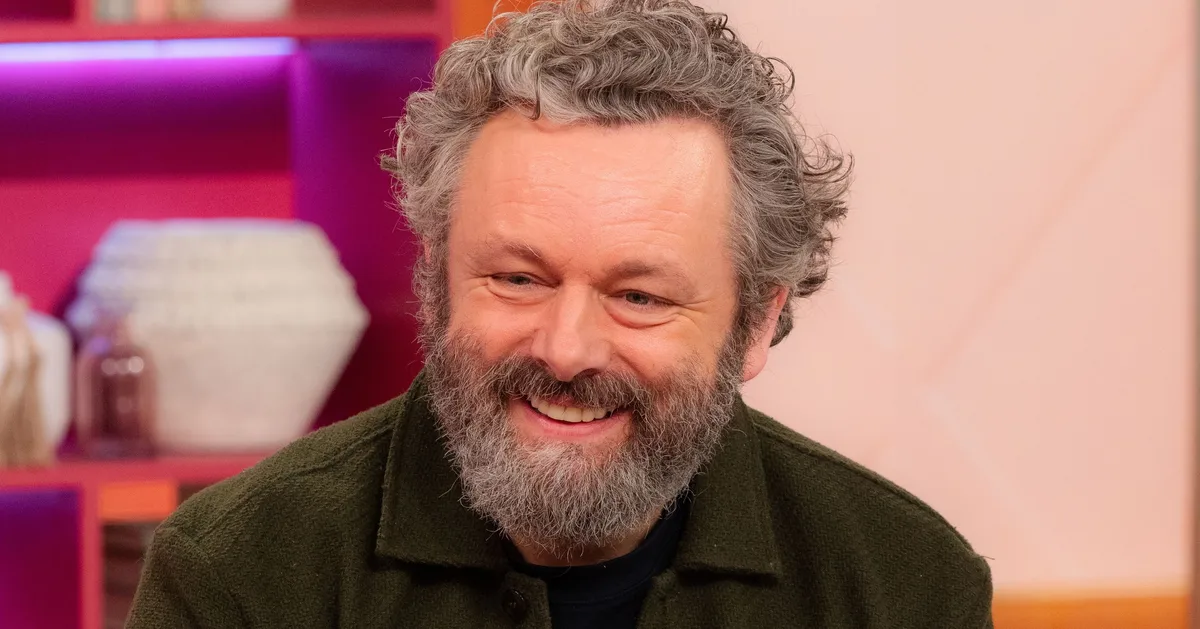
Ahead of the show’s return later this month – with Richard set to host a week’s worth of shows before handing over the reins to Michael – a new set photo has been released by the BBC.
In a statement, Michael quipped that he had “quite literally very large shoes to fill”.
He enthused: “As a huge fan of the show, I’m incredibly excited to be able to move into the House and at long last see my silhouette on a fondue set.”
Explaining his decision to step away from his hit gameshow, Richard said earlier this year: “Thank you for all your kind words as I step down from House Of Games after nine amazing years. It is honestly the most fun show to work on, with the most wonderful team, but, after 800 episodes it’s time to hand over the keys to a new host.”
He added: “There are plenty of new episodes still to air though, and I’ll even be filming one final handover week later in the year! It really has been a treat from start to finish.”
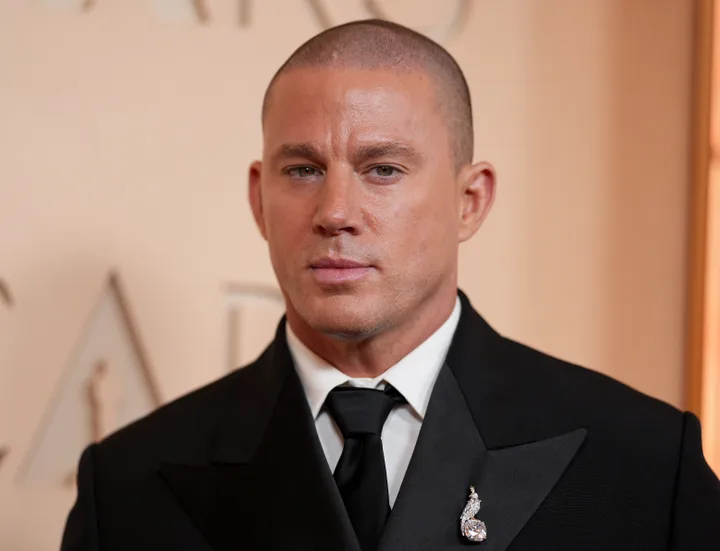
Channing Tatum has set the record straight on claims that he has a secret Instagram account that he uses to pass comment on pop culture – including matters relating to his famous ex.
Over the weekend, speculation spread suggesting that the Magic Mike actor had been commenting on stories about his ex Zoe Kravitz and her relationship with Harry Styles, among other subjects, using a “finsta” account.
Fuelling the speculation was the fact that this anonymous page had just one follower in Channing.
While the account – which has since been deleted – maintained it had nothing to do with Channing, the man himself has since hit back at the claims in a post on his verified Instagram page.

“Yo, I truly can’t believe y’all think this is what I’m doing with my free time,” he wrote in a story post on Monday night. “Fuckin’ hilarious.
“Also why would I follow a burner account if I didn’t want people to connect me to it? Wtf come on…”
He added: “If I really need to say it, l only have one [Instagram] account.”
One potential explanation that had previously been put forward by fans was that Channing had previously hit “follow” on what he thought was a fan account devoted to him and his work, which he’s previously been known to do, only for the owner of the page to then change its name and start commenting on other people’s posts.
HuffPost UK contacted Channing’s team for comment on Monday but did not receive a response.
Channing is gearing up for the release of his next film, Josephine, in which he and Gemma Chan play the parents of a young girl whose life is drastically changed when she witnesses an assault in Central Park.
Following this, he’s expected to reprise his role as Gambit – a role he finally originated in the comedic superhero outing Deadpool & Wolverine after years of rumours – in the Avengers movie Doomsday later this year.

Viking Therapeutics Stock Skyrockets On Obesity Drug Data. Eli Lilly, Novo Fall.

ECB Plans Tokenized Securities Investments via Pontes

General Salute claims 2026 Bill Ritchie Handicap, eyes Alan Brown Stakes

Weekend Open Thread – Corporette.com

Weekend Open Thread: Talbots – Corporette.com

Memory prices are slowing because buyers ran out of money

XRP: SOMETHING INSANE JUST HAPPENED! (MASSIVE XRP MOVE INCOMING!)

Day 1 of financial Learning; What is Stock market Part 1 #Learning #finance #stockmarket #trending

You won’t believe what happens to this cash #satisfying #money #shorts
-
 Fashion4 days ago
Weekend Open Thread: Talbots – Corporette.com
-

 Tech2 days ago
Researchers escape OpenAI Codex sandbox to run commands on host
-

 Crypto World7 days ago
Robinhood engineers charged over $50K crypto scheme
-

 Crypto World3 days ago
Circle launches Arc Studio AI agent for building onchain apps
-
 NewsBeat4 days ago
Trump says US has reached an agreement to take permanent control of Greenland’s security
-

 Crypto World2 days ago
Who Needs CLARITY Anyway? ARB Could See 70X Increase: Hodler’s Digest
-

 Crypto World4 days ago
Bitcoin price breaks channel as RSI climbs to 63
-

 Crypto World6 days ago
US Charges Robinhood Engineers Over Crypto Listing Trades
-
 Crypto World6 days ago
What Is the Status of the U.S.-Iran Peace Talks? Here's What Both Sides Are Saying
-

 Crypto World4 days ago
Trading Bitcoin on Robinhood? Why 2% Spread Has Traders Worried
-

 Tech6 days ago
Webb’s IC 348 Mosaic Includes Two-Jupiter Dwarfs, Twin Jets, and a Nursery Still Making Worlds
-

 Crypto World3 days ago
World Money launches in 150+ countries with Stripe
-

 Crypto World4 days ago
Silver prices recover quickly, hitting weekly high today
-

 Entertainment6 days ago
Big Brother Update: Melody Explodes at Drew as Illness Sweeps BB28 House
-

 Crypto World5 days ago
Mortgage and refinance interest rates today, Thursday, September 17, 2026
-
 NewsBeat4 days ago
US was ‘on brink of war’ with China over false AI report of nukes moving in Middle East
-

 Tech5 days ago
GPT-6 Astra Reached the Nether in Minecraft, Lost Its Stash to a Creeper, and Farmed Potatoes for Hours
-

 Business2 days ago
Analog Devices (ADI) Bets $1.35 Billion on Chips that Let Machines Think for Themselves
-

 Crypto World1 day ago
Bitcoin price holds above $81K as key catalysts line up
-
 Business6 days ago
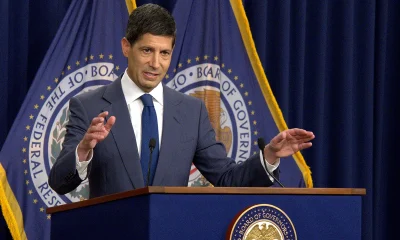
Federal Reserve expected to hike interest rates 25 basis points at FOMC meeting
You must be logged in to post a comment Login