
Politics
Zack Polanski Criticises Andy Burnham Over Saudi Arabia Support

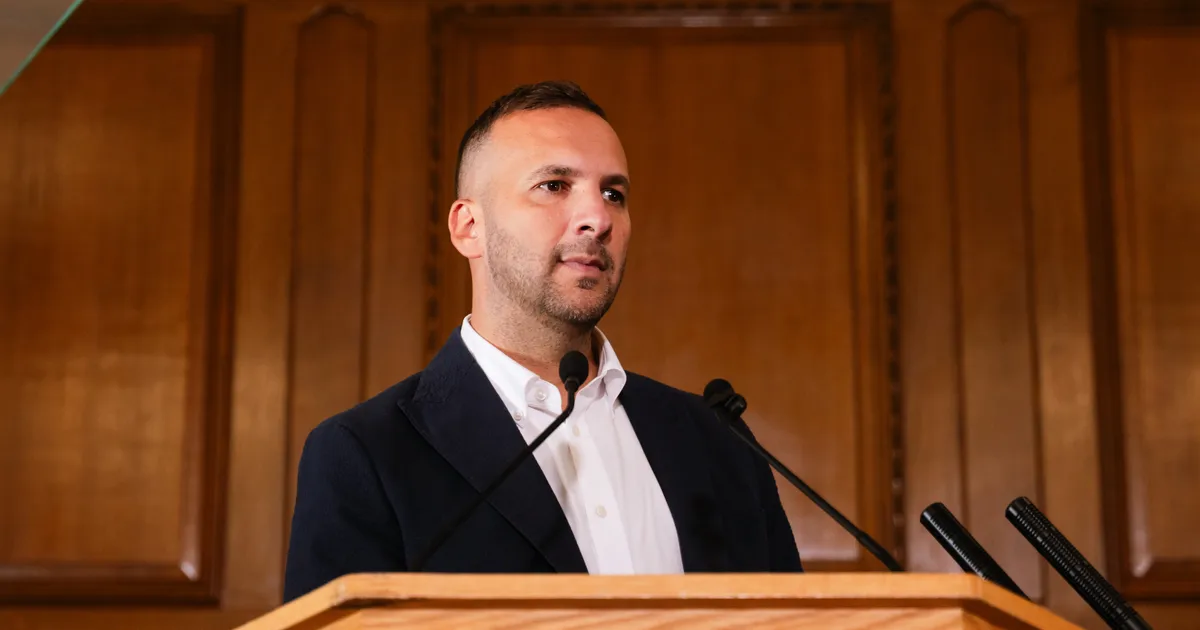
Andy Burnham has been accused of “fuelling wars abroad” after he pledged the UK’s support for Saudi Arabia against Iran-backed Houthi rebels.
The prime minister said an RAF Voyager will be made available for air-to-air refuelling of Saudi jets carrying out defensive missions.
Burnham said he was “acting to secure the interests of Britain and the wider region” by helping Saudi Arabia defend itself from Houthi attacks being launched from Yemen.
He said the support – due to start in the coming days – will be “time-limited” and kept under “review”.
Houthi rebels control parts of Yemen and have been attacking Saudi Arabia since July, when the militants declared a naval blockade.
They also claimed responsibility for a series of drone attacks targeting the Saudi capital Riyadh on Saturday.
Reacting to the PM’s announcement, which he made en route to the UN General Assembly in New York, Green Party leader Zack Polanski said the UK must not support the “murderous” Saudi regime.
In a post on X, he said: “The language of ‘defensive’ support is a smokescreen: the PM has committed the UK to this conflict.
“Thousands have been killed by the Saudi-led coalition. Weddings hit, markets destroyed. International Humanitarian Law breached. The UK must not back the murderous Saudi regime.
“Expansion of the UK’s longstanding support for Saudi Arabia risks escalating the regional conflict – meaning more bloodshed, and making life less affordable at home as costs soar.
“This Government should be seeking to cut the cost of living, not fuelling wars abroad.”
Listen to Commons People, the podcast that makes politics easy. Every week, Kevin Schofield and Kate Nicholson unpack the week’s biggest stories to keep you informed. Join us for straightforward analysis of what’s going on at Westminster.

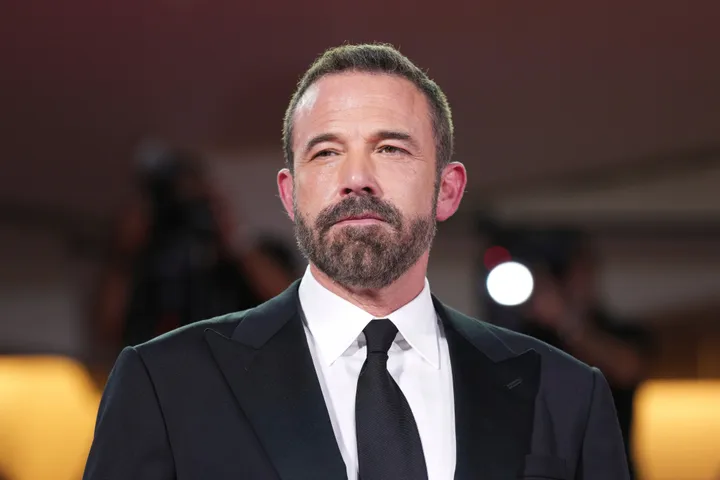
Ben Affleck has opened up about the decision for his ex-wife Jennifer Garner to step away from a film role which would have seen them playing a married couple.
The Gone Girl star is currently gearing up for the release of his new Netflix movie Animals, about a Los Angeles mayoral candidate whose son is kidnapped, which he both co-wrote and co-directed.
When the project was first announced, it was intended that Ben’s frequent collaborator Matt Damon would take on the lead role, while Jennifer would play his wife.
Ben recalled to Entertainment Weekly: “I thought, ‘God, Jen Garner would be amazing for this role’.
“It also has the added benefit of, like, both of us will see our kids more because we do a week and a week and back and forth. I thought, well, we can coordinate our schedules around it.”

However, due to delays in production, when filming began, Matt was no longer available due to his work in The Odyssey, with Ben ultimately choosing to step up and take on the role himself.
This, of course, would have resulted in he and Jennifer starring alongside one another, which led to some difficult conversations.
“I talked to Jen, and she was like, ‘We don’t wanna do that. You just get baggage’,” he explained.

Ben did say he’d “love to work with” Jennifer in the future, hailing his former wife as a “fabulous” actor.
“We’re really good friends, and I’m profoundly grateful to her, and we have a great thing,” he enthused.
“I still would wanna work with her in the future, but what you don’t wanna do is take the audience’s baggage and have it work against you, you know?”

Ben and Jennifer found themselves at the centre of a media storm when they began dating in 2004, having first met on the set of Daredevil years earlier.
The two tied the knot in 2005, and share three children together.
After 13 years of marriage, they parted ways in 2018, and Ben later married his famous ex Jennifer Lopez.
He and the Jenny From The Block singer split for the second time in 2024, two years after getting married in Las Vegas.

As we settle into the colder, darker months, the NHS recommends adults consider taking a vitamin D supplement. That’s because “between October and early March we do not make enough vitamin D from sunlight,” which could potentially lead to a deficiency.
I also take it for my bone health (at least, I thought I was doing so), as vitamin D helps to regulate calcium. To complement it, I also sometimes take calcium tablets.
But a new review of 69 randomised trials suggests this might not be as effective as I first thought.
Published in the BMJ, the paper found “little to no benefits from use of calcium, vitamin D, or combined supplementation on the prevention of fractures and falls” among people at higher risk (often older people).
So, I spoke to Dr Donald Grant, GP and senior clinical advisor at The Independent Pharmacy, about what this means for those taking the supplements.
Should I take vitamin D and calcium for stronger bones?
Dr Grant shared that anyone who’s been recommended to take these supplements by a doctor – i.e. people with osteoporosis or those with a confirmed vitamin deficiency – should continue doing so.
And while the study did show that vitamin D and calcium had no real impact on fracture and fall prevention, “it doesn’t necessarily mean vitamin D and calcium have no value,” he added.
Instead, “it means they shouldn’t be relied on as a standalone strategy for protecting against fractures and falls in later life, according to this study”.
So, while the combination might not be as good at protecting your bones in older age as you may expect, they do have other benefits.
Vitamin D, for instance, becomes especially useful when sunlight levels start to drop, and we spend more time indoors over the winter. Then, the GP said, it plays an “important role in supporting the immune system, normal muscle function, and bone health”.
Calcium supplements, meanwhile, can support nerve-signalling and muscle function.
“However, both of these supplements should always be combined with a well-balanced diet, rather than relying on these supplements solely for your intake,” Dr Grant added.
How can I strengthen my bones without calcium or vitamin D?
For younger people, Dr Grant “strongly recommend[s] calcium-rich foods like dairy, leafy greens and fortified alternatives, combined with safe sun exposure and regular weight-bearing exercise such as walking, running or resistance training”.
These, he said, are “great ways to support bone density and strength”, which can prevent falls and fractures later on.
He ended: “If dietary intake is low or a deficiency is suspected, supplements may be useful, but it’s best to speak to a healthcare professional about the right dose.
It is possible to take too much vitamin D and calcium, which can cause problems. Stick to about 10 micrograms, or 400 IU, of vitamin D a day, and don’t go over 4,000 IU daily.
For calcium, avoid going over 1,500mg a day, as this could upset your stomach. The NHS added that most of us should be able to get enough calcium from our diets.

Republicans are playing defense deep in their own territory as voter anger over price hikes puts more House and Senate seats in play in the midterms.
New rounds of big spending, visits from Trump administration officials and private conversations among top GOP officials overseeing the battle for control of Congress reveal a party rushing to shore up red seats and states President Donald Trump won handily in 2024.
In the House, the fight has expanded far outside the few-dozen seats considered the most competitive as Republicans start to unleash their massive warchest: Since Aug. 1, more than $110 million in ad bookings have gone toward Republican-held districts so red that Trump won them by double digits.
In the Senate, Republicans are racing to shore up Ohio GOP Sen. Jon Husted as the Midwest struggles under the weight of Trump’s tariffs and high diesel prices. Trump and Vice President JD Vance are both expected to travel to the state before the midterms to boost Husted, according to four people familiar with the matter who were granted anonymity to discuss not-yet-public plans.
GOP leaders are also trying to keep a handle on contests in Iowa and Kansas — and they’ve quietly begun deprioritizing Georgia and even North Carolina, which a growing number of Republicans are privately bracing for Democrats to flip.
“We need to stop the contagion,” said one senior GOP official, who, like others, was granted anonymity to speak candidly about the midterm landscape.
“The map is hilariously big right now,” said one national Republican pollster.
Since Aug. 1, nearly two-thirds of advertising funds in House races have been booked or spent in races with GOP incumbents, according to a POLITICO analysis of data from AdImpact, which tracks political advertising.
That includes nearly $18 million to embattled Rep. Max Miller in Ohio’s 7th District; $14.6 million to Texas’ 15th District where Monica De La Cruz faces a challenge from Tejano Singer Bobby Pulido; $9.6 million in Alaska where Rep. Nick Begich faces a challenge from independent Bill Hill; and millions more to other districts that Trump carried by double digits two years ago.
The GOP holds a massive cash advantage over Democrats — which, for now, means they can afford to spend more broadly. Republican groups are dividing up the spending deluge in the final weeks ahead of the midterms, with Trump’s MAGA Inc. affiliated super PAC spending heavily to shore up safer red seats and deter Democrats from pushing into those races.
“The voter enthusiasm [for Republican voters] is not where it needs to be but that’s where a money advantage can make a really big impact,” said Mark Bednar, a GOP strategist and former communications director for then-Speaker Kevin McCarthy.
Republicans have adjusted their Senate map expectations: They’re still bullish about Maine, Michigan and New Hampshire. They’re not as optimistic about North Carolina — which Trump won in 2024 — but they are hoping to force Democrats to spend more there.
Republicans are more concerned about Alaska and Texas. And their worries about Ohio have escalated amid soaring diesel prices and backlash to tariffs — challenges they’re also confronting in Texas, Iowa, Michigan and Kansas.
Already two battleground candidates have called for ends to the Iran war, pointing to the high prices: Iowa GOP Senate nominee Ashley Hinson, whose team has grown increasingly wary of the tight race and Michigan GOP Senate nominee Mike Rogers. Both Hinson and Rogers use top Trump pollster Tony Fabrizio to guide their campaigns.
The White House did not respond to a request for comment on Hinson’s and Rogers’ remarks.
Senior GOP operatives’ own internal polling shows Trump’s approval underwater in deep red states across the country. And an Iowa poll conducted last week by a Democratic-leaning pollster found Democrat Josh Turek with a one-point lead in the Senate race and Trump’s approval at 43 percent in the state he won by more than 13 percentage points in 2024, according to a copy of the poll obtained by POLITICO.
“As more races come online, it very clearly is a defensive map for Republicans across the country,” said a national GOP strategist working on multiple battleground races.
In Ohio, Republicans are optimistic that their attacks on former Democratic Sen. Sherrod Brown’s voting record are starting to break through, based on recent internal polling. But they’ve been conveying to outside groups for weeks that they need help reinforcing vulnerable incumbents like Husted. On Monday, the pro-crypto super PAC Fairshake said it planned to unleash $30 million against Brown, who was the top Democrat on the Banking Committee before losing reelection in 2024 — fueled in part by more than $40 million against him from Fairshake that year.
“The stakes go far beyond one Senate seat,” Amy Natoce, a Husted campaign spokesperson, said in a statement. “Control of the Senate will determine which agenda moves forward in Washington: Sherrod Brown’s out-of-touch socialist agenda, or Jon Husted’s agenda of lower taxes, a secure border, and an economy that rewards hard work.”
One Michigan Republican acknowledged the immense weight of the tariffs in races across the battleground state — including in the marquee Senate contest between Rogers and progressive Abdul El-Sayed, as well as across competitive House races.
“Everywhere we go, we are getting hammered on it,” the Michigan Republican said. “It’s crushing us.”

Even skeptical Republicans have been quietly checking in with their colleagues to see if the panic in redder territory is borne out in reality on the ground or just overblown polling. One GOP lawmaker who spoke to Hinson and her campaign team was somewhat surprised by their answers.
“It’s real,” that House Republican told POLITICO.
And POLITICO overheard a senior member of Kansas’ Republican party leadership complaining about their state’s tighter-than-expected race at the GOP’s midterm convention in Dallas earlier this month. GOP Sen. Roger Marshall, the person said, was in some trouble even as Republicans tried to dismiss the seriousness of his Democratic challenger, Adam Hamilton.
Trump and Vance, meanwhile, continue to travel to states they won by double digits in 2024 to stump for Republican candidates, as Trump-aligned super PACs hammer the airwaves in far more red territory than blue.
Recently-formed super PACs aligned with MAGA Inc. — Trump’s main spending vehicle that holds more than $400 million — have spent in 42 House districts so far, 30 defensive and 12 offensive. On average, they are spending in areas that voted for Trump by 7.9 points in 2024, according to a POLITICO analysis.
The PACs are even spending in some districts Trump carried by 15 points as a way to shore up Republicans and deter Democratic advances, according to Republicans involved in the conversations.
Major Republican super PACs, including the Trump aligned-super PACs and party-linked groups, have spent in more than two dozen GOP-held seats where Trump won by at least 5 points in 2024.
“Republicans aren’t taking anything for granted this cycle and will deploy whatever resources necessary to protect our majorities and prevent Democrats from taking control,” RNC spokesperson Natalie Baldassarre said in a statement.
The NRSC argued that “Democrats lack quality candidates and a clear path to victory,” so the party is “feigning optimism” and looking to candidates who have lost before, including Brown, “to somehow deliver [a] majority.” The NRCC said their opposition is “too broke to fight back.”
The geography of the Senate map still favors the GOP this cycle: Democrats have to defend all of their seats, while flipping four Republican-held ones, to take control of the upper chamber.
Republicans believe they have a real shot at flipping New Hampshire, and public polling shows Minnesota’s Senate race closer than expected, forcing Democrats to pay some minor attention to a state Kamala Harris won in 2024.
And Republicans are still hopeful that their mid-decade gerrymandering push could still give them a structural advantage as they fight to defend the House. Republicans won the redistricting war that erupted last summer and will likely net at least six seats from it.
But as economic concerns continue to dominate — with little relief in sight — Democrats are growing increasingly bullish.
“You know, I look at places like Kansas where I never thought we’d have a chance, or South Carolina or even Mississippi, these places are longshots, but they look like they’re competitive,” Sen. John Hickenlooper (D-Colo.) said.
For their part, senior Republicans have been working the problem from two ends, trying to gently persuade Trump in private conversations to back off some of his recent policy moves and wind down the war in Iran — while also organizing a wave of cash reinforcements across the growing map to try to stem the bleeding.
GOP lawmakers pressed Trump officials at their Dallas convention and since then to take emergency actions around fuel prices and refinery capacity. A band of House Republicans led an unsuccessful attempt to vote on a federal gas tax suspension until after Election Day. And, over the weekend, Sen. Chuck Grassley (R-Iowa) posted several direct appeals to Trump, asking why he hasn’t put an embargo on diesel exports.
But many are convinced the bleeding won’t stop until voters get some relief at the pump.
“The question is: How much longer can we go?” one senior House Republican said.
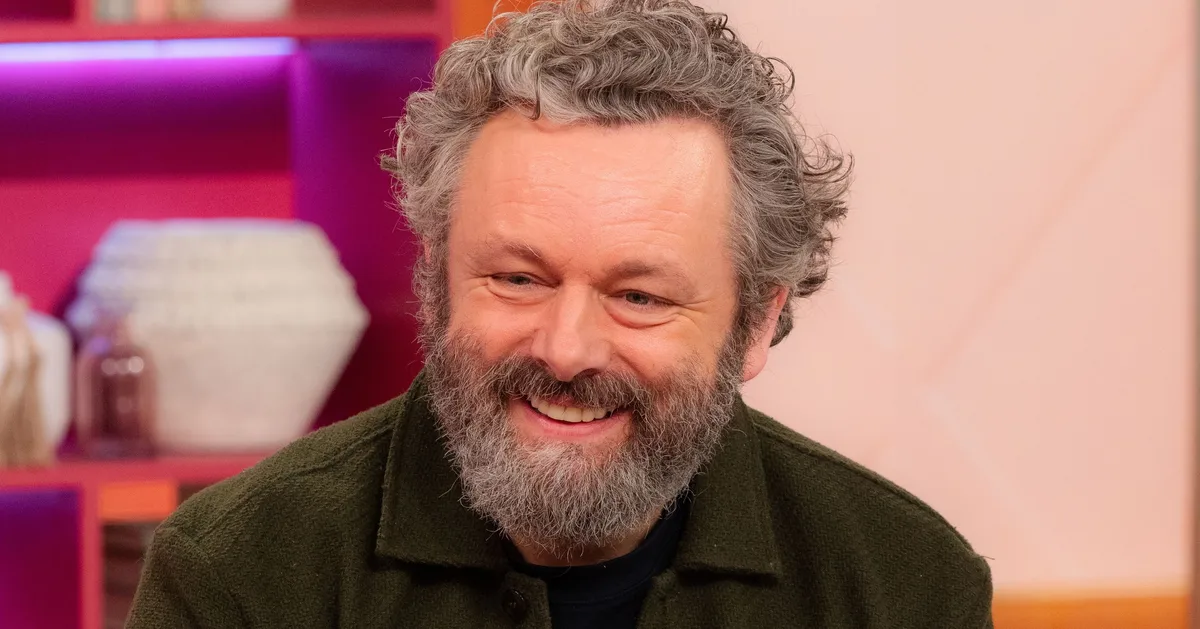
Ahead of the show’s return later this month – with Richard set to host a week’s worth of shows before handing over the reins to Michael – a new set photo has been released by the BBC.
In a statement, Michael quipped that he had “quite literally very large shoes to fill”.
He enthused: “As a huge fan of the show, I’m incredibly excited to be able to move into the House and at long last see my silhouette on a fondue set.”
Explaining his decision to step away from his hit gameshow, Richard said earlier this year: “Thank you for all your kind words as I step down from House Of Games after nine amazing years. It is honestly the most fun show to work on, with the most wonderful team, but, after 800 episodes it’s time to hand over the keys to a new host.”
He added: “There are plenty of new episodes still to air though, and I’ll even be filming one final handover week later in the year! It really has been a treat from start to finish.”
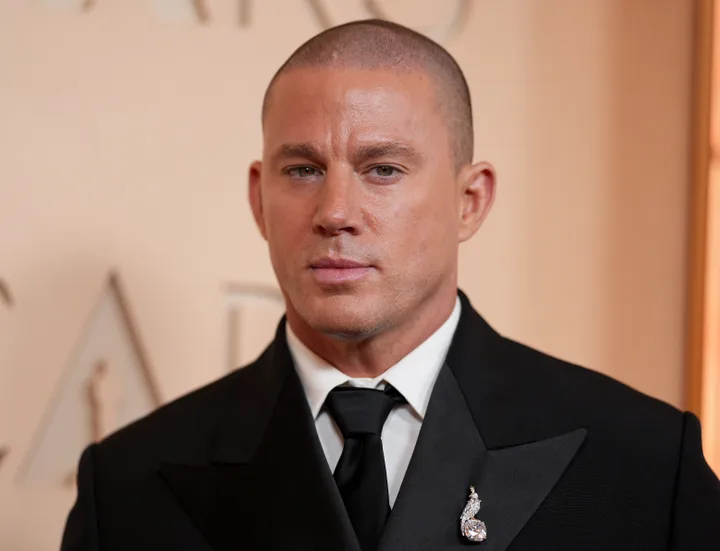
Channing Tatum has set the record straight on claims that he has a secret Instagram account that he uses to pass comment on pop culture – including matters relating to his famous ex.
Over the weekend, speculation spread suggesting that the Magic Mike actor had been commenting on stories about his ex Zoe Kravitz and her relationship with Harry Styles, among other subjects, using a “finsta” account.
Fuelling the speculation was the fact that this anonymous page had just one follower in Channing.
While the account – which has since been deleted – maintained it had nothing to do with Channing, the man himself has since hit back at the claims in a post on his verified Instagram page.

“Yo, I truly can’t believe y’all think this is what I’m doing with my free time,” he wrote in a story post on Monday night. “Fuckin’ hilarious.
“Also why would I follow a burner account if I didn’t want people to connect me to it? Wtf come on…”
He added: “If I really need to say it, l only have one [Instagram] account.”
One potential explanation that had previously been put forward by fans was that Channing had previously hit “follow” on what he thought was a fan account devoted to him and his work, which he’s previously been known to do, only for the owner of the page to then change its name and start commenting on other people’s posts.
HuffPost UK contacted Channing’s team for comment on Monday but did not receive a response.
Channing is gearing up for the release of his next film, Josephine, in which he and Gemma Chan play the parents of a young girl whose life is drastically changed when she witnesses an assault in Central Park.
Following this, he’s expected to reprise his role as Gambit – a role he finally originated in the comedic superhero outing Deadpool & Wolverine after years of rumours – in the Avengers movie Doomsday later this year.
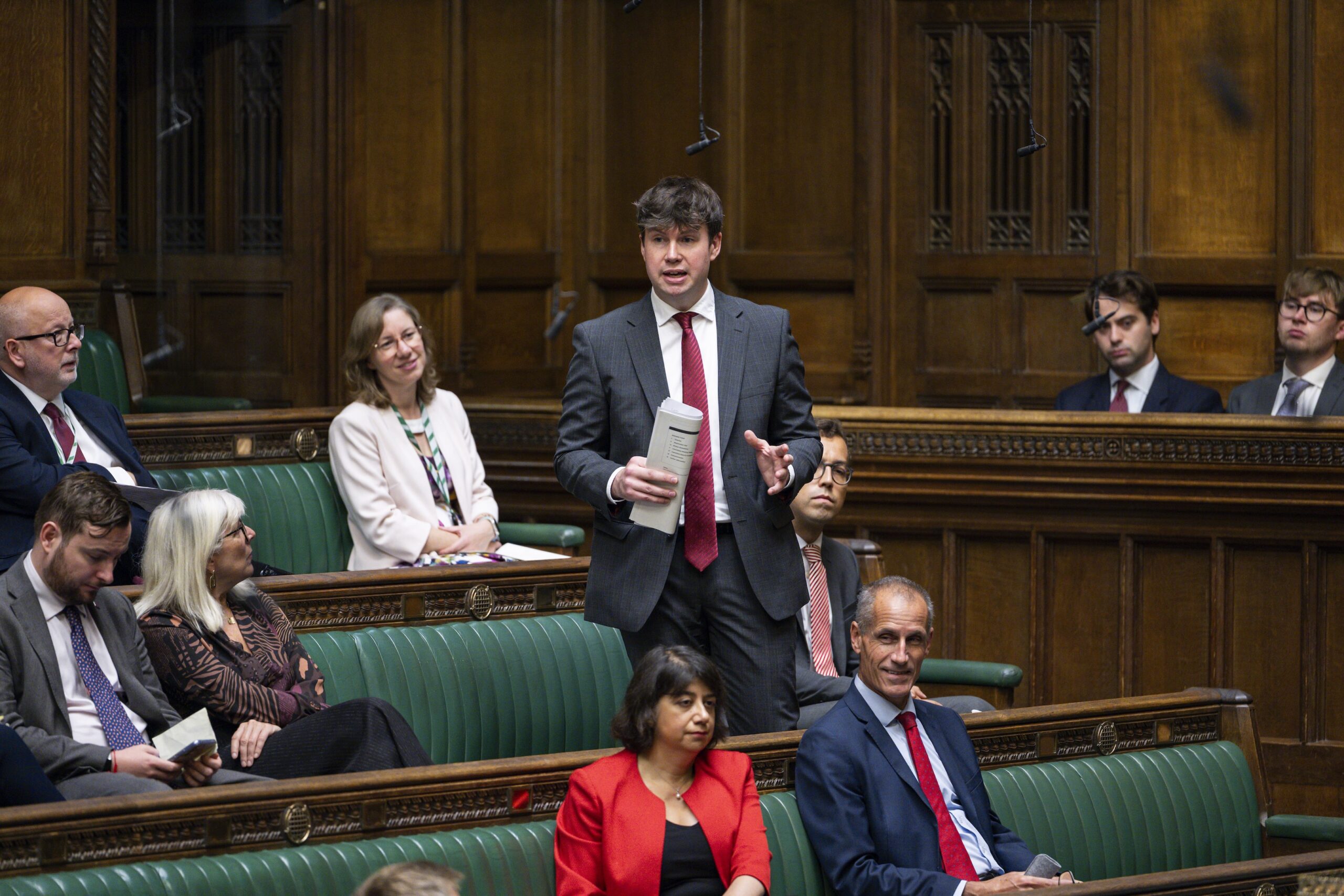
Dan Carden, the Labour MP for Liverpool Walton, was never a natural figure to front a political faction. That may be why, as he tells me walking from Westminster to escape the estate, Carden has relinquished control of the Blue Labour Group to his colleague Jonathan Hinder.
Carden and his successor were first introduced by Maurice Glasman, the godfather of Blue Labour thought, shortly after the 2024 general election. Glasman saw in Hinder a promising ideological ally looking for direction, while Carden – an MP since 2017 – stepped forward as the inaugural chair of the Blue Labour caucus.
In Carden’s telling, the group formed organically out of conversations among like-minded Labour MPs who did not quite think like other Labour MPs. The group now meets weekly but is otherwise defined by its lack of traditional structure. If it was the European Research Group (ERG) of eurosceptic Conservative MPs that taught Westminster to love factions, the Blue Labour collective suggests we re-evaluate our model.
When I ask whether Shabana Mahmood, who has repeatedly name-checked the tendency, counts as a member, Carden shrugs off the question. “We’re just quite relaxed about it.”
Blue Labour’s amorphous status – as a school of thought, parliamentary group, factional identity, occasional essay theme, X account and website – means it is remarkably democratic in character. It has no designated spokespeople, no permanent staff and no director. Carden, who claims to speak only for himself, refers to criticism the group has received “for not being organised and effective enough.” One senses that Blue Labour’s weekly meetings contain rather more ideological diversity than one might expect from a collective of just over 10 MPs. For Carden, these sessions serve as a forum for “ideas, free thoughts, and then every so often it gets attention either for positions we take or things that we say”.
But for all the room for dissension, Carden and his Blue Labour colleagues are bound by a shared political analysis.
The Blue Labour faithful, Carden contends, share a conviction that the party at large must “move forward to reconnect with working-class communities, to reindustrialise the country, to restore some hope and dignity, especially in the world of work, but also in those communities.”
Carden, prefacing that he is now speaking for himself, takes this thesis further. He thinks Britain is broken. “It doesn’t work”, he says. “The biggest challenge to every prime minister has been state failure across the board, and it will remain the biggest challenge for Andy Burnham. And it won’t be too long before he’s blamed for that state failure if he’s not able to radically change things.”
He adds: “So it would be pretty pointless to be in a parliamentary Labour party clapping along, saying everything’s great, especially when you look at the depths of unpopularity that the last prime minister took us to.”
Blue Labour is an ideological instinct rather than a political institution. But its prominence has ebbed and flowed since it first emerged in a recognisable form from the lecture series led by Lord Glasman in 2010/2011. The renewed attention it has garnered during the course of this parliament is generally attributed to the rise of Reform UK.
How does Carden explain the rise of Reform? “It is not because people are turning right-wing or fascist or anything else”, he tells me, “but we’ve had a political settlement in this country for generations now – and across Europe and other parts of the globe – that working-class communities have found has not worked for them, and they are looking elsewhere for their interests to be represented.”
He adds: “There’s no doubt in my mind, Reform does not represent those interests. It represents the interests of big tech and big money.
“It’s a small little cabal of people that don’t care about the working class. But it doesn’t mean that working-class communities haven’t been dispossessed. They have.”
Much of my conversation with Carden revolves around his politics and its complications. First elected to parliament in 2017, Carden rose to prominence as a “Corbynite” lieutenant, serving loyally on the former Labour leader’s frontbench and as an officer in the Socialist Campaign Group (SCG).
Carden characterises his political evolution as a “journey”. But he rejects the suggestion that he has shifted from left to right: “my politics is left. My economic politics is left, especially.”
He adds: “But I think I recognise more than ever the difference between liberal progressive politics and left politics, and there’s a chasm between the two, and just because somebody like me questions a lot of the received wisdom of progressive liberal politics, doesn’t mean I’m not left-wing – quite the opposite.
“I actually think liberal progressive politics has been part of the issue that has driven working-class communities away from the Labour Party.”
For Carden and Blue Labour more broadly, “progressive” is a term of pure opprobrium. He repeats a favourite joke of Glasman’s: “The last thing you want to hear when you go to the doctor is ‘it’s progressive’.”
Carden treads carefully when questioned on his Corbynite era. He insists he still “really like[s] Jeremy Corbyn as a man and a politician”, and praises him for having “caught the mood of many people in the country” during the 2017 general election. Skipping ahead to his twin resignations from Keir Starmer’s frontbench in 2020 and 2023, he reflects: “I guess I haven’t fitted in very comfortably anywhere, which is fine.”
Would he welcome Corbyn back into the Labour Party – something he called for upon the former leader’s suspension in October 2020? “I guess it would be firstly down to Jeremy if he ever saw himself coming back”, he responds initially.
But Carden’s full answer is more complex. “If you look at the principle of this, it’s one of how should politics be governed… Do you use discipline to control political debates – and that’s what we’ve had for most of the time that I’ve been in Westminster?”
Carden adds: “If you use discipline to control political debates, then we’ve lost the argument, and that’s what we’ve had too much of. So, of course, people should decide if they’re in the Labour Party, if that’s where their politics is, and that’s where they’re comfortable.
“And if every other member of the Labour Party disagrees with them, that’s fine. You don’t use discipline to kick people out.”
Carden’s political journey from Corbynite disciple to Blue Labour chair was motivated by something more than naked electoralism. In Liverpool Walton in recent years, the question at election time is not whether he will be returned to parliament, but whether it will be with a 70% or 80% vote share.
Instead, Carden frames his politics as in dialogue with working-class communities like those he represents. He draws a straight line from his experiences as the son of a dock worker to his election in 2017. “It’s not because I went to the London School of Economics [that I went into politics]”, he says. “It’s about where I come from and the values that I was taught when I was young.”
I sense it is the interaction between the values instilled by his upbringing and the lived experiences of his constituents that produced Carden’s politics – and sometimes reproduces it.
Andy Burnham gives Carden “a little bit of hope”. He sees the prime minister as sharing his view of politics and who it is for. “Even just having a prime minister who can at least connect with people and has some emotional intelligence. That’s a f***ing major step up from the last guy.”
There is notable overlap in the sources of Burnham and Carden’s politics. “I have all the Catholic guilt”, Carden responds when I ask him about one such influence. He argues that religion and faith are too readily written off by the “progressive” worldview – an instinct he has come to challenge.
Carden suggests that this re-evaluation emerged from his recovery from alcohol addiction. Seven years sober, he describes his recovery as part of a process in which he became “a lot more open to thinking about things differently”, including his Catholic upbringing.
He reflects: “I think it’s that sense of duty to other people, and almost a public decency, where it matters the commitments you make, the duties you have, the responsibilities you have.
“I was brought up to kind of dismiss all of that. I look back and think how tragic that is now. Religion, culture, history – these are things that have kept the human race and countries like ours on an even keel.
“I think sometimes politics can be just a little bit too quick to try and dismantle everything, and not understand the consequences of doing that.”
***
Throughout the interview, Carden repeatedly – and without prompting – refers to Keir Starmer’s tenure in office with real disdain. So when I finally ask him directly for his thoughts, starting with Starmer’s decision to stand down as an MP, he is scathing.
“I think it was pretty terrible, to be honest”, Carden responds.
“First, I think back to all those people who were attacking Rishi Sunak, saying, ‘Well, he’ll lose and then he’ll go off to California.’ Yeah, that never happened. And I just think that you should have a respect for your constituents and a respect for the privilege of being a member of parliament.
“Yes, there’s other jobs to be done in government and everything else, but if you take on that responsibility, you should treat it with some courtesy and respect. So I’m quite amazed, but no doubt Keir Starmer thinks he’s due another big job somewhere else.”
Carden traces Starmer’s undoing as prime minister to the June/July 2025 welfare rebellion, which he calls “the beginning of the end.” He still struggles to make sense of the government’s position, which crumbled in the face of a mass rebellion of Labour MPs.
“There was nothing behind it. We were told we need 5 billion quid, and a few weeks later we were told, right, I’m going to cut 5 billion off welfare, and there was no political narrative story, and there was no willing to go out and fight for it.
“Because I’m up for doing difficult things in politics, but you have to have a vision for where you’re taking people, and you have to win people around. I just never felt like the top of the Labour Party at that time had the ability to do that.”
Carden is at his most animated when our discussion turns to the Chagos Islands deal and the proposed handover of the archipelago to Mauritius. He is utterly uncompromising in his criticism of the “disastrous” arrangement.
He tells me: “I’m still amazed that so few Labour MPs have had anything to say about it. I just say to any of them, go meet one of your constituents, try and explain the Chagos deal to them, and see how it goes down.
“For me, that’s what politics is – to see whether people understand what you’re doing and why you’re there.”
We are talking on 9 September, shortly after Kemi Badenoch called attention to the Chagos deal to bash Burnham at prime minister’s questions. Carden is not surprised by the Conservative leader’s line of questioning – and shares her concerns.
He relates: “I have been saying, it might be an idea to drop this terrible policy because you’re going to get beaten around with it, and then you get the Falklands [controversy].”
Carden links the row directly to Argentine president Javier Milei’s recent sabre-rattling over the Falklands. “It will be a domino effect, and we don’t take overseas territories seriously”, he says.
“We need to look at how we actually give the territories a stake in parliament and a stake in government.”
“So I hope Andy is capable of doing that, and I have some hope that he will look at the disastrous Chagos deal and drop it, and look to do something different – because he’s got the ability and the capacity to do that.”
After all, it is the Chagos Islands – a dispute over a remote archipelago thousands of miles away – that brings Carden’s politics into its sharpest relief. For Carden, Chagos is a test case for a politics built on dialogue. If a policy cannot survive a discussion on the doorsteps of Liverpool Walton, it must be misguided. That same sense of disconnection – between Westminster and the people it answers to – is what Carden believes hollowed out Labour’s support under Starmer.
Carden’s politics, perhaps, are not so complicated after all.
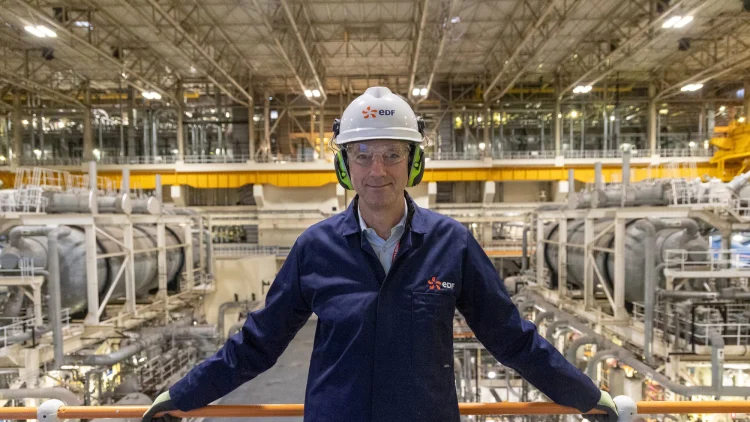
Pictured: Sir Alex in the turbine hall at EDF’s Sizewell B nuclear power station

Sir Alex Chisholm, UK Chair
| EDF
At recent economic policy fora I’ve attended, one topic has dominated: how infrastructure investment can restore growth. We want new infrastructure, but at lower cost. This article explores how we can achieve these twin goals.
Whether its building new projects, or renewing existing infrastructure, there is a mammoth task underway across Britain, involving millions of people.
More wind, solar and nuclear energy, improvements to electricity networks, water system upgrades, transport projects, digital infrastructure – all of them vital to the country’s future prosperity and economic competitiveness.
The government has rightly prioritised this; the investment is badly needed and should be welcomed. Government has also been clear about wanting to learn from previous infrastructure programmes and improve delivery.
But if we want the new infrastructure to drive growth, we should prioritise enabling over replacement infrastructure.
Simply replacing an old asset with a newer version of the same thing often delivers limited additional economic value. For example, a new rail line replacing an antiquated one may improve reliability and journey times – of great importance to the users of the line – but fundamentally does not change what people are able to do.
Contrast this with infrastructure that enables entirely new activity. Fibre replacing copper enables new digital services and capabilities. New energy and data infrastructure can unlock wholly new forms of economic activity, stemming from the AI revolution that is upon us.
The biggest gains come when infrastructure enables something that could not previously happen.
So, what are the solutions?
First, we need to move away from one-off projects and embrace the ‘build and repeat’ philosophy.
Take the nuclear sector. For many years, particularly in Europe, we built nuclear reactors one by one, with long gaps between projects. That is not an efficient industrial model.
What we see today is very different. Countries are developing nuclear programmes, not just individual projects. And for industry, this is fundamental.
At EDF, this is exactly the approach we are taking. In the UK, Sizewell C in Suffolk will replicate Hinkley Point C in Somerset and benefit greatly from this. At Hinkley we are seeing major efficiency improvements in the construction of unit two versus unit one.
Why does it matter? Because every time you repeat, you learn. Engineering is more mature. Modular components can be made offsite in factories. Suppliers know what is expected. Teams become more efficient. Construction sequences improve. And ultimately, you reduce risk, cost and schedule.
Secondly, we need a sustained effort to improve the national skills base. There has been some good work on skills. However, much more is needed.
Skills shortages remain a real challenge, particularly in recruiting highly skilled workers in the UK. Unless this is addressed, delivery ambitions will be harder to achieve.
Again at Hinkley, nearly 20,000 people have now been trained in local “Centres of Excellence” and over 1,700 apprentices hired and trained.
The project has had to deliver this level of training to fill the gap in the supply of suitably qualified people following the twenty-year hiatus in building nuclear plants. Sizewell B power station, completed in 1995, was meant to be the first of a series, but ended up being a “one-off”.
These new skills will benefit not just Sizewell C but the future Small Modular Reactor programme, as well as other infrastructure projects.
Thirdly, there is a need to deliver on the planning and regulatory reforms recommended by the Fingleton review and others.
The key question is whether they will translate into real-world outcomes, so the focus should now be on implementation rather than announcements.
We also need to ensure regulation is proportionate and doesn’t block growth. Speaking of growth, taking five regulators together – Ofcom, Ofgem, Ofwat, CMA and FCA – and looking at published data for the period 2014-24, expenditure has increased by 75 per cent (from £761m to £1.33b) and the number of staff by 97 per cent, to over 10,000 today. This is not sustainable.
Finally, we need to bring down the costs of electricity and energy generally – to help enable competitiveness to return.
Some of this cost reduction will be achieved by using more of the clean power that has grown so much in recent years.
Too much goes to waste in the current system, not least in transport where we spend billions on imported diesel and yet pay windfarms to turn off when there is low demand.
With only 20 per cent of the UK’s total energy consumption in the form of electricity, there is a huge opportunity to switch out of diesel, petrol, heating oil and gas and to enable a more electric Britain.
An increasingly electrified economy will be essential for supporting the digital economy, including vital but energy-hungry data centres. Future digital growth will depend on having access to reliable, large-scale electricity supplies.
The transition needs to be affordable. Overly expensive electricity risks becoming self-defeating if it undermines support for the transition or discourages adoption.
Conclusion
The government’s focus on investing in critical infrastructure and enabling better delivery through the reforms underway is to be welcomed. Industry knows it needs to play its part by improving efficiency.
Continued political backing will be important if reforms are to have an impact.
Future investment should focus on infrastructure that enables new economic activity, not just the replacement of existing assets.
Progressing reform in planning, regulation, skills and electrification will ensure infrastructure investment achieves its full potential.
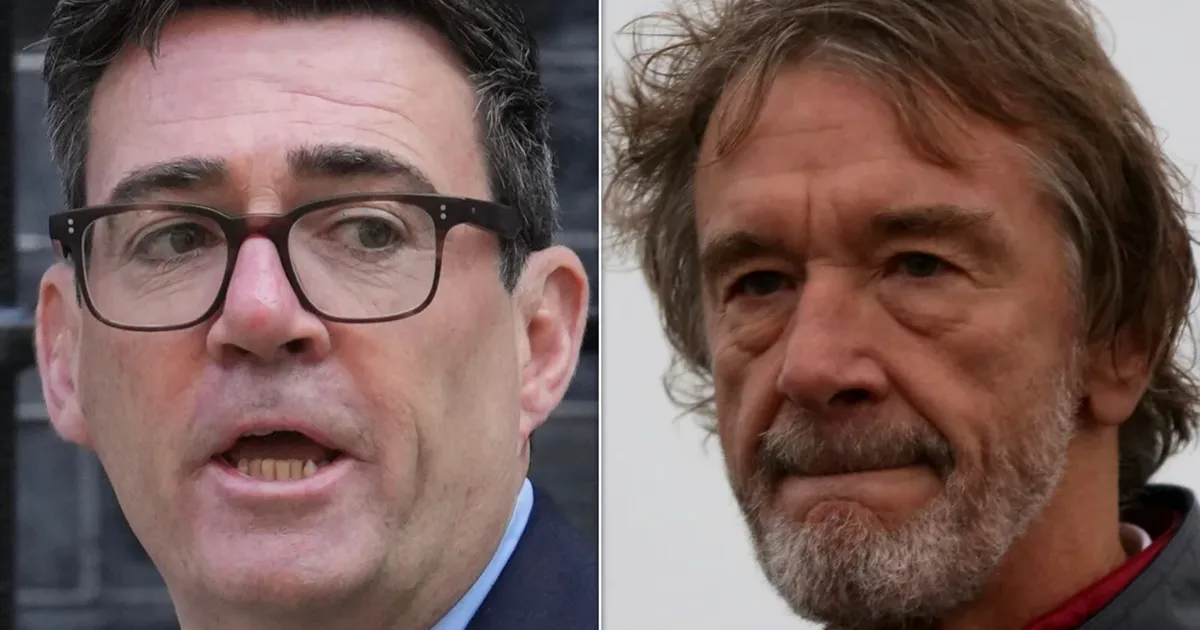
Andy Burnham has hit back at the billionaire owner of Manchester United after he claimed Britain is “on the slide”.
Tax exile Jim Ratcliffe accused the government of trying to “tax everyone to death”, spending too much on benefits and failing to cut immigration.
But speaking to reporters on his way to deliver a speech at the UN General Assembly in New York, Burnham rejected Ratcliffe’s claims, without mentioning him by name.
He said: “I hear people saying the country is on the slide – we’re the fastest growing in the G7, there’s lots to be proud of, there’s a lot right with the country and I’m going to give a really upbeat message when I speak.”
The prime minister, who will shortly set out his 10-year plan for the UK, said “we can be hopeful about where we’re going, we can draw a line under the last decade and say this next one’s going to be different”.
Burnham’s comments came after Labour chair Bridget Phillipson tore into Brexit-backer Ratcliffe over his comments.
She told the BBC: “You’ll forgive if I do take with a pinch of salt what someone who is a tax exile has to say about our country.”
Phillipson, who is also minister for women and equalities, added: “He was also someone, as I understand it, who was a big supporter of Brexit,” she said.
“That was over a decade ago now, but we’ve seen the impact of Brexit on our economy, and that’s why this government is committed to making sure we do have a better trading relationship with the European Union, which will be a central part of how we make sure we do see stronger growth.”
Listen to Commons People, the podcast that makes politics easy. Every week, Kevin Schofield and Kate Nicholson unpack the week’s biggest stories to keep you informed. Join us for straightforward analysis of what’s going on at Westminster.

On Monday, the television press pool that covers the White House protested Trump’s ban against the three outlets by refusing to cover his activities there.
As a result, the president’s speech at the unveiling of a new helipad, unaided by news agencies’ audio equipment, was drowned out by helicopters.
Even Newsmax reporter Bianca de la Garza admitted that the instance of Trump being silenced because of his own actions ― and the copters ― was a sign that his attacks on the press were “backfiring just a little bit.”
Not surprisingly, many people were amused by the clip ― and some tried to see the positives.

The post ‘Ed Sheeran has been cancelled by the Palestine mob’ appeared first on spiked.

Solstice CEO: Crypto’s boom-and-bust cycles are losing steam

Asian Games 2026 medal tally: Full list of India medal winners till Day 3 | Asian Games 2026

Member states’ failure to share info creating security gaps, finds auditors

Weekend Open Thread – Corporette.com

Weekend Open Thread: Talbots – Corporette.com

Memory prices are slowing because buyers ran out of money

Before you invest #investment #money #finance #viral #trend #stocks #stockmarket #sunday #shorts

Bitcoin and Markets Rally After Fed Hike – WTF?

Salary badh rahi hai…. #finance #1croregoal #investment #financialeducation #mindset #financial
-
 Fashion4 days ago
Weekend Open Thread: Talbots – Corporette.com
-

 Tech1 day ago
Researchers escape OpenAI Codex sandbox to run commands on host
-

 Crypto World7 days ago
Robinhood engineers charged over $50K crypto scheme
-

 Crypto World3 days ago
Circle launches Arc Studio AI agent for building onchain apps
-
 NewsBeat3 days ago
Trump says US has reached an agreement to take permanent control of Greenland’s security
-

 Crypto World3 days ago
Bitcoin price breaks channel as RSI climbs to 63
-

 Crypto World1 day ago
Who Needs CLARITY Anyway? ARB Could See 70X Increase: Hodler’s Digest
-

 Crypto World5 days ago
US Charges Robinhood Engineers Over Crypto Listing Trades
-

 Crypto World6 days ago
What Is the Status of the U.S.-Iran Peace Talks? Here's What Both Sides Are Saying
-

 Crypto World3 days ago
Trading Bitcoin on Robinhood? Why 2% Spread Has Traders Worried
-

 Tech6 days ago
Webb’s IC 348 Mosaic Includes Two-Jupiter Dwarfs, Twin Jets, and a Nursery Still Making Worlds
-

 Crypto World3 days ago
World Money launches in 150+ countries with Stripe
-

 Crypto World4 days ago
Silver prices recover quickly, hitting weekly high today
-

 Entertainment6 days ago
Big Brother Update: Melody Explodes at Drew as Illness Sweeps BB28 House
-
 NewsBeat4 days ago
US was ‘on brink of war’ with China over false AI report of nukes moving in Middle East
-

 Crypto World4 days ago
Mortgage and refinance interest rates today, Thursday, September 17, 2026
-

 Crypto World1 day ago
Bitcoin price holds above $81K as key catalysts line up
-

 Tech4 days ago
GPT-6 Astra Reached the Nether in Minecraft, Lost Its Stash to a Creeper, and Farmed Potatoes for Hours
-
 Business6 days ago
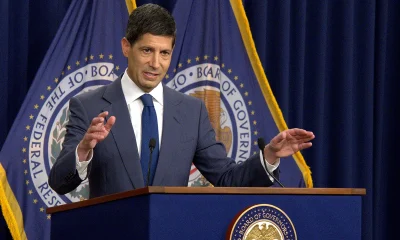
Federal Reserve expected to hike interest rates 25 basis points at FOMC meeting
-

 Business1 day ago
Analog Devices (ADI) Bets $1.35 Billion on Chips that Let Machines Think for Themselves
You must be logged in to post a comment Login