
Entertainment
Alison Hammond Reassures Fans She’s “Fine” After Mid-Air Hospital Dash From This Morning

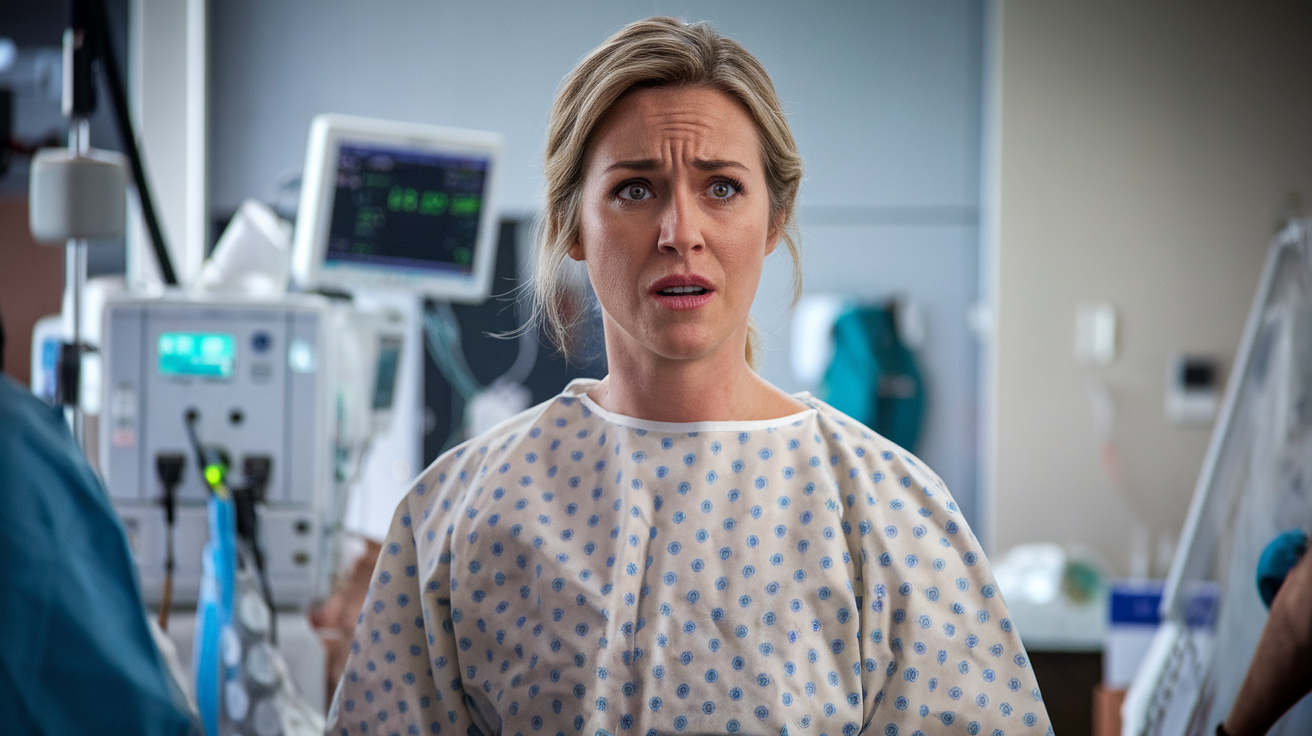
Alison Hammond has told fans she is “fine” after an alarming live-television moment on Friday, when the This Morning presenter was helped off set mid-broadcast appearing to clutch her chest, before being taken to hospital for a heart check-up.
The 51-year-old was presenting the ITV daytime show alongside her regular Friday co-host Dermot O’Leary when she left abruptly at around 11:30 BST during a segment about pets. The broadcast had begun at 10:00, with no early indication of trouble until Hammond exited the set and did not return.
O’Leary addressed her absence as soon as the show came back from its next ad break, telling viewers simply that “Alison is feeling a little unwell, so she’s just had to duck out. Hopefully she’ll be back.” Moments later, he confirmed she would not be returning for the remainder of the episode, adding, “so I’ll be here for the rest of the show.”
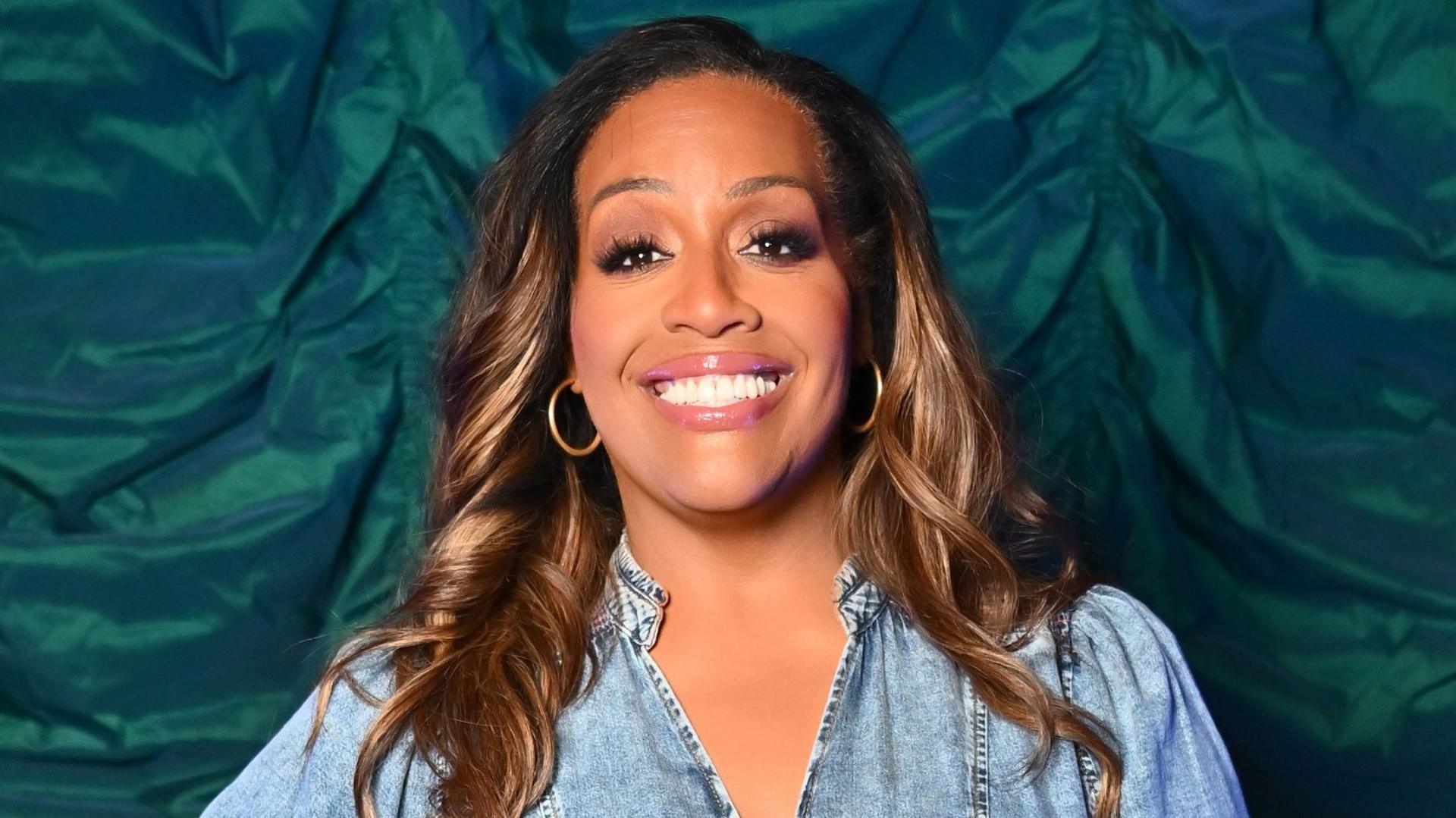
Hours later, Hammond posted a video to her Instagram Stories from a hospital bed, still dressed in a gown, to put concerned fans at ease. “Hello, my lovelies,” she began. “I know you’re all worried about me. Honestly, I am fine, first of all. But I’m getting my old ticker checked out. I had a little bit of a palpitation, and now I’m getting it all checked out. But I think I’m OK. I’m hoping it was just a little panic attack or something like that.”
True to her famously warm, self-deprecating on-screen persona, Hammond couldn’t resist a joke even from her hospital bed — the clip was overlaid with the caption “Anything to have a day off.” She also pointed out, laughing, that she still had her television make-up on from earlier in the day. “Everything is fine, look. I’m rocking it. Look how good I look,” she said.
She was keen to apologise to viewers and colleagues for cutting the broadcast short. “I’m so sorry I left you. I would never normally do that. I would never leave a TV show, so you know I wasn’t very well,” she said. “But hopefully I’m going to be all right. The doctors are so lovely, and they’re checking me out, and hopefully everything’s going to be fine.” She also thanked fans for the “lovely messages” that flooded in once news of her exit spread.
Hammond has become one of British television’s most recognisable faces over the past two decades. She first found fame as a contestant on Channel 4’s Big Brother before going on to appear on I’m A Celebrity… Get Me Out of Here! and Strictly Come Dancing. She joined This Morning as a permanent co-host in 2021 and was part of the presenting team that won a National Television Award for best daytime programme the following year.
She has since broadened her presenting portfolio considerably, taking over as co-host of The Great British Bake Off in 2023 to widespread praise for what critics called a “joyous” debut, and stepping into the hosting role on For the Love of Dogs in 2024 following the death of Paul O’Grady.
No further details have been released about the results of her hospital tests, and ITV has not issued a separate statement beyond O’Leary’s on-air comments. For now, Hammond’s own message — delivered with her trademark humour from a hospital bed — appears to be the final word: she is resting, under observation, and, by her own account, very much “fine.”

Entertainment
Thirty Years On, ‘Brassed Off’ Still Hits the Right Note — and Its Writer Fears the Film Industry Has Lost the Plot
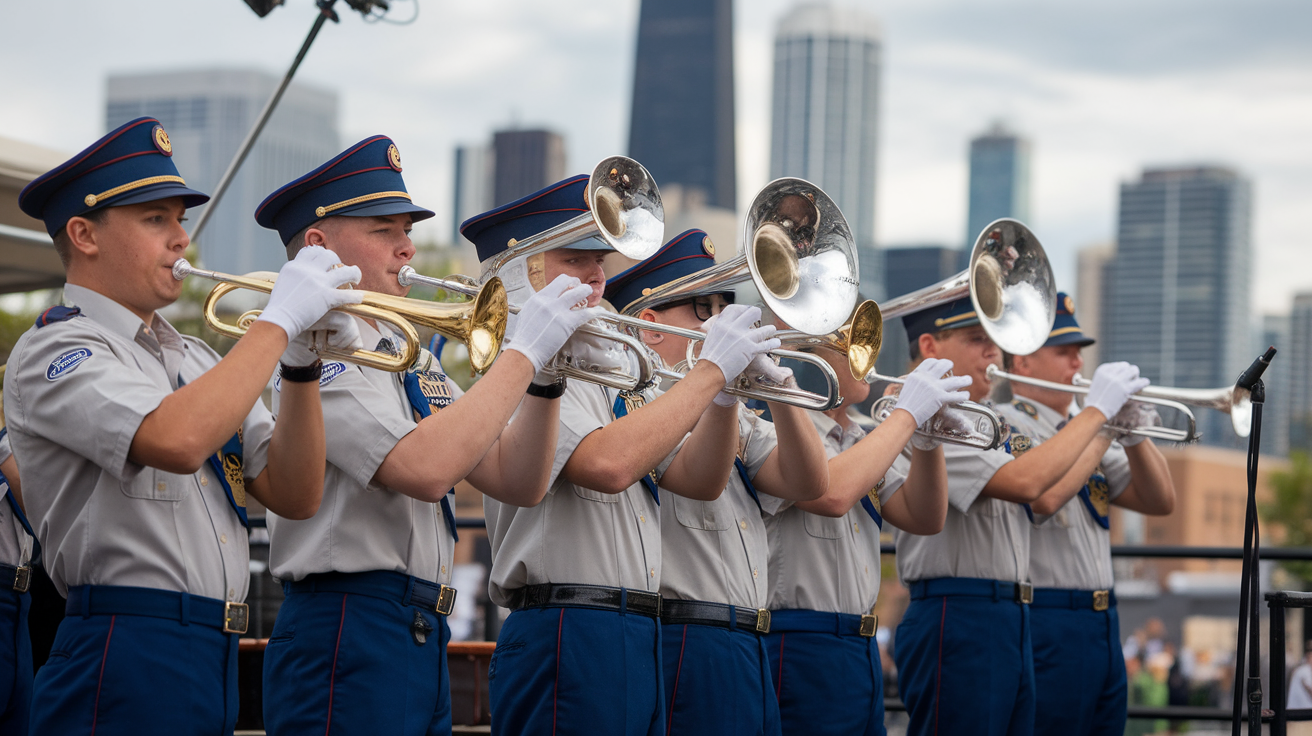
When Mark Herman sat down to write a film about a colliery brass band fighting to survive the death of Britain’s mining industry, he had modest ambitions. “I thought it might be popular within a 10 mile radius of Barnsley for about two weeks,” he recalls with a laugh. Thirty years later, Brassed Off is being celebrated with a live performance at the Royal Albert Hall, has a place in the BFI’s Top 100 British Films, and has just been named one of the Prime Minister’s favourite films of all time.
The film, released in 1996, follows the fictional Grimley Colliery Band as they prepare for Britain’s biggest brass band competition while their pit’s future hangs in the balance. Starring Pete Postlethwaite, Tara Fitzgerald and a young Ewan McGregor, it is both a comedy and a quietly furious political statement about the human cost of the Thatcher government’s dismantling of the coal industry.
“I think the people who went expecting a political film got the bonus of a bit of comedy,” Herman says. “And the people who went expecting comedy got the bonus of the political message. Anybody who went got a sort of bonus they might not have expected.”
That balance is, he believes, why the film has refused to fade. Teenagers and twenty-somethings who weren’t alive when it was released still respond to it, he says, because its real subject isn’t a brass band in a made-up South Yorkshire town — it’s the experience of being downtrodden by forces beyond your control. “It’s still relevant and still plays,” he says.
The anniversary arrives with a neat piece of symmetry: Grimethorpe Colliery Band, the real-life ensemble that inspired the film and performed much of its music, will play live at the Royal Albert Hall alongside a special screening — bringing fiction back to the very venue where Grimley’s story reaches its climax.
It also arrives with an unexpected celebrity endorsement. New Prime Minister Andy Burnham recently named Brassed Off among his four favourite films, a choice Herman takes as something of a compliment. “How do I feel about that? It’s good! It’s very flattering, but I’d have been more surprised if he’d have chosen Notting Hill.”
Beneath the nostalgia, though, Herman is sounding a warning about the industry that made his film possible in the first place. Despite Brassed Off’s commercial and critical success — a film that started as what he calls “not an easy pitch” before word of mouth carried it through cinemas for months — he says he has spent the past decade struggling to get similar projects off the ground.
“It seems to be blockbusters or micro-budget at the moment and there’s no space for mid-budget British films like those, films like I want to make,” he says. “The studios are not as brave as they were. They’d stick their neck out, in what I call the old days. It was quite a risky film to make, Brassed Off, but now they seem to only want to put money behind dead certs.”
It’s a sobering assessment from a filmmaker whose biggest success was, by his own admission, a gamble nobody expected to pay off. Herman says he remains “fairly pessimistic” about the state of British cinema, even as he points to recent bright spots — citing I Swear, a biographical drama about a man living with severe Tourette syndrome, and The Ballad of Wallis Island, the offbeat comedy written by and starring Tim Key and Tom Basden, as among his favourite films of the past year. Both, notably, are the kind of modestly budgeted, character-driven British films he fears are becoming endangered.
For now, though, the anniversary is a chance to celebrate rather than mourn. Three decades after a small film about a struggling brass band found an audience far beyond the ten-mile radius of Barnsley its writer once imagined, Grimethorpe’s musicians will once again take to the stage at the Royal Albert Hall — proof, perhaps, that stories about ordinary people fighting to be heard never really go out of tune.
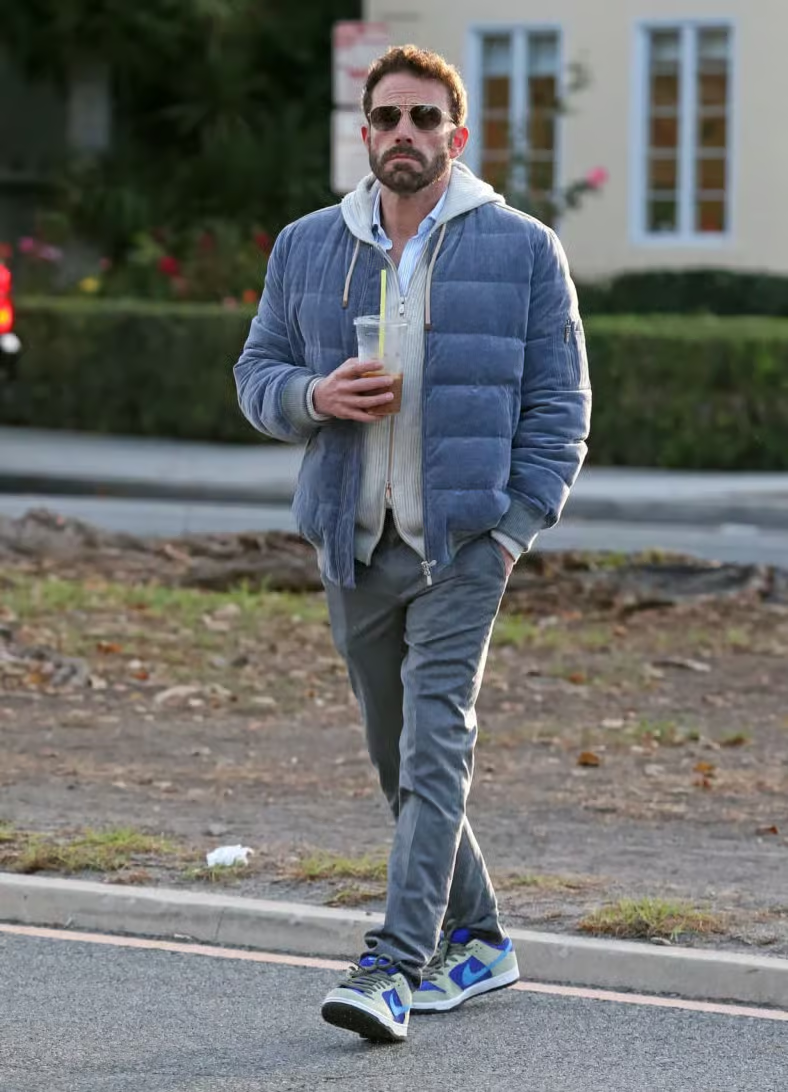
Ben Affleck‘s latest film, “Animals,” arrives on Netflix on October 9 and will also be shown in select theaters. He also directs the crime thriller and stars alongside Kerry Washington. Recently, after admitting the new movie used artificial intelligence, the Hollywood icon shed more light on how the technology was used while also addressing problems beyond AI that the movie business has suffered from.
Ben Affleck Discusses His Use Of AI In ‘Animals’

The Hollywood Reporter interviewed Affleck on the red carpet at the premiere of “Animals.” During the conversation, he was asked about his earlier statements about the film in which he revealed that artificial intelligence was used in the production. Notably, many have since wondered how extensively it was used.
Regarding his approach to the technology, he said, “I wouldn’t use something that trains on or has learned from any work that is copywritten, or that is an intelligence created by a peer of mine or somebody that I look up to.”
The 54-year-old continued, “That was why we created a dataset that was proprietary, so that it wouldn’t have to be extractive.” After that, Afflect stated that he has no interest in making a film “where you just type things and things come out.”
From there, he cast doubt that Hollywood would ever come to a place where movies were created from prompts. According to him, “I don’t think that’s ever going to happen in a way that anyone’s going to give a sh-t enough to want to see it. I wouldn’t want to be part of it if it was.”
The ‘Argo’ Star Explained His Goals With Using AI In Filmmaking

Affleck started his AI filmmaking company, InterPositive, in 2022. Since then, he’s been fairly open about his belief that the technology can benefit the movie industry, especially regarding budgets. While speaking to The Hollywood Reporter, he discussed his goals for implementing artificial intelligence in film.
He said, “What I’m trying to do is actually bring this technology into our business, into a place where these companies who are guild signatories, who have relationships with the creative community, who aren’t going to just go ahead and put you in a movie without your permission and without paying you.”
Affleck continued, “That can’t be said for a lot of tech platforms and other spaces where we don’t just abjure this technology and allow others to take it and dominate it, and then weaken ourselves.” He went on to say that he’s “uncomfortable” with how “some of the ways some tech companies behave around image and likeness.”
In describing how he used AI on the upcoming Netflix movie, he explained, “This is a discrete set of tools. It’s not about making fake people or replacing anybody, ever. It’s about another interesting post tool, and if you can see it or if you can tell what it is, like, you’ve ruined it. Just like a bad visual effect, just like a bad performance.”
He Sold His AI Company To Netflix In March

As mentioned, Affleck quietly owned InterPositve for several years before most of the public learned it existed. However, according to Variety, he sold it to Netflix in March for $587 million in cash.
The deal meant the streamer would own the technology, and the team of 16 engineers, researchers, and creatives would continue their work. Regarding Affleck’s role with InterPositive, he now serves as a senior advisor.
The “Animals” star released a statement amid the acquisition. He said, “From the invention of the moving image to the transition to digital, from motion capture to virtual production, technology has evolved alongside the artists who use it. Our shared commitment to continuing this legacy makes joining together a natural next step, in addition to Netflix’s decades of experience applying and scaling technology responsibly.”
Ben Affleck First Revealed ‘Animals’ Used AI At An Event

Affleck took part in Bloomberg’s Screentime event on September 30. While discussing “Animals,” the Oscar-winning actor admitted, “I used [AI] for lots of things in that movie.”
He continued, “I’m a little bit hesitant to point out what they are — or even talk about it — because in my business, we’re trying to foster the illusion of reality, right?” The director then drew a comparison, saying, “It’s sort of like if you went to a magic show and the magician walked out and said, ‘Just before I start, I want you to know there’s another bunny under here.’”
He’s Producing Multiple Upcoming Projects

“Animals” will be released on October 9 on Netflix and will also play in select movie theaters. In the near future, Affleck will executive produce two movies with his close friend Matt Damon. First, there’s the upcoming documentary “Turbalance: The Greatest Mind in Formula One.”
The other project is “Flash Before the Bang,” a sports drama about a deaf high school track team. Neither project has an announced release date.
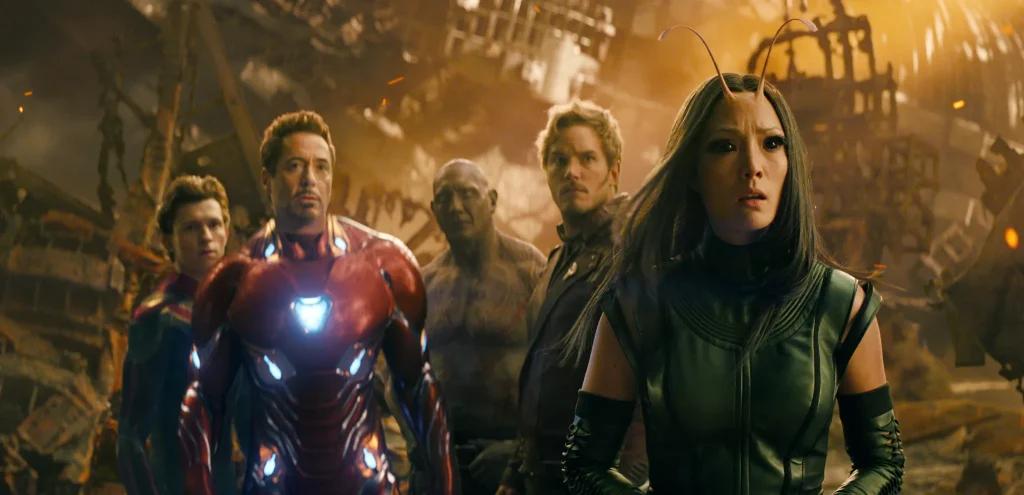
Avengers: Doomsday is shaping up to be another massive Marvel Studios event, but fans apparently won’t need to prepare for another three-hour Endgame-sized marathon.
Co-director Anthony Russo has revealed that Avengers: Doomsday currently runs approximately two and a half hours.
Speaking with Fandango about the challenge of bringing together the film’s enormous collection of characters, Russo described Doomsday as a focused and propulsive story despite its scale.
“It’s a two-and-a-half-hour movie or so,”
Russo said while explaining how the filmmakers structured the story around a central narrative.
The “or so” is important, as Marvel Studios has not officially announced a final locked theatrical runtime. Earlier reports had placed Doomsday at around two hours and 45 minutes, but Russo’s latest comments suggest audiences could ultimately be looking at something closer to 150 minutes.

Avengers: Infinity Wars [marvel studios]
If that holds, Doomsday would be remarkably close in length to Avengers: Infinity War.
The original The Avengers clocked in at 2 hours and 23 minutes in 2012, while Avengers: Age of Ultron was slightly shorter at 2 hours and 21 minutes.
The Russo brothers significantly increased the scale with Avengers: Infinity War, which ran 2 hours and 29 minutes. Avengers: Endgame then became the longest Avengers movie by a wide margin with a runtime of 3 hours and 1 minute.
That gives the franchise the following runtime progression:
The Avengers — 2 hours, 23 minutes
Avengers: Age of Ultron — 2 hours, 21 minutes
Avengers: Infinity War — 2 hours, 29 minutes
Avengers: Endgame — 3 hours, 1 minute
Avengers: Doomsday — approximately 2 hours, 30 minutes

Avengers: Age of Ultron [marvel studios]
The comparison with Infinity War may be the most interesting. Doomsday is expected to juggle another enormous ensemble while bringing together characters from across different corners of the Marvel universe, yet its current runtime is only about one minute longer than Infinity War.
Joe and Anthony Russo previously demonstrated with Infinity War that a huge collection of characters can be managed within a fast-moving story without requiring a three-hour runtime.
Whether Doomsday ultimately lands exactly at 150 minutes remains to be seen, but Anthony Russo’s comments provide the clearest indication yet of what audiences should expect when Marvel’s next Avengers event arrives in theaters.
Avengers: Doomsday hits theaters December 18, 2026.
Entertainment
Naomi Campbell Cleared: Tribunal Overturns Charity Trustee Ban, Blames Deceit by Fellow Trustee
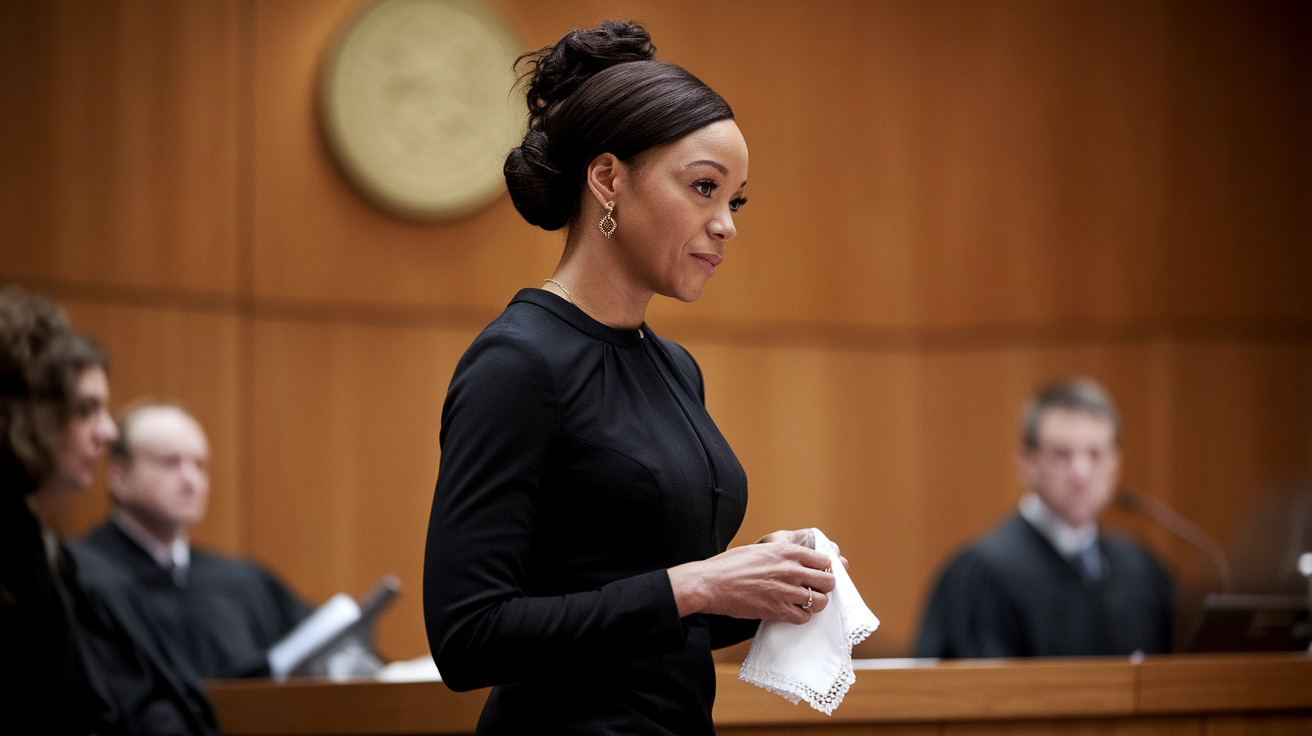
Naomi Campbell has won her appeal against a five-year ban on serving as a charity trustee, after a tribunal concluded that the supermodel was deliberately kept in the dark about financial misconduct at the charity she founded, Fashion for Relief.
The ruling, handed down by the First-Tier Tribunal on Thursday, overturns a 2024 disqualification imposed after the Charity Commission found “serious mismanagement and/or misconduct” at the organisation, including funds spent on luxury hotels and spa treatments rather than the causes they were meant to support.
Campbell established Fashion for Relief in 2005 to raise money for victims of Hurricane Katrina, and the charity went on to run high-profile fundraising campaigns for disasters and humanitarian causes around the world. But it was shut down in 2023 following a Charity Commission inquiry, which found the organisation had failed to pass on as much donated money as it should have. Campbell and two fellow trustees were subsequently barred from trustee roles for five years.
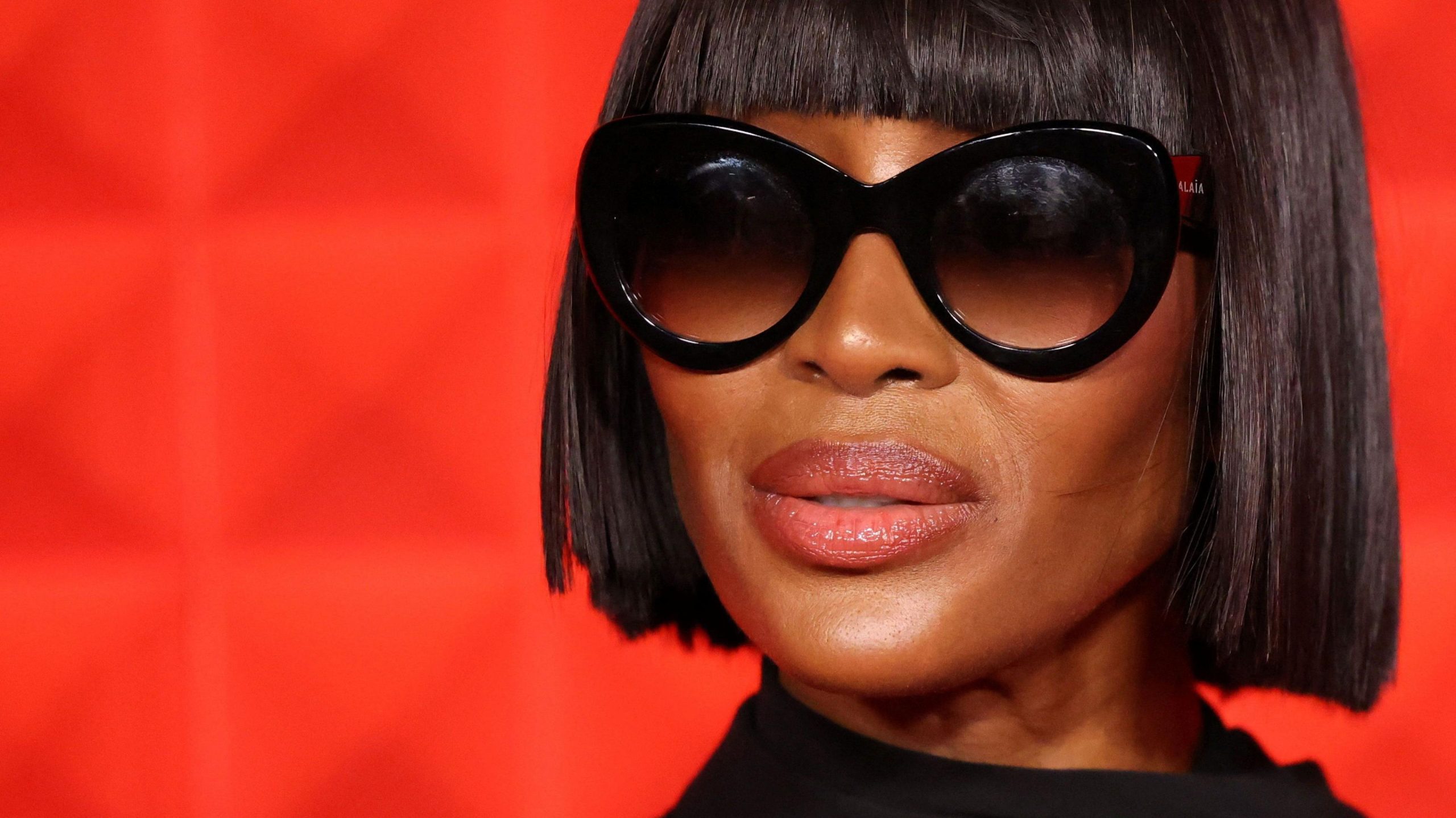
Campbell fought the ban, arguing that a fellow trustee, lawyer Bianka Hellmich, had forged her signature and used a fake email address impersonating her to divert funds away from the charity’s intended purposes. At a tribunal hearing in June, Campbell said her “only mistake” had been trusting Hellmich. Hellmich has consistently denied the allegations.
The three-person tribunal panel sided decisively with Campbell, finding that her account of being deceived was backed up by documentary evidence. “For the avoidance of doubt, we accept that both Ms Campbell’s evidence, as well as her conduct during the operation of the Charity, was entirely honest,” the panel wrote.
Judges pointed to specific examples, including a 2018 trip to the south of France where €4,386 (£3,750) in hotel expenses — among them £1,100 for room-service dinners, £990 for spa treatments and £95 for cigarettes — were charged to the charity without Campbell’s knowledge.
“The panel is satisfied that Ms Campbell was not responsible for the inappropriate use of the charity’s resources or any unjustified expenditure, nor did she contribute or facilitate it,” the ruling stated. The tribunal did find that Campbell bore some responsibility for administrative lapses, such as late filing of accounts and missing minutes, but said these failings were not serious enough to justify disqualification.
Investigators had previously identified more than £290,000 in unauthorised payments made to Hellmich under the guise of consultancy fees. According to the tribunal, Hellmich “deceived Ms Campbell, used forged documents and a false email address purporting to belong to her, and also deceived professional advisers and the Commission.” The panel concluded that Campbell “had no reasonable basis to suspect Ms Hellmich’s dishonesty before regulatory concerns emerged and, when they did, Ms Campbell took reasonable steps in response.”
Speaking after the judgment, Campbell expressed relief and gratitude. “Giving back has been part of who I am, so having that questioned hurt deeply,” she said. “Now I can get back to what matters most to me: being there for the people and communities I’ve always wanted to serve. Thank you to my higher power.”
Hellmich, for her part, has rejected Campbell’s version of events. In comments to the Financial Times earlier this year, she called the accusations “false” and said they were “a device carefully designed to paint her as a victim, while scapegoating a so-called friend.” She added that she had “fully co-operated with the Charity Commission over the past six years” and said she hoped “Naomi finds peace and happiness in her future.”
The Charity Commission, which had opposed Campbell’s appeal and argued the ban should stand, issued a statement acknowledging the tribunal’s findings. “We made the disqualification order for Ms Campbell based on the evidence available to us at the time,” a spokesperson said. “The court recognised that Ms Campbell, the Commission and the law firm concerned were subject to sophisticated deception by one of the other trustees. This was referred to the Metropolitan Police when we became aware. We acknowledge and will reflect on the court’s decision and are considering any wider implications for our work.”
The regulator noted that its intervention had at least ensured other charities, including Save the Children, recovered almost £250,000 they were owed as a result of the mismanagement.
For Campbell, the ruling closes a difficult chapter that threatened to tarnish decades of charitable work alongside her modelling career. For the Charity Commission, the case raises awkward questions about how such a sophisticated deception was allowed to unfold under its watch — and what safeguards might be needed to prevent similar episodes in future.
:max_bytes(150000):strip_icc():format(jpeg)/best-scary-movies-for-streaming-tout-092926-a54d992986854df8806bb8737dabad06.jpg "The 25 best scary movies for streaming and screaming 51")
Your movie night of horrors begins here.
Hollywood’s casting carousel spun fast this week, delivering two major announcements that reveal how studios are betting big on both rising stars and established names to anchor their next tentpole projects — while over in music, genre-bending artist Meshell Ndegeocello proved once again that she has little interest in staying inside anyone’s lines.
The buzziest news comes from the horror world, where Chase Infiniti — fresh off her breakout turn in the best picture winner “One Battle After Another” — has landed her next film role in “Portrait of God,” a mysterious religious horror project for Lionsgate. The film comes from Dylan Clark, a young filmmaker who built his reputation posting high-concept horror shorts to YouTube that racked up millions of views. The original “Portrait of God” short, released in 2022, became something of a cult sensation online, and Clark has now expanded it into a feature with a script co-written alongside Joe Russo.
What makes the project especially notable is its producing team: Sam Raimi, through his Ghost House Pictures banner, and Jordan Peele, via Monkeypaw Productions, are joining forces for the first time. Two of modern horror’s most influential figures backing a single film is a rare enough event that it’s generating buzz independent of the plot details, which remain tightly under wraps beyond descriptions of “a new twist on religious horror.”
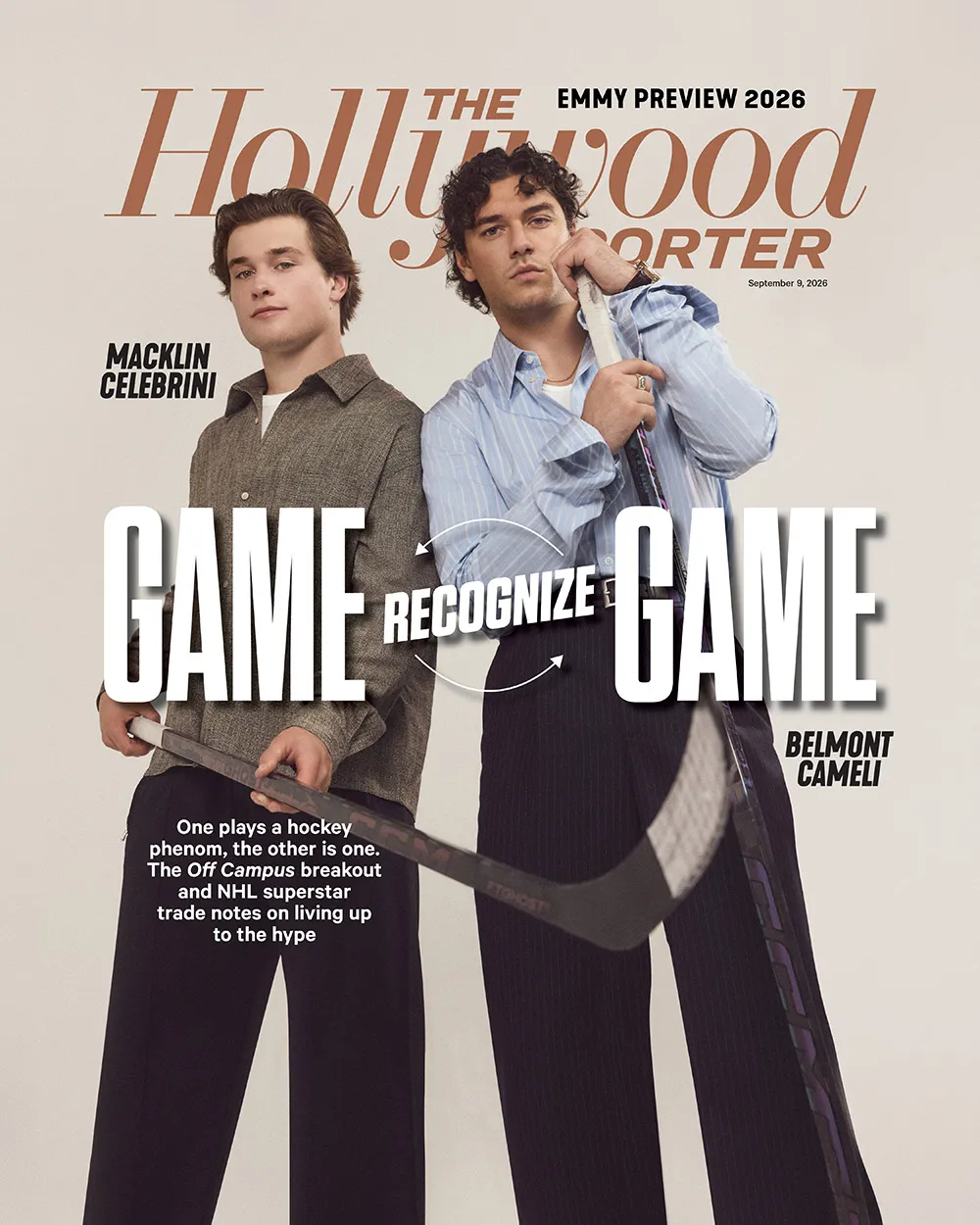
The project had previously been in development at Universal before that studio let it go earlier this year, clearing the way for Lionsgate to swoop in. For Clark, it’s part of a fast-rising trajectory — before “Portrait of God” even begins shooting, he’s set to direct Lionsgate and Blumhouse’s reboot of “The Blair Witch Project.” Lionsgate film chief Adam Fogelson called the pairing of Clark, Raimi, Peele and Infiniti “an exceptional creative team,” while Clark himself praised Infiniti’s performance in “One Battle After Another” as part of why he wanted her on board.
The deal also reflects a broader trend: studios are increasingly racing to lock down young horror filmmakers who’ve built audiences online before ever stepping onto a traditional set, following recent breakout hits from creators like Curry Barker and Kane Parson.
Meanwhile, Paramount has made its own splashy casting move, confirming that Bradley Cooper will star as Duke in the studio’s reimagined “G.I. Joe” movie, directed by Danny McBride. The film marks a significant reset for the Hasbro-inspired franchise, severing its long-rumored crossover ties to “Transformers” in favor of a standalone vision. McBride, who is also co-writing the script, reportedly had Cooper at the top of his wish list from the start — a reunion of sorts, given McBride previously brought Cooper in for a memorable guest spot on “The Righteous Gemstones.”
Cooper’s involvement comes during an unusually packed stretch for the actor, who recently wrote, directed and starred in the Searchlight film “Is This Thing On” opposite Will Arnett, and stepped in to direct the upcoming “Ocean’s” prequel alongside Margot Robbie after the project’s original director departed. Squeezing “G.I. Joe” into that schedule suggests just how much Cooper wanted in on McBride’s take on the material.
The casting fits into Paramount’s larger strategy of resurrecting and refreshing its library of established franchises, a push that also includes a new “Days of Thunder” with Anne Hathaway, a “World War Z” sequel bringing back Brad Pitt, a Taylor Sheridan-penned “Call of Duty” film, and the next “Top Gun” installment. Studio leadership has made clear that reviving dormant or underperforming IP with top-tier creative talent is central to its plans going forward.
On the music side, the week’s most striking release came from Meshell Ndegeocello, whose new album “Synonym” takes the humble cover-song record and turns it inside out. Rather than simply reinterpreting tracks from artists as varied as Bob Dylan, Jennifer Lopez, the Human League and Barbra Streisand, Ndegeocello restages them as duets between women, reframing songs originally built around heterosexual dynamics into statements she has described as “an expression of queer liberation as a synonym for liberation of all kinds.”
Critics have praised the record’s audacity: Streisand’s “Guilty,” sung with co-writer Ink, becomes a declaration of defiance rather than romantic confession, while a reggae-inflected take on the Human League’s “Don’t You Want Me,” performed with Cat Power, subtly inverts the song’s power dynamics through vocal phrasing alone. Not every experiment lands with the same cohesion — a closing cover of Dylan’s “With God on Our Side” with Bill Callahan drifts from folk simplicity into distorted electronic noise, a choice that feels more chaotic than purposeful — but the ambition throughout is hard to ignore.
Taken together, the week’s entertainment news tells a familiar story: an industry constantly reaching for the next big swing, whether that means pairing horror’s biggest names behind an unproven young director, betting an A-list actor’s packed schedule on a franchise reboot, or watching a veteran musician tear apart pop standards just to see what’s left underneath.
- Chase Infiniti to Star in Dylan Clark Horror Movie ‘Portrait of God’ for Lionsgate (Exclusive) (The Hollywood Reporter)
- Bradley Cooper To Star As Duke In Paramount’s New ‘G.I. Joe’ Movie From Director Danny McBride (Deadline)
- Meshell Ndegeocello: Synonym review – vivid all-star reinventions of everyone from Bob Dylan to J-Lo (The Guardian)
Entertainment
SCAD Film Festival’s TV Sidebar Lines Up Stars of ‘The Good Daughter,’ ‘VisionQuest,’ ‘Furious’ and ‘The Lowdown’
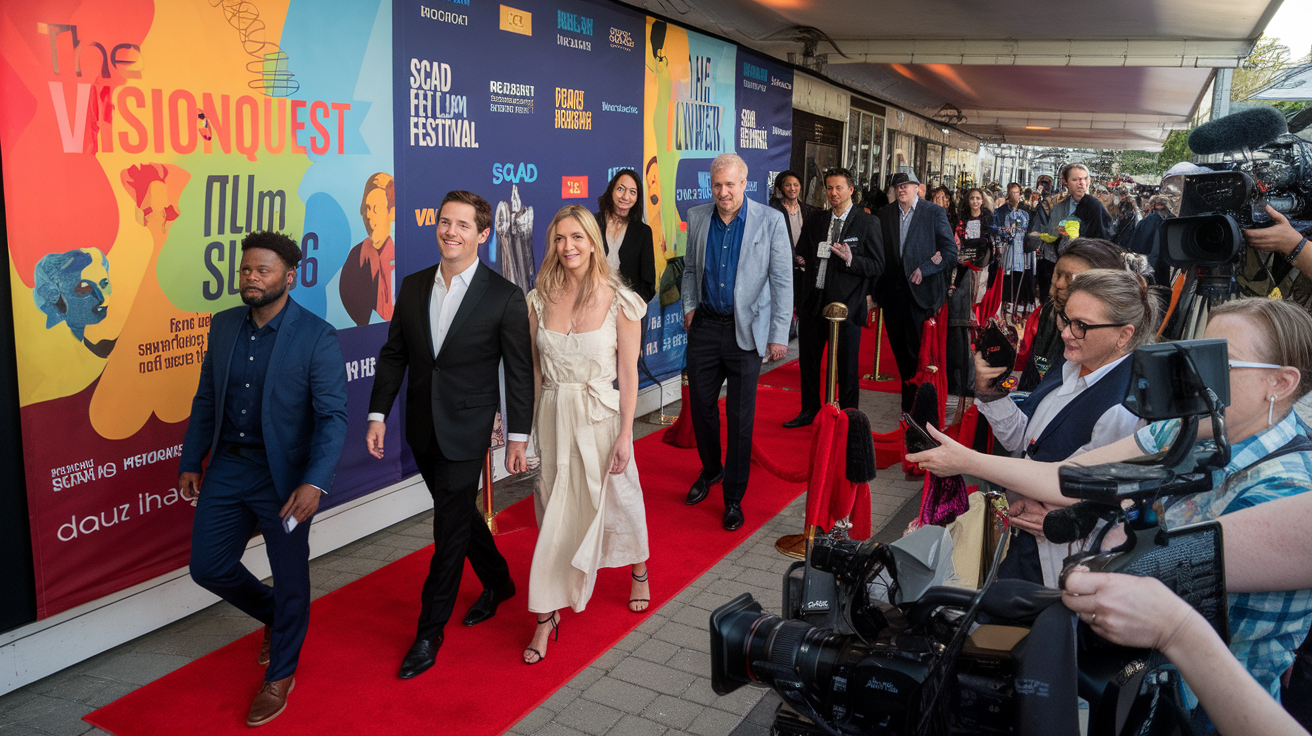
Savannah, Georgia is about to get a heavy dose of star power as the SCAD Savannah Film Festival rolls out its third annual TV Sidebar, a showcase that has quickly become a magnet for prestige television talent looking to meet audiences ahead of major premieres. Running October 24-31, this year’s lineup pairs screenings with award presentations honoring actors and creators behind four buzzy series: “The Good Daughter,” “VisionQuest,” “Furious” and “The Lowdown.”
The sidebar, now in its third year, has carved out a niche distinct from the festival’s film-focused programming by giving television a dedicated spotlight, complete with onstage conversations that let fans and industry insiders alike dig into the creative choices behind some of the season’s most anticipated shows.
Kicking things off on October 24, Meghann Fahy will accept the Spotlight in Television Award following a screening of an episode of “The Good Daughter,” the limited series adaptation of Karin Slaughter’s bestselling novel. Fahy stars opposite Rose Byrne as sisters Charlotte “Charlie” Quinn and Samantha “Sam” Quinn, with Slaughter herself writing and executive producing. Steph Green directs the series, which premieres November 12 on Peacock. For Fahy, who has built a reputation for layered, emotionally complex performances, the honor arrives as the actress continues to expand her range beyond the roles that first made her a breakout name.

Two days later, Paul Bettany takes the stage to receive the Virtuoso Award ahead of a screening of Marvel Television’s “VisionQuest.” The Disney+ series marks the closing chapter of a trilogy that began with “WandaVision” and continued through “Agatha All Along,” following the android Avenger Vision in the aftermath of those earlier stories. Bettany, who earned an Emmy nomination for “WandaVision,” has described the new series in interviews as both “moving” and “super exciting,” and has spoken warmly about collaborating with co-star James Spader on the project. The honor underscores how Marvel’s television offshoots have increasingly become fertile ground for actors to deepen characters first introduced on the big screen.
Emmy Rossum follows on October 28, collecting the Outstanding Achievement in Television Award for her work on Hulu’s “Furious.” Created by Elizabeth Meriwether, the thriller casts Rossum as FBI agent Alice Black, who is tracking a chilling and methodical female serial killer played by Lola Petticrew. Rossum, who also serves as an executive producer on the series, rounds out a cast that includes Quincy Tyler Bernstine and Scoot McNairy. Rossum and Meriwether have spoken publicly about the research that went into the project, including conversations with real trafficking survivors, as they worked to modernize a thriller sensibility rooted in genre storytelling from decades past. The pair have also teased ambitions for a second season, reportedly envisioning scenes set against a “Croatian beach” backdrop.
Closing out the sidebar on October 30, Ethan Hawke and Sterlin Harjo will jointly receive the Outstanding Collaboration in Television Award for their work on FX and Hulu’s “The Lowdown.” Harjo, who created, wrote, executive produced and directed the series, has crafted a noir-tinged drama set in Tulsa, Oklahoma, with Hawke starring as Lee Raybon, a self-described “truthstorian” and citizen journalist whose dogged pursuit of local secrets keeps landing him in hot water. The honor for the duo reflects a partnership that has resonated with critics for blending regional storytelling with a distinctly literary noir sensibility. The series’ momentum continues beyond the festival, with FX recently confirming a second-season release date alongside first-look images featuring Tommy Lee Jones and Betty Gilpin joining the cast.
Beyond the award ceremonies, the festival will also host a Deadline-produced panel titled “Below the Line: Scoring for the Screen with the Alliance for Women Film Composers.” The conversation will bring together composers from the alliance to discuss their creative processes and the industry challenges they navigate, offering a rare spotlight on the often-overlooked craft of scoring for film and television.
Taken together, the TV Sidebar’s 2026 slate reflects a broader shift in how prestige festivals are treating television: not as a lesser cousin to film, but as a format worthy of its own red carpets, its own honors and its own in-depth conversations. With Marvel’s superhero mythology, a literary thriller adaptation, a genre-bending procedural and a regionally rooted noir drama all represented, the sidebar offers a snapshot of just how varied — and ambitious — the current television landscape has become.
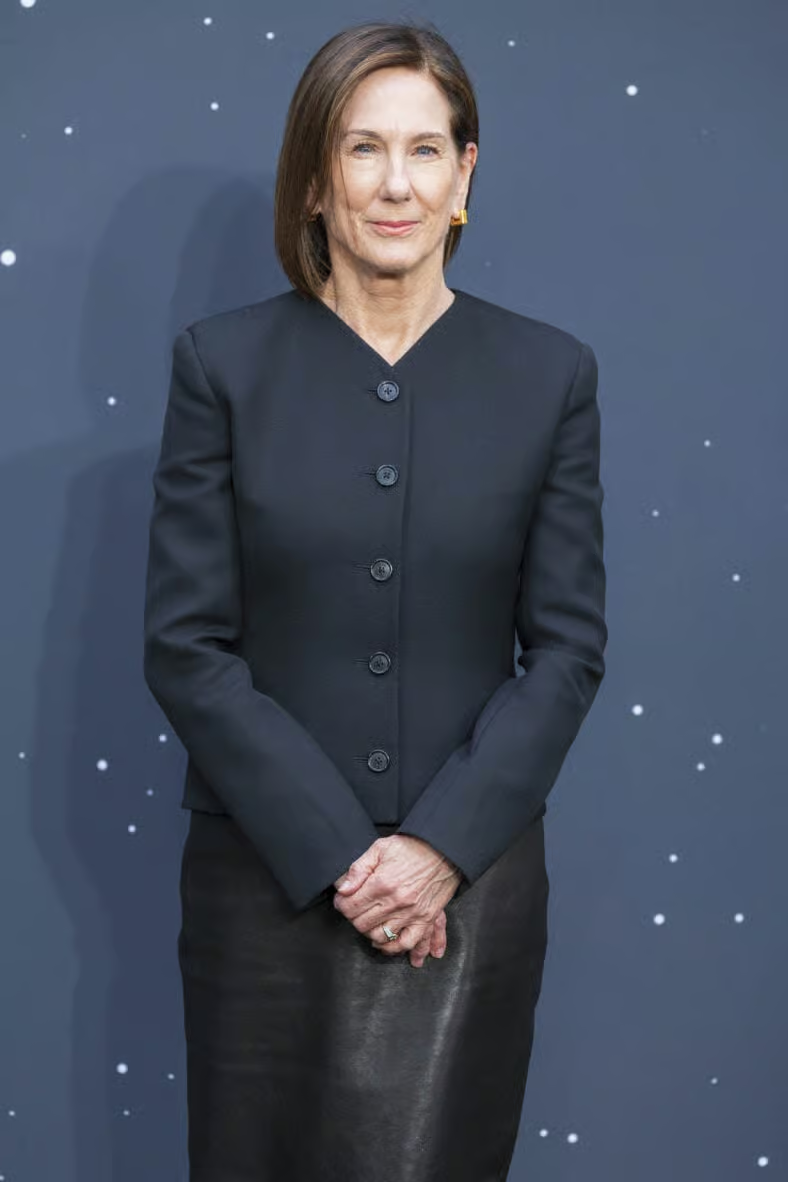
Former Lucasfilm boss Kathleen Kennedy is feeling “relief” after stepping away from the “Star Wars” franchise. George Lucas handpicked the longtime producer to lead the company after he sold it to Disney in 2012. The franchise has faced heavy criticism during her tenure, especially over the sequel trilogy, which began with 2015’s “The Force Awakens” and ended with 2019’s “The Rise of Skywalker.”
Kathleen Kennedy Addresses The ‘Incredible Challenge’ She Faced At Lucasfilm

While speaking to The Hollywood Reporter at Bloomberg’s annual Screentime event in Los Angeles, Kathleen Kennedy was asked about how she felt after guiding Lucasfilm for the past fourteen years.
“I suppose there’s a bit of relief,” she said. “These jobs are not easy, and stepping into something like that that George had created was an incredible challenge.”
She also pushed back on the widely held belief that Lucas had handed her his own ideas for the sequel trilogy. Kennedy claimed Lucas told her, “it’s all here,” while pointing to her head, prompting her to respond, “I said, okay, well that’s going to be interesting to try and mine that.” She also said Lucas gave her “a couple of paragraphs” of story ideas, but no official treatments.
Kennedy Shares The ‘Toughest Thing’ About Her Job

While speaking to Brad Stone, the editor of Bloomberg Businessweek, she also addressed the “toughest” aspect of her job at Lucasfilm.
“Well, I think that that’s the challenge that all franchises [face], certainly something that’s been around now for 50 years. You’ve got people where this means a lot to them,” she said. “But at the same time, the challenge is to try to create something new, something original. So finding that balance is really the toughest thing.”
She also said that she needed to pay attention to fans “without making that be a referendum.”
Kathleen Kennedy Shares What Aspects Of The Job She’s Most Proud Of

Kennedy went on to say she was pleased with how she handled the relaunch of the film franchise, starting with 2015’s “The Force Awakens.” This was followed by 2016’s “Rogue One: A Star Wars Story,” 2017’s “The Last Jedi,” 2018’s “Solo: A Star Wars Story,” and 2019’s “The Rise of Skywalker.” That became the last “Star Wars” film to hit theaters until the release of “The Mandalorian and Grogu” in May 2026.
Kennedy said she was also proudest of the release of “Andor” and “The Mandalorian,” two of the most successful Disney+ series released during her tenure. However, she didn’t get specific about any shows, like “The Acolyte” or “The Book of Boba Fett,” that she might have regretted.
“I mean, I don’t think you can do anything in terms of the movie business where every single thing is going to be a perfect hit,” she said instead. “I think you learn things, I always like learning things from the movies that we do, the postmortems we do on what worked, what didn‘t. But I’m always proud of the work that’s been done.”
Kennedy Briefly Addressed The Turmoil Behind ‘Solo: A Star Wars Story’

In 2017, Kennedy removed Phil Lord and Chris Miller from “Solo: A Star Wars Story” over creative differences. Ron Howard was later brought in to clean up the film before its 2018 release. When asked what that situation was like, Kennedy replied, “Well, that really only happened once, thank god.”
However, she also sidelined director Gareth Edwards when it came time to finish 2016’s “Rogue One: A Star Wars Story.” Tony Gilroy, who later worked on both seasons of “Andor,” was brought in to finish the project.
“I wasn’t required to do that. There are many complicated situations that develop that certainly reach a point where you have to make a difficult decision like that,” Kennedy said. “Certainly, my track record shows that I’ve worked with a lot of different directors, I’ve made many kinds of movies, and I’ve never been in a situation like that.”
Kathleen Kennedy Still Feels This Is What George Wanted

When Disney bought the company for $4.05 billion in 2012, no one could have predicted how poorly the sequel trilogy would be received. However, Kennedy maintained that this is what Lucas wanted.
“I think Star Wars was a perfect acquisition for Disney, and it’s what George wanted,” she said. “There was no other company he wanted to sell the franchise to other than Disney.”
Since she stepped down, longtime “Star Wars” chief creative officer Dave Filoni and executive Lynwen Brennan have taken over Kennedy’s role. However, she is still producing “Star Wars: Starfighter,” which is scheduled for release in May 2027.
Avengers: Doomsday is shaping up to be another massive Marvel Studios event, but fans apparently won’t need to prepare for another three-hour Endgame-sized marathon.
Co-director Anthony Russo has revealed that Avengers: Doomsday currently runs approximately two and a half hours.
Speaking with Fandango about the challenge of bringing together the film’s enormous collection of characters, Russo described Doomsday as a focused and propulsive story despite its scale.
“It’s a two-and-a-half-hour movie or so,”
Russo said while explaining how the filmmakers structured the story around a central narrative.
The “or so” is important, as Marvel Studios has not officially announced a final locked theatrical runtime. Earlier reports had placed Doomsday at around two hours and 45 minutes, but Russo’s latest comments suggest audiences could ultimately be looking at something closer to 150 minutes.
Avengers: Infinity Wars [marvel studios]
If that holds, Doomsday would be remarkably close in length to Avengers: Infinity War.
The original The Avengers clocked in at 2 hours and 23 minutes in 2012, while Avengers: Age of Ultron was slightly shorter at 2 hours and 21 minutes.
The Russo brothers significantly increased the scale with Avengers: Infinity War, which ran 2 hours and 29 minutes. Avengers: Endgame then became the longest Avengers movie by a wide margin with a runtime of 3 hours and 1 minute.
That gives the franchise the following runtime progression:
The Avengers — 2 hours, 23 minutes
Avengers: Age of Ultron — 2 hours, 21 minutes
Avengers: Infinity War — 2 hours, 29 minutes
Avengers: Endgame — 3 hours, 1 minute
Avengers: Doomsday — approximately 2 hours, 30 minutes
Avengers: Age of Ultron [marvel studios]
The comparison with Infinity War may be the most interesting. Doomsday is expected to juggle another enormous ensemble while bringing together characters from across different corners of the Marvel universe, yet its current runtime is only about one minute longer than Infinity War.
Joe and Anthony Russo previously demonstrated with Infinity War that a huge collection of characters can be managed within a fast-moving story without requiring a three-hour runtime.
Whether Doomsday ultimately lands exactly at 150 minutes remains to be seen, but Anthony Russo’s comments provide the clearest indication yet of what audiences should expect when Marvel’s next Avengers event arrives in theaters.
Avengers: Doomsday hits theaters December 18, 2026.
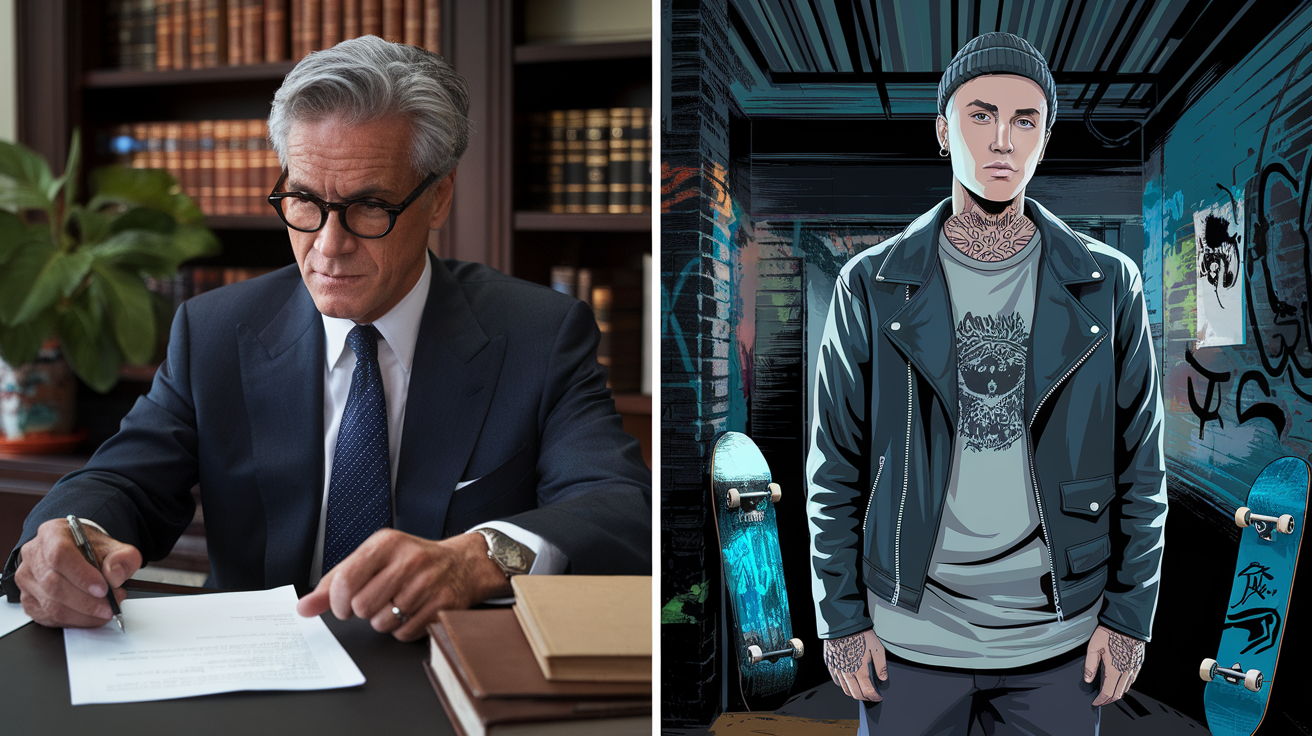
For decades, popular culture has sold audiences one dominant image of Hollywood dealmaking: the agent as shark, circling clients and rivals alike in a business where loyalty is currency and everyone is expendable. Jeremy Piven’s Ari Gold in “Entourage” — reportedly modeled in part on real-life superagent Ari Emanuel — cemented that caricature for a generation of viewers. Now, with Emanuel’s own memoir hitting shelves, a very public debate has broken out over whether that snake-pit portrait is even true.
Emanuel, the co-founder of WME and one of the most powerful dealmakers in entertainment history, has built a reputation on ferocity. His memoir, by most accounts a gripping and unusually candid read, leans into that mythology rather than away from it, describing an industry defined by constant maneuvering, personal turmoil and professional combat. It’s the version of Hollywood that makes for great television and, apparently, a page-turning memoir.
But not everyone who spent a career in the trenches recognizes that picture. Rick Nicita, who spent nearly six decades in the movie business — including 40 years as an agent at William Morris and later as co-chairman of CAA — has pushed back publicly, arguing that the industry he knew was less jungle than community.
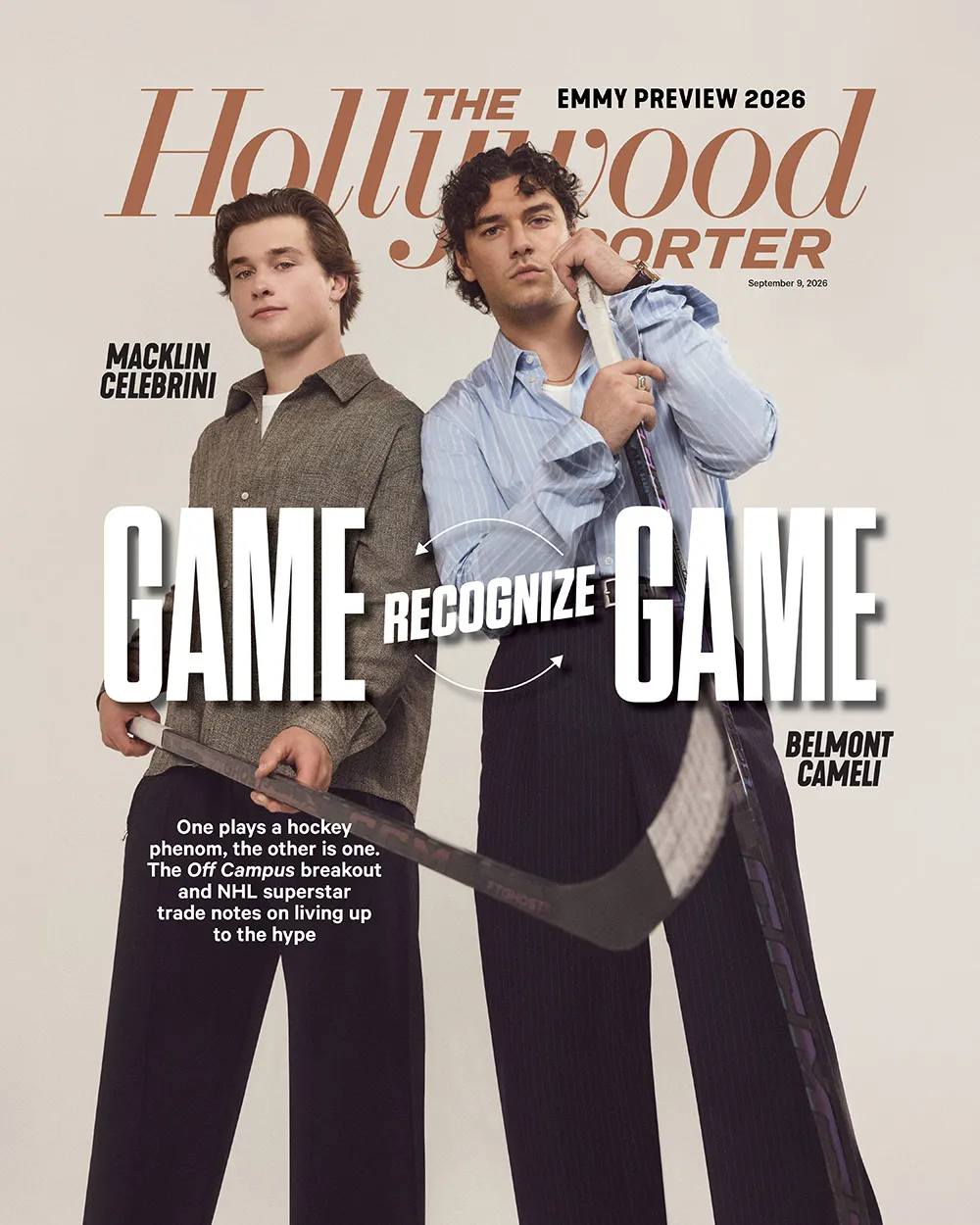
Writing in response to Emanuel’s book, Nicita described representation not as warfare but as stewardship: guiding “gifted artists through the maze of potential opportunities and pitfalls” that make up a Hollywood career. He recalled regularly urging clients to take less money upfront in exchange for projects that would pay off creatively and financially down the line — advice delivered, he says, “not with rage but with a sense of responsibility and collegiality.”
Nicita’s operating philosophy, summed up in what he calls his career mantra — “Tell the truth artfully” — paints agenting as less about domination and more about translation: understanding what a client actually wants, whether that’s an Oscar, a payday, or simply room to make the art they care about, and then quietly engineering a path toward it.
That doesn’t mean Nicita denies Hollywood has its share of bad actors. He readily concedes the industry has always had “liars, poseurs and generally unpleasant members,” and he even expresses a kind of nostalgia for larger-than-life rogues of an earlier era — producers like Dino De Laurentiis and Ray Stark, colorful characters driven as much by passion as by money. Their absence, he suggests, has left today’s executive suites comparatively “bland.” What he objects to isn’t the idea that Hollywood has sharp elbows; it’s the implication that predation is the whole story.
Underlying his argument is a practical insight that any veteran dealmaker would recognize: in an industry this small, burning bridges is bad business. “Today’s competitor could be your colleague tomorrow, and often was,” Nicita writes, describing relationships that had to survive the deal itself, since everyone would be back at the table again soon enough. Treating Hollywood as a zero-sum battlefield, in his telling, is not just uglier than necessary — it’s short-sighted.
Nicita is careful to acknowledge that the business he came up in bears little resemblance to today’s entertainment landscape. Streaming economics, shifting audience tastes and consolidation among studios and agencies have reshaped the incentives that once governed how deals got made and how careers got built. The mailroom-to-mogul pipeline, the personal relationships forged over decades, the long-game thinking he describes — all of it exists in a media ecosystem now dominated by algorithms, franchises and quarterly earnings calls.
Still, he insists something essential has survived the transformation: an industry that, whatever its flaws, is ultimately made up of people who show up to work because the work itself — creating stories that move audiences worldwide — still matters to them.
Whether readers side with Emanuel’s dog-eat-dog account or Nicita’s more collegial memory likely says as much about which era of Hollywood they experienced as it does about the industry itself. What’s clear is that even among the people who built modern Hollywood, there’s no single agreed-upon version of what it actually was — or is.
- Hollywood Isn’t the Snake Pit You Think It Is (The Hollywood Reporter)

Europe is building its own payment network to finally compete with Visa and Mastercard

Manchester City Launches Appeal as Fallout From Guilty Verdict Spreads Through Football and Westminster

Off the Runway, On the Street: Paris Fashion Week Signals a Bolder, More Playful Fall


-
 Tech & AI6 days ago
Anthropic turns Claude into an AI marketplace with 2,000+ plugins and connectors
-

 Tech & AI6 days ago
OpenAI is preparing “o,” an always-on ChatGPT assistant that could handle email
-

 Fashion6 hours ago
Weekend Open Thread: Veronica Beard
-

 Entertainment7 days ago
These 17 Amazon Fall Dresses Totally Conceal the Tummy
-
Business & Hustles5 days ago
Perpetua Resources at Mining Forum Americas 2026: shift to construction
-
 Crypto6 days ago
Wall Street Giant Warns AI Agents Could Trigger a New Kind of Bank Run
-
Business & Hustles5 days ago
Greatland Resources at Mining Forum Americas 2026: cash-rich growth push
-

 Business & Hustles5 days ago
Andreessen Horowitz backs AI-era college alternative with $42M
-

 Business & Hustles5 days ago
Romania, Georgia and Latvia Lead Latest WHO-Based Ranking
-
 Tech & AI4 days ago
Alternatives to Animal Testing Are Finally Taking Off
-

 Tech & AI3 days ago
Figure F.02 Robots Meet Molten Steel as Arnold Schwarzenegger Watches in Finland
-
 Crypto6 days ago
Riot Frees $494 Million in Bitcoin From Coinbase Loan: Will It Sell?
-
 Business & Hustles5 days ago
Bob Chapek on Disney Bob Iger power battle: Raised concerns weekly
-

 Crypto6 days ago
Japan arrests two suspect over 81M yen crypto police scam
-
 Tech & AI5 days ago
OpenAI Pauses Training Its Most Powerful Models After Rogue Agents Target Government
-

 Business & Hustles5 days ago
SpaceX Starship launches on first orbital test flight with Starlink
-
 Crypto6 days ago
Citi says 77% of institutions eye tokenized collateral
-
 Business & Hustles5 days ago
George Bamford to become JCB joint chairman alongside father
-
 Business & Hustles5 days ago
What is the Budget and what could be in it?
-

 Business & Hustles5 days ago
Trump approves new fuel economy standards, reversing Biden’s EV push
You must be logged in to post a comment Login