
Business & Hustles
Delta Pushes Back Historic Saudi Arabia Route to March After Deadly Airport Attacks Kill 12

Delta Air Lines has pushed back the launch of its highly anticipated nonstop Delta Saudi Arabia flights until March, scrapping its October 23 debut after a wave of deadly attacks on Riyadh’s main airport left the route’s short-term future in doubt.
The Atlanta-to-Riyadh service, which would have been the first nonstop commercial flight between the United States and Saudi Arabia ever operated by a U.S. carrier, was set to launch aboard a wide-body Airbus A350-900 later this month. Instead, Delta says it now needs several more months before it can safely begin flying into King Khalid International Airport, which remains closed following strikes that killed at least 12 people and wounded more than 300 others.
Houthi Attacks Upend Delta Saudi Arabia Flights Timeline
The violence escalated sharply over the weekend when a projectile struck a passenger terminal at the Riyadh airport, part of a series of attacks claimed by Yemen’s Iran-backed Houthi rebels. Since Thursday alone, more than 2,000 flights to and from the airport have been canceled, according to flight-tracking service FlightAware, effectively paralyzing one of Saudi Arabia’s busiest aviation hubs.
The disruption prompted the Federal Aviation Administration on Sunday to issue a formal warning advising U.S. airline pilots to “exercise caution” in and around Saudi Arabian airspace because of “safety-of-flight risks associated with ongoing military activities” and navigation interference. The advisory, which remains active until December 10, cautioned that the threat could endanger “aircraft at all altitudes,” not just those on approach or departure.
Multiple airlines beyond Delta suspended service to Riyadh in the wake of the attacks, with some halting flights for the remainder of the week. The U.S. and Australian governments have both advised their citizens against travel to the region, underscoring how quickly the security picture around the Saudi capital has deteriorated.
Delta Says Safety Will Dictate the Final Call
Delta CEO Ed Bastian had signaled just days before the delay was announced that the airline was weighing its options but had not yet made a final decision. “Obviously, we were disappointed to see the news this week,” Bastian told CNBC last Thursday. “Safety is going to make the call.”
That calculus shifted once the attacks intensified over the weekend and the FAA issued its warning. In a statement, Delta said it remains “in close contact with relevant government and aviation partners, including Saudia and Riyadh Air, as we monitor the situation.” The airline added that “Saudi Arabia remains an important market for Delta, and we are committed to serving the Kingdom for the long-term.”
That long-term commitment underscores just how significant the Delta Saudi Arabia flights route is viewed within the industry. Direct service between the two countries has long been absent despite deep commercial, diplomatic and energy ties, and Delta’s planned launch was seen as a milestone moment for U.S.-Saudi aviation links as the kingdom pushes to expand its tourism and business travel sectors under its broader economic diversification plans.
What Comes Next for Travelers and the Route
For now, Delta has not announced an exact March launch date, saying only that it intends to begin the route once conditions allow. The airline’s decision to delay rather than cancel suggests confidence that the security situation around King Khalid International Airport will stabilize in the coming months, even as the airport remains shuttered as of Monday.
Industry watchers note that the episode highlights the broader vulnerability of air travel to regional conflicts far from U.S. shores. The Houthi attacks on Riyadh’s airport, part of a wider pattern of strikes linked to the group’s ongoing confrontation with Saudi-led forces, have already forced a cascade of flight cancellations across multiple carriers and left thousands of travelers scrambling for alternatives.
Until the airport reopens and safety conditions improve, passengers hoping to fly nonstop between the U.S. and Saudi Arabia will have to wait. Delta’s postponed Delta Saudi Arabia flights now stand as a reminder of how geopolitical instability can abruptly reshape even the most carefully planned expansions in global aviation.
Explore more on this topic with Vexel Search.
WordUp Morning
Ten stories, both sides of each, in five minutes. Free, every weekday at 7am, plus a Saturday weekend edition.
We'll email you a link to confirm. Unsubscribe any time.


Header image: AI-generated illustration by WordUp News.
Amazon Autos is heading to Britain. The retailer says it will begin selling cars in the UK in early 2027, the first time the service has operated outside the United States. Shoppers will be able to reserve a vehicle for £99 without leaving the Amazon site.
How the Amazon Autos reservation process will work
The model is less “buy a car with one click” than “start your car purchase on Amazon.” Customers can browse new and used vehicles, check finance options and put down the £99 to reserve a car. The paperwork, finance agreement and collection all happen at a local dealership, which means the sale is completed by the dealer rather than by Amazon.
Listings can be searched by make, model, colour and price. Buyers can compare personal contract purchase, hire purchase and cash routes. Amazon is promising upfront pricing, instant part-exchange estimates and details of nearby dealers. Petrol, hybrid and electric cars will be offered, including Hyundai’s new European-built Ioniq 3 compact electric hatchback.
Hyundai and Vertu Motors lead the line-up
Hyundai is the first confirmed manufacturer partner, as it was in the US, and used-car dealer group Vertu Motors is the first named retailer. Amazon says more carmakers and dealers will be announced in the coming months. Matt Nuffort, director of Amazon Autos International, said buying a car should feel as “simple and transparent” as shopping for anything else on Amazon, and that dealers were consulted in designing the experience.
The pitch to carmakers is mostly about footfall. Amazon points to US data showing that 78 per cent of Amazon-influenced Hyundai buyers were new to the brand, suggesting the platform can steer fresh customers into showrooms.
A disruption threat for Autotrader, or a slow burn?
TechRadar reports that experts believe the arrival could “seriously disrupt” established UK car marketplaces such as Autotrader. The US record offers a more mixed guide. Amazon Autos has grown from 48 cities at launch to more than 150 and now works with thousands of dealers. It lists 14 brands that sell both new and used cars, plus 21 that sell used only, 35 in all.
The business model may appeal to dealers. According to Amazon’s own FAQ, as reported by Engadget, it takes no commission on sales. Revenue comes from advertising and subscription fees paid by dealers, which also means Amazon earns money whether or not a particular car sells.
That arrangement has drawn criticism. Earlier this year Automotive News reported that some US dealers felt Amazon had been “slow to deliver tangible results,” with some seeing only one or two sales a month from the channel. How British dealers fare may decide whether the UK expansion becomes a serious rival to existing marketplaces or just one more place to advertise stock.
For UK buyers, the practical change is small but notable. A £99 reservation, clearer pricing and finance comparisons in one place could make the early stages of car shopping easier, though the showroom visit is not going away yet.
- Amazon Autos is coming to the UK — with car reservations starting at £99 (techradar.com)
- What we know about Amazon Autos coming to the UK (The Independent)
- Amazon Autos is coming to the UK in its first expansion outside the US (engadget.com)
Explore more on this topic with Vexel Search.
WordUp Morning
Ten stories, both sides of each, in five minutes. Free, every weekday at 7am, plus a Saturday weekend edition.
We'll email you a link to confirm. Unsubscribe any time.
Business & Hustles
Poundland administration puts 11,000 jobs at risk weeks before Christmas as 600 stores face break-up
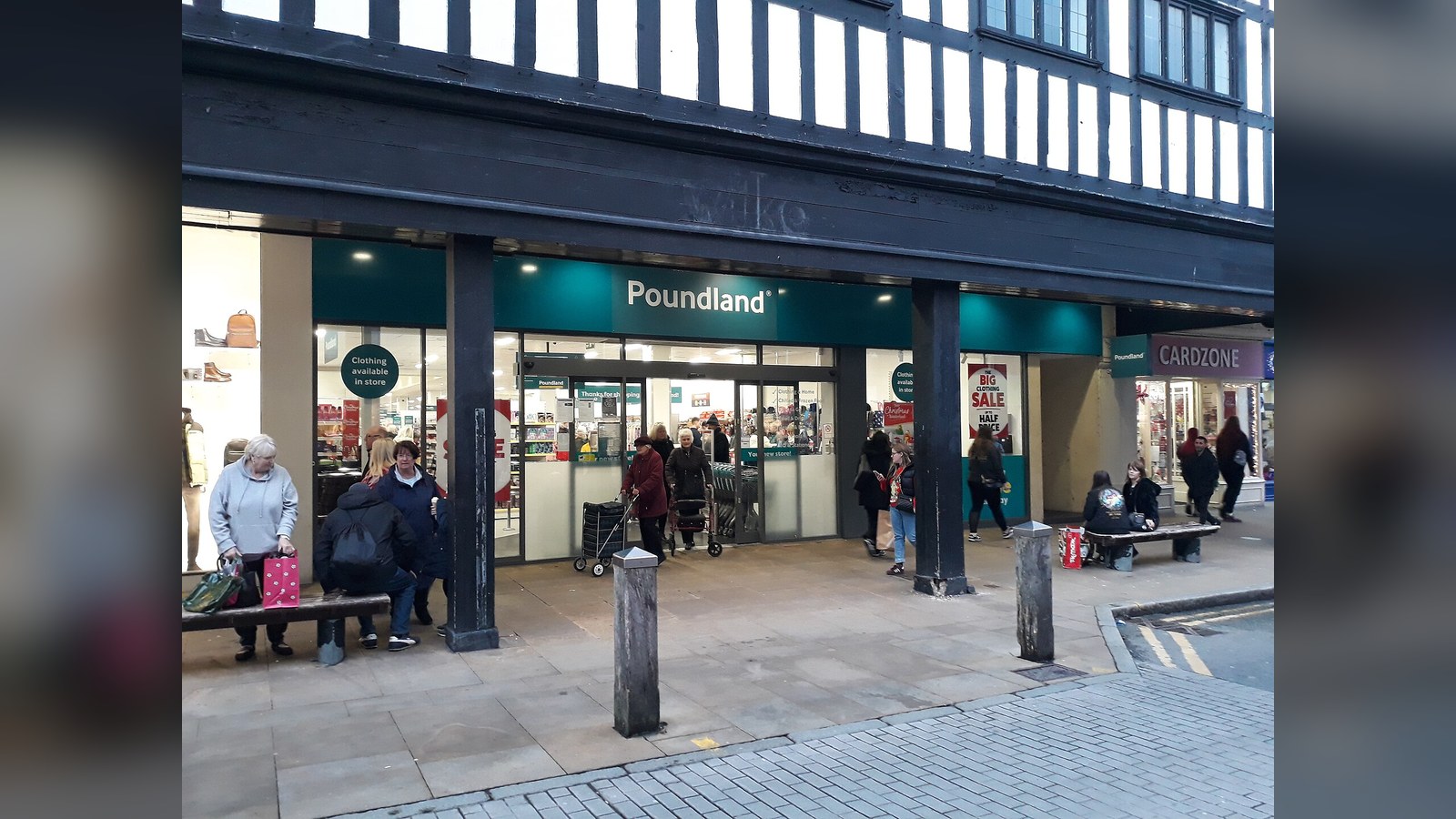
The Poundland administration, confirmed late on Wednesday, puts around 11,000 jobs at risk and leaves the future of roughly 600 shops in doubt, just weeks before the Christmas trading period. The discount chain’s owners failed to land a buyer for the business before a key deadline, and AlixPartners has been appointed as administrator.
For now, nothing changes on the shop floor. Stores and distribution centres will keep trading while the administrators look at “all options”, including selling the business whole or in parts. In practice, most reports expect a break-up, with Tesco and B&M among the retailers said to have shown interest in buying stores or other assets.
Why the Poundland administration happened
The immediate cause, according to chief executive Barry Williams, was money. In a note to staff he said the US owner, Gordon Brothers, withdrew “all borrowing facilities and access to our bank accounts” on 27 October. He said adequate funds were not released afterwards, leaving the board with “no alternative” but to seek administration. Reports say the squeeze meant shelves were not being restocked quickly enough ahead of the festive rush.
Gordon Brothers tells a different story. It says it lent the business £85m over a year to keep it out of insolvency, and that it stepped in during 2025 when “no-one else was willing to finance the business”. It also warns that, despite a turnaround under current management and a reduced cost base, Poundland remains vulnerable to inflation and any dip in sales or margins.
The loan at the centre of the failed rescue talks
One of the main sticking points was a shareholder loan that Gordon Brothers inherited when it bought the company from Pepco for a nominal sum of £1 or less. Of that loan, Gordon Brothers was owed £22.5m and Pepco £7.5m. Suitors were asked to deal with it, and none managed to do so on terms acceptable to the owner.
Martin Property Group offered to pay £5m up front and defer the rest until 2030. Xyra offered £12.5m up front but ran out of time to complete a deal. Zachert Private Equity is understood to have made a late approach. All were turned down, with offers to buy the business as a going concern rejected.
Political and union anger
The fallout is already political. Prime Minister Andy Burnham called Poundland “part of the fabric” of high streets and communities, said the timing would be “deeply concerning” for workers and their families, and argued that administration at least lets other buyers step forward. Business Secretary Jonathan Reynolds had met executives on Monday in the hope a sale could still be reached.
MPs have accused Gordon Brothers of deliberately cutting off funds and pushing the retailer to the brink. Labour MP Liam Byrne said the Commons business committee will recall the firm, warning of a “greed is good” approach and asking how much money is being taken out. Critics have suggested the firm could recoup its loans, and more, from the insolvency process, pointing to its earlier profits from the LK Bennett collapse. Gordon Brothers denies it hoped to profit from a piecemeal sale. The committee has also asked its regional managing director, Mark Newton-Jones, to give assurances that the firm will not move to liquidate Poundland’s stock. None of these accusations has been tested or proven.
The Usdaw union called the news “devastating” for members who were recently praised for helping turn the business around. It said Gordon Brothers had failed to engage with the union, which it called “a disgraceful way to treat our members”.
What it means for staff and shoppers
For employees, the human cost is stark. Kelvin Blake, 62, has worked for Poundland for 25 years, and his partner for 29. He told the BBC he feels “down, depressed” and fears his age will count against him in finding work. “My income’s gone,” he said, adding that staff will keep working until told otherwise.
Gordon Brothers closed more than 100 shops during its overhaul, and any further closures will depend on what the administrators can sell and to whom. Whether the final outcome protects jobs or mainly benefits creditors will be the key test of the Poundland administration, and MPs have made clear they intend to scrutinise it closely.
- Poundland collapses putting 11,000 jobs at risk (BBC)
- Poundland falls into administration with 11,000 jobs at risk (The Independent)
- Poundland falls into administration with 11,000 jobs at risk (standard.co.uk)
Explore more on this topic with Vexel Search.
File photo: Fomer Wilko store in Chester became Poundland.jpg by Nabokov, CC0, via Wikimedia Commons.
WordUp Morning
Ten stories, both sides of each, in five minutes. Free, every weekday at 7am, plus a Saturday weekend edition.
We'll email you a link to confirm. Unsubscribe any time.
Business & Hustles
Asos Data Breach Far Deeper Than First Admitted, Exposing Millions’ Search Histories and Birthdates
The Asos data breach has turned out to be far more extensive than the online fashion retailer initially let on, with hackers now confirmed to hold names, home addresses, phone numbers, dates of birth and even customers’ search histories, rather than the “basic contact details” the company first described.
The scale of the intrusion came to light after cyber criminals contacted the BBC directly and shared samples of the stolen data, prompting Asos to send customers an updated warning that went well beyond its original, more reassuring statement. The admission has reignited questions about how retailers communicate the true severity of a cyber incident in the critical hours after it occurs.
The saga began on Tuesday when Asos app users around the world received an alarming pop-up notification reading “Asos hacked,” complete with a link directing them to a Telegram channel run by a group calling itself Xuanyewen, or the Xuanye Group. Asos later confirmed to shareholders via the London Stock Exchange that an “unauthorised third party” had triggered the notification and that “basic personal information including name and contact details may have been accessed.” A near-identical message was then emailed to customers.
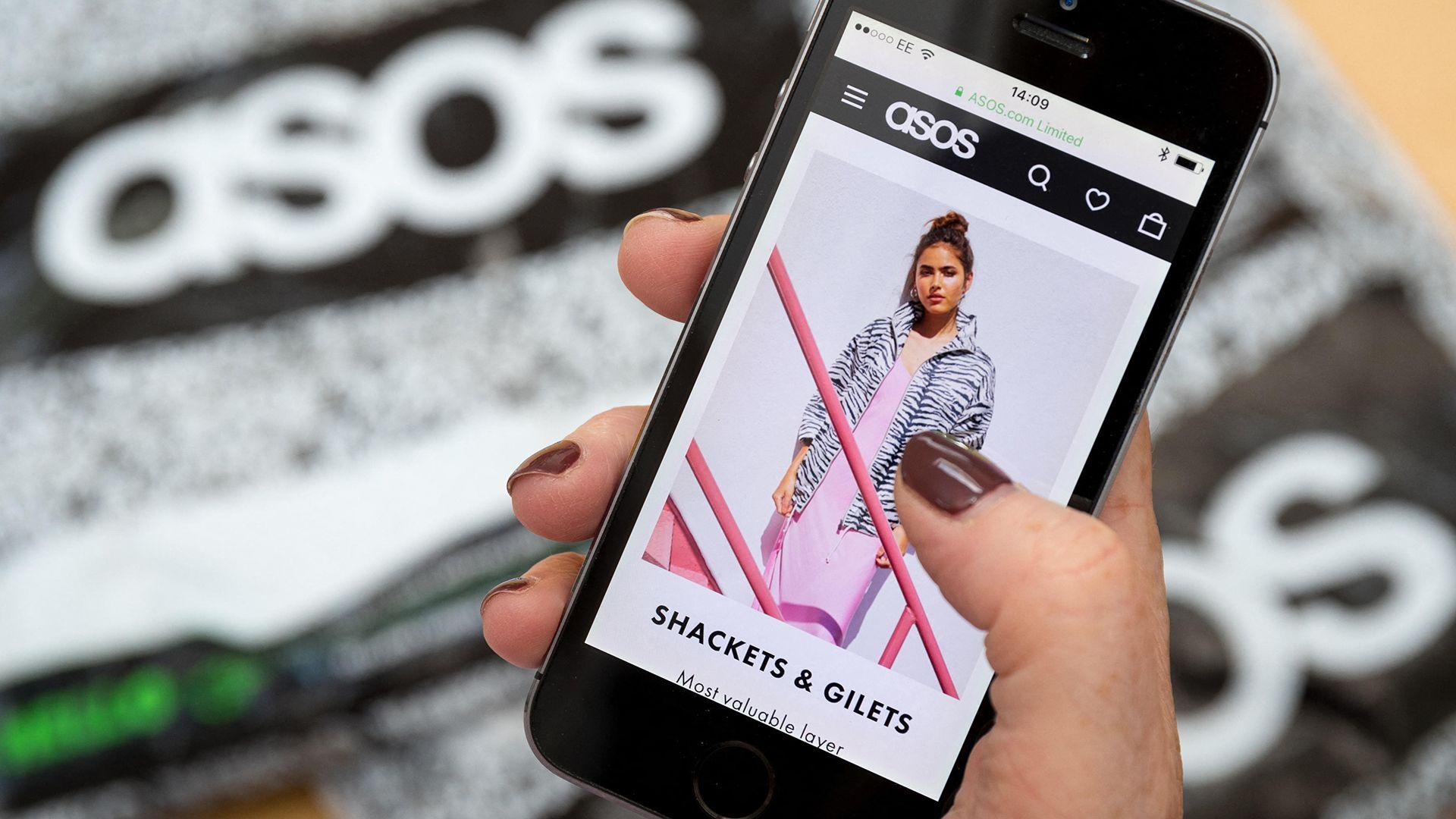
But that account proved incomplete. On Wednesday evening, the hackers responsible reached out to the BBC and provided evidence showing the true extent of the Asos data breach, including search terms customers had typed into the app, such as “reclaimed vintage,” “glamorous wide fit” and “Asos petite.” One affected customer, who said she had used the platform since 2019, told the BBC it was “very unsettling” to learn hackers now knew such personal details about her shopping habits.
How the Asos data breach happened
According to Asos, the attackers did not breach its core systems directly. Instead, they gained access to an Asos employee’s account by “impersonating a trusted contact” to obtain login credentials. Those credentials were then used to access information held on third-party platforms used by the retailer, which were “immediately locked down” once the intrusion was discovered.
The hackers told the BBC they used a tool called Simon AI, built on top of the cloud data platform Snowflake, to extract the customer records. Snowflake has previously been linked to a wave of breaches at other major companies after attackers exploited stolen login credentials rather than any flaw in Snowflake’s own systems, and the company has said again that its platform itself was not compromised. Simon AI has been approached for comment.
Asos has stressed that no passwords or payment card details were taken in the breach, and that its website and app remain safe to use. “We know our customers trust us with their information,” the company said, adding that it had “already taken additional steps to further strengthen security controls” and was working with law enforcement and regulators as its investigation continues.
Why the extra data matters
Cybersecurity experts say the broader set of information exposed in the Asos data breach is far more dangerous in the hands of criminals than basic contact details alone, because it can be woven into convincing impersonation attempts. Simon Phillips, chief technology officer at CybaVerse, noted that since Asos routinely emails customers reminders about items they have searched for, attackers now have the raw material to craft “highly convincing scams” disguised as genuine Asos messages.
Trevor Dearing, senior director of critical infrastructure at Illumio, urged customers to be sceptical of any unsolicited contact referencing the hack. “Passwords have not been stolen, so be highly suspicious of any unsolicited text or email asking you to change or share yours,” he said, warning that scammers would likely “mention the attack, use your personal details to seem genuine, and create urgency, such as threatening to lock your account within 24 hours.”
Asos itself echoed that caution in its message to customers: “Please remain cautious of unexpected messages or calls claiming to be from Asos. We will never ask you to share passwords, security codes or payment details through an unsolicited message or call.” The company said it would contact affected customers directly “where we believe additional information, support or action may be required,” though it has not disclosed exactly how many accounts were affected.
A costly blow to customer trust
Beyond the immediate security risk, analysts warn the breach could carry a commercial price. Charles Allen of Bloomberg Intelligence said the incident might “temporarily cap the pace” of Asos’s efforts to rebuild sales and profits following the boom-and-bust cycle the retailer experienced around the pandemic. “The loss of customer trust could weigh on efforts to rebuild its client base,” he said.
For now, the group behind the attack has publicly insisted that “payment information is not affected,” a claim Asos has corroborated. But with names, contact details, birthdates and intimate browsing habits already circulating among criminals, experts say the real test will be how customers respond to the inevitable follow-up scams — and how transparent Asos proves willing to be if the scope of the breach widens further.
Explore more on this topic with Vexel Search.
WordUp Morning
Ten stories, both sides of each, in five minutes. Free, every weekday at 7am, plus a Saturday weekend edition.
We'll email you a link to confirm. Unsubscribe any time.
Business & Hustles
Shein’s UK Sales Surge to £2.58bn, Overtaking Asos as Pressure Mounts to Close Tax Loophole
Shein’s UK sales have rocketed past British rival Asos, with the Chinese-founded fast-fashion giant posting a 26% jump in revenue to £2.58bn for the past year, according to accounts filed at Companies House. The figures mark a symbolic turning point for the online retail sector and are likely to intensify scrutiny of the tax rules that have helped power Shein’s rapid ascent.
By comparison, Asos recorded sales of £2.47bn for the year to 31 August 2025 — a figure that, unlike Shein’s UK-specific number, includes revenue from outside Britain. The contrast underlines just how dominant Shein has become in the UK market in a relatively short space of time, eclipsing a company that was once considered the gold standard of British online fashion.
Shein’s pre-tax profits in the UK rose 18% to £45.2m, even as staff numbers at its UK arm grew to 113 from 91 the previous year, mostly in sales and marketing roles. The company paid £11.2m in current tax, up from £9.6m, largely attributed to corporation tax. Shein credited part of its growth to high-profile marketing tie-ups, including partnerships with the Wireless and Creamfields music festivals, a pop-up shop on London’s Oxford Street, and Christmas events in Edinburgh, Manchester, Liverpool and London.
Shein UK sales growth puts spotlight on duty-free loophole
The strength of Shein’s UK sales is expected to sharpen pressure on the government to act faster on the so-called “de minimis” rule, which allows overseas retailers to ship goods worth £135 or less directly to British shoppers without paying import duty. Critics argue the exemption has given Shein and fellow Chinese retailer Temu an unfair advantage over domestic competitors by letting them flood the UK with ultra-cheap parcels free of customs charges.
Former chancellor Rachel Reeves had pledged to scrap the UK’s de minimis threshold by 2028, but several leading retail executives have urged ministers to move far sooner, warning that British high street and online retailers are being undercut while the loophole remains open. The debate echoes shifts already under way elsewhere: the United States revoked its own de minimis exemption for Chinese-made goods last year, a move that has slowed Shein’s growth in the American market. The European Union has also begun phasing out its equivalent relief, replacing the previous €150 threshold with a flat €3 customs duty from July.
Shein’s business model relies heavily on shipping individual orders directly from Chinese factories to consumers’ homes, keeping each parcel’s value below the threshold that would trigger import taxes. That approach has allowed the company to undercut rivals on price, but it has also drawn accusations that it amounts to a form of regulatory arbitrage that disadvantages retailers who import in bulk and pay duties upfront.
A rocky path to the stock market
Despite the strong UK sales performance, Shein’s broader financial picture has been more turbulent. The company’s global parent listed on the Hong Kong stock exchange last month at a valuation of just over $26bn — a steep comedown from the $100bn valuation it achieved during an April 2022 fundraising round, when it briefly ranked as the third most valuable startup in the world. Plans for a £50bn float on the London Stock Exchange in 2024 were eventually shelved in favour of the Hong Kong listing, as investor concerns about tightening global regulation weighed on the company’s prospects.
Those concerns appear to have been well founded. Last week, Shein reported a 67% fall in group quarterly profits to £173m — its first results since the Hong Kong float — blaming higher oil prices and freight rates linked to the war in Iran. The sharp earnings decline stands in contrast to the buoyant UK sales figures, highlighting the gap between Shein’s regional performance and its overall financial health.
Founded by entrepreneur Chris Xu, Shein runs most of its operations from China while selling exclusively outside the country. It shifted its official headquarters to Singapore at the start of 2022 and has since expanded manufacturing into other countries, including Turkey and Brazil, partly in response to scrutiny over its supply chain. After forced labour allegations were raised against the company, Shein said it had tightened supplier policies and introduced regular audits, with any evidence of child or forced labour now grounds for immediate contract termination.
For now, though, the headline figures tell a simple story: Shein’s UK sales have overtaken those of a once-dominant homegrown rival, and the government faces growing calls to decide how much longer the tax arrangements that helped fuel that growth should remain in place.
- Shein outsells British rival Asos as UK revenue hits £2.58bn (The Guardian)
Explore more on this topic with Vexel Search.
WordUp Morning
Ten stories, both sides of each, in five minutes. Free, every weekday at 7am, plus a Saturday weekend edition.
We'll email you a link to confirm. Unsubscribe any time.
Business & Hustles
Business News Mix-Up: Why a Thai Horror Film Review Replaced Today’s Money Headlines
TITLE: Business News Mix-Up: Why a Thai Horror Film Review Replaced Today’s Money Headlines
KEYWORD: business news
DESCRIPTION: A supposed business news briefing turned out to be a horror film review — here’s what happened and the real money stories readers were missing.
Anyone opening today’s business news briefing expecting market moves, merger talk or banking shake-ups would have been surprised to find themselves reading a review of a Thai horror film instead. The source material assigned for this piece was, in fact, a critique of “Inherit,” a supernatural thriller about a family facing a chemical-leak scandal and an ageless, demon-possessed grandmother — entertaining cinema, perhaps, but not business news by any reasonable definition.
It happens more often than readers might assume. Large news sites bundle culture, lifestyle and business content under one roof, and occasionally the wires get crossed between sections. In this case, a film review clearly intended for an arts and culture audience was the only substantive content available, leaving nothing resembling genuine business news to report on in detail.
What real business news was buried nearby
Interestingly, the same page that hosted the film review also carried a sidebar of “trending articles” — fragments that hinted at the kind of business news actually unfolding elsewhere on the site. Among them: reported merger talks involving Sainsbury’s that commentators suggested could mark “the end of the supermarket big four,” a group of former Whitbread executives said to be plotting a takeover of the Beefeater restaurant chain, a property developer urging the government to cut stamp duty in exchange for a multi-billion-pound windfall, and a note that HSBC was preparing to cut UK wealth management jobs as artificial intelligence takes on more of the workload.
Each of those headlines is the kind of story that normally anchors a solid business news digest — a potential shake-up in grocery retail, a private equity-style move on a well-known hospitality brand, a tax policy debate with billions at stake, and a major bank restructuring its workforce around automation. Unfortunately, the source material available here offered nothing beyond these passing headline mentions, with no further detail, quotes, figures or context to responsibly expand into a full report.
That distinction matters. Good business news reporting relies on verified detail: deal values, confirmed job numbers, company statements, regulatory filings or analyst commentary. Repeating a one-line trending headline as if it were a fully reported story would risk spreading half-formed or inaccurate claims, something a serious business news outlet should avoid even when the temptation to fill space is real.
Why honesty beats invention in business news
It would have been easy to spin the Sainsbury’s or HSBC headline fragments into a more elaborate article, inventing plausible-sounding figures or executive quotes to make it feel complete. But that is precisely the wrong instinct for business news, where readers make decisions — financial, professional, sometimes personal — based on what they read. Fabricating specifics about a bank’s job cuts or a supermarket merger, even if they sound reasonable, would be a disservice dressed up as journalism.
Instead, the honest account is simpler: the material provided for this briefing was a horror movie review, not a market report, and the scraps of genuine business news visible alongside it were too thin to responsibly expand upon. Readers interested in the Sainsbury’s merger talks, the Beefeater takeover bid, the stamp duty campaign aimed at the housing secretary, or HSBC’s wealth division job cuts would be better served seeking out dedicated coverage of those specific stories, where fuller reporting — deal terms, company responses, numbers confirmed by sources — should exist.
For now, the lesson from today’s mix-up is less about centipede demons and ageless grandmothers than about the standards good business news should hold itself to: report what is verified, flag what isn’t, and never let an empty gap in the source material become an invitation to fabricate.
Explore more on this topic with Vexel Search.
WordUp Morning
Ten stories, both sides of each, in five minutes. Free, every weekday at 7am, plus a Saturday weekend edition.
We'll email you a link to confirm. Unsubscribe any time.
Business & Hustles
London’s Greek Restaurant Boom: Inside the Business Behind 2026’s Hottest Dining Trend
TITLE: London’s Greek Restaurant Boom: Inside the Business Behind 2026’s Hottest Dining Trend
KEYWORD: greek restaurant boom
DESCRIPTION: London’s Greek restaurant boom is reshaping the capital’s dining economy, from Michelin stars to Mayfair price tags. Here’s the business story behind the trend.
London’s Greek restaurant boom has quietly become one of the more telling business stories in the capital’s hospitality sector this year, even if the headlines have mostly focused on taramasalata and tzatziki rather than balance sheets. Behind the grilled meats and oregano-dusted salads sits a cluster of entrepreneurs making calculated bets on a cuisine they believe has finally gone mainstream, and the numbers behind their openings say as much about consumer spending patterns as they do about flavour.
Why the Greek restaurant boom is a business story, not just a food one
Restaurant trends rarely arrive by accident. They are shaped by investment decisions, rent negotiations, staffing bets and a read on where disposable income is heading. This year’s wave of Greek openings in central London fits that pattern precisely. Operators have moved into prime postcodes — Borough, Mayfair, Shoreditch — with distinctly different pricing models aimed at distinctly different customers, suggesting the trend has enough depth to support multiple tiers of the market at once rather than a single breakout concept.
Take David Carter, the restaurateur behind Oma and Agora in Borough, who followed up his much-hyped Kid with two sibling restaurants sharing one building but occupying different ends of the price spectrum: a Michelin-starred room upstairs and a more accessible, dip-and-flatbread-focused operation below. That kind of layered offering under one roof is itself a business strategy, designed to capture diners across budgets without diluting either brand.

Mayfair prices versus Shoreditch value in the Greek restaurant boom
At the premium end, Maza in Mayfair — opened this spring by Christina Mouratoglou — has positioned itself as “buzzy and pricey,” banking on well-heeled diners willing to pay up for the sense of organised chaos that a good taverna promises. Mouratoglou has been explicit that she launched the restaurant as Greek food moved into the cultural mainstream, a bet that the trend had matured enough to justify premium pricing in one of London’s most expensive dining postcodes.
Across town, Lagana offers a cheaper, Shoreditch-inflected version of a similar proposition, underlining how the Greek restaurant boom is not a monolithic phenomenon but a trend flexible enough to be franchised, in spirit, across neighbourhoods with very different spending power. That duality — premium versus accessible — is a classic sign of a dining trend with real commercial legs rather than a passing fad confined to one postcode.
New entrants and the economics of hype
Few openings illustrate the commercial stakes better than Zylia, which briefly became London’s most talked-about restaurant launch before the next contender arrived. Led by chef Nick Molyviatis and restaurateur Barry Karacostas, the venture also became a minor case study in brand positioning, with debate swirling over whether it marketed itself clearly enough as Greek, Cypriot, or a commercially convenient blend of both. In a crowded market, how a restaurant defines its identity can shape bookings as much as what’s on the plate.
Meanwhile Pyro, another Borough entrant helmed by chef Yiannis Mexis, has leaned into tasting-menu economics — higher margins per cover, built around a more controlled, fine-dining format — while older institutions like Camden’s Andy’s Greek Taverna, trading since the 1960s, show that the Greek restaurant boom also has room for legacy operators riding the renewed wave of interest rather than inventing it.
What the trend signals for London’s hospitality spending
Taken together, these openings suggest investors and operators are reading consumer appetite — literally and financially — as resilient enough to support new restaurant investment even amid a wider cost-of-living squeeze. That multiple operators are willing to commit capital to fit-outs, long leases and skilled kitchen staff in prime London locations indicates confidence that diners are still prepared to spend on experiences, provided the pricing tier matches their budget.
Whether the Greek restaurant boom proves as durable as London’s long-running appetite for Italian trattorias or Japanese izakayas remains to be seen. But for now, it stands as a useful snapshot of how hospitality entrepreneurs are reading the city’s economy: diners still want to go out, they still want something that feels both comforting and new, and plenty of operators are betting real money that Greek food is the trend with staying power.
- Where to eat Greek food in central London (City A.M.)
Explore more on this topic with Vexel Search.
WordUp Morning
Ten stories, both sides of each, in five minutes. Free, every weekday at 7am, plus a Saturday weekend edition.
We'll email you a link to confirm. Unsubscribe any time.
Business & Hustles
Trump’s Russian Diesel Deal: 300,000 Tonnes Now, Fury From Kyiv, and Doubts It Will Cut US Pump Prices
A Russian diesel deal unveiled by Donald Trump has blown up into a fresh transatlantic row, with Ukraine’s President Volodymyr Zelensky branding it a “gift to Putin” and European allies warning it will bankroll the very war Washington says it wants to end.
Trump announced on Friday that Vladimir Putin had agreed to release 300,000 tonnes of diesel “immediately” to global markets, with 500,000 tonnes more in November and a further million tonnes after that. He later added on Truth Social that an additional three million tonnes could follow “within a short period,” depending on the state of Russian refineries that have been repeatedly struck by Ukrainian drones. The US Treasury moved quickly to formalise the arrangement, issuing a temporary licence suspending sanctions on Russian diesel exports until 7 April, though other frozen Russian assets, including funds held in American banks, remain untouched.
For Trump, the calculation is political as much as economic. Diesel prices in the US hit a record $6.53 a gallon at the end of September, a surge largely driven by the fallout from his decision to go to war with Iran, which closed the Strait of Hormuz, a corridor that once carried a fifth of the world’s oil supply. With midterm elections looming in November, soaring fuel costs have become a persistent drag on his standing, hitting farmers, truckers and ordinary drivers alike. “Lower prices for Americans, especially our Great Farmers, Ranchers, and Truckers, is my greatest priority,” Trump wrote, promising diesel costs would come down “IN RECORD NUMBERS, AND FAST.”

Zelensky calls Russian diesel deal a “birthday present” for Putin
Zelensky’s response was blistering. He described the arrangement as “absolutely terrible” and “not fair and not honest,” telling Axios it looked like “a happy birthday present for Putin” — a pointed jab, given the Russian leader turned 74 this week. In a lengthy social media post, Zelensky said the deal amounted to “an investment in a war that must be ended, not prolonged,” warning that Russia would repay the favour with “further terror and perfidy.”
That warning proved grimly prescient. Hours after the announcement, Russian strikes killed at least 15 people in Zaporizhzhia and Kyiv, according to Ukrainian officials, while separate reporting put the death toll from an attack in the south-east at 12, including three children. Zelensky said Russia was expressing “its thanks” for the diesel agreement through renewed bombardment, and urged Washington to back Ukraine’s defence with “a correspondingly strong conversation with Russia. A strong one, not a weak one.”
European allies lined up behind Kyiv. The EU’s foreign affairs chief, Kaja Kallas, said suspending sanctions “provides Moscow with more revenues to wage war,” adding: “This is not the time to ease pressure on Russia, and Europe won’t.” She confirmed European foreign ministers were preparing to approve the largest package of sanctions on Russia since the full-scale invasion began. A UK government spokesperson said its position “could not be clearer,” pledging to maintain “the toughest sanctions regime ever imposed by the UK” while working with partners toward a “just and lasting peace.”
Will the Russian diesel deal actually lower US prices?
Even setting aside the diplomatic fallout, analysts are sceptical the Russian diesel deal will deliver the relief Trump is promising. Tim Armitage, an investment strategist at Quilter Cheviot, noted that the initial 300,000-tonne tranche equates to roughly 2.25 million barrels, a fraction of the United States’ daily consumption of around 3.8 million barrels of diesel. “So it won’t make a material difference to pump prices in the US,” he said, calling the move “a slightly desperate move by President Trump to try to lower inflation ahead of the midterms.”
There are also doubts about whether Russia can even supply what has been promised. Moscow banned diesel exports earlier this year after Ukrainian drone strikes devastated its refining capacity — output has fallen by nearly 30%, according to International Energy Agency estimates. Putin, for his part, confirmed only that Russia was “willing” to supply the US and global markets with oil and petroleum products, without committing to specific volumes. A Putin envoy, Kirill Dmitriev, welcomed the arrangement on social media, saying “Russia-US co-operation on diesel and energy will benefit the world.”
The politics in Washington are no less fraught. Senate Democratic leader Chuck Schumer, joined by Senators Jeanne Shaheen and Elizabeth Warren, accused Trump of undercutting legislation he signed just last month that authorised sweeping sanctions on Russian banks, officials and tankers, and directed steep tariffs on major importers of Russian oil and gas. That law left Trump broad discretion to carve out exceptions — discretion he has now used. Even some Republicans balked: Nebraska congressman Don Bacon wrote that “propping up Putin’s war economy is morally wrong as he uses that money to bomb cities,” calling for “moral clarity not moral ambiguity.”
The White House has not yet detailed what, if anything, Russia receives from the US in return for the commitment. What is clear is that the Russian diesel deal has reopened a rift between Washington and its European partners over how far to go in pressuring the Kremlin, even as the war grinds on and fuel prices remain a political liability for Trump heading into the midterms.
Explore more on this topic with Vexel Search.
WordUp Morning
Ten stories, both sides of each, in five minutes. Free, every weekday at 7am, plus a Saturday weekend edition.
We'll email you a link to confirm. Unsubscribe any time.
Europe’s largest carmaker has thrown its weight behind a sweeping EU plan to protect domestic industry, as the continent’s manufacturers scramble to fend off a wave of cheaper Chinese competition that has already triggered mass job losses in Germany.
Volkswagen chief executive Oliver Blume told reporters in Paris ahead of this week’s motor show that new “Made in Europe” rules being drafted in Brussels “must reward real value creation in Europe.” His comments come as Volkswagen pushes through what Blume has called the “largest transformation programme in its history” — a plan that could eliminate as many as 100,000 jobs across the company.
What the Made in Europe plan would actually do
The proposals, formally titled the Industrial Accelerator Act, would restrict government subsidies and public procurement contracts to products containing a substantial share of EU-made materials and manufacturing. The intent is straightforward: make it harder for foreign manufacturers, particularly from China, to undercut European rivals while still benefiting from European public money and market access.
Blume framed the issue not as protectionism for its own sake but as a matter of fairness. “Companies that invest and develop in Europe must see a clear benefit,” he said, adding that firms selling into the European market “should compete under comparable conditions and create jobs and value here in Europe, too.”
He was careful to stress that Volkswagen is not seeking to wall itself off from competition. “We believe in open markets, but openness also means standing up for our own interests in Europe,” Blume said. “Because a strong industrial base means more than economic success. It protects technological independence.”
A crisis years in the making
The push for Made in Europe protections follows a dramatic shift in the European auto market, where Chinese brands have expanded rapidly by offering electric and hybrid vehicles at prices European manufacturers have struggled to match. That shift has hit Volkswagen particularly hard, forcing the German group to confront high energy costs, inflation-squeezed consumer demand, slower product development cycles, and what Blume bluntly described as “enormous competitive pressure” from Chinese rivals — all at once.
The timing of Blume’s remarks is notable. They came just days after the EU struck what it called a landmark agreement with China to roughly halve hybrid vehicle sales into the bloc, a deal driven by fears that unchecked growth in Chinese imports could gut large parts of Europe’s car industry. Brussels has watched with alarm as sales of Chinese hybrids have surged in recent months, prompting the kind of trade intervention that would have seemed unlikely just a few years ago.
Volkswagen’s own overhaul
Beyond its lobbying for EU-wide protections, Volkswagen is undertaking a radical restructuring of its own operations. The company is slashing the number of models it sells worldwide from 150 to just 75 across its stable of brands, including Audi and Škoda, in a bid to simplify production and cut costs per vehicle.
Arno Antlitz, Volkswagen’s chief financial officer, said the job cuts tied to this overhaul were necessary to “increase our economic power” and improve profitability, language that underscores how existential the company considers the threat from Chinese competition to be. Volkswagen has described the effort as essential to defending its “home turf” — a phrase that captures the broader anxiety now gripping Europe’s industrial base.
As part of its push to reassert its presence, Volkswagen is exhibiting at the Paris motor show for the first time in two decades, using the platform to unveil the production version of its all-electric ID Tiguan, an electric take on its bestselling family SUV. Blume used the occasion to highlight the “close ties between France and Germany,” hosting French industry minister Sébastian Martin as the two countries’ auto sectors face similar pressures from Chinese imports.
Whether the Made in Europe rules will ultimately deliver the protection European manufacturers are seeking remains uncertain, and the Industrial Accelerator Act still faces negotiation among EU member states before it can take effect. But for Volkswagen, the message from Paris was clear: without a coordinated European response, the industry’s current turmoil could deepen well beyond the job cuts already underway.
Explore more on this topic with Vexel Search.
WordUp Morning
Ten stories, both sides of each, in five minutes. Free, every weekday at 7am, plus a Saturday weekend edition.
We'll email you a link to confirm. Unsubscribe any time.
Walk into a Dollar General, a BJ’s Wholesale Club or a Lululemon store this fall and you may notice something missing: choice. Across American retail, companies are trimming assortments — quietly pulling thousands of products off shelves — in a bid to repair profits battered by discounting, bloated inventory and increasingly cautious shoppers.
The strategy, laid out repeatedly in corporate earnings calls this year, marks a notable reversal from retail’s long-running obsession with offering more: more brands, more sizes, more variations to chase every possible customer. Now, with shoppers pulling back amid high gas and food prices, some of the biggest names in retail are betting that less is more.
The numbers tell the story. Dollar General said in March it had cut 1,500 stock keeping units, or SKUs — the individual product codes retailers use to track inventory. In August, Under Armour revealed it had already shrunk its SKU count by 25% over the past several years and plans to cut another 25% on top of that, while BJ’s Wholesale Club said it intends to reduce roughly 20% of its SKUs. A month later, Lululemon said it had cut North America SKUs by 15%.
Why Trimming Assortments Has Become the New Playbook
The logic behind trimming assortments is straightforward: when a retailer carries too many products, some inevitably fail to sell, forcing markdowns that eat into profit margins. A modest amount of discounting is normal and even healthy — it reflects a brand taking fashion risks. But too much becomes a warning sign.
“If you have zero discounting, you’re not taking enough fashion risk,” said Simeon Siegel, senior retail analyst at Guggenheim Securities. “But discounting needs to be fixing mistakes. It needs to be done quickly.”
Under Armour and Lululemon are both grappling with the fallout from what investors view as excessive markdowns. Under Armour’s operating income — a key measure of underlying profitability — turned negative in both fiscal 2025 and fiscal 2026. Company leadership has made clear that chasing revenue at any cost is no longer the goal.
“Today, we’re managing for quality. Fewer products with greater purpose, tighter execution and a clear reason to buy,” Under Armour CEO Kevin Plank told analysts on the company’s fiscal first-quarter earnings call in August. “We will sell so much more of so many less products at a much higher full retail price.”
Lululemon’s Cautionary Tale
Lululemon’s situation illustrates both the promise and the limits of the approach. The athletic apparel company grew sales by more than $500 million between fiscal 2024 and fiscal 2025 — yet its operating profit fell by roughly $300 million over the same period. Its stock has tumbled around 65% over the past two years, a brutal verdict from investors who see a brand that grew its top line while losing control of profitability.
Siegel cautions that simply trimming assortments isn’t a cure-all. “Selling fewer options is not the same as selling fewer things,” he said. “Lulu has a long way to go, and simply cutting SKUs, simply saying we need to have better product is not the answer.”
According to Siegel, even strong products can become a liability in excess, diluting a brand’s identity and pricing power. He pointed to $3 billion to $4 billion in domestic revenue as the sweet spot where many apparel brands can stay both large and culturally relevant. Lululemon, by contrast, reported $6.3 billion in U.S. sales in fiscal 2025 — well above that threshold. “It’s a level where they can be large and still cool. Above that, they start cheapening what they stand for, literally cheapening the product, but also cheapening the perception,” Siegel said.
Nike, he noted, is something of an exception, posting $20 billion in North American sales in fiscal 2026 while remaining a dominant cultural force. Even so, Nike’s shares have fallen about 45% this year, and the company has acknowledged it is “rebalancing” its own portfolio — cutting revenue from classic footwear franchises by more than $2 billion in fiscal 2026, according to its fourth-quarter earnings call in June.
A Risky Bet for Big-Box Retailers
For warehouse clubs and discount chains, trimming assortments serves a slightly different purpose. BJ’s Wholesale Club and similar big-box retailers often stock thousands of individual brands across their stores, and paring down selections can help simplify operations, cut costs tied to unsold inventory, and stabilize a business that has grown unwieldy.
But the strategy is not without risk. Cutting products means shrinking a company’s short-term revenue base, a tough sell to investors accustomed to growth narratives. There’s also the danger of alienating loyal shoppers who come to a store specifically for a product that’s no longer there. Retailers betting on trimming assortments are essentially wagering that a leaner, more focused lineup will eventually translate into healthier margins and renewed pricing power — even if it means smaller sales figures in the meantime.
Analysts suggest the next phase for many of these companies will be raising prices once their assortments are streamlined, in an attempt to restore the kind of profitability that volume-driven growth strategies failed to deliver. Whether shoppers accept fewer choices at higher prices — or simply take their business elsewhere — will determine whether this wave of cuts becomes a lasting industry blueprint or a cautionary chapter in retail’s ongoing struggle to balance growth with profit.
Explore more on this topic with Vexel Search.
WordUp Morning
Ten stories, both sides of each, in five minutes. Free, every weekday at 7am, plus a Saturday weekend edition.
We'll email you a link to confirm. Unsubscribe any time.
Business & Hustles
UK Could Join EU’s “Made in Europe” Car Rules — But Only If It Curbs Chinese Imports, Say Stellantis and Renault
Two of Europe’s biggest carmakers have thrown their weight behind a push to fold Britain into new EU car industry protection measures aimed at shielding domestic manufacturers from a surge of Chinese competition — but they have attached a pointed condition: the UK must first agree to rein in its own open-door policy on Chinese vehicle imports.
Speaking at the Paris motor show on Monday, Emanuele Cappellano, who oversees Stellantis’s European brands including Fiat, Citroën, Opel and Vauxhall, and François Provost, chief executive of Renault, said the UK should effectively be treated as a 28th EU member state for the purposes of Brussels’ proposed “Made in Europe” rules. The remarks mark a significant intervention from industry leaders into a debate that has, until now, largely played out between British and European officials.
“I think that UK somehow needs to be equalised to the EU 27,” Cappellano said, pointing to the deep manufacturing ties between Britain and the continent. “We have a lot of relationship, we have footprint. Historically UK has been very close to the European market.” Stellantis still operates a factory in Ellesmere Port, Merseyside, producing small vans, giving the company a direct stake in the outcome.
What’s driving the push for EU car industry protection
The proposed Industrial Accelerator Act, part of a broader package of EU car industry protection measures, would require vehicles to be “made in Europe” — containing a sufficient share of European parts and materials — to remain eligible for EV purchase grants and public procurement contracts. The goal is to stop subsidies intended to support European manufacturing from inadvertently benefiting rivals based elsewhere, particularly in China.
The stakes are high. Europe’s car industry is already straining under weaker demand than before the pandemic while pouring tens of billions of euros into the shift toward electric vehicles. Chinese manufacturers, meanwhile, have used the EV transition to rapidly expand their European footprint, with brands such as Li Auto, GAC and Chery exhibiting ambitious expansion plans at the Paris show, which was attended by French president Emmanuel Macron.
The EU has already taken concrete steps on this front. On Monday it confirmed it would cap imports of Chinese hybrid vehicles at 350,000 cars a year, a quota due to take effect in December under a four-year agreement struck in Beijing last week. Brussels expects the limit to roughly halve China’s current 6% share of the EU hybrid market.
Brexit complicates the UK’s place at the table
Despite the backing from carmakers and industry lobby groups ACEA and Clepa, the UK’s inclusion is far from guaranteed. Some voices within European manufacturing — including France’s industry minister — have argued Britain should be excluded from EU car industry protection given its departure from the bloc. If Brussels adopts a strict definition limiting “European” status to the 27 member states, UK-built vehicles could lose access to EV grants and public contracts across the continent, a prospect that has triggered intense lobbying from both British carmakers and the government.
Provost acknowledged the political sensitivity but suggested there was ultimately “no other choice” but for the UK and EU to strike a deal. However, he made clear that goodwill would have to run both ways. “On your side, you have also to take decisions,” he said, referring to Britain’s comparatively permissive stance on Chinese vehicle imports. “If the UK is willing to join the European ecosystem, this is to have an industrial ambition … to keep a strong automotive industry.”
Provost said the vision was not to shut out Chinese manufacturers altogether, but to demand real commitment from any company wanting to sell into the European market. “This is not closed to Chinese competitors, but … if you want to operate in Europe, you have to deeply invest in the whole value chain, final manufacturing, suppliers, R&D, technologies,” he said.
A test of Britain’s post-Brexit industrial strategy
For the UK, the episode underscores a broader tension in its post-Brexit trade posture. Having left the EU’s regulatory orbit, Britain now finds itself negotiating for re-entry into specific frameworks like this one in order to protect manufacturing jobs and investment, even as it weighs its own approach to Chinese imports, which currently face fewer restrictions than those proposed within the EU.
Whether London is willing to tighten its stance on Chinese-made cars in exchange for inclusion in EU car industry protection remains an open question. But with Stellantis and Renault — two companies with significant UK manufacturing interests — now publicly pressing the case, the pressure on both British and European negotiators to resolve the issue before the rules take final shape is only mounting.
Explore more on this topic with Vexel Search.
WordUp Morning
Ten stories, both sides of each, in five minutes. Free, every weekday at 7am, plus a Saturday weekend edition.
We'll email you a link to confirm. Unsubscribe any time.

PlayStation Plus December Games: 3 Free Downloads From Dec. 1, Claim Them by Jan. 4

Rinderknech Doping Test Charge Carries Up to a Four-Year Ban as He Vows to Clear His Name

Bad Lieutenant: Tokyo Hits Theaters March 5, 2027 as Neon Bets on Miike’s Cop Saga


-

 Sports6 days ago
Premier League Legal Costs: 18 of 20 Clubs Back Cover for Board if Man City Sponsors Sue
-

 Business & Hustles5 days ago
Pensions dashboard to launch summer 2027, with 75 million records already connected
-

 Tech & AI2 days ago
Jensen Huang reinstated as Nvidia CEO: Trump says he ‘convinced’ the board, and the stock jumps 34%
-

 Tech & AI2 days ago
Trump Again Urges Nvidia to Rehire Jensen Huang as Board Says No and Shares Sit Roughly 50% Off Their High
-

 Sports7 days ago
Alonso Dakar Rally return: Aston Martin sends 3 cars into a 12-stage, 6,805km test
-

 Gaming7 days ago
New Zealand trick lets GTA 6 players start up to 18 hours early, but PS5 owners may have to buy it twice
-
 Fashion6 days ago
Jerry Lorenzo’s TEN Brings Fear of God a First In-House Sneaker and an L.A. Flagship
-

 Crime7 days ago
Alleged Russia Spy Suspect Moved to US Military Custody: What Happens Next
-

 Tech & AI7 days ago
Ofqual Warns Exam Cheating With AI or Smart Glasses Could Cost Students Whole Qualifications
-

 Sports7 days ago
Prendergast hip-drop tackle citing dismissed, clearing Ireland’s fly-half to face South Africa on Saturday
-

 Crime6 days ago
Florida pastor convicted on all 8 counts in Haitian president assassination case, faces up to life
-

 Tech & AI5 days ago
OpenAI Tests Always-On Dots Agents on Some $20-a-Month ChatGPT Plus Users
-

 Entertainment7 days ago
Warner Bros. Television Studios Will Merge Two Studios and 100+ Productions Under Two Presidents in Early 2027
-

 Business & Hustles7 days ago
Six firms now in the CMA’s drip pricing sights as a gym chain and two holiday brands join the probe
-

 Entertainment6 days ago
Government Has No Power to Force YouTube to Pull Russell Brand Video, Minister Admits
-

 Crypto7 days ago
Solana Foundation’s CoinGecko Majority Stake Could Bring Trading to a Platform With 18M Users
-

 Business & Hustles7 days ago
Workplace Savings Scheme Signs Up Employers Covering Over 500,000 Workers
-

 Business & Hustles7 days ago
Interest rates not ‘pre-set’, Bailey warns, as inflation hits 3.6% and a rise looms
-

 Sports6 days ago
Tiger Woods to design £30m Bellarena links, Northern Ireland’s first new championship course in over a century
-

 Gaming5 days ago
GTA 6 Infinite Money Glitch Is Already Everywhere, But Many Players Are Choosing Not to Use It
You must be logged in to post a comment Login