Connect with us

Business & Hustles

US stocks: S&P 500, Nasdaq end lower as crude prices jump, chip stocks weigh

Published

on

US stocks: S&P 500, Nasdaq end lower as crude prices jump, chip stocks weigh
US stocks dipped on Thursday as crude prices surged on a spike in Middle East tensions and a cut in US output that fed inflation and rate-hike fears, while semiconductor stocks slumped.

According to preliminary data, the S&P 500 lost 36.07 points, or 0.46%, to end at 7,765.70 points, while the Nasdaq Composite lost 341.59 points, or 1.24%, to 27,197.10. The Dow Jones Industrial Average rose 45.68 points, or 0.09%, to 51,225.48.

Of the major US stock indexes, the Nasdaq closed with the steepest percentage loss, two days after the tech-heavy index reached a record closing high.

Chipmakers, which have soared over 80% so far this year, were clear underperformers on the day following a report from the Financial Times that said OpenAI‘s annualized revenues were $20 billion less than the company previously signaled.

Advertisement

“The market’s going sideways in anticipation of third-quarter earnings season, which begins next week, and then there’s the ongoing conflict in Iran that’s pushing oil prices higher,” said Terry Sandven, chief equity strategist at US Bank Wealth Management in Minneapolis, Minnesota. “What’s equally telling is that year-to-date, the path of least resistance for equities has been up.”


Oil prices jumped on supply concerns after a spate of attacks on shipping in the Strait of Hormuz, combined with a cut in US output due to hurricane activity.
Front-month WTI and Brent settled up 3.6% and 4.1%, respectively.Tight global crude supplies during the Iran war have sent US crude soaring more than 60% so far this year, stoking inflation pressures. In response to those pressures, the US Federal Reserve hiked interest rates in September for the first time since July 2023.

During Thursday’s session, benchmark US Treasury yields inched higher, hovering near multi-year highs, while yields on 2-year notes, which tend to reflect Fed rate expectations, moved up more decisively.

Financial markets currently expect the central bank to leave rates unchanged this month, while the probability of a December hike is nearly 70%, according to CME’s FedWatch tool.

That mirrors the expected rate hike path of the European Central Bank, and was affirmed by Fed Governor Christopher Waller, who said additional rate hikes will probably be necessary, but the timing of those hikes is “flexible.”

Advertisement

Memory-chip giant Samsung Electronics’ record quarterly profit forecast failed to lift sentiment, with its shares closing lower in South Korea.

On Wednesday, the Wall Street Journal reported that Broadcom is lining up $50 billion in financing for OpenAI, with Oracle also seeking an unspecified sum, spurring fears that massive debt issuance by technology companies could intensify the competition for capital. Both Broadcom and Oracle ended the session lower.

PepsiCo shares gained after the beverage company said it would pursue additional spending cuts while lowering its annual core profit forecast.

Starbucks dipped following reports that the coffee chain was exploring a purchase of Chipotle Mexican Grill , whose shares jumped on the news.

Advertisement

Palantir climbed after Goldman Sachs upgraded its rating on the data analytics software provider to “buy” from “neutral”.

Continue Reading
Click to comment

You must be logged in to post a comment Login

Leave a Reply

Business & Hustles

Modelo Maker Constellation Beats Earnings But Beer Demand Still Lags, Betting on Events and Canned Cocktails to Revive Sales

Avatar photo

Published

on

beer demand

Constellation Brands, the company behind Modelo Especial, Corona and Pacifico, posted stronger-than-expected quarterly earnings this week, but the numbers masked a more uneven picture underneath: beer demand across the United States remains stubbornly soft, and the brewer is scrambling to find new ways to keep shoppers reaching for its bottles and cans.

The company reported fiscal second-quarter adjusted earnings of $3.74 per share on $2.63 billion in revenue, beating Wall Street’s forecasts of $3.56 per share and $2.54 billion. Beer revenue climbed 5% to about $2.47 billion, and beer shipments rose 5.5%. On paper, that looks like a win. But a closer read of the results shows that beer depletions — the industry’s preferred gauge of how much product is actually moving from distributors into stores and into drinkers’ hands — actually slipped slightly during the quarter, a sign that real-world beer demand has not kept pace with shipments.

Why Beer Demand Keeps Slipping

Constellation executives acknowledged the gap directly. CEO Nicholas Fink told investors on the earnings call that much of the first half of the year was spent “rebuilding distributor inventory levels,” which inflated shipment figures even as underlying consumer beer demand stayed tepid. Fink pointed to September as a turning point, saying depletions were “trending in the right direction” and that the improvement extended beyond the simple boost of a later Labor Day this year.

Still, the broader market backdrop remains rough. According to Nielsen data cited by the company, total U.S. beer sales fell 1.8% year over year in the two weeks ending September 19. That decline reflects a consumer base squeezed by elevated food and fuel costs, and increasingly selective about discretionary purchases like alcohol. Roth Capital analyst Bill Kirk noted that Constellation’s progress had “accelerated to start 2026, but has been derailed by higher fuel costs,” even as he maintained a buy rating and a $209 price target on the stock — well above its roughly $116 trading price on Wednesday.

Advertisement

Interestingly, club stores have emerged as a bright spot. Fink said Constellation saw particular strength in that channel, as budget-conscious shoppers hunt for deals on both fuel and groceries and bundle their beer purchases accordingly. The company is now working to adjust its product assortment and pack sizes by channel, recognizing that a customer’s beer demand and buying habits look very different at a warehouse club than at a neighborhood convenience store.

Chasing Occasions, Not Just Shoppers

Rather than relying on broad price increases to drive growth, Constellation is betting on occasions — concerts, sporting events, beach gatherings and other social moments — to reignite beer demand, particularly among younger drinkers. Fink said consumers increasingly treat beer as a purchase tied to a specific moment rather than a default habit, prompting Constellation to lean into sponsorships and activations tied to music, sports and summer activities.

On pricing, the company is being deliberately cautious. CFO Garth Hankinson said Constellation has kept price hikes “at the low end” of its typical range, citing the “macroeconomic backdrop and the impact that that’s having on our consumer.” His reasoning was blunt: “It’s much more cost-effective to retain your consumers than it is to try to regain your consumers.” In a climate where every price bump risks pushing a shopper toward a cheaper alternative, Constellation appears to be prioritizing loyalty over margin.

That caution is especially pronounced because of who buys Constellation’s beer. Roughly 40% of spending on the company’s beer portfolio comes from Hispanic consumers, compared with about 15% for the beer category overall. That demographic has faced outsized economic strain, including labor market pressures and household finance concerns that the company has linked in part to the Trump administration’s mass deportation policy. Constellation has said previously that beer demand has run weaker in regions with larger Hispanic populations, though it noted some markets are beginning to show improvement.

Advertisement

Looking Beyond the Beer Aisle

To diversify away from its reliance on traditional beer sales, Constellation is also expanding into the fast-growing ready-to-drink cocktail category. The company announced Tuesday that it would acquire SpikedAde, a spirit-based ready-to-drink brand, as part of a broader push to capture consumers who are shifting spending toward convenient, portable alcoholic beverages even as traditional beer demand cools.

The combination of occasion-based marketing, channel-specific product strategies and acquisitions outside its core beer lineup suggests Constellation sees a long road ahead before beer demand fully rebounds. For now, the company is leaning on operational discipline and creative merchandising to protect its market share while waiting for inflation-weary shoppers to loosen their grip on their wallets.

Related reading:
Sources:
Advertisement
Continue Reading

Business & Hustles

How Nano Banana 2.5 Is Shaping the Future of AI Image Generation

Published

on

How Nano Banana 2.5 Is Shaping the Future of AI Image Generation

Introduction

AI image generation is changing how digital visuals are planned, created, and refined. Instead of building every image manually from the beginning, creators can describe an idea and use generative AI to produce a visual starting point. Depending on the technology and workflow, users can work from text prompts, reference images, or existing visuals and then refine the result through additional instructions.

This shift is particularly relevant as websites, social media platforms, online stores, advertisements, presentations, and editorial publications increasingly depend on visual content. Marketers, designers, bloggers, entrepreneurs, and independent creators all need practical ways to explore visual ideas efficiently.

Within this rapidly developing field, Nano Banana 2.5 is one example of the terminology used around AI-powered image generation and editing. Rather than treating any individual model or tool as the entire future of visual creation, it is more useful to view technologies in this category as part of a broader shift toward prompt-driven and AI-assisted creative workflows.

How AI Image Generation Is Changing Creative Work

Traditional visual production often requires creators to begin with stock photography, sketches, photography, illustration, or professional image-editing software. Generative AI introduces another starting point: an idea can be converted into a visual concept through a written description.

Advertisement

A creator might describe the subject, setting, composition, lighting, mood, and intended style. The resulting image can then be reviewed and adjusted. If the composition is not suitable, the creator can try a different prompt or approach rather than rebuilding the entire concept manually.

This makes AI image generation particularly useful during the early stages of creative work. A marketer planning a campaign can explore different visual directions before committing to a final concept. A writer can develop an illustration for an article. A product team can visualize an early idea before professional photography or design work begins.

The important distinction is that AI does not necessarily replace the creative process. Instead, it can make experimentation easier, giving creators more opportunities to test ideas before deciding what deserves further development.

From Text Prompts to Visual Concepts

Text-to-image generation has made visual experimentation accessible to people who may not have advanced design skills. A prompt can function much like a creative brief, describing what the creator wants to communicate without requiring knowledge of every technical design function.

Advertisement

The first result, however, is not necessarily the final result. A creator may generate several versions, identify what works, and adjust the instructions. One image might have the right atmosphere but an unsuitable composition, while another may have a better layout but require changes to the background or subject.

This iterative process is one of the useful characteristics of generative AI. The technology provides visual feedback while the creator remains responsible for deciding which direction is appropriate.

Why AI Image Tools Matter for Content Creators

Modern content teams often need multiple visual assets for a single project. A campaign might require website graphics, social media images, email visuals, article illustrations, presentation slides, and different versions for various platforms.

Creating every early concept manually can take considerable time. AI image tools can help teams explore several possibilities before investing more resources into a final asset.

Advertisement

The benefit also extends beyond professional design teams. A small business owner may need a concept for a promotional image without having an in-house designer. A blogger may need a custom illustration. An entrepreneur may want to communicate a product idea to colleagues using a visual prototype.

In these situations, AI can lower the technical barrier to visual experimentation without eliminating the value of professional creative skills.

Social Media and Marketing

Social media content often requires frequent experimentation. A brand may want to explore several compositions, backgrounds, or visual styles before choosing an appropriate direction.

AI-generated concepts can help marketing teams visualize these possibilities quickly. For example, a campaign manager might create several rough product environments and use them to discuss the direction with a designer or photographer.

Advertisement

The final commercial asset may still require professional photography, illustration, editing, or brand review. AI is therefore useful not only as a production tool but also as a way of making abstract creative discussions more concrete.

Editorial and Concept Development

AI image generation can also support written content. Articles, guides, newsletters, and educational resources may benefit from illustrations that directly reflect their subject matter.

Instead of searching through existing stock images and adapting an unrelated visual, a creator can start with the actual concept behind the article. The resulting image can serve as a draft, an illustration, or inspiration for a more refined visual.

The same principle applies to product and service development. Teams can use generated images to explore possible environments, layouts, shapes, or moods before committing to a finished design.

Advertisement

Where Nano Banana 2.5 Fits Into the AI Image Landscape

As AI image technology develops, model names and product terminology can change quickly. This makes it important to distinguish between a model name, a platform feature, and a search term that may be used more broadly online.

In this context, Nano Banana 2.5 appears within the broader discussion of AI-powered image generation and editing. Its place in this landscape can be understood through the broader shift toward prompt-based visual creation and more flexible editing workflows. 

The significance of technologies in this category is not simply that they can generate an image from a prompt. Their wider importance comes from how they can fit into a complete creative workflow. A creator can move from an initial idea to a visual draft, review the result, refine the concept, and then continue working with traditional editing tools where necessary.

This approach also avoids treating one model as a permanent endpoint. AI image generation is developing across many platforms and applications, so the underlying workflow may remain important even as individual model names and features change.

Advertisement

Building an AI-Assisted Creative Workflow

An effective AI-assisted workflow usually begins with the creative objective rather than the tool itself.

Before generating an image, the creator should understand what the visual needs to accomplish. Is it intended to explain an idea, attract attention, support a product, illustrate an article, establish a mood, or help a team visualize a concept?

Once the objective is clear, the creator can describe the subject, environment, composition, audience, mood, and intended use. The AI can then provide one or more visual drafts.

The next stage is human review. Instead of assuming that the first result is ready for publication, the creator should evaluate whether it communicates the intended message and fits the surrounding content.

Advertisement

Prompting and Refinement

Prompting works best as an iterative process. A first generation can reveal what is missing or unsuitable, giving the creator useful information for the next instruction.

For example, the creator may decide that the subject needs to be more prominent, the background should be simpler, or the overall visual direction should be less stylized. These observations can then guide another generation.

Reference images may also be useful when a particular composition or visual direction needs to be maintained. However, creators should consider whether they have the appropriate rights to use reference materials, especially for commercial work.

Human Editing Still Matters

AI-generated visuals often benefit from additional editing. A creator may need to correct details, adjust composition, add approved brand elements, improve typography, or remove something that does not belong.

Advertisement

This is why AI-assisted creation should not be confused with completely automated content production. The technology can accelerate visual exploration, but people remain responsible for deciding whether the result is accurate, relevant, and appropriate.

Practical Benefits of AI Image Generation

Faster Experimentation

One of the most obvious advantages of generative image tools is the ability to explore ideas quickly. When every rough concept requires extensive manual work, creators may stop after developing one workable direction.

AI makes it easier to ask different creative questions. A team can explore several environments, compositions, moods, or visual approaches before deciding which concept deserves further development.

Even when none of the generated images becomes the final asset, the process can reveal useful information about what works and what does not.

Advertisement

Greater Accessibility

AI image tools can also make visual experimentation more accessible. People who are comfortable with writing, marketing, research, or product development may be able to communicate visual ideas without first mastering every function of professional design software.

This does not make design expertise unnecessary. Instead, it gives more people an additional way to communicate concepts and participate in early-stage visual development.

Flexible Content Creation

A single idea may need to appear in several formats. AI-assisted workflows can help creators explore variations that are suitable for different content environments.

However, consistency should not be assumed simply because the same tool is being used. Brand guidelines, visual standards, and human review remain important when multiple assets are being created.

Advertisement

Important Considerations

The convenience of AI image generation also creates responsibilities. A visually convincing image can contain inaccurate details or communicate something misleading. This matters particularly when visuals relate to factual, technical, educational, commercial, or news content.

Creators should therefore review generated images carefully before publication. Objects, text, proportions, people, locations, and other important elements should be checked against the purpose of the content.

Copyright and Licensing

Creators should also understand the terms of the AI service they use. Different platforms can have different rules concerning generated content, commercial use, uploaded references, and other materials.

The same consideration applies to reference images, logos, photographs, characters, and other copyrighted materials. Using an AI system does not automatically resolve every rights or licensing question.

Advertisement

For commercial campaigns and other higher-risk applications, reviewing the applicable terms and obtaining appropriate professional advice may be necessary.

Originality and Brand Identity

As AI image generation becomes easier, there is also a risk that visual content can become repetitive. Similar prompts, styles, and templates can produce work that feels interchangeable.

Human creative direction remains important for this reason. Strong concepts, distinctive storytelling, brand-specific decisions, and thoughtful editing can help AI-assisted content maintain a recognizable identity.

The Future of AI Image Generation

The future of AI image generation is likely to involve deeper integration with broader content-production workflows. Rather than treating image generation as an isolated activity, creators may increasingly use AI alongside writing, editing, video production, presentation design, and other creative tasks.

Advertisement

This could allow creators to develop visual concepts alongside other forms of content rather than treating each production stage as completely separate. A writer, for example, could develop an article and its supporting visual concepts as part of the same creative process.

The role of AI may therefore become less about producing one finished picture and more about assisting creators throughout a larger production process.

Human Creativity and AI Assistance

As these tools develop, human judgment remains central. Creators still need to determine what they want to communicate, which visual direction fits the audience, whether the information is accurate, and whether the final result meets brand or editorial standards.

AI can make experimentation faster, but it does not determine the purpose behind the content. The practical direction is therefore a combination of automated generation with human direction, review, and refinement.

Advertisement

Conclusion

AI image generation is changing digital content creation by making visual experimentation faster and more accessible. Instead of requiring every idea to begin with a lengthy manual production process, generative AI can provide visual drafts that creators can evaluate, refine, edit, or rethink.

Nano Banana 2.5 reflects the broader development of prompt-driven image creation and editing, where creators can explore and refine visual ideas through increasingly flexible AI-assisted workflows.

The broader change is the growing ability to move between ideas, prompts, visual drafts, editing, and final production more efficiently. AI can handle parts of the creative process, while people remain responsible for context, originality, accuracy, brand direction, and final decisions.

As AI image technology continues to develop, the most meaningful shift may not be the replacement of traditional creative work but the expansion of the ways people can turn ideas into useful visual communication.

Advertisement

FAQs About AI Image Generation

What is AI image generation?

AI image generation is a technology that uses machine-learning models to create or modify visual content based on instructions such as text prompts, reference images, or other inputs. Depending on the system, users can create new scenes, develop concepts, transform existing images, or explore different visual directions.

How can creators use AI-generated images?

Creators can use AI-generated images for brainstorming, social media concepts, blog illustrations, marketing drafts, product ideas, presentations, and other visual content. The process is often most useful when creators generate several possibilities and then review or edit them rather than automatically publishing the first result.

Does AI replace human designers?

AI does not remove the need for human creative judgment. Designers and content creators still determine the purpose of an image, establish visual direction, review generated results, make corrections, maintain brand consistency, and decide what should ultimately be published.

What should creators check before publishing AI images?

Creators should check visual accuracy, relevance, composition, brand consistency, readable text, and potentially misleading details. They should also review the current terms of the AI service concerning generated content, commercial use, and reference materials.

Advertisement

Why is Nano Banana 2.5 relevant to AI image generation?

Nano Banana 2.5 is a term appearing in discussions around AI-powered image generation and editing. Its relevance is best understood as part of the broader development of prompt-based visual creation rather than as evidence that one particular model represents the entire future of AI image generation.

Continue Reading

Business & Hustles

Boots Sold for £6.7bn as Canadian Billionaires End Years of Ownership Turmoil

Avatar photo

Published

on

boots sold

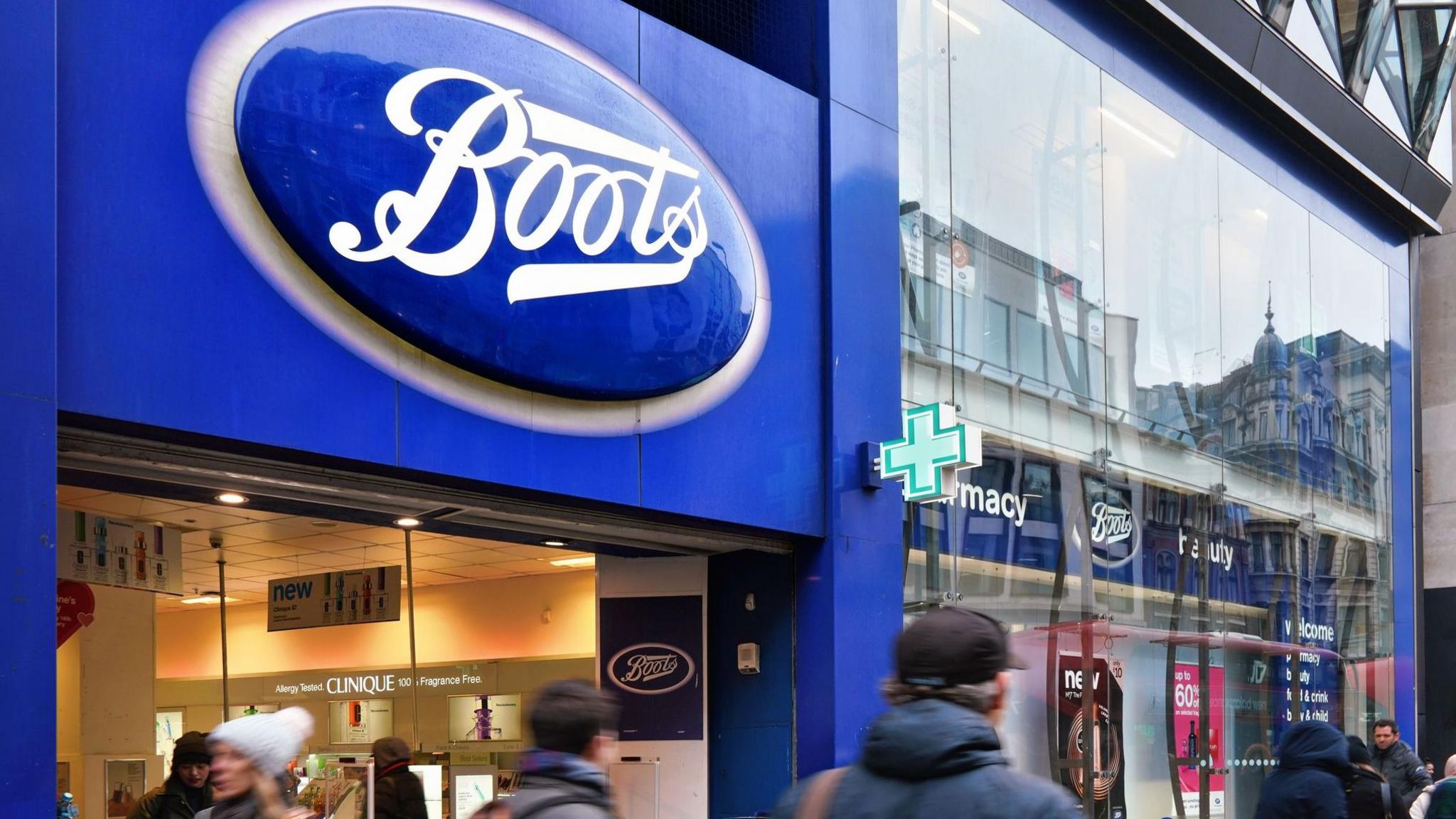
Boots has been sold once again, this time to Canada’s billionaire Weston family in a deal worth $8.9bn (£6.7bn), bringing an end to years of churn in ownership for one of Britain’s most recognisable high street names.

Wittington Investments, the holding company behind the Weston family’s business empire, confirmed on Wednesday that it had agreed to buy the 177-year-old retailer from US private equity firm Sycamore Partners and long-time backer Stefano Pessina. The deal, expected to close in the first quarter of 2027, is being backed in partnership with Toronto-based Fairfax Financial Holdings.

The transaction means Boots has been sold out of the hands of Pessina, who first took the chain private in 2007 with backing from KKR and has remained closely tied to the business through a string of subsequent owners, mergers and a scrapped stock market flotation. “It has been one of the privileges of my and Ornella’s life to have been so closely associated with Boots over the last 20 years,” Pessina said, adding he was “delighted to be passing on a thriving Boots to strong and reliable owners.”

inline 42

Why Boots was sold and what changes next

Boots was put up for sale after Walgreens, its former US parent, explored offloading the chain back in 2022 at a suggested price of up to £10bn. That process dragged on for years, with interested parties including Mukesh Ambani’s Reliance Industries, Apollo Global Management and Asda’s owners TDR Capital all failing to put together a deal. A planned £7bn stock market listing was also dropped in 2024 before Sycamore Partners eventually stepped in.

Advertisement

Under the new agreement, the Westons will take control of Boots’ UK and Irish retail operations, its opticians chain, the No7 Beauty Company and its Thailand and franchise businesses. Pessina and Sycamore will retain ownership of separate interests, including the Farmacias Benavides pharmacy chain in Mexico and Alliance Healthcare Deutschland, a German drug distributor.

Galen Weston, who is expected to become Boots’ new chairman, said the family saw “a meaningful opportunity to make a great business even better through stable long-term ownership, further capital investment, and the renewed operating focus required to serve customers with excellence for generations to come.”

A familiar name returns to the British high street

The Weston family is no stranger to UK retail. Their Canadian branch previously owned London’s Selfridges department store from 2003 until its sale for $4bn in 2022, while a separate UK branch of the family holds a majority stake in Primark’s parent company, Associated British Foods. Outside Britain, the family controls Canada’s Loblaws supermarket chain and the Shoppers Drug Mart pharmacy network, giving them deep experience in exactly the kind of health-and-beauty retailing that underpins Boots’ business.

Boots traces its roots back to 1849, when John Boot opened a herbalist shop in Nottingham offering affordable alternatives to traditional medicine. It has since grown into a nationwide institution known for its pharmacy counters, health checks, vaccinations and the hugely popular Advantage Card loyalty scheme launched in 1997. Today the chain has around 1,800 stores and employs roughly 50,000 people, though it has closed more than 300 branches in recent years as shopping habits shifted and footfall in town centres declined.

Advertisement

Despite that, Boots has continued to perform solidly. Its most recent annual results showed sales of £7.5bn, up 3.2% on the previous year.

Experts cautiously welcome the deal

Retail analysts say the sale could finally bring some stability after a turbulent period of changing hands. Richard Hyman, a veteran retail analyst, described the Weston family as “the most encouraging ownership of Boots for many, many years,” adding: “For years, watching Boots has been a bit like watching corporate pass the parcel. Its ownership has changed with extraordinary frequency and each owner has stripped a bit more out of it.”

Catherine Shuttleworth, chief executive of Savvy Marketing, said shoppers were unlikely to notice immediate changes in stores but could expect “an improved shopping experience as the new owners invest in the business” over time. She pointed to health and beauty as “a massive area for growth” for the chain, while Hyman suggested Boots had scope to expand services through its sprawling store network and make greater use of its loyalty scheme data.

With the deal now agreed, attention turns to how the Westons will reshape a business that has effectively been sold five times over the past two decades. For now, customers can expect business as usual — but with a new owner finally promising the long-term stability that Boots has lacked for years.

Advertisement
Related reading:
Sources:
Continue Reading

Business & Hustles

Apple’s Tim Cook Sold $63.8 Million in Stock Under a May Plan, One Day After Restricted Shares Vested

Published

on

Tim Cook

KEY POINTS

Apple’s Tim Cook Sold $63.8 Million in Stock Under a May Plan, One Day After Restricted Shares Vested

Tim Cook sold about $63.8 million of Apple stock on Oct. 2, the day after a performance award vested, under a trading plan he adopted in May, a filing with the Securities and Exchange Commission shows.

The sale was 191,753 shares at prices from $330.66 to $334.50. It ran under a Rule 10b5-1 plan Cook put in place on May 28, which schedules trades in advance and is the device executives use so a sale is not read as a bet on news they have that day. On Oct. 1, 374,541 restricted stock units vested. Apple withheld 199,038 shares, worth about $65.7 million at $330.32, to cover the tax. Cook also gave away 26,325 shares. The filing does not name the recipient. After the transactions his trust held 3,237,843 shares.

The units were granted Oct. 1, 2023, and paid out on Apple’s total shareholder return against the rest of the S&P 500 over fiscal 2024 through fiscal 2026. That return was 90.67 percent, which one reading of the award put in the 76th percentile of the index. The payout was set by a formula written three years ago. The sale the next day was set by a plan written in May.

Advertisement

Cook left the chief executive job on Sept. 1, when John Ternus took over, and became executive chair. Ternus sold 25,412 shares the same day, about $8.5 million, at $331.38 to $334.05, under a 10b5-1 plan adopted May 21. Apple withheld 49,054 of Ternus’s shares for tax when 99,878 units vested. Senior vice president Deirdre O’Brien sold 46,389 shares, about $15.5 million. Three filings on one vest date are a pay calendar, not a coordinated exit.

Cook has not commented. The Form 4 is the statement. A chair who keeps 3.2 million shares after selling 191,753 has reduced a position by about 6 percent of what the trust still holds, before counting the gift and the shares taken for tax. The tax withholding was larger than the cash sale. The $65.7 million in withheld stock is compensation turned over to the government. The $63.8 million is compensation turned into cash.

Apple was trading near $334 when the reports ran. The sale prices sit inside that range. Nothing in the filing ties the trade to a product, a forecast or the handover to Ternus. The plan predates the chairmanship by three months. The award predates it by almost three years. The number that changed on Oct. 2 is the cash, not the job.

Tim Cook sold about $63.8 million of Apple stock on Oct. 2, the day after a performance award vested, under a trading plan he adopted in May, a filing with the Securities and Exchange Commission shows.

Advertisement

The sale was 191,753 shares at prices from $330.66 to $334.50. It ran under a Rule 10b5-1 plan Cook put in place on May 28, which schedules trades in advance and is the device executives use so a sale is not read as a bet on news they have that day. On Oct. 1, 374,541 restricted stock units vested. Apple withheld 199,038 shares, worth about $65.7 million at $330.32, to cover the tax. Cook also gave away 26,325 shares. The filing does not name the recipient. After the transactions his trust held 3,237,843 shares.

The units were granted Oct. 1, 2023, and paid out on Apple’s total shareholder return against the rest of the S&P 500 over fiscal 2024 through fiscal 2026. That return was 90.67 percent, which one reading of the award put in the 76th percentile of the index. The payout was set by a formula written three years ago. The sale the next day was set by a plan written in May.

Cook left the chief executive job on Sept. 1, when John Ternus took over, and became executive chair. Ternus sold 25,412 shares the same day, about $8.5 million, at $331.38 to $334.05, under a 10b5-1 plan adopted May 21. Apple withheld 49,054 of Ternus’s shares for tax when 99,878 units vested. Senior vice president Deirdre O’Brien sold 46,389 shares, about $15.5 million. Three filings on one vest date are a pay calendar, not a coordinated exit.

Cook has not commented. The Form 4 is the statement. A chair who keeps 3.2 million shares after selling 191,753 has reduced a position by about 6 percent of what the trust still holds, before counting the gift and the shares taken for tax. The tax withholding was larger than the cash sale. The $65.7 million in withheld stock is compensation turned over to the government. The $63.8 million is compensation turned into cash.

Advertisement

Apple was trading near $334 when the reports ran. The sale prices sit inside that range. Nothing in the filing ties the trade to a product, a forecast or the handover to Ternus. The plan predates the chairmanship by three months. The award predates it by almost three years. The number that changed on Oct. 2 is the cash, not the job.

Continue Reading

Business & Hustles

British Airways Unveils World’s Largest Business Class: 106 Seats, as Economy Shrinks by a Third

Avatar photo

Published

on

business class

British Airways says it is building the world’s largest airline business class, a sprawling 106-seat cabin on its Airbus A380 jumbo jets, as carriers worldwide race to capture the growing share of travelers willing to pay a premium for comfort.

The overhaul, announced this week, will expand the A380’s business-class section from its current 97 seats to 106, while first class shrinks slightly to 12 suites from 14. Premium economy will nearly double, growing from 55 seats to 84. The biggest casualty is standard economy, which will be slashed from 303 seats to just 215 — a cut of nearly a third.

The changes apply across British Airways’ fleet of 12 A380s, the world’s largest passenger aircraft, and come alongside a broader investment in ground services, including revamped lounges at its London Heathrow hub.

Why airlines are betting big on business class

British Airways’ move is the most dramatic example yet of an industry-wide shift away from packing planes with as many economy seats as possible and toward courting high-spending travelers. Airlines have poured hundreds of millions of dollars into reconfiguring cabins, wagering that today’s flyers want roomier seats, more privacy and genuine luxury — and are prepared to pay steeply for it.

Advertisement

That bet is paying off handsomely at the till. Extra legroom on transatlantic flights can cost more than $200 a leg, premium economy surcharges can top $1,000 after a ticket is purchased, and top-tier business and first-class fares routinely run $5,000 to well over $10,000 on longer routes. Securing those seats at the time of booking, rather than as a later upgrade, often costs even more.

The demand has been so intense that it is reshaping aircraft production schedules. Some new planes have faced delivery delays because the premium seats manufacturers are designing are so elaborate they require specialized parts and additional federal certification before they can be installed.

A crowded race for premium cabins

British Airways is far from alone in chasing this market. Its transatlantic joint-venture partner, American Airlines, last month introduced a 70-seat business class on its largest Boeing jets. Alaska Airlines has unveiled a sweeping premium-cabin overhaul of its own, and United Airlines has been stripping out economy seats to make room for larger, reworked premium sections. Even airlines built on bare-bones pricing are shifting strategy — Frontier’s Bill Franke, long associated with no-frills budget flying, has recently warmed to offering first-class seats and paid upgrades.

The push toward business class and other premium tiers reflects a broader recalibration of how airlines make money. Where economy once filled the cabin and premium seats were an afterthought, carriers now treat high-end cabins as the primary profit engine, with economy increasingly seen as supporting volume rather than driving revenue.

Advertisement

Betting on the jumbo jet itself

The redesign is also a wager on the A380 as an aircraft type, at a moment when most carriers have been moving away from it. Airbus delivered its final A380 to Emirates, the jet’s biggest operator, back in late 2021, and many airlines have retired the superjumbo in favor of smaller, more fuel-efficient planes. By investing heavily in new cabins for its existing A380 fleet rather than phasing the jets out, British Airways is signaling confidence that the aircraft’s sheer size — and the space it affords for an expansive business-class cabin — still has a profitable future.

With premium economy expanding, first class refreshed and business class reaching a record seat count, British Airways is effectively betting that the economics of modern long-haul flying now favor fewer passengers paying much more, rather than filling every row at the lowest possible fare.

Related reading:
Sources:
Advertisement
Continue Reading

Business & Hustles

Ex-Whitbread bosses buy back 57 Beefeater restaurants after chain closures

Published

on

Business Live

Common Table Group has agreed deal after Whitbread announced closure of its Beefeater and Brewers Fayre chains

Whitbread closed its Beefeater restaurants last month

Whitbread closed its Beefeater restaurants last month(Image: Getty)

Former senior executives at Whitbread have completed a deal to acquire nearly 60 restaurants from the company, following its closure of the Beefeater and Brewers Fayre chains last month.

Advertisement

Common Table Group, a British hospitality operator, has secured 57 restaurant locations and one Premier Inn hotel from the FTSE 100 hospitality giant.

The purchasers received backing from Rove360, a hospitality advisory firm of former Whitbread senior executives.

The transaction will create 700 new jobs and was completed for an undisclosed figure. The restaurants – including former Beefeater, Brewers Fayre and Cookhouse locations – will restart operations from next month.

Common Table Group, which was established by coffee entrepreneur Thomas Anderson, confirmed it will commit resources to renovating these establishments and creating “exciting” new menus, as reported by City AM.

Advertisement

Anderson said: “Our priority is to get the sites back open and trading as soon as possible. We’re building an entrepreneurial business with a local feel, where our teams are empowered to make decisions and shape each venue around the people and communities it serves. “.

“We’re excited about what we can create together and look forward to bringing new energy and ideas to our guests.”

The former Whitbread establishments will offer barista coffee supplied by its sister company, Rodeo, which runs 15 locations in London and Manchester.

Rove360 previously collaborated with Whitbread on a cost-reduction initiative, assisting the business in achieving £150m in labour cost reductions. Whitbread faces investor pushback.

Advertisement

In April, the Premier Inn parent company unveiled sweeping plans to reduce costs by £2bn through the closure of all its non-hotel restaurants and the elimination of nearly 4,000 roles.

Whitbread stated that its restructuring strategy, which resulted in the shuttering of the Beefeater and Brewers Fayre restaurant chains, was essential to address the “unexpected” impact of Labour’s business rates increases.

“In light of significant cost increases in the form of business rates and National Insurance, as well as the implied market discount to our inherent value, we’ve looked hard at the options open to us,” said chief executive Dominic Paul.

Whitbread has encountered significant resistance from one of its largest shareholders in recent months. Corvex Asset Management, which holds more than six per cent of the company, initially demanded that the group place itself on the market, criticising its “chronic misallocation of capital”.

Advertisement

Since last month, Corvex has been pressing for representation on Whitbread’s board, calling for a “rigorous, fact-based review” of the business.

Continue Reading

Business & Hustles

UK Accepts All 44 AI Health Rule Reforms, Betting on ‘Competitive Edge’ for British Tech Firms

Avatar photo

Published

on

ai health rules

The UK government has thrown its full weight behind a sweeping overhaul of AI health rules, accepting all 44 recommendations from the National Commission into the Regulation of AI in Healthcare in a move ministers and industry figures say could hand British tech firms a genuine head start over international rivals.

Announced on Tuesday, the shake-up will change how AI-powered medical devices are approved and monitored by the Medicines and Healthcare products Regulatory Agency (MHRA), shifting away from a single pre-market assessment and towards continuous, lifecycle-based oversight that tracks a product’s performance throughout its use in the NHS.

The decision follows mounting pressure from within the healthcare sector itself. According to the Commission, around two-thirds of respondents said the current regulatory framework was holding back innovation, while a striking 77 per cent of healthcare professionals who took part called for either significant reform or a complete rebuild of the system.

inline 28

Why new AI health rules could reshape the market

Industry voices argue the revised AI health rules could turn the UK into one of the world’s most attractive testing grounds for health technology. Martin Turner, director of policy and external affairs at the Bioindustry Association, told City AM that the MHRA’s approach “absolutely makes the UK a leading testbed for innovation,” allowing companies to develop products alongside regulators and prove their worth inside a large, established healthcare system before competitors abroad get the chance.

Advertisement

That early-mover advantage, he said, could prove decisive. Firms that gain real-world validation in the NHS may find it easier to demonstrate value to investors, potentially speeding up funding rounds and acquisitions. “With the UK’s noted strengths in both life sciences and AI, we’re seeing huge interest in our ecosystem of startups and scaleups,” Turner said, adding that the MHRA’s new stance “should enable faster demonstration of concept and value, which we expect will lead to greater investment and acquisitions in the months and years ahead.”

Steve Lee, executive director of regulation at the Association of British Healthtech Industries, echoed that optimism, calling the plans a “positive direction of travel for Healthtech companies and investors.” He said a proportionate, lifecycle-based model could let safe, innovative technologies reach patients sooner while giving firms clearer regulatory certainty as they invest in development.

A catch: regulation alone won’t guarantee growth

Despite the enthusiasm, both Turner and Lee were careful to flag that looser rules on paper mean little without a functioning path to market. Lee warned that “continuous oversight should not mean continuous regulatory burden,” and stressed that “regulation is also only part of the picture, companies still need a viable route into NHS adoption and procurement if innovation is to translate into commercial growth.”

Turner made a similar point, noting that the promised benefits of eased AI health rules hinge on whether the NHS follows through on improving adoption and reimbursement for the companies developing these tools. A faster regulatory pathway is of limited value, industry figures suggest, if hospitals and trusts remain slow or reluctant to actually purchase the resulting technology.

Advertisement

There is also a longer-term risk around global alignment. Turner cautioned that the government and MHRA must keep the UK’s regime broadly consistent with regulatory standards in major overseas markets, so that companies gaining an early advantage at home are not then blocked or burdened by incompatible rules when they try to expand internationally.

Testing the technology in real time

Alongside the policy shift, the MHRA has opened applications for the third phase of its “AI airlock,” a regulatory sandbox in which companies trial AI medical devices in close collaboration with regulators before wider rollout. This latest phase will focus specifically on monitoring AI tools after they have been deployed, with the first participating firms expected to be chosen next month.

Further detail is due before the end of the year: draft guidance on how companies should manage AI medical devices that continue to learn and change after launch is expected by December, while a formal consultation on how to classify such evolving products is planned for next year.

Health innovation minister James Frith framed the reforms as a balancing act between speed and safety, saying the government wants patients to benefit from AI more quickly but that “innovation must never come at the expense of patient safety.”

Advertisement

For now, the message from both government and industry is one of cautious confidence. The revamped AI health rules give Britain a plausible claim to being a world-leading test bed for medical AI, but whether that translates into lasting economic advantage will depend less on the regulations themselves and more on whether the NHS is ready, willing and funded to buy what British innovators ultimately build.

Related reading:
Sources:
Continue Reading

Business & Hustles

Mold Remediation and Prevention Strategies for Property Management Owners

Published

on

Mold Remediation and Prevention Strategies for Property Management Owners

Mold shows up in rental properties more often than many owners expect. Damp basements, leaky roofs, poor ventilation in bathrooms, and slow responses to tenant complaints all create the right conditions. For most property management owners, handling mold is not just about fixing one unit. It affects tenant health, lease renewals, insurance claims, and long-term building value.

Understanding the basics helps keep problems small. Mold needs moisture, organic material, and the right temperature. Once those line up, growth can start within 24 to 48 hours. Common spots include bathrooms after showers, kitchens with inadequate exhaust, crawl spaces, attics with roof leaks, and areas around windows where condensation builds.

Recognizing the early warning signs

Look out and smell for musty odors first. Tenants often report them before visible growth appears. Check for discoloration on walls, ceilings, or flooring. Black, green, or white patches are typical. Peeling paint or warped wood can also signal hidden moisture. In multi-unit buildings, pay attention to units above or below problem areas because water travels.

Make sure to document everything. Photos, moisture readings if you have a meter, and written notes from inspections protect you later if disputes arise. Encourage tenants to report issues quickly through clear lease language and easy communication channels.

Advertisement

Steps for mold remediation

Small areas under ten square feet can often be handled in-house if the source of moisture is fixed first. Wear proper protection: gloves, N95 mask or better, and eye covering. Scrub hard surfaces with detergent and water. Avoid mixing chemicals carelessly. Porous materials like drywall, carpet, or ceiling tiles that are heavily affected usually need removal and replacement.

Larger infestations or mold in HVAC systems, behind walls, or involving black mold varieties call for trained professionals. They contain the area, use negative air pressure, and dispose of materials according to local rules. Trying to handle big jobs without the right equipment risks spreading spores to other units.

Always address the water source before cleaning. Fix leaks, improve drainage around the foundation, and dry the space thoroughly. Fans, dehumidifiers, and open windows help when weather allows. Moisture meters confirm the area is dry enough before rebuilding.

Mold prevention strategies that work over time

Prevention costs less than the need for repeated mold remediation services. Start with regular property inspections. Schedule them quarterly and after heavy rain or tenant turnover. Check roofs, gutters, downspouts, and foundation grading. Make sure water flows away from the building.

Advertisement

Improve ventilation where moisture builds. Bathrooms and kitchens need working exhaust fans that vent outside, not into attics. Encourage tenants to use them. In humid climates, whole-building or unit-level dehumidifiers keep relative humidity under 60 percent. Aim for 30 to 50 percent when possible.

Seal gaps around pipes, windows, and doors. Insulation helps reduce condensation on cold surfaces. In older buildings, consider vapor barriers in crawl spaces or basements. Keep landscaping trimmed so plants do not trap moisture against exterior walls.

Educate all of your tenants without sounding too heavy-handed. Provide simple tips in move-in packets: wipe down shower walls, report drips immediately, avoid blocking vents with furniture. Some managers include basic humidity monitors in units as a low-cost early warning tool.

Maintenance contracts for HVAC systems matter. Dirty filters and clogged condensate drains create perfect mold conditions. Schedule filter changes and system checks at least twice a year.

Advertisement

Record keeping and response protocols

Create a written protocol for mold complaints. Respond within a set time frame, ideally 24 to 48 hours. Document every step from initial report through final clearance. This protects against liability claims and shows insurance carriers you take the issue seriously.

Know your local regulations. Some areas require specific disclosure or professional certification for remediation work. Stay current on building codes related to ventilation and moisture control.

Budget for these issues. Set aside funds for unexpected water events. Properties in flood-prone or high-humidity regions need higher reserves.

Mold problems will rarely ever stay isolated. One neglected unit can affect neighboring ones through shared walls or HVAC systems. Consistent attention to moisture control and quick response when issues appear keeps portfolios healthier and tenants more likely to renew. Property management owners who treat mold as an ongoing maintenance priority rather than a one-time crisis tend to face far fewer disruptions over the years. 

Advertisement
Continue Reading

Business & Hustles

Mortgage Rates Hit 6% High as 1,500 Cheap Deals Vanish in a Month

Avatar photo

Published

on

mortgage rates

Mortgage rates in the UK have climbed to their highest level in three years, with the average five-year fixed deal now standing at 6% for the first time since September 2023, according to new figures that paint a grim picture for homeowners and prospective buyers alike.

Financial information provider Moneyfacts reports that two-year fixed deals are not far behind, averaging 5.98% — their highest point since December 2023. The speed of the increase has stunned industry watchers: since the start of September, roughly 1,500 fixed-rate mortgage deals priced below 5% have disappeared from the market. Today, just nine such deals remain, a collapse of 99% in little more than a month.

Rachel Springall, a finance expert at Moneyfacts, did not mince words about the impact. “Average fixed mortgage rates rising back to three-year highs will be disastrous news for borrowers,” she said. “Borrowers who were hoping mortgage rates would stabilise will be disappointed.” She added that rising rates were “inevitable” given the pressure lenders are facing from higher wholesale funding costs.

inline 33

Why mortgage rates are climbing so fast

The surge is not being driven by a change in the Bank of England’s base rate, which has remained untouched since December last year. Instead, turmoil in global bond markets is pushing up gilt yields — the cost of government borrowing — which in turn affects the swap rates lenders use to price fixed mortgage deals.

Advertisement

Much of this volatility has been linked to the ongoing war in Iran, which has rattled international markets and fuelled broader economic uncertainty. Major High Street lenders including Barclays, HSBC, Lloyds Bank, Nationwide, NatWest, Santander and TSB have all repeatedly hiked their fixed rates in recent weeks, with Barclays alone making four separate rounds of increases in September.

For borrowers, the mechanics matter: once a fixed mortgage rate is locked in, it typically stays the same for two or five years, regardless of what happens in the wider market. But when that term ends, homeowners must shop for a new deal — and many are about to find the market has shifted dramatically beneath them.

Who stands to be hit hardest

According to Bank of England forecasts, just over five million homeowners are expected to see their monthly mortgage repayments rise by the end of 2028 as their current fixed deals expire and they’re forced to refinance at today’s higher mortgage rates.

The financial toll is significant. Figures from the HomeOwners Alliance show that a £250,000 loan fixed at 6% for five years now costs £158 more per month than the same loan would have cost at the 4.94% average rate recorded back in February. For families already stretched by other rising costs, that gap could prove decisive.

Advertisement

Springall advised borrowers nearing the end of a fixed term to act early. “It would be wise to seek advice and compare deals carefully,” she said, noting that some lenders allow customers to lock in a new rate as much as six months before their existing deal expires — a window that could help homeowners dodge further increases if rates continue climbing.

Not everyone is locking in, however. Springall noted that while the number of sub-5% fixed deals has collapsed, variable-rate mortgages priced below 5% have remained comparatively stable, prompting some borrowers to consider tracker mortgages tied to the Bank of England’s base rate instead of fixed terms.

Ripple effects across the housing market

The consequences are already visible beyond individual household budgets. Nationwide building society recently reported that annual house price growth had halved in September, a sign that buyers are growing increasingly cautious as borrowing costs climb.

Ian Harris, president of the estate agents’ body NAEA Propertymark, said members were seeing the squeeze firsthand. “For some buyers, even a relatively small increase in monthly repayments can mean they have to reduce their budget or step back from a purchase altogether,” he said. “Equally, homeowners coming off fixed-rate deals may face significantly higher repayments, which could affect their decision to move.”

Advertisement

The pressure on mortgage rates comes against a backdrop of wider cost-of-living strain. Diesel prices passed £2 a litre in the UK for the first time on Friday, domestic energy prices rose 4% at the start of October, and regulator Ofgem is expected to announce a further 16% increase to the energy price cap in January.

With household budgets being squeezed from multiple directions, the government is facing mounting pressure to offer targeted support in this month’s Budget. For now, though, the message from the mortgage market is unambiguous: after a year in which many borrowers hoped for relief, rates are heading firmly in the wrong direction.

Related reading:
Sources:
Advertisement
Continue Reading

Business & Hustles

Cheapest, most expensive U.S. flights in November

Published

on

Cheapest, most expensive U.S. flights in November

An American and Alaska Airlines planes land on the runway in near-perfect synchronization at San Francisco International Airport in San Francisco, California on March 23, 2026.

Tayfun Coskun | Anadolu | Getty Images

How much is domestic airfare this fall? It depends where you’re flying and when.

Thanksgiving fares are up more than 30% this year over last, while holiday fares overall are up more than 23%, as airlines pass more of this year’s surge in jet fuel prices along to customers, according to a tally of “good deal” fares from flight-tracking site Hopper. But there are some bargains outside of that period for certain routes, while others are sky-high.

Advertisement

The cheapest flights in November include routes between Atlanta, the world’s busiest airport, and various Midwest and Southeastern cities. Others are short trips, like intra-island Hawaii flying or within Florida.

But the length of the flight alone doesn’t dictate the price. Routes from Nantucket and Martha’s Vineyard off the coast of Cape Cod, Massachusetts, to New York and Washington, D.C., are among the priciest.

Trips originating in remote Alaska bound for the East Coast take the cake for most expensive flights. While it’s an oil-producing state, it imports a significant amount of jet fuel and other refined products.

Here’s how the cheapest and most expensive routes ranked:

Advertisement

Hawaiian Airlines airplanes sit idle on the runway at the Daniel K. Inouye International Airport due to the business downturn caused by the coronavirus disease (COVID-19) in Honolulu, Hawaii, U.S. April 28, 2020. Picture taken April 28, 2020. 

Marco Garcia | Reuters

Read more CNBC airline news

Continue Reading

Trending

Copyright © 2025