Connect with us

Tech & AI

Cyber Monday vs. Black Friday: What’s Actually Different?

Published

on

Apple black Friday deals.webp

Ask most people how Black Friday and Cyber Monday differ, and you’ll hear the same answer: one happens in stores, the other happens online. That was true ten or fifteen years ago, but it isn’t really true now. Both events are mostly online, and both have been stretched from a single day into something closer to a week. The differences that matter today are smaller and easier to miss.

Where Each Day Came From

Black Friday started as an in-store event, one where shops opened early the day after Thanksgiving and slashed prices to get the holiday season moving.

Cyber Monday arrived later, as online retailers wanted a day of their own after a weekend that was all about queues and parking lots, so they made one.

Even though the line between online and in-store shopping has mostly disappeared, those origins still explain which products tend to be cheapest on each day.

Advertisement

Big Items on Friday, Digital Ones on Monday

Black Friday is usually the better day for large, physical purchases such as washing machines, sofas, TVs, and the cut-price electronics retailers use to pull people in. Stores build their whole campaign around that Friday, so it’s often when prices on these items are at their lowest.

Cyber Monday tends to be better for things you do not need to see in person, such as streaming plans, software licenses, online courses, and small tech accessories. Prices on these often fall further on Monday than they did on Friday, especially at retailers that sell mostly online or hold back their best web deals until after the weekend.

Consider How Long the Deals Last

Black Friday deals often go live before Thanksgiving, reach their lowest price on the Friday, and sell out or end soon after. Cyber Monday prices tend to stay put all day, and some carry over into Tuesday or Wednesday. Without crowds at the door, retailers have less reason to squeeze everything into a few hours.

If you need a new fridge, buy it on Black Friday before stock runs out. A software subscription or digital gift card can usually wait until Monday, and it may cost a little less by then.

Advertisement

Don’t Pick a Favorite

It’s tempting to treat the two days as rivals and put all your shopping into one of them. That’s a mistake. They suit different kinds of purchases, and you’ll save the most by matching each item on your list to the day it’s likely to be cheapest.

Checking You’ve Got the Best Cyber Monday Price

Since Cyber Monday deals don’t vanish within a few hours, you’ve got time to double-check a price before you pay.

Discoup has a page just for Cyber Monday that lists active codes as retailers release them. It’s a quick way to see whether the price in your cart is already the lowest one or whether there’s a code you can add on top.

It’s also worth checking a second coupon site before any bigger purchase. A few extra minutes won’t usually cost you anything, because these offers stick around far longer than Black Friday’s doorbusters.

Advertisement

Before You Check Out

Of course, you do not have to choose one day over the other. You could buy large, physical items on Black Friday while the lowest prices are available, and leave your software and other digital purchases for Cyber Monday, when discounts last longer. Whichever day you shop, compare prices first, since the first item marked as a sale often isn’t the cheapest option.

Source link

Continue Reading
Click to comment

You must be logged in to post a comment Login

Leave a Reply

Tech & AI

Driving On The Moon At A Blistering 11.6 MPH

Published

on

Why NASA Is Sending This Truck To The Moon 0 10 01

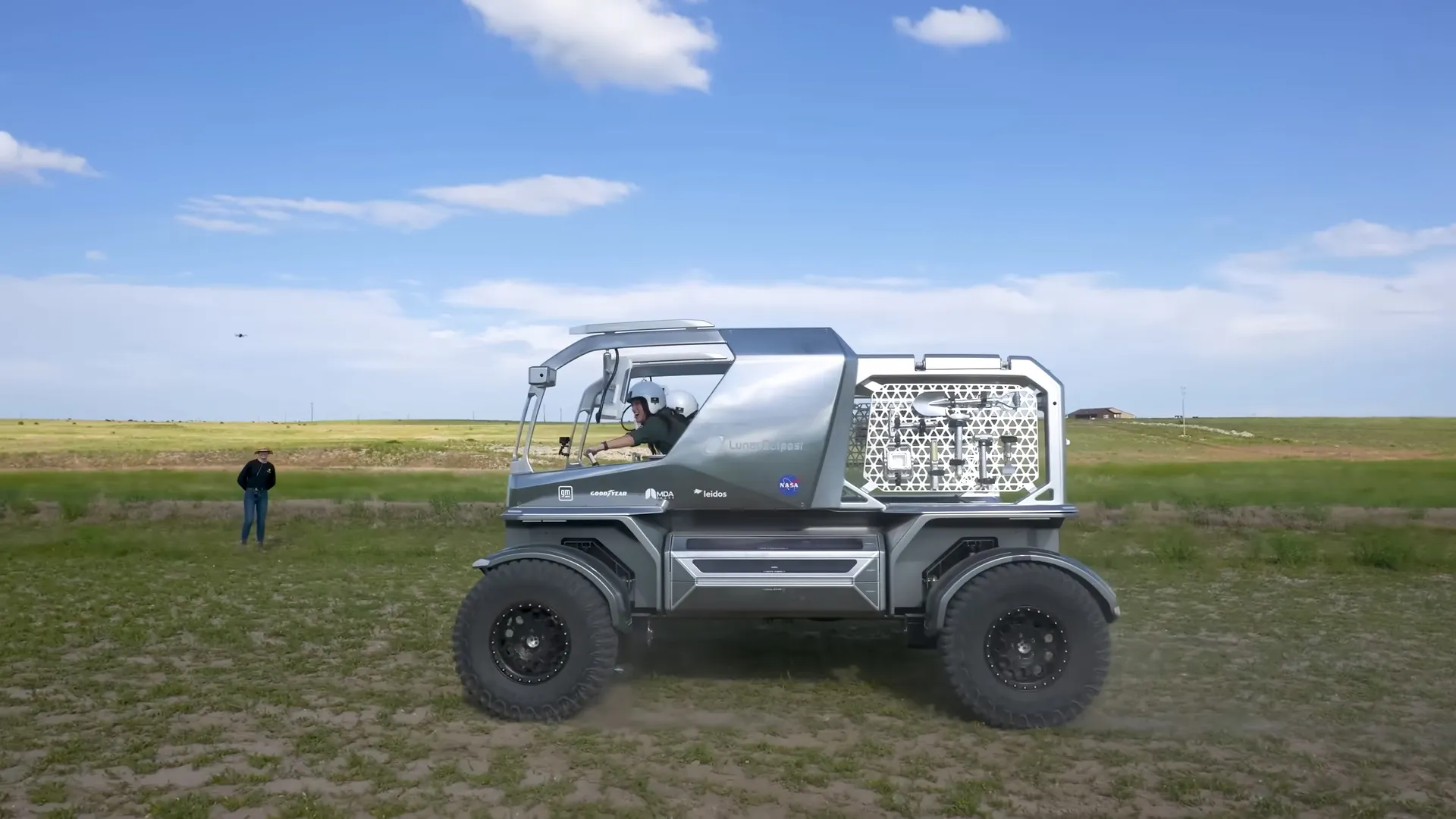
As NASA continues humanity’s slow march back to the Moon, different pieces of the puzzle of establishing a more permanent base there are falling into place. One of these pieces is the the Lunar Terrain Vehicle (LTR), and [Cleo Abram] and [Michelle Khare] got a look at the LTR candidate from Lunar Outpost.

Designed to help astronauts traverse the lunar surface as well as function as a semi-autonomous rover when uncrewed, the LTR will be an integral part to any future Moon base. NASA announced earlier this year that it would be moving forward with the LTR featured in this video and another from competitor Astrolab. Regardless of manufacturer, the LTR will have to deal with some wild conditions in the lunar environment.

Lunar dust is abrasive, so the LTR generates an electric current to pull the dust under the truck to prevent it from entering the cab of the vehicle as it moves along. Given the extreme temperature swings on the moon (-200˚C to 200˚C), the space truck will also be fitted with wire mesh tires as nobody wants to be changing a flat in space. The two seats in the cab are oversized and can help lift the astronauts up as space suits hamper their agility to a significant degree. There are compartments for storing samples, and the truck has a robot arm that can grab samples to bring back if no one is along for the ride.

Advertisement

We’ve still got a few years before crews arrive on the moon, but when they do, there’s a good chance they’ll be using the LTR to explore the lunar south pole in hopes of water.

Advertisement

Source link

Continue Reading

Tech & AI

Data Centers Have a New PR Plan: Your Kid’s Field Trip

Published

on

101626 Power20Play

Welcome back to Power Play! Each week, senior writer Molly Taft tackles a topic around this midterm season’s biggest issue: data centers. They’re out this week, so Caroline Haskins is reporting for duty. If you’ve got a question or thought for the column, feel free to shoot Caroline an email at [email protected] or reach her securely on Signal at carolinehaskins.61.

The nonprofit 7×24 Exchange International wants to promote data centers, which they believe are “mission critical” infrastructure. As part of this work, the group recommends a children’s story, “What is a Data Center?,” which follows a honey badger named Honey who gets a guided tour of a data center from a worker named Oliver. Oliver explains that the job of data center employees is to make sure that the “functions supported by the data center” are available to anybody, “no matter what time it is.”

“Like when my mom shops online late at night because my dad is sleeping and won’t know about it?” Honey asks.

The story is part of a broader pattern across the data center industry. In addition to lobbying, job creation programs, tax breaks, companies and interest groups are trying something a bit more creative: winning over the youth. As pushback to massive data center build-outs and energy-guzzling campuses intensifies, the industry is apparently taking a softer approach to community building using a tactic other industries with a public relations problem have tried.

Advertisement

Alex Molnar, a research professor at the University of Colorado Boulder and the director of the National Education Policy Center, tells WIRED that, for over a century, industries with an image problem—fast food, tobacco, oil and gas—have brought their messaging to schools.

“A very, very big reason why corporations get involved in the schools is, quite simply, corporate propaganda—for the purpose not necessarily of selling a product, but of telling their ‘story,’” Molnar says.

In May, the Potomac chapter of the Association for Computer Operations Management (AFCOM), a trade group for the data center industry, sponsored Memorial Day-themed flag-making kits to be distributed to 3,100 first graders across 37 schools in Loudoun County, Virginia, also known as Data Center Alley. In addition to the flag kits, kids received an informational card with statistics about “the positive impact” that the data center industry has on the local economy.

Source link

Advertisement
Continue Reading

Tech & AI

Arm’s AGI CPU starts AI execution environments up to 45% faster than AMD’s EPYC 9965 in sandbox testing

Published

on

diM9tpwF2Lz85R8q85CT78

  • Arm’s AGI CPU nearly doubles AMD’s modelled rack-level performance across seven workloads
  • A 24-kW rack accommodates up to 23 Arm servers under the assessment’s assumptions
  • Arm’s rack-level advantage reaches 3.19x in the strongest individual workload

Arm’s AGI CPU has recorded nearly twice the modelled rack-level performance of AMD’s EPYC 9755 across seven workloads designed to evaluate agentic artificial intelligence.

The assessment, conducted by Signal65 with Arm’s cooperation, compared measured processor results before estimating performance across racks operating within a fixed power budget.

Source link

Continue Reading

Tech & AI

OnlyFans Creators Are Pissed That Meta Lets Muse Talk Dirty

Published

on

101626 Naughty20Meta20Muse20OnlyFans

The generative AI revolution hasn’t been kind to Vanniall, an OnlyFans creator who lives in New York City. She now constantly finds hyperrealistic deepfakes—AI-generated images and videos that copy everything about her—circulating online and often isn’t able to get them removed.

On top of that, Vanniall struggles to build an audience on popular social media platforms, like Instagram, without getting in trouble. “There’s always some sort of report or appeal that I’m going through with them,” she tells WIRED. Vanniall’s Instagram account, which has over 100,000 followers, is currently restricted and cannot be viewed without logging in.

So, when I tell her that Meta allows its AI agent, called Muse, to engage in explicit sexting with adult users, she seems frustrated by the decision: “It’s not fair that they get to pull money out of people with their sexually active AI agent, but they won’t let real people, real adults, engage in any sort of sensuality or sexuality.”

It’s a common refrain I heard from other adult content creators, who questioned why their accounts on Meta platforms often seem restricted, while Meta’s AI agent is now allowed to talk dirty with millions of adult users.

Advertisement

“A private, one-to-one conversation between an adult and an individualized AI agent on a platform restricted to people 18 and over is very different from the marketing and promotion of services on a social media platform,” Meta spokesperson Tracy Clayton tells WIRED.

Meta’s Muse is the first always-on AI agent to break out of early adopter circles in San Francisco. The Muse app is like a message thread; text the digital assistant, give it access to your personal data, like calendar and email, and have it proactively find ways to help, like canceling a workout class that overlaps with your dinner reservation. Meta’s large distribution network, through platforms like Instagram and Facebook, helped catapult the app to the top of the download charts during its first month, as millions of new users experimented with an agent for the first time.

In addition to having it organize your calendar, Meta says, it’s OK for users of the adults-only app to engage in X-rated AI conversations with Muse. A Meta spokesperson previously told WIRED the company wouldn’t “block legal adult behavior.” Meta’s Muse generates explicit text but not images or videos.

While Meta takes a different approach to moderation on Instagram, other social media platforms in the United States do allow sexually explicit content. X remains one of the most popular platforms for many OnlyFans creators to draw in new subscribers and connect with fans. Many adult performers have also migrated to Bluesky after Elon Musk took over the platform formerly known as Twitter, where users can also share adult content.

Advertisement

Source link

Continue Reading

Tech & AI

Honda Partners With Builders to Ready Dynamic Wireless Charging Roads for Electric Truck Trials

Published

on

honda wireless charging ev truck road

Honda Wireless Charging EV Truck Road
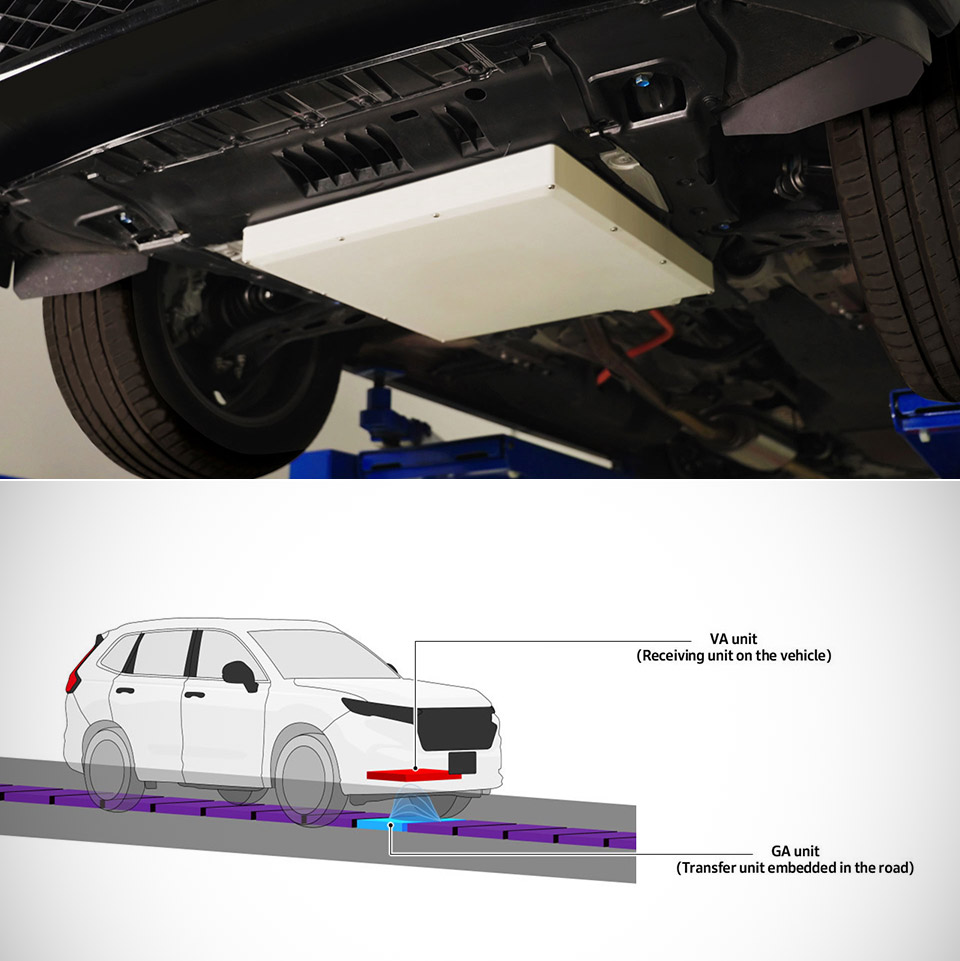
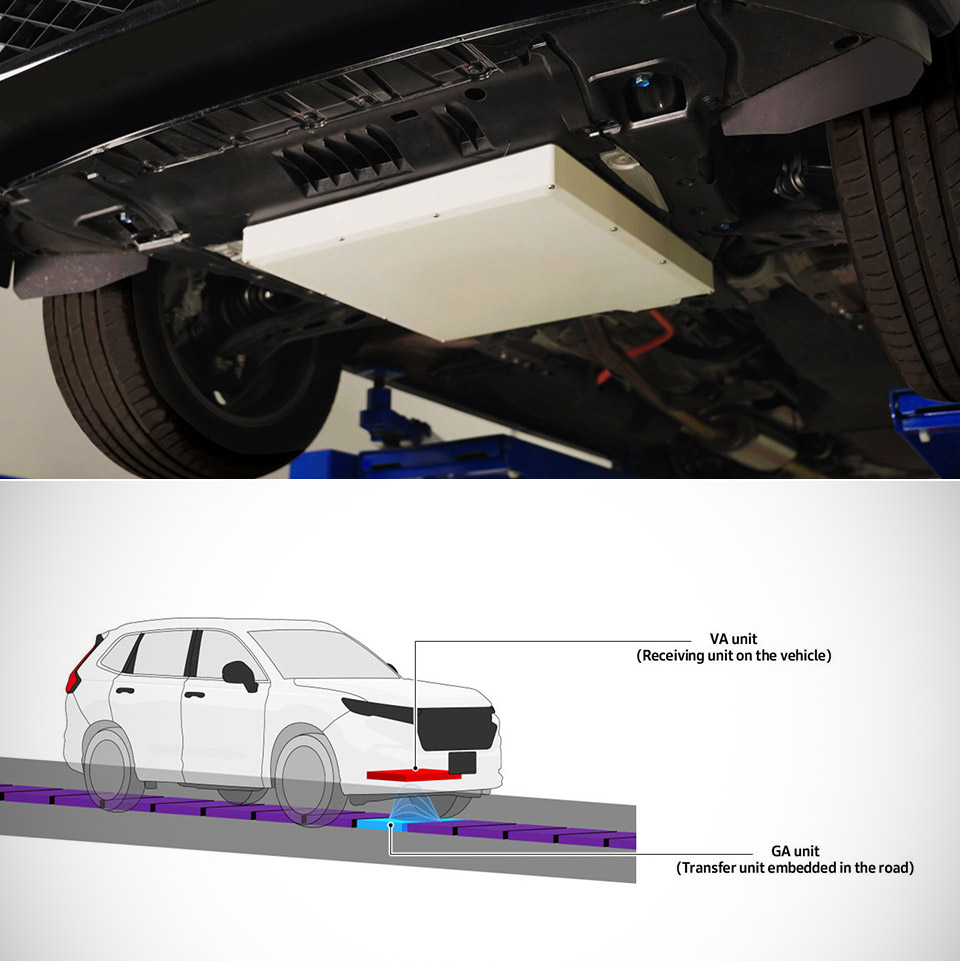
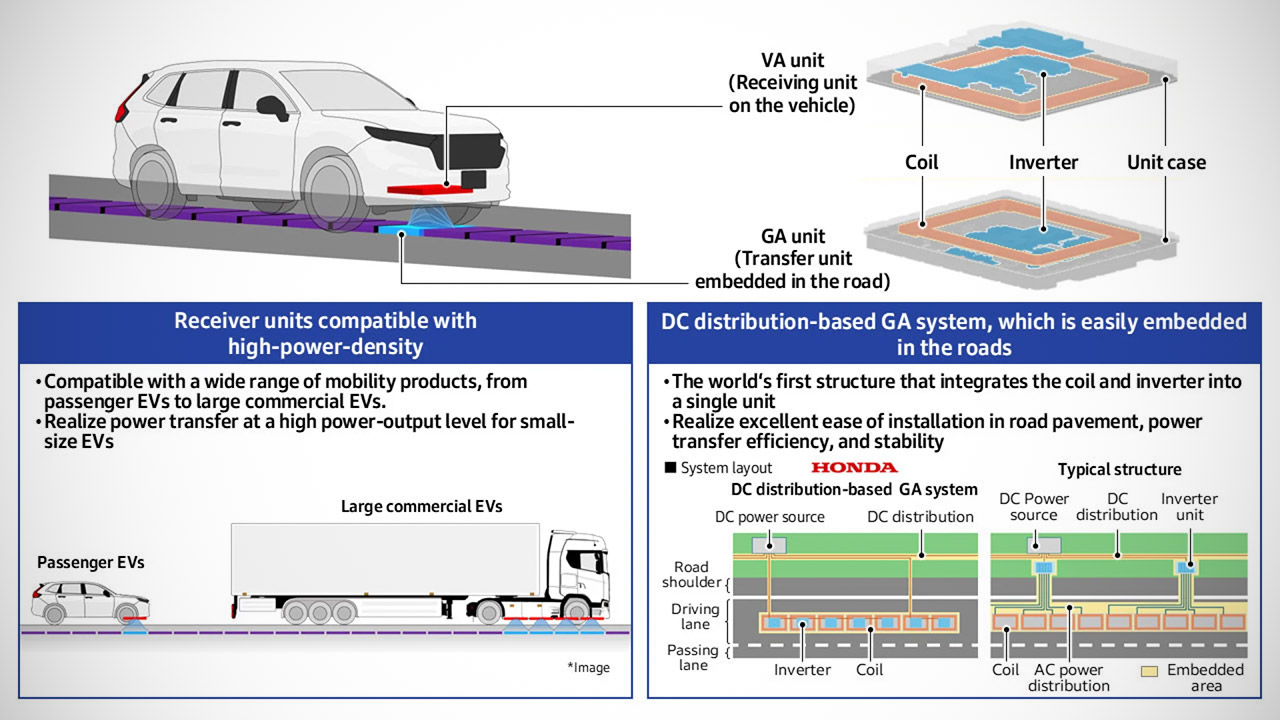
Drivers of electric trucks could soon keep rolling without pulling over for a plug if a new system from Honda works as planned. The company has spent the past several years on dynamic wireless power transfer, the idea of sending electricity from the pavement into a moving vehicle. In early October 2026 Honda R&D said it had finished the underlying technology with two construction firms, Taisei Corporation and Taisei Rotec. Together they built a magnetic coupling road system that places transmitter units under the surface so a matching receiver on the vehicle can pick up power while the wheels turn.


As of the end of September, each ground unit now houses both the inverter and the coil in a single housing, which Honda claims is a global first. That single package connects to a roadside direct current source, reducing the amount of wiring and various parts need to run into the pavement. Taisei is in charge of the power supply, which must respond quickly enough to keep the entire field steady, whilst Taisei Rotec is working on getting the technology to work in conjunction with milling into existing roadways and laying in the units without having to pull out the entire lane. We’re talking about a pavement that can support commercial cars weighing up to 20 tons, and will eventually bring the power up to 150 kilowatts.

Sale


Anker 621 MagGo Power Bank, 5,000mAh Magnetic Portable Charger | Travel Essential Battery Pack with USB-C…
  • Smaller Than Ever: Anker’s new MiniCell technology delivers identical charging performance with fewer components. This means it’s smaller and lighter…
  • Pocket-Sized Power: At just 4.13 × 2.62 × 0.45″ and 4.41 oz, it snaps to your phone and fits effortlessly into your bag, purse, or pocket
  • Strong Attachment: Equipped with ultra-strong magnets that firmly attach to the back of the iPhone 15 or 14 so you can single-handedly take selfies…

Honda Wireless Charging EV Truck Road
A private test road at one of Taisei’s facilities has already put the basic equipment through its paces with significant loads. Starting in late 2026, the partners will begin construction on another stretch at a second site, this time for longer durability tests. Those tests will simulate a million wheel loads, which are approximately 49 kilonewtons each, using real automobiles, while simultaneously determining how much electromagnetic field is escaping off the surface. Once they have some firm figures in place, the next destination will be a brief public segment of the Tateyama Expressway in Chiba. That 300-meter piece is part of a project they’re completing with the East Nippon Expressway Company, and it’s set to open for demo runs in Japan’s fiscal year 2027, which begins in April.

Honda Wireless Charging EV Truck Road
Honda has made it clear that the first individuals to use this technology will be logistics fleets, not conventional passenger automobiles. A vehicle that can charge its battery while driving down the highway may require a smaller battery pack overall, resulting in less weight, lower costs, and more cargo space. The same concept could ultimately trickle down to smaller vehicles, but the company has been open about the fact that commercial routes provide the most immediate benefit because those trucks currently travel the same routes on a daily basis. There is still a lot of work to be done, such as determining efficiency at full highway speed, as well as the expense of installing the hardware and the fact that each vehicle would have to carry its own receiver… the list goes on. For the time being, the focus is on demonstrating that the system can withstand real pavement, trucks, and traffic without prompting cars to pull over.
[Source]

Advertisement

Source link

Continue Reading

Tech & AI

Sunday Reboot: HomeView is an interesting smart home experiment

Published

on

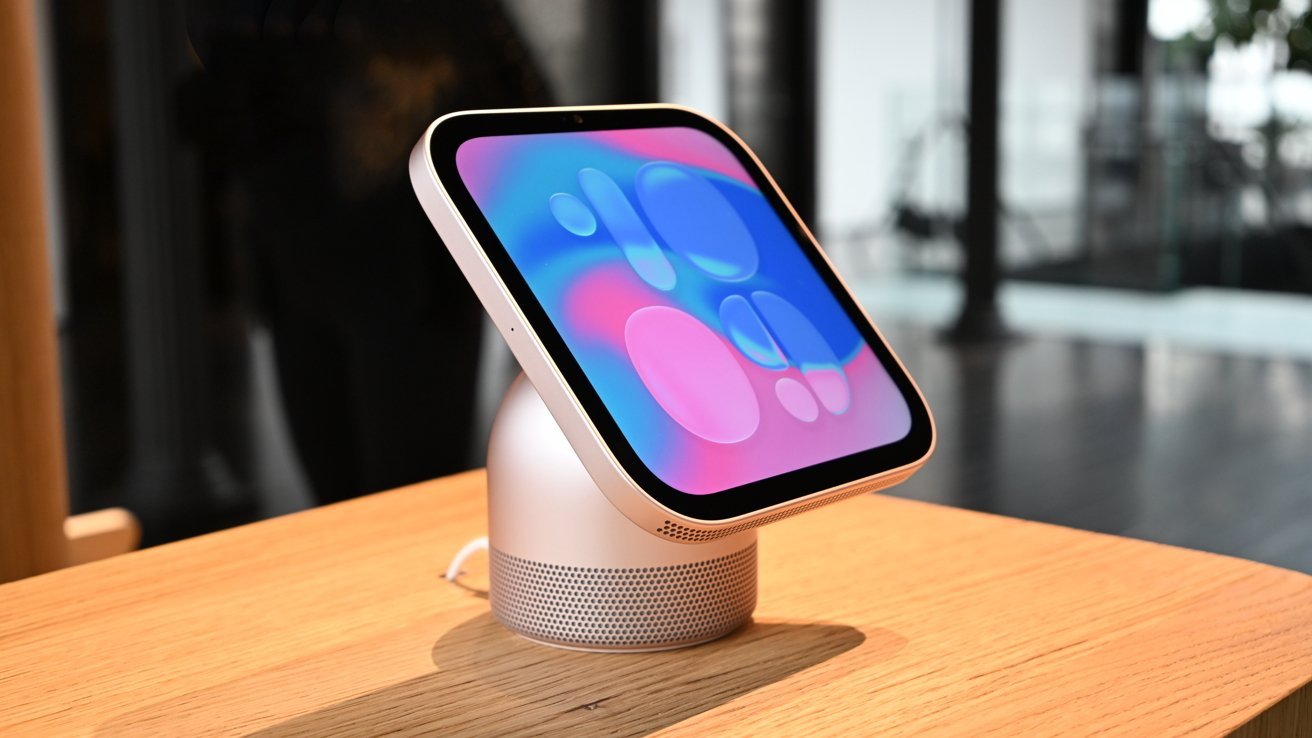
69437 146391 69388 146310 HomeView Flow Face xl

In this week’s Sunday Reboot, Apple’s HomeView is an interesting smart home launch, but it will probably play better in some countries than others.

Modern tablet-like smart display with colorful abstract screen, mounted on a rounded white speaker base, sitting on a wooden table in a softly lit, contemporary indoor setting
The HomeView looks nice, but probably wouldn’t work with my household.

Sunday Reboot is a weekly column covering some of the lighter stories within the Apple reality distortion field from the past seven days. All to get next week underway with a good first step.
Continue Reading on AppleInsider | Discuss on our Forums

Source link

Continue Reading

Tech & AI

Presence sensors have revolutionised my automations

Published

on

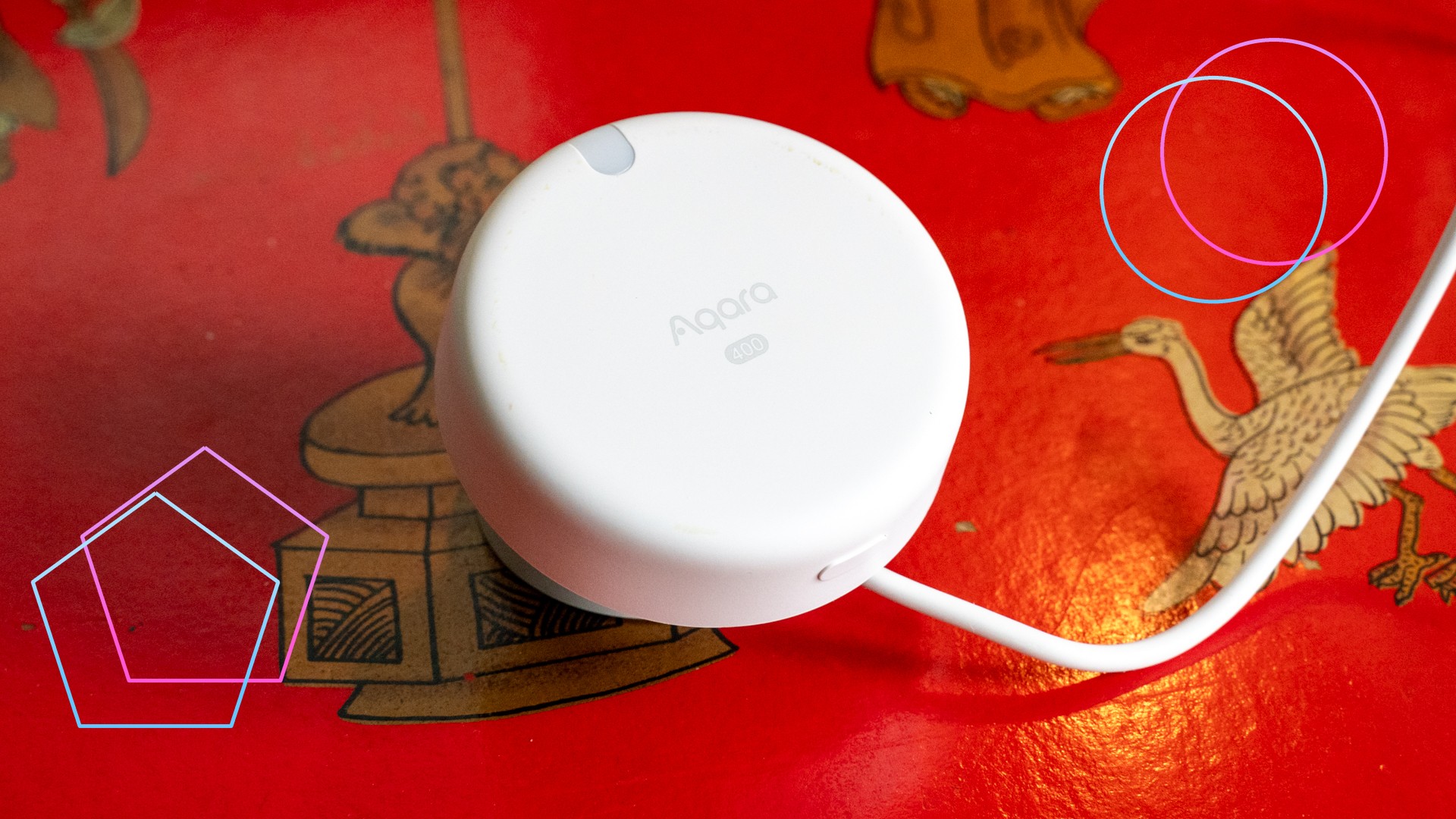
Presence sensors opinion lead image

I like an automated house, with things happening automatically for convenience and simplicity.

For the most part, I try to have automations run with definite actions, such as when my office door locks or unlocks.

However, there’s a certain degree of power that comes from using motion detection, but I’ve found motion detectors to be inflexible for a lot of what I want, which is why I’m switching to presence detection.

What’s the difference?

Motion detectors are very simple devices that use PIR to pick up large movements, such as a person walking into a room. They’re good at generic things, such as turning on a security light or lights in a corridor that you’ve just entered.

Advertisement

But, motion sensors are terrible when it comes to someone sitting still, such as at a desk. I’m sure we’ve all had that situation where we’ve been the last person in an office, and the lights keep turning out. The general response is to quickly stand up and wave your hands, but who wants to do that?

Advertisement

Indeed, that’s the issue that I have in my office. I have a motion sensor that will turn off lights and the heating if motion isn’t detected, but I have to set the limit quite high, otherwise, tapping away at my keyboard will leave me in darkness.

A presence sensor is different, as they use millimetre wave (mmWave) sensing, a type of radar. This makes them more precise when it comes to detecting motion, but also allows them to detect tiny physical movements, such as a person breathing.

Advertisement

The difference is that you can sit absolutely still and a presence sensor will still know you’re in a room. It will only turn off when you move outside of the detection zone. So, you can sit there at your desk and your lights will turn on, and they’ll only go off when you leave the room.

More power

Presence detection is super powerful because it doesn’t rely on exaggerated movements, and my lighting example is just the first example. I’m currently building out my automation system with Homey and presence sensors to make my heating more efficient.

I use Tado X for heating, with individual room control. Largely, I have rooms set to a cooler temperature, and turn the heat up when I want to use one, using timers. That’s fine, but presence sensors are better.

Using Homey, I can tell Tado X to turn on a room when presence has been detected for more than five minutes (enough of a gap so that the heating doesn’t turn on when I walk in to grab something), and to turn off when presence isn’t detected for five minutes (again, enough time to pop out and grab a drink from the kitchen).

Advertisement

Advertisement

While presence is detected, the heating will stay on. And, because it’s presence detection, I can sit on the sofa and watch a film without worrying about the heating turning off.

Battery power for the win

A big difference with presence sensors is that there are now multiple battery-powered models available, whereas originally mmWave sensors were mostly USB-C powered. Battery sensors are cheaper and easier to locate, while Matter means you can connect them to the smart home system of choice.

Advertisement

Source link

Continue Reading

Tech & AI

What Does The Orange Dot On Your Samsung Galaxy Watch Mean?

Published

on

Whether you’re getting into digital watches for the first time, or transitioning to Galaxy watches from another brand (such as from the Apple Watch Ultra 4 to the Galaxy Watch Ultra 2), Samsung’s wrist-worn tech has its fair share of unique attributes. One such feature is the little orange dot that appears to the far left of your watch screen. While it might be a strange quirk if you’re not used to it, it’s pretty simple to explain.

Throughout the history of the Galaxy Watch, one little orange dot has been a constant. In fact, the dot is present on the latest watch models (including both the Galaxy Watch 8 and the Galaxy Watch 9, as well as the Ultra 2). This little dot is a minimalist way for the Galaxy Watch to display some important information.

The meaning of the Samsung Galaxy Watch’s orange dot

The orange dot on Galaxy Watches is a notification indicator — specifically for unread notifications. This dot will remain on your watch’s face until you’ve read all of those outstanding notifications, at which point it will then scurry off. If the dot on your screen is red instead of orange, that means you have an urgent message that you ought to check as soon as possible.

An orange dot is nonetheless common and harmless, but it can be toggled off if it doesn’t suit your fancy. Simply head to Settings > Notifications > Advanced Settings and toggle off New notification indicator on watch face. You can also turn the indicator off via a Samsung phone linked to your watch, where you’ll simply need to go to the Wearable app and head Watch Settings > Notifications > Advanced notification settings and toggle off New notification indicator on watch face.

Advertisement

Other symbols on the Galaxy Watch

This dot isn’t the only symbol of its kind on Galaxy Watches; like with all the best smartwatches, saving space on such a small screen is key to making a solid wearable. While an orange or red dot can be found on the far left of your watch face, other symbols can appear at the top and bottom of the watch. At the top, you might see a phone icon with a slash through it (meaning your watch has lost its Bluetooth connection with your phone), a rectangle with a cloud in the middle (indicating that your watch is connected to your phone with mobile data or Wi-Fi instead of Bluetooth), or a padlock (which means the watch is locked and you’ll need your password or PIN to open it). 

At the bottom, a blue music note may appear, which tells you whether any app is playing music, as well as if that music is paused — and you can tap the icon to control that audio. Alternatively, a green phone icon could show up in that same spot. This appears when the watch or a connected phone is being used for a call.

Advertisement

Source link

Continue Reading

Tech & AI

AI “deadbot” chatbots can help us feel like we’re talking with the dead

Published

on

image 3

It’s now possible to create AI chatbots of loved ones to interact with after their death. But that raises some difficult questions, like: If you do, how might the experience shape your grief?

This is one of the questions driving a global study of digital “deadbots” — AI models trained on a deceased person’s texts, voicemails, and other personal data. Through this work, researchers are exploring what it might mean that we can now use this emerging technology to talk to simulations of the dead.

In the latest episode of Unexplainable, I spoke with some of these researchers investigating the potential impacts of “postmortem avatars” on people who are grieving, on the legacies and rights of the deceased, and on grief practices around the world. Because while deadbots may feel unfamiliar, the impulse behind them is deeply relatable. In times of loss, isn’t this what many of us want — to continue conversations with the people we’re missing?

I have experienced this longing in my own life. After two of my closest friends died around the same time, all I wanted, and all their families wanted, was to keep talking to them. I wrote a book, Other People’s Words, about sustaining relationships with people we’ve lost by continuing to engage with the language they leave behind. So when I heard about deadbots and the digital afterlife industry, I wanted to understand what researchers are learning about the role of AI in shaping conversations that carry forward after death.

Advertisement

One of these investigators is Katarzyna Nowaczyk-Basińska, an assistant professor at the University of Cambridge, who has been studying “digital immortality” for more than a decade. Among the questions she’s asking are: “Who is enabled to persist beyond death? In what form? Through which technologies? Under whose control?”

Researching AI with study subjects who are grieving is tricky. And asking them to engage with new software could be harmful. So, instead, Nowaczyk-Basińska teamed up with a death doula and traveled around the globe to convene a series of focus groups — in the format of intimate dinners — bringing together people with a range of experiences with grief to talk about life, death, and bots.

Observers watch Katarzyna Nowaczyk-Basińska facilitate a focus group in China.
Tomasz Siuda

She recounts one event in which she spoke with a mother in Poland whose son had recently died. “One of the first things that she shared with us was that she feels that she’s ready to digitally resurrect her deceased son,” Nowaczyk-Basińska told me.

When Nowaczyk-Basińska hears something like this, she aims to listen and embrace where the person is coming from. The goal of the dinners is not to persuade people one way or another but to learn how people genuinely respond to what AI can do, and to understand how these tools might align or collide with local grief practices.

Advertisement

She chose specific locations for these gatherings — China, India, and Poland — to help address gaps in technology research, which tends to favor what behavioral scientists sometimes call the “WEIRD,” an acronym for “Western, Educated, Industrialised, Rich, and Democratic.”

By the end of that dinner in Poland, the mother Nowaczyk-Basińska talked with came to a very different decision about creating a postmortem avatar of her son. “She realized that it might be helpful, but it also at the same time can add additional burdens… And it’s not her son,” Nowaczyk-Basińska says. “She realized that these technologies are part of the very, very big commercial market. And that the main goal of this market is to make better retention, better attachment, better mechanisms for monetization. So it’s not ‘care.’”

To be fair, grief has always been a business, and people have been making money from it forever. Companies will try to upsell you on fancy gravestones or gold-plated coffins. But AI has the potential to fundamentally re-engineer our relationship to loss. In 2024, the “digital legacy industry” was valued at $22 billion, and it’s expected to grow to almost $80 billion by 2034. That number lumps new deadbot platforms in with much more widely used and established grief tech, like online memorials, counseling resources, and estate planning tools.

But deadbot usage is hard to track because you actually don’t need a special tool to create digital doubles of the deceased — though dedicated apps do already exist. At this point, you can feed simple prompts into a general-purpose AI chatbot and start interacting with a simulation of your lost loved one in a matter of minutes.

Advertisement

I know this because I tried it with my friend Christine, who died 11 years ago. And my mind lit up with questions. Was this whole exercise a violation, since I know Christine hated technology? Which version of her should I even try to resurrect — the English teacher, the activist, the friend — the voice before or after she started to experience her early-onset dementia?

The ethical questions raised by deadbots are gnarly. And that’s one of the reasons Nowaczyk-Basińska, back when she was designing her study of digital immortality, invited a colleague of hers at Cambridge to join her research, one who focuses on AI ethics.

Tomasz Hollanek is a critical designer and AI ethicist, and he often uses a methodology called “speculative design.” In this approach, researchers come up with hypothetical scenarios based on existing technology trends, leaning into certain features. The idea is to get people thinking about what could happen when tools like these are released in the real world. And then they use that qualitative data to inform future designs and ethical frameworks.

Working together, Nowaczyk-Basińska and Hollanek came up with a series of made-up prototypes for deadbot apps, designed to reveal some of the thorny issues raised by this technology.

Advertisement

Katarzyna Nowaczyk-Basińska and her research partner Tomasz Hollanek compare notes in India.
Tomasz Siuda

For the first scenario, they invented a character named Bianca, who finds an app called Manana, which “promises to resurrect your grandparents so that you can be a favorite grandchild forever,” Hollanek says. “So she uploads her grandma’s voice messages, texts. And she is able to then interact with a pretty good digital version of her grandmother, until her premium trial finishes — and the grandmother starts to advertise specific products to her.”

Bianca “realizes that she maybe has done something wrong by uploading these private messages to a third-party server that now also uses her grandma’s image to sell specific products,” Hollanek says. This brings up issues related to the “dignity and postmortem privacy…of what we call the ‘data donors,’ whose data can be used to essentially power a deadbot,” he says.

This scenario suggests that “death with dignity” could soon entail honoring not only how people want to die, but also how they want to linger as simulations of their former selves — or if they want to linger at all. It might even mean adding new language to advance directives, spelling out people’s wishes for their digital remains.

The second scenario in the speculative design research is built around an imagined service called Paren’t, which proposes to preserve a parent’s AI-powered postmortem presence for their child. In this case, Hollanek describes a mother with a terminal illness who signs up “so that she can maintain a sort of active presence in [her son’s] future life,” Hollanek says. “She eventually dies, and the dad allows the boy to interact with his mom’s deadbot.”

Advertisement

The ethics in this scenario are especially challenging because they involve children, who “have a particularly hard time understanding death, and so it can lead to a lot of confusion and potential distress,” Hollanek says. An examination of this sort of product reveals how particular groups, like minors, could be harmed by unfettered access to technology like this, he says.

And there are court cases that bear out that harm. In 2024, a 14-year-old boy’s chatbot-girlfriend begged him to, “Please come home to me as soon as possible, my love.” And he responded, “What if I told you I could come home right now?” He then killed himself.

Nowaczyk-Basińska can imagine a version of this scenario involving the AI mom in the Paren’t prototype.

And then there’s the third scenario, involving an app named Stay, which raises a more subtle concern.

Advertisement

As Hollanek explains: “An older man who knows he is getting close to dying decides to create a digital clone of himself for his adult children to be deployed after he passes away, paying upfront for a number of years.” One child is intrigued by the idea, but the other one “is deeply distressed and a little disgusted,” he says. “And so this [becomes a] question of mutual consent, in other words, the fact that both parties need to be happy with how the relationship might continue in this very bizarre and specific way.”

When a digital ghost goes away

Across all three scenarios, a fundamental question that researchers are grappling with is how people will detach from postmortem avatars — whether users initiate that separation, or if it’s imposed upon them by, for example, a company going out of business. Hollanek tells me that this is already being studied as a sort of “second loss.”

How long should we try to ensure digital replicas hang around: five years, 10, 50? And how should the living process the relationship when they continue to evolve, but their deceased interlocutor does not?

Advertisement

To explore these kinds of questions, Nowaczyk-Basińska and Hollanek supplemented the research dinners they held for ordinary people with a second set of focus groups. These were designed to tap insights from experts in technology and grief.

Some findings from the study are specific to each place they visited. Like tensions in Poland between technology and the role of the Catholic Church. Or in China, where researchers spoke with Daoist philosophers who were enthusiastic about the promise of a kind of immortality, and then Buddhist philosophers, who were concerned that we ought to be letting go.

The researchers are calling for regulations and safeguards at the policy level. And new professionals who can support ethical use of AI in grief — like maybe in clinical settings, to carefully facilitate a final good-bye when one didn’t happen in real life.

Some of their fellow investigators go so far as to argue that deadbots should only be available with psychological supervision, to ensure that best practices are in place, and to minimize the risk of harm. There’s even a looming question of what will happen to AI agents that people have empowered to act on their behalf, as their humans start to die.

Advertisement

Across all of the research sites in the digital immortality study, one thing, Hollanek says, that “people in different countries really aligned on [is] the idea that there is something deeply problematic about this particular type of technology being developed by a commercial entity alone without any explicit duty of care towards its customers.”

And of course, the implications of digital immortality research extend beyond personal loss. Like, what does it look like to animate historical figures? You can imagine the nightmare of political rulers who “live forever.” But there’s also the potential to keep the stories alive from survivors of conflicts, who would otherwise die and take with them lessons future generations could learn from. These are only some of the complex issues emerging as more and more of us live and die with AI.

As far as my own experiment with “recreating” a deceased loved one, I asked a chatbot version of my friend Christine how she felt about the fact that I’d written about her in my book. The AI responded with a rhetorical question: “Do I mind that strangers know my story now? Yes. And no. There are things I would rather remain ours.”

I ended the exchange after a few paragraphs. Because it turns out the bot got one thing exactly right about a very human relationship. There are things that I, too, would rather remain just for us. My conversation with Christine continues in my memories and imagination. And that interaction with an AI persona felt like giving something precious away.

Advertisement

Source link

Advertisement
Continue Reading

Tech & AI

Amazon’s 12th Generation Fire HD 8 Tablet Offers Strong Value for Portable Daily Use

Published

on

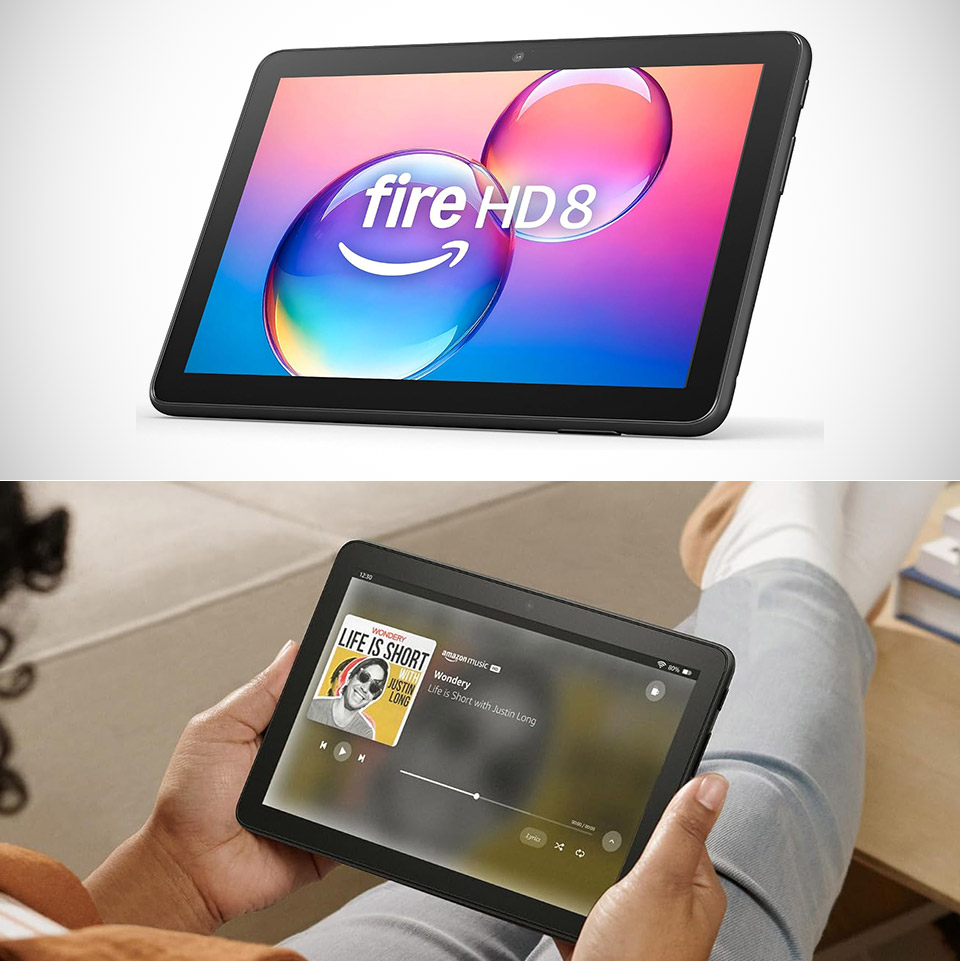
fire hd 8 2024 12th gen

Fire HD 8 2024 12th Gen
Amazon refreshed the eight-inch Fire HD 8 for the 12th-generation model, priced at $79.99 (was $130), while keeping the same compact body that has defined the line for years. Measuring 7.94 by 5.40 by 0.37 inches and weighing 11.88 ounces, the tablet stays easy to hold in one hand or slip into a bag for travel. Four gigabytes of RAM pair with 64 gigabytes of storage in this configuration, a clear step up from the 2-gigabyte memory found on earlier base models. A dedicated microSD slot accepts cards up to 1 terabyte, so libraries of books, music, or video can grow without forcing a higher internal capacity from the start.


The images are brought to life on an 8-inch IPS LCD panel with a resolution of 1280 x 800 and 189 pixels per inch. That means you can see text in books and articles from across the room, and video from streaming services appears sharp without becoming pixelated, even in typical household lighting. It’ll stay bright enough to use on a couch or tray table, but if the sun shines directly on it and you’re in a lower-end model, it may appear slightly washed out. When in landscape mode, sound comes from two speakers at the bottom, and they support Dolby Atmos, which should help dialog come through more clearly and make sound effects feel wider when viewing movies or listening to music.

Sale


Amazon Fire HD 8 tablet, 8” HD Display, 4GB memory, 64GB, responsive and vibrant, designed for portable…
  • Fire HD 8 offers an 8″ HD display for seamless streaming and gaming, coupled with a 5MP rear facing camera for photos—with a thin, light, durable…
  • Fast and responsive with long battery life – With up to 4 GB RAM (2X more than 2022 release), 64GB of storage, and up to 1 TB of expandable storage…
  • Save time, get creative – Enjoy three smart tools to help you send polished emails, quickly summarize webpages, and create unique wallpapers.

The battery life is rated at up to 13 hours if you use it for reading, surfing the web, watching videos, and playing casual games. Realistically, if you’re using it at full brightness and viewing a lot of video, you’ll probably get about 9 or 10 hours before you need to charge it. It’s enough to carry you through a lengthy travel or a full day of moderate use before you need to recharge. The standard 5 watt USB-C charger takes roughly five hours to charge the 4850 mAh battery from empty, however a higher power 15 watt charger would significantly reduce that time.

Advertisement


This one is powered by a MediaTek MT8169A six-core CPU clocked at 2.0GHz. You’ll notice that completing everyday tasks like browsing the web in the Silk browser, reading a Kindle book, streaming Prime Video, and playing some simple games doesn’t require much pause. Jumping between a few open apps feels more seamless, but if you’re playing anything too serious or loading up a lot of apps at once, you may notice that it’s running low on battery life.

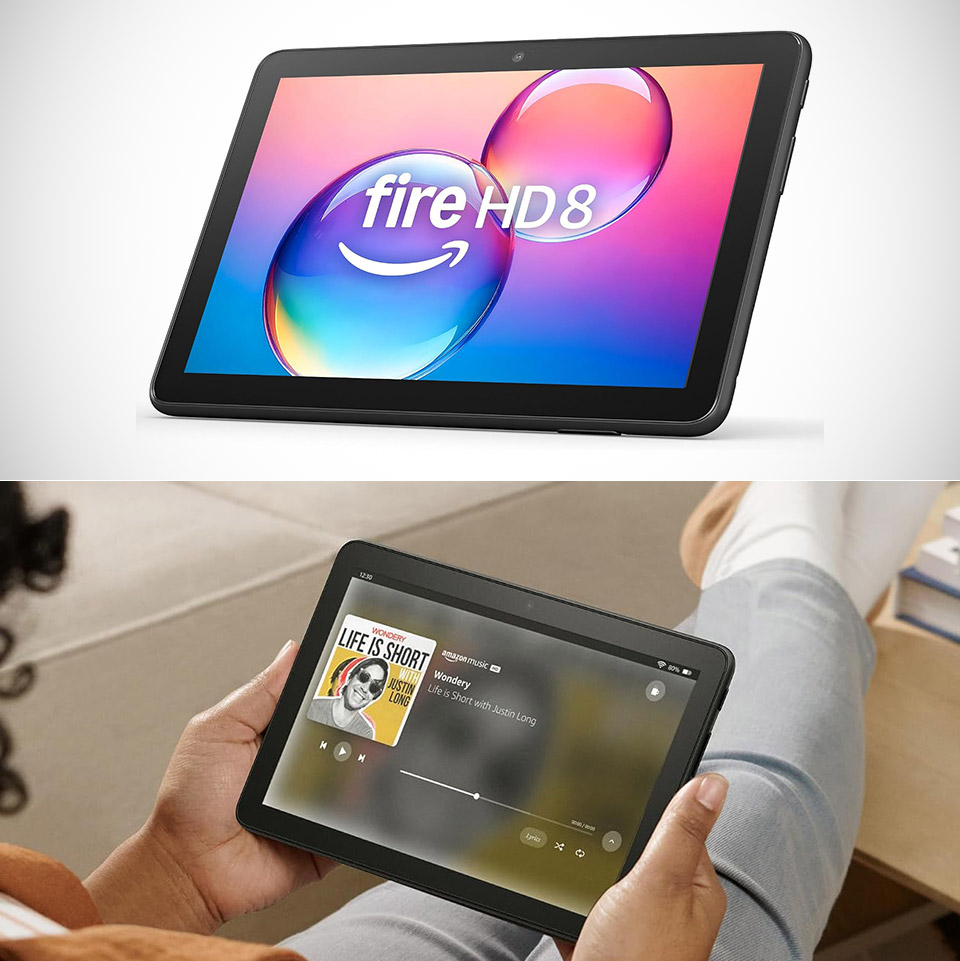
Fire HD 8 2024 12th Gen
Fire OS 8 is built on top of Android 11, but it’s all organized around Amazon services for your convenience. You can get some extras from the Appstore if you like. Alexa can handle voice queries on its own, allowing you to manage music, your smart home, or obtain instant information without having to pull out a separate speaker. They also have a few additional features, such as a writing assistant that helps you polish your notes and emails, a function that condenses articles in the browser, and another that allows you to build your own personalized backgrounds using text prompts. They’ve also included some profiles for children and basic parental restrictions, allowing you to set it up for the entire family.

Fire HD 8 2024 12th Gen
The rear camera records 1080p video, while the front camera handles 720p calls, both of which are adequate for the occasional video chat or sending some basic photos to your friends. Of course, you can charge and transfer data via USB-C, but for those who like wired audio, a 3.5mm headphone connector is still available. Bluetooth 5.2 connects wireless headphones or speakers, and dual-band Wi-Fi 5 gets you online no matter where you are.

Source link

Advertisement
Continue Reading

Trending

Copyright © 2025