
Business
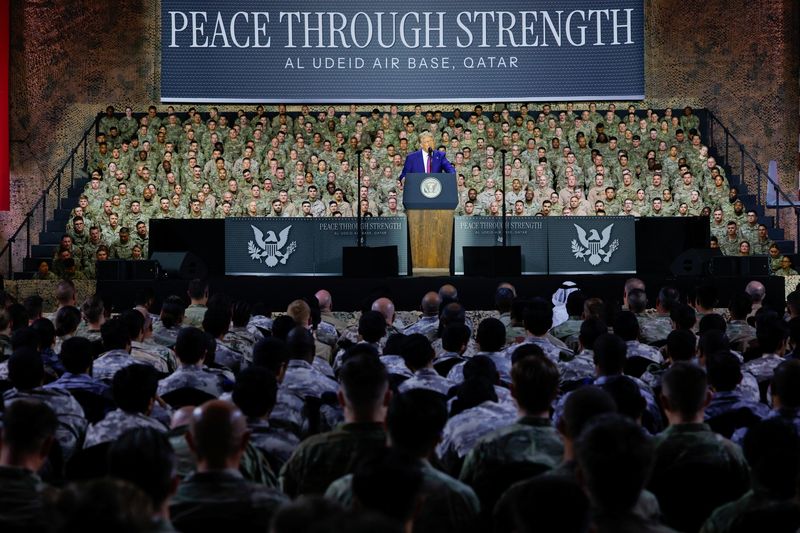
Factbox-What are the main US military bases in the Middle East?



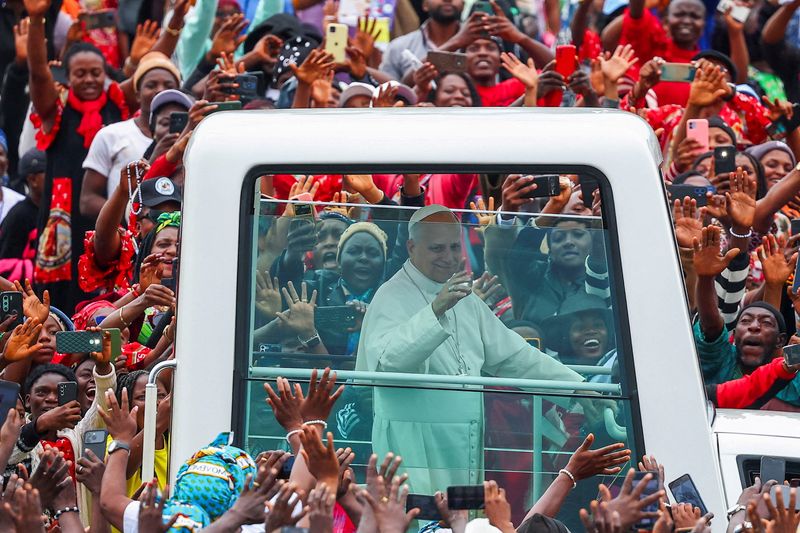

Crowds gather in Cameroon for biggest event of Pope Leo’s Africa tour
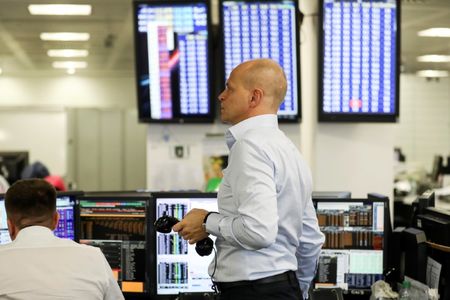
Workspace shares dive 13% on profit warning and dividend reset
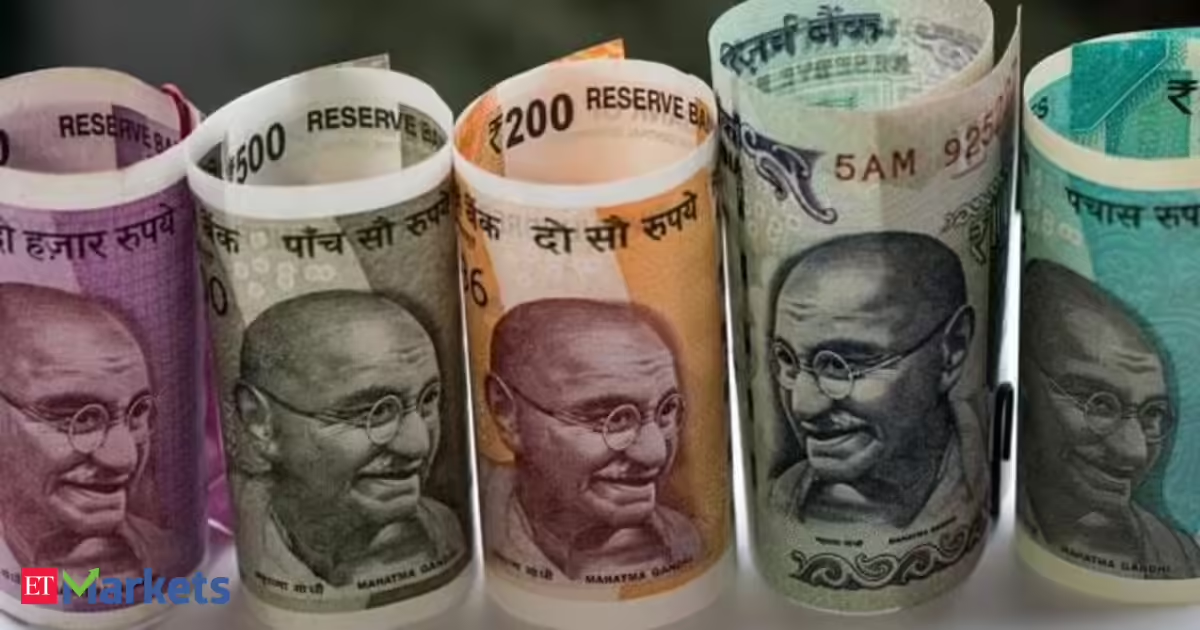
The rupee rose 0.5% to 92.7250 per dollar as of 10:50 a.m. IST, its strongest level since April 10.
The central bank has urged state-run oil refiners to tap a special credit line for foreign exchange needs while curbing spot dollar purchases, Reuters reported post market hours on Thursday.
The measure marks a fresh deployment of crisis era tools to support the rupee which has been battered by concerns over high energy prices and weak capital flows.
A combination of regulatory measures by the central bank – including caps on banks’ net open FX positions, curbs on banks offering corporates NDFs and the special facility for oil refiners – has helped boost the rupee about 2.5% from its record low hit in late March.

Along with earlier measures like tighter position limits and curbs on NDF, “this signals one clear message: the RBI is actively defending the rupee in a challenging environment,” said Amit Pabari, managing director at FX advisory firm CR Forex.
Separately, Reuters also reported on Friday that Indian banks have halted gold and silver imports amid a delay in government clearance. Meanwhile, global markets are keeping their eyes peeled for developments related to Iran war peace talks.
A 10-day ceasefire between Lebanon and Israel went into effect on Thursday and President Donald Trump said the next meeting between the United States and Iran may take place over the weekend.
Asian currencies were mostly range-bound while Brent Crude futures fell 1% to $98 per barrel.
“If diplomacy fails and optimism fades, USD could stay supported for longer, while recent Asian FX gains look more vulnerable amid still high energy prices,” MUFG said in a note.

Seizure numbers hit a 17-year high as an estimated 300,000 uninsured vehicles are driven each day.
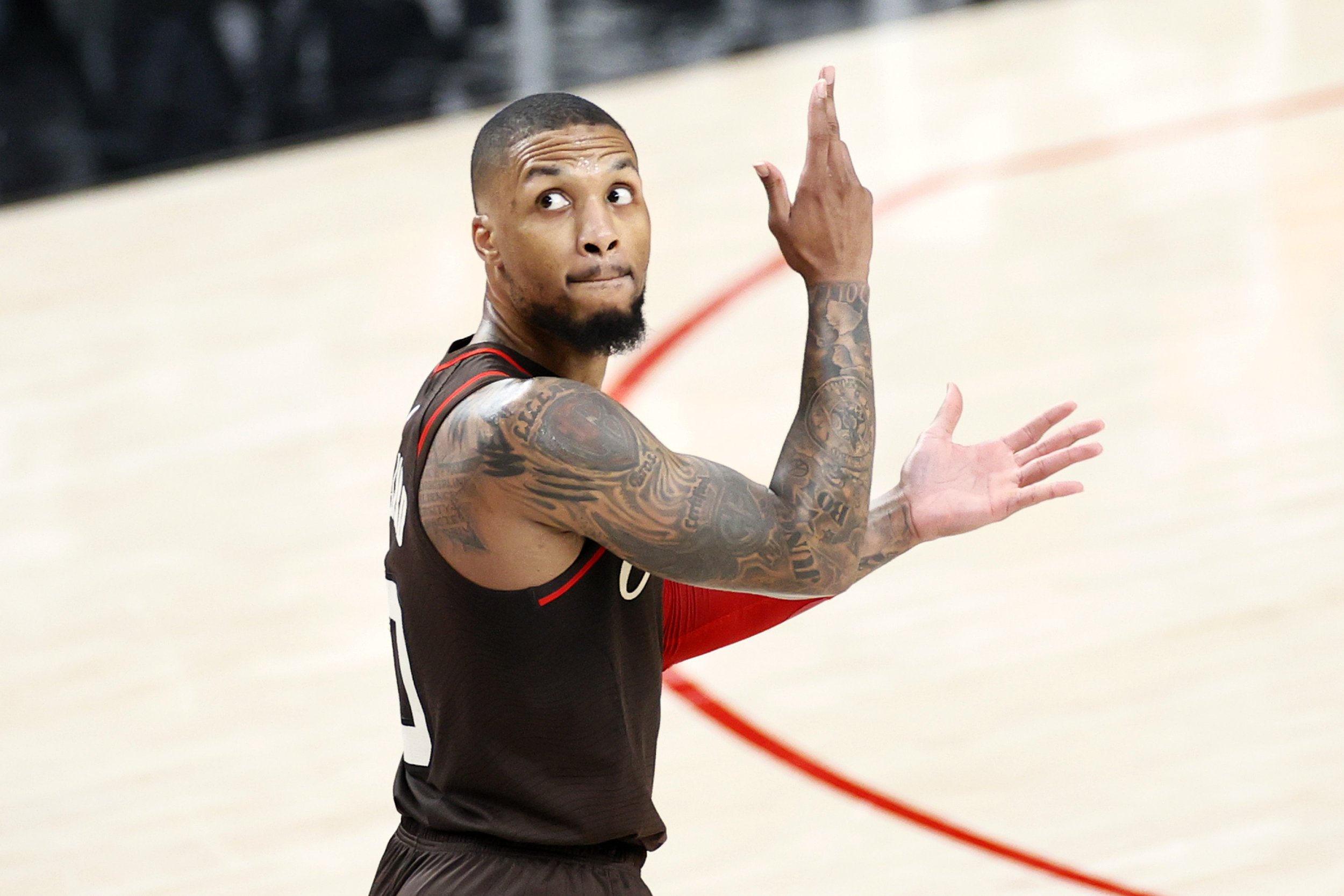
PORTLAND, Ore. — Portland Trail Blazers guard Damian Lillard remains sidelined with a torn left Achilles tendon and is not expected to play in the 2025-26 postseason, including the team’s upcoming play-in tournament game against the Phoenix Suns. The 35-year-old nine-time All-Star is targeting a full return for the start of the 2026-27 NBA season after a deliberate, season-long rehabilitation process.
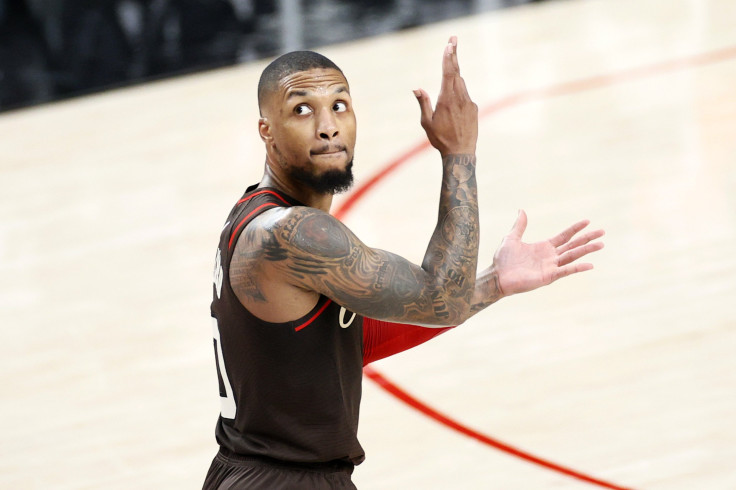
Lillard suffered the injury in late April 2025 during Game 4 of the Milwaukee Bucks’ first-round playoff series against the Indiana Pacers. He underwent surgery in early May 2025. The Bucks waived him in the offseason using a stretch provision, clearing cap space while allowing Lillard to return home to the franchise that drafted him in 2012. Portland signed him knowing he would miss the entire 2025-26 campaign to prioritize long-term health.
As of mid-April 2026, more than 11 months after surgery, Lillard continues individualized rehab that includes on-court shooting and light basketball activities. Full-contact, high-speed play and competitive games remain off limits. The NBA’s official injury report lists him as out for “left Achilles tendon; injury management.” Blazers officials have consistently supported the cautious timeline, describing the current season as a bridge year focused on his recovery rather than any short-term contribution.
Achilles tendon ruptures rank among the most serious injuries for NBA players, particularly explosive guards who rely on quick first steps, lateral movement and repeated jumping. Recovery typically requires 10 to 12 months or more before an athlete can approach pre-injury form. At 35, Lillard and the organization opted against rushing the process. “I’m running my own race,” Lillard told reporters earlier this year when asked about his physical progress. “If I were 23, 24, 25, I probably would be more competitive about who is doing what, but I know where I am physically. I can feel it.”
Social media videos shared in recent weeks show Lillard moving fluidly, cutting, jumping and draining three-pointers in controlled workouts. In February, he participated in the NBA All-Star Weekend three-point contest — his first on-court appearance since the injury — and demonstrated that his elite shooting touch remains intact. The appearance served as a public sign of progress but did not alter the organization’s plan to keep him out for the full season.
Lillard has emphasized patience throughout the process. He has described the early months as frustrating yet manageable with the right mindset. “It’s going well,” he said in a December interview. “I think it’s one of those injuries where you just have to take your time. The first few weeks to a couple of months can be frustrating because you’re so limited, but with patience, giving yourself grace, and doing what’s necessary to keep progressing, you eventually start to see the light at the end of the tunnel.”
The decision to sit out the entire 2025-26 season aligns with modern medical protocols for older athletes recovering from Achilles tears. While some players have returned in nine months, the Blazers and Lillard prioritized ensuring he enters the 2026 offseason with a complete training block. He has expressed confidence that he can return at or near his previous All-Star level when the 2026-27 season tips off in October. “I plan to return and be myself,” Lillard has stated, adding that he is “excited” about reuniting with Portland’s young core.
Without Lillard on the floor, the Blazers have leaned heavily on their developing roster. Guards such as Scoot Henderson and Shaedon Sharpe have logged increased minutes, while forward Deni Avdija earned his first All-Star nod this season. The team has remained competitive enough to reach the play-in tournament, validating the front office’s long-term vision. Lillard has stayed engaged off the court, attending games, team events and locker-room sessions. “I’m in the locker room with them, the team events, all of those things,” he said. “I’ve definitely kept connected to the team. I try not to just be the veteran guy … I do a lot of listening, and when guys have questions, I’ll share what I think.”
The Achilles injury capped a turbulent 12 months for Lillard. Earlier in the 2024-25 season he dealt with a deep vein thrombosis diagnosis in his right calf, an issue that required careful management. The playoff injury, followed by the Bucks’ decision to move on, tested his resilience. Yet Lillard has framed the year as one of growth. “Over the past year, I’ve faced a lot — dealing with a blood clot, tearing my Achilles, being waived, being away from my kids and family — but I kept my head down and pushed forward,” he reflected. “God has been faithful, and through His grace, we’ve made it here. Now, I move forward with my head held high, still in one piece, and I’m really excited about what’s ahead, especially being back home in Portland.”
NBA history offers mixed lessons on Achilles recoveries for players of Lillard’s age and position. Kevin Durant returned to All-NBA form after his 2019 tear, but he was 30 at the time of injury. Guards such as DeMarcus Cousins faced longer struggles regaining quickness. Lillard’s case benefits from his elite shooting and basketball IQ, traits less dependent on raw explosiveness. Still, the organization has made clear that any return will come only when medical staff and Lillard himself confirm he can “play every year for the rest of my career as the best version of myself.”
Portland’s front office views the 2025-26 season as an investment. By granting Lillard the full calendar year, the Blazers position him to pair with a roster that has taken meaningful steps forward in his absence. Analysts note that a healthy Lillard next season could elevate a young, athletic group into a legitimate playoff contender in the Western Conference. Lillard has echoed that optimism, saying the team’s growth during his recovery makes him even more motivated. “Looking at our team’s growth, if I can come back right, we’ll have a great shot next season,” he said.
Fans in Portland have followed Lillard’s progress closely on social media. Clips of his workouts have gone viral, sparking renewed excitement for “Dame Time” in Rip City. The three-point contest appearance in February reminded supporters of the clutch performer who once led the Blazers to multiple playoff runs and earned a reputation as one of the league’s most loyal and skilled point guards.
Medical experts generally advise that full return to elite performance after an Achilles rupture can extend beyond the initial 10-to-12-month window, especially for athletes over 30. Strength training, blood-flow restriction therapy and gradual load management have become standard. Lillard’s regimen appears to follow these best practices. As of mid-April, he has not experienced setbacks publicly reported, and the Blazers continue to describe his outlook as positive.
The broader context of Lillard’s career adds weight to the recovery narrative. Drafted ninth overall in 2012, he spent 11 seasons as the face of the Blazers franchise, leading it to the playoffs eight times and earning All-Star honors seven times while in Portland. His 2023 trade to Milwaukee paired him with two-time MVP Giannis Antetokounmpo in a bid for a championship. Though the partnership produced strong regular-season results, postseason exits and the subsequent injury shifted the trajectory. Returning to Portland allowed Lillard to close his career where it began, mentoring the next generation while chasing unfinished business.
As the 2025-26 season winds toward its conclusion, the Blazers prepare for their play-in game without their veteran leader. Lillard will watch from the sidelines or the broadcast booth, continuing his rehab in the background. The organization has left the door technically open to an earlier return only if medical evaluations warrant it, but all current reporting points to a firm focus on 2026-27.
Lillard’s story this season has become one of resilience and strategic patience. At an age when many guards face declining athleticism, he has chosen the longer road to protect his legacy. If the plan holds, fans could see the familiar step-back three and “Dame Time” celebration again when the new season opens in October 2026. For now, the message from Portland is clear: the priority is not rushing back but ensuring Lillard returns as the player who has defined excellence for more than a decade.
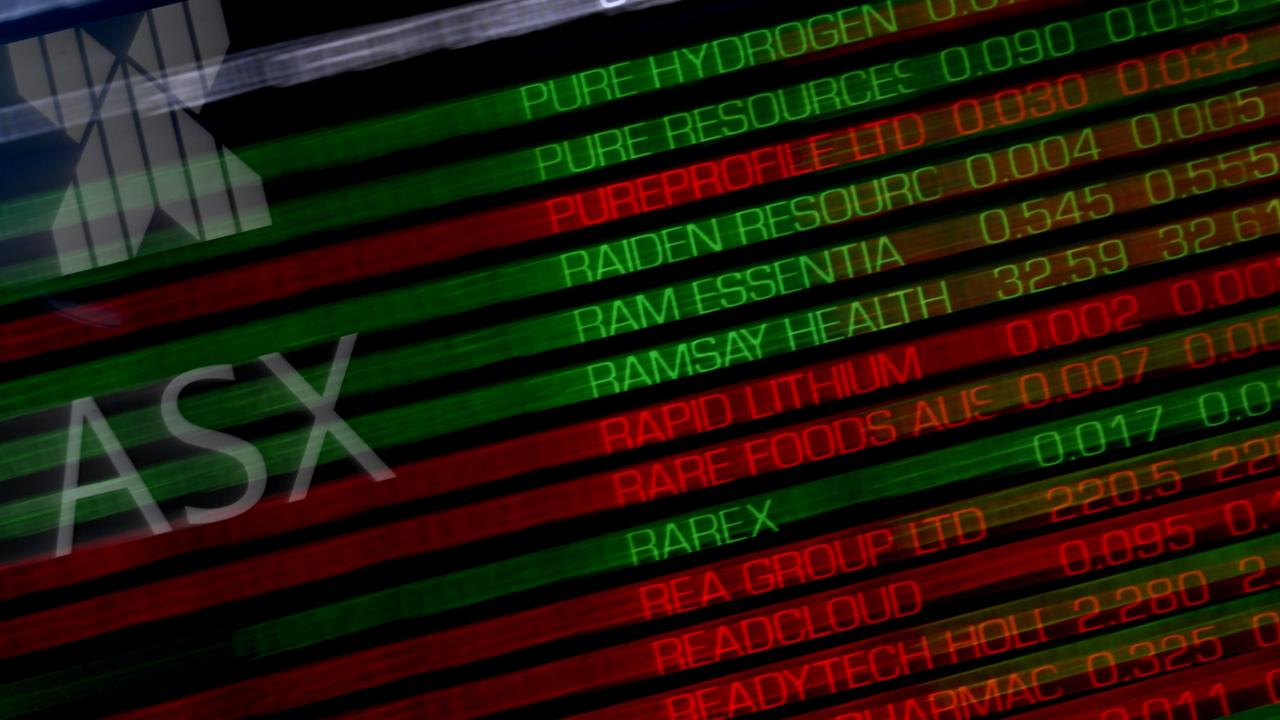
Australia’s share market has crimped a three-week win streak despite market optimism the US-Iran conflict could be partially resolved in the near term.
LM Ericsson B ADR earnings missed by $0.09, revenue fell short of estimates

Rates Spark: Expectation Management
Business
Telefonaktiebolaget LM Ericsson (publ) 2026 Q1 – Results – Earnings Call Presentation (NASDAQ:ERIC) 2026-04-17


Seeking Alpha’s transcripts team is responsible for the development of all of our transcript-related projects. We currently publish thousands of quarterly earnings calls per quarter on our site and are continuing to grow and expand our coverage. The purpose of this profile is to allow us to share with our readers new transcript-related developments. Thanks, SA Transcripts Team

Token incentives are a foundational element of many Web3 applications, shaping how users interact with platforms and how ecosystems grow over time. These incentives are often discussed alongside broader market awareness, where shifts in crypto prices draw attention to digital assets and decentralized platforms.
Beyond market movements, token incentives play a deeper role, shaping participation, engagement, and long-term commitment in Web3 environments. Understanding how these mechanisms influence user behavior provides insight into why certain applications gain traction while others struggle to maintain activity.
What Are Token Incentives Designed To Accomplish?
Token incentives are designed to align user actions with a platform’s goals. By offering digital tokens in exchange for participation, platforms encourage behaviors such as contributing resources, providing feedback, or supporting network security. These incentives create measurable value around actions that help sustain the system.
Unlike traditional reward systems, token incentives often grant users a stake in the ecosystem itself. This shared ownership can encourage longer-term thinking, as participants benefit from the platform’s growth and continued activity.
The design of these incentives directly influences whether users engage briefly or develop ongoing involvement. Effective token incentives balance immediate rewards with longer-term alignment, shaping how users prioritize their actions within the platform.
Encouraging Early Adoption and Participation
One of the primary functions of token incentives is to attract early users. New platforms often face the challenge of building activity before network effects take hold. Token rewards help overcome this barrier by offering tangible value for participation during early stages.
Early adopters may be incentivized to test features, identify issues, or contribute to initial liquidity or data. These contributions help establish a functional ecosystem that later users can rely on. Without incentives, many platforms would struggle to generate the activity needed to demonstrate usefulness.
Reinforcing Desired User Behaviors
Token incentives also shape behavior by reinforcing specific actions. Platforms can design reward structures to prioritize behaviors that support stability, security, or quality. For example, incentives may favor consistent participation over one-time activity, encouraging users to remain engaged.
This reinforcement mechanism mirrors principles found in behavioral economics, where rewards influence decision-making. When incentives are aligned with platform goals, users naturally gravitate toward behaviors that sustain the ecosystem.
However, poorly designed incentives can encourage unintended behaviors, such as short-term exploitation or excessive speculation. This highlights the importance of carefully designed incentives.
Creating Long-Term Engagement
Sustained engagement is an important challenge for many digital platforms. Token incentives can support long-term participation by linking rewards to continued involvement rather than isolated actions. Vesting schedules, participation thresholds, or contribution-based rewards encourage users to remain active over time.
When users see ongoing value in participation, they are more likely to contribute thoughtfully rather than focusing solely on immediate gains. This dynamic supports healthier ecosystems with more stable activity patterns. Long-term incentives also help align user interests with platform sustainability, reducing the likelihood of rapid disengagement.
Shared Ownership and Psychological Impact
Tokens often represent more than financial value. They can create a sense of ownership and belonging within a platform. This psychological impact influences how users perceive their role in the ecosystem.
When participants hold tokens, they may feel invested in the platform’s success and more inclined to act in its best interest. This sense of shared ownership can strengthen community ties and encourage collaborative behavior.
The Risks of Misaligned Incentives
While token incentives can drive engagement, they also carry risks if not carefully designed. Overemphasis on short-term rewards may attract users who are primarily interested in extracting value rather than contributing meaningfully.
This behavior can lead to instability, reduced trust, and eventual decline in platform activity. Additionally, overly complex incentive structures may confuse users or create barriers to entry. Designing incentives requires balancing accessibility, fairness, and sustainability. Platforms that fail to address these factors may experience rapid initial growth followed by equally rapid decline.
Governance and Participation Incentives
In many Web3 apps, token incentives are tied to governance mechanisms. Token holders may be able to participate in decision-making processes, influencing platform direction and policy.
This governance role incentivizes informed participation, given that users with voting power have a direct stake in outcomes. When governance incentives are well-structured, they encourage thoughtful engagement rather than passive holding.
Adapting Incentives Over Time
Token incentive models are not static. As platforms evolve, incentive structures often need to be adjusted to reflect changing priorities and user behavior. Early-stage incentives may focus on growth, while mature platforms emphasize sustainability and quality.
Ongoing evaluation allows platforms to refine incentives based on observed outcomes. This adaptability supports long-term viability and reduces the risk of incentive fatigue.
Motivation Built Into the System
Token incentives shape user behavior by aligning participation with platform goals, encouraging engagement, and fostering shared ownership. When thoughtfully designed, they support sustainable growth and meaningful involvement within Web3 apps.

Crowds gather in Cameroon for biggest event of Pope Leo’s Africa tour

Ethereum Price Prediction: The Chain That Never Sleeps

‘Hacks’ Cast Explains the Deeper Meaning Behind That Sci-Fi Icon’s Surprise Season 5 Casting

Why Israel is blocking foreign journalists from entering

Bitcoin: We’re Entering The Most Dangerous Phase

Alan Cumming Brands Baftas Ceremony A ‘Triggering S**tshow’

THE BIGGEST WIN OF MY LIFE! #gambling #casino #money #comedy #slots

BITCOIN & GOLD LIVE TRADING ANALYSIS @tradingmentor22 Live Trading || #goldtrading #cryptotrading

#reseller #gold #antique #buisness #jewelry #fyp #crazy #money #ytshorts
-

 Politics7 days ago
US brings back mandatory military draft registration
-
 Sports7 days ago
Man United discover Nico Schlotterbeck transfer fee as defender reaches Dortmund agreement
-

 Fashion7 days ago
Weekend Open Thread: Veronica Beard
-

 Politics5 days ago
World Cup exit makes Italy enter crisis mode
-

 Business6 days ago
Tesla Model Y Tops China Auto Sales in March 2026 With 39,827 Registrations, Beating Cheaper EVs and Gas Cars
-

 Crypto World4 days ago
The SEC Conditionalises DeFi Platforms to Be Avoided for Broker Registration
-

 Crypto World3 days ago
SEC Signals Exemption for Crypto Interfaces From Broker Registration
-

 News Videos2 days ago
Secure crypto trading starts with an FIU-registered
-
 NewsBeat4 days ago
Pep Guardiola and Gary Neville agree over Arsenal title problem that benefits Man City
-

 Business6 days ago
Ireland Fuel Protests Enter Day 5 as Blockades Spark Shortages and Government Prepares Support Package
-

 Business7 days ago
OpenAI Halts Stargate UK Data Centre Project Over Energy Costs and Copyright Row
-

 Crypto World6 days ago
Federal judge blocks Arizona from bringing criminal charges against Kalshi
-

 NewsBeat3 days ago
Trump and Pope Leo: Behind their disagreement over Iran war
-

 Crypto World3 days ago
SEC Proposes Certain Crypto Interfaces Don’t Need to Register as Brokers
-
 NewsBeat5 days ago
JD Vance announces ‘no agreement’ with Iran over nuclear weapons fear
-

 Business6 days ago
IMF retains floor for precautionary balances at SDR 20 billion
-
 Business6 days ago
Former Liverpool CEO eviscerates FIFA for World Cup ticket pricing
-
 Crypto World4 days ago
Sei Network Enters Quiet Reset Phase as On-Chain Metrics Signal a Slowdown in 2026
-
Business6 days ago
Coreweave CSO Venturo sells $5.5m in class a common stock
-
Sports6 days ago
1st-Round WR Enters Vikings Mock Draft Orbit
You must be logged in to post a comment Login