Lefties, part of the Inditex group which owns Zara, Bershka and Stradivarius, will open a flagship store at the Metrocentre later this year.
The store will be one of the brand’s first three in Britain and its only branch in the North East.
Ben Cox, director of the asset managers of Metrocentre, said: “We’re proud to confirm that Lefties are the latest exciting new entrant to commit to Metrocentre.
“As one of the first Lefties stores in the UK, this is another major endorsement of Metrocentre as a key location for international brands investing in UK retail.
Advertisement
“Lefties’ trend-savvy offer will be a compelling addition to our retail mix, and this signing, once again, reflects the dominance and appeal of our scheme to both national and international retailers.
It is a fashion and homeware brand. (Image: LEFTIES)
“With our consistent footfall, extensive catchment, and quality retail offer, we continue to stand out as the leading destination in the region.”
The new store will open in Town Square, where the Red and Green Malls meet.
It will join Metrocentre’s growing list of fashion brands, including Urban Outfitters, Mango, and Hollister, which will open this summer.
Advertisement
Lefties will offer collections for women, men, teens, children, babies, and newborns, along with accessories, footwear, and homeware.
Inditex’s Bershka is also set to open its first North East store at Metrocentre later this year.
Metrocentre reported a 4.8 per cent increase in fashion category sales in the first quarter of 2026 compared to the same period last year.
Womenswear sales rose by 9.2 per cent during the same period.
Gardening expert Michael Griffiths has shared an essential five-minute lavender task do in mid to late spring if the plant is looking untidy or frost-damaged
Angela Patrone Senior Lifestyle Reporter
00:11, 18 Apr 2026
Throughout British gardens, lavender is only beginning to emerge from its winter dormancy, and in numerous outdoor spaces, it still appears far from its summer glory. A touch of careful attention now can make a significant difference when cultivating lavender, enabling the plants to maintain their form and appear purposeful rather than weary or woody once summer comes around.
One task that gardeners ought to undertake with their lavender now is pruning, particularly if they’ve overlooked pruning the plant in late summer last year.
Advertisement
Speaking on his gardening TikTok account @themichaelgriffiths, Michael explained: “If you missed pruning your lavender in late summer, or it’s looking untidy or frost-damaged, now in mid to late spring, when this new growth appears, is the perfect time to prune.”
Lavender ranks as the most under-pruned plant in Britain, with people fearful of cutting into the brown wood. With this concern in mind, Michael has demonstrated the “right way” to prune lavender during this period of the year.
Content cannot be displayed without consent
The gardening expert emphasised one crucial rule to observe when undertaking this job – you can prune lavender as vigorously as you wish, provided you’re not cutting into old wood and you retain some new growth below the cutting point.
Michael observed that it’s straightforward to distinguish between the old wood, which appears brown with almost white foliage, and the new growth, which displays a bright green colour at this time of year.
Advertisement
The gardening expert advised that pruning should be carried out just above the old wood, ensuring that a small amount of the new growth remains intact.
For anyone who mistakenly cuts into the old wood, Michael cautioned that this section “may not regrow” and “you could lose the plant”, so when uncertain, it’s best to stay above the new growth.
It’s important to note that severely pruning your lavender may lead to reduced flowering and a postponed blooming period.
British springs tend to be briefer and cooler, meaning a plant that undergoes hard pruning in April has limited time to recover before the flowering season begins.
Advertisement
As the UK moves into summer, it’s worthwhile deadheading your lavender. Removing the spent flower stalks following the initial flush of blooms in late June will promote a more robust second flowering in late summer.
While not absolutely necessary, as the seed heads have their own appeal if you choose to leave them, for particular varieties it does create a marked improvement to the August display.
As many as six Russian planes were spotted near Lithuania, Latvia and Estonia
Antonio Scancariello and Olivia Bridge Reporter in Live News Network
21:56, 17 Apr 2026
NATO fighter jets were reportedly scrambled after six Russian planes were seen near three Baltic states.
A French crew spotted the supposed threat as Russian jets were seen over the Baltic Sea, near Lithuania, Latvia, and Estonia.
Advertisement
French military then shared footage of four NATO Rafale B fighters tracking a Su-30SM fighter alongside a Russian Il-20M electronic intelligence aircraft. Analysts have suggested these aircraft may have been equipped with Kh-31P or Kh-31PM anti-radiation missiles, which is typically used to engage radar and air defence systems.
It is reported the four Rafale B fighters were deployed as part of an “enhanced Air Policing Mission”. The operations were carried out from Šiauliai Air Base in Lithuania, the base where France is heading up NATO’s air policing efforts, The Mirror reported.
During these operations, the French Rafales reportedly used Thales Talios targeting pods.
Although mainly designed for attack missions, these systems possess long-range visual identification capabilities. This allows would be pilots to safely assess potential threats remotely. These operations are part of NATO’s Baltic Air Policing mission, which aims to guarantee the integrity of Baltic airspace.
Advertisement
Earlier today (April 17), there were also reports of a Russian drone breaching the airspace of a NATO country during an overnight bombardment targeting Ukraine. Romania’s Defence Ministry said its air defences identified two targets in the border area of Tulcea county during attacks on Ukrainian civilian infrastructure, one of which entered its airspace.
The ministry said in a statement: “One of the targets entered the airspace of our country, the radar contact with it being lost 16 km southeast of Chilia Veche over an uninhabited area.
We strongly condemn the actions of the Russian Federation that endanger regional security, constituting a serious violation of the norms of international law.”
A team has been sent to investigate the area following the alert, which began just after midnight local time on Friday and ended at 2.48am. Tulcea is directly across the border from the Ukrainian port of Izmail, which has been a target for Russian attacks, and is bordered by the River Danube
In his weekly email to party members, Mr Robinson said people in Northern Ireland are “being squeezed from every direction”.
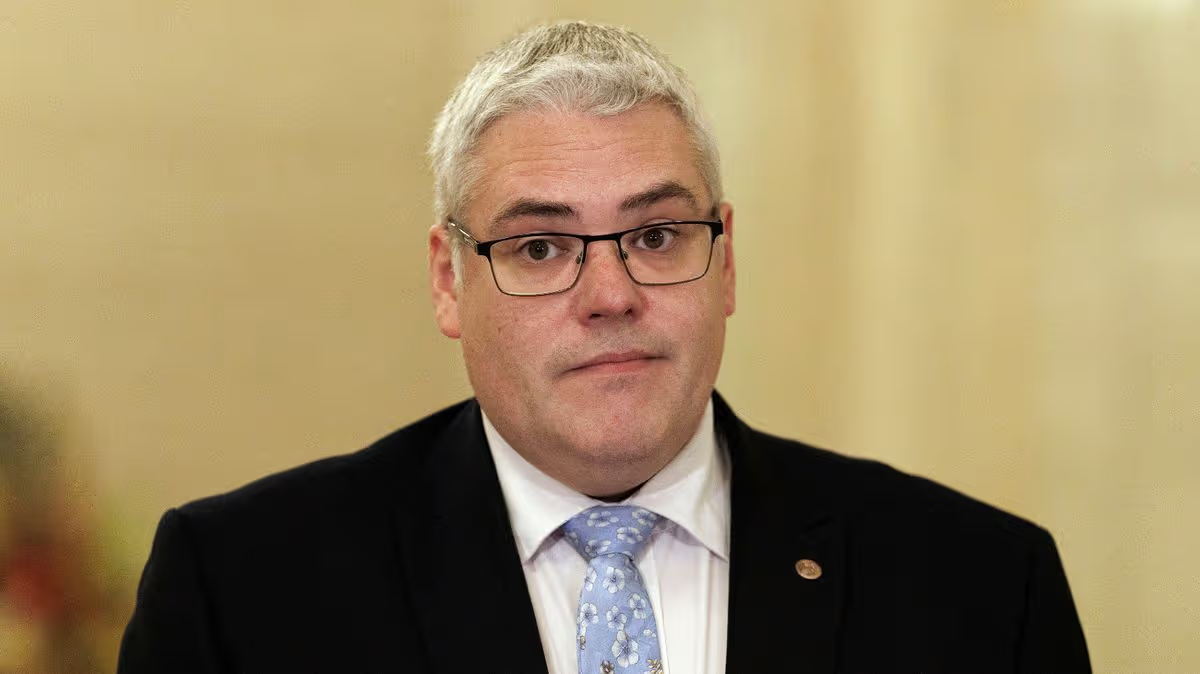
DUP leader Gavin Robinson has said other parties in the powersharing Executive are “making it worse” for people who are struggling to deal with the cost-of-living crisis.
Advertisement
Mr Robinson accused Sinn Fein, the Alliance and Ulster Unionist parties of “gesture politics” and of backing proposals when the “financial consequences are unresolved”.
In his weekly email to party members, Mr Robinson said people in Northern Ireland are “being squeezed from every direction”.
He added: “Some of those in power are making it worse.”
The powersharing Executive met this week and announced a support package for some households which use home heating oil.
Advertisement
Ministers pledged £19.2 million to go with £17 million already set aside for the scheme from the UK Government.
The scheme will see up to 340,000 lower-income households receiving a £100 payment to go towards their heating oil bills.
Mr Robinson said this was “delivery” from his party colleague, Communities Minister Gordon Lyons.
The DUP leader then referenced the Holiday Hunger Bill, which aims to support children in receipt of free school meals financially during holidays, which passed its second stage at the Northern Ireland Assembly.
Advertisement
He said: “At the Assembly this week, parties backed a proposal to provide free school meal payments over the summer holidays carrying a price tag of over £20 million this year, rising to more than £30 million annually – with no credible answer to one basic question: where does the money come from?”
He added: “Because the answer is uncomfortable. That money comes out of the education budget.
“It means fewer resources in classrooms, reduced support for children with special needs, and cuts to frontline services.
“That is the trade-off, and too many parties simply refuse to say it out loud.”
Advertisement
Mr Robinson said the “same is happening” with support for net zero emissions targets.
He said: “Sinn Féin, Alliance and the Ulster Unionist Party have backed both the summer meals proposals and refused to face up to net zero realities – knowing full well the financial consequences are unresolved.
“They want the headlines, they want the social media clips.
“But when the bills arrive, it will not be their politicians who pay them, it will be the families, farmers and small businesses already struggling to get by.
Advertisement
“That is gesture politics and it has a real cost.”
The DUP leader said if parties wanted to spend more they should “say where the money comes from”.
He said: “If you cannot answer that question, you have no business casting the vote.”
The wiring above the railway at Manchester Piccadilly Station was damaged on Thursday morning (April 16) and engineering teams worked through the night to assess and repair the damage.
Network Rail have said that due to the complexity of the problem, repairs will need to be completed in a block starting Saturday night and running until Sunday morning.
An amended timetable will be in place until 11pm on Saturday night (April 18) and, after then, no trains will run out of Manchester Piccadilly – including platforms 13 and 14.
Advertisement
Instead, an amended timetable will be in place at other central Manchester stations and services in and out of Piccadilly will start again at 11am on Sunday morning (April 19).
Passengers have been urged to check with their train operators before travelling, particularly with big sporting events taking place, including the Manchester Marathon and Manchester City vs Arsenal on Sunday.
Network Rail’s North West route director, Chris Wright, said: “I am sorry to our passengers who have been impacted by the damage to our overhead wires outside Piccadilly.
“The damage was sustained over a large area in a complicated location on the railway. Our engineers have worked tirelessly to fix the issue, and we worked closely with train operators to offer an amended timetable today, which will continue into Saturday.
Advertisement
“We are carrying out a full repair on Saturday night. To do this, we need to close the line into Manchester Piccadilly between 11pm on Saturday and 11am on Sunday. Please, if you are planning to travel into Manchester by rail on Sunday morning, plan your journey in advance and allow extra travel time.”
Simon Turner, Head of Operational Readiness at Avanti West Coast, said: “We’ll be operating a significantly reduced timetable between Manchester Piccadilly and London Euston on Saturday 18 April due to the ongoing issues with the overhead electric wires. These services are expected to be extremely busy, and we strongly advise customers to check before they travel.
“We’re continuing to work with Network Rail and industry partners to help customers get to their destinations via alternative routes. We’d like to thank customers for their patience and remind anyone whose journey is delayed by 15 minutes or more to claim Delay Repay compensation.”
For up-to-date travel information and detail on alternative travel please check ww.nationalrail.co.uk.
Prosecutors intend to seek the death penalty for Tyler Robinson should he be convicted.
Matthew Brown, Associated Press and Gemma Ryder Reporter
22:17, 17 Apr 2026
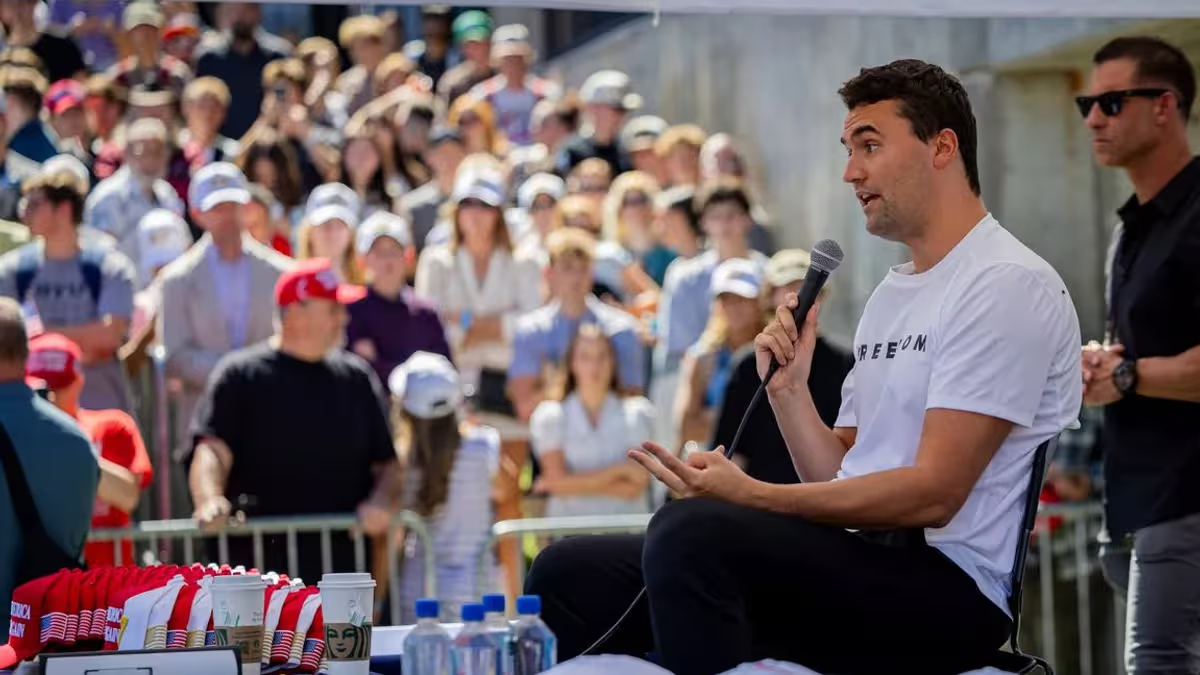
The man accused of killing Charlie Kirk wants a judge to ban cameras from the courtroom and says live broadcasts of the prosecution are violating his right to a fair trial. Tyler Robinson was back in state court in Utah on Friday as his lawyers asked to delay his May preliminary hearing and pressed their claims that biased coverage is tainting potential jurors in his aggravated murder case.
Among numerous examples cited was a New York Post story they say suggested Robinson confessed to Mr Kirk’s killing during a courtroom conversation on December 11, in his first appearance after being charged. The conversation with his lawyers was inaudible, but the story cited a “lip reading analysis” to support its claim that Robinson said: “I think about the shooting daily.”
“The predominant purpose being served by the live stream coverage has not been the educational reporting of the court proceedings, but rather advertising profit, sensationalism, political agendas, and, most prominently, the vilification of Mr Robinson,” his lawyers wrote in their request to bar cameras. Prosecutors intend to seek the death penalty for Robinson should he be convicted in the September 10 shooting of the conservative activist, who was addressing a crowd of thousands on the Utah Valley University campus in Orem.
Advertisement
Robinson, who turned 23 on Thursday, has not yet entered a plea. A trial date has not been set. Media organisations, prosecutors and Mr Kirk’s widow, Erika Kirk, want the court to allow cameras.
They argue the best way to guard against the misinformation and conspiracy theories that concern Robinson’s defence team is to make the process transparent. Yet livestreaming by media outlets already has tested the patience of Judge Tony Graf.
During the December hearing, Judge Graf temporarily stopped the livestream after it showed the defendant’s shackles in violation of a courtroom decorum order. A January hearing was interrupted when Robinson’s lawyers said close-up shots of Robinson being livestreamed by a local television station could again lead to claims based on lip reading.
Advertisement
That, too, was a violation of Judge Graf’s decorum order. The judge ordered the camera operator not to film Robinson for the remainder of the hearing.
In recent hearings and again on Friday, pool cameras for the media were stationed at the rear of the courtroom, behind Robinson. The judge also made camera operators come before him to acknowledge they understand the rules.
Mike Judd, a lawyer for a coalition of media organisations including The Associated Press fighting to preserve access, said the judge has so far focused on whether his rules inside the courtroom are being followed, not what the media is saying outside court.
Advertisement
“The court can do all of that in order to try to control what gets fed into that media ecosystem,” Mr Judd said. “You reduce the likelihood of somebody publishing things that you think may be of potentially biasing concern later on.”
Advertisement
The preliminary hearing scheduled for May is for prosecutors to show they have enough evidence to proceed to trial. Authorities have said DNA consistent with Robinson’s was found on the trigger of the rifle, the fired cartridge casing, two unfired cartridges and a towel used to wrap the rifle.
But the defence argued on Friday it cannot move forward with the hearing until law enforcement agencies turn over more details about their DNA analysis of evidence.
Prosecutors responded that they have sufficient proof beyond DNA to tie Robinson to Mr Kirk’s killing. That includes surveillance video of Robinson near the university from the morning of the shooting wearing the same clothes as when he turned himself in.
Robinson left a handwritten note for his partner confessing to the crime before it happened, and also confessed to friends on the chatroom platform Discord, prosecutors said.
Rescheduling the preliminary hearing could delay the proceedings six months, Deputy Utah County Attorney Ryan McBride said.
“Justice delayed is justice denied,” he added.
Get more Daily Record exclusives by signing up for free to Google’s preferred sources. Click HERE
Dog owners are being warned about a major dog law change that could see them hit with unlimited fines
Dog owners are being alerted about a significant legal change that could result in them facing unlimited fines. The Dogs (Protection of Livestock) (Amendment) Act 2025 officially took effect on March 18, 2026, introducing some of the most substantial updates to countryside regulations in decades.
Advertisement
The alert comes as extended daylight hours and milder temperatures encourage more people to venture outdoors for walks. Under the new legislation, which is applicable in England and Wales, the previous £1,000 maximum penalty has been scrapped, meaning courts can now impose unlimited fines on owners whose dogs are discovered to have worried livestock.
Crucially, “livestock worrying” doesn’t simply mean an attack; it encompasses chasing animals or causing them fear or stress, even without any physical injury. Simultaneously, police have been granted enhanced powers to investigate incidents.
Officers can now seize and detain dogs suspected of involvement, enter premises with a warrant and gather evidence, including obtaining DNA samples or mouth impressions to assist in identifying the dog responsible. For numerous owners, it’s a development that feels considerably more severe than previously.
Michael Nelson, from Kennel Store, said: “A lot of people still think this law only applies if a dog actually attacks or injures an animal, but that’s not the case. Even something as simple as chasing livestock can be enough.
“Owners often say their dog is friendly and wouldn’t hurt anything and that might be true in most situations. But around livestock, instinct can take over very quickly, and that’s where problems start.”
Major dog law change means roads and paths now included
One of the most significant changes catching people by surprise is where the law now applies. Previously concentrated on agricultural land, the revised legislation now covers incidents occurring on roads, paths and public rights of way near livestock, not just within fields.
Michael explained: “That’s a big change that hasn’t really cut through yet. You don’t actually have to be walking through a field anymore. If your dog reacts to animals from a nearby path or road, you could still be in trouble.”
Advertisement
The law has also been amended to reflect the genuine impact these incidents can have. Livestock don’t need to be physically injured for an offence to occur; stress alone can cause serious harm, including miscarriage or long-term health issues.
Michael added: “From a distance, it can look harmless, a dog running or barking, but for the animals involved, it’s a completely different story. They can panic, run, and injure themselves very easily.”
He also cautioned that once an incident occurs, the consequences can escalate rapidly: “People don’t always realise how serious it can become. You could be dealing with police involvement, your dog being taken away while it’s investigated and potentially a very significant fine.”
Advertisement
Courts can also order owners to cover the costs associated with seizing and caring for a detained dog, adding to the financial impact.
Michael said: “If you’re anywhere near livestock, the safest thing you can do is keep your dog on a lead. It’s not about whether your dog is well-trained or friendly. It’s about understanding that in the wrong moment, any dog can react.”
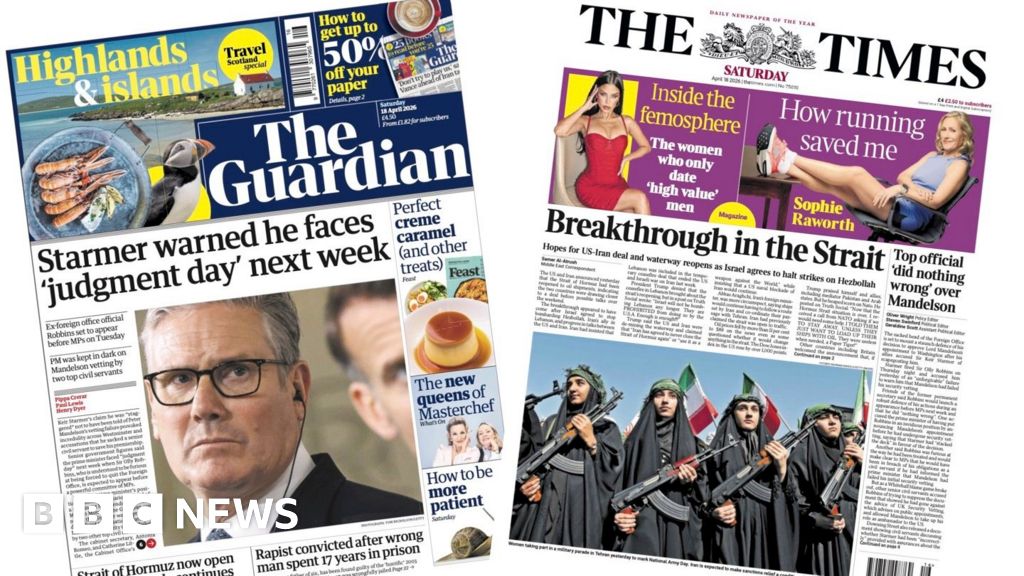
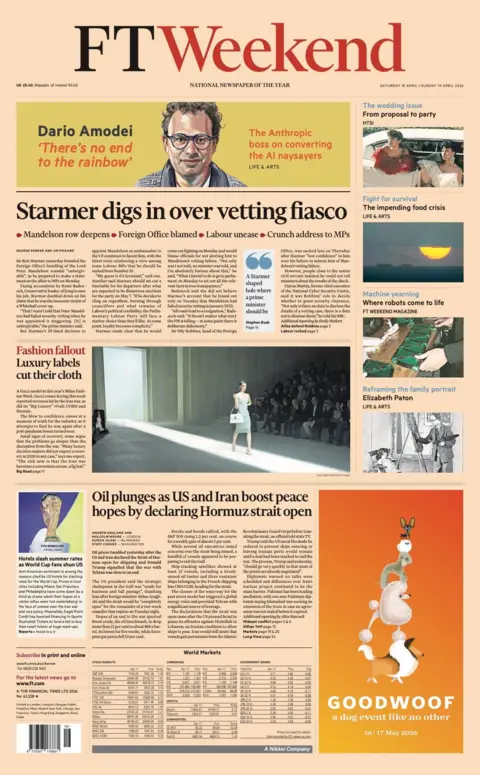
The FT Weekend says the PM “digs in” as he faces accusations from Conservative leader Kemi Badenoch of lying to save his job. Elsewhere, the paper reports that oil prices have tumbled after the US and Iran declared the Strait of Hormuz open for shipping. Iran’s foreign minister said the critical waterway would be “completely open” for commercial ships for the remainder of the two-week ceasefire, which ends next Tuesday.
Trolls took issue with Sophie posting a picture of her next to her daughter’s coffin (Picture: Instagram/Sophie May Dickson
It’s a cesspit of a thread – a staggering 49 pages long and counting. Hundreds upon hundreds of comments piled one on top of another, with the words dipped within varying degrees of malice.
The anonymous comments oscillate between concern, disgust, crude sexualised descriptions of those involved and generally hate-fuelled ranting.
They can be found on the gossip forum Tattle.Life, and are all aimed at influencer Sophie May Dickson, who lost her daughter, 16-year-old Princess, reportedly to suicide, in February.
Sophie, 32, is no stranger to trolls after appearing in the controversial reality show Blinging Up Baby, but what was the reason she invoked such ire this time? Grieve ‘incorrectly’, with the influencer’s decision to share photos from her daughter’s funeral, and posting references to Princess’s death, causing an ongoing backlash.
Advertisement
For some, enough is enough, and the infamous online forum has also found itself at the centre of this story, with public figures attributing Tattle.Life as a contributing factor to the teenager’s death.
Sign up for all of the latest stories
Start your day informed with Metro’s News Updates newsletter or get Breaking Newsalerts the moment it happens.
Advertisement
A letter sent by MP Jess Asato, signed by 20 members of parliament, directly addressed Ofcom about the impact the site had on the teenagers wellbeing.
‘Princess had been the subject of sustained and escalating online harassment, stalking and abuse by the adult users of Tattle.Life,’ the letter read.
Sophie May Dickson and her children first came to public attention through the show Blinging Up Baby (Picture: Alaska TV)
‘The abuse included repeated derogatory commentary about her body, appearance, mental health, family and personal life. Users of the site created anonymous and fake accounts to monitor her TikTok activity, comment directly on her content, attend her live streams, screen-record and capture images of her, and then republish that material on Tattle Life for further discussion and ridicule.’
At present, further circumstances around Princess’s death are private, with the coroner’s report yet to be published. It should also be noted that mental health is a complex issue, with a myriad of factors often contributing to someone’s passing.
Yet, the death of a child doesn’t seem to have quelled the braying masses – if anything, it has poured petrol onto a roaring fire. Trolls continue to plague Sophie, with many on Tattle.Life speculating the authenticity of her grief, whether she’s fit to be a mother, and the contents of Princess’s suicide note.
Advertisement
It’s a tragic new low for a site previously hailed as ‘the most hate-filled corner of the web.’ Established in 2017 as a part of internet snark culture, Tattle.Life quickly became known as a community where users could hold famous names and lifestyle influencers to account.
Sophie’s lifestyle may have been the initial target, but her children soon became collateral damage (Picture: Instagram/Sophie May Dickson)
Celebrities such Katie Price, Zoella and Stacey Solomon (as well as their families) continue to be regularly dissected. One thread, for example, discusses how ugly the children of one TV presenter are.
A report by VictimFocus, compiled in July last year, collected data from 150 people who reported to be victims of Tattle.Life. The research found over 90% of victims were repeatedly stalked and harassed, with 89% feeling ‘traumatised, isolated, fearful’ and in some instances ‘suicidal’.
Psychologist Dr Jessica Taylor, the CEO of VictimFocus, has previously been targeted by Tattle.Life users. The comments, she explains, started off in a fairly petty fashion – about her appearance, her qualifications, before they rapidly snowballed into outright lies and stalking.
‘A picture of my wife’s car and number plates was posted on Tattle,’ she tells Metro. ‘Users found the links to our home on RightMove. They discussed my children and their safety.
Advertisement
‘My thread was emailed to my family, my friends, the university where I had worked, my publishers, my agents and producers, with disgusting, malicious and false information. No stone was left unturned. We felt unsafe – it was one of the worst periods of my life.’
According to the letter Asato wrote to Ofcom, Tattle.Life users had turned their attention towards Princess since she was 14, and faced ‘repeated derogatory comments about her body and appearance’.
Although a dedicated thread about Sophie – where comments about Princess were also posted – was temporarily disabled after the young girl was targeted, when the section was reinstated, the abuse continued.
‘Tattle,Life was viewed on a computer in school, and children and parents alike made cruel comments in person based on what they had read online. Even without a phone in her own hand, the abuse continued,’ Sophie told the Mail Online in an interview following her daughter’s death.
Advertisement
‘It was the most unhinged thing from people who know nothing about me’
One lifestyle influencer, who we are calling Lauren, discovered she was featured on Tattle.Life in 2019, after seeing journalist Sali Hughes’s video about being targeted on the site.
‘I read through my entire thread that night, for the first and last time,’ she tells Metro.
The comments Lauren received in the early iterations of her thread were mean-spirited, but escalated as she scrolled further.
‘People said horrible things that I was overweight, or that I was underweight, or that I looked like a man,’ she remembers.
Advertisement
‘There’s no way anyone could expect children to cope with this level of hate’ (Picture posed by model: Getty Images)
While she hasn’t looked at her thread since, other people have informed Lauren at just how personal some of Tattle.Life had become, threatening to spill into the real world.
‘I was told to kill myself. People had tried to contact ex-boyfriends. They called the RSPCA to report me about my dog. This trolling had become stalking,’ she says.
‘It was the most unhinged, abnormal thing from people who know nothing about me.
‘I’ve had friends completely debilitated by trolling on the site. They’ve been forced to stop posting, which means they’ve lost their income. It’s completely ruined their lives.
Advertisement
‘If I have adult friends who struggled with it, there’s no way anyone could expect children to cope with this level of hate.’
It’s not surprising that anyone who experiences online bullying will feel the impact, but it can be markedly more difficult for young people to deal with, explains Dr Emily Crosby, Child and Educational Psychologist.
Advertisement
‘They are more likely to believe the comments as they have not developed their self-confidence or self-worth yet which makes them more likely to be influenced,’ she tells Metro.
And while targeting a child may seem extreme, the anonymous nature of a site like Tattle.Life can encourage an escalating scale of abuse – Sophie’s lifestyle may have been the initial target, but her children soon became collateral damage.
”Often those who do not have a sense of belonging in the offline world take to online to seek this,’ Dr Crosby explains. ‘The internet allows people to use all hours of the day and hide behind fake names which makes access to this type of behaviour more readily available. Such language and hate speech escalates as they are so fast paced and each comment influences further comments.’
Tattle.Life claims to have a ‘zero-tolerance policy to any content that is abusive, hateful or harmful’. A statement on the website reads: ‘A team of moderators [is] online 24/7 to remove any content that breaks our strict rules – often in minutes.’
Advertisement
However, Jess claims that her numerous requests to get content removed were not acted upon.
Neil and Donna Sands were awarded £300,000 in damages after taking Tattle.Life to court (Picture: Peter Morrison)
This was the same case for Northern Irish fashion retailer Donna Sands and her husband Neil, after they were viscously trolled on the site. So the couple managed to hit Tattle.Life where it hurts – in the courtroom.
They argued that the website had ‘profited as a space where users could defame, harass, stalk and attack others online’ and were eventually awarded £300,000 by the Northern IrelandHigh Court.
Their case also saw Sebastian Bond, vegan cooking influencer and author, unmasked as Tattle.Life’s owner. Yet, despite the ruling, Tattle.Life is still active.
It has previously been reported to have 12 million monthly visitors, with Bond reportedly making between an estimated £180,000-£500,000 a year from advertising revenue.
Advertisement
Sebastian Bond was unamkes as the owner of Tattle.Life
According to Jess, who explores the motivations and stalking tactics of those who frequent the site in her upcoming book Click.Stalk.Destroy: Inside the minds of online stalkers, there is a massive misunderstanding.
‘Traditional stalkers tend to operate alone. On Tattle.Life, there are hundreds of them. They operate in groups, which means they receive positive reinforcement for everything they post from other stalkers. Being horrible or intimidating is normalised, and they become desensitised to it over time,’ she explains.
‘They create a fantasy that they are actually social justice warriors, and what they are doing to their victim is righteous. It’s why these threads tend to start with something small and petty, but that small thing cannot sustain that sense of moral grievance for long. So they find something else and it starts to escalate.
‘Tattle.Life has effectively turned trolling and stalking into sport,’ she adds.
Following Princess’ death,a letter from Ofcom has demanded answers from Tattle.Life regarding compliance with new Online Safety Act, a 2023 UK law requiring platforms to protect users online.
Advertisement
What will happen next for Tattle.Life remains uncertain; as of last year, Bond faces an additional 40 libel lawsuits against him, while regulatory powers may exert pressure for the website to close.
Meanwhile, Jess believes those who use the site should be confronted with the reality of just what they’re doing.
‘Just because they’re doing this sat at home with a glass of wine, doesn’t mean what they’re doing isn’t criminal,’ she says. ‘They are sadists. They are destroying people’s lives, and they’re enjoying it.’
Tattle.Life statement
Metro reached out to TattleLife multiple times for comment, but have yet to receive a response.
Advertisement
A statement, posted on the site by a moderator on 30 March read:
First and foremost, Tattle Life wishes to express its heartfelt condolences to the family and friends of Princess Bliss Dickson. The community on the site has long been concerned for her welfare, having seeing her publicly from a very young age.
The gross misuse of this tragedy by those with vested interest is appalling and we urge everyone look beyond the bias narrative. Organisations such as the Samaritans advise against sensationalising a suicide or attributing it to a single cause, as this is rarely the case.
Tattle Life remains confident in its moderation processes and compliance. We welcome open conversation with any relevant authority. It is essential for the Coroner’s office to be allowed the time and space to perform its duties thoroughly before any conclusions are drawn.
Advertisement
At this time, it would be inappropriate to comment further.
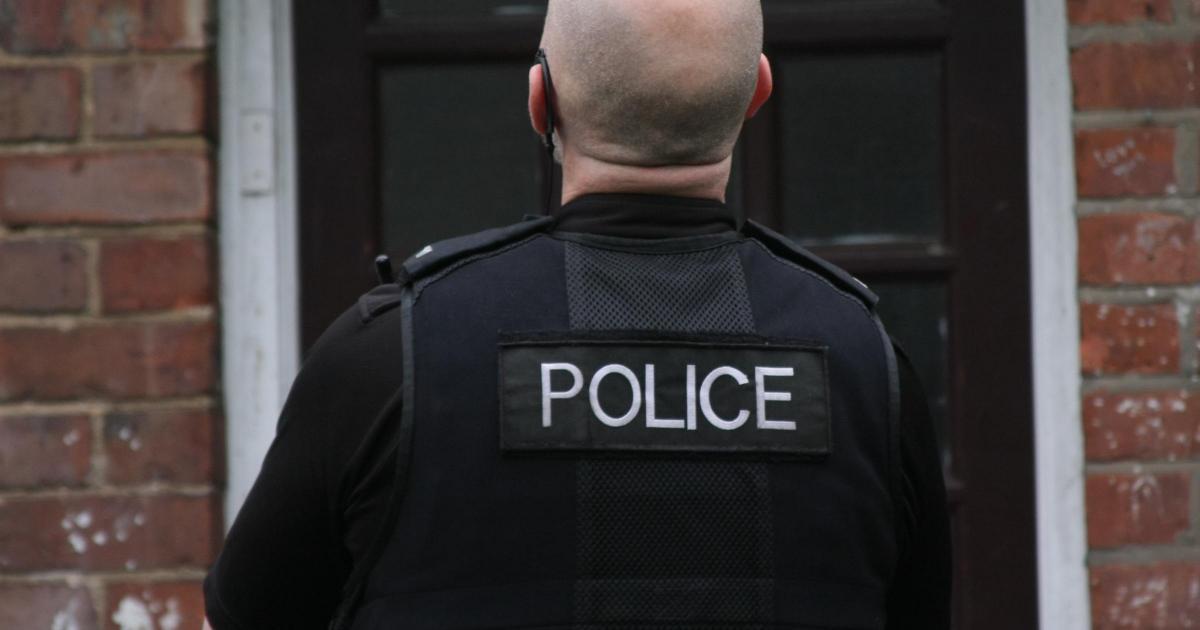
The incident happened in Hindley on Saturday, April 11, after officers from Greater Manchester Police responded to reports of a stolen bladed weapon.
Officers quickly detained two men in the area, arresting both on suspicion of theft.
One man was further arrested on suspicion of possessing a bladed article, possession of an offensive weapon, and police say he was found to be wanted on recall to prison.










































You must be logged in to post a comment Login