

Business
Key Aircraft in Operation Epic Fury

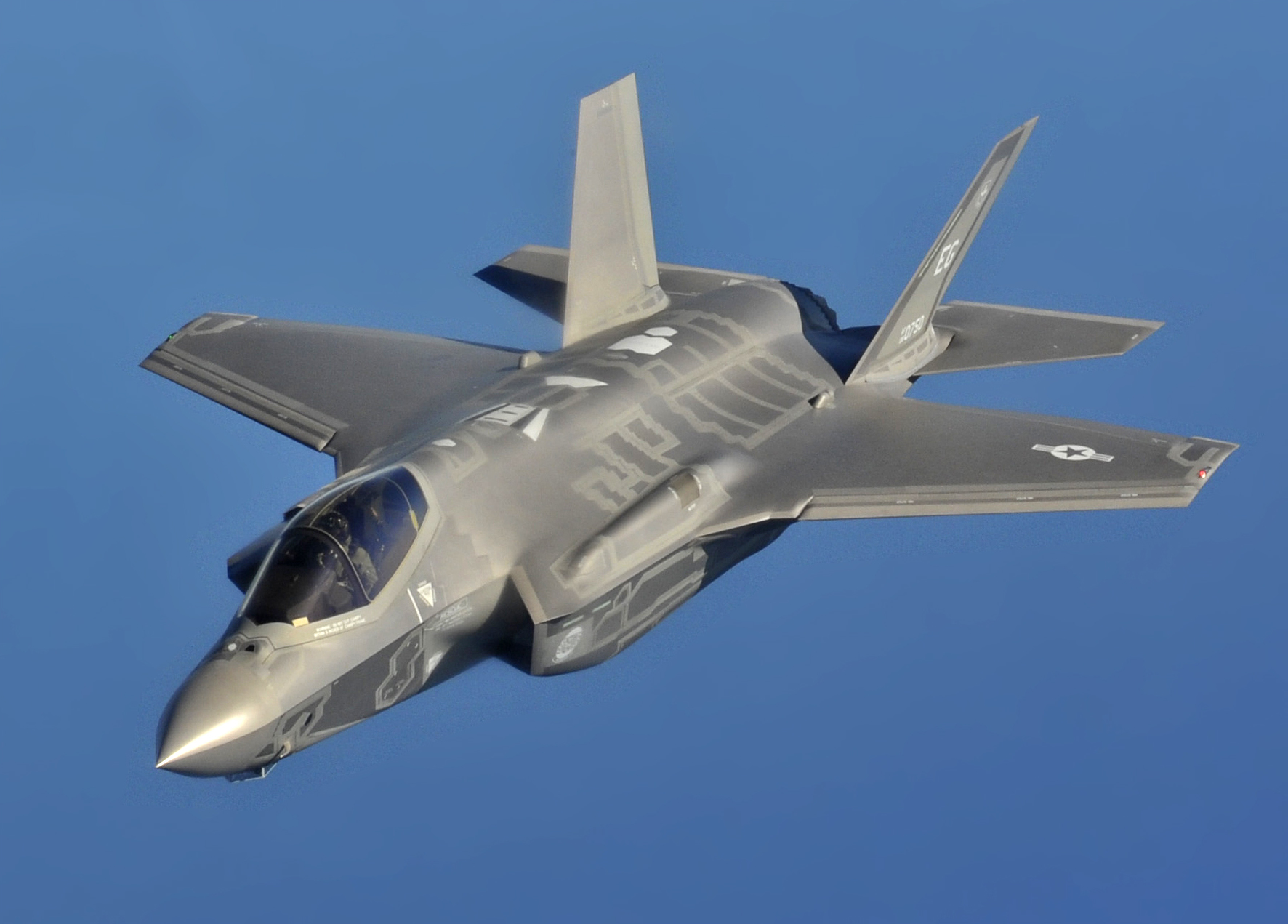
WASHINGTON — The joint U.S.-Israeli military campaign against Iran, dubbed Operation Epic Fury by the United States and Operation Roaring Lion by Israel, has featured an extensive array of fighter jets since strikes began Feb. 28, 2026. U.S. Central Command (CENTCOM) and the Israel Defense Forces (IDF) have employed fifth-generation stealth fighters, fourth-generation multirole aircraft and electronic warfare platforms to achieve air superiority, suppress defenses and conduct precision strikes on Iranian ballistic missile sites, command centers, air defenses and naval assets.
As of March 4, 2026, more than 1,250 targets have been hit in Iran during the operation’s first week, with fighter jets playing a central role alongside long-range bombers like the B-2 Spirit and B-1B Lancer. The campaign has involved coordinated waves of aircraft from U.S. carriers in the Arabian Sea and Mediterranean, forward-deployed bases in the Middle East, and direct missions from the United States.
Here are the primary fighter jets confirmed in use during the strikes, based on CENTCOM releases, IDF statements and open-source reporting:

1. **F-35 Lightning II (U.S. and Israel)** — The fifth-generation stealth multirole fighter has been a cornerstone of operations. U.S. Air Force F-35As from the 48th Fighter Wing at RAF Lakenheath and Vermont Air National Guard, plus Marine Corps F-35Cs from the carrier USS Abraham Lincoln, conducted strikes and suppression of enemy air defenses (SEAD). Israel deployed its F-35I Adir variant — known as “Mighty One” — in large numbers, with reports of up to 670 sorties targeting missile systems and leadership. The F-35’s low observability enabled initial penetrations against Iranian radars.
2. **F-22 Raptor (U.S.)** — About a dozen F-22s from Joint Base Langley-Eustis, Va., deployed to Israel ahead of the operation, marking the first combat deployment there. Additional Raptors went to RAF Lakenheath. As air superiority fighters, they escorted strike packages, engaged potential air threats and maintained dominance over Iranian airspace. CENTCOM photos showed F-22s in theater by late February.
3. **F-15 Variants (U.S. and Israel)** — U.S. Air Force F-15E Strike Eagles provided multirole strike capability, though three were lost to friendly fire over Kuwait on March 2. Israel used F-15s to launch standoff missiles, including Black Sparrow air-launched ballistic missiles, against deep targets. The F-15’s range and payload supported extended missions.
4. **F-16 Fighting Falcon (U.S. and Israel)** — Dozens of U.S. F-16s, including Wild Weasel variants for SEAD, operated from regional bases. Israel’s F-16s contributed to the initial wave destroying air defenses in western Iran. The multirole fighter’s versatility aided in precision strikes and drone intercepts.
5. **F/A-18 Super Hornet (U.S. Navy/Marines)** — Carrier-based F/A-18E/Fs from the USS Abraham Lincoln and USS Gerald R. Ford launched with heavy loads, including AGM-154 Joint Standoff Weapons. Video from CENTCOM showed Super Hornets taking off for strikes. The platform’s flexibility supported naval integration in the Gulf.
6. **EA-18G Growler (U.S. Navy)** — Electronic attack variants jammed Iranian radars and communications, suppressing defenses during strike waves. Growlers, based on the F/A-18, operated from carriers and provided critical electronic warfare support.
Israeli Air Force operations involved 200-300 fighter jets in the opening hours, establishing air supremacy over Tehran and western Iran. The IDF claimed strikes on hundreds of targets, including missile launchers and command sites, with fighter jets operating with impunity after neutralizing defenses.
U.S. forces amassed about 30 F-35s in the region pre-operation, alongside F-22s, F-15Es and F-16s. Carrier strike groups provided additional F/A-18s and Growlers. Support aircraft like E-3 Sentry AWACS, P-8 Poseidon maritime patrol and KC-135 tankers enabled long-range missions, while MQ-9 Reapers and new LUCAS one-way attack drones supplemented strikes.
The campaign’s air component has drawn from lessons of prior operations, emphasizing stealth, standoff weapons and electronic warfare to minimize risk. Iranian retaliation — including ballistic missiles and drones — has been intercepted by Patriot, THAAD and fighter patrols, though incidents like the F-15 losses highlight operational hazards.
As strikes continue into the second week, fighter jets remain pivotal in maintaining pressure on Iranian capabilities while U.S. officials signal operations could extend weeks. The mix of platforms underscores the integrated, multi-domain approach defining modern air campaigns.

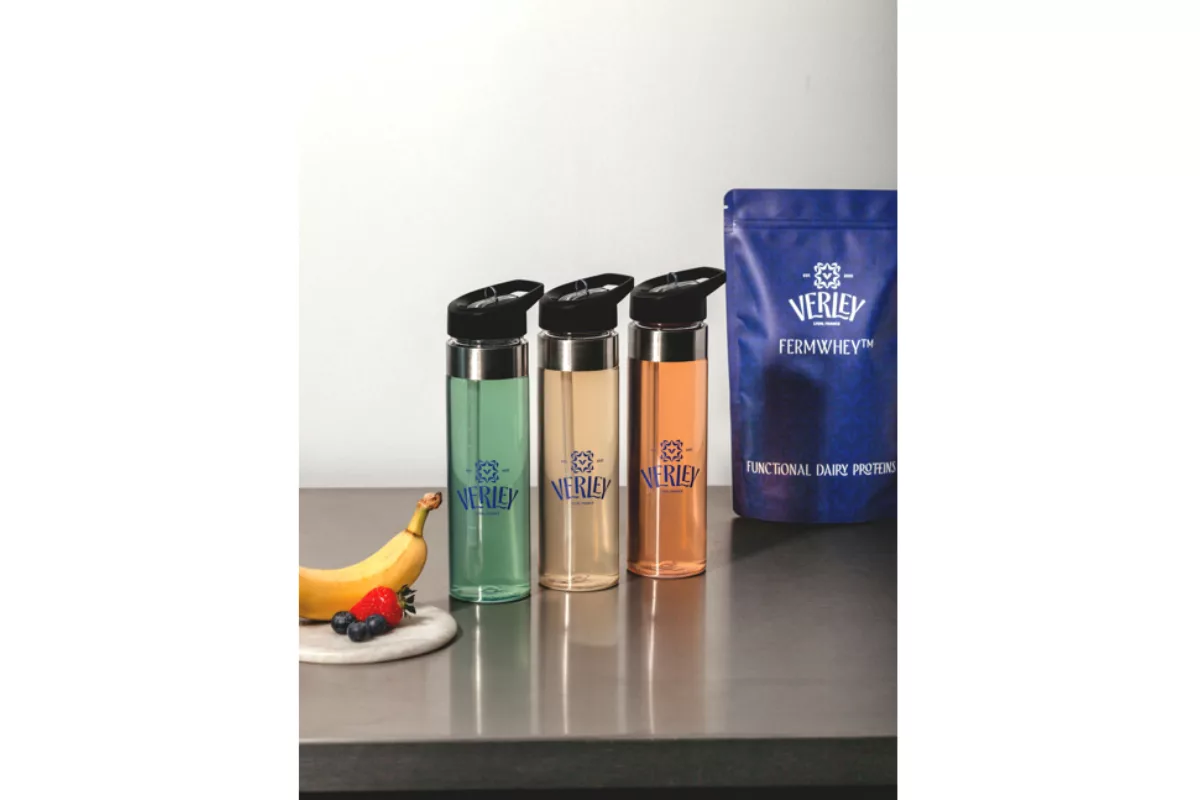

Company is expanding into the United States in second half of 2026.

Raymond James reiterates Scholar Rock stock Strong Buy on debt facility
Business
Kongsberg Automotive ASA 2025 Q4 – Results – Earnings Call Presentation (OTCMKTS:KGAUF) 2026-03-03


Seeking Alpha’s transcripts team is responsible for the development of all of our transcript-related projects. We currently publish thousands of quarterly earnings calls per quarter on our site and are continuing to grow and expand our coverage. The purpose of this profile is to allow us to share with our readers new transcript-related developments. Thanks, SA Transcripts Team

Breaking into the CBD market does not have to involve months of product development, complex compliance preparation, or large upfront manufacturing costs. For many entrepreneurs, the quickest route to market is partnering with a dependable white-label supplier who can manage formulation, testing, and production while you focus on branding and sales.
The white label CBD sector has expanded rapidly across Europe, giving startups access to professional-grade products that are ready to sell under their own brand. From high-quality oils to gummies, creams, and capsules, the right manufacturing partner can significantly reduce time to launch.
In this list, we explore five standout white-label CBD partners helping founders launch faster.
Essentia Pura
occupies a leading position in the white-label CBD market for entrepreneurs seeking speed without compromising on quality.
The company offers a comprehensive service model that allows founders to move from idea to market-ready product efficiently. Their product range includes CBD oils, capsules, topical products, and gummies suitable for private labelling.
Key advantages include:
- Regulatory-ready formulations for UK and EU markets
- Third-party laboratory testing and Certificates of Analysis
- Competitive minimum order quantities
- Branding, packaging, and compliance guidance
- Proven, consumer-tested product formulations
For entrepreneurs who want to launch a CBD brand with minimal technical complexity, Essentia Pura operates as a practical production partner rather than simply a supplier.
Greenmotiv
Greenmotiv is particularly popular with smaller start-ups and boutique wellness brands.
The company focuses on flexibility, allowing entrepreneurs to begin with smaller production batches. This approach is useful for founders who wish to test market response before scaling inventory.
Highlights include:
- Low minimum order quantities
- Broad-spectrum and full-spectrum CBD options
- Assistance with design and regulatory documentation
- Wellness-focused product positioning
Greenmotiv is well-suited to niche CBD brands and businesses experimenting with market positioning.
Nordic Oil
As one of Europe’s well-known CBD consumer brands, Nordic Oil also offers white-label manufacturing services.
Their advantage lies in retail experience. Since they operate a successful CBD brand themselves, their formulations are developed with consumer usability and product consistency in mind.
Entrepreneurs often choose Nordic Oil for:
- Retail-tested product formulations
- Optional marketing and design assistance
- Efficient production workflows
- Starter-friendly order volumes
Nordic Oil is a strong option for founders who value credibility and established product performance.
BRITISHCANNABIS
BRITISHCANNABIS focuses on high-quality manufacturing tailored specifically to the United Kingdom’s regulatory landscape.
For businesses targeting British consumers, regulatory alignment is particularly valuable. Their production standards are designed to reduce compliance uncertainty when entering the UK CBD market.
Strengths include:
- Premium product positioning suitable for retail distribution
- Recognition for manufacturing quality within the industry
- Strong emphasis on safety and regulatory standards
- Professional-grade production facilities
BRITISHCANNABIS is especially suitable for brands planning to sell through physical retailers or premium wellness channels.
HexaPartners
HexaPartners offers one of the more flexible product development approaches within the white-label CBD sector.
Entrepreneurs looking to build a broad wellness brand rather than focus on a single product line may find their service model particularly useful.
They provide:
- Multiple product formats, including oils, capsules, and creams
- Custom formulation options
- Support for niche brand concepts
- Flexible manufacturing arrangements
HexaPartners works well for businesses planning long-term product portfolio expansion.
Rounding It All Up
Launching a CBD brand is considerably easier when working with a reliable manufacturing partner. White-label suppliers remove many of the technical and operational challenges, allowing entrepreneurs to concentrate on marketing, customer acquisition, and brand development.
Ultimately, choosing the right partner involves balancing product quality, compliance support, manufacturing flexibility, and long-term business objectives.

Geopolitical events, domestic policy disruptions keep food industry in flux.

The dollar and Swiss franc rose sharply Monday as strikes across the Middle East encouraged investors to seek safe-haven assets.
President Trump and Israel launched military attacks on Iran at the weekend, killing a large number of Iran’s top leaders including Supreme Leader Ayatollah Ali Khamenei. In response, Iran launched strikes across the Middle East.
Copyright ©2026 Dow Jones & Company, Inc. All Rights Reserved. 87990cbe856818d5eddac44c7b1cdeb8
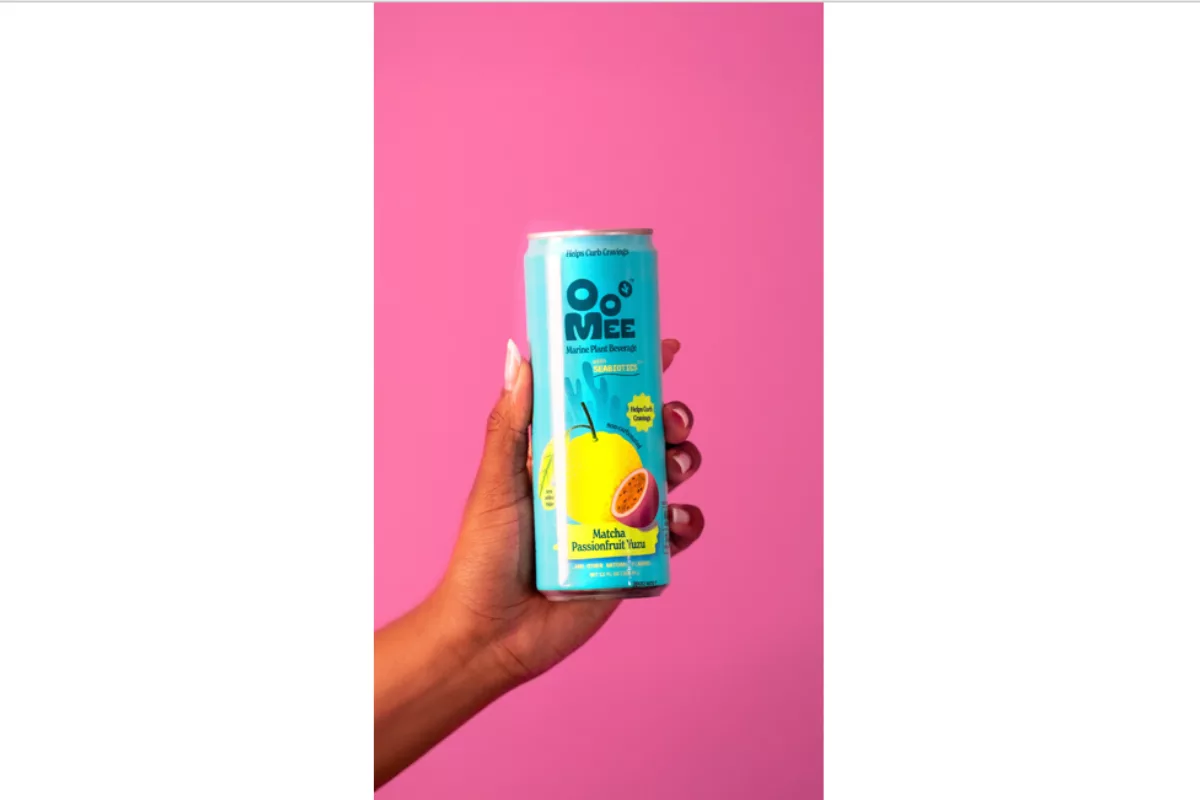

Aqua Theon raises $13 million, dedicating $5 million to its brand, OoMee.
Check out what’s clicking on FoxBusiness.com.
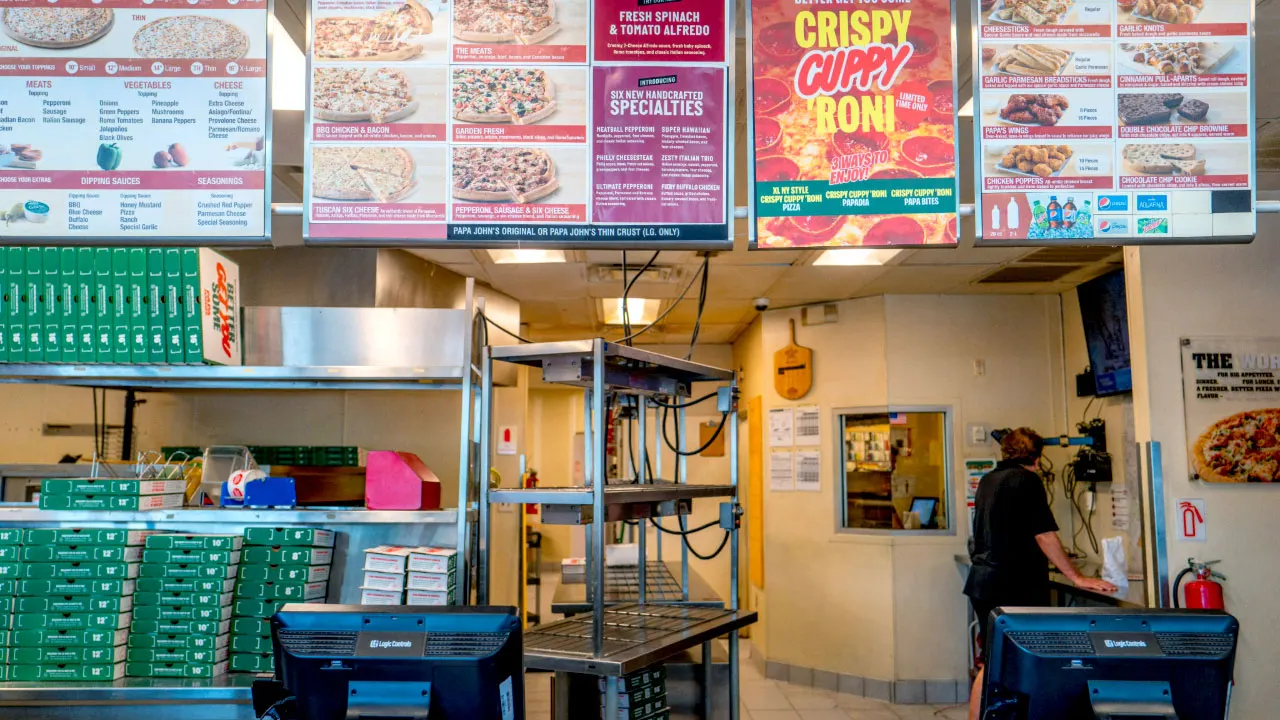
Pizza chain Papa John’s said it plans to close hundreds of underperforming restaurants in North America by the end of next year.
“We have identified approximately 300 underperforming restaurants across North America that are not meeting brand expectations or lack a clear path to sustainable financial improvement, as well as locations where we can effectively transfer sales to a nearby restaurant,” Papa John’s Chief Financial Officer Ravi Thanawala said last week during the company’s fourth-quarter earnings call.
Thanawala described the locations as being primarily franchise-owned, more than a decade old and generating less than $600,000 in annual sales (AUVs). He said the majority of the restaurants will shutter by the end of 2027, with about 200 closures happening this year.
BAHAMA BREEZE TO CLOSE ALL ITS RESTAURANTS
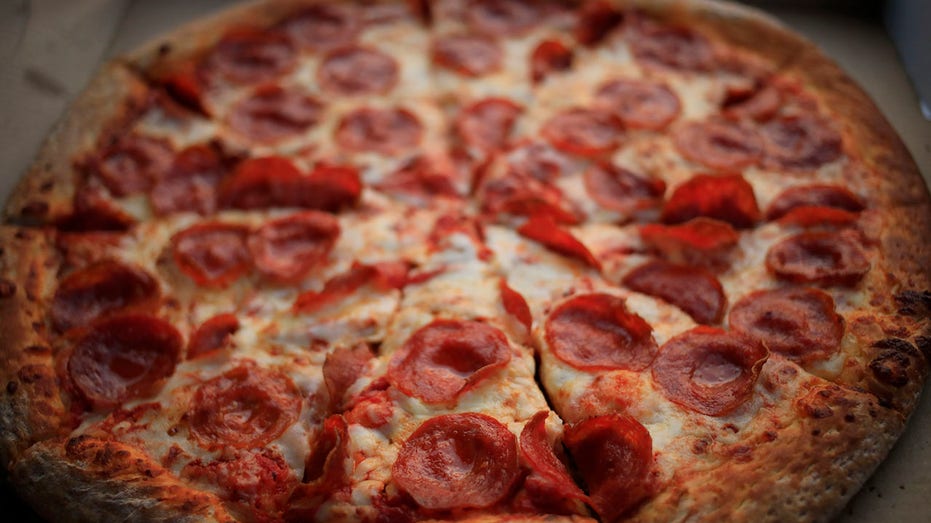
The locations expected to close are mostly franchise-owned and more than a decade old. (Luke Sharrett/Bloomberg via Getty Images)
“We believe these closures will further strengthen the system, increasing AUVs by at least 3% and improve franchisee health by allowing franchisees to reallocate resources towards operational excellence in their remaining restaurants and open units in priority markets,” Thanawala said.
WENDY’S TO CLOSE HUNDREDS OF RESTAURANTS AS COMPANY LOOKS TO FOCUS ON VALUE TO BOOST SALES
| Ticker | Security | Last | Change | Change % |
|---|---|---|---|---|
| PZZA | PAPA JOHN’S INTERNATIONAL INC. | 31.94 | +0.59 | +1.88% |
He also said that the majority of the company’s restaurants worldwide have “performed well over the years and delivered strong returns for both corporate and franchise owners,” and that the strategic closure of underperforming restaurants are “among the most impactful actions we can take to improve restaurant profitability and fleet health.”
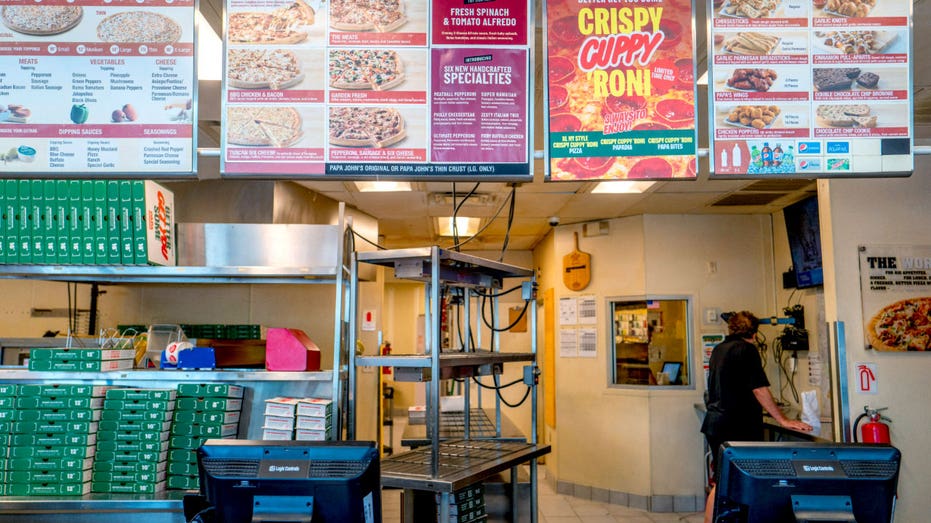
Papa John’s operated more than 3,500 restaurants in North America as of the fourth quarter of 2025. (Brandon Bell/Getty Images)
The company reported a 5.4% decline in same-store sales in the fourth quarter, which CEO Todd Penegor said “reflected a weak consumer backdrop and elevated promotional environment.”
THIS FAST-GROWING CHAIN SAYS ‘NO DISCOUNTS’ – AND IT’S PAYING OFF
Papa John’s operated 3,523 restaurants in North America as of the fourth quarter of 2025. It opened 96 new locations in its latest fiscal year.
Rival pizza chain Pizza Hut also recently announced that it will close 250 locations in the U.S. through June.

The closures will affect “underperforming” Pizza Hut restaurants. (Michael Nagle/Bloomberg via Getty Images)
CLICK HERE TO GET FOX BUSINESS ON THE GO
Ranjith Roy, the chief financial officer of Pizza Hut’s corporate parent Yum! Brands, said during an earnings call that the closures will primarily target weaker-performing Pizza Hut restaurants as part of a broader effort to modernize the chain.

MF3d/iStock via Getty Images

Listen below or on the go on Apple Podcasts and Spotify

Bulls and bears battle as oil, dollar rally. (0:15) Paramount debt cut to junk. (2:39) Amazon buys George Washington University satellite campus. (2:52)
This is an abridged transcript of the podcast:
Our top story so far, the dip-buyers and the froth-fighters are trading blows on Wall Street today.
Stocks sank at the opening bell on a global tech selloff sparked by a 7% plunge in South Korea’s Kospi — driven by double-digit declines in Samsung and SK Hynix.
The selloff deepened, and the Dow Jones (DJI) shed 1,200 points — on pace for its worst drop since Liberation Day — while the S&P 500 (SP500) hit its lowest level of 2026.
Treasury yields shot higher, with the 10-year (US10) topping 4.1%. The VIX (VIX) — the fear gauge — hit a three-month high. And gold (GLD) and silver (SLV) sank.
That move in metals looked counterintuitive — gold usually gets a safe-haven bid.
But former J.P. Morgan strategist Marko Kolanovic has pointed out that the silver ETF (SLV), along with the South Korea equity ETF (EWY), has been acting more like a meme stock lately.
But the bears couldn’t keep up the momentum. Stocks caught a bid about an hour into trading.
At the time of recording, the major averages are down less than 1.5% at their highs of the day.
A couple of assets, though, are trading with more conviction.
The greenback keeps catching a bid — hitting its highest level since mid-January and on pace for its strongest two-day rally in about a year. The dollar index (DXY) moved back above its 200-day moving average.
And oil prices are going parabolic — with Brent (CO1:COM) and WTI (CL1:COM) up another 7%.
Iraq has cut production by nearly 1.5M barrels per day, and that could rise to 3M if disruptions at the Strait of Hormuz continue.
Robert Brooks, senior fellow at the Brookings Institution, says there’s “a weird tendency in markets to downplay unexpected shocks when they happen.
People don’t like to look like they didn’t see it coming, so they downplay the shock and the impact, he said.
What’s happening now in oil “is absolutely massive.”
Among active stocks, Cigna (CI) slipped after the company said CEO David Cordani is retiring. He’ll be replaced by President and COO Brian Evanko on July 1.
Evanko currently oversees Cigna’s Evernorth Health Services unit, which includes its pharmacy benefit manager, Express Scripts.
Best Buy (BBY) is up after boosting profit despite soft sales.
“Moving forward to FY27, we are excited about the momentum in our business,” CFO Matt Bilunas said. “We also expect to continue to navigate a mixed macro environment.”
Credo Technology (CRDO) is getting slammed after its Q3 beat wasn’t enough to satisfy investors given valuation.
Needham came to the company’s defense, with analyst N. Quinn Bolton — who really does sound like a Sherlock Holmes character — saying revenue growth is being driven by Active Electrical Cable proliferation and customer diversification.
And Fitch Ratings cut Paramount Skydance’s (PSKY) corporate and long-term debt ratings to junk after the company agreed to acquire Warner Bros. Discovery (WBD).
The deal is expected to leave the combined entity with roughly $79B in net debt.
In other news of notes, tired: educating humans. Wired (quite literally): powering AI bots.
Amazon (AMZN) has struck a deal to acquire George Washington University’s Virginia Science and Technology Campus in Ashburn, Va., for about $427M.
The deal was executed through Amazon Data Services, and the price comes out to roughly $3.5M an acre for the 120-acre site.
It’s in Loudoun County — a major U.S. data center hub — and the deed allows Amazon to develop the property into a data or IT center to support its expanding cloud and AI infrastructure.
GW has the option to keep programs and services at the site for up to five years.
And in the Wall Street Research Corner, on Monday, we told you about the Jefferies AI Risk Basket.
On the flip side, Jefferies has now updated its AI Beneficiaries Basket.
The quant team says the bullish AI basket is broadly flat this year — with trading shifting toward risks from AI disintermediation. That’s analyst speak for cutting out the middleman.
They built the basket by using AI to identify about 30 stocks with market caps above $20B that are “direct beneficiaries of the AI boom.”
You know the big names. So here are a few that may not be on your radar: Digital Realty Trust (DLR), Monolithic Power Systems (MPWR), CoreWeave (CRWV), Microchip Technology (MCHP) and Iron Mountain (IRM).
Check out the full list here.


Keep It Real Foods is a private label, contract manufacturing platform.

Owners of falling-down Cambs building told to take action

Verley Series A raises $38 million

Circle Shares Jump as Oil Surge Lifts Rate Outlook


-

 Politics5 days ago
ITV enters Gaza with IDF amid ongoing genocide
-

 Fashion4 days ago
Weekend Open Thread: Iris Top
-

 Politics11 hours ago
Alan Cumming Brands Baftas Ceremony A ‘Triggering S**tshow’
-

 Tech3 days ago
Unihertz’s Titan 2 Elite Arrives Just as Physical Keyboards Refuse to Fade Away
-

 Business7 days ago
True Citrus debuts functional drink mix collection
-

 NewsBeat6 days ago
Cuba says its forces have killed four on US-registered speedboat | World News
-
Sports4 days ago
The Vikings Need a Duck
-
 NewsBeat3 days ago
Dubai flights cancelled as Brit told airspace closed ’10 minutes after boarding’
-
 NewsBeat6 days ago
Manchester Central Mosque issues statement as it imposes new measures ‘with immediate effect’ after armed men enter
-
 NewsBeat3 days ago
The empty pub on busy Cambridge road that has been boarded up for years
-

 NewsBeat2 days ago
‘Significant’ damage to boarded-up Horden house after fire
-

 NewsBeat3 days ago
Abusive parents will now be treated like sex offenders and placed on a ‘child cruelty register’ | News UK
-
 NewsBeat7 days ago
Police latest as search for missing woman enters day nine
-

 Entertainment1 day ago
Baby Gear Guide: Strollers, Car Seats
-

 Business6 days ago
Discord Pushes Implementation of Global Age Checks to Second Half of 2026
-

 Business5 days ago
Only 4% of women globally reside in countries that offer almost complete legal equality
-
 Tech4 days ago
NASA Reveals Identity of Astronaut Who Suffered Medical Incident Aboard ISS
-
Politics3 days ago
FIFA hypocrisy after Israel murder over 400 Palestinian footballers
-

 Crypto World7 days ago
Entering new markets without increasing payment costs
-
 NewsBeat2 days ago
Emirates confirms when flights will resume amid Dubai airport chaos