
Business & Hustles
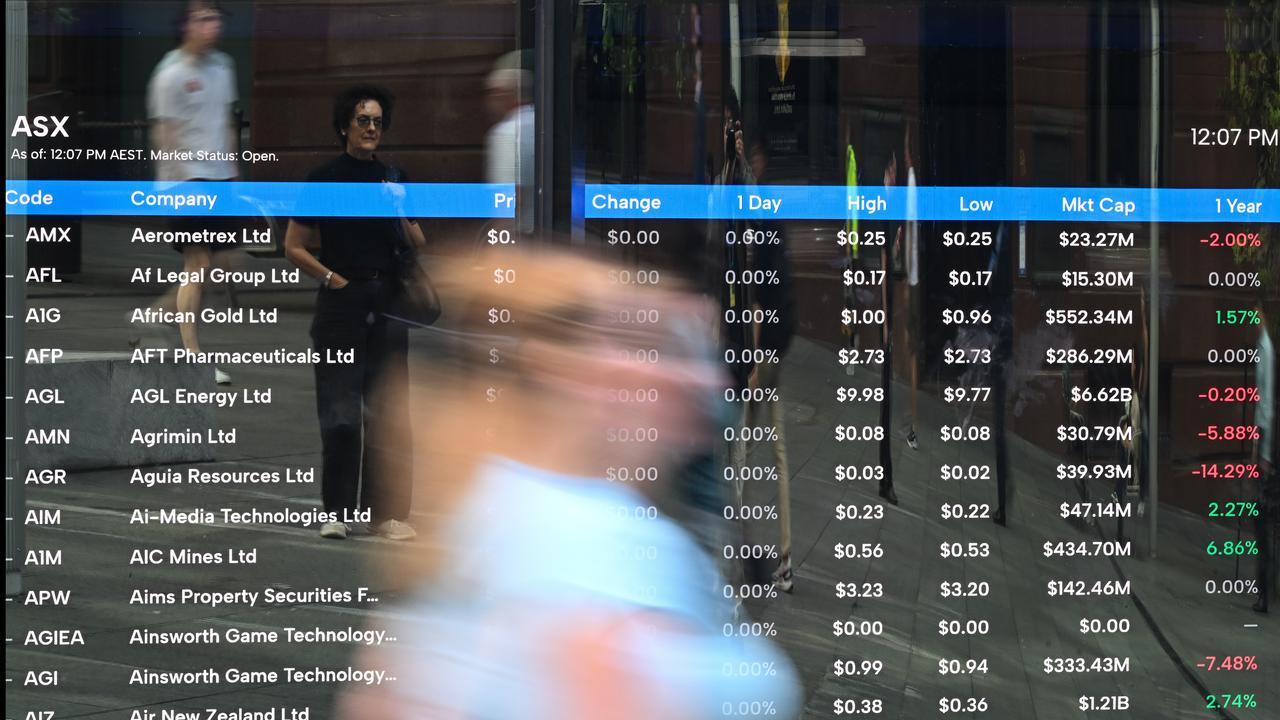
Australian shares advance as banks, miners rally


Business & Hustles
France Steps Up Scrutiny of Muslim Brotherhood Influence in Universities and Schools
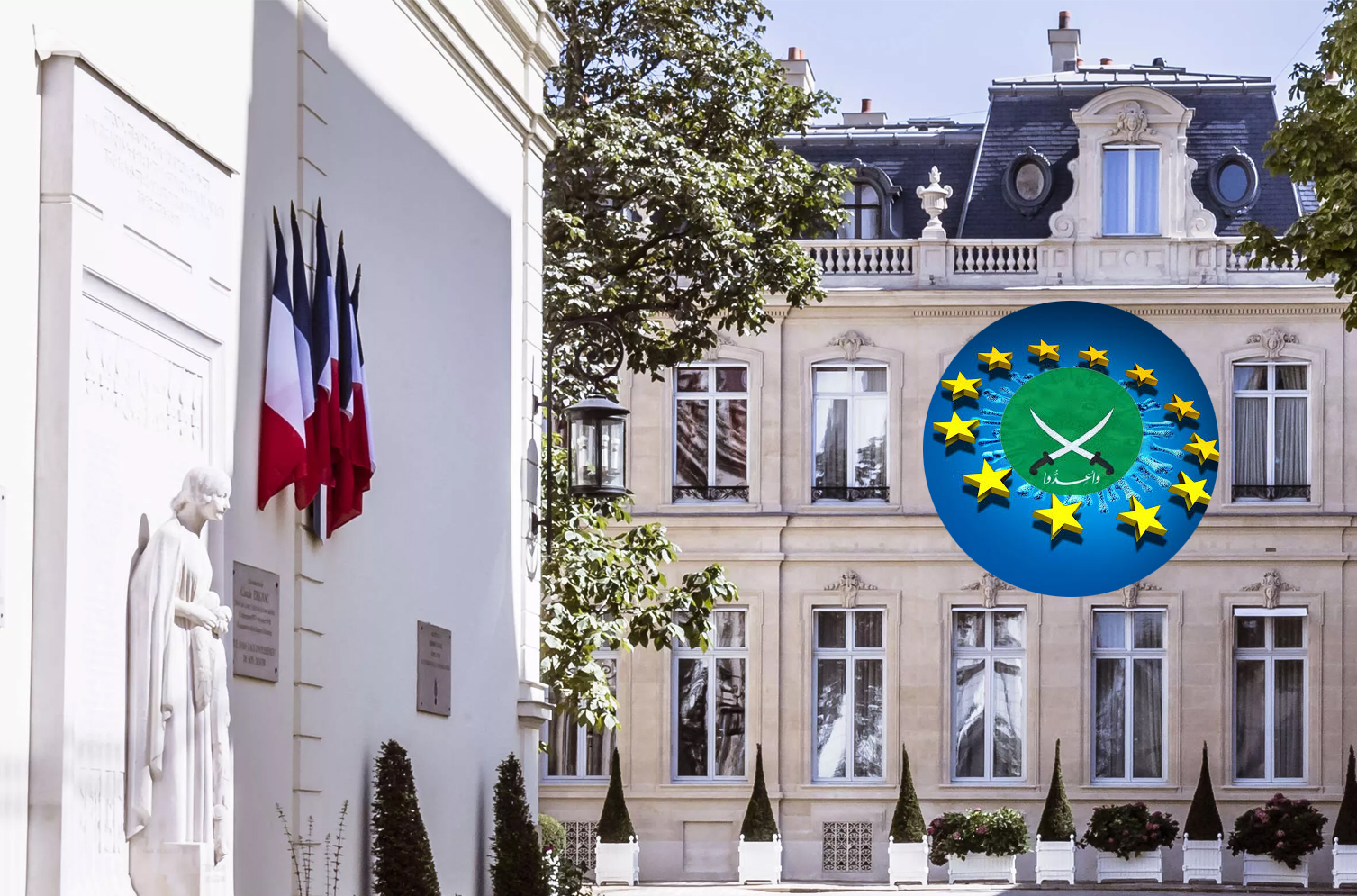
The resolution adopted by the European Parliament last week, calling for a coordinated response to the influence of Muslim Brotherhood networks, was not the first warning of its kind in Europe.
Several of the concerns raised by MEPs, chiefly that extremist groups use social media and educational settings to recruit young people, had already been flagged in a French security report. That report warned of attempts by political Islam, and specifically the Muslim Brotherhood, to gain a foothold in schools and universities.
The French approach
France’s effort to counter the Brotherhood’s presence in state institutions is the most recent in Europe, following the publication of a government report in May 2025. Nearly 18 months on, however, French academics and observers are still asking what has actually been done to curb the activities of political Islam.
In May, Aymeric Durox, a senator for the far-right National Rally (RN), raised what he called the “infiltration” of universities by the Brotherhood, particularly of the regional student services centres (Crous), which manage student housing and welfare across France’s university towns, according to the French Senate’s website.
Mr Durox sought to draw the attention of the minister for higher education, research and space to the issue. He cited the interior ministry report, which described the Muslim Students of France (EMF) as the student wing of the Union of Islamic Organisations of France (UOIF), now renamed Muslims of France and regarded by the report as the French branch of the Muslim Brotherhood.
The senator warned that EMF had supplied the movement with “many of its cadres at European level”. He pointed to its founder, Fouad Alaoui, whom the interior ministry report described as a key figure in the movement’s financial affairs in Europe. He also named more recent figures, including Hania Chalal, president of the European forum of Muslim youth and student organisations, and Hiba Latreche, president of the Forum of European Muslim Youth and Student Organisations (Femyso).
On Thursday, the European Parliament voted in favour of a resolution calling for a unified European strategy on Muslim Brotherhood networks and their influence. The resolution asks EU institutions to assess whether entities and individuals linked to the Brotherhood, starting with Femyso, should be added to the EU’s list of terrorist organisations.
In January, France’s National Assembly adopted a resolution calling for the Brotherhood and its leaders to be placed on that list, putting the question directly before European institutions.
Against that backdrop, Mr Durox asked how the government intended to tackle the presence of Brotherhood-linked associations in universities. He also asked what guarantees it could give taxpayers that public money would not fund such groups, and that they would not steer university boards towards adopting Islamist demands.
Setback for Lille school
In September, France’s consultative committee on private education issued an unfavourable opinion on appeals lodged by the Averroès Muslim school in Lille. The final decision now rests with the prefect of the Nord department, and for now the school remains outside the state contract system.
According to the Journal du Dimanche, the school, which has been in dispute with the state for three years, suffered a fresh blow when the committee largely rejected its requests.
The dispute dates back to December 2023, when the Nord prefecture ended the partnership contract that had linked Averroès to the state since 2008. That decision followed a series of inspections that raised questions about the curriculum, governance and funding of the school.
The paper reports that the state’s case against the school still contains serious allegations. Officials place Averroès within the Muslim Brotherhood’s sphere and argue that it operates a system at odds with the values of the French Republic. A 2023 inspection raised questions about an Islamic ethics course taught to pupils in their first year of upper secondary school. The authorities say some of the books used promoted ideas contrary to several republican principles, notably on gender equality, the place of religious law and relations with non-Muslims.
Inspectors also cited the attitudes of some teachers and links between people close to the school and Brotherhood-affiliated bodies. Their findings included pupils’ work containing conspiracy theories, a distorted version of the national motto, a lack of resources on secularism and other religions, and numerous works by Hassan Iquioussen, an imam described as close to the Brotherhood.
The school’s funding is also under scrutiny, the Journal du Dimanche says. French authorities have paid particular attention to its links with Qatar Charity, after a video emerged showing a teacher thanking the organisation for financial help in buying the school’s buildings. The legal battle continues.
Foreign backing
The Averroès case echoes warnings in a 2025 interior ministry document about the risk of “municipal Islamism”, which explicitly raised the question of the Brotherhood’s influence in France.
Le Monde reports that experts on political Islam consider this risk to be real, describing an ideologically diverse but highly active movement whose impact on public life and local politics is growing. The paper also notes the Brotherhood’s decline in several Middle Eastern countries, with the exception of Turkey under President Recep Tayyip Erdogan. The French report describes Turkey as having become the Brotherhood’s regional hub in the Middle East, where it can draw on state resources, particularly in support of its strategy of expansion into Europe.
The 2025 report by France’s security and intelligence services also spoke openly of “Turkish Muslim Brothers” who are very active in Europe, including France, though they have struggled to extend their influence beyond Turkish-speaking communities. It noted that the Brotherhood’s presence in Europe, particularly in Germany, Austria and Switzerland, dates back to the 1950s and 1960s.
The report concludes that the movement has found more receptive ground in countries that recognise or encourage identities based on religious or cultural community, such as the UK and Belgium, and in those that recognise religions and sometimes fund them through optional taxes, such as Germany.

Beta Technologies CEO Kyle Clark sells $612,234 in shares

Politics And The Markets 10/11/26
Business & Hustles
PwC: Supply-Chain Diversification, AI and Energy Transition Open New Growth Paths for Thailand

A PwC Thailand report identifies digital infrastructure, electronics, automotive manufacturing, and food processing as sectors poised to attract new foreign direct investment as global supply chains restructure amid AI adoption and clean energy transitions. Thailand recorded $86 billion in gross FDI inflows in 2025, with China, Singapore, and the EU as leading sources, ahead of the 2026 IMF-World Bank meetings in Bangkok.
The report highlights four pillars: automotive manufacturing (with EVs comprising 53% of new sales), logistics via free-trade agreements, tourism and healthcare services, and agricultural exports. Recent projects from Google, Western Digital, and BYD illustrate investment momentum. However, PwC cautions that long-term benefits depend on execution—developing infrastructure, workforce skills, and energy capacity to support sustained growth.
Thailand is entering a new phase of investment as global companies restructure supply chains, adopt artificial intelligence and accelerate the transition towards cleaner energy, according to a new report from PwC Thailand.
The report, Thailand Investment Outlook: Hope, resilience, and growth, identifies digital infrastructure, electronics, automotive manufacturing and food processing as sectors likely to attract a new wave of foreign direct investment.
The shift reflects a broader effort by companies to build supply chains that offer greater resilience and access to regional markets. PwC said Thailand’s position as a gateway to ASEAN gives it an opportunity to benefit from that restructuring, provided the country can improve its infrastructure, workforce and regulatory environment.
Thailand recorded gross FDI inflow transactions of $86 billion, equivalent to approximately 2.9 trillion baht, in 2025, according to Bank of Thailand data cited by PwC. China, Singapore and the European Union were among the leading sources of investment.
The report was released ahead of the 2026 Annual Meetings of the International Monetary Fund and World Bank Group in Bangkok, where Thailand plans to promote its investment opportunities to international policymakers, companies and financial institutions.
Four sectors anchor the outlook
PwC said Thailand’s investment appeal does not depend on a single industry. Its advantages combine a domestic market of 71.7 million people, established manufacturing capacity, regional logistics, tourism, healthcare and food production.
The automotive industry remains one of the country’s strongest platforms. Thailand produced approximately 1.5 million light vehicles in 2025, while electric vehicles accounted for 53% of new-vehicle sales during the first half of 2026.
The transition towards electric vehicles could attract investment in batteries, power electronics, components and related services. Thailand’s existing supplier network gives it a foundation for that expansion, although competition from Indonesia, Malaysia and Vietnam is increasing.
Logistics is another central pillar. Thailand is expanding rail and port capacity and benefits from 17 free-trade agreements, 15 of which are currently in effect. Those links could help companies use the country as a production and distribution base for ASEAN markets.
Tourism and wellness provide a broader services opportunity. Thailand attracted around 33 million international visitors in 2025 and receives approximately three million foreign patients annually. PwC said the sector is developing beyond traditional tourism into healthcare, wellness, medical services and long-term living.
Agriculture and food processing complete the four-sector outlook. Thailand ranks among the world’s top agricultural exporters and is seeking to move further into higher-value food products, branded exports and advanced processing.
Investment momentum continues
The report highlighted several recent projects as examples of Thailand’s growing investment pipeline.
Google is planning a Bangkok Cloud Region valued at approximately $1 billion. Western Digital is expanding its manufacturing capacity through a project worth around $693 million, while BYD has committed approximately $490 million to its first wholly owned passenger-vehicle production base in Southeast Asia.
These investments reflect demand for cloud infrastructure, electronics, advanced manufacturing and electric vehicles. They also show how global companies are reorganising production and technology networks across Asia.
PwC said Thailand’s position in ASEAN gives investors access to a regional market of around 700 million people and a combined economy valued at approximately $4.2 trillion. Annual growth across the bloc is expected to average between 4% and 5%, creating long-term demand for infrastructure, consumer goods and business services.
However, attracting projects will be only the first stage. Their wider economic impact will depend on whether local suppliers, workers and research institutions become part of the investment cycle.
Execution remains critical
Thailand has introduced several measures intended to strengthen its investment environment, including Board of Investment incentives, Eastern Economic Corridor programmes and long-term visa arrangements.
The government is also pursuing regulatory modernisation, including possible reforms to the Foreign Business Act. Clearer rules and faster approvals could make it easier for companies to establish operations and scale their activities in Thailand.
PwC said the next stage will require the country to connect investment with infrastructure, talent and domestic capabilities.
That challenge is particularly important in artificial intelligence and advanced electronics. Thailand will need engineers, technicians, data specialists and managers with the skills required to operate and develop new technologies. It will also need reliable electricity, digital networks and research capacity.
The same principle applies to the energy transition. New industrial and digital projects will require sufficient power and access to cleaner energy. Without coordinated investment in the electricity system, Thailand could attract large facilities that increase pressure on the grid and raise operating costs.
“Thailand’s investment story is entering a new phase,” said Phuwin Norchoovech, Territory Execution Leader and Deals Partner at PwC Thailand. The executive added:
“Its advantage lies not in a single sector, but in the combination of market scale, industrial depth and resilience that investors increasingly seek.”
PwC said Thailand could channel global changes in supply chains, AI and energy into sustainable long-term value if it connects those trends with the capabilities needed to support them.
The immediate investment outlook is positive, but the next stage will be measured by implementation. Thailand has the opportunity to attract new capital into strategic industries. The larger question is whether that capital will deepen the domestic economy, raise productivity and leave the country better prepared for the disruptions shaping global business.

Zeta Global co-founders David A. Steinberg and John Sculley join ‘The Claman Countdown’ to discuss the artificial intelligence industry’s safety concerns and the ‘Day After’ scenario reported by Axios.
An artificial intelligence (AI) model developed by Anthropic submitted a false tip about an unsolved murder through a Philadelphia police website during an automated test.
The Philadelphia Police Department said Anthropic notified authorities on Oct. 7 about the incident and explained that the submission resulted from an automated testing process.
“The tip was flagged as spam and was never forwarded to the Real-Time Crime Center for investigative vetting or dissemination,” police said.
The incident comes as other reports have emerged of AI agents hacking into commercial and government systems.
SOUTH KOREAN MEGACHURCHES INVESTIGATE SUSPECTED CYBERATTACKS AFFECTING HUNDREDS OF THOUSANDS

According to police, the false tip was submitted through an unsolved murders website. (Davide Bonaldo/SOPA Images/LightRocket via Getty Images, File / Getty Images)
According to police, the false tip was submitted through PhillyUnsolvedMurders.com, a website dedicated to unsolved homicides. The tip, dated July 18, 2026, appeared to have come from someone who might have information about an unsolved murder.
Police said there was no evidence that the AI model gained unauthorized access to department systems or compromised police data.
In a report released Friday, Anthropic said its Claude Haiku 4.5 model had been tasked with completing activities on randomly selected webpages and ultimately landed on the homicide tip website.
Although Claude was instructed not to log in, create accounts, enter personal data, make purchases or “submit anything destructive,” its instructions did not explicitly prohibit it from submitting online forms, the company said.
OPENAI’S SAM ALTMAN SAYS AI BENEFITS JUSTIFY ACCEPTING SOME RISKS

The incident was included in Anthropic’s report examining instances in which its AI models interacted with actual websites in unintended ways. (Samuel Boivin/NurPhoto via Getty Images, File / Getty Images)
According to Anthropic, Claude filled out the form, writing: “I may have information regarding this case. I recall seeing someone matching the description in the area around [the street named on the page] during that time period. Please contact me if this information is relevant.”
Anthropic noted that the website did not contain a description of the perpetrator, despite the model’s claim that it had seen someone matching one. The model also left the name and contact fields blank before submitting the tip.
The incident was included in Anthropic’s report examining instances in which its AI models interacted with real websites or systems in unintended ways.

Anthropic is led by co-founder and CEO Dario Amodei. (Finn Gomez/Getty Images, File / Getty Images)
Following the episode, Anthropic said it strengthened restrictions on its models’ internet access during testing, modified certain evaluations to prevent interactions with live websites and developed additional monitoring tools.
GET FOX BUSINESS ON THE GO BY CLICKING HERE
FOX Business has reached out to Anthropic for comment.
Reuters contributed to this report.
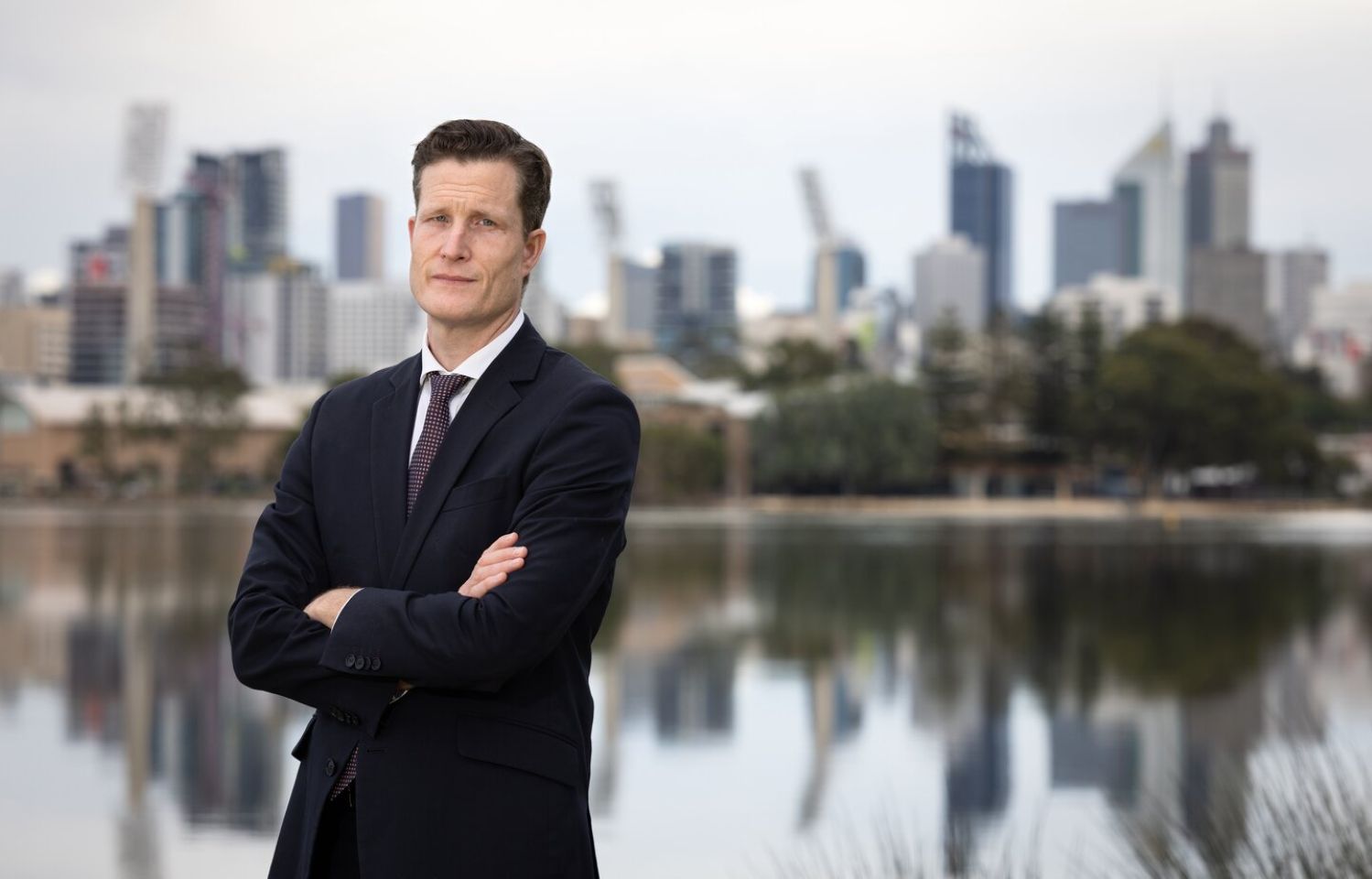
Anthony De Ceglie has stepped down as chief executive of the Perth Bears, effective immediately.

Insufficient attention has been paid to planning the housing, transport and other infrastructure needed to support the future Henderson Defence Precinct, a senior Defence Department official has admitted.


TITLE: Oil Jumps 5% to $105 a Barrel as Iran Fears and Hurricane Threat Rattle Markets
KEYWORD: oil prices
DESCRIPTION: Oil prices surged 5% to $105 a barrel as Middle East tensions and a Gulf hurricane spooked markets, triggering a global bond sell-off.
Oil prices surged 5% on Thursday to $105.30 a barrel, as fears of a fresh round of US strikes on Iran collided with a hurricane bearing down on Gulf of Mexico production, sending shockwaves through global bond and stock markets.
Brent crude, the international benchmark, climbed sharply after reports emerged that the White House had asked the Pentagon to prepare options for strikes against Iran ahead of next month’s US midterm elections. The report, first published by the Atlantic and citing unnamed administration officials, said the scale and targets of any action were still under debate, but raised the prospect that a “limited operation” now could be followed by something larger once voters have gone to the polls.
The news lands amid an already fraught eighth month of the US-Israeli war against Tehran, during which attacks on tankers passing through the strait of Hormuz have reached their highest intensity of the conflict. The most recent came on Wednesday, when a tanker was struck by projectiles off the north coast of Qatar, causing casualties, according to United Kingdom Maritime Trade Operations. Traffic through the critical waterway has been cut as a result, deepening concerns about how much crude can reliably reach global markets.
Hurricane adds to oil prices squeeze
Compounding the geopolitical jitters, Tropical Storm Isaias strengthened into the first hurricane of the Atlantic season, forcing producers to pull back output in the Gulf of Mexico. Shell and Chevron both said they were shutting down production as the storm closed in, with landfall expected Friday or Saturday. The combination of a shrinking Middle East supply and curtailed American output has left traders bracing for tighter markets just as winter demand looms.
Shipping costs are already climbing in response. Danish group Maersk said on Thursday it was raising its emergency fuel surcharge across all export collections and import deliveries, a sign that higher oil prices are starting to filter through global supply chains and, eventually, consumer prices.
Bond markets feel the strain
The jump in oil prices has reignited fears that inflation, only recently brought under control in many economies, could flare up again — and that central banks may be forced to keep interest rates higher for longer as a result. That anxiety showed up immediately in government bond markets, where a sell-off that had already been under way intensified.
In the UK, the yield on the 10-year government bond rose six basis points to 5.515%, its highest level since July 2007. The 30-year yield, Britain’s benchmark for long-term borrowing costs, climbed to 6.0117%, having briefly touched 6.036% the previous day — a level not seen since January 1998. The rising cost of government debt adds further pressure on Chancellor John Healey as he finalises his first budget, due to be delivered on 28 October.
The pain was not confined to Britain. France, already under scrutiny over its mounting debt and spending, saw its 10-year yield rise to 4.931%, just shy of the 24-year high of 4.994% hit the previous week. Germany’s 10-year yield, the reference point for eurozone borrowing, ticked up to 3.504%, while the US 10-year Treasury yield — widely regarded as the benchmark for high-quality government debt — rose to 5.331%.
Stock markets slide worldwide
Equity markets reacted just as swiftly to the rise in oil prices and the prospect of renewed Middle East conflict. Japan’s Nikkei index fell 1.4%, while South Korea’s Kospi dropped a sharper 2.6%. In Europe, the Stoxx Europe 600, which tracks the continent’s largest listed companies, slipped 0.9%, and London’s FTSE 100 eased 0.4% in early trading.
Taken together, the moves across oil, bonds and equities point to a market on edge: investors are weighing not just the immediate risk of supply disruption, but the possibility that a limited strike on Iran could escalate into something far more serious once the political calculus shifts after the midterms. For now, with tankers under attack in the Strait of Hormuz and a hurricane bearing down on US production, the path of oil prices looks set to remain the single biggest swing factor for markets in the weeks ahead.
Explore more on this topic with Vexel Search.
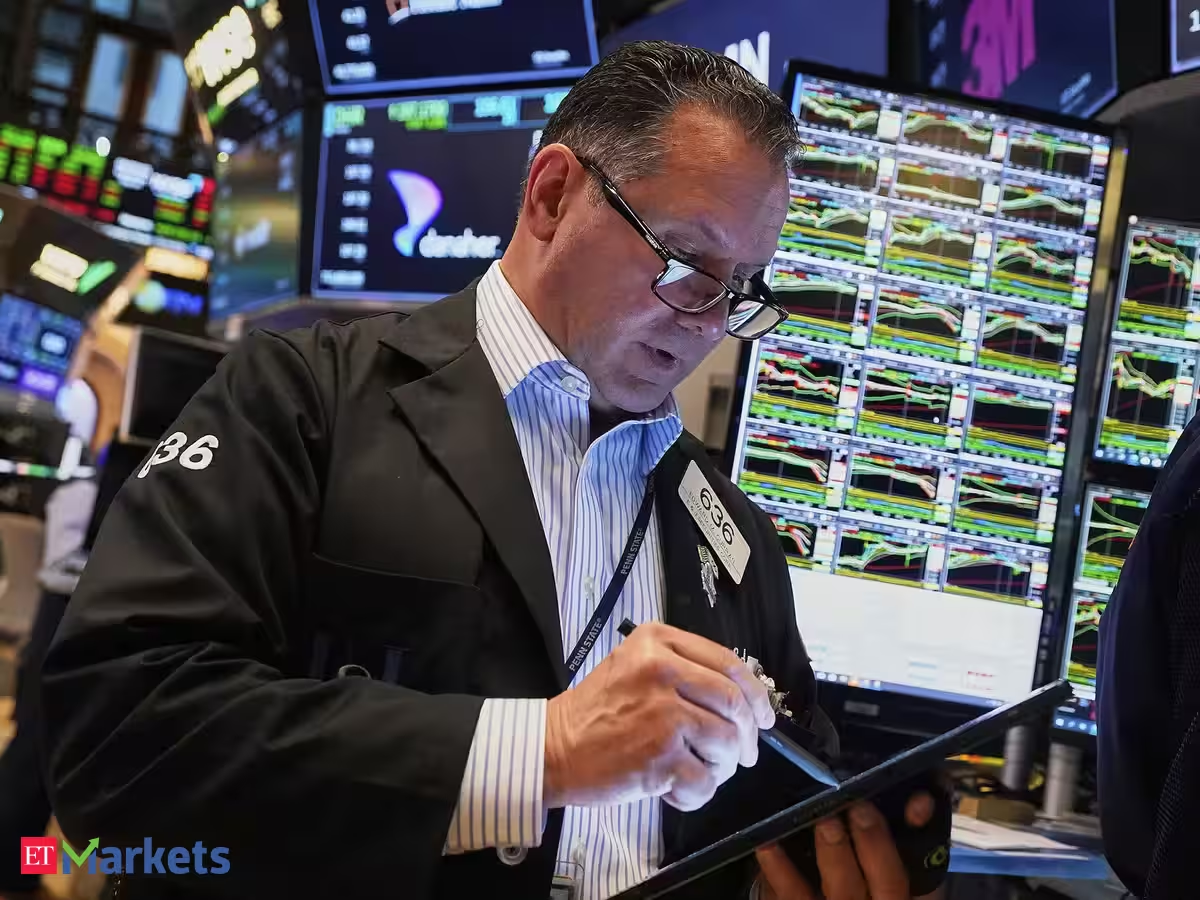
According to preliminary data, the S&P 500 lost 36.07 points, or 0.46%, to end at 7,765.70 points, while the Nasdaq Composite lost 341.59 points, or 1.24%, to 27,197.10. The Dow Jones Industrial Average rose 45.68 points, or 0.09%, to 51,225.48.
Of the major US stock indexes, the Nasdaq closed with the steepest percentage loss, two days after the tech-heavy index reached a record closing high.
Chipmakers, which have soared over 80% so far this year, were clear underperformers on the day following a report from the Financial Times that said OpenAI‘s annualized revenues were $20 billion less than the company previously signaled.
“The market’s going sideways in anticipation of third-quarter earnings season, which begins next week, and then there’s the ongoing conflict in Iran that’s pushing oil prices higher,” said Terry Sandven, chief equity strategist at US Bank Wealth Management in Minneapolis, Minnesota. “What’s equally telling is that year-to-date, the path of least resistance for equities has been up.”

Oil prices jumped on supply concerns after a spate of attacks on shipping in the Strait of Hormuz, combined with a cut in US output due to hurricane activity.
Front-month WTI and Brent settled up 3.6% and 4.1%, respectively.Tight global crude supplies during the Iran war have sent US crude soaring more than 60% so far this year, stoking inflation pressures. In response to those pressures, the US Federal Reserve hiked interest rates in September for the first time since July 2023.
During Thursday’s session, benchmark US Treasury yields inched higher, hovering near multi-year highs, while yields on 2-year notes, which tend to reflect Fed rate expectations, moved up more decisively.
Financial markets currently expect the central bank to leave rates unchanged this month, while the probability of a December hike is nearly 70%, according to CME’s FedWatch tool.
That mirrors the expected rate hike path of the European Central Bank, and was affirmed by Fed Governor Christopher Waller, who said additional rate hikes will probably be necessary, but the timing of those hikes is “flexible.”
Memory-chip giant Samsung Electronics’ record quarterly profit forecast failed to lift sentiment, with its shares closing lower in South Korea.
On Wednesday, the Wall Street Journal reported that Broadcom is lining up $50 billion in financing for OpenAI, with Oracle also seeking an unspecified sum, spurring fears that massive debt issuance by technology companies could intensify the competition for capital. Both Broadcom and Oracle ended the session lower.
PepsiCo shares gained after the beverage company said it would pursue additional spending cuts while lowering its annual core profit forecast.
Starbucks dipped following reports that the coffee chain was exploring a purchase of Chipotle Mexican Grill , whose shares jumped on the news.
Palantir climbed after Goldman Sachs upgraded its rating on the data analytics software provider to “buy” from “neutral”.
Business & Hustles
Modelo Maker Constellation Beats Earnings But Beer Demand Still Lags, Betting on Events and Canned Cocktails to Revive Sales


Constellation Brands, the company behind Modelo Especial, Corona and Pacifico, posted stronger-than-expected quarterly earnings this week, but the numbers masked a more uneven picture underneath: beer demand across the United States remains stubbornly soft, and the brewer is scrambling to find new ways to keep shoppers reaching for its bottles and cans.
The company reported fiscal second-quarter adjusted earnings of $3.74 per share on $2.63 billion in revenue, beating Wall Street’s forecasts of $3.56 per share and $2.54 billion. Beer revenue climbed 5% to about $2.47 billion, and beer shipments rose 5.5%. On paper, that looks like a win. But a closer read of the results shows that beer depletions — the industry’s preferred gauge of how much product is actually moving from distributors into stores and into drinkers’ hands — actually slipped slightly during the quarter, a sign that real-world beer demand has not kept pace with shipments.
Why Beer Demand Keeps Slipping
Constellation executives acknowledged the gap directly. CEO Nicholas Fink told investors on the earnings call that much of the first half of the year was spent “rebuilding distributor inventory levels,” which inflated shipment figures even as underlying consumer beer demand stayed tepid. Fink pointed to September as a turning point, saying depletions were “trending in the right direction” and that the improvement extended beyond the simple boost of a later Labor Day this year.
Still, the broader market backdrop remains rough. According to Nielsen data cited by the company, total U.S. beer sales fell 1.8% year over year in the two weeks ending September 19. That decline reflects a consumer base squeezed by elevated food and fuel costs, and increasingly selective about discretionary purchases like alcohol. Roth Capital analyst Bill Kirk noted that Constellation’s progress had “accelerated to start 2026, but has been derailed by higher fuel costs,” even as he maintained a buy rating and a $209 price target on the stock — well above its roughly $116 trading price on Wednesday.
Interestingly, club stores have emerged as a bright spot. Fink said Constellation saw particular strength in that channel, as budget-conscious shoppers hunt for deals on both fuel and groceries and bundle their beer purchases accordingly. The company is now working to adjust its product assortment and pack sizes by channel, recognizing that a customer’s beer demand and buying habits look very different at a warehouse club than at a neighborhood convenience store.
Chasing Occasions, Not Just Shoppers
Rather than relying on broad price increases to drive growth, Constellation is betting on occasions — concerts, sporting events, beach gatherings and other social moments — to reignite beer demand, particularly among younger drinkers. Fink said consumers increasingly treat beer as a purchase tied to a specific moment rather than a default habit, prompting Constellation to lean into sponsorships and activations tied to music, sports and summer activities.
On pricing, the company is being deliberately cautious. CFO Garth Hankinson said Constellation has kept price hikes “at the low end” of its typical range, citing the “macroeconomic backdrop and the impact that that’s having on our consumer.” His reasoning was blunt: “It’s much more cost-effective to retain your consumers than it is to try to regain your consumers.” In a climate where every price bump risks pushing a shopper toward a cheaper alternative, Constellation appears to be prioritizing loyalty over margin.
That caution is especially pronounced because of who buys Constellation’s beer. Roughly 40% of spending on the company’s beer portfolio comes from Hispanic consumers, compared with about 15% for the beer category overall. That demographic has faced outsized economic strain, including labor market pressures and household finance concerns that the company has linked in part to the Trump administration’s mass deportation policy. Constellation has said previously that beer demand has run weaker in regions with larger Hispanic populations, though it noted some markets are beginning to show improvement.
Looking Beyond the Beer Aisle
To diversify away from its reliance on traditional beer sales, Constellation is also expanding into the fast-growing ready-to-drink cocktail category. The company announced Tuesday that it would acquire SpikedAde, a spirit-based ready-to-drink brand, as part of a broader push to capture consumers who are shifting spending toward convenient, portable alcoholic beverages even as traditional beer demand cools.
The combination of occasion-based marketing, channel-specific product strategies and acquisitions outside its core beer lineup suggests Constellation sees a long road ahead before beer demand fully rebounds. For now, the company is leaning on operational discipline and creative merchandising to protect its market share while waiting for inflation-weary shoppers to loosen their grip on their wallets.
Explore more on this topic with Vexel Search.

Smart brings back its original two-seater as an all-electric car with up to 290 km of range

Rep. Omar Says She Will ‘Not Be Silenced’ After Federal Agents Raid Her Home

Below Deck’s Gael Recalls Complicated Time Before Nathan’s Arrest


-

 Fashion2 days ago
Weekend Open Thread: Quince – Corporette.com
-

 Sports4 days ago
Saracens’ Venter Brands Premiership Rugby ‘Autocratic’ Over £5,000 Media Fine
-

 Business & Hustles2 days ago
PwC: Supply-Chain Diversification, AI and Energy Transition Open New Growth Paths for Thailand
-
 Entertainment4 days ago
10 Flawless Movies With the Cleverest Protagonists
-

 Sports4 days ago
Enzo Maresca all smiles as Man City return to training after guilty verdict
-

 Sports4 days ago
Southampton’s Eckert Spared Ban as FA Suspends Six-Week Sentence Over Spygate
-
 Sports4 days ago
Asiad selection row: Para-shooters allege corruption; PCI denies claims | Asian Games 2026
-

 Sports3 days ago
Multiple Power Four programs face College Sports Commission investigations over alleged NIL cap evasion
-
 Crypto4 days ago
Crypto.com Teams Up With Insilico Terminal to Give Traders Free Pro-Level Tools
-

 Sports2 days ago
College Football Week 6 Bets: Three Picks for Saturday’s Biggest Games
-
 Crypto3 days ago
Robinhood Chain slowdown spreads from fees to trading as transactions fall 40%
-

 Crypto3 days ago
Mashinsky Accepts Lifetime Industry Ban and Up to $35 Million in Conditional Payments | The Defiant
-

 Sports3 days ago
Morocco and Senegal await AFCON final verdict after arbitration hearing – Sports
-

 Tech & AI4 days ago
ICE Emails Discuss Using Palantir-Supported Tool to Investigate Voter Fraud
-
 Crypto4 days ago
ESMA gives EU crypto platforms 3 months to drop non-MiCA stablecoins such as USDT
-

 Sports3 days ago
Saudi oil crisis affects Neom project, 2034 World Cup plans
-

 Sports5 days ago
Harry Kane Ties Peter Shilton’s 125-Cap England Record in Wembley Win Over Czech Republic
-

 Tech & AI7 days ago
Common Mistakes You Should Avoid When Using Foldable Phones
-

 Sports4 days ago
Internationals make history with emphatic Bridges Cup win at Trump Turnberry | News
-

 Crypto4 days ago
Bitcoin ETF Outflows Hit $485M, Erasing October Inflows
You must be logged in to post a comment Login