Connect with us
DAPA Banner
DAPA Coin
DAPA
COIN PAYMENT ASSET
PRIVACY · BLOCKDAG · HOMOMORPHIC ENCRYPTION · RUST
ElGamal Encrypted MINE DAPA
🚫 GENESIS SOLD OUT
DAPAPAY COMING

Business

10 Heart-Healthy Foods Backed by Science and Guidelines

Published

on

Cicada COVID Variant BA.3.2 Spreads in 25 US States: Key

Heart disease remains the leading cause of death in the United States, but simple dietary changes can significantly lower risk. Experts from the American Heart Association and recent 2025-2030 Dietary Guidelines for Americans emphasize eating patterns rich in fruits, vegetables, whole grains, legumes, nuts, seeds and fish while limiting added sugars, sodium and ultra-processed foods.

Salmon
Salmon

Incorporating specific nutrient-dense foods can help manage cholesterol, blood pressure, inflammation and body weight — key factors in cardiovascular health. Here are 10 foods supported by scientific evidence and expert recommendations for promoting heart health.

1. Fatty Fish like Salmon, Mackerel and Sardines

Fatty fish top many lists for heart protection thanks to omega-3 fatty acids. Consuming at least two servings per week can reduce inflammation, lower triglycerides and decrease the risk of sudden cardiac death. The American Heart Association recommends regular intake of fish and seafood as part of healthy protein sources.

A landmark review and ongoing research confirm that omega-3s from seafood improve cholesterol profiles and support overall cardiometabolic health. Choose grilled, baked or canned varieties in water to avoid added sodium or unhealthy fats.

Advertisement

2. Berries (Blueberries, Strawberries, Raspberries)

Berries burst with antioxidants, fiber and polyphenols that combat oxidative stress and inflammation. Recent studies, including a 2025 analysis from King’s College London, highlight polyphenol-rich foods like berries for long-term heart benefits, including better vascular function.

Their soluble fiber helps lower LDL (“bad”) cholesterol, while potassium aids blood pressure control. Fresh, frozen or dried berries all count. Add them to oatmeal, yogurt or salads for an easy boost.

3. Leafy Greens and Cruciferous Vegetables (Spinach, Kale, Brussels Sprouts)

Advertisement

Dark leafy greens and vegetables like Brussels sprouts provide nitrates, potassium, fiber and antioxidants that support healthy blood pressure and artery function. The 2025-2030 Dietary Guidelines stress eating plenty and a variety of vegetables daily, noting frozen and canned options retain benefits.

Soluble fiber in these veggies binds cholesterol in the digestive system, helping remove it from the body. Aim for 2½ cups of vegetables per day as part of an overall healthy pattern.

4. Oats and Whole Grains

Oats contain beta-glucan, a type of soluble fiber proven to reduce LDL cholesterol. Starting the day with oatmeal or choosing whole-grain products aligns with American Heart Association guidance to select foods made mostly with whole grains rather than refined ones.

Advertisement

Whole grains like barley, brown rice and quinoa also deliver fiber, B vitamins and minerals that support heart rhythm and weight management. The guidelines recommend at least half of grain intake as whole grains.

5. Legumes (Beans, Lentils, Chickpeas)

Beans and lentils offer plant-based protein, soluble fiber and potassium without the saturated fat found in many animal proteins. They consistently appear in heart-healthy patterns like Mediterranean and DASH diets, linked to lower cardiovascular risk.

Research shows legume consumption improves insulin sensitivity and helps regulate blood pressure. The 2025 guidelines highlight legumes as a top protein source to prioritize alongside nuts, seeds and fish.

Advertisement

6. Nuts (Especially Walnuts and Almonds)

A handful of nuts daily — about 1 ounce — provides unsaturated fats, fiber, vitamin E and plant sterols that improve artery health and lower heart disease risk by up to 30% in some studies. Walnuts stand out for their omega-3 content.

Nuts fit into the American Heart Association’s recommendation for healthy sources of protein, mostly from plants. Choose unsalted varieties to keep sodium in check. They make a satisfying snack or topping for salads and yogurt.

7. Avocados

Advertisement

Avocados supply monounsaturated fats similar to olive oil, plus fiber and potassium. Higher avocado intake has been associated with lower risk of heart disease in large population studies. Half an avocado a few times weekly can positively influence cholesterol levels.

Use mashed avocado on whole-grain toast or in place of mayonnaise or butter in recipes. Their creamy texture makes them versatile while supporting a Mediterranean-style eating pattern shown to reduce major cardiovascular events.

8. Extra-Virgin Olive Oil

The cornerstone of the Mediterranean diet, extra-virgin olive oil delivers polyphenols and monounsaturated fats that raise HDL (“good”) cholesterol and reduce inflammation. The PREDIMED trial demonstrated a roughly 30% lower risk of major heart events with higher olive oil intake.

Advertisement

Use it for cooking, dressings and dipping. The 2025-2030 guidelines and American Heart Association encourage liquid plant oils like olive oil over tropical oils or partially hydrogenated fats.

9. Dark Chocolate (70% Cocoa or Higher)

In moderation, dark chocolate provides flavonoids that improve blood flow and lower blood pressure. Some cardiologists include it among heart-healthy choices when choosing varieties low in added sugar.

Limit portions to 1 ounce daily to avoid excess calories. Opt for options with minimal processing to maximize benefits from cocoa polyphenols, which overlap with those studied in berries and tea.

Advertisement

10. Green Tea

Green tea contains catechins and other polyphenols linked to better heart health, including improved cholesterol and reduced arterial stiffness. It fits into broader findings on polyphenol-rich beverages supporting cardiovascular protection.

Enjoy unsweetened hot or iced. Both green and black tea appear beneficial, but green tea often edges out in antioxidant content. It serves as a healthy alternative to sugary drinks, which guidelines strongly advise minimizing.

Putting It All Together

Advertisement

These foods work best as part of an overall dietary pattern rather than in isolation. The American Heart Association’s Life’s Essential 8 and the 2021 dietary guidance for cardiovascular health stress a balanced approach: plenty of fruits and vegetables, whole grains, healthy proteins (emphasizing plants, fish and seafood), liquid plant oils, and minimal added sugars, salt and ultra-processed items.

The recently released 2025-2030 Dietary Guidelines reinforce these priorities while focusing on food quality and minimally processed choices. Experts note that most Americans still fall short on fiber, fruits and vegetables, making small, sustainable shifts particularly impactful.

Portion control and calorie balance matter for maintaining healthy weight, another key heart protector. Combine these foods creatively: a salmon salad with leafy greens, berries and olive oil dressing; oatmeal topped with nuts and berries; or bean-based chili with avocado.

Beyond Diet

Advertisement

While diet plays a central role, heart health also benefits from regular physical activity, not smoking, adequate sleep, stress management and controlling conditions like high blood pressure, cholesterol and diabetes. Consult a healthcare provider or registered dietitian before making major changes, especially with existing medical conditions.

No single food is a miracle cure, but consistent choices favoring these options can meaningfully reduce cardiovascular risk over time. As research continues to affirm the power of whole-food, plant-forward eating patterns, the message remains clear: what’s on your plate matters for a healthier heart.

Continue Reading
Click to comment

You must be logged in to post a comment Login

Leave a Reply

Business

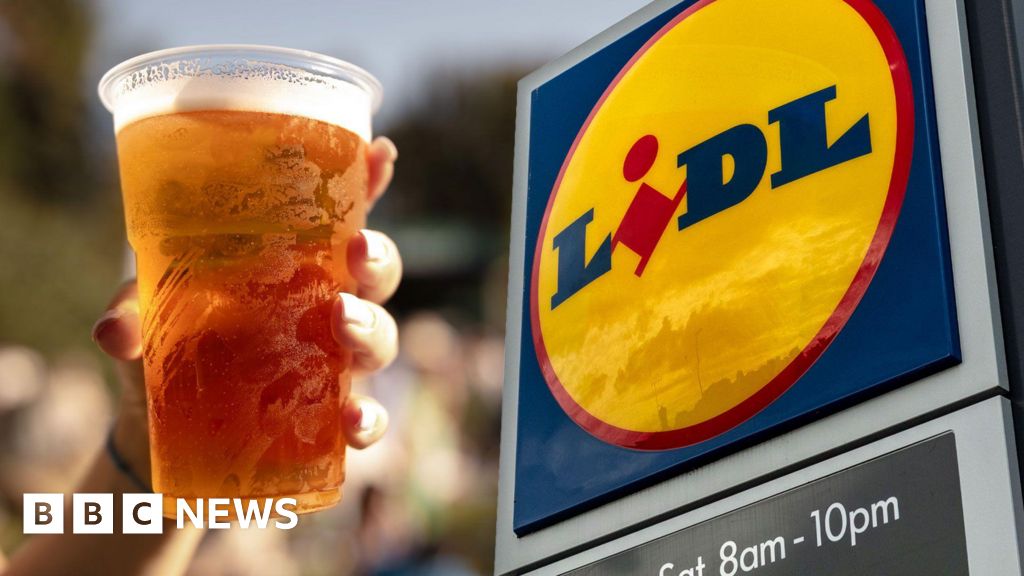
Why is Lidl opening a pub?

Published

on

Why is Lidl opening a pub?

The debate about about what seems like a bizarre idea of having a cold pint after exploring the store’s well known middle aisle.

Continue Reading

Business

Leon restaurant founder pledges to get chain ‘back to best’ after exiting administration

Published

on

Business Live

The fast-food restaurant group collapsed last year

A view of a Leon branch

A view of a Leon branch

The boss of Leon has pledged to get the restaurant business “back to its best” after exiting administration. The fast-food chain, which collapsed last year, has finished a restructuring process aimed at turning the struggling firm around.

The company has emerged with 43 restaurants, some 530 jobs secured and the support of its creditors, including HMRC, according to business advisory firm Quantuma.

The news comes just months after Leon was bought back by co-founder John Vincent from Asda in a deal reported to be between £30m and £50m – well below the £100m that billionaire brothers Mohsin and Zuber Issa paid in 2021.

Mr Vincent said: “I am so grateful to all our landlords and other creditors who have shown us such strong support in recent months. With their backing we now have the opportunity, as well as the responsibility, to get Leon back to its best and to help people eat and live well every day.

Advertisement

“I would also like to thank all my colleagues for working extremely hard during the same period to stabilise the business and restore some of its old verve. And finally, I would like to thank all our Leon customers, who were so patient when the business was in the wilderness and are now back in our restaurants and cheering us on.”

The restructuring of the business has removed a number of underperforming sites, while the saved jobs are across the company’s head office, central support and trading site teams.

According to Quantuma, staff affected by closures were assisted by the establishment of a programme with Pret A Manger where they were able to apply for jobs via a dedicated channel. The Leon Grocery business was not affected by the administration and restructuring.

Brian Burke, joint nominee and managing director at Quantuma, said: “I am delighted to have achieved this positive outcome for Leon which protects over 530 jobs and ensures the continuity of a highly valued restaurant chain.

Advertisement

“While the retail and hospitality sector continues to suffer highly challenging trading conditions given the impacts of increased costs, tax burdens, business rates and national insurance, I am very pleased that the Quantuma team has secured an outcome that will position the business to return to its positive trajectory.”

Leon was founded in 2004 with its first outlet located in London’s Carnaby Street. The chain later expanded and at one point had 75 sites with a mix of owned and franchised outlets.

Continue Reading

Business

Retired FBI Agent Challenges Popular Wrench Attack Theory in Nancy Kidnapping Case

Published

on

Nancy Guthrie
Nancy Guthrie
Nancy Guthrie

TUCSON, Ariz. — A retired FBI special agent has pushed back against speculation surrounding the wrench attack theory in the disappearance of Nancy Guthrie, the 84-year-old mother of NBC “Today” co-anchor Savannah Guthrie, urging the public to defer to investigators who have access to evidence not available to outsiders.

Jason Pack, a retired FBI agent, addressed the theory that Nancy Guthrie may have been targeted and possibly tortured by a hired assailant working for a remote “mastermind” seeking to extort money from her family. Speaking to Parade magazine, Pack stressed the importance of relying on verified facts rather than public speculation.

“Regarding the wrench attack theory, I’ll be respectful here because I know people mean well. But not one of us outside this investigation has read the case file,” Pack said. “We haven’t seen the forensic reports, the communications records, or the full body of evidence that investigators are working from every single day. The FBI and Pima County aren’t building their strategy around outside theories on cable news. They’re working from facts the rest of us simply don’t have access to.”

The comments come more than four months after Guthrie vanished from her home in Tucson’s Catalina Foothills area. She was last seen on the evening of January 31 or early February 1, 2026. Surveillance footage released by authorities shows a masked individual at her front door around the time of her disappearance. DNA evidence, including a hair sample, has been collected from the residence, but no arrests have been made and no suspect has been publicly identified.

Savannah Guthrie has offered a $1 million reward for information leading to her mother’s safe return. The family has also reportedly hired private investigators, with some sources claiming an investment of approximately $500,000 to supplement the official investigation.

Advertisement

Pima County Sheriff Chris Nanos has previously stated that his office is not in direct communication with the Guthrie family, with the FBI handling those interactions. The investigation remains active, with authorities continuing to review tips, video evidence and forensic materials.

Pack noted that while some initial communications to the family may have been legitimate, subsequent messages require careful evaluation against known facts. “We all know that cyber scammers are also opportunistic. It does seem that the original communication to the family may have been real. Everything that followed has to be evaluated against that baseline,” he said. “That evaluation is happening every day by people who have actually read the file.”

The case has drawn intense national attention due to Savannah Guthrie’s prominent role in morning television. The high visibility has generated both helpful tips and a wave of unverified theories, including ransom demands sent to media outlets that authorities have not confirmed as legitimate.

Investigation Challenges

The disappearance presents several complexities common to abduction cases involving elderly victims. Tucson’s location near the U.S.-Mexico border has led to various theories, though officials have not confirmed any specific connections. The desert environment poses difficulties for evidence preservation, particularly as time passes.

Advertisement

Forensic analysis continues on materials recovered from Guthrie’s home. The released doorbell camera footage remains one of the most significant pieces of public evidence, showing the masked individual who remains unidentified.

The FBI’s involvement underscores the seriousness of the case. Federal resources are often brought in for complex missing persons investigations, particularly when interstate or international elements may be involved.

Family’s Ongoing Efforts

Savannah Guthrie has maintained a relatively low public profile regarding the case while continuing her professional responsibilities. On Mother’s Day, she posted a heartfelt message on Instagram alongside a photograph of her mother.

“Mother, daughter, sister, Nonie – we miss you with every breath,” she wrote. “We will never stop looking for you. We will never be at peace until we find you.”

Advertisement

The reported hiring of private investigators reflects the family’s determination to explore every possible avenue. Such parallel efforts are not uncommon in long-term missing persons cases, particularly when families have the resources to supplement official investigations.

Broader Context of Missing Persons Cases

Nancy Guthrie’s disappearance highlights the challenges in resolving cases involving older adults. According to national statistics, thousands of seniors go missing each year, with resolution rates varying based on circumstances and early evidence.

High-profile cases like this often benefit from increased resources and public awareness but also face intense scrutiny. The blend of traditional police work, federal assistance and private investigation reflects common strategies when official progress slows.

Public interest remains high, with true-crime communities and social media users following developments closely. Authorities have repeatedly urged caution against speculation that could hinder the investigation or cause additional distress to the family.

Advertisement

Community Impact in Tucson

The case has affected the Tucson community, where residents express concern for an elderly neighbor taken from her home. Local media coverage has been extensive, balancing the need for information with respect for the ongoing investigation.

Support services for victims’ families have been made available, and community groups have offered assistance to those impacted by the uncertainty surrounding Guthrie’s whereabouts.

As the investigation enters its fifth month, officials continue appealing for public tips while cautioning against spreading unverified information. The FBI and Pima County Sheriff’s Office maintain an active tip line for anyone with relevant details.

The wrench attack theory, while popular in some online discussions, represents just one of many avenues being evaluated by professional investigators with full access to evidence. Pack’s comments serve as a reminder of the gap between public speculation and the realities of a complex criminal investigation.

Advertisement

For the Guthrie family, the passage of time without resolution adds emotional weight to an already difficult situation. Savannah Guthrie’s public platform has helped maintain awareness, but the private toll remains significant.

Authorities have not provided a specific timeline for resolution, emphasizing that such cases can take months or years to solve. The focus remains on following evidence and pursuing every credible lead.

As summer temperatures rise in Arizona, the urgency to find answers persists. Both official investigators and the family continue their parallel efforts in hopes of bringing Nancy Guthrie home safely.

The case serves as a sobering reminder of vulnerabilities even in seemingly secure residential areas. For now, the Tucson community and a national audience wait for developments in a mystery that has captured widespread attention.

Advertisement
Continue Reading

Business

Morgan Stanley initiates HawkEye 360 stock at overweight on SIGINT demand

Published

on


Morgan Stanley initiates HawkEye 360 stock at overweight on SIGINT demand

Continue Reading

Business

Asia Pacific Fintech Boom Leaves Millions Behind

Published

on

Why Telco-Led Fintech Is Asia’s Most Underrated Revolution

New GSMA report maps a region of striking contrasts, where blockchain-powered payment rails and AI-driven credit scoring coexist with deep divides in access, literacy, and trust.

Key takeaways

  • Asia Pacific holds 41% of the world’s 2.1 billion mobile money accounts, yet 1.3 billion adults globally remain locked out of the formal financial system.
  • India, Cambodia and Thailand show how digital public infrastructure like UPI, Bakong and PromptPay can drive near universal payment adoption, while Pakistan and Myanmar reveal how far the inclusion frontier still stretches.
  • Closing the gender, literacy, and trust gaps, not just expanding access, will determine whether the region’s fintech boom translates into real financial health for the unbanked.

From Cambodia’s blockchain backed payment system processing transactions worth three times the country’s GDP, to Pakistan’s gender gap that still leaves millions of women outside the formal financial system, a sweeping new report from the GSMA paints a complex portrait of digital finance across Asia Pacific, a region that is simultaneously a world leader in fintech innovation and home to the largest concentration of unbanked adults on the planet.

The report, Digital Financial Services in Asia Pacific: Driving Inclusion Through Innovation, published by GSMA Intelligence in April 2026, examines twelve markets across the region and concludes that while digital financial services (DFS) have delivered transformative gains in financial inclusion, progress remains deeply uneven, shaped by regulatory ambition, infrastructure investment, and the persistent barriers of literacy, trust, and gender.

A Global Surge, Unevenly Distributed

The headline trend is unmistakably positive. According to the World Bank’s Findex 2025 study cited in the report, global account ownership climbed from 62% of adults in 2014 to 79% in 2024, a jump driven largely by the proliferation of mobile-based financial services. In low-income countries, the proportion of adults holding a mobile money account rose from just 2% a decade ago to 16% globally by the end of 2024, with the figure reaching 32% in the world’s poorest nations.

By December 2024, East Asia & Pacific and South Asia together accounted for 41% of the world’s 2.1 billion registered mobile money accounts. South Asian markets recorded a 20% year on year growth in transaction volume, while East Asia & Pacific saw a 16% increase, with transaction values of $257 billion and $238 billion, respectively.

Advertisement

Yet approximately 1.3 billion adults, the majority of them in Africa and the Asia Pacific, remain entirely outside the formal financial system. And even where accounts exist, the report warns, access has not always translated into improved financial health. “Increased access to financial services has not always resulted in improved financial health,” the report states, noting that many account holders still depend on informal savings and credit and struggle to manage irregular incomes.

The economic stakes are considerable. GSMA Intelligence analysis cited in the report estimates that, as of 2023, countries with mobile money systems had GDP levels $720 billion higher than they would otherwise have been, a 1.7% uplift attributed directly to mobile money adoption.

Three Models, One Convergence

One of the report’s central analytical contributions is its mapping of the operating models that define DFS across the region. It identifies three principal types: bank-led models, where traditional financial institutions retain primary customer relationships; non-bank-led models, where mobile network operators (MNOs) and fintech firms hold the dominant position; and hybrid models, increasingly the direction of travel for the entire region.

The report documents a clear and accelerating shift toward hybrid DFS structures, driven by a convergence of government incentives to promote financial inclusion, technological advances such as AI and cloud computing, and market demand for personalised, scalable, and secure services that no single entity model can reliably deliver.

Advertisement

This evolution has unfolded in four identifiable stages, from basic single-use mobile wallets offering airtime top-ups, through QR payment ecosystems and bank integrations, to fully fledged super apps and digital banks. The Philippines’ GCash, which began in 2004 as a USSD-based airtime service, and Cambodia’s Wing Bank, which evolved from a simple money transfer operator into a licensed commercial bank, exemplify how DFS providers have matured into comprehensive financial hubs within a single generation.

Country by Country: Pioneers and Laggards

The report’s twelve market profiles reveal a region that defies simple generalisations.

India stands apart as a benchmark for digital public infrastructure (DPI). Its Unified Payments Interface (UPI), introduced in 2016, has become a global protocol, now accepted in France, Singapore, and the UAE, enabling Indian tourists to pay local merchants in rupees without forex markups. By mid 2025, digital payments represented 99.8% of total transaction volume in India, an extraordinary achievement for a country of 1.45 billion people where 63% of the population lives in rural areas. India’s Aadhaar biometric identity system underpins the entire ecosystem, reducing customer acquisition costs, minimising fraud, and enabling access to credit and insurance.

Cambodia’s Bakong platform, built on blockchain by the National Bank of Cambodia, has become one of the region’s most ambitious DPI stories. As of September 2025, it had connected 70 financial institutions, supported 34 million user accounts, and processed over 600 million transactions valued at $147 billion. More than 4.5 million Cambodian merchants now accept KHQR, the national QR standard, which has overtaken cash to become the country’s leading payment method, accounting for 47.2% of transactions.

Advertisement

Thailand presents perhaps the clearest model of government-led digital transformation. PromptPay, the country’s flagship instant payment system, launched in 2017, processes more than 75 million daily transactions. Thailand’s financial inclusion rate stands at 92% of adults, with women slightly ahead of men, a phenomenon the report attributes in part to cultural norms in which women manage household finances. Three new digital bank licences were issued in 2025, with operations expected by 2026, targeting underserved segments such as SMEs.

Indonesia has seen an extraordinary rise in QR payments. Its QRIS system, introduced in 2019, recorded 2.6 billion transactions between March 2024 and March 2025, a year on year increase of 596%, making it the fastest-growing form of digital payment in the country. Around 80% of Indonesian adults now have access to formal financial services, up from just 36% in 2014.

Pakistan, by contrast, illustrates the scale of the challenge that remains. Financial inclusion reached 67% in 2025, up from 47% in 2018, driven by microfinance and digital banking initiatives, a significant leap, but still below the regional average. The gender gap, while narrowing from 47 to 30 percentage points, remains “significantly higher than in most other countries in the region,” the report notes. Only 27% of the population uses a smartphone, and 62% lives in rural areas. The country’s Raast instant payment platform, launched in 2021, has processed over 3 billion transactions worth nearly PKR 80 trillion ($285 billion) since launch, offering a foundation on which further inclusion can be built.

Myanmar presents a distinctive case of mobile-led inclusion in a constrained environment. With the most recent financial inclusion estimate dating to 2018 at 48%, the country has shifted almost entirely toward DFS, capitalising on 70% smartphone penetration. Wave Money, the first non-bank entity licensed under Myanmar’s mobile financial services regulation, now serves 35 million customers through an agent network of over 58,000 outlets, the majority operated by women.

Advertisement

The Three Pillars: Regulation, Infrastructure, Partnership

The report identifies three interlocking enablers that determine the pace and depth of digital financial inclusion in any given market: progressive regulation, robust digital public infrastructure (DPI), and collaborative cross-sector partnerships.

On regulation, the emergence of specialised licensing regimes, digital banking licences, e-money issuance permits, branchless banking authorisations, and fintech licences has been transformative, allowing non-traditional players to enter markets that were previously the exclusive domain of commercial banks. Regulatory sandboxes have become a cornerstone of DFS policy across the region, offering controlled environments for testing blockchain remittances, AI-driven credit scoring, and P2P lending before full-scale deployment.

On infrastructure, the availability of national instant payment systems and secure digital identity frameworks is increasingly the decisive factor separating markets that are scaling rapidly from those that are stagnating. Countries that invested early in DPI, India’s UPI, Thailand’s PromptPay, Pakistan’s Raast, have seen markedly faster adoption, broader use cases, and smoother participation from both banks and non-banks.

On partnerships, the report is categorical: “DFS ecosystems are highly complex, making it challenging for any single provider to achieve success independently.” Strategic alliances between MNOs, banks, fintech firms, government agencies, and commercial platforms, from GCash’s agricultural supply chain partnerships in the Philippines to Wave Money’s collaboration with MoneyGram for international remittances in Myanmar, are described as vital catalysts for scaling inclusion to the hardest-to-reach populations.

Advertisement

The Persistent Gaps: Gender, Literacy, and Trust

Alongside the progress narrative, the report catalogues a set of recurring barriers that threaten to entrench a usage gap even as access gaps close.

The digital gender divide remains acute across the region. In Cambodia, only 60% of women have access to formal financial services compared to 73% of men. Pakistan’s gender gap in financial access, while narrowing, remains the starkest in the study. The report attributes these disparities to compounding disadvantages: lower digital and financial literacy, reduced smartphone ownership, greater exposure to fraud risk, and cultural barriers to engaging with formal institutions.

Low digital financial literacy is consistently identified as a primary obstacle to DFS uptake. “Even when services are available, user willingness to adopt or effectively use them plays a crucial role,” the report notes. Apprehensions about fraud, difficulty navigating app interfaces, and a reluctance to move away from cash all dampen take-up, particularly among rural populations, older citizens, and those employed in the informal economy.

Business model sustainability presents a parallel challenge. Many DFS providers, the report acknowledges, are squeezed by low-value transactions, high distribution costs, and narrow margins, a combination that makes it commercially difficult to serve remote areas or develop the more sophisticated products, such as credit, savings, and micro insurance, that could deliver deeper financial health outcomes.

Advertisement

Eight Priorities for the Decade Ahead

The report concludes with a set of eight strategic opportunities for stakeholders, governments, regulators, MNOs, fintech firms, and development partners, seeking to accelerate inclusion:

Enhancing digital and financial literacy through targeted community campaigns, SMS programmes, and locally developed applications.

Expanding agent networks by leveraging existing businesses as trusted community hubs, particularly in underserved rural areas.

Accelerating cross-border transfer initiatives to reach unbanked populations that depend on remittances for basic needs, education, and business investment.

Advertisement

Addressing demand side barriers, including the cost of DFS relative to cash, fraud risk perceptions and the degree to which available products genuinely meet user needs.

Adopting best practice in DPI development, building interoperable layers for digital identification, instant payments, and secure data exchange to replace fragmented, siloed systems.

Digitalising government payment flows, both from government to citizens (G2P) and from citizens to government (P2G), which often serve as a first point of entry into the formal financial system for vulnerable groups.

Using alternative data for credit scoring, including mobile transaction history, utility payments, and social media behaviour, to develop models that extend credit access to rural women, gig workers, and SMEs who lack conventional financial records.

Advertisement

Incorporating AI, edge computing, and blockchain into product development to support scalability, inclusion, and regulatory compliance, and as a gateway to more advanced services, including decentralised finance.

Conclusion

The GSMA’s analysis offers a timely corrective to two competing narratives about digital finance in Asia Pacific: the triumphalist account of a region leading the world in fintech innovation, and the pessimistic view that structural inequalities render inclusion aspirations hollow.

The reality, as the report demonstrates across twelve distinct markets, is more nuanced and ultimately more hopeful. The infrastructure is increasingly in place. The regulatory frameworks are maturing. The partnerships are forming. What remains is a question of will and design, whether governments, companies, and development partners can direct the momentum of DFS toward the populations it has not yet fully reached: rural women in Cambodia, informal workers in Indonesia, smallholder farmers in Nepal, the unbanked millions in Pakistan and Myanmar.

As the report’s authors conclude, recognising the diversity of the DFS landscape is not just an analytical necessity; it is the prerequisite for advancing financial inclusion on a meaningful scale.

Advertisement

Continue Reading

Business

Lucid Group names Silvio Napoli as CEO effective immediately

Published

on


Lucid Group names Silvio Napoli as CEO effective immediately

Continue Reading

Business

(VIDEO) Elon Musk Revives 2022 Promise to Eat Happy Meal on Live TV if McDonald’s Accepts Dogecoin

Published

on

Elon Musk Revives 2022 Promise to Eat Happy Meal

NEW YORK — Elon Musk reignited a long-dormant promise on Monday, June 1, 2026, by replying “True” to a post reminding the public of his 2022 offer to eat a McDonald’s Happy Meal on live television if the fast-food giant begins accepting Dogecoin as payment.

Elon Musk Revives 2022 Promise to Eat Happy Meal

The comment, posted on X, quickly went viral and sparked renewed speculation about a potential partnership between McDonald’s and the meme-inspired cryptocurrency. Musk’s simple affirmation referenced a January 2022 tweet in which he stated he would consume a Happy Meal on air if the company integrated Dogecoin payments.

The exchange has drawn significant attention from cryptocurrency enthusiasts and Dogecoin supporters, many of whom have called on McDonald’s to respond to the renewed interest. As of Monday afternoon, the original post Musk replied to had amassed millions of views, with thousands of users tagging the fast-food chain and urging acceptance of the cryptocurrency.

Musk, who serves as a prominent advocate for Dogecoin, has previously used his platform to boost the token’s visibility. His companies, including Tesla and The Boring Company, have accepted Dogecoin for select merchandise in the past, though broader adoption remains limited.

Background of the Original Promise

In January 2022, Musk posted on Twitter (now X): “I will eat a Happy Meal on tv if @McDonalds accepts Dogecoin.” The lighthearted remark came during a period of heightened Dogecoin enthusiasm fueled by Musk’s frequent social media commentary. While McDonald’s never officially responded at the time, the statement became a memorable moment in the cryptocurrency community.

Advertisement

Monday’s affirmation has revived that moment, with users creating memes, videos and calls to action. Some have suggested collaborative promotions, including limited-edition Dogecoin-themed Happy Meals or live events featuring Musk.

Market Reaction and Dogecoin Movement

Dogecoin experienced a modest price increase following Musk’s post, rising approximately 2-3 percent in the hours after the tweet. The cryptocurrency, which often reacts strongly to Musk’s commentary, has seen heightened trading volume as supporters speculate about potential McDonald’s integration.

Cryptocurrency analysts note that while a McDonald’s partnership would represent a major mainstream milestone for Dogecoin, practical challenges including regulatory compliance, transaction fees and corporate risk assessment would need to be addressed.

McDonald’s has not issued any official comment on Musk’s renewed reference. The company has previously experimented with cryptocurrency payments in limited markets but maintains a cautious approach to volatile digital assets.

Advertisement

Broader Context of Musk’s Crypto Engagement

Musk has maintained an influential but unpredictable relationship with the cryptocurrency space. His companies have accepted Dogecoin for merchandise, and he has frequently highlighted the token’s potential for everyday transactions. However, he has also faced criticism for market-moving statements that some view as promotional.

The timing of Monday’s post coincides with broader discussions about cryptocurrency adoption by major corporations. Several large companies have explored digital payment options, though mainstream fast-food chains have moved more slowly due to volatility concerns.

Community and Social Media Response

The response on X has been enthusiastic, with users sharing creative ideas ranging from Dogecoin-themed menu items to global live events. Hashtags such as #DogeMeal and #McDoge trended briefly following Musk’s reply.

Dogecoin supporters have framed the moment as an opportunity for mainstream validation, while others view it primarily as entertainment. The interaction has generated significant engagement, with Musk’s post receiving tens of thousands of likes and comments within hours.

Advertisement

Corporate Considerations for McDonald’s

For McDonald’s, accepting Dogecoin would represent a significant step into cryptocurrency payments. The company would need to evaluate technological infrastructure, customer demand, tax implications and potential brand risks associated with volatile assets.

Industry experts suggest that any partnership would likely begin as a limited-time promotion rather than a permanent payment method. Previous corporate experiments with cryptocurrency have often been promotional in nature to generate publicity while minimizing long-term exposure.

Musk’s influence in both technology and popular culture could make such a collaboration particularly high-profile if pursued. A live event featuring Musk consuming a Happy Meal would likely generate substantial media coverage and social media engagement.

Looking Ahead

Whether McDonald’s chooses to engage with Musk’s revived offer remains uncertain. The company has a history of participating in viral marketing campaigns, but cryptocurrency integration would require careful consideration of business strategy and customer preferences.

Advertisement

For now, Musk’s brief “True” has successfully rekindled public interest in the idea. The cryptocurrency community continues to watch closely for any response from the fast-food giant, while Musk’s comment adds another chapter to his long-running engagement with Dogecoin.

As of Monday evening, no official statement had been issued by McDonald’s. The story continues to develop rapidly on social media, with fans and cryptocurrency enthusiasts eagerly awaiting the next development in this unusual corporate-crypto saga.

The interaction highlights the ongoing intersection between celebrity influence, social media and emerging payment technologies. Whether it leads to an actual partnership or remains a viral moment, Musk’s post has once again demonstrated his ability to capture global attention with a single word.

Advertisement
Continue Reading

Business

Election 2026: Child poverty a 'huge red flag'

Published

on

Election 2026: Child poverty a 'huge red flag'

The children’s commissioner says child poverty in Jersey “is a big red flag” for the community.

Continue Reading

Business

BHP Group Shares Rise 0.27% to $62.48 on June 1 as Copper and Iron Ore Prices Stabilize

Published

on

BHP Group Shares Rise 0.27% to $62.48 on June 1 as Copper and Iron Ore Prices Stabilize

KEY POINTS

BHP Group Shares Rise 0.27% to $62.48 on June 1 as Copper and Iron Ore Prices Stabilize

SYDNEY — BHP Group Ltd shares climbed 0.27 percent to close at $62.48 on Monday, June 1, 2026, reflecting modest investor optimism amid stabilizing commodity prices and positive developments in the global mining sector.

The Australian mining giant, one of the world’s largest diversified resource companies, traded in a relatively narrow range during the session, with strong support from its copper operations and steady iron ore demand from China. The modest gain came as broader market sentiment improved slightly at the start of the new month following mixed economic signals from major trading partners.

BHP has maintained a resilient performance in 2026 despite volatility in commodity markets. The company benefits from its diversified portfolio spanning iron ore, copper, nickel, and coal, providing a buffer against price swings in any single commodity.

Advertisement

Recent Operational Performance

BHP reported solid full-year results for the period ending June 2025, with underlying attributable profit reaching $13.7 billion. Copper production showed particularly strong growth, supported by the successful ramp-up of the Spence Growth Option in Chile and continued performance at Olympic Dam in South Australia. Iron ore production remained robust, with the company maintaining its position as a leading global supplier.

The company’s focus on operational excellence and cost discipline has helped offset challenges including labor constraints and weather-related disruptions in Western Australia. BHP’s commitment to disciplined capital allocation has also supported shareholder returns through dividends and share buybacks.

Commodity Market Context

Iron ore prices have stabilized around $100-$110 per tonne in recent weeks, supported by steady Chinese steel production and infrastructure spending. Copper prices have shown resilience amid strong demand from the electric vehicle and renewable energy sectors, though supply constraints continue to influence market dynamics.

Analysts note that BHP is well-positioned to benefit from the global energy transition. Its copper assets are increasingly viewed as strategic holdings as demand for the metal grows with electrification trends. The company has invested significantly in expanding copper production capacity to capitalize on this long-term structural shift.

Advertisement

Analyst Views and Valuation

Wall Street consensus on BHP remains generally positive. Most covering analysts maintain Buy or Hold ratings, citing the company’s strong balance sheet, diversified assets and exposure to future-facing commodities. Average price targets cluster around $65-$70, suggesting moderate upside potential from current levels.

Some analysts have highlighted risks including potential slowdowns in Chinese economic growth, regulatory challenges in key operating jurisdictions and volatility in energy transition metals. However, BHP’s scale, operational expertise and financial strength are frequently cited as mitigating factors.

The stock currently offers an attractive dividend yield, making it popular among income-focused investors. BHP has a long history of reliable payouts, even during periods of commodity price weakness.

Strategic Initiatives and Sustainability

BHP continues advancing its portfolio toward lower-carbon commodities. The company has set ambitious targets for Scope 1 and 2 emissions reduction and is investing in technologies to improve the environmental performance of its operations.

Advertisement

Recent developments include progress on the Jansen potash project in Canada, which is expected to become a significant contributor to future earnings. The company has also explored potential acquisitions and partnerships to strengthen its position in copper and other critical minerals.

Sustainability reporting and engagement with indigenous communities remain central to BHP’s operating model, particularly in Australia where the company maintains large-scale iron ore operations.

Broader Market and Economic Factors

Monday’s trading occurred against a backdrop of cautious global markets. Commodity prices showed mixed signals, with some metals gaining on supply concerns while others faced pressure from demand uncertainty. The Australian dollar’s performance also influenced investor sentiment toward resource stocks.

BHP’s share price movement often serves as an indicator for the broader resources sector on the ASX. Its performance influences sentiment toward other major miners and provides insight into global commodity demand trends.

Advertisement

Investment Considerations for 2026

Investors evaluating BHP shares should consider its exposure to both traditional and future-facing commodities. The company offers a balance of near-term cash flow generation and longer-term growth potential through its copper and nickel assets.

Risks include geopolitical tensions affecting trade flows, regulatory changes impacting operations and potential volatility in Chinese economic activity. Opportunities exist if global infrastructure spending accelerates and energy transition demand exceeds expectations.

Analysts generally recommend a long-term approach to BHP given the cyclical nature of commodity markets. The stock’s defensive qualities and dividend reliability appeal to conservative portfolios, while its growth exposure attracts those bullish on the green economy.

Professional financial advice tailored to individual circumstances is recommended before making investment decisions in the resources sector. Market conditions can shift rapidly based on macroeconomic developments and commodity price movements.

Advertisement

Technical Outlook

Technically, BHP shares are trading above key support levels but face resistance near recent highs. Volume patterns suggest consolidation, with potential for upward movement if commodity prices strengthen further.

The stock maintains a strong correlation with iron ore and copper futures, making it sensitive to developments in those markets. International investors monitor currency fluctuations, particularly movements in the Australian dollar against the US dollar.

BHP Group remains one of Australia’s most important corporate citizens and a bellwether for the resources industry. Its ability to navigate the current environment while positioning for long-term structural changes will be closely watched by investors throughout 2026.

Monday’s modest gain represents normal market fluctuations rather than a significant shift in fundamentals. With strong operational performance and strategic focus on high-value commodities, BHP continues to occupy a leading position in the global mining landscape.

Advertisement

As the new month begins, attention turns to upcoming production reports and any guidance on full-year expectations. For now, BHP shares reflect steady confidence in the company’s diversified business model and long-term prospects in a changing global economy.

Continue Reading

Business

Calnex non-executive director purchases shares at 69.9p

Published

on


Calnex non-executive director purchases shares at 69.9p

Continue Reading

Trending

Copyright © 2025