

Business
AI-Powered Virtual Memorials in Asia: Revolutionizing the Death Industry

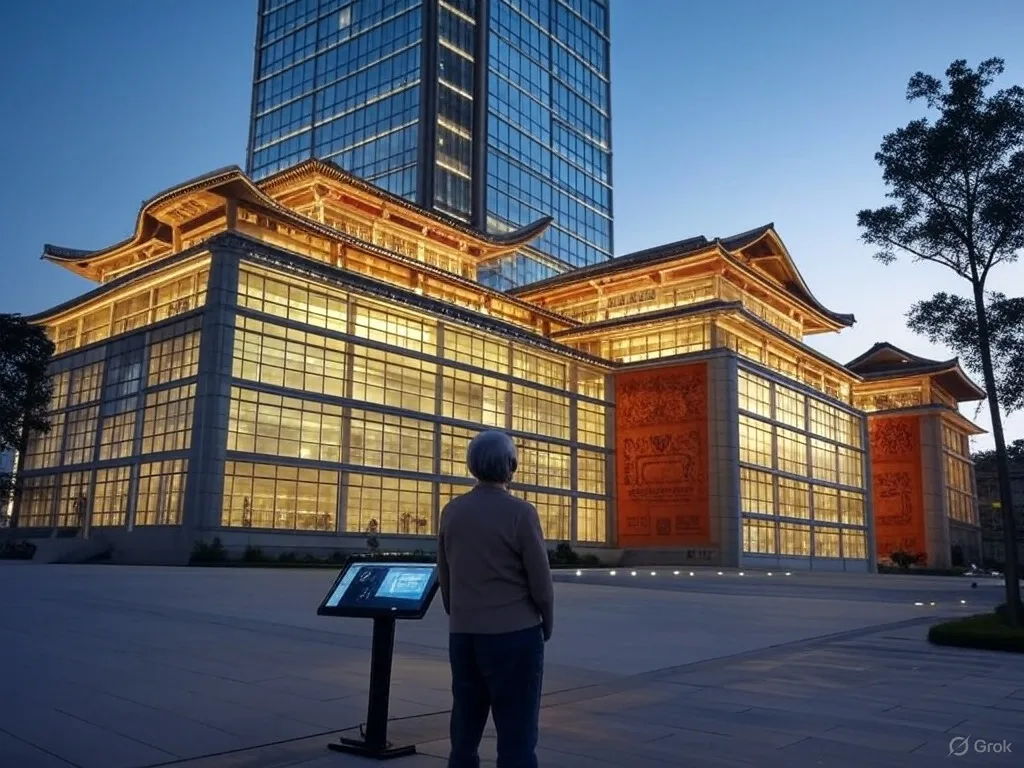
The deathcare industry in Asia is rapidly embracing technology, with advancements like virtual memorials and AI-powered service personalization leading the way. These innovations are transforming the way individuals mourn, commemorate, and pay tribute to their loved ones, fueled by demographic changes, urbanization, and technological progress.
Virtual Memorials
Virtual memorials are digital platforms or experiences that allow families and friends to commemorate loved ones online or through immersive technologies. In Asia, where aging populations and space constraints are pressing issues, these solutions are gaining traction.
These virtual spaces offer a unique way to preserve memories, share stories, and pay respects, transcending physical limitations. They often include features like photo galleries, video tributes, interactive timelines, and even virtual reality environments that simulate traditional memorial sites. In regions like Japan and South Korea, where urbanization has reduced available land for cemeteries, virtual memorials provide an alternative that aligns with cultural values while addressing practical challenges. Furthermore, the integration of technology allows for global participation, enabling relatives and friends from distant locations to join in honoring their loved ones, fostering connection and community in a digital age.
- Definition and Scope: Virtual memorials range from simple online tribute pages to interactive experiences using virtual reality (VR) or augmented reality (AR). They enable users to share memories, photos, videos, and condolences, often transcending geographic barriers.
- Examples in Asia:
- South Korea: Seoul Memorial Park offers virtual memorial services where families can visit digital gravesites or participate in online ceremonies. This reflects a blend of tradition with modern convenience, especially in urban areas with limited cemetery space.
- China: Companies like Fu Shou Yuan in Shanghai have introduced digital cemeteries featuring QR codes on headstones. Scanning these codes provides access to information about the deceased and allows online tributes. Fewer than 100 customers have opted for digital avatars on headstones so far, indicating a gradual adoption.
- Japan: With a super-aging society, virtual memorials are paired with innovations like automated urn retrieval systems, allowing remote remembrance in a tech-savvy culture.
- Drivers: The rise of virtual memorials is fueled by urbanization (reducing physical cemetery space), an aging population (increasing demand for memorialization), and the need for inclusivity (connecting dispersed families). For instance, Asia’s elderly population is projected to reach 923 million by mid-century, amplifying these needs.
- Cultural Context: In Asia, where honoring the dead is deeply rooted (e.g., China’s Qingming Festival or Japan’s Obon), virtual memorials adapt traditional practices to modern constraints, offering a space-efficient alternative to physical graves.
AI-Driven Death-Related Service Customization
AI is revolutionizing deathcare by personalizing services, enhancing efficiency, and providing emotional support. In Asia, this technology is being harnessed to meet diverse cultural and individual preferences. Companies are developing AI-driven platforms that offer customized memorial services, allowing families to incorporate traditional rituals alongside modern elements. These platforms can suggest personalized ceremonies based on cultural backgrounds and individual beliefs, ensuring that each farewell is unique and meaningful.
Furthermore, AI is streamlining administrative tasks, reducing the burden on families during difficult times. From managing documentation to coordinating logistics, AI tools are making the process more efficient and less stressful. Emotional support is also being enhanced through AI-powered chatbots and virtual companions, offering comfort and guidance to those grieving. By integrating AI into deathcare, the industry is not only respecting cultural nuances but also providing a compassionate and tailored experience for families across Asia.
- Definition and Scope: AI-driven customization uses algorithms, natural language processing, and data analysis to tailor funeral services, memorials, and grief support. This includes creating digital avatars, planning personalized ceremonies, and offering virtual counseling.
- Examples in Asia:
- China: Companies like Silicon Intelligence and Super Brain create AI avatars of the deceased using photos, audio clips, and personal data. For example, Silicon Intelligence has made digital replicas for over 1,000 clients since March 2023, charging $700–$1,400. These avatars can converse with mourners, drawing from offline databases or large language models (LLMs). Fu Shou Yuan is also exploring AI avatars appearing at memorial services.
- South Korea: DeepBrain AI’s “Re;memory 2” service generates lifelike avatars from a single photo and a 10-second audio clip, allowing users to “reunite” with loved ones for events like weddings or birthdays. This reflects a push toward accessibility and emotional comfort.
- Taiwan: A startup has launched an app to create AI avatars of deceased pets, showing the technology’s versatility beyond human applications.
- Applications:
- Personalized Funerals: AI analyzes a person’s digital footprint (e.g., social media, preferences) to design ceremonies reflecting their character, such as music choices or thematic elements.
- Grief Support: AI-powered chatbots provide 24/7 counseling, using sentiment analysis to offer empathetic responses and coping strategies. In China, these “deathbots” help mourners process grief or even conceal deaths from vulnerable relatives.
- Digital Clones: Avatars mimic the deceased’s voice, appearance, and personality, offering a sense of continued connection. For instance, Sun Kai in China uses a digital replica of his mother as a confidante, blurring the line between memory and simulation.
- Drivers: Economic growth enables investment in such technologies, while cultural shifts (e.g., secularization in Japan) and government policies (e.g., China’s push for cremation) encourage innovation. The global funeral services market, with Asia Pacific holding a 40% share in 2023, is projected to reach $113.27 billion by 2030, partly due to these advancements.
Unexpected Insights
- Ethical Dilemmas: The use of AI avatars raises questions about consent (the deceased cannot agree), authenticity (how “loyal” are avatars to the original personality?), and emotional impact (potential addiction or rekindled grief). In China, experts caution that over-reliance on these tools might hinder natural grieving processes.
- Cultural Adaptation: While Western companies like Microsoft explored similar concepts (e.g., a 2017 patent for virtual conversations), Asia’s adoption is uniquely tied to traditions like ancestor veneration, making it a fertile ground for such technologies.
- Pet Cemetery Conundrum: The extension of AI to pets in Taiwan highlights a broader trend of treating animals as family, paralleling human applications and expanding market potential.
Challenges and Opportunities
- Challenges: High costs, regulatory hurdles (e.g., data privacy), and cultural resistance (some view digital clones as unsettling) limit widespread adoption. Technical issues, like AI “hallucinations” (fabricating incorrect memories), also persist.
- Opportunities: The integration of virtual memorials and AI offers investment potential, especially in green funerals and digital platforms. Partnerships with funeral homes and tech firms, as seen with DeepBrain AI, could broaden accessibility.
Virtual memorials and AI-driven customization are transforming Asia’s deathcare industry, balancing tradition with modernity. From the True Dragon Tower in Taipei (a symbol of space-efficient memorialization) to AI avatars consoling mourners, these innovations reflect a region adapting to its demographic and technological realities.
These advancements are not only addressing the challenges of limited land availability but are also catering to the emotional needs of grieving families. Virtual memorials allow loved ones to pay their respects from afar, breaking geographical barriers, while AI-driven avatars offer personalized interactions, preserving the essence of the departed.
This fusion of technology and tradition is fostering a deeper connection to heritage while embracing the inevitability of change in a rapidly modernizing society. As Asia leads the way in reimagining deathcare, its approach could serve as a model for other regions navigating similar cultural and logistical challenges.
Other People are Reading


Definium to present phase 3 depression trial results Monday
MoonLake reports phase 3 hidradenitis suppurativa trial results
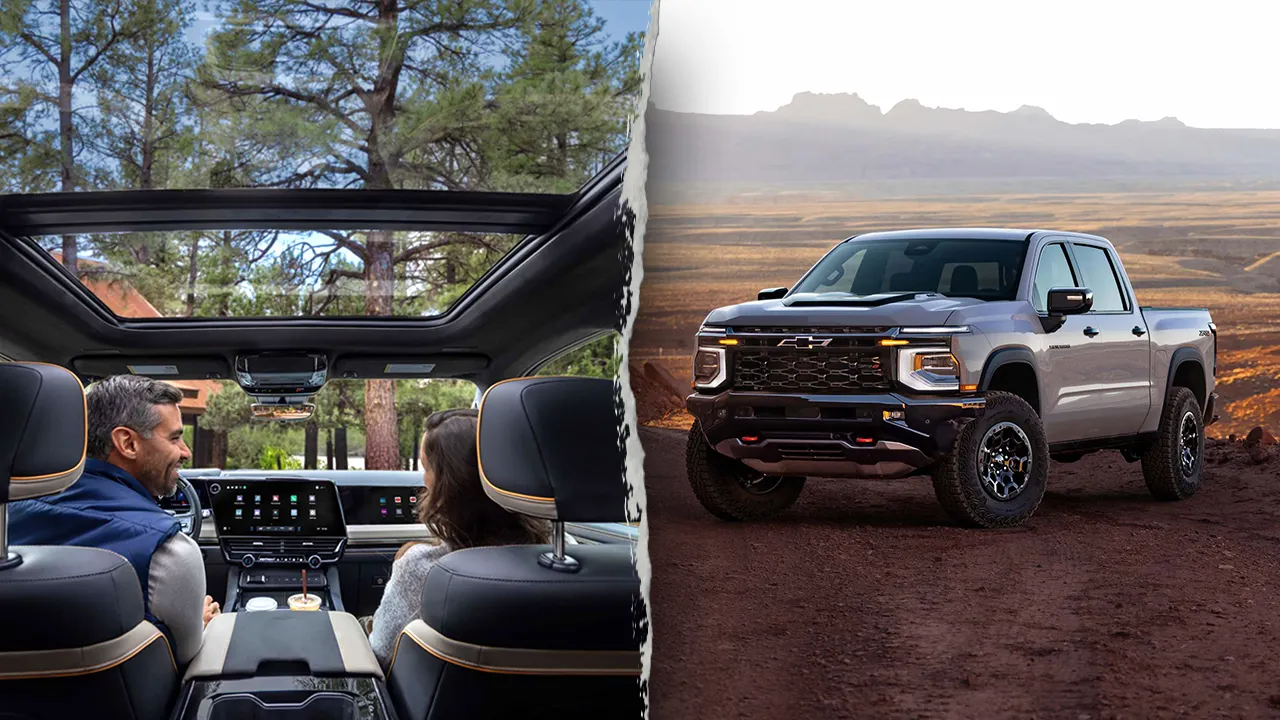
Chevrolet recently unveiled the next-generation 2027 Silverado 1500, which the automaker says is its most powerful Silverado ever. (Credit: Chevrolet)
Chevrolet is giving its Silverado pickup a major update with new V8 engines, a redesigned exterior and more technology inside the cabin.
The automaker on Tuesday introduced the next-generation 2027 Chevrolet Silverado 1500, calling it the “most powerful Silverado ever” and marking one of the pickup’s biggest updates in years.
The truck is expected to go on sale at the end of the year, with pricing to be announced later, according to the company.
“Silverado has earned truck customers’ trust over decades of hard work in the real world,” Scott Bell, vice president of Global Chevrolet, said in a statement. “With the next-generation 2027 Silverado 1500, we’re taking that legacy forward by building the most capable, refined and advanced Silverado lineup we’ve ever offered.”
GM LETTING SOME EV OWNERS SELL ELECTRICITY BACK TO THE US POWER GRID

A 2027 Chevrolet Silverado 1500 Trail Boss in Trillium Metallic, a Silverado 1500 ZR2 in White Sands and a Silverado 1500 High Country in Black are shown, from left, on a mountain overlook. (Chevrolet)
The 2027 Silverado will offer four powertrain options, including new 5.7-liter and 6.6-liter V8 engines. Chevrolet said the truck will have the most powerful naturally aspirated V8 engine in its class.
The lineup will also include an updated 2.7-liter TurboMax engine paired with a 10-speed transmission, along with the Duramax 3.0-liter Turbo-Diesel.
“From tough towing scenarios to the daily demands our customers put on their trucks, these next-generation V8s were engineered and proven to perform in the real world,” Mark Dickens, executive chief engineer at Chevrolet, said in a statement.
The 2027 Silverado will come in seven trims, including Work Truck, Custom, Custom Trail Boss, Silverado, Trail Boss, ZR2 and High Country.
GM RECALLS THOUSANDS OF VEHICLES OVER TRANSMISSION ISSUE THAT COULD INCREASE RISK OF CRASH
A 2027 Chevrolet Silverado 1500 High Country in Black tows a boat along a mountain road.
Chevrolet said the new lineup is designed to give buyers more choice, from work-focused trucks to off-road models and more premium versions.
The ZR2 will be the most off-road-capable version, while the High Country will serve as the top luxury trim.
Inside, every 2027 Silverado will come with a new digital cockpit, including a standard 16.3-inch center display and a 12.2-inch driver information screen.
Chevrolet said the Silverado will offer Super Cruise driver-assistance technology with trailering capability, allowing hands-free driving while towing on compatible roads.
The truck also gets a new exterior design, including a stronger front end, new LED headlights and taillights and updated wheel openings.
GM DOUBLES DOWN ON AMERICAN MANUFACTURING WITH $4B INVESTMENT

The 2027 Chevrolet Silverado 1500 High Country features a panoramic sunroof and a tech-focused interior. (Chevrolet)
“The goal with the new Silverado was to create a truck that looks stronger, more modern with demanding presence at first glance, while staying true to the authentic truck character customers expect from Chevrolet,” Chevrolet Global Executive Design Director Phil Zak said in a statement.
GET FOX BUSINESS ON THE GO BY CLICKING HERE
Additional details, including availability and MSRP, will be released later this year.
Chevrolet last introduced an all-new Silverado in December 2017, when it unveiled the fourth-generation 2019 Silverado, according to the company’s website.
Economic and Infrastructure Developments
Land Bridge and Malacca Strait Alternative
Thailand has revived its ambitious $30 billion Land Bridge project, a coast-to-coast corridor designed to challenge the dominance of the Malacca Strait. The proposal aims to create an alternative shipping route across the Thai peninsula, though analysts caution that bypassing Malacca remains a significant logistical and financial challenge given port capacity and regional competition. Reuters | Thailand Business News
Foreign Investment and Financial Inflows
Thailand is experiencing a notable surge in foreign investment, with inflows topping 154 billion baht in the first five months of the year, representing a 73% increase year-on-year. Bloomberg reports that funds are exiting Indonesia in favor of Thailand, signaling growing investor confidence. The government is also launching Thailand FastPass on June 23 to streamline and accelerate the investment approval process. Bloomberg | Nation Thailand
Energy and Offshore Drilling
Valeura Energy has successfully completed its Nong Yao drilling campaign in the Gulf of Thailand, including the region’s first multi-lateral well — a significant technical milestone. The campaign consisted of eight wells and is expected to boost Gulf of Thailand production. Separately, the US has streamlined civil nuclear export approvals to Thailand, stepping up support for the country’s energy diversification ambitions. Thailand Business News | Offshore Engineer Magazine
Semiconductor Ambitions
Thailand is advancing plans to become ASEAN’s semiconductor manufacturing centre, positioning the country as a key player in the global tech supply chain amid ongoing shifts in electronics production away from China. TV BRICS
Tourism and Travel
Vietnam Challenges Thailand’s Tourism Dominance
Vietnam is rapidly emerging as Southeast Asia’s fastest-growing tourism destination, threatening Thailand’s longstanding regional leadership. Driven by visa-free policy reforms, expanded airline networks, and a surge in Chinese outbound tourism, Vietnam is on track to overtake Thailand in visitor numbers. Thailand recorded a 25% drop in tourists from the Middle East, further pressuring its tourism targets. Travel and Tour World | Nikkei Asia
Visa and Tourism Policy Changes
Thailand is reviewing its visa-free stay policies, joining a global trend prioritizing tourism quality over sheer quantity. Phuket is pushing a hotel levy rising to 3% to generate billion-baht revenue for infrastructure and visitor experience improvements. Meanwhile, Norse Atlantic has expanded Thailand winter flight programs from the UK, Norway, and Sweden. Travel and Tour World | Thailand Business News
Chiang Mai as a Retirement and Expat Hub
Chiang Mai continues to attract retirees and expatriates from around the world, with the city experiencing a 140% boom in women-only co-living spaces. Expats cite the lower cost of living, quality lifestyle, and welcoming community as key draws. Indian couples and international relocators have publicly shared stories of enjoying equivalent rents with significantly better quality of life compared to their home countries. Business Insider | Thailand Business News
Culture, Sports, and Media
T-Pop and Soft Power
Thailand’s music industry is gaining international momentum, with T-Pop increasingly compared to South Korea’s K-Pop phenomenon. Thailand is also leveraging cultural exports, including the popularity of same-sex romance dramas, which have attracted millions of global viewers according to Bloomberg.
Sports Highlights
Thailand’s national volleyball team secured their first Volleyball Nations League 2026 victory, guided by Sasipapron Janthawisut. Meanwhile, Faridabad bodybuilder Manish Rajput won gold in Thailand, defeating a Pakistani rival. Thailand also features in the newly released Captain Tsubasa II: World Fighters game, with dedicated Japan vs. Thailand gameplay content released. Volleyball World
This summary reflects aggregated news reporting and does not represent editorial positions of any individual publication.
Source : Google News – Search
Other People are Reading

Northern Trust Asset Management is a global investment manager that helps investors navigate changing market environments in efforts to realize their long-term objectives.
Entrusted with $1.2 trillion in assets under management as of March 31, 2024, we understand that investing ultimately serves a greater purpose and believe investors should be compensated for the risks they take — in all market environments and any investment strategy. That’s why we combine robust capital markets research, expert portfolio construction and comprehensive risk management in an effort to craft innovative and efficient solutions that seek to deliver targeted investment outcomes.
As engaged contributors to our communities, we consider it a great privilege to serve our investors and our communities with integrity, respect and transparency.
Northern Trust Asset Management is composed of Northern Trust Investments, Inc., Northern Trust Global Investments Limited, Northern Trust Fund Managers (Ireland) Limited, Northern Trust Global Investments Japan, K.K., NT Global Advisors, Inc., 50 South Capital Advisors, LLC, Northern Trust Asset Management Australia Pty Ltd, and investment personnel of The Northern Trust Company of Hong Kong Limited and The Northern Trust Company. Note: This account is not managed or monitored by Northern Trust Asset Management, and any messages sent via Seeking Alpha will not receive a response. For inquiries or communication, please use Northern Trust Asset Management’s official channels.


Ramiro Valdes, lauded as hero of Cuban revolution, dies at 94
Business
People ticketed for vandalizing Washington Reflecting Pool to be fully prosecuted, US Attorney Pirro says


People ticketed for vandalizing Washington Reflecting Pool to be fully prosecuted, US Attorney Pirro says

France faces economic slack as structural shifts weigh on demand- Citi

Inflation Data, FedEx, Micron, KB Home, Darden, and More to Watch This Week

BlackRock Emerging Markets Fund Q1 2026 Commentary

HYPE ETF Defies Market Gravity as BTC and ETH See Net Outflows

Eighth World Cup red card ties Qatar and Russia editions for combined send-offs

Self-powering shaking capsule shows the future of safe drinking water in the palm of our hands


-
Crypto World7 days ago
Zimbabwe Requires Crypto Businesses to Register Annually Under New FIU Regulations
-

 Fashion2 days ago
Weekend Open Thread: Miami – Corporette.com
-
 Crypto World7 days ago
Crude Oil Plunges Over 4% as US-Iran Agreement Reopens Hormuz Strait
-
 Business2 days ago
Wall Street Week Ahead: Investors see Micron earnings as pulse check of AI rally momentum
-

 Crypto World2 days ago
HIVE shares jump as $220M AI deal speeds Bitcoin mining pivot
-

 Tech7 days ago
Over 400 Arch Linux packages compromised to push rootkit, infostealer
-

 Tech5 days ago
The Adder At The Heart Of Intel’s 8087 FPU
-
 Tech7 days ago
Microsoft Updates Six Windows’ Apps. ‘Photos’ Gets Watermarks for Copilot Images (Off by Default)
-

 Sports3 days ago
FIFA World Cup 2026: Canada beat 9-men Qatar 6-0 to register first ever win | FIFA World Cup 2026
-

 Business24 hours ago
Soccer-U.S. defends Iran World Cup travel restrictions, says discussions ongoing
-

 Tech7 days ago
Etzioni on AI: Backlash against AI-generated text mirrors the anti-GMO movement
-

 Tech7 days ago
Today’s NYT Connections Hints, Answers for June 15 #1100
-
 Tech7 days ago
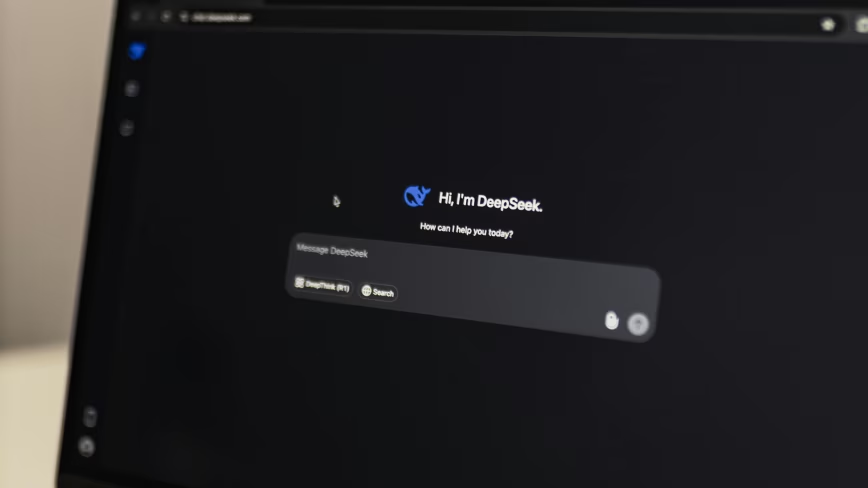
Chinese AI models are learning to detect safety tests and adjust their behaviour accordingly
-

 Business3 days ago
Brexit cost 6% of UK economy, Bank of England company data suggests
-

 Crypto World1 day ago
Jake Chervinsky accuses CME of protecting derivatives monopoly
-

 Tech4 days ago
Weeks Of In-The-Field Testing And A Verdict
-

 Crypto World4 days ago
Anthropic’s Dario Amodei Urged AI Unity at G7, Even as US Banned His Models
-

 Tech3 days ago
Adobe adds its AI assistant to Premiere, Illustrator and InDesign
-

 Entertainment24 hours ago
Renter of Home in Anne Heche Crash Denies Settlement With Son
-
Crypto World7 days ago
Ethereum Users Can Now Add Quantum-Resistant Account Protection for Just $0.07, Researchers Say
You must be logged in to post a comment Login