
Business
Amazon joins $3 trillion club as AI, cloud growth fuel stock rally


The stock climbed 5.5% to a record $286.20, extending its year-to-date gain to more than 23%.
Shares of the Seattle-based e-commerce and cloud-computing giant jumped 15% on Friday after posting its strongest cloud growth in more than four years and lifting its annual capital-spending forecast.
Among the six “Magnificent Seven” companies that have reported so far, only Amazon and Microsoft have convinced investors that their AI investments are paying off. Tesla, Alphabet and Meta, meanwhile, faced a backlash after their heavy spending weighed on free cash flow last quarter.
Like other Wall Street tech giants, Amazon has invested billions of dollars in expanding its AI infrastructure. In April, it disclosed a new investment in Anthropic, following an earlier pledge to invest up to $50 billion in OpenAI.

Founded by Jeff Bezos in 1994, Amazon added another $1 trillion to its market value in just over two years after first reaching a $2 trillion valuation in June 2024.
Apple, Microsoft, Alphabet, and Nvidia are other companies that have reached a market value of $3 trillion in the past. Nvidia is currently the world’s largest company by market capitalisation, at close to $5 trillion.


Earnings call transcript: SI-BONE tops Q2 2026 estimates, shares fall after hours
Business
NVIDIA Shares Rise Nearly 3% as AI Chip Demand and Favorable Seasonality Support Rebound Ahead of Earnings
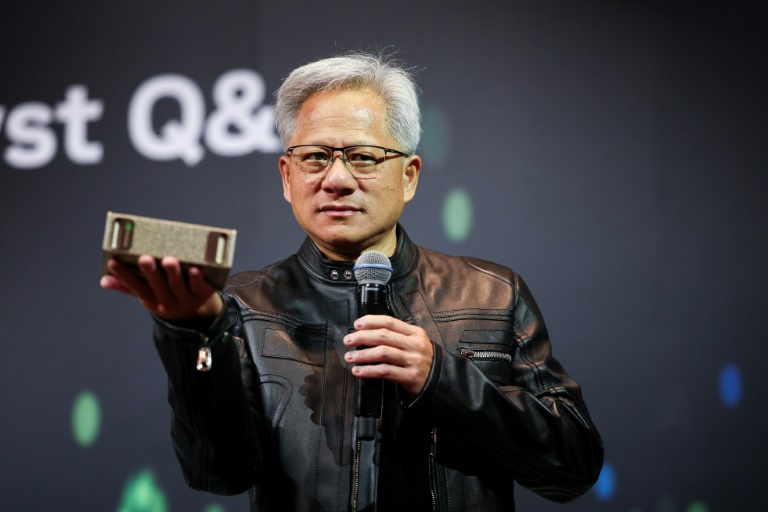
NVIDIA Corp. shares advanced nearly 3% in morning trading Monday, extending a rebound in semiconductor stocks as investors positioned for continued strength in artificial intelligence infrastructure demand ahead of the company’s next earnings report later this month.
The stock traded near $206.71, up $5.96, amid broader gains in the chip sector and positive seasonal patterns that have historically favored NVIDIA in August. The move comes after a period of consolidation following strong fiscal first-quarter results earlier in the year and as the market anticipates the company’s fiscal second-quarter report scheduled for late August.
NVIDIA remains the dominant supplier of graphics processing units and networking solutions powering large-scale AI training and inference systems used by hyperscalers, cloud providers, enterprises and sovereign AI initiatives. Demand for its Blackwell-generation systems has been robust, while the company has advanced its next-generation Vera Rubin architecture into production.
Chief Executive Jensen Huang has emphasized the scale of current and upcoming output. “Vera Rubin is already in production,” Huang said recently, adding that there are “giant amounts of production incoming.” In earlier commentary accompanying results, Huang described the environment as one in which “computing demand is growing exponentially — the agentic AI inflection point has arrived.”
In its most recent reported quarter, NVIDIA delivered record revenue of $81.6 billion, up 85% from the year-earlier period, with data center revenue reaching $75.2 billion. The company guided for second-quarter revenue of approximately $91 billion, plus or minus 2%, a figure that exceeded prior Wall Street expectations at the time. Gross margins have remained elevated in the mid-70% range, supported by high-value AI systems and networking products.
The company has also returned significant capital to shareholders, including an expanded share repurchase authorization of $80 billion and a substantial increase in its quarterly dividend. These actions followed the strong cash generation that accompanied the AI-driven revenue surge.
Market participants are focused on several near-term factors. Analysts expect the upcoming earnings report to show continued sequential growth driven by Blackwell shipments and early contributions from newer platforms. Guidance for the subsequent quarter will be closely watched for signals on the pace of AI capital spending by major cloud providers and any updates on supply chain conditions, including memory availability.
Broader semiconductor stocks have shown resilience, with peer shares also advancing as investors reassess valuations after recent pullbacks. NVIDIA’s forward valuation has compressed relative to earlier peaks in the AI cycle, prompting some analysts to describe the shares as more attractive on a relative basis while still reflecting premium growth expectations.
Competition remains a point of discussion. Custom AI accelerators developed by large cloud companies and alternative GPU or accelerator designs from other semiconductor firms continue to evolve. Export restrictions affecting sales into certain markets, particularly China, have limited one potential revenue stream, and management has excluded China data center compute revenue from recent outlooks. Despite these constraints, diversification across hyperscale, enterprise, industrial and sovereign customers has helped sustain overall data center momentum.
Networking solutions, including InfiniBand, Spectrum-X Ethernet and NVLink interconnects, have become an increasingly important contributor, with revenue in that category rising sharply as larger AI clusters require higher bandwidth and lower latency. Edge computing and professional visualization segments have provided additional, if smaller, growth contributions.
Looking further ahead, NVIDIA is positioning its platform for agentic AI applications, robotics, automotive and other physical AI use cases. Partnerships and infrastructure deployments announced in recent months have reinforced the company’s role at the center of large-scale AI factory buildouts.
Seasonality data cited by market technicians shows August has historically been one of NVIDIA’s stronger months over multi-year periods, adding a technical tailwind to the fundamental narrative. The stock’s proximity to key moving averages after recent consolidation has also drawn interest from longer-term investors viewing the levels as potential entry points within a broader uptrend.
Risks include the high concentration of revenue among a relatively small number of large customers, potential shifts in capital spending plans by those customers, execution on successive product transitions, and geopolitical or regulatory developments affecting technology supply chains. Inventory management and component costs, particularly memory, remain areas of ongoing attention.
As trading continued Monday, the focus stayed on the durability of AI infrastructure investment and NVIDIA’s ability to convert that demand into sustained revenue and margin performance. The company’s next earnings release is expected to provide updated visibility into order trends, product mix and the ramp of newer architectures.
NVIDIA’s scale, software ecosystem and full-stack approach to accelerated computing have cemented its position as a primary beneficiary of the ongoing buildout of AI data centers. The modest advance in the shares reflects a combination of sector-wide support, favorable historical patterns for the month and anticipation of further confirmation that demand remains intact as the company prepares to update investors later in August.

The global real estate sector in 2026 continues to be dominated by a mix of commercial services giants, major developers and specialized property owners, with revenue rankings reflecting recovery in transactions, resilient property management and selective growth in logistics, data centers and residential markets.
Based on the latest available trailing twelve-month and full-year figures reported through mid-2026, CBRE Group stands as the largest real estate company by revenue. The Dallas-based firm posted trailing twelve-month revenue of approximately $43.6 billion as of June 30, 2026, following full-year 2025 revenue of $40.55 billion, up 13.4% from the prior year. Growth was broad-based across advisory services, building operations and project management, with particular strength in leasing and capital markets activity tied to industrial, data center and office demand.
CBRE Chief Executive Bob Sulentic has highlighted the firm’s momentum in recent results, noting continued strength in both resilient and transactional businesses as the company benefits from its scale across more than 100 countries.
China Resources Land ranks near the top among developers. The Hong Kong-listed company reported 2025 revenue of RMB 281.44 billion, equivalent to roughly $39 billion to $40 billion depending on exchange rates, representing a modest 0.9% year-over-year increase. The firm generated the bulk of its revenue from property development and sales, supplemented by growing contributions from investment property rentals and asset-light management fees. Contracted sales for the year totaled RMB 233.6 billion, placing it among the leaders in China’s residential market despite a challenging environment for developers.
Daiwa House Industry, Japan’s largest homebuilder and diversified real estate group, follows with trailing twelve-month revenue in the range of $35 billion based on recent filings. The company has maintained scale through residential construction, commercial development and overseas expansion, providing a stable presence in Asia’s real estate landscape.
Jones Lang LaSalle ranks next among pure-play services firms. The Chicago-based company reported trailing twelve-month revenue of approximately $26.8 billion. JLL has posted solid gains in leasing and capital markets as transaction volumes recovered in key markets, supported by its global network and data-driven advisory capabilities.
Rounding out the top five is either KE Holdings, the Chinese platform operator with trailing revenue near $13.3 billion to $13.5 billion, or specialized REITs such as Welltower and American Tower, both reporting figures in the $10 billion to $12 billion range. Welltower has expanded through healthcare real estate investments, while American Tower has grown via communications infrastructure. Cushman & Wakefield also remains a significant player with revenue near $10.5 billion.
These rankings highlight structural differences within the industry. Services firms such as CBRE and JLL generate revenue primarily from fees for leasing, property management, capital markets transactions and facilities services. Their figures include substantial pass-through costs in some segments. Developers such as China Resources Land and Daiwa House derive the majority of revenue from property sales and construction, making their totals more sensitive to housing market cycles and project delivery timelines. REITs and infrastructure owners report largely recurring rental and lease income.
Market conditions in 2026 have supported the leaders. Industrial and logistics real estate remains robust amid e-commerce and supply-chain needs. Data center demand has accelerated with artificial intelligence infrastructure buildouts, benefiting both services firms and specialized owners. Office markets show selective recovery in prime locations, while residential activity varies sharply by country. China’s property sector has stabilized for stronger players after years of stress, allowing companies with solid balance sheets to maintain sales volumes.
Scale continues to confer advantages. The largest firms leverage global platforms for cross-border capital, technology investments in data analytics and AI-driven insights, and diversified service offerings that capture more of the real estate value chain. CBRE’s integrated model, spanning advisory to facilities management, has helped it outpace many peers in absolute revenue growth. Developers with recurring income streams from shopping centers and rental properties have proved more resilient than pure sales-focused operators.
Challenges persist. Higher interest rates in prior years slowed some transaction volumes, though easing conditions in 2026 have supported a gradual rebound. Foreign exchange fluctuations affect reported figures for international firms. Regulatory scrutiny around housing affordability, sustainability requirements and commercial vacancy rates remains elevated in multiple markets.
Investors and industry observers track these companies closely for signals on broader commercial and residential trends. Transaction volumes, leasing spreads, development pipelines and free cash flow conversion serve as key indicators. Share performance has varied, with services firms often trading on growth in fee income and REITs valued for dividend stability and net asset value.
Looking ahead, the top players are expected to focus on technology integration, selective acquisitions and expansion into high-growth niches such as data centers, life sciences and senior housing. CBRE has pointed to continued double-digit growth potential in several segments for the full year. Chinese developers emphasize quality land acquisitions in core cities and rising contributions from recurring businesses. Japanese and other Asian firms continue balancing domestic demand with international projects.
The concentration of revenue among a handful of firms underscores the industry’s maturation. While thousands of local and regional players remain vital, the largest companies by revenue command significant market share in advisory, development and specialized ownership. Their 2026 figures illustrate both the scale achieved and the ongoing adaptation required in a sector shaped by economic cycles, demographic shifts and technological change.

I am interested in a lot of technology and AI stocks like Google, Nvidia, AMD, Tesla and Amazon.
Analyst’s Disclosure: I/we have a beneficial long position in the shares of GM, F either through stock ownership, options, or other derivatives. I wrote this article myself, and it expresses my own opinions. I am not receiving compensation for it (other than from Seeking Alpha). I have no business relationship with any company whose stock is mentioned in this article.
Seeking Alpha’s Disclosure: Past performance is no guarantee of future results. No recommendation or advice is being given as to whether any investment is suitable for a particular investor. Any views or opinions expressed above may not reflect those of Seeking Alpha as a whole. Seeking Alpha is not a licensed securities dealer, broker or US investment adviser or investment bank. Our analysts are third party authors that include both professional investors and individual investors who may not be licensed or certified by any institute or regulatory body.
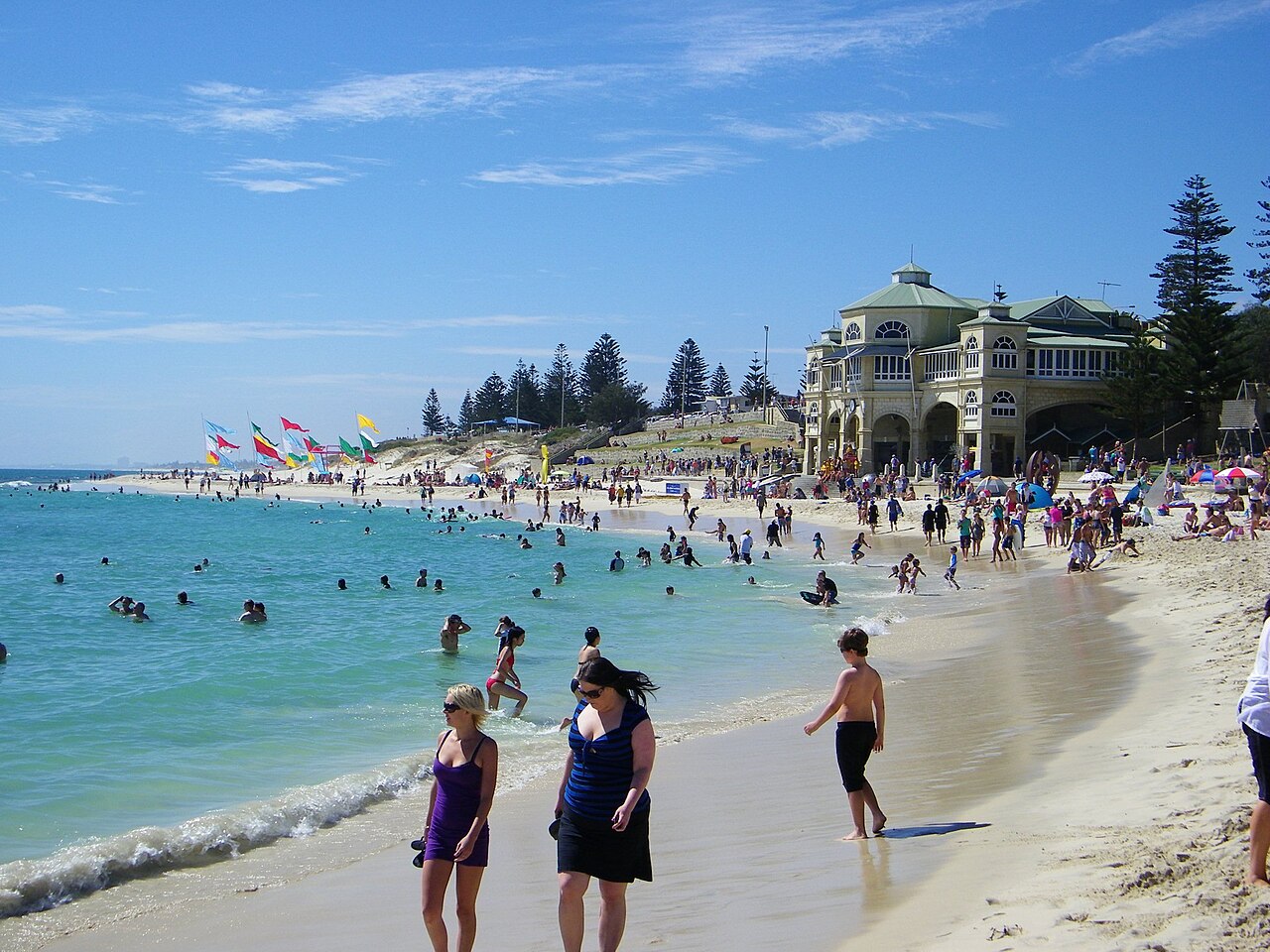
Perth’s coastline stretches along the Indian Ocean with stretches of fine white sand and clear turquoise water that draw both locals and visitors year-round. Western Australia’s capital benefits from a Mediterranean climate, reliable sunshine and a string of accessible beaches within easy reach of the city center. Recent guides from tourism authorities and local polls highlight a consistent group of standouts that combine natural beauty, facilities and variety for swimming, surfing, snorkelling and relaxation.
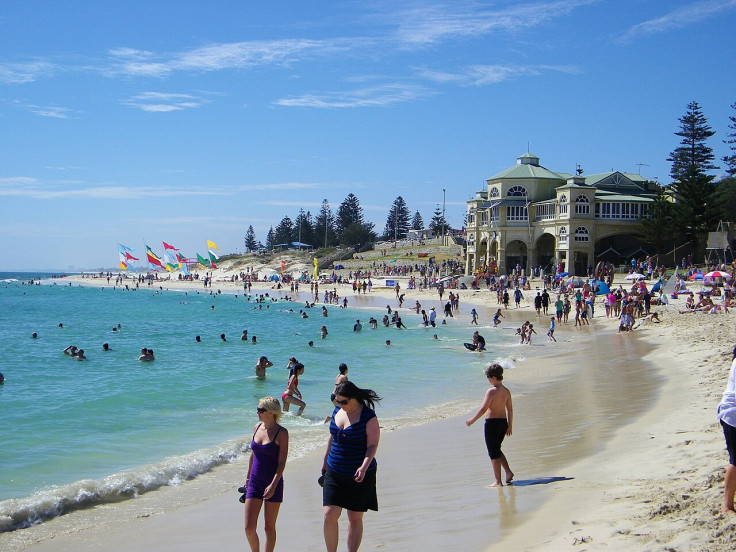
Cottesloe Beach remains the most recognizable. Located about 12 kilometres west of the central business district, it features soft blonde sand, grassy banks lined with Norfolk Island pines and a sheltered swimming area protected by reefs. The beach is patrolled by lifeguards during the warmer months and offers easy access to cafes and restaurants along Marine Parade. The Indiana Teahouse building, now home to Indigo Oscar, provides a focal point for ocean views. In March 2026, the beach hosted the 21st edition of Sculpture by the Sea, with more than 70 works by local, national and international artists installed along the shore. Founder David Handley said of the return after a 2025 hiatus, “It’s great to be back in Perth at Cottesloe Beach for the 21st Sculpture by the Sea.” The free exhibition drew strong crowds and underscored the beach’s dual role as a recreational and cultural landmark. Mornings often deliver the calmest conditions before the afternoon sea breeze, known locally as the Fremantle Doctor, picks up.
Scarborough Beach ranks high for its energy and amenities. Situated roughly 14 kilometres northwest of the city, the long stretch of sand supports swimming, surfing and bodyboarding. Lifeguards patrol year-round in key sections. The foreshore has undergone significant upgrades in recent years, adding a heated ocean pool, skate park, adventure playground, expansive grassed areas and a range of dining options. Sunset markets operate regularly in the warmer months, featuring food stalls and live music. The beach attracts families during the day and a livelier crowd in the evening as the sun sets over the ocean. Nearby Brighton Beach offers a quieter alternative with similar water quality but fewer people.
City Beach has emerged as a strong local favourite. In a late 2025 online poll conducted by a major Perth newspaper that attracted hundreds of votes, City Beach received 27.8 percent support, edging out Scarborough and Cottesloe. The beach sits about 11 kilometres from the CBD and features white sand, rock shelves that create sheltered swimming zones and shady grassed areas ideal for picnics and barbecues. Facilities include a surf club, beach matting for accessibility and a beach wheelchair. Nearby eateries provide casual and more upscale options. Lifeguards operate on weekends and public holidays in the peak season, with a roving presence during the week. Its central location between Cottesloe and Scarborough makes it a convenient choice for those seeking a balance of space and amenities without the heaviest crowds.
Leighton Beach, just north of Fremantle and about 16 kilometres from the city, delivers a more tropical atmosphere. Powdery white sand meets shallow azure water that suits families and less confident swimmers. The beach is patrolled on weekends and public holidays between October and April. Designated dog-exercise areas operate on the northern end. Visitors often bring umbrellas and set up for the day, then stop at nearby cafes such as Bib & Tucker for meals with coastal views. The relatively consistent conditions and proximity to Fremantle’s historic precinct make it popular for both swimming and longer stays.
Mettams Pool, further north near Trigg, stands out for its natural lagoon formed by reefs. The calm, shallow water supports snorkelling, with opportunities to see fish, starfish and other marine life close to shore on suitable days. A concrete ramp provides wheelchair access to the sand. The site forms part of Perth’s northern beach corridor and pairs well with a visit to nearby Trigg Beach for those interested in surfing. Lifeguard services are limited compared with the major southern beaches, so swimming between any marked flags and checking conditions remains essential. Coffee and basic facilities are available nearby.
These five beaches illustrate the range available along Perth’s Sunset Coast. Most offer free public access, with paid parking that can fill quickly on weekends and during peak summer periods from December to February. Water temperatures remain comfortable for swimming well into autumn. Safety advice from local authorities consistently stresses swimming between the flags where lifeguards are present, watching for rips and strong currents, and applying sun protection given the region’s high UV levels.
Infrastructure improvements, including accessibility features and foreshore upgrades, have enhanced the visitor experience in recent years. Events such as Sculpture by the Sea add seasonal interest, while everyday facilities support casual day trips. Public transport links, including trains to Cottesloe and buses serving the northern beaches, reduce reliance on cars for some locations.
Perth’s beaches continue to rank among Australia’s strongest coastal assets for their combination of water quality, sand quality and proximity to urban amenities. Whether seeking an iconic sunset at Cottesloe, the social atmosphere of Scarborough, the local preference for City Beach, the family-friendly shallows of Leighton or the snorkelling calm of Mettams Pool, visitors find consistent natural appeal backed by practical facilities. Conditions can change with wind and swell, so checking local forecasts and beach reports remains advisable before any visit.

Whirlpool misses Q2 consensus estimates, but exceeds guidance expectations
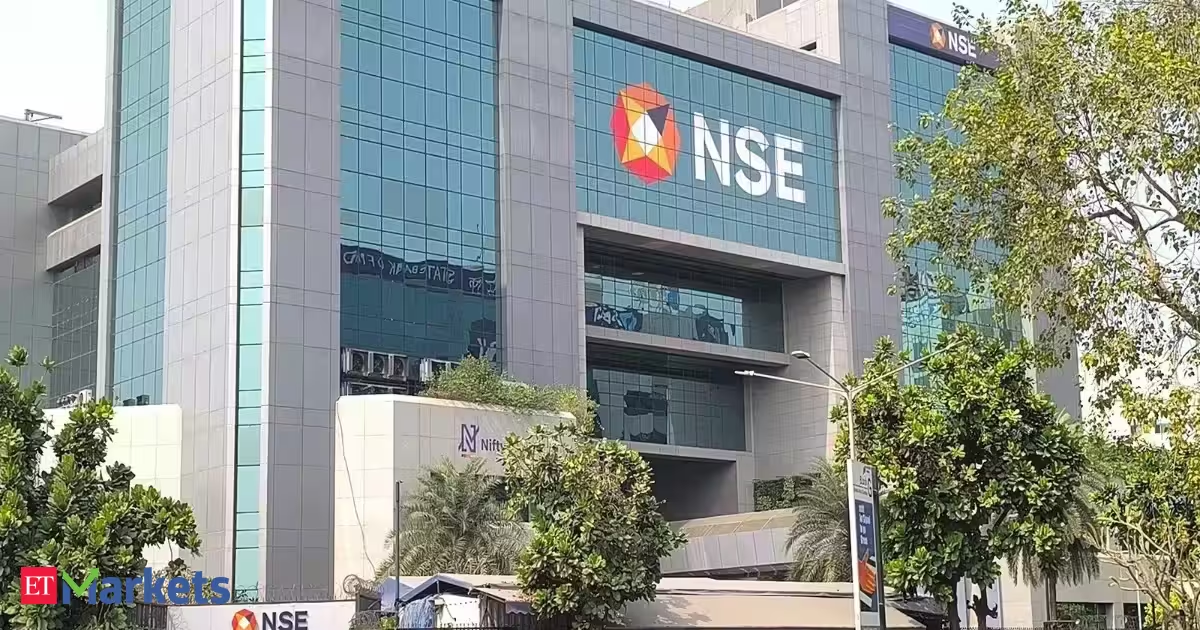
The move appeared to surprise some intraday traders, especially those used to the old 3:30 pm closing pattern. Under the new structure, different parts of the market now close at different times. For F&O-linked stocks, continuous trading stops at 3:15 pm. These stocks then move into a closing auction process. Other stocks continue trading until 3:30 pm. Index and stock F&O contracts remain open until 3:40 pm.
What changed from August 3
The biggest change is that F&O stocks no longer use the old final 30-minute VWAP method to decide their official closing price. Earlier, the closing price was calculated using the volume-weighted average price of trades done in the last 30 minutes of trading. VWAP means the average price weighted by traded quantity.
This was used because the last traded price can be misleading. A stock may trade around Rs 1,000 for most of the day, but one small trade at Rs 980 near the close can make the last traded price look weak. VWAP reduces that distortion.
From August 3, the regulator has introduced a closing auction for stocks that have derivatives contracts. In this system, buy and sell orders are pooled and matched at a single price. That price becomes the official closing price.
The idea is to make the closing price more fairer, especially for large orders and passive funds that need to trade near the close.Also Read: Explained: What is CAS and what do new stock market timings mean for BSE, NSE traders?
How the auction works
For stocks under CAS, exchanges first calculate a reference price between 3 pm and 3:15 pm. This is based on the VWAP of trades during that period. At 3:15 pm, continuous trading stops. There is then a five-minute transition period until 3:20 pm. No fresh orders can be entered during this window.
From 3:20 pm to 3:25 pm, investors can place market and limit orders. Exchanges show details such as indicative price, buy quantity, sell quantity and order imbalance. From 3:25 pm to 3:30 pm, only limit orders can be placed. Market orders already placed cannot be changed or cancelled during this period.
The order entry window closes randomly between 3:28 pm and 3:30 pm This is meant to stop a last-minute rush of orders. From 3:30 pm to 3:35 pm, exchanges match the orders. The price at which the maximum quantity can be traded becomes the equilibrium price. That becomes the stock’s official closing price.
If two prices can execute the same quantity, the price with the lowest unmatched quantity is selected. If there is still a tie, the price closest to the reference price is chosen. If no price is discovered, the reference price is used.
Why Nifty moved so fast
The Nifty may have moved sharply because the closing prices of index stocks directly affect index calculation. The Nifty and Sensex are based on the market value of their constituent stocks. When the auction discovers closing prices for large index stocks, the index can move quickly even though regular continuous trading has already stopped for those stocks.
The 200-point jump in two minutes suggests that orders placed during the auction changed the final prices of some large stocks enough to move the index. Traders may also have been caught off guard by the new timings.
Intraday positions using MIS product type now have earlier auto square-off timings. For equity stocks under CAS, auto square-off is at 3:10 pm For equity stocks not under CAS, it is 3:25 pm For index and stock F&O contracts, it is 3:26 pm
That means some traders who were used to managing positions closer to 3:30 pm now have to adjust earlier.
(Disclaimer: Recommendations, suggestions, views and opinions given by the experts are their own. These do not represent the views of Economic Times)

LAFC Co-Managing Owner Larry Berg celebrates win over Sporting Kansas City in the finals of the 2024 Lamar Hunt U. S. Open Cup at BMO Stadium on September 25, 2024 in Los Angeles, California.
Shaun Clark | ISI Photos | USSF | Getty Images
Larry Berg has been named the next commissioner of Major League Soccer, according to a source familiar with the matter, who was not authorized to speak publicly.
Berg will take the helm from longtime commissioner Don Garber next year. Garber will stay on in an emeritus role through the end of his contact at the end of 2027.
Berg is currently co-owner of MLS’ Los Angeles Football Club, though he will have to sell his stake upon becoming commissioner, according to the person familiar. Berg was formerly a senior partner at Apollo Global Management.
Garber, aged 68, has held the commissioner position since 1999, transforming the league from a struggling startup into a multibillion-dollar sports league. In CNBC’s Official Global Soccer Team Valuations 2026, MLS franchises made up seven of the top 30 most valuable franchises in the world, led by Inter Miami at $1.6 billion.
Among Berg’s first major challenges will be negotiating a new collective bargaining agreement with MLS players. The current agreement expires at the end of January 2028.
He will also oversee the league’s next media rights negotiations after its deal with Apple expires following the 2028-2029 season.


At Miletus Research, we specialize in analyzing technology companies, exploring the nuances of their strategies in depth. Our team of experienced researchers merges cutting-edge market analytics with strategic expertise, empowering you with actionable insights that drive informed investments.
Analyst’s Disclosure: I/we have no stock, option or similar derivative position in any of the companies mentioned, and no plans to initiate any such positions within the next 72 hours. I wrote this article myself, and it expresses my own opinions. I am not receiving compensation for it (other than from Seeking Alpha). I have no business relationship with any company whose stock is mentioned in this article.
Seeking Alpha’s Disclosure: Past performance is no guarantee of future results. No recommendation or advice is being given as to whether any investment is suitable for a particular investor. Any views or opinions expressed above may not reflect those of Seeking Alpha as a whole. Seeking Alpha is not a licensed securities dealer, broker or US investment adviser or investment bank. Our analysts are third party authors that include both professional investors and individual investors who may not be licensed or certified by any institute or regulatory body.

The base offer size is up to 1.49 crore shares, representing about 2.3% of Paytm’s existing share capital. The base deal size is up to Rs 2002 crore, or about $210 million. Morgan Stanley India Company Pvt Ltd is the placement agent for the transaction.
The floor price at 5% discount. The offer floor price has been fixed at Rs 1,339.65 per share. This is a 4.99% discount to Paytm’s closing price of Rs 1,410 on August 3.
The books opened on August 3 and are expected to close around 7 am IST on August 4, with an option to close earlier. The expected trade date is August 4, while settlement is expected on August 5.
The term sheet said no guidance will be given on pricing until the shares are crossed on Indian stock exchanges on August 4. It also said investors should indicate demand across the price range.
Saif entities hold key stake in Paytm
Before the transaction, Saif Partners India IV held about 23.2 million Paytm shares, or around 3.63% of the company’s existing share capital. Saif III Mauritius Company held about 54.7 million shares, or around 8.55% of the company’s existing share capital.Elevation Capital V holding was not disclosed in the term sheet. The shareholding pattern was disclosed on BSE on August 3. The vendors, their agents and nominees will be under a 60-day lock-up after the transaction.
Large investor exits through block deals are common after a stock has seen a strong rally. They allow early investors to reduce holdings while giving institutional buyers a chance to buy a large quantity of shares in one transaction.

FalconX Lays Off 10% of Staff as Crypto Downturn Drags On: Report

Arshdeep Singh named in North Zone squad for Duleep Trophy; Kanhaiya Wadhawan to lead | Cricket News

Andy Burnham set to free paedophiles and killers early: PC Harper thugs to be ‘released within months’


-

 Business5 days ago
Why Trees Belong on the Risk Register
-

 Fashion3 days ago
Weekend Open Thread: Wit & Wisdom
-

 Politics3 days ago
Meta enters AI-training agreement with far-right ‘propaganda rag’ Newsmax
-
 Entertainment6 days ago
‘Stargate’ Creator’s New Sci-Fi Series Returns for Season 3 Tomorrow
-

 Crypto World2 days ago
MicroStrategy Post-Earnings CLARITY Act Push Could Add New Catalyst for Its Stock
-

 Politics7 days ago
The Part of the Electric Transition Nobody Wants to Discuss
-

 Business6 days ago
Major shareholder moves on Canyon
-

 Crypto World3 days ago
XRP Ledger v3.3.0 brings five institutional features
-

 News Videos4 days ago
Bitcoin Enters the 3rd Stage of the Bear Market
-

 Crypto World6 days ago
Kraken Enables Retail Access to Jersey Mike’s IPO via Tokenized Shares
-

 Tech7 days ago
New macOS Sequoia & Sonoma security updates for older Macs
-

 Politics4 days ago
Luke Littler’s dominance sparks GOAT debate
-

 News Videos6 days ago
Claude: Build Financial Dashboards in Minutes (2026)
-

 Sports4 days ago
Seema Kaliramna Wins Discus Throw Bronze, Takes India’s CWG Medals Tally To 17
-

 Business6 days ago
Johnson & Johnson agrees to $5.5B settlement over talc cancer claims
-

 Crypto World2 days ago
Crypto PAC spending tops $2M in Michigan House race
-

 Crypto World3 days ago
New York sues Kalshi over prediction market gambling
-

 Business3 days ago
Trump Announces Hamas Disarmament Agreement as Iran Strikes Kuwait Air Base and US Attacks Pause Overnight
-

 Tech5 days ago
Gemini can now summarize the messiest comment threads in Google Docs
-

 Politics5 days ago
Reform UK betrays West Mids residents by running from party pledges
You must be logged in to post a comment Login