

Business
American Airlines sees resilient demand cushioning fuel-price hit





NEW YORK — The Nasdaq Composite Index closed slightly lower Monday at 26,485.48 after declining 32.45 points, or 0.12 percent. The technology-heavy benchmark reflected measured investor caution as companies continued reporting quarterly results and broader economic signals influenced sentiment.
Trading activity highlighted mixed performance across major sectors. While some technology leaders posted gains on positive developments, others faced pressure amid valuation concerns and competitive pressures. The session’s modest decline fit within recent patterns of consolidation following earlier advances.
Several factors contributed to the Nasdaq’s movement. Corporate earnings continued playing a central role as major companies disclosed results and future guidance. Technology firms in particular faced scrutiny regarding growth prospects and margin trends.
The index’s performance occurred against a backdrop of steady broader market conditions. The Dow Jones Industrial Average and S&P 500 showed small gains, indicating rotation among sectors. Investors appeared balancing optimism about artificial intelligence advancements with caution regarding valuations.
Prominent technology names demonstrated varied results. Semiconductor companies benefited from continued demand for advanced chips while some software firms navigated slower enterprise spending. The session underscored the sector’s sensitivity to macroeconomic developments and company-specific news.
Analysts noted that while artificial intelligence remains a significant growth driver, near-term profitability concerns have tempered enthusiasm in certain segments. Cloud computing providers and cybersecurity firms showed resilience amid digital transformation trends.
Trading volume remained consistent with recent sessions, suggesting steady participation without dramatic shifts in conviction. Options activity indicated continued hedging strategies among institutional investors navigating earnings uncertainty.
Sector rotation characterized much of the day’s movements. Communication services and consumer discretionary shares offered support while some hardware manufacturers experienced profit-taking. The Nasdaq’s composition makes it particularly responsive to technology sector dynamics.
Economic indicators released recently provided context for market movements. Inflation data and employment figures suggested a balanced environment, though concerns about potential slowdowns persisted. Federal Reserve policy expectations continued influencing investor calculations regarding interest rates.
Corporate earnings season remains a focal point for Nasdaq-listed companies. Results from major technology firms have shown resilience in core businesses while highlighting investments in future growth areas. Guidance for coming quarters will likely shape market direction in subsequent sessions.
The Nasdaq Composite tracks more than 3,000 stocks, providing a broad view of technology and growth-oriented companies. Its performance often serves as a barometer for investor sentiment regarding innovation and economic expansion. Monday’s modest decline reflects measured positioning amid ongoing developments.
International factors also influenced trading decisions. Global supply chain conditions and currency movements affected multinational technology companies. Trade discussions and regulatory considerations added layers of complexity to market assessments.
Technology sector valuations have attracted attention as the Nasdaq has shown significant appreciation in recent periods. While growth prospects remain strong, some analysts suggest selective approaches to individual companies. Focus on profitability and sustainable competitive advantages has increased.
Looking ahead, market participants anticipate continued earnings releases and economic data. Any surprises in corporate reports could significantly influence technology valuations. Broader market trends and Federal Reserve communications will provide additional context.
The session demonstrated typical market complexities where individual company news often drives specific movements. The Nasdaq’s slight decline reflected balanced assessments rather than broad selling pressure. Investors appeared maintaining core positions while making tactical adjustments.
Broader technology trends continue supporting long-term optimism. Artificial intelligence, cloud computing and digital transformation represent substantial opportunities for Nasdaq companies. Execution and competitive positioning will determine individual success.
Retail investor participation remains active in technology stocks through various platforms. This engagement contributes to market liquidity while introducing additional volatility factors. Educational resources help individuals navigate complex investment decisions.
Institutional strategies often incorporate technology exposure through index funds and specialized vehicles. Portfolio managers balance growth potential with risk management considerations. The sector’s characteristics require careful analysis of business models and market positions.
The Nasdaq’s performance contributes to overall market narratives about economic health and innovation leadership. Its movements often influence sentiment across asset classes and international markets. Monday’s trading added another data point to ongoing assessments.
As earnings season progresses, attention focuses on forward-looking statements and strategic initiatives. Companies demonstrating clear paths to profitable growth may receive favorable responses while those facing challenges could see pressure.
Technology remains central to economic activity across sectors. From healthcare to finance, digital solutions drive efficiency and innovation. This pervasive influence supports long-term demand for Nasdaq companies’ products and services.
Market volatility measures remained moderate, suggesting contained concerns among participants. The VIX index, often called the fear gauge, reflected steady conditions rather than heightened anxiety. This environment supports continued engagement with growth assets.
The Nasdaq’s composition includes established leaders alongside emerging companies. This diversity provides multiple avenues for investment while requiring careful due diligence. Monday’s trading highlighted the index’s responsiveness to sector-specific developments.
Overall, the Nasdaq’s 0.12 percent decline to 26,485.48 demonstrated typical session dynamics. While technology faces periodic scrutiny, underlying trends support continued relevance. Investors navigate this landscape with focus on both opportunities and risks.
Future sessions will likely bring additional volatility as earnings reports accumulate. The interplay between corporate performance and macroeconomic factors will shape near-term direction. The technology sector’s importance ensures sustained attention from market participants.
Business
Russell 2000 Advances 0.77 Percent to 3,002.79 as Small-Cap Stocks Gain Ground Amid Economic Optimism

The Russell 2000 Index climbed Monday, closing at 3,002.79 after rising 23.02 points, or 0.77 percent. The small-cap benchmark reflected renewed investor interest in smaller companies as economic signals suggested potential for broader participation in market gains.
Trading activity highlighted strength across various small-cap sectors. Industrials, financials and consumer discretionary names contributed significantly to the index’s advance. The session’s performance contrasted with more measured movements in large-cap indices, underscoring rotational dynamics in equity markets.
Several factors supported the Russell 2000’s gains. Smaller companies often benefit from domestic economic strength and potential shifts in monetary policy. Recent data indicating steady growth without immediate recession risks encouraged investors to look beyond mega-cap technology leaders.
The index’s movement aligns with periodic small-cap outperformance cycles. When economic conditions favor domestic activity and interest rates stabilize, smaller firms can demonstrate agility and growth potential. Monday’s trading suggested such dynamics may be emerging.
Analysts have noted that small-cap valuations appear attractive relative to historical averages. Many companies within the Russell 2000 trade at multiples below larger peers while offering exposure to domestic consumption and industrial activity. This relative value proposition attracted buying interest.
Sector-specific developments influenced individual stock movements. Regional banks benefited from stable lending conditions while industrial suppliers gained on infrastructure spending expectations. Consumer-facing companies showed resilience amid steady household spending.
The Russell 2000 tracks approximately 2,000 smaller U.S. companies, providing broad exposure to domestic economic activity. Its performance often serves as an indicator of investor confidence in broader participation beyond large technology firms. Monday’s gains contributed to positive narratives about market breadth.
Trading volume for Russell 2000 components remained healthy, indicating genuine participation rather than thin trading. Options activity suggested continued hedging strategies while directional bets reflected optimism about small-cap prospects.
Broader market context supported the index’s advance. The Dow Jones Industrial Average and S&P 500 showed modest gains while the Nasdaq Composite posted a slight decline. This mixed performance highlighted sector rotation favoring value and cyclical areas.
Economic indicators provided supportive backdrop. Employment data and manufacturing surveys suggested resilience in areas where small businesses operate prominently. Consumer confidence metrics indicated households maintaining spending despite inflationary pressures.
Corporate earnings from small-cap companies have shown varied results. Some firms demonstrated strong pricing power and operational efficiency while others navigated supply chain and labor challenges. Guidance for coming quarters will likely influence investor sentiment.
Small-cap stocks often exhibit higher volatility than large-cap counterparts due to narrower business focuses and limited resources. This characteristic requires careful analysis of individual company fundamentals and industry positions. Monday’s gains reflected positive reassessments across multiple sectors.
International developments also factored into trading decisions. Global supply chain conditions and currency movements affected small companies with export exposure. Domestic-focused firms appeared to benefit from relative stability in U.S. economic conditions.
The Russell 2000’s composition includes diverse industries from healthcare to energy. This breadth provides multiple avenues for investment while requiring thorough due diligence. Monday’s trading highlighted strength in several cyclical areas.
Market strategists suggest small-cap exposure can complement large-cap holdings in diversified portfolios. The segment’s potential for higher growth rates appeals to investors seeking alpha opportunities. However, higher risk profiles necessitate careful position sizing.
Recent performance patterns show small-caps experiencing periods of catch-up after lagging larger companies. Monday’s advance may signal early stages of such rotation if economic conditions continue supporting domestic activity.
Institutional investors have shown increased interest in small-cap strategies through specialized funds and index vehicles. This institutional participation provides additional liquidity while introducing sophisticated analysis of company prospects.
Retail investors also engage actively with small-cap stocks through various platforms. Educational resources help individuals navigate the segment’s complexities and volatility. Monday’s gains likely generated positive sentiment among this investor group.
The session demonstrated typical market complexities where sector-specific factors drive index movements. The Russell 2000’s 0.77 percent advance reflected balanced optimism rather than euphoric buying. Investors appeared making tactical adjustments based on evolving conditions.
Looking ahead, attention focuses on upcoming economic releases and corporate earnings. Any surprises in small-business surveys or regional manufacturing data could influence the index’s direction. Broader market trends and Federal Reserve communications will provide additional context.
Small-cap performance often correlates with economic cycles. Periods of expansion typically favor smaller companies due to their agility and domestic focus. Current conditions suggest potential for continued support if growth remains steady.
The Russell 2000 serves as an important benchmark for assessing market breadth. Its movements complement large-cap indices in providing comprehensive equity market pictures. Monday’s trading added another positive data point to recent small-cap activity.
Overall, the Russell 2000’s advance to 3,002.79 demonstrated resilience among smaller companies. While challenges persist, underlying strengths provide foundation for potential outperformance. Investors navigate this environment with focus on both opportunities and risks.
Future sessions will likely bring additional volatility as earnings reports accumulate. The interplay between corporate performance and macroeconomic factors will shape near-term direction. The small-cap segment’s importance ensures sustained attention from market participants.
Business
Definium Therapeutics Shares Surge Over 54 Percent as Investors React to Company Developments

NEW YORK — Definium Therapeutics Inc. shares experienced dramatic gains Monday, rising more than 54 percent to $37.90 in morning trading. The biotechnology company’s stock movement reflected heightened investor interest amid ongoing developments in its research pipeline and potential strategic initiatives.
Trading volume for Definium Therapeutics surged significantly above average levels, indicating strong participation from both institutional and retail investors. The percentage increase ranked among the day’s notable movers on major exchanges, drawing attention across financial platforms and market commentary.
Biotechnology stocks frequently exhibit substantial volatility based on clinical trial results, regulatory updates and partnership announcements. Definium Therapeutics, focused on developing innovative therapies, has positioned itself within competitive areas of medical research. Monday’s movement suggested positive reassessments of the company’s prospects.
Market participants monitored Definium Therapeutics for updates regarding its therapeutic candidates. The company’s approach targets specific disease areas where current treatments face limitations. Progress in research and development often triggers significant stock reactions in the biotechnology sector.
The session’s gains occurred within a broader market context of selective buying in healthcare and technology. While major indices showed modest movements, individual biotechnology names experienced varied performance based on company-specific news. Definium Therapeutics stood out due to the magnitude of its advance.
Analysts following the company have highlighted its potential in addressing unmet medical needs. Research efforts focus on novel mechanisms that could offer advantages over existing therapies. Positive developments in preclinical or clinical stages typically generate substantial market interest.
Definium Therapeutics operates within the dynamic biotechnology landscape where innovation drives value creation. The sector’s characteristics include high research costs, regulatory hurdles and significant reward potential for successful products. Monday’s trading reflected investor optimism regarding the company’s trajectory.
Trading patterns for Definium Therapeutics have shown periods of volatility common among development-stage biotechnology firms. Share prices often respond sharply to news flow regarding trial results, intellectual property and strategic partnerships. The current advance suggests favorable interpretations of recent activities.
Broader healthcare sector trends provided supportive context. Increased focus on personalized medicine and novel therapeutic approaches has benefited companies pursuing innovative treatments. Definium Therapeutics’ positioning within this environment may have contributed to investor enthusiasm.
Market observers noted elevated options activity surrounding Definium Therapeutics, indicating speculative interest in near-term price movements. Such activity often accompanies significant news or anticipation of upcoming catalysts. The stock’s liquidity supported active trading throughout the session.
The biotechnology industry’s competitive nature requires continuous innovation and strategic execution. Definium Therapeutics’ efforts to advance its pipeline demonstrate commitment to developing meaningful therapies. Success in clinical development could substantially impact the company’s valuation and market position.
Investor sentiment toward biotechnology has fluctuated based on regulatory environments and reimbursement considerations. Monday’s gains for Definium Therapeutics suggested positive views regarding its specific programs and overall approach.
Company leadership has emphasized scientific rigor and patient-focused development. Such priorities align with industry best practices while addressing stakeholder expectations. Strategic decisions regarding clinical trials and partnerships influence market perceptions.
The session’s performance added Definium Therapeutics to lists of notable market movers. Percentage gains of this magnitude often generate media coverage and increased trading interest. Investors and analysts will likely monitor the stock closely for follow-through or consolidation.
Biotechnology investing involves understanding scientific fundamentals alongside financial considerations. Definium Therapeutics’ pipeline progress represents key value drivers while cash position and burn rate affect near-term stability. Balanced assessment requires attention to multiple factors.
Market dynamics for small and mid-cap biotechnology companies often feature rapid price movements based on news flow. Definium Therapeutics’ advance exemplified this characteristic while highlighting the sector’s potential for substantial returns. Risk management remains essential given inherent uncertainties.
Looking ahead, Definium Therapeutics faces typical development milestones that could influence future stock performance. Clinical trial results, regulatory interactions and potential collaborations represent significant catalysts. Investors will assess these developments against competitive landscapes and commercial prospects.
The broader market environment continues evolving with attention to economic indicators and policy developments. Biotechnology companies navigate these conditions while pursuing scientific objectives. Definium Therapeutics’ recent performance suggests resilience amid varying external factors.
Trading concluded with Definium Therapeutics shares demonstrating significant momentum. The 54.82 percent increase reflected strong buying interest and positive sentiment. Market participants will evaluate whether this momentum sustains or experiences normal consolidation.
Overall, Definium Therapeutics’ stock surge highlighted the biotechnology sector’s capacity for dramatic movements. The company’s developments attracted investor attention while contributing to market narratives about innovation and growth potential. Continued monitoring of fundamental progress will remain important for assessing long-term prospects.

In Panola County, Texas, the practice of law still carries weight. It is personal. It is local. It is built on reputation.
Katie Nielsen of Katie Nielsen Law, P.L.L.C. has shaped her career around that reality. She did not stumble into law. She trained for it. She prepared for it. And she built her own firm around it.
“I’ve always believed preparation is the real work,” she says. “Court is just where it shows.”
Her path reflects that mindset, and she is continuing to hone her skills one client at a time in the surrounding counties of Rusk, Cherokee, Nacogdoches, and Smith.
Early Life and Work Ethic
From Barns to The Bar
grew up in a family of nine. Resources were shared. Nothing came easy.
She worked in barns and stables from a young age to afford riding lessons. She competed in hunter jumper events for over 20 years.
“If you want to ride, you muck stalls first,” she says. “You earn your time in the saddle.”
That discipline, largely gained from observing her parents working to support a large family, played a huge role in her riding career, and remains with her still today.
She lived on Maui, riding there as well, for five years before returning to the mainland to finish her undergraduate degree and marry her husband.
“You can change scenery,” she says, “but work ethic follows you.”
Academic Excellence and Moot Court Success
Why Baylor Law Shaped Her
Katie Nielsen graduated magna cum laude from Stephen F. Austin State University. She double majored in History and Political Science.
While in school, she competed in Moot Court competitions across Texas. She earned several awards, including Top Oralist.
“I liked standing up and arguing a position,” she says. “You have to think fast and stay calm.”
Her political science professor, Dr. Donald Gregory, encouraged her to attend Baylor Law School.
“He told me if I wanted real courtroom training, Baylor was the place,” she says. “He was right.”
At Baylor Law, she earned the Abner V. McCall Evidence Award. She also won First Place regionally as part of the Mock Trial team. She graduated with a concentration in criminal law.
“Evidence is not everything,” she says, “but if you have an understanding of the Rules of Evidence, you have a unique advantage in the courtroom, and you can help guide the case to a successful resolution.”
That focus on evidence would later define her courtroom presence.
Prosecutor and Defense Attorney Experience
Why Both Sides Matter
Katie Nielsen has prosecuted in four Texas counties. She has also spent half of her career in private practice handling criminal defense, civil litigation, family law, probate, and estate planning.
That dual experience matters.
“When you’ve stood on both sides of the aisle, you understand how decisions are made,” she says.
As a prosecutor, she learned case structure, courtroom procedure, strategy, and witness examination under intense pressure. All of these skills dovetailed nicely into her private practice as an advocate for her clients.
“You see what works and what doesn’t,” she says. “You learn where the pressure points are.”
This balance gives her a broad view of the legal system in Texas.
Sole Proprietor in Panola County
Building Katie Nielsen Law, P.L.L.C.
Today, Katie Nielsen runs her own firm in Carthage, Panola County. As a sole proprietor, she carries full responsibility for each case.
“When your name is on the door, you don’t cut corners,” she says.
Her practice spans criminal law, civil disputes, family matters, probate, and estate planning. Each area requires a different approach.
“Family law is emotional,” she explains. “Criminal law is urgent. Probate is procedural. You adjust, but preparation is nearly always the same.”
Her love for legal research shows in her process.
“I enjoy digging into case law,” she says. “There’s always something new to learn.”
That mindset keeps her sharp and focused.
Legal Research and Lifelong Learning
Why Curiosity Builds Authority
Katie Nielsen describes herself as “a lover of perpetual learning, and forever a work in progress.”
She reads historical biographies. She studies legal developments. She tracks procedural shifts.
“The law changes,” she says. “If you stop studying, you fall behind.”
In a small county setting, that ongoing education sets professionals apart. Clients expect clarity. Judges expect precision.
A questioning nature becomes a distinct advantage.
Leadership Through Discipline
What Sets Her Apart
Leadership in law is not necessarily in winning the cases that make the biggest headlines, but rather in how consistent an attorney can be.
Katie Nielsen’s awards in evidence and trial advocacy reflect technical skill. Her years prosecuting and defending reflect range. Her decision to operate independently reflects confidence.
“You build credibility case by case,” she says.
Her early years in competitive riding shaped that discipline.
“In riding, one mistake can cost you the event,” she says. “Court is the same. Details matter.”
That focus on details has defined her reputation in all of the East Texas Counties within which she currently practices.
Life Outside the Courtroom
Gardening and Grounded Living
Outside of work, Katie Nielsen gardens at what she calls “large scale, at least for me.” She also cares for her dogs and reads extensively.
“Gardening teaches patience,” she says. “You can’t rush growth.”
That patience mirrors her approach to law.
Cases take time. Evidence develops slowly. Outcomes depend on steady work.
Final Takeaway
Katie Nielsen of Panola County has built her career through discipline, preparation, and technical skill. From barns and stables to moot court and mock trial victories, from prosecution to private practice, her path reflects consistent effort.
“I’m still learning,” she says. “That never stops.”
In a profession where precision matters, that mindset makes a difference.
Her story shows that leadership in law is not about flash. It is about groundwork. It is about showing up prepared. It is about mastering the rules before stepping into the arena.
And in the Counties of East Texas, that kind of preparation stands out.

Mahir Asadli/iStock via Getty Images

Listen below or on the go via Apple Podcasts and Spotify

Stocks retract (0:15), U.S. authorizes Iranian oil sales (0:40), Options flashing growing concern (2:20) and Micron partners with Anthropic (4:13)
Transcript
Wall Street’s major averages were mixed on Monday after negotiations for a peace deal between the U.S. and Iran almost fell through during the weekend. In addition, big tech stocks struggled.
The Trump administration has issued a temporary license allowing Iran to sell some of its energy exports through August 21 following “productive talks” between the U.S. and Iran, Treasury Secretary Bessent said Monday, opening the door for eventually ending many sanctions programs as part of negotiations between the two countries.
The waiver allows the U.S. to import Iranian crude oil and other petrochemical and petroleum products, which the U.S. has not done on any meaningful level since imposing measures after the 1979 revolution, and that Iran can be paid in dollars, a boon for the country which is in desperate need of foreign exchange.
“This waiver doesn’t just weaken the pressure campaign, it puts it into reverse,” Obsidian Risk Advisors managing principal Brett Erickson told Bloomberg.
Shipowners, traders, and buyers will now have to evaluate whether they have time to source, finance, and complete such purchases after years of not dealing with Iran because of sanctions.
Vice President Vance said “great progress” was made during the talks in Switzerland, despite Iran’s declaration over the weekend that it had closed the Strait of Hormuz, and that Iran has agreed to allow weapons inspectors from the International Atomic Energy Agency back into the country.
Vance said Iran’s invite to IAEA inspectors was a “major milestone and the first step in “permanently ending a nuclear weapons program in Iran,” but IAEA director general Rafael Grossi – who is attending the talks in Switzerland – has not commented.
The benchmark S&P 500 (SP500) was last -0.3%, while the Nasdaq Composite (COMP:IND) traded -1.1%, and the blue-chip Dow (DJI) was +0.3%.
Treasury yields were higher, with the 10-year Treasury yield (US10Y) 5 basis points higher at 4.51%, while the 2-year Treasury yield (US2Y) rose 4 basis points to 4.23%.
Crude oil futures (CL1:COM) were at $73, while Brent (CO1:COM) was $77 per barrel.
Options markets are flashing growing concern about the stability of technology stocks, particularly companies tied to the artificial intelligence boom, according to Apollo’s chief economist, Torsten Slok.
Slok noted that a key measure of Nasdaq (COMP:IND) volatility relative to the broader S&P 500 (SP500) has climbed to its highest level in years, highlighting a sharp divergence in how investors are pricing risk across the equity market.
The move suggests traders are increasingly seeking protection against potential swings in technology shares, even as broader market volatility remains comparatively subdued.
The widening gap indicates that market participants view the greatest vulnerability as concentrated within growth-oriented and AI-linked stocks rather than the overall market.
Demand for downside protection in the Nasdaq has accelerated, reflecting concerns that elevated valuations and crowded positioning could leave parts of the technology sector exposed to a period of heightened turbulence.
At the same time, the relatively calm volatility profile of the S&P 500 suggests investors are not anticipating a broad-based market selloff. Instead, current options pricing points to fears of a more targeted shakeout centered on high-growth technology names.
The trend underscores how investor sentiment has become increasingly dependent on a narrow group of AI-related companies that have played a major role in driving recent market gains.
Now, here are 4 news stories that broke in the morning to watch out for:
AbbVie acquires Apogee: AbbVie (ABBV) has agreed to acquire Apogee Therapeutics (APGE) in an all-cash deal valued at $135.11 per share, totaling approximately $10.9 billion in equity value. The transaction is expected to strengthen AbbVie’s immunology franchise and expand its presence in respiratory diseases, including atopic dermatitis and asthma. APGE shares rallied 52% in early trading on the news. The deal, expected to close in the third quarter of 2026, adds Apogee’s pipeline of clinical-stage treatments for inflammatory and immunological diseases, including lead asset zumilokibart, a subcutaneous half-life extended monoclonal antibody targeting IL-13.
Micron partners with Anthropic: Micron Technology (MU) and Anthropic have announced a collaboration to develop memory and storage infrastructure optimized for artificial intelligence workloads. Micron shares popped up 5% during early market trading on the news. The partnership establishes Micron as Anthropic’s primary memory and storage component supplier and will research how memory and storage subsystems perform across AI training and inference workloads.
Meta invests in Cred: Meta Platforms (META) has acquired a 20% stake in Indian fintech firm Cred in a $900 million investment that values the platform at $4.5 billion. As part of the deal, Cred founder Kunal Shah will assume the role of head of WhatsApp, replacing Will Cathcart, who is moving to a new AI-focused role at Meta. Cred operates an app that rewards users for paying credit card bills on time. Meta described Shah as “one of India’s most respected entrepreneurs” who brings a deep understanding of how WhatsApp is woven into people’s daily lives.
Nvidia (NVDA) was in focus Monday as Dell Technologies (DELL) and Super Micro Computer (SMCI) unveiled new artificial intelligence servers with the tech giant’s Vera Rubin line of GPUs.
Nvidia also noted that Vera Rubin and its Vera CPU lines would be coming to other server makers and would be available for other science work, such as climate modeling or energy exploration.
Coinbase Global (COIN) is now said to be offering traders pre-IPO perpetual futures tied to Anthropic (ANTHRO) and OpenAI (OPENAI).
Earlier this month, the crypto exchange was letting traders make risky bets on SpaceX’s (SPCX) future share prices through the so-called ‘pre-IPO perpetual futures’, Reuters had reported.
The derivatives did not have a direct link to the underlying shares but were priced with reference to SpaceX’s latest disclosed pre-IPO valuation, the newswire had said.

Coca-Cola KO 0.15%increase; up pointing triangle is waging a high-stakes corporate battle with more than $20 billion at stake, and the opponent isn’t Pepsi or even Dr Pepper. It’s the Internal Revenue Service.
The dispute between the beverage company and the taxman heads to a federal appeals court in Miami this week. The legal issues are complex, but the core question is simple: Does Coca-Cola report too much profit abroad and too little in the U.S.?
Copyright ©2026 Dow Jones & Company, Inc. All Rights Reserved. 87990cbe856818d5eddac44c7b1cdeb8

Large corporations often dominate headlines, but across the UK economy it is specialist SMEs that continue to make a significant impact.
From construction and manufacturing to logistics and personal services, smaller businesses are proving that size is not always the deciding factor when it comes to success.
Many customers today are looking for expertise rather than scale. They want suppliers who understand their specific requirements, can offer practical solutions and are genuinely invested in delivering a high-quality service. This is where specialist SMEs often excel.
The business landscape has also changed considerably in recent years. Economic uncertainty, changing customer expectations and increased competition have encouraged many organisations to seek out suppliers that can respond quickly and adapt to evolving needs.
As a result, specialist businesses across a wide range of sectors continue to outperform larger competitors by focusing on what they do best. Their combination of expertise, agility and customer service is helping them win contracts, build loyalty and achieve sustainable growth.
Expertise Beats Scale
One of the greatest strengths specialist SMEs possess is their ability to develop deep expertise within a particular niche.
While larger organisations often spread their resources across multiple departments and service lines, specialist businesses dedicate themselves to mastering a specific trade or industry. This allows them to provide a level of knowledge, craftsmanship and attention to detail that is often difficult for larger competitors to match.
The manufacturing and engineering sector provides a good example. Bespoke fabrication projects frequently require technical expertise, precision and practical problem-solving that can only come from years of hands-on experience. Companies such as Mark Steel Fabrication Ltd. demonstrate how specialist knowledge enables SMEs to deliver tailored solutions for commercial and industrial clients.
Customers increasingly recognise the value of working with experts who understand the unique challenges of their industry. This trust often translates into stronger long-term relationships and repeat business.
Agility Creates Competitive Advantage
One of the most common frustrations clients experience when dealing with larger organisations is the lack of flexibility.
Decision-making processes can be slow, communication may pass through multiple departments and adapting to changing requirements often becomes difficult. Specialist SMEs typically operate very differently.
Their smaller structure allows them to react quickly and provide solutions without unnecessary delays. This flexibility is particularly valuable in industries where timelines, budgets and project requirements can change at short notice.
Key advantages often include:
- Faster decision-making and approvals
- Direct access to experienced professionals
- Greater flexibility when project requirements change
- Personalised solutions rather than standardised packages
- The ability to respond quickly to urgent requests
This agility can provide a significant competitive advantage. For example, equipment hire businesses such as Eveready Hire help contractors access the machinery they need without the financial burden of ownership, allowing projects to move forward efficiently and cost-effectively.
In today’s business environment, responsiveness is often just as important as price.
Personal Service Still Matters
Despite advances in technology and automation, business remains fundamentally about relationships.
Customers continue to value honest advice, responsive communication and suppliers who genuinely understand their operational requirements. While larger organisations often rely on centralised systems and standardised processes, specialist SMEs frequently build their reputation through personal service and long-term client relationships.
This is particularly important in sectors where purchasing decisions involve significant investment. Businesses want suppliers who can provide guidance, answer technical questions and recommend solutions that suit their specific needs rather than simply selling products from a catalogue.
The commercial interiors and salon sector provides a good example. Companies such as Pretty Salon support salon owners and beauty businesses by supplying specialist furniture and equipment tailored to the needs of modern salons. Their industry knowledge and ability to offer personalised recommendations can make a significant difference when businesses are investing in new premises or refurbishing existing spaces.
For many customers, access to knowledgeable professionals and a more personalised level of service remains one of the biggest advantages of working with a specialist SME.
Specialist Supply Chains Drive Growth
Many of the UK’s most successful projects depend on networks of specialist SMEs working together behind the scenes.
Whether constructing commercial developments, delivering infrastructure improvements or supporting local building projects, specialist suppliers play a crucial role in keeping work on track.
These businesses contribute expertise and services that larger contractors often rely upon to complete projects efficiently and cost-effectively.
Examples of this contribution include:
- Reliable transport and logistics services
- Timely delivery of essential construction materials
- Specialist manufacturing and fabrication support
- Flexible equipment hire solutions
- Responsive local service provision
For instance, suppliers such as Mix N Go help construction firms maintain project momentum through dependable concrete supply, ensuring materials arrive on schedule and projects remain productive.
Likewise, specialist transport providers such as Mason Trucking play a vital role in supporting construction, infrastructure and commercial developments. Through professional HIAB transport, haulage and grab hire services, they help businesses move heavy materials, remove waste efficiently and coordinate site logistics safely and effectively.
These specialist services allow contractors to focus on delivering projects while relying on experienced supply chain partners to handle critical transportation and material management requirements. Although these businesses may not always receive public recognition, their contribution to economic growth and project success should not be underestimated.
Innovation Happens at Every Level
There is a common assumption that innovation is driven exclusively by large corporations with substantial research and development budgets.
In reality, SMEs are often among the most innovative businesses in the market.
Their smaller size allows them to implement changes quickly, trial new technologies and adapt processes without lengthy approval procedures. Many specialist businesses continually refine their operations to improve efficiency, reduce costs and enhance customer experiences.
Because they work closely with clients, SMEs are often able to identify emerging challenges and develop practical solutions long before larger organisations react.
Innovation is not always about groundbreaking technology. Often it is about finding better ways to serve customers, improve operations and solve problems.
The Future Belongs to Specialist Businesses
As businesses and consumers continue to prioritise expertise, reliability and service quality, specialist SMEs are well positioned for continued success.
While larger organisations will always benefit from greater resources and broader reach, smaller businesses frequently outperform them in the areas that matter most to customers. Their specialist knowledge, flexibility, responsiveness and commitment to service create genuine competitive advantages.
Across industries ranging from construction and manufacturing to logistics and personal services, SMEs continue to demonstrate that success is not determined by size alone.
In many cases, the businesses that achieve the strongest long-term growth are those that focus on doing one thing exceptionally well and delivering consistent value to every customer they serve.


Corbion launches LUMI Set for water-based icings.

California Post opinion editor Joel Pollak discusses the Department of Justice’s investigation into California Gov. Gavin Newsom’s finances.
California Gov. Gavin Newsom is blaming politics for a Department of Justice investigation into his and his wife Jennifer Siebel Newsom’s finances, but one critic says that explanation does little to address the conduct that drew federal scrutiny in the first place.
“We don’t know whether these investigations are politically motivated or not,” California Post opinion editor Joel Pollak told FOX Business.
“It didn’t help John Bolton when he said that the investigation into his misuse of classified information was politically motivated. He just recently pleaded guilty, so that doesn’t actually explain whether Newsom is guilty or not.”
Pollak said the controversy extends beyond charitable donations and centers on so-called “behested payments” — contributions solicited by elected officials for causes or organizations they support.
GAVIN NEWSOM CLAIMS TRUMP ORDERED DOJ PROBE TARGETING HIM AND HIS WIFE

California Gov. Gavin Newsom looks on during a bill signing event related to redrawing the state’s congressional maps on Aug. 21, 2025, in Sacramento, Calif. (Justin Sullivan / Getty Images)
In Newsom’s case, Pollak noted that some of the payments were directed to organizations linked to Newsom’s wife, Jennifer Siebel Newsom, raising questions about potential conflicts of interest.
“It wasn’t just charitable donations,” Pollak said.
“He was fined for failing to report what are called behested payments… and if Newsom were being honest with the voters of California, he would come clean about what these behested payments are, instead of waiting until beyond the deadline to account for them,” he added.
Pollak argued that the arrangement creates the appearance that donors could receive favorable treatment from the governor.
CNN PANELIST COMPARES HUNTER BIDEN, GAVIN NEWSOM MASH UP TO ‘WEIRD TEENAGE MUTANT NINJA TURTLES’

California Governor Gavin Newsom and his wife, Jennifer Siebel Newsom, attend a black-tie dinner for US governors and their spouses following the National Governors Association meetings in Washington, D.C., Feb. 24, 2024. (SAUL LOEB/AFP via Getty Images)
The governor has accused the Trump Department of Justice’s investigation of being politically motivated and linked it to his expected 2028 presidential run.
“After calling for my arrest last year, Donald Trump directed his Department of Justice to investigate me,” Newsom said in a video statement. “And just in the last week, I’ve learned his campaign has reached my own home: to get me, he’s coming after my wife, Jen.”
In a statement to Fox News, Jennifer Siebel Newsom blasted the Trump administration for the alleged overreach.
“There are clearly no boundaries to what Donald Trump will do to get his way or to challenge those who get in his way. This is not presidential behavior, and the Governor and I will continue to speak truth to power because the American people deserve so much more,” she said.
GET FOX BUSINESS ON THE GO BY CLICKING HERE
Fox News host Lara Trump and contributor Joe Concha assess the federal investigation into California Gov. Gavin Newsom and his wife on ‘The Evening Edit.’
The California governor’s office previously referred Fox News Digital to a fact sheet claiming that federal investigators spent months trying to indict Newsom and, upon failing, widened their search for criminal activity. The fact sheet also asserts that federal agents have subpoenaed records and conducted interviews covering years of activity.
Sources familiar with the matter told Fox News that the investigation has been ongoing since 2025 and that the probe is based on whistleblower complaints related to Newsom and his wife’s personal finances. The case is being handled by the U.S. Attorney’s Office in Sacramento.
Fox News Digital’s Bonny Chu and Robert Schmad contributed to this report.

Streaming platforms continue expanding their libraries with fresh content as summer viewing preferences shift toward varied narratives and established franchises. Amazon Prime and HBO Max have scheduled several notable additions for late June and early July, ranging from historical dramas to animated adventures and reality series. These releases provide options for different audience interests while capitalizing on popular intellectual properties and timely themes.
Amazon Prime leads with several confirmed premieres that blend romance, animation and biographical storytelling. The platform’s strategy emphasizes accessible entertainment that appeals to broad demographics while leveraging established brands.
The romantic drama expansion “Your Fault: London” arrives on Prime on June 17. This installment transports familiar relationship dynamics from Mercedes Ron’s novels to a British setting. Produced by Pokeepsie Films, the film explores emotional complexities within its established universe. The narrative promises deeper character development and cultural adaptation that could attract fans of the original series.
Animated audiences will find interest in “The SpongeBob Movie: Search for SquarePants,” scheduled for June 19. The feature follows SpongeBob and his friends confronting the Flying Dutchman in dangerous ocean depths to save Bikini Bottom. Directed by Derek Drymon, the movie brings beloved characters into new territories while maintaining the franchise’s signature humor and visual style. Paramount Animation’s involvement ensures quality consistent with previous entries.
Historical drama enthusiasts can stream “Race” starting June 16. The biographical film chronicles track and field athlete Jesse Owens’ journey through racial tensions and political challenges at the 1936 Berlin Olympics. Directed by Stephen Hopkins, the production features strong performances and period detail that illuminate this significant chapter in sports and civil rights history.
HBO Max complements these offerings with a mix of reality programming, documentaries and returning series. The platform’s approach balances educational content with entertainment while capitalizing on popular franchises.
The documentary special “Disaster: The Chernobyl Meltdown” premieres June 16. Produced by CNN, the program examines the 1986 nuclear accident’s aftermath and global cleanup efforts. The special provides detailed analysis of one of modern history’s most significant environmental disasters, highlighting first responders’ sacrifices and long-term consequences.
Reality television fans can follow “Little Singles” beginning June 16. The TLC series documents unique individuals navigating contemporary dating challenges. The unscripted program captures emotional milestones and relationship hurdles as participants seek meaningful connections. Its focus on personal growth and modern matchmaking offers relatable storytelling for audiences interested in real-life experiences.
“Kara Swisher Wants to Live Forever” arrives June 18. The CNN investigative special explores Silicon Valley billionaires’ investments in life extension science. Featuring technology journalist Kara Swisher, the documentary examines ethical boundaries and scientific ambitions in the pursuit of longevity. This examination of technological hubris addresses timely questions about wealth, mortality and innovation.
Returning series provide continuity for established viewers. “House of the Dragon” premieres a new installment June 21. The HBO fantasy drama continues chronicling Targaryen succession conflicts known as the Dance of the Dragons. The epic series combines political intrigue, family dynamics and spectacular dragon sequences within George R.R. Martin’s fictional universe.
“Rick and Morty” becomes available on HBO Max starting June 15. The animated science fiction comedy follows a dysfunctional family through chaotic interdimensional adventures. Produced by Williams Street, the series blends philosophical themes with irreverent humor across multiple seasons. Its arrival expands access for fans of adult animation.
These releases demonstrate streaming platforms’ commitment to diverse content strategies. Amazon Prime focuses on franchise extensions and accessible entertainment while HBO Max balances prestige documentaries with popular series. The timing aligns with summer viewing patterns when audiences seek varied options for different moods and occasions.
Industry analysts note increasing competition among streaming services drives content investment. Platforms seek exclusive programming that attracts and retains subscribers while justifying monthly fees. The current slate reflects calculated approaches to audience engagement through familiar properties and timely topics.
Viewer preferences continue evolving toward personalized experiences. Streaming libraries allow on-demand access that traditional television cannot match. These new additions provide fresh options for subscribers seeking specific genres or familiar characters.
The romantic drama expansion appeals to audiences invested in serialized storytelling. “Your Fault: London” builds upon established narratives while introducing new cultural contexts. Such adaptations often succeed by maintaining core emotional elements while refreshing settings.
Animated features like “The SpongeBob Movie: Search for SquarePants” target family audiences and longtime fans. The franchise’s enduring popularity ensures built-in interest while new adventures maintain relevance. Visual storytelling and humor transcend age demographics.
Biographical films such as “Race” offer educational value alongside entertainment. Historical context enriches narratives while highlighting important social themes. Period dramas continue attracting audiences interested in authentic representations of past events.
Documentaries on HBO Max address serious topics with journalistic rigor. “Disaster: The Chernobyl Meltdown” and “Kara Swisher Wants to Live Forever” tackle complex issues through detailed examination. Such programming serves dual purposes of informing and engaging viewers.
Reality series like “Little Singles” provide relatable content focused on personal relationships. Unscripted formats allow authentic emotional moments that resonate with audiences navigating similar experiences. The genre’s popularity demonstrates sustained demand for real-life storytelling.
Established series bring continuity and fan engagement. “House of the Dragon” and “Rick and Morty” leverage existing audiences while introducing new viewers. Franchise extensions maintain platform relevance through proven intellectual properties.
Streaming content strategies increasingly emphasize diversity across genres and formats. This approach maximizes subscriber retention by offering options for different preferences and occasions. The current releases exemplify balanced programming philosophies.
As summer progresses, additional content announcements will likely follow. Platforms compete for attention through exclusive premieres and strategic timing. Viewers benefit from expanded choices while navigating abundant options.
The entertainment industry’s evolution toward streaming dominance continues reshaping consumption patterns. Traditional release windows have adapted to digital-first strategies. These developments affect how audiences discover and engage with content.
Critical reception and audience response will ultimately determine each release’s success. Word-of-mouth and social media discussions amplify visibility while professional reviews provide context. The diverse slate offers multiple opportunities for positive engagement.
Platforms continue investing in original programming alongside licensed content. This balance maintains variety while building exclusive libraries. Future releases will likely follow similar patterns of genre diversity and franchise utilization.
The upcoming period promises engaging options for streaming subscribers. Whether seeking dramatic romance, animated adventure or thoughtful documentaries, viewers have compelling choices across platforms. The content reflects ongoing efforts to meet varied entertainment needs.

As Suspected, The ‘Trump Phone’ Is Just A Cheap Overseas Knockoff With Some Garish Yellow Paint

Andy Burnham sworn in as Makerfield MP after by-election victory

Nasdaq Slips 0.12 Percent to 26,485.48 as Tech Sector Shows Caution Amid Earnings Season


-

 Fashion3 days ago
Weekend Open Thread: Miami – Corporette.com
-
 Tech6 days ago
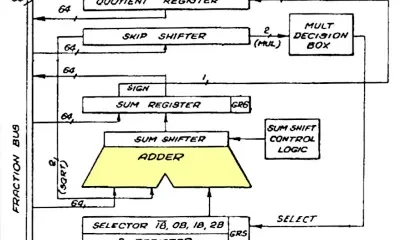
The Adder At The Heart Of Intel’s 8087 FPU
-

 Entertainment2 days ago
Renter of Home in Anne Heche Crash Denies Settlement With Son
-

 Business2 days ago
Soccer-U.S. defends Iran World Cup travel restrictions, says discussions ongoing
-

 Tech7 hours ago
Microsoft accidentally kills epic Outlook email threads
-
 Business3 days ago
Wall Street Week Ahead: Investors see Micron earnings as pulse check of AI rally momentum
-

 Politics4 days ago
BBC Reporter Discusses Cross Party Criticism Of Trumps Iran Deal
-

 Crypto World3 days ago
HIVE shares jump as $220M AI deal speeds Bitcoin mining pivot
-

 Crypto World2 days ago
Jake Chervinsky accuses CME of protecting derivatives monopoly
-
 Crypto World2 days ago
Can Charles Hoskinson Really Rescue Cardano?
-

 Sports4 days ago
FIFA World Cup 2026: Canada beat 9-men Qatar 6-0 to register first ever win | FIFA World Cup 2026
-

 Business2 days ago
MHP SE 2026 Q1 – Results – Earnings Call Presentation (OTCMKTS:MHPSY) 2026-06-20
-

 Business4 days ago
Brexit cost 6% of UK economy, Bank of England company data suggests
-

 Crypto World5 days ago
Anthropic’s Dario Amodei Urged AI Unity at G7, Even as US Banned His Models
-

 Politics2 days ago
Andy Burnham and the meaning of Makerfield
-

 Crypto World7 days ago
Robinhood opens AI-powered trading to all users, sending HOOD stock past $100
-
 Tech1 day ago
Signal’s Meredith Whittaker says AI chatbots ‘are not your friends’ and calls Copilot agents a backdoor
-

 Tech5 days ago
Weeks Of In-The-Field Testing And A Verdict
-

 Tech4 days ago
Adobe adds its AI assistant to Premiere, Illustrator and InDesign
-

 Tech4 days ago
AWS enters the context layer race with a graph that learns from agents, not manual curation
You must be logged in to post a comment Login