
Business
Analysis-Evangelicals amplify Trump’s religious framing of Iran war




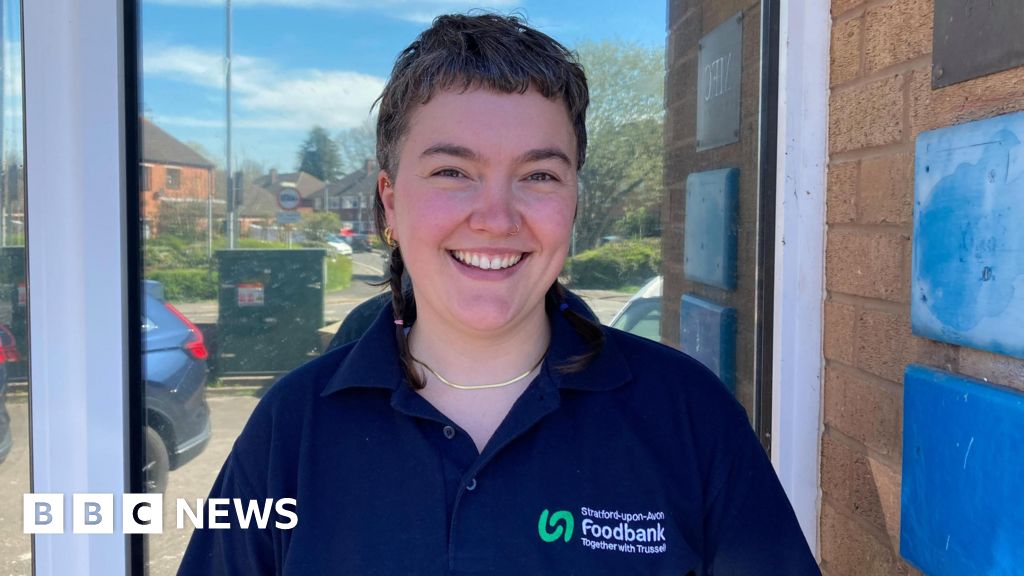
Stratford-Upon-Avon Foodbank, which is part of the Trussell Trust, is preparing to move to a larger unit within the Precision Business Centre on Masons Road. The building will act as a community hub – housing a warehouse, distribution sessions, and support services under one roof for the first time.

Form 8K Patriot National Bancorp Inc For: 8 April

IG Group schedules AGM for May 19, sets seven-month reporting period
Business
LaGuardia Airport TSA Lines Shorten to Under 15 Minutes as Staffing Stabilizes Post-Shutdown Chaos
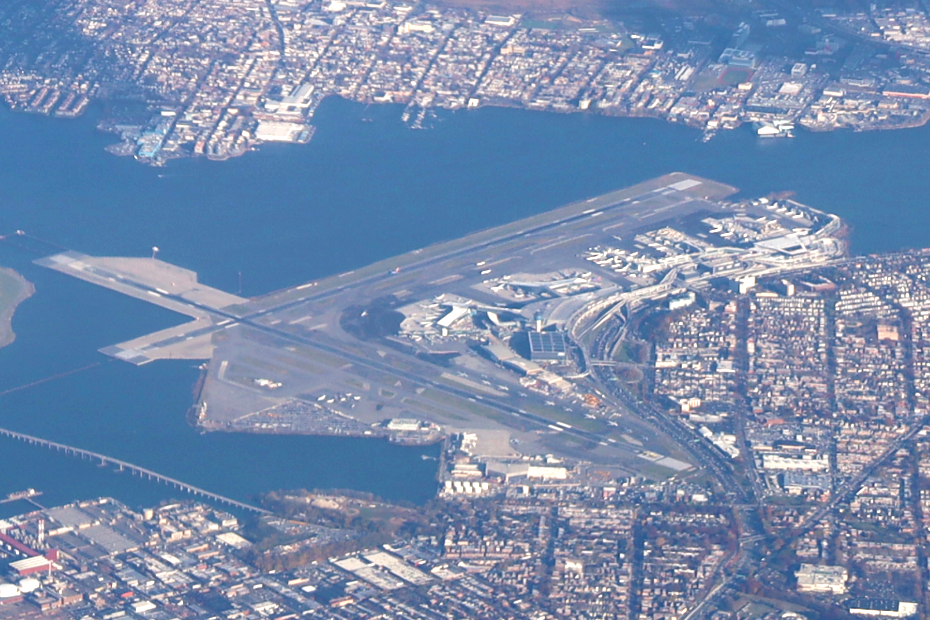
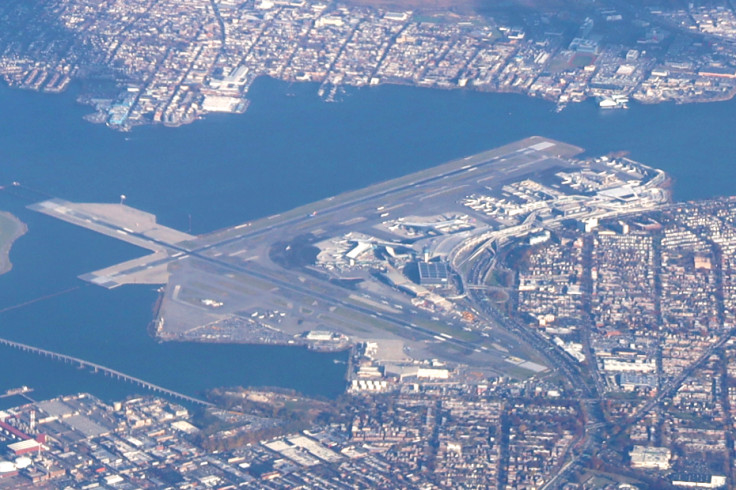
NEW YORK — Travelers at LaGuardia Airport faced relatively manageable security wait times Wednesday as TSA staffing levels continued to recover from a recent federal funding lapse that triggered some of the longest lines in the airport’s history earlier this spring.
As of mid-morning on April 8, 2026, official airport data showed general security lines averaging between 4 and 14 minutes across terminals, with TSA PreCheck lanes moving even faster at 1 to 7 minutes. Terminal A reported the longest general wait at about 14 minutes, while Terminal C offered some of the quickest screening at around 4 minutes for standard passengers and just 1 minute for PreCheck.
The improvement marks a welcome shift from March, when a partial government shutdown and delayed TSA paychecks led to officer shortages, absenteeism and security lines that snaked for hours at LaGuardia and other New York-area airports. At the peak of the crisis, some passengers at LaGuardia’s Terminal B endured waits exceeding three or even four hours, prompting widespread frustration, missed flights and emergency measures including temporary deployment of other federal personnel.
Port Authority of New York and New Jersey officials and the Transportation Security Administration have attributed the recent easing to restored funding and stabilizing workforce levels. “TSA staffing is beginning to stabilize, but wait times remain subject to fluctuations based on passenger volume,” the LaGuardia Airport website cautioned travelers Wednesday. “Please allow extra time.”
Current Conditions at LaGuardia Terminals
LaGuardia operates three main terminals serving a mix of domestic and limited international flights. Real-time monitors Wednesday morning painted a picture of moderate activity rather than the bottlenecks seen weeks earlier:
- Terminal A: General line approximately 14 minutes; TSA PreCheck around 7 minutes.
- Terminal B: General line about 9 minutes; PreCheck roughly 6 minutes. This terminal, a hub for airlines including American, Delta and Southwest, has historically seen heavier crowds.
- Terminal C: General line near 4 minutes; PreCheck as low as 1 minute, making it the fastest option for many travelers.
Hourly forecasts from monitoring sites suggested potential spikes during typical midday rushes, with waits possibly climbing toward 15-30 minutes in the late morning and early afternoon before easing again in the evening. Early morning data from previous days showed occasional peaks near 30 minutes around 4-5 a.m. and midday, but current trends remained well below crisis levels.
Delta Air Lines’ own wait-time tracker aligned with these figures, reporting TSA PreCheck at LaGuardia around 6 minutes and regular lanes as low as 2 minutes in some snapshots early Wednesday.
Airport officials recommend checking the official LaGuardia website or the MyTSA app for the most current estimates, as times can shift rapidly with flight schedules, weather disruptions or sudden surges in passengers.
Lingering Effects of the TSA Funding Crisis
The spring 2026 TSA staffing crisis stemmed from a federal funding dispute that left thousands of officers working without timely pay. Absentee rates climbed as high as 11.7% on some days, forcing airports nationwide to operate with reduced checkpoints and longer processing times.
At LaGuardia, the impact was particularly visible. Video footage from early April showed long, snaking lines filling concourses, with passengers reporting waits of 90 minutes or more even in PreCheck lanes on busy afternoons. Some travelers described scenes of chaos, with families missing flights and business passengers scrambling to rebook.
In response, the Port Authority and TSA explored temporary solutions, including cross-training staff and, in limited cases, assistance from other agencies. President Donald Trump signed an executive action to accelerate back pay, which helped stem the exodus of officers and allowed lines to gradually shorten by early April.
By Easter weekend, many terminals at LaGuardia reported waits of just 1-3 minutes in general lanes, offering a brief respite. However, officials warned that full normalization could take weeks as recruitment and retention efforts continue. TSA has faced broader challenges in recent years, including high turnover and competition from other sectors for workers.
Tips for Smoother Security at LaGuardia
Travelers can take several steps to minimize delays amid fluctuating conditions:
- Enroll in TSA PreCheck or CLEAR: These programs consistently deliver the shortest waits. PreCheck allows eligible passengers to keep shoes, belts and light jackets on, while CLEAR uses biometric screening to skip to the front of the line.
- Arrive Early: Airport guidance suggests reaching LaGuardia at least two hours before domestic flights, or three hours for international or peak periods. Add buffer time if traveling with children, checked bags or during known busy windows (roughly 7:30-9:30 a.m. and 4:30-6:30 p.m.).
- Pack Smart: Follow the 3-1-1 liquids rule and remove electronics and large toiletries in advance to speed screening.
- Monitor Real-Time Data: Use the LaGuardia website, MyTSA app or third-party trackers like takeofftimer.com for live updates. Walk times from security to gates are also posted and typically range from 5-15 minutes depending on the terminal and gate location.
- Consider Alternatives: Some frequent flyers opt for rideshare drop-off timing or even private security fast-track services offered by certain terminals or airlines.
Despite shorter lines Wednesday, the airport urged caution. “Security wait times are significantly longer than normal” in some announcements, reflecting caution after the recent volatility.
Broader Context for New York-Area Travelers
LaGuardia’s security situation mirrors challenges at neighboring John F. Kennedy International and Newark Liberty airports, where lines have also eased but remain unpredictable. The three major New York airports handle tens of millions of passengers annually, making even modest staffing shortfalls noticeable.
Nationwide, TSA screened record numbers of travelers in recent years, with daily volumes often exceeding 2 million during peak seasons. The agency has pushed enrollment in PreCheck, which now covers millions of travelers, as a key tool for reducing congestion.
Aviation experts note that LaGuardia’s relatively compact layout compared to sprawling hubs like JFK can amplify the visibility of lines when they form. Recent terminal renovations have improved flow in some areas, but checkpoint capacity remains tied to available officers.
For international passengers or those connecting from overseas, additional CBP processing can add time after security, though LaGuardia’s international footprint is smaller than JFK’s.
Passenger Experiences and Airline Responses
Travelers shared mixed feedback on social media and forums Wednesday. Some praised quick passages through Terminal C PreCheck, while others noted minor backups at Terminal A during morning rushes. Reddit threads from recent weeks recounted everything from 48-minute standard-lane waits to near-empty PreCheck experiences, underscoring the variability.
Airlines including Delta, American and JetBlue have advised passengers via apps and emails to monitor TSA conditions and build in extra time. Some carriers have adjusted gate operations or offered rebooking flexibility during past disruptions.
Flight delays at LaGuardia on Wednesday appeared limited, though any security slowdown can cascade into gate holds and ground stops. The airport’s flight tracker showed typical midweek activity without major widespread disruptions tied to security.
Looking Ahead: Stability or New Challenges?
As TSA staffing recovers, attention turns to long-term solutions. Proposals include faster hiring pipelines, better pay incentives and technology upgrades such as advanced CT scanners that allow more liquids and electronics to remain in bags.
For now, the message from LaGuardia remains consistent: conditions are improving but not guaranteed. Passengers on Wednesday enjoyed some of the lighter waits seen in recent memory, yet the memory of multi-hour lines in March lingers.
Travelers departing later in the day or during evening peaks were advised to check updates closer to arrival. With spring travel season underway and summer vacations on the horizon, both the airport and TSA continue monitoring staffing to prevent a return to chaos.
For the latest figures, visitors should consult laguardiaairport.com or the MyTSA mobile application directly, as posted times are estimates and can evolve quickly with real-world conditions.

Mortgage rates have been rising and hundreds of the cheapest deals have disappeared over the last month.
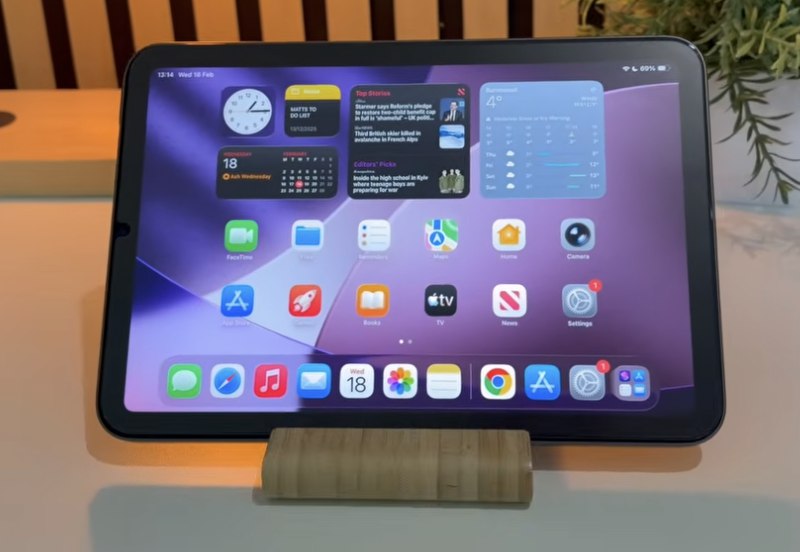
Apple is gearing up for a significant update to its popular iPad mini lineup later this year, with reliable leaks pointing to the long-awaited addition of an OLED display, a more powerful processor and other enhancements that could make the compact tablet even more competitive against larger iPad models and rival devices.
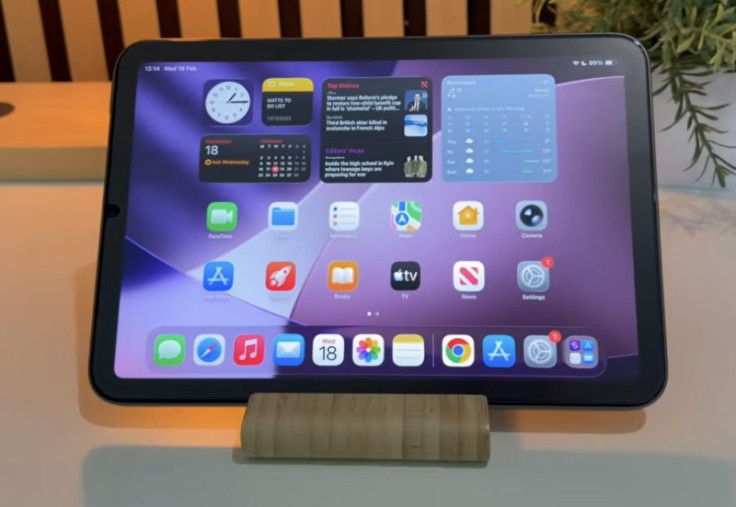
The next-generation iPad mini, often referred to in rumors as the iPad mini 8, is expected to launch in the second half of 2026 — most likely September or October — according to multiple supply chain reports and analysts. While Apple has not confirmed any details, the rumors suggest the small but mighty tablet is poised for its biggest overhaul since the 2024 model introduced the A17 Pro chip and full Apple Intelligence support.
Industry watchers say the move to OLED could transform the 8.3-inch device into a premium portable experience, offering deeper blacks, richer colors, higher contrast and potentially improved battery efficiency compared to the current Liquid Retina LCD panel.
OLED Display: The Most Anticipated Upgrade
The standout rumor centers on the display. Several reports indicate Apple plans to equip the new iPad mini with OLED technology, possibly including ProMotion 120Hz refresh rates for smoother scrolling and gaming.
Bloomberg’s Mark Gurman has reported that the iPad mini is likely to be among the next Apple devices to adopt OLED, following the high-end iPad Pro models that debuted the technology in 2024. Korean outlets such as ET News and ZDNET Korea, along with supply chain sources, have suggested mass production of OLED panels for the mini could begin in late 2025, targeting a 2026 release.
Analyst firm Omdia initially projected OLED for the iPad mini in 2027, but more recent leaks have accelerated that timeline to as early as the second half of 2026. Samsung Display is reportedly developing sample panels, with mass production slated for its Cheonan facility. Some speculation even mentions a slight size increase to around 8.5 or 8.7 inches through slimmer bezels, though the overall compact footprint is expected to remain.
“This would be a game-changer for the iPad mini,” said one analyst who follows Apple’s supply chain closely. “The current LCD is good, but OLED would bring it closer to Pro-level visuals in a device you can hold in one hand.”
Additional display rumors include possible tandem OLED layering for brighter output and better power management, similar to techniques used in recent iPad Pro models. ProMotion support remains unconfirmed but frequently appears in enthusiast discussions and YouTube leak roundups.
Powerful New Chip and Performance Boost
Under the hood, the iPad mini 8 is rumored to feature either the A19 Pro or even an A20 Pro chip. Code references discovered in Apple software last year pointed to an A19 Pro variant for a device codenamed J510 or J511, which aligns with the next mini.
Some tipsters suggest Apple could go further with an A20 Pro, the same advanced processor expected in future iPhone models fabricated on TSMC’s 2nm process. This would deliver substantial gains in CPU and GPU performance, making the mini suitable for more demanding tasks like video editing, gaming and on-device AI features.
RAM is expected to increase as well. The current iPad mini 7 already boasts 8GB, sufficient for Apple Intelligence, but reports point to 8GB or more in the successor to support future software capabilities. Connectivity upgrades could include a newer modem for improved 5G speeds and Wi-Fi 7 support via an N1 chip.
Battery life is another area of speculation. OLED’s efficiency advantages, combined with potential chassis redesigns, might allow for similar or better endurance despite any performance bump. Rumors have also floated ideas like a “vibrating chassis” speaker system for improved audio without traditional grilles, and even enhanced water resistance.
Design: Familiar Form With Subtle Refinements
Most leaks suggest the overall design will stay close to the current model — thin, lightweight and highly portable with Touch ID in the power button rather than Face ID. The single rear camera and landscape-oriented selfie camera are likely to carry over, though minor tweaks to the aluminum unibody could appear.
Apple has shown restraint with the mini’s industrial design in recent years, focusing instead on internal upgrades. If bezels shrink for a marginally larger screen, the device could feel more modern without losing its signature one-handed usability.
Storage options are expected to start at 128GB, matching the current base model, with higher tiers up to 512GB or more. Pricing rumors are scarce, but analysts anticipate the starting point to remain around $499, though a premium OLED panel could push entry-level configs slightly higher.
Release Timeline and Market Context
Apple typically unveils new iPads in the fall, often alongside or shortly after iPhone events. With the iPad mini 7 having launched in October 2024, a roughly two-year cycle would place the successor in fall 2026 — consistent with historical patterns for this product line, which does not receive annual refreshes like the iPhone.
Some reports mention the possibility of the new mini arriving alongside an updated iPad Air that could also gain OLED. However, the base iPad and higher-end Pro models are on different timelines, with the next major Pro redesign not expected until 2027.
The timing comes as competition in the compact tablet space heats up. Android rivals continue to offer foldable or larger-screen options, while consumers weigh the iPad mini against the more powerful but bulkier iPad Air and MacBook Air for on-the-go productivity.
Apple Intelligence features, introduced on the current mini, are expected to expand with iPadOS 26 or later, benefiting from the rumored faster chip. Enhanced Apple Pencil support and potential new accessories could round out the package.
Will It Be Worth the Wait?
For owners of the iPad mini 7, the decision to upgrade will depend on how compelling the OLED and performance jumps prove. Early adopters who purchased the 2024 model for its A17 Pro chip and doubled base storage may find the current device still capable for most tasks in 2026.
Yet for readers, note-takers, travelers and casual gamers who crave better visuals and future-proofing, the rumored 2026 model sounds enticing. “If OLED and 120Hz make it in, this could feel like a whole new category of mini tablet,” one tech commentator noted in a recent video analysis.
Supply chain activity already hints at preparation. Samsung and LG are positioned to supply the OLED panels, and component testing appears underway.
Apple has a history of underpromising and overdelivering on hardware, so final specs could differ. The company is notoriously tight-lipped, often letting leaks build anticipation before official announcements.
As spring 2026 progresses, more concrete details may emerge from developers, coders and factory sources. For now, the iPad mini 8 remains one of the most discussed upcoming Apple products, with enthusiasts eagerly tracking every supply chain whisper.
Whether the rumors hold or Apple surprises with additional features, the compact tablet’s next chapter appears set to elevate its status from convenient sidekick to a more versatile everyday powerhouse.

OPINION: Time management, wellbeing and financial pressures are among the reasons students fail to finish university.
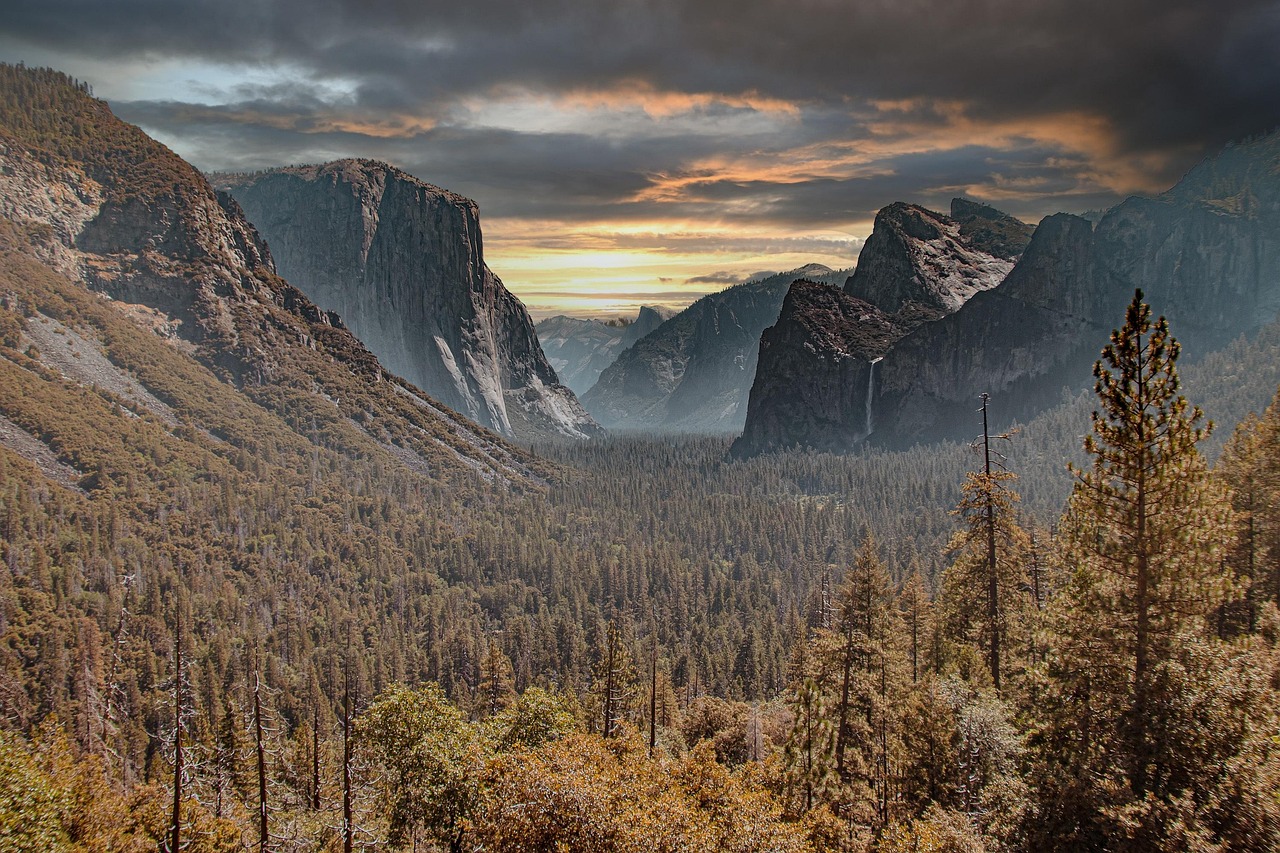
YOSEMITE NATIONAL PARK, Calif. — Yosemite National Park, one of America’s most iconic natural treasures, offers visitors in 2026 an unprecedented level of flexibility with no vehicle entry reservations required for the entire year, including peak summer months and the popular Horsetail Fall “Firefall” event.
The National Park Service announced in February that Yosemite will forgo timed-entry systems used in recent years, relying instead on real-time traffic management, additional seasonal staffing and temporary diversions when parking reaches capacity. This change, following evaluation of 2025 visitation patterns, makes 2026 an ideal time to plan a trip to the park’s granite cliffs, thundering waterfalls and ancient sequoia groves without the stress of securing advance permits.

With roughly 4 million visitors annually in recent years, Yosemite remains a bucket-list destination. Here are 10 compelling reasons to experience it in 2026, when access feels more spontaneous yet the park’s timeless wonders shine as brightly as ever.
1. Easier Access Without Reservation Hassles
For the first time in several years, drivers can enter Yosemite without booking a timed vehicle reservation, even during busy summer weekends or the February-March Firefall window. Park officials will monitor traffic and implement short-term management measures as needed, such as temporary diversions.
Visitors can purchase entrance passes online in advance through Recreation.gov for smoother arrival or buy them at the five entrance stations. This shift broadens access while the park strengthens staffing to handle crowds responsibly. Weekday visits and exploration of less-visited areas like Hetch Hetchy or the high country remain smart strategies for avoiding peak congestion.
2. Spectacular Spring and Early Summer Waterfalls at Peak Flow
Yosemite’s waterfalls roar with snowmelt, creating some of the most dramatic displays in the world. Yosemite Falls, North America’s tallest at 2,425 feet, thunders in multiple tiers, while Bridalveil Fall, Vernal Fall and Nevada Fall offer misty hikes and viewpoints.
In 2026, with roads like Glacier Point and parts of Tioga Pass opening progressively from May onward, visitors can time trips for April through June when flows often hit maximum. Early spring also brings fewer crowds than midsummer, letting hikers enjoy the mist without battling peak-season heat.
3. Iconic Granite Landmarks and World-Class Views
The park’s signature granite formations — Half Dome, El Capitan and Sentinel Rock — dominate the landscape. Sunrise at Tunnel View delivers postcard-perfect panoramas of the valley, while Glacier Point offers sweeping vistas of Half Dome and the high Sierra.
Climbers from around the globe tackle El Capitan’s sheer 3,000-foot face, providing free entertainment for spectators with binoculars. In 2026, with no entry barriers, spontaneous day trips to these landmarks become simpler, though parking management in Yosemite Valley will encourage early arrivals or shuttle use.
4. Ancient Giant Sequoias in Mariposa Grove
Walking among the Mariposa Grove’s roughly 500 mature giant sequoias feels humbling. The Grizzly Giant, estimated at more than 1,800 years old, stands as a living testament to the park’s deep time.
A free shuttle from the welcome plaza operates seasonally, and trail improvements funded by the Yosemite Conservancy continue to enhance access. The grove provides a serene contrast to the busy valley floor, ideal for families or those seeking contemplative moments amid towering trees.
5. World-Class Hiking for Every Ability
With more than 750 miles of trails, Yosemite caters to novices and experts alike. Easy valley loops, moderate Mist Trail climbs to Vernal Fall and strenuous Half Dome cables (permit required for the final section) offer options year-round.
In 2026, ongoing trail rehabilitation projects — including work near Cathedral Lakes and in the Merced River corridor — promise improved conditions. High-country areas like Tuolumne Meadows typically open by mid-June, revealing wildflower meadows and alpine lakes once snow recedes.
6. Opportunities to Witness the Rare “Firefall”
Horsetail Fall transforms into a glowing “Firefall” when sunset light hits the waterfall just right, usually in mid- to late February. In 2026, no special reservations are needed for the event, though parking restrictions and trail access rules will apply to manage crowds.
The phenomenon draws photographers and spectators, but officials remind visitors to practice Leave No Trace principles. Even outside Firefall season, sunset and sunrise light on the cliffs creates magical alpenglow moments.
7. Rich Biodiversity and Wildlife Viewing
Black bears, mule deer, bobcats and more than 400 bird species call Yosemite home. Spring and summer bring active wildlife, from birds nesting to bears foraging — though proper food storage remains essential.
The park’s varied ecosystems, from oak woodlands to subalpine forests, support diverse flora. Wildflower blooms in meadows and along trails add color, particularly after wet winters. Educational programs and ranger-led walks help visitors appreciate this ecological richness responsibly.
8. Stargazing and Dark Skies in a Pristine Setting
Far from urban light pollution, Yosemite offers excellent stargazing. The park’s high elevation and clear mountain air reveal the Milky Way in stunning detail on moonless nights.
Summer evenings in the valley or high country provide prime viewing. Rangers occasionally host astronomy programs, and the surrounding wilderness enhances the sense of isolation and wonder under vast skies.
9. Philanthropic Improvements Enhancing the Visitor Experience
The Yosemite Conservancy announced $19 million in 2026 funding for about 60 projects, including meadow restoration in the high country, trail rehabilitation spanning dozens of miles, and even an AI study on bear behavior to improve human-wildlife coexistence.
These efforts, alongside park initiatives, aim to protect resources while boosting access. Visitors in 2026 will benefit from better-maintained paths and interpretive enhancements without compromising the park’s wild character.
10. A Historic Landscape That Inspired the National Park Idea
Yosemite’s preservation story dates to 1864, when President Abraham Lincoln signed the Yosemite Grant, laying groundwork for the national park system. John Muir’s advocacy further cemented its legacy as a place of inspiration and conservation.
In 2026, amid ongoing discussions about balancing access and preservation, a visit connects travelers to this heritage. Whether camping, staying in historic lodges like The Ahwahnee or simply driving through, the park offers reflection on humanity’s relationship with nature.
Practical Tips for a 2026 Visit
Entrance fees remain required: $35 per vehicle for seven days or consider the America the Beautiful Pass. Nonresident fees may see adjustments, so check nps.gov for current rates. Lodging and camping inside the park book quickly, so reserve early through authorized channels.
Weather varies dramatically by elevation and season; pack layers and check conditions for road openings. Shuttle buses in Yosemite Valley reduce parking pressure, and apps or the park website provide real-time updates.
Wildfire risk persists in California’s dry summers, but the park maintains strong preparedness. Officials encourage flexibility, especially on weekends, and exploration beyond the valley floor to disperse crowds.
For many, 2026 represents a sweet spot: easier logistical planning combined with the park’s enduring majesty. Whether chasing waterfalls in spring, hiking high trails in summer or catching autumn colors, Yosemite delivers unforgettable experiences.
As one longtime ranger noted, “The mountains are calling — and in 2026, more people than ever can answer without extra hurdles.”

ANALYSIS: Recent data supports a push for more classrooms to keep up with population growth.

Recent releases made the shift in design impossible to ignore. Google DeepMind’s Nano Banana Pro showed how far image generation has moved toward precise, controllable editing, with tools that let creators adjust camera angle, focus, depth, and color treatment. For video, Seedance 2.0 combined audio-visual generation with much more direct control over performance, lighting, shadow, and camera movement.
These tools are turning design into a controllable production system, so the designer’s role is moving towards that of a systems architect, says Aleksandr Loginov, a product designer and creative leader who combines broadcast visual craft, technical fluency, and product thinking. As Chief Design Officer at Prequel, a consumer app company in photo and video editing whose 4 apps repeatedly reached No. 1 in the App Store’s Photo & Video category in markets including the US, the UK, France, and Canada, he helped shape the strategy behind the company’s rapid expansion. Before moving into product and AI design, Aleksandr was a broadcast designer at STS, a popular Russian entertainment television channel, where he led his team to a silver PromaxBDA award in the UK in 2015 for high-level work in TV promotion and broadcast design. Now, as he has just joined Lazarev Agency as Art Director for agent-based AI product interfaces, he moves into an award-winning B2B design company with more than 600 shipped products, focused on complex, data-heavy platforms such as AI copilots, decision engines, and vertical SaaS.
Across all those roles, Aleksandr observed that as AI absorbs more of the manual craft, the real competitive edge is shifting elsewhere: toward judgment, system design, and making complex tools usable.
The New Creative Engine
To understand the shift in design, start with the stack itself. Creative teams are no longer using isolated tools. They are assembling a production engine. As Aleksandr notes, Nano Banana Pro is especially strong when the goal is a polished image with better lighting, composition, localized edits, and cinematic texture. But consistency of faces is not its main advantage. That is where Seedream is stronger. Right now, its clearest edge is identity transfer: keeping faces recognizable and consistent across outputs better than any other model in the stack. Kling and Seedance add the cinematography layer, making it possible to generate video with synchronized audio, controlled motion, and more coherent shot sequences. ElevenLabs adds the voice layer, giving visuals a believable multilingual narrative.
“I have already noticed that even a small amount of coding knowledge is now becoming essential for designers. Not to turn them into engineers, but to help them connect models in the right order, speed up iteration, and work with far less dependence on long engineering cycles,” Aleksandr says. Once the stack can provide photorealistic visuals, identity consistency, motion, and voice, the advantage is the ability to turn those capabilities into a dependable pipeline.
That shift becomes easier to recognize when you have had to lead products at scale. At Prequel, where Aleksandr served as Chief Design Officer, he was responsible not just for visual quality, but for the workflow behind image, video, and audio technologies across R&D, Data Science, Art, and key parts of Mobile and Backend. Part of the job was to improve quality, speed, cost, and time to market at the same time. One result, as he describes it, was a workflow that eventually cut the release cycle for AI features from roughly three months to 30 minutes, giving the company a much faster way to respond to signals from marketing. Once a creative stack can deliver photorealistic visuals, preserve identity, and handle motion and voice, the real advantage lies in turning that complexity into a pipeline people can actually use.
What Is Fading and What Is Rising
The manual labor of design is being automated into oblivion. If your value was based on how fast you could mask an image or navigate a complex software menu, the market is shrinking.
What is fading
- Technical Tool Proficiency: Knowing every shortcut in Photoshop is no longer a competitive advantage. The software is now a canvas for natural language and intent.
- Stock Curation: Spending hours browsing libraries for the “right” image is obsolete. If it doesn’t exist, you generate it in 15 seconds.
- Basic Asset Production: Routine tasks like resizing, color correction, and basic layout are now background processes.
What is rising
- Intent Engineering: This is more than prompting. It’s the ability to translate a business goal into a technical aesthetic description, i.e., understanding lighting, lenses, and psychology.
- Curatorial Judgment: When a machine gives you 50 perfect options, the designer is the one who knows which one actually resonates with the human heart.
- Ethical & Legal Oversight: Navigating the complexities of AI copyright and ensuring that generated content remains unbiased and original.
Aleksandr has witnessed this shift while building the kinds of systems that are redefining the designer’s role. In a multi-agent workflow for marketing, he did not focus on producing each asset by hand. He defined the creative logic, structured the sequence of models, and decided where human judgment needed to stay in the loop. Instead of scaling output by hiring dozens of designers, Aleksandr and his team built a system around Gemini and Nano Banana in which the designer began by describing the image and the criteria it had to meet. The model then generated 10 to 20 options. A separate vision-language model reviewed those outputs, identified the ones that matched the original brief most closely, and surfaced the strongest candidates for the designer to evaluate.
This way, Aleksandr shaped the next stage of the workflow. After the designer made a selection, the team animated the chosen images in Kling and assembled them into a single creative or a broader pack of creatives. They then tested that set either in Facebook ad accounts or through SplitMetrics to see which approaches attracted users most effectively. Aleksandr treated that stage not as a final checkpoint, but as part of the system itself: the team fed the performance data back into the workflow so the next round of creatives could build on what had already proven effective.
In practice, that workflow increased creative output many times over while sharply reducing the designer’s manual workload. Under Aleksandr’s leadership, the work that remained essential sat at a higher level: setting intent, defining quality, evaluating outputs, and steering the system as it iterated. For him, that is where the profession is moving. The designer’s value no longer lies mainly in making each asset by hand but in shaping the process that can produce strong creative results at scale.
He argues that this is also why consistency is becoming one of the hardest requirements in AI design:
“When a system produces many versions of the same person, the question is not whether it can generate an image, but whether it can preserve identity, recognizability, and stability across outputs. That is where the designer’s role changes most. The job is no longer just to make things look good, but to define the process, control the edge cases, and make sure the system produces results that are consistent enough to trust and ship,” he says.
From T-Shaped to Blob-Shaped Designers
For years, the ideal creative professional was T-shaped: broad across disciplines, with one deep specialty. In generative design, that model is starting to loosen. The role is becoming more fluid. A designer may move from visual direction to product logic, from interface structure to content behavior, depending on what the system needs at that moment. The craft does not disappear, but it stops living in one fixed place.
Aleksandr’s own career helps explain the shift. Early in his career, he worked in a television medium where images had to register at once (with precision, clarity, and emotional force), and that work led his team to a Silver PromaxBDA in the U.K. Later, at Prequel, he was no longer focused only on frames or campaigns. He concentrated on product systems that had to hold up across millions of user interactions while remaining intuitive enough to help the company’s apps repeatedly rise to the top of the App Store’s Photo & Video category in major markets. The role had expanded from making images to defining how creativity operates inside the product.
As Art Director for agent-based AI product interfaces at Lazarev Agency, he is not confined to one design lane. One week, the work is about understanding what AI capabilities can realistically support in a product. The next step is about shaping those capabilities into a usable flow with the right controls, review points, and product logic. Then the focus moves back to creative direction: defining what quality should look like when images, video, and audio are generated at scale. That is the new reality of generative design teams. Depth still matters, but it now means the ability to shape, connect, and govern systems across disciplines, not just master one static craft.
The Future Horizon of a Designer’s Career
The next shift in design is not just better media, but a different kind of interface, Aleksandr is sure.
One direction is generative UX. Instead of designing fixed pages, designers will increasingly define rules, states, and priorities. The system will assemble the right interface in real time based on the user’s intent and context. In that model, software becomes less like a set of screens and more like a temporary control surface that appears when needed.
Aleksandr has already seen the logic in product work built around ordinary users, not specialists. One of the central ideas he pushed at Prequel was that editing should help people express the feeling of a moment without forcing them to master the mechanics behind it. That same principle, he argues, can shape the next generation of interfaces: systems that infer intent, surface the right controls at the right moment, and ask for confirmation only when the stakes are high:
“When a complex capability is reduced to a simple action, adoption improves because users do not have to learn the system first. The same principle can shape the next generation of products: interfaces that infer intent, surface the right controls at the right moment, and ask for confirmation only when the stakes are high,” he says.
Further ahead, the profession may change again. Neural interfaces could make it possible to sketch ideas directly from thought into digital space. At the same time, fully human-made design may gain premium value as a mark of authorship and authenticity.
AI is not eliminating designers. It is stripping value from the most repeatable parts of the craft. What remains valuable is judgment: the ability to structure workflows, preserve coherence, define limits, and steer a product when the model becomes unstable. Aleksandr has moved in exactly that direction. He started by making visuals himself. He began with visuals. Now he works on systems that determine how creative work gets produced, scaled, and experienced. That is also the direction he is choosing deliberately: building tools that let people without design training create strong content, while giving experienced creators a way to move faster and produce far more. For him, the point is not automation for its own sake. It is to make creative expression more accessible on one side and more powerful on the other.

Stratford Foodbank hub set to expand to meet growing demand

Zcash surges 24% to $336 as crypto rally gains momentum on Iran truce

Occupied Territories Bill: Irish teachers confront government


-

 NewsBeat6 days ago
Steven Gerrard disagrees with Gary Neville over ‘shock’ Chelsea and Arsenal claim | Football
-

 Business6 days ago
No Jackpot Winner and $194 Million Prize Rolls Over
-

 Fashion5 days ago
Weekend Open Thread: Spanx – Corporette.com
-

 Crypto World7 days ago
Gold Price Prediction: Worst Month in 17 Years fo Save Haven Rock
-

 Business3 days ago
Three Gulf funds agree to back Paramount’s $81 billion takeover of Warner, WSJ reports
-

 Business4 days ago
Expert Picks for Every Need
-

 Sports4 days ago
India men’s 4x400m and mixed 4x100m relay teams register big progress | Other Sports News
-

 Business6 days ago
Login and Checkout Issues Spark Merchant Frustration
-

 Tech15 hours ago
How Long Can You Drive With Expired Registration? What Florida Law Says
-
Business3 days ago
No Jackpot Winner, Prize to Climb to $231 Million
-

 Tech6 days ago
Commonwealth Fusion Systems leans on magnets for near-term revenue
-

 Crypto World7 days ago
Ripple rolls out enterprise crypto treasury platform for corporates
-

 Fashion2 days ago
Massimo Dutti Offers Inspiration for Your Summer Mood Board
-
 Tech7 days ago
Drawing Tablet Controls Laser In Real-Time
-

 Crypto World7 days ago
Why It’s Partnering, Not Issuing
-
Politics5 days ago
Wings Over Scotland | The quality of mercy
-
 Sports7 days ago
Steal Gary Woodland’s subtle power move for longer drives
-
 Tech7 days ago
Battery Tester Outperforms Cheaper Options
-

 Business4 days ago
Akebia Therapeutics, Inc. (AKBA) Discusses Pipeline Progress and Strategic Focus on Kidney Disease Treatments at R&D Day – Slideshow
-

 Sports7 days ago
Mohsin Naqvi-Led Pakistan Cricket Board Blasted By Younis Khan After 20 Million Rupees Fine On Naseem Shah
You must be logged in to post a comment Login