
Business
Andrew’s time as trade envoy should be investigated, says Vince Cable

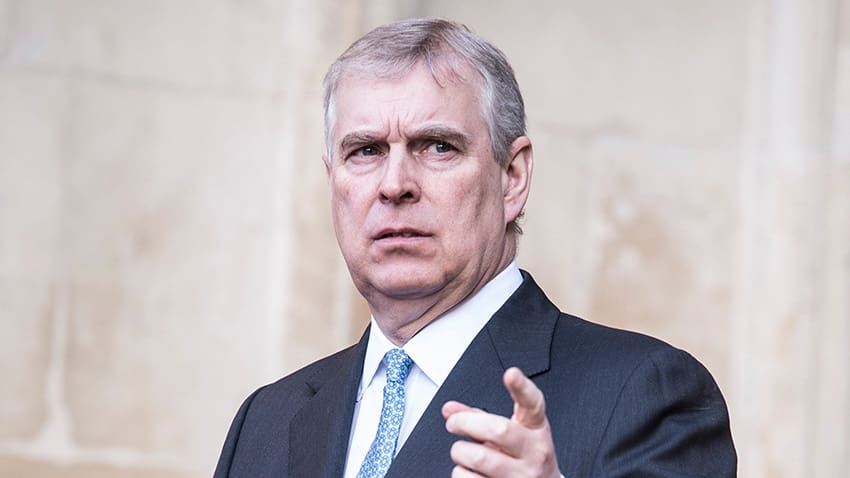
Former business secretary Sir Vince Cable has called for a police and government investigation into the conduct of Andrew Mountbatten-Windsor during his tenure as the UK’s trade envoy, following the release of US justice department files that appear to show he shared official and commercial information with the convicted sex offender Jeffrey Epstein.
The newly released documents suggest that Andrew, who served as Britain’s special representative for international trade and investment from 2001 to 2011, forwarded UK government documents and commercially sensitive material to Epstein.
Sir Vince, who was secretary of state for business and trade during part of Andrew’s tenure, described the alleged behaviour as “totally unacceptable” and said the matter should be scrutinised by law enforcement authorities.
“We need a police or DPP check on whether criminal corruption took place and a government investigation into how this was allowed to happen,” he said.
Andrew has consistently and strenuously denied any wrongdoing.
According to the documents, in 2010 Andrew forwarded an email exchange concerning Royal Bank of Scotland and Aston Martin to a contact, David Stern, who subsequently passed it to Epstein. The correspondence reportedly included details about RBS restructuring plans and comments regarding its then chief executive, Stephen Hester, as well as references to internal tensions at Aston Martin.
It remains unclear whether the information originated directly from Andrew’s official role. At the time, RBS was majority-owned by the taxpayer following its financial crisis bailout. Andrew was also a customer of the bank and may have had separate dealings with management.
Further emails cited in the US files indicate that Andrew may have shared government visit reports relating to Vietnam, Singapore and China with Epstein. Separate correspondence suggests information about Iceland was passed from Treasury sources to banker Jonathan Rowland.
Under official guidance, trade envoys are bound by confidentiality obligations covering sensitive commercial and political information obtained during official visits.
Thames Valley Police confirmed it had consulted specialists at the Crown Prosecution Service regarding the allegations.
Labour MP Sarah Owens, chair of the women and equalities committee, said Andrew must answer questions from police and Parliament. Fellow Labour MP Rachael Maskell called for greater transparency and accountability, arguing that Andrew should be stripped of his remaining constitutional roles.
King Charles has previously expressed “profound concern” over allegations surrounding his brother. Buckingham Palace has said it stands “ready to support” police if requested.
The latest disclosures add to longstanding scrutiny of Andrew’s association with Epstein. Additional images released in the US document tranche have further intensified calls for him to testify in the United States.
The former duke recently relocated from his Windsor residence to the Sandringham estate in Norfolk as pressure surrounding the case continues to mount.

Amy Ingham
Amy is a newly qualified journalist specialising in business journalism at Business Matters with responsibility for news content for what is now the UK’s largest print and online source of current business news.


U.S. Services PMI Dips Below Expectations, Signals Sector Contraction

Easter Sunday 2026 falls on April 5, bringing together ancient religious traditions, astronomical precision and modern family festivities for Christians across the United States and around the world. As millions prepare for church services, egg hunts and festive meals, here are 10 fun facts that highlight what makes this year’s observance unique, rooted in centuries of history and tied closely to the cycles of the moon and spring.

1. Easter 2026 lands on the early side of the possible calendar range. The movable feast can fall anywhere between March 22 and April 25 in the Western Christian tradition. April 5 places it comfortably in early spring, often coinciding with blooming flowers and milder weather in many regions, making outdoor activities more appealing than in years when the holiday arrives later.
2. The date is determined by a precise lunar-solar calculation dating back to the Council of Nicaea in 325 A.D. Easter falls on the first Sunday after the first full moon following the spring equinox. In 2026, the astronomical spring equinox occurred around March 20, and the Paschal full moon — known as the Pink Moon — peaked on April 1, setting Easter for the following Sunday.
3. The full moon on April 1, 2026, created a whimsical alignment with April Fools’ Day. While the coincidence is purely calendrical, it added a lighthearted note to the lead-up to Holy Week, with some social media users joking about the moon “fooling” observers with its timing just days before the solemn observances began.
4. Western and Eastern Christians will celebrate on different dates this year. Most Protestant and Catholic churches observe Easter on April 5, while Eastern Orthodox Christians, following the Julian calendar, mark the resurrection on April 12. The gap of one week is relatively close compared to some years when the dates diverge by nearly a month.
5. Easter eggs trace their Christian roots to fasting traditions rather than pagan origins alone. During Lent, eggs were often forbidden as food, so they became a special treat for Easter. Early Christians dyed them red to symbolize the blood of Christ and the joy of resurrection. By the Middle Ages, the practice of decorating and gifting eggs had spread widely across Europe.
6. The Easter Bunny tradition arrived in America with German immigrants in the 1700s. Known as the “Osterhase” or Easter Hare in German folklore, the character was said to lay colorful eggs for well-behaved children. Pennsylvania Dutch settlers popularized the custom, which evolved into the basket-delivering bunny familiar today. The first edible chocolate bunnies appeared in the 19th century.
7. In 2026, Easter Sunday coincides with the final day of the Church of Jesus Christ of Latter-day Saints’ general conference weekend for many members. The April 4-5 conference schedule overlaps with Holy Week, creating a busy spiritual calendar for Latter-day Saint families who may attend both conference sessions and Easter services.
8. Egg rolling has a storied place in American Easter lore. The annual White House Easter Egg Roll, which dates back to the 1870s, draws thousands of children and families to the South Lawn. Though the 2026 event details were still being finalized as April approached, the tradition symbolizes renewal and has been hosted by presidents across party lines for more than 140 years.
9. Passover and Easter 2026 overlapped closely. The Jewish holiday of Passover began on the evening of April 1, the same day as the Paschal full moon. This alignment reflects the historical connection between the two observances, as the Last Supper is traditionally understood to have been a Passover meal. Many interfaith families use the proximity to foster dialogue about themes of liberation and resurrection.
10. Economic impact of Easter remains significant despite its primarily religious nature. The National Retail Federation and other analysts estimate Americans spend billions annually on candy, baskets, clothing, travel and gifts. In 2026, with the holiday falling on a pleasant early-April weekend, retailers anticipated strong sales in spring fashions, chocolates and outdoor entertaining supplies as families gathered after the long winter.
Beyond these facts, Easter Sunday 2026 carries deeper meaning as the culmination of Holy Week. Palm Sunday on March 29 recalled Jesus’ entry into Jerusalem. Maundy Thursday on April 2 commemorated the Last Supper. Good Friday on April 3 marked the crucifixion, with many churches holding somber services. The stock market closed for Good Friday, giving traders and workers an extended weekend to reflect or travel before markets reopened April 6.
The name “Easter” itself has intriguing linguistic roots. In English, it likely derives from “Eostre,” an Anglo-Saxon goddess mentioned by the 8th-century monk Bede, though the connection remains debated among scholars. In many other languages, the holiday is called “Pascha,” directly linking it to the Hebrew Passover.
Astronomically, 2026 offered additional skywatching opportunities around Easter. Some reports noted potential comet visibility in early April, adding a celestial backdrop to the season of renewal. While not directly tied to the holiday, such events often inspire wonder that complements spiritual themes of hope and new beginnings.
Globally, Easter customs vary delightfully. In Italy, the Scoppio del Carro in Florence features a historic cart exploding with fireworks on Easter Sunday. In parts of Eastern Europe, intricate egg decorating known as pysanky continues as a cherished folk art. In the United States, sunrise services at beaches, parks and mountaintops draw crowds seeking to witness the dawn as a symbol of the empty tomb.
For many families, Easter 2026 provided a chance to blend faith with fun. Children hunted for hidden eggs, often dyed in vibrant pastels or filled with candy and small toys. Adults attended worship services that emphasized messages of redemption and resurrection. Brunch buffets, ham dinners and hot cross buns rounded out the day’s culinary traditions.
The holiday also highlights themes of renewal that resonate beyond Christianity. As spring unfolds with daffodils, tulips and budding trees, Easter’s timing reinforces cycles of life, death and rebirth observed in nature. Environmental groups sometimes tie Earth Day observances later in April to similar ideas of stewardship and hope.
In a year marked by global events, religious leaders used Easter messages to call for peace, unity and compassion. Sermons frequently drew on the resurrection as a symbol of triumph over adversity, offering comfort amid personal or societal challenges.
Retail and tourism sectors benefited from the timing. With schools often on spring break and many workplaces offering Friday off, families planned short getaways or hosted large gatherings. Travel experts noted increased bookings for destinations known for Easter parades or scenic sunrise services.
Despite commercial elements, core observances remain spiritual. Millions will rise early for sunrise services, sing hymns like “Christ the Lord Is Risen Today,” and reflect on the central Christian belief that Jesus conquered death. Baptisms and confirmations often occur during Easter Vigil services the night before.
As April 5, 2026, dawned, communities large and small prepared to celebrate. In big cities, cathedrals hosted elaborate liturgies with choirs and processions. In small towns, local churches organized community egg hunts and potluck meals. Online services expanded reach for those unable to attend in person.
Looking ahead, Easter will shift again in 2027 to March 28, one of the earlier possible dates. The perpetual calendar ensures the holiday continues its dance with the moon and equinox, reminding observers of the ancient wisdom embedded in its calculation.
For now, the 10 fun facts above offer a glimpse into the rich tapestry surrounding Easter Sunday 2026. Whether focusing on the astronomical precision, historical customs or joyful family traditions, the day stands as a beacon of hope and renewal for believers and a cherished spring milestone for many others.
As families hide eggs, share meals and attend services on April 5, they participate in traditions that have endured for centuries while creating new memories in the present. In that blend of old and new lies much of Easter’s enduring appeal.
Business
Q4 impact: Bank stocks slump up to 32% in 3 months, but brokerages bet on SBI, HDFC Bank, 6 more stocks. Check why
The benchmark index declined 16% during the period, but several banking names fared significantly worse. IDFC First Bank emerged as the biggest laggard, plunging 32%, followed by HDFC Bank, which fell 27%. YES Bank dropped 22%, while PSU lenders such as Canara Bank and Bank of Baroda (BoB) declined 20% each. Among private peers, Kotak Mahindra Bank also slipped 20%, highlighting broad-based weakness across the sector.
Mid-tier and smaller lenders were not spared either. Punjab National Bank (PNB) fell 19%, while IndusInd Bank and AU Small Finance Bank declined 16% each. Even relatively resilient names like ICICI Bank and Axis Bank dropped 12% and 8%, respectively. Federal Bank managed to limit losses to 3%, while State Bank of India stood out as the most defensive large-cap, declining just 1%.
The underperformance comes amid persistent FII selling, which has disproportionately impacted financials due to their heavy weightage in benchmark indices. At the same time, the escalation of the Iran-Israel conflict has triggered a spike in crude oil prices, raising concerns over inflation and delaying expectations of interest rate cuts by global central banks.

Higher energy prices and sticky inflation expectations have clouded the outlook for interest rate cycles, which in turn has weighed on banking stocks. Elevated bond yields and tightening liquidity conditions have further dampened sentiment towards the sector, even as underlying fundamentals such as asset quality and credit growth remain relatively stable.
Uncovering the underperformance, Abhinav Tiwari, Research Analyst at Bonanza, said the Street remains worried about future profitability of the sector rather than current business growth. In his view, investors are focusing on rising funding costs.
Also Read | TVS Venu Group to acquire PGIM’S Asset Management business in India
“Smaller private banks such as IDFC First Bank, Bandhan Bank and RBL Bank have increased lending rates because deposits are becoming expensive and they are relying more on bulk deposits and certificates of deposit for funding. This means the cost of raising money is rising faster than loan yields, which may put pressure on margins in coming quarters,” Tiwari said.
Moreover, the Reserve Bank of India’s (RBI) most recent diktat to lenders to limit their net open positions in INR to $100 million at the end of each business day has had an unsettling near-term impact.
“RBI’s $100 million cap on forex positions may reduce treasury flexibility and lead to temporary mark-to-market losses, affecting short-term treasury income for some banks,” the Bonanza analyst said.
Apart from this, the Iran-Israel war has pushed back hopes of any rate cut by global central banks this year. The US Federal Reserve, in its March monetary policy, indicated a single 25 bps cut later this year, compared with earlier expectations of a couple of revisions.
RBI, which will begin its three-day monetary policy meeting starting April 6, is also expected to leave rates unchanged at 5.25%.
“The market is also reducing expectations of an early rate cut by RBI because inflation risk has increased due to rising global energy prices and war-related uncertainty. If crude oil remains high, inflation and CAD may rise, keeping rates elevated for longer,” Tiwari added.
Q4 expectations and outlook
With nearly a week to go before the earnings season starts, investor expectations will now rest on the results from these banks.
Brokerage Motilal Oswal Financial Services (MOFSL) expects momentum to remain robust in bank counters, supported by liquidity buffers and consumption-led recovery following GST rationalisation.
For 4QFY26E, MOFSL estimates net interest income (NII) for its coverage universe to improve 7.4% YoY and 3.2% quarter-on-quarter. The overall YoY growth in profit after tax (PAT) is seen at 2.1%, while a sequential decline of 5.3% is expected. PAT for MOFSL’s coverage could grow 7% YoY and 0.7% QoQ.
Net interest margins (NIMs) outcome in 4Q is expected to be divergent, with large private banks like ICICI and HDFC expected to report flat margins, while Axis and Kotak could report a decline. Meanwhile, mid-sized banks are better placed, with AU Small Finance Bank, Bandhan Bank, Equitas Small Finance Bank and IDFC First Bank expected to report NIM expansion.
Systematic credit growth for the sector in the January-March quarter stood at 14% (13% YTD), MOFSL said, pegging system-wide deposit growth at 10.8% year-on-year, though faster credit growth has led to a spike in the CD ratio to 83%.
Seasonally a strong quarter, Q4 this time is expected to be softer due to ongoing uncertainty, Elara Capital said in a note. Banks are likely to report mixed performance with a cautious tone, making guidance for H1FY27 critical, it said.
Key trends include steady loan and deposit growth, margin pressure from rising funding costs, weaker treasury income impacting profitability, and seasonally lower credit costs offering some support.
“Overall, while Q4 may be mixed, FY27 outlook will be closely watched, with potential downward earnings revisions. Among lenders, ICICI Bank, SBI and AU Small Finance Bank are preferred picks,” the brokerage said.
Stocks to buy
Among banks, MOFSL has picked two Nifty stocks, SBI and ICICI Bank.
Elara Capital’s recommendations:
Buy HDFC Bank | Target: Rs 1,147 | Upside: 57%
Buy ICICI Bank | Target: Rs 1,783 | Upside: 48%
Buy Axis Bank | Target: Rs 1,555 | Upside: 34%
Buy Kotak Bank | Target: Rs 511 | Upside: 45%
Buy City Union Bank | Target: Rs 335 | Upside: 40%
Buy DCB Bank | Target: Rs 214 | Upside: 35%
Buy Bandhan Bank | Target: Rs 186 | Upside: 32%
Buy Ujjivan | Target: Rs 72 | Upside: 43%
Buy Equitas | Target: Rs 83 | Upside: 80%
(Disclaimer: The recommendations, suggestions, views and opinions given by the experts are their own. These do not represent the views of The Economic Times.)

Trump administration considering expanding Chinese tech gear crackdown

Form 6K Neurosense Therapeutics Ltd For: 3 April

Form DEF 14A Brookfield Real Estate Income Trust Inc. For: 3 April

Flux Power discloses loan agreement default and ongoing negotiations
Employers added 178,000 jobs, far more than had expected, the Labor Department says.

A Gulfstream G-IV private jet on approach to Washington’s Reagan National Airport in Arlington, Virginia, June 12, 2024.
J. David Ake | Getty Images
As the Iran war pushes jet fuel prices higher, well-heeled travelers are facing hefty surcharges to fly private, sometimes on flights booked months prior, charter brokers and aviation insiders told CNBC.
Vimana Private Jets CEO Ameerh Naran said the firm recently booked a $520,000 flight from Dubai to London on a Boeing business jet for a client. That same trip cost the client $400,000 in 2023. The difference was entirely due to jet fuel prices — which now average about $4.65 a gallon globally — Naran said.
It’s yet another ripple in the recent disruptions to air travel.
More customers turned to private air travel during the pandemic to avoid crowds. The option remains popular and has become more important to the aviation sector as wealthier households prop up spending in travel and other sectors.
These deep-pocketed travelers are less likely to get priced out as airfares rise, but they have to navigate unexpected fees as brokers and charters differ on how they pass along fuel costs. Jet fuel prices in major U.S. cities were up more than 80% last month, according to Airlines for America, an industry group, citing Argus data.
Jet charter brokers like Vimana arrange flights with jet operators, which own the planes and buy fuel, on behalf of passengers. Naran said Vimana does not renegotiate contracts and does not reprice flights, but that charter prices have surged quickly.
He advised travelers to book sooner than later, saying any price hikes are likely to be sticky even if the Iran war ends soon.
Larger jet operators are slower to pass along fuel costs to passengers as they buy fuel in bulk and want to avoid alienating customers, according to Naran. However, operators will likely have to pay more at the pump when they replenish their supplies, and some are taking losses by not repricing flights, he said.
“There’s a long-term effect, because a lot of companies now will be making losses,” he said. “They’re not going to renegotiate the contract because they don’t want to spoil the relationship with the client, but if they’re making a loss today, they’ve got to recoup it.”
Jet charter prices have increased by 5% to 15% on average, with some rising by as much as 20%, since the Iran conflict began, according to charter broker Amalfi Jets’ database.
Passing costs to passengers
While some operators have raised prices on flights booked months ago and scheduled to fly in the coming weeks, Amalfi Jets CEO Kolin Jones said his company is eating the surcharges for jet card customers.
Some operators are also passing along increased war risk premiums for flights in the Gulf, though Amalfi Jets has only encountered this with three flights so far, he said. The charges added about $8,000 to $10,000 per trip, Jones said.
Gregg Brunson-Pitts of charter broker Advanced Aviation Team said that while he believes operators should honor prices for previously booked flights, repricing is a risk.
In some cases, the fees are relatively insignificant, he said, like a $1,500 surcharge for a flight from Palm Beach, Florida, to Phoenix, Arizona, on a Bombardier Challenger 300, for example. On the other hand, a round trip on a Gulfstream from the East Coast to Asia could incur $20,000 in surcharges for every dollar increase in fuel prices per gallon, he said.
Some long-haul trips have all-inclusive fuel pricing, Brunson-Pitts added.
Nearly all charter contracts include a fuel variable expense, allowing providers to charge more even if the flight was booked six months ago, according to Amanda Applegate, a partner at Soar Aviation Law.
Fractional jet owners, who share overhead costs in exchange for a set number of flight hours, typically pay an hourly rate on fuel that’s adjusted on a monthly or weekly basis. Even they may be on the hook for surcharges when fuel prices spike, Applegate said.
Private jet travelers are less price-sensitive than most flyers, and brokers told CNBC that they haven’t seen surcharges deter demand. Customers who only fly private once or twice a year for special occasions are most likely to get sticker shock, they said.
“Realistically, the individuals that are flying private, the need and want and reason of flying private does outweigh cost,” Jones said. “If you’re going to spend $25,000 on a private jet, and let’s say the cost is now $30,000, that doesn’t necessarily price people out.”
Brokers are also working to mitigate costs by refueling in countries where fuel is cheaper, even if it means additional flight time, Jones said.
Demand for private flying
So far, the business jet market is holding steady, with flights up 5% year over year in the week through March 22, according to aviation data and consultancy firm WingX.
Flexjet global CEO Andrew Collins said jet utilization by the company’s fractional aircraft owners is up 15% over last year. Clients are generally invoiced after they fly, and the company resets fuel prices toward the end of the month, taking an average of the month, he said.
Even as oil prices surge, travelers looking to avoid long lines at airports may be propping up demand for private charters.
Recent government shutdowns — a major disruption last fall and now a partial, ongoing shutdown — have left key aviation workers without pay and slowed air travel.
Most recently, that has led to hourslong lines at major U.S. airports like those serving Houston and New York as Transportation Security Administration officers called out of work while they weren’t receiving regular pay.
In the five weeks after the partial government shutdown began on Feb. 14, business jet departures increased year over year at most metropolitan airports, WingX reported.
Flexjet’s Collins said the company saw an increase in what he called “pop-up flights,” or reservations that guaranteed an aircraft within 10 hours of departure, during the recent airport chaos.
That said, Amalfi’s Jones said he has noticed some clients opting to fly on smaller aircraft to spend less.
“Some of them are very upset about that, like, ‘Hey, I used to fly on Citation Xs. Pricing is so expensive, and now I’m flying on a Hawker 800,’” Jones said. “It’s like, well, you’re still flying private. You’re going to get there maybe three minutes slower than the bigger airplane. But all in all, it’s the same kind of level of experience.”
Brunson-Pitts encouraged flyers to confirm with their broker whether they can expect a fuel surcharge or an invoice after their trip. Still, he said he expects the situation to be temporary, comparing it to oil’s rapid surge and subsequent crash from 2007 through 2008.
“This too shall pass,” he said. “That doesn’t mean it’s not painful, but the price of jet fuel rises and then it falls again.”
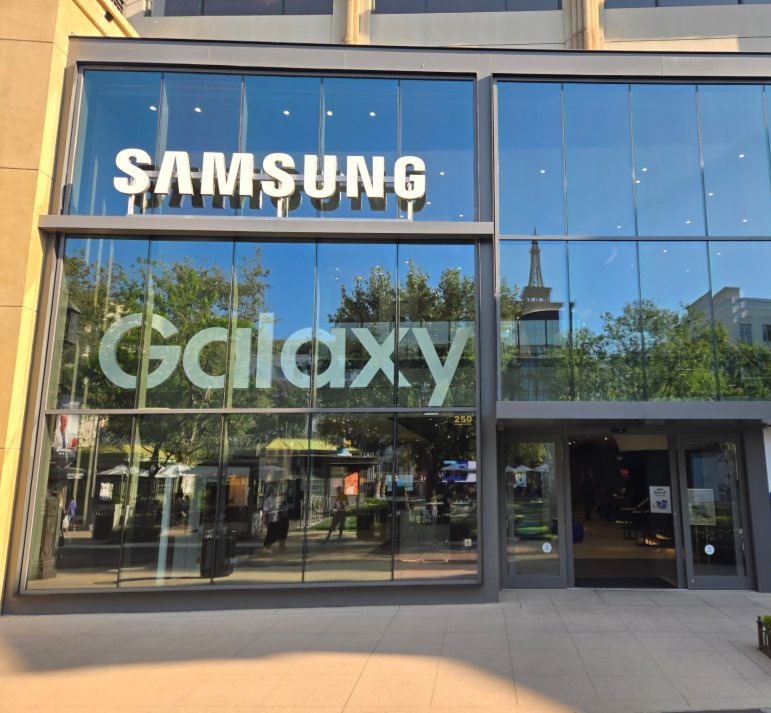
Samsung’s next-generation book-style foldable, the Galaxy Z Fold 8, is expected to launch in July 2026 during the company’s traditional summer Galaxy Unpacked event, with pre-orders likely opening the same day and general availability following about two weeks later, according to multiple supply chain reports and analyst projections.

The anticipated July timing continues Samsung’s established pattern for its premium foldables. The Galaxy Z Fold 7 launched on July 9, 2025, and the Fold 6 on July 10, 2024. Industry insiders and leakers, including reliable voices such as Ice Universe, point to a similar window in 2026, most likely the second week of July for the official unveiling, with retail sales commencing around July 22 or 24.
This year’s event is shaping up to be particularly significant, as Samsung is reportedly preparing not only the standard Galaxy Z Fold 8 and Galaxy Z Flip 8 but also a new “Wide” variant of the Fold 8. The wider model, sometimes referred to as the Galaxy Z Fold 8 Wide, is designed with a more expansive aspect ratio to better compete with upcoming foldable devices from rivals, including Apple’s anticipated first foldable iPhone. Carrier database listings and regulatory filings have already confirmed multiple model numbers, indicating all three devices are on track for a coordinated summer launch in the third quarter.
Expected Design and Display Improvements
Early leaks suggest the Galaxy Z Fold 8 will focus heavily on refining the foldable experience rather than overhauling the core form factor. The inner folding display is expected to measure approximately 8 inches, while the cover screen remains around 6.5 inches, both supporting smooth 120Hz refresh rates on Dynamic AMOLED panels.
A major highlight in rumors is significant progress on the persistent crease issue. Samsung is reportedly testing dual-layer ultra-thin glass combined with a laser-drilled metal support plate, aiming for a near-invisible crease when the device is unfolded. The overall chassis is expected to be thinner and lighter than previous generations, with some projections placing the weight as low as 200 grams in certain configurations.
Durability enhancements are another key theme. Stronger hinge mechanisms and improved water and dust resistance ratings are anticipated, addressing long-standing consumer feedback about foldable reliability.
Performance, Battery and Camera Upgrades
Under the hood, the Galaxy Z Fold 8 is widely tipped to feature Qualcomm’s Snapdragon 8 Elite Gen 5 (or a Galaxy-optimized variant), paired with generous RAM options of 12GB or 16GB and storage tiers ranging from 256GB to 1TB. Advanced vapor chamber cooling is expected to keep temperatures in check during demanding tasks such as gaming or multitasking across the large inner display.
Battery capacity is another area of focus, with leaks pointing to a 5,000mAh cell — a notable increase that could deliver substantially better endurance, especially when using the unfolded screen. Faster charging speeds, potentially up to 45W wired, are also rumored, along with possible improvements in wireless charging.
On the camera front, the Galaxy Z Fold 8 could see a significant leap with a 200-megapixel main sensor, supported by a 50-megapixel ultrawide lens and a 10-megapixel telephoto with 3x optical zoom. These upgrades would position the foldable closer to Samsung’s flagship Galaxy S series in photography capabilities, enhancing its appeal for content creators who value the large unfolded canvas for editing and previewing.
Software support is expected to include One UI 9 based on the latest Android version, with Samsung promising extended years of OS and security updates to match or exceed competitors in the premium segment.
Pricing and Market Strategy
Pricing is projected to remain largely consistent with recent generations, starting around $1,999 in the United States for the base model. However, some analysts speculate a modest increase in certain markets due to enhanced materials and components. The new Wide variant may carry a premium, though exact figures have not yet surfaced.
Samsung’s decision to launch both the standard Fold 8 and the wider model simultaneously appears aimed at broadening appeal and preempting competition from Apple’s rumored foldable iPhone, expected later in 2026 or 2027. By offering different screen proportions, Samsung hopes to capture users who prefer a more tablet-like experience when unfolded or a narrower profile when folded.
Production plans reportedly prioritize the Galaxy Z Fold 8, with estimates of 3.5 million units prepared ahead of launch compared to 3 million for the Flip 8, reflecting stronger expected demand for the book-style design.
Broader Context in Samsung’s Foldable Roadmap
The 2026 foldable lineup underscores Samsung’s continued dominance in the category it helped popularize. Since introducing the original Galaxy Fold in 2019, the company has iterated steadily, improving hinge durability, display quality and software optimization with each generation.
This year’s additions, including the Wide model, signal an aggressive push to expand the foldable market beyond early adopters. Features such as enhanced S Pen support (rumored to return in improved form), better multitasking and AI integrations via Galaxy AI are expected to make the devices more productive and appealing for professional users.
Global availability is anticipated shortly after the Unpacked event, with pre-orders likely including bundled accessories, trade-in deals and carrier financing options to lower the entry barrier for interested buyers.
As the July launch window approaches, more concrete details are expected through official teasers, regulatory certifications and hands-on leaks. In the meantime, speculation continues to build around how the Galaxy Z Fold 8 and its Wide sibling will differentiate themselves in an increasingly competitive foldable landscape.
For consumers considering a foldable purchase in 2026, the Galaxy Z Fold 8 appears poised to deliver meaningful refinements in nearly every area — from the display crease to battery life and photography — while maintaining the premium price point that has defined the series.
Samsung has not yet confirmed any specifics, and all details remain subject to change until the official unveiling. Enthusiasts and analysts alike will be watching closely as the company prepares what could be one of its most ambitious foldable lineups to date.

Met Office extended Storm Dave yellow weather warning
U.S. Services PMI Dips Below Expectations, Signals Sector Contraction

Teradyne (TER) Stock Surges 271% Ahead of Q1 Earnings: What Investors Should Watch

Smart energy pays enters the US market, targeting scalable financial infrastructure

Why Israel is blocking foreign journalists from entering

Bitcoin: We’re Entering The Most Dangerous Phase

“Bitcoin Is Following A Pattern Nobody Wants To Admit” | Anthony Scaramucci

Banking & Financial Current Affairs MARCH 2026 | Monthly Current Affairs Series By Sheetal Mam

How Is Everything Outpacing Inflation At The Same Time?
-

 NewsBeat7 days ago
The Story hosts event on Durham’s historic registers
-

 NewsBeat19 hours ago
Steven Gerrard disagrees with Gary Neville over ‘shock’ Chelsea and Arsenal claim | Football
-

 Sports7 days ago
Sweet Sixteen Game Thread: Tide vs Michigan
-
Entertainment4 days ago
Fans slam 'heartbreaking' Barbie Dream Fest convention debacle with 'cardboard cutout' experience
-

 Crypto World2 days ago
Gold Price Prediction: Worst Month in 17 Years fo Save Haven Rock
-

 Business14 hours ago
No Jackpot Winner and $194 Million Prize Rolls Over
-
 Entertainment6 days ago
Lana Del Rey Celebrates Her Husband’s 51st Birthday In New Post
-

 Tech4 days ago
The Pixel 10a doesn’t have a camera bump, and it’s great
-
Crypto World3 days ago
Dems press CFTC, ethics board on prediction-market insider trades
-

 Sports3 days ago
Tallest college basketball player ever, standing at 7-foot-9, entering transfer portal
-

 Tech4 days ago
Avatar Legends: The Fighting Game comes out in July and it looks pretty slick
-

 Tech3 days ago
EE TV is using AI to help you find something to watch
-

 Fashion5 days ago
Amazon Sundays: Soft Spring Layers
-

 Business1 day ago
Login and Checkout Issues Spark Merchant Frustration
-

 Fashion6 days ago
When Evening Dressing Gets Colorful for Spring
-

 Tech3 days ago
How to back up your iPhone & iPad to your Mac before something goes wrong
-

 Tech5 days ago
Elon Musk’s last co-founder reportedly leaves xAI
-

 Tech4 days ago
Apple will hide your email address from apps and websites, but not cops
-

 Crypto World4 days ago
U.S. rule change may open trillions in 401(k) funds to crypto
-

 Politics4 days ago
Should Trump Be Scared Strait?
You must be logged in to post a comment Login