
Business
Apple Launches Updated Polishing Cloth at $9, Half the Price of Original Meme-Worthy Version

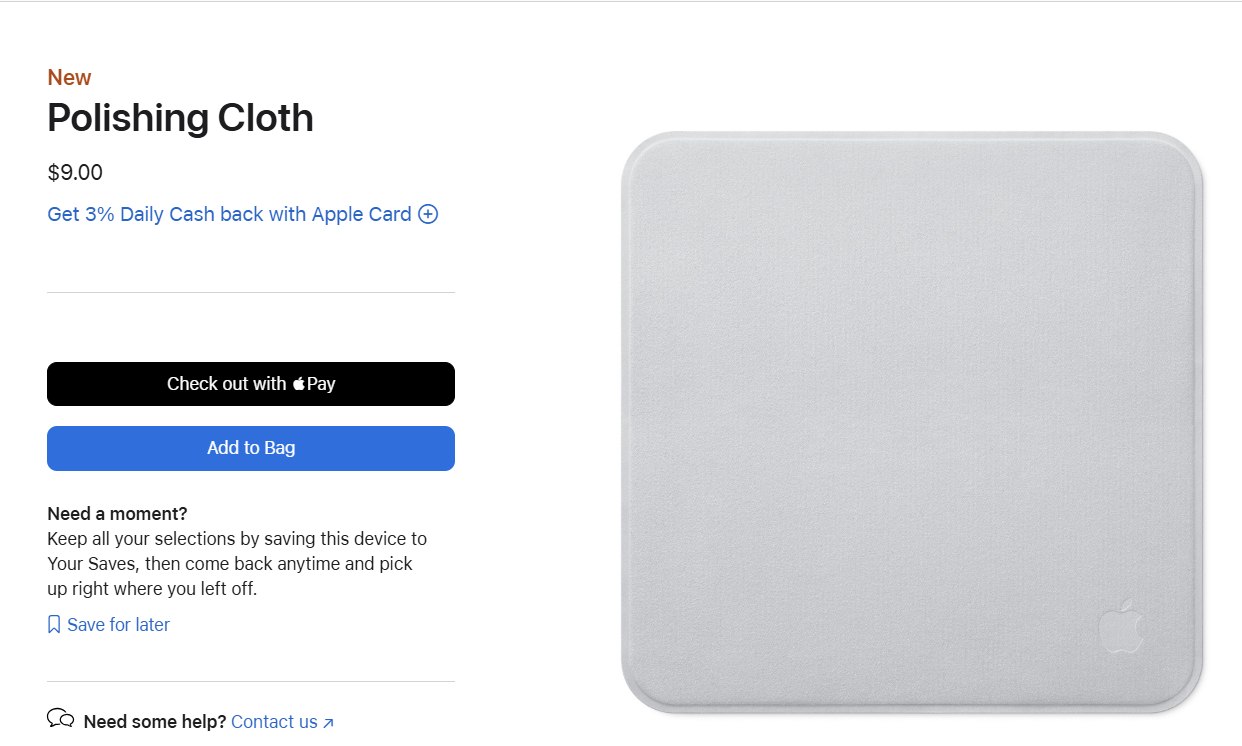
CUPERTINO, Calif. — Apple on Tuesday released an updated version of its Polishing Cloth, cutting the price to $9 from the previous $19 while maintaining the same product description focused on safe cleaning of the company’s displays.
The soft, nonabrasive cloth is designed to clean any Apple display, including those with nano-texture glass, without causing scratches or damage. Apple’s official description remains unchanged from the original: “Made with soft, nonabrasive material, the Polishing Cloth cleans any Apple display, including nano-texture, safely and effectively.”
The new listing appeared quietly on Apple’s online store alongside more prominent announcements of refreshed Mac mini and Mac Studio models. The original Polishing Cloth, introduced in October 2021, quickly sold out and became a frequent subject of online jokes because of its relatively high price for a simple cleaning accessory. Despite the humor, many owners reported that the cloth performed well on screens and devices with sensitive coatings.
No detailed specifications were provided on whether the updated cloth differs in size, material composition or manufacturing process from the earlier version. The product code changed on the store, indicating a refreshed listing, but Apple has not issued a separate press release highlighting any technical improvements. Compatibility continues to cover a wide range of Apple products with displays, from older iPhones to current iPads, MacBooks and external monitors featuring nano-texture glass.
The price reduction stands in contrast to increases seen in other products announced the same day. The new Mac mini with M6 chip starts at a higher price than its recent predecessor, and the Mac Studio with M5 Ultra also carried an elevated starting cost. In that context, the lower-priced polishing cloth drew particular attention from observers who noted it as one of the few Apple items becoming more affordable.
Nano-texture glass, first introduced on high-end displays such as the Pro Display XDR and later extended to certain Studio Displays, iMacs, MacBook Pros and iPad Pros, reduces glare through microscopic etching. Standard cleaning cloths or paper towels can leave residues or risk microscopic damage, which is why Apple has long recommended specific materials for those surfaces. The company’s polishing cloth was positioned as a purpose-built solution for that need.
The original cloth’s launch in 2021 generated widespread commentary. Critics questioned the cost relative to generic microfiber alternatives available for a few dollars, while supporters argued that the product’s consistent performance and official endorsement justified the premium for users protecting expensive equipment. Demand was strong enough that wait times stretched for weeks in some periods after release.
Availability of the updated cloth began immediately on Apple’s website in the United States and other markets, with local pricing adjusted accordingly. In some regions the reduction amounted to roughly half the previous cost. Third-party retailers continued to list remaining stock of the earlier version at the higher price, creating a temporary two-tier market for essentially the same described product.
For many Apple device owners, screen cleaning is a routine maintenance task. Fingerprints, dust and smudges accumulate quickly on smartphones, tablets and laptops used throughout the day. A dedicated nonabrasive cloth reduces the chance of introducing scratches that become more noticeable on high-resolution or anti-reflective displays. The product’s simple design—a square of fabric with rounded corners and a subtle Apple logo—has remained consistent.
The decision to lower the price may reflect a recalibration of accessory pricing or an effort to broaden access to an officially recommended cleaning tool. Apple has not commented publicly on the reasons for the change. The company typically updates accessory listings without fanfare when making minor revisions or price adjustments.
Observers noted the ironic timing: while core computing products moved higher in price, the most-memed accessory of recent years became more accessible. Social media reactions mixed genuine interest in the lower cost with continued jokes about the product’s history. Some longtime owners of the original cloth expressed curiosity about whether the new version offered any tangible improvement, while others saw the price cut as sufficient reason to purchase one for the first time.
The polishing cloth joins a broader lineup of Apple-branded accessories that include cables, chargers, cases and input devices. Unlike those items, which often incorporate proprietary connectors or software features, the cloth relies solely on material quality. Its value proposition rests on the assurance that it will not harm specialized display coatings.
Retailers and resellers are expected to adjust inventory as the new lower-priced version becomes the primary offering. Apple Stores and the online shop now direct customers to the updated listing. The original product page has been removed from the main catalog, though secondary market listings persist.
In practical terms, the cloth remains a straightforward tool. Users are advised to use it dry or slightly dampened for best results on glass surfaces, avoiding harsh chemicals that could degrade coatings or leave films. The nonabrasive nature makes it suitable for daily light cleaning rather than heavy scrubbing.
The release underscores how even minor product updates can generate discussion when they involve a previously polarizing item. By cutting the price substantially while keeping the functional description identical, Apple has altered the cost-benefit calculation for a niche but widely recognized accessory. Whether the change leads to significantly higher sales volumes or simply removes a long-standing point of criticism remains to be seen through future availability and customer response.
For now, the updated Polishing Cloth is available for order at $9, offering the same stated cleaning capability at half the previous price. It continues to serve the practical purpose of maintaining the clarity of Apple’s many display-equipped devices while occupying a unique place in the company’s product lore.

Business
Dunkin App Down? User Reports Spike for Outages on Downdetector Affecting Mobile Ordering and Logins
NEW YORK — Outage tracking service Downdetector recorded a rise in user reports of problems with Dunkin’ beginning around 12:19 p.m. EDT on Monday, with the majority of complaints centered on the mobile app, login difficulties and ordering functions.
The monitoring platform posted an update noting that user reports indicated problems with Dunkin’ and invited feedback on the impact. Breakdowns of submitted issues frequently highlighted the app as the primary point of failure, followed by login problems and a smaller share related to ordering. Such spikes on Downdetector reflect crowdsourced data rather than direct confirmation from the company and can signal anything from a widespread technical disruption to localized network issues, high traffic or problems limited to specific platforms.
Dunkin’, the American coffee and doughnut chain that rebranded from Dunkin’ Donuts in many markets, relies heavily on its mobile application for rewards programs, mobile ordering, payments and store location services. Interruptions to the app can affect customers who prefer contactless ordering, those attempting to redeem points or apply promotions, and users simply trying to check wait times or menu availability before visiting a location. Physical stores typically continue operating during digital disruptions, though some customers report longer lines when app-based orders decline.
Independent status checkers produced mixed results during the same period. Some monitoring tools registered the Dunkin’ website as reachable with normal response times, while user-generated reports on outage maps remained elevated for the app. This pattern is common when backend services supporting mobile authentication or order processing experience strain even if the public-facing website remains accessible.
No immediate public statement from Dunkin’ detailing the cause or expected duration appeared in the hours following the initial spike in reports. Companies in the quick-service restaurant sector often investigate such incidents by examining content delivery networks, authentication systems, payment gateways and third-party integrations before issuing updates through official channels or social media accounts. Resolution times vary depending on whether the issue stems from a software deployment, capacity limitation, regional connectivity problem or broader infrastructure event.
Digital ordering has become a significant channel for Dunkin’ and similar chains. Customers use the app to customize drinks, schedule pickups and earn loyalty rewards. When the application fails to load, process logins or complete transactions, many users turn to in-store ordering or competing coffee providers. The inconvenience is especially noticeable during peak morning and afternoon periods when volume is highest.
User reports of this type often surface first on social media and specialized trackers. Individuals describe symptoms ranging from complete inability to open the app, repeated login failures, spinning load screens or error messages during checkout. Some note that website ordering continues to function while the mobile experience does not, pointing to platform-specific rather than total system failures. Others report intermittent success after force-closing the app, clearing caches or switching networks.
Recovery advice commonly shared among users includes restarting the device, ensuring the latest app version is installed, attempting access via mobile data instead of Wi-Fi, or waiting for automatic restoration. Persistent problems sometimes resolve after an app update or server-side fix. Customers who experience payment charges without corresponding orders are typically advised to contact the company’s support channels with transaction details.
The Monday reports arrived without an accompanying company status page update visible in public channels at the time of the elevated complaint volume. Media coverage of similar past incidents involving coffee chains has shown that digital disruptions can generate temporary frustration even when store operations remain largely unaffected. Franchisees and corporate locations often continue serving walk-in and drive-thru customers while technical teams address backend issues.
Dunkin’s app serves as a key loyalty and convenience tool across thousands of locations in the United States and internationally. Features such as order-ahead, rewards tracking and personalized offers depend on stable connections between the mobile client, authentication services and store systems. Any disruption that interrupts that chain can reduce the volume of digital orders and increase reliance on traditional counter service.
Outage trackers such as Downdetector aggregate reports in real time and display percentages by problem type. For Dunkin’, the concentration of submissions around the app and login categories during the elevated period provided an early indicator that mobile functionality was the primary pain point. Geographic heat maps, when available, can further clarify whether issues are concentrated in particular regions or more broadly distributed.
In the broader context of quick-service digital platforms, Monday’s reports fit a familiar pattern: a noticeable uptick in user submissions, public discussion on tracking sites, and a period of uncertainty until either the problem resolves or the company provides clarification. Similar spikes have occurred across the restaurant and retail sector when high-traffic periods coincide with software updates or infrastructure strain.
Customers seeking coffee or baked goods during such episodes often adapt by visiting stores in person, using alternative ordering methods if available, or choosing other brands temporarily. The combination of mobile dependency and high concurrent usage makes these platforms sensitive to performance variations. Ongoing investments in system redundancy and monitoring aim to reduce both the frequency and duration of disruptions.
As of the latest available user reports, the elevated complaint volume on Downdetector began in the early afternoon Eastern time and prompted the service to flag potential problems. Whether the underlying cause was a brief technical glitch, a capacity constraint or an issue limited to specific user segments remained unclear without further official information.
The episode illustrates the dual nature of modern restaurant operations. Traditional in-store service continues to form the core experience, while digital channels expand convenience and personalization. Maintaining consistent performance across both environments requires ongoing attention to capacity, testing and rapid response capabilities.
Viewers and customers monitoring the situation typically look for official updates via the company’s website, app notifications or verified social accounts. In the absence of an immediate statement, the volume and type of user reports on independent trackers remain the most accessible public measure of service health. Subsequent monitoring determines whether reports subside quickly or persist long enough to warrant a formal explanation.
For now, the combination of elevated Downdetector submissions focused on the app, the lack of an official company confirmation at the time of the spike, and the continuation of physical store operations defines the scope of the reported disruption. Customers experiencing issues are directed toward basic troubleshooting steps while technical teams work to restore full mobile functionality.

CHICAGO — Specialty baker Sweetmore Bakeries has acquired Fantasy Baking Co., a Sylmar, Calif.-based manufacturer of private label and branded sweet baked foods.
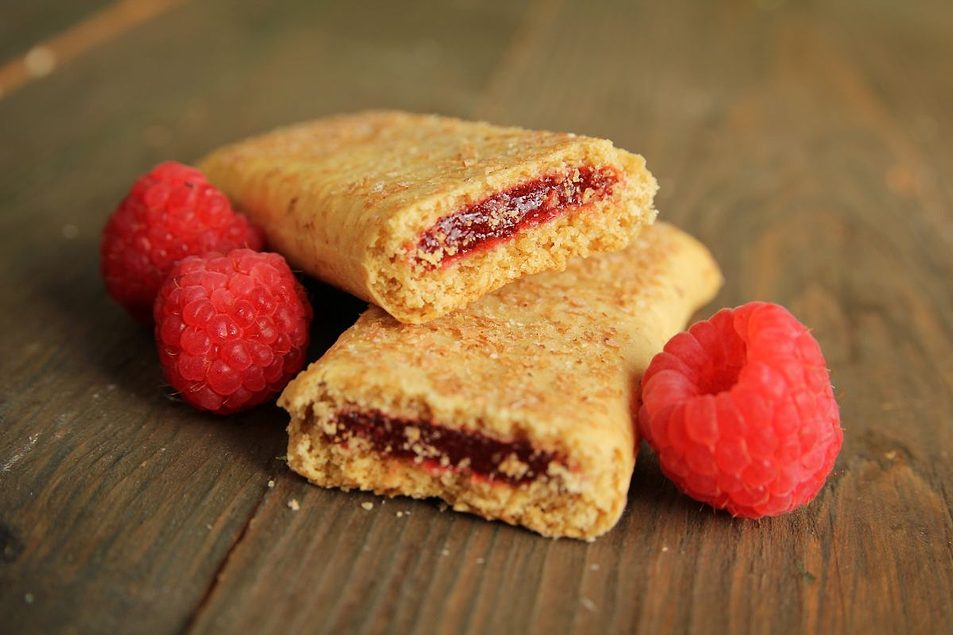
Financial terms of the transaction, announced Aug. 25, weren’t disclosed. Sweetmore said Fantasy Baking’s product roster includes cookies, fruit-filled bars and dessert bars and extends into protein and breakfast bars, dry blends, and ice cream ingredients and inclusions, along with organic, high-protein, non-GMO, gluten-free, and kosher recipes and solutions.
Chicago-based Sweetmore said the acquisition marks its sixth production facility and first on the West Coast, expanding its manufacturing footprint to cover the Northeast, Midwest, Southeast, Southwest and West and bolstering its position in the cookie and baked bar categories.
“Fantasy Baking gives us a true West Coast manufacturing footprint and deeper category capabilities that strengthen our ability to serve customers’ various product needs nationwide,” said David Veenstra, chief executive officer of Sweetmore Bakeries. “Between their R&D bench strength and their reach into better-for-you trends, this addition makes Sweetmore an even stronger strategic national partner.”
Launched in 1979, Fantasy Baking brings more than four decades of formulation expertise, supported by its own in-house R&D lab, Sweetmore said, adding Fantasy’s products and capabilities are well-aligned with better-for-you and functional snacking trends.
“For over 45 years, the Fantasy Baking team has built our business on doing right by our customers — innovation, quality and service our partners can rely on,” said Russ Case, CEO of Fantasy Baking. “Joining a like-minded partner like Sweetmore allows us to continue this tradition while providing access to scale and resources that will enable Fantasy to serve a broader audience and expand its capabilities.”
Now through six bakery divisions, and with about 500 employees, Sweetmore produces baked foods — ranging from biscotti, brownies, cinnamon rolls, cookies and danishes to dessert bars, Mexican pan dulce, muffins, granola, baked bars, icings and fillings — for the retail in-store bakery and foodservice channels nationwide.
The company started in 2019 when private equity firm Shore Capital Partners recapitalized and boosted investment in Main Street Gourmet, an Akron, Ohio-based wholesale baker supplying in-store bakeries, restaurants, warehouse clubs and convenience stores. Shore Capital then began a series of acquisitions that included Greensburg, Pa.-based specialty wholesale bakery Biscotti Brothers (serving in-store bakeries) in November 2020 and Fond du Lac, Wis.-based premium pastry maker Meurer Brothers Bakery (serving in-store bakeries) in November 2021, with the three bakeries uniting under the Sweetmore Bakeries banner in mid-2022.
That was followed by the purchases of Smyrna, Ga.-based wholesale cinnamon roll manufacturer Sweet Eddie’s (serving retail and foodservice channels) in May 2024 and Phoenix-based Azteca Bakeries, a wholesale manufacturer of Mexican pastries and baked foods, in January 2025. Then in May 2025, Chicago-based Shore Capital recapitalized Sweetmore through a special purpose vehicle to support further growth.


Bugatti CEO Mate Rimac said the supercar market is entering its “Swiss watch phase,” with the wealthiest buyers rejecting high-tech electronics and electric vehicles in favor of precision mechanics and hand-crafted details.
Rimac, the 38-year-old EV entrepreneur who took over Bugatti in 2021, said the car market is splitting in two: The mainstream global car market is becoming dominated by lower-priced EVs, many from China, while the very top of the car market will be driven by wealthy buyers who want more old-school cars with loud internal combustion engines and emotional appeal.
He compared the car industry to watches, where digital and smart watches have taken over most of the market, while high-priced Swiss mechanical options remain popular with the wealthy.
“For normal cars, normal people, the vast majority will be electric,” Rimac said. “The upper segment, like sports cars and upwards, are going to stay combustion for a very long time, exactly like watches. Only like 5% of watches are made in Switzerland, but that’s where 90% of profits are made. An Apple Watch or any kind of smart watch can do so many more things. But no one will pay $200,000 for it.”
When Rimac’s EV startup, Rimac Group, gained control of Bugatti from Porsche and Volkswagen in 2021, many expected the newly formed Bugatti Rimac Group to launch an electric Bugatti.
Instead, Rimac built an entirely new car powered by one of the largest naturally aspirated combustion engines ever built for a production car. The hybrid Tourbillon has an 8.3-liter V16 that delivers 1,000 horsepower, combined with electric motors for a total 1,800 horsepower.
“It’s kind of ironic that I’m now making the world’s biggest combustion engine,” he said. “You have the crazy situation now at our facility in Croatia. On the same production line, you have the world’s most powerful electric car being built right next to the world’s biggest combustion engine. Life is strange sometimes.”
Bugatti will make only 250 Tourbillons, which are sold out at a starting price of roughly $4.5 million. Rimac said the average Tourbillon customer adds another $600,000 to $700,000 in personalization add-ons, like special paint colors, leathers, stitching and other design features.
The rise of personalization and customization has become one of the biggest profit drivers at supercar companies like Bugatti, Ferrari and Lamborghini. Supercar companies are also launching special one-off cars for their top customers that can cost tens of millions of dollars. At Monterey Car Week, Bugatti unveiled its latest one-off, called Destrier, which reimagines its track-based Bolide model with a lower stance, larger wheels and sculptural body work.
Rimac said customizations and one-offs reflect a growing desire among today’s wealthy to have unique objects that reflect their identity.
“For these clients, they want something that’s really theirs, that’s connected with them,” Rimac said. “It tells their story, their personality, their preferences, not just like a car. It’s a story behind it.”
Rimac said his goal for Bugatti is to continue to boost production, quality and profits, while also retaining exclusivity. He said production will never go higher than “the low three-digit numbers.”
The company earned 200 million euros (US$233 million) in earnings before interest, taxes, depreciation and amortization last year and will continue to grow profits, Rimac said.
Porsche AG agreed in April to sell its 45% stake in Bugatti Rimac to a global consortium led by HOF Capital. While some reports cited a valuation of over $1.1 billion for Bugatti, Rimac said the valuation is “substantially higher” than $2 billion.
“What I want to do is make the world’s best cars, the most exciting cars in the world, and have the world’s most profitable car company on a percentage basis,” he said.
Rimac said that in the age of artificial intelligence, autonomous vehicles and EVs, the guiding principal for Bugatti will be the human factor.
“You can get a car that’s faster than any performance car from 10 years ago for like $50,000 from China,” he said. “Performance is really becoming secondary. It’s more about what I call the celebration of human skills. When you look at these cars, you see the amount of ingenuity and art and beauty. The car is, like, the most complex object you can buy. It’s art, but it’s art that needs to go 250 miles per hour and be safe, have downforce and survive in a crash test and go in the snow and extreme heat, and all those things.”
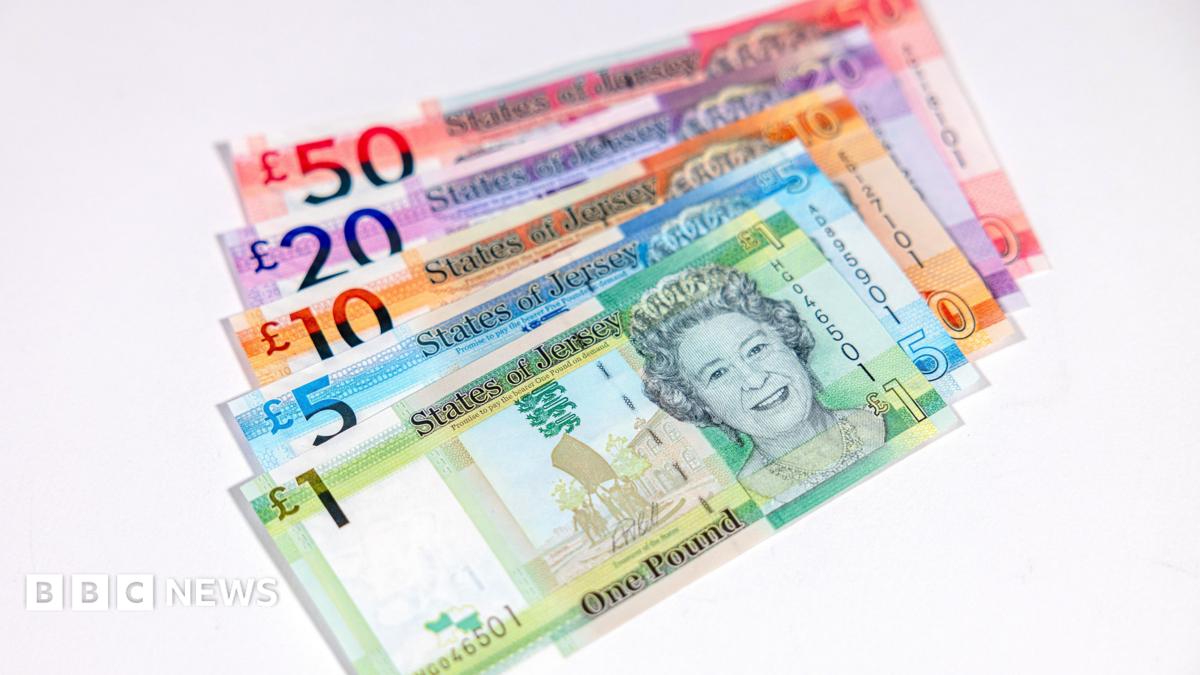
Average earnings in Jersey did not keep up with the rate of inflation for the year to June, according to new figures.
Statistics Jersey said in June 2026 earnings per full-time equivalent employee was 4.1% higher than in June 2025.
However, once adjusted for inflation – currently at 2.8% for the island, external – Statistics Jersey said earnings rose by 1.2%, representing a real-terms pay cut.
The Index of Average Earnings June 2026 report, external said the overall increase was lower than the preceding five-year annual average of 5.6% per year and “slightly lower” than the long-term annual average of 4.2% per year for 1991 to 2025.
It also highlighted average earnings in real terms increased by 0.9% in the private sector and 2.9% in the public sector over 12 years.
However, it said, over 25 years, average earnings in real terms in the public sector decreased by 3% while they increased by 1.2% in the private sector.

Intuit options skew toward puts ahead of earnings as traders hedge downside


United Airlines said Tuesday it’s planning to add a host of new international destinations next year that span Ljubljana, Slovenia, to Okinawa, Japan, continuing its so-far profitable bet that consumers will keep spending big to try new destinations abroad.
United already offers more international service than other U.S. airlines and is selling destinations well beyond major tourist draws like Tokyo and Rome to capitalize on changing traveler tastes and grow profits, even as costs soar.
“They want to get away from the overcrowded, large European cities,” said Patrick Quayle, United’s senior vice president, who heads the carrier’s global network planning and alliances.
Here are the additions:
- San Francisco to Okinawa, Japan, starting March 27, on a Boeing 777-200ER
- Newark Liberty International Airport in New Jersey to Ljubljana, Slovenia, starting May 12, on a Boeing 767-400ER
- Newark to Olbia, Sardinia, in Italy, starting May 27, on a Boeing 767-300ER
- Newark to Catania, Sicily, in Italy, starting May 28, on a Boeing 767-300ER
- Newark to Ibiza, Spain, starting May 31, on an Airbus A321XLR
- Newark to Valencia, Spain, starting June 2, on an Airbus A321XLR
- Newark to Marseille, France, starting June 4, on an Airbus A321XLR
- Newark to Terceira in the Azores in Portugal, starting June 9, on a Boeing 737 MAX 8
And two new business-travel routes:
- Newark to Luxembourg, starting April 2, on an Airbus A321XLR
- Washington Dulles International Airport to Toulouse, France, starting April 26, on an Airbus A321XLR
Airbus is based in Toulouse, and its U.S. office is in Herndon, Virginia, so that route — naturally, on an Airbus — targets the aircraft manufacturer and other aerospace business travel. Meanwhile, Amazon‘s European headquarters is in Luxembourg, while its second U.S. headquarters is in Arlington, Virginia.
United said it has added 49 new destinations since 2021 with its push and that it is the only U.S. airline to fly nonstop to 32 of those locations.
“All these new international destinations … have become much longer seasons instead of just flying during the summer,” United CEO Scott Kirby told CNBC’s Phil LeBeau on Tuesday. “These go all the way through October. October has become one of our best months of the year.”
Quayle said United is trying to be a “one-stop shop” for customers at all stages of life “whether you’re backpacking in college, you’re going to and from Paris, whether you’re in your 20s and you’re going to a nightclub in Ibiza … a business trip … or a vacation or honeymoon in Sardinia.”
He said United has noticed customers are taking more so-called open-jaw flights where they fly into one city and out of another — think into Rome and out of Bari on Italy’s Adriatic coast without having to backtrack to a major city — so having multiple destinations in countries like Portugal, Italy, Spain and France could grab consumers’ attention.
Quayle added that the carrier isn’t dropping any of its existing routes to make room for the new ones.
People gather at Notre-Dame de la Garde in Marseille, France, to watch a partial solar eclipse, Aug. 12, 2026 .
Sener Yilmaz Aslan | Getty Images
United is the second-most profitable U.S. airline after Delta Air Lines, though Delta has fewer international destinations.
Delta’s president, Peter Carter, told CNBC in June that the airline wants to fight United’s dominance, especially for trans-Pacific flights. The airline this summer announced new service to Tokyo-Narita International Airport, as well as Manila in the Philippines, while launching its previously announced Los Angeles-Hong Kong route in June.
Other adds from United include nonstop service from Los Angeles International Airport to foodie paradise Osaka, Japan, which it already serves from its San Francisco hub. The airline is also adding flights from Denver to Paris and will restart service from San Francisco to Tel Aviv, Israel.
It also said earlier this year that it plans to launch flights from San Francisco to Sapporo, Japan, a high-end ski destination, in December.
— CNBC’s Michele Luhn contributed to this report.


Seeking Alpha’s transcripts team is responsible for the development of all of our transcript-related projects. We currently publish thousands of quarterly earnings calls per quarter on our site and are continuing to grow and expand our coverage. The purpose of this profile is to allow us to share with our readers new transcript-related developments. Thanks, SA Transcripts Team

Ministers have announced where more than 70,000 social and affordable homes will be built in England over the next 10 years as part of an initial allocation of almost £10bn in a bid to address the housing crisis.
Funding has been granted to Greater Manchester, the West Midlands, West Yorkshire, South Yorkshire, North East England, and Liverpool. An additional £6bn was previously announced for London.
It is the first part of a wider plan to build 300,000 social and affordable homes, under the government’s £39bn social housebuilding programme.
Housing charities welcomed the news but said it was still not enough to meet demand, while the Conservatives said it was an “unfunded spending commitment”.
Social housing provides affordable homes at a low cost, managed by social landlords. It includes affordable rented properties as well as low-cost home ownership, such as shared ownership, and can be provided by local authorities and housing associations.
Earlier this year, before he became prime minister, Andy Burnham had called for the entire £39bn affordable housing budget for England to be spent on homes for social rent – which means the cost of the unit is about half that of market rents, and there are strict criteria for who can apply for it.
“I would actually devote all of it to social housing,” Burnham told The Social Housing Podcast in May.
But of the new homes announced on Monday, 60% would be for social rent.
Housing Minister Matthew Pennycook told BBC Breakfast he did not accept Burnham had failed to meet his previous commitment, saying the government had taken a “pragmatic approach” and wants to “get money out the door”.
He said the next tranche of funding would be more focused on council houses – which are usually also classed as homes for social rent.
It is understood ministers decided against giving councils more of the funding announced in the first tranche because they did not believe councils would be in a position to build the required number of social homes.

The logo for the Food and Drug Administration is seen ahead of a news conference at the Health and Human Services Headquarters in Washington, April 22, 2025.
Nathan Posner | Anadolu | Getty Images
The Department of Health and Human Services is planning to create two new deputy commissioner roles at the Food and Drug Administration, one of which would focus on technology and the intersection of health and artificial intelligence, CNBC has learned.
The other new position is for a deputy commissioner for drugs, according to two sources familiar with the plan. The agency already has several deputy commissioners, including an acting deputy commissioner for food, though it is unclear who will step into that role permanently.
HHS officials would appoint the new leaders in what some in the Trump administration view as a bid to exert greater influence over the agency, according to the sources, who asked to remain anonymous because they were not authorized to speak publicly.
No final decisions or formal announcements about the new roles have been made, the sources said.
Jared Seehafer, a senior advisor to the FDA and medical devices industry veteran, is the leading candidate for the technology role, according to three people familiar with the matter. Seehafer is a co-founder and former CEO of Enzyme, a life sciences compliance software company, and most recently worked at a venture capital firm in San Francisco before stepping into his FDA advisory role in August of last year.
Kyle Diamantas was most recently the deputy commissioner for food before stepping in as the acting FDA commissioner in May after Marty Makary’s resignation over the agency’s authorization of fruit-flavored vapes. It’s unclear if Diamantas would return to that role.
CNBC could not learn of any specific candidates for the deputy commissioner for drugs role.
The two new positions would report to President Donald Trump’s pick for FDA commissioner, Heidi Overton, who still needs to be confirmed by the Senate, according to two people familiar with the plan.
HHS did not respond to multiple requests for comment.
The new leadership structure would come after a tumultuous stretch for the FDA.
The agency has faced intense scrutiny over its handling of a multistate cyclospora outbreak linked to iceberg lettuce, which exacerbated broader concerns about federal budget and staff cuts hindering the agency’s ability to rein in foodborne outbreaks.
The FDA has also been under the spotlight for a series of decisions around certain new drug products.
For example, the FDA earlier this month granted accelerated approval to Replimune for its melanoma drug, Tudriqev, following a high-profile regulatory battle with the company and two prior rejections of the treatment.
In March, the FDA also drew sharp backlash from the biotech industry after demanding an extra clinical trial – including a fake or “sham” brain surgery placebo – for an experimental Huntington’s disease treatment from UniQure. The agency later reversed its stance and greenlit UniQure to file for accelerated approval based on mid-stage data.
And on Monday, the FDA granted a three-month review extension for Capricor Therapeutics’ experimental Duchenne muscular dystrophy drug to consider additional data, which came after an advisory committee to the agency voted 9-3 against recommending approval of that product.
Meanwhile, the FDA has increasingly turned to artificial intelligence to help employees with internal operations, including via its Elsa generative AI tool, which the agency has used for tasks such as document summarization and drafting. At the same time, FDA regulators are responsible for evaluating the safety and effectiveness of medical products that incorporate AI.
Last week, the FDA released a discussion paper outlining potential approaches for regulating generative AI-enabled medical devices. Instead of issuing formal guidance, the agency seeks input from patients, clinicians, developers and other stakeholders.
The new deputy commissioner for technology would oversee both the agency’s own internal use of AI and its review of AI-enabled products, according to the people familiar with the matter.

Plans to restrict zero-hours contracts will create barriers to opportunity by making it more expensive for companies to employ young people, retailers, business leaders and the hospitality trade body have warned.
The government intends to give new rights to all workers on zero-hours contracts, which at present do not specify a minimum number of hours of employment. The reforms would force companies to give staff a guaranteed number of hours a week reflecting their workload, to provide reasonable notice of shifts, and to pay workers for shifts that have been “cancelled, curtailed or moved at short notice”.
The British Retail Consortium, UKHospitality and the British Chambers of Commerce warned that the move could “worsen the jobs crisis”, pointing to the possible consequences for the number of Neets, the one million young people not in education, employment or training.
The three bodies called on the government to delay implementation so that a “proportionate” approach can be developed, and to set guaranteed hours at eight hours a week or fewer so that the rules target “genuinely low hours work”.
The measures sit under the Employment Rights Act 2025, and ministers have been consulting on the detail since June. The consultation closes on 25 August.
An official impact analysis of the plans found they could impose costs of up to £3 billion a year on employers, with companies facing extra red tape, higher staffing costs and lost revenue. The analytical note published alongside the consultation puts the direct cost to business at between £350 million and £2.9 billion a year.
The analysis found that sectors such as hospitality and retail, which have already borne the brunt of increases in employers’ national insurance contributions and the minimum wage, would be worst affected. It also warned that the plans would make it harder for employers to respond to changes in demand, with potential knock-on effects on revenue and investment.
Helen Dickinson, chief executive of the British Retail Consortium, said: “Government must stamp out exploitation, not flexibility, with employment reforms that close loopholes, not doors to opportunity.
“With more than a million young people out of work, education or training, we need policies that encourage businesses to hire and create pathways into employment. Get this wrong, and we’ll close off opportunities for the very people these reforms are intended to help.”
Allen Simpson, chief executive of UKHospitality, said: “Hospitality can deliver jobs in every postcode, but the reforms as they stand will add yet more cost, reduce flexibility for staff who need it and impact job opportunities for young people.”
Shevaun Haviland, director general of the British Chambers of Commerce, said: “These guaranteed hours reforms risk being hugely counterproductive for growth, damaging recruitment and investment. For many employees and businesses, zero-hours contracts are a valuable and legitimate form of flexible work.”
The Confederation of British Industry said that higher national insurance contributions, increases to the living wage, new costs associated with the Employment Rights Act and wider pressures from energy bills, taxation and borrowing costs were all squeezing recruitment and investment budgets.
“The same challenges that are holding back growth are hurting young people and their ability to enter the labour market,” Rain Newton-Smith, the CBI chief executive, said. “For it to work, growth must be at the heart of the youth employment strategy. Treating them as two separate challenges, and assuming the businesses can deliver opportunities without growth, will result in more young people falling into unemployment and inactivity.”
Research by the Chartered Institute of Personnel and Development, the HR trade body that has previously warned of unintended consequences from the reforms, found that 65 per cent of employers using zero-hours contracts expect their HR and management costs to rise as a result of the changes, while 31 per cent anticipate that they could have to make redundancies. A further 33 per cent expect to increase their use of self-employed contractors or other temporary and casual workers, raising concerns that efforts to tackle insecure employment could simply shift workers into other forms of non-permanent work.
A government spokesman said: “We are committed to ending exploitative zero-hours contracts, where workers bear all the financial risk when hours, shifts and earnings are unpredictable.
“These reforms will give workers in every postcode greater income security and predictability of hours. We have not made final decisions yet as we have been consulting since June to make sure we get the detail right.”

Amy Ingham
Amy Ingham is a reporter at Business Matters, covering UK business news with a focus on breaking news, business policy, late payments and insolvency. She joined the magazine in 2026 after completing the NCTJ Diploma in Journalism at Harlow College’s journalism school. Her recent reporting includes British Steel’s nationalisation and its impact on SME suppliers, the decline in late payments by large firms, and Insolvency Service director disqualifications. Reach her at aingham@cbmeg.co.uk.

Fourth Black person found hanging within a year in North Carolina

Craig Fulton urges India to improve in big matches after World Cup exit | Other Sports News

EPA to drop requirement for public notice of polluting datacenters





-

 Fashion4 days ago
Weekend Open Thread: Madewell – Corporette.com
-

 Business3 days ago
Musk’s Tesla, SpaceX Confirm $16.8 Billion ‘Terafab’ Chip Plant as World’s Largest Building in Texas
-

 Crypto World4 days ago
anatomy of crypto’s biggest liquidation event since 2021
-

 Politics3 days ago
6 months on, Irish renters crushed by effects of government housing bill
-
 NewsBeat3 days ago
The ‘Lucky Dip Gang’ causing carnage for clicks: After five thugs were killed speeding in the wrong direction on a motorway, GUY ADAMS investigates a sick new trend… and why police aren’t even allowed to pursue them
-

 Tech6 days ago
GLM-5.3 hits the API at $1.4/$4.4 per million tokens
-

 Business2 days ago
Mystery AI Model ‘Ox Alpha’ Draws Developers With Free Access as Chinese Lab Origins Remain Debated
-

 News Videos6 days ago
Don’t Leave Your Financial Future To Chance | August 19, 2026
-

 Crypto World19 hours ago
A $30 Billion AI Fund Implodes, Now the SEC Is Investigating Wall Street’s Role
-

 Business6 days ago
Marvell Shares Jump 7% as Google Chip Deal Confirms Custom AI Silicon Partnership, Analysts
-

 Business5 days ago
Five Below: Kids Discount Retailer Reaps Rich Rewards
-

 Business4 days ago
UK firms in critical financial distress rise 9% to 53,756
-

 Sports3 days ago
Deshaun Watson fires back at Browns fans after being booed: ‘It’s a disrespectful thing’
-

 Fashion6 days ago
Jimmy Choo Autumn 2026 collection
-

 Tech6 days ago
OpenAI confirms ChatGPT is down as logins and signups fail
-

 Crypto World5 days ago
Optimism-funded team's deciding vote shifts $49 million in OP tokens away from users
-
 Crypto World2 days ago
Google Gemini AI Predicts Ethereum Could Become the Trade Retail Misses in 2026
-

 Business5 days ago
PayPal and Venmo now accepted for tuition at several universities
-
 Sports6 days ago
Chaos! Daniil Medvedev loses cool, breaks two advertising boards at Cincinnati Open – Watch | Tennis News
-
 Entertainment6 days ago
10 Most Perfect Fantasy Shows of the Last 25 Years
You must be logged in to post a comment Login