Connect with us

Business

Arginine Supplement Could Boost Immunity Against Cancer and Viruses by Restoring Key Cell Warning Protein

Published

on

Arginine Supplement Could Boost Immunity Against Cancer and Viruses by

A common amino acid found in protein-rich foods and produced naturally by the body may help the immune system better detect cancer cells and fight viral infections, according to new research from Rockefeller University.

Scientists reported that low levels of arginine impair production of MHC-1, a critical protein that displays abnormal or foreign proteins on cell surfaces so that T cells can recognize threats. Restoring arginine levels, even in moderate amounts comparable to a couple of over-the-counter tablets, appeared to revive expression of the genes needed to make MHC-1.

The findings, published in the journal Cell, stem from work led by Sohail Tavazoie in the Elizabeth and Vincent Meyer Laboratory of Systems Cancer Biology. First author Qiushuang Wu, a postdoctoral researcher in the lab, examined how shifts in amino acid availability affect gene expression.

“Our work reveals how a lack of arginine interferes with the immune system, and suggests that upping arginine intake could prove beneficial,” Wu said. “Perhaps that means it could be used in combination with other therapies to treat both cancer and viral infections.”

Advertisement

Arginine supports protein synthesis and other essential cellular functions. Six different codons encode the amino acid, underscoring its importance. Prior research from the same laboratory showed that depriving colon cancer cells of arginine led them to accumulate more mutations. The new study extends that work by linking arginine scarcity to weakened immune surveillance.

Wu analyzed disease models of colon cancer, influenza and SARS-CoV-2. Across these conditions, arginine emerged as the most depleted amino acid. In cell culture experiments, declining arginine levels reduced the abundance of 414 proteins. Most were connected to known arginine-related pathways, but three HLA genes responsible for MHC-1 production stood out as unexpectedly affected.

MHC-1 proteins act as cellular warning signals. They present fragments of mutated or viral proteins to the immune system. Without sufficient arginine, ribosomes stall while assembling MHC-1 because the protein contains many sites that require the amino acid. As a result, fewer warning signals appear on cell surfaces, allowing potentially dangerous cells to evade detection more readily.

Tavazoie described the broader implication. “These findings are exciting because they reveal that consumption of a specific amino acid can directly regulate gene expression in an organism by increasing production of a protein enriched in that amino acid,” he said. “We believe that such selective translational tuning of gene expression through dietary manipulation likely extends to many other proteins and amino acids.”

Advertisement

Dietary experiments in mice reinforced the laboratory observations. Animals given a low-arginine diet developed more colon tumors. Those receiving higher amounts of arginine developed fewer tumors. Parallel studies with influenza and SARS-CoV-2 models, conducted in collaboration with researchers in Charles Rice’s Laboratory of Virology and Infectious Disease, produced similar patterns.

Mice on arginine-rich diets experienced milder symptoms from the viral infections. Providing arginine after influenza infection also improved outcomes. “Not only did mice with an arginine-rich diet have milder symptoms from viral infections, giving the mice arginine after influenza infection improved their outcomes too,” Wu said. “That was very surprising. From our genetic models, we knew manipulating arginine levels had a strong effect on gene expression, but we didn’t expect the dietary manipulation to be equally impactful.”

The results may help explain connections between poor nutrition, aging and increased vulnerability to certain cancers and respiratory viruses. Arginine levels naturally decline with age, potentially diminishing the immune system’s ability to recognize abnormal or infected cells.

“Qiushuang’s findings illuminate how poor diet and aging — during which arginine levels naturally decline — could create the perfect storm for the initiation of colon cancer,” Tavazoie said. “Similarly, age-related arginine loss could partially contribute to the greater mortality caused by respiratory viruses.”

Advertisement

Because arginine is inexpensive and widely available, the researchers see potential for relatively rapid clinical exploration. Tavazoie noted that supplementation could be tested in patients already receiving immunotherapies or provided to high-risk groups facing viral exposure. “Considering that arginine is inexpensive and readily available, we hope that therapeutic and preventative studies could be undertaken soon,” he said.

The study does not claim that arginine alone constitutes a cure or complete preventive measure. Rather, it identifies a specific mechanism by which amino acid availability influences immune recognition and demonstrates that dietary or supplemental restoration can reverse some of the impairment in preclinical models. The work builds on years of investigation into metabolic influences on cancer biology and immune function.

Further research is examining whether adjusting levels of other amino acids produces beneficial effects in additional disease settings. The laboratory continues to explore how nutritional factors interact with genetic and immunological pathways.

Arginine occurs naturally in many protein sources, including meat, dairy, nuts and seeds, and the body synthesizes it as well. Over-the-counter supplements are already on the market for various uses. The new findings suggest a more targeted immunological rationale for considering arginine status in the context of cancer risk, viral susceptibility and aging.

Advertisement

The research received support in part from the Stavros Niarchos Foundation Institute for Global Infectious Disease Research at Rockefeller University and the Weill Cancer East Hub. By linking a simple nutrient to the production of a key immune signaling protein, the study opens a practical avenue for investigating whether modest nutritional interventions can enhance the body’s ability to identify and respond to internal and external threats.

Continue Reading
Click to comment

You must be logged in to post a comment Login

Leave a Reply

Business

Alibaba Shares Surge Over 5% as New Qwen 3.8-Max AI Model Boosts Investor Confidence in Cloud Growth

Published

on

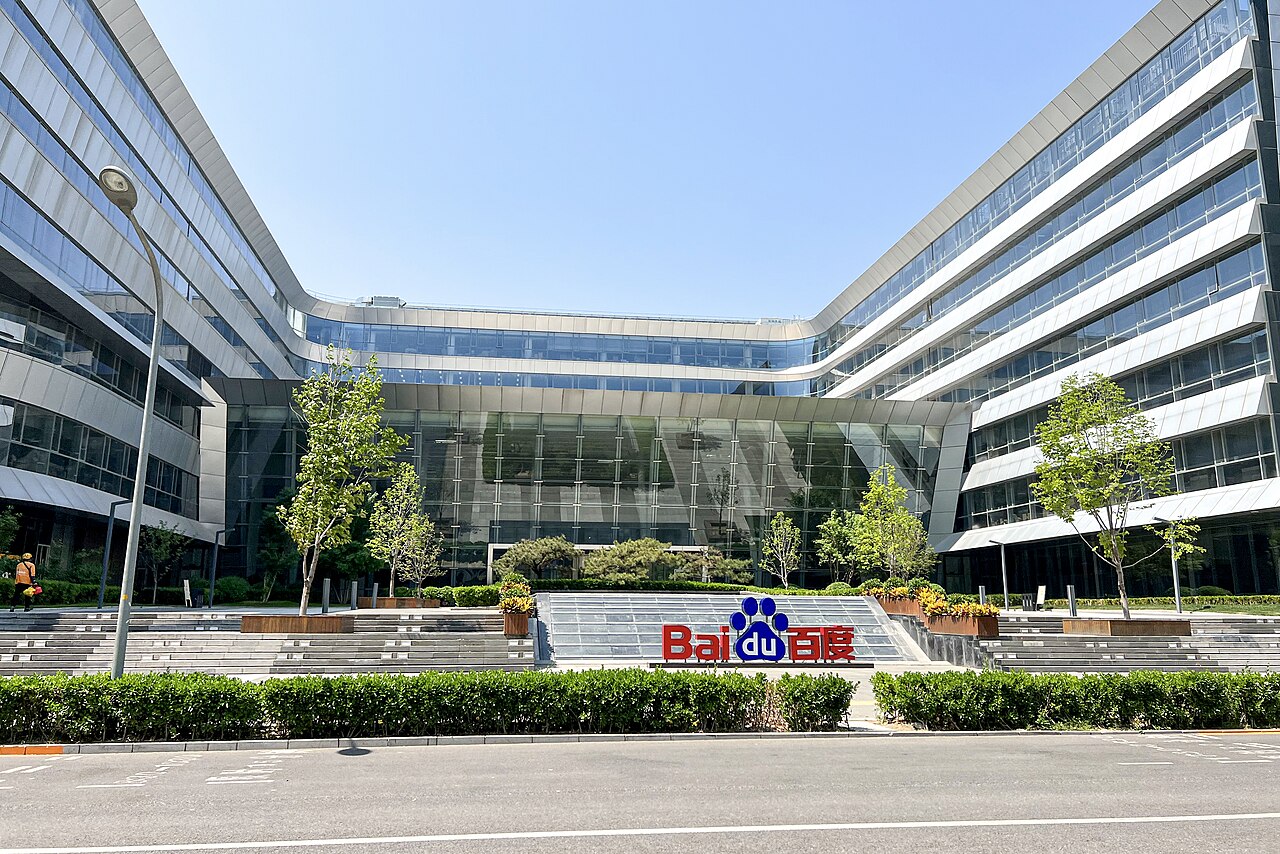
Baidu HQ

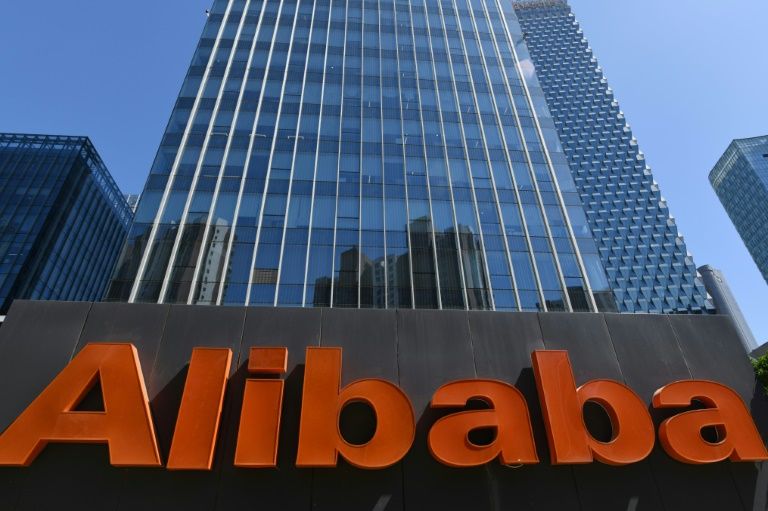
Alibaba Group Holding Ltd. shares rose more than 5% in U.S. trading Monday after the Chinese technology company unveiled its latest and most capable artificial intelligence model, reinforcing its position in the intensifying domestic and global AI competition.

The New York-listed American depositary receipts climbed $6.20, or 5.07%, to $128.45 as of early afternoon Eastern time. The advance tracked gains in the company’s Hong Kong-listed shares, which also moved higher following the announcement.

Alibaba released Qwen 3.8-Max, described as the flagship model in its Qwen series and its most powerful to date. Reports indicated the model features approximately 2.4 trillion parameters and demonstrates improved performance across programming, office applications, scientific research and complex long-cycle tasks. Company materials and market coverage positioned it as competitive with leading systems, including recent offerings from other Chinese developers and models associated with Anthropic.

Alongside the model launch, Alibaba initiated a public beta of QwenWork, an enterprise-oriented product available to individual and business users via its official website. The combination of the advanced model and the enterprise tool was cited by market participants as enhancing Alibaba’s competitive standing in AI infrastructure and applications, areas closely tied to demand for its cloud computing services.

Advertisement

The AI developments come as Alibaba continues to emphasize growth in its Cloud Intelligence Group. In its most recent reported results for the quarter and fiscal year ended March 31, 2026, the company showed solid momentum in cloud revenue even as overall group profitability faced pressure from investments in other areas. Cloud Intelligence Group revenue rose significantly year over year, with external cloud sales and AI-related product revenue recording strong expansion, including multiple consecutive quarters of triple-digit growth in AI products.

Investors have focused on the potential for AI services to drive higher-margin cloud business over time. Alibaba has invested heavily in computing capacity and model development amid competition from both domestic rivals and international players. The latest model release arrives ahead of the company’s next earnings report, expected in late August, when further details on cloud growth, AI monetization and overall profitability trends are anticipated.

Alibaba’s broader business spans e-commerce platforms such as Taobao and Tmall in China, international digital commerce, cloud computing, and various technology and logistics operations. The company has navigated a challenging environment in recent years marked by regulatory scrutiny in China, softer consumer spending at times, and geopolitical tensions affecting technology access and cross-border operations.

Shares of Alibaba and other Chinese technology companies have experienced substantial volatility. The ADRs have traded in a wide 52-week range, reflecting shifting sentiment toward Chinese equities, AI investment themes, and macroeconomic conditions. Recent sessions have shown renewed interest in names with visible AI exposure as investors rotate toward perceived value opportunities in the sector.

Advertisement

The model launch also occurs against a backdrop of rapid iteration among Chinese AI developers. Competitors have released large-scale models, and access to advanced computing resources remains a key factor. Separate reports in recent days noted Alibaba’s involvement in providing computing capacity related to other domestic AI efforts, underscoring the interconnected nature of the ecosystem.

Market reaction Monday reflected optimism that continued AI progress could support longer-term growth in high-value cloud and software services. Analysts tracking the company have pointed to cloud revenue acceleration and improving unit economics in certain investment areas as potential catalysts, though near-term results have been mixed due to spending on user acquisition, technology infrastructure and competitive initiatives such as quick commerce.

Alibaba maintains a substantial cash position that provides flexibility for ongoing research and development and capital expenditures. Management has pursued share buybacks at various points, signaling confidence in the long-term value of the business while returning capital to shareholders.

Risks remain, including regulatory developments in China and the United States, competition in both e-commerce and AI, execution on converting model capabilities into sustained revenue and margin expansion, and broader economic conditions affecting consumer and enterprise spending. Geopolitical factors and technology export restrictions continue to influence the operating environment for Chinese technology firms.

Advertisement

Nevertheless, the positive response to Qwen 3.8-Max highlighted investor appetite for concrete advancements in Alibaba’s AI portfolio. The public beta of the enterprise product adds a commercial pathway for broader adoption. As the company prepares to report its next quarterly results, attention will center on the pace of cloud growth, the contribution of AI-related offerings, and progress toward more balanced profitability across its portfolio.

Trading volume was elevated as the shares advanced, consistent with heightened interest following product news. The move added to a period of recovery for the stock from earlier lows in 2026, though it remains well below prior peaks. Broader technology and Chinese equity sentiment also provided a supportive backdrop on the day.

Alibaba’s dual focus on defending and expanding its core commerce businesses while scaling AI and cloud capabilities remains central to its strategy. The latest model release serves as a tangible milestone in that dual approach, drawing market attention to the potential upside if execution continues and demand for advanced AI infrastructure and applications holds.

Advertisement
Continue Reading

Business

Eisai Co., Ltd. (ESAIY) Q1 2027 Earnings Call Transcript

Published

on

OneWater Marine Inc. (ONEW) Q1 2026 Earnings Call Transcript