
Business
‘ARIRANG’ Album Earns Praise for Visuals and Message


SEOUL — BTS unleashed their highly anticipated full-group comeback with the release of their fifth studio album “ARIRANG” on March 20, 2026, and the official music video for lead single “SWIM” quickly became a global sensation, amassing over 36 million views on YouTube within its first day while topping trending charts worldwide.

Directed by acclaimed Spanish filmmaker Tanu Muiño and starring American actress Lili Reinhart, the “SWIM” MV delivers a sweeping, cinematic narrative set against the vast ocean. Filmed on a massive sailing ship in Lisbon, Portugal, the video blends high-seas drama with introspective moments, featuring all seven members — RM, Jin, Suga, j-hope, Jimin, V and Jung Kook — navigating ropes, steering through waves and reflecting on perseverance amid life’s challenges. Reinhart appears as a central figure facing personal turmoil, with BTS encouraging her metaphorical “swim” forward, symbolizing resilience and forward momentum.
The production, overseen by HYBE Chairman Bang Si-hyuk, showcases overwhelming scale and visual beauty through intricate sets, dynamic camera work and stunning ocean backdrops. Credits highlight an UnderWonder Content Production with Jason Baum as producer, and music helmed by Tyler Spry and Leclair. The track itself is an alternative pop anthem with a minimalist, repetitive chorus — “Swim, swim / Water falling off your skin” — that builds into an uplifting message of enduring obstacles without stopping.
Fans and critics have lauded the MV’s maturity and emotional depth. Billboard described it as “a cinematic experience” that sees the members “work the ropes and navigate a sailing ship,” emphasizing its high-seas drama. ARMY reactions flooded social media, with many calling it “beautiful” and “peak BTS visuals,” praising the aesthetic, vibes and how it captures the group’s evolution after a nearly four-year hiatus from full-album releases. One popular reaction video noted the MV’s prettiness but expressed a desire for more intense choreography, while others highlighted the song’s subtle charm that grows with repeated listens.
Jimin explained the track’s meaning in pre-release comments, saying it reflects BTS’s current mindset: “still moving forward” despite challenges. V admitted initially finding “SWIM” “unstimulating” but noted its lasting appeal, while RM revealed the group deliberated longest over selecting it as the title track, underscoring its thoughtful fit for this era. The lyrics encourage embracing life’s waves, with lines like “I could spend a lifetime watching you swim” evoking support and admiration.
The video’s rapid success — surpassing 5 million views in the first hour and becoming the most-liked music video of 2026 on YouTube in under three hours — underscores ARMY’s fervor for BTS’s return. It hit #1 on YouTube’s music trending chart shortly after premiere at 1 p.m. KST (0 a.m. ET) on March 20, coinciding with “ARIRANG”‘s drop. The 14-track album draws its name from the traditional Korean folk song “Arirang,” exploring themes of identity, longing, separation and reunion.
“SWIM” stands out for its understated production: a simple, monotone yet catchy hook anchors the verses, avoiding bombastic drops in favor of emotional resonance. Reviews like The Bias List called it “fine” in a year of solid but not revolutionary K-pop releases, appreciating its repetition without overstimulation. Fan discussions on Reddit noted the song’s strength contrasting some feelings that the MV felt “underwhelming” compared to expectations, though album production overall earned high marks as “peak” BTS.
The comeback extends beyond the MV. BTS is set for a special concert at Gwanghwamun Square in Seoul on March 21, 2026, with a world tour planned across 34 regions, including Australian dates in 2027. The release marks their first full-group album since before military service hiatuses, symbolizing reunion and renewed artistic direction.
As “SWIM” continues climbing charts and inspiring covers, reactions and fan theories, it solidifies BTS’s ability to blend grand visuals with introspective messaging. In a statement tied to the era, the group emphasized perseverance — a theme mirrored in the video’s nautical journey — reminding listeners that even in turbulent waters, the key is to keep swimming.
With the album receiving widespread acclaim for its depth and the MV’s stunning execution, “SWIM” has set a high bar for BTS’s 2026 chapter, proving their enduring global impact.



Dollar jumps after US/Iran peace talks fail
Business
Some of Swalwell’s fellow Democrats urge him to quit Congress amid sexual assault allegations
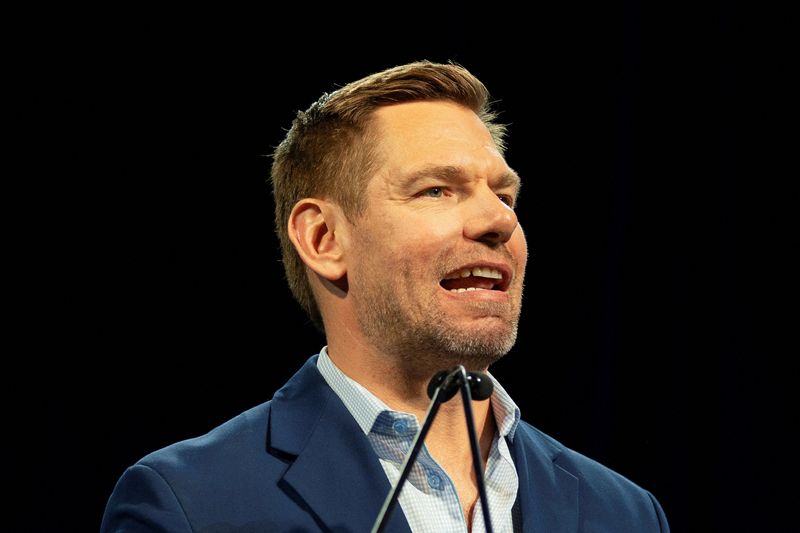

Some of Swalwell’s fellow Democrats urge him to quit Congress amid sexual assault allegations
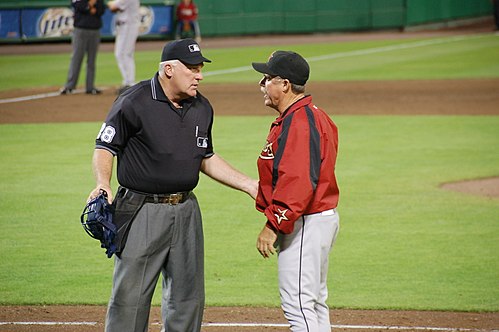
HOUSTON — Phil Garner, the gritty three-time All-Star infielder nicknamed “Scrap Iron” for his hard-nosed style and the manager who guided the Houston Astros to their first World Series appearance in 2005, died Saturday after a two-plus-year battle with pancreatic cancer. He was 76.
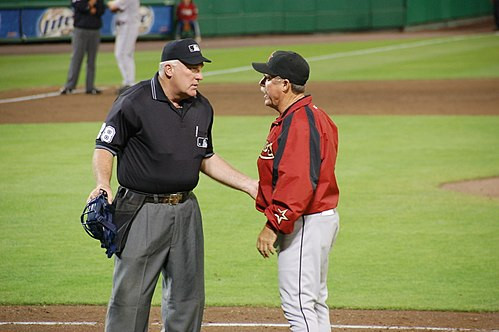
Garner passed away peacefully on April 11, 2026, surrounded by family, his relatives said in a statement released Sunday. “Phil never lost his signature spark of life he was so well-known for or his love for baseball, which was with him until the end,” his son Ty Garner said.
The Milwaukee Brewers, one of the teams Garner managed for eight seasons, confirmed the news and expressed sadness over the loss of a beloved figure in the game. Tributes poured in from across Major League Baseball, with the Baseball Hall of Fame, Pittsburgh Pirates and Houston Astros all honoring the Tennessee native who embodied blue-collar determination on the field and in the dugout for more than three decades.
Born Philip Mason Garner on April 30, 1949, in Jefferson City, Tennessee, he grew up in nearby Rutledge and later attended the University of Tennessee. Drafted by the Oakland Athletics in 1971, Garner broke into the majors in 1973 and quickly earned a reputation as a versatile, dependable infielder who could play second base, third base and shortstop.
His playing career spanned 16 seasons with five teams: the Athletics (1973-76), Pittsburgh Pirates (1977-81), Houston Astros (1981-87), Los Angeles Dodgers (1987) and San Francisco Giants (1988). He earned All-Star selections in 1976 with Oakland, and in 1980 and 1981 with Pittsburgh. Garner’s finest moment as a player came in the 1979 World Series, when the Pirates defeated the Baltimore Orioles. He hit a sizzling .500 (12-for-24) in the Fall Classic, providing key hits for the “We Are Family” Pirates squad led by Willie Stargell.
Hall of Fame broadcaster Milo Hamilton bestowed the enduring nickname “Scrap Iron” on Garner during his time with the Pirates, praising his toughness and willingness to battle every pitch and every play. Teammates and opponents alike respected his intensity. In an era of larger-than-life stars, Garner stood out for his hustle, defensive reliability and clutch contributions rather than gaudy power numbers.
After retiring as a player following the 1988 season, Garner transitioned seamlessly into coaching and managing. He began his managerial career in the minor leagues before getting his first big-league opportunity with the Milwaukee Brewers in 1992. Over eight seasons in Milwaukee (1992-99), he compiled a 563-617 record. His 1992 squad finished second in the American League East, earning Garner runner-up honors for AL Manager of the Year. Brewers fans remembered him fondly as a hard-nosed skipper who connected with players and the community.
Garner next managed the Detroit Tigers from 2000 to 2002, overseeing the team’s transition into the newly opened Comerica Park. His tenure included some rebuilding years, but he remained known for demanding accountability and fostering competitiveness.
His most celebrated managerial achievement came with the Houston Astros. Hired as manager on an interim basis in July 2004, Garner quickly stabilized a talented but underachieving club. In 2005, he led the Astros to a National League Central title and, more importantly, the franchise’s first-ever pennant. Houston defeated the St. Louis Cardinals in the NL Championship Series before falling to the Chicago White Sox in the World Series. The run electrified the city and marked a turning point for a franchise long seeking October glory.
Garner managed the Astros through part of the 2007 season, finishing with a 277-252 record in Houston. Overall, his 15-year managerial career produced a 985-1054 record (.483 winning percentage) and one National League pennant. He was known for his straightforward communication, emphasis on fundamentals and ability to get the most out of veteran rosters.
Former players and colleagues described Garner as a man who bridged generations. Astros greats from the 2005 team recalled his calm leadership during the pressure-packed playoff push. Pirates teammates from the 1979 championship season praised his clubhouse presence and work ethic. Even in retirement, Garner stayed connected to the game, occasionally throwing out first pitches and offering insights on broadcasts.
The battle with pancreatic cancer, diagnosed more than two years ago, tested Garner’s characteristic resilience. Family members said he faced the illness with the same determination that defined his baseball career, maintaining his love for the sport and spending cherished time with loved ones. In April 2025, he threw out a ceremonial first pitch at Minute Maid Park, drawing warm applause from Astros fans who remembered his pivotal role in the franchise’s history.
MLB Commissioner Rob Manfred issued a statement Sunday expressing condolences. “Phil Garner was a fierce competitor as a player and a respected leader as a manager. His contributions to our game, from World Series heroics to guiding the Astros to new heights, left an indelible mark. We send our deepest sympathies to his family, friends and the many fans who admired his grit.”
The Pittsburgh Pirates, where Garner won his only World Series ring as a player, remembered him as “a key member of our 1979 championship team whose passion and toughness inspired teammates.” The Brewers highlighted his eight seasons at the helm and the lasting relationships he built in Milwaukee. The Tigers noted his role during an important era in franchise history.
Garner is survived by his wife, children and grandchildren. Funeral arrangements were pending, with the family requesting privacy during this difficult time while expressing gratitude for the outpouring of support from the baseball community.
In an era when analytics increasingly dominate baseball decisions, Garner represented an old-school ethos — a player and manager who valued heart, preparation and playing the game the right way. His journey from small-town Tennessee to All-Star status, World Series champion and history-making manager served as an inspiration for countless young athletes who saw in him proof that determination and hustle could overcome natural talent gaps.
Tributes on social media and in clubhouses Sunday reflected the respect he earned across decades. Former players shared stories of Garner’s fiery competitiveness tempered by genuine care for those around him. One Astros coach recalled how Garner’s straightforward style helped young stars navigate the pressures of a pennant race.
Though he never won a World Series as a manager, Garner’s 2005 Astros team remains a milestone in Houston sports lore. The club would later win its first championship in 2017 under different leadership, but fans and historians credit Garner with laying groundwork for sustained success and breaking the franchise’s long-standing October barrier.
As baseball mourns the loss of one of its steadier hands, Garner’s legacy endures in the stories of clutch hits, diving stops and dugout exhortations that defined a life devoted to the game. From the green fields of Tennessee to the bright lights of multiple World Series, “Scrap Iron” left the diamond stronger for having played it.
Friends and family remembered not only the baseball man but the devoted husband, father and grandfather whose spark remained undimmed even in his final days. In the words of his son, that love for baseball — and for life — accompanied him to the end.
The baseball world paused Sunday to honor a player who gave everything on every play and a manager who guided teams through transition and triumph. Phil Garner’s 76 years were marked by resilience, achievement and an unyielding competitive fire that earned him a permanent place in the hearts of fans across multiple cities.
Influencer Tisha Alyn talks to Fox Business about her new women’s golf brand.
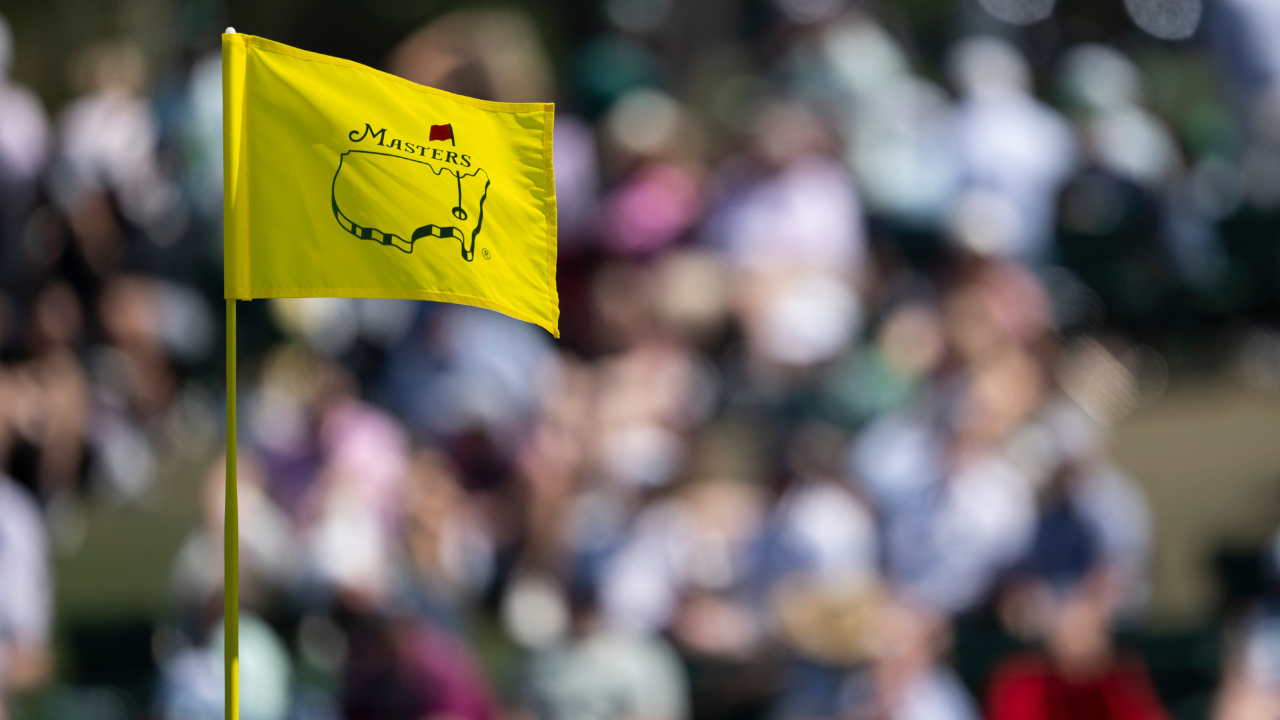
The iconic green jacket still defines the Masters — but the prize money has never been greater.
This year’s winner will take home a record $4.5 million, a payday that separates sharply from the rest of the field.
On Saturday, the Masters announced a total purse of $22.5 million—an increase of $1.5 million from last year and up $7.5 million from 2022, when American Scottie Scheffler won.
More than $17 million of this year’s total will go to the top 15 finishers, with payouts dropping sharply down the leader board.
Second place will earn just over $2.4 million, while third takes home a little more than $1.5 million. Even the golfer who finishes 50th will earn $56,700.
Players who make the cut but finish outside the top 50 will earn at least $55,250, with payouts decreasing from there, while those who miss the cut will still take home $25,000.
That scale underscores just how dramatically the Masters champion’s payday has grown: Horton Smith earned $1,500 for winning the inaugural tournament in 1934, compared to Rory McIlroy’s $4.2 million in 2025.
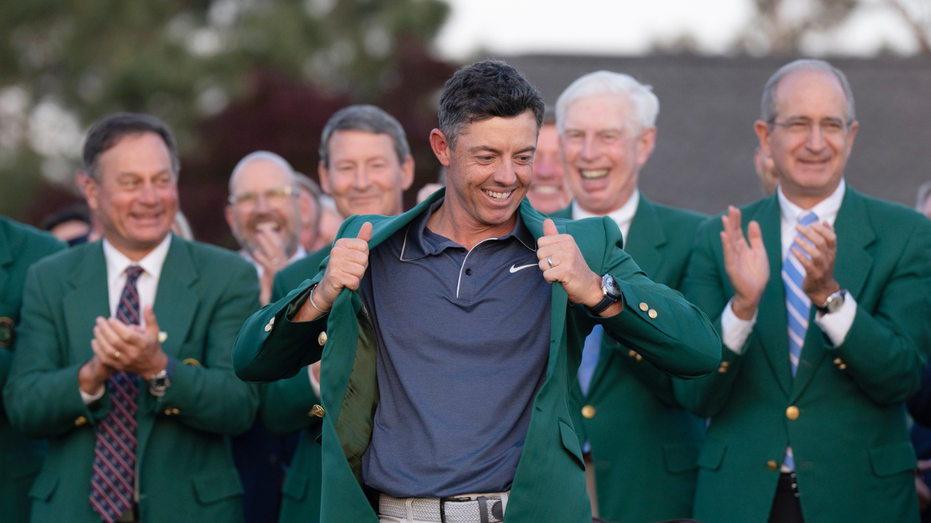
Rory McIlroy victorious during the green jacket ceremony after winning the sudden death playoff round to win the tournament at Augusta National in 2025. (Erick W. Rasco/Sports Illustrated via Getty Images / Getty Images)
GET FOX BUSINESS ON THE GO BY CLICKING HERE
And in a tradition unlike any other, players at Augusta National don’t know the prize money they’re competing for when they tee off; the club waits until after the 36-hole cut to announce the payouts.

VanEck is a global asset management firm offering ETFs, mutual funds, private funds, model portfolios, institutional strategies, separately managed accounts, as well as UCITS funds. Since our founding in 1955, putting our clients’ interests first, in all market environments, has been at the heart of the firm’s mission. VanEck has a long history of looking beyond financial markets to spot trends that create meaningful investment opportunities. We were one of the first U.S. asset managers to give investors access to international markets, which set the tone for identifying asset classes and themes such as gold investing in 1968, emerging markets in 1993, and exchange traded funds in 2006 that later helped shape the investment industry. The firm oversees $161.7 billion in assets as of September 30, 2025. Disclosures: http://ow.ly/SZ9450N5qTJ.
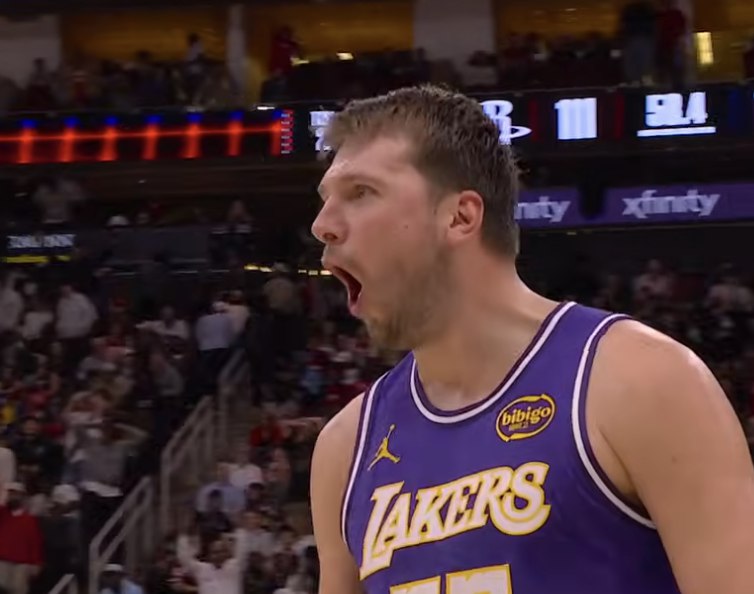
LOS ANGELES — Los Angeles Lakers superstar Luka Doncic will miss the remainder of the 2025-26 NBA regular season after suffering a Grade 2 left hamstring strain, dealing a significant blow to the team’s playoff positioning and his MVP candidacy just weeks before the postseason begins.

The Slovenian guard, who has led the NBA in scoring much of the season, went down in the third quarter of the Lakers’ 139-96 loss to the Oklahoma City Thunder on April 2. He grabbed his left hamstring after a spin move near the paint and did not return, finishing with 12 points, four rebounds and seven assists in 26 minutes. An MRI the following day confirmed the partial tear.
Here are five essential things to know about Doncic’s injury as the Lakers prepare for the 2026 NBA Playoffs without their primary offensive engine.
1. It’s a Grade 2 hamstring strain with a typical 3-to-6 week recovery timeline. A Grade 2 strain involves a partial tear of the muscle fibers, causing significant pain, swelling and weakness. Injury analysts note the average recovery time hovers around 35 days, though it can range from three to six weeks or longer depending on the exact location and severity. The Lakers have ruled Doncic out for the final stretch of the regular season, with only five games remaining as of early April. Playoffs begin April 18, giving him a narrow window if healing progresses faster than expected.
2. Doncic is seeking specialized treatment in Europe to expedite his return. After consulting with Lakers doctors and his personal medical team, Doncic traveled to Spain for an injection procedure and advanced rehabilitation aimed at accelerating healing. Agent Bill Duffy confirmed the move, stating the goal is to maximize the chance of a playoff return. Reports indicate he has already completed phase one of his recovery program and is responding well, though no firm timetable has been set. Lakers coach JJ Redick described Doncic as being in “relatively good spirits” and attacking rehab aggressively.
3. The injury creates a major power vacuum for the Lakers in the Western Conference. With Austin Reaves also sidelined by an oblique strain, the Lakers are without two of their top offensive creators heading into the postseason. The team sits third in the West with a 50-27 record, but the absence of Doncic — their leading scorer and playmaker — shifts heavy responsibility to LeBron James and a supporting cast that has struggled in recent blowout losses. Analysts say the injury dramatically alters playoff seeding scenarios and matchup projections across the conference.
4. It jeopardizes Doncic’s MVP case and individual award eligibility. Doncic entered April as a legitimate MVP candidate and frontrunner for the scoring title. However, missing the remainder of the regular season raises questions about the 65-game threshold required for most major awards. While the injury is unlikely to be classified as “season-ending” under NBA rules (which consider sidelining a player through at least May 31), his limited games could cost him All-NBA honors and weaken his MVP standing. Betting markets quickly removed him from contention following the diagnosis.
5. History suggests a rushed playoff return carries significant risk. Recent NBA data on Grade 2 hamstring strains shows players often struggle to regain full explosiveness quickly. Returning too soon can lead to re-injury or diminished performance in high-stakes playoff games. If Doncic does suit up for the first round, he would be defying typical recovery patterns for this type of injury. The Lakers must balance the desire for their star’s presence against the long-term health of a player central to the franchise’s future.
The timing could hardly be worse for the Lakers. Doncic had been dominant all season, carrying the offense while James managed his own workload. His absence forces adjustments in offensive schemes, increased minutes for role players and potentially altered defensive strategies. LeBron James called the injury “the last thing you want to see,” especially for an MVP candidate on a contending team.
Fan reaction has been a mix of concern and cautious optimism. Social media buzzed with debates over whether Doncic should attempt a return even at less than 100 percent or if the team should prioritize his long-term health. Some pointed to past examples of stars playing through hamstring issues with mixed results.
Medical experts emphasize that hamstring strains, particularly in explosive athletes like Doncic, require careful management. The muscle group is prone to recurrence if not fully healed, and the high-speed, stop-start nature of NBA basketball amplifies the risk.
For the Lakers, the injury underscores broader roster construction questions. Reliance on star power has defined recent seasons, and the current crisis highlights vulnerabilities when key pieces go down. Depth will be tested in the coming weeks as the team fights for favorable playoff positioning without its Slovenian superstar.
Doncic, 27, has built a reputation for toughness and resilience throughout his career. He has overcome previous injuries, including earlier hamstring and groin issues this season, to deliver elite performances. His work ethic in rehab has been praised by teammates and coaches, providing a sliver of hope that he could factor into the postseason.
As April 12 approaches, updates from Europe and the Lakers’ training facility will be closely monitored. Any sign of accelerated healing could shift playoff narratives, while prolonged recovery might force the Lakers into an underdog role against stronger Western Conference opponents.
The broader NBA landscape feels the ripple effects. A diminished or absent Doncic changes series previews, betting lines and championship odds. Teams like the Thunder, who delivered the blowout in which he was injured, could see improved paths forward.
Doncic’s situation also reignites discussions about NBA scheduling, load management and the 65-game rule for awards. Some argue the compressed season and back-to-back demands increase injury risk for star players carrying heavy minutes.
For now, the focus remains on Doncic’s recovery. He continues daily rehabilitation, with the injection procedure in Spain representing a calculated gamble to compress the timeline. Lakers medical staff will work in tandem with his European team to monitor progress and avoid setbacks.
Whether he returns for the playoffs — and at what level — remains uncertain. What is clear is that the Lakers’ playoff hopes hinge on how effectively they adapt without their generational talent and whether Doncic can defy recovery odds once more.
As the regular season winds down, all eyes turn to Los Angeles for the next injury update on one of the NBA’s most dynamic stars. The 2026 postseason may look very different depending on Luka Doncic’s availability.
Business
Elon Musk Hails ‘Honor’ Working With Talented Teams After Andreessen Likens Style to Steve Jobs
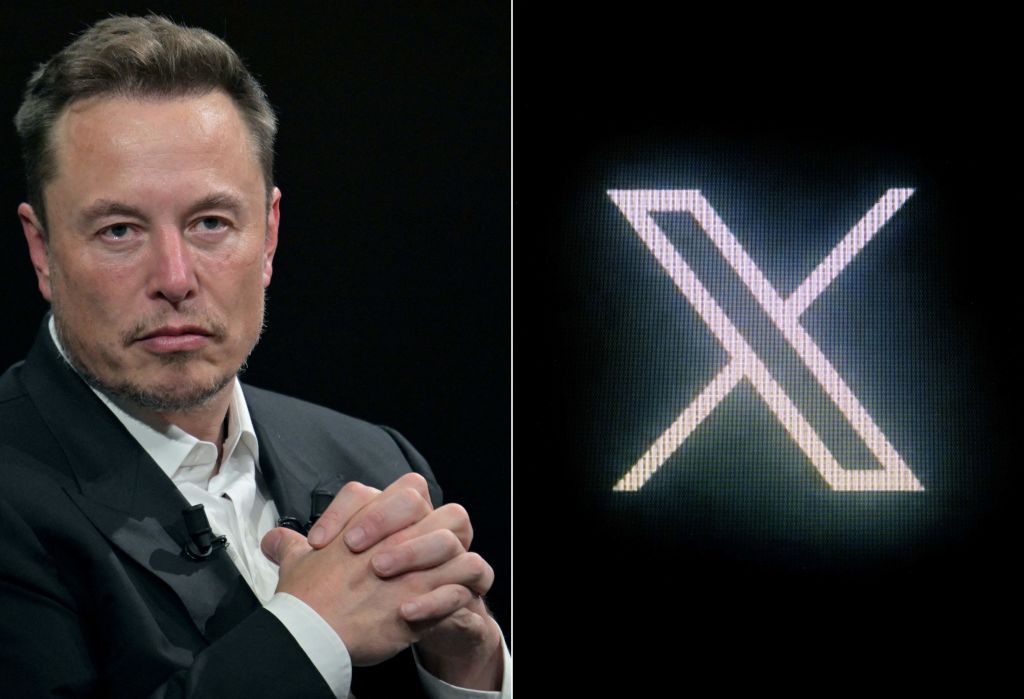
AUSTIN, Texas — Elon Musk, the billionaire CEO of Tesla, SpaceX and xAI, posted a rare note of gratitude on X late Sunday, calling it “such an honor to work with so many amazingly talented people.” The comment came in reply to a widely shared video clip of venture capitalist Marc Andreessen praising Musk’s intense, truth-seeking leadership style and comparing it to Steve Jobs’ approach at Apple.
The post, which quickly drew more than 3,700 likes and hundreds of replies within hours, highlights the high-stakes culture Musk has built across his companies as they pursue ambitious goals ranging from Mars colonization to orbital AI data centers. Posted April 12, 2026, it arrived amid fresh developments in Musk’s empire, including Intel’s recent decision to join the Terafab chip-manufacturing project with Tesla, SpaceX and xAI, and ongoing preparations for a potential SpaceX initial public offering valued at up to $1 trillion or more.
In the 96-second video clip that Musk quoted, Andreessen — co-founder of Andreessen Horowitz and a longtime tech investor — described Musk’s management philosophy during what appeared to be a casual pub conversation. “Truth-seeking at all costs,” Andreessen said, gesturing animatedly. He noted that Musk demands the “ground truth” with “zero tolerance for anything else,” confronting bad news “ruthlessly and relentlessly.” Unlike typical startup founders who project forced optimism to retain talent, Musk tells teams bluntly when failure could mean bankruptcy, Andreessen said. That radical transparency, he argued, pushes employees to perform at their absolute limits — much like engineers who worked under Jobs and later reflected that they had done the best work of their careers, even after difficult interactions or abrupt departures.
Musk’s understated reply stood in contrast to his usual rapid-fire, sometimes combative posting style. It resonated with supporters who see his companies as crucibles for world-changing innovation. “The best leaders make people do the best work of their lives. That’s the Elon effect,” one reply read, echoing Andreessen’s point. Others praised the “talent density” Musk attracts, noting that passionate teams outperform larger groups of clock-punchers.
The moment comes as Musk’s intertwined businesses face both soaring valuations and intense scrutiny. SpaceX officially acquired xAI in February 2026 in a deal that created the world’s most valuable private company, with an internal valuation exceeding $1.25 trillion. The merger aims to build data centers in space to power advanced AI, leveraging Starlink satellites for low-latency orbital computing. Tesla, meanwhile, converted a $2 billion investment in xAI into a small equity stake in SpaceX, further blurring lines between the companies. Regulatory filings cleared the move in March.
Just last week, Intel announced it would partner on Musk’s Terafab initiative — a massive chip-fabrication project in Austin, Texas, designed to produce custom silicon for robotics, AI and space applications. The collaboration, announced April 7, underscores Musk’s push for vertical integration in hardware as his ventures scale. Analysts say the project could accelerate Tesla’s robotaxi rollout, SpaceX’s satellite constellation and xAI’s Grok models.
Yet Musk’s leadership style has long drawn criticism as well as admiration. High turnover rates at Tesla and SpaceX have been well-documented, with some former employees describing marathon workweeks, sudden firings and a culture of “existential dread” when deadlines slip. Andreessen acknowledged as much in the clip, noting that the blunt honesty would cause talent to “bleed out” at most companies. Musk has defended the approach, arguing it is necessary for missions that literally involve sending humans to Mars or achieving full self-driving autonomy.
Public reaction to Musk’s Sunday post reflected that divide. Some users called it “humility from the guy who’s literally changing the world,” while others noted the timing, with one quipping it felt “like a leaving speech but he owns the place.” A handful of replies veered into unrelated political debates, consistent with Musk’s own recent activity on X, where he has weighed in on topics including anti-white racism and public shaming of certain behaviors.
The post also arrives as Musk navigates broader challenges. X, the social-media platform he acquired in 2022 and later merged with xAI, underwent restructuring in March, laying off its chief marketing officer and more than 20 nontechnical staffers to streamline operations ahead of the SpaceX IPO. Co-founders at xAI have exited in recent months, and teams have been reorganized, including the “vision” group focused on video generation for Grok.
Despite the pressures, Musk’s companies continue to deliver milestones. SpaceX achieved multiple successful Starship test flights in early 2026, advancing reusable rocket technology critical for lunar and Martian missions. Tesla reported progress on its Cybercab robotaxi, with production slated to begin slowly in April as new manufacturing lines ramp up. xAI, now under the SpaceX umbrella, has poured billions into compute infrastructure, including a reported $20 billion investment in Mississippi for new facilities.
Industry observers say the Andreessen comparison is apt. Jobs was known for his reality-distortion field and insistence on perfection, often driving teams to exhaustion but producing iconic products. Musk, at 54, has similarly bet on talent willing to embrace urgency. “Ten people who think they’re building something historic will outperform 200 who think they have a job,” one X user replied to Musk’s post, capturing the ethos.
Musk has spoken before about the privilege of working with exceptional engineers. In past interviews, he has credited SpaceX’s early survival to a small cadre of rocket scientists who worked around the clock after three failed Falcon 1 launches. Tesla’s Autopilot and Full Self-Driving teams have similarly endured intense scrutiny and iterative redesigns. The pattern repeats at xAI, where Grok’s development has emphasized maximum truth-seeking over political correctness — a stance Musk has repeatedly highlighted.
As SpaceX eyes a public debut later this year or in 2027, with some analysts predicting a $1.75 trillion valuation, investors will scrutinize whether Musk’s culture can scale. Wall Street has historically rewarded the results: Tesla’s market value has fluctuated wildly but remains among the world’s largest automakers by capitalization. SpaceX’s Starlink now serves millions of customers globally, generating steady revenue that subsidizes deeper space exploration.
Musk himself has described his role as more coach than traditional CEO, diving into engineering details at each company weekly. Andreessen has called this “micro-managing at a macro scale,” a trait shared with Jobs. In one recounted story, Musk once ran an 18-hour meeting requiring every employee to present updates in five-minute slots, giving leadership a real-time view of the entire organization without bureaucratic filters.
Critics argue such intensity borders on unsustainable, pointing to burnout reports and occasional lawsuits over workplace conditions. Supporters counter that participants emerge transformed, often crediting Musk with unlocking their highest potential. The Sunday post appears to acknowledge that mutual dynamic: the talent makes the mission possible, and the mission elevates the talent.
Whatever the verdict on his methods, Musk’s latest comment underscores a simple truth in his worldview. In an era of corporate platitudes and performative optimism, unfiltered urgency can forge breakthroughs. As one reply to his post put it, “Generational run.”
With SpaceX preparing for its historic IPO, Tesla pushing autonomous driving frontiers and xAI racing in artificial intelligence, Musk’s empire shows no signs of slowing. His brief expression of gratitude may be modest, but it reflects the human element behind the rockets, robots and algorithms reshaping industries.

TOKYO — Sony is preparing to launch its next flagship smartphone, the Xperia 1 VIII, in May or June 2026, continuing its tradition of spring unveilings while introducing the most significant design overhaul in years for the premium lineup that emphasizes professional-grade camera features, a 4K display and audiophile elements.

The Xperia 1 VIII, along with the more affordable Xperia 10 VIII mid-ranger, has been confirmed in development through IMEI database filings and supply-chain leaks dating back to early February 2026. Model numbers such as PM-152x-BV series point to global availability in Japan, Europe and parts of Asia, though North American release remains unlikely for the third consecutive year.
Sony has not issued an official announcement, but industry patterns and recent leaks strongly suggest an unveiling window in late May, with sales beginning in June — mirroring the Xperia 1 VII timeline from 2025. YouTube channels and tech sites tracking Sony’s mobile division have published multiple “first look” videos in recent weeks, fueling speculation that the company will stick to its annual flagship cadence despite modest sales of the previous model.
The Xperia 1 series has long been Sony’s halo device, targeting photography enthusiasts and content creators with a tall 21:9 aspect ratio, pro-level manual camera controls reminiscent of Alpha mirrorless cameras, and features like a 3.5mm headphone jack and microSD card slot that competitors have abandoned. The upcoming Xperia 1 VIII is rumored to introduce the first major exterior redesign in six years, moving away from the minimalistic rectangular camera bump to a more prominent horizontal island housing triple rear lenses.
Leaked renders shared in early April show a refreshed rear panel with a redesigned camera module, potentially accommodating upgraded sensors including a higher-resolution main shooter. The phone is expected to be powered by Qualcomm’s Snapdragon 8 Elite Gen 5 chipset, promising improved efficiency and AI capabilities for computational photography and video recording. Display upgrades could include brighter peak brightness on the 6.5-inch 4K OLED panel while maintaining the signature tall form factor favored by filmmakers.
Sony’s Xperia phones have struggled with market share in recent years, often criticized for high pricing and limited carrier support outside core markets. The Xperia 1 VII, announced in May 2025 and released in June, faced early software and hardware issues that required fixes, though Sony later addressed them. Despite the challenges, the lineup retains a loyal following among users who value its unique combination of professional tools, clean Android experience and physical features like expandable storage.
The Xperia 10 VIII is expected to follow a similar launch timeline or slightly later, serving as a more accessible option with a Snapdragon 6-series processor. Both models appear destined for broad international distribution except in the United States, where Sony has not launched a flagship since 2023. Fans in North America will likely need to import devices or rely on gray-market sellers, adding cost and warranty complications.
Anticipation has grown steadily since the IMEI leaks surfaced in February. Tech communities on Reddit and Android forums have debated whether Sony will finally increase battery capacity, improve thermal management or add features like wireless charging at higher wattages to better compete with Samsung’s Galaxy S series and Google’s Pixel flagships. Some leaks suggest Sony may enhance its variable aperture camera system and deepen integration with its Alpha camera ecosystem for seamless photo transfer.
Pricing is expected to start around €1,399 to €1,499 in Europe for the Xperia 1 VIII, similar to recent generations, which could translate to roughly $1,500 or more depending on region and configuration. The high entry point has been a persistent hurdle, though Sony positions the device as a premium tool rather than a mass-market phone.
As of mid-April 2026, no official teasers have appeared on Sony’s channels, consistent with the company’s low-key approach to mobile announcements. Insiders predict a formal reveal could coincide with pre-MWC momentum or a dedicated online event in May, followed by hands-on previews for media. Global pre-orders would likely open shortly after announcement, with physical availability in June for early markets.
The 2026 Xperia launch arrives amid intensifying competition in the premium Android segment. Samsung is expected to refresh its Galaxy S26 line, while Chinese brands continue pushing aggressive pricing and innovative features. Sony’s strategy remains focused on differentiation through photography, audio fidelity and a near-stock Android experience with minimal bloatware.
For enthusiasts awaiting the new model, patience is required. Sony rarely rushes announcements, preferring to refine hardware and software internally. Early 2026 filings in certification databases provided the first concrete proof that development is well underway, easing concerns that the company might exit the smartphone business after years of slim profits in the division.
Consumer reaction on social media has been mixed but largely optimistic. Some users express excitement about the rumored redesign and continued commitment to the headphone jack, while others worry that without major breakthroughs in battery life or camera performance, the Xperia 1 VIII may struggle to expand beyond its niche audience.
Sony has emphasized that its mobile business remains committed to innovation, even as the company shifts more resources toward entertainment, gaming and imaging divisions. The Xperia line benefits from shared technology with Sony’s professional camera and sensor units, giving it unique advantages in low-light performance and color science that appeal to serious photographers.
As spring progresses, more concrete details are likely to emerge through additional leaks, regulatory filings and eventual official previews. In the meantime, current Xperia 1 VII owners are receiving software updates, including security patches for early 2026, helping extend the lifespan of the previous generation.
Whether the Xperia 1 VIII can revitalize Sony’s smartphone fortunes will depend on execution, pricing strategy and how well it addresses past criticisms. For now, the timeline points to a May announcement and June availability in key markets, giving prospective buyers a clear window to plan upgrades or imports.
The Xperia 10 VIII should provide a more budget-friendly entry point with many of the lineup’s signature traits scaled down, potentially broadening Sony’s reach in emerging markets.
Tech observers will continue monitoring for any surprise shifts in schedule, but current evidence strongly supports a traditional spring-to-early-summer rollout. Sony fans worldwide are already marking calendars and debating expected improvements in hopes that the 2026 models deliver the refresh the lineup has needed.
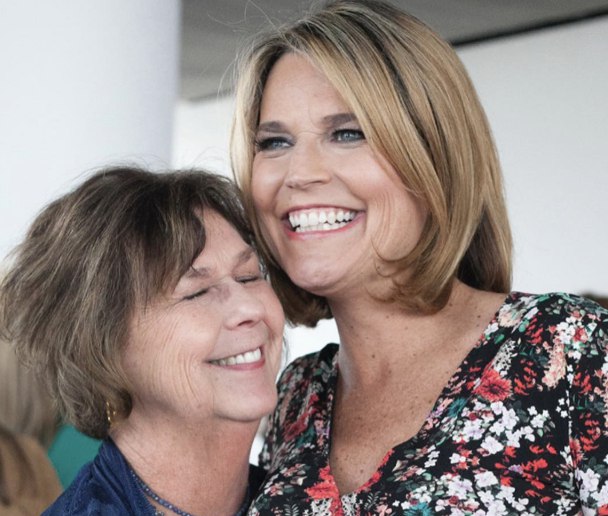
TUCSON, Ariz. — More than 70 days after 84-year-old Nancy Guthrie vanished from her Catalina Foothills home in what authorities believe was a violent abduction, the investigation into the mother of NBC’s “Today” show co-anchor Savannah Guthrie remains active but without arrests, named suspects or confirmed sightings of the missing woman.

Guthrie was last seen on the evening of Jan. 31, 2026. She failed to appear for an online church service the next morning, prompting family members to check on her. Investigators discovered blood near the doorstep and signs of a struggle, leading Pima County Sheriff Chris Nanos to declare the case a suspected kidnapping early on. The FBI quickly joined the probe, citing the suspicious circumstances and Guthrie’s age and health conditions, including a pacemaker.
Security camera footage released by authorities showed a masked individual on the porch around the time her pacemaker lost connection with her phone shortly after 2:30 a.m. on Feb. 1, suggesting she was taken against her will and removed from the area. No clear images of a getaway vehicle or additional perpetrators have been made public.
The case has drawn intense national attention due to Savannah Guthrie’s prominent role on morning television. Savannah returned to the “Today” show anchor desk on April 6 for the first time since the disappearance, offering a brief, emotional message of resilience without directly addressing new developments. She has repeatedly pleaded publicly for information, posting videos urging anyone with knowledge to come forward and emphasizing hope and faith.
Despite extensive searches of the surrounding desert terrain, her home and a second property, no trace of Guthrie has been found. Early leads, including a glove recovered near the scene that matched one worn by the masked figure in doorbell footage, yielded DNA belonging to an unrelated restaurant worker, marking a dead end.
Pima County Sheriff Nanos has cleared all immediate family members, including Savannah and her siblings, as suspects. He has stated publicly that investigators believe they understand a possible motive — potentially financial or retribution-related — but have not identified who carried out the abduction. Forensic experts and criminal profilers, including former FBI behavioral analysts, have speculated the kidnapping could target someone in Guthrie’s orbit rather than the elderly woman herself, with one suggesting “something went very wrong” during the incident.
In recent weeks, the investigation has been complicated by anonymous ransom-style communications sent to media outlets. TMZ reported receiving multiple notes in early April demanding Bitcoin — initially half a Bitcoin (around $34,000 at the time) — in exchange for information about Guthrie’s whereabouts or the identity of those responsible. One note claimed she was dead and offered details on her body and the kidnappers; a follow-up message alleged she had been seen alive in Sonora, Mexico, roughly 70 miles south of Tucson.
Authorities and experts have not confirmed the legitimacy of the notes, with some viewing them as potential hoaxes or opportunistic attempts to exploit the high-profile case. Retired FBI agents and profilers have cautioned against taking them at face value while urging continued scrutiny. Tips to the FBI hotline have slowed significantly, though the agency maintains an active tip line and a reward of up to $100,000 for information leading to Guthrie’s recovery or the arrest of those involved.
The prolonged absence has fueled speculation about Guthrie’s health. At 84 and with medical needs, investigators and outside detectives have expressed concern that her kidnappers may have underestimated her frailty, possibly leading to an unintended fatal outcome if the abduction went awry. No confirmed ransom demand directed at the family has been reported, distinguishing this case from traditional high-profile kidnappings.
Search efforts in the initial weeks involved volunteers scouring rugged desert areas near her home, but focus has since shifted to digital forensics, analysis of potential second locations and review of activity around the residence in the weeks prior. Sheriff’s officials confirmed they are investigating suspicious incidents at Guthrie’s home three weeks before the disappearance.
Savannah Guthrie and her family have maintained a measured public presence, balancing private grief with appeals for help. On Easter, she shared a message emphasizing themes of hope, rebirth and second chances without referencing the case directly. The family has cooperated fully with investigators, according to law enforcement statements.
Criminologists note the case’s unusual elements: an elderly victim taken from a relatively secure suburban home with limited immediate witnesses, minimal public physical evidence beyond the initial scene and the involvement of a celebrity relative that has sustained media interest far longer than many similar disappearances. Experts suggest advancing DNA technology or a breakthrough tip could still resolve it, though the passage of time reduces chances of finding her alive.
As of April 12, 2026 — more than two months since she was last seen — Pima County authorities and the FBI report no major new developments but insist the case remains a top priority. No arrests have been made, and Guthrie’s whereabouts are unknown. Officials continue to ask the public for any information, no matter how small.
The disappearance has highlighted vulnerabilities for elderly residents living alone and the challenges of investigating abductions in expansive desert regions. It has also spotlighted the emotional toll on families of missing persons, with Savannah Guthrie’s visible return to work underscoring both personal strength and the ongoing uncertainty.
Anyone with information is urged to contact the FBI at 1-800-CALL-FBI or submit tips online at tips.fbi.gov. The Pima County Sheriff’s Department can also be reached at 520-351-4900.
The case of Nancy Guthrie continues to baffle investigators and captivate the public, a stark reminder that even in a connected world, some mysteries endure with no resolution in sight after 70 agonizing days.
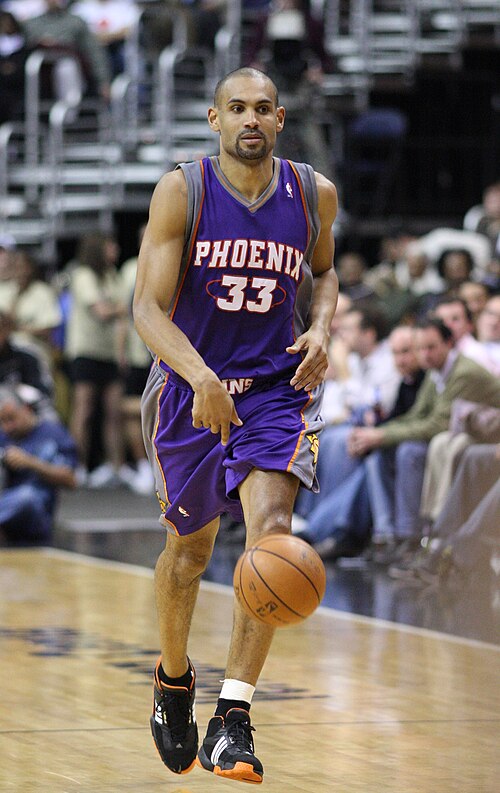
Luka Doncic’s Grade 2 left hamstring strain, suffered April 2 during the Los Angeles Lakers’ blowout loss to the Oklahoma City Thunder, has sidelined the superstar for the remainder of the 2025-26 regular season and cast doubt on his availability for the playoffs. The injury, confirmed by MRI and announced by the Lakers, has fueled fresh debate about durability in the modern NBA and revived timeless questions about careers derailed by injuries.
Doncic, leading the league in scoring before the setback, will miss critical games and faces an uncertain return timeline despite seeking specialized treatment in Europe. His absence highlights how even elite talents remain vulnerable, echoing the “what if” stories of legends whose primes were cut short or altered by injuries. Here are five of the most compelling NBA players whose trajectories might have changed dramatically — and potentially rewritten history — had injuries not intervened.
1. Bill Walton
Bill Walton stands as the ultimate “what if” in NBA lore. The 1977 NBA champion and MVP with the Portland Trail Blazers was a revolutionary big man: a transcendent passer, elite defender and dominant rebounder whose basketball IQ rivaled any player ever. In his first three healthy seasons, Walton averaged 18.9 points, 13.5 rebounds and 4.0 assists while leading Portland to its only title.
Chronic foot and ankle injuries, including multiple surgeries, limited him severely afterward. He played just 209 games over his final nine seasons, often as a role player with the Boston Celtics. Without the foot issues that plagued him from college onward, Walton could have sustained a 15- to 18-year career at an MVP level, potentially stacking multiple championships and entering the conversation among the greatest centers ever alongside Kareem Abdul-Jabbar and Wilt Chamberlain. His blend of size, skill and vision might have redefined team concepts decades earlier.
2. Grant Hill
Grant Hill entered the league as a can’t-miss superstar. The 1994 No. 3 pick averaged 21.1 points, 9.8 rebounds and 6.0 assists in his first six seasons with the Detroit Pistons, earning co-Rookie of the Year honors and six straight All-Star selections. His athleticism, scoring versatility and playmaking drew comparisons to a young Michael Jordan.

A devastating ankle injury in 2000 — a compound fracture and subsequent infections — derailed everything. Hill missed most of the next four seasons and never regained his explosive first-step or full athleticism, though he reinvented himself as a solid contributor with the Phoenix Suns. Had the ankle held up, Hill likely would have been a perennial MVP candidate, led the Pistons to deeper playoff runs alongside a healthy roster and possibly challenged for multiple titles. Many analysts believe a healthy Hill would rank among the top 20-25 players all time.
3. Tracy McGrady
Tracy McGrady possessed perhaps the purest scoring talent of his generation. From 2000 to 2004 with the Orlando Magic and Houston Rockets, T-Mac averaged over 25 points per game, won two scoring titles and delivered iconic moments like his 13-point streak in 35 seconds against the San Antonio Spurs. His step-back jumper, handle and elevation made him nearly unguardable in isolation.
Back spasms and knee injuries began eroding his explosiveness by age 26, forcing him into diminished roles later with the Rockets and New York Knicks. A healthy McGrady, paired longer with Yao Ming or in a stronger supporting cast, might have led multiple deep playoff runs and challenged Kobe Bryant and Allen Iverson as the decade’s premier shooting guard. Some projections place a fully healthy T-Mac among the top 15 scorers and most dominant wings in league history, with a realistic shot at multiple All-NBA First Team selections and possibly a championship.
4. Derrick Rose
Derrick Rose’s story remains one of the NBA’s most heartbreaking. The youngest MVP in league history at age 22, Rose led the Chicago Bulls to the 2011 Eastern Conference finals with explosive athleticism, fearless drives and elite court vision. He averaged 25 points and 7.7 assists that season while carrying a young, injury-plagued roster.
Torn ACL and subsequent knee injuries in 2012 and beyond robbed him of his burst and confidence. Rose never again approached his MVP form, though he carved out a respectable veteran career. Without the knee damage, Rose could have anchored the Bulls for a decade, potentially delivering the franchise’s first title since Michael Jordan. Many believe a healthy Rose would have been a lock for multiple MVPs, several championships and a place in the top 50 all-time players, altering the Eastern Conference landscape for years.
5. Penny Hardaway
Anfernee “Penny” Hardaway burst onto the scene as a dynamic 6-foot-7 point guard with Magic Johnson-like vision and unparalleled athleticism. Alongside Shaquille O’Neal, he led the Orlando Magic to the 1995 NBA Finals as a rookie and followed with two more deep playoff runs. Hardaway’s crossover, size and passing made him a nightmare matchup.
Knee and abdominal injuries starting in 1997 curtailed his prime. He never again reached the All-NBA levels of his first four seasons. A fully healthy Penny, remaining the perfect complement to Shaq or leading his own contenders, might have secured multiple titles and entered the Hall of Fame as one of the greatest combo guards ever. Some “what if” lineups pair him with other injury-plagued stars to form dream teams that could have dominated the late 1990s and early 2000s.
These five players — and others like Yao Ming, Brandon Roy and Greg Oden — illustrate how injuries can derail even the most gifted athletes. Walton’s foot problems, Hill’s ankle nightmare, McGrady’s back issues, Rose’s knees and Hardaway’s knees all robbed fans of potential dynasties and individual greatness.
Doncic’s current hamstring strain, while not yet career-altering, serves as a reminder of the fragility that even superstars face. At 27 and already a multiple-time All-NBA selection with MVP-caliber seasons, the Slovenian phenom has shown remarkable durability until now. His recovery and return will be closely watched, especially as the Lakers navigate the postseason without their leading scorer for the regular-season finale.
The NBA has seen medical advances — better load management, regenerative treatments and improved rehabilitation protocols — that might spare modern players the fates of past generations. Yet the physical demands of today’s faster, more physical game keep the risk ever present.
As fans speculate on Doncic’s playoff status and long-term outlook, the “what if” conversations about Walton, Hill, McGrady, Rose and Hardaway endure. Their stories remind us that basketball greatness often hinges on more than talent: it requires the cruel luck of staying healthy. In a league where one wrong step or awkward landing can change everything, these hypothetical careers continue to fascinate, offering a glimpse of alternate NBA histories that might have included more rings, records and legendary moments.
For now, the focus remains on Doncic’s rehabilitation in Europe and whether he can contribute when the Lakers’ playoff journey begins. His situation adds another chapter to the long book of NBA injury what-ifs — one that fans hope ends far more favorably than those of the game’s most tragic near-greats.

Marie-Louise Eta signs for Union Berlin, 1st woman to lead Bundesliga team | Football News

Five signs data drift is already undermining your security models

Wout van Aert wins Paris-Roubaix, stopping Tadej Pogacar from making history


-

 Business7 days ago
Three Gulf funds agree to back Paramount’s $81 billion takeover of Warner, WSJ reports
-

 Politics2 days ago
US brings back mandatory military draft registration
-

 Fashion2 days ago
Weekend Open Thread: Veronica Beard
-

 Tech5 days ago
How Long Can You Drive With Expired Registration? What Florida Law Says
-

 Politics5 hours ago
World Cup exit makes Italy enter crisis mode
-
 Sports2 days ago
Man United discover Nico Schlotterbeck transfer fee as defender reaches Dortmund agreement
-

 Fashion6 days ago
Massimo Dutti Offers Inspiration for Your Summer Mood Board
-

 Crypto World3 days ago
Canary Capital Files SEC Registration for PEPE ETF
-

 Fashion5 days ago
Let’s Discuss: DEI in 2026
-

 Business2 days ago
Tesla Model Y Tops China Auto Sales in March 2026 With 39,827 Registrations, Beating Cheaper EVs and Gas Cars
-

 Crypto World4 days ago
Bitcoin recovers as US and Iran Agree a Ceasefire Deal
-

 Politics3 days ago
Malcolm In The Middle OG Turned Down ‘Buckets Of Money’ To Appear In Reboot
-

 Business2 days ago
OpenAI Halts Stargate UK Data Centre Project Over Energy Costs and Copyright Row
-

 Business1 day ago
Ireland Fuel Protests Enter Day 5 as Blockades Spark Shortages and Government Prepares Support Package
-

 Tech6 days ago
Italian court says Netflix must refund customers up to $576 over price hikes
-

 Tech6 days ago
Haier is betting big that your next TV purchase will be one of these
-

 Tech6 days ago
Gamer Restores the Original PlayStation Portal From Two Decades Ago
-

 Tech6 days ago
The Xiaomi 17 Ultra has some impressive add-ons that make snapping photos really fun
-

 Tech6 days ago
Samsung just gave up on its own Messages app
-

 Politics3 days ago
LBC Presenter Mocks Trump Over Iran War Failures
You must be logged in to post a comment Login