
Business
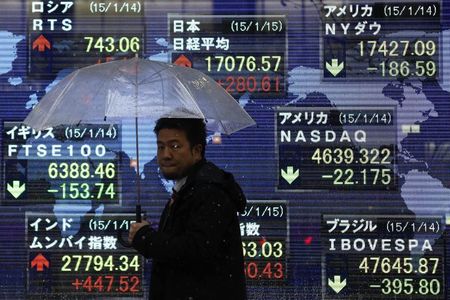
Asia stocks sink; Japan, S.Korea lead losses as Iran crisis worsens



Up to 120 pupils go to the free club at Lawley Primary and say it helps get them ready to learn.
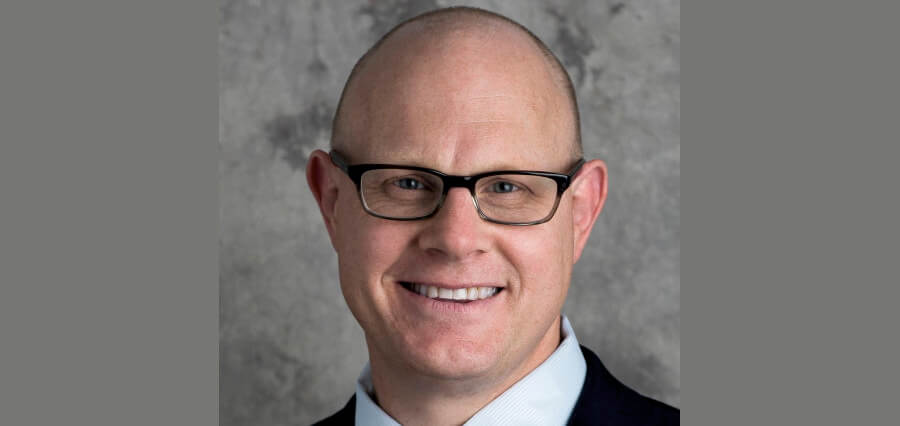
AZA Law, formally Ahmad, Zavitsanos & Mensing, has operated as a Houston trial firm since 2001, built around a group of lawyers who try cases rather than settle them. Chambers USA ranked the firm for its 12th consecutive year in 2025, describing it as a home for “true courtroom lawyers” with a track record in complex commercial and intellectual property disputes. Name partner Todd Mensing of AZA holds board certification in Civil Trial Law, a credential awarded to an average of fewer than five Texas attorneys per year, and has tried more than sixty cases across energy, patent, contract, trade secret, and employment matters. Specific documented outcomes, drawn from court records and firm summaries, show how the practice actually divides.
AZA’s core categories, as described by Chambers and reflected in the firm’s own case archive, include commercial litigation, intellectual property, energy, trade secrets, non-competes, and corporate investigations. Best Lawyers recognized the firm as Tier 1 in Houston for commercial litigation, intellectual property, employment law for management, construction litigation, personal injury litigation for defendants, and appellate work in its most recent edition. For Todd Mensing and AZA, those categories don’t stay neatly separated; the trial record runs across all of them.
Energy Disputes and the Subsurface
Among AZA’s documented energy cases, the SilverBow Resources litigation produced one of the most scrutinized Texas oil-and-gas verdicts of recent years. SilverBow Resources Operating LLC and co-plaintiff El Dorado Gas & Oil, Inc. sued ETC Field Services, LLC, an affiliate of Energy Transfer, alleging that the defendant’s injection of natural gas processing byproducts trespassed on subsurface formations the plaintiffs had the right to occupy.
Todd Mensing at AZA served as one of the trial counsel for SilverBow, alongside firm partners Taylor Freeman, Jane Robinson, and Cameron Byrd. A McMullen County jury in the 343rd District Court returned a combined award of $41.8 million: $24.5 million to SilverBow and $17.3 million to El Dorado. Verdict Search and The National Law Journal placed the result on their national top-verdict lists for 2023.
Taking Patent Claims Through the Federal Circuit
Chambers ranked AZA’s intellectual property practice for the fifth consecutive year in 2025 and the firm’s commercial litigation category for the 12th. IAM Patent 1000, which tracks patent litigation specialists, has listed the firm and ranked Todd Mensing of AZA as a leading IP litigator. His patent and IP work spans infringement claims, trade secret disputes, and commercial technology cases, often for energy and industrial sector clients.
One of the firm’s most closely followed patent wins involved a challenge to Google over spreadsheet navigation patents. AZA represented Data Engine Technologies LLC, whose patents described “a highly intuitive, user-friendly interface with familiar notebook tabs for navigating the three-dimensional worksheet environment.” A Delaware district court had dismissed those claims as covering abstract ideas ineligible for patent protection. The Federal Circuit reversed that ruling in October 2018, reinstating three of the patents and holding that the claimed technology was sufficiently concrete to qualify.
That outcome illustrates how AZA approaches patent disputes: representing patent holders against major defendants and carrying claims through federal appellate proceedings when district courts rule against clients. For Todd Mensing and AZA, the patent docket fits within the same trial-oriented model as the commercial and energy work.
A Breach of Contract Case in Federal Court
Port of Houston Authority v. Louis Dreyfus Commodities shows how the firm’s commercial contract practice looks in federal court. AZA represented the Port of Houston Authority in a breach of contract suit against a grain elevator operator in Case No. 4:19-cv-00746, before U.S. District Judge Lynn Hughes in the Southern District of Texas. Todd Mensing served as lead trial counsel for AZA throughout the proceeding.
The dispute turned on maintenance obligations under a long-term operating agreement with the grain elevator operator. After a jury trial, the Port of Houston received a $22.32 million verdict for breach of contract. Translating grain elevator maintenance standards and operator performance benchmarks into a damages framework the jury could quantify was a central challenge at trial.
Trade Secret Defense in the Energy Sector
Sentinel Integrity Solutions, Inc. v. Mistras Group, Inc. shows how Todd Mensing and AZA approach trade secret defense with a noncompete overlay. Sentinel, a competitor to Mistras in the industrial infrastructure inspection industry, sued Mistras and several of its employees for breach of non-competition agreements, theft of trade secrets, and tortious interference. Sentinel sought $9 million in damages.
AZA, with Mensing and John Zavitsanos as trial counsel, first defeated Sentinel’s efforts to obtain a temporary restraining order and preliminary injunction. When the case proceeded to a three-week jury trial, Sentinel received a no-liability finding on all claims and Mistras was awarded $750,000 in attorneys’ fees through trial, plus additional fees on appeal. The court issued a final judgment canceling Sentinel’s trademark and awarding Mistras its costs.
Sentinel also illustrates a pattern that appears across several AZA trade secret matters: clients accused of misappropriation who are competing lawfully. Noncompete enforcement combined with trade secret claims and trademark disputes is not unusual in the energy services sector, where personnel movement between competitors is common and former employers often reach for injunctive relief as a first response.
AZA’s employment docket extends beyond trade secret defense to affirmative executive claims. Mensing won a jury verdict for former executive Gaines Watkins against Input/Output Inc., a seismic data company, in an age discrimination suit. The energy industry context recurred: Watkins had worked in the seismic processing business, and the case turned on whether his departure was an unlawful termination rather than a legitimate reduction in force.
Across these practice areas, from energy and patents to contract disputes, trade secrets, and employment claims, the common thread is that Mensing and the firm have taken cases to verdict rather than settling before the jury could weigh in. Chambers’ description of the firm as home to “true courtroom lawyers” reflects a practice model that is trial-ready by design. Best Lawyers named AZA Tier 1 in Houston across six litigation categories in its most recent edition. What the case record shows, more than any ranking, is a firm that takes cases to the jury and wins a significant share of them.
Keep reading: John Zavitsanos Named One of Top Law Firm Managing Partners in the Nation

Project cars are different from everyday vehicles. They may be partially restored, freshly painted, mechanically sensitive, or filled with custom parts that make protection more important than convenience. That is why many owners start by looking for the most affordable enclosed car transport service instead of choosing standard shipping and hoping for the best.
The key is not simply finding the cheapest quote. It is finding the right balance between protection, reliability, and cost. That is where premium enclosed car shipping becomes relevant. For project car owners, the goal is to protect the vehicle properly while still keeping the transport cost under control.
Why Enclosed Transport Makes Sense for a Project Car
A project car often has more risk factors than a normal daily driver. Some have unfinished bodywork. Others have custom parts, delicate trim, rare components, or fresh paint that the owner does not want exposed to weather, road debris, or general highway grime.
That is why enclosed car transport service is often the smarter choice. Enclosed shipping gives the vehicle more protection in transit and reduces outside exposure. If the project car represents serious time, effort, or money, enclosed transport usually makes more sense than trying to save a little upfront with open shipping.
Can Premium Enclosed Car Shipping Still Be Affordable?
Yes, but affordability needs to be defined correctly.
Too many people think affordable means finding the lowest number online. That is amateur thinking. In this industry, a quote that is too cheap often leads to delays, weak communication, or unrealistic expectations. A fair rate that actually gets the vehicle moved is better than a fantasy rate that goes nowhere.
That is why the smartest way to approach premium enclosed car shipping is to focus on value. You want strong protection, realistic timing, and pricing that fits the route without paying more than necessary.
What Affects the Cost of Enclosed Car Transport?
Several things affect what you will pay to ship a project car in an enclosed trailer.
Distance
Longer routes cost more overall, although the cost per mile may improve on long-distance shipments.
Vehicle size and condition
Larger project cars or non-running vehicles can cost more because they take more space or require special loading.
Pickup and delivery locations
Major-city routes are often easier to service than remote or hard-to-access areas.
Timing flexibility
If you can be flexible, pricing usually improves. Tight deadlines usually increase cost.
Market availability
Some routes have stronger enclosed carrier availability than others. That directly affects price.
Seasonality
Busy moving seasons, collector events, and auction periods can all influence enclosed transport demand.
A serious company should be able to explain these variables clearly instead of hiding behind vague pricing.
When a Project Car Should Use Enclosed Shipping
Enclosed shipping is usually a smart decision when:
- the vehicle has fresh paint or bodywork
- the car is a restoration in progress
- the project has rare or hard-to-replace parts
- the vehicle is headed to a shop, buyer, show, or auction
- the owner wants extra protection during a long-distance move
For these cases, premium enclosed car shipping is often not an unnecessary luxury. It is basic protection for a vehicle that matters.
How to Lower the Cost Without Making a Bad Decision
There are smart ways to reduce cost without increasing risk.
Book early
Waiting until the last minute usually gives you fewer options and worse pricing.
Stay flexible
A wider pickup window gives carriers more room to fit the vehicle into an efficient route.
Be honest about the car’s condition
If the project car does not run, roll, steer, or brake properly, disclose it upfront. Hidden issues create delays and added cost.
Use accessible locations
If the trailer can reach the pickup and delivery points easily, pricing is often more reasonable.
Focus on fair pricing, not cheap pricing
This is the part people fight. Cheap is not the goal. Successful transport at a fair rate is the goal.
What to Look for in an Enclosed Car Transport Service
If you are comparing companies, pay attention to more than the sales pitch.
A strong provider should offer:
Clear communication
You should know the process, timing, and expectations before the shipment begins.
Realistic pricing
A trustworthy company will explain the market instead of baiting you with a number that does not work.
Experience with specialty vehicles
Project cars need more thought than standard commuter vehicles.
Route flexibility
A company should be able to support local, regional, and long-distance enclosed shipments.
Reliable support
The right service stays involved from pickup through delivery.
These are the traits that matter most when looking for an affordable enclosed car transport option for a project vehicle.
Final Verdict: How to Find the Most Affordable Enclosed Car Transport Service for a Project Car
The best move is not to chase the cheapest quote. The best move is to find a service that offers real protection, honest pricing, and dependable execution.
For most project car owners, that means choosing premium enclosed car shipping when the vehicle has enough value, work, or risk to justify the added protection. If you want the transport to be affordable, control the variables you can control: book early, stay flexible, and work with a company that prices the shipment realistically.

A charity in Gloucestershire says it will have to find an extra £20k to cover increased fuel costs.

In London, heart disease and cancer are public health priorities. Heart and circulatory diseases cause about 170,000 deaths each year in the UK — roughly 1 in 4 deaths, according to the British Heart Foundation.
Many Londoners qualify for NHS screening, yet others fall outside typical criteria, or worry that normal tests are reassuring when disease is already present.
Across the Atlantic, a preventive imaging group in Florida has examined similar gaps at scale. Since 2020, Life Imaging has conducted over 100,000 preventive scans and recorded more than 2,600 life-impacting cardiac findings from early detection — often in people who felt healthy. Their experience highlights patterns that matter just as much in London as in Miami or Orlando.
“Disease doesn’t care about geography,” says founder Tom Graham. “Whether you’re in Miami or Manchester, the biology is the same. It develops quietly and often silently.”
Why Early Detection Matters Internationally
Heart disease remains the number one cause of death in the United States, responsible for nearly 700,000 deaths annually — about 1 in 5 deaths in the U.S. Other major killers, such as cancer, also claim hundreds of thousands of lives each year.
Cancer patterns are similar in the UK. A landmark National Institutes of Health (NIH) study published in JAMA Oncology found that approximately 8 out of every 10 cancer deaths averted over 45 years were due to prevention and screening, not treatment alone. “Everyone assumes treatment saves the most lives,” Graham says. “The data say early action does.”
The lesson resonates in London, where national campaigns increasingly encourage earlier screening and awareness.
Personal Loss Was the Spark
Graham founded Life Imaging after losing both his parents to cancer. He wanted to change how risk is understood.
“When you watch two people go through late-stage disease, you start asking different questions,” he says. “Why wasn’t it caught earlier?”
The company’s focus became coronary artery calcium (CAC) scans and full-body screening: tools to detect disease before symptoms appear.
Growth followed demand rather than marketing. Centers now operate in Deerfield Beach, Orlando, Jupiter and Miami, with plans for Jacksonville.
“We weren’t chasing expansion,” Graham says. “People were asking for clarity.”
When Symptoms Hide Serious Disease
One of the most striking lessons from large-scale screening is how often disease is present without symptoms.
This issue is not unique to the U.S. In the UK, high-profile cases have underscored how misdiagnosis or delayed diagnosis can have tragic consequences. For example, a 42-year-old woman from Cardiff was initially diagnosed with irritable bowel syndrome (IBS) only to discover later that she had a rare gynaecological cancer — and she ultimately died after the disease had spread. Her experience sparked a campaign aimed at improving awareness and referral practices after months of mistaken initial diagnosis.
Such stories reflect broader challenges in recognising serious disease early — especially when symptoms overlap with common conditions.
Research suggests that as many as 1 in 18 NHS patients may be misdiagnosed in primary and secondary care settings, with serious conditions such as cancer and heart attacks among the most critical cases.
“Stories like these show how easily disease can be overlooked when we only look for symptoms,” Graham says. “That’s what drives people to seek additional information.”
What Cholesterol and “Normal Labs” Don’t Show
Many patients assume routine tests like cholesterol or blood panels are enough to assess heart health. But research shows that up to half of people who suffer heart attacks have normal or only mildly elevated cholesterol at the time of the event.
CAC scans tell a different story. Large studies show:
- A CAC score of 0 often indicates a very low five-year risk of heart attack
- A CAC score above 100 increases cardiac risk by 7–10 times compared with a score of zero
“Cholesterol estimates risk,” Graham says. “CAC shows what’s already happening.”
This insight can be especially valuable for individuals whose standard lab tests appear reassuring but who have other risk factors, such as family history.
The Gap Between Feeling Healthy and Being Healthy
Across Life Imaging’s 100,000-plus screenings, a consistent theme has emerged: many people who feel fine and have normal routine bloodwork still harbour early signs of disease.
The CDC notes that many serious conditions can progress silently for years before symptoms appear. The NIH acknowledges that atherosclerosis often develops decades before a cardiac event.
“People assume feeling fine means being fine,” Graham says. “Biology doesn’t always work that way.”
The disconnect between subjective well-being and underlying biology is exactly why screening matters.
The Value of Time in Medicine
Time itself is one of the most powerful variables in health outcomes. Early detection often allows:
- More treatment options
- Less invasive intervention
- Improved survival rates
- Reduced long-term healthcare burden
The CDC emphasises that early detection improves survival and lowers mortality across major diseases. Being proactive doesn’t mean panicking — it means acting while options are still broad.
“Uncertainty creates fear,” Graham says. “Information creates control.”
Prevention as Partnership, Not Panic
One misconception about imaging is that it creates anxiety. Yet evidence suggests that objective risk information can encourage positive health behaviours, including greater engagement with clinicians and adherence to lifestyle changes.
Life Imaging now conducts quarterly reviews of publicly available guidance to ensure its educational materials and protocols reflect the latest evidence. They also review patient communication for clarity.
“We’re not replacing primary care,” Graham says. “We’re adding visibility.”
Public feedback also plays a role in how prevention is understood. Life Imaging Reviews, posted across independent platforms, frequently mention clarity, reassurance, and early findings discovered in people who felt completely healthy. Rather than focusing on fear, many reviews describe relief — knowing where they stand and having concrete information to discuss with their doctors. “The most common word we see in Life Imaging Reviews is ‘clarity,” Graham says. “People don’t want panic. They want facts.”
Lessons Worth Sharing
London’s healthcare system already leads in many preventive programmes. But the biology of silent disease — heart plaque forming, tumours growing — does not respect borders.
Disease often begins long before symptoms. Waiting for symptoms delays the opportunity. Early detection consistently improves options.
“Early detection doesn’t promise certainty,” Graham says. “It gives you time. And in health, time changes everything.”
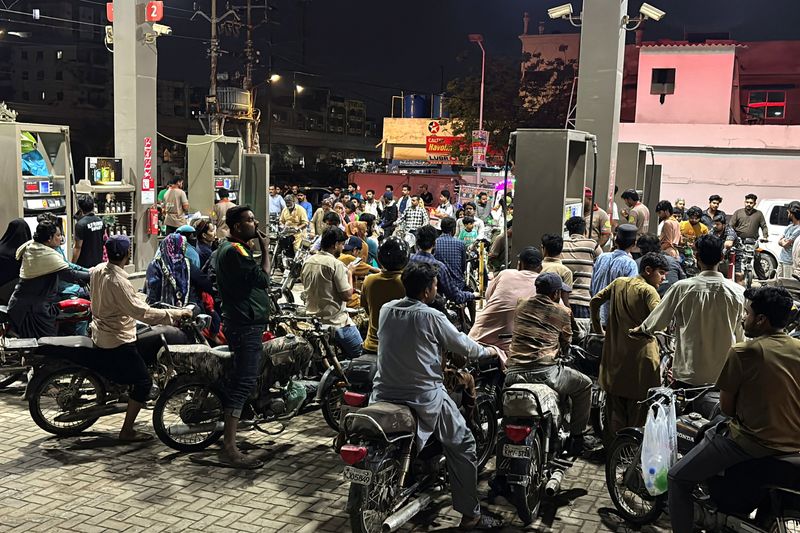

Iran war leaves crisis-scarred countries counting the cost
Meta builds AI version of Zuckerberg to interact with employees- FT

POAHY: Porsche AG Sales Decline, Yet It Is A Positive Signal
Trump vs Pope Leo: 5 Key Facts on Explosive Feud Over Iran War and Hormuz Blockade
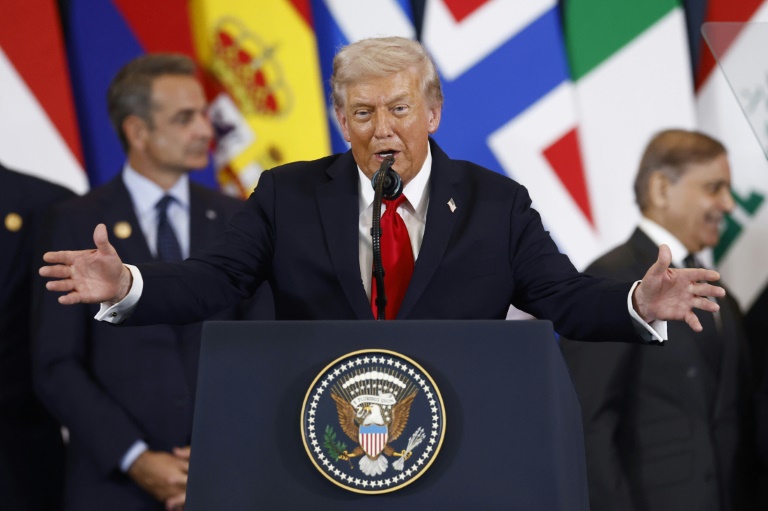
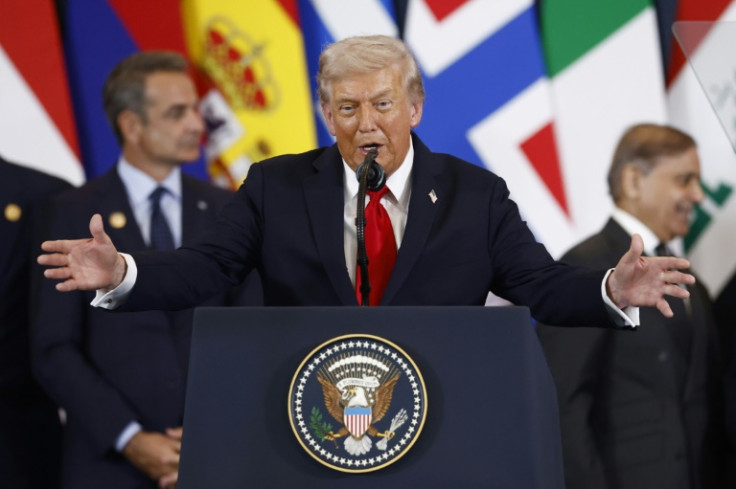
WASHINGTON — President Donald Trump launched a blistering attack on Pope Leo XIV on Sunday, calling the first American-born pontiff “a very liberal person” and declaring “I’m not a fan of Pope Leo” after the Chicago-born leader condemned the U.S.-Israeli military campaign against Iran as driven by a “delusion of omnipotence.”
The extraordinary public clash, delivered via Truth Social and remarks to reporters, has intensified a feud that began with Leo’s repeated calls for peace and dialogue as tensions in the Middle East escalated. With Trump announcing a naval blockade of the Strait of Hormuz hours earlier after failed talks in Pakistan, the exchange highlights deep divisions over war, nuclear policy and the role of faith in global affairs.
Here are five things you must know today about the Trump-Pope Leo confrontation:
- The Spark: Pope’s Strong Condemnation of Iran War Rhetoric Pope Leo XIV has emerged as one of the most vocal critics of the U.S.-Israeli actions against Iran. In his strongest remarks yet over the weekend, during a prayer vigil at St. Peter’s Basilica, Leo denounced the “delusion of omnipotence” fueling the conflict and demanded leaders “stop” and negotiate peace. “Enough of the idolatry of self and money! Enough of the display of power! Enough of war!” he declared. On Friday, he posted on X that “God does not bless any conflict” and that disciples of Christ, the Prince of Peace, never side with those who “drop bombs.” Leo also called Trump’s earlier threat that “a whole civilization will die tonight” if Iran failed to meet demands “truly unacceptable,” arguing attacks on civilian infrastructure violate international law. The American pontiff, elected in May 2025, has consistently urged dialogue over escalation since strikes began earlier this year.
- Trump’s Sharp Rebuttal: ‘Weak on Crime’ and ‘Terrible for Foreign Policy’ Trump responded late Sunday with a lengthy Truth Social post labeling Pope Leo “WEAK on Crime, and terrible for Foreign Policy.” He urged the pope to “stop catering to the Radical Left” and suggested Leo’s stance effectively tolerated Iran acquiring nuclear weapons. “We don’t like a pope that says it’s OK to have a nuclear weapon,” Trump told reporters after landing in Washington from Florida. He added that Leo is “a very liberal person” and “I don’t think he’s doing a very good job. I’m not a fan of Pope Leo.” The comments marked a stark turnaround from Trump’s initial positive reaction to Leo’s election as “a great honor for our country.” Trump tied the criticism directly to the collapsed Islamabad talks and his new Hormuz blockade order, framing the pope’s peace appeals as undermining American strength.
- Unprecedented Nature of the Clash While popes and presidents have often differed — from Vietnam to Iraq — direct, personal public rebukes of this intensity between a U.S. leader and the head of the Catholic Church are rare. Leo, born Robert Francis Prevost in Chicago, is the first American pope, raising initial hopes among some U.S. Catholics for closer Vatican-Washington ties. Instead, his moral critiques of Trump administration policies on immigration, war and religious rhetoric have created tension. The Vatican has emphasized Leo’s role as a spiritual rather than political figure, but his pointed language — including criticism of “diplomacy based on force” and religious justifications for military action — has drawn sharp pushback. Historians note the exchange reflects broader cultural battles in American Catholicism and global politics.
- Timing Amid Hormuz Blockade and Market Turmoil The feud erupted as Trump ordered the U.S. Navy to blockade the Strait of Hormuz following the failure of peace talks, sending oil prices surging above $103 a barrel and triggering sharp drops in global stock futures. The blockade targets vessels paying Iranian tolls and aims to clear mines while restoring navigation on U.S. terms. Leo’s weekend appeals for an end to the “madness of war” coincided with these developments, amplifying the drama. Analysts say sustained high energy prices could add to inflation pressures worldwide, complicating economic policy as the blockade takes effect. The pope’s calls for dialogue have resonated in Europe and among peace advocates, while Trump’s “peace through strength” approach garners support from national security hawks.
- Broader Implications for U.S.-Vatican Relations and Global Diplomacy The rift has drawn mixed reactions from U.S. Catholic leaders, with some defending Trump’s firm stance on Iran’s nuclear ambitions and others expressing discomfort over attacking the spiritual leader of more than 1 billion Catholics, including about 70 million Americans. International observers watch closely as the exchange intersects with ongoing Hormuz tensions, where China and Russia have echoed calls for restraint. Leo is scheduled for a 10-day tour of African countries, focusing on peace and migration — issues where he has also clashed with Trump policies. For now, the Vatican has offered no immediate response, but the public nature of the dispute risks complicating back-channel diplomacy. It underscores how personal, political and religious dimensions can collide during international crises, potentially influencing public opinion on both sides of the Atlantic.
The confrontation arrives as the Iran conflict remains fluid, with a fragile ceasefire frayed and naval operations beginning in the strategic waterway. Trump has emphasized U.S. energy independence as a buffer, while Leo continues to amplify moral appeals against violence.
Catholic commentators note the irony of the first U.S.-born pope facing criticism from a U.S. president over foreign policy. Supporters of Trump view the pope’s statements as naive or politically motivated, while Leo’s backers see them as a necessary prophetic voice for peace amid civilian suffering.
As markets react to energy shocks and diplomats monitor the Hormuz situation, the Trump-Leo exchange adds another layer of complexity. Whether it leads to further escalation in rhetoric or prompts quiet efforts at reconciliation remains unclear. For millions of Catholics and global observers, the rare public feud between the White House and the Vatican serves as a vivid reminder that even in an era of advanced geopolitics, words from the highest levels — whether from the Oval Office or St. Peter’s Square — still carry profound weight.
The coming days will test whether the divide widens or if shared interests in regional stability allow for de-escalation. With Leo preparing international travel and Trump focused on enforcing the blockade, the spotlight remains on how faith, power and policy intersect in one of the world’s most volatile regions.
Business
Failed Hormuz Talks and Trump Blockade Trigger Global Stock Sell-Off as Oil Surges Past $103
NEW YORK — The abrupt failure of U.S.-Iran peace negotiations in Pakistan and President Donald Trump’s immediate order to blockade the Strait of Hormuz sent shockwaves through world financial markets Monday, driving oil prices above $103 a barrel and triggering sharp declines in global stock indexes as investors priced in prolonged energy disruptions and higher inflation risks.
U.S. stock futures plunged overnight, with Dow Jones Industrial Average contracts down as much as 517 points, or 1.1 percent. S&P 500 futures fell about 1 percent and Nasdaq 100 futures dropped 1.2 percent. In Asia, benchmark indexes opened lower, with the regional gauge sliding 0.8 percent at the start of trading in Tokyo and Hong Kong. European markets were set to follow suit, with analysts forecasting broad risk-off sentiment across equities.
The turmoil stems directly from the weekend collapse of more than 21 hours of talks in Islamabad. Vice President JD Vance’s delegation blamed Iran for refusing verifiable nuclear dismantlement and reopening the strait without tolls. Iran accused Washington of shifting demands. Hours later, Trump announced via Truth Social that the U.S. Navy would begin blockading vessels entering or leaving the strait effective Monday morning, targeting those that paid Iranian tolls and preparing to clear mines.
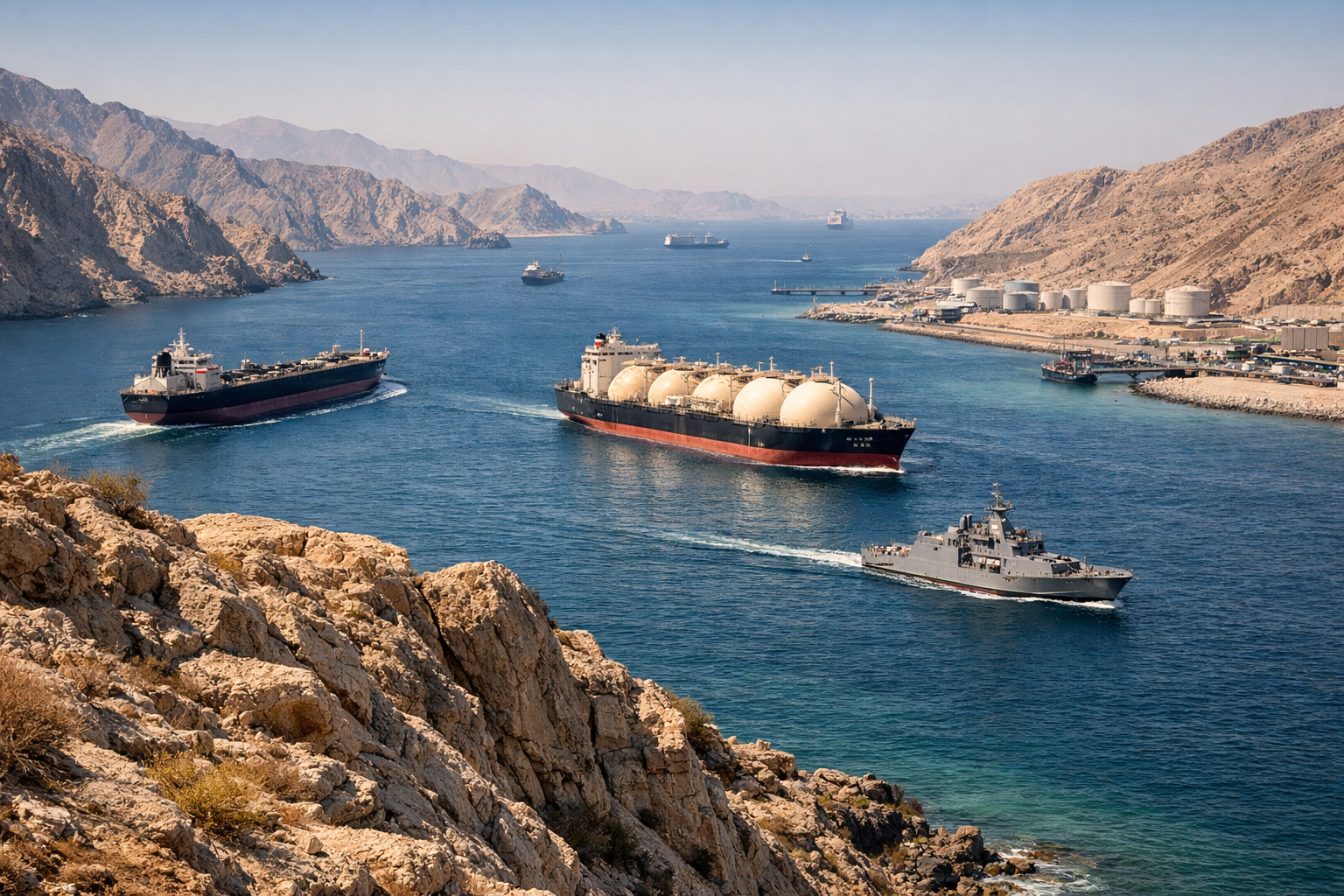
The Strait of Hormuz carries roughly one-fifth of global oil and liquefied natural gas under normal conditions. Traffic had already slowed dramatically since earlier U.S.-Israeli strikes on Iran. With the new blockade, shipping effectively halted, Lloyd’s List reported, as vessels turned back or idled. Oil prices reacted instantly: Brent crude, the international benchmark, surged more than 8 percent to top $103 a barrel in early Asian trade, while West Texas Intermediate climbed past $104. Wholesale gasoline and jet fuel futures jumped in tandem.
Energy analysts warned the move could keep crude above $100 for weeks or longer if enforcement drags on. JPMorgan Chase economists projected prices staying elevated through the second quarter before any easing, while Macquarie warned of a possible spike toward $200 if the strait remains closed deep into the period. Even a temporary disruption adds a significant risk premium, they said.
The sell-off hit hardest in sectors sensitive to fuel costs. Airlines, shipping companies and automakers tumbled in premarket trading as higher energy prices threatened profit margins and consumer spending. European carriers already faced jet-fuel shortages; the industry group Airports Council International Europe warned of potential summer travel disruptions if the strait stays blocked beyond three weeks. In contrast, energy producers and oil-service firms gained as investors rotated into the sector.
Broader economic fears compounded the pressure. Higher oil feeds directly into inflation, complicating central-bank policy worldwide. Bloomberg Economics models showed that sustained $110 oil could add roughly 1 percentage point to annual inflation in the euro area while shaving 0.6 percent from GDP growth. In the United States, the effect would be milder thanks to domestic production, but still noticeable in transportation and manufacturing costs. Emerging markets in Asia — particularly China and India, heavy importers — faced the steepest risks, with currencies weakening and bond yields rising.
Wall Street strategists described the reaction as classic “risk-off.” Citigroup’s Stuart Kaiser noted the blockade, while nonviolent, leaves room for further talks but will push oil higher in the interim. Former JPMorgan chief market strategist Marko Kolanovic warned on X that the earlier optimism around a ceasefire had fueled a 5 percent stock rally and 15 percent oil drop; the reversal could unwind much of that move and even spark a broader correction. Capital.com analyst Kyle Rodda said the key question Monday was whether markets viewed the breakdown as temporary or structural.
The episode echoed past energy shocks, including the 1973 oil embargo and 2019 tanker attacks in the same waterway. Each time, global equities suffered short-term pain before partial recovery once supply stabilized. This time, the U.S. shale boom and strategic petroleum reserves offer some buffer for America, but allies in Europe and Asia lack equivalent protection. China, sourcing 40-50 percent of its crude via Hormuz routes, urged restraint while quietly tapping reserves and rerouting tankers around Africa at far higher cost and time.
Commodity markets reflected the panic. Gold and U.S. Treasuries rose as safe-haven assets. The Australian dollar and South African rand weakened sharply against the greenback. Cryptocurrencies, often seen as risk assets, also dipped in early trading.
Longer-term consequences depend on how quickly diplomacy resumes or the blockade eases. Trump has emphasized America’s energy independence, noting “we don’t need the Hormuz Strait. We have so much oil.” Yet secondary effects — higher global inflation, slower growth and potential supply-chain snarls — could still weigh on corporate earnings worldwide. Bank of America analysts estimated a prolonged episode above $100 oil could subtract 0.5 to 1 percentage point from global GDP.
Investors will watch several flashpoints in coming days: any naval incidents in the strait, statements from Beijing or Tehran, and U.S. data on inflation and consumer confidence later this week. The Federal Reserve’s next policy meeting looms in May; persistent energy price pressure could force a more hawkish stance, further pressuring stocks.
For now, the failed negotiations have reversed recent market optimism. Last week, major U.S. indexes posted their best gains of 2026 so far, with the Nasdaq briefly exiting correction territory. Monday’s open erased much of that momentum. Trading desks reported heightened volatility as algorithms repriced geopolitical risk.
Retail investors, already jittery from earlier Iran-related swings, flooded social media with questions about portfolio hedges. Financial advisers recommended reviewing exposure to energy, defense and consumer staples while maintaining diversification.
The Hormuz crisis illustrates how tightly intertwined geopolitics and markets remain. A single chokepoint controlling 20 percent of seaborne oil can swing trillions in asset values overnight. With the blockade just beginning and talks at a standstill, the coming weeks could test global financial resilience once more.
As Asian trading progressed and European bourses prepared to open, analysts cautioned against panic selling. History shows energy shocks often prove temporary once supply reroutes or diplomacy advances. Yet with tensions elevated and no immediate resolution in sight, the failure of Hormuz negotiations has already delivered a clear warning: markets ignore Middle East oil risks at their peril.

'School breakfast club has best toast in the world'

WLFI threatens Justin Sun after he accuses project of deceptive DeFi dealings

Viktor Orbans Election Loss Sparks JD Vance Mockery


-

 Politics2 days ago
US brings back mandatory military draft registration
-

 Fashion2 days ago
Weekend Open Thread: Veronica Beard
-
 Sports3 days ago
Man United discover Nico Schlotterbeck transfer fee as defender reaches Dortmund agreement
-

 Tech5 days ago
How Long Can You Drive With Expired Registration? What Florida Law Says
-

 Politics15 hours ago
World Cup exit makes Italy enter crisis mode
-

 Crypto World4 days ago
Canary Capital Files SEC Registration for PEPE ETF
-

 Fashion7 days ago
Massimo Dutti Offers Inspiration for Your Summer Mood Board
-

 Business2 days ago
Tesla Model Y Tops China Auto Sales in March 2026 With 39,827 Registrations, Beating Cheaper EVs and Gas Cars
-

 Fashion6 days ago
Let’s Discuss: DEI in 2026
-

 Crypto World5 days ago
Bitcoin recovers as US and Iran Agree a Ceasefire Deal
-

 Politics3 days ago
Malcolm In The Middle OG Turned Down ‘Buckets Of Money’ To Appear In Reboot
-
 NewsBeat7 hours ago
Pep Guardiola and Gary Neville agree over Arsenal title problem that benefits Man City
-

 Business3 days ago
OpenAI Halts Stargate UK Data Centre Project Over Energy Costs and Copyright Row
-

 Business2 days ago
Ireland Fuel Protests Enter Day 5 as Blockades Spark Shortages and Government Prepares Support Package
-

 Tech7 days ago
Italian court says Netflix must refund customers up to $576 over price hikes
-

 Tech7 days ago
Haier is betting big that your next TV purchase will be one of these
-

 Tech7 days ago
Gamer Restores the Original PlayStation Portal From Two Decades Ago
-

 Tech7 days ago
The Xiaomi 17 Ultra has some impressive add-ons that make snapping photos really fun
-

 Tech7 days ago
Samsung just gave up on its own Messages app
-

 Tech7 days ago
Save $130 on the Samsung Galaxy Watch 8 Classic: rotating bezel, sleep coaching, and running coach for $369
You must be logged in to post a comment Login