Asia’s industrial supercycle is driven by four converging capital expenditure waves: AI technology infrastructure, energy transition, defence rearmament, and supply chain diversification. Each operates on its own timeline and investment logic, but all are concentrated in the same geography and are mutually reinforcing.
The interdependencies between pillars define the cycle’s durability. AI data centres drive electricity demand, which accelerates grid investment; defence electronics depend on the same semiconductor supply chains powering AI; and supply chain diversification requires the infrastructure buildout that sustains broader industrial demand across the region.
AI, energy, defence, and supply-chain re-architecture are not separate trends — they are the interlocking load-bearing columns of Asia’s industrial supercycle. Each deserves a close look.
The argument for Asia’s industrial supercycle rests not on a single thesis but on four distinct capital expenditure waves, each with its own investment logic and timeline, all converging on the same geography at the same moment in history. The risk of treating them as a single monolithic trend is that it obscures their individual dynamics — and their individual vulnerabilities. The risk of treating them in isolation is that it misses the systemic amplification effects that make the cycle so powerful. What follows is an attempt to do both: to examine each pillar closely, and then to understand how they reinforce one another.
Pillar I — Technology Infrastructure
The AI Compute Imperative
The race to build AI infrastructure is the largest voluntary capital expenditure cycle in corporate history — and Asia holds most of the keys.
$700B+ Global AI capex announced 2025–27
92% Advanced logic chips from TSMC
74% HBM memory from Korea
38GW New data centre power demand by 2028
When the four American hyperscalers — Microsoft, Google, Amazon, and Meta — announced a combined capital expenditure budget exceeding $320 billion for fiscal year 2026, the technology press focused on the dollar figure. The more revealing story was in the supply chain. Every advanced GPU in those data centres was built on TSMC silicon. Every high-bandwidth memory stack was produced by Samsung or SK Hynix. The silicon wafers came from Japanese suppliers. The specialty gases and photoresists came from chemical companies in Japan and South Korea. The advanced packaging — the technology that stacks chips together to create the AI accelerators — was done in Taiwan.
The TSMC effect TSMC’s capital expenditure alone exceeded $40 billion in 2025. Its expansion into Japan (Kumamoto) and the United States (Arizona) is creating secondary demand for Japanese and Korean equipment makers — companies like Tokyo Electron, Shin-Etsu, and ASML’s Korean partner base.
This is not a transient dependency. The process of building a leading-edge semiconductor manufacturing ecosystem takes, at minimum, fifteen years and tens of billions of dollars in sustained investment. South Korea’s Samsung and SK Hynix have been building their DRAM and NAND expertise for four decades. TSMC’s manufacturing processes embody thirty years of continuous refinement. The idea that this capability can be replicated at speed outside Asia is the most consequential piece of industrial magical thinking of our time.
Advertisement
The data centre land rush
The AI infrastructure buildout is not only about chips. Data centres require land, power, water, and fibre connectivity — and Asia’s governments have been faster than their Western counterparts to designate and permit the industrial zones, transmission corridors, and subsea cable landing rights that make large-scale data centre clusters possible. Singapore, despite its land constraints, remains Asia’s primary data centre hub. Malaysia’s Johor corridor has attracted over $60 billion in commitments from American hyperscalers. Japan’s Osaka and Tokyo regions are seeing data centre construction at their fastest rates in twenty years.
The power requirement is the binding constraint. A modern large-language-model training cluster running continuously draws between 100 and 500 megawatts — comparable to a small city. This is driving an intimate connection between AI infrastructure capex and energy infrastructure capex, the two pillars reinforcing each other through the simple physics of electricity consumption.
“Every AI model trained is a vote for more copper wire, more transformer steel, more silicon carbide power electronics — almost all of which is made in Asia.”— Dr. Chen Wei, Head of Technology Equity Research, Nomura Securities
Pillar II — Energy Infrastructure
The Energy Transition as Industrial Policy
Asia is not merely participating in the global energy transition — it is manufacturing it. And in doing so, it is generating a self-sustaining loop of industrial demand.
80% Global solar manufacturing in Asia
$620B Asian grid investment 2025–30
54 Nuclear reactors under construction in Asia
65% Global EV battery capacity
Asia’s energy story operates on two levels that are easy to conflate but important to distinguish. The first is the manufacturing-for-export story: China produces roughly 80 percent of the world’s solar panels, 70 percent of its wind turbines, and 60 percent of its lithium-ion batteries. These industries generate employment, trade surpluses, and industrial learning-by-doing — but they are increasingly subject to protectionist measures from Western governments that limit their export markets.
The second story is more structurally important: Asia’s domestic energy transition. The continent’s electricity demand is growing at approximately three to four percent annually — nearly three times the rate of Western Europe and the United States. Meeting this demand while reducing dependence on imported fossil fuels is an existential strategic priority for every significant Asian economy. The investment required is staggering.
Advertisement
The nuclear revival
Nuclear resurgence Japan has approved the restart of 14 nuclear reactors since 2023, with more expected. South Korea has reversed its nuclear phase-out entirely, commissioning new APR1400 units. India has 22 reactors under construction. Each reactor requires 50,000+ tonnes of specialised steel and years of precision engineering.
Perhaps the most underappreciated energy story in Asia is the nuclear revival. After Fukushima, the conventional wisdom was that Asia would trend away from nuclear power. The opposite has happened. Japan has approved the restart of more reactors in the past two years than in the previous decade. South Korea has formally abandoned its nuclear phase-out and contracted for new builds. China has 22 reactors under construction, with plans for dozens more. India’s nuclear programme is accelerating. Each reactor represents a capital investment of $7–12 billion, a construction timeline of eight to twelve years, and sustained demand for specialised steel, zirconium alloys, control systems, and precision-engineered components — almost all of which are made in Asia.
Grid infrastructure: the overlooked capex story
The most unglamorous but arguably most important energy investment is in transmission and distribution grids. Renewable energy is intermittent and often located far from demand centres; connecting it to consumers requires the largest expansion of high-voltage direct current transmission infrastructure in history. This is a copper-intensive, transformer-intensive, civil-engineering-intensive undertaking. Asia’s grid investment over the next five years is estimated at $620 billion, and the suppliers of the equipment — transformer manufacturers like Hitachi Energy (Japan), ABB’s Asian operations, and a host of Chinese electrical equipment makers — are running multi-year order backlogs.
Pillar III — Defence & Security
The Reluctant Rearmament
Asia’s strategic environment has changed irreversibly. Governments that spent decades suppressing defence spending are now racing to rebuild — or build from scratch — sovereign industrial defence capabilities.
Advertisement
$640B Asia-Pacific defence spending 2025
2.0% Japan GDP defence target (2027)
19 Asian nations raising defence budgets
$14B Korea arms exports 2025
The defence capex cycle in Asia has a different character from its counterparts in Europe. European rearmament is largely a procurement story — governments buying platforms and munitions that are primarily manufactured in the United States or, at best, in large European primes. Asian rearmament is a manufacturing story. The strategic ambition driving it is explicitly about developing sovereign capability — not merely buying weapons, but building the industrial base to design, produce, and maintain them.
AUKUS nuclear submarines, guided weapons, sovereign maintenance
Philippines
Rapid acceleration from low base
Maritime patrol, air defence, missile systems
Japan’s industrial transformation
Japan deserves particular attention because its rearmament represents the reversal of a strategic posture maintained for eighty years. The doubling of Japan’s defence budget to two percent of GDP is not a marginal adjustment — it is a fundamental transformation of one of the world’s largest economies’ relationship with its own military-industrial base. Japan’s shipbuilding, aerospace, and electronics industries, which have maintained dormant dual-use capabilities throughout the post-war period, are now being explicitly mobilised for defence production. Mitsubishi Heavy Industries, Kawasaki Heavy Industries, IHI Corporation, and Fujitsu Defence are all expanding at a pace not seen since the 1970s.
“South Korea’s defence industry in 2026 resembles South Korea’s consumer electronics industry in 1986 — technologically competitive, cost-disciplined, and on the cusp of global dominance.”— Marcus Tanner, Senior Defence Analyst, IISS
Pillar IV — Supply Chain Architecture
The Great Diversification
The post-pandemic redesign of global supply chains is the most sustained greenfield industrial investment cycle in Asia since the original China manufacturing boom of the 1990s.
$85B FDI into Vietnam 2024
$47B Apple India manufacturing by 2027
+220% Indonesia FDI growth 2021–25
340M India working-age population by 2035
The phrase “China plus one” entered business vocabulary around 2020. By 2026 it is more accurately “China plus three or four” — a systematic diversification of production footprint across a complex web of Asian manufacturing locations, each developing specialised niches within the broader supply chain. This is not a simple story of production migrating from China to cheaper alternatives; it is a more complex story of supply chain architecture — of deliberate design choices about where to place different manufacturing steps, based on cost, capability, political risk, and proximity to end markets.
The India factor
India’s emergence as a serious manufacturing destination is the most consequential industrial story of the mid-2020s. The Production Linked Incentive scheme — which provides financial incentives to manufacturers who achieve specified production thresholds — has attracted commitments across fourteen sectors, from semiconductors to pharmaceuticals to electronics assembly. Apple’s decision to assemble a growing share of its products in India is not merely a supply-chain hedge; it is a signal to the entire contract manufacturing ecosystem that India is open for serious industrial business.
Advertisement
The structural underpinning of India’s manufacturing ambition is demographic. India’s working-age population will reach 340 million by 2035, making it the world’s largest reservoir of young, trainable industrial workers. Combined with increasingly reliable power infrastructure, improving logistics connectivity, and a legal system that, while slow, provides property rights protections that some competing locations cannot, India’s long-term manufacturing proposition is compelling.
Southeast Asia’s diversification
Vietnam has absorbed the largest single share of manufacturing displaced from China, becoming a major hub for electronics, footwear, and garment production. Its proximity to China’s supply chains, combined with its relatively low wages and stable government, has made it the default second choice for many Chinese supply-chain-dependent industries. Indonesia is pursuing a different strategy: leveraging its extraordinary natural resource endowment — the world’s largest nickel reserves — to position itself as the centre of the global battery supply chain, insisting that raw materials be processed domestically before export. Malaysia has emerged as a sophisticated semiconductor back-end and advanced packaging hub, attracting investment from Intel, Infineon, and a host of OSAT (outsourced semiconductor assembly and test) companies.
How the Four Pillars Interact
The most important analytical point about these four pillars is not their individual scale — though each is historically significant — but the way in which they interact and amplify one another. Understanding these interactions is the key to understanding why this cycle has the characteristics of a genuine supercycle rather than a conventional boom.
AI data centres require electricity, which requires grid investment, which requires copper, transformers, and power electronics. Defence electronics require advanced semiconductors, which require investment in chip manufacturing, which requires the same precision chemicals and equipment that support AI chip production. Supply chain diversification across Southeast Asia requires infrastructure — roads, ports, power grids, industrial zones — which requires construction equipment, steel, and engineering services. Every loop feeds back into the others, sustaining demand across the entire industrial complex for longer than any single investment cycle would on its own.
Advertisement
This is the defining characteristic of a supercycle: not the scale of any individual investment decision, but the self-sustaining nature of the demand it creates. Asia’s four pillars are now generating precisely this kind of structural, mutually reinforcing demand. The next article examines what this means for investors — where the opportunities are greatest, and where the risks lie hidden.
Data cited represents analyst consensus estimates and publicly disclosed figures as of Q1 2026. Article II of III in the Asia Industrial Supercycle series. ← Article I: The Big Picture Article II — The Four Pillars Article III: Investing the Cycle →
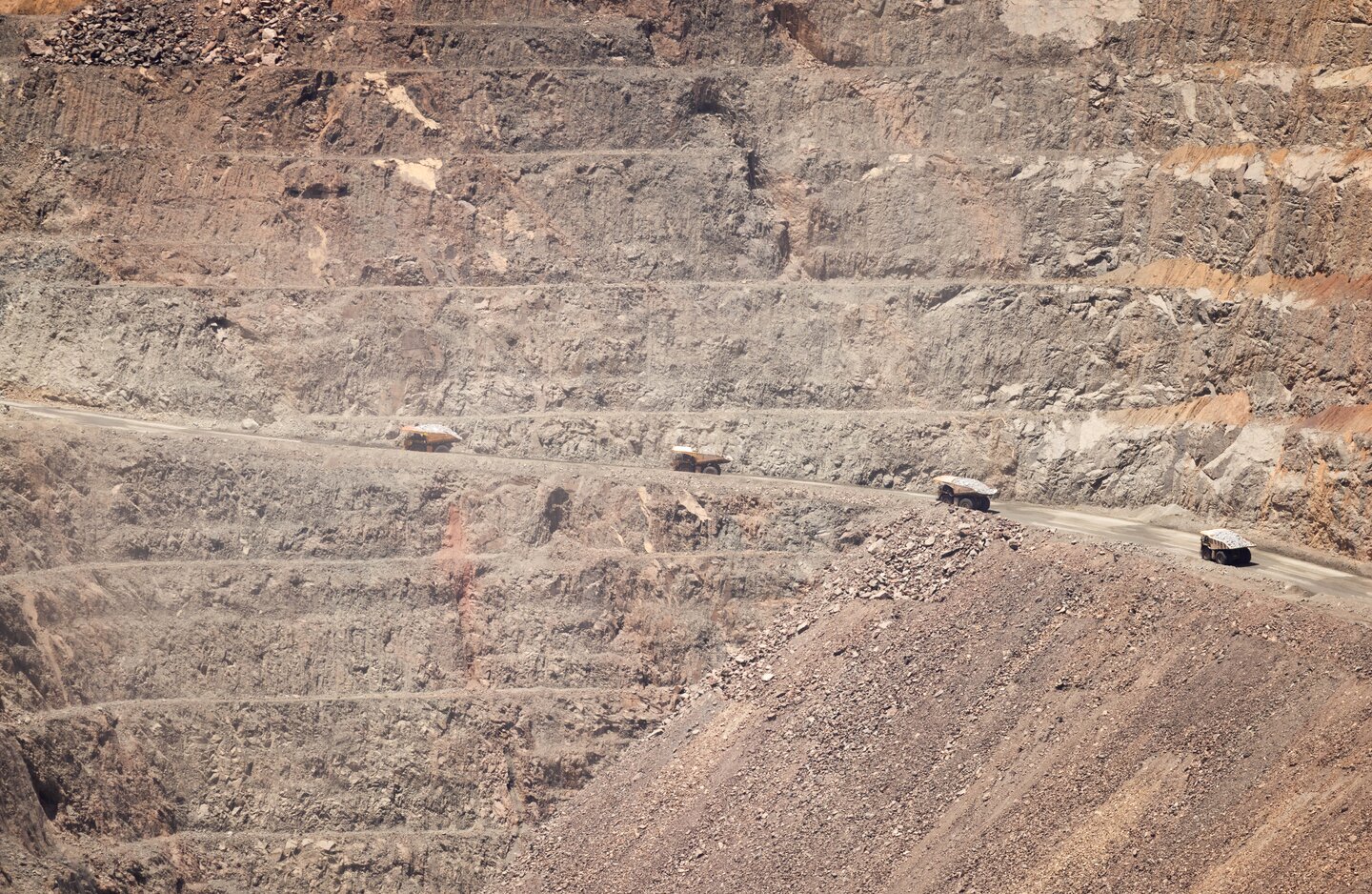
Western Australia’s environmental watchdog has conditionally backed Northern Star Resources’ plan to build a gas and diesel-fuelled power plant in Kalgoorlie.
Thailand has been at the center of a diverse array of news stories spanning crime, technology, economic policy, and cultural events. This roundup captures the most significant developments shaping the nation’s current landscape.
Crime and Security Concerns
A disturbing kidnapping case has dominated headlines this week. Three Indian tourists were lured to Thailand through a cheap travel package and subsequently kidnapped in Pattaya, with captors demanding a ransom of Rs 69 lakh (approximately Rs 40 lakh each). Authorities arrested five suspects—four Pakistani nationals and one Indian—in connection with the abduction. Reports indicate the victims were tortured during captivity, and investigators are now scrutinizing a Pakistan-linked mastermind believed to be operating from Dubai. This incident has drawn widespread media attention across Indian and Thai outlets, highlighting ongoing concerns about tourist safety and cross-border criminal networks targeting foreign visitors.
In a separate troubling development, five soldiers were killed in an attack on a checkpoint in southern Thailand, underscoring persistent security challenges in the region. Additionally, Thailand has formally requested that Malaysia deny safe haven to southern insurgents, reflecting continued efforts to address cross-border militant activity.
On the international front, China has asked Thailand to deport a Chinese journalist, prompting human rights organizations to raise concerns about potential persecution. Similarly, Human Rights Watch has urged Thailand not to forcibly return Chinese dissidents, adding to scrutiny of the country’s approach to politically sensitive extraditions.
Advertisement
Economic and Technology Initiatives
Thailand is positioning itself as a significant player in the semiconductor industry through its newly unveiled “Siam Silica” framework, an ambitious plan designed to establish the country as a regional chip manufacturing hub. According to Thailand Business News, this initiative aims to anchor ASEAN’s supply chain future by attracting investment in chips, talent development, and technology infrastructure, with targets set for 2030.
The country’s digital economy also faced setbacks, as Thailand’s Securities and Exchange Commission filed a criminal complaint against cryptocurrency exchange Bitkub, alleging the company concealed a cyberattack that resulted in losses exceeding $47 million. Separately, cybersecurity researchers revealed that hackers deployed an autonomous AI agent to spy on Thailand’s Ministry of Finance, signaling growing concerns about AI-powered cyber threats targeting government institutions.
On a more positive note, Thailand’s AI adoption rate has surged to 43%, though many firms reportedly continue to struggle with full-scale implementation. The nation is also advancing in the regional AI supply-chain race, reinforcing its ambitions in emerging technology sectors.
Trade and Infrastructure Developments
Thailand’s trade relationships remain in flux. The government is seeking 78 additional US tariff exemptions for key export goods, while simultaneously working toward finalizing an EU trade deal by September, as it recalibrates its diplomatic and economic ties with Beijing. Thai exports are expected to face pressure from new US tariffs, prompting the Commerce Minister to outline strategies for navigating this “tariff storm.”
Advertisement
In infrastructure news, Thailand has abandoned its long-discussed “Land Bridge” project connecting the Gulf of Thailand to the Andaman Sea, following reviews that flagged weak financial returns and environmental risks. Instead, the government is pushing forward with a 27-billion-baht rail link to achieve similar connectivity goals through alternative means.
Tourism and Cultural Notes
Tourism remains a vital economic pillar, with Thailand’s 30-day visa-free entry policy for Indian tourists expected to drive a record 2.7 million visitors. This aligns with Bloomberg’s earlier reporting that Thailand scrapped plans to end visa-free entry for Indian tourists, reversing an earlier policy consideration.
However, tourist experience challenges persist, as travelers reported three-hour immigration queues at Thailand’s largest airport. Meanwhile, Thailand has enforced a two-day alcohol sales ban during Buddhist holidays (July 29-30), a recurring measure tied to religious observances.
In entertainment and culture, an Italian student group issued a public apology after an incident on a Bangkok train sparked outrage among Thai citizens, reflecting ongoing sensitivities around tourist behavior and cultural respect.
Advertisement
Tragic Events and Investigations
Thailand continues to grapple with the aftermath of a devastating Bangkok pub fire that killed at least 27-28 people, one of several significant fatal fires reported in the country recently. Investigations into the causes and safety violations remain ongoing.
Separately, authorities confirmed that a missing Thai travel vlogger, known as “Hlun Solo,” was found dead in Tbilisi, Georgia, while Russian siblings who went missing had their motorcycle discovered buried, raising further questions in an unresolved case.
Regional Diplomacy
Thailand continues reinforcing its border fence with Cambodia following clashes in 2025, while Cambodia has proposed a three-track strategy for achieving lasting peace between the two nations. These developments reflect the delicate diplomatic balance Thailand must maintain with neighboring countries amid historical tensions.
Conclusion
Thailand’s news landscape reflects a nation balancing significant security challenges, ambitious economic transformation, and its enduring role as a global tourism destination, all while navigating complex regional and international relationships.
The jet maker also reported a ‘strong’ half-year performance in its defence and space arm
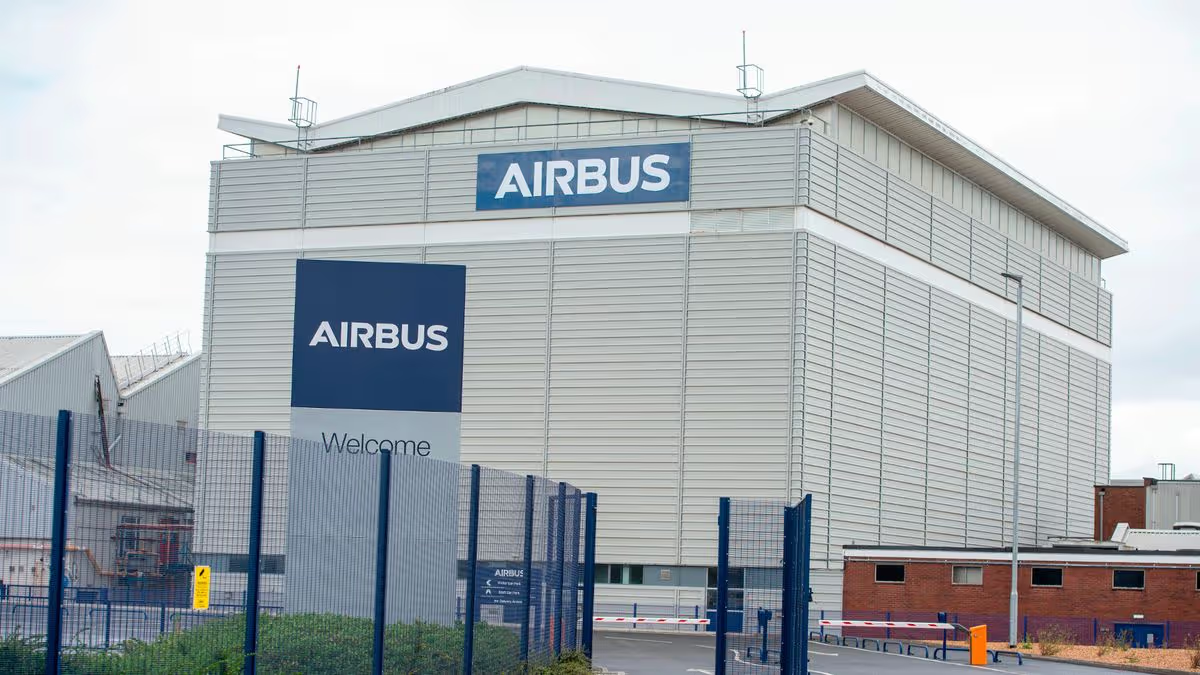
Airbus production site in Filton, Bristol.(Image: Rowan Griffiths)
Aerospace giant Airbus has seen orders for its commercial aircraft soar in the first half of the year against a backdrop of a “complex and fast-changing environment”, it said.
Consolidated revenues at the plane maker, which has UK bases in Filton near Bristol and Broughton in North Wales, increased 12 per cent year-on-year to €33.2bn for the six months to the end of June.
Adjusted EBIT – a measure of performance – totalled €2.7bn for the period, up from €2.2bn the year before.
A total of 351 commercial aircraft were delivered over the period, comprising 44 A220s, 271 A320 Family, 10 A330s and 26 A350s.
Advertisement
Revenues generated by the company’s commercial aircraft activities increased 15 per cent to € 23.9bn, mainly reflecting the higher deliveries and increased services, and were partially offset by the US dollar’s depreciation compared to H1 2025.
Meanwhile, Airbus Helicopter deliveries increased to 144 units – from 138 units in the same period in 2025.
“Our good H1 results mainly reflect the higher level of commercial aircraft deliveries and strong performance in Defence and Space, against the backdrop of a complex and fast-changing environment,” said Guillaume Faury, Airbus chief executive.
Gross commercial aircraft orders totalled 886 – up from 494 aircraft in the first half of 2025 – with net orders of 821 aircraft after cancellations.
Advertisement
The order backlog amounted to 9,222 commercial aircraft, while Airbus Helicopters registered net orders totalling 215 units with a backlog of 1,108 units.
Airbus Defence and Space, meanwhile, had an order intake value reaching €9.3bn, rising from €5.1bn a year earlier.
Elsewhere, the company said its A220 ramp-up was “ongoing”, with the company targeting a monthly production rate of 13 aircraft in 2028.
On the A320 family, airbus said it continued to expect to reach a rate of between 70 and 75 aircraft a month by the end of 2027. It is also targeting a rate of five for the A330 programme in 2029 and rate of 12 for the A350 programme in 2028.
Advertisement
“We are ramping up across all businesses to meet the growing demand for our civil and military solutions,” added Mr Faury.
“Our focus on steady execution is paying off, as demonstrated by strong deliveries in Q2. This fuels our confidence in our future performance, as reflected in the recently-communicated mid-term outlook.”
Airbus said its 2026 guidance is based on no additional disruptions to global trade or the world economy, air traffic or the supply chain. It includes the impact of currently applicable tariffs.
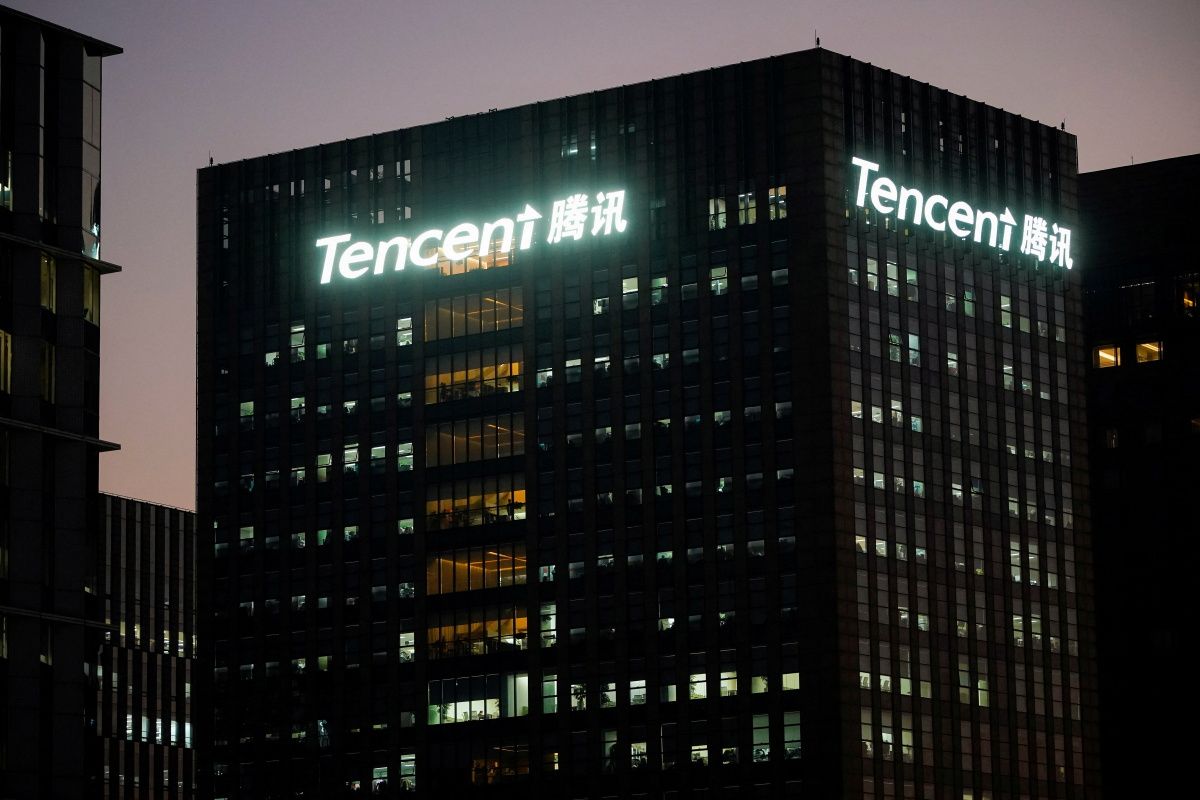
HONG KONG — Shares of Tencent Holdings Ltd. rose 4.29% on Wednesday to close at 466.40 Hong Kong dollars, gaining 19.20 dollars, as investors showed renewed interest in the Chinese technology giant‘s artificial intelligence initiatives and its upcoming midyear results.
The advance lifted the stock from recent lows and marked one of its stronger sessions in recent weeks. Trading volume was solid, with the shares touching an intraday high of 469.40 dollars before settling. The move came against a backdrop of broader recovery in some Hong Kong-listed technology names after a period of volatility.
Tencent, the operator of the ubiquitous WeChat messaging platform known as Weixin in mainland China, has faced pressure on its share price over the past year. The stock remains well below its 52-week high near 683 dollars reached in late 2025 and has declined about 16% over the past 12 months. Concerns have centered on the pace of monetization for heavy AI spending and shifting investor preference toward pure-play AI developers.
The company has responded in part with consistent share buybacks. Tencent has been repurchasing shares on most trading days in recent months, providing a measure of support during the selloff that erased substantial market value since the October peak.
Advertisement
Attention is now turning to the second-quarter earnings report scheduled for Aug. 12. Analysts will scrutinize progress in gaming, advertising, fintech and cloud services, as well as updates on AI-related capital expenditure and product traction.
In its first-quarter results released in May, Tencent reported revenue of 196.46 billion yuan, up 9% from a year earlier. Gross profit rose 11%, and the company highlighted early gains from new AI offerings alongside steady performance in core businesses.
Chairman and Chief Executive Ma Huateng said at the time: “We started 2026 by making significant initial progress on our new AI products, as well as continuing to utilise AI to grow our existing core businesses. The Hy3 preview model, built by our revamped team of AI researchers on re-architected AI infrastructure, is a leader in its parameter size class, delivering practical utility and cost efficiency, and has been top ranked in OpenRouter token measurements since April 28. Our productivity AI agent solutions have attained early traction, and we believe that our WorkBuddy is currently the most widely used productivity AI agent service in China. Our core businesses continued to grow their engagement, revenue and profit, providing the cash flow to fund our AI investments, as well as use cases for future AI deployment.”
The comments underscored Tencent’s dual strategy of embedding AI into its vast existing ecosystem while developing standalone models and agents. WeChat’s more than 1.4 billion monthly active users provide a ready distribution channel for AI features, including assistants that can interact with mini-programs, payments and content.
Advertisement
Tencent has been testing AI agents within WeChat and expanding capabilities in advertising technology, game development and enterprise tools. Its cloud business has also shown improving growth as customers adopt multi-cloud strategies. Management has indicated plans to increase AI-related investment substantially in 2026, building on spending levels already elevated in the prior year.
The stock’s recent path has reflected the tension between these long-term bets and near-term profitability optics. After a sharp decline in late July triggered partly by market rotation and questions about gaming revenue trends, shares have staged a partial recovery. Analysts at major firms have generally maintained constructive ratings, citing the resilience of Tencent’s cash-generative businesses and the potential for AI to enhance advertising targeting, user engagement and new service revenue over time.
Gaming remains a cornerstone, with evergreen titles continuing to drive engagement and monetization. Marketing services benefit from AI-powered improvements in matching and content creation. Fintech and business services, including payments and cloud, provide diversification.
Market participants note that Tencent’s valuation has compressed relative to historical averages and some global peers, trading at a price-to-earnings multiple in the mid-teens on a trailing basis. Average analyst price targets imply meaningful upside from current levels, though realization depends on execution in AI and sustained growth in traditional segments.
Advertisement
Hong Kong’s technology sector has experienced mixed performance in 2026, influenced by domestic economic conditions, regulatory developments and global shifts in AI investment narratives. Tencent’s scale and ecosystem advantages position it differently from pure model companies, potentially allowing it to capture value through product integration rather than solely through model leadership.
Share buybacks have been a consistent feature of capital return policy. The company has also maintained a net cash position that supports both investment and shareholder returns. Upcoming results will offer a clearer view of second-quarter trends in domestic and international gaming, advertising recovery and the early commercial impact of AI tools.
For investors, Wednesday’s advance reflected a combination of technical rebound, optimism around AI product momentum and positioning ahead of the earnings release. Whether the gains can be sustained will hinge on concrete evidence that AI investments are translating into measurable user adoption and revenue contributions without excessively diluting margins.
Tencent continues to navigate a competitive landscape that includes other major Chinese technology groups accelerating their own AI efforts. Its ability to leverage the WeChat platform for rapid deployment of agentic tools remains a key differentiator. At the same time, the company must balance aggressive spending on talent, infrastructure and research with the expectations of shareholders focused on profitable growth.
Advertisement
As the market awaits the August results, the stock’s performance on Wednesday provided a snapshot of shifting sentiment. The 4.29% rise brought the shares higher on the day and offered a measure of relief after weeks of choppy trading. Further direction is likely to be shaped by the detailed financials and management commentary due in less than two weeks.
MediaAlpha, Inc. (MAX) Q2 2026 Earnings Call July 29, 2026 5:00 PM EDT
Company Participants
Steven Yi – Co-Founder, CEO, President & Director Patrick Thompson – CFO & Treasurer
Advertisement
Conference Call Participants
Alex Liloia – Hayflower LLC Maria Ripps – Canaccord Genuity Corp., Research Division Thomas Mcjoynt-Griffith – Keefe, Bruyette, & Woods, Inc., Research Division Eric Sheridan – Goldman Sachs Group, Inc., Research Division Randy Binner Michael Zaremski – BMO Capital Markets Equity Research
Presentation
Advertisement
Operator
Ladies and gentlemen, thank you for standing by. My name is Angela, and I will be your conference operator today. At this time, I would like to welcome everyone to the MediaAlpha, Inc. Second Quarter 2026 Earnings Call. I’d like to remind everyone that this call is being recorded. [Operator Instructions] I would now like to turn the call over to Alex Liloia. Please go ahead.
Alex Liloia Hayflower LLC
Advertisement
Thanks, Angela. Good afternoon, and thank you for joining us. With me, our Co-Founder and CEO, Steve Yi, and CFO, Pat Thompson. On today’s call, we’ll make forward-looking statements relating to our business and outlook for future financial results, including our financial guidance for the third quarter of 2026. These forward-looking statements are subject to risks and uncertainties that could cause actual results to differ materially.
Please refer to our SEC filings, including our Annual Report on Form 10-K and quarterly reports on Form 10-Q for a fuller explanation of these risks and uncertainties and the limits applicable to forward-looking statements. All the forward-looking statements we make on this call reflect our assumptions and beliefs as of today, and we disclaim any obligation to update such statements except as required by law. Today’s discussion will include non-GAAP financial measures, which are not a substitute for GAAP results.
Reconciliations of these non-GAAP financial measures to the corresponding GAAP measures
Seeking Alpha’s transcripts team is responsible for the development of all of our transcript-related projects. We currently publish thousands of quarterly earnings calls per quarter on our site and are continuing to grow and expand our coverage. The purpose of this profile is to allow us to share with our readers new transcript-related developments. Thanks, SA Transcripts Team


















































You must be logged in to post a comment Login