SYDNEY — As international visitor numbers climb toward pre-pandemic highs in 2026, Australia’s iconic landmarks and natural wonders continue to top bucket lists for travelers seeking beaches, reefs, outback adventures and vibrant cities. Tourism authorities report strong recovery, with Sydney and Melbourne leading arrivals while the Great Barrier Reef and Uluru remain must-see draws for their unique appeal.
SYDNEY
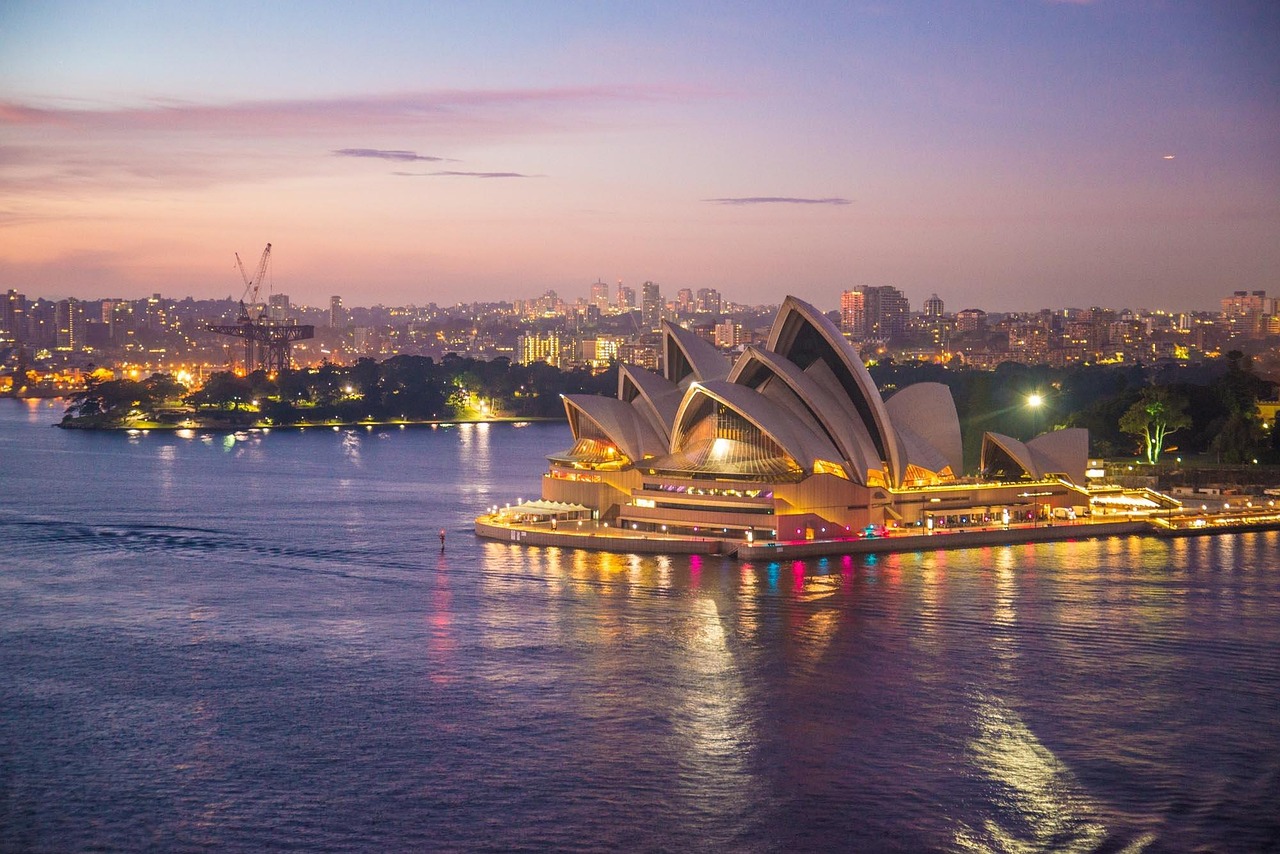
Sydney tops nearly every list as Australia’s most visited destination. The harbor city welcomed millions of international arrivals in 2025, with figures projected to rise further this year. Visitors flock to the Sydney Opera House, a UNESCO World Heritage site whose sail-like design gleams against the water, and the Harbour Bridge, where bridge climbs offer panoramic views. Bondi Beach draws sun-seekers and surfers year-round, while nearby Manly and Coogee provide more relaxed coastal escapes. Day trips to the Blue Mountains add dramatic scenery with hiking trails and the famous Three Sisters rock formation.
Melbourne ranks a close second, celebrated for its cultural depth and food scene. Laneways filled with street art, rooftop bars and hidden cafes define the city’s vibe. Federation Square serves as a bustling hub, while the Royal Botanic Gardens offer serene green space. Many extend their stay with a drive along the Great Ocean Road, where the Twelve Apostles limestone stacks rise dramatically from the surf. Koalas and dramatic coastal views make this route a perennial favorite for road-trippers.
The Great Barrier Reef near Cairns in Queensland claims third place as one of the world’s natural marvels. Snorkeling and diving here reveal vibrant coral and marine life, though climate concerns have heightened calls for sustainable tourism. Operators emphasize reef protection, with visitor fees supporting conservation. The adjacent Daintree Rainforest, another World Heritage area, combines ancient jungle with secluded beaches for a complete tropical experience. Cairns serves as the gateway, with day trips and live-aboard cruises popular among visitors.
Uluru, also known as Ayers Rock, stands as a spiritual and cultural icon in the Northern Territory’s Red Centre. The massive sandstone monolith changes color dramatically at sunrise and sunset, drawing respectful visitors who learn about Anangu traditions. Tours often include Kata Tjuta (the Olgas) and cultural experiences that highlight Indigenous heritage. Field of Light installations by Bruce Munro add a modern artistic touch to evening visits, enhancing the desert magic without diminishing the site’s sacred status.
Advertisement
Brisbane and the Gold Coast round out Queensland’s strong showing. Brisbane’s riverfront and emerging food scene attract urban explorers, while the Gold Coast delivers theme parks, surf beaches and family-friendly entertainment. Surfers Paradise remains a lively hub, though quieter spots like Byron Bay to the south appeal to those seeking wellness and bohemian vibes.
Perth and Western Australia’s west coast have seen record growth. Rottnest Island, home to quokkas, offers day trips with pristine beaches and wildlife encounters. Margaret River delivers world-class wine, surfing and caves, while Ningaloo Reef provides an alternative to the Great Barrier Reef with easier beach access for swimming with whale sharks. Tourism officials highlight Western Australia’s 2025 record of more than 11 million overnight visitors, signaling continued momentum into 2026.
Kakadu National Park in the Northern Territory ranks high for nature lovers. The vast wilderness features ancient rock art, wetlands teeming with birds and crocodiles, and dramatic waterfalls during the wet season. Guided tours emphasize Aboriginal custodianship and ecological importance, making it a profound cultural and environmental experience.
Tasmania’s wilderness, including Cradle Mountain and Freycinet National Park, appeals to those seeking cooler climates and pristine landscapes. Wineglass Bay’s perfect curve of sand and the island’s food and whisky scenes draw increasing numbers. Hobart provides a compact base with museums and markets.
Advertisement
Kangaroo Island off South Australia offers wildlife in abundance — seals, kangaroos, koalas and penguins — with rugged coastline and fresh seafood. The island’s recovery from past bushfires has boosted eco-tourism efforts.
The Whitsunday Islands complete many top-10 lists with their turquoise waters and white-sand beaches. Whitehaven Beach frequently appears in global rankings of the world’s best shores, while sailing and seaplane tours provide breathtaking aerial views of the reef-fringed archipelago.
Tourism Research Australia data shows international arrivals reaching around 8.8 million in late 2025, with strong growth from New Zealand, China, the United States and the United Kingdom. Holiday travel leads motivations, followed by visiting friends and relatives. Spending on holidays alone exceeded $12 billion, underscoring the economic importance of these destinations.
Sustainability emerges as a key theme in 2026. Operators at the Great Barrier Reef and Uluru stress low-impact practices, while national parks promote respectful visitation. Climate resilience projects and Indigenous-led tourism initiatives gain prominence, enriching visitor experiences with deeper cultural connections.
Advertisement
For first-time visitors, classic itineraries often combine Sydney and Melbourne with the Reef and Uluru, creating a balanced mix of city energy, coastal wonders and outback spirituality. Families favor the Gold Coast’s theme parks, while adventure seekers head to the Blue Mountains or Kakadu. Couples and solo travelers increasingly choose Western Australia’s remote beauty or Tasmania’s tranquility.
Social media amplifies these spots’ popularity. Instagram-worthy images of Uluru at dawn, Bondi waves and reef turtles drive bookings, though travelers are encouraged to venture beyond highlights for authentic encounters.
Challenges include managing overtourism at popular sites and addressing environmental pressures. Authorities balance access with preservation, introducing timed entries or eco-certification programs where needed.
As 2026 unfolds, Australia’s tourism sector projects continued growth, supported by improved international flights and domestic connectivity. Whether drawn by iconic landmarks or emerging destinations like Ningaloo Reef and the Flinders Ranges, visitors discover a country of vast contrasts — from bustling harbors to ancient deserts and living reefs.
Advertisement
The top 10 most popular tourist places reflect Australia’s enduring allure: Sydney for urban sophistication, the Great Barrier Reef for underwater magic, Uluru for cultural depth, Melbourne for creative energy and the Great Ocean Road for scenic drama. Together they form the backbone of an unforgettable Australian journey, inviting travelers to experience the country’s natural beauty, vibrant cities and rich heritage in 2026 and beyond.
Shares of JSW Energy plunged as much as 8% to their day’s low of Rs 512 on the BSE on Tuesday after it reported a consolidated net profit of Rs 574 crore for the March quarter, marking a 38% increase from Rs 414 crore recorded in the same period last year.
Revenue from operations rose sharply by 41% year-on-year to Rs 4,499 crore in Q4FY26, compared with Rs 3,189 crore in the corresponding quarter of the previous financial year. The company’s board has recommended a dividend of Rs 2 per equity share and fixed Friday, June 5, as the record date to identify shareholders eligible for the payout.
On a sequential basis, profit after tax grew 8% from Rs 529 crore reported in Q3FY26, while revenue increased 10% quarter-on-quarter from Rs 4,082 crore in the October-December quarter.
Total expenses during the quarter stood at Rs 4,666 crore, higher than Rs 4,366 crore in Q3FY26 and Rs 3,142 crore in Q4FY25. This reflects a rise of 7% sequentially and 48% on a yearly basis. The increase in expenditure was driven by higher fuel costs, employee expenses and finance costs, among other factors.
Advertisement
Power sales volume climbed 48% year-on-year to 11.7 billion units (BUs) from 7.9 BUs. Renewable energy generation rose 68% to 2.9 BUs from 1.7 BUs a year ago, while thermal generation increased 43% to 8.8 BUs from 6.2 BUs.
Live Events
Generation under long-term power purchase agreements (PPAs) grew 25% year-on-year to 8.6 BUs from 6.9 BUs. Short-term PPA generation surged 201% to 3.1 BUs, compared with 1.0 BU in the year-ago period. JSW Energy’s cash and cash equivalents stood at Rs 10,013 crore during the quarter, reflecting a strong liquidity position. The company reported a net debt-to-equity ratio of 2.1x, while operational net debt-to-EBITDA stood at 5.2x.EBITDA for Q4FY26 jumped 72% year-on-year to Rs 2,602 crore from Rs 1,512 crore reported in the corresponding quarter last year.
JSW Energy shares are up 9.5% in the last 1 month and about 15% in the last 1 year.
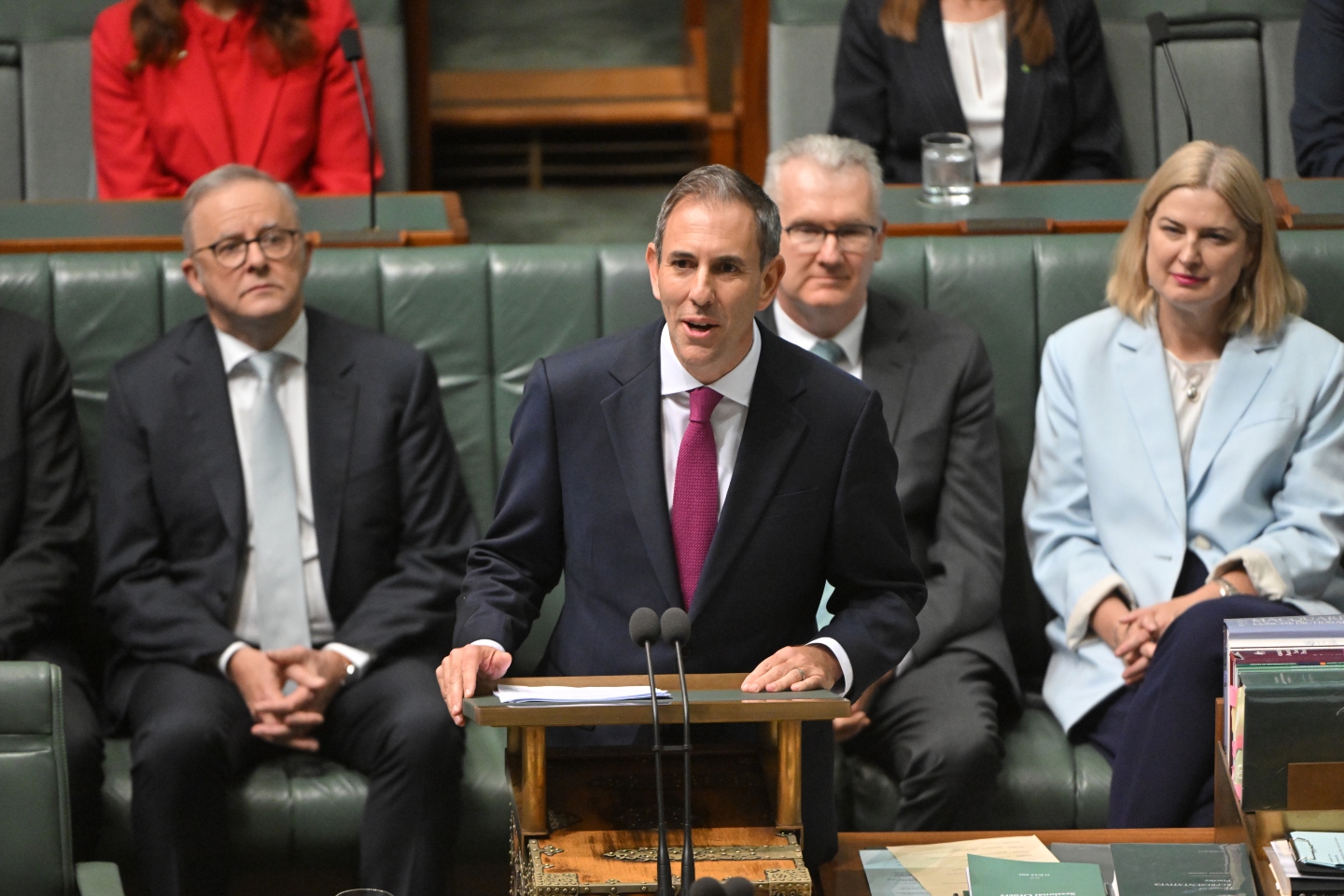
The federal government is replacing the 50 per cent capital gains tax discount with a new minimum rate and is restricting negative gearing to new builds to boost housing stock.
The shares of Vodafone Idea dropped nearly 4% after the telecom giant issued a clarification on a report claiming that its parent Vodafone Plc plans to transfer part of its stake to the company itself, which had sparked an 8% rally in the share price yesterday.
UK-based Vodafone Plc, which owns a 19% stake in Vodafone Idea, was considering transferring part of its shareholding to the company itself for the Indian telco to hold in its treasury, Bloomberg reported, citing people familiar with the matter. It added that the share transfer would take place instead of Vodafone injecting more cash into the Indian business.
The company’s shares sharply rallied more than 8% on Monday despite the overall stock market crash following the report, which claimed that the move could boost the balance sheet of the loss-making Vodafone Idea, and help its current efforts to raise debt.
Vodafone Idea’s clarification
Advertisement
After exchanges sought clarification from Vodafone Idea following the sharp surge in share price, the company said that it has not yet received any communication related to this from the Vodafone Group.
Live Events
Vodafone Idea said that the report may possibly be referring to disclosures already made in December last year about the Contingent Liability Adjustment Mechanism (CLAM) arrangement. As part of the December exchange filing, which the company reshared yesterday, Vodafone Idea had announced that it amended a major agreement with its UK-based parent company to secure the recovery of nearly Rs 5,836 crore linked to liabilities arising from the 2017 Vodafone-Idea merger. Vodafone Idea share priceVodafone Idea shares have seen a significant surge recently, jumping 10% in one week and 28% in one month. Shares of the telecom company are up more than 2% in 2026 so far.
In the longer term, the stock jumped over 67% in one year, 69% in three years and more than 34% in five years. The company currently has a market capitalisation of more than Rs 1.26 lakh crore.
(Disclaimer: Recommendations, suggestions, views and opinions given by the experts are their own. These do not represent the views of The Economic Times)
Jyothy Labs shares declined 5% to Rs 225.20 during Tuesday’s trading session, extending losses for the second consecutive day. The stock has fallen nearly 15% over the two sessions following the company’s announcement that the licence agreements for the dishwashing brand Pril and the personal care brand Fa with Henkel will not be renewed beyond May 31, 2026.
On Saturday, Jyothy Labs said the decision marks the end of a nearly 15-year partnership between the two companies.
The company added that it is preparing for an “orderly transition” and plans to sharpen its focus on its owned brands, especially Exo in the dishwash category. While Pril has historically been Jyothy Labs’ flagship dishwash liquid brand, Exo has remained a strong player in the dishwash bars segment.
Jyothy Labs had acquired Henkel’s India consumer business in 2011 through a transaction involving brands, assets, and operations. Under the agreement, Pril and Fa were operated under fixed-term licence arrangements, whereas brands such as Mr White and Henko continued under perpetual licence agreements.
Advertisement
The company fully owns brands including Margo, Neem toothpaste, Tuhina, and Chek. Jyothy Labs also stated that discussions with Henkel regarding a possible renewal had been underway for several months, including the evaluation of “commercial and business continuity alternatives”.
Live Events
Share Price and Technical Indicators
Jyothy Labs currently commands a market capitalisation of Rs 8,300.88 crore. The stock touched a 52-week high of Rs 378.20. On the valuation front, the company is trading at a price-to-earnings (P/E) ratio of 26.14, while its price-to-sales (P/S) ratio stands at 2.46. The price-to-book (P/B) ratio is 5.48. Technically, the stock’s 14-day Relative Strength Index (RSI) is at 43.6. Typically, an RSI below 30 indicates oversold conditions, while a level above 70 suggests the stock may be overbought. Jyothy Labs is currently trading below all eight of its key simple moving averages (SMAs), signalling a bearish trend.
Institutional sentiment remained subdued during the March 2026 quarter. Foreign Institutional Investors (FIIs) trimmed their stake from 12.77% to 12.35%, while Mutual Fund holdings declined from 13.73% to 13.15%.
(Disclaimer: Recommendations, suggestions, views and opinions given by the experts are their own. These do not represent the views of The Economic Times)
The company’s new food items are proving popular and ‘appealing to new and younger customers’
08:55, 12 May 2026Updated 09:05, 12 May 2026
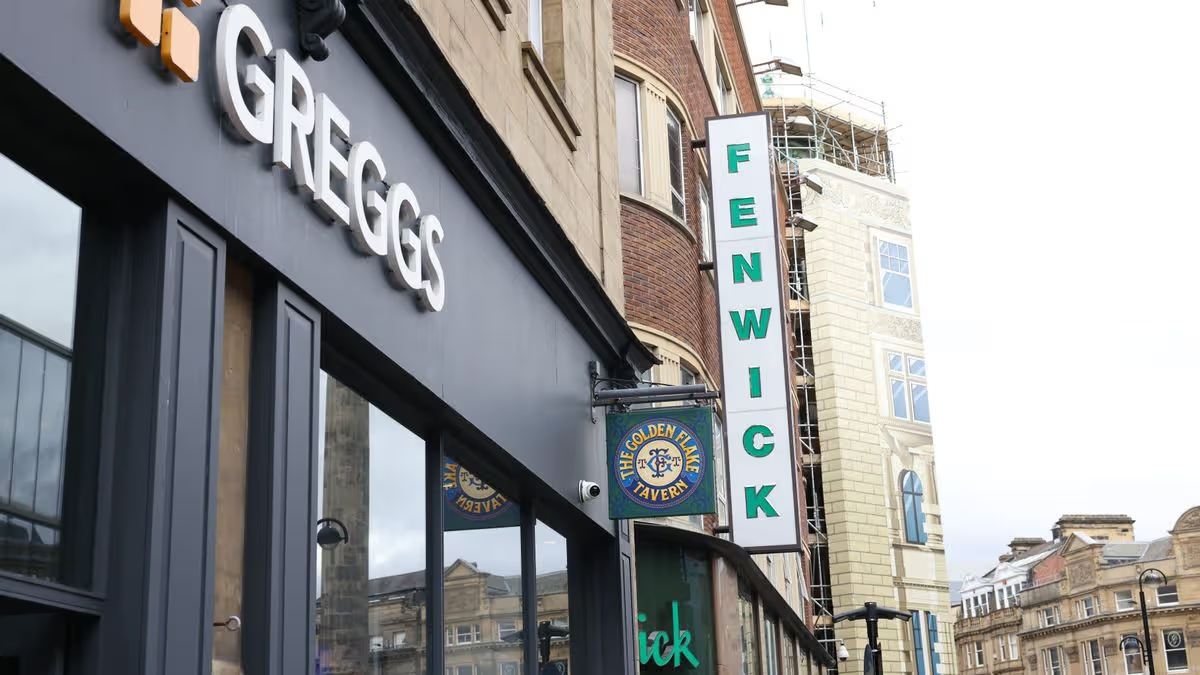
Greggs has announced a rise in sales as new items prove popular(Image: ChronicleLive)
North East food-on-the-go firm Greggs has toasted a rise in sales after announcing its first overseas shop launch. The Newcastle firm has announced results for the first 19 weeks of the year, showing total sales are up 7.5% to £800m.
Like-for-like sales in company-managed shops grew by 2.5% in the first 19 weeks of 2026, and improved to 3.3% in the most recent 10 weeks, as sales of its new menu items took off. Greggs said its new food items including matcha drink, tandoori chicken pizza slice, and its chicken roll – its chicken version of its bestselling sausage roll – were proving popular.
Advertisement
Tapping into demand in the market for protein meals, new salads were also launched last week to include chicken caesar and chicken, grains and greens. The firm said its partnerships with franchisees and grocery retailers are progressing well and contributing to the growth in overall sales.
It also said it has made “encouraging” profit progress in the year to date, partly reflecting a weak comparator period but also good operational cost control.
In a trading update it said: “The launch of our new chicken roll in April has been a standout, quickly establishing itself as a customer favourite and complementing our iconic sausage roll and vegan roll.
Greggs Chicken Roll is a new permanent addition to its menu(Image: Samantha Bartlett)
“Our drinks range has also been energised through flavour-led innovation across iced coffees, lemonades and refreshers, with the launch of matcha – which has proved extremely popular – marking an important step in appealing to new and younger customers.
Advertisement
“Together, these launches reflect our focus on relevance and innovation, while staying true to the familiar quality customers expect from Greggs.”
Meanwhile, Greggs is continuing to target the opening of around 120 shops this year – while announcing it has Tenerife as the location for a new international outlet.
In the update to shareholders it said: “In the coming weeks we will open our first shop in an airport outside the UK, working in partnership with leading global travel operator Lagardère Travel Retail at Tenerife South Airport. Tenerife South is a destination for millions of UK and international passengers each year and represents an excellent opportunity to test our offering in an international travel hub.”
The bakery chain, which runs 2,759 shops, also warned that it could be facing higher costs if the Iran war continues.
Advertisement
It added: “We are monitoring the situation in the Middle East and should the conflict continue and become prolonged we, like all food retailers, will likely see higher overall cost inflation through the end of 2026 and into 2027. In this uncertain environment, our value offer remains highly attractive as customers look to make their money go further.”





















































You must be logged in to post a comment Login