Thailand is navigating a complex mix of economic pressures, diplomatic tensions, trade disputes, and emerging opportunities across multiple sectors. From regional border conflicts to financial market shifts and digital transformation, the country remains a focal point of activity in Southeast Asia.
Trade Disputes and Economic Pressures
Shrimp Industry Faces Crisis
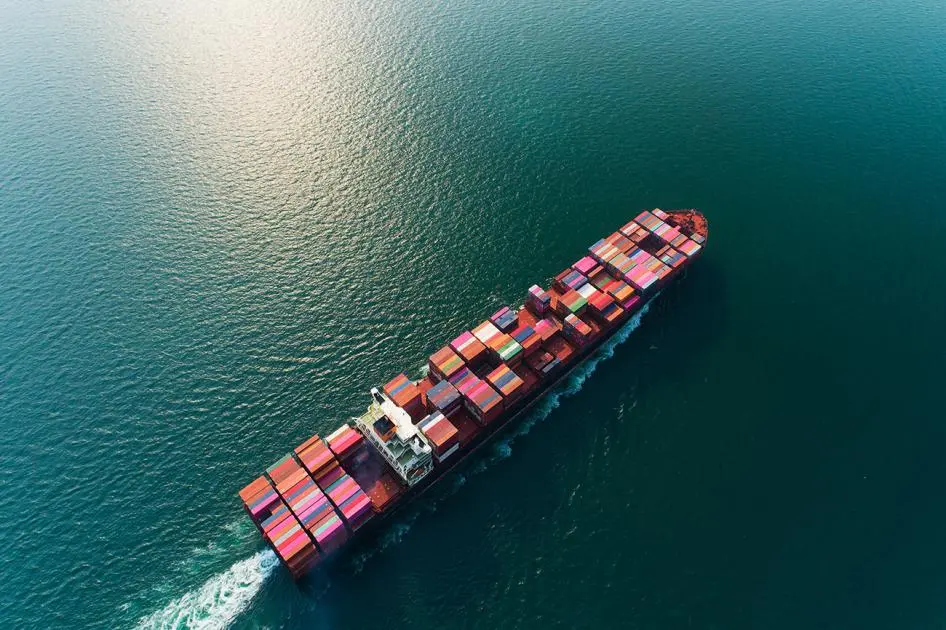
One of the most pressing economic issues involves Thailand’s seafood sector. Malaysia has imposed a ban on Thai shrimp imports, dealing a significant blow to what was once the world’s largest shrimp industry. Thailand is preparing to challenge the ban through both the World Trade Organization (WTO) and ASEAN frameworks, signaling a deepening trade rift between the two neighbors. The dispute has escalated tensions between Bangkok and Kuala Lumpur, raising broader questions about regional trade relations.
Simultaneously, Thailand is accelerating efforts to finalize a free trade agreement with the European Union, partly to reduce its dependence on US markets amid ongoing tariff uncertainties. Multiple sources confirm this push is gaining momentum, with Thailand viewing the EU deal as a strategic hedge against external economic shocks.
Financial Markets Under Pressure
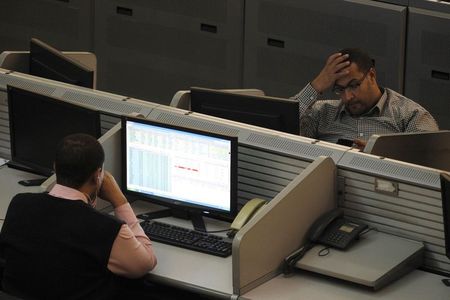
Thai financial markets are showing signs of strain. Capital is fleeing Thai stocks as the baht continues to decline, reflecting investor concern about the country’s economic trajectory. However, the Bank of Thailand has indicated low risk of a currency crisis, citing robust foreign reserves. Supporting this cautious optimism, Moody’s has upgraded Thailand’s economic outlook to “Stable,” acknowledging improving economic momentum. The JSCIB has also raised its GDP forecast to between 1.6% and 2.0%, offering some positive signals amid broader uncertainty.
Thailand’s automotive sector is also struggling, with car production falling to its lowest level in five years in April, according to Reuters.
Regional Security and Diplomatic Relations
Cambodia-Thailand Border Tensions
Regional security remains fragile. Cambodia has deployed Chinese-built tanks near the Thai border, prompting Thailand’s National Security Council to monitor the situation closely. Former Cambodian Prime Minister Hun Sen has publicly acknowledged that the recent conflict with Thailand was “my fault,” a rare admission that may open the door for diplomatic progress.
Both nations are exploring frameworks for lasting peace, with analysts suggesting UNCLOS-based mechanisms could help rebuild trust and resolve maritime boundary disputes. Thailand has confirmed it will participate in UN-backed conciliation on the maritime dispute, a step seen as constructive by regional observers.
Political Developments
On the domestic political front, former Prime Minister Thaksin Shinawatra is officially free but now faces a new multimillion-dollar tax battle. A Thai criminal court has acquitted a political leader of lèse-majesté charges, a notable development in the country’s ongoing tension between political freedom and royal defamation laws. Separately, a prominent pro-democracy activist, Tiwagorn Withiton, has been convicted and sentenced to prison, drawing criticism from human rights organizations.
Digital Economy and Financial Innovation
Virtual Banking and Crypto Regulation
Thailand is making significant strides in its digital economy ambitions. The country’s newly launched virtual banks are operating within a model that currently offers thin profit margins, raising questions about long-term viability. Meanwhile, Thailand’s crypto regulatory framework has entered a market-building phase, suggesting a more structured and growth-oriented approach to digital assets.
The country is also positioning digital ID infrastructure as the backbone of its emerging digital economy, with biometric systems being developed to streamline services and improve security. True IDC, backed by CP Group and GIP, has won a major award for digital infrastructure{rel=”nofollow” target=”_blank”}, with a large-scale data center project planned for the Eastern Economic Corridor.
Public Health and Environmental Concerns
Air Quality and Health Alerts
Thailand continues to grapple with serious air quality challenges. PM2.5 pollution is costing the country more than 5 billion baht, with structural policy failures prolonging the crisis, according to Kasikorn Research. New regulations are being introduced to mandate emissions monitoring at factories, representing a tightening of environmental standards.
On the health front, the US Embassy in Thailand has issued an Enhanced Ebola Screening Health Alert, and the WHO is working with Thailand to strengthen risk assessment frameworks for health emergencies.
Tourism, Culture, and Soft Power
Tourism Growth Initiatives
Thailand is actively promoting itself as a premier tourist destination. Initiatives include the Amazing Thailand Grand Sale, participation in tourism expos in Amsterdam, and the promotion of T-POP fandom tourism to attract culturally motivated travelers. The country is also exploring seaplane routes to boost tourism in the Andaman region and eyeing a mysterious eye-shaped island as a potential sustainable travel hotspot.
Vietnam and Thailand have jointly launched a “Two Countries, One Destination” initiative{rel=”nofollow” target=”_blank”} aimed at attracting regional and long-haul visitors through enhanced connectivity and shared tourism products.
Thailand also remains a notable destination for expatriates, with lifestyle publications highlighting its lower cost of living, relaxed pace of life, and family-friendly environment.
Conclusion
Thailand stands at a critical crossroads, balancing economic headwinds, regional security challenges, and ambitious digital and trade agendas. While pressures from currency depreciation, trade disputes, and political tensions persist, positive signals from Moody’s, FTA negotiations, and digital economy investments suggest the country is actively positioning itself for long-term resilience and growth.
Source : Google News – Search
Other People are Reading























































You must be logged in to post a comment Login