





Connect with us

Business

Closing auction keeps traders on edge as divergence persists

Published

on

Closing auction keeps traders on edge as divergence persists
Mumbai: The divergence between Sensex and Nifty levels persisted for the second day on Tuesday as market participants continued to grapple with confusion around the rollout of the closing auction system launched the previous day. The expiry of Nifty weekly futures and options contracts on Tuesday added to the complexity, with several traders taking to social media complaining of unexpected moves in derivatives prices and losses on their positions.

The Sensex ended at 78,428.95, down 210.08 points or 0.27%, while the Nifty closed at 24,614.90, down 159.40 points or 0.64%, coming off early lows. At the day’s lowest levels, the Sensex was down 0.5% and the Nifty was down 1.4%. The partial recovery happened in the last five minutes of trading.

Read more: Nifty’s value doesn’t change suddenly at 3:30 pm, NSE clarifies amid CAS confusion

The differences in the intraday and closing levels over the past two days follow the introduction of the closing auction system, which changes the way the official closing prices of stocks traded in the futures and options (F&O) segment are determined. The closing prices are used to calculate index closing levels, value mutual fund portfolios and settle derivatives contracts.

Closing Auction Keeps Traders on Edge as Divergence PersistsAgencies

Trading Volumes
“The main cause of the last-minute spike in the Nifty appears to be participation in the CAS (closing auction system) session, or possibly the lack of it because of the confusion,” said Kamlesh Shroff, president, Association of NSE Members of India. “While NSE’s CAS volumes were higher compared to yesterday, the number of UCCs (unique client code) traded during the CAS fell on Tuesday, suggesting fewer participants had a larger influence on the Nifty’s close. This makes it easier for large orders to move the market.”


The fall on Tuesday is a reversal of the previous day’s upmove when a late surge of 0.8% at around 3.28 pm led to the Nifty surging 1.6% at close, while the Sensex ended 0.7% higher, creating an unprecedented variance.
The new closing auction process, limited to the 200-odd stocks in the F&O segment, lasts about 20 minutes, from 3.15 pm to around 3.35 pm. During this period, the exchange first collects buy and sell orders and then matches them to determine a single official closing price for the stockUnder the old system, the closing price was based on the volume-weighted average price (VWAP) of trades during the last 30 minutes of trading. Unlike the earlier system, the new mechanism concentrates buy and sell orders into a single closing auction, making the closing price more sensitive to large orders.

The shift to the closing auction system has resulted in a drop in trading volumes in the last part of the trading session, said brokers. “The cash market saw volumes of only about Rs 1,500 crore in the last 30 minutes, against the usual Rs 6,000-7,000 crore, while open interest also declined,” said Samir Doshi, CEO, Marwadi Shares and Finance. “This makes market moves difficult to track and raises concerns around mutual fund NAV tracking and index rebalancing for MSCI or FTSE.”

Advertisement

F&O EXPIRY
Brokers said many traders and investors were still adjusting to the new closing auction mechanism, with several caught off guard during the first equity derivatives expiry under the new system on Tuesday. “This Tuesday’s expiry looked very different from the moves we usually see on expiry days, particularly as the index again shot up in the last few minutes of trading,” said Doshi. “We saw unusual moves in option prices, with virtually no decay in ATM (At the money) options, which is typically seen through the day by the close.”

Doshi said the uncertainty over how long the abrupt price moves would last is unnerving. “The Nifty climbed nearly 150 points late on Tuesday, and is likely to open lower again on Wednesday. This is making us question when this cycle will end.” Traders will now watch the expiry of the Sensex weekly derivative on Thursday to gauge the impact of the closing auction system on activity. “We are more worried about BSE, where volumes are so low that any sort of index manipulation would become much easier in the CAS session,” said Doshi. Shroff expects “normalcy” to return to the markets by Nifty’s monthly expiry later this month, saying participants are likely to have adjusted to the new system by then.

Continue Reading
Click to comment

You must be logged in to post a comment Login

Leave a Reply

Business

Bank of England overseas working: 12,889 days logged

Published

on

Bank of England overseas working: 12,889 days logged

More than 1,000 Bank of England employees spent a combined 12,889 days working outside the UK under the central bank’s working from abroad policy, according to freedom of information data first reported by The Telegraph.

Some 6,000 staff are eligible to work overseas for up to 40 days a year, on top of an entitlement to work from home for three days a week, the Bank’s official guidance states.

The Bank said on Tuesday: “The Bank’s working-from-abroad policy is in place for staff who temporarily work outside the UK. As an organisation with a significant international make-up, we recognise that colleagues may at times need to spend short periods overseas.

“Due to continued investment in modern technology and secure systems, staff are able to carry out their roles effectively while working remotely.

“The policy is subject to time limits and other conditions, including security-related restrictions, and staff are required to fulfil their usual duties and responsibilities professionally and effectively.”

Advertisement

The latest publicly available staff handbook, which sets out the terms alongside the Bank’s other staff codes and policies, states: “The Bank is committed to supporting colleagues working flexibly and allows colleagues to work from abroad for a maximum of 40 working days a year.”

Disclosure lands during rate debate

The figures were released a week after the Bank’s monetary policy committee, which sets Bank Rate, held the cost of borrowing for a fifth time this year.

The nine-strong committee voted by six to three on 29 July to maintain Bank Rate at 3.75 per cent, according to the published minutes. Megan Greene, Catherine L Mann and Huw Pill voted for a rise of 0.25 percentage points, to 4 per cent.

The minutes state that consumer price inflation “has fallen to 2.6 per cent since the previous meeting, although it is expected to rise later this year as the effects of higher energy prices continue to pass through”. The Bank’s target is 2 per cent.

Advertisement

Figures published by the Office for National Statistics in July showed inflation of 2.6 per cent in June, down from 2.8 per cent in May. Grant Fitzner, chief economist at the ONS, said: “A fall in motor fuel prices, particularly diesel, helped ease inflation in June.”

Andrew Bailey, the governor of the Bank of England, said at the time of the decision that the path for rates depended on whether the war between America and Iran continued.

“So it depends on how the events in the Middle East, frankly, unfold. And sadly, we all know this is highly unpredictable. What goes on in the Gulf is not, I’m afraid, under our control,” he said.

Bailey had already indicated that cuts were off the table ahead of the July meeting.

Advertisement

Employers diverge on remote rules

Other large UK employers have tightened office attendance requirements over the same period. Santander instructed its UK office-based staff to work the equivalent of 12 days a month at its sites, replacing a two-day-a-week requirement, in an update sent to 10,000 employees. The bank said in-office presence was important for supporting and developing employees, particularly those early in their careers.

PwC told its 26,000 UK employees they must spend at least three days a week in the office or at client sites, up from two to three days previously.

The Bank’s next Bank Rate decision is due on 17 September, according to its published schedule.


Jamie Young

Jamie Young

Jamie Young is Senior Reporter at Business Matters, covering SME finance, employment law and Westminster policy since 2016. He has reported on every Budget and Autumn Statement since 2018, helped make sense of the ‘covid era’ and the bounce-back loan scheme from launch through the fraud investigations, and broke the magazine’s coverage of the 2024 late-payment reforms. He joined Business Matters straight from completing his BA in Administration from Exeter University and is NCTJ-qualified. Reach him at jyoung@cbmeg.co.uk

Advertisement

Continue Reading

Business

GM, Chinese automaker extend tie-up amid geopolitical tensions with US

Published

on

GM, Chinese automaker extend tie-up amid geopolitical tensions with US

Workers assemble cars at a car plant of SAIC-GM-Wuling in Qingdao city in east China’s Shandong province, Feb. 5, 2025.

ZHANG JINGANG | Future Publishing | Getty Images

DETROIT — General Motors and China’s SAIC Motor have extended a decadeslong Chinese joint venture that was set to end next year, the U.S. automaker said Tuesday night.

Advertisement

The extension comes amid a rapidly changing automotive landscape in China that has included the swift rise of domestic automakers and a shift away from traditional Western brands and legacy joint ventures.

GM declined to provide financial details of the extension, which comes amid heightened geopolitical tensions between the U.S. and China, including a potential stateside ban of Chinese brands and vehicles.

The largest disclosed change in the dynamic of the agreement is its length. The initial deal established in 1997 was for 30 years, and now the companies have announced a 20-year extension of the 50-50 joint venture to 2047.

GM noted that the deal will focus on refocus domestic sales of Buick and Cadillac models in China in addition to exporting products, including Chevrolet models, built in China for non-U.S. markets.

Advertisement

“We are committed to strong performance in the China market, and we see meaningful opportunities to compete in select international markets: the Middle East, Africa, South America, Mexico and Asia-Pacific,” GM China President John Roth said in a release.

The optimism about exporting comes as China quickly went from a reclusive market to the largest global exporter of vehicles in recent years.

China’s growth has been fueled by government funding for companies as well as a culture of innovation and speed the country has instilled in its workers, experts have said. But a slowing Chinese market and plant underutilization have forced companies to begin exporting to major auto markets globally.

China was GM’s top sales market from 2010 to 2023, but the shifting dynamics caused the Detroit automaker and its joint-venture partners to restructure operations.

Advertisement

The automaker’s earnings from China fell from around $2 billion annually in 2018 to two consecutive years of losses in 2024 and 2025. GM has reported $248 million in equity income through the first six months of this year following restructuring actions that cost the automaker $1.1 billion in special charges last year.

GM reports the joint venture has produced and delivered more than 20 million vehicles since it was established in China. 

Choose CNBC as your preferred source on Google and never miss a moment from the most trusted name in business news.
Continue Reading

Business

Bristol racket sports platform that ranks and matches players secures major investment

Published

on

Business Live

The business is now looking to expand into the fast-growing padel market

Levels Technologies has developed a rankings, ratings and community platform for racket sports

Levels Technologies has developed a rankings, ratings and community platform for racket sports(Image: British Business Bank)

A Bristol company that has developed a rankings, ratings and community platform designed to modernise how racket sports are played and organised has secured a £500,000 investment.

Levels Technologies – originally launched as SquashLevels – uses data-led insights to provide more accurate player ratings, helping to match players of similar ability and improve participation and engagement.

The business, which also has an office in London, will use the funding to further develop its platform, including launching new sports verticals and investing in commercial and data teams to accelerate user growth and partnerships, it said.

The round was led by The FSE Group, which invested £250,000 through the British Business Bank’s South West Investment Fund. It also included participation from Akira Financial, the Professional Squash Association (PSA), and the Haley Family Office.

Advertisement

Levels Technologies’ platform is available across web and mobile, and combines player performance data, dynamic rankings and social features, giving users a way to track progress, compete and connect.

Having already built a strong user base in squash, the business is now expanding into other fast-growing racket sports markets, starting with padel.

Co-chief executive Jethro Binns, a former professional squash player, said: “We built Levels to bring a more accurate and engaging way for people to play racket sports, starting with squash and now expanding into much larger global markets. This investment allows us to accelerate that vision, develop the platform further and grow our partnerships internationally.

“The support from FSE and our co-investors brings valuable experience as well as capital, and we’re looking forward to working closely together as we scale.”

Advertisement

Matt Browning, investment manager at FSE, added: “Levels has developed a differentiated platform that is already demonstrating strong engagement from its user base.

“The team has built a product that solves a clear problem in how players are ranked and matched, and there is a significant opportunity to apply this across a range of growing racket sports. With proven traction and clear expansion plans, we believe the business is well positioned for further growth.”

Continue Reading

Business

Disney (DIS) earnings Q3 2026

Published

on

Disney (DIS) earnings Q3 2026

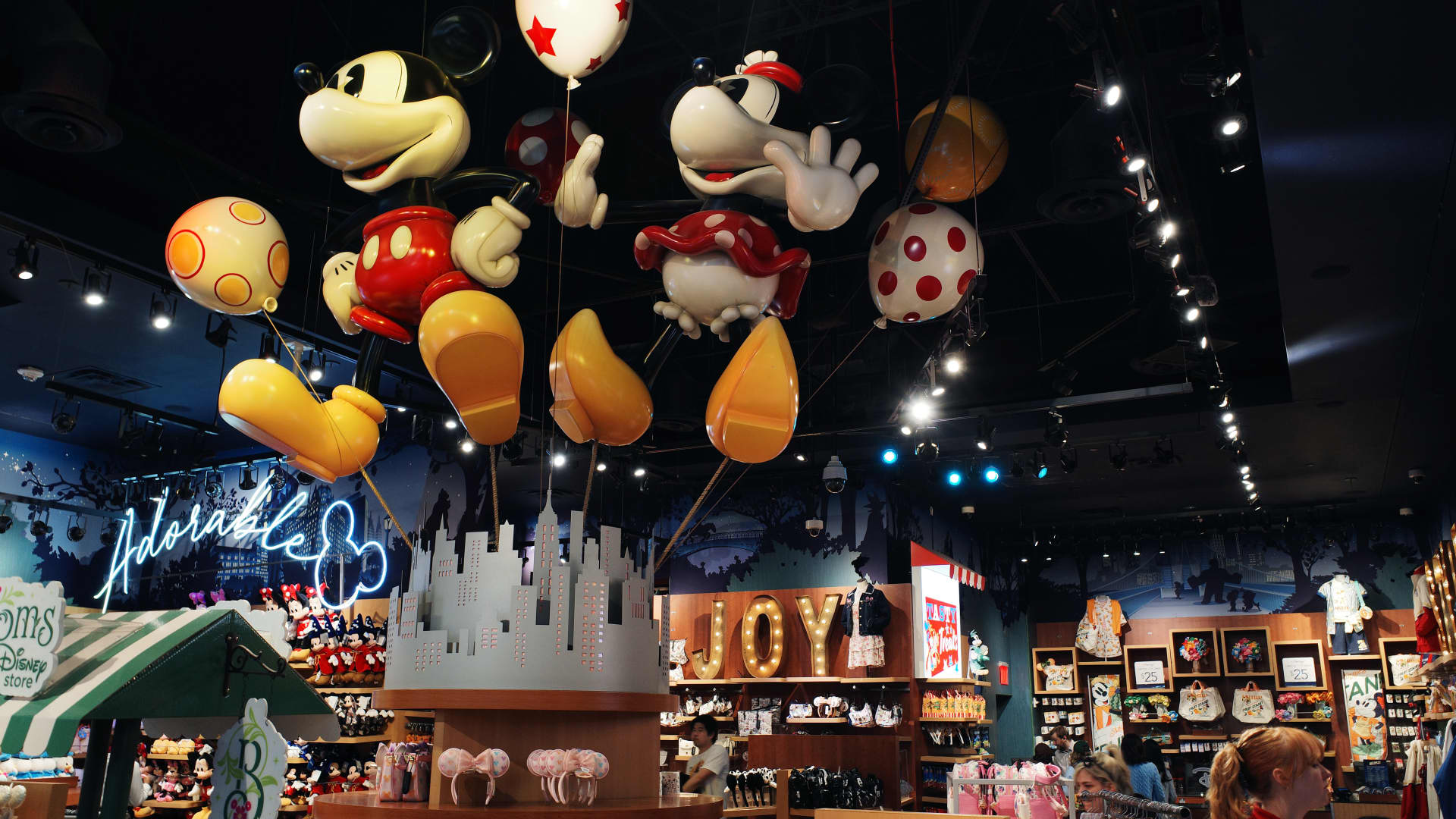
Merchandise is displayed on a shelf at the Times Square Disney store on May 6, 2026 in New York City.

Michael M. Santiago | Getty Images

Disney reports quarterly earnings before the bell on Wednesday, and investors will be focused on the direction of the company’s streaming and theme parks business — as well as further updates on CEO Josh D’Amaro’s strategy for growth.

Advertisement

Disney’s fiscal third-quarter earnings will be released less than five months since D’Amaro took over for Bob Iger as CEO. In that time the company has seen layoffs across the company, the most recent round reportedly occurring in July at divisions including ESPN.

Here’s how Disney is expected to perform in its fiscal third quarter, according to LSEG:

  • Earnings per share: $1.86 expected
  • Revenue: $25.40 billion expected

Last quarter D’Amaro outlined his plans for future growth, much of which focused on investing in intellectual property and advancing technology around storytelling, particularly in the context of boosting theme parks and streaming.

In addition to details around layoffs and other cost-cutting measures, Wall Street will be keen to hear how current macroeconomic conditions are affecting Disney’s businesses.

Theme parks remain a driver of revenue and profit. But the effects of the U.S.-Israel conflict with Iran and related jump in oil prices has affected some of Disney’s peers.

Advertisement

In July, Comcast’s NBCUniversal reported that its Orlando parks experienced lower attendance during its most recent quarter due to what executives called “weakness in consumer sentiment and higher travel costs.”

Last quarter Disney said that despite these trends and broader uncertainty for consumers, demand at domestic parks remained healthy and there had been an increase in guest spending during the quarter.

In addition to Disney’s experiences division, streaming will once again take up much of the attention for investors.

Wall Street will be looking for updates on subscriber and advertising growth for both its flagship platform Disney+, as well as ESPN’s direct-to-consumer app that was launched nearly a year ago.

Advertisement
Choose CNBC as your preferred source on Google and never miss a moment from the most trusted name in business news.
Continue Reading

Business

Under treasurer Joann Wilkie departs after one year

Published

on

Under treasurer Joann Wilkie departs after one year

The state’s under treasurer Joann Wilkie has left her role one year to the day since moving to Western Australia.

Continue Reading

Business

Tjiwarl commercial arm buys Gambara Environmental Services

Published

on

Tjiwarl commercial arm buys Gambara Environmental Services

A Goldfields indigenous business has acquired an environmental services firm in a move it hopes will diversify income streams for native title holders.

Continue Reading

Business

Insolvencies mount for retail fashion

Published

on

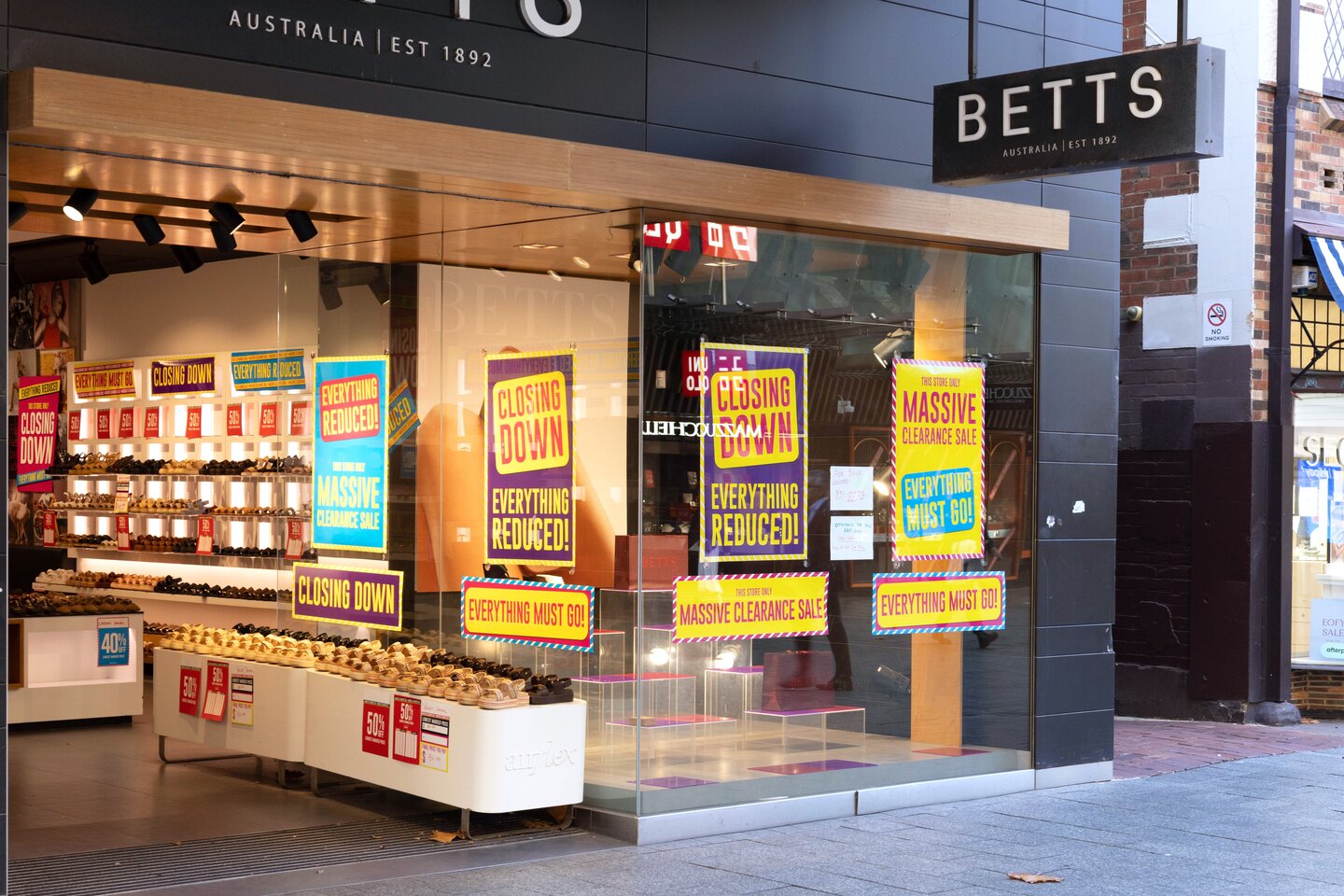
Insolvencies mount for retail fashion

A succession of insolvencies has highlighted the increasing pressures on the retail sector amid subdued discretionary spending, soft demand and growing cost pressures.

Continue Reading

Business

McDonald’s US sales miss analyst targets as CEO cites execution

Published

on

McDonald's US sales miss analyst targets as CEO cites execution

McDonald’s sales growth came in slower than expected when the company released its second quarter earnings on Tuesday, with leaders pointing to execution lapses they say hampered its push to promote value deals aimed at lower-income consumers.

CEO Chris Kempczinski said that weak promotion of value deals and a pullback in the use of digital deals, such as its buy-one-add-one promos, led to a drop in visits from loyal customers – noting that accounted for about two-thirds of the shortfall in customer traffic for the quarter.

Advertisement

Comparable sales for McDonald’s largest market grew 0.8%, below analysts’ estimates of a 1.06% increase, according to data compiled by LSEG. The pace of the fast-food giant’s U.S. growth was 2.5% last year.

“We don’t have a strategy problem. We simply didn’t execute at the level we needed to in the second quarter,” Kempczinski said.

MCDONALD’S BRINGING BACK FRIED APPLE PIE TO CELEBRATE AMERICA’S 250TH BIRTHDAY

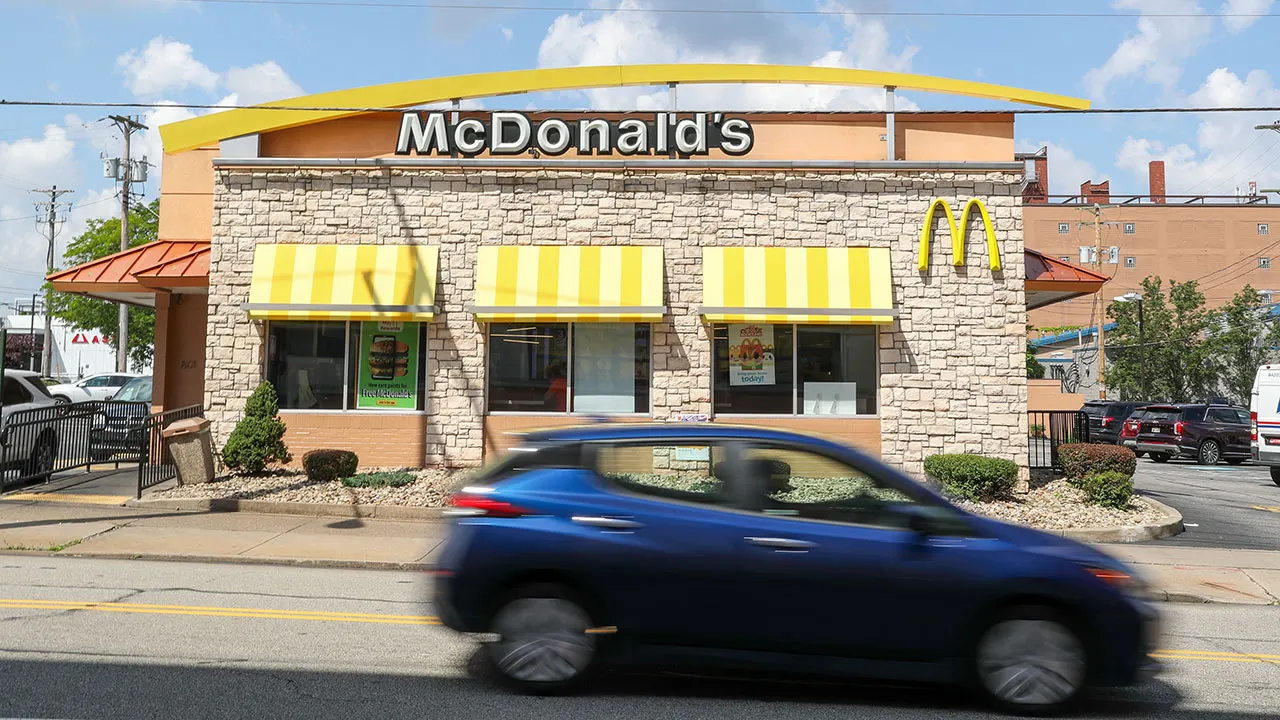
An exterior view of a McDonald's fast food restaurant.

McDonald’s sales came in lower than expected, with executives noting that some franchisees struggled to implement its low-price menu offerings effectively. (Paul Weaver/SOPA Images/LightRocket)

The CEO said that while McDonald’s has “restored our overall value and affordability leadership, our restaurant level results show that execution was inconsistent across the system,” noting that the best performing restaurants executed the affordable price menu plan and saying they “need the same level of execution in all our restaurants.”

Advertisement

He went on to say that about one-thirds of the McDonald’s system’s restaurants didn’t execute against the guidance for the every day affordable price menu, adding that the company will educate franchisees about the importance of complying with that pricing scheme which will factor into business reviews.

MCDONALD’S TESTING AI DRIVE-THRU ORDER-TAKING SYSTEM CALLED ARCHIQ AT FIVE LOCATIONS ACROSS COUNTRY

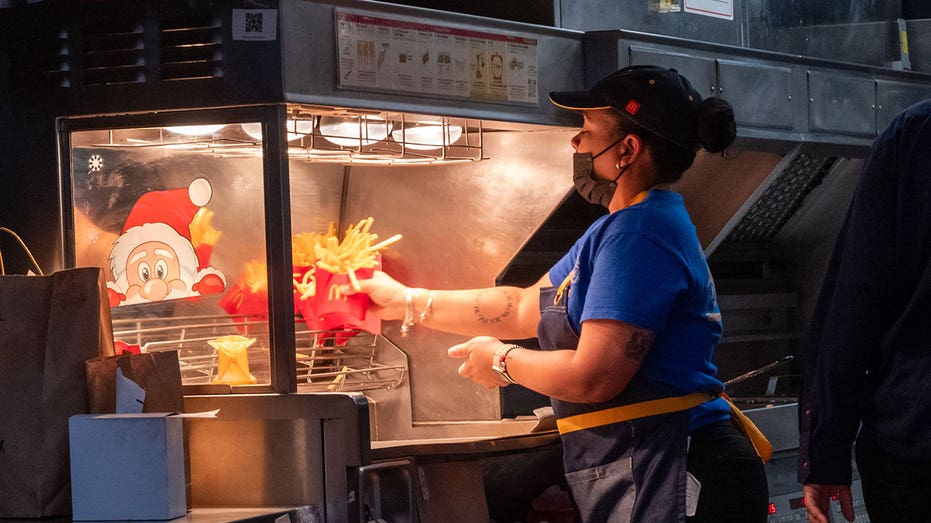
NEW YORK CITY - JANUARY 05: A woman works in a McDonalds in Manhattan on January 05, 2024 in New York City. As the American economy continues to outperform expectations, the December jobs report showed that employers added 216,000 positions for the month as the unemployment rate held at 3.7% (Photo by Spencer Platt/Getty Images)

McDonald’s is simplifying some operations that hampered efficiency and led to slower customer service times. (Spencer Platt/Getty Images)

Kempczinski also said that restaurant teams were overwhelmed by the number of deployments McDonald’s put forward in the quarter, which impacted efficiency and worsened customer service times, while marketing programs didn’t deliver against expectations.

McDonald’s CFO Ian Borden said that in the near term, the company is launching more national digital flash offers starting next week to “reenergize our high-frequency customers,” while also targeting the chain’s most loyal customers with more personalized digital offerings.

Advertisement

MCDONALD’S UNVEILS NEW GROWTH STRATEGY TO WIN BACK CUSTOMERS

Ticker Security Last Change Change %
MCD MCDONALD’S CORP. 268.34 +3.11 +1.17%

Borden added that the company is already taking steps to simplify restaurant operations by eliminating several non-customer-facing activities over the remainder of the year.

As part of the company’s push to reinvigorate its growth, McDonald’s named Skye Anderson to lead its U.S. business, betting on an executive with extensive experience across operations and international markets.

Anderson has worked for the company for 26 years, which includes time as the U.S. chief operating officer. In her new role she will oversee about 14,000 restaurants in the U.S. and guide McDonald’s new turnaround strategy.

Advertisement

GET FOX BUSINESS ON THE GO BY CLICKING HERE

Reuters contributed to this report.

Continue Reading

Business

Buc-ee’s sues Ohio mini mart over beaver logo trademark infringement claims

Published

on

Buc-ee's sues Ohio mini mart over beaver logo trademark infringement claims

Buc-ee’s has sued a small mini-mart in Ohio, alleging its cartoon beaver logo is too similar to the popular Texas-based chain’s iconic logo, adding to the various lawsuits the company has filed against small stores with cartoon animal branding despite an HBO show daring it to challenge someone its own size.

Beaver’s Mini Mart in Beavercreek, Ohio, was sued by Buc-ee’s late last month over alleged trademark infringement, according to WLWT. Buc-ee’s claims the store used a smiling cartoon beaver logo and red coloring that closely mimics its famous branding.

Advertisement

Buc-ee’s said it has been using the cartoon beaver logo for more than four decades and has several federal trademark registrations, according to the outlet. The chain also argues that Beaver’s Mini Mart started using the logo after Buc-ee’s had established trademark rights.

The logo could create “confusion among consumers” about whether the store is associated with Buc-ee’s, the company argued in the complaint.

BUC’EE’S SUES SMALLER GAS STATION CHAIN FOR COPYRIGHT, ARGUING CARTOON DOG IS TOO SIMILAR TO ITS BEAVER

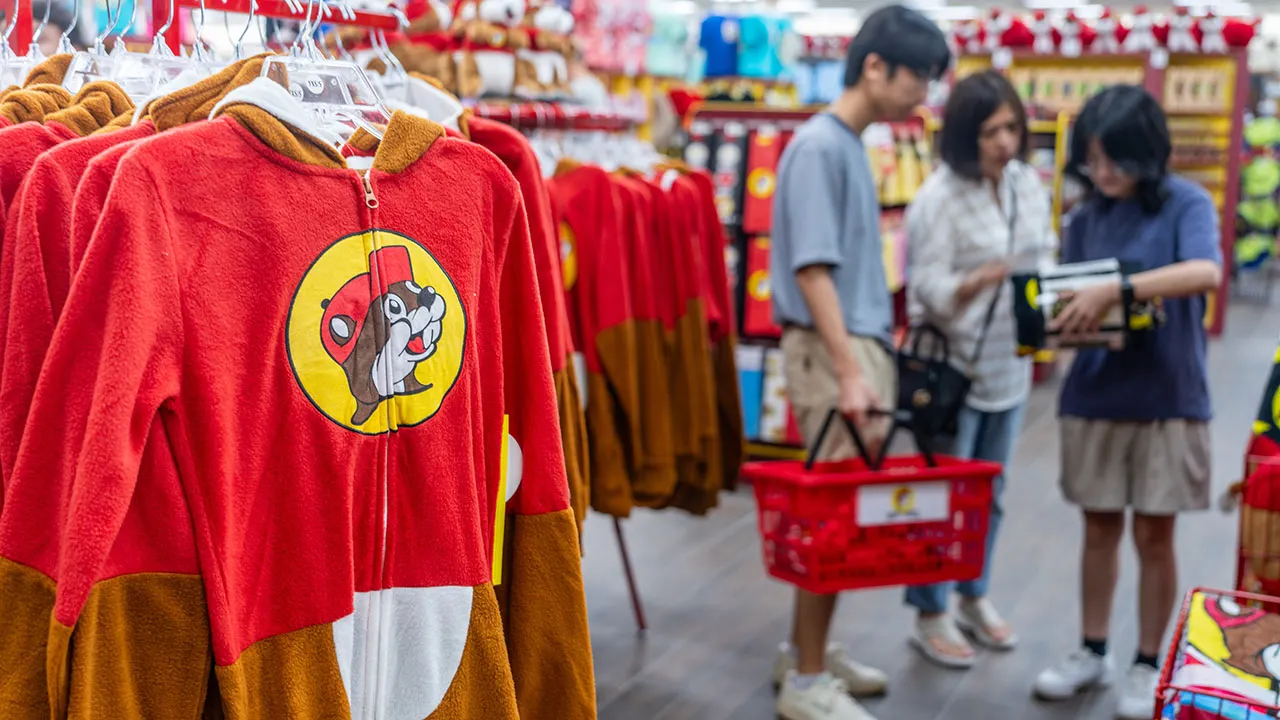
Customers shop for apparel inside of the Buc-ee's convenience store on June 12, 2024 in Luling, Texas.

Buc-ee’s has sued a small mini mart in Ohio, alleging its cartoon beaver logo is too similar to the popular Texas-based chain’s iconic logo. (Brandon Bell/Getty Images / Getty Images)

Buc-ee’s opened its first location in Ohio earlier this year, but Beaver Mini Mart has no gas pumps, is miles from the nearest interstate and was operated before Buc-ee’s expanded into the state.

Advertisement

The mini-mart has been owned by Vik Boparai for more than a decade, years before Buc-ee’s first expanded out of Texas in 2018 and long before it opened its first Ohio store near Dayton in April. Beavers are also popular characters across Beavercreek, as numerous businesses and the local high school feature the rodent as their mascots, according to The Cincinnati Enquirer.

“I don’t know why they would sue a small business like mine,” Boparai told the outlet. “I have two kids and this store is how I feed them.”

Beavercreek Councilman Zach Upton also told the outlet that the lawsuit appears to be overreach and customers are unlikely to confuse the two logos.

“Common sense is not prevailing,” Upton said. “I can’t imagine anyone would be confused by the mini mart and Buc-ee’s. It’s not even in the same ballpark.”

Advertisement

The lawsuit comes after comedian John Oliver noted how Buc-ee’s has sued several small stores with cartoon logos, even when they bear very little or no resemblance to Buc-ee’s grinning beaver logo, and dared the chain to take on someone its own size.

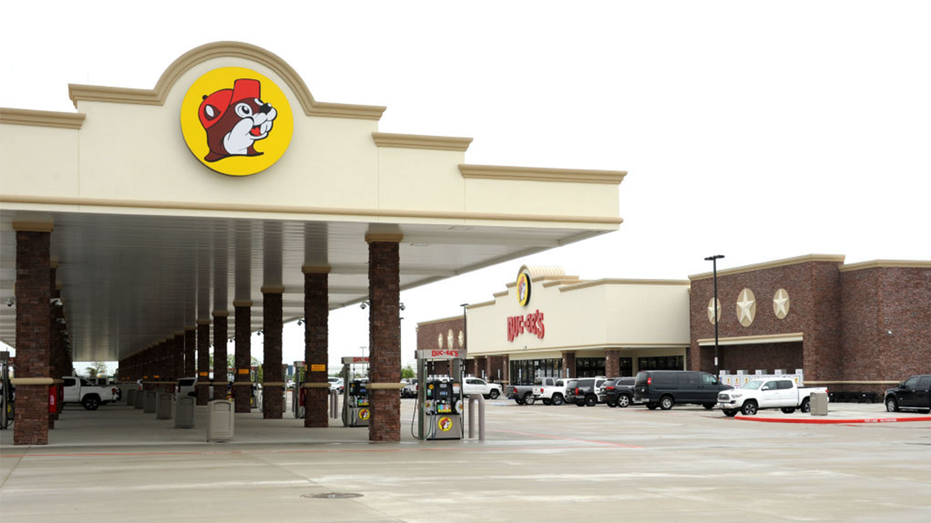
The iconic Buc-ee's convenience store sign

Beaver’s Mini Mart in Beavercreek, Ohio, was sued by Buc-ee’s late last month over alleged trademark infringement. (Getty Images / Getty Images)

On the July 26 episode of “Last Week Tonight,” Oliver urged Buc-ee’s to sue his show rather than small local stores with fewer resources to defend themselves.

“Buc-ee’s loves to sue other companies, particularly those with animal mascots,” Oliver said, pointing out that the chain has filed more than a dozen lawsuits and threatened more.

Oliver said Buc-ee’s has won nearly all the cases because the other companies typically settle and redesign their logos or because “most just don’t have the resources to fight a company this big.”

Advertisement

The comedian cites a legal expert who said Buc-ee’s should be careful with its decision to file so many lawsuits because it may eventually run into one with the resources to fight back.

“And that is where we come in,” Oliver said. “Because, it turns out, we very much have the will to get into a fight with Buc-ee’s.”

BUC-EE’S EXPANDS NATIONAL FOOTPRINT WITH 15 MORE LOCATIONS IN THE PIPELINE

Buc-ee's

 Buc-ee’s claimed the logo could create “confusion among consumers.” (Getty Images / Getty Images)

GET FOX BUSINESS ON THE GO BY CLICKING HERE

Advertisement

Oliver then reintroduced Mr. Nutterbutter, a 7-foot-tall squirrel mascot originally created for a 2017 segment targeting former coal executive Bob Murray, which sparked an unsuccessful defamation lawsuit against the show and HBO.

The show created a cartoon logo of Mr. Nutterbutter and put the logo on various products, including tumblers, hats, shirts, onesies, mugs and pajamas that are available for purchase for a limited time at Buc-Off.com.

“So, if any prominent gas station chain out there has an issue with our new logo and products and wants to get lawyers involved, then you know what? Bring it the f— on. Although remember, in doing so, you’d be directly taking food out of hungry people’s mouths,” Oliver said, noting that all profits would go to Hunger Free America, a nonprofit group working to end domestic hunger.

Fox Business has reached out to Buc-ee’s for comment.

Advertisement
Continue Reading

Business

‘Bigger mines need bigger mills’: Westgold expands Cue processing hub

Published

on

‘Bigger mines need bigger mills’: Westgold expands Cue processing hub

Westgold Resources is investing $22 million to boost processing capacity at its Cue hub by more than 20 per cent, backed by growing underground production in the region.

Continue Reading

Trending

Copyright © 2025