Connect with us
DAPA Banner

Business

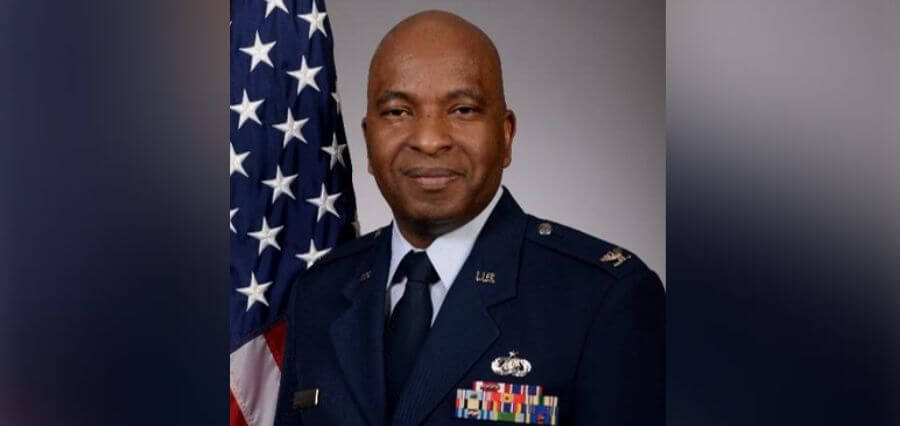
Colonel Nashid Salahuddin on Developing Future-Ready Leaders in the Air National Guard

Published

on

Colonel Nashid Salahuddin on Developing Future-Ready Leaders in the Air National Guard

Colonel Nashid Salahuddin has spent more than three decades in uniform preparing for a challenge that defines modern military leadership: developing leaders who can operate confidently in ambiguity while delivering measurable readiness today.

Now serving as Director of Human Resources for the Air National Guard at Joint Base Andrews, Colonel Nashid Salahuddin oversees the human capital strategy supporting roughly 1,800 military and civilian personnel at headquarters. His mandate is clear and strategic . He ensures the right people are in the right positions at the right time, maintains a fully trained and ready workforce, and deliberately develops leaders for both current missions and future conflict environments.

That mission reflects a straightforward belief: readiness is built through people long before it is tested in operations.

Leadership for Ambiguity, Not Just Compliance

The Air National Guard operates at both a state and national level in order to respond to domestic events while also being able to ensure power is projected globally for US interests. In order to properly fulfill both of these duties, leaders must think much further than simply using checklists or doctrine when performing their daily duties.

Advertisement

Colonel Nashid Salahuddin has developed his own philosophy of leading through the use of adaptability and situational awareness. His experiences include starting out as an airman at 18 in 1990 to being a commissioned officer at the age of 24 in 1996 before completing various operational commands and assignments with the Office of The Secretary of War(Pentagon). This plethora of experiences has taught him that no two teams are identical and any crisis is different from others.

For example, during one of Colonel Salahuddin’s most significant moments for developing leadership, he was deployed to Iraq, where he served for six months as a Senior Advisor to the MoI (Ministry of Interior). He led through influence (without authority) so that he could align Coalition and Sovereign Partners’ objectives with no one being subordinate to him. In order to be successful in this effort, he relied heavily on his credibility and cultural understanding, along with disciplined listening. From this experience, the guiding principle of Colonel Salahuddin is to develop future-ready leaders capable of leading without authority.

Additionally, Colonel Salahuddin applies this philosophy of developing future-ready leaders by embedding their professional development in the execution of the organization’s mission. Decreasing the gap between performance and development was achieved by tracking professional development for individuals, in relation to the mission. Assignments create an opportunity to challenge an individual’s judgment versus just their technical skill. Feedback is both intentional and continuous. Coaching is an expectation.

Ultimately, the goal of Colonel Salahuddin is to create an organization that can adapt to complex situations; rather than just being trained.

Advertisement

Development as a Readiness Strategy

In his current role, Colonel Nashid Salahuddin treats human capital strategy as a readiness function, not an administrative requirement. That perspective has produced measurable results.

After examining the headquarters hiring process through the lens of his Six Sigma Black Belt training, he led a process overhaul that reduced time-to-fill vacancies by approximately 50 percent, cutting timelines from six months to roughly three. The result was not efficient for its own sake. Faster placement of qualified personnel into mission-critical positions directly strengthened operational readiness.

These efforts reflect a consistent view: leadership development and mission execution are interdependent.

Senior leaders often feel tension between immediate readiness requirements and long-term talent cultivation. Colonel Nashid Salahuddin does not see these as competing priorities. Organizations that neglect development in pursuit of short-term output eventually undermine their own capacity. For that reason, he integrates mentorship, stretch assignments, and succession planning directly into operational workflows.

Advertisement

Data-Informed, Human-Centered Leadership

Modern military personnel management generates vast amounts of data. Retention patterns, assignment timelines, performance metrics, and demographic trends provide valuable insight into workforce health. Colonel Nashid Salahuddin views data as essential, but incomplete on its own.

Data establishes baselines and exposes trends. It highlights retention challenges, recruiting pressures, and uneven developmental pathways. It strengthens transparency in promotion and assignment decisions. However, data does not fully explain morale, motivation, or trust.

For that, leaders must engage directly.

He combines quantitative analysis with sustained dialogue. Conversations with Airmen and civilians, 360-degree feedback, and structured forums provide context that dashboards cannot. The combination of evidence and engagement allows policy adjustments that are both measurable and human.

Advertisement

This approach also reinforces fairness. Transparent criteria and documented performance data reduce bias and build confidence in the system. In an institution that depends on trust, that legitimacy is essential.

His leadership philosophy balances disciplined process improvement with genuine concern for the people inside those processes.

Succession Planning and Bench Strength

Preparing future-ready leaders requires more than strong individual performance. It demands deliberate succession planning and institutional depth.

Colonel Nashid Salahuddin evaluates human capital effectiveness across several dimensions: readiness indicators, retention quality, engagement levels, and succession strength. The central question is not simply whether a vacancy can be filled today, but whether qualified successors are being prepared for critical roles five and ten years from now.

Advertisement

He encourages developmental breadth. Junior officers and enlisted personnel are urged to pursue cross-functional assignments that broaden perspective beyond a single specialty. Exposure to operational, strategic, and administrative domains builds leaders capable of systems thinking, a necessary skill in complex environments.

His own career illustrates that philosophy. From serving as Inspector General and Mission Support Group Commander to holding senior strategist roles at the Pentagon, he has operated at both field and enterprise levels. That experience informs his insistence that future leaders must understand both tactical execution and institutional design.

Bench strength is not accidental. It is built intentionally.

Cross-Generational Insight with Institutional Discipline

While his work focuses primarily on institutional systems, one enduring influence shapes his leadership philosophy: the example of his father, whose 87-year life journey is documented in the book Sacred Journey. The reference is contextual rather than promotional. It reflects lessons about resilience, integrity, and steady leadership through societal change.

Advertisement

From that example, Colonel Nashid Salahuddin internalized the importance of ethical steadiness in shifting environments.

Ethical leadership, in his practice, is operational. It requires clarity of standards, consistency in accountability, and the willingness to enforce consequences fairly. It means doing what is right even when oversight is limited. In high-complexity environments where supervision cannot reach every decision, character becomes the control mechanism.

Cross-generational insight also informs how he approaches workforce modernization. Younger Airmen contribute technological fluency and fresh perspective. Senior leaders provide institutional memory and contextual depth. He creates forums where these perspectives intersect, accelerating innovation while preserving experience.

Change is constant. Principles endure.

Advertisement

Institutional Leadership Over Personal Recognition

Colonel Nashid Salahuddin does not frame advancement as personal achievement. Recognition, in his view, reflects collective accomplishment. Leaders who focus primarily on individual recognition weaken trust. Leaders who elevate teams strengthen performance.

This perspective shapes how he measures impact. He looks for organizations that are stronger at the end of his tenure than at the beginning. He looks for leaders who have grown, systems that function more effectively, and policies that align more tightly with mission demands.

He does not emphasize legacy. He emphasizes stewardship.

That mindset is particularly relevant as the Air National Guard adapts to evolving strategic realities, including domestic response requirements and great-power competition. The environment demands leaders who can integrate strategic thinking with disciplined human capital management, modernize systems without losing sight of people, and sustain ethical clarity under pressure.

Advertisement

Colonel Nashid Salahuddin’s career progression, from enlisted Airman to colonel and from field commander to headquarters director, reflects a consistent focus on building capacity in others.

Preparing Leaders for What Cannot Be Predicted

The core challenge in military leadership development is not predicting specific threats. It is preparing leaders to operate effectively in uncertainty.

Colonel Nashid Salahuddin cultivates intellectual flexibility by encouraging leaders to question assumptions and seek diverse perspectives. He builds resilience by allowing emerging leaders to confront difficult assignments with appropriate mentorship and support. He reinforces ethical grounding by maintaining that integrity is non-negotiable, regardless of operational tempo.

He does not promise certainty. He prepares for volatility.

Advertisement

As Director of Air National Guard Human Resources, his mission remains direct: place the right people in the right positions at the right time, ensure they are fully trained and ready, and deliberately develop leaders who can meet today’s demands and tomorrow’s challenges.

Aircraft, technology, and strategy remain essential. Yet without leaders capable of thinking clearly, adapting quickly, and acting with integrity, none of those assets achieve their full potential.

Colonel Nashid Salahuddin has built his career on a disciplined conviction. Readiness begins long before deployment orders are issued. It begins with people who are prepared not only to execute, but to think, adapt, and lead.

Advertisement
Continue Reading
Click to comment

You must be logged in to post a comment Login

Leave a Reply

Business

Wedding Planner Shuts Down Taylor Swift-Travis Kelce Ocean House Rumors: 'Taylor Is Not My Bride'

Published

on

Taylor Swift

A prominent luxury wedding planner has directly debunked viral speculation that Taylor Swift and Travis Kelce will tie the knot at Rhode Island’s exclusive Ocean House resort on June 13, delivering a clear message to eager fans and tabloids: “Taylor is not my bride this weekend!”

Continue Reading

Business

BLACKPINK’s Jisoo Gifts Luxury Dior Bags to Staff, Winning Hearts as ‘World-Class CEO’

Published

on

Blackpink's member Jisoo

SEOUL, South Korea — BLACKPINK member Jisoo is receiving an outpouring of praise after gifting her agency staff luxury Dior handbags worth more than 4 million won (approximately $2,652) each, a generous gesture that has gone viral and stood in stark contrast to recent controversies plaguing the K-pop industry.

Blackpink's member Jisoo
Blackpink’s member Jisoo

The 31-year-old singer-actress, who launched her own one-person management agency BLISSOO after parting ways with YG Entertainment for solo activities, personally selected and presented the high-end bags to employees as a token of appreciation for their hard work. Staff members shared photos of the gifts on social media, with some posting heartfelt messages like “I love you, CEO Jisoo,” quickly sparking widespread admiration online.

Reports indicate Jisoo spent at least 12 million won (around $7,956) on the gifts for four staff members, with some bags priced even higher. The items came from Dior, the luxury French brand for which Jisoo serves as a global ambassador, adding a personal touch that fans described as thoughtful and meaningful.

The news emerged in early April 2026 through fan accounts and entertainment media, with photos showing elegant Dior handbags in various styles. Employees expressed genuine gratitude, highlighting the gesture as more than a simple perk but a reflection of Jisoo’s caring leadership style since establishing BLISSOO.

In the competitive and often high-pressure world of K-pop, where idols and agencies frequently face criticism over unfair contracts, intense schedules and treatment of staff, Jisoo’s actions have resonated strongly. Netizens and fans have hailed her as a “world-class CEO,” praising her for fostering a positive workplace environment and showing respect to those supporting her career.

Advertisement

One online commenter wrote, “This is how you treat people who work hard for you,” while others contrasted the story with recent industry scandals involving alleged power imbalances and exploitative practices at some agencies. The timing amplified the positive reaction, as discussions about idol welfare, mental health and fair treatment continue to circulate in Korean entertainment circles.

Jisoo, a member of one of the world’s biggest girl groups alongside Jennie, Rosé and Lisa, has built a multifaceted career as a solo artist, actress and brand ambassador. Her agency BLISSOO handles her solo endeavors, including music releases and acting projects, allowing greater control over her schedule and creative direction.

Fans noted that the luxury gifts align with Jisoo’s elegant image and her long-standing partnership with Dior. As a global ambassador, she frequently attends the brand’s fashion shows and events, making the choice of Dior bags a natural yet luxurious expression of thanks.

The story quickly spread across platforms like Instagram, TikTok and X, with hashtags related to Jisoo and the gifts trending. Supporters from the BLINK fandom celebrated the news as evidence of her kind personality, often citing past instances where she showed appreciation to staff and fans alike.

Advertisement

Entertainment insiders suggest such gestures can boost employee morale and loyalty, particularly in smaller agencies where teams work closely with artists. Jisoo’s approach appears to emphasize gratitude and team spirit, qualities that have endeared her to both domestic and international audiences.

This positive spotlight comes amid broader conversations in the K-pop industry about artist-agency relationships. While some groups and idols have faced backlash over reported mistreatment or overly demanding conditions, stories like Jisoo’s offer a counter-narrative of mutual respect and generosity.

Jisoo debuted with BLACKPINK in 2016, and the group has achieved global success with hits like “DDU-DU DDU-DU,” “How You Like That” and “Pink Venom.” The members have increasingly pursued individual projects while maintaining strong group unity, with each establishing personal agencies for solo work.

As an actress, Jisoo has taken on roles in dramas and expanded her presence in entertainment beyond music. Her poised demeanor and versatile talents have earned her a dedicated following, and the recent gift-giving episode has only enhanced her reputation for humility and thoughtfulness despite her superstar status.

Advertisement

BLISSOO has not issued an official statement on the gifts, but the staff’s social media posts served as authentic endorsements of the workplace culture Jisoo cultivates. In an industry where hierarchical structures sometimes lead to “gapjil” — a Korean term for abuse of power by those in superior positions — Jisoo’s actions stand out as the opposite: a leader uplifting her team.

Fans have drawn comparisons to other artists known for generous treatment of staff, noting that such stories humanize idols and strengthen fan connections. The Dior bags, while expensive, were seen less as flashy spending and more as a sincere thank-you for the behind-the-scenes efforts that support Jisoo’s busy schedule of music, acting, endorsements and BLACKPINK activities.

Social media reactions mixed admiration with lighthearted envy. “Jisoo treating her staff better than some companies treat their idols,” one user posted, capturing the sentiment. Others simply celebrated the heartwarming moment in a year filled with mixed K-pop news.

Jisoo’s generosity aligns with her public image as the elegant, warm-hearted “visual” of BLACKPINK, but also reveals a practical side of leadership. Running a personal agency requires managing a small but dedicated team, and investing in their well-being can contribute to long-term success and stability.

Advertisement

As BLACKPINK continues its global dominance and individual members carve out solo paths, moments like this remind fans of the human element behind the glamour. Jisoo’s gift-giving has not only brightened her staff’s day but also provided a feel-good story that resonates far beyond the K-pop bubble.

While the luxury bags represent a significant expense, the real value, many observers say, lies in the message of appreciation. In an era where mental health and fair labor practices gain increasing attention in entertainment, Jisoo’s gesture offers a positive example of how success can be shared.

The story continues to circulate widely as of April 7, 2026, with more fans discovering the details and adding their praise. Whether through music, acting or thoughtful leadership, Jisoo keeps proving why she remains one of the most beloved figures in global pop culture.

For BLISSOO staff, the Dior bags serve as daily reminders of their CEO’s gratitude. For fans worldwide, the anecdote reinforces why they support Jisoo — not just for her talent, but for the kindness that shines through even in her professional decisions.

Advertisement

In the fast-paced, high-stakes K-pop landscape, small acts of generosity can leave a lasting impression. Jisoo’s latest display of appreciation has certainly done just that, earning her even more admiration as both an artist and a leader.

Continue Reading

Business

GLP-1 drug costs cut roughly in half under Trump, Medicare director says

Published

on

GLP-1 drug costs cut roughly in half under Trump, Medicare director says

Falling prescription drug costs are emerging as a key development in the broader push to rein in U.S. health care spending, with new pricing shifts beginning to show up at the pharmacy counter.

Medicare Director Chris Klomp joined FOX Business’ Maria Bartiromo on “Mornings with Maria” to discuss how recent policy changes are starting to impact affordability across the health care system.

Advertisement

TOM BRADY OPENS UP ABOUT HIS HEALTH AMID GLP-1 SURGE: WATER, MOVEMENT AND DISCIPLINE

Klomp pointed to early signs that pricing pressure is easing, particularly for high-demand medications like GLP-1 drugs, which have surged in popularity but have remained out of reach for many patients. He attributed the recent price declines to actions taken by President Donald Trump to lower drug costs through new pricing initiatives.

“If you need a GLP-1, you’re now paying half of what you were paying just a couple of months ago before he announced those deals,” Klomp said.

Advertisement

Klomp framed the pricing changes as part of a broader effort to address affordability challenges that have prevented many Americans from filling prescriptions.

RISING HEALTHCARE COSTS, INSURANCE PREMIUMS NOW WORRY AMERICANS MORE THAN ANY OTHER DOMESTIC ISSUE: POLL

Woman injecting medicine

Woman injecting a syringe of medicine into her stomach (David Petrus Ibars/Getty Images / Getty Images)

“That’s solving the problem for a quarter of Americans who can’t pick up a prescription when they get to the pharmacy counter because they can’t afford it right now,” Klomp said.

The price drop reflects a broader effort to align drug costs more closely with international benchmarks while increasing competition in the market. GLP-1 medications, commonly used for diabetes and weight management, have become a focal point in the affordability debate as demand continues to climb.

Advertisement

Klomp suggested the changes extend beyond a single drug class, pointing to similar trends in other treatments where costs have historically been a barrier to access.

“If you want to grow your family, you need to pick up fertility medicine again. You’re paying about half for those drugs, saving you thousands of dollars per cycle of treatment than you were just a couple months ago,” he said.

The shifts come as policymakers look for ways to reduce out-of-pocket costs while maintaining long-term sustainability in federal health care programs.

Advertisement

“[Trump’s] delivering on affordability for every American family to be their healthiest self,” Klomp said.

GET FOX BUSINESS ON THE GO BY CLICKING HERE

Continue Reading

Business

Logistics group fulfilmentcrowd expands its US network

Published

on

Business Live

PE-backed firm teams up with Royal Fulfillment for centres in New Jersey, Chicago and Los Angeles

fulfilmentcrowd CEO  Lee Thompson

fulfilmentcrowd’s CEO Lee Thompson(Image: fulfilmentcrowd)

Logistics tech specialist fulfilmentcrowd is expanding its US network with new centres in New Jersey, Chicago and Los Angeles.

Chorley-based fulfilmentcrowd has teamed up with American group Royal Fulfillment on the centres designed to “support high-volume eCommerce and B2B distribution across the United States” and to offer coast-to-coast coverage for brands serving the US market. They will replace the group’s two previous US sites.

Last year fulfilmentcrowd secured an investment from private equity group Palatine, which said it wanted to help the logistics group continue its growth in the UK, Europe, Australia and the US.

Royal Fulfillment is a family-run operator with more than 18 years of industry experience. Its centres can handle both direct-to-consumer and large-scale retail distribution, and the business has worked with major retailers such as Amazon, Walmart and Sephora.

Advertisement

Fulfilmentcrowd says its expanded US network will give its customers access to a wider range of US shipping services, including through carriers such as USPS, FedEx and DHL

Lee Thompson, CEO at fulfilmentcrowd, said: “The US is a critical growth market for many of our clients. With this three-centre network, we’re aiming to reduce operational friction at scale, giving global brands the ability to operate domestically across the US with speed, flexibility and cost control built in.”

He added: “This is about more than just adding locations. These centres add to a network that already reflects how modern brands operate: omnichannel, fast-moving and customer-first. Now we can support these requirements across the entire United States.”

Advertisement
Continue Reading

Business

Jamie Dimon warns cities risk a business exodus over taxes and regulation

Published

on

Jamie Dimon says US defense procurement has become too much like Europe

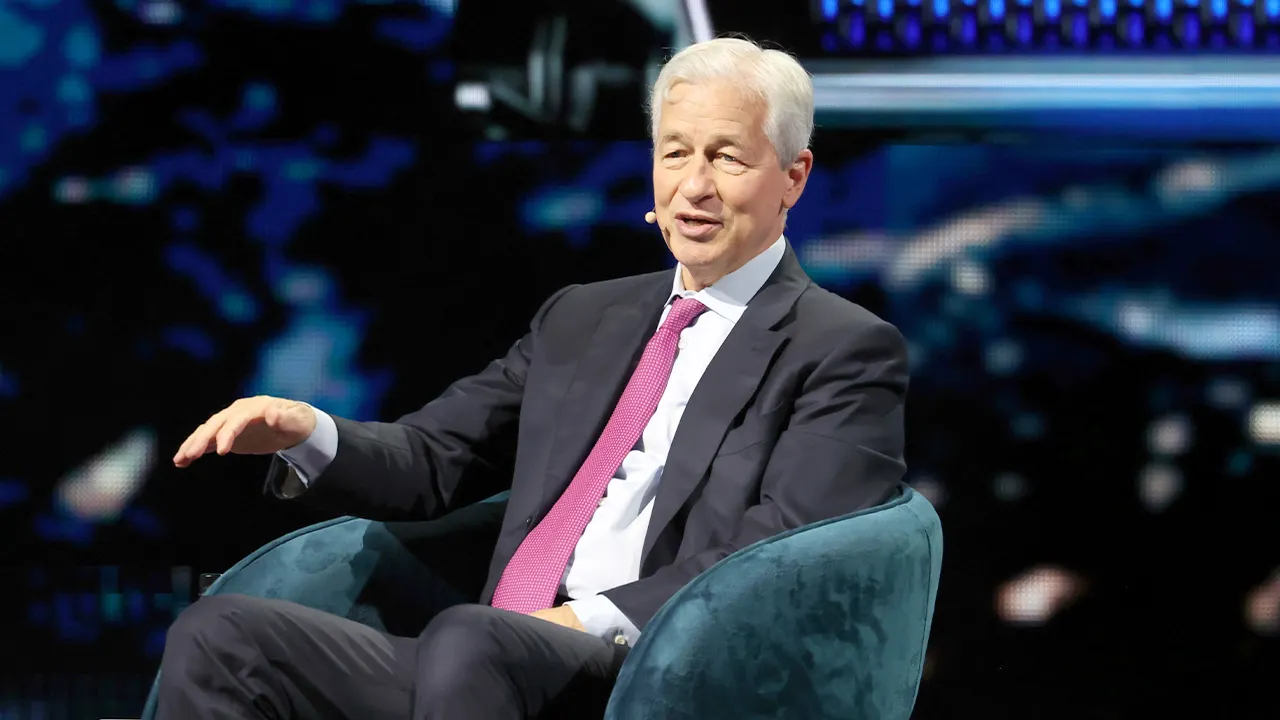
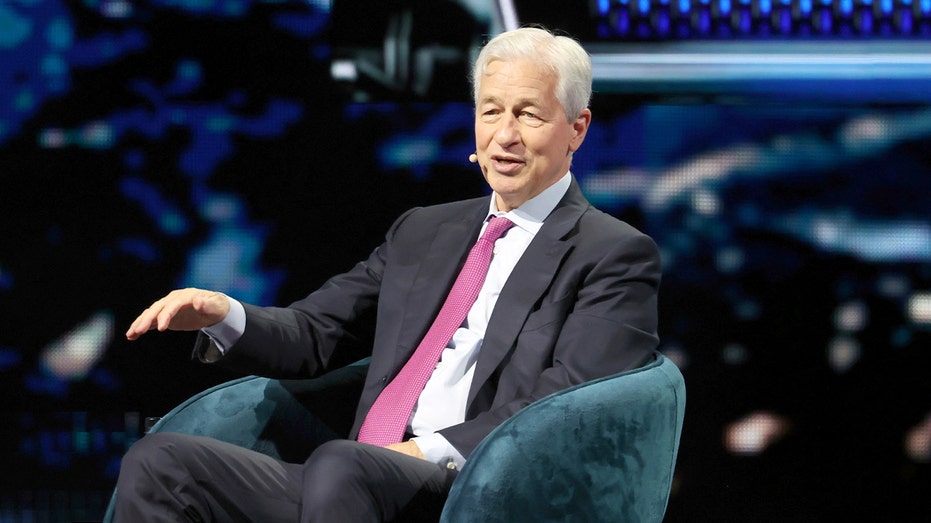
JPMorgan Chase CEO Jamie Dimon warned that New York City and other cities with high taxes and regulatory burdens run the risk of losing businesses and workers to locales with more hospitable business climates.

Dimon released his annual letter to shareholders on Monday in conjunction with the firm’s 2025 annual report and said that companies need to weigh the benefits of operating in places like New York City against areas with lower taxes on businesses and individuals.

Advertisement

“No matter who you are, you need to deal with reality and the truth. The truth is that while New York City has much going for it, particularly for financial companies (because of extraordinary local talent), it also has the highest city and state corporate taxes and the highest individual income and state taxes,” Dimon wrote.

“People often make this a moral or loyalty issue, but it is not. Companies need to remain competitive in this very tough, fast-moving world. And higher taxes lower returns on capital and less competitiveness by their nature,” he said.

JAMIE DIMON WARNS IRAN WAR COULD DRIVE INFLATION, INTEREST RATES HIGHER

Banking executive addresses an audience from a stage at a large indoor arena.

JPMorgan Chase CEO Jamie Dimon said that cities and states have to compete to keep businesses in their jurisdictions. (Alexander Tamargo/Getty Images for America Business Forum)

Dimon said while companies relocating their headquarters or significant aspects of their operations to states with more favorable tax and regulatory regimes may be easier to track, those shifts happen at the employee level as well and can amount to significant moves for the workforce.

Advertisement

“Additionally, individuals vote with their feet – you can already see a fairly large exodus of people and jobs out of some states with high taxes and high expenses (often due to high taxes and regulatory burdens). Sometimes you see companies leaving states, but migration also shows up in shifts of employees out of certain states,” Dimon wrote.

JAMIE DIMON SAYS US MUST ‘FINISH THIS THING’ WITH IRAN TO PROTECT GLOBAL ECONOMY

JPMorgan Chase Tower

JPMorgan Chase has expanded its presence in Texas while its headcount has declined in New York City. (Tim Clayton/Corbis via Getty Images)

He explained how that dynamic has played out at JPMorgan, which has expanded its footprint in a low-tax state like Texas and will probably continue to do so.

“For example, while New York City is still our company’s global headquarters, we have shrunk our headcount in the city, from 30,000 a decade ago to 24,000 today, and increased our headcount in Texas, from 26,000 in 2015 to 32,000 today. This trend will likely continue,” Dimon said.

Advertisement

JAMIE DIMON SAYS US HAS ‘BECOME LIKE EUROPE’ ON DEFENSE, AND IT’S HOLDING THE COUNTRY BACK

Ticker Security Last Change Change %
JPM JPMORGAN CHASE & CO. 295.45 +0.85 +0.29%

The JPMorgan CEO said that he has seen an exodus of corporations out of New York City before that was driven in part by the business climate, adding it can pose significant problems for city governments.

“Sometimes this can be a disaster for a city. I am reminded that in the 1970s, nearly half of the 125 Fortune 500 companies based in New York City left,” he wrote. “While mergers accounted for some departures, the price of doing business in New York City accounted for most: cost of taxes, office rents, labor and so on.” 

GET FOX BUSINESS ON THE GO BY CLICKING HERE

Advertisement

“No city – or company or country – has a divine right to success,” Dimon added.

Continue Reading

Business

Shake to Elevate launches ‘guilt free’ seasoning line

Published

on

Shake to Elevate launches ‘guilt free’ seasoning line

The seasonings are free from salt and sugar. 

Continue Reading

Business

Form 13G TYRA BIOSCIENCES INC For: 7 April

Published

on


Form 13G TYRA BIOSCIENCES INC For: 7 April

Continue Reading

Business

Tesla Stock: It's Cheap Again (Rating Upgrade)

Published

on

Tesla Stock: It's Cheap Again (Rating Upgrade)

Tesla Stock: It's Cheap Again (Rating Upgrade)

Continue Reading

Business

Air India CEO steps down early as losses mount

Published

on

Air India CEO steps down early as losses mount

Wilson, whose term was set to end in 2027, will remain CEO and MD until a successor is appointed.

Continue Reading

Business

Form 6K Evotec SE ADR For: 7 April

Published

on


Form 6K Evotec SE ADR For: 7 April

Continue Reading

Trending

Copyright © 2025