

Business
Commerzbank to Cut 3,000 Jobs in Push to Boost Profit Amid UniCredit Bid


Commerzbank CBK -3.93%decrease; red down pointing triangle said it would cut as many as 3,000 roles and lifted financial targets, as the bank resists a takeover from Italian rival UniCredit UCG -1.26%decrease; red down pointing triangle.
The lender on Friday raised its expectations for 2028 and set new goals in a plan for 2030 that targets higher revenue and profit. It aims to further integrate artificial intelligence into its planning, countering a strategy from aspiring acquirer UniCredit to revamp the bank.
Copyright ©2026 Dow Jones & Company, Inc. All Rights Reserved. 87990cbe856818d5eddac44c7b1cdeb8

Business
Palantir Stock a Strong Buy in 2026 as AI Platform Adoption and Commercial Surge Accelerate

NEW YORK — Palantir Technologies Inc. (NYSE: PLTR) stands out as one of the strongest buy recommendations in the artificial intelligence sector in 2026, with Wall Street analysts maintaining a solid “Moderate Buy” to “Strong Buy” consensus as the company’s AI-powered data analytics platforms gain rapid traction in both government and commercial markets. The stock has delivered impressive returns this year, reflecting investor confidence in Palantir’s transition from a primarily government contractor to a broader enterprise AI leader.
Shares have traded in the $55–$65 range in early May, reflecting strong year-to-date performance driven by accelerating commercial revenue and landmark deals with major corporations. Analysts covering the stock have an average 12-month price target near $75–$85, implying 25–40% upside from current levels. Of roughly 25 analysts, the vast majority rate Palantir a Buy or Strong Buy, with several firms citing its expanding addressable market and improving profitability metrics.
Palantir reported robust first-quarter 2026 results, with revenue rising 27% year-over-year to approximately $812 million. The commercial segment, a key focus for growth, posted 40%+ growth, while government revenue remained stable and highly profitable. Adjusted operating income improved significantly, and the company raised full-year guidance, signaling strong demand for its Gotham, Foundry and AIP (Artificial Intelligence Platform) offerings. CEO Alex Karp highlighted “accelerating momentum” across industries including healthcare, finance, manufacturing and energy.
Commercial Momentum Becomes Primary Growth Engine
Palantir’s shift toward the commercial sector has been one of the most important developments of the past two years. The company’s AIP platform allows organizations to deploy secure, governed AI applications using their own data. Major deals with companies like United Airlines, BP, and several large pharmaceutical firms have validated the platform’s real-world value. Analysts project commercial revenue could surpass government revenue within the next 12–18 months, providing more predictable and higher-margin growth.
The platform’s ability to integrate with existing enterprise systems while maintaining strict data governance has proven especially attractive to large organizations wary of cloud-based AI risks. Palantir’s “boot camp” deployment model — where engineers work directly with customers to build custom AI solutions — has become a competitive differentiator, leading to high retention and expansion rates.
Analyst Views and Valuation
Wall Street sentiment toward Palantir has improved markedly in 2026. Firms like Wedbush, Loop Capital and Oppenheimer have raised price targets, citing accelerating commercial adoption and expanding margins. The stock trades at a premium valuation on traditional metrics, but forward price-to-sales and price-to-earnings multiples are considered reasonable when factoring in projected 25–30% annual revenue growth and improving profitability.
The company’s path to consistent profitability, combined with its massive addressable market in enterprise AI, supports the bullish case. Palantir generates strong free cash flow and maintains a solid balance sheet, giving it flexibility for strategic investments and potential acquisitions.
Risks Investors Should Consider
While enthusiasm is high, risks remain. Palantir still derives a substantial portion of revenue from government contracts, which can be subject to budget cycles and political changes. The stock’s high valuation leaves limited room for disappointment if commercial growth slows or competition intensifies from larger cloud providers. Execution risk around large-scale deployments also exists, though the company has demonstrated strong delivery capabilities.
Macroeconomic slowdowns could delay enterprise AI spending, and increased regulatory scrutiny of AI technologies remains a background concern. However, Palantir’s focus on secure, enterprise-grade AI positions it relatively well against these risks compared to more consumer-oriented AI plays.
Long-Term Outlook Remains Bright
Looking further into 2026 and beyond, analysts project Palantir could sustain high-teens to low-20s percentage revenue growth as AI adoption deepens across industries. The company’s expanding partnership ecosystem, international growth and new product initiatives (including enhanced AIP features) provide multiple levers for expansion.
For investors, Palantir represents a high-conviction way to gain exposure to enterprise AI with a proven platform and strong customer relationships. The stock suits growth-oriented portfolios comfortable with technology volatility and premium valuations. Those already holding shares have compelling reasons to maintain or add on dips, while new buyers may find current levels reasonable given the company’s execution track record and favorable long-term fundamentals.
Diversification within the AI and software sector remains prudent, but Palantir stands out for its combination of mission-critical applications, sticky customer relationships and expanding margins. As always, investors should consider their risk tolerance and time horizon. While Palantir has delivered exceptional returns, future performance will depend on continued innovation and successful commercial scaling.
As 2026 progresses, Palantir’s quarterly results and updates on commercial deal flow will be closely watched as key indicators of AI adoption trends. With robust demand, improving profitability and broad analyst support, the case for buying Palantir stock remains highly compelling for growth-focused investors seeking exposure to the transformative power of enterprise artificial intelligence.
Palantir’s evolution from a government-focused data analytics firm to a leading AI platform provider continues to reward shareholders who understood its potential. In a market filled with hype around artificial intelligence, Palantir offers something increasingly valuable: real deployments, measurable outcomes and a clear path to sustained growth. For those with a multi-year horizon, the evidence strongly supports buying and holding Palantir stock in 2026.

The National Highway Traffic Safety Administration reports that over 6 million police-reported crashes occur annually in the United States, with approximately 280,000 vehicles declared total losses each month.
As repair costs continue climbing and vehicle technology becomes increasingly complex, insurance companies are totaling cars at rates not seen in decades — often for damage that would have been repairable just five years ago.
This shift affects millions of drivers who suddenly find themselves navigating unfamiliar territory. The decisions made in the first 48 hours after a total loss can determine whether you receive fair compensation or spend months fighting for adequate coverage. Modern claims processes involve multiple stakeholders, complex valuations, and tight deadlines that catch most people unprepared.
Understanding the practical steps — from immediate post-accident actions through final settlement — gives you the tools to protect your interests when the unexpected happens. The process ahead involves critical documentation, insurance negotiations, and decisions that will impact both your immediate transportation needs and your financial recovery.
What Steps Should You Take Immediately After Your Car Is Totaled?
Your first priority centers on safety and legal compliance, even when the emotional impact of seeing your destroyed vehicle feels overwhelming. Move to safety, call 911 if anyone needs medical attention, and contact police — many states require police reports for accidents involving significant property damage, and this documentation becomes crucial for your claim.
Document everything at the scene while details remain fresh. Take photos from multiple angles showing the overall accident scene, all vehicle damage, road conditions, traffic signs, and license plates. Use your phone to record a brief voice memo describing what happened, including time, weather conditions, and your immediate observations. Even if you feel shaken, these details matter more than you might realize in the moment.
Exchange information with all parties involved, but avoid discussing fault or making statements beyond basic facts. Insurance companies train their representatives to ask leading questions, and seemingly innocent comments can complicate your claim later. Collect names, phone numbers, insurance information, and driver’s license details, but keep conversations focused on factual information exchange.
Contact your insurance company within 24 hours to report the accident and begin the claims process. Many policies require prompt notification, and delays can create complications. When you call, stick to factual descriptions of what happened without speculating about cause or accepting blame. The insurance representative will guide you through initial questions and explain next steps, including arranging for vehicle inspection and rental car coverage if applicable.
If you suspect the other driver lacks insurance or adequate coverage, document this concern during your initial report. Uninsured motorist coverage becomes critical in these situations, and early notification helps your insurer begin appropriate investigations. Keep detailed records of every conversation with insurance representatives, including names, times, and reference numbers for future follow-up.
How Do You Assess and Document Damage to Your Vehicle?
Understanding damage assessment helps you prepare for conversations with adjusters and recognize when your vehicle might be declared a total loss. Total loss occurs when repair costs exceed a certain percentage of the vehicle’s actual cash value — typically 70-80% depending on your state and insurance company. This threshold considers both visible damage and potential hidden structural issues that emerge during initial inspection.
Modern vehicles contain sophisticated safety systems, sensors, and computer modules that can be damaged even in seemingly minor accidents. A front-end collision might destroy airbag sensors, damage the engine control module, or compromise the vehicle’s frame integrity in ways that aren’t immediately visible. These hidden costs often push repair estimates well above initial assessments.
Comprehensive documentation strengthens your position whether your car is repairable or totaled. Photograph damage from every angle, including the interior, engine compartment, and undercarriage if safely accessible. Take wide shots showing the overall vehicle condition and close-ups highlighting specific damage. Include reference objects like coins or keys to show scale for smaller damage that might be hard to see in photos.
Create a detailed written inventory of all damage you observe, no matter how minor it might seem. Note things like broken lights, scratched paint, damaged trim pieces, and any interior damage. This documentation helps ensure nothing gets overlooked during the official inspection and provides backup if questions arise later about the extent of damage.
Request copies of all inspection reports and repair estimates from your insurance company. You’re entitled to see how they calculated the total loss determination, including the actual cash value assessment and repair cost breakdown. Understanding these numbers helps you evaluate whether the settlement offer reflects fair market value and gives you information needed if you decide to dispute the determination.
What Happens During the Car Insurance Claims Process?
Filing your claim triggers a structured process that typically takes 15-30 days for total loss determinations, though complex cases can extend longer. Your insurance company assigns an adjuster who becomes your primary point of contact throughout the process. The adjuster’s role involves investigating the accident, assessing damage, determining fault, and calculating settlement amounts based on your policy coverage and vehicle value.
Expect the adjuster to schedule an inspection of your vehicle, either at a designated facility or wherever it was towed after the accident. This inspection involves both visible damage assessment and a detailed evaluation of repair costs versus vehicle value. The adjuster examines frame damage, airbag deployment, mechanical systems, and structural integrity to determine whether repairs are economically feasible.
Actual cash value calculation determines your settlement amount for a total loss. Insurance companies use various methods to establish this value, including market analysis of similar vehicles, dealer trade-in values, and specialized databases that track vehicle depreciation. This process considers your car’s age, mileage, condition before the accident, and regional market factors.
Your adjuster should provide a detailed breakdown showing how they calculated the actual cash value, including comparable vehicle listings and any adjustments for your car’s specific features or condition. Review this information carefully — if you believe the valuation is too low, you can provide evidence of your vehicle’s value through recent maintenance records, upgrade receipts, or listings for similar vehicles in your area.
The claims process also involves coordination with rental car coverage if your policy includes it. Most policies provide rental coverage for a specific daily amount and time limit, typically until your claim settles or you purchase a replacement vehicle. Understanding these limits helps you plan transportation during the claims process and avoid unexpected out-of-pocket expenses.
How Do You Decide Between Repairing or Replacing Your Car?
When damage doesn’t clearly indicate total loss, you face the decision between extensive repairs and vehicle replacement. Modern collision repair techniques can address significant structural damage, but the quality and cost of these repairs vary dramatically depending on the shop, parts used, and extent of damage.
Frame straightening technology allows repair shops to address structural damage that would have meant automatic total loss decades ago. However, vehicles with extensive frame damage may never drive quite the same, and resale value typically suffers regardless of repair quality. Consider both immediate repair costs and long-term implications when evaluating whether to pursue repairs over replacement.
Parts availability and quality significantly impact repair outcomes. Original Equipment Manufacturer (OEM) parts maintain vehicle integrity and appearance but cost significantly more than aftermarket alternatives. Your insurance company might authorize aftermarket parts to keep repair costs below total loss thresholds, but these parts can affect fit, finish, and future reliability.
Salvage titles become a factor if your car is declared a total loss but you choose to keep it and arrange repairs independently. Vehicles with salvage titles experience substantial resale value reduction and can be difficult to insure comprehensively in the future. Before choosing this path, obtain detailed repair estimates from qualified shops and understand the long-term implications of salvage title ownership.
Consider your vehicle’s pre-accident condition and your long-term needs when making repair versus replacement decisions. A well-maintained vehicle with high sentimental value might justify extensive repairs, while an older car with existing issues might not be worth significant investment. Factor in your budget, transportation needs, and whether you planned to replace the vehicle anyway in the near future.
How Can You Handle Disputes and Legal Issues in Damage Claims?
When insurance settlements fall short of expectations or coverage disputes arise, you have several options for challenging determinations. Start with internal appeals through your insurance company before pursuing external options. Most insurers have formal appeals processes that allow you to contest total loss valuations, coverage denials, or settlement amounts with additional documentation and evidence.
Gather supporting evidence for your appeal, including recent maintenance records, receipts for upgrades or improvements, and listings for comparable vehicles in your area. Professional appraisals from certified automotive appraisers can strengthen your position, particularly for unique or modified vehicles that don’t fit standard valuation models.
State insurance departments provide oversight and dispute resolution services when direct negotiations fail. Filing a complaint with your state’s insurance commissioner can prompt additional review of your claim and help resolve disputes over coverage interpretation or claims handling practices. These departments often mediate between policyholders and insurance companies at no cost.
For complex cases involving significant damages, personal injuries, or uninsured motorists, injury claim assistance in Lincoln and similar legal support becomes valuable for navigating both insurance negotiations and potential litigation. Legal professionals understand the tactics insurance companies use to minimize settlements and can advocate for fair compensation when standard claims processes fall short.
Document all communications throughout the dispute process to protect your interests and maintain leverage in negotiations. Keep records of every phone call, email exchange, and written correspondence with insurance representatives. This documentation becomes crucial if disputes escalate to legal proceedings or regulatory complaints and helps establish a timeline of how your claim was handled.
Understanding your rights under state insurance laws empowers you to make informed decisions about when to accept settlements versus pursuing additional compensation. Each state has specific requirements for claims handling, settlement timeframes, and disclosure obligations that insurance companies must follow, giving you tools to hold them accountable for fair treatment.


With combined experience of covering technology companies on Wall Street and working in Silicon Valley, and serving as an outside adviser to several seed-round startups, Gary Alexander has exposure to many of the themes shaping the industry today. He has been a regular contributor on Seeking Alpha since 2017. He has been quoted in many web publications and his articles are syndicated to company pages in popular trading apps like Robinhood.
Analyst’s Disclosure: I/we have a beneficial long position in the shares of CARG either through stock ownership, options, or other derivatives. I wrote this article myself, and it expresses my own opinions. I am not receiving compensation for it (other than from Seeking Alpha). I have no business relationship with any company whose stock is mentioned in this article.
Seeking Alpha’s Disclosure: Past performance is no guarantee of future results. No recommendation or advice is being given as to whether any investment is suitable for a particular investor. Any views or opinions expressed above may not reflect those of Seeking Alpha as a whole. Seeking Alpha is not a licensed securities dealer, broker or US investment adviser or investment bank. Our analysts are third party authors that include both professional investors and individual investors who may not be licensed or certified by any institute or regulatory body.
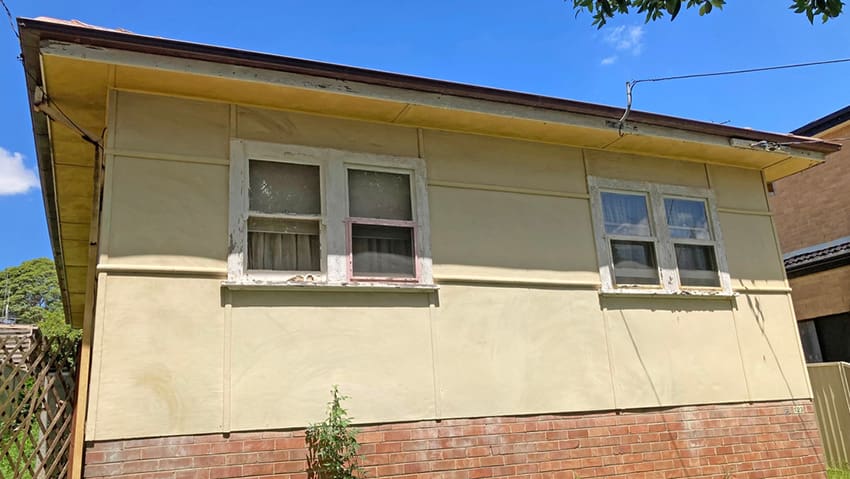
According to the Environmental Protection Agency’s 2023 reporting data, approximately 35 million buildings constructed before 1980 still contain asbestos-containing materials — and thousands of these structures undergo renovation or demolition each year without proper hazard assessment.
As America’s aging infrastructure faces unprecedented renovation pressures, the silent threat of disturbed asbestos fibers continues to pose serious health risks to construction workers, building occupants, and nearby communities.
What makes this particularly concerning is that asbestos exposure doesn’t announce itself. Unlike other construction hazards that cause immediate injury, asbestos-related diseases can take decades to manifest, creating a deceptive sense of safety around materials that may be actively damaging lung tissue. For property owners, contractors, and anyone working in or around older buildings, understanding these hidden dangers isn’t just about regulatory compliance — it’s about preventing irreversible health consequences that could emerge years or decades later.
The intersection of aging infrastructure and public health creates a complex challenge that requires both awareness and action. While complete asbestos removal isn’t always necessary or even advisable, knowing when materials pose genuine risk and how that risk translates to actual health outcomes can guide critical decisions about building maintenance, renovation projects, and personal safety measures.
Why Asbestos Exposure in Old Buildings Still Matters
The persistence of asbestos in America’s building stock represents one of the most widespread environmental health challenges facing property owners and workers today. Between 1930 and 1980, asbestos found its way into virtually every type of building material imaginable — from insulation and floor tiles to ceiling panels and pipe wrapping. The material’s fire-resistant properties and affordability made it a construction industry staple for five decades, embedding it deeply into the infrastructure we still use daily.
What transforms dormant asbestos into a health hazard is disturbance. Intact asbestos materials often pose minimal risk, but renovation, demolition, or even routine maintenance can release microscopic fibers into the air. A simple ceiling repair in a 1960s office building or basement renovation in a mid-century home can generate airborne concentrations that exceed safe exposure limits by hundreds of times. These fibers remain suspended for hours, spreading throughout building ventilation systems and settling on surfaces where they can be re-disturbed repeatedly.
The challenge intensifies as buildings age and materials naturally deteriorate. Asbestos-containing insulation around heating pipes gradually crumbles with temperature cycling. Vinyl floor tiles crack and release fibers during normal foot traffic. Ceiling tiles sag and fragment, especially in areas with moisture problems. This gradual breakdown means that buildings which were safe decades ago may now pose increasing risks without any obvious warning signs.
Recent investigations by occupational safety researchers have revealed concerning patterns in how exposure occurs. Construction workers renovating schools built in the 1950s and 1960s often encounter unexpected asbestos in areas where building records indicate none should exist. Homeowners undertaking DIY projects in basements and attics unknowingly disturb pipe insulation or vermiculite that contains asbestos. Even building maintenance staff performing routine filter changes or ceiling repairs can face significant exposure if proper testing hasn’t been conducted.
How Asbestos Fibers Cause Lung Damage and Disease
The mechanism by which asbestos destroys lung tissue reveals why this material poses such a unique and persistent threat to human health. When asbestos fibers become airborne through disturbance, they create microscopic needles — some thinner than human hair and up to several millimeters long. These fibers possess a deadly combination of properties: they’re small enough to penetrate deep into lung tissue, sharp enough to cause physical damage, and virtually indestructible once inside the body.
Upon inhalation, the smallest fibers travel through the respiratory system until they reach the alveoli — the tiny air sacs where oxygen transfer occurs. Here, the body’s natural defense mechanisms fail catastrophically. While larger particles get trapped by mucus and expelled through coughing, asbestos fibers slip past these defenses due to their needle-like shape and aerodynamic properties. Once embedded in lung tissue, they trigger an inflammatory response that continues for decades.
The body attempts to break down these foreign fibers using specialized immune cells called macrophages, but asbestos resists all biological degradation processes. Instead, the persistent inflammatory response leads to scarring of lung tissue, a process called fibrosis. This scarring gradually replaces healthy, elastic lung tissue with rigid scar tissue that cannot transfer oxygen effectively. Over time, this process spreads throughout the lungs, reducing breathing capacity and creating the chronic respiratory distress characteristic of asbestosis.
Even more concerning is how asbestos fibers migrate beyond lung tissue. Some fibers work their way through lung tissue and lodge in the pleura — the thin membrane surrounding the lungs. Here, they cause a different type of damage, leading to the development of pleural plaques, fluid accumulation, and ultimately, in many cases, mesothelioma. This rare but aggressive cancer develops specifically from asbestos exposure and typically appears 20 to 50 years after initial contact with the fibers.
The carcinogenic process involves direct DNA damage as fibers physically interact with cell structures, but also chronic inflammation that creates an environment conducive to cancer development. Unlike many carcinogens that require repeated high-dose exposure, asbestos can trigger mesothelioma development from relatively brief but intense exposure incidents, making even short-term construction or renovation work potentially dangerous without proper protection.
Symptoms and Long-Term Health Risks of Asbestos Exposure
What Are the Symptoms of Asbestos Exposure?
The insidious nature of asbestos-related health problems lies in their delayed onset and gradual progression, making early detection challenging even for healthcare providers familiar with occupational lung diseases. Initial symptoms typically don’t appear until 15 to 30 years after first exposure, creating a false sense of security that can prevent people from seeking appropriate medical monitoring or making connections between their health problems and past asbestos contact.
The earliest symptoms often mimic common respiratory conditions, leading to misdiagnosis or delayed recognition of asbestos-related disease. Persistent dry cough represents the most common early warning sign, gradually worsening over months or years as lung scarring progresses. Unlike bronchitis or seasonal allergies, this cough doesn’t respond to typical treatments and tends to worsen with physical activity or exposure to cold air.
Shortness of breath during normal activities signals more advanced lung damage. What begins as mild breathlessness during strenuous activity gradually progresses to difficulty breathing during routine tasks like climbing stairs or carrying groceries. Many people attribute these changes to aging or being out of shape, delaying medical evaluation until lung function has deteriorated significantly.
Chest pain presents differently than cardiac-related discomfort, typically manifesting as a persistent aching or tightness that worsens with deep breathing or physical exertion. This pain often accompanies the development of pleural changes — scarring or fluid accumulation around the lungs that creates pressure and reduces lung expansion capacity. Some individuals also report unusual fatigue that doesn’t improve with rest, reflecting the increased effort required for breathing as lung function declines.
What Are the Long-Term Health Risks?
The spectrum of diseases linked to asbestos exposure encompasses several distinct conditions, each with different progression patterns and prognosis, but all sharing the characteristic of irreversible lung damage that worsens over time. Asbestosis represents the most common outcome, developing in roughly 20% of individuals with significant occupational exposure. This progressive fibrosis gradually reduces lung capacity, eventually leading to respiratory failure in severe cases.
Lung cancer risk increases dramatically with asbestos exposure, particularly among individuals who also smoke tobacco. Studies tracking construction workers with documented asbestos exposure have found lung cancer rates three to five times higher than the general population, with risk continuing to climb for decades after last exposure. The combination of asbestos and smoking creates a synergistic effect, multiplying cancer risk beyond the additive effects of either factor alone.
Mesothelioma presents the most devastating long-term consequence, with median survival times typically ranging from 12 to 21 months after diagnosis. This cancer develops exclusively from asbestos exposure and shows no correlation with smoking or other lifestyle factors. Recent research tracking mesothelioma cases has revealed that even brief, intense exposure — such as a single renovation project involving asbestos disturbance — can trigger disease development decades later.
Beyond these primary diseases, asbestos exposure correlates with increased rates of other cancers, including ovarian, laryngeal, and gastrointestinal malignancies. The mechanisms underlying these associations remain under investigation, but the consistent patterns observed across multiple population studies have led health authorities to classify asbestos as a Group 1 carcinogen with no safe exposure threshold. This classification means that any level of exposure carries some degree of health risk, making prevention the only effective protection strategy.
Asbestos Exposure Statistics and Current Research Trends
The scope of ongoing asbestos exposure in the United States reveals a public health challenge that affects far more people than commonly understood. According to the Occupational Safety and Health Administration’s 2024 enforcement data, workplace inspections continue to identify asbestos violations in approximately 1,200 construction sites annually, suggesting that exposure incidents remain routine rather than exceptional. These violations typically involve inadequate worker protection during renovation of schools, hospitals, and commercial buildings constructed during the peak asbestos usage period.
Recent epidemiological research has shifted focus toward understanding exposure patterns in non-traditional settings. A comprehensive study published in the American Journal of Industrial Medicine in 2023 tracked 15,000 individuals who lived or worked in buildings later found to contain disturbed asbestos materials. The research revealed that even brief exposure incidents — such as single-day renovation projects or maintenance activities — produced detectable increases in respiratory disease rates 20 to 30 years later.
Professional truck drivers, building maintenance workers, and demolition crews emerge as particularly vulnerable populations in current exposure data. The Williams Law Firm, P.C. and other legal practices specializing in occupational health cases report increasing numbers of mesothelioma claims among workers who believed their jobs carried minimal asbestos risk. These cases often involve exposure during seemingly routine activities like brake repair, building maintenance, or renovation work where proper testing wasn’t conducted beforehand.
The Centers for Disease Control and Prevention’s 2024 mortality surveillance data shows approximately 2,500 mesothelioma deaths annually, with cases continuing to climb despite the phase-out of most asbestos use in the 1980s. This upward trend reflects the 20 to 50-year latency period between exposure and disease development, meaning that cases diagnosed today often stem from exposure incidents that occurred during the 1970s and 1980s peak usage period.
Emerging research focuses on genetic factors that influence individual susceptibility to asbestos-related disease. Scientists at the National Institute for Occupational Safety and Health have identified specific gene variants that appear to increase vulnerability to fiber-induced lung damage, potentially explaining why some heavily exposed workers remain healthy while others develop severe disease from minimal contact. This research may eventually enable targeted medical monitoring for high-risk individuals, but currently reinforces the importance of universal exposure prevention measures.
International studies provide additional context for understanding long-term trends. Countries that banned asbestos use earlier than the United States — such as Germany and the United Kingdom — are now experiencing declining mesothelioma rates after decades of increases, suggesting that comprehensive prevention measures eventually reduce disease burden. However, the lag time between exposure reduction and health benefits spans multiple generations, emphasizing why current prevention efforts matter for public health outcomes decades into the future.
How to Prevent and Manage Asbestos Exposure in Buildings
Effective asbestos hazard management starts with understanding when materials are likely to contain asbestos and recognizing situations where disturbance becomes inevitable. Buildings constructed between 1930 and 1980 require the highest level of caution, particularly in areas where insulation, floor coverings, or ceiling materials show signs of damage or deterioration. Rather than attempting to identify asbestos-containing materials through visual inspection, property owners should assume that suspect materials contain asbestos until proven otherwise through professional testing.
Professional asbestos surveys represent the most reliable method for determining material composition and establishing appropriate safety protocols. These assessments involve systematic sampling of suspect materials followed by laboratory analysis using polarized light microscopy or electron microscopy techniques. Costs typically range from several hundred to several thousand dollars depending on building size and complexity, but this investment prevents much more expensive problems that arise from inadvertent disturbance of asbestos-containing materials during renovation or maintenance projects.
When asbestos presence is confirmed, management strategies depend on material condition and planned building activities. Intact materials in good condition often require only ongoing monitoring and protection from disturbance rather than immediate removal. This approach, called “operations and maintenance,” involves regular inspections to monitor material condition, worker training to prevent accidental disturbance, and clear labeling to warn future contractors and maintenance personnel about asbestos locations.
Removal becomes necessary when materials are damaged, friable, or located in areas where renovation work cannot avoid disturbance. Professional abatement requires specialized contractors with appropriate licensing, equipment, and insurance coverage. Proper removal involves sealing work areas, using negative air pressure systems to prevent fiber migration, and following strict waste disposal protocols. Attempts to save money through DIY removal or hiring unqualified contractors often result in widespread contamination that costs far more to remediate than professional removal would have cost initially.
Personal protection during any potential asbestos exposure requires properly fitted respirators rated for asbestos fibers, disposable protective clothing, and decontamination procedures that prevent carrying fibers to vehicles or homes. Standard dust masks provide no protection against asbestos fibers, and even brief exposure without proper protection can create long-term health risks. For property owners managing older buildings, establishing clear protocols that require testing before any invasive work protects both workers and building occupants from unnecessary exposure to this preventable health hazard.
The key insight for anyone dealing with older buildings is that prevention costs far less than treatment — both in terms of immediate abatement expenses and potential health consequences that may not emerge for decades. As research continues to reveal the extent of asbestos-related disease burden, the importance of proactive hazard identification and management becomes increasingly clear for protecting current and future building users from these preventable but potentially devastating health risks.

MINNEAPOLIS — Minnesota Timberwolves star Anthony Edwards remains questionable for Friday night’s Game 3 against the San Antonio Spurs due to a lingering left knee bone bruise, leaving his status uncertain as the Western Conference semifinals shift to Target Center with the series tied 1-1. Edwards, who has been limited since aggravating the injury in the first round, participated in Thursday’s practice but showed clear restrictions during on-court work, according to multiple reports.
Coach Chris Finch confirmed Edwards went through portions of practice but did not engage in full-contact 5-on-5 drills. “Ant is pushing hard,” Finch said. “We’re going to see how he responds overnight and make the final call tomorrow. He wants to play, but we have to be smart.” The Timberwolves are expected to provide an official update during Friday morning’s shootaround.
Edwards suffered the hyperextension and bone bruise in Game 4 of the first-round series against Denver. He made a surprisingly quick return, playing limited minutes off the bench in Game 1 against San Antonio and contributing 18 points in a Wolves victory. However, he appeared limited in Game 2 as the Spurs evened the series, raising concerns about his explosiveness and lateral movement.
The 24-year-old All-Star has described himself as “not limited at all” in recent comments, but observers noted he was favoring the knee at times during Game 2. Medical experts have warned that bone bruises can be unpredictable, often causing lingering soreness and swelling that requires careful load management to avoid long-term issues.
Timberwolves Relying on Depth and Home Energy
Without a fully healthy Edwards, Minnesota has leaned heavily on Julius Randle, who has delivered strong double-doubles, and a deep supporting cast featuring Anthony Edwards’ teammates like Jaden McDaniels, Rudy Gobert and Naz Reid. The Wolves’ defensive identity and home-court advantage at a raucous Target Center could prove decisive in Game 3.
San Antonio, led by phenom Victor Wembanyama, has made the series competitive with elite rim protection and young talent. Wembanyama’s record-setting blocks and length have given the Spurs an edge in certain matchups, but Minnesota’s experience and home energy are expected to play a major role Friday night.
A Timberwolves victory in Game 3 would give them a 2-1 series lead and shift momentum back in their favor. A loss would put the Spurs in the driver’s seat heading into Game 4, potentially forcing Minnesota to play without Edwards for an extended stretch.
Medical and Recovery Details
The left knee injury involved a hyperextension and bone bruise but no structural ligament damage, according to MRI results. Bone bruises can cause unpredictable pain and swelling, often requiring weeks of careful management. Edwards has focused on anti-inflammatory measures, strength exercises and mobility work while avoiding high-impact movements that could aggravate the bruise.
Sports medicine specialists note that players with Edwards’ explosive style must balance aggressive rehab with risk mitigation. Returning too soon could lead to compensatory injuries, while sitting too long risks losing rhythm. The Timberwolves’ medical staff has earned praise for navigating this balance effectively throughout the postseason.
Edwards has expressed strong desire to play, telling reporters he feels “ready when the team needs me.” His presence, even limited, elevates Minnesota’s ceiling significantly due to his scoring punch, athleticism and leadership.
Broader Playoff Implications
A Timberwolves victory in Game 3 would give them a 2-1 series lead and home-court advantage in a best-of-seven format that favors the more experienced squad. Minnesota’s defensive identity, anchored by McDaniels and Gobert when healthy, pairs well with Edwards’ offensive firepower.
For the Spurs, maintaining pressure on Edwards’ knee through physical play remains a strategic focus. Wembanyama’s defensive presence has been a major factor, but Minnesota’s depth has proven resilient.
NBA analysts view this series as a pivotal test for both franchises. The Timberwolves aim to build on their recent playoff momentum, while the young Spurs seek to establish themselves as legitimate contenders. Edwards’ health could ultimately decide the outcome and shape Minnesota’s postseason trajectory.
Fan and Team Reactions
Target Center is expected to be electric for Game 3, with fans eager to welcome Edwards back at closer to full strength. Social media has been flooded with support for the star, who has become a beloved figure in Minnesota for his charisma and on-court dominance.
Teammates have rallied around him throughout the recovery process. Randle and others have shouldered extra minutes, demonstrating the team’s collective resilience. Finch has stressed a “next man up” mentality while protecting Edwards’ long-term availability.
What to Watch in Game 3
If Edwards starts or plays extended minutes, expect increased pace and scoring opportunities for the Timberwolves. His ability to attack the rim and stretch the floor with threes forces defenses to adjust, potentially opening lanes for teammates. Monitoring his movement and explosiveness in warmups will provide the clearest pre-game indicator.
Regardless of his final status, the Timberwolves emphasize preparation and execution. The series remains highly competitive, with both teams capable of winning on any given night. Edwards’ presence, even limited, elevates Minnesota’s ceiling significantly.
As Game 3 approaches, all eyes remain on the Timberwolves’ injury report and Edwards’ determined push to contribute at the highest level. His resilience has already inspired fans and teammates alike, adding another compelling chapter to Minnesota’s playoff journey.

According to the CDC’s 2024 mortality data, falls are the leading cause of injury-related death among adults aged 65 and older, claiming over 38,000 lives annually.
Yet for every fatal fall, dozens more result in serious injuries that fundamentally alter a senior’s independence and quality of life. What makes these statistics particularly sobering is that most falls happen not on icy sidewalks or poorly maintained public spaces, but in the familiar confines of home — places where seniors should feel safest.
The demographics driving this crisis are impossible to ignore. By 2030, the U.S. Census Bureau projects that all baby boomers will be 65 or older, creating an unprecedented population of seniors aging in place. As families increasingly choose home-based care over institutional settings, the responsibility for creating safe living environments has shifted from professional facilities to everyday households. The challenge isn’t just about individual safety — it’s about enabling millions of older adults to maintain their independence while reducing the $50 billion annual healthcare burden that fall-related injuries create.
The encouraging reality is that most home-related falls stem from predictable, modifiable risk factors. Unlike age-related changes in vision or balance that develop gradually, environmental hazards can be addressed immediately with targeted interventions. Understanding which modifications deliver the greatest impact — and how they work together with physical health strategies — can transform a home from a collection of hidden dangers into a foundation for confident, independent living.
What Common Fall Risks Do Seniors Face at Home
The mechanics behind most home falls reveal a complex interaction between environmental hazards and age-related physiological changes that many families don’t fully grasp until after an incident occurs. While popular wisdom focuses on obvious culprits like loose rugs or poor lighting, the reality involves subtler factors that compound over time to create dangerous situations.
Environmental hazards represent the most immediate and controllable risk category. Beyond the classic tripping hazards — throw rugs, electrical cords, and cluttered walkways — less obvious dangers include inconsistent floor surfaces, inadequate lighting transitions between rooms, and furniture arrangements that require awkward navigation. The National Institute on Aging’s 2023 home safety research identifies threshold strips between rooms, bathroom surfaces when wet, and stairs without proper railings as the three most common fall locations. What surprises many caregivers is that familiarity with the home environment can actually increase risk, as seniors develop movement patterns based on muscle memory that may not adapt quickly when physical capabilities change.
Physical factors create the underlying vulnerability that transforms minor environmental challenges into serious hazards. Age-related changes in balance, coordination, and reaction time mean that situations a younger person might navigate easily become problematic. Vision changes — particularly difficulty with depth perception and adaptation to lighting changes — significantly impact a senior’s ability to identify and respond to environmental hazards. Medications commonly prescribed for conditions like high blood pressure, diabetes, and depression can cause dizziness, drowsiness, or orthostatic hypotension, where blood pressure drops suddenly when standing.
Behavioral risks often develop as adaptive strategies that inadvertently increase fall probability. Many seniors begin avoiding certain areas of their homes or modifying their movement patterns in ways that seem safer but actually create new hazards. Rushing to answer the phone, reaching for items stored in high places, or attempting to maintain independence by avoiding assistive devices can turn routine activities into dangerous situations. The intersection of these factors — a senior with medication-induced dizziness navigating a dimly lit hallway to answer a phone call — illustrates how seemingly minor risks compound exponentially.
Understanding this multifactorial nature is crucial because effective fall prevention requires addressing multiple risk categories simultaneously rather than focusing on any single intervention.
Which Home Modifications Most Effectively Reduce Fall Hazards
The evidence on home modifications reveals that the most effective interventions target the intersection points where environmental hazards meet common senior movement patterns. Rather than attempting to eliminate every possible risk, successful fall prevention focuses on the modifications that address the highest-probability scenarios while preserving independence and normal household function.
How Can Flooring and Lighting Be Improved for Safety
Flooring interventions require balancing safety with practicality, as many traditional recommendations prove difficult to implement in real-world settings. The most effective approach involves securing existing surfaces rather than complete replacement. Professional-grade double-sided carpet tape can eliminate the movement in area rugs that creates tripping hazards, while textured adhesive strips applied to smooth surfaces provide traction without requiring major renovation. For homes with mixed flooring types, the priority becomes eliminating height variations at transition points — even quarter-inch differences in floor levels create significant trip risks for seniors with reduced foot clearance.
Strategic lighting improvements deliver disproportionate safety benefits relative to their cost and complexity. The key insight from occupational therapy research is that seniors need consistent illumination levels throughout their movement paths, not just bright lights in individual rooms. Installing motion-activated LED strips along hallway baseboards creates continuous pathway lighting that activates before seniors need to search for wall switches. In bathrooms and kitchens — the two highest-risk areas for falls — under-cabinet lighting and motion-sensor ceiling fixtures eliminate the dangerous transition period when someone enters a dark space and fumbles for controls.
The lighting modification that families consistently underestimate is nighttime navigation lighting. Battery-powered motion sensors placed at bedroom exits and bathroom entrances provide enough illumination for safe movement without the harsh brightness that can interfere with sleep patterns.
What Role Do Grab Bars and Clutter Management Play
Grab bar installation represents one of the few modifications where professional installation often proves cost-effective in the long term. The Americans with Disabilities Act guidelines specify grab bars must support 250 pounds of force, which requires proper mounting into wall studs rather than drywall anchors. The most critical locations include inside shower stalls, next to toilets, and along any stairs seniors use regularly. What many families miss is that grab bar placement matters as much as installation quality — bars positioned for pulling rather than pushing, and placed at heights that accommodate the senior’s actual reach and grip strength rather than standard measurements.
Systematic clutter management requires ongoing attention but delivers immediate risk reduction. The most effective approach involves creating designated pathways throughout the home that remain consistently clear, rather than attempting to eliminate all clutter. These pathways should be wide enough for comfortable movement with assistive devices and should connect the most frequently used areas — bedroom to bathroom, bedroom to kitchen, and seating areas to exits. For families managing the belongings of seniors who have accumulated possessions over decades, focusing pathway clearance first allows for gradual decluttering without overwhelming anyone involved in the process.
Emergency situations often reveal the importance of these modifications. When seniors face health crises that affect their balance or mobility, properly installed grab bars and clear pathways can mean the difference between safely navigating the home during recovery and requiring immediate placement in assisted care facilities.
How Does Physical Health Impact Fall Prevention in Seniors
Physical conditioning creates the foundation that allows environmental modifications to be truly effective — without adequate strength and balance, even the safest home environment cannot fully prevent falls. The relationship between physical capabilities and fall risk operates on multiple levels, from the obvious connection between leg strength and stability to subtler factors like reaction time and proprioception.
Balance training specifically addresses the vestibular and proprioceptive changes that make seniors vulnerable to falls even in familiar environments. Simple exercises like standing on one foot while holding a countertop, heel-to-toe walking along a hallway, or weight shifts while standing can significantly improve stability within weeks. The research from the Journal of the American Geriatrics Society shows that seniors who participate in structured balance training programs reduce their fall risk by approximately 24%. What makes these exercises particularly valuable is that they can be integrated into daily routines — balance practice during morning hygiene routines, weight shifting while preparing meals, or proprioceptive challenges while watching television.
Strength exercises targeting the lower body and core provide the muscular foundation for safe movement throughout the home. Chair-based exercises that focus on sit-to-stand movements, calf raises while holding kitchen counters, and wall push-ups can maintain or rebuild the functional strength needed for navigating stairs, getting out of bed safely, and recovering from minor balance disturbances. The key insight from physical therapy research is that functional strength — the ability to perform specific movement patterns — matters more than overall muscle mass.
Medication management represents a critical but often overlooked component of fall prevention. Many seniors take multiple medications that can interact to increase fall risk through dizziness, confusion, or blood pressure changes. When someone experiences an unexpected fall, particularly after successful navigation of their home environment for months or years, medication review should be among the first considerations. Working with pharmacists to understand timing of medications, potential interactions, and strategies for managing side effects can be as important as any physical modification to the home environment.
The integration of physical health strategies with home modifications creates a comprehensive approach where environmental supports compensate for physical limitations while exercise interventions work to maintain and improve functional capabilities.
What Technology and Tools Support Fall Prevention at Home
Modern fall prevention technology has evolved beyond basic alert systems to include sophisticated monitoring and intervention tools that can seamlessly integrate into a senior’s daily routine. The most effective technological solutions address multiple risk factors simultaneously while preserving the autonomy that makes aging in place attractive.
Emergency response systems have advanced significantly from the traditional “I’ve fallen and can’t get up” pendants. Current-generation devices include automatic fall detection using accelerometers and gyroscopes, GPS location tracking for outdoor incidents, and two-way communication that doesn’t require the user to press a button. Some systems now integrate with smart home platforms to automatically unlock doors for emergency responders and provide medical information to first responders. The critical consideration for families is choosing systems that balance comprehensive monitoring with user acceptance — devices that are comfortable, reliable, and don’t create anxiety about constant surveillance.
Smart lighting solutions represent one of the most practical technological interventions available. Motion-activated LED systems can be programmed to provide graduated lighting that prevents the jarring transition from darkness to bright light that can temporarily impair vision. Some systems include pathway lighting that activates sequentially — bedroom to hallway to bathroom — creating a lighted trail that guides movement safely. Voice-activated lighting controls eliminate the need to navigate in darkness searching for switches, while smartphone integration allows family members to remotely adjust lighting schedules based on the senior’s routines.
Monitoring and alert technologies now include sophisticated options for family members who live at a distance. Smart sensors placed on doors, refrigerators, and medication containers can provide daily activity confirmation without intrusive cameras. Some systems detect deviation from normal routines — like failure to open the refrigerator by a certain time or absence of movement in key areas of the home — and send gentle check-in alerts before escalating to emergency contacts. For individuals recovering from injuries or managing chronic conditions that increase fall risk, these systems provide peace of mind while maintaining independence.
The key to successful technology integration lies in selecting tools that enhance rather than complicate daily routines. The most effective solutions work invisibly in the background, providing safety benefits without requiring seniors to master complex new interfaces or remember additional daily tasks.
What Best Practices Can Caregivers Use to Support Fall Prevention
Effective caregiver support for fall prevention requires a systematic approach that balances safety improvements with respect for autonomy. The most successful interventions involve ongoing assessment, collaborative planning, and gradual implementation strategies that avoid overwhelming seniors with dramatic changes to their living environment.
Assessment techniques should begin with understanding the senior’s daily movement patterns and identifying the specific scenarios where falls are most likely to occur. Rather than conducting a single comprehensive safety evaluation, effective caregivers observe how their loved one navigates the home during different times of day, in various lighting conditions, and when managing different daily activities. This observational approach reveals risks that might not be apparent during formal assessments — like the difficulty reaching items in specific cabinets, challenges with particular doorway thresholds, or problems with nighttime navigation.
Communication strategies play a crucial role in gaining acceptance for necessary modifications. Many seniors resist changes to their home environment because they perceive safety improvements as evidence of declining independence. Effective caregivers frame modifications in terms of maintaining independence longer rather than compensating for limitations. Involving seniors in the selection and placement of safety equipment, explaining the reasoning behind specific recommendations, and allowing them to maintain control over implementation timing can significantly improve compliance with fall prevention strategies.
Coordinated prevention approaches work best when they address multiple risk factors simultaneously while allowing for gradual adjustment. This might involve beginning with the modifications that are least disruptive to daily routines — improving lighting and clearing pathways — before introducing more significant changes like grab bar installation or furniture rearrangement. For families dealing with multiple concerns about aging parents, fall prevention often serves as an entry point for broader conversations about safety, health management, and long-term planning.
The reality is that even minor injuries can have major consequences for seniors, particularly when they result from incidents that could have been prevented through better planning and environmental modifications. Beyond the immediate trauma of a fall, many seniors experience lasting anxiety about movement within their own homes. Serious injuries often require slip and fall lawyer in Edison consultation, especially when inadequate building maintenance or defective equipment contributes to accidents. This psychological impact can lead to reduced activity levels and social isolation that ultimately increase rather than decrease fall risk.
The most effective caregiver approach recognizes that fall prevention is an ongoing process rather than a one-time intervention, requiring regular reassessment as physical capabilities and living situations evolve.
Creating a truly fall-safe home environment requires understanding that successful prevention strategies evolve with changing needs and capabilities. As seniors age in place, the modifications that worked effectively one year may need adjustment as vision, mobility, or medication regimens change. The families who achieve the best long-term outcomes treat fall prevention as a dynamic process, regularly reassessing risks and updating interventions based on what they observe in daily life. Rather than waiting for an incident to prompt action, proactive modification creates the foundation for sustained independence and confidence in navigating the place that should feel most secure — home.


Starmer, aiming for leadership reset, names former UK PM Gordon Brown as adviser

April Jobs Report: Scratch This Surface
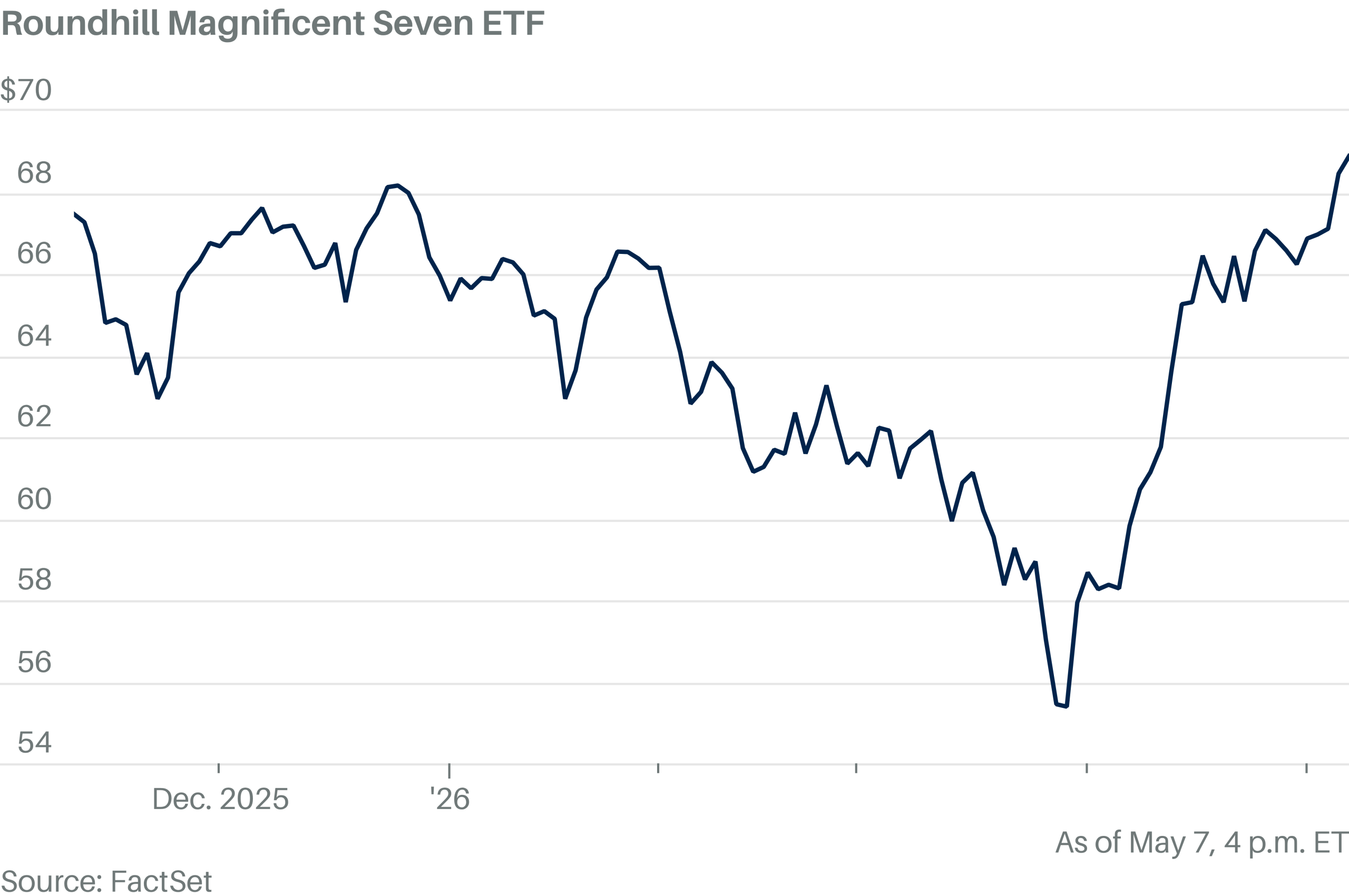
Megacap tech stocks were racking up gains ahead of the opening bell on Friday, putting an exchange-traded fund that tracks the blue-chip on course for a record high.
Roundhill’s Magnificent Seven ETF climbed 0.6% in premarket trading. If it can hold those gains until the close, it would lock in its first all-time high since October 2025.
Each member of the Magnificent Seven was rising in the premarket, with chip designer Nvidia and electric-vehicle maker Tesla up by nearly 1%.
Business
Ignore market noise, India’s long-term story intact, say D-Street bulls Ramesh Damani and Sunil Singhania

Speaking at a fireside session during the Groww India Investor Festival 2026 in Mumbai, both investors urged retail participants to ignore short-term market noise and stay focused on long-term wealth creation through disciplined investing.
“We have become used to markets delivering 15-20 percent returns every year after COVID. Markets do not move in a straight line,” Damani said, cautioning investors against drawing conclusions from short-term corrections or temporary underperformance.
Referring to past market cycles, Damani said benchmark indices across global markets have frequently moved sideways for long stretches, even while fundamentally strong companies continued to steadily create substantial shareholder value beneath the broader market’s muted performance.
“When I started my investing journey, the Sensex was below 1,000. Today it is above 80,000. There is no reason to believe India’s next 10-20 years will not continue to create massive wealth,” he said.

Addressing concerns over persistent foreign institutional investor outflows and India lagging peers such as Korea, Taiwan and the US in recent months, Damani argued that fears of a slowdown in domestic investor participation were overstated.
“Whenever foreigners sell, someone is buying those stocks. Domestic investors understand Indian businesses best, and they are backing Indian companies with conviction,” he said.FIIs have offloaded domestic equities worth Rs 2.06 lakh crore in 2026, remaining net sellers for the third successive month-to-date. They have sold shares worth Rs 14,231 crore, so far this month. In less than five months, foreign investment outflow has surpassed 2025 figures of Rs 1.66 lakh crore.
Also read: FIIs sell over Rs 2 lakh crore worth of Indian equities in 2026. What lies ahead?
Nifty is down over 7% on an year-to-date basis even as its Asian peers like Shanghai Composite (4%), Nikkei 225 (21%) and Kospi (74%) have outperformed the headline index. Its Wall Street rivals like Dow (2.5%) and Nasdaq Composite (13%) have also fared better.
Echoing a similar sentiment, Abakkus Asset Manager Founder Sunil Singhania said India’s economic model remains fundamentally stronger because of its consumption-led growth engine, though he acknowledged that India has not yet emerged as a dominant player in sectors such as semiconductors and deep technology.
“There is no doubt that several global companies have done phenomenally well in AI and semiconductors. But consumption and people ultimately sustain economies, and India remains one of the strongest long-term consumption stories globally,” Singhania said.
Both investors repeatedly stressed the importance of patience and compounding, warning retail investors against chasing speculative returns or shifting between trending asset classes.
“There is no secret to wealth creation. The real secret is compounding,” Damani said during the audience interaction, adding that investors should focus on quality businesses and allow investments time to grow.
Sectoral opportunities
Damani remains bullish on defence, infrastructure, logistics and energy-linked businesses, arguing they could emerge as long-term beneficiaries in an increasingly fragmented geopolitical environment.
“The world has changed. Every country now wants stronger self-defence and supply-chain independence,” he said, adding that investors would need to reposition portfolios for a changing global order.
Asset allocation: Gold/silver
The two investors also pushed back against the growing retail fascination with gold and silver following the sharp rally in precious metals.
Singhania called gold and silver as non-productive assets while emphasising the importance of equities, referring to them as growing assets. He recommended only limited allocation towards precious metals.
(Disclaimer: The recommendations, suggestions, views, and opinions given by the experts are their own. These do not represent the views of The Economic Times.)

Brewers LF Brandon Lockridge exits with deep cut on knee

San Francisco’s housing market has lost its mind

Palantir Stock a Strong Buy in 2026 as AI Platform Adoption and Commercial Surge Accelerate

Manchester United reach agreement with Casemiro over contract clause amid transfer speculation

US brings back mandatory military draft registration

Steven Gerrard disagrees with Gary Neville over ‘shock’ Chelsea and Arsenal claim | Football


-
 Crypto World1 day ago
HarrisX Poll Found 52% of Registered Voters Support the CLARITY Act
-

 NewsBeat6 days ago
Channel 5 – All Creatures Great and Small series 7 new post
-

 Crypto World2 days ago
Upbit adds B3 Korean won pair as Base token gains Korea access
-

 Tech5 days ago
Image AI models now drive app growth, beating chatbot upgrades
-

 News Videos6 days ago
AP Dhillon – Old Money (Official Audio)
-
 NewsBeat2 days ago
NCP car park operator enters administration putting 340 UK sites at risk of closure
-

 Fashion20 hours ago
Weekend Open Thread: Marianne Dress
-

 Sports7 days ago
Five killed in Texas plane crash identified as Amarillo pickleball players
-
Entertainment7 days ago
New Netflix Movies in May 2026 — My Top 3 Picks to Stream
-
 Crypto World7 days ago
Pi Network Mandates Protocol 23 Upgrade for All Mainnet Nodes Before May 15 Deadline
-

 Entertainment6 days ago
Melissa Joan Hart and More Stars Attend 2026 Kentucky Derby
-
Entertainment6 days ago
Anna Nicole Smith’s Daughter Attends 2026 Kentucky Derby
-

 Crypto World6 days ago
Bitcoin mining equities rise in 2026 as BTC lags behind
-
Entertainment7 days ago
Venus Williams’ Best Met Gala Looks Over the Years
-

 Business6 days ago
Luka Doncic Injury Update: Doncic’s Hamstring Recovery Slows Lakers’ Hopes Against Thunder: Can He Run Yet?
-
Entertainment6 days ago
“Storage Wars” star Darrell Sheets' ex-wife breaks silence on his death
-

 Sports6 days ago
Is Man United v Liverpool on TV? Channel, streaming and how to watch Premier League fixture
-

 Business7 days ago
Kuwait International Airport Resumes Operations After Closure as Regional Tensions Ease in 2026
-
 Entertainment7 days ago
Netflix’s 10-Part Miniseries Based on a True Story Is a Perfect Weekend Binge
-
Crypto World7 days ago
Q1 2026 Tech Layoffs AI Wave Hits 81,747 as Firms Shift to AI Infrastructure
You must be logged in to post a comment Login