

Business
Commodities: Supply Worries Remain As US Extends Russian Oil Waiver



Business
Rich Paul Says He Has Talked to 27 NBA Teams About LeBron James and the Decision Is Purely About Happiness
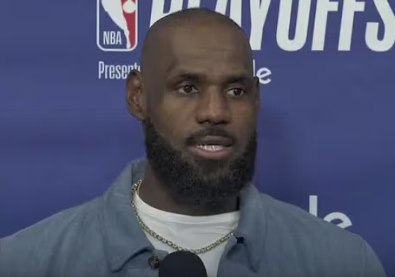
LeBron James’ free agency is officially the most wide-open and closely watched player movement in the history of the NBA, with his agent Rich Paul revealing Friday that he has already spoken to 27 of the league’s 30 teams about the possibility of the 41-year-old joining their franchise for the 2026-27 season, leaving every fan base outside Los Angeles with some reason to hold their breath.
Paul made the disclosure on a new episode of his podcast “Game Over,” during which he walked through the landscape of potential destinations using a whiteboard that listed 10 teams but made clear that the number of teams actively involved in conversations was far larger. He also spoke directly to ESPN’s Dave McMenamin, offering a characterization of James’ decision-making process that framed this free agency as unlike any the player had experienced before.
“Every day things change,” Paul told ESPN. “This is the first time that LeBron James is making a decision pressure-free. He’s won already. He’s made good on his promise — he won in L.A. This is strictly for his happiness. What does happiness entail? It’s a number of things. It’s a bucket of happiness. It’s basketball, it’s living, it’s camaraderie, it’s competition. It’s everything.”
The 10 teams Paul placed on his whiteboard during the podcast were Philadelphia, Cleveland, Denver, Minnesota, Miami, New York, Golden State, Dallas, Boston and San Antonio. That list spans every conference, every competitive tier and several cities that carry personal significance to James for different reasons. The presence of Boston, a city and franchise James has battled against in some of the most memorable Finals matchups of his career, was among the more eyebrow-raising names on the board. The inclusion of San Antonio, where rookie phenom Victor Wembanyama has transformed the Spurs back into a franchise with genuine championship aspirations within just two seasons, reflected a broader point Paul has made about James’ desire for a situation where he can genuinely compete rather than simply extending his career in a supporting context.
The most discussed potential destinations entering the weekend remained Golden State, Cleveland and Miami. Golden State’s appeal has been extensively documented, centering on the personal friendship between James and Stephen Curry that dates back to multiple Olympic gold medals and years of Finals rivalry before warming into genuine offseason camaraderie. Draymond Green’s decision to decline his player option was widely interpreted as directly connected to clearing financial room for a potential James signing, and the Warriors have made little effort to conceal their interest. However, ESPN’s Shams Charania reported this week that Golden State is not currently considered a frontrunner among the teams most likely to land James, suggesting the Warriors’ pursuit, while real, has not yet generated the kind of momentum that produces a signing.
Cleveland offers a different kind of pull, centered on homecoming and legacy. James won the only championship in Cavaliers history in 2016, fulfilling a promise he had made to the city of Cleveland years earlier, and that bond with northeastern Ohio has never fully faded despite two subsequent chapters with Miami and Los Angeles. The current Cavaliers roster is legitimately strong, featuring Donovan Mitchell, Evan Mobley, Jarrett Allen and James Harden, giving James a supporting cast capable of competing for an Eastern Conference title without requiring him to carry the offensive load the way his age and recent workload might otherwise demand.
Miami presents a return to the city where James won two of his four championships in 2012 and 2013 and where, in many ways, he first established himself as a player capable of leading a superteam rather than simply being its best individual member. The Heat’s acquisition of Giannis Antetokounmpo earlier this offseason adds a dimension to the Miami pitch that no other team can match: James would arrive not as the team’s primary star but as a complementary piece alongside Giannis and Bam Adebayo, a role that some observers believe could extend his career meaningfully by reducing the per-game physical demand.
The landscape shifted this week when the Celtics completed a shocking trade sending Jaylen Brown to the Philadelphia 76ers. Paul acknowledged directly on his podcast that the Brown trade had changed the Philadelphia calculation, noting that a James-Brown-Joel Embiid-Tyrese Maxey combination in the City of Brotherly Love would immediately be considered one of the most talented rosters in the Eastern Conference.
Paul’s comment about the New York Knicks was among the podcast’s more memorable moments. He reportedly told podcast listeners that James would have been headed to New York if the Knicks had not won the NBA championship this season, implying that the franchise’s championship run had made that destination less of a destination and more of a completed story. He did not, however, rule out New York entirely, leaving open the possibility that James could still choose the league’s largest market despite the Knicks’ historic championship run.
The reference to 27 teams in Paul’s conversations means that franchises not typically associated with LeBron speculation, including the Washington Wizards, Portland Trail Blazers and Sacramento Kings, have at minimum had exploratory conversations with Klutch Sports about what a James arrival might look like. Those conversations are almost certainly more preliminary and less substantive than the discussions involving the primary suitors, but their existence illustrates the degree to which the entire league has oriented itself around this single decision.
James himself has not made any public statement about his timeline for deciding or about which teams have had the most substantive conversations with his camp. The notable absence of his own voice from the discourse, while his agent speaks publicly and candidly on a podcast about 27 teams and a whiteboard of finalists, is a dynamic that will sustain speculation and media coverage through however long the process takes.
Paul closed his podcast appearance with a line that captured the spirit of where James finds himself heading into what is almost certainly the final free agency decision of a 24-year career that has already produced four championships, four Finals MVP awards, four regular-season MVP awards and the all-time NBA scoring record.
What remains is not a chase for validation or legacy accumulation. What remains, as Paul described it, is the simplest and most human of motivations: happiness, in whatever form that ultimately takes for a 41-year-old who has already won everything the sport has to offer.
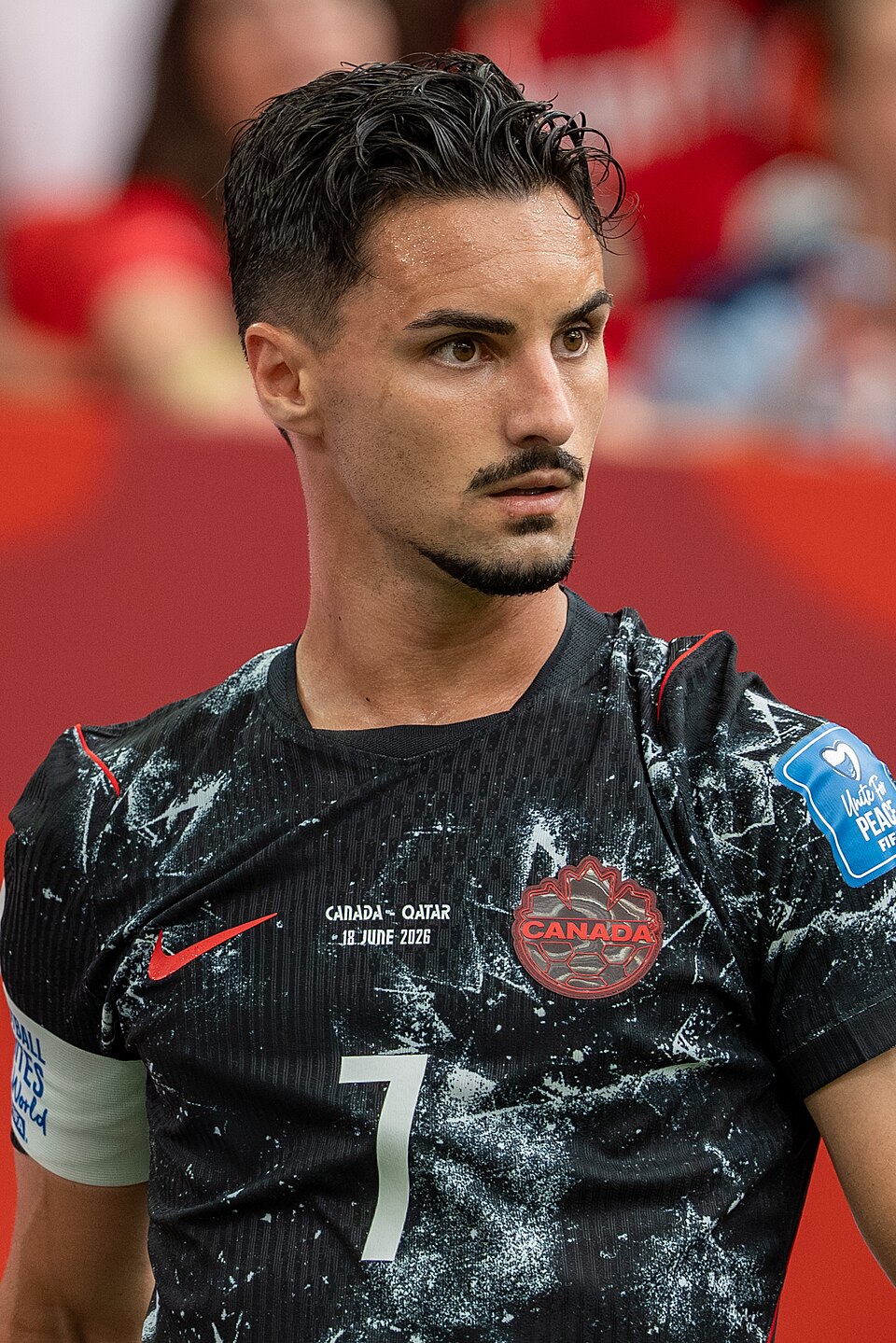
HOUSTON — Canada brings its remarkable and wholly unexpected deep run at the 2026 World Cup to its most demanding test yet on Saturday, when the co-host nation faces Morocco in the round of 16 at NRG Stadium with a quarterfinal spot on the line and a Fourth of July holiday crowd roaring them on.
Kickoff is set for 1 p.m. ET, with the match available on Fox Sports in the United States. The winner advances to the quarterfinals to face either France or Paraguay in Boston on July 8 or 9.
Everything that has happened for Canada at this tournament already exceeds what anyone outside this program could have reasonably projected heading into June. First-ever World Cup point. First-ever World Cup win. First-ever knockout victory. The Canadians have outscored their four opponents 9-3 across the tournament, dispatched South Africa 1-0 in the round of 32 on a Stephen Eustaquio winner deep into stoppage time, and now stand on the edge of a quarterfinal that would represent a generational leap for Canadian football.
Morocco, meanwhile, is the team that eliminated Canada in the group stage of the 2022 World Cup in Qatar with a 2-1 victory built on goals from Hakim Ziyech and Youssef En Nesyri inside the opening 23 minutes. Four years ago, the Atlas Lions became the first African and Arab nation to reach a World Cup semifinal. This year they arrived in North America with bigger ambitions and stronger tactical foundations, and have delivered on that promise without losing a match, finishing second behind Brazil in Group C before eliminating the Netherlands on penalties in the round of 32 after Issa Diop’s 91st-minute header forced extra time.
Morocco coach Mohamed Ouahbi left no room for complacency in his prematch framing.
“If we get things wrong, we’ll go home,” Ouahbi said ahead of Saturday’s fixture.
Canada coach Jesse Marsch was equally direct about the scale of the challenge while refusing to accept the underdog label as a limiting factor.
“Preparing for Morocco is like a gory, horrible nightmare,” Marsch said. “But we want to be here and we expect to be here. So we know that everybody’s going to write us off, and in that is an opportunity.”
The tactical challenge for Canada is clear and has been the defining variable in every match the team has played at this tournament. Morocco possess Achraf Hakimi at right back, arguably the best attacking full back in the world, whose ability to arrive late into attacking positions creates width and depth that few defenses have been able to suppress consistently. Ismael Saibari, who scored three goals in the group stage and attracted attention from Bayern Munich sufficient to secure a transfer agreement, is Morocco’s most dangerous threat in the final third, arriving from midfield into spaces that traditional center backs are not positioned to track.
Canada’s best counter to that quality is a combination of defensive organization built around Kamal Miller, Derek Cornelius and Alistair Johnston across the backline, with Eustaquio providing the controlling and direct-running presence in central midfield that has been the Canadians’ most productive link between defense and attack throughout the tournament. Canada have shown across four games that they can absorb sustained possession pressure from better teams and find decisive moments on the counter, a quality that offers genuine hope even against a Moroccan side ranked 24 places above them in the FIFA world rankings.
The most significant team news development entering Saturday’s match concerns Alphonso Davies, whose return from the lower-body injury that kept him entirely absent from Canada’s first four games was hinted at by Marsch in his prematch comments. The Bayern Munich left back, arguably Canada’s best individual player and one of the fastest players in world football, appeared as a 75th-minute substitute against South Africa in the round of 32. Whether he starts Saturday remains one of the most consequential lineup decisions Marsch will make, given that Davies’ pace and quality on the left flank would give Canada a weapon Morocco’s right side has rarely needed to contain at this tournament. Ismael Kone, the Sassuolo midfielder who broke his leg against Qatar in the group stage, remains out.
Morocco have no reported injuries heading into the match, giving Ouahbi a full selection to work with. The anticipated lineup places veteran goalkeeper Yassine Bounou behind a back four of Hakimi, Romain Saiss, Issa Diop and Nayef Aguerd, with a midfield and attack built around El Aynaoui, Bouaddi, Brahim Diaz, Azzedine Ounahi, Bilal El Khannouss and Saibari.
Betting markets reflect the quality gap between the two sides without dismissing Canada’s chances entirely. Morocco sit at approximately -120 on the 90-minute money line at FanDuel Sportsbook, with Canada a significant underdog at +370 and a draw priced at +230. Morocco are -260 to advance by any means, including extra time and penalties, against Canada’s +205. The over/under on total goals is set at 2.5, with the over priced at +125.
Morocco have progressed in six of their last eight knockout ties at major tournaments, a success rate in elimination football that reflects the squad’s growing comfort with exactly the kind of high-stakes, one-game scenario Saturday presents.
Canada’s presence in this match is already historic in every meaningful sense, a young team co-hosting its first World Cup, led by players who grew up watching the country’s senior men fail to qualify for tournament after tournament, now finding themselves 90 minutes from a quarterfinal against a nation that was in the final four last time around. Whatever Saturday brings, Canadian football left this tournament with its identity reshaped. What happens next at NRG Stadium will determine whether that reshaping reaches a place no Canadian team has been before.

IT stocks have seen a sharp downturn this year so far, with multiple headwinds leading to the shares of Infosys, Tata Consultancy Services (TCS), HCL Technologies, Tech Mahindra and Wipro crashing up to 36% in 2026 so far. The combined market capitalisation of all these top five IT companies at the end of the trading session on Friday stood at a little over Rs 18.12 lakh crore.
Shares of Reliance Industries, India’s most valuable company, have also declined 17% this year so far amid a volatile energy market following the outbreak of the Iran and US war earlier this year. The stock last month crashed to a 52-week low of Rs 1,253.20 apiece on NSE, before paring some gains. At the end of Friday, RIL’s market capitalisation stood at nearly Rs 18 lakh crore.
Why IT stocks are falling?
RIL currently commands a market cap more than twice of TCS, India’s largest IT company. This comes as the AI worries led correction in IT stocks outpaced. Earlier this year, the sector witnessed a sharp selloff after breakthroughs by AI startups fuelled concerns about potential disruption to the traditional IT services business model. While intermittent buying emerged on hopes that fears of an AI-led shake-up were overdone, the recovery continues with analysts raising doubts over how long it will last.While doomsday prophets continue to debate the future of IT companies following fresh AI advancements, Nomura believes the long-term addressable market for Indian IT companies will continue to expand. In its latest note, the brokerage said Indian IT services firms, especially large-cap players, are facing a “perfect storm of two key headwinds”.

The first is macro uncertainty stemming from geopolitical tensions in the Middle East and the outlook for interest rates, particularly in the US, which is keeping client spending subdued at the margin.
Nomura also noted that when clients’ technology spending is not growing, competition among IT services companies intensifies, with the economic gains from AI being passed on to customers. With firms such as Accenture indicating that the impact of the conflict on growth could persist in the near term, the brokerage expects FY27 to remain another subdued year for the sector.
Also read: Nomura expects IT firms to see ‘anaemic’ growth in FY27. Here are latest target prices for Infosys, TCS, and others
Reliance Industries share price
Reliance Industries (RIL) shares recorded marginal gains to close at Rs 1,304 apiece on Friday. At its annual general meeting (AGM) last month, billionaire Mukesh Ambani announced that Jio Platforms’ board had approved the draft red herring prospectus (DRHP) for its IPO, formally setting in motion one of India’s most anticipated public offerings. The IPO will comprise a fresh issue of 27 crore shares, with Reliance planning to use Rs 27,500 crore of the proceeds to repay debt, while the balance will be allocated towards general corporate purposes. The size of the mega IPO could be around Rs 35,00-40,000 crore.Nuvama Institutional Equities noted that although Jio is likely to receive a premium valuation in public markets, gains for Reliance shareholders may be limited because the telecom business sits within a larger conglomerate structure. The brokerage continues to apply a 20% holding company discount while valuing Reliance’s digital and retail businesses, reflecting the market’s tendency to value subsidiaries more richly than their parent companies.
Also read: Rs 35,000 crore Jio IPO may not be a jackpot for Reliance investors. Here’s why
(Disclaimer: Recommendations, suggestions, views and opinions given by the experts are their own. These do not represent the views of The Economic Times)
Business
Lakers Could Trade Bronny James to Reunite Him With LeBron After the NBA Legend Picks His Next Team
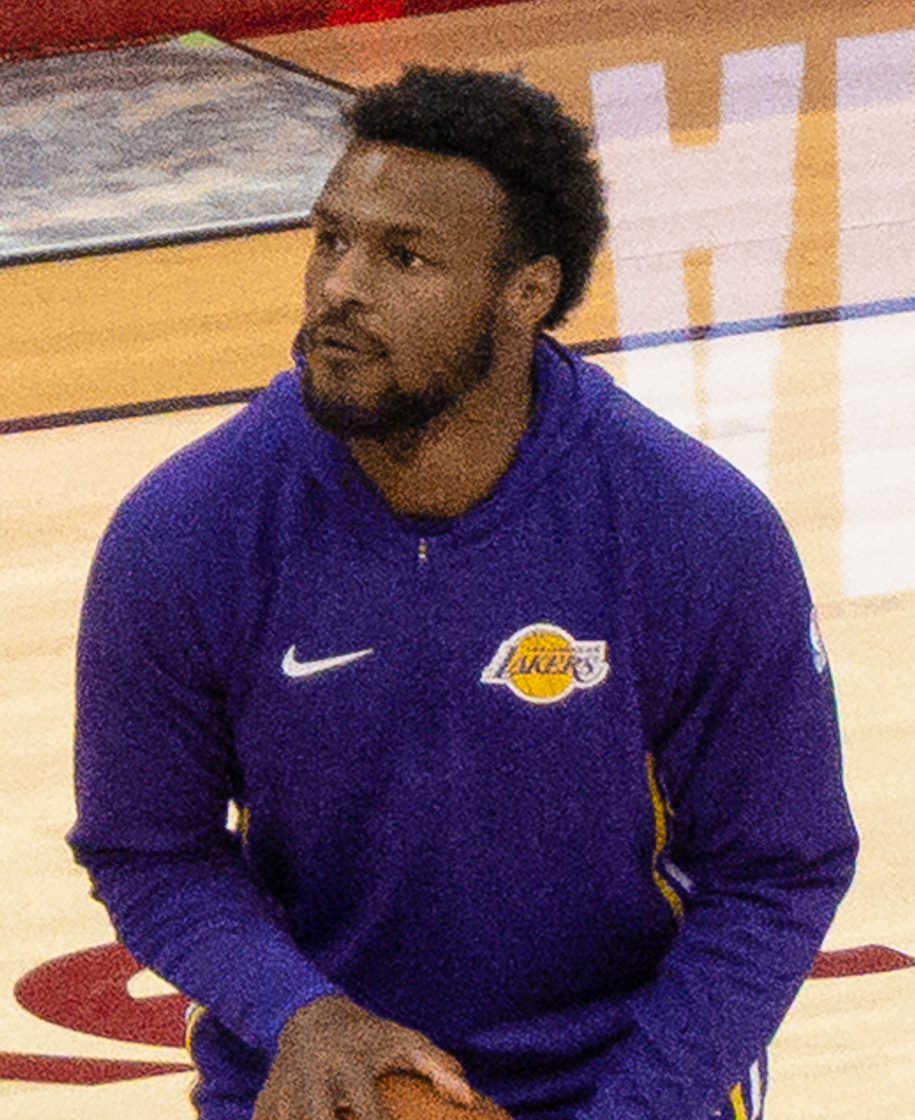
LOS ANGELES — Bronny James may soon follow his father to a new NBA city, with ESPN’s Dave McMenamin reporting that the Los Angeles Lakers could trade the 21-year-old guard to whatever franchise LeBron James ultimately chooses in the most closely watched free agency of the modern era, potentially keeping the historic father-son playing partnership alive for a third NBA season.
The timeline of events surrounding the James family’s separation from the Lakers was nothing short of whiplash-inducing. On June 29, the Lakers fully guaranteed Bronny’s $2.3 million salary for the 2026-27 season, choosing not to waive him before his contract deadline. The very next morning, LeBron James informed the franchise he would not be returning for a ninth season, leaving a roster that had just locked in the son without the father.
McMenamin detailed the situation directly in his reporting.
“LeBron has spoken at length about how meaningful it has been to be teammates with his son, and those feelings only grew late last season when they shared the court in competitive games,” McMenamin wrote. He added: “Once LeBron makes his decision on his next team, there could be a subsequent move made with Bronny.”
The mechanics of any potential Bronny trade would be relatively straightforward given his minimum contract. Because his $2.3 million deal falls near the league minimum, any team with cap space or a roster spot can absorb him without sending matching salary back to Los Angeles in return. The ideal outcome for the Lakers, according to reporting from LakersNation.com, would be to extract a second-round draft pick in any deal involving Bronny, giving the franchise a small return on a player whose guaranteed contract they could otherwise monetize through trade. Whether that extraction is achievable in a transaction involving a minimum-salary player is less certain, and the Lakers may ultimately be willing to move Bronny without any compensation simply to free up the roster spot for a more impactful signing.
The father-son pairing that made history throughout the 2024-25 and 2025-26 seasons resonated on a level that transcended the basketball court. LeBron and Bronny became the first father-son duo ever to play an NBA game together, a milestone that drew emotional responses from across the sport and from fans who had followed LeBron’s career since he entered the league as a teenager himself in 2003. The partnership deepened through two seasons of shared professional experience, including a moment in the first round of the 2026 playoffs against the Houston Rockets when the two combined to score 10 consecutive points in a single second-quarter sequence, five each, a snapshot of shared purpose that captured the imagination of anyone who watched it.
Bronny, now in his second season, showed genuine developmental progress relative to his rookie campaign. He appeared in 69 total games across his two professional seasons, averaging 2.7 points, 1.1 assists and shooting 34.8% from three overall, but his three-point percentage improved to 38.7% in his second year, a threshold that begins to suggest he could develop into a credible rotational option if given consistent opportunity. His defensive effort has been consistently praised by coaches and teammates, and his postseason performance in Game 4 against the Rockets, in which he produced five points and four assists across 15 minutes, offered the clearest evidence yet that he can contribute in meaningful moments at the NBA’s highest level.
Those developmental gains, modest as they are in the broader context of the league, have created what ESPN described as genuine uncertainty about whether the Lakers would even want to trade him regardless of where LeBron lands. The franchise has a thin backcourt beyond Luka Doncic and Austin Reaves, and a young, minimum-salary guard with defensive instincts and improving shooting represents exactly the kind of depth piece a rebuilding team can use without any financial strain.
“There’s very much a world in which the Lakers see Bronny as young, cheap depth they aren’t willing to part with this summer,” Bleacher Report noted in analysis of the situation.
The three franchises most frequently identified as the leading contenders for LeBron James himself, the Cleveland Cavaliers, Golden State Warriors and Miami Heat, all present different circumstances for a potential Bronny trade. Cleveland already has a crowded backcourt featuring Donovan Mitchell and James Harden, raising questions about whether Bronny would have a meaningful role. Golden State’s current depth at guard might make a Bronny addition more logistically complex than it appears, while Miami’s situation, with Giannis Antetokounmpo and Bam Adebayo consuming significant minutes and attention, could provide Bronny the kind of low-pressure environment in which developmental players tend to thrive.
For the Lakers, the Bronny question is one of the few remaining roster decisions that has not yet been resolved in what has otherwise been an extraordinarily active first week of free agency. The franchise added center Walker Kessler from Utah in a sign-and-trade, signed guard Collin Sexton and is finalizing the addition of Quentin Grimes, moves focused entirely on building around Doncic rather than maintaining any continuity with the LeBron era. Trading Bronny to LeBron’s eventual destination would serve that pivot by opening an additional roster spot while simultaneously allowing the front office to serve the James family’s interests one final time in a way that preserves goodwill without compromising the Doncic-centered vision.
LeBron’s own decision remains unresolved, with Rich Paul disclosing Friday that he has now spoken to 27 teams about his client’s availability and that the factors guiding James’ thinking are genuinely fluid. Until that decision is made, Bronny James remains a Laker on paper, surrounded by teammates his father will never play alongside, waiting for clarity that is entirely dependent on a choice happening somewhere else in the league.
Business
Egypt Knocks Australia Out on Penalties in First-Ever World Cup Shootout for Both Nations in Crushing Exit
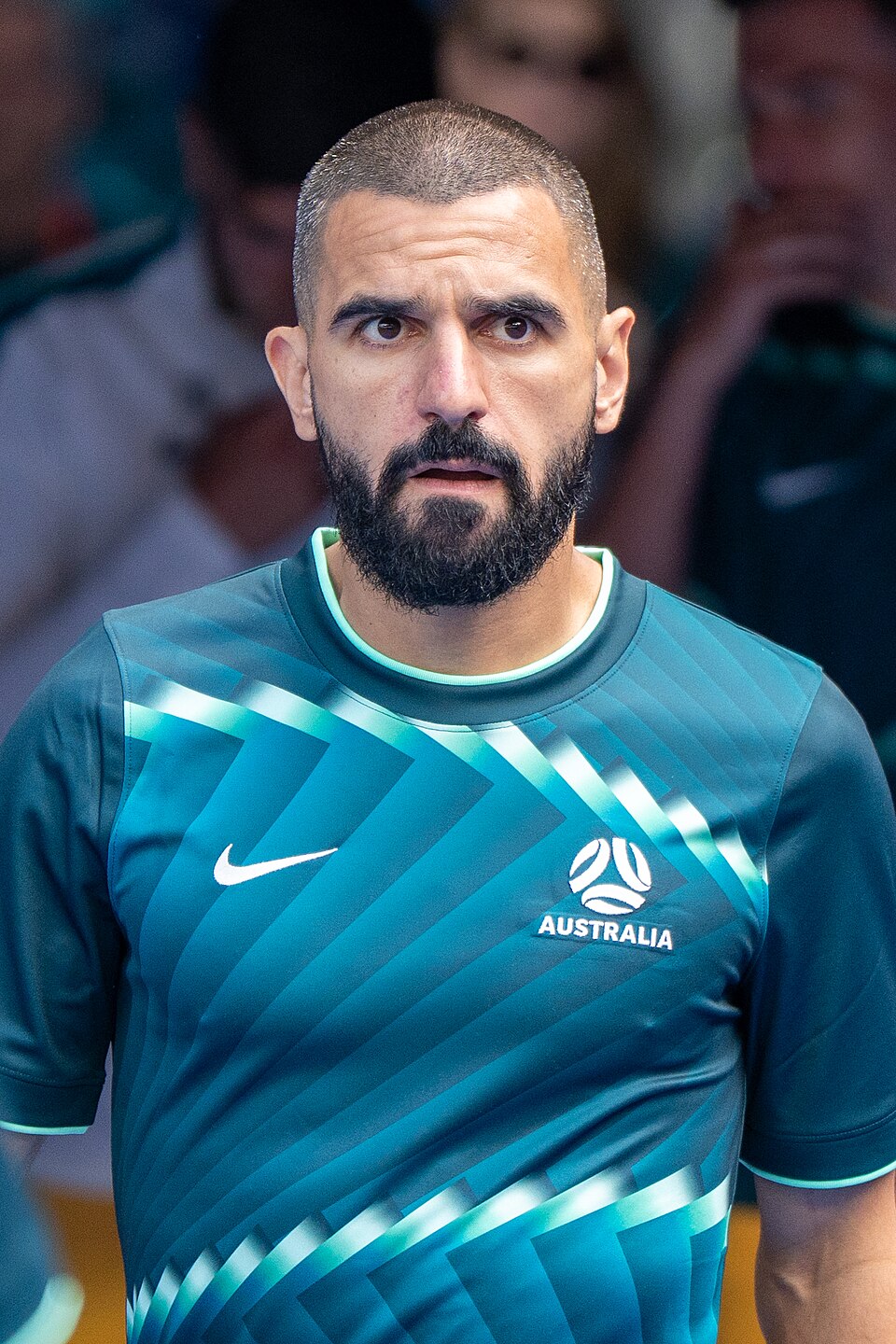
DALLAS — Australia’s long wait for a first World Cup knockout-stage victory stretched to at least four more years Friday after the Socceroos fell to Egypt 4-2 on penalties following a dramatic 1-1 draw through 120 minutes of play, with Harry Souttar and Lucas Herrington both missing their spot kicks to bring a heartbreaking end to the tournament’s most poignant farewell at Dallas Stadium.
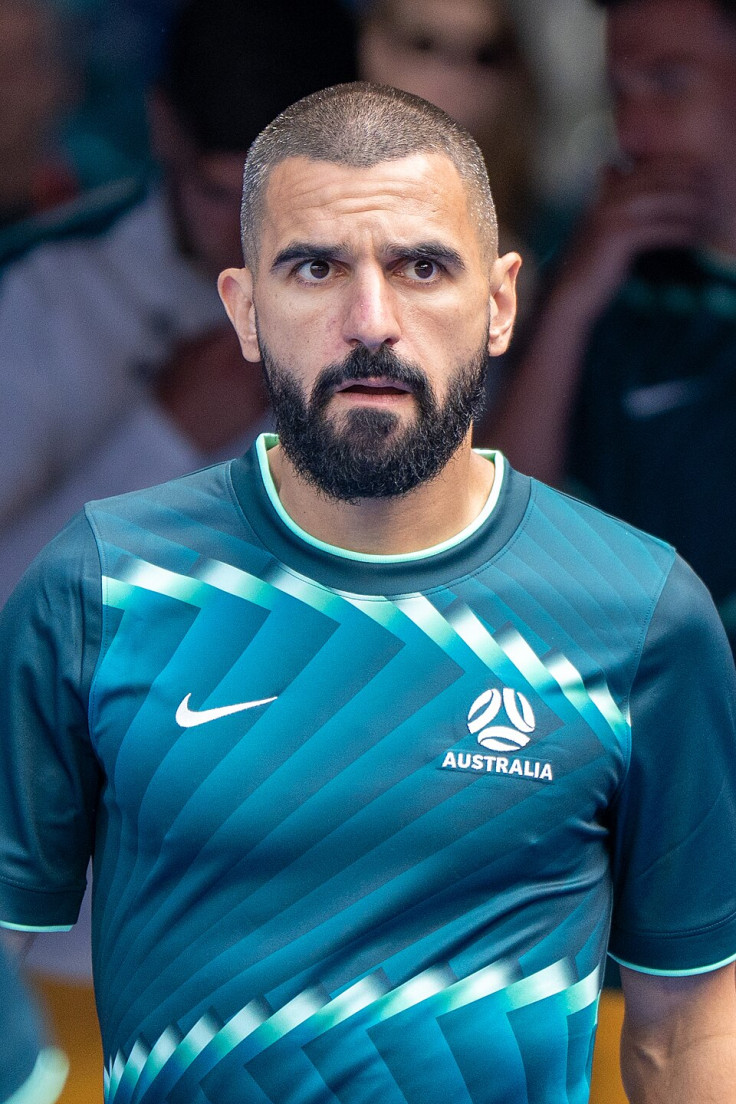
It was the first World Cup penalty shootout in the history of both nations, an occasion that carried enormous emotional weight for the Socceroos, who had only ever appeared in three knockout matches across their entire international football history and had lost each of those previous appearances. Egypt, playing in their first-ever World Cup knockout match, held their nerve when it mattered most, with Hossam Abdelmaguid converting the decisive final penalty to send the Pharaohs into the round of 16 against the winner of Argentina vs Cape Verde on July 7 in Atlanta.
Jackson Irvine, one of two Socceroos to successfully convert his penalty alongside Awer Mabil, was in tears after the final whistle. He was measured and generous toward his teammates who missed, and unsparingly honest about how elimination by shootout feels.
“Penalties are a cruel way to lose,” Irvine said. He then specifically addressed those who missed: “I hope everyone stays behind them and they get all the support. They’ve been immense, the two of them.”
Socceroos defender Aziz Behich echoed that defense of 18-year-old Herrington, whose missed penalty proved the turning point in the shootout.
“Lucas is going to be in more of those positions later down the track,” Behich said. “The kind of boy Lucas is, such a great lad, great head on his shoulders, great professional. I just told him that for him to even just go up there, to put the ball down was enough for us and he can keep his head up. I’m expecting big things from him in the future.”
The match itself was an absorbing, tightly contested affair that defied the pre-match billing as one of the round of 32’s more predictable fixtures. Egypt struck first in the 13th minute when Emam Ashour timed his run perfectly from a set piece, connecting with Karim Hafez’s lofted delivery and heading the ball cleanly past goalkeeper Patrick Beach to give the Pharaohs an early lead they had not entirely deserved based on the match’s opening exchanges.
Australia responded positively and gradually wrestled back control of the contest. Head coach Tony Popovic named an unchanged lineup from the Paraguay draw, retaining the team’s familiar structure with Nestory Irankunda leading the line and Harry Souttar wearing the captain’s armband. Cristian Volpato had earlier skimmed the top of the crossbar with a long-range effort that briefly threatened to give Australia the lead before Egypt found the net.
The equalizer arrived in the 55th minute through an own goal credited to Egyptian defender Mohamed Hany. Aiden O’Neill won a set piece on the edge of the area and delivered a perfectly directed inswinging ball into a dangerous zone. It found Hany’s head as he attempted to clear and deflected into the back of the net, sending the Australian contingent at the stadium into euphoria and leveling a match that had begun to drift toward Egypt.
Australia lost right wing-back Jordy Bos to injury at halftime, bringing on teenager Kai Trewin for his first World Cup appearance in a tournament debut under the most intense circumstances possible. Egypt responded to the Australian equalizer with their own surge, with Omar Marmoush creating several dangerous moments and Rami Rabia producing a header late in regulation time that appeared destined to restore Egypt’s lead before Beach made what may have been the save of the tournament, a phenomenal intervention that kept Australia alive and sent the match to extra time.
Popovic made tactical changes at the start of extra time, introducing Mabil and Paul Okon-Engstler as Australia searched for a knockout blow. Egypt had the more promising moments in the first period of extra time, with Mohamed Salah, playing his first match after recovering from the hamstring strain that had kept him out of Egypt’s group stage finale, creating a golden chance that Beach saved again to maintain the 1-1 scoreline. In the 117th minute, Mabil broke free and drew a foul on the edge of the area that presented a direct shooting opportunity, but his effort clattered off the defensive wall.
With penalties looming, Popovic made one of the match’s most significant decisions: introducing veteran goalkeeper Maty Ryan for the final minutes of extra time, replacing the tournament’s surprise hero Beach and giving Ryan the captain’s armband for the shootout. Ryan had not played a single minute of the tournament before entering in the 119th minute. He was unable to save any of Egypt’s four penalties.
The shootout unfolded with cruel precision. Irvine and Mabil scored for Australia. Souttar and Herrington missed. For Egypt, all four of their designated takers converted, with Abdelmaguid stepping up last to complete a historic 4-2 win that ended Australia’s World Cup campaign and simultaneously made Egypt the first African nation to advance to the round of 16 at this edition of the tournament.
Head coach Tony Popovic addressed reporters afterward, expressing pride in his players and defending his decision to bring Ryan on for the shootout.
“I think that was always an option for us and then you have to see how the game progresses,” Popovic said when asked about the substitution.
Australia departs the tournament having qualified from the group stage for only the third time in their history, extending a legacy of creditable but ultimately incomplete World Cup campaigns. The Socceroos had beaten Türkiye in their opening match, lost to co-host United States in their second, and drawn with Paraguay in their third to secure a knockout berth. Their first match in the knockout rounds ended the same way their previous two had: in defeat.
The dream of a first-ever World Cup knockout victory will have to wait at least four more years.


We’re a long-only asset manager allocating into tech and growth asset classes. Learn more at www.tnginvestments.com
Analyst’s Disclosure: I/we have no stock, option or similar derivative position in any of the companies mentioned, and no plans to initiate any such positions within the next 72 hours. I wrote this article myself, and it expresses my own opinions. I am not receiving compensation for it (other than from Seeking Alpha). I have no business relationship with any company whose stock is mentioned in this article.
Seeking Alpha’s Disclosure: Past performance is no guarantee of future results. No recommendation or advice is being given as to whether any investment is suitable for a particular investor. Any views or opinions expressed above may not reflect those of Seeking Alpha as a whole. Seeking Alpha is not a licensed securities dealer, broker or US investment adviser or investment bank. Our analysts are third party authors that include both professional investors and individual investors who may not be licensed or certified by any institute or regulatory body.

MediaAlpha: Cheap Enough For The Insurance Ad Recovery
Business
Messi Scores Record 20th World Cup Goal but Argentina Barely Escape Cape Verde 3-2 in Extra Time Thriller
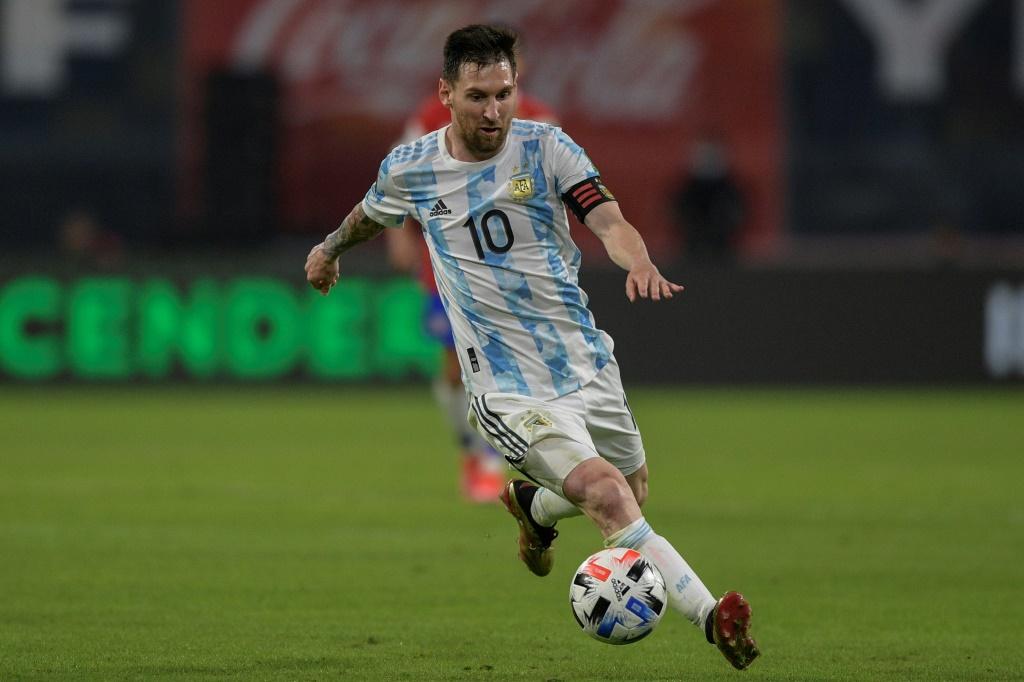
MIAMI GARDENS, Fla. — Lionel Messi scored his record-extending 20th World Cup goal, but Argentina needed 120 minutes and two nerve-wracking comebacks from Cape Verde to escape with a 3-2 victory Friday at Hard Rock Stadium in what is already being described as one of the most dramatic and improbable matches in the history of the tournament.
Argentina, the world’s top-ranked team and defending champion, were pushed to the absolute limit by Cape Verde, ranked 67th in the world and a nation of just over 500,000 people making its first-ever World Cup appearance. The defending champions survived what would have been statistically the biggest upset in World Cup knockout history, eventually advancing on Cristian Romero’s header in the 111th minute that deflected off Cape Verde defender Diney Borges to end a match that left a stunned stadium in South Florida asking whether they had just witnessed something extraordinary.
The answer, unambiguously, is yes.
Argentina coach Lionel Scaloni was measured but respectful in his assessment of what his team faced.
“I have to give credit to our opponents,” Scaloni said after the final whistle.
Messi opened the scoring in the 29th minute with a moment of characteristic genius, controlling a Lisandro Martínez pass into the box with the outside of his left boot before swiftly flicking the ball past Vozinha, Cape Verde’s 40-year-old goalkeeper, in one unbroken motion that seemed to defy both physics and the reality that the player executing it was 39 years old and playing in his sixth World Cup. The goal was his seventh of this tournament and the 20th of his World Cup career, extending the all-time men’s World Cup scoring record he now holds alone.
Messi became the first World Cup player to score in eight consecutive appearances, and has scored 12 times in his past eight World Cup matches.
Cape Verde refused to fold. In the 59th minute, midfielder Deroy Duarte received a pass from Ryan Mendes, turned inside the penalty area and fired past Emiliano Martínez at the far post in what was his first-ever international goal, silencing the pro-Argentina crowd and sending thousands of Cape Verde supporters into delirium. The equalizer reflected a shift in the match’s character: Argentina’s early control had gradually given way to a more physical, more urgent game that the Blue Sharks were winning.
Vozinha, the goalkeeper who had already become an unlikely star of the group stage for his performances against Spain and Uruguay, extended his legend in the second half. He denied Messi’s right-footed finish, made a sharp stop on a deflected free kick and repeatedly commanded his penalty area with the authority of a player competing well above the level his domestic standing in Portugal’s second division would suggest. He finished the match with eight saves, each one keeping alive the possibility of the single greatest upset in modern football history.
Extra time opened with Argentina pushing hard for what they hoped would be a decisive advantage. It arrived quickly, in the 92nd minute, when Martínez arrived at the near post from a Messi corner and rifled a left-footed shot past Vozinha to restore the lead. The stadium exhaled. The match appeared settled.
Then came the goal that stopped the world.
In the 103rd minute, Cape Verde midfielder Sidny Lopes Cabral received the ball on the left edge of the penalty area, cut inside onto his right foot and curled an extraordinary shot into the far corner, beating Emiliano Martínez from an angle that seemed to offer him almost no chance. The stadium fell silent. The Argentine players stood momentarily frozen. Cabral sprinted toward his teammates in a celebration that will be replayed for years as a monument to the human capacity for belief in the face of impossible odds.
Argentina were seconds away from a penalty shootout and potentially the greatest embarrassment in the reigning champions’ modern history. Instead, with a penalty shootout looming, a Messi corner swung into the area in the 111th minute found Romero at the near post. His header struck Borges and deflected into the net, the cruelest ending imaginable for the Cape Verde defender who had been one of the reasons the match had gone this far.
Even then, the match was not fully settled. Emiliano Martínez needed to make two smart saves in the final minutes to keep Cape Verde from a third equalizer.
The defeat ends Cape Verde’s inaugural World Cup campaign but does nothing to diminish what the island nation achieved across four matches at the tournament’s largest stage. They drew 0-0 with Spain, the reigning European champions. They drew 2-2 with Uruguay. They drew 0-0 with Saudi Arabia. And in their final match, they took the world’s No. 1-ranked defending champions to 120 minutes before a deflected goal ended their Cinderella story. They were the only remaining debutant nations in the competition to advance from the group stage, and they departed having captured the imagination of billions.
Argentina, still shaken, move on to face Egypt in Atlanta on Tuesday, July 7, in the round of 16. Whether the defending champions can rebuild their rhythm after being so thoroughly tested by a team ranked 67 places below them will be one of the tournament’s most closely watched storylines over the next few days.
Messi, meanwhile, has seven goals in this tournament, one more than France’s Kylian Mbappé in the Golden Boot race, and 20 career World Cup goals across six tournaments, a record that now seems likely to stand for a very long time.

The pre-issue share sale is unlikely to exceed ₹2,000 crore, one of the people said. “The pre-IPO placement will be part of the overall public issue. So, the shares on offer in the IPO could be around ₹9,500 crore,” the person said.
An email sent to SBI Funds Management did not elicit a response until press time.
The fund house, which has received approval from the Securities and Exchange Board of India (Sebi), is set to launch the IPO between July 14 and July 16, with a possible listing on July 21.
The IPO will be entirely an offer for sale (OFS), with no fresh capital being raised. Existing shareholders State Bank of India (SBI) and Amundi India Holding will together sell 20.37 crore equity shares, representing around 10% of the company’s paid-up equity capital.
SBI is expected to sell about 12.8 crore shares, while Amundi will offload around 7.5 crore shares.
SBI Funds Management is a joint venture between SBI, which holds around a 61.9% stake and France-based Amundi with 36.4%.In the unlisted market, SBI Funds shares were trading at around ₹828 apiece on Friday, implying a valuation of about ₹1.68 lakh crore, marginally above the ₹1.65 lakh crore market capitalisation of listed peer ICICI Prudential Asset Management Company.
The stock has gained about 21% in the unlisted market over the past year.
The fund house had a market share of around 15.5% and managed a quarterly average assets under management of about ₹12.5 lakh crore as of December.

S&P 500 Snapshot: Best Week In Two Months

Teoscar Hernandez’s grand slam helps Dodgers rally past Padres

The Chevy Silverado EV is one of the best electric trucks ever built, so why is nobody buying it

The Truth About $100 XRP.


-

 Tech6 days ago
Bluekit phishing kit adopts browser-in-the-middle for login theft
-

 Fashion12 hours ago
Weekend Open Thread: High Hopes
-

 Tech6 days ago
Claude Code turned every engineer into three. Now companies need more product thinkers
-

 Crypto World4 days ago
Strategy authorizes up to $1.25B in Bitcoin sales under new capital plan
-

 Politics18 hours ago
The House | “Reframing the debate from a binary discussion of winners and losers”: Yuan Yang reviews ‘We Are Not Machines’
-

 News Videos5 days ago
MAJOR BITCOIN & MARKET UPDATE!!!! (MUST WATCH ASAP!!!)
-

 Tech4 days ago
Anonymous researcher drops 0-day ‘exploitarium’ repo
-

 Crypto World7 days ago
Coinbase, Circle Deepen Crypto Stock Losses Despite Resilient S&P 500
-

 Business4 days ago
Australia treasurer says alleged access of prime minister’s bank data ’incredibly concerning’
-

 Tech7 days ago
Russian hackers now target Signal backup recovery keys
-
 Business5 days ago
The AI boom won’t burst all at once. It will pop in ‘rolling bubbles’: Macquarie
-

 Sports3 days ago
Broncos roster: OL Ben Powers (No. 74) entering final year of contract
-

 Crypto World2 days ago
Binance stock trading tops $1B in first month after launch
-

 NewsBeat3 days ago
Presenter Caroline Flack’s brother Paul Flack dies aged 55
-
 Tech7 days ago
Silicon Valley paid to kill AI regulation, now it wants the rules back
-

 Tech7 days ago
OpenAI mulls delaying IPO over valuation concerns
-

 Crypto World2 days ago
Alibaba-affiliate Ant Group enters the humanoid robot market with 12 deals
-
 NewsBeat2 days ago
New exhibition reflects five decades of movement between island of Ireland and GB
-

 News Videos4 days ago
How to Build INSANE Live Financial Dashboards With Claude
-

 Business1 day ago
What a 10 Percent Drop Means for Buyers, Sellers and Renters
You must be logged in to post a comment Login