
Business
Discovering The Next Generation Of Nasdaq Innovators




Detectives are continuing to probe the affairs of late investment promoter Stephen Robert Bruce after charging his wife with seven counts of gaining a benefit by fraud.
Business
Harvey Weinstein Sentenced to 15 Years in Prison as Years-Long New York Sex Crimes Saga Reaches an End
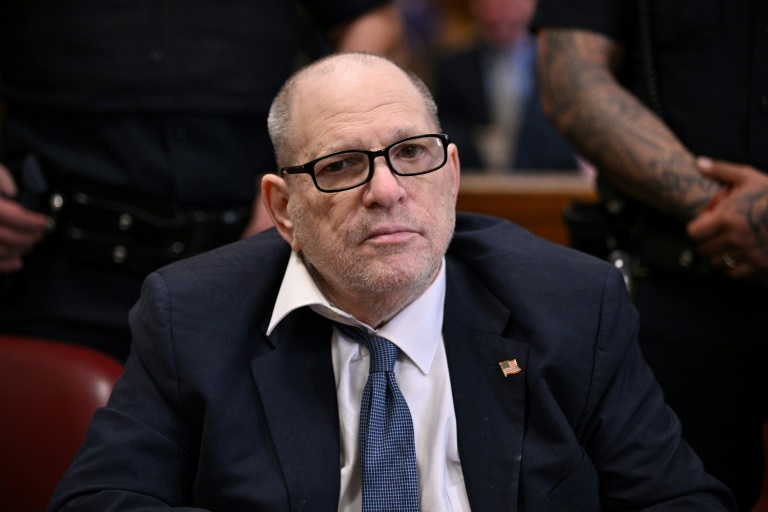
NEW YORK — Harvey Weinstein, the disgraced former Hollywood producer whose downfall helped ignite the global #MeToo movement, was sentenced Wednesday to 15 years in prison in Manhattan for sexually assaulting a former production assistant in 2006, closing out a New York legal saga that has spanned more than six years, two convictions and a reversal by the state’s highest court.
Weinstein, 74, was convicted last year at a retrial of first-degree criminal sexual act for assaulting Miriam Haley, a former “Project Runway” production assistant, at his Manhattan apartment in 2006. The retrial followed the 2024 reversal of Weinstein’s original 2020 conviction and 23-year sentence, after New York’s highest court ruled he had not received a fair trial due to the inclusion of testimony from accusers whose allegations were not part of the formal indictment.
At the 2025 retrial, the jury convicted Weinstein again on the charge involving Haley, while acquitting him of a separate count involving model Kaja Sokola and deadlocking on a third-degree rape charge tied to an allegation from Jessica Mann. Manhattan prosecutors ultimately dropped the Mann charge rather than pursue a fourth trial, after Mann said she could not bear to testify again, a decision that cleared the way for Wednesday’s sentencing.
Manhattan Supreme Court Justice Curtis Farber, who presided over the sentencing, delivered a pointed rebuke of Weinstein from the bench. “You will be remembered for the many wonderful films you brought to the silver screen, but recognition for these achievements will pale … for what you did, for what you became. A sexual predator. The literal face of the MeToo movement,” Farber said. He continued, “You took what you wanted by force, and you have never accepted responsibility.”
Prosecutors had sought a 20-year sentence, while Weinstein’s defense attorneys had asked for nine years; Farber’s 15-year sentence fell between the two requests. Weinstein had faced a maximum of up to 25 years for the charge.
Haley addressed the court directly before sentencing, delivering a victim impact statement describing the toll the yearslong legal process has taken on her. “Having been sexually assaulted by Harvey Weinstein has had a devastating effect on my life and sense of security that may never go away,” Haley said. “Making the decision to speak up will have me looking over my shoulder for years to come.” She described the experience of testifying against Weinstein across multiple trials as compounding her trauma. “I’ve been further traumatized in exercising my right to hold him accountable,” she said, later adding, “It has often felt like I was the one on trial. This process has been the worst decision of my life, for me personally. I considered pulling out so many times.” Haley, who first testified against Weinstein in 2020 before his conviction was later overturned, said she hoped Wednesday’s proceeding would mark the final time she would need to face him in court. “I certainly didn’t think I’d be standing here again six years after the first conviction,” she said, adding that she trusted it would be her last.
Weinstein addressed the court as well, maintaining his denial of the underlying allegations while offering a limited apology. He apologized “to anyone I may have hurt by my actions” but insisted he never violently attacked anyone. Weinstein appeared in the courtroom in a wheelchair, with his hands cuffed to his seat.
Weinstein has remained incarcerated since his original 2018 arrest, cycling through New York’s prison system amid the repeated retrials, appeals and judicial proceedings that have defined the case. He is currently held at Rikers Island, where he has spent time moving between the general prison population and a secure hospital ward due to ongoing health issues. Weinstein has separately complained publicly about the conditions of his confinement, describing his treatment at Rikers as “torturous” and saying he believes he has been denied basic human rights and treated worse than an animal.
Once one of the most powerful figures in the entertainment industry, Weinstein produced or oversaw a string of acclaimed films, including “Shakespeare in Love,” “Pulp Fiction” and “Chocolat,” before sexual assault allegations became public in 2017 and triggered what grew into the broader #MeToo movement, ultimately drawing accusations from nearly 100 women against him.
Wednesday’s sentencing does not resolve all of Weinstein’s outstanding legal matters. He still faces resentencing in California, where an appeals court vacated his original 16-year sentence tied to a 2013 conviction for raping and sexually assaulting an Italian model and actor at a Los Angeles hotel. It remains unclear whether any new California sentence would run concurrently or consecutively with his New York sentence, and no date has yet been set for that resentencing proceeding. Weinstein is expected to appeal Wednesday’s sentence.
With Wednesday’s sentencing concluding the New York chapter of Weinstein’s legal reckoning, barring a successful appeal, he is expected to remain incarcerated well into his 80s, closing out a case that has stretched across nine years since the allegations against him first became public and helped reshape public conversation around sexual misconduct in the entertainment industry and beyond.
Mark Beyer speaks to Justin Fris about health fund HIF and its focus on WA.
Business
LeBron James Adds Mike’s Red Tacos to a Growing Investment Empire Spanning Sports, Fashion, Tech and More

LeBron James has joined Mike’s Red Tacos as an investor ahead of the fast-growing birria chain’s expansion into Los Angeles, the latest addition to an investment portfolio the 41-year-old NBA star has built into one of the most extensive among active professional athletes as he prepares for what may be his final season on the court.
James joined Mike’s Red Tacos just days before the company opens its first Los Angeles-area location in Pasadena. In a statement announcing the investment, James explained what drew him to the brand. “I love tacos, and I especially love how they bring people together to create traditions and share great moments around the table with family and friends,” James said. “In addition to having an incredible taco, Mike’s Red Tacos brings those same values to life in a fresh, new way for consumers.” He went on to describe his confidence in the company’s leadership. “With this leadership team, I see a group that is building something authentic with a long-term vision, and I wanted to be part of helping bring that experience to more communities.”
Mike’s Red Tacos Chief Executive Officer Andrew Feghali welcomed James’s involvement, framing it as part of a broader strategy of backing founder-led brands rather than fleeting trends. “We’re not interested in trend-chasing brands,” Feghali said. “We’re interested in founders building something enduring. Mike did that with a focused menu, chef-driven food, and a loyalty most brands never earn.” Feghali said James’s involvement would help accelerate the company’s growth. “Adding LeBron and an experienced restaurant leadership team gives Mike’s the megaphone it deserves, the resources to scale what’s already working, and the platform to become a category-defining brand.”
The specific financial terms of James’s investment in Mike’s Red Tacos have not been publicly disclosed.
The Mike’s Red Tacos deal is only the latest addition to a sprawling investment portfolio James has assembled over the course of his more than two-decade NBA career. His holdings now span Fenway Sports Group, the ownership group behind Liverpool FC, the Boston Red Sox and the Pittsburgh Penguins; The SpringHill Company, his own media and entertainment venture; pizza chain Blaze Pizza; headphone maker Beats by Dre; fitness wearable company Whoop; Canyon Bicycles; fitness technology firm Tonal; sports data company StatusPRO; Fantasy Life; skincare brand Neutral; ride-hailing company Lyft; and a Major League Pickleball franchise, reflecting a deliberate strategy of diversifying across sports, media, consumer products, fitness technology and hospitality rather than concentrating his outside business interests in any single sector.
That pattern of investment activity has continued even as James enters a season many around the league view as likely to be his last. James signed with the Philadelphia 76ers on a two-year contract that includes a player option, the smallest playing contract of his career, as he begins his 23rd NBA season. Despite the modest size of that on-court deal relative to his earlier contracts, James has continued layering additional income streams on top of his playing career through both endorsement deals and equity investments in a wide range of companies, a strategy that has made his total earnings considerably larger than his official playing salary alone would suggest.
James has spoken publicly and often about his approach to retirement in recent seasons, without committing to a firm timeline for stepping away from the game entirely. As he enters this stretch of his career, attention has increasingly turned to how he plans to build out his post-playing business interests, with his continued pace of new investments, including the Mike’s Red Tacos deal, offering one indication of the kind of ventures he intends to remain engaged with once his playing days conclude.
James’s business ventures have generally centered on brands he describes as authentic and community-oriented, a theme reflected clearly in his stated rationale for investing in Mike’s Red Tacos specifically. That approach mirrors the framing James has used for several of his other investments over the years, often emphasizing founders with a clear, focused vision and products with genuine consumer loyalty rather than businesses built primarily around short-term trends or his own personal brand alone.
Mike’s Red Tacos, known for its slow-braised birria served with a signature consome for dipping, began as a single San Diego food truck before expanding into a broader network of restaurants and franchise agreements across multiple states. The company’s move into the Los Angeles market, one of the country’s most closely watched and competitive dining scenes, represents a significant test of the brand’s ability to scale beyond its original Southern California customer base, a challenge James’s investment and public endorsement are intended to help the company navigate as it continues its national expansion.
With James continuing to add new ventures to an already extensive investment portfolio even as he approaches what could be the final season of his playing career, his business interests appear likely to remain an active and closely watched part of his broader public profile regardless of when he ultimately decides to step away from professional basketball.

As physical security merges with digital infrastructure, companies across the UK are reassessing what it actually means to keep a building safe.
The Hidden Cost of Traditional Locks
Mechanical locks feel dependable because they’re familiar, but that familiarity hides a lot of inefficiency. Every lost key represents a potential vulnerability, and rekeying an entire building after a security breach can take days and cost thousands of pounds. For organisations with several locations, the logistics multiply quickly. Someone has to physically distribute keys, track who holds which one, and update records whenever staff join or leave.
This administrative burden often goes unnoticed until something goes wrong. A facilities manager might spend hours each month just managing access rights manually, time that could be spent on more valuable tasks. The inefficiency isn’t dramatic, but it accumulates steadily in the background.
How Digital Access Is Changing the Equation
Digital access control systems have addressed many of these problems by moving key management into software. Instead of physical keys, staff use credentials stored on a phone, fob, or card, which can be issued or revoked instantly. This shift matters most for businesses with irregular staffing needs, such as retailers with seasonal workers or offices with contractors who only need access for a limited period.
Cloud based access control takes this further by allowing permissions to be managed remotely, without needing someone on-site to reprogram a lock or collect a key. A property manager overseeing several buildings can grant or restrict access from a single dashboard, regardless of where they’re physically located. This is particularly useful for organisations managing warehouses, retail units, or multi-tenant office spaces, where access needs shift constantly and speed matters.
Beyond convenience, there’s a security argument too. Cloud-based systems typically log every entry attempt, creating an audit trail that traditional locks simply can’t provide. If an incident occurs, businesses can review exactly who accessed a space and when, rather than relying on guesswork or CCTV footage alone.
Where Physical Security Still Plays a Role
Not every access point sits neatly indoors. Storage containers, gates, and outdoor equipment often need protection too, and this is where hardware innovation has caught up with software. A Smart padlock works on similar principles to digital door locks, using electronic credentials instead of physical keys, but is built to withstand outdoor conditions and rougher handling.
This matters for sectors like construction, logistics, and utilities, where equipment is frequently moved between sites and traditional padlocks are easy to lose or duplicate without anyone noticing. Combining these devices with a centralised access system means businesses can maintain consistent security policies across both buildings and outdoor assets.
- Reduced administrative time spent managing physical keys
- Instant revocation of access when staff leave or credentials are lost
- Detailed audit trails for compliance and incident investigation
- Consistent security standards across indoor and outdoor assets
What This Means for Businesses Going Forward
The shift toward digital access isn’t about chasing trends, it’s a practical response to how workplaces actually function today. Hybrid working, multi-site operations, and higher staff turnover all demand more flexibility than a traditional lock and key can offer. Businesses that adapt early often find the transition pays for itself through reduced administrative overhead and fewer security incidents.
For companies still weighing up whether to modernise their security setup, the question isn’t really whether digital access control works, but how soon they can implement it without disrupting daily operations. Given the pace at which workplace needs continue to shift, that decision is becoming harder to postpone.

BSE shares fell to Rs 3,221 apiece, as NSE shares listed on its platform. The latter debuted with a market capitalisation of more than Rs 4.45 lakh crore to emerge as the second-listed stock exchange in India. Notably, NSE’s market cap is sharply higher than the Rs 1.33 lakh crore market cap BSE currently commands.
Also read | NSE IPO shares all set to list: GMP signals 2% listing gain ahead of market debut
The company’s initial public offering was launched earlier this month to raise Rs 22,562 crore entirely through an offer for sale (OFS) of 12.64 crore shares by existing shareholders. This means none of the IPO proceeds will go to NSE, as they will be received by the selling shareholders.
NSE shares were offered at a price band of Rs 1,700 to 1,785 apiece. With a lot size of 8 shares, the minimum retail application amount comes to Rs 14,280. A day before the IPO opened for public bidding, the stock exchange raised Rs 6,746 crore from more than 150 anchor investors.

Macquarie on BSE share price
Macquarie initiated coverage on BSE shares with an ‘Outperform’ rating and a target price of Rs 4,000 apiece, implying over 22% upside potential from the stock’s previous closing price of Rs 3,270.7 apiece.
The international brokerage says BSE offers an opportunity to participate in share gains in cash equities and F&O and non-transaction revenue growth.
BSE share price
BSE shares, meanwhile, have seen sharp swings this year. The stock saw a downturn last month after market regulator Sebi introduced the new Closing Auction Session (CAS). The stock again gained investor interest this month amid the buzz around NSE’s market debut on the stock exchange.
The shares of the company have overall gained around 25% in 2026 so far, although they have fallen a little over 1% in a month. In the longer term, the shares of the company jumped 57% in one year, and delivered multibagger returns of more than 720% in three years and 2,413% in five years.
Read more: NSE IPO Tracker: Catch all the highlights here
Other brokerages on BSE share price
Nuvama last month downgraded the stock’s rating to Hold from Buy, and slashed its target price to Rs 3,240 apiece from Rs 4,090 apiece, listing three key headwinds converging in FY27. The newly introduced closing auction session (CAS) has led to huge confusion among traders, resulting in lower participation. Nuvama highlighted that BSE’s index option premium volumes (ADPTV) of Rs 18,100 crore are the lowest since January 2025.
RBI’s bank guarantee norms are the second leg, and they arrive precisely as CAS impact could heal, according to Nuvama. Additionally, the brokerage highlighted that BSE’s contract share of nearly 51.5% is already high, but ADPTV’s share remains lower at around 36%, due to a lower mix of non-expiry-day contribution. This is limiting incremental upside from further share gains.
Also read | BSE shares drop after second downgrade in two days. Nuvama lists CAS among 3 key headwinds
Jefferies has an ‘Underperform’ rating on the shares of BSE with a target price of Rs 2,940 apiece, implying more than 10% downside potential from the stock’s previous closing price of Rs 3,270.70 apiece on NSE. The international brokerage flagged risks to BSE’s revenue from domestic proprietary traders, who account for around 50% of notional turnover. It sees headwinds from the STT hike, RBI’s bank guarantee norms and the Closing Auction Session (CAS).
Disclaimer: This article has been written by Debaroti Adhikary, who is not a SEBI-registered Research Analyst or an Investment Adviser. Debaroti Adhikary and his/her ‘relative(s)’ (as defined under Section 2(77) of the Companies Act, 2013) do not hold any financial interest in the companies mentioned in this article as of the date of publication. The views/recommendations mentioned in this article, wherever applicable, are those of the respective SEBI-registered Research Analyst/brokerage and have been reproduced/reported with due attribution. They should not be construed as the views or recommendations of The Economic Times Digital or the journalist. Readers are advised to consider the original research report and make their investment decisions based on their own assessment. Brokerage disclaimers here.
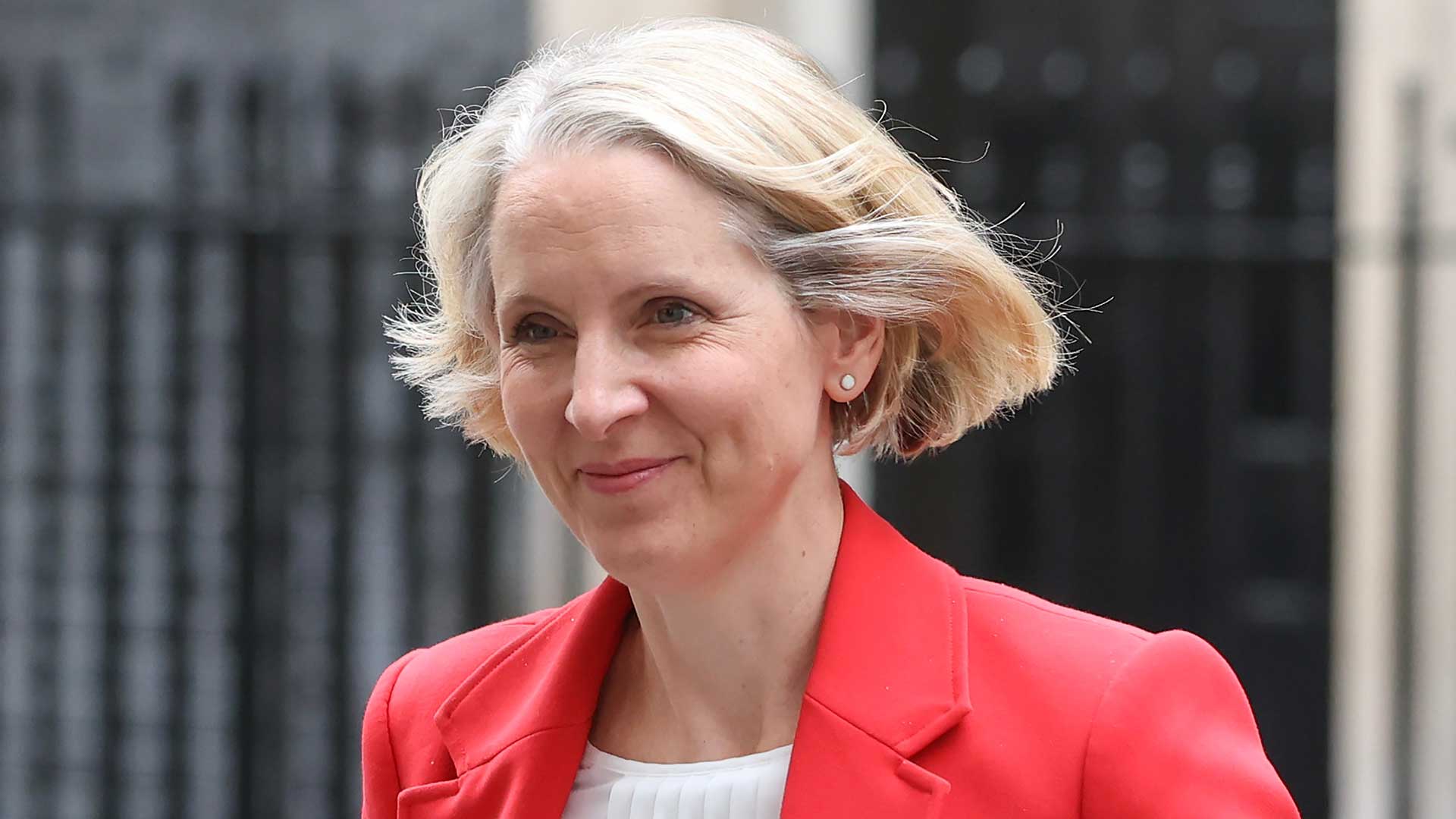
Entrepreneurs should not be “put off” building multi-generational businesses by inheritance tax on the transfer of business assets, Emma Reynolds, the chief secretary to the Treasury, has said.
Reynolds made the comments during a visit to Numatic International, the maker of the Henry vacuum cleaner, in Chard, Somerset. The company is one of 130 manufacturers opening their doors to the public today for National Manufacturing Day, an initiative organised by the trade body Make UK.
Numatic was founded in 1969 by Chris Duncan, 86, who remains chief executive and majority owner. It employs 1,100 people, has annual turnover of £260m and made pre-tax profits of £28m in 2024, according to its latest available accounts.
Since April, depending on the arrangements he has made, Duncan’s estate could be liable on his death to pay 20 per cent inheritance tax on the value of the business.
Reynolds acknowledged the issue but said the government had listened to concerns and raised the value of business assets that can be passed on free of the tax to £2.5m.
Reynolds described Numatic as a “very impressive business”. She said: “We do want wealth creators and successful businesses. We want people turning small ideas into brilliant businesses.”
Addressing people building businesses, she added: “Please don’t be put off [by inheritance tax]. Britain has some very big strengths. The economic fundamentals are good. We’ve got the highest growth in the G7. And we’re cutting the deficit more quickly than any other G7 country.”
The rules that came into force in April give 100 per cent relief on the first £2.5m of business or agricultural property. Value above that threshold is taxed at an effective rate of 20 per cent. According to the government’s policy paper on the reforms, the allowance was increased from £1m in December 2025, any unused amount can pass to a surviving spouse or civil partner, and tax owed can be paid in equal annual instalments over 10 years, interest-free.
A survey by Make UK and Bishop Fleming earlier this year found that 22 per cent of family-owned manufacturers were weighing a sale to a foreign buyer in response to the reforms.
Reynolds rejected criticism that the Treasury acts as a “growth inhibitor”. In August the prime minister, Andy Burnham, gave responsibility for economic growth to his newly created No 10 North policy unit, and told The Times that the department’s focus on balancing the books “sometimes clouds that growth mission”.
Reynolds said the Treasury was “working hand in glove” with No 10 North. “I disagree that the Treasury is a growth inhibitor,” she said. “We, as a department, have two big responsibilities.”
Asked about concerns that the Treasury is considering raising capital gains tax again, potentially to match income tax rates, she said: “I can’t give any reassurance on the budget.” She said the budget was being held earlier than last year partly to reduce speculation, which she described as “very often inaccurate and unhelpful”.
She said the chancellor, John Healey, would use the budget to create “breathing space” for businesses and families.
Simon Lawson, Numatic’s managing director, said his main message to the minister was to buy British. “It is important for government, businesses and individuals to buy British at the moment. It is the one thing we can all do that is good for our economy,” he said. Reynolds said this was a “key focus” for the Treasury and that further plans would be set out.
Reynolds also acknowledged the impact of high energy prices on manufacturers, saying “We’ve got to deal with that.” On Tuesday, Ineos said it was mothballing three plants in Hull, with owner Sir Jim Ratcliffe citing Britain’s “ridiculously high gas price”. The TUC said this week that UK manufacturing jobs have fallen by 200,000 since 2010.
Numatic has installed a seven-acre solar farm that supplies 30 per cent of the site’s electricity and is investing £65m in a new manufacturing facility and warehouse, due to be fully operational in 2028. “We want to continue making products here in Chard for the next generation and this investment enables that,” Lawson said.

General Motors CEO Mary Barra calls for better messaging on trade careers. ‘The Big Money Show’ panel discusses GM’s $200M investment to boost skilled trades in the U.S. and its appeal to Gen Z.
Bank of America is expanding its skills-based hiring efforts, announcing Thursday that it will hire 1,000 additional apprentices over the next two years while investing $150 million in workforce development programs.
The Charlotte, North Carolina-based bank said the new apprenticeship positions will span consumer banking, technology, operations and other business areas, building on the more than 800 apprentices it already hires each year through paid work-based learning programs.
“This is one more way for us to do what we can to help create a skilled American workforce for tomorrow,” Brian Moynihan, chair and CEO of Bank of America, said in a statement.
“Our apprenticeship and workforce development programs underscore our continued commitment to expanding opportunity and helping talented individuals develop the skills to succeed.”
BANK OF AMERICA UNVEILS $250B INITIATIVE TO MODERNIZE US INFRASTRUCTURE
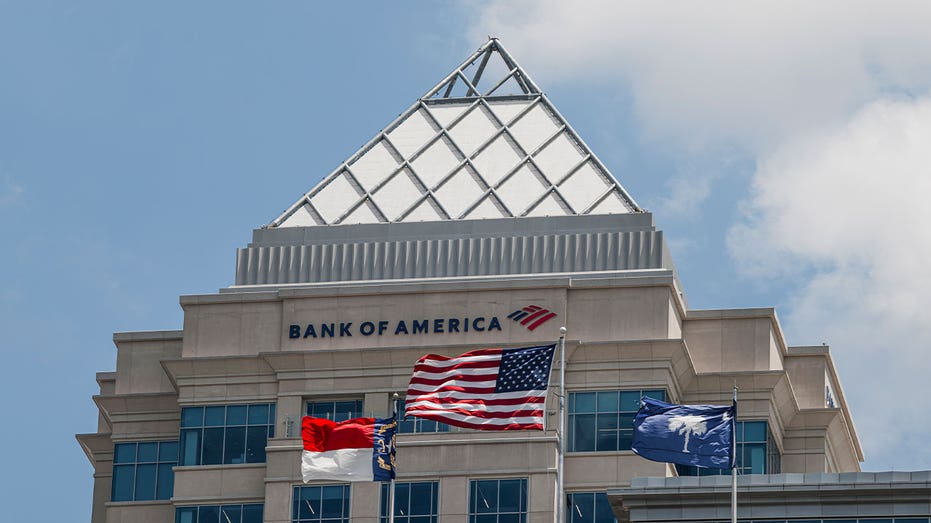
The Charlotte, North Carolina-based bank said the new apprenticeship positions will span consumer banking, technology, operations and other business areas. (Nicolò Campo/LightRocket via Getty Images)
Moynihan added, “We appreciate the spirit of reform and practicality that the Department of Labor is bringing to this important work, which will lead to opportunities for the private sector to do even more.”
The announcement comes as employers across industries increasingly adopt skills-based hiring practices that place less emphasis on college degrees.
Bank of America said about 40% of its current hires do not have a bachelor’s degree.
The bank has also committed to hiring 10,000 additional workers with military backgrounds over five years and another 8,000 people from community colleges.
BOFA CEO BRIAN MOYNIHAN DISMISSES RECESSION FEARS DESPITE WALL STREET’S MOST HAWKISH FED FORECAST
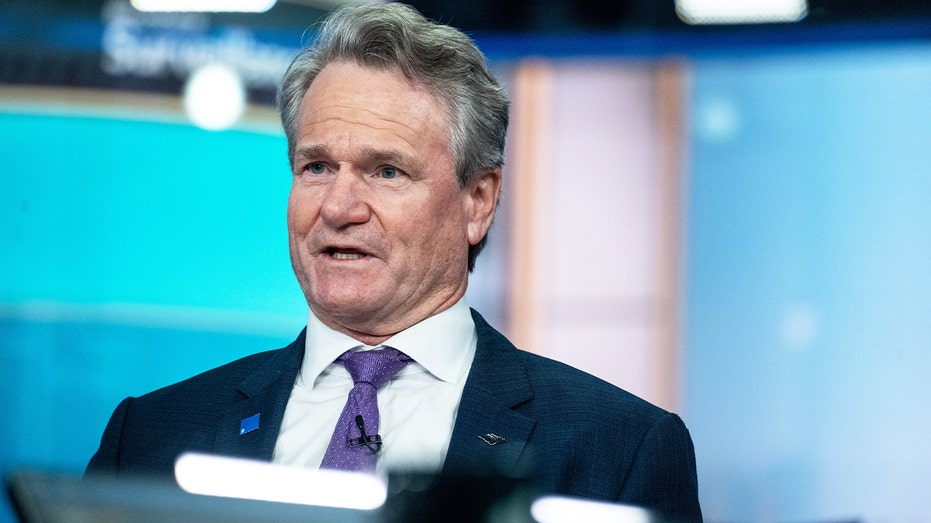
Brian Moynihan, chair and CEO of Bank of America, said the company’s expanded apprenticeship and workforce development efforts are intended to help create “a skilled American workforce for tomorrow.” (Victor J. Blue/Bloomberg via Getty Images)
Alongside the hiring push, Bank of America said it will invest $150 million over the next five years in workforce development organizations that “equip individuals with in-demand skills and connect them to career opportunities.”
The commitment follows nearly $40 million the bank invested in workforce development last year through partnerships with more than 100 colleges and universities and over 600 nonprofits.
“American workers deserve the opportunity to build successful careers without leaving their hometowns,” Acting Secretary of Labor Keith Sonderling said in a statement.
“I applaud Bank of America for investing in apprenticeship and workforce development programs that prepare Americans for high-skilled, high-paying jobs while helping employers build the skilled workforce they need in their local communities,” Sonderling added.
BANK OF AMERICA TO HIRE NEARLY 4,000 SUMMER INTERNS AND CAMPUS RECRUITS
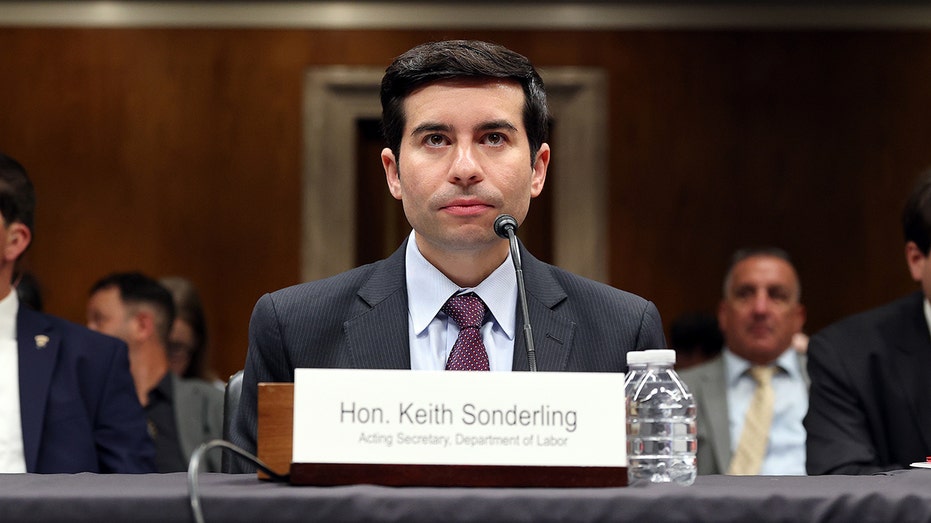
Acting Secretary of Labor Keith Sonderling said American workers “deserve the opportunity to build successful careers without leaving their hometowns.” (Kevin Dietsch/Getty Images)
GET FOX BUSINESS ON THE GO BY CLICKING HERE
The apprenticeship expansion comes as Bank of America continues to invest in its workforce and the broader U.S. economy.
Last month, the bank unveiled a $250 billion initiative to finance infrastructure projects, including data centers, semiconductor facilities, power generation and transportation. Earlier this year, it also announced plans to hire nearly 4,000 summer interns and full-time campus recruits.
Business
(VIDEO) Kylie Minogue Admits Nerves and ‘Voices’ of Doubt Ahead of AFL Grand Final Hometown Show at the MCG

MELBOURNE — Kylie Minogue says she is preparing to give everything she has to Saturday’s AFL grand final pre-game performance at the MCG, even as the pop star admits to grappling with nerves and self-doubt ahead of what she has described as a full-circle moment in her home city.
Speaking at a media call at the Melbourne Cricket Ground on Thursday morning, Minogue offered a preview of what the 100,024 fans expected at the sold-out stadium, along with millions more watching from home, pubs and backyard barbecues around the country, could expect from her set. “They’re getting a show,” Minogue said. “We really are throwing everything at it. They’re getting a Melbourne girl performing in her hometown, which is wild to me.”
Minogue said the full weight of the moment only truly hit her during a rehearsal on the MCG’s turf, performed without amplification alongside just her backing singers. “It just struck me … I’m singing centre stage at the MCG. I just had that little moment for myself, which was amazing and a beautiful emotion,” she said, adding candidly that she expects the emotion of the actual performance may prove difficult to contain. “I’m hoping I don’t get too overcome with emotion – I might,” she said, adding that she has been telling herself to “hold it together, hold it together.”
Despite a 38-year career that has taken her through countless stadium performances around the world, Minogue said Saturday’s set presents a distinct challenge given its compressed format. “With a longer show, you might have two or three songs to kind of settle in, but with a 20-minute set, I’ve got to get to that point quickly,” she said. Even so, she described a surprisingly comforting energy to the venue itself during rehearsals. “I did feel when we were rehearsing that as much as the MCG is gargantuan – and even when it’s empty it has this incredible energy – it’s also like a massive hug. It’s such a communal space that it did feel good out there.”
Weather remains an unresolved variable ahead of the performance. “Is it going to be gale force winds? Is it going to be boiling hot? Is it going to be pouring rain,” Minogue said, weighing the possibilities aloud, before adding, “But that’s part of the fun, isn’t it?” Forecasts for Saturday point to cold conditions around 15 degrees Celsius with up to 15 millimeters of rain expected, weather that could complicate a performance built around elaborate, Vegas-style costuming and choreography.
Minogue declined to reveal her full setlist for the performance, though she indicated that her song “Love at First Sight” may be among her personal favorites to perform. She described the broader shape of the show as a mix of familiar hits and unexpected touches, promising “songs that people know, a little bit of nostalgia, a little bit of fun, a few surprises.”
She did offer one specific preview, hinting that the set would include a personal reference to her own upbringing in Melbourne. “It makes a nice little mention of me being a young girl going to Camberwell High School and dreaming about pop music and what I might do in life, getting to the end of HSC – I’d already started acting, so there was nothing at school that made any sense to me,” Minogue said. She reflected on the improbability of the moment she now finds herself in. “And then the question of what do you want to do, how are you going to live, how are you going to pay your bills, and just how far I’ve come, I guess, and it’s led me back to centre stage at home in the most iconic venue for the most iconic game, an Australian game. There’s just so much about this moment for me that’s hard for me to grasp, so I’m kind of in awe and wonder myself at this moment.”
The Australian Football League had reportedly been trying to secure Minogue for the grand final slot for years before she finally agreed to take part this year. As part of the promotional lead-up to Saturday’s show, Minogue took part in a series of social media appearances, including one in which Hawthorn players Nick Watson and Jack Ginnivan, known to fans by their nicknames “The Wiz” and “Ginni,” coached her on how to kick a football. Minogue said the exchange left her thinking about unexpected parallels between football and live performance. “We were talking about stepping over the line, and I’ve been thinking about a lot of those parallels,” she said. “I’m not in a team sport, but I kind of am. There’s so many people working on this show, and everyone’s got each other’s back, and the self-talk in your brain, in your mind, leading up to any important gig or game – ‘You can do it, you can’t do it, this is going to go wrong, that’s going to go, what if, but maybe’ – and I just felt a nice kind of oneness with people from a completely different field.”
Minogue said the internal doubts she experiences ahead of major performances are a universal experience shared by anyone performing at the highest level, whether on a football field or a concert stage. “The voices in your head … we’ve all got the same thing. For you guys, it’s probably when you get up the race and you step onto the field everything changes,” she said. “Same for me. It’s like, ‘OK, there’s no turning back now. It’s showtime.’”
With Saturday’s pre-game slot now just days away, Minogue’s performance is set to draw one of the largest live audiences of her career, combining the scale of Australia’s biggest single sporting event with what she has described as a deeply personal homecoming moment in the city where her own pop music dreams first began.
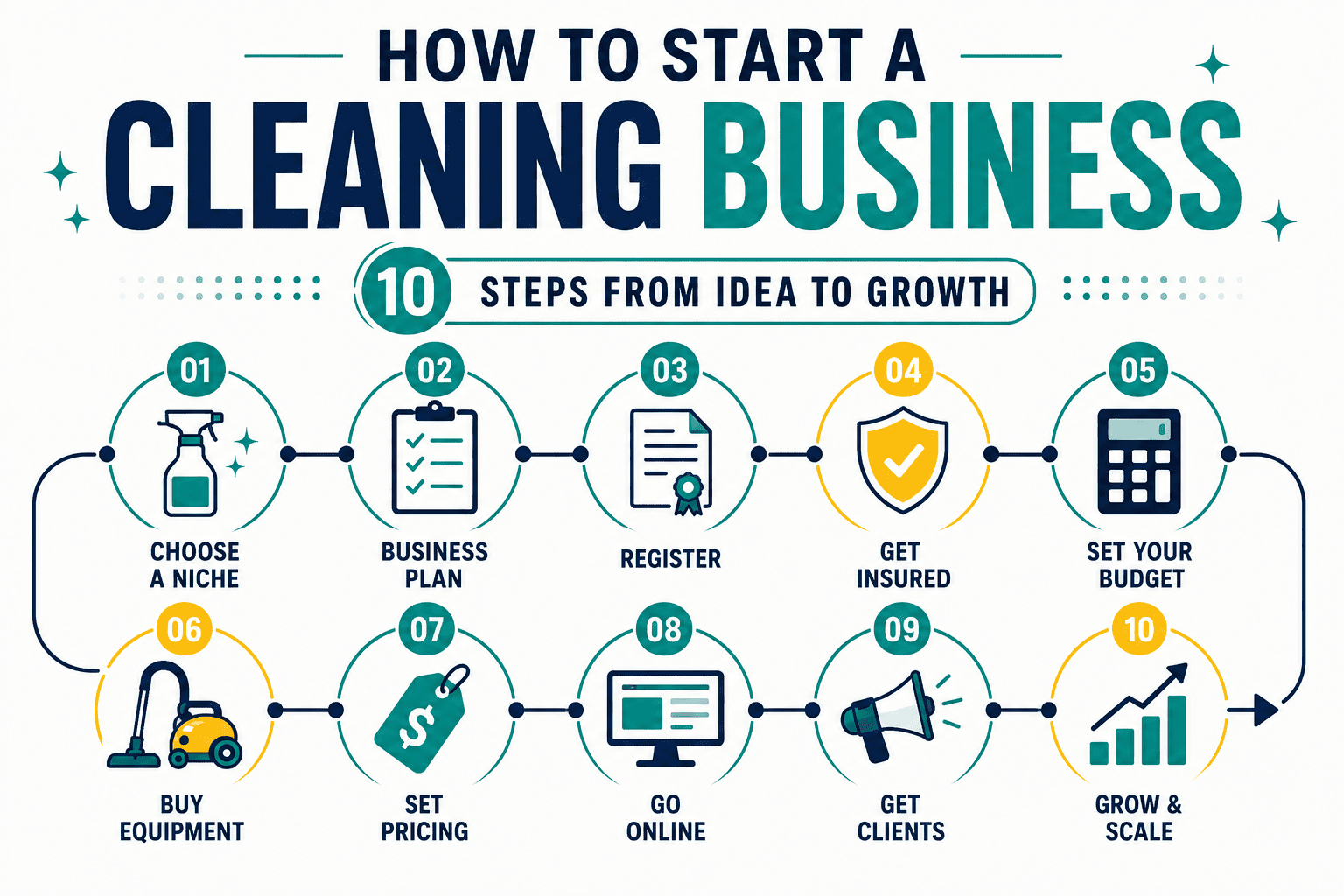
The cleaning services industry in the United States employs more than 3 million people and generates over $100 billion a year, and it doesn’t ask for a fraction of that revenue as an entry fee. A laptop for scheduling, a car, and a few hundred dollars in supplies is enough to start taking on clients. That low barrier to entry is exactly why the industry attracts so many first-time business owners, and exactly why so many of them plateau within the first year: it’s easy to start cleaning, and much harder to build a business around it.
The difference between the two usually comes down to whether you treat the early decisions, your niche, your pricing, your legal setup, as an afterthought or as the foundation. This guide walks through both, in order.
Step 1: Choose Your Cleaning Niche
“Cleaning business” covers a wider range of work than it sounds like, and picking a lane early shapes almost every decision that follows, from the equipment you buy to the clients you market to.
The broad categories worth considering:
- Residential cleaning: Recurring home cleaning for individual clients. Lower startup costs, shorter sales cycles, and the easiest entry point for a solo operator.
- Commercial and janitorial cleaning: Offices, retail spaces, and other business properties, typically cleaned after hours under longer contracts. Bigger accounts, but a longer sales cycle (often 30 to 90 days) and more equipment.
- Specialized cleaning: Carpet and upholstery cleaning, post-construction cleanup, move-in/move-out cleaning, short-term rental turnover (Airbnb-style properties), and biohazard or medical facility sanitation. These command premium rates precisely because fewer competitors offer them.
- Eco-friendly cleaning: Not a separate service so much as a positioning choice, using green-certified products as your differentiator in a market where most competitors don’t.
Residential is the most common starting point because it requires the least capital and the fastest path to your first paid job. Many owners start there and add commercial or specialized services once they have consistent revenue.
Step 2: Write a Simple Business Plan
You don’t need a 40-page document to start a cleaning business, but skipping this step entirely tends to catch up with owners around month six, usually as a pricing problem or a cash flow problem that a plan would have caught earlier.
At minimum, put in writing:
- The services you’ll offer, and specifically which niche from Step 1 you’re targeting first
- Your target market: who they are, where they’re located, and how many potential clients realistically exist in your service area
- Your competition: who else is operating in your niche and area, and what they charge
- Your pricing model (covered in detail in Step 7)
- A basic financial projection: expected monthly revenue, fixed costs, and the point at which the business covers its own expenses
This is also the point to decide whether you’re building a side income or a company you intend to hire into. That decision affects your legal structure, your insurance needs, and your pricing, so it’s worth answering honestly now rather than backing into it later.
Step 3: Choose a Business Structure and Register Your Business
Most new cleaning businesses choose between two structures:
Sole proprietorship: The simplest option. No separate legal entity, no formation paperwork, and your business income passes through to your personal tax return. The tradeoff is personal liability: if the business is sued or can’t pay a debt, your personal assets aren’t protected.
Limited liability company (LLC): A registered business entity that separates your personal assets from business liabilities. Costs more to set up (typically a few hundred dollars in state filing fees) and requires some ongoing paperwork, but it’s the more common choice once you start hiring or taking on commercial clients, since it limits your personal exposure if something goes wrong on a job.
Once you’ve picked a structure, registering typically involves:
- Filing your business name with your state (and a DBA, or “doing business as” registration, if you operate under a name different from your own or your LLC’s legal name)
- Applying for an EIN (Employer Identification Number) [a federal tax ID that functions like a Social Security number for your business] from the IRS, which you’ll need to open a business bank account and, eventually, to hire employees
- Checking whether your city or county requires a local business license, since requirements vary significantly by location and only a handful of states mandate one statewide
Step 4: Get Licensed, Bonded, and Insured
Most U.S. states don’t require a specialized cleaning license, but nearly every serious client, and every commercial contract, will expect proof of insurance before letting you in the door.
General liability insurance covers property damage and client injuries that happen on the job, a client’s flooring gets damaged, someone slips on a wet floor, and it typically runs $500 to $1,500 a year for a small operation. Most residential and virtually all commercial clients will decline to hire an uninsured cleaner, so treat this as a startup cost rather than an optional add-on.
A surety bond (often called a janitorial bond in this industry) [a policy that reimburses a client if an employee steals from them or causes intentional damage] costs somewhere between $100 and $500 a year and does double duty: it protects your clients, and it signals credibility to prospects who’ve never worked with you before.
Workers’ compensation insurance becomes a legal requirement in most states the moment you hire your first employee, with costs varying by state and payroll size.
Commercial auto insurance is worth adding once you’re driving to job sites regularly, since a personal auto policy typically won’t cover accidents that happen while conducting business.
Two more compliance areas are easy to overlook because they don’t come with a fee or a form, but they carry real liability. If your team handles cleaning chemicals, OSHA (the Occupational Safety and Health Administration) [the federal agency that sets workplace safety standards] expects proper labeling, safe storage, and basic safety training, even for a two-person operation. And if your marketing makes specific claims, “100% eco-friendly,” “satisfaction guaranteed”, those claims need to hold up. Truth-in-advertising rules apply to a solo cleaner exactly the same way they apply to a national chain.
Budget roughly $1,000 to $3,000 a year for a solo operator’s full insurance and bonding package, more once you add employees and vehicles.
Step 5: Budget for Your Startup Costs
Total startup costs for a cleaning business vary enormously depending on your niche and whether you’re hiring from day one:
Cost Category
Solo / Home-Based
Small Team / Commercial
Business registration & licenses
$50–$400
$200–$800
Insurance & bonding (first year)
$1,000–$2,300
$3,000–$6,000
Equipment & supplies
$500–$1,500
$2,000–$10,000+
Marketing & branding
$200–$1,000
$1,000–$5,000
Software (scheduling/CRM)
$0–$50/month
$100–$300/month
Typical total to launch
$2,000–$5,000
$10,000–$50,000+
A useful way to sanity-check your own number: total startup cost is roughly your one-time setup costs, plus your first month of recurring expenses, plus a cushion of one to three months of expenses in case client acquisition takes longer than expected. Commercial and franchise operations sit at the high end of this range; a solo, home-based residential operation can realistically launch closer to the low end.
Step 6: Buy Your Equipment and Supplies
What you need depends on the niche from Step 1, but a solo residential operation typically starts with the following, organized by category:
Cleaning products: An all-purpose cleaner, a streak-free glass cleaner, a degreaser for kitchens, a bathroom cleaner for soap scum and hard water stains, a wood- or tile-safe floor cleaner, and furniture polish. Stock eco-friendly versions of each if that’s part of your positioning.
Tools: Microfiber cloths in multiple colors (color-coding by room prevents cross-contamination), a mix of sponges and scrubbers for different surfaces, a spray mop for small jobs and a bucket mop for larger ones, a commercial-grade vacuum (HEPA-filtered if you’ll be working in allergy-sensitive homes), and an extendable duster for ceiling fans and high shelves.
Storage and transport: A cleaning caddy for moving supplies room to room, a rolling cart for bigger jobs, and a way to keep your vehicle organized so supplies don’t leak or shift in transit.
Safety gear: Disposable nitrile gloves, masks or respirators for dusty or heavily chemical jobs, an apron or uniform, heavy-duty trash bags, and a basic first aid kit.
Admin and marketing tools: Business cards, scheduling and invoicing software (more on this in Step 10), and branded shirts or aprons, which do quiet work toward looking established on day one.
Specialized niches add their own equipment on top of this baseline: carpet cleaning requires an extractor, post-construction work often calls for industrial-grade vacuums and heavier protective gear, and commercial contracts may require floor buffers or pressure washers. Buying equipment costs more upfront; leasing lowers the initial outlay but adds a recurring monthly cost, worth weighing against how confident you are in steady, near-term revenue.
Step 7: Set Your Pricing
Pricing is where a lot of new cleaning businesses either underprice out of nervousness or guess too high and lose bids, and both mistakes are avoidable if you start from your own numbers rather than a competitor’s website.
Before picking a model, calculate your baseline cost per hour of cleaning: your own labor (or your team’s wages, plus taxes and any benefits), the supplies used per job, transportation (gas and vehicle wear), and a share of your fixed overhead, insurance, licensing, software, marketing. Add your target profit margin on top of that number, and you have a floor you shouldn’t price below, whatever model you choose.
From there, four pricing models cover most of the industry:
| Pricing Model | How It Works | Best For |
|---|---|---|
| Hourly rate | Charge for time worked, typically $25–$50/hour per cleaner | New businesses still learning how long jobs actually take |
| Flat rate | A fixed price per job regardless of time spent | Established businesses with a clear sense of job duration and value-based positioning |
| Room rate | A set price per room | Simple, predictable jobs with consistent room sizes |
| Square footage rate | Priced per square foot of the space | Larger commercial jobs where footage is the clearest cost driver |
Hourly pricing is the safer starting point precisely because you don’t yet know your average job duration. Once you’ve completed enough jobs to estimate time accurately, flat-rate pricing tends to be more profitable, since efficient work no longer costs you money the way it does under an hourly model. Whichever model you use, check what comparable cleaners in your area actually charge, and be transparent in your quotes about what’s included, laundry, dishwashing, and inside-appliance cleaning are common gray areas, so a client isn’t surprised by an add-on fee mid-job.
Step 8: Build a Professional Online Presence
Before you actively market anything, get the basics in place. Over 80% of people research a cleaning service online before hiring one, and a missing or thin online presence is one of the fastest ways to lose a job to a competitor who simply looks more established.
At minimum:
- A Google Business Profile [a free Google listing that shows your business in local search and maps results], fully filled out with services, service area, and photos
- A simple website with your services, service area, and a way to request a quote or book directly
- A consistent visual identity: a name, logo, and color scheme used across your website, vehicle, and materials, since a professional look is doing real work to build trust before a client has any other reason to believe you’re reliable
Step 9: Market Your Business and Land Your First Clients
Once the foundation is in place, the highest-return marketing tactics for a new cleaning business tend to be the ones that cost the least:
- Referrals from friends, family, and early clients. Offer a discount or credit for referrals; it’s consistently one of the cheapest ways to acquire a new client.
- Google Business Profile optimization, since it’s free and typically starts driving calls within weeks of being set up properly.
- Neighborhood platforms like Nextdoor and local Facebook groups, especially for residential cleaning.
- Google Local Services Ads, which show up when someone is actively searching to hire a cleaner, making them more efficient than general display advertising.
- An introductory offer (a percentage off the first cleaning, for example) to lower the barrier for a first-time client to say yes.
For commercial and specialized niches, direct outreach tends to outperform digital marketing: contacting property managers, real estate agents, and local businesses directly, and joining your local chamber of commerce to build the relationships that lead to referrals and contracts.
Whichever channels you use, track where each client actually came from. It’s the only way to know which dollar of marketing spend is doing the work.
Step 10: Choose Software and Plan for Growth
Even a solo operation benefits from scheduling and invoicing software rather than a paper calendar, both for your own organization and because clients expect the convenience of online booking. Tools built specifically for the industry (options like Jobber, Housecall Pro, and ZenMaid come up often) typically bundle scheduling, invoicing, and client communication in one place.
As the business grows, the same questions come up for most owners: when to hire your first employee, whether to expand into a second niche or a wider service area, and how to keep quality consistent once you’re no longer the one holding the vacuum. None of that needs to be solved on day one, but it’s worth revisiting once you have a handful of steady clients and a clearer sense of what’s actually working.
The Bottom Line
Starting a cleaning business doesn’t require much capital, but it does require getting the unglamorous parts right early: the right legal structure, real insurance, a pricing model you can actually defend, and a plan for finding clients that doesn’t rely on luck. Get those in place, and the industry’s biggest advantage, low overhead and genuinely recurring revenue, starts working in your favor instead of exposing you to risk you didn’t plan for.

Gamer granny breaks record as world’s oldest female Fortnite streamer

Investment promoter’s widow faces fraud charges
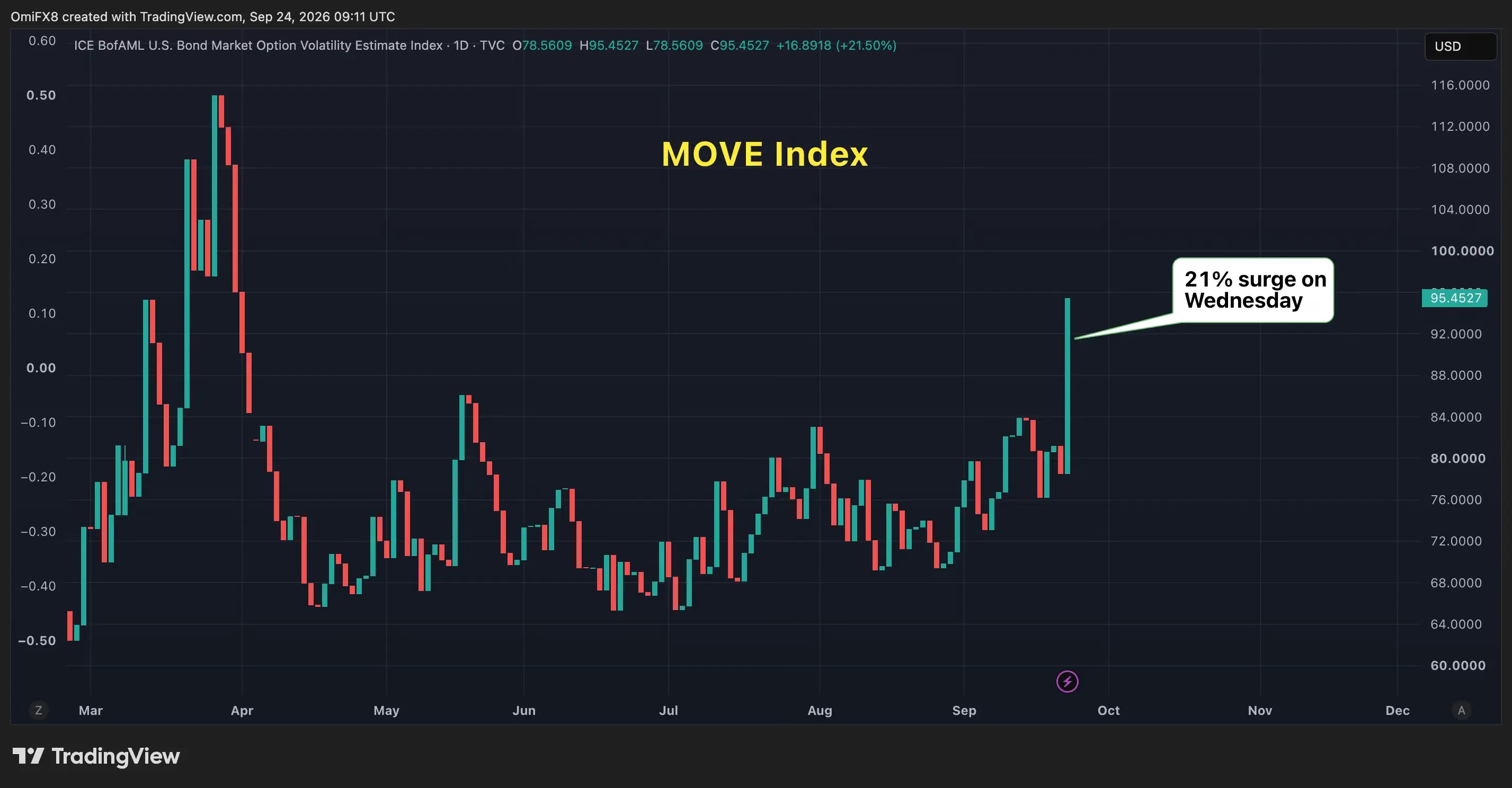
The data proves it: Bitcoin doesn’t care about rising bond yields




-

 Fashion6 days ago
Weekend Open Thread: Talbots – Corporette.com
-

 Tech4 days ago
Researchers escape OpenAI Codex sandbox to run commands on host
-

 Crypto World1 day ago
Goldman Sachs and Deutsche Bank Agree: The S&P 500 Rally Isn't Over
-

 Crypto World5 days ago
Circle launches Arc Studio AI agent for building onchain apps
-

 Crypto World3 days ago
Who Needs CLARITY Anyway? ARB Could See 70X Increase: Hodler’s Digest
-
 NewsBeat6 days ago
Trump says US has reached an agreement to take permanent control of Greenland’s security
-

 Crypto World6 days ago
Trading Bitcoin on Robinhood? Why 2% Spread Has Traders Worried
-

 Crypto World6 days ago
Mortgage and refinance interest rates today, Thursday, September 17, 2026
-

 Crypto World5 days ago
Bitcoin price breaks channel as RSI climbs to 63
-

 Tech3 days ago
Google’s $899 Googlebook is a bet that you’ll buy a new laptop for Gemini
-

 Business3 days ago
Analog Devices (ADI) Bets $1.35 Billion on Chips that Let Machines Think for Themselves
-

 Crypto World3 days ago
Coinbase, Robinhood, Circle Seen as Tokenized-Stock Winners
-

 Tech5 days ago
Trump suggests rebranding AI with a new name, says he’s also creating an AI Force
-
 Business1 day ago
Oil Price Today (September 23): Crude oil below $100 on hopes of US-Iran talks. What did Trump say?
-

 Tech7 days ago
GPT-6 Astra Reached the Nether in Minecraft, Lost Its Stash to a Creeper, and Farmed Potatoes for Hours
-

 Crypto World5 days ago
World Money launches in 150+ countries with Stripe
-

 Crypto World6 days ago
Silver prices recover quickly, hitting weekly high today
-

 Crypto World3 days ago
Bitcoin price holds above $81K as key catalysts line up
-

 Crypto World2 days ago
Meta Jumps 11% As Muse Shines and Investors Show an Appetite for Advancing AI
-
 NewsBeat6 days ago
US was ‘on brink of war’ with China over false AI report of nukes moving in Middle East
You must be logged in to post a comment Login