The rise of on-demand businesses has changed how products are created and delivered. From custom t-shirts to personalized accessories, small entrepreneurs are now able to produce items only when needed. This shift has reduced waste, lowered startup costs, and opened doors for freelancers and home-based businesses.
One tool that plays a major role in this transformation is the heat press machine. While it’s commonly associated with apparel printing, its use has expanded into many practical areas—including creating customized solutions like ergonomic grips for people with arthritis.
The Growth of On-Demand Production
Traditional manufacturing relies on bulk production. However, modern consumers prefer personalized items tailored to their needs. This demand has fueled the growth of small-scale, on-demand production setups.
Entrepreneurs now focus on:
- Producing items only after receiving orders
- Offering customization options
- Reducing inventory risks
- Delivering faster turnaround times
This model works especially well for freelancers who want to start small without heavy investment.
Where Heat Press Machines Fit In
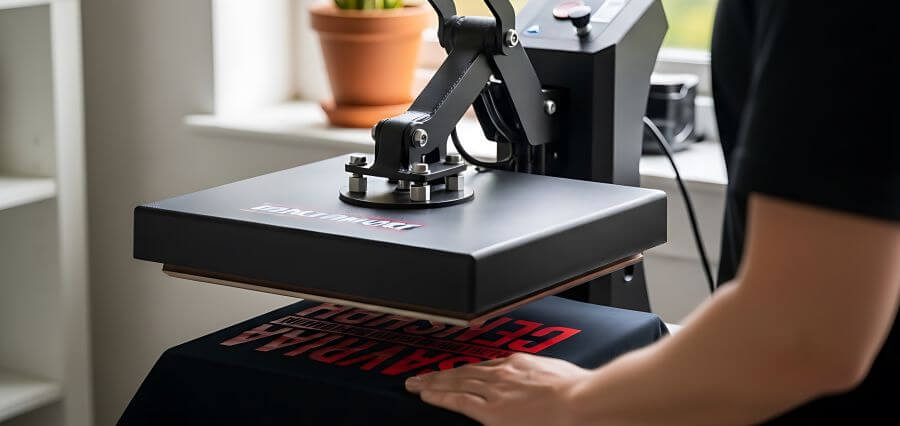
A heat press is one of the most versatile tools in an on-demand setup. You can explore available options here: heat press: It allows users to apply heat and pressure to materials, making it possible to transfer designs, bond layers, or shape surfaces.
For apparel businesses, it’s used to print designs on shirts. But beyond that, it’s also being used to create functional items like custom grips, soft handles, and assistive tools.
Expanding Beyond Apparel: Practical Customization
One of the most interesting developments is how entrepreneurs are using heat press technology outside of clothing.
For example, people with arthritis often struggle with grip strength. A small business can create custom orthotic grips using simple tools and materials. This is where on-demand production truly shines each product is made specifically for the user.
A Simple Workflow for Small Entrepreneurs
Let’s break down how a small setup can operate efficiently:
1. Design and Personalization
Every order begins with understanding the customer’s needs. Whether it’s a t-shirt design or a custom grip, personalization is key.
2. Printing with DTF Technology
To create detailed and flexible designs, many small businesses rely on a dtf transfer printer:
For entrepreneurs, especially those working from home, reliability matters more than anything. Orders don’t always come in daily sometimes there are gaps. In such cases, it’s helpful to have a printer that can handle idle time without turning the next print session into a problem.
This kind of setup supports a low-stress workflow. You can focus on fulfilling orders rather than worrying about constant maintenance. It’s particularly useful when you’re managing everything alone designing, printing, packaging, and responding to customers.
3. Material Preparation
Depending on the product, materials like fabric, foam, or rubber are prepared. These materials are chosen for flexibility and comfort.
4. Heat Press Application
Using the heat press machine, designs are transferred or materials are shaped. The process is quick and repeatable, making it ideal for small batches.
5. Finishing with Heat Transfer Vinyl
To enhance durability or add texture, heat transfer vinyl is often used:
heat transfer vinyl: This step improves both the look and functionality of the final product.
Why On-Demand Works for Freelancers
For freelancers like you, this model offers several advantages:
Low Startup Cost
You don’t need a large inventory or warehouse.
Flexible Work Schedule
You can work when orders come in perfect for balancing multiple clients.
Reduced Risk
Since products are made on demand, there’s no risk of unsold stock.
Easy Scaling
Start small and grow as demand increases.
Managing Workload Without Stress
One of the biggest challenges in small businesses is handling workload fluctuations.
Some days may be busy with multiple orders, while others are quiet. This is where choosing the right tools becomes important.
Equipment that is:
- Easy to operate
- Stable during production
- Less demanding in maintenance
…can help maintain a smooth workflow.
For example, built-in alerts or simple controls can save time when you’re multitasking. You might be answering Fiverr messages while your machine is running, so having a system that doesn’t require constant monitoring is a big advantage.
Real Example: A Home-Based Business
Imagine running a small online store selling custom products.
- On weekdays, you receive a few orders
- On weekends, orders increase due to promotions
With a simple setup using a heat press and a reliable DTF printer, you can handle both situations. You don’t need a large team or complex system—just tools that work when you need them.
After a break or a slow period, you can resume work without delays. This keeps your business running smoothly and your customers satisfied.
The Future of Small Custom Businesses
The trend of on-demand production is only growing. As tools become more accessible, more people will enter this space.
We can expect:
- More personalized products
- Faster production methods
- Greater opportunities for freelancers
This is especially relevant in niches like healthcare, where customized solutions can make a real difference.
Conclusion
Heat press machines are no longer limited to printing t-shirts; they are now a key part of modern, on-demand production systems. Combined with tools like DTF printers and heat transfer vinyl, they allow small entrepreneurs to create customized products efficiently.
For freelancers and small business owners, the focus should be on building a workflow that is simple, reliable, and scalable. When your tools support your process instead of complicating it, you can focus on what truly matters, serving your customers and growing your business.





















































You must be logged in to post a comment Login