




Connect with us

Business

Emirates Cuts A380 Flights 16 Percent in July for Refurbishments and Boeing Delays, Not Retirement

Published

on

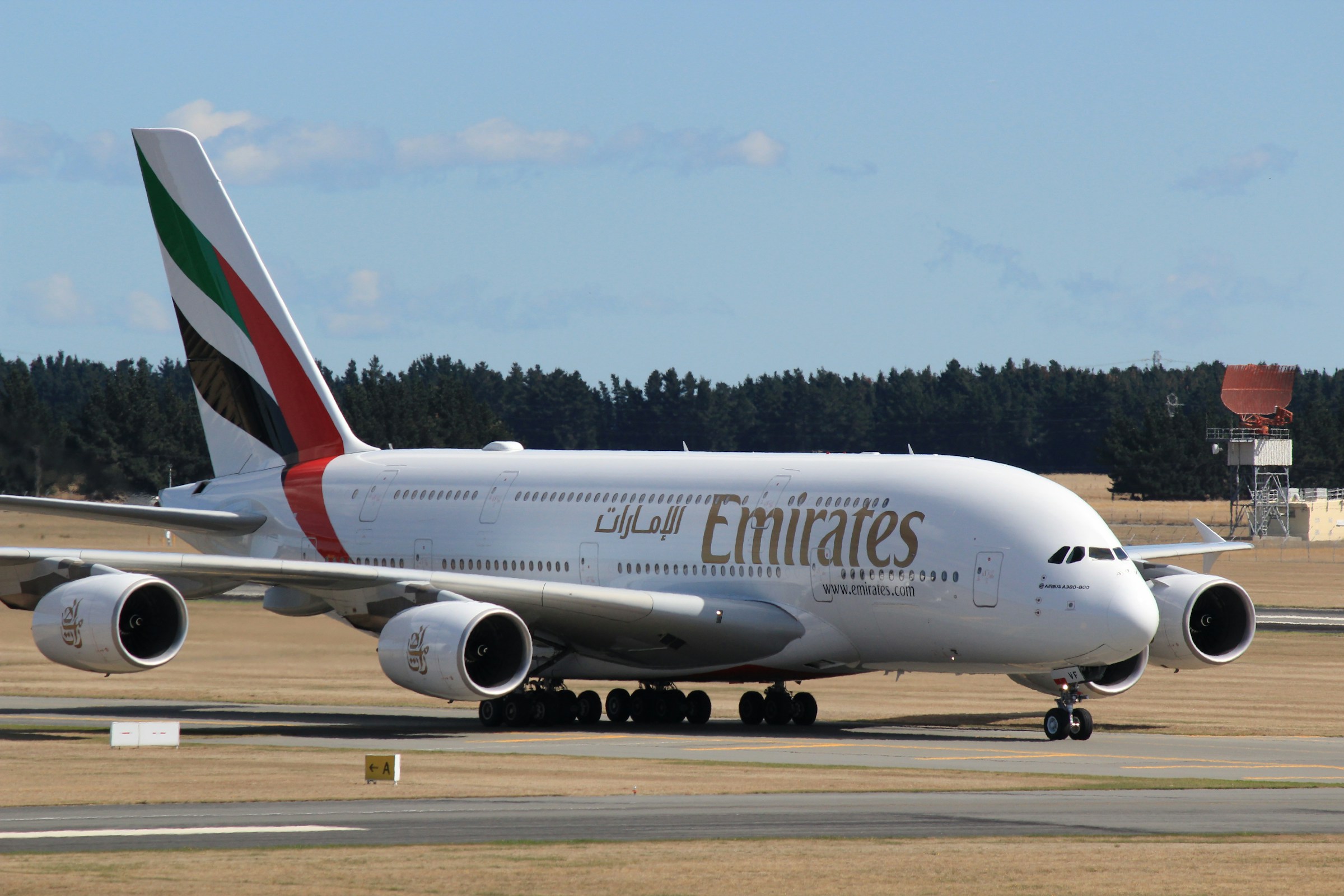
Emirates airplane

DUBAI — Emirates will operate about 16 percent fewer Airbus A380 flights this month compared with July last year, according to aviation data provider Cirium, but industry analysts and the airline say the reduction stems from an extensive cabin refurbishment program, routine maintenance and delays in Boeing 777X deliveries rather than any plan to retire the iconic double-decker aircraft.

The Dubai-based carrier, the world’s largest operator of the superjumbo with more than 100 A380s in its fleet, continues to invest heavily in the type. Emirates plans to deploy the A380 on the Delhi route starting Oct. 25, marking the aircraft’s return to that key Indian market and underscoring its long-term role in the airline’s network.

Adnan Kazim, Emirates’ deputy president and chief commercial officer, highlighted the carrier’s commitment to India and premium products. “We are pleased to introduce our highly anticipated A380 services to Delhi, a vital gateway in our network, from October,” he said. “Given the strong demand for travel to and from India, it is an honour to expand our A380 footprint in the country, with Delhi joining Mumbai and Bengaluru as our third A380 destination.”

The temporary dip in A380 operations this summer reflects practical fleet management challenges. Emirates is midway through a multi-billion-dollar program to modernize cabins across its widebody fleet, including the installation of premium economy seats on A380s. The work involves taking aircraft out of service for extended periods, reducing available flying days during the peak travel season.

Advertisement

Routine heavy maintenance checks further constrain availability. At times, a significant portion of the A380 fleet — reports indicate around 27 to 32 aircraft — has been grounded simultaneously for these upgrades and inspections. The airline has substituted Boeing 777-300ERs and other types on affected routes to maintain capacity where possible.

Boeing’s repeated delays to the 777X program have compounded the situation. Emirates holds one of the largest orders for the new widebody, with expectations it would gradually replace older 777s and complement the A380 fleet. With entry into service now pushed toward 2027 or later, Emirates must extend the life of existing aircraft, including through retrofits, to sustain its expansive route network.

The A380 schedule adjustments this July include full swaps to 777s on routes such as Glasgow, Osaka and Barcelona, along with frequency reductions on major trunks like London Heathrow. Some routes, including Copenhagen, Perth and Washington Dulles, are regaining A380 service after earlier pauses. These changes represent rebalancing rather than outright cuts, with overall capacity preserved through alternative aircraft.

Analysts emphasize that the A380 remains central to Emirates’ strategy for high-demand, high-yield routes. The aircraft’s large capacity and four-class configuration, including first, business, premium economy and economy cabins after retrofits, align with passenger preferences for comfort on long-haul flights. The upcoming Delhi deployment fits this pattern, adding premium seats on one of the carrier’s busiest India corridors amid strong travel demand.

Advertisement

Emirates operates to nine destinations in India with 167 weekly flights, connecting them to its global network via Dubai. The A380 introduction to Delhi will complement retrofitted Boeing 777 services on the route, ensuring premium economy availability across all daily flights. By the end of October, the premium economy product will reach six Indian cities: Delhi, Mumbai, Ahmedabad, Bengaluru, Kolkata and Kochi.

The refurbishment program extends beyond the A380. Emirates is upgrading interiors across 219 aircraft in a $5 billion-plus initiative that includes refreshed premium cabins and enhanced features. For the A380 specifically, high-density configurations are being adjusted, sometimes reducing total seats to prioritize premium yields on select routes while maintaining the aircraft’s signature onboard lounge and shower facilities that differentiate it from competitors.

This approach allows Emirates to maximize revenue per flight even as it manages fleet constraints. The superjumbo’s operational costs are amortized over its long service life, and the investments in modern cabins help sustain its appeal against newer, more fuel-efficient twins like the Airbus A350 and Boeing 787.

Geopolitical factors have also played a role in recent A380 availability. Regional conflicts, including tensions involving Iran earlier this year, led to temporary groundings and route adjustments that affected widebody utilization. Emirates quickly rebuilt much of its schedule, demonstrating resilience, but such events highlight the complexities of operating a large international fleet.

Advertisement

Despite the current lighter July schedule, Emirates has no plans to retire the A380 fleet prematurely. The airline has consistently stated that the type will serve well into the 2030s, with ongoing maintenance and upgrades ensuring reliability. Airbus delivered the last A380 in 2021, and Emirates’ large existing fleet provides a stable platform without reliance on new production.

The A380’s return to additional routes this summer and fall, including Delhi, counters speculation of quiet retirement. Industry observers note that while the superjumbo’s production ended years ago, its capabilities remain unmatched for certain hub operations like Dubai’s, where high passenger volumes and connecting traffic justify the aircraft’s size.

Emirates’ broader fleet strategy involves balancing the A380 with newer types. The airline operates a significant number of Boeing 777-300ERs, many of which are also receiving premium economy retrofits. The delayed 777X will eventually allow for more efficient long-haul operations, but in the interim, the focus remains on optimizing the current mix.

Passengers on affected routes this month may notice more 777 deployments, which offer competitive comfort levels post-refurbishment but lack the A380’s distinctive two-deck experience. Emirates has communicated schedule changes to minimize disruption, with many flights maintaining similar timings.

Advertisement

Looking ahead, the airline’s investment in premium products signals confidence in premium leisure and business travel recovery. Premium economy, with its enhanced seating, dining and amenities, has proven popular, and expanding it across more routes including via A380s strengthens Emirates’ competitive position against rivals in the Gulf and beyond.

The July figures from Cirium provide a snapshot of transitional fleet dynamics rather than a long-term shift. As refurbishments progress through November and more aircraft return to service, A380 utilization is expected to normalize. The Delhi debut in October offers a concrete example of continued commitment to the type on high-profile routes.

Emirates’ A380 operations have defined its brand since the aircraft entered service with the carrier in 2008. The superjumbo’s onboard innovations, from the lounge to spacious cabins, have set benchmarks in international aviation. Sustaining that legacy through targeted investments amid supply chain and delivery challenges demonstrates the airline’s adaptive approach to fleet management.

As summer peaks and travel demand holds steady, the temporary adjustments ensure reliability while positioning the fleet for future growth. With strong India ties and global connectivity at its core, Emirates continues leveraging the A380 where it delivers the greatest value to passengers and the bottom line.

Advertisement
Continue Reading
Click to comment

You must be logged in to post a comment Login

Leave a Reply

Business

Fun Spot America Fayetteville shuts down after 36 years of operation

Published

on

Fun Spot America Fayetteville shuts down after 36 years of operation

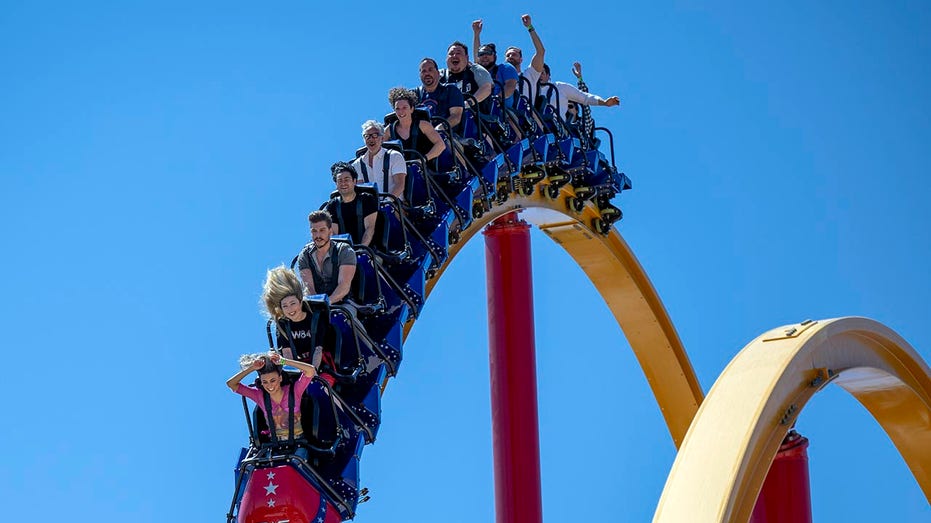
An Atlanta-area amusement park that was the home of the largest zero-G stall roller coaster in the country closed for the last time on Sunday.

Fun Spot America Atlanta’s location in Fayetteville had its final day of operation on August 2, after the amusement park had been in operation for 36 years.

Advertisement

It opened as Dixieland Fun Park in 1990 under different ownership, and it was later renamed Fun Junction USA before it was acquired by Fun Spot in 2017. The company’s plan to close the park was announced in late June.

The park was known for the ArieForce One, which claimed the title of being the largest zero-G stall ride in the country.

ATLANTA-AREA AMUSEMENT PARK WITH LARGEST ZERO-G STALL ROLLER COASTER IN AMERICA TO CLOSE

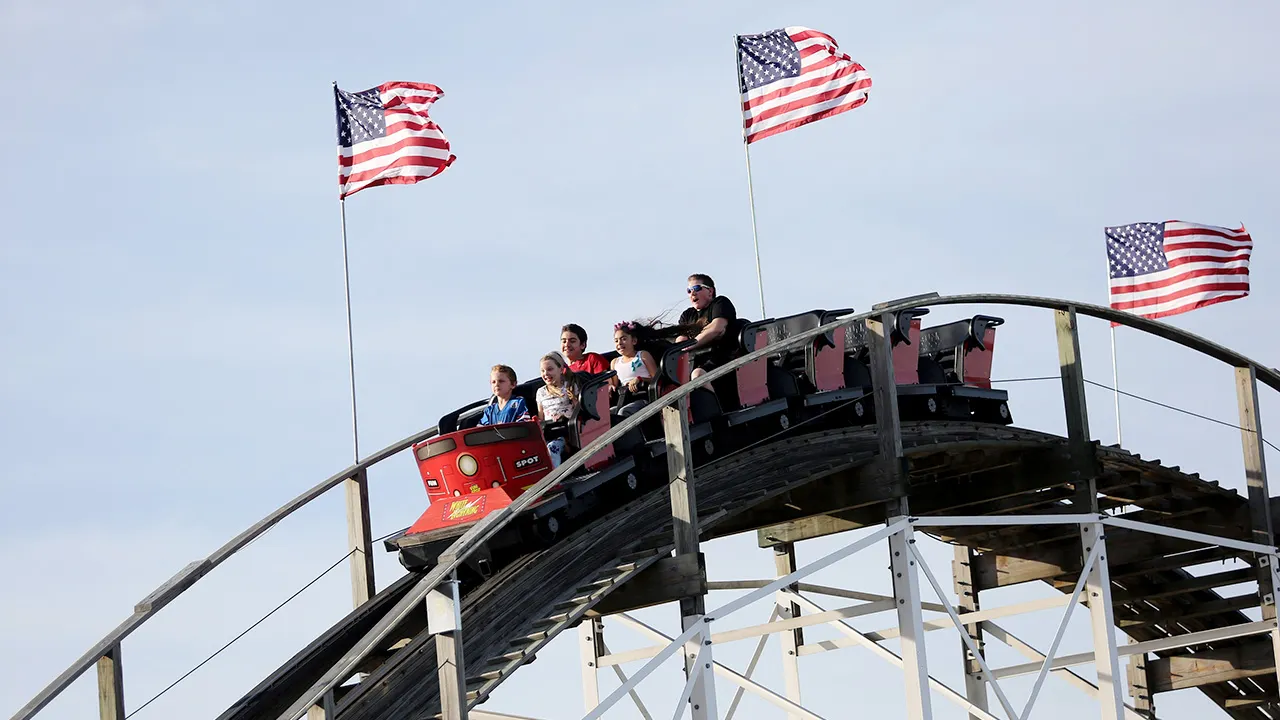
A roller coaster ride at Fun Spot America in Orlando

Fun Spot America’s theme parks in Kissimmee and Orlando, Florida, will remain open. (Ricardo Ramirez Buxeda/Orlando Sentinel/Tribune News Service via Getty Images)

The ArieForce One features a 146-foot first drop at an 83-degree angle, with the ride reaching a top speed of 64 mph, according to Fun Spot America. It has a height requirement of 48 inches and lasts about 100 seconds.

Advertisement

It reaches a maximum vertical G of 3.75, with a minimum vertical G of minus 1 and a max lateral G of plus or minus 1.25 G.

Fun Spot America Theme Parks owner and CEO John Arie, Jr., told USA Today that the Fayetteville location struggled to rebound in the wake of the COVID-19 pandemic despite the opening of the new ride, which was named in honor of his father.

DISNEYLAND VISITORS FACE GROWING WAVE OF RIDE CLOSURES, SHOW SHUTDOWNS HEADING INTO SUMMER 2026

Fun Spot America Atlanta CEO John Arie Jr.

John Arie Jr., owner and CEO of Fun Spot America, said the company hopes to find a buyer for its famous roller coaster.  (Dewayne Bevil/Orlando Sentinel/Tribune News Service via Getty Images)

Arie said in the interview that the roller coaster is too large to fit at either of the company’s Florida theme parks, so they will look to find a buyer for the ride.

Advertisement

He told the outlet he was thankful for the employees, who the company is helping with resumes, recommendations and potential job opportunities at the company’s locations in Central Florida, adding that he hopes the park’s patrons will visit Fun Spot’s other theme parks.

“From my family to yours, we thank everybody that’s come to this Fayetteville location, and we hope that we’ve earned your business to visit us in Florida if you ever come down to Central Florida, and we’ll always do our best to have your family have the best experience on our properties,” Arie told USA Today.

SIX FLAGS TO SELL 7 AMUSEMENT PARKS IN DEAL WORTH MORE THAN $330M

Six Flags goers on a roller coaster

Fun Spot America said it will honor season passes and gift cards at its other theme parks in Florida. (Hans Gutknecht/MediaNews Group/Los Angeles Daily News via Getty Images)

Fun Spot America opened its first theme park in 1979 with its Orlando location. It also operates an amusement park in Kissimmee, Florida.

Advertisement

The company’s Orlando and Kissimmee locations will remain open, and will honor season passes and gift cards.

GET FOX BUSINESS ON THE GO BY CLICKING HERE

Continue Reading

Business

Douglas Dynamics, Inc. (PLOW) Q2 2026 Earnings Call Transcript

Published

on

OneWater Marine Inc. (ONEW) Q1 2026 Earnings Call Transcript

Operator

Good day, and welcome to the Douglas Dynamics Second Quarter 2026 Earnings Conference Call. [Operator Instructions] Please note this event is being recorded. I would now like to turn the conference over to Nathan Elwell, Vice President of Investor Relations. Please go ahead.

Nathan Elwell
Vice President of Investor Relations

Advertisement

Thank you. Welcome, everyone, and thank you for joining us on today’s call. Before we begin, I would like to remind you that some of the comments that will be made during this conference call, including answers to your questions, will constitute forward-looking statements. These forward-looking statements are subject to risks that could cause actual results to be materially different. Those risks include, among others, matters that we have described in today’s press release and in our filings with the SEC. Please note the quarterly fact sheet can be found on our IR website.

Joining me on the call today is Mark Van Genderen, President and CEO; and Sarah Lauber, Executive Vice President and CFO. Mark will provide an overview of our performance, followed by Sarah reviewing our financial results and guidance. After that, we’ll open the call for questions.

With that, I’ll hand the call over to Mark. Please go ahead.

Advertisement

Mark Van Genderen
President, CEO & Director

Thanks, Nathan, and welcome to our call, everyone. We’re pleased to report that both segments performed well in Q2, resulting in a record quarter for the

Advertisement
Continue Reading

Business

Tech millionaires use donor-advised funds for tax savings and giving

Published

on

Tech millionaires use donor-advised funds for tax savings and giving

Businessman working in the office

Pixelfit | E+ | Getty Images

The surge in IPOs and valuations for private tech companies is creating a secondary boom in donations of shares to donor-advised funds, or DAFs, according to a new study.

Advertisement

Three quarters of the gifts to DAFgiving360 over the past 12 months were noncash assets, according to the donor-advised fund, which is affiliated with Charles Schwab. Noncash assets include everything from shares in public and private companies to real estate, art and collectibles, crypto and other holdings.

Julie Sunwoo, president of DAFgiving360, said gifts of private company stock have been especially strong, as artificial intelligence giants like Anthropic and OpenAI skyrocket in value and more companies stay private for longer.

“This year we had more inquiries about private-business interests and pre-IPO shares than ever before in any other year,” Sunwoo said.

DAFs have special appeal for tech workers and holders of private shares. The funds allow donors to make a charitable gift, take an immediate tax deduction, and decide later where and when to give the shares to a specific charity. Donors who own shares of a private or public company that have gained value can gift the shares to the DAF without paying a capital gains tax on their sale.

Advertisement

DAFs are also attractive to tech workers who tend to be younger, since they can make the donations now and wait until their later years to decide on the individual grant recipients.

Large DAFs, like those affiliated with Schwab, Fidelity and Vanguard, also have expertise valuing private shares and other assets. They have large market-making operations and relationships with private companies that make it easier for them to sell the private shares.

Sunwoo said generally, DAFs seek to sell noncash assets given to the fund within six months.

Get Inside Wealth directly to your inbox

“We have the infrastructure and the expertise to help people liquidate those assets in time and redeploy them to charity,” Sunwoo said. “It is often an individual plan with the [private] company that we are working with to figure out the best time frame and the best solution.”

Advertisement

The SpaceX initial public offering earlier this year — and potential IPOs of Anthropic and OpenAI — could unlock even more value. Many employees of tech firms have large gains in their employee stock. Some private companies restrict or ban the donation of their private shares to charities or trusts. With public stock, many employees can now donate the stock to a DAF without paying the capital gains tax.

The deduction on the gift can also be used to offset capital gains taxes owed on shares they may sell.

“We help take in appreciated assets, help people liquidate them, and help people get that money then out to charities,” Sunwoo said. “The IPO activity that we’ve seen is creating wealth moments for people often in their peak earning years, so they’re looking for ways to make an impact with the money that they suddenly come upon.”

Choose CNBC as your preferred source on Google and never miss a moment from the most trusted name in business news.
Advertisement
Continue Reading

Business

Pet Food Processing Exchange readies for year 3

Published

on

Pet Food Processing Exchange readies for year 3

Building on the momentum from the first two years, this year’s edition offers ample education and networking opportunities.

Continue Reading

Business

Welsh aviation firm being acquired in a deal worth hundreds of millions of pounds

Published

on

Business Live

Newport-based AerFin is being acquired by Japanese firm Orix Aviation

AerFin.(Image: Rhys Cozens)

Welsh headquartered aviation maintenance, repair and overhaul company, AerFin is being acquired by a Japanese venture in deal worth hundreds of millions of pounds.

Newport headquartered AerFin, a leading aftermarket specialist that buys, sells, leases and repairs aircraft, engines and parts, is being acquired by Japanese firm Orix Aviation. Subject to regulatory approval the deal is expected to be finalised towards the end of the year.

The deal comes after AerFin, which also has operations in Miami, Singapore and Dublin, posted strong financials in 2025 with revenues climbing 25% to around £276m and Ebitda up 33% to more than £52m. The value of the deal has not been disclosed, but with debt, is understood to be around £475m.

Last year Aerfin completed a relocation from Bedwas to a new larger HQ and maintenance facilities at Indurent Park in Newport.

Advertisement

The deal provides an exit for AerFin’s private equity backers and majority owner CataCap. Of AerFin’s global workforce of more than 230 around half are based in Newport.

Established in 1991, Orix Aviation owns and manages aircraft and provides comprehensive asset management services to Japanese and international investors and funds through its full-service operating lease platform.

Chief executive of AerFin Simon Goodson said; “I am delighted that AerFin is joining the Orix Group, a business that shares our values and belief in trusted partnerships, flexible solutions and finding the way ahead for our customers.

“I would like to take this opportunity to thank our founder Bob James (who set up the business in 2010 originally in Cardiff) for his vision and tenacity, our departing majority shareholders CataCap for their outstanding custodianship and guidance, and of course our customers, employees and partners who have made our business what it is today.

Advertisement

“Wales has played a defining role in AerFin’s growth story. From our beginnings in Cardiff, through our time headquartered in Caerphilly, to our Newport headquarters today, we have built a global aviation business with Welsh talent, ambition and values at its core.

“This agreement is a major milestone for AerFin, but it is also a reflection of the expertise, commitment and commercial strength we have developed here in Wales. As part of Orix Aviation, we will have the backing to keep growing internationally while remaining proud of where our journey began.”

James Meyler, chief executive of Orix Aviation, said: “The acquisition of AerFin is a significant milestone for Orix Aviation and Orix Group as we expand our capabilities across the aircraft lifecycle.

“AerFin has built a leading aviation aftermarket platform, supported by an experienced management team, deep technical expertise and a global customer network. Together, we will be well positioned to deliver additional value for customers and investors, while supporting a more sustainable aviation industry through the reuse and optimisation of aircraft assets.”

Advertisement

Peter Ryttergaard, co-founder and partner at CataCap, said: “AerFin has been an outstanding success story, and we are proud of what has been achieved during our ownership. The team has built a leading business through their expertise, entrepreneurial spirit, and unwavering focus on its customers and people.

“We have always sought to support businesses with strong cultures and ambitious growth plans, and AerFin has exceeded our expectations on both fronts. As the company enters its next phase, we believe Orix Aviation is the right long-term owner to support that journey. “

AerFin founder Mr James “Having built AerFin from the ground up and spent my career in the aviation MRO sector, I recognise a strong leadership team and a long-term home when I see one. Simon Goodson has led the business brilliantly through this transition, and I have every confidence in him and the wider team as they take AerFin into its next chapter.

“CataCap have been an excellent partner throughout this journey, fully supportive, engaged, and genuinely invested in what we’ve built together. Oirx Aviation bring exactly the support, reputation and long-term commitment this business deserves, and I am delighted AerFin has found such a natural home to continue its growth.”

Advertisement

ORIX Aviation was advised by Goldman Sachs International as sole financial advisor, Gibson, Dunn & Crutcher as legal counsel, EY as financial due diligence advisor and PwC as tax due diligence advisor.

AerFin was advised by Rothschild & Co as sole financial advisor, Baker McKenzie as legal counsel, KPMG as financial and tax due diligence advisor and BCG as commercial due diligence advisor. Osborne Clarke and Liberty Corporate Finance acted respectively as legal counsel and financial advisors to the management team.

Continue Reading

Business

Alibaba Shares Surge Over 5% as New Qwen 3.8-Max AI Model Boosts Investor Confidence in Cloud Growth

Published

on

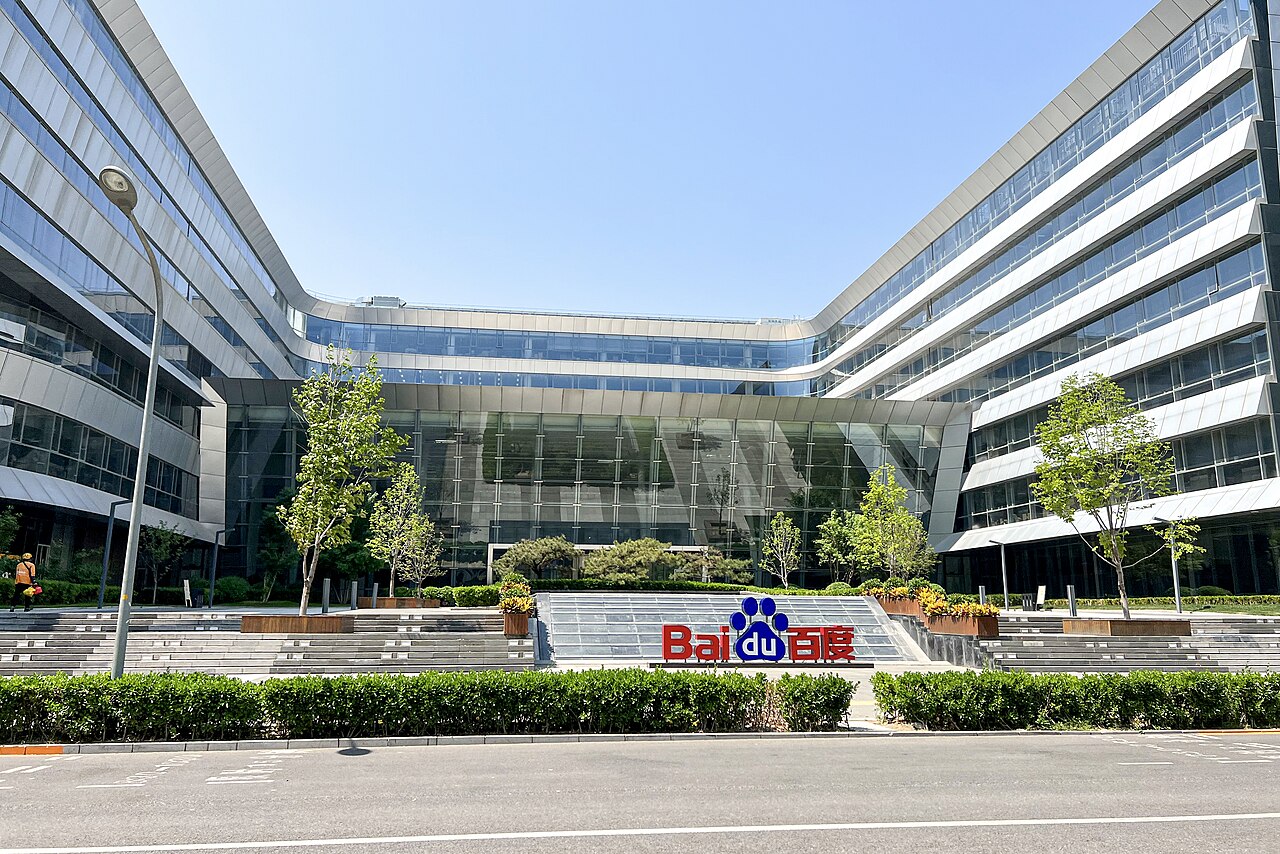
Baidu HQ

Alibaba Group Holding Ltd. shares rose more than 5% in U.S. trading Monday after the Chinese technology company unveiled its latest and most capable artificial intelligence model, reinforcing its position in the intensifying domestic and global AI competition.

The New York-listed American depositary receipts climbed $6.20, or 5.07%, to $128.45 as of early afternoon Eastern time. The advance tracked gains in the company’s Hong Kong-listed shares, which also moved higher following the announcement.

Alibaba released Qwen 3.8-Max, described as the flagship model in its Qwen series and its most powerful to date. Reports indicated the model features approximately 2.4 trillion parameters and demonstrates improved performance across programming, office applications, scientific research and complex long-cycle tasks. Company materials and market coverage positioned it as competitive with leading systems, including recent offerings from other Chinese developers and models associated with Anthropic.

Alongside the model launch, Alibaba initiated a public beta of QwenWork, an enterprise-oriented product available to individual and business users via its official website. The combination of the advanced model and the enterprise tool was cited by market participants as enhancing Alibaba’s competitive standing in AI infrastructure and applications, areas closely tied to demand for its cloud computing services.

Advertisement

The AI developments come as Alibaba continues to emphasize growth in its Cloud Intelligence Group. In its most recent reported results for the quarter and fiscal year ended March 31, 2026, the company showed solid momentum in cloud revenue even as overall group profitability faced pressure from investments in other areas. Cloud Intelligence Group revenue rose significantly year over year, with external cloud sales and AI-related product revenue recording strong expansion, including multiple consecutive quarters of triple-digit growth in AI products.

Investors have focused on the potential for AI services to drive higher-margin cloud business over time. Alibaba has invested heavily in computing capacity and model development amid competition from both domestic rivals and international players. The latest model release arrives ahead of the company’s next earnings report, expected in late August, when further details on cloud growth, AI monetization and overall profitability trends are anticipated.

Alibaba’s broader business spans e-commerce platforms such as Taobao and Tmall in China, international digital commerce, cloud computing, and various technology and logistics operations. The company has navigated a challenging environment in recent years marked by regulatory scrutiny in China, softer consumer spending at times, and geopolitical tensions affecting technology access and cross-border operations.

Shares of Alibaba and other Chinese technology companies have experienced substantial volatility. The ADRs have traded in a wide 52-week range, reflecting shifting sentiment toward Chinese equities, AI investment themes, and macroeconomic conditions. Recent sessions have shown renewed interest in names with visible AI exposure as investors rotate toward perceived value opportunities in the sector.

Advertisement

The model launch also occurs against a backdrop of rapid iteration among Chinese AI developers. Competitors have released large-scale models, and access to advanced computing resources remains a key factor. Separate reports in recent days noted Alibaba’s involvement in providing computing capacity related to other domestic AI efforts, underscoring the interconnected nature of the ecosystem.

Market reaction Monday reflected optimism that continued AI progress could support longer-term growth in high-value cloud and software services. Analysts tracking the company have pointed to cloud revenue acceleration and improving unit economics in certain investment areas as potential catalysts, though near-term results have been mixed due to spending on user acquisition, technology infrastructure and competitive initiatives such as quick commerce.

Alibaba maintains a substantial cash position that provides flexibility for ongoing research and development and capital expenditures. Management has pursued share buybacks at various points, signaling confidence in the long-term value of the business while returning capital to shareholders.

Risks remain, including regulatory developments in China and the United States, competition in both e-commerce and AI, execution on converting model capabilities into sustained revenue and margin expansion, and broader economic conditions affecting consumer and enterprise spending. Geopolitical factors and technology export restrictions continue to influence the operating environment for Chinese technology firms.

Advertisement

Nevertheless, the positive response to Qwen 3.8-Max highlighted investor appetite for concrete advancements in Alibaba’s AI portfolio. The public beta of the enterprise product adds a commercial pathway for broader adoption. As the company prepares to report its next quarterly results, attention will center on the pace of cloud growth, the contribution of AI-related offerings, and progress toward more balanced profitability across its portfolio.

Trading volume was elevated as the shares advanced, consistent with heightened interest following product news. The move added to a period of recovery for the stock from earlier lows in 2026, though it remains well below prior peaks. Broader technology and Chinese equity sentiment also provided a supportive backdrop on the day.

Alibaba’s dual focus on defending and expanding its core commerce businesses while scaling AI and cloud capabilities remains central to its strategy. The latest model release serves as a tangible milestone in that dual approach, drawing market attention to the potential upside if execution continues and demand for advanced AI infrastructure and applications holds.

Advertisement
Continue Reading

Business

Eisai Co., Ltd. (ESAIY) Q1 2027 Earnings Call Transcript

Published

on

OneWater Marine Inc. (ONEW) Q1 2026 Earnings Call Transcript